




August 4
View on Wikipediafrom Wikipedia
| << | August | >> | ||||
|---|---|---|---|---|---|---|
| Su | Mo | Tu | We | Th | Fr | Sa |
| 1 | ||||||
| 2 | 3 | 4 | 5 | 6 | 7 | 8 |
| 9 | 10 | 11 | 12 | 13 | 14 | 15 |
| 16 | 17 | 18 | 19 | 20 | 21 | 22 |
| 23 | 24 | 25 | 26 | 27 | 28 | 29 |
| 30 | 31 | |||||
| 2026 | ||||||
| August 4 in recent years |
| 2025 (Monday) |
| 2024 (Sunday) |
| 2023 (Friday) |
| 2022 (Thursday) |
| 2021 (Wednesday) |
| 2020 (Tuesday) |
| 2019 (Sunday) |
| 2018 (Saturday) |
| 2017 (Friday) |
| 2016 (Thursday) |
August 4 is the 216th day of the year (217th in leap years) in the Gregorian calendar; 149 days remain until the end of the year.
Events
[edit]Pre-1600
[edit]- 598 – Goguryeo-Sui War: In response to a Goguryeo (Korean) incursion into Liaoxi, Emperor Wéndi of Sui orders his youngest son, Yang Liang (assisted by the co-prime minister Gao Jiong), to conquer Goguryeo during the Manchurian rainy season, with a Chinese army and navy.[1]
- 1265 – Second Barons' War: Battle of Evesham: The army of Prince Edward (the future king Edward I of England) defeats the forces of rebellious barons led by Simon de Montfort, 6th Earl of Leicester, killing de Montfort and many of his allies.
- 1327 – First War of Scottish Independence: James Douglas leads a raid into Weardale and almost kills Edward III of England.
- 1578 – Battle of Al Kasr al Kebir: The Moroccans defeat the Portuguese. King Sebastian of Portugal is killed in the battle, leaving his elderly uncle, Cardinal Henry, as his heir. This initiates a succession crisis in Portugal.
1601–1900
[edit]- 1693 – Date traditionally ascribed to Dom Perignon's invention of champagne; it is not clear whether he actually invented champagne, however he has been credited as an innovator who developed the techniques used to perfect sparkling wine.
- 1701 – Great Peace of Montreal between New France and First Nations is signed.
- 1704 – War of the Spanish Succession: Gibraltar is captured by an English and Dutch fleet, commanded by Admiral Sir George Rooke and allied with Archduke Charles.
- 1781 – Fourth Anglo-Dutch War, a fleet of six East India Company ships sets sail from Fort Marlborough to raid the Dutch VOC factories on the West coast of Sumatra including the major port of Padang.[2]
- 1783 – Mount Asama erupts in Japan, killing about 1,400 people (Tenmei eruption). The eruption causes a famine, which results in an additional 20,000 deaths.
- 1789 – France: abolition of feudalism by the National Constituent Assembly.
- 1790 – A newly passed tariff act creates the Revenue Cutter Service (the forerunner of the United States Coast Guard).
- 1791 – The Treaty of Sistova is signed, ending the Ottoman–Habsburg wars.
- 1796 – French Revolutionary Wars: Napoleon leads the French Army of Italy to victory in the Battle of Lonato.
- 1814 – War of 1812: The ultimately unsuccessful Siege of Fort Erie begins as British forces attempt to recapture the fort and drive American forces out of Canada.[3]
- 1821 – The Saturday Evening Post is published for the first time as a weekly newspaper.
- 1854 – The Hinomaru is established as the official flag to be flown from Japanese ships.
- 1863 – Matica slovenská, Slovakia's public-law cultural and scientific institution focusing on topics around the Slovak nation, is established in Martin.
- 1873 – American Indian Wars: While protecting a railroad survey party in Montana, the United States 7th Cavalry, under Lieutenant Colonel George Armstrong Custer clashes for the first time with the Cheyenne and Lakota people near the Tongue River; only one man on each side is killed.
- 1887 – Granny, a sea anemone, died in Edinburgh after nearly 60 years in captivity. Her death was reported in The Scotsman and The New York Times.[4][5]
- 1889 – The Great Fire of Spokane, Washington destroys some 32 blocks of the city, prompting a mass rebuilding project.
- 1892 – The father and stepmother of Lizzie Borden are found murdered in their Fall River, Massachusetts home. She will be tried and acquitted for the crimes a year later.
1901–present
[edit]- 1914 – World War I: In response to the German invasion of Belgium, Belgium and the British Empire declare war on Germany. The United States declares its neutrality.
- 1915 – World War I: The German 12th Army occupies Warsaw during the Gorlice–Tarnów Offensive and the Great Retreat of 1915.
- 1921 – Bolshevik–Makhnovist conflict: Mikhail Frunze declares victory over the Makhnovshchina.[6]
- 1924 – Diplomatic relations between Mexico and the Soviet Union are established.
- 1936 – Prime Minister of Greece Ioannis Metaxas suspends parliament and the Constitution and establishes the 4th of August Regime.
- 1944 – The Holocaust: A tip from a Dutch informer leads the Gestapo to a sealed-off area in an Amsterdam warehouse, where they find and arrest Jewish diarist Anne Frank, her family, and four others.
- 1944 – Under the state of emergency law, the Finnish Parliament elects Marshal C. G. E. Mannerheim as the President of Finland to replace the resigned Risto Ryti.[7][8]
- 1946 – An earthquake of magnitude 8.0 hits northern Dominican Republic. One hundred are killed and 20,000 are left homeless.
- 1947 – The Supreme Court of Japan is established.
- 1964 – Civil rights movement: Civil rights workers Michael Schwerner, Andrew Goodman and James Chaney are found dead in Mississippi after disappearing on June 21.
- 1964 – Second Gulf of Tonkin Incident: U.S. destroyers USS Maddox and USS Turner Joy mistakenly report coming under attack in the Gulf of Tonkin.
- 1965 – The Constitution of the Cook Islands comes into force, giving the Cook Islands self-governing status within New Zealand.
- 1969 – Vietnam War: At the apartment of French intermediary Jean Sainteny in Paris, American representative Henry Kissinger and North Vietnamese representative Xuân Thuỷ begin secret peace negotiations. The negotiations will eventually fail.
- 1972 – Ugandan President Idi Amin announces that Uganda is no longer responsible for the care of British subjects of Asian origin, beginning the expulsions of Ugandan Asians.[9]
- 1974 – A bomb explodes in the Italicus Express train at San Benedetto Val di Sambro, Italy, killing 12 people and wounding 22.
- 1975 – The Japanese Red Army takes more than 50 hostages at the AIA Building housing several embassies in Kuala Lumpur, Malaysia. The hostages include the U.S. consul and the Swedish Chargé d'affaires. The gunmen win the release of five imprisoned comrades and fly with them to Libya.
- 1977 – U.S. President Jimmy Carter signs legislation creating the United States Department of Energy.
- 1983 – Jean-Baptiste Ouédraogo, president of the military government of Upper Volta, is ousted from power in a coup d'état led by Captain Thomas Sankara.[10]
- 1984 – The Republic of Upper Volta changes its name to Burkina Faso.
- 1987 – The Federal Communications Commission rescinds the Fairness Doctrine which had required radio and television stations to give equal time to opposing views.
- 1995 – Operation Storm, the last major battle of the Croatian War of Independence begins.
- 2006 – A massacre is carried out by Sri Lankan government forces, killing 17 employees of the French INGO Action Against Hunger (known internationally as Action Contre la Faim, or ACF).
- 2007 – NASA's Phoenix Mars lander is launched.
- 2018 – Syrian civil war: The Syrian Democratic Forces (SDF) expel the Islamic State of Iraq and the Levant (ISIL) from the Iraq–Syria border, concluding the second phase of the Deir ez-Zor campaign.[11]
- 2018 – Crisis in Venezuela: Seven people are injured when two drones detonate explosives on Avenida Bolívar, Caracas while president Nicolás Maduro is giving a speech to the Venezuelan National Guard.[12]
- 2019 – Nine people are killed and 26 injured in a shooting in Dayton, Ohio. This comes only 13 hours after another mass shooting in El Paso, Texas, where 23 people were killed.[13][14]
- 2020 – Beirut Port explosion: At least 220 people are killed and over 5,000 are wounded when 2,700 tons of ammonium nitrate explodes in Beirut, Lebanon.[15]
Births
[edit]Pre-1600
[edit]- 1222 – Richard de Clare, 6th Earl of Gloucester, English soldier (died 1262)
- 1281 – Külüg Khan, Emperor Wuzong of Yuan (died 1311)
- 1290 – Leopold I, Duke of Austria (died 1326)
- 1463 – Lorenzo di Pierfrancesco de' Medici, Florentine patron of the arts (died 1503)[16]
- 1469 – Margaret of Saxony, Duchess of Brunswick-Lüneburg (died 1528)
- 1470 – Bernardo Dovizi, Italian cardinal (died 1520)[17]
- 1470 – Lucrezia de' Medici, Italian noblewoman (died 1553)[18]
- 1521 – Pope Urban VII (died 1590)[19]
- 1522 – Udai Singh II, King of Mewar (died 1572)[20]
1601–1900
[edit]- 1604 – François Hédelin, abbé d'Aubignac, French cleric and author (died 1676)
- 1623 – Friedrich Casimir, Count of Hanau-Lichtenberg (1641–1680) and Hanau-Münzenberg (1642–1680) (died 1685)
- 1701 – Thomas Blackwell, Scottish historian and scholar (died 1757)
- 1704 – Louis d'Orléans, Duke of Orléans (died 1752)
- 1719 – Johann Gottlob Lehmann, German mineralogist and geologist (died 1767)
- 1721 – Granville Leveson-Gower, 1st Marquess of Stafford, English politician, Lord President of the Council (died 1803)
- 1755 – Nicolas-Jacques Conté, French soldier, painter, balloonist, and inventor (died 1805)
- 1792 – Percy Bysshe Shelley, English poet and playwright (died 1822)
- 1805 – William Rowan Hamilton, Irish physicist, astronomer, and mathematician (died 1865)
- 1821 – Louis Vuitton, French fashion designer, founded Louis Vuitton (died 1892)
- 1821 – James Springer White, American religious leader, co-founded the Seventh-day Adventist Church (died 1881)
- 1834 – John Venn, English mathematician and philosopher (died 1923)
- 1836 – Jens Vilhelm Dahlerup, Danish architect (died 1907)
- 1839 – Walter Pater, English author, critic, and academic (died 1894)
- 1844 – Henri Berger, German composer and bandleader (died 1929)
- 1853 – John Henry Twachtman, American painter, etcher, and academic (died 1902)
- 1859 – Knut Hamsun, Norwegian novelist, poet, and playwright, Nobel Prize laureate (died 1952)
- 1861 – Daniel Edward Howard, 16th president of Liberia (died 1935)[21]
- 1867 – Jake Beckley, American baseball player and coach (died 1918)
- 1868 – Master C. V. V., Indian philosopher, yogi and guru (died 1922)
- 1870 – Harry Lauder, Scottish actor and singer (died 1950)
- 1871 – William Holman, English-Australian politician, 19th Premier of New South Wales (died 1934)
- 1876 – Giovanni Giuriati, Italian lawyer and politician (died 1970)
- 1876 – John Scaddan, Australian politician, 10th Premier of Western Australia (died 1934)
- 1877 – Dame Laura Knight, English artist (died 1970)[22]
- 1884 – Béla Balázs, Hungarian poet and critic (died 1949)
- 1884 – Henri Cornet, French cyclist (died 1941)
- 1887 – Albert M. Greenfield, Ukrainian-American businessman and philanthropist (died 1967)
- 1888 – Taher Saifuddin, Indian religious leader, 51st Da'i al-Mutlaq (died 1965)
- 1890 – Dolf Luque, Cuban baseball player and manager (died 1957)
- 1893 – Fritz Gause, German historian and curator (died 1973)
- 1898 – Ernesto Maserati, Italian race car driver and engineer (died 1975)
- 1899 – Ezra Taft Benson, American religious leader, 13th President of The Church of Jesus Christ of Latter-day Saints (died 1994)
- 1900 – Queen Elizabeth the Queen Mother of the United Kingdom (died 2002)
1901–present
[edit]- 1901 – Louis Armstrong, American trumpet player and singer (died 1971)[23]
- 1902 – Bill Hallahan, American baseball player (died 1981)[24]
- 1904 – Witold Gombrowicz, Polish author and playwright (died 1969)[25]
- 1905 – Abeid Karume, 1st President of Zanzibar (died 1972)[26]
- 1906 – Eugen Schuhmacher, German zoologist, director, and producer (died 1973)
- 1908 – Kurt Eichhorn, German conductor (died 1994)
- 1909 – Glenn Cunningham, American runner and academic (died 1988)
- 1910 – Anita Page, American actress (died 2008)[27]
- 1910 – William Schuman, American composer and educator (died 1992)[28]
- 1910 – Hedda Sterne, Romanian-American painter and photographer (died 2011)[29]
- 1912 – Aleksandr Danilovich Aleksandrov, Russian mathematician, physicist, and mountaineer (died 1999)
- 1912 – David Raksin, American composer and educator (died 2004)[30]
- 1912 – Raoul Wallenberg, Swedish architect and diplomat, savior of thousands of Jews from The Holocaust (died ~1947)[31]
- 1913 – Wesley Addy, American actor (died 1996)
- 1913 – Robert Hayden, American poet and educator (died 1980)
- 1915 – Warren Avis, American businessman, founded Avis Rent a Car System (died 2007)
- 1917 – John Fitch, American race car driver and engineer (died 2012)
- 1918 – Brian Crozier, Australian-English historian and journalist (died 2012)
- 1919 – Michel Déon, French novelist, playwright, and critic (died 2016)
- 1920 – Helen Thomas, American journalist and author (died 2013)[32]
- 1921 – Herb Ellis, American guitarist (died 2010)
- 1921 – Maurice Richard, Canadian ice hockey player and coach (died 2000)[33]
- 1922 – Mayme Agnew Clayton, American librarian (died 2006)[34]
- 1922 – Luis Aponte Martínez, Puerto Rican cardinal (died 2012)
- 1926 – George Irving Bell, American physicist, biologist, and mountaineer (died 2000)
- 1926 – Perry Moss, American football player and coach (died 2014)
- 1928 – Gerard Damiano, American director, producer, and screenwriter (died 2008)
- 1928 – Nadežka Mosusova, Serbian composer
- 1928 – Clarke Reed, American businessman and politician (died 2024)[35]
- 1929 – Kishore Kumar, Indian singer-songwriter and actor (died 1987)
- 1929 – Vellore G. Ramabhadran, Mridangam artiste from Tamil Nadu, India (died 2012)
- 1930 – Ali al-Sistani, Iranian-Iraqi cleric and scholar
- 1931 – Naren Tamhane, Indian cricketer (died 2002)
- 1932 – Frances E. Allen, American computer scientist and academic (died 2020)
- 1932 – Liang Congjie, Chinese environmentalist, founded Friends of Nature (died 2010)
- 1934 – Dallas Green, American baseball player and manager (died 2017)
- 1935 – Carol Arthur, American actress and producer (died 2020)
- 1935 – Hans-Walter Eigenbrodt, German footballer and coach (died 1997)
- 1935 – Michael J. Noonan, Irish farmer and politician, 25th Minister of Defence for Ireland (died 2013)
- 1936 – Giorgos Zographos, Greek singer and actor (died 2005)
- 1937 – David Bedford, English keyboard player, composer, and conductor (died 2011)
- 1938 – Ellen Schrecker, American historian and academic
- 1939 – Jack Cunningham, Baron Cunningham of Felling, English politician, Minister for the Cabinet Office
- 1939 – Frankie Ford, American R&B/rock and roll singer (died 2015)
- 1940 – Coriún Aharonián, Uruguayan composer and musicologist (died 2017)[36]
- 1940 – Robin Harper, Scottish academic and politician
- 1940 – Larry Knechtel, American bass player and pianist (died 2009)
- 1940 – Frances Stewart, English economist and academic
- 1940 – Timi Yuro, American singer-songwriter (died 2004)
- 1941 – Martin Jarvis, English actor
- 1941 – Andy Smillie, English footballer
- 1941 – Cliff Nobles, American musician (died 2008)[37]
- 1941 – Ted Strickland, American psychologist and politician, 68th Governor of Ohio
- 1942 – Don S. Davis, American actor (died 2008)[38]
- 1942 – Cleon Jones, American baseball player
- 1942 – David Lange, New Zealand lawyer and politician, 32nd Prime Minister of New Zealand (died 2005)
- 1943 – Vicente Álvarez Areces, Spanish politician, 6th President of the Principality of Asturias (died 2019)
- 1943 – Barbara Saß-Viehweger, German politician, lawyer and civil law notary
- 1943 – Bjørn Wirkola, Norwegian ski jumper and footballer
- 1944 – Richard Belzer, American actor (died 2023)
- 1944 – Doudou Ndoye, Senegalese lawyer and politician
- 1945 – Paul McCarthy, American painter and sculptor
- 1945 – Alan Mulally, American engineer and businessman
- 1946 – Aleksei Turovski, Estonian zoologist and ethologist
- 1947 – Klaus Schulze, German keyboard player and songwriter (died 2022)
- 1948 – Johnny Grubb, American baseball player and coach
- 1949 – John Riggins, American football player, sportscaster, and actor
- 1950 – Caldwell Jones, American basketball player and coach (died 2014)
- 1950 – N. Rangaswamy, Indian lawyer and politician, 9th Chief Minister of Puducherry
- 1951 – Peter Goodfellow, English geneticist and academic[39]
- 1952 – James Arbuthnot, English lawyer and politician, Secretary of State for Business, Innovation and Skills
- 1952 – Moya Brennan, Irish singer-songwriter and harp player
- 1952 – Gábor Demszky, Hungarian sociologist, lawyer, and politician
- 1953 – Hiroyuki Usui, Japanese footballer and manager
- 1954 – Anatoliy Kinakh, Ukrainian engineer and politician, 11th Prime Minister of Ukraine
- 1954 – Steve Phillips, English footballer
- 1954 – François Valéry, Algerian-French singer-songwriter
- 1955 – Alberto Gonzales, American soldier, lawyer, and politician, 80th United States Attorney General
- 1955 – Billy Bob Thornton, American actor, director, and screenwriter
- 1957 – Rupert Farley, British actor and voice actor
- 1957 – Brooks D. Simpson, American historian and author
- 1957 – Valdis Valters, Latvian basketball player and coach
- 1957 – John Wark, Scottish footballer and sportscaster
- 1958 – Allison Hedge Coke, American-Canadian poet and academic
- 1958 – Mary Decker, American runner
- 1958 – Silvan Shalom, Tunisian-Israeli sergeant and politician, 30th Deputy Prime Minister of Israel
- 1958 – Brian Voss, American bowler[40]
- 1959 – Robbin Crosby, American guitarist and songwriter (died 2002)
- 1959 – John Gormley, Irish politician, Minister for the Environment, Community and Local Government
- 1960 – Chuck C. Lopez, American jockey
- 1960 – Dean Malenko, American wrestler[41]
- 1960 – José Luis Rodríguez Zapatero, Spanish academic and politician, 5th Prime Minister of Spain
- 1960 – Bernard Rose, English director, screenwriter, and cinematographer
- 1960 – Tim Winton, Australian author and playwright
- 1961 – Barack Obama, American lawyer and politician, 44th President of the United States, Nobel Prize laureate[42]
- 1962 – Roger Clemens, American baseball player and actor
- 1962 – Paul Reynolds, English singer-songwriter and guitarist
- 1963 – Keith Maurice Ellison, 30th Attorney General of Minnesota
- 1964 – Andrew Bartlett, Australian social worker and politician
- 1965 – Vishal Bhardwaj, Indian film director, screenwriter, producer, music composer and playback singer[43][44]
- 1965 – Adam Afriyie, English businessman and politician
- 1965 – Dennis Lehane, American author, screenwriter, and producer
- 1965 – Fredrik Reinfeldt, Swedish soldier and politician, 42nd Prime Minister of Sweden[45]
- 1965 – Michael Skibbe, German footballer and manager
- 1967 – Michael Marsh, American sprinter
- 1968 – Daniel Dae Kim, South Korean-American actor
- 1968 – Lee Mack, English comedian, actor, producer, and screenwriter
- 1969 – Max Cavalera, Brazilian singer-songwriter and guitarist
- 1970 – John August, American director and screenwriter
- 1970 – Bret Baier, American journalist
- 1970 – Kate Silverton, English journalist
- 1971 – Jeff Gordon, American race car driver and actor
- 1972 – Stefan Brogren, Canadian actor, director, producer, and screenwriter
- 1973 – Eva Amaral, Spanish singer-songwriter and guitarist
- 1973 – Xavier Marchand, French swimmer
- 1973 – Marek Penksa, Slovak footballer
- 1973 – Marcos Roberto Silveira Reis, Brazilian footballer
- 1974 – Kily González, Argentine footballer
- 1975 – Andy Hallett, American actor and singer (died 2009)[46]
- 1975 – Nikos Liberopoulos, Greek footballer
- 1975 – Jutta Urpilainen, Finnish politician, Deputy Prime Minister of Finland
- 1975 – Daniella van Graas, Dutch model and actress
- 1976 – Paul Goldstein, American tennis player[47]
- 1976 – Andrew McLeod, Australian footballer
- 1976 – Trevor Woodman, English rugby player and coach
- 1977 – Frankie Kazarian, American wrestler
- 1977 – Luís Boa Morte, Portuguese footballer and manager
- 1978 – Jeremy Adduono, Canadian ice hockey player and coach
- 1978 – Luke Allen, American baseball player (died 2022)
- 1978 – Kurt Busch, American race car driver
- 1978 – Agnė Eggerth, Lithuanian sprinter
- 1978 – Ricardo Serrano, Spanish cyclist
- 1978 – Per-Åge Skrøder, Norwegian ice hockey player
- 1978 – Satoshi Hino, Japanese voice actor
- 1979 – Robin Peterson, South African cricketer
- 1980 – Richard Dawson, English cricketer and coach
- 1981 – Marques Houston, American singer-songwriter, producer, and actor
- 1981 – Meghan, Duchess of Sussex, American member of British royal family, media personality and actress[48]
- 1983 – Greta Gerwig, American actress, producer, and screenwriter
- 1984 – Terry Campese, Australian rugby league player
- 1984 – Mardy Collins, American basketball player
- 1985 – Crystal Bowersox, American singer-songwriter and guitarist
- 1985 – Robbie Findley, American soccer player
- 1985 – Mark Milligan, Australian footballer
- 1985 – Ha Seung-jin, South Korean basketball player
- 1985 – Antonio Valencia, Ecuadorean footballer
- 1986 – Nick Augusto, American drummer
- 1986 – Leon Camier, English motorcycle racer
- 1986 – Cicinho, Brazilian footballer
- 1986 – Iosia Soliola, New Zealand-Samoan rugby league player
- 1986 – David Williams, Australian rugby league player
- 1987 – Marreese Speights American basketball player
- 1988 – Kelley O'Hara, American soccer player[49]
- 1989 – Jessica Mauboy, Australian singer-songwriter and actress[50]
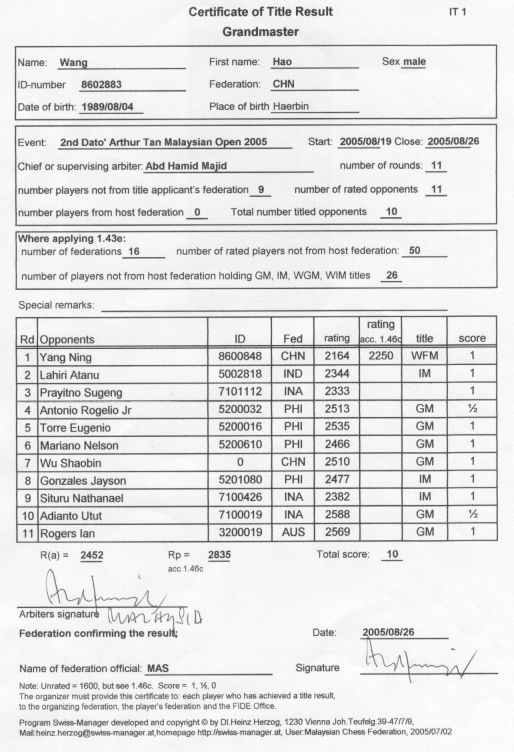
- 1989 – Wang Hao, Chinese chess grandmaster[51]
- 1992 – Daniele Garozzo, Italian fencer[52]
- 1992 – Domingo Germán, Dominican baseball player[53]
- 1992 – Cole Sprouse, American actor[54]
- 1992 – Dylan Sprouse, American actor[54]
- 1994 – Bobby Shmurda, American rapper[55]
- 1995 – Bruna Marquezine, Brazilian actress
- 1998 – Lil Skies, American rapper[56]
Deaths
[edit]Pre-1600
[edit]- 221 – Lady Zhen, Chinese empress (born 183)
- 966 – Berengar II of Italy (born 900)
- 1060 – Henry I of France (born 1008)
- 1113 – Gertrude of Saxony, countess and regent of Holland (born c. 1030)[57]
- 1265 - Casualties of the Battle of Eversham
- Peter de Montfort, English politician (born 1215)
- Henry de Montfort (born 1238)
- Simon de Montfort, 6th Earl of Leicester, French-English soldier and politician, Lord High Steward (born 1208)
- Hugh le Despencer, 1st Baron le Despencer, English politician (born 1223)
- 1266 – Eudes of Burgundy, Count of Nevers (born 1230)
- 1306 – Wenceslaus III of Bohemia (born 1289)[58]
- 1345 – As-Salih Ismail, Sultan of Egypt (born 1326)
- 1378 – Galeazzo II Visconti, Lord of Milan (born c. 1320)
- 1430 – Philip I, Duke of Brabant (born 1404)
- 1526 – Juan Sebastián Elcano, Spanish explorer and navigator (born 1476)
- 1578 – Sebastian of Portugal (born 1554)
- 1598 – William Cecil, 1st Baron Burghley, English academic and politician, Lord High Treasurer (born 1520)
1601–1900
[edit]- 1612 – Hugh Broughton, English scholar and theologian (born 1549)
- 1639 – Juan Ruiz de Alarcón, Mexican actor and playwright (born 1581)
- 1718 – René Lepage de Sainte-Claire, French-Canadian founder of Rimouski (born 1656)
- 1727 – Victor-Maurice, comte de Broglie, French general (born 1647)
- 1741 – Andrew Hamilton, Scottish-American lawyer and politician (born 1676)[59]
- 1778 – Pierre de Rigaud, Marquis de Vaudreuil-Cavagnial, Canadian-French politician, Governor General of New France (born 1698)
- 1792 – John Burgoyne, English general and politician (born 1723)
- 1795 – Timothy Ruggles, American lawyer, jurist, and politician (born 1711)
- 1804 – Adam Duncan, 1st Viscount Duncan, Scottish admiral (born 1731)
- 1822 – Kristjan Jaak Peterson, Estonian poet and author (born 1801)
- 1844 – Jacob Aall, Norwegian economist, historian, and politician (born 1773)
- 1859 – John Vianney, French priest and saint (born 1786)
- 1873 – Viktor Hartmann, Russian architect and painter (born 1834)
- 1875 – Hans Christian Andersen, Danish novelist, short story writer, and poet (born 1805)
- 1886 – Samuel J. Tilden, American lawyer and politician, 25th Governor of New York (born 1814)[60]
- 1900 – Isaac Levitan, Russian painter and educator (born 1860)
1901–present
[edit]- 1914 – Jules Lemaître, French playwright and critic (born 1853)
- 1919 – Dave Gregory, Australian cricketer and umpire (born 1845)
- 1922 – Enver Pasha, Ottoman general and politician (born 1881)
- 1932 – Alfred Henry Maurer, American painter (born 1868)
- 1938 – Pearl White, American actress (born 1889)
- 1940 – Ze'ev Jabotinsky, Ukrainian-American general, journalist, and activist (born 1880)
- 1941 – Mihály Babits, Hungarian poet and author (born 1883)
- 1942 – Alberto Franchetti, Italian composer and educator (born 1860)
- 1944 – Krzysztof Kamil Baczyński, Polish soldier and poet (born 1921)
- 1957 – John Cain Sr., Australian politician, 34th Premier of Victoria (born 1882)
- 1957 – Washington Luís, Brazilian lawyer and politician, 13th President of Brazil (born 1869)
- 1958 – Ethel Anderson, Australian poet, author, and painter (born 1883)[61]
- 1959 – József Révai, Hungarian politician, Hungarian Minister of Education (born 1898)
- 1961 – Margarito Bautista, Nahua-Mexican evangelizer, theologian, and religious founder (born 1878)[62]
- 1962 – Marilyn Monroe, American model and actress (born 1926)
- 1964 – Nätti-Jussi, Finnish lumberjack and forest laborer (born 1890)[63]
- 1967 – Peter Smith, English cricketer (born 1908)
- 1976 – Enrique Angelelli, Argentinian bishop and martyr (born 1923)
- 1976 – Roy Thomson, 1st Baron Thomson of Fleet, Canadian-English publisher (born 1894)
- 1977 – Edgar Adrian, 1st Baron Adrian, English physiologist and academic, Nobel Prize laureate (born 1889)
- 1981 – Melvyn Douglas, American actor (born 1901)
- 1982 – Bruce Goff, American architect, designed the Boston Avenue Methodist Church (born 1904)
- 1985 – Don Whillans, English rock climber and mountaineer (born 1933)
- 1990 – Ettore Maserati, Italian engineer and businessman (born 1894)
- 1992 – Seichō Matsumoto, Japanese author (born 1909)
- 1996 – Geoff Hamilton, English gardener, author, and television host (born 1936)
- 1997 – Jeanne Calment, French super-centenarian; holds records for the world's substantiated longest-lived person (born 1875)
- 1998 – Yury Artyukhin, Russian colonel, engineer, and astronaut (born 1930)
- 1999 – Victor Mature, American actor (born 1913)
- 2003 – Frederick Chapman Robbins, American pediatrician and virologist, Nobel Prize laureate (born 1916)
- 2004 – Mary Sherman Morgan, American chemist and engineer (born 1921)
- 2004 – Hossein Panahi (Persian: حسین پناهی), Iranian actor and poet (born 1956)
- 2005 – Anatoly Larkin, Russian-American physicist and theorist (born 1932)
- 2005 – Iván Szabó, Hungarian economist and politician, Minister of Finance of Hungary (born 1934)
- 2007 – Lee Hazlewood, American singer-songwriter and producer (born 1929)
- 2007 – Raul Hilberg, Austrian-American political scientist and historian (born 1926)
- 2008 – Craig Jones, English motorcycle racer (born 1985)
- 2009 – Blake Snyder, American screenwriter and producer (born 1957)
- 2011 – Naoki Matsuda, Japanese footballer (born 1977)
- 2012 – Johnnie Bassett, American singer-songwriter and guitarist (born 1935)
- 2012 – Brian Crozier, Australian-English journalist and historian (born 1918)
- 2012 – Bud Riley, American football player and coach (born 1925)
- 2013 – Keith H. Basso, American anthropologist and academic (born 1940)
- 2013 – Art Donovan, American football player and radio host (born 1925)
- 2013 – Olavi J. Mattila, Finnish engineer and politician, Finnish Minister of Foreign Affairs (born 1918)
- 2013 – Renato Ruggiero, Italian lawyer and politician, Italian Minister of Foreign Affairs (born 1930)[64]
- 2013 – Tony Snell, English lieutenant and pilot (born 1922)[65]
- 2013 – Sandy Woodward, English admiral (born 1932)[66]
- 2014 – James Brady, American activist and politician, 15th White House Press Secretary (born 1940)[67]
- 2014 – Chester Crandell, American lawyer and politician (born 1946)[68]
- 2014 – Jake Hooker, Israeli-American guitarist and songwriter (born 1953)[69]
- 2015 – Elsie Hillman, American philanthropist and politician (born 1925)[70]
- 2015 – Les Munro, New Zealand soldier and pilot (born 1919)[71]
- 2015 – John Rudometkin, American basketball player (born 1940)[72]
- 2015 – Billy Sherrill, American songwriter and producer (born 1936)[73]
- 2019 – Nuon Chea, Cambodian politician and theorist for the Khmer Rouge (born 1926)[74]
- 2023 – Dalia Fadila, Israeli educator (born 1971/1972)[75]
- 2024 – Charles Cyphers, American actor (born 1939)[76]
- 2024 – Tsung-Dao Lee, Chinese-American physicist and academic, Nobel Prize laureate (born 1926)[77]
- 2024 – Duane Thomas, American football player (born 1947)[78]
Holidays and observances
[edit]- Christian feast day:
- Coast Guard Day (United States)
- Constitution Day (Cook Islands); first Monday in August[79]
- Matica slovenská Day (Slovakia)
- Barack Obama Day in Illinois in the United States
- 2020 Beirut explosion commemoration day in Lebanon
References
[edit]- ^ Samguk Sagi, Vol. 20.
- ^ "The English Connection with Sumatra". Imperial and Asiatic Quarterly Review and Oriental and Colonial Record: 427. 1968.
- ^ "Siege of Fort Erie". battlefields.org. American Battlefield Trust. Retrieved August 5, 2025.
- ^ "In Memoriam – Granny". The Scotsman. Edinburgh. 11 October 1887. p. 5. Archived from the original on 21 July 2021. Retrieved 21 July 2021.
- ^ "An Aged Sea Anemone". New York Times. 2 November 1887. p. 2. Archived from the original on 19 July 2021. Retrieved 19 July 2021.
- ^ Malet, Michael (1982). Nestor Makhno in the Russian Civil War. London]: Palgrave Macmillan. p. 79. ISBN 978-0-333-25969-6. OCLC 8514426.
- ^ "Mannerheim". Suomen presidentit (in Finnish). Retrieved 2023-08-09.
- ^ "Suomen presidentit – sarja: Mannerheim oli väärän ajan päämies". Artikkelit (in Finnish). Apu–lehti. December 6, 2017. Retrieved August 3, 2021.
- ^ Jørgensen, Jan Jelmert (1981), Uganda: a modern history, Taylor & Francis, pp. 285–290, ISBN 978-0-85664-643-0
- ^ "13 Killed in Coup in Upper Volta". The New York Times. August 6, 2023. Retrieved January 6, 2023.
- ^ Leith Aboufadel (4 August 2018). "ISIS fully expelled from Syria-Iraq border". Al-Masdar News. Archived from the original on 4 August 2018. Retrieved 4 August 2018.
- ^ Daniels, Joe Parkin (5 August 2018). "Venezuela's Nicolás Maduro survives apparent assassination attempt". The Guardian. ISSN 0261-3077. Archived from the original on 5 October 2023. Retrieved 5 August 2018.
- ^ Ivanna Kottasova (August 4, 2019). "Mass shooting in Dayton, Ohio". CNN. Retrieved August 4, 2019.
- ^ "El Paso Shooting Victim Dies Months Later, Death Toll Now 23". The New York Times. April 26, 2020. Retrieved April 26, 2020.
- ^ "Beirut explosion: Lebanon's government 'to resign' as death toll rises". BBC. 10 August 2020. Retrieved August 11, 2020.
- ^ "MEDICI, Lorenzo de'". Dizionario Biografico degli Italiani (in Italian). Retrieved 2025-03-10.
- ^ "DOVIZI, Bernardo, detto il Bibbiena". Dizionario Biografico degli Italiani (in Italian). Retrieved 2025-03-10.
- ^ "MEDICI, Lucrezia de'". Dizionario Biografico degli Italiani (in Italian). Retrieved 2025-03-10.
- ^ "URBANO VII, papa". Dizionario Biografico degli Italiani (in Italian). Retrieved 2025-03-10.
- ^ Congress, Indian History (1974). Proceedings - Indian History Congress, Volume 35. p. 142. Retrieved 2025-03-10.
- ^ Dunn, Elwood D.; Beyan, Amos J.; Burrowes, Carl Patrick (2000). Historical Dictionary of Liberia. Lanham, MD: Scarecrow Press. pp. 167–168. ISBN 9781461659310.
- ^ "Knight [née Johnson], Dame Laura". Oxford Dictionary of National Biography (online ed.). Oxford University Press. doi:10.1093/ref:odnb/34349. (Subscription, Wikipedia Library access or UK public library membership required.)
- ^ Gary Giddins (2001). Satchmo: The Genius of Louis Armstrong. Da Capo. p. 21. ISBN 978-0-306-81013-8.
- ^ Wolf, Gregory H. "Bill Hallahan". sabr.org. Society for American Baseball Research. Retrieved 2025-03-10.
- ^ "Witold Gombrowicz". Culture.pl. Retrieved 2025-03-10.
- ^ Annie Smyth; Adam Seftel (1998). Tanzania: the story of Julius Nyerere through the pages of Drum. Mkuki na Nyota Publishers. ISBN 9789970021536.
- ^ Gary D. Keller (1997). A Biographical Handbook of Hispanics and United States Film. Bilingual Press/Editorial Bilingüe. ISBN 978-0-927534-65-9.
- ^ "William Schuman". The Kennedy Center. Retrieved 2025-03-10.
- ^ McNay, Michael (2011-04-14). "Hedda Sterne obituary". the Guardian. Retrieved 2025-03-10.
- ^ Communist infiltration of Hollywood motion-picture industry. 1951.
- ^ "Raoul Wallenberg and the Rescue of Jews in Budapest". Holocaust Encyclopedia. Retrieved 2025-03-10.
- ^ "Helen Thomas Fast Facts". CNN. 5 May 2017. Retrieved 31 July 2020.
- ^ "Maurice "Rocket" Richard". The Canadian Encyclopedia. Retrieved 2025-03-10.
- ^ Kerr, Leah M. (Fall 2013). "Collectors' Contributions to Archiving Early Black Films". Black Camera: 283–284.
- ^ Risen, Clay (December 12, 2024). "Clarke Reed, Who Helped the G.O.P. Conquer the South, Dies at 96". The New York Times. ISSN 0362-4331. Retrieved January 5, 2025.
- ^ Herrera, Eduardo (2016). "Aharonián, Coriún (1940–)". Routledge Encyclopedia of Modernism. doi:10.4324/9781135000356-REM1071-1. ISBN 9781135000356.
- ^ [1] Archived March 5, 2012, at the Wayback Machine
- ^ Burson, Jeff (July 6, 2008). "Stargate and Twin Peaks Actor Don S. Davis". Birmingham Star. Retrieved August 4, 2018.
- ^ Goodfellow, Prof. Peter Neville. Who's Who 2018. doi:10.1093/ww/9780199540884.013.U17486. ISBN 978-0-19-954088-4. Retrieved 2 November 2018.
- ^ "The Natural", an interview with Brian Voss in Bowling Digest, February 2002.
- ^ Thomas, Jeremy (4 August 2020). "AEW News: Dean Malenko Wished a Happy Birthday, Matt Cardona On AEW Deal, Sonny Kiss AEW Unrestricted Video". 411Mania. Retrieved 5 August 2023.
- ^ "President Barack Obama". The White House. 26 October 2009. Archived from the original on 26 October 2009. Retrieved 1 August 2020.
- ^ "Vishal Bhardwaj Songs, Albums, Reviews, Bio & More". AllMusic.
- ^ "Vishal Bhardwaj birthday special: His films, views and upcoming projects". Free Press Journal.
- ^ "Factbox – Swedish PM Fredrik Reinfeldt". Reuters. 26 June 2009. Retrieved 1 August 2020.
- ^ Blankstein, Andrew; Muskal, Michael (April 1, 2009). "Andy Hallett, actor appeared in 'Angel' dies at 33". Los Angeles Times. Archived from the original on 2 April 2009. Retrieved May 20, 2025.
- ^ "Paul Goldstein | Overview | ATP Tour | Tennis". ATP Tour.
- ^ "Profile: Duchess of Sussex". BBC News. 2016-11-08. Retrieved 2025-03-10.
- ^ "Kelley O'Hara USWNT | U.S. Soccer Official Website". www.ussoccer.com. Retrieved 2021-01-14.
- ^ "Jessica Mauboy Biography". AllMusic. Retrieved 2025-03-12.
- ^ "GM norm certificate". FIDE. Retrieved 2025-03-12.
- ^ "Daniele Garozzo". Olympedia. Retrieved 2025-03-12.
- ^ "Domingo Germán". Major League Baseball. Retrieved 5 August 2023.
- ^ a b Editors of Chase's (2018). Chase's Calendar of Events 2019: The Ultimate Go-to Guide for Special Days, Weeks and Months. Rowman & Littlefield. p. 399. ISBN 978-1-64143-264-1.
- ^ "Bobby Shmurda". Apple Music. Retrieved August 2, 2024.
- ^ "Lil Skies Finds His Truth On 'Unbothered': 'I Always Feel The Pressure'". MTV. Archived from the original on January 5, 2023. Retrieved 2023-01-17.
- ^ Vice, Tyranny, Violence, and the Usurpation of Flanders (1071) in Flemish Historiography from 1093 to 1294, Jeff Rider, Violence and the Writing of History in the Medieval Francophone World, ed. Noah D. Guynn, Zrinka Stahuljak, (Boydell & Brewer, 2013), 65.
- ^ The Shorter Cambridge. CUP Archive. p. 742.
- ^ Nix, Foster C. (July 1964). "Andrew Hamilton's Early Years in the American Colonies". The William and Mary Quarterly. 21 (3): 390–407. doi:10.2307/1918453. ISSN 0043-5597. JSTOR 1918453.
- ^ "Tilden Dead. The Great Statesman Passes Away". Los Angeles Herald. California Digital Newspaper Collection. 5 August 1886. Retrieved 2 August 2020.
- ^ *Adelaide, Debra (1986). Australian Women Writers: A Bibliographic Guide. London: Pandora. p. 3. ISBN 978-0-86358-148-9.
- ^ Murphy, Thomas W. (Fall 2000). "Other Mormon Histories: Lamanite Subjectivity in Mexico". Journal of Mormon History. 26 (2): 179–214. JSTOR 23288220.
- ^ "Nätti-Jussi". Rovaniemi.fi (in Finnish). Archived from the original on 2015-05-13. Retrieved 31 August 2022.
- ^ "WTO | 2013 Press Releases – Renato Ruggiero, Former Director-General, Dies in Milan – Press/693". www.wto.org. Retrieved 2023-08-09.
- ^ Smith, Anthony (2013-08-21). "Tony Snell obituary". The Guardian. ISSN 0261-3077. Retrieved 2023-08-09.
- ^ "Falklands War admiral Sandy Woodward dies aged 81". BBC News. 2013-08-05. Retrieved 2023-08-09.
- ^ Barron, James (2014-08-04). "Taking a Bullet, Gaining a Cause: James S. Brady Dies at 73 (Published 2014)". The New York Times. Retrieved 2023-08-09.
- ^ "State Sen. Chester Crandell found dead". The Arizona Republic. Retrieved 2023-08-09.
- ^ Kelley, Ken (2014-08-07). "Jake Hooker, Co-Author of 'I Love Rock 'n' Roll,' Dies at 61". Ultimate Classic Rock. Retrieved 2023-08-09.
- ^ "Elsie Hillman, Who Bolstered Moderate Republicans, Dies at 89 (Published 2015)". The New York Times. 2015-08-06. Retrieved 2023-08-09.
- ^ "Dambusters pilot Les Munro dies in New Zealand aged 96". BBC News. 2015-08-04. Retrieved 2023-08-09.
- ^ Hiserman, Mike (2015-08-06). "John Rudometkin, USC basketball All-American, succumbs to lung disease at 75". Los Angeles Times. Retrieved 2023-08-09.
- ^ Caramanica, Jon (2015-08-11). "Billy Sherrill, Producer, Dies at 78; Promoted a 'Countrypolitan' Sound (Published 2015)". The New York Times. Retrieved 2023-08-09.
- ^ "Khmer Rouge leader Nuon Chea dies at 93". CNN. August 5, 2019. Retrieved August 5, 2019.
- ^ "Visionary educator Dalia Fadila, Presidential Medal of Honor winner, drowns at 51". The Times of Israel. 5 August 2023. ISSN 0040-7909. Retrieved 2023-08-09.
- ^ Zee, Michaela (2024-08-06). "Charles Cyphers, 'Halloween' Actor, Dies at 85". Variety. Retrieved 2024-08-08.
- ^ "Nobel Prize-winning physicist Tsung-Dao Lee has died at age 97". NPR. August 6, 2024. Retrieved August 6, 2024.
- ^ Sandomir, Richard (2024-08-08). "Duane Thomas, Enigmatic Running Back for the Cowboys, Dies at 77". The New York Times. ISSN 0362-4331. Retrieved 2024-08-14.
- ^ Agency, United States Central Intelligence; Office, Government Publications (2016). The World Factbook 2016–17. Government Printing Office. ISBN 9780160933271.
External links
[edit]
Wikimedia Commons has media related to August 4.
- "On This Day". BBC.
- The New York Times: On This Day
- "Historical Events on August 4". OnThisDay.com.
August 4
View on Grokipediafrom Grokipedia
Events
Pre-1600
On August 4, 1265, the Battle of Evesham in Worcestershire, England, resulted in the deaths of several prominent baronial leaders opposing King Henry III, decisively ending the Second Barons' War. Simon de Montfort, 6th Earl of Leicester, the rebellion's chief architect, was killed during the rout of his outnumbered forces by royal troops under Prince Edward (later Edward I). Contemporary accounts describe de Montfort being struck by arrows and lances before being hacked to death and decapitated, with his body dismembered and parts distributed as trophies, reflecting the ferocity of the royalist victory.[9][10] De Montfort's eldest son, Henry de Montfort, also perished in the melee, captured and executed shortly after, which eliminated a potential heir to lead continued resistance. Hugh le Despenser, 1st Baron le Despenser, a key ally and royal justiciar turned rebel, succumbed to battle wounds sustained while fighting alongside de Montfort. Peter de Montfort, steward of the household and another staunch supporter, died from injuries in the same engagement. These casualties, drawn from eyewitness chronicles like those of chronicler Thomas Wykes, stemmed directly from the tactical ambush and superior royal numbers, causing over 90% of the baronial army to be slain or captured.[11][12] The collective deaths shifted power dynamics by crushing organized baronial opposition, enabling Henry III's restoration without immediate threat of civil war renewal or disputed succession. De Montfort's demise, in particular, precluded any cult of martyrdom from sustaining factional loyalty, as royal forces suppressed nascent veneration at Evesham despite reported miracles at his grave. Empirical records from post-battle land forfeitures and pardons confirm the rapid reconfiguration of noble allegiances, stabilizing the monarchy for Edward's eventual ascension in 1272.[13][14]1601–1900
In 1875, Hans Christian Andersen, the Danish author renowned for fairy tales including The Little Mermaid and The Snow Queen, died at age 70 in Copenhagen from liver cancer, compounded by injuries from a carriage accident two years prior that weakened his health. Contemporary medical understanding classified his condition as hepatic cirrhosis or tumorous growth, treated ineffectively with opium and rest, reflecting 19th-century limitations in oncology where surgery was rare and etiology poorly grasped beyond empirical observation of jaundice and pain.[15] Étienne Lenoir, Belgian-born inventor who patented the first practical internal combustion engine in 1860—powering a rudimentary automobile that traveled 60 miles—died on August 4, 1900, at age 78 in Noisy-le-Grand, France, likely from age-related decline after years of poverty despite his technological contributions to mobility. His engine's double-acting design prefigured automotive advancement but suffered low efficiency (4% thermal), a fact underscoring causal engineering trade-offs in early mechanization without modern metallurgy.[16] Isaac Levitan, Russian Impressionist painter celebrated for moody landscapes evoking Russian wilderness like Above Eternal Peace (1894), died the same day, August 4, 1900 (New Style; Old Style July 22), at age 39 in Moscow from heart failure linked to longstanding tuberculosis exacerbated by childhood malnutrition and professional stress. Period diagnostics relied on auscultation and sputum tests, confirming pulmonary infection but offering no curative antibiotics or rest protocols, highlighting pre-germ theory vulnerabilities where sanatorium isolation was the norm for consumptives.[17] Earlier centuries yield fewer globally prominent deaths on this date, with records dominated by lesser nobility or clergy whose passing involved typical era-specific ailments like plague sequelae or battlefield wounds, often unverified beyond parish ledgers due to inconsistent vital statistics before 18th-century parish registers standardized reporting.[18]1901–2000
- Pearl White (1889–1938), American actress renowned for pioneering serial films such as The Perils of Pauline (1914), which popularized the "serial queen" genre and grossed millions at the box office, died from complications of cirrhosis and anemia after years of heavy drinking and physical stunts without safety equipment.[19]
- Mileva Marić (1875–1948), Serbian physicist and mathematician who collaborated with Albert Einstein on early scientific papers including the 1905 photoelectric effect work that contributed to his Nobel Prize, died in poverty in Zurich from illness exacerbated by post-World War II hardships in Belgrade, where she had been confined under house arrest during the Nazi occupation.[19]
- Marilyn Monroe (1926–1962), American actress and model who starred in films like Gentlemen Prefer Blondes (1953) and Some Like It Hot (1959), achieving iconic status with over 30 films and a reported net worth of $800,000 at death, died from acute barbiturate poisoning officially ruled probable suicide amid documented struggles with mental health and studio pressures, though conspiracy theories persist without empirical substantiation.[20][18]
- Edgar Adrian, 1st Baron Adrian (1889–1977), British electrophysiologist awarded the 1932 Nobel Prize in Physiology or Medicine for discoveries on neuron function and sensory reception, advancing understanding of brain electrical activity through precise measurements of nerve impulses, died at age 87 from natural causes.[19]
- Jeanne Calment (1875–1997), French supercentenarian verified by multiple demographic studies as the longest-lived person on record at 122 years and 164 days, outliving global actuarial expectations by over 50 years and providing data on longevity factors like minimal medication use and active lifestyle until age 110, died from natural causes in a nursing home.[20][18]
2001–present
- 2001: Lorenzo Music (1937–2001), American voice actor known for voicing Garfield the Cat and Carlton the Doorman on Rhoda, died from complications of lung cancer.
- 2007: Lee Hazlewood (1929–2007), American country singer, songwriter, and producer noted for collaborations with Nancy Sinatra, died from renal cancer.
- 2014: James Brady (1940–2014), White House Press Secretary under President Ronald Reagan who was severely wounded in the 1981 assassination attempt, died from complications of the gunshot wound to the head; the medical examiner ruled the death a homicide 33 years after the shooting.[23][24]
- 2015: Billy Sherrill (1936–2015), influential American country music producer who pioneered the Countrypolitan sound and worked with artists like Tammy Wynette, died at age 79.
- 2020: FBG Duck (real name Carlton Weekly, 1993–2020), Chicago drill rapper known for diss tracks amid gang rivalries, was fatally shot in a targeted gang-related attack in the Gold Coast neighborhood; he was hit by up to 21 bullets, with six O-Block gang members later convicted of murder in aid of racketeering.[25][26]
- 2020: Brent Carver (1951–2020), Canadian stage actor who won a Tony Award for Kiss of the Spider Woman, died from lung cancer.
- 2023: Charles Ogletree (1952–2023), American civil rights attorney and Harvard Law professor who represented Anita Hill and advised Nelson Mandela, died from complications of Alzheimer's disease.
- 2024: Graham Thorpe (1969–2024), English cricketer with 100 Test matches and key role in England's 2005 Ashes victory, died by suicide as confirmed by an inquest citing depression and anxiety.
- 2024: Tsung-Dao Lee (1926–2024), Chinese-American physicist who shared the 1957 Nobel Prize in Physics for parity non-conservation in weak interactions, died at age 98.
Births
Pre-1600
On August 4, 1265, the Battle of Evesham in Worcestershire, England, resulted in the deaths of several prominent baronial leaders opposing King Henry III, decisively ending the Second Barons' War. Simon de Montfort, 6th Earl of Leicester, the rebellion's chief architect, was killed during the rout of his outnumbered forces by royal troops under Prince Edward (later Edward I). Contemporary accounts describe de Montfort being struck by arrows and lances before being hacked to death and decapitated, with his body dismembered and parts distributed as trophies, reflecting the ferocity of the royalist victory.[9][10] De Montfort's eldest son, Henry de Montfort, also perished in the melee, captured and executed shortly after, which eliminated a potential heir to lead continued resistance. Hugh le Despenser, 1st Baron le Despenser, a key ally and royal justiciar turned rebel, succumbed to battle wounds sustained while fighting alongside de Montfort. Peter de Montfort, steward of the household and another staunch supporter, died from injuries in the same engagement. These casualties, drawn from eyewitness chronicles like those of chronicler Thomas Wykes, stemmed directly from the tactical ambush and superior royal numbers, causing over 90% of the baronial army to be slain or captured.[11][12] The collective deaths shifted power dynamics by crushing organized baronial opposition, enabling Henry III's restoration without immediate threat of civil war renewal or disputed succession. De Montfort's demise, in particular, precluded any cult of martyrdom from sustaining factional loyalty, as royal forces suppressed nascent veneration at Evesham despite reported miracles at his grave. Empirical records from post-battle land forfeitures and pardons confirm the rapid reconfiguration of noble allegiances, stabilizing the monarchy for Edward's eventual ascension in 1272.[13][14]1601–1900
In 1875, Hans Christian Andersen, the Danish author renowned for fairy tales including The Little Mermaid and The Snow Queen, died at age 70 in Copenhagen from liver cancer, compounded by injuries from a carriage accident two years prior that weakened his health. Contemporary medical understanding classified his condition as hepatic cirrhosis or tumorous growth, treated ineffectively with opium and rest, reflecting 19th-century limitations in oncology where surgery was rare and etiology poorly grasped beyond empirical observation of jaundice and pain.[15] Étienne Lenoir, Belgian-born inventor who patented the first practical internal combustion engine in 1860—powering a rudimentary automobile that traveled 60 miles—died on August 4, 1900, at age 78 in Noisy-le-Grand, France, likely from age-related decline after years of poverty despite his technological contributions to mobility. His engine's double-acting design prefigured automotive advancement but suffered low efficiency (4% thermal), a fact underscoring causal engineering trade-offs in early mechanization without modern metallurgy.[16] Isaac Levitan, Russian Impressionist painter celebrated for moody landscapes evoking Russian wilderness like Above Eternal Peace (1894), died the same day, August 4, 1900 (New Style; Old Style July 22), at age 39 in Moscow from heart failure linked to longstanding tuberculosis exacerbated by childhood malnutrition and professional stress. Period diagnostics relied on auscultation and sputum tests, confirming pulmonary infection but offering no curative antibiotics or rest protocols, highlighting pre-germ theory vulnerabilities where sanatorium isolation was the norm for consumptives.[17] Earlier centuries yield fewer globally prominent deaths on this date, with records dominated by lesser nobility or clergy whose passing involved typical era-specific ailments like plague sequelae or battlefield wounds, often unverified beyond parish ledgers due to inconsistent vital statistics before 18th-century parish registers standardized reporting.[18]1901–2000
- Pearl White (1889–1938), American actress renowned for pioneering serial films such as The Perils of Pauline (1914), which popularized the "serial queen" genre and grossed millions at the box office, died from complications of cirrhosis and anemia after years of heavy drinking and physical stunts without safety equipment.[19]
- Mileva Marić (1875–1948), Serbian physicist and mathematician who collaborated with Albert Einstein on early scientific papers including the 1905 photoelectric effect work that contributed to his Nobel Prize, died in poverty in Zurich from illness exacerbated by post-World War II hardships in Belgrade, where she had been confined under house arrest during the Nazi occupation.[19]
- Marilyn Monroe (1926–1962), American actress and model who starred in films like Gentlemen Prefer Blondes (1953) and Some Like It Hot (1959), achieving iconic status with over 30 films and a reported net worth of $800,000 at death, died from acute barbiturate poisoning officially ruled probable suicide amid documented struggles with mental health and studio pressures, though conspiracy theories persist without empirical substantiation.[20][18]
- Edgar Adrian, 1st Baron Adrian (1889–1977), British electrophysiologist awarded the 1932 Nobel Prize in Physiology or Medicine for discoveries on neuron function and sensory reception, advancing understanding of brain electrical activity through precise measurements of nerve impulses, died at age 87 from natural causes.[19]
- Jeanne Calment (1875–1997), French supercentenarian verified by multiple demographic studies as the longest-lived person on record at 122 years and 164 days, outliving global actuarial expectations by over 50 years and providing data on longevity factors like minimal medication use and active lifestyle until age 110, died from natural causes in a nursing home.[20][18]
2001–present
- 2001: Lorenzo Music (1937–2001), American voice actor known for voicing Garfield the Cat and Carlton the Doorman on Rhoda, died from complications of lung cancer.
- 2007: Lee Hazlewood (1929–2007), American country singer, songwriter, and producer noted for collaborations with Nancy Sinatra, died from renal cancer.
- 2014: James Brady (1940–2014), White House Press Secretary under President Ronald Reagan who was severely wounded in the 1981 assassination attempt, died from complications of the gunshot wound to the head; the medical examiner ruled the death a homicide 33 years after the shooting.[23][24]
- 2015: Billy Sherrill (1936–2015), influential American country music producer who pioneered the Countrypolitan sound and worked with artists like Tammy Wynette, died at age 79.
- 2020: FBG Duck (real name Carlton Weekly, 1993–2020), Chicago drill rapper known for diss tracks amid gang rivalries, was fatally shot in a targeted gang-related attack in the Gold Coast neighborhood; he was hit by up to 21 bullets, with six O-Block gang members later convicted of murder in aid of racketeering.[25][26]
- 2020: Brent Carver (1951–2020), Canadian stage actor who won a Tony Award for Kiss of the Spider Woman, died from lung cancer.
- 2023: Charles Ogletree (1952–2023), American civil rights attorney and Harvard Law professor who represented Anita Hill and advised Nelson Mandela, died from complications of Alzheimer's disease.
- 2024: Graham Thorpe (1969–2024), English cricketer with 100 Test matches and key role in England's 2005 Ashes victory, died by suicide as confirmed by an inquest citing depression and anxiety.
- 2024: Tsung-Dao Lee (1926–2024), Chinese-American physicist who shared the 1957 Nobel Prize in Physics for parity non-conservation in weak interactions, died at age 98.
Deaths
Pre-1600
On August 4, 1265, the Battle of Evesham in Worcestershire, England, resulted in the deaths of several prominent baronial leaders opposing King Henry III, decisively ending the Second Barons' War. Simon de Montfort, 6th Earl of Leicester, the rebellion's chief architect, was killed during the rout of his outnumbered forces by royal troops under Prince Edward (later Edward I). Contemporary accounts describe de Montfort being struck by arrows and lances before being hacked to death and decapitated, with his body dismembered and parts distributed as trophies, reflecting the ferocity of the royalist victory.[9][10] De Montfort's eldest son, Henry de Montfort, also perished in the melee, captured and executed shortly after, which eliminated a potential heir to lead continued resistance. Hugh le Despenser, 1st Baron le Despenser, a key ally and royal justiciar turned rebel, succumbed to battle wounds sustained while fighting alongside de Montfort. Peter de Montfort, steward of the household and another staunch supporter, died from injuries in the same engagement. These casualties, drawn from eyewitness chronicles like those of chronicler Thomas Wykes, stemmed directly from the tactical ambush and superior royal numbers, causing over 90% of the baronial army to be slain or captured.[11][12] The collective deaths shifted power dynamics by crushing organized baronial opposition, enabling Henry III's restoration without immediate threat of civil war renewal or disputed succession. De Montfort's demise, in particular, precluded any cult of martyrdom from sustaining factional loyalty, as royal forces suppressed nascent veneration at Evesham despite reported miracles at his grave. Empirical records from post-battle land forfeitures and pardons confirm the rapid reconfiguration of noble allegiances, stabilizing the monarchy for Edward's eventual ascension in 1272.[13][14]1601–1900
In 1875, Hans Christian Andersen, the Danish author renowned for fairy tales including The Little Mermaid and The Snow Queen, died at age 70 in Copenhagen from liver cancer, compounded by injuries from a carriage accident two years prior that weakened his health. Contemporary medical understanding classified his condition as hepatic cirrhosis or tumorous growth, treated ineffectively with opium and rest, reflecting 19th-century limitations in oncology where surgery was rare and etiology poorly grasped beyond empirical observation of jaundice and pain.[15] Étienne Lenoir, Belgian-born inventor who patented the first practical internal combustion engine in 1860—powering a rudimentary automobile that traveled 60 miles—died on August 4, 1900, at age 78 in Noisy-le-Grand, France, likely from age-related decline after years of poverty despite his technological contributions to mobility. His engine's double-acting design prefigured automotive advancement but suffered low efficiency (4% thermal), a fact underscoring causal engineering trade-offs in early mechanization without modern metallurgy.[16] Isaac Levitan, Russian Impressionist painter celebrated for moody landscapes evoking Russian wilderness like Above Eternal Peace (1894), died the same day, August 4, 1900 (New Style; Old Style July 22), at age 39 in Moscow from heart failure linked to longstanding tuberculosis exacerbated by childhood malnutrition and professional stress. Period diagnostics relied on auscultation and sputum tests, confirming pulmonary infection but offering no curative antibiotics or rest protocols, highlighting pre-germ theory vulnerabilities where sanatorium isolation was the norm for consumptives.[17] Earlier centuries yield fewer globally prominent deaths on this date, with records dominated by lesser nobility or clergy whose passing involved typical era-specific ailments like plague sequelae or battlefield wounds, often unverified beyond parish ledgers due to inconsistent vital statistics before 18th-century parish registers standardized reporting.[18]1901–2000
- Pearl White (1889–1938), American actress renowned for pioneering serial films such as The Perils of Pauline (1914), which popularized the "serial queen" genre and grossed millions at the box office, died from complications of cirrhosis and anemia after years of heavy drinking and physical stunts without safety equipment.[19]
- Mileva Marić (1875–1948), Serbian physicist and mathematician who collaborated with Albert Einstein on early scientific papers including the 1905 photoelectric effect work that contributed to his Nobel Prize, died in poverty in Zurich from illness exacerbated by post-World War II hardships in Belgrade, where she had been confined under house arrest during the Nazi occupation.[19]
- Marilyn Monroe (1926–1962), American actress and model who starred in films like Gentlemen Prefer Blondes (1953) and Some Like It Hot (1959), achieving iconic status with over 30 films and a reported net worth of $800,000 at death, died from acute barbiturate poisoning officially ruled probable suicide amid documented struggles with mental health and studio pressures, though conspiracy theories persist without empirical substantiation.[20][18]
- Edgar Adrian, 1st Baron Adrian (1889–1977), British electrophysiologist awarded the 1932 Nobel Prize in Physiology or Medicine for discoveries on neuron function and sensory reception, advancing understanding of brain electrical activity through precise measurements of nerve impulses, died at age 87 from natural causes.[19]
- Jeanne Calment (1875–1997), French supercentenarian verified by multiple demographic studies as the longest-lived person on record at 122 years and 164 days, outliving global actuarial expectations by over 50 years and providing data on longevity factors like minimal medication use and active lifestyle until age 110, died from natural causes in a nursing home.[20][18]
2001–present
- 2001: Lorenzo Music (1937–2001), American voice actor known for voicing Garfield the Cat and Carlton the Doorman on Rhoda, died from complications of lung cancer.
- 2007: Lee Hazlewood (1929–2007), American country singer, songwriter, and producer noted for collaborations with Nancy Sinatra, died from renal cancer.
- 2014: James Brady (1940–2014), White House Press Secretary under President Ronald Reagan who was severely wounded in the 1981 assassination attempt, died from complications of the gunshot wound to the head; the medical examiner ruled the death a homicide 33 years after the shooting.[23][24]
- 2015: Billy Sherrill (1936–2015), influential American country music producer who pioneered the Countrypolitan sound and worked with artists like Tammy Wynette, died at age 79.
- 2020: FBG Duck (real name Carlton Weekly, 1993–2020), Chicago drill rapper known for diss tracks amid gang rivalries, was fatally shot in a targeted gang-related attack in the Gold Coast neighborhood; he was hit by up to 21 bullets, with six O-Block gang members later convicted of murder in aid of racketeering.[25][26]
- 2020: Brent Carver (1951–2020), Canadian stage actor who won a Tony Award for Kiss of the Spider Woman, died from lung cancer.
- 2023: Charles Ogletree (1952–2023), American civil rights attorney and Harvard Law professor who represented Anita Hill and advised Nelson Mandela, died from complications of Alzheimer's disease.
- 2024: Graham Thorpe (1969–2024), English cricketer with 100 Test matches and key role in England's 2005 Ashes victory, died by suicide as confirmed by an inquest citing depression and anxiety.
- 2024: Tsung-Dao Lee (1926–2024), Chinese-American physicist who shared the 1957 Nobel Prize in Physics for parity non-conservation in weak interactions, died at age 98.