


Community hub
Recent from talks
Contribute something
Nothing was collected or created yet.
Daegu
View on WikipediaDaegu (Korean: 대구 [tɛ̝.ɡu]), formerly spelled Taegu[a] and officially Daegu Metropolitan City (대구광역시), is a city in southeastern South Korea. It is the third-largest urban agglomeration in South Korea after Seoul and Busan; the fourth-largest metropolitan city in the nation with over 2.3 million residents;[6] and the second-largest city after Busan in the Yeongnam region in southeastern South Korea. Daegu and the surrounding North Gyeongsang Province are often referred to as Daegu-Gyeongbuk, with a total population of over 5 million.
Key Information


.svg)
Daegu is located in south-eastern Korea about 80 km (50 mi) from the coast, near the Geumho River and its mainstream, Nakdong River in Gyeongsang Province. The Daegu basin is the central plain of the Yeongnam region. In ancient times, the Daegu area was part of the proto-kingdom Jinhan. Subsequently, Daegu came under the control of the Silla Kingdom, which unified the Korean Peninsula. During the Joseon period, the city was the capital of Gyeongsang Province, one of the traditional eight provinces of the country.
Daegu was an economic motor of Korea during the 1960s–1980s period. The humid subtropical climate of Daegu is ideal for producing high-quality apples, thus the nickname, "Apple City".[7] Daegu is also known as "Textile City",[8] as textiles used to be the main industry of the city. With the establishment of the Daegu-Gyeongbuk Free Economic Zone, Daegu currently focuses on fostering fashion and high-tech industries.
History
[edit]Prehistory and early history
[edit]Archaeological investigations in the Greater Daegu area have revealed a large number of settlements and burials of the prehistoric Mumun pottery period (around 1500–300 BC). In fact, some of the earliest evidence of Mumun settlement in Gyeongsangdo have been excavated from Siji-dong and Seobyeon-dong.[9] Dongcheon-dong is one of the substantial Mumun agricultural villages that have been excavated.[10] The Dongcheon-dong site dates back to the Middle Mumun (around 850–550 BC) and contains the remains of many prehistoric pit-houses and agricultural fields. Megalithic burials (dolmens) have also been found in large numbers in Daegu.
Ancient historical texts indicate that during the Proto–Three Kingdoms (Mahan, Jinhan, and Byeonhan) period, Daegu was the site of a chiefdom or walled-town polity known from that time, according to historical records, as Dalgubeol. It was absorbed into the kingdom of Silla no later than the fifth century. The vestiges of the wall can be seen, and relics have been excavated in the current Dalseong Park.
Silla
[edit]
Silla succeeded in unifying the Korean peninsula by defeating the other kingdoms of Baekje and Goguryeo in the late seventh century, partly due to assistance from China's Tang dynasty. Shortly thereafter, in 689, Silla's King Sinmun considered moving the capital from Gyeongju to Daegu, but was unable to do so.[11] This initiative is known only through a single line in the Samguk sagi, a most valued historical record of ancient Korea by Koryeo dynasty historian Kim Pusik, but it is presumed to indicate both an attempt by the Silla king to reinforce royal authority and the entrenched resistance of the Gyeongju political elites that was the likely cause of the move's failure.[12] The city was given its current name in 757.
In the late 1990s, archaeologists excavated a large-scale fortified Silla site in Dongcheon-dong, Buk-gu.[13] The site at Locality 2 consists of the remains of 39 raised-floor buildings enclosed by a formidable ditch-and-palisade system. The excavators hypothesize that the fortified site was a permanent military encampment or barracks. Archaeologists also uncovered a large Silla village dating to the sixth to seventh centuries AD at Siji-dong.[9]
Later Three Kingdoms and Goryeo
[edit]During the Later Three Kingdoms period, 892–936, Daegu was initially aligned with Later Baekje. In 927, northern Daegu was the site of the Battle of Gong Mountain between the forces of Goryeo under Wang Kŏn and those of Later Baekje under Kyŏn Hwŏn. In this battle, the forces of Goryeo were crushed and Wang Kŏn himself was saved only by the heroic deed of his general Sin Sung-gyŏm. However, the atrocities of the Later Baekje forces at this time apparently changed local sympathizers to favor Wang Kŏn, who later became the king of Goryeo.
Numerous place names and local legends in the area still bear witness to the historic battle of 927. Among these are "Ansim", which literally means "peace of mind", said to be the first place where Wang Geon dared to stop after escaping the battle, and "Banwol", or half-moon, where he is said to have stopped and admired the moon before returning to Goryeo. A statue commemorating the battle now stands in northern Daegu, as does a memorial to Sin Sung-gyŏm.
In the Goryeo period, the first edition of the Tripitaka Koreana was stored in Daegu, at the temple of Buinsa.[14] However, this edition was destroyed when the temple was sacked in 1254, during the Mongol invasions of Korea.[15]
Joseon
[edit]
Daegu served as an important transportation center during the Joseon dynasty, being located in the middle of the Great Yeongnam Road which ran between Seoul and Busan, at the junction of this arterial road and the roads to Gyeongju and Jinju.
In 1601, Daegu became the administrative capital of the Gyeongsang Province, which is currently Daegu, Busan, Ulsan, North Gyeongsang Province, and South Gyeongsang Province. At about that time, the city began to grow into a major city. The status continued for nearly 300 years, and the city has been transformed as the capital of Gyeongsangbuk-do since Gyeongsang-do was divided into two provinces, Gyeongsangbuk-do (northern Gyeongsang-province) and Gyeongsangnam-do (southern one) in 1896.
Daegu's first regular markets were established during the late Joseon period. The most famous of these is the Yangnyeongsi herbal medicine market. This became a center of herbal trade in Joseon, and even attracted buyers from neighboring countries. Traders from Japan, who were not permitted to leave the Nakdong River valley, hired messengers to visit the market on their behalf. Seomun Market, which stood at the city's west gate at that time, was one of the top-three markets in the Joseon period.
Korean Empire and colonial rule
[edit]Japanese imperialism forcibly opened up Korea's markets beginning in the late 19th century. In 1895, Daegu became the site of one of the country's first modern post offices, as a part of the 'Gab-o' reforms introduced in the aftermath of the First Sino-Japanese war.[16]
Beginning in the late 1890s, increasing numbers of foreign merchants and workers started to visit Daegu, which emerged as a modern transportation center of the newly constructed Gyeongbu Line main railroad connecting Seoul and Busan.
In 1905, the old fortress wall was destroyed. As a tribute to the wall, streets that now run where the wall once stood have been named Bukseongno, Namseongno, Dongseongno and Seoseongno, which translates as "north fortress street", "south fortress street", "east fortress street" and "west fortress street" respectively.

Independence movements against imperial aggression flourished in Daegu, beginning as early as 1898, when a branch of the Independence Club was established in the town.[17] As the demise of the Korean Empire approached in 1907, local citizens led by Seo Sang-don organized the National Debt Repayment Movement. The movement spread nationwide, collecting many individual donations toward repaying the national debt. Rebellions continued after the 1910 annexation to Japan, notably during the March First Movement of 1919. At that time, four major demonstrations took place in Daegu, involving an estimated 23,000 citizens.[18]
After 1945
[edit]In 1946, the Daegu October Incident took place, one of the most serious social disorders since the foundation of the Republic of Korea.[19] On October 1, Korean national police killed three student demonstrators and injured many others.[20] It was also the site of major demonstrations on February 28, 1960, prior to the presidential election of that year.[21]
Daegu and all of North Gyeongsang province had heavy guerrilla activities in the late 1940s, as thousands of refugees shied away from the fighting in Jeolla province and sought shelters in Daegu.[22] In November 1948, a unit in Daegu joined the mutiny which had begun in Yeosu the previous month.[23] As in many other areas during the Korean War, political killings of dissenters were widespread.
During the Korean War, heavy fighting occurred nearby along the Nakdong River. Daegu sat inside the Pusan Perimeter, however, so it remained in South Korean hands throughout the war. The fighting that prevented North Korean troops from crossing the Nakdong River has become known as the Battle of Taegu.
In the second half of the 20th century, the city underwent explosive growth, and the population has increased more than tenfold since the end of the Korean War. The city was politically favored during the 18-year-long rule of Park Chung Hee, when it and the surrounding area served as his political base. Daegu champions conservative political ideas and movements today and is a political base for the People Power Party.
In the 1980s, Daegu separated from Gyeongsangbuk-do and became a separately administered provincial-level directly governed city (Jikhalsi), and was redesignated as a metropolitan city (Gwangyeoksi) in 1995. Today, Daegu is the third-largest metropolitan area in Korea with respect to both population and commerce.
Since 1990, Daegu has suffered two of South Korea's worst mass casualty disasters: the 1995 Daegu gas explosions, which killed 101 people, and the 2003 Daegu subway fire, which killed 192 people.
In February 2020, Daegu was the epicenter of the COVID-19 pandemic in South Korea.[24]
In July 2023, the Gunwi County of North Gyeongsang Province was integrated into Daegu. Daegu was the host city of the 22nd World Energy Congress, the 2011 World Championships in Athletics and the 2003 Summer Universiade.[25] It also hosted four matches in the 2002 FIFA World Cup.
Politics
[edit]
Two local governments are in the city, the Daegu Metropolitan Government in Jung District and Gyeongbuk Provincial Government in Buk District. The provincial government will be relocated to Andong in its proper province, Gyeongbuk. As a result, the provincial government office was relocated to Andong in January 2023. The mayor and heads of the city's eight districts are directly elected by the citizens every four years. The city council has 29 members which consist of 26 from the same number of electoral districts and three proportional representations. They are also directly elected every four years. Most of them are the members of the People Power Party, the main conservative political party in South Korea. Daegu is a stronghold for the party and has produced four Presidents of the Republic of Korea thus far: Park Chung Hee, Chun Doo-hwan, Roh Tae-woo and Park Geun-hye. Park Chung Hee and Chun Doo-hwan were born in other cities but they moved to Daegu and spent childhood in Daegu. As the capital of the Korean conservatives, the city has wielded strong political influence in elections.[citation needed]
Administrative divisions
[edit].svg)
Daegu is divided into 7 districts (Gu) and 2 counties (Gun)
- Jung District (중구; 中區; lit. central district)
- Dong District (동구; 東區; lit. east district)
- Seo District (서구; 西區; lit. west district)
- Nam District (남구; 南區; lit. south district)
- Buk District (북구; 北區; lit. north district)
- Suseong District (수성구; 壽城區)
- Dalseo District (달서구; 達西區)
- Dalseong County (달성군; 達城郡)
- Gunwi County (군위군; 軍威郡)
Geography
[edit]Topography
[edit]
Daegu sits in a basin surrounded by low mountains: Palgongsan to the north, Biseulsan to the south, Waryongsan to the west, and a series of smaller hills in the east. The Geumho River flows along the northern and eastern edges of the city, emptying in the Nakdong River west of the city.

Climate
[edit]| Daegu | ||||||||||||||||||||||||||||||||||||||||||||||||||||||||||||
|---|---|---|---|---|---|---|---|---|---|---|---|---|---|---|---|---|---|---|---|---|---|---|---|---|---|---|---|---|---|---|---|---|---|---|---|---|---|---|---|---|---|---|---|---|---|---|---|---|---|---|---|---|---|---|---|---|---|---|---|---|
| Climate chart (explanation) | ||||||||||||||||||||||||||||||||||||||||||||||||||||||||||||
| ||||||||||||||||||||||||||||||||||||||||||||||||||||||||||||
| ||||||||||||||||||||||||||||||||||||||||||||||||||||||||||||
The majority of Daegu lies in a humid subtropical climate (Köppen: Cwa). In Holdridge climate classification, Daegu has a warm temperate moist forest climate. The mountains that comprise the basin trap hot and humid air. Similarly, in winter, cold air lies in the basin. The area receives little precipitation except during the rainy season of summer and is sunny throughout much of the year. Data gathered since 1961 indicates that the mean temperature for January, the coldest month in Daegu, is 1.1 °C (34 °F) and that for August, the warmest month, is 26.7 °C (80 °F). The city's lowest record temperature was −20.2 °C (−4 °F),[26] and the city's highest record temperature was 40.0 °C (104 °F).[27] In 2014, high temperatures led to the emergence of a new term called Daefrica (대프리카, Daegu+Africa) starting with the internet community, and has been used in the media, broadcasting, etc.[28] In 2015, a traffic cone in Daegu melted in the heat.[29] Summers in Daegu are some of the hottest in the Korean peninsula.[30][31] In 2023, on July 31[32] and August 3,[33][34] median strips could not overcome the heat and melted in different parts of the same district in Daegu.
| Climate data for Daegu (1991–2020 normals, extremes 1907–present) | |||||||||||||
|---|---|---|---|---|---|---|---|---|---|---|---|---|---|
| Month | Jan | Feb | Mar | Apr | May | Jun | Jul | Aug | Sep | Oct | Nov | Dec | Year |
| Record high °C (°F) | 16.5 (61.7) |
24.4 (75.9) |
27.9 (82.2) |
32.0 (89.6) |
37.4 (99.3) |
38.0 (100.4) |
39.7 (103.5) |
40.0 (104.0) |
37.5 (99.5) |
31.8 (89.2) |
27.3 (81.1) |
20.8 (69.4) |
40.0 (104.0) |
| Mean daily maximum °C (°F) | 5.9 (42.6) |
8.8 (47.8) |
14.2 (57.6) |
20.6 (69.1) |
25.7 (78.3) |
28.7 (83.7) |
30.8 (87.4) |
31.3 (88.3) |
27.0 (80.6) |
22.0 (71.6) |
14.9 (58.8) |
7.9 (46.2) |
19.8 (67.6) |
| Daily mean °C (°F) | 1.1 (34.0) |
3.5 (38.3) |
8.4 (47.1) |
14.5 (58.1) |
19.7 (67.5) |
23.4 (74.1) |
26.3 (79.3) |
26.7 (80.1) |
22.1 (71.8) |
16.2 (61.2) |
9.4 (48.9) |
3.0 (37.4) |
14.5 (58.1) |
| Mean daily minimum °C (°F) | −2.9 (26.8) |
−1.1 (30.0) |
3.3 (37.9) |
8.8 (47.8) |
14.1 (57.4) |
18.8 (65.8) |
22.8 (73.0) |
23.1 (73.6) |
18.0 (64.4) |
11.4 (52.5) |
4.8 (40.6) |
−1.2 (29.8) |
10.0 (50.0) |
| Record low °C (°F) | −20.2 (−4.4) |
−16.4 (2.5) |
−10.9 (12.4) |
−6.0 (21.2) |
1.8 (35.2) |
7.8 (46.0) |
11.3 (52.3) |
12.3 (54.1) |
6.2 (43.2) |
−2.0 (28.4) |
−8.6 (16.5) |
−15.2 (4.6) |
−20.2 (−4.4) |
| Average precipitation mm (inches) | 18.6 (0.73) |
25.4 (1.00) |
49.0 (1.93) |
70.6 (2.78) |
77.9 (3.07) |
129.2 (5.09) |
223.9 (8.81) |
245.3 (9.66) |
142.4 (5.61) |
50.1 (1.97) |
29.7 (1.17) |
18.7 (0.74) |
1,080.8 (42.55) |
| Average precipitation days (≥ 0.1 mm) | 4.5 | 4.7 | 7.1 | 8.2 | 8.8 | 9.4 | 13.9 | 13.4 | 9.3 | 5.2 | 5.1 | 4.4 | 94.0 |
| Average snowy days | 4.2 | 2.2 | 1.4 | 0.1 | 0.0 | 0.0 | 0.0 | 0.0 | 0.0 | 0.0 | 0.5 | 3.0 | 11.4 |
| Average relative humidity (%) | 51.4 | 49.8 | 49.8 | 50.8 | 55.8 | 63.8 | 71.7 | 72.2 | 69.3 | 62.8 | 58.2 | 53.3 | 59.1 |
| Mean monthly sunshine hours | 195.5 | 188.6 | 210.8 | 220.2 | 232.6 | 175.1 | 153.0 | 156.6 | 164.0 | 206.2 | 183.9 | 189.4 | 2,275.9 |
| Percentage possible sunshine | 62.2 | 60.3 | 54.7 | 56.1 | 52.7 | 42.1 | 34.1 | 39.5 | 43.2 | 58.1 | 58.3 | 62.7 | 50.9 |
| Average ultraviolet index | 2 | 4 | 5 | 7 | 9 | 10 | 10 | 10 | 8 | 5 | 3 | 2 | 6 |
| Source 1: Korea Meteorological Administration (percent sunshine 1981–2010)[35][36][37] | |||||||||||||
| Source 2: Weather Atlas (UV)[38] | |||||||||||||
The climate of Gunwi County, which is the northern area of Daegu and was incorporated into Daegu from North Gyeongsang Province in July 2023, is quite different from most parts of Daegu. Gunwi straddles the borderline between a humid continental climate (Dwa) and a humid subtropical climate (Cwa), and has colder winters than other areas of Daegu.
| Climate data for Gunwi County, Daegu (1993–2020 normals) | |||||||||||||
|---|---|---|---|---|---|---|---|---|---|---|---|---|---|
| Month | Jan | Feb | Mar | Apr | May | Jun | Jul | Aug | Sep | Oct | Nov | Dec | Year |
| Mean daily maximum °C (°F) | 4.2 (39.6) |
7.4 (45.3) |
13.5 (56.3) |
20.1 (68.2) |
25.5 (77.9) |
28.7 (83.7) |
30.5 (86.9) |
31.2 (88.2) |
26.6 (79.9) |
21.0 (69.8) |
13.5 (56.3) |
6.1 (43.0) |
19.0 (66.2) |
| Daily mean °C (°F) | −2.7 (27.1) |
0.1 (32.2) |
5.6 (42.1) |
12.0 (53.6) |
17.5 (63.5) |
21.8 (71.2) |
24.9 (76.8) |
25.2 (77.4) |
19.8 (67.6) |
12.8 (55.0) |
5.8 (42.4) |
−1.0 (30.2) |
11.8 (53.2) |
| Mean daily minimum °C (°F) | −8.6 (16.5) |
−6.4 (20.5) |
−1.5 (29.3) |
4.3 (39.7) |
10.1 (50.2) |
15.9 (60.6) |
20.6 (69.1) |
20.9 (69.6) |
15.1 (59.2) |
7.0 (44.6) |
−0.3 (31.5) |
−6.7 (19.9) |
5.9 (42.6) |
| Average precipitation mm (inches) | 14.4 (0.57) |
20.2 (0.80) |
40.5 (1.59) |
70.6 (2.78) |
74.1 (2.92) |
114.2 (4.50) |
197.5 (7.78) |
228.1 (8.98) |
133.0 (5.24) |
51.8 (2.04) |
30.2 (1.19) |
12.9 (0.51) |
987.5 (38.88) |
| Average precipitation days (≥ 0.1 mm) | 2.9 | 3.5 | 5.8 | 6.8 | 6.9 | 8.3 | 12.3 | 12.1 | 8.0 | 4.9 | 4.8 | 2.9 | 79.2 |
| Source: Korea Meteorological Administration[35] | |||||||||||||
Economy
[edit]


Daegu is a manufacturing industry city. The major industries are textiles, metals and machinery. In 2021, Daegu had a regional GDP of $44,144 million. Many companies such as Daegu Bank, Korea Delphi, Hwasung corp., and TaeguTec are situated in this city, and Samsung and Kolon were founded here. Numerous factories are located in the industrial complexes situated on the west and north sides of the city including the Seongseo Industrial Complex, West Daegu Industrial Complex and the Daegu Dyeing Industrial Complex.
The city is the economic and industrial core of the Daegu-Gyeongbuk region, one of the major industrial areas in Korea. It accounted for as much as 94 percent of Korea's trade surplus in 2006.[39] The electronics industries in Gumi and the steel industries in Pohang provided great services to that surplus. World-leading manufacturing facilities for Anycall (Samsung Mobile) and POSCO's main factories are located near the city. Daegu and its neighboring cities were designated for the Daegu-Gyeongbuk Free Economic Zone by the central government in 2008. It is specialized companies like Winitech software company in knowledge-based service and manufacturing industries.
Historically, Daegu has been the commercial center of the southern part of the Korean Peninsula with Seoul in the center and Pyongyang in the north (currently North Korea), because of its advantageous location. Some of the large, traditional markets like Seomun Market are still flourishing in the city.
Additionally, Daegu was considered the third major economic city in Korea, after Seoul and Busan. However, due to the decline of the textile industry, which is the heart of Daegu's economy, the overall economic growth of the city has also fallen.
Also, the city is the warmest region in South Korea due to the humid subtropical climate. This climate condition provides the region with high quality apples and oriental melons. The fruit industry is a crucial support for the local economy. Due to the stagnant economy, Daegu's population began to decrease after 2003. Recently, the local government has begun focusing on working towards economic revival and concentrating on improving the city's fashion industry.
Fashion industry
[edit]Beginning in the late 1990s, Daegu has been actively making efforts to promote its fashion industry based on its textile and clothing manufacturing industries under the 'Daegu: Fashion City'. The city opens many exhibitions related to the fashion and textile industries including the Daegu Fashion Fair Archived 2021-02-25 at the Wayback Machine and Preview in Daegu annually or semi-annually, and invites national institutes. A large new town specializing in the textile-fashion industries is currently under construction in Bongmu-dong, northeastern Daegu. The district, officially named Esiapolis, takes aim at the fashion hub of East Asia. Textile complexes, textile-fashion institutions, an international school, fashion malls as well as residential areas plan to be developed in the district.[40]
Culture and sightseeing
[edit]
Generally, Daegu is known as a conservative city. As well as being the largest inland city in the country beside Seoul it has become one of the major metropolitan areas in the nation. Traditionally, Buddhism has been strong; today there are still many temples. Confucianism is also popular in Daegu, with a large academy based in the city. Neon cross-topped spires of Christian churches can also be seen in the city.
Sights
[edit]The most well-known sight of the city is the stone Buddha called Gatbawi on the top of Gwanbong, Palgongsan. It is famous for its stone gat (Korean traditional hat). People from all over the country visit the place, because they believe that the Buddha will grant one's single desire.[41] Administratively, the site itself is located in the neighboring city, Gyeongsan, North Gyeongsang Province.

On the outskirts of the city, the mountains keep many traditional temples such as Donghwasa, Pagyesa, and Buinsa. Donghwasa is a Buddhist temple that was built by Priest Geukdal-hwasang in 493, and many artifacts of the period are found around the temple. The International Tourist Zen Meditation Center is Korea's only Zen-themed center. Some lecture halls or memorial halls such as Dodong-seowon (도동서원; 道東書院) and Nokdong-seowon (녹동서원; 鹿洞書院) are also located in the suburbs.
Old villages have been preserved, such as the Otgol village (Gyeongju Choi clan's original residence area) and the Inheung village (Nampyeong Mun's). In the urban area, the Joseon period's administrative or educational buildings including Gyeongsang-gamyeong (경상감영; 慶尙監營) and Daegu-hyanggyo (대구향교; 大邱鄕校) also remain. The main gateway of the city in that period called Yeongnam-jeilmun (영남제일문; 嶺南第一門, meaning the first gateway in Yeongnam), has been restored in Mangudang Park. Western style modern architecture like Gyesan Cathedral and the old building of Jeil Church are preserved across the urban area. Gyesan Cathedral is the third oldest gothic church building in Korea[42] and the cathedral of the Roman Catholic Archdiocese of Daegu which is one of three archdioceses in South Korea. Several buildings, in the present Keisung Academy and the KNU middle/high school, are famous too.
Yangnyeongsi (약령시; 藥令市) in Namseongno (often called Yakjeon-golmok) is the oldest market for Korean medicinal herbs in the country with a history of 350 years. Bongsan-dong which has some art galleries and studios is being developed as the artistic center of the city since the 1990s.
Nearby tourist attractions include Haeinsa—a Buddhist temple that houses the Tripitaka Koreana (a woodblock edition of the Tripitaka and one of the world's oldest extant complete collections of the Buddhist scriptures). Haeinsa is located in Gayasan National Park of Hapcheon, South Gyeongsang Province. The historic city of Gyeongju, North Gyeongsang Province, the capital of the ancient kingdom of Silla is located east of Daegu.
Mountains and parks
[edit]

Mt. Palgong, Mt. Biseul, and Mt. Ap are the representative mountains in Daegu. Apsan, just in the southern part of the city, is the closest mountain from the urban area among them. It has many trails, Buddhist temples, a Korean War museum, and a gondola ride to the peak. Additionally, Waryongsan, Hamjisan, and Yongjibong are located in the city. These serve as neighborhood parks to the citizens. Mt. Palgong has a cable car to the summit.[43] There are also hiking trails in the direction of the Donghwasa Temple and Sutaegol Valley.
In the urban area, several small mountains and hills play the same role. Dalseong Park, which sits inside a 1,500-year-old earth fortress, is a historic place of the city. It contains the city's only zoo and some monuments as well as the wall. Duryu Park or Duryusan is a large forest in the middle of the urban area. It has Daegu Tower, Woobang Land, Kolon Bandstand, Duryu Stadium, and many sports facilities. Daegu Tower, also called Woobang Tower or Duryu Tower, is the tallest contemporary structure (202 m) and a symbol of the city. Its observatory commands good views of the surroundings. Woobang Land is the largest amusement park out of the capital area. Many small gardens lie in the heart of the city, such as the National Debt Repayment Movement Memorial Park (Gukchae Bosang Park) and 2·28 Park. The former park includes Dalgubeol-daejong (달구벌대종; 達句伐大鐘), which means the Dalgubeol grand bell. The bell is struck every week and year. There is also a botanical garden with a variety of plants and flowers.
Downtown and shopping
[edit]Dongseongno (동성로; 東城路) is the downtown of Daegu lying from the Daegu station to Jung-ang pachulso (central police station) near the Banwoldang subway station in the center of the city Jung-gu. It has the Jung-angno subway station as the nearest station from its heart. Like its name meaning the street in the east fortress, the eastern part of Daegu-eupseong (대구읍성; 大邱邑城, means the Daegu-Principality Fortress) was situated along this street. The fortress, however, had been demolished in the early 20th century. Although Daegu is the nation's third or fourth largest city, the Dongseongno area form the largest and the broadest downtown area in the whole country except the capital city, Seoul. In most cases, famous brands open their branch shop first here out of the Greater Seoul area.[44]

Sub-downtowns in the city have their own commercial powers and colors. The area around the Seongseo Industrial Complex subway station in Dalseo District is a concentration of many amusement spots, and young people easily can be seen around Kyungpook National University in Buk-gu. Deuran-gil (Which means the street inside the field) in Suseong District is known for many restaurants.
The city has a number of department stores. Many of these belong to national or multinational chains, but the local Daegu Department Store also operates two branches, while another local chain, Donga Department Store operates four in the city proper. The six department stores among them gather at the downtown. The traditional markets such as Seomun Market and Chilseong Market sell all sorts of goods.
Festivals
[edit]Many traditional ceremonies and festivals in agrarian society disappeared in the process of modernization. A Confucian ritual ceremony called Seokjeondaeje is held at Daegu-hyanggyo every spring and autumn. The Yangnyeongsi herb medical festival and Otgol village festival are contemporary festivals about traditional culture.
Lately in the city, enthusiasm about performing arts is growing and the local government is trying to meet its demand. Daegu International Opera Festival (DIOF) in October since 2003, Daegu International Musical Festival (DIMF), and Daegu International Bodypainting Festival (DIBF) are three of the most famous festivals on each field in Korea, although they have short histories.
Various festivals in various themes like the Colorful Daegu Festival, Dongseongno festival, Palgongsan maple festival, Biseulsan azalea festival, Korea in Motion Daegu, and so on, are held by the city, each ward, or the specific groups, all through the year.
On August 25 through August 31, 2008, Daegu hosted the first ever Asian Bodypainting Festival, a sister event of the World Bodypainting Festival in Seeboden, Austria.
Each year the city is home to the Daegu International Jazz Festival: http://www.dijf.or.kr/
Every May the "Colorful Daegu Festival" offers performances and art programs including the Colorful Parade.[45] In July, the Daegu Chimac Festival takes place at Duryu Park in Dalseo District, Daegu. The term "chimac" is a portmanteau of chicken and maekju (meaning "beer"). There were over 880,000 visitors in 2015, and one million visitors during the festival in 2016.[46]
Daegu 12 views gallery
[edit]The 12 scenic spots of Daegu selected by Daegu include Palgongsan Mountain, Biseulsan Mountain, Gangjeong Goryeongbo (The Ark), Sincheon, Suseongmot Lake, Dalseongtoseong Fortress, Gyeongsang Gamyeong Park, National Debt Compensation Memorial Park, Dongseongro, Seomun Market, and Daegu Stadium.
-
 1st view Palgongsan
 -
 2nd view of Biseulsan
 -
 3rd view Gangjeong Goryeong Weir (The Ark)
 -
 4th Scenic Sincheon
 -
 5th Scenic Spots Suseongmot Lake
 -
 6th Dalseongtoseong Fortress
 -
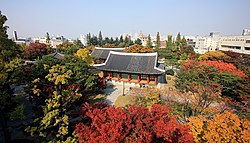 7th Gyeongsang Gamyeong Park
 -
 8th Scenic Spots: National Debt Compensation Memorial Park
 -
 9th view Dongseongro
 -
 10th Seomun Market
 -
 11th Scenery 83 Tower
 -
 12th view Daegu Stadium


Cuisine
[edit]Daegu cuisine is similar to that consumed in the Yeongnam region. The city is known for certain unique dishes such as:
- Ttaro-gukbap: Daegu is the only part of Korea that eats the rice and soup of gukbap separately
- Mungtigi: pieces of raw beef marinated in a mixture of sesame oil, garlic, and red pepper powder
- Makchang: a dish made with beef abomasum
- Jjimgalbi: braised beef ribs cooked in an aluminum pot with a deep spicy, sweet, and garlicky marinade
- Nonmegi maeuntang: a spicy catfish stew made with a kelp and radish stock
- Bogeo bulgogi: deboned blowfish grilled with beansprouts in a spicy marinade
- Muchimhoe: a salad composed of raw fish, squid, and vegetables in a sweet and spicy sauce
- Yaki udon: spicy seafood noodle dish with vegetables, similar to a dry jjamppong
- Napjak mandu: thin dumplings filled with small amounts of dangmyeon and vegetables
-
 Ttaro-gukbap
 -
 Mungtigi
 -
 Jjimgalbi
 -
 Nonmegi maeuntang
 -
 Bogeo bulgogi
 -
 Nureun guksu
 -
 Yaki udon
 -
 Napjak mandu


Museums
[edit]
- Daegu National Museum – A notable national museum collecting relics excavated in and around Daegu
- Daegu Bangjja Yugi (Korean Bronzeware) Museum
- Hengso Museum of Keimyung University
- Korea Video Museum
- Kyungpook National University Museum
- Museum for Daegu National University of Education
- Museum of Natural Dye Arts
- National Debt Repayment Movement Memorial Museum
Theaters
[edit]- Daegu Opera House – The first theater in Korea only for performing opera
- Suseong Artpia
- Keimyung Art Center Archived 2013-08-27 at the Wayback Machine – One of the largest scale theaters in the city.
- Daegu Culture and Arts Center
Sports
[edit]On March 27, 2007, the city was selected to host the 2011 World Championships in Athletics. Daegu competed with cities such as Moscow, Russia, and Brisbane, Australia, to earn the votes of the IAAF Council. The event was the fourth IAAF World Championships in Athletics to be held outside Europe, and the first games in mainland Asia. It was also the third worldwide sports event held in Korea after the 1988 Summer Olympics in Seoul and 2002 FIFA World Cup in Korea and Japan, in which Daegu hosted four matches. It also hosted the 2003 Summer Universiade.[25] The city hosted the Colorful Daegu Championships Meeting between 2005 and 2012.
Daegu Stadium is the second largest sports complex in South Korea with a seating capacity of 66,422. Daegu Civic Stadium hosted some football matches at the 1988 Summer Olympics.
The Daegu Marathon is held here every year in April. The race begins and ends at the Daegu Stadium.
Sports teams
[edit]| Club | Sport | League | Venue | Established |
|---|---|---|---|---|
| Samsung Lions | Baseball | KBO League | Daegu Samsung Lions Park | 1982 |
| Daegu FC | Football | K League 1 | Daegu iM Bank Park | 2003 |
| Daegu KOGAS Pegasus | Basketball | Korean Basketball League | Daegu Gymnasium | 1994 |
Samsung Lions
[edit]
The Samsung Lions are a professional baseball team founded in 1982. They are based in the southeastern city of Daegu and are members of the KBO League. Their home stadium is Daegu Samsung Lions Park. They have won the Korean Series eight times. The Samsung Lions are the first team to win four consecutive Korean Series titles (2011, 2012, 2013, and 2014). They are also the first Korean team to win a regular league title for five consecutive years (2011, 2012, 2013, 2014, and 2015).
Daegu FC
[edit]
Daegu Football Club was founded as a community club at the end of 2002, and made their K League debut in 2003. Historically, Daegu have often placed in the lower reaches of the K League. Their best season to date has been 2021, when they finished third out of twelve teams. They were also the winners of the Korean FA Cup in 2018, which qualified the club for their first appearance in the AFC Champions League the following year. The club has since played in the 2021 and 2022 editions of AFC Champions League.
Media
[edit]There are three terrestrial TV broadcasting stations in the city: KBS Daegu Broadcast Station, Daegu MBC, and TBC. These are affiliated companies of central broadcasting stations in Seoul just like other local broadcasting companies in South Korea. TBC (Taegu Broadcasting Corporation) depends on SBS. They cover to Gyeongsangbuk-do out of the city. Each television broadcasting company has its own radio station as well.
International Daegu
[edit]Daegu is largely a homogeneous community that includes few non-Koreans. However, a number of immigrants from South and Southeast Asia work in automotive-parts factories on the city's west side. In addition, there is a small group of English-speaking Westerners working in English schools and university programs. The American military bases are home to several hundred Americans. Recently Chinese students have begun studying Korean at universities in Daegu, and there is an increasing number of graduate and post-graduate students from other Asian countries. As elsewhere in Korea, Korean food overwhelmingly dominates; Chinese, Japanese and Western food forms the bulk of non-Korean food, but recently Indian and Russian foods have become available.
Daegu hosts three American military bases, Camp Henry, Camp George, and Camp Walker. Camp Walker houses Daegu High School, while Camp George has Daegu American School, the elementary and middle school for the bases (primarily for children of military personnel and US Military civilian employees). Although non-military employees can enroll their children at the school, most either home-school their children or send them to a small Christian private school which teaches about 25 children near the central business district of Daegu. Camp George contains most of the residences for married enlisted soldiers, while Camp Walker is the home to enlisted Sergeants Major and officers, Major and up. Camp Henry and Camp Walker are the primary work sites for military personnel.
Demographics
[edit]- Not religious (49.0%)
- Buddhism (24.0%)
- Protestantism (15.0%)
- Catholicism (10.0%)
- Others (2.00%)
| Year | Pop. | ±% |
|---|---|---|
| 1950 | 355,057 | — |
| 1960 | 659,407 | +85.7% |
| 1970 | 1,063,553 | +61.3% |
| 1980 | 1,604,934 | +50.9% |
| 1990 | 2,229,040 | +38.9% |
| 2000 | 2,480,578 | +11.3% |
| 2010 | 2,446,418 | −1.4% |
| 2020 | 2,410,700 | −1.5% |
| Source: [48][49] | ||
According to the census of 2015, 23.8% of the population followed Buddhism and 19.7% followed Christianity (12% Protestantism and 7.7% Catholicism). 55.8% of the population is irreligious.[50]
Education
[edit]As of 2021[update], Daegu has 232 elementary schools, 125 middle schools, and 94 high schools.[51] There are two specialized public high schools which are Daegu Science High School and Taegu Foreign Language High School, and some other high schools such as Keisung Academy, Gyeongsin High School and Daeryun High School have good grades for university admission. Most of the well-known high schools are located in Suseong District because its educational grade and zeal are high standard in the country.
Also, Daegu has 4 independent private high schools like Keisung Academy (also called Keisung High School), Gyeongsin High School, Gyeong-il Girls High School, Daegun Catholic High School.
Universities and colleges
[edit]

Daegu and its satellite towns are one of the areas which have the largest private higher educational institutions in Korea. Many of their main campuses are located in the nearby Gyeongsan which serves the Daegu region as a college town. Kyungpook National University (KNU) is one of the most highly ranked and well organized national universities in Korea. It holds high ranks in and around the city in many academic fields, while DGIST(Daegu Gyeongbuk Institute of Science and Technology) is recognized as one of Korea's top universities in the field of science and technology. DGIST is one of four ISTs in Korea, along with KAIST, UNIST and GIST. It was established under 'The Daegu Gyeongbuk Institute of Science and Technology Act (Act 699)' enacted on December 11, 2003. In 2019, DGIST was selected as 'Top 25 Rising Young Universities'.[52] Daegu has two of the most prestigious private universities outside Seoul, Yeungnam University (YU) and Keimyung University. There are some smaller private universities such as Catholic University of Daegu and Daegu University. Daegu National University of Education offers elementary education training.
The other universities and colleges include Daegu Arts University, Daegu Cyber University, Daegu Haany University, Daegu Health College, Daegu Mirae College, Daegu Polytechnic College, Daegu Technical College, Daeshin University, Keimyung University, Kyongbuk Science College, Kyungil University, Taekyeung College, Yeungjin College, Yeungnam College of Science and Technology, and Youngnam Theological College and Seminary.
Medical institutions
[edit]Some large university hospitals make the city the medical hub of south-eastern Korea. The Kyungpook National University Hospital, founded as Daegu-dongin-uiwon in 1907 by the Japanese, is the best-known hospital in the city. The Dongsan Hospital (attached to Keimyung University), founded as Jejungwon in 1899, is one of the oldest western style medical clinics in Korea. The Yeungnam University Medical Center has the largest number of beds in the city. The yearly treatment amount of these tertiary hospitals is the second largest in South Korea after that of Seoul.[53] The Daegu Catholic University Medical Center is also included in them.
Primary and secondary schools
[edit]- Hamji High School
- Kangbuk High School
- Maecheon High School
- Seongsan High School
International schools in Daegu include:
- Daegu International School[54]
- Daegu Chinese Elementary School or Korea Daeguhwagyo Elementary School (한국대구화교초등학교)[55]
- Overseas Chinese High School, Daegu
Elementary schools
[edit]Daegu Sindang Elementary School is a public elementary school located in Dalseo District, Daegu, near the campus of Keimyung University. The school's motto is "To raise children who are upright, wise, and strong", and its emblem and flower are the magnolia and pine tree, respectively. Daegu Sindang Elementary School has a history of excellence in sports, music and academics, and has won numerous awards in these fields. It is also a designated school for creative education and a leading school for after-school programmes. In 2020, a group of students from Daegu Sindang Elementary School won first place in the Korean National Championship of the FIRST LEGO League (FLL) robotics competition.[56] In 2023, the school student won the prestigious 12th Korea Multicultural Youth Award.[57]
Transportation
[edit]Rail
[edit]

Daegu is the hub of the Korean inland railroad traffic. The main railroad of the country, Gyeongbu Line passes through the city. The largest railroad station in the city, Dongdaegu Station, has the second largest passenger traffic in Korea after Seoul Station, it is the number one station in Korea for train stops, and the largest train traffic.[58] All trains passing through Dongdaegu Station make a mandatory stop. The station re-opened in 2004 after extensive renovations serving the KTX highspeed train, Saemaul and Mugunghwa trains. All kinds of trains except KTX depart from Daegu station, an all-new building with cinemas, restaurants and a department store, located near the city centre. It has the tenth largest passenger traffic in Korea.[58] Daegu Line branches off from Gacheon station of Gyeongbu Line.
Metro
[edit]
The city also has a metro system, consisting of two heavy rail lines. Line 1 crosses the city from northeast to southwest, while Line 2 crosses from west to east. Line 3 from northwest to southeast is an elevated monorail. All the lines are and will be operated by the Daegu Metropolitan Transit Corporation (DTRO). Another line will operate in a few years as a heavy rail system using the Gumi–Daegu–Gyeongsan section of Gyeongbu Line. Line 4 is a long-range plan and will be a circle line. Fare is 1400 won and 1250 won with a prepaid card. There is a free interchange scheme between the metro and bus within an hour of first use for the prepaid card users.
It started a full-fledged health-sharing stairway project by installing "Seven-color melody health donation stairs" at Shinmae Station and Imdang Station on Daegu Subway Line 2. Using these stairs, LED lights turn on with the sound of the keyboard. And a donation of ₩10(won) per session goes to those in need (such as pediatric cancer centers and low-income families).[59]
Road
[edit]There are two types of buses which are local and limited express. Limited express buses have more seats, but often passengers are required to stand. As of 2020[update], Local bus fare costs around 1,400 won with cash, Limited express bus fare would set you back 1,800 won. Discounted fare is available with a prepaid card.[60]
Bus route numbers are made up with 3 digits, each number indicates the area that bus serves. For example, number 407 bus runs from zone four, to zone zero, and then to zone seven. Other routes, usually circular, are named for the districts they serve and numbered 1 through 3.
Traffic is sometimes heavy, however, the major thoroughfares handle fairly high volumes of traffic without too much trouble.

Air
[edit]Daegu is served by Daegu International Airport, located in northeastern Daegu. As of July, 2022, international destinations include China, Thailand, the Philippines, and Mongolia.
Bus
[edit]
Others
[edit]Accidents
[edit]- The Frog Boys, this incident is an unsolved case. 5 boys were killed by the criminal in 1991. Boys failed to return after going out to pick up the salamander eggs, and people often call the case "The frog boys case".
- The 1995 Daegu gas explosions killed 101 and injured 202. A pagoda for consolation of the dead was erected in Haksan park.
- The Daegu subway fire occurred on February 18, 2003, when an arsonist, "Kim Dae-Han" set fire to a train at the Jungangno Station of the Daegu Metropolitan Subway in Daegu, South Korea. The fire spread across two trains within minutes, killing 192 people and injuring 151 others. It remains the deadliest deliberate loss of life in a single incident in South Korean peacetime history.
Notable people
[edit]Leaders
[edit]- Roh Tae-woo – army general and thirteenth president of South Korea
- Park Geun-hye – former president of South Korea, from 2013 to 2017, daughter of former president Park Chung Hee
Industrialists
[edit]- Kim Woo-jung – Korean businessman, founder and former chairman of the Daewoo Group
- Toni Ko – Businessperson and founder of NYX Cosmetics
- Lee Kun-hee – a South Korean businessman who served as chairman of the Samsung Group from 1987 to 2008 and from 2010 to 2020, and is credited with the transformation of Samsung to the world's largest manufacturer of smartphones, televisions, and memory chips.
Religious
[edit]- Kim Sou-hwan – first Korean Cardinal of the Catholic Church. His father escaped from his hometown of Chungcheong province for keeping his religion.
Writers
[edit]- Yi Sang-hwa – a Korean nationalist poet active in the resistance to Japanese rule
- Jaegwon Kim – philosopher
- Hyun Jin-geon – a Korean writer
Actors and actresses
[edit]- Bong Joon-ho – director and screenwriter
- Lee Chang-dong – director
- Shin Seong-il – actor, director, and producer
- Uhm Ji-won - actress
- Son Ye-jin – actress
- Moon Chae-won – actress
- Song Hye-kyo – actress
- Min Hyo-rin – actress
- Seo Ji-hoon – actor
- Yoo Ah-in – actor
- Jang Dong-yoon – actor
- Yoon So-ho – actor
- Tom Choi – actor
- Kim Jung-woo – actor
- Kim Min-jae – actor
- Kim Hee-sun – actress
- Sung Hoon – actor
Sports
[edit]- Lee Man-Soo – baseball player
- Yang Jun-Hyuk – baseball player
- Lee Seung-Yeop – baseball player
- Park Chu-Young – soccer player
- Jin Sun-Yu – short-track speed skater, triple gold medalist at 2006 Winter Olympics
- Bae Sang-moon – golfer, leading money winner on the Japan Golf Tour for the 2011 season
- Choi Doo-ho – mixed martial artist
- Ji-Hwan Bae - baseball player for the Pittsburgh Pirates
Beauties
[edit]- Chang Yun-jong – first runner-up of the Miss Universe 1988, winner of the Miss Korea 1987
- Son Tae-young – first runner-up of the Miss International 2000, second runner-up of the Miss Korea 2000, actress
- Yoo Ye-bin – winner of the Miss Korea 2013, competed in Miss Universe 2014
Singers
[edit]- Bae Joo-hyun (stage name Irene) – singer and leader of Red Velvet
- Choi Seung-cheol (stage name S.Coups) – singer and leader of Seventeen
- Jang Da-hye (stage name Heize) – rapper and participant in Unpretty Rapstar 2
- Jang Woohyuk (stage name Woohyuk) - singer and former member of H.O.T
- Kang Chan-hee (stage name Chani) – singer and member of SF9
- Kim Dong-han – former member of JBJ and member of WEi, participant in Produce 101
- Kim Ji-yeon (stage name Bona) – singer and member of Cosmic Girls
- Kim Ki-bum (stage name Key) – singer and member of Shinee
- Kim Min-jun (stage name Jun. K) – singer and member of 2PM
- Kim Tae-hyung (stage name V) – singer, actor and member of BTS.
- Lee Joo-heon (stage name Joohoney) – singer and member of Monsta X
- Lee Seung-hyub – singer and member of N.Flying
- Nancy Jewel McDonie – singer and former member of Momoland
- Min Yoon-gi (stage names Suga and Agust D) – rapper, songwriter and member of BTS
- Park Jae-chan – actor and member of DKZ
- Park Ji-young (stage name Kahi) – singer and former member of After School
- Park So-jin – singer and leader of Girl's Day
- Charley Yang (known as BoyWithUke) – singer and TikTok content creator.
Other
[edit]- Sin Sung-gyŏm – General during the Later Three Kingdoms period in the early tenth century
- Kim Yong-jun – Art critic and historian
- Jeon Tae-il – Labor activist
In popular culture
[edit]Daegu serves as the setting for Season 1, Episode 6 of the HBO horror drama Lovecraft Country (2020). Set in 1949/50 the episode is a prolonged flashback or prequel to the main arc of the series, which takes place in 1955 in Chicago and Massachusetts, and depicts main character Atticus' experiences as a U.S. soldier during the Korean War.[citation needed]
Sister cities
[edit]Daegu is twinned with the following locations:[61]
 Atlanta, United States (1981)
 Kyoto, Japan (1987)
 Almaty, Kazakhstan (1990)
 Qingdao, China (1993)
 Belo Horizonte, Brazil (1994)
- Hiroshima, Japan (1997)
 Saint Petersburg, Russia (1997)
 Plovdiv, Bulgaria (2002)
 Taipei, Taiwan (2010)
- Ningbo, China (2013)
 Milan, Italy (2015)
- Chengdu, China (2015)
- Milwaukee, United States (2017)
 Da Nang, Vietnam (2018)


Friendship cities
[edit]- Yangzhou, Jiangsu, China (2003)
- Yancheng, Jiangsu, China (2003)
- Shenyang, Liaoning, China (2003)
- Kobe, Hyōgo, Japan (2010)
- Ho Chi Minh City, Vietnam (2015)
- Shaoxing, Zhejiang, China (2015)
- Wuhan, Hubei, China (2016)
 Bangkok, Thailand (2017)
- Changsha, Hunan, China (2018)
- Kaohsiung, Taiwan (2018)
- Bắc Ninh Province, Vietnam (2019)
 Lille, France (2019)
- Yanbian, China (2021)
 Bukhara, Uzbekistan (2022)
 Johor Bahru, Malaysia (2023)


See also
[edit]

Notes
[edit]- ^ This romanization of the city's name is in McCune–Reischauer. It was used prior to the official adoption of the Revised Romanization by the South Korean government in 2000. In the 19th century, Daegu was also known in English sources as Tai-Kou;[4] in the first half of the 20th century during Japanese rule it was known as Taikyu.[5]
References
[edit]Citations
[edit]- ^ "Population statistics". Korea Ministry of the Interior and Safety. 2024.
- ^ "2023년 지역소득(잠정)". www.kostat.go.kr.
- ^ "Regional GDP, Gross regional income and Individual income". nosis.kr.
- ^ EB (1878), p. 390.
- ^ "Photographic image of map". Archived from the original (JPG) on 2017-04-06. Retrieved 26 June 2022.
- ^ "Daegu Metropolitan Area Population Info". daegu.go.kr (in Korean). 2023-12-31. Retrieved 2024-06-04.
- ^ "Teaching jobs in South Korea". Eslstarter.com. Archived from the original on 2012-06-10. Retrieved 2012-07-21.
- ^ "Daegu - The City of Textile Industry". Archived from the original on 2012-07-26. Retrieved 2012-07-21.
- ^ a b YUM (Yeungnam University Museum). Siji-eui Munhwayujeok VIII: Chwirakji Bonmun [Cultural Sites of Siji VIII: Settlement Site Text]. Research Report No. 33. Yeungnam University Museum, Gyeongsan, 1999b
- ^ YICP (Yongnam Institute of Cultural Properties). Daegu Dongcheon-dong Chwirak Yujeok [The Settlement Site at Dongcheon-dong, Daegu]. 3 vols. Research Report of Antiquities, Vol. 43. YICP, Daegu, 2002. ISBN 978-89-88226-41-4
- ^ Lee (1984), p. 76 and Shin (1999)
- ^ Lee (1984) and Shin (1999) both make this assumption
- ^ FPCP (Foundation for the Preservation of Cultural Properties). Daegu Chilgok Sam Taekji Munhwayejeok Balguljosa Bogoseo [Excavation Report of the Cultural Site at Localities 2 and 3, Building Area 3, Chilgok, Daegu]. 3 vols. Antiquities Research Report 62. FPCP, Gyeongju, 2000
- ^ Lee (1984), p. 131
- ^ Lee (1984), p. 149
- ^ Lee (1984), p. 294
- ^ Lee (1984), p. 302
- ^ Lee (1984), p. 343
- ^ Lee (1984), p. 377
- ^ "Green Left – Features: HISTORICAL FEATURE: The Korean War – a war of counter-revolution". Archived from the original on 11 November 2007. Retrieved 26 June 2022.
- ^ Lee (1984), p. 384
- ^ Cumings (1997), pp. 243–244
- ^ Nahm (1996), p. 379
- ^ "Fear grips Daegu, South Korea, amid coronavirus". ABC News. 24 February 2020. Archived from the original on 29 February 2020. Retrieved 29 February 2020.
- ^ a b FISU 22nd SUMMER UNIVERSIADE Archived 2011-08-14 at the Wayback Machine Retrieved 2011-10-12
- ^ 기후자료극값 1월 일최저기온, 대구(143). Korea Meteorological Administration. Archived from the original on 2012-04-04. Retrieved 2011-05-27.
- ^ 일별자료극값 > 기후자료극값(최대값) > 국내기후자료 > 기후자료 > 날씨 > 기상청. Korea Meteorological Administration. Archived from the original on 2012-04-04. Retrieved 2011-05-27.
- ^ 오늘 낮 기온 '대프리카' 대구 35도!... "푹푹 찐다! 헉헉~" [Today's daytime temperature is 35 degrees in 'Daefrica' Daegu!... "Steamed! Huff puff~"] (in Korean). Maeil Shinmun. 2014-05-30. Retrieved 2023-08-04 – via Naver.
- ^ 인터넷 뜨겁게 달군 '대프리카 위력' ['The power of Daefrica' heats up the Internet] (in Korean). The Yeongnam Ilbo. 2015-08-08. Retrieved 2023-08-04.
- ^ 아프리카 보다 더운 '대프리카'...대구의 폭염대처법. 연합뉴스TV :: 대한민국 뉴스의 시작. 채널 23 (in Korean). 2017-08-07. Archived from the original on 2019-03-26. Retrieved 2019-03-26.
- ^ "[Photo] Art event featuring a fried egg on the pavements of Daefrica". The Hankyoreh. 2018-07-02. Retrieved 2023-08-04.
- ^ 무너진 중앙분리대, 내구연한 지났다... 구청은 "예산 부족으로 교체 못해" [The collapsed median strip has expired... The district office "Cannot replace it due to lack of budget."] (in Korean). Maeil Shinmun. 2023-08-01. Retrieved 2023-08-04 – via Naver.
- ^ "역시 대프리카"... 중앙분리대까지 녹아 ["As expected, Daefrica"... melted down to median strips] (in Korean). Daegu MBC. 2023-08-03. Retrieved 2023-08-04 – via Naver.
- ^ "Heat wave in S. Korea". Yonhap News Agency. 2023-08-03. Retrieved 2023-08-04.
- ^ a b "Climatological Normals of Korea (1991 ~ 2020)" (PDF) (in Korean). Korea Meteorological Administration. Archived from the original (PDF) on 29 January 2022. Retrieved 4 April 2022.
- ^ 순위값 - 구역별조회 (in Korean). Korea Meteorological Administration. Archived from the original on 7 October 2021. Retrieved 4 April 2022.
- ^ "Climatological Normals of Korea" (PDF). Korea Meteorological Administration. 2011. Archived from the original (PDF) on 7 December 2016. Retrieved 8 December 2016.
- ^ "Daegu, South Korea - Detailed climate information and monthly weather forecast". Weather Atlas. Yu Media Group. Archived from the original on July 9, 2019. Retrieved July 9, 2019.
- ^ 대구굛경북, 한국 수출흑자의 主役 (PDF). The Yeongnam Ilbo (in Korean). 2007-03-17. Archived from the original (PDF) on 2009-09-03.
- ^ '패션 허브' 꿈꾸는 복합신도시 - 조선닷컴 - 경제 > 부동산. The Chosun Ilbo. Nov 25, 2009. Archived from the original on 2020-05-07. Retrieved 2022-07-19.
- ^ Guides, Insight (October 2016). Insight Guides South Korea. Apa Publications (UK) Limited. ISBN 9781786716644. Archived from the original on 2022-04-08. Retrieved 2020-10-02.
- ^ 대구광역시 관광문화정보시스템 – 계산성당. Daegu Metropolitan City. Archived from the original on 2013-05-16. Retrieved 2009-11-23.
- ^ "Palgongsan Cable Car (팔공산 케이블카)". VisitKorea.or.kr. 2017-05-24. Archived from the original on 2017-05-24. Retrieved 2022-07-19.
- ^ [뜬다 이곳] 대구 동성로 거리. Seoul Shinmun (in Korean). 10 February 2009. Archived from the original on 2021-06-24. Retrieved 2021-06-16.
- ^ Colorful Daegu Festival (컬러풀대구페스티벌). VisitKorea.or.kr. Archived from the original on 2018-05-15. Retrieved 2018-05-15.
- ^ Daegu Chimac Festival (대구치맥페스티벌). VisitKorea.or.kr. Archived from the original on 2018-05-15. Retrieved 2018-05-15.
- ^ "2024 종교인식조사 종교인구 현황과 종교 활동" [Status of religious population and religious activities in South Korea (2024)] (in Korean). 11 December 2024.
- ^ "World Urbanization Prospects". Archived from the original on 19 January 2020. Retrieved 20 February 2020.
- ^ "Population Census". Statistics Korea.
- ^ "2015 Census – Religion Results" (in Korean). KOSIS KOrean Statistical Information Service. Archived from the original on 26 February 2021. Retrieved 10 Mar 2021.
- ^ 2009년도 대구통계연보 XIV.교육및문화. Daegu Metropolitan City. 2009-04-01. Archived from the original on 2011-07-18. Retrieved 2010-08-31.
- ^ Nature Index, Nature Index (2019). "Top 25 rising young universities". Archived from the original on 2020-03-20.
- ^ 2006~2008년 지역간 의료이용량 분석. National Health Insurance Corporation. 2009-10-21. Archived from the original on 2011-07-22.
- ^ Home page Archived 2016-03-06 at the Wayback Machine. Daegu International School. Retrieved on March 30, 2016. "22, Palgong-ro 50-gil, Dong-gu, Daegu, Korea 41021 (대구광역시 동구 팔공로 50길 22; 구. 지번주소> 동구 봉무동 1555번지)"
- ^ "Korea Daeguhwagyo Elementary School Archived 2016-03-30 at the Wayback Machine." International School Information, Government of South Korea. Retrieved on March 30, 2016
- ^ 대구신당초, 세계최대 로봇축제 출전권 따내. Kyungbuk Maeil. 2020.
- ^ "12 students honored in Multicultural Youth Awards". The Korea Times. 2023.
- ^ a b 2008년 철도통계연보. Korea Railroad. 2010. Archived from the original on 2022-08-20. Retrieved 2010-08-31.
- ^ 강, 병서 (2019-03-12). 대구도시철도 임당역 피아노계단 이용 적립금 모금...저소득 가정 지원. Newsis (in Korean). Archived from the original on 2021-05-13. Retrieved 2021-05-13.
- ^ "Daegu Bus Information_Fare Guide". businfo.daegu.go.kr. Archived from the original on 2018-02-06. Retrieved 2018-02-06.
- ^ "Sister Cities". Government of Daegu Metropolitan City. Archived from the original on 2018-07-23. Retrieved 2018-07-22.
- ^ 교류도시 [Friendship cities]. 대구광역시. Retrieved 2023-08-04.
- ^ "Friendship Cities". Government of Daegu Metropolitan City. Archived from the original on 2018-07-23. Retrieved 2018-07-22.
Bibliography
[edit]- , Encyclopædia Britannica, vol. VI (9th ed.), New York: Charles Scribner's Sons, 1878, pp. 390–394.
Further reading
[edit]- Cumings, Bruce (1998). Korea's place in the sun: A modern history (updated ed.). New York: W.W.Norton. ISBN 978-0-393-31681-0. LCCN 2006276040. OCLC 62042862.
- Daegu-Gyeongbuk Historical Society (대구-경북역사연구회) (2001). 역사 속의 대구, 대구사람들 [Daegu and its people in history]. Seoul: Jungsim. ISBN 978-89-89524-09-0. LCCN 2001549622.
- Lee, Ki-baik (1984). A new history of Korea, rev. ed. Tr. by E.W. Wagner and E.J. Shultz. Seoul: Ilchogak. ISBN 978-89-337-0204-8.
- Nahm, Andrew C. (1996). Korea: A history of the Korean people, 2nd ed. Seoul: Hollym. ISBN 978-1-56591-070-6.
- Shin, Hyeong-seok (신형석) (1999). 통일신라의 새로운 수도가 될 뻔했던 대구 [Daegu, which almost became the new capital of Unified Silla]. Daegu-Gyeongbuk Historical Society. pp. 78–91.
- Lee, Jungwoong (이정웅) (1993). 팔공산을 아십니까 [About Mt. Palgong]. Daegu: 그루.
- Lee, Jungwoong (이정웅) (2000). 대구가 자랑스러운 12가지 이유. Seoul: 북랜드. ISBN 978-89-7787-158-8.
- Lee, Jungwoong (이정웅) (2006). 푸른 대구 이야기. Daegu: 그루. ISBN 978-89-8069-138-8.
External links
[edit] Media related to Daegu (category) at Wikimedia Commons
 Daegu travel guide from Wikivoyage
- Official website (in English)
- Daegu at VisitKorea.or.kr Archived 2015-10-18 at the Wayback Machine
- City Bus Schedule and Routes
- Daegu International Opera Festival


| |||||||||||
| International | |
|---|---|
| National | |
| Geographic | |
| Academics | |
| Other | |


Daegu
View on GrokipediaDaegu Metropolitan City is a major urban center in southeastern South Korea, situated at the confluence of the Nakdong and Geumho rivers, and operates as one of the country's seven independent metropolitan cities with its own provincial-level administration.[1] As of December 2024, its registered population stands at 2,400,339, reflecting a slight decline of 0.3% from the previous year amid broader demographic trends including aging and low fertility rates common across South Korea.[2]
Historically, Daegu emerged as a key administrative and economic hub in the Yeongnam region during the Joseon dynasty and experienced rapid industrialization post-Korean War, particularly through its textile sector which propelled national export growth in the 1960s–1980s.[3] Today, while still retaining strengths in textiles and fashion, the city's economy is diversifying into high-tech sectors such as robotics, IT, advanced manufacturing, and electric vehicle components, supported by initiatives like the Daegu-Gyeongbuk Free Economic Zone.[4] Daegu is also recognized for its conservative political leanings, having produced influential figures in South Korean governance, and hosts cultural landmarks including traditional markets and festivals that highlight its blend of historical heritage and modern urban development.[3]
History
Prehistory and ancient settlements
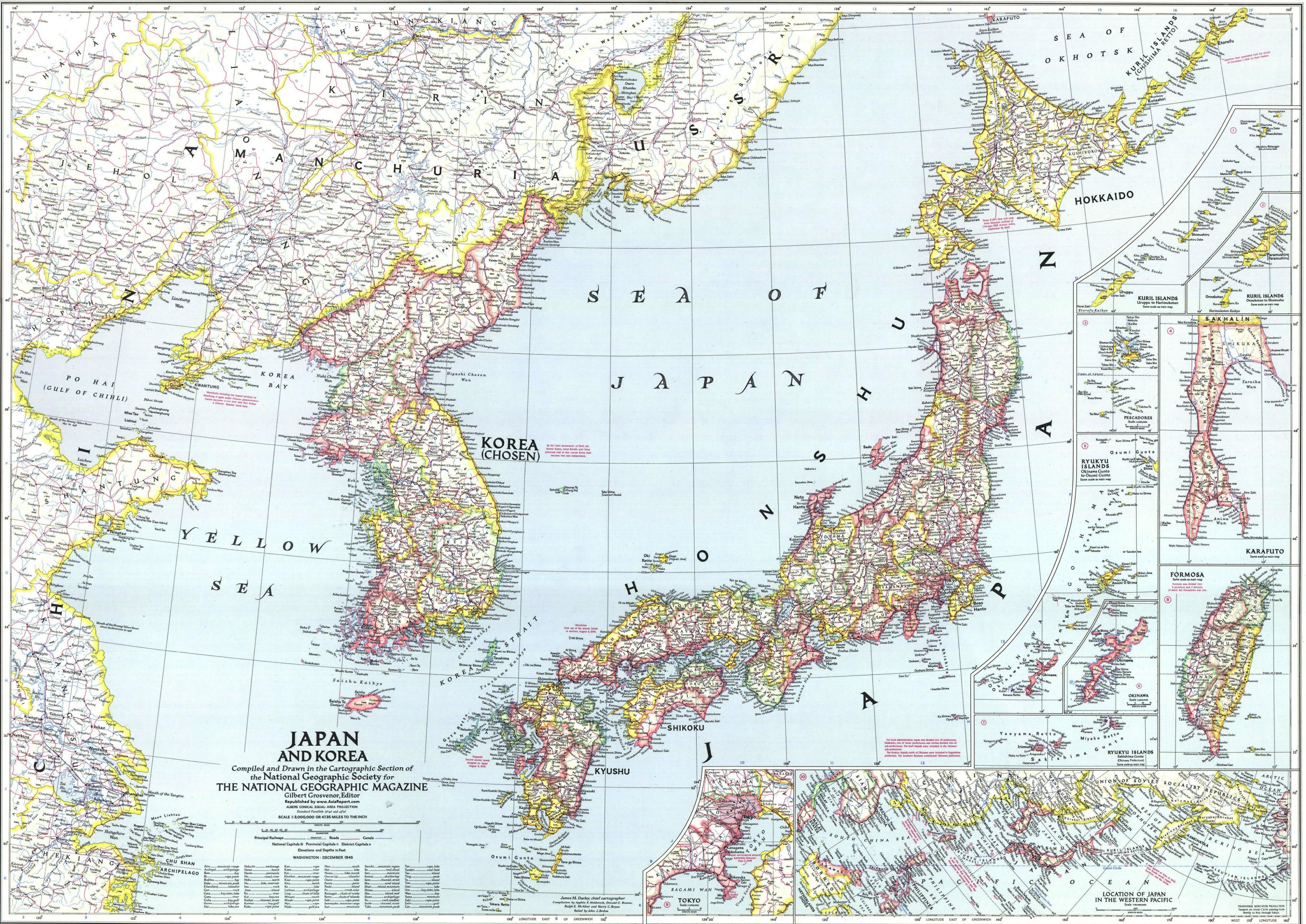
Archaeological excavations in the Daegu region reveal evidence of Paleolithic habitation dating back tens of thousands of years, characterized by hunter-gatherer societies reliant on chipped stone tools. The Wolseong-dong site, located in northeastern Daegu, has produced microliths and obsidian artifacts indicative of late Paleolithic tool-making traditions, with calibrated dates around 30,000–29,000 years before present associated with the emergence of microlithic technology across Korea.[5][6] In nearby Gyeongsangbuk-do areas influencing Daegu, such as Sinsang-ri in Sangju, mid- and late Paleolithic layers yield hand axes and other chipped tools from approximately 100,000 and 25,000 years ago, reflecting persistent Mode 1 lithic technologies adapted to local environments.[5] Neolithic settlements in Daegu, including those at Dalseo-gu prehistoric sites, feature comb-pattern pottery (Chulmun) sherds and early semi-sedentary communities transitioning from foraging, though large-scale rice agriculture remained limited until later periods. These sites document pottery production and possible millet cultivation or gathering in the fertile Nakdong River valley, supporting small-scale agrarian shifts around 3000 BCE amid broader Korean Neolithic patterns of pit houses and shell middens. Bronze Age developments from circa 1500 to 300 BCE introduced dolmens as megalithic burial monuments and fortified villages on slopes near alluvial plains, evidencing social stratification and resource control in the Nakdong basin.[7] Dalseo-gu contains multiple dolmens alongside tombs and ruins, while settlements incorporated protective trenches, burnished red pottery, stone tools, and early rice cultivation with cattle domestication, causal factors in population growth tied to valley hydrology and soil fertility.[7]Silla Kingdom era
Dalgubeol, the historical designation for the Daegu basin during the Silla Kingdom (57 BCE–935 CE), emerged as a key administrative and defensive outpost following its integration into Silla by the late 5th century CE. Positioned in the central-southern region amid fertile plains flanked by mountains, it functioned as a county-level hub under Silla governance, with fortifications like Dalseong established to counter incursions from neighboring Baekje and Goguryeo. The Samguk Sagi, compiled in 1145 CE, documents the construction of Dalseong fortress under the direction of local Silla-affiliated leaders such as Nama Geukjong, underscoring its role in early defensive networks against western and northern threats during the 6th century expansions under kings like Jinheung (r. 540–576 CE).[8] By the mid-7th century, Dalgubeol's strategic value intensified amid Silla's unification campaigns allied with Tang China against Baekje (conquered 660 CE) and Goguryeo (fallen 668 CE). Mountain strongholds such as Palgeosan Fortress, identified through archaeological surveys as Silla-era military installations, bolstered rear-line defenses and logistics in the Nakdong River valley, facilitating troop movements and supply lines crucial to Silla's tactical successes. These sites, characterized by earthen walls and strategic elevations, reflect Silla's emphasis on layered fortifications to secure inland territories post-conquest.[9] Post-unification, under Unified Silla, Dalgubeol's prominence grew, as evidenced by King Sinmun's (r. 681–692 CE) aborted 689 CE plan to relocate the capital from Gyeongju to the area, cited in the Samguk Sagi as a bid to centralize administration nearer emerging economic centers, though logistical and traditionalist opposition halted it. Additional fortresses like Daedeoksanseong, dated to the Unified Silla period via relic analysis, further highlight its enduring role in regional security against residual threats.[10][11]Goryeo and Joseon dynasties
During the Goryeo dynasty (918–1392 CE), the Daegu region formed part of the kingdom's southeastern administrative framework following unification under King Taejo Wang Geon in 935 CE, with the area integrated into the Yeongnam circuits that preceded the formal establishment of Gyeongsang Province in 1314 CE under King Chung Suk.[12] As a peripheral locale in this structure, Daegu supported provincial governance through agricultural tribute and local Buddhist institutions, which expanded amid the dynasty's patronage of Buddhism as a state religion, though specific temple records for the area remain sparse compared to central regions.[13] The Mongol invasions from 1231 to 1259 CE, comprising seven major campaigns, inflicted widespread devastation across Goryeo, including the Daegu vicinity within Gyeongsang, through scorched-earth tactics, population displacements, and enforced tribute systems that prioritized military levies over local recovery.[14] These incursions, resisted via guerrilla warfare and fortress defenses, resulted in heavy casualties and economic disruption, with Goryeo's eventual vassalage imposing annual tribute demands—estimated at thousands of horses, bolts of silk, and human laborers—that exacerbated resource extraction from southern provinces like Gyeongsang, contributing to long-term demographic and agricultural strain without targeted rebuilding in outlying areas such as Daegu.[14] With the advent of the Joseon dynasty (1392–1910 CE), Confucian administrative reforms supplanted Goryeo's Buddhist-influenced system, centralizing control under a yangban aristocracy that dominated Daegu's local bureaucracy as part of Gyeongsang Province, where elites enforced tax collection and communal covenants (hyangyak) to maintain order.[15] This shift emphasized agrarian self-sufficiency, yet fiscal policies imposed escalating land and corvée taxes, with Joseon records indicating a heightened burden on Daegu's populace that correlated with reduced cultivated acreage and population outflows, as empirical tallies in provincial annals documented yield declines amid recurrent droughts and elite rent-seeking.[16] Such pressures fueled class antagonisms, manifesting in sporadic peasant disturbances rooted in tax inequities rather than overt harmony, though Daegu avoided the scale of northern revolts like the 1811–1812 Gwanseo uprising, reflecting centralized suppression's efficacy in southern locales.[17] Overall, these dynamics perpetuated relative stagnation, with Joseon annals attributing local economic inertia to over-taxation's disincentive on investment, prioritizing dynastic stability over regional vitality.[16]Japanese colonial period and early 20th century
During the Japanese annexation of Korea from 1910 to 1945, Daegu emerged as a strategic military and administrative hub, hosting garrisons that reinforced colonial control over the southeastern region. The Imperial Japanese Army established bases in the area, including the precursor to Camp Walker in 1921, to secure supply lines and suppress potential unrest amid broader efforts to integrate Korea into Japan's imperial economy.[18] These installations underscored Daegu's role in maintaining order, with Japanese authorities demolishing parts of the traditional city walls by 1906 to accommodate defense infrastructure and rail access.[19] Economic policies emphasized resource extraction, particularly through the nascent cotton textile sector in Daegu, where Japanese firms built spinning and weaving mills employing local Korean labor under conditions prioritizing output for export to Japan rather than domestic needs.[20] Rice cultivation in the surrounding Gyeongsang basin faced requisitions, with production increasingly directed toward Japan—accounting for over 40% of Korea's exports annually during the period—to alleviate shortages in the metropole following events like the 1918 Rice Riots, often at the expense of local food availability.[21] Railways, such as extensions of the Gyeongbu line terminating at Daegu Station (expanded into one of Korea's largest provincial facilities), were developed mainly to expedite troop movements and commodity outflows, including land expropriations near Daegu for military purposes that prioritized imperial logistics over regional development.[22] Resistance manifested prominently in Daegu during the 1919 March First Movement, where thousands joined nationwide protests against colonial rule, declaring independence and facing swift suppression by Japanese police. Demonstrations on March 8 involved mass gatherings across the city, leading to arrests—such as the 27 participants including Cha Hee-seok and Lee Yeong-soe—and violent clashes with casualties on both sides, as documented in official records of the independence struggle.[23] These events highlighted early organized opposition, though Japanese forces quelled them through arrests, beatings, and property destruction, fostering underground nationalist sentiments that persisted into later decades.[24]Post-liberation and Korean War impacts
Following liberation from Japanese colonial rule in August 1945, Daegu fell under the United States Army Military Government in Korea (USAMGIK), which implemented land reforms that provoked widespread rural discontent among peasants facing reduced tenancy rights and increased taxation burdens.[25] Tensions erupted on October 1, 1946, with a general strike by railway workers in Daegu protesting wage suppression and poor conditions, rapidly expanding into peasant-led demonstrations against USAMGIK policies perceived as favoring landlords.[26] Police crackdowns resulted in over 50 deaths in the Daegu area alone, with the unrest highlighting causal strains from the peninsula's post-liberation division, as northern land redistribution under Soviet influence contrasted with southern reforms that failed to alleviate immediate agrarian grievances without communist orchestration in the south.[27] The Korean War, erupting on June 25, 1950, with North Korean forces invading southward, positioned Daegu as a critical rear-area hub after the fall of Seoul. In mid-August 1950, the South Korean government briefly relocated its capital to Daegu amid the retreat, swelling the city's population from its pre-war base of approximately 300,000 with an influx of hundreds of thousands of refugees fleeing advancing communist troops.[28] Daegu anchored the western sector of the Pusan Perimeter defenses established by late August 1950, where United Nations Command forces, including U.S. and South Korean units, repelled North Korean assaults along lines extending from the Naktong River, preventing encirclement and enabling eventual counteroffensives.[29] War devastation halved Daegu's population to around 200,000 by the 1953 armistice, reflecting direct casualties from artillery barrages—such as those on August 18, 1950, that induced mass panic—and indirect effects like disease outbreaks and displacement amid refugee overcrowding.[28] Reconstruction efforts post-1953 prioritized infrastructure repair, with U.S. aid facilitating initial recovery, though the division's permanence entrenched Daegu's role as a southeastern stronghold, causal to its later demographic rebound through internal migration rather than northern repatriation.[30]Industrialization and post-war growth
Daegu's industrialization accelerated during the Park Chung-hee administration's export-driven policies from the 1960s onward, transforming the city into a hub for light manufacturing, particularly textiles and apparel. The First Five-Year Economic Development Plan (1962–1966) prioritized labor-intensive industries, leveraging Daegu's pre-existing textile clusters—rooted in local production linkages—to boost exports of synthetic fibers and garments. By the late 1960s, these efforts propelled Daegu's textile sector to become South Korea's premier export engine, with production scaling rapidly through state-supported infrastructure and incentives that favored low-wage assembly for global markets.[31][32] This shift causally linked to massive rural-to-urban migration, as factory jobs drew workers from surrounding agricultural areas, fueling a population boom from 659,000 in 1960 to 2,203,000 by 1990. Manufacturing, dominated by textiles, absorbed much of this influx, with the sector's expansion aligning with national growth rates of 8.4% in the 1960s and 9% in the 1970s, where Daegu contributed disproportionately through apparel exports that supported Korea's overall trade surplus trajectory. By 1980, textiles employed over 20% of the local workforce, underpinning productivity gains from scale and specialization despite the era's centralized controls.[33][34] The 1980s sustained this momentum amid Korea's heavy industry pivot, but Daegu's SME-heavy textile base faced headwinds from rising wages and global competition. The 1997 IMF crisis exacerbated localized strains, triggering bankruptcies among smaller firms burdened by debt restructuring under bailout terms, though family-run enterprises often endured via cost-cutting and diversification, mitigating broader collapse in the city's industrial core.[35]Contemporary developments since 2000
Daegu hosted group stage matches at the newly constructed Daegu World Cup Stadium during the 2002 FIFA World Cup, co-hosted by South Korea and Japan from May 31 to June 30. The stadium, completed in 2002 with a capacity exceeding 60,000, represented a major infrastructure investment that enhanced the city's sports facilities and urban connectivity, including improved roads and public transport links, though it consumed the entirety of Daegu's annual budget for the event.[36] In the political sphere, Daegu has sustained its role as a conservative bastion since 2000, consistently delivering high voter support for conservative parties such as the People Power Party, even as national politics experienced shifts toward greater liberalization under progressive administrations. This regional loyalty stems from historical ties to conservative leadership and resistance to central policy changes, with local representatives predominantly affiliated with conservative factions.[37] Daegu advanced its urban modernization in the 2020s through designation in national smart city programs, culminating in its selection as the nation's first smart city specialized complex in the 2025 Smart City Specialized Complex Development Project, aimed at fostering research, development, and demonstration of smart technologies. Building on initiatives launched in 2016, including smart infrastructure pilots in Suseong-gu, these efforts target innovation hubs for data-driven urban solutions and sustainable growth.[38][39]Geography
Topography and urban layout
Daegu occupies a basin-shaped topography at coordinates approximately 35°52′ N, 128°36′ E, nestled amid encircling mountain ranges that define its physical boundaries and direct urban growth patterns. The city's average elevation stands at 45 meters above sea level, with the basin floor facilitating concentrated settlement while the surrounding elevations, rising sharply to over 1,000 meters, limit lateral expansion and channel water flows toward low-lying areas.[40][41] Prominent peaks include Palgongsan Mountain to the north, attaining 1,192 meters, and Biseulsan Mountain to the south at 1,084 meters, alongside Waryongsan to the west and lesser ridges eastward, forming a natural amphitheater that historically concentrated human activity in the central valley and heightens vulnerability to inundation from upstream runoff. This mountainous perimeter has shaped Daegu's urban morphology by confining development to the basin interior, promoting vertical density in core areas rather than unchecked horizontal sprawl.[42][43] The Nakdong River delineates the southwestern edge of the basin, joined by its tributary, the Geumho River, which bisects the urban expanse and has underpinned agricultural irrigation and industrial water supply since antiquity, fostering ribbon-like development along these corridors. Jung-gu district emerges as the topographic and historical nucleus, positioned at the confluence where fluvial plains offer stable footing amid the encircling terrain. Spanning 884 km², Daegu's contemporary layout reflects restrained outward growth, bolstered by green belt designations that preserve peripheral forested slopes and mitigate haphazard encroachment into ecologically sensitive highlands.[42][44][45]Climate patterns and environmental challenges
Daegu features a humid subtropical climate (Köppen classification Cwa) characterized by distinct seasonal variations, with hot, humid summers driven by the East Asian monsoon and cold, relatively dry winters influenced by Siberian air masses.[46] The city receives an average annual precipitation of approximately 970 mm, with over 60% concentrated between June and August, peaking in July at around 200 mm. July marks the warmest month, with a mean temperature of 28°C, while January, the coldest, averages -2°C, occasionally dropping below -10°C due to continental cold snaps.[46] These patterns result in about 110-120 frost days annually and a growing season of roughly 200 days, supporting agriculture but also contributing to urban heat island effects amid rapid development.[47] Environmental challenges in Daegu primarily stem from air pollution, exacerbated by its topographic basin location, which inhibits pollutant dispersion and traps emissions from local industries, vehicles, and transboundary sources.[48] Fine particulate matter (PM2.5) concentrations have shown improvement since stricter national regulations in the 2010s, including emission controls on factories and coal plants, reducing annual averages from over 25 μg/m³ in the early 2010s to around 15-20 μg/m³ by the late 2010s in monitoring data.[49] [50] However, persistent factory emissions from textile dyeing and manufacturing sectors—key to Daegu's economy—continue to elevate levels, with episodic spikes during winter inversions reaching 50-70 μg/m³, as measured by AirKorea stations.[51] Mitigation efforts, such as enhanced stack gas treatment and odor emission standards introduced in 2025 for industrial complexes, have yielded measurable reductions, including a 40% drop in designated odorous substances from dyeing facilities.[52] [53] This industrial-topographic interplay underscores causal factors in pollution persistence, balanced against verifiable regulatory gains without reliance on unsubstantiated projections.[54]Government and Politics
Administrative structure and divisions
, each functioning as a semi-autonomous unit with its own district office handling localized services such as resident welfare, community sanitation, urban planning at the neighborhood level, and social assistance programs. These districts include Jung-gu, Nam-gu, Dong-gu, Seo-gu, Buk-gu, Suseong-gu, Dalseo-gu, and Dalseong-gu, with Dalseong-gu having been upgraded from county (gun) status in recent administrative reforms to align with urban district governance. Nam-gu, for instance, serves approximately 280,000 residents as of 2023, focusing on residential and commercial welfare services tailored to its dense population.[55] This structure promotes decentralized service delivery, where district offices manage day-to-day resident affairs independently while coordinating with the city hall on broader policies, contrasting with more unitary administration in non-metropolitan cities.[56] The city's annual budget, submitted to the council for approval, reached 10.9247 trillion South Korean won (approximately 8 billion USD) for 2025, funding infrastructure, public services, and district-level initiatives.[57] Each gu receives allocations for local operations, enabling targeted responses to district-specific needs like elderly care in aging areas or youth programs in growing suburbs such as Suseong-gu, which had a population of about 352,000 in recent estimates. This framework ensures efficient resource distribution across Daegu's 884 square kilometers, balancing city-wide uniformity with local adaptability.Political history and party dominance
Daegu has served as a stronghold for conservative parties in South Korean politics since the 1960s, rooted in regional loyalty to Park Chung-hee, the military leader and president from 1963 to 1979 who originated from nearby Gumi in North Gyeongsang Province.[58] This alignment persisted through the Democratic Justice Party and its successors, with the city consistently delivering overwhelming majorities to conservative candidates in national elections. For instance, in the 2012 presidential election, Saenuri Party candidate Park Geun-hye, daughter of Park Chung-hee, secured 80.14% of the vote in Daegu, far exceeding her national 51.55% margin.[59] [60] Local governance reflects this dominance, with conservative figures holding the mayoralty for decades. Hong Joon-pyo, a prominent conservative politician and five-term National Assembly member, served as Daegu's mayor from 2014 to 2022 under the Saenuri Party (later Liberty Korea Party and People Power Party), implementing policies aligned with the party's emphasis on economic deregulation and anti-corruption.[61] Prior mayors, such as those from the Grand National Party era in the 2000s, maintained this pattern, with electoral victories often exceeding 60% in local races against liberal challengers.[62] The city's conservative continuity was starkly evident during the 2016-2017 Park Geun-hye impeachment crisis, when Daegu hosted large pro-Park rallies amid nationwide protests calling for her removal, underscoring empirical voter loyalty despite the scandal's national fallout.[58] In subsequent elections, including National Assembly votes, Daegu's districts have awarded a majority of seats to the People Power Party, with vote shares for conservative candidates routinely surpassing 70% in the metropolitan area, contrasting with more competitive outcomes in Seoul or Gyeonggi Province.[63] This pattern holds into the 2020s, as seen in the party's strong performance in 2022 local elections, where it captured key positions amid national conservative gains.[64]Conservative political culture
Daegu has long been characterized as a conservative stronghold in South Korean politics, with voters consistently delivering high support for conservative parties and candidates in national elections. In the 2022 presidential election, the conservative candidate Yoon Suk-yeol secured approximately 69% of the vote in Daegu, far exceeding national averages and reflecting minimal backing for progressive alternatives, which garnered under 30%. This pattern of low progressive vote shares persists across recent legislative and local contests, underscoring a regional resistance to left-leaning platforms amid broader national polarization.[65] The conservative orientation draws from deep-rooted anti-communist sentiments, shaped by historical events including the 1946 Autumn Uprising in Daegu against leftist forces and the devastation of the Korean War, which reinforced distrust of ideologies perceived as sympathetic to North Korea.[66] Christianity, particularly Protestantism, has played a pivotal role in this culture, with churches fostering social conservatism through emphasis on moral traditionalism and opposition to communism; national surveys indicate Christians comprise about 30% of South Koreans but exert disproportionate influence in conservative regions like Daegu via community networks and values alignment.[67] These factors correlate with voter preferences for self-reliance and limited government intervention, evidenced by lower regional endorsement of expansive welfare expansions compared to progressive strongholds, prioritizing economic stability and individual responsibility over redistributive policies. This political culture contributes to measurable social stability, including Daegu's low crime levels—rated at 25.61 on user-reported indices, below national urban averages—which align with conservative emphases on law and order and family-centered values rather than viewing such outcomes as incidental.[68] Empirical data from post-war recovery and ongoing surveys highlight how war-era traumas sustain skepticism toward policies associated with leftist governance, maintaining Daegu's distinct voter behavior despite national shifts.[69]Key political controversies
One notable controversy in Daegu involves prolonged local opposition to the construction of a mosque near Kyungpook National University, intended primarily for Muslim students. Residents, including conservative Christian groups, have protested since at least 2022, citing concerns over neighborhood disruption, cultural incompatibility, and rapid demographic changes from immigration; actions included symbolic pork barbecues and blocking site access, which halted construction despite initial permits.[70][71] Proponents, including Muslim communities and human rights advocates, argued for religious freedom and minority accommodation in an increasingly diverse society, appealing to the United Nations in late 2022 after local blockades persisted.[72] As of 2023, no construction had resumed amid ongoing disputes, reflecting broader tensions in Daegu's conservative milieu between traditional homogeneity and multiculturalism.[73] In June 2023, Daegu's annual Queer Cultural Festival sparked a direct confrontation between city officials and police. Mayor Hong Joon-pyo, a prominent conservative, led municipal workers in physically blocking festival organizers' vehicles from accessing the permitted public venue in downtown Daegu, framing the event as contrary to local values and family norms.[74][75] Police intervened to enforce the event's legal approval, resulting in scuffles and the mayor's temporary removal; Hong subsequently filed complaints against organizers and officers, alleging procedural violations, while supporters viewed the blockade as democratic resistance to imposed progressive agendas.[76][77] The incident underscored Daegu's entrenched opposition to LGBTQ+ public events, with the festival proceeding in a scaled-back form despite the disruption.[78] Interpretations of the 1946 Autumn Uprising in Daegu remain politically contentious, often framed less as ideological left-right conflict and more as a grassroots peasant revolt against elite corruption and foreign-influenced repression under U.S. military governance. The events began on October 1 with protests over a policeman's arrest for alleged misconduct, escalating into widespread strikes against hunger, police brutality, and unequal resource distribution, suppressed by martial law forces by early October.[79] Conservative narratives emphasize anti-communist stabilization, while revisionist views highlight socioeconomic grievances of rural and working-class groups over purely partisan motives, influencing ongoing debates about early post-liberation power dynamics in South Korea.[27][80]Economy
Traditional industries and textiles
Daegu's traditional industries have long centered on textiles and apparel, forming the backbone of the city's economy during South Korea's industrialization era. The sector's foundations were laid in the mid-20th century, with rapid expansion beginning in the 1960s as part of the nation's export-driven growth strategy under the developmental state.[31] [32] Daegu emerged as a primary hub for textile production, leveraging local weaving, dyeing, and garment manufacturing to capitalize on abundant labor and government incentives for light industry exports.[81] By the 1970s, textiles accounted for a substantial share of national exports, with Daegu's output playing a pivotal role; city-specific textile exports surged 70-fold from $1.2 million in 1961 to roughly $84 million by 1971, reflecting the era's momentum.[31] [20] The apparel subsector solidified Daegu's reputation through concentrated commercial districts like Dongseong-ro, a central artery for fashion retail and wholesale. This area hosts over 7,000 stores amid the downtown commercial zone, many specializing in clothing and fabrics, fostering a dense network of small-scale manufacturers and traders.[82] Such clustering supported peak production periods, where Daegu's firms contributed to Korea's textile exports exceeding $10 billion in trade surplus annually from the late 1980s to early 2000s, though city-level data underscores its outsized regional dominance.[83] From the 1990s, the industry encountered structural decline due to overproduction, labor shortages, and fierce global competition, particularly from China's lower-cost manufacturing, which eroded profit margins and export shares.[31] [84] National textile export ratios fell from 33.3% of total exports in 1970 to 22.6% by 1990, with Daegu's cluster hit hard by import surges and factory closures in the 2000s, prompting calls for diversification amid persistent overcapacity.[81] [85] As of 2024, textile and fashion businesses still comprise about 5,376 establishments, or 17% of Daegu's manufacturing base, but output has shifted toward higher-value niches to counter ongoing pressures.[86]Manufacturing and emerging sectors
Daegu's manufacturing sector has increasingly pivoted toward high-technology industries, leveraging foreign direct investment to bolster automotive electronics and semiconductors amid a decline in traditional sectors. This shift emphasizes advanced driver assistance systems (ADAS), robotics, and sensor technologies, with targeted facilities enhancing local output in precision components.[87] In the automotive and electronics domain, French supplier Valeo established a dedicated ADAS production plant in Daegu in March 2024, following a July 2022 investment agreement valued at $56 million with the Daegu Metropolitan Government. The facility commenced operations producing parking assistance sensors, with plans to expand into broader autonomous driving sensors, positioning it as a central Asian production hub for such technologies. Local robotics firm HL Robotics contributes innovations like the "Parky" autonomous parking robot, which optimizes indoor vehicle parking through space-efficient automation and earned the Best of Innovation Award at Daegu's FIX 2025 expo for its practical advancements in mobility solutions.[88][89][90] Semiconductor manufacturing has gained traction via the D-FAB foundry project, a micro magnetic sensor chip fabrication facility under construction from 2023 to 2025, designed to foster collaboration among firms for specialized sensor production in IoT and automotive applications. Complementing this, Daegu's National Industrial Complex received focus in 2023 as a hub for AI-driven future mobility, accelerating parts manufacturing for electric and autonomous vehicles through integrated robotics and electronics clusters. These developments have attracted FDI by offering incentives for high-tech assembly, though specific firm counts in these niches remain modest compared to national leaders, with output values tied to emerging sensor and ADAS modules projected to scale post-2025.[87][91][92]Recent economic initiatives and challenges
In June 2025, Daegu Metropolitan City was selected by the Ministry of Land, Infrastructure and Transport as one of five winners for the Smart City Specialized Complex Development Project, receiving approximately 3 billion won in national funding (with an 80:20 national-to-local matching ratio) to advance urban innovation over one year.[38][39] The initiative targets enhancements in sustainability, connectivity, and citizen services, aligning with frameworks such as the United for Smart Sustainable Cities (U4SSC) indicators for integrated urban management.[93] Complementing this, the Future Innovation Technology Expo (FIX) 2025 in Daegu recognized 30 companies with innovation awards, including nine "Best of Innovation" recipients focused on AI and robotics, such as HL Robotics' autonomous parking robot "Parky."[90][94] These efforts underscore Daegu's push toward high-tech sectors to foster regional competitiveness.[95] Additionally, in October 2025, the city reduced rental rates for public properties from 5% to 2.5% of appraised value for small businesses, aiming to alleviate operational costs amid post-pandemic recovery.[96] Despite these measures, Daegu grapples with persistent economic stagnation, deindustrialization, and urban decline, exacerbated by population aging and outflow, which have constrained per capita GDP growth relative to national trends.[97] The city's population has trended downward since the early 2020s, mirroring broader regional depopulation patterns that strain labor markets and fiscal resources.[98] Local pledges emphasize balanced development through innovation hubs and infrastructure to mitigate these hurdles, though outcomes remain tied to national economic moderation projected at 0.8-1.0% GDP growth for 2025.[99][100]Demographics and Society
Population dynamics and trends
Daegu's population stood at approximately 2.44 million in 2023, reflecting a gradual decline from its historical peak of around 2.53 million in the mid-1990s, driven primarily by net out-migration and persistently low birth rates amid economic stagnation in traditional sectors like textiles.[101][102] By 2025 estimates, the figure is projected to hover near 2.4 million, continuing a trend of annual losses averaging 0.1-0.2% since the early 2000s, as younger residents seek higher-wage opportunities elsewhere.[103] This depopulation is exacerbated by Daegu's position as a secondary urban center, where limited diversification into high-tech industries has failed to retain skilled youth, leading to a structural mismatch between local job availability and workforce aspirations.[104] Fertility rates in Daegu have mirrored national lows but trended slightly below, at an estimated 0.7 children per woman in recent years compared to South Korea's 0.75 in 2024, contributing to natural population decrease independent of migration.[105][106] Economic pressures, including high living costs relative to stagnant wages and a cultural emphasis on education-fueled career mobility, causally underlie this sub-replacement fertility, as couples delay or forgo childbearing to prioritize financial stability.[107] Despite targeted local incentives like expanded childcare, births remain insufficient to offset deaths, with Daegu recording only marginal upticks amid broader provincial gains.[105] The aging demographic has accelerated alongside these trends, with over 15% of Daegu's residents aged 65 or older by 2025, surpassing earlier projections due to longer lifespans and the exodus of working-age individuals to Seoul's metropolitan area.[108] Youth out-migration, particularly among those in their 20s and 30s, accounts for roughly 70-80% of net losses, as economic centralization in the capital draws talent for better employment prospects in finance, tech, and services—sectors underdeveloped in Daegu.[107][109] This selective departure skews the local age pyramid toward dependency, straining fiscal resources for pensions and healthcare while hollowing out the labor pool essential for industrial revival.[104]| Year | Population (thousands) | Annual Change (%) |
|---|---|---|
| 1995 | 2,530 | +1.2 |
| 2000 | 2,520 | -0.4 |
| 2010 | 2,510 | -0.1 |
| 2020 | 2,440 | -0.3 |
| 2025 (est.) | 2,400 | -0.2 |