Hubbry Logo
Lessepsian migrationLessepsian migrationMain
Open search
Lessepsian migration
Community hub
Lessepsian migration
logo
8 pages, 0 posts
0 subscribers
Be the first to start a discussion here.
Lessepsian migration
from Wikipedia

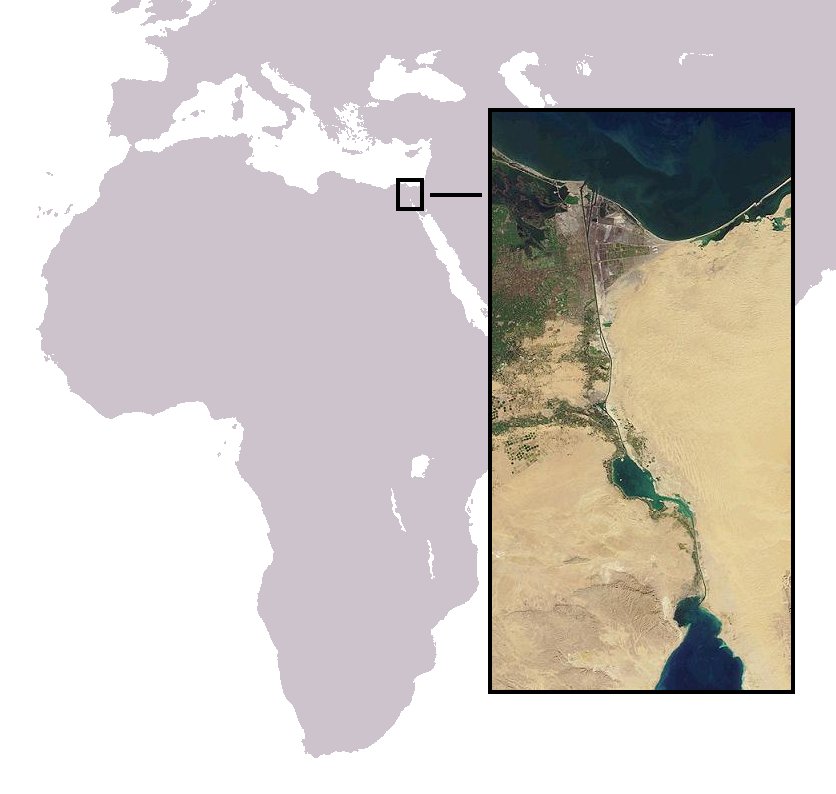
The Suez Canal, along which marine species migrate from the Red Sea to the Mediterranean Sea, in the original Lessepsian migration.

The Lessepsian migration (or Erythrean invasion) is the migration of marine species along the Suez Canal, usually from the Red Sea to the Mediterranean Sea, and more rarely in the opposite direction. When the canal was completed in 1869, fish, crustaceans, mollusks, and other marine animals and plants were exposed to an artificial passage between the two naturally separate bodies of water, and cross-contamination was made possible between formerly isolated ecosystems. The phenomenon is still occurring today. It is named after Ferdinand de Lesseps, the French diplomat in charge of the canal's construction. The term was coined by Francis Dov Por in his 1978 book.[1]

The migration of invasive species through the Suez Canal from the Indo-Pacific region has been facilitated by many factors, both abiotic and anthropogenic, and presents significant implications for the ecological health and economic stability of the contaminated areas; of particular concern is the fisheries industry in the Eastern Mediterranean. Despite these threats, the phenomenon has allowed scientists to study an invasive event on a large scale in a short period of time, which usually takes hundreds of years in natural conditions.

Background

[edit]
Construction of the Suez canal

The opening of the Suez Canal created the first saltwater passage between the Mediterranean Sea and the Red Sea. Constructed in 1869 to provide a more direct trade route from Europe to India and the Far East, the canal is 162.5 km (101.0 mi) long, with a depth of 10–15 m (33–49 ft) and a width varying between 200 and 300 m (660 and 980 ft).[2]

Because the surface of the Red Sea is slightly higher in elevation than the eastern Mediterranean, the canal serves as a tidal strait by which Red Sea water pours into the Mediterranean. The Bitter Lakes, which are natural hypersaline lakes that form part of the canal, blocked the migration of Red Sea species into the Mediterranean for many decades, but as the salinity of the lakes gradually equalized with that of the Red Sea, the barrier to migration was removed, and plants and animals from the Red Sea began to colonize the eastern Mediterranean.[3] The Red Sea, an extension of the Indian Ocean, is generally saltier and less nutrient-rich than the Mediterranean, an extension of the Atlantic Ocean, so Red Sea species, able to tolerate harsh environments, have advantages over Atlantic species in the conditions of the Eastern Mediterranean. Accordingly, most migrations between the two bodies of water are invasions of Red Sea species into the Mediterranean, and relatively few migrations occur in the opposite direction. The construction of the Aswan High Dam across the Nile River in the 1960s reduced the inflow of fresh water and nutrient-rich silt from the Nile into the eastern Mediterranean, making conditions in the eastern Mediterranean even more like those of the Red Sea, thereby increasing the impact of the invasions and facilitating the occurrence of new ones.[3]

The Red Sea is a profusely abundant tropical marine environment sharing species in common with the eastern Indo-Pacific region, while the Mediterranean is a temperate sea with much lower productivity; the two ecosystems are extremely different in terms of structure and ecology.[2] The Suez Canal quickly became the main pathway for the introduction of invasive species into the Eastern Mediterranean, having zoogeographic and ecological consequences far beyond what the designers foresaw. The Lessepsian migration includes hundreds of Red Sea and Indo-Pacific species that have colonized and established themselves in the Eastern Mediterranean system, causing biogeographic changes without precedent in human memory.[4] The trend is accelerating: to take just the fish, a long-term cross-basin survey engaged by the Mediterranean Science Commission recently documented that in the first twenty years of our century more fish species from the Indo-Pacific Ocean had reached the Mediterranean than during the entire 20th century.[5]

As of about 2010, over 1,000 species — both vertebrates and invertebrates — native to the Red Sea had been identified in the Mediterranean Sea. It was thought that many others were as yet unidentified. From there they have spread even further afield, supplying 95% of Indo-Pacific species that have reached the Ponto-Caspian seas and increasingly rapidly.[6] In the late 20th and early 21st centuries, the Egyptian government announced its intentions to deepen and widen the canal, which raised concerns from marine biologists, fearing this would facilitate the crossing of the canal for additional species, accelerating the invasion of Red Sea species into the Mediterranean.[7]

Ecological impacts

[edit]

Outcompetition of natives

[edit]
Fistularia commersonii, a Lessepsian migrant[8]

Native Argyrosomus regius vs. invasive Scomberomorus commerson

[edit]

A wide-ranging species in the eastern Atlantic and Mediterranean, the meagre Argyrosomus regius is a species indigenous to the Eastern Mediterranean and was one of the most common commercial fish in the Levant. It has since disappeared from local catches, while the narrow-barred Spanish mackerel Scomberomorus commerson, a known Lessepsian migrant, has dramatically increased in population. Studies performed on this occurrence conclude that, due to similar life histories and diets, this may be an example of an invasive migrant outcompeting a native species and occupying its niche.[4]

Native Melicertus kerathurus vs. invasive prawns

[edit]

Eight species of invasive prawns from the Erythraean Sea have been recorded in the Eastern Mediterranean. These prawns are considered highly prized in Levantine fisheries, and compose most of the prawn catch off the Mediterranean coast of Egypt, being 6% of total Egyptian landings. This high abundance of invasive prawns has led to the decline of a native penaeid prawn, Melicertus kerathurus, which supported a commercial Israeli fishery throughout the 1950s. Due to outcompetition and its habitat being overrun by these migrants, this native species has since disappeared, with resultant detrimental impacts on the commercial fishery.[9]

Parasitic invaders

[edit]

The invasion of new Red Sea species into the Mediterranean has facilitated the invasion of their associated parasites, for example the copepod Eudactylera aspera, which was found on a spinner shark, Carcharhinus brevipinna, taken off the coast of Tunisia. The copepod had originally been described from specimens taken from C. brevipinna off Madagascar and its finding in the Mediterranean has arguably confirmed the previously disputed status of C. brevipinna as a Lessepsian migrant. In addition, parasites originating in the Red Sea have shown an ability to use related native Mediterranean fish species as alternative hosts; e.g. the copepod Nipergasilus bora was known to parasitise the grey mullets Mugil cephalus and Liza carinata in the Red Sea, both taxa having been recorded as Lessepsian migrants, and was subsequently found parasitising the native Mediterranean mullets Chelon aurata and Chelon labrosus.[10]

Sometimes, the invasion of parasites may reduce the competitive advantages that Red Sea invaders have in the Mediterranean. For example, the Indo-Pacific swimming crab Charybdis longicollis was first recorded in the Mediterranean in the mid-1950s and became dominant in silty and sandy substrates off the coast of Israel, making up to 70% of the total biomass in these habitats. Until 1992, none of the specimens collected was infected with the parasite Heterosaccus dollfusi, but in that year, a few infected crabs were collected. The parasite is a barnacle which desexes its host. Within three years, 77% of the crabs collected in Haifa Bay were infected, and the parasite had spread to southern Turkey. This rapid increase and high infection rate is attributed to the extremely high population density of the host and the year-round reproduction of the parasite. One effect of this was that the population of the Mediterranean native swimming crab Liocarcinus vernalis recovered somewhat.[11]

Species displacements

[edit]

Fisheries have been heavily affected. The goldband goatfish, Upeneus moluccensis, was first recorded in the Eastern Mediterranean in the 1930s and has since established an abundant population. Following the warm winter of 1954–1955, it increased to 83% of the Israeli catch, replacing the native red mullet, which affected the Egyptian fishery, being 3% of their total landings.[12] The high water temperatures of this unusually warm winter may have resulted in the poor survival of red mullet juveniles, which may have allowed the goatfish population to expand into the opened niche.[9] Native mullet have since been displaced into deeper, cooler waters, where Lessepsian migrants consist of only 20% of the catch, whereas in shallower, warmer waters, this invasive species takes up 87% of the catch.[9] From these data, the Lessepsian migrants apparently have not adapted to the more temperate environment of the deeper areas of the basin, but have established dominant populations in the habitats most similar to the tropical sea habitats from which they came. The population of Caesio varilineata (a fusilier fish, Caesionidae), recently reported from the eastern Mediterranean Sea,[13] may develop in a similar fashion. As of 2006 along the Mediterranean coast of Israel, over half of trawl catches are Lessepsians. Full substitution has not occurred yet, but total fishery productivity has been reduced by the invaders.[14]

Food web phase shift

[edit]

The marbled spinefoot (Siganus rivulatus) and dusky spinefoot (Siganus luridus), both indigenous Red Sea rabbitfish, were first recorded off the coast of Mandatory Palestine in 1924. In only a few decades, these schooling, herbivorous fish were able to settle in a range of habitats forming abundant populations, to the extent that George and Athanassiou, in a paper published in 1967, reported: "The millions of young abound over rocky outcropping grazing on the relatively abundant early summer algal cover".[15] By 2004, a study on these species found that they comprise 80% of the abundance of herbivorous fish in the shallow coastal sites of Lebanon.[9] They have been able to create marked phase shifts within the food web on multiple levels. Prior to the arrival of these Lessepsian migrants, the herbivores filled a small ecological role within the Eastern Mediterranean system. Therefore, with such a high influx of herbivorous species in a small period of time, this phenomenon has normalised the food web, increasing the rate at which algae are consumed and serving as a major prey item for large predators.[9] Further, these Red Sea migrants are affecting fisheries by outcompeting native fish of high commercial value, such as the seabream Boops boops.[9] A nonindigenous species of mussel – Brachidontes pharaonis – from the Indo-Pacific has also proliferated. This mussel, which has a thicker shell than that of the native mussel, has created a change in predation patterns, since they are more difficult for predators to handle.[9]

Secondary Invasions via Biotic Vectors

[edit]

Holobenthic foraminifera have been recorded in the Mediterranean Sea since the opening of the Suez Canal, and several species have successfully established persistent and sustainable populations [16]. For a long time, their presence remained unexplained. As permanent seafloor dwellers with extremely slow locomotion rates (up to 1 cm per hour), these organisms lack a planktonic stage and are therefore incapable of naturally dispersing across long distances or through major waterways such as the Suez Canal.

A breakthrough came with a 2017 study demonstrating that living foraminifera can survive passage through the digestive system of the invasive herbivorous rabbitfish Siganus rivulatus and Siganus luridus [17]. These fish, originating from the Red Sea, unintentionally ingest foraminifera while grazing and have themselves undergone a well-documented westward expansion throughout the Mediterranean. The observed temporal and spatial overlap between the spread of rabbitfish and the first detections of non-indigenous foraminifera strongly suggests that rabbitfish function as effective biotic vectors. Incomplete digestion followed by defecation of viable individuals appears to play a central role in facilitating the long-distance dispersal and colonization of holobenthic foraminifera in the Mediterranean Sea.

Anti-Lessepsian migration

[edit]
European seabass: one of the few anti-Lessepsian migrants

Only a comparatively few species have colonised the Red Sea from the Mediterranean; these are called anti-Lessepsian migrants. As the predominant flow of the canal is from south to north, this acts against the southward movement of Mediterranean species, and as stated above, the Red Sea has higher salinity, fewer nutrients, and a much more diverse biota than the Eastern Mediterranean. Some of the anti-Lessepsian migrants such as the sea star Sphaerodiscus placenta are found only in specialised habitats such as the lagoon of El Bilaiyim, which lies 180 km (110 mi) south of the southern entrance to the Suez Canal, but is much more saline than the surrounding waters of the Gulf of Suez.[3]

The sea slug Biuve fulvipunctata was described from waters around Japan and is widespread in the eastern Indian Ocean and western Pacific. It was first identified in the Mediterranean in 1961, and was seen in the Red Sea in 2005, most likely as a result of anti-Lessepsian migration.[18] Among the fish species that have been confirmed as anti-Lessepsian migrants are peacock blenny (Salaria pavo),[19] Solea aegyptiaca, Mediterranean moray (Muraena helena), the rock goby (Gobius paganellus),[20] the meagre (Argyrosomus regius),[21] the comber (Serranus cabrilla),[22] European seabass (Dicentrarchus labrax), and spotted seabass (Dicentrarchus punctatus).[23]

Biuve fulvipunctata

Other examples

[edit]

North America

[edit]

The sea lamprey reached Lake Ontario from the Atlantic Ocean through shipping canals and was recorded for the first time in Lake Ontario in the 1830s, but Niagara Falls was a barrier to their further spread. The deepening of the Welland Canal in 1919 allowed the sea lamprey to bypass the barrier created by the falls, and by 1938, sea lampreys had been recorded in all of the Great Lakes.[24]

The alewife (Alosa pseudoharengus), a species of shad from the Western Atlantic, invaded the Great Lakes by using the Welland Canal to bypass Niagara Falls. They colonised the Great Lakes and became abundant mostly in Lake Huron and Lake Michigan, reaching their peak abundance by the 1950s and 1980s.[25][26]

Europe

[edit]

The white-eye bream (Ballerus sapa) has invaded the Vistula River basin by migrating along the Dnieper–Bug Canal in Belarus, which connects the Vistula drainage basin with that of the Dnieper River.[27]

Panama

[edit]

A small number of species have used the Panama Canal to move from the Atlantic Ocean to the Pacific Ocean, and vice versa. Six species of Atlantic fish were recorded on the Pacific side of the canal, and three species of Pacific fish were found on the Atlantic side of the canal. The Atlantic fish included Lupinoblennius dispar, Hypleurochilus aequipinnis, Barbulifer ceuthoecus, Oostethus lineatus and Lophogobius cyprinoides, while the Pacific species moving to the Atlantic included Gnathanodon speciosus. The Gatun Lake's freshwater environment forms a barrier to the interchange of marine species.[28]

See also

[edit]

References

[edit]
[edit]
Revisions and contributorsEdit on WikipediaRead on Wikipedia
from Grokipedia
Lessepsian migration refers to the unidirectional influx of marine species, mainly thermophilic organisms of Indo-Pacific origin from the Red Sea, into the Mediterranean Sea via the Suez Canal, a phenomenon named after Ferdinand de Lesseps, the French diplomat and engineer who oversaw the canal's construction and opening in 1869. This artificial pathway has facilitated one of the most significant bioinvasions in modern marine history, with the migration predominantly favoring Red Sea species due to the canal's salinity gradient and the Mediterranean's cooler, less nutrient-rich conditions. Over the past 150 years, more than 1,000 alien species—predominantly fish, mollusks, crustaceans, and other invertebrates—have been introduced, establishing populations primarily in the eastern Mediterranean's Levantine Basin. The process began slowly after the canal's inauguration, with the first documented Lessepsian fish species, such as Lagocephalus spadiceus, recorded in , but accelerated in the late due to canal dredging, the 1965 completion of the High Dam (which reduced freshwater inflows and increased salinity), and rising sea temperatures from . As of 2024, Lessepsian migrants constitute the majority of non-indigenous species in the , with the number continuing to grow—including 18 new fish species recorded since 2020—with notable examples including the (Fistularia commersonii) and the silver-cheeked toadfish (), which have proliferated rapidly and spread westward. Ecologically, these invasions have reshaped food webs through , predation, and alteration, often displacing like the salema (Sarpa salpa) while enhancing in warming waters; economically, they pose challenges such as gear damage from pufferfish and health risks from toxic species, yet provide benefits from commercially viable invaders like (Siganus spp.). Ongoing climate warming is projected to intensify this migration, potentially transforming the Mediterranean into a more tropical and prompting shifts in conservation strategies toward resilience rather than strict protection.

Background and History

Definition and Naming

Lessepsian migration refers to the translocation of marine species across the , predominantly from the to the , representing a significant human-induced biogeographic event. This process, also known as the Erythrean invasion—a term derived from the name for the , —primarily involves unidirectional movement northward, driven by environmental gradients such as and temperature differences that favor biota over Mediterranean species. While rare bidirectional exchanges occur, termed anti-Lessepsian migration, the overwhelming flux is from the realm via the into the Mediterranean. The term "Lessepsian" honors , the French engineer who spearheaded the Suez Canal's construction and its official opening in 1869, which inadvertently created this invasion corridor by linking previously isolated marine ecosystems. Coined in the mid-20th century by marine biologist Francis D. Por in his seminal work on the subject, the nomenclature underscores the anthropogenic origins of the phenomenon, distinguishing it from natural dispersal mechanisms. The Erythrean invasion label, meanwhile, emphasizes the source region and has been used interchangeably in early to describe the influx of species. In scope, Lessepsian migration encompasses over 1,000 recorded alien species by 2025, predominantly thermophilic and fishes adapted to warmer waters, with the majority establishing populations in the . This tally reflects ongoing introductions since the canal's , though limited pre-canal natural seepages through the may have allowed minor exchanges of biota prior to 1869. Fundamentally, the process hinges on the as an artificial waterway that bridges two distinct biogeographic provinces: the Indo-West Pacific (via the Red Sea) and the Mediterranean-Atlantic, eliminating a longstanding terrestrial barrier and enabling continuous faunal interchange.

Construction of the Suez Canal

The construction of the Suez Canal began on April 25, 1859, under the direction of French diplomat , who had secured a concession from Egyptian authorities in 1854 to form the Suez Canal Company. The project involved excavating a sea-level waterway across the , spanning approximately 193 kilometers from on the Mediterranean to on the in the . Completed after a decade of labor-intensive digging, primarily by hand and forced labor, the canal officially opened on November 17, 1869, without locks due to its level alignment with the seas, which facilitated passive water exchange driven by density differences and tidal influences, as well as species transport via ship hulls and ballast water. Initially, the channel measured about 8 meters deep, 22 meters wide at the bottom, and up to 61 meters wide at the surface, limiting it to smaller vessels but establishing a direct marine corridor. Prior to construction, the Mediterranean and Red Seas were separated by a natural land barrier across the , with depressions such as serving as intermittent freshwater or dry basins but allowing only negligible seepage that prevented significant marine connectivity. The canal's hydrological profile featured a gradient, with higher levels in the southern sections near the —influenced by the hypersaline Bitter Lakes—and decreasing northward toward the Mediterranean, where initial freshwater inflows from the River moderated conditions. However, the completion of the Aswan High in 1970 drastically reduced Nile discharges into the Mediterranean, eliminating this freshwater dilution and causing the Bitter Lakes to revert to hypersaline states similar to the , thereby altering the gradient to favor ingress from the southern end. Subsequent modifications have enhanced the canal's capacity and hydrological uniformity. The 2015 New Suez Canal project, completed in one year, added a parallel 35-kilometer channel, deepened the overall waterway to 24 meters, and widened sections to accommodate larger vessels, effectively doubling transit capacity while reducing former barriers like the Bitter Lakes' extreme divide through increased water volume and flow. These changes boosted northward water transport by approximately 60%, further homogenizing conditions along the route. In the , ongoing initiatives, including post-2021 blockage expansions, have widened key segments by up to 40 meters and deepened them to 22 meters in areas like the , minimizing remaining navigational and hydrological obstacles.

Early Observations of Migration

The earliest documented instances of species migrating from the to the via the emerged in the early , with the first confirmed Lessepsian fish being the hardyhead silverside Atherinomorus forskalii, recorded in 1902 along the Levantine coast. This species, native to the , was noted in trawl surveys off the Egyptian and Israeli coasts, highlighting the initial biological incursions following the canal's completion in 1869. Early observations also encompassed invertebrates, including reports of and mollusks from the in Mediterranean waters during the same period, though some attributions have since been revised to reflect native or pre-canal distributions. A pivotal milestone occurred with the Expedition to the in 1924, which systematically surveyed the canal's biota and adjacent seas, documenting the presence of several ("Erythrean") species capable of traversing the waterway. This expedition's findings, published in subsequent reports, included the first Mediterranean record of the marbled spinefoot Siganus rivulatus from Israeli shores in 1924, confirmed in a 1927 publication by Hugo Steinitz. These efforts underscored the canal's role as a conduit for , with initial reliance on trawl and dredge surveys in the Levantine Basin revealing underestimation due to sparse pre-1930s sampling. Post-World War II scientific surveys in the marked a surge in observations, driven by expanded ichthyological research along the Egyptian and Israeli Mediterranean coasts, where over 20 fish species of origin were noted by 1960. These studies, led by researchers like Adam Ben-Tuvia, linked increased detections to post-1930s modifications in the canal's , including adjustments that reduced barriers to marine ingress from the hypersaline Bitter Lakes. The phenomenon gained formal recognition with the coining of the term "Lessepsian migration" by F.D. Por in 1969, honoring , the canal's engineer; this terminology was elaborated in Por's seminal 1978 monograph, which synthesized early data and emphasized the unidirectional influx from the . Ben-Tuvia's concurrent work further formalized the concept for fishes, attributing pre-1970 underestimations to limited geographic and temporal sampling in the .

Mechanisms and Patterns

Directionality and Pathways

Lessepsian migration exhibits a strong unidirectional bias, with over 95% of documented invasions occurring from the Red Sea to the Mediterranean Sea via the Suez Canal. This asymmetry arises from variable but predominantly northward surface currents in the canal, driven mainly by seasonal sea level differences (Red Sea typically higher by 20-40 cm), combined with hypersaline barriers in the southern canal sections that deter most less euryhaline Mediterranean species. These conditions facilitate passive northward drift of planktonic larvae and eggs from the Red Sea while limiting reverse migration. Westward migration remains rare due to hypersaline barriers in the canal's southern sections, which deter most Mediterranean species lacking sufficient euryhalinity. The primary pathways for Lessepsian migrants involve the itself, spanning approximately 120-200 km, where larval drift through its waters serves as the main natural vector for initial transit. Secondary anthropogenic vectors include ballast water discharge and hull fouling on ships transiting the canal, which can transport attached or entrained organisms. Upon entry, the Bitter Lakes function as critical initial settlement zones, their hypersaline conditions (up to 50 parts per thousand) acting as a filter that favors species capable of tolerating extreme salinities before further dispersal. Once established in the eastern Mediterranean's Levantine Basin, secondary spread occurs via coastal currents, such as the counter-clockwise circulation patterns that distribute propagules westward along the shoreline. Migration occurs in distinct phases, beginning with that colonize via passive drift shortly after canal openings or modifications. Early colonizers, such as the benthic Amphistegina lobifera, exemplify this phase, leveraging high dispersal ability through planktonic stages to establish footholds in the and adjacent lakes. Subsequent phases involve broader establishment and expansion, with rates influenced by canal infrastructure changes. Quantitative patterns reveal arrival peaks in the 1920s-1930s following initial canal deepening and a resurgence post-2015 after the canal's expansion, which doubled its capacity and enhanced flow. By 2025, approximately 1,000 successful Lessepsian establishments have been documented, predominantly in the , underscoring the ongoing scale of this biogeographical process. Recent monitoring as of 2025 reports 18 additional Lessepsian species in the Mediterranean over the previous five years, underscoring continued influx.

Environmental Drivers

Lessepsian migrants from the exhibit broad temperature tolerances that facilitate their establishment in the , where summer surface waters often reach 25–30°C, aligning closely with the warmer conditions (typically 25–35°C) of their native . This thermal affinity allows such as the invasive foraminifer Amphistegina lobifera to tolerate temperatures exceeding 32°C, enabling rapid acclimation and survival in Levantine coastal waters that would stress cooler-adapted native Mediterranean biota. In contrast, lower winter temperatures in the Mediterranean (around 15–18°C) have historically limited the westward spread of many tropical Lessepsian fishes, though tolerant like siganids thrive in the warmer Levantine Basin. Salinity variations along the have played a pivotal role in enabling migration, particularly through the Bitter Lakes, which initially formed a hypersaline barrier (up to 50–60 ppt) due to evaporation in their dry salt valley origins following the canal's opening in 1869. Over decades, inflow of water (around 40 ppt) progressively diluted this barrier, reducing salinity to levels (35–45 ppt) that favor Lessepsian species capable of across wide gradients, such as the ascidian , which tolerates fluctuations from 20–40 ppt. This equalization eliminated a key physicochemical obstacle, allowing planktonic larvae and adults to traverse the canal without severe physiological stress. Biotic factors further promote post-migration establishment, including the relative scarcity of specialized predators in the for Red Sea taxa, which often lack natural enemies in their introduced range and benefit from reduced predation pressure. Many Lessepsian species, characterized as r-strategists, exhibit high reproductive rates; for instance, broadcast-spawning siganid fishes like Siganus rivulatus release millions of eggs per female during extended spawning seasons (May–July), overwhelming potential mortality and ensuring larval recruitment. Additionally, on anthropogenic floating debris, such as detached buoys and plastic litter, aids secondary dispersal of encrusting invertebrates like bryozoans and ascidians, transporting viable propagules across the to suitable substrates. Habitat suitability in the shallow coastal zones of the Levantine Basin mirrors niches, with beds (e.g., meadows) and rocky reefs providing refuge and foraging grounds for herbivores and reef-associated migrants. These environments, extending to depths of 20–50 m, support Lessepsian fishes such as the marbled spinefoot (Siganus rivulatus), which exploit algal-covered reefs akin to their origins. Localized inputs, including occasional along the Israeli and Lebanese coasts, enhance primary productivity and bolster larval survival by increasing availability for planktotrophic Lessepsian larvae. The initial salinity divide in the Bitter Lakes was overcome not only by dilution but also by the absence of major predatory barriers during early colonization phases, allowing to establish without significant biotic resistance. This combination of reduced physicochemical hurdles and favorable biotic conditions has enabled over 100 Lessepsian to successfully colonize the since the mid-20th century.

Influence of Climate Change

Climate change has significantly accelerated Lessepsian migration by altering thermal conditions in the , where surface temperatures have risen by approximately 1.3°C from 1982 to 2019, with further increases observed in the . This warming favors the establishment of thermophilic species from the via the , as reduced thermal barriers allow better survival and reproduction of heat-tolerant invaders. Studies from the early indicate that such temperature shifts have enhanced the competitive advantage of these migrants over , contributing to a notable uptick in successful invasions in the . Range expansions of Lessepsian species have intensified due to these climatic changes, exemplified by the northward progression of the lionfish (Pterois miles), which reached central and northern areas like the by 2025. Warmer winters have improved larval survival rates for such species, enabling broader dispersal beyond traditional eastern limits into the central Mediterranean. Additionally, altered precipitation patterns have begun to reduce salinity gradients across the region, potentially facilitating easier passage for marine organisms. Projections under high-emission scenarios like RCP 8.5 suggest a substantial increase in Lessepsian introductions, with models forecasting dozens to hundreds of additional species by 2050 as warming continues to erode ecological barriers. Complementary isotopic analyses from 2025 reveal that native fish in the are responding by expanding their trophic niches, adapting to the presence of invaders amid ongoing climatic pressures.

Ecological Impacts

Changes in Species Richness

Lessepsian migration has profoundly altered species richness in the Mediterranean Sea, primarily through the influx of non-indigenous species (NIS) from the Red Sea via the Suez Canal. By the early 1970s, fewer than 100 NIS were documented in the basin, but this number has surged to over 1,000 by 2025, with a significant proportion, estimated at around 40-50%, attributed to Lessepsian pathways, particularly in the eastern basin where they constitute about 82% of NIS as of 2024. Among these NIS, invertebrates constitute about 60%, including major groups like mollusks (222 species) and arthropods (188 species), while fishes account for roughly 17% (171 species). The eastern Mediterranean, especially the Levantine Sea, emerges as a biodiversity hotspot for these invasions, harboring over 800 NIS, far exceeding numbers in western or central regions. As of 2024, the total stands at approximately 1006 NIS, with continued introductions reported. This net increase in NIS has coincided with declines in , particularly in invaded coastal areas. Studies indicate a collapse in abundance in the , with Lessepsian migrants contributing to homogenization and reduced endemic diversity; for instance, cold-affinity native fishes have shown marked decreases in and distribution. In shallow habitats, endemic mollusks have experienced significant losses, with assessments reporting substantial losses, up to 95% reductions in native molluscan richness on shallow hard substrates due to competitive pressures and warming. Overall, in heavily invaded zones has declined significantly, with reports of up to 65% reductions in some reefs, as Lessepsian species now dominate local assemblages and fisheries catches. Invasion success varies, with around 30% of Lessepsian fish succeeding in establishing populations and dispersing beyond the Levantine Basin, though rates are higher for thermophilic and reef-associated taxa adapted to Mediterranean conditions. The expansion of the accelerated this process by doubling the annual influx of potential migrants, enhancing connectivity between the and Mediterranean. Monitoring efforts, supported by databases such as AquaNIS and the (), track around 300 established Lessepsian , revealing stark regional disparities—such as over 450 NIS in Israeli waters compared to fewer than 200 in Greek coastal areas. These tools underscore the Levantine Basin's role as an epicenter, where ongoing introductions continue to reshape taxonomic composition.

Competition and Displacement

Lessepsian migrants often engage in direct with native Mediterranean species through significant overlap in foraging resources and habitat preferences, such as shared macroalgal beds and meadows. This overlap is particularly pronounced among herbivorous fishes, where invaders like Siganus rivulatus exploit similar diets of (e.g., ) and macroalgae as native species such as Sarpa salpa, leading to resource depletion for natives. Additionally, many Lessepsian fishes exhibit faster growth rates and higher reproductive outputs compared to natives, enabling them to dominate and accumulation; for instance, S. rivulatus demonstrates up to 10% greater relative length growth at temperatures above 25°C, a threshold increasingly common due to warming. Aggressive behaviors by invaders further reduce native by limiting access to suitable habitats and prey, as observed in rocky intertidal zones where Lessepsian limpets like rota outcompete natives through asymmetric interactions. A prominent example of such competition involves herbivorous siganids (Siganus rivulatus and S. luridus), which overgraze seagrasses and macroalgae, displacing native grazers like Sarpa salpa and contributing to the formation of algal barrens in coastal areas. These invaders have reduced native abundance in fisheries catches, with siganids comprising over 80% of herbivorous biomass in some sites, thereby altering grazing dynamics and favoring the proliferation of less palatable . In the 2020s, observational studies in rocky reefs have documented significant displacement of native populations in invaded areas, linked to resource preemption by Lessepsian . Evidence from field studies supports competitive exclusion as a key mechanism, including enclosure experiments and long-term monitoring that demonstrate reduced native body sizes and fitness in the presence of invaders; for example, native caerulea exhibits decreased growth with increasing prevalence of C. rota, leading to rapid replacement after over 15 years of coexistence at thermally stressed sites. shifts are evident in fisheries, where Lessepsian species now account for 20-40% of total catch, reflecting their dominance over native stocks without of full extinctions but with widespread functional extirpations in localized bays. These competitive effects are most intense in the Levantine Basin, where Lessepsian species concentrations are highest in shallow subtidal habitats (0-40 m), resulting in native richness dropping to as low as 5-12% of historical levels on hard and soft substrates, respectively. Impacts weaken westward toward the central Mediterranean, with invaders showing lower establishment rates beyond the Aegean due to cooler conditions and greater native resistance, though northward expansion continues along the Levantine coast from to . While no complete native extinctions have been recorded, functional displacements—where natives persist at low densities without ecological roles—predominate in heavily invaded bays.

Trophic and Food Web Alterations

Lessepsian migration has induced significant phase shifts in Mediterranean food webs, transitioning from invertebrate-dominated structures to those increasingly controlled by fish populations. Native ecosystems, particularly in the eastern Mediterranean, historically featured complex benthic communities reliant on herbivorous and detritivorous invertebrates for primary energy transfer. The influx of Red Sea species, many of which are voracious piscivores or mid-trophic predators, has disrupted these chains by preying on native invertebrates and smaller fish, leading to a reorganization where fish now dominate biomass at multiple trophic levels. For instance, the introduction of mid-trophic predators such as the bluespotted cornetfish (Fistularia commersonii) has altered native predator-prey dynamics by targeting juvenile native fishes and crustaceans, thereby reducing the abundance of intermediate consumers and amplifying top-down control. Stable isotope analyses provide key evidence of these alterations, revealing shifts in trophic niches and overall web simplification. Recent studies using δ¹³C and δ¹⁵N , benchmarked against pre-Lessepsian baselines reconstructed from historical in the , indicate that native species have expanded their isotopic niches in response to invader pressures, allowing some adaptation through dietary shifts. However, this comes at the cost of simplified structures, with increased piscivory levels across the assemblage, as Lessepsian fishes occupy and intensify mid- and upper-trophic roles previously held by less efficient native predators. These analyses underscore a homogenization effect, where diverse invertebrate-based pathways are compressed into fewer, fish-centric routes. At the level, these trophic changes have cascading effects on and . Basal trophic levels have experienced reduced diversity, exemplified by algal overgrowth in coastal areas due to declines in native displaced by Lessepsian herbivores and predators. In pelagic realms, enhanced has been observed through increased cycling driven by schooling Lessepsian planktivores. Conversely, benthic communities show heightened , with modeling indicating drops in infaunal diversity and increased susceptibility to anoxic events from altered detrital flows. Such imbalances highlight how Lessepsian invaders reshape energy flows, often favoring short-term gains over long-term stability. Long-term trends from to , captured through dynamic modeling, illustrate a broader "tropicalization" of Mediterranean ecosystems, where warming waters facilitate more complex but less resilient structures dominated by Lessepsian species. Ecopath models simulating the eastern basin show a progression from stable, temperate webs to tropical-like configurations with higher connectivity among taxa, yet reduced overall stability. yields have correspondingly shifted, with Lessepsian species comprising over 60% of commercial catches in the by the 2010s, reflecting a reorientation of energy toward harvestable piscivores at the expense of traditional invertebrate fisheries. These trends suggest ongoing trophic escalation, potentially amplifying vulnerability to future stressors.

Parasites and Pathogens

Lessepsian migration has facilitated the co-transport of non-native parasites and pathogens from the Red Sea to the Mediterranean Sea, primarily via infected host organisms traversing the Suez Canal. Digenean trematodes, for instance, are commonly co-introduced with Lessepsian fish hosts, such as the digenean Maculifer dayawanensis recorded in pufferfish species like Lagocephalus guentheri and Torquigener flavimaculosus. Studies on individual migrant species reveal the introduction of multiple parasite taxa, with nine metazoan parasites co-introduced alongside the bluespotted cornetfish Fistularia commersonii and three with the yellowmouth barracuda Sphyraena chrysotaenia, predominantly originating from Red Sea endemics. These introductions often align with the enemy release hypothesis, where invaders arrive with reduced parasite loads due to bottlenecks during migration, yet they serve as vectors for novel pathogens. The impacts on native Mediterranean biota include elevated rates in susceptible hosts lacking co-evolutionary adaptations, potentially leading to altered dynamics and population declines. For example, co-introduced parasites like the monogenean Pseudempleurosoma sp. and the Nothobomolochus denticulatus in S. chrysotaenia have the potential for spillover to native congeners such as S. sphyraena, though direct infections remain limited in examined cases. In some instances, Lessepsian-mediated introductions, including viruses like nervous necrosis virus (NNV), show higher prevalence in migrant hosts compared to indigenous species, raising concerns for bidirectional transmission and increased vulnerability in native populations. General patterns observed in the link such introductions to localized native population reductions, with contributing to broader shifts in the eastern Mediterranean. Notable cases highlight host-switching by introduced parasites, including myxozoans affecting and finfish in settings, where Lessepsian vectors exacerbate infection pressures. Helminth endoparasites like typica have expanded westward via Lessepsian routes, correlating with warming trends and increased prevalence in native fish such as the European hake . While invaders themselves exhibit parasite poverty due to the novelty of the Red Sea environment relative to their origins, they facilitate mass infection events in immunologically naive natives, occasionally resulting in mortalities. Monitoring efforts, guided by (FAO) protocols since the 2010s, emphasize systematic surveillance of co-introduced parasites to assess risks to fisheries, , and human . These include recommendations for tracking specific taxa like trematodes and monogeneans in Lessepsian hosts to detect spillover and inform .

Notable Examples

Invasive Fishes

Among the most prominent Lessepsian migrant fishes are the rabbitfishes of the genus Siganus, particularly S. rivulatus and S. luridus, which are herbivorous species that first entered the in the 1920s via the . These species have since become dominant in the Levantine Basin, comprising a significant portion of the on shallow due to their efficient on and adaptation to local conditions. Another key invasive is the (Fistularia commersonii), which experienced a dramatic population surge after its initial detection in 2000 off the Israeli coast, rapidly spreading westward and altering predator-prey dynamics in reef ecosystems. The biology of these invaders facilitates their success, including high that supports rapid ; for instance, female rabbitfishes can produce over 200,000 eggs per spawning event in large pelagic masses, enabling widespread larval dispersal. Similarly, the exhibits multiple spawning cycles with substantial egg output, contributing to its explosive expansion. Post-2015, many Lessepsian fishes, including populations, have shown accelerated westward spread, reaching Tunisian waters by 2024 through stepwise colonization along coastal currents. This has economic repercussions for fisheries, with Lessepsian species accounting for around 19% of fish individuals in some eastern trawl fisheries, often displacing higher-value native stocks. Recent monitoring efforts, such as the 2025 update to the CIESM Atlas of Exotic Fishes, document the addition of 18 new Lessepsian fish records since the previous edition (2020), highlighting ongoing northward shifts; for example, the lionfish Pterois miles has advanced into Croatian waters as of 2025, marking a significant poleward extension from its Levantine origins. suitability modeling further reveals that demersal Lessepsian species like the goldband goatfish (Upeneus moluccensis) are increasingly dominating soft-bottom habitats, where they exploit sandy and muddy substrates for and , outcompeting native benthic fishes. A notable case contrast involves the native meagre (Argyrosomus regius), whose populations have declined sharply in the due to habitat overlap and resource competition, contrasted with the thriving invasive narrow-barred Spanish mackerel (Scomberomorus commerson), which has replaced it as a dominant pelagic predator and now forms a significant portion of commercial landings. This shift exemplifies how Lessepsian piscivores can intensify competitive pressures on , leading to broader trophic disruptions.

Invasive Invertebrates

Lessepsian migration has facilitated the introduction of numerous invertebrate species into the Mediterranean Sea, particularly crustaceans, mollusks, and ascidians, which have established populations and exerted ecological pressures on native biota. Among crustaceans, the Red Sea prawn Trachysalambria palaestinensis (Steinitz, 1932) stands out as an early and impactful invader, first recorded in the Mediterranean in 1932 near the Suez Canal entrance and subsequently spreading eastward. This species has outcompeted the native prawn Melicertus kerathurus in the Levant Basin and Turkish waters since the 1950s, leading to declines in local shrimp populations and shifts in nearshore fisheries. Similarly, other Lessepsian decapods, such as the swimming crab Charybdis hellerii, have proliferated in coastal habitats, altering predator-prey dynamics through their aggressive foraging behaviors. Mollusks represent one of the most diverse and numerically dominant groups of Lessepsian invaders, with around 100 species documented by the early 2020s, many establishing via planktonic larvae that enable rapid dispersal and colonization of new substrates. The predatory gastropod Thais clavigera (now classified as Reishia clavigera), introduced in the early 20th century, exemplifies this dynamic; it preys voraciously on native bivalves like oysters and mussels, contributing to reduced recruitment and abundance of indigenous in invaded areas. These mollusks often foul harbor structures and gear, displacing in shellfish fisheries and causing operational challenges for coastal industries; for instance, dense aggregations of Lessepsian bivalves such as Brachidontes pharaonis have overtaken mussel beds, reducing harvest yields in the . As benthic dominants, many of these invaders modify sediment dynamics—burrowing species like the Lessepsian crab Matuta victor increase erosion rates in shallow bays by destabilizing substrates and enhancing bioturbation. Ascidians, another key group, have become significant biofoulers in the Mediterranean, with Lessepsian species such as Herdmania momus attaching to artificial structures and installations. These solitary or colonial form thick mats that impede water flow and increase drag on nets and cages, leading to substantial economic losses in bivalve farming through heightened maintenance and cleaning efforts. Recent monitoring has highlighted the northward spread of soft corals like Xenia umbellata, a Lessepsian alcyonacean first noted in the Mediterranean in 2008, with populations now extending into Aegean waters and potentially altering shallow communities through competitive space occupation. Overall, these contribute to trophic alterations by integrating into food webs as both predators and prey, though their primary impacts stem from modification and resource competition.

Other Taxa

Lessepsian migration has facilitated the introduction of various algal species into the , where they often compete with native flora and alter benthic habitats. The red alga Acanthophora nayadiformis, originating from the via the , was first recorded in the in the early and has since established widespread populations, contributing to shifts in macroalgal assemblages by forming dense mats that smother native species. Similarly, turf-forming red algae such as Acrothamnion preissii and Womersleyella setacea have invaded Levantine coastal areas, leading to significant alterations in native algal communities by overgrowing and displacing indigenous photophilic . Another example is , a rhodophyte with a new genetic lineage detected in the Mediterranean, which proliferates in shallow waters and potentially exacerbates homogenization. Among protozoans, benthic represent some of the earliest and most successful Lessepsian pioneers, with 44 valid alien documented in the . The larger symbiont-bearing foraminifer Amphistegina lobifera has achieved high establishment success, rapidly colonizing infralittoral meadows and outcompeting native foraminiferal assemblages through high reproduction rates and tolerance to varying salinities. These invaders, including soritids like Peneroplis pertusus and Sorites orbiculus, serve as indicators of tropicalization, with densities increasing in warming waters and altering sediment dynamics in shallow bays. A comprehensive survey identified 44 valid alien benthic foraminiferal , highlighting their role in enhancing overall while potentially reducing functional diversity in native communities. Polychaetes, though less dominant than fishes or mollusks among Lessepsian migrants, include several established that modify infaunal through tube-building and burrowing activities. For instance, the spionid Pseudopolydora paucibranchiata has invaded the and shallows, where its mucus tubes disrupt sediment stability and facilitate shifts in associated assemblages by increasing habitat complexity for opportunists while excluding sensitive natives. Overall, over 50 non-indigenous have been recorded in the Mediterranean as of 2023, with most achieving established status, often leading to declines in soft-sediment ecosystems. These worms exhibit high dispersal potential via larval stages but variable establishment success, influenced by substrate availability and predation pressures. Patterns among these other taxa reveal lower establishment rates compared to mobile , typically ranging from 20-80% depending on the group, with and algae showing high propagule dispersal but limited persistence in colder western basins. Planktonic forms, such as certain Indo-Pacific dinoflagellates, have entered via the and contributed to occasional blooms in the , potentially amplifying effects through toxin production and altered dynamics. While rare sightings of vertebrates like sea turtles occur in the , no established populations have resulted from Lessepsian migration, underscoring the selectivity of the phenomenon for smaller, sessile or vagile taxa.

Reverse Migrations

Anti-Lessepsian Migration

Anti-Lessepsian migration describes the infrequent westward translocation of marine species from the into the through the , representing a reversal of the dominant Lessepsian pattern. This phenomenon involves far fewer species than the eastward flow. Often, successful anti-Lessepsian migrants are species tolerant of varying salinities, such as certain gobies and , which can navigate the canal's brackish conditions. The rarity stems from environmental mismatches, including the Red Sea's higher temperatures and stronger native biota, which act as barriers to establishment. However, confirming true anti-Lessepsian migrants can be challenging, as some presumed cases, like the (Serranus cabrilla), have been found to pre-exist in the prior to the canal's opening. Notable examples include the peacock blenny (Salaria pavo), a Mediterranean native that has established populations in the , and the sea star Sphaeriodiscus placenta, recorded in hypersaline lagoons near the canal's southern entrance. Another instance is the gastropod Chelidonura fulvipunctata, suggested as an anti-Lessepsian migrant based on molecular evidence linking Mediterranean and populations. These cases highlight how adaptations enable limited colonization, though high Red Sea summer temperatures (often exceeding 30°C) frequently prevent broader success by stressing less thermotolerant Mediterranean biota. Mechanisms driving anti-Lessepsian migration primarily involve human-assisted vectors like ship hull fouling and ballast water, alongside occasional larval drift counter to the canal's prevailing southward currents. The 2015 expansion of the , which increased shipping traffic and waterway volume, has coincided with heightened detection of such events, though overall numbers remain low compared to Lessepsian records. Unlike the primary direction, anti-Lessepsian migrants often exhibit reduced due to founder effects and small propagule sizes, limiting their adaptive potential in the recipient . In the , anti-Lessepsian species exert minimal ecological impact, largely due to competitive exclusion by established native fauna and unsuitable thermal regimes that hinder . For instance, introduced fishes like Salaria pavo occupy marginal niches without displacing key trophic levels, contrasting the disruptive effects of Lessepsian invaders in the Mediterranean. This asymmetry underscores the directional bias in canal-mediated exchanges, shaped by biophysical gradients.

Bidirectional Exchanges

Since the expansion of the Suez Canal in 2015, which deepened and widened the waterway to accommodate larger vessels, there has been growing evidence of enhanced opportunities for two-way species movements between the Mediterranean Sea and the Red Sea. This modification has increased shipping traffic and altered hydrological conditions, potentially reducing barriers to reverse migrations. Notable examples include bacterial taxa exhibiting anti-Lessepsian patterns, with 15 genera such as Fluvicola, HTCC2207, and Persicirhabdus migrating from the Mediterranean into the Red Sea, and seven others like Marinobacter and Halomonas establishing stronger presences in the canal itself compared to the Mediterranean. Genetic studies of Lessepsian invaders near the reveal patterns of ongoing gene flow that could facilitate bidirectional exchanges. For instance, genomic analyses using thousands of single nucleotide polymorphisms (SNPs) in reef fishes like the marbled spinefoot (Siganus rivulatus) show low genetic differentiation (F_ST = 0.015) between and populations, indicating high connectivity and minimal bottlenecks during invasion. Similar low structure has been observed in other Lessepsian fishes, suggesting potential for interbreeding in transitional zones such as the Bitter Lakes, where salinity gradients have lessened over time due to canal modifications. These exchanges may alter local gene pools, particularly in the , by introducing Mediterranean alleles into native populations. Observations of rare westward movements highlight the role of Mediterranean species in bidirectional dynamics. For example, the (Octopus vulgaris), a native Mediterranean predator, has been documented in the and regions and may represent an anti-Lessepsian migrant. Climate warming is further reducing thermal barriers, enabling such westward flows by aligning temperature tolerances between basins; projections indicate that rising sea surface temperatures could expand suitable habitats for Mediterranean biota into the . These bidirectional exchanges carry implications for forming novel ecosystems in both seas, as intermixing species may reshape community structures and biodiversity. Monitoring efforts increasingly incorporate environmental DNA (eDNA) metabarcoding to detect non-indigenous species signals along the canal, including in regions like Cyprus affected by Lessepsian influxes, allowing for early identification of reverse migrants and genetic introgression. Such tools are essential for tracking the evolving impacts of these exchanges on ecosystem function.

Management and Mitigation

Monitoring Efforts

Monitoring efforts for Lessepsian migration involve coordinated international and regional programs aimed at tracking the distribution and abundance of non-indigenous entering the Mediterranean via the . The Mediterranean Science Commission (CIESM) has been a pivotal player since the early through its Atlas of Exotic in the Mediterranean, a multi-volume series documenting over 100 Lessepsian , crustaceans, and other taxa with detailed distribution maps and ecological notes to facilitate ongoing . Complementing this, the AquaNIS (Aquatic Non-Indigenous and Cryptogenic ) database, developed under European initiatives, provides a centralized repository of verified records for Lessepsian migrants across European waters, enabling cross-border data sharing and trend analysis. Additionally, the (FAO) has organized technical meetings, such as the 2010 Sub-Regional Technical Meeting on Lessepsian Migration in , , which established a Network of Experts to standardize monitoring protocols and assess fishery impacts, with subsequent reports updating lists into the 2020s. A range of methods supports these initiatives, including applications that engage divers and fishers to report sightings, (environmental DNA) sampling for detecting low-abundance invasives without direct observation, and satellite-tracked fisheries data via vessel monitoring systems (VMS) to correlate catch patterns with species spreads. Annual Levantine Basin surveys, conducted by regional institutions like the Hellenic Centre for Marine Research, cover over 500 coastal sites using trawl and visual transects to quantify Lessepsian abundance, revealing shifts in community structure over time. As of 2025, updates to Lessepsian species lists include five new established populations and ten species with significant distribution expansions (at least 400 km) in the Mediterranean. Collaborative EU-Mediterranean projects, such as (Policy-oriented marine Environmental Research for the Southern European Seas), integrate from satellites to monitor water quality and habitat changes that facilitate migrations. Data integration occurs through platforms like the (WoRMS), which logs over 1,000 entries on Mediterranean non-indigenous species, including Lessepsian taxa, to support early detection efforts particularly in the western Mediterranean where westward expansions are emerging. These centralized systems emphasize rapid reporting to enable proactive surveillance before widespread establishment.

Control Strategies

Efforts to control Lessepsian migration primarily focus on preventing further introductions through the and managing established populations in the . One key preventive measure involves regulating ballast water discharge from ships transiting the canal, as mandated by the International Maritime Organization's , which entered into force in 2017 and aims to minimize the transfer of harmful aquatic organisms and pathogens. This convention requires ships to use approved treatment systems to meet discharge standards, thereby reducing the risk of secondary vectors facilitating Lessepsian spread alongside the primary canal pathway. Structural modifications to the have been proposed to act as barriers to migration, leveraging gradients similar to the historical role of the Bitter Lakes, which initially filtered movement due to hypersaline conditions. Emphasis remains on maintaining natural hydrological barriers to impede tropical ingress. Eradication and efforts target high-impact Lessepsian , such as the silver-cheeked toadfish (), through intensive fishing programs in affected regions like Israel's Mediterranean coast. These initiatives, including subsidized targeted fisheries, have aimed to suppress populations by removing adults and juveniles, with management plans recommending ongoing culling to prevent further expansion. In parallel, marine protected areas (MPAs) employ zoning strategies to safeguard native , incorporating no-take zones and active removal of invasives to mitigate competitive displacement, as demonstrated in assessments of Mediterranean MPAs vulnerable to Lessepsian fishes. Such actions complement broader MPA networks by prioritizing interventions against dominant invaders. Biological control approaches remain experimental, with limited trials exploring the reintroduction of native predators, such as , to regulate herbivorous Lessepsian species like the dusky (Siganus luridus). However, these efforts face challenges due to the predators' own vulnerability and the risk of unintended ecological disruptions. , including environmental (eRNA) metabarcoding, are being tested for early detection of Lessepsian migrants, enabling targeted before establishment. At the policy level, the European Union's Regulation (EU) No 1143/2014 provides a framework for preventing and managing invasive alien species (IAS), including the listing of several Lessepsian taxa such as on the Union list of species of concern, which mandates risk assessments, trade restrictions, and eradication protocols where feasible. This regulation supports coordinated actions across member states to address Mediterranean invasions. Additionally, bilateral cooperation between and , building on their 1979 peace accord, includes joint monitoring of the to track and respond to species movements, with Egyptian authorities leading surveillance programs informed by shared .

Challenges and Future Outlook

The expansion of the in 2015 has significantly accelerated Lessepsian migration rates, with non-indigenous species (NIS) establishment increasing by approximately 40% between 2010 and 2021, reaching nearly 1,000 NIS in the , many of which are Lessepsian migrants. This heightened influx, averaging 15-16 new species per year in the since 2000, outpaces existing control measures due to synergies with , including rising sea surface temperatures that favor thermophilic species and enhance their dispersal via altered ocean currents. Jurisdictional challenges further complicate management, as the absence of physical barriers along the canal spans multiple international borders, hindering coordinated enforcement across and riparian states. Economic barriers exacerbate these issues, with Lessepsian species contributing substantially to fisheries revenues in the —historically up to 40% of trawl catches in the , and continuing to stabilize local yields amid native species declines, as seen in species like Saurida undosquamis and Siganus rivulatus. However, dependence on these invaders creates resistance to eradication efforts, compounded by limited funding for cross-border cooperation between Red Sea and Mediterranean nations, which restricts joint monitoring and mitigation initiatives. Projections indicate ongoing environmental changes will lead to dozens of additional Lessepsian establishments by 2030, potentially resulting in "no-analog" ecosystems characterized by high ratios of alien to , fundamentally altering food webs and in the . Adaptive strategies, such as enhancing resilient marine protected areas (MPAs) through targeted monitoring, selective removals, and protection of natural predators, offer pathways forward, though their efficacy under future scenarios remains uncertain, with models predicting expanded invasion risks into central and western MPAs by 2050. Research gaps persist, particularly in understanding westward spreads beyond the eastern basin and the genetic impacts of invasions, including potential bottlenecks or preadaptations that enable rapid establishment without significant diversity loss. There is an urgent call for integrated climate-invasion models to better predict interactions between warming and migration dynamics, addressing these deficiencies to inform proactive .

Comparisons with Other Invasions

Panama Canal Invasions

The Panama Canal, opened in 1914, has facilitated bidirectional exchanges of marine species between the Atlantic and Pacific oceans, though successful trans-isthmian invasions remained limited for much of its history due to the freshwater barrier posed by Lake Gatún and the Gaillard Cut. In total, shipping through the canal has introduced numerous non-indigenous species (NIS) to the region, with at least 29 marine fish species recorded in the canal system by 2020, including examples such as the Pacific blue snapper (Lutjanus colorado) moving toward the Atlantic side. The canal's locks, which involve substantial freshwater mixing, initially restricted marine incursions, but the 2016 expansion—introducing new locks and increasing shipping traffic—has elevated salinity levels in parts of the system and boosted the influx of marine biota; as of 2024, marine fish comprise 76% of the biomass in Lake Gatún, up from 26% prior to the expansion. Recent 2025 studies indicate accelerated Pacific-to-Atlantic migration rates, with marine species now dominating the lake's fish community and raising risks of further interoceanic invasions. Lessepsian migration shares key similarities with invasions, particularly in the role of shipping vectors like ballast water and hull , which transport larvae and fouling communities across biogeographic barriers. Both phenomena contribute to tropicalization, where warm-water species expand into recipient ecosystems, leading to competitive displacements in habitats; for instance, Pacific-origin jacks () and snappers () have begun outcompeting native species in near-canal reefs. These parallels highlight how anthropogenic corridors amplify shifts in tropical marine environments. However, Panama Canal exchanges differ in directionality and scale from the predominantly unidirectional Lessepsian flow (Indo-Pacific to Mediterranean). Invasions via Panama exhibit greater balance, albeit asymmetrical, with more species (e.g., 16 Atlantic vs. 8 Pacific fish detected via eDNA in the canal as of 2022) moving eastward due to prevailing currents and lock dynamics, contrasting the Lessepsian bias driven by anti-estuarine circulation. Vertebrate transfers are fewer overall—around 20-30 fish species have entered the canal compared to over 100 Lessepsian fish migrants—and climate gradients play a lesser amplifying role, as both oceans are tropical without the Mediterranean's warming trend favoring thermophilic invaders. The ecological impacts of invasions mirror those of Lessepsian migration, including declines in the through predation and resource competition, with native freshwater and in Lake Gatún and adjacent waters facing displacement. Studies from the indicate accelerated Pacific-to-Atlantic migration rates following the 2016 expansion, raising concerns for further homogenization of tropical Atlantic biota.

Other Global Examples

In , the introduction of the (Dreissena polymorpha) to the exemplifies a canal-mediated invasion analogous to Lessepsian migration, occurring via the since the late 1980s. Native to the Ponto-Caspian region, these bivalves were transported primarily through ballast water discharge from transoceanic vessels navigating the seaway, leading to rapid establishment and spread across all five by the early 1990s. Like Lessepsian species, zebra mussels exhibit strong impacts, colonizing hard substrates such as water intake pipes, boat hulls, and native mussel shells, which disrupts infrastructure and alters benthic communities by outcompeting indigenous filter-feeders. This invasion has caused billions in economic damages through and ecosystem shifts, highlighting parallels in vector mechanisms and ecological consequences to canal-facilitated dispersals. In Europe, the round goby (Neogobius melanostomus) invasion into the Baltic Sea, initially via shipping ballast water and later spreading westward through waterways like the Kiel Canal connecting the Baltic to the North Sea, provides another comparable example of anthropogenic waterway-enabled species transfer. First detected in the Gulf of Gdańsk in 1990 and subsequently establishing populations in the canal and adjacent brackish waters by the 2010s, the round goby likely arrived from its Ponto-Caspian native range via maritime shipping. It preys on native invertebrates and small fish, reducing biodiversity in soft-sediment habitats. Thermal barrier reductions, akin to Mediterranean warming that facilitates Lessepsian advances, have been exacerbated by Baltic Sea temperature rises of approximately 1–2°C since the 1980s, enabling faster reproduction and range expansion of this euryhaline invader. In the , ship-mediated dispersals from the Triangle to isolated regions like mirror the vector dynamics of Lessepsian migration, with invasive octocorals such as Unomia stolonifera (pulse coral) serving as key examples. Originating from reefs, these soft corals have been transported via hull fouling and fragment attachment on vessels, establishing populations in Hawaiian waters since the early 2000s and spreading to sites like . They rapidly overgrow native corals through fragmentation and , threatening reef and ecosystem services in oligotrophic environments. Complementing these anthropogenic pathways, climate-driven range shifts in Australian waters have accelerated invasions, with at least 198 marine —primarily fishes and invertebrates—exhibiting poleward redistributions at rates of up to 29 km per decade since 2003, driven by ocean warming of 0.5–1°C in southeastern coastal zones. These shifts parallel the warming-enhanced success of Lessepsian by reducing thermal constraints on tropical biota. Recent 2025 reviews classify Lessepsian migration as a prototypical "canal-type" , emphasizing the Canal's role in overcoming biogeographic barriers for over 100 species into the Mediterranean since 1869. In contrast, routes—lacking dedicated canals—rely predominantly on hull-fouling as the primary vector for potential invasions, with increasing vessel traffic through ice-free passages transporting fouling organisms like and , though establishment remains limited by cold temperatures and scouring. This distinction underscores how engineered waterways amplify risks compared to open-sea shipping pathways.

References

Add your contribution
Related Hubs
User Avatar
No comments yet.