Hubbry Logo
Ore genesisOre genesisMain
Open search
Ore genesis
Community hub
Ore genesis
logo
8 pages, 0 posts
0 subscribers
Be the first to start a discussion here.
Ore genesis
Ore genesis
from Wikipedia
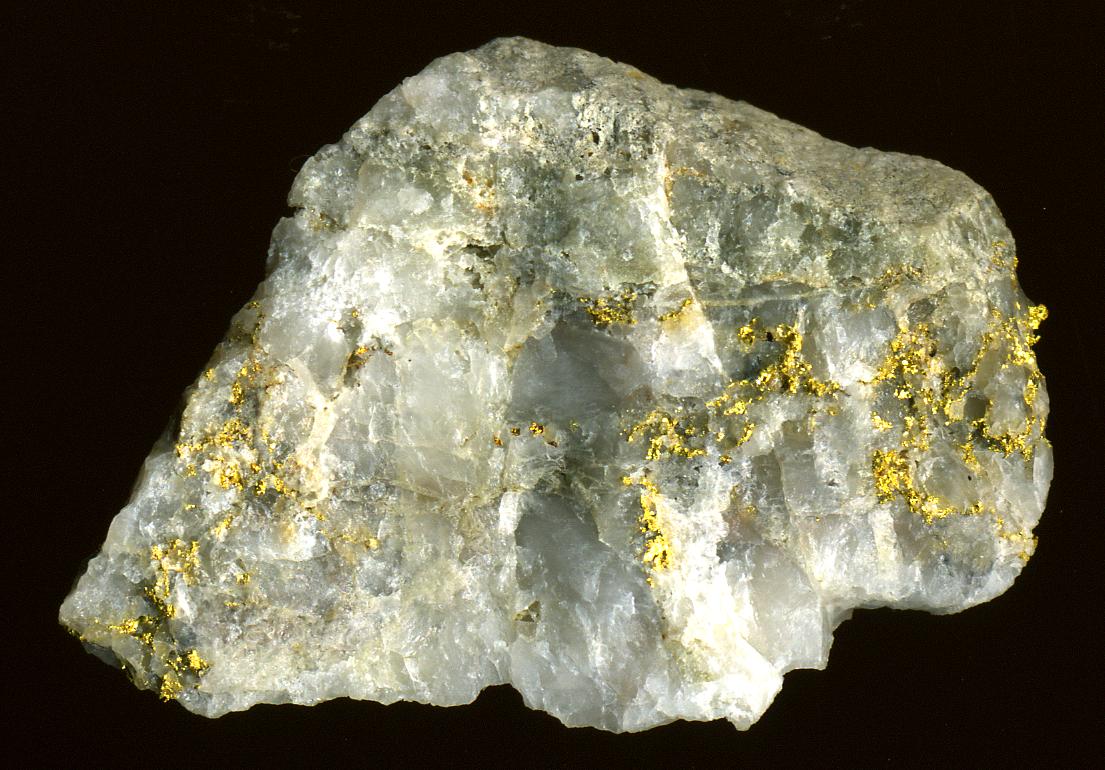
High-grade gold ore from the Harvard Mine, Jamestown, California, a wide quartz-gold vein in California's Mother Lode. Specimen is 3.2 cm (1.3 in) wide.

Various theories of ore genesis explain how the various types of mineral deposits form within Earth's crust. Ore-genesis theories vary depending on the mineral or commodity examined.

Ore-genesis theories generally involve three components: source, transport or conduit, and trap. (This also applies to the petroleum industry: petroleum geologists originated this analysis.)

  • Source is required because metal must come from somewhere, and be liberated by some process.
  • Transport is required first to move the metal-bearing fluids or solid minerals into their current position, and refers to the act of physically moving the metal, as well as to chemical or physical phenomena which encourage movement.
  • Trapping is required to concentrate the metal via some physical, chemical, or geological mechanism into a concentration which forms mineable ore.

The biggest deposits form when the source is large, the transport mechanism is efficient, and the trap is active and ready at the right time.

Ore genesis processes

[edit]

Endogenous

[edit]

Magmatic processes

[edit]
  • Fractional crystallization: separates ore and non-ore minerals according to their crystallization temperature. As early crystallizing minerals form from magma, they incorporate certain elements, some of which are metals. These crystals may settle onto the bottom of the intrusion, concentrating ore minerals there. Chromite and magnetite are ore minerals that form in this way.[1]
  • Liquid immiscibility: sulfide ores containing copper, nickel, or platinum may form from this process. As a magma changes, parts of it may separate from the main body of magma. Two liquids that will not mix are called immiscible; oil and water are an example. In magmas, sulfides may separate and sink below the silicate-rich part of the intrusion or be injected into the rock surrounding it. These deposits are found in mafic and ultramafic rocks.

Hydrothermal processes

[edit]

These processes are the physicochemical phenomena and reactions caused by movement of hydrothermal water within the crust, often as a consequence of magmatic intrusion or tectonic upheavals. The foundations of hydrothermal processes are the source-transport-trap mechanism.

Sources of hydrothermal solutions include seawater and meteoric water circulating through fractured rock, formational brines (water trapped within sediments at deposition), and metamorphic fluids created by dehydration of hydrous minerals during metamorphism.

Metal sources may include a plethora of rocks. However most metals of economic importance are carried as trace elements within rock-forming minerals, and so may be liberated by hydrothermal processes. This happens because of:

  • incompatibility of the metal with its host mineral, for example zinc in calcite, which favours aqueous fluids in contact with the host mineral during diagenesis.
  • solubility of the host mineral within nascent hydrothermal solutions in the source rocks, for example mineral salts (halite), carbonates (cerussite), phosphates (monazite and thorianite), and sulfates (barite)
  • elevated temperatures causing decomposition reactions of minerals

Transport by hydrothermal solutions usually requires a salt or other soluble species which can form a metal-bearing complex. These metal-bearing complexes facilitate transport of metals within aqueous solutions, generally as hydroxides, but also by processes similar to chelation.

This process is especially well understood in gold metallogeny where various thiosulfate, chloride, and other gold-carrying chemical complexes (notably tellurium-chloride/sulfate or antimony-chloride/sulfate). The majority of metal deposits formed by hydrothermal processes include sulfide minerals, indicating sulfur is an important metal-carrying complex.

Sulfide deposition

[edit]

Sulfide deposition within the trap zone occurs when metal-carrying sulfate, sulfide, or other complexes become chemically unstable due to one or more of the following processes;

  • falling temperature, which renders the complex unstable or metal insoluble
  • loss of pressure, which has the same effect
  • reaction with chemically reactive wall rocks, usually of reduced oxidation state, such as iron-bearing rocks, mafic or ultramafic rocks, or carbonate rocks
  • degassing of the hydrothermal fluid into a gas and water system, or boiling, which alters the metal carrying capacity of the solution and even destroys metal-carrying chemical complexes

Metal can also precipitate when temperature and pressure or oxidation state favour different ionic complexes in the water, for instance the change from sulfide to sulfate, oxygen fugacity, exchange of metals between sulfide and chloride complexes, et cetera.

Metamorphic processes

[edit]
Lateral secretion
[edit]

Ore deposits formed by lateral secretion are formed by metamorphic reactions during shearing, which liberate mineral constituents such as quartz, sulfides, gold, carbonates, and oxides from deforming rocks, and focus these constituents into zones of reduced pressure or dilation such as faults. This may occur without much hydrothermal fluid flow, and this is typical of podiform chromite deposits.

Metamorphic processes also control many physical processes which form the source of hydrothermal fluids, outlined above.

Sedimentary or surficial processes (exogenous)

[edit]

Surficial processes are the physical and chemical phenomena which cause concentration of ore material within the regolith, generally by the action of the environment. This includes placer deposits, laterite deposits, and residual or eluvial deposits. Superficial deposits processes of ore formation include;

  • Erosion of non-ore material.
  • Deposition by sedimentary processes, including winnowing, density separation (e.g.; gold placers).
  • Weathering via oxidation or chemical attack of a rock, either liberating rock fragments or creating chemically deposited clays, laterites, or supergene enrichment.
  • Deposition in low-energy environments in beach environments.
  • Sedimentary Exhalative Deposits (SEDEX), formed on the sea floor from metal-bearing brines.

Classification of ore deposits

[edit]

Classification of hydrothermal ore deposits is also achieved by classifying according to the temperature of formation, which roughly also correlates with particular mineralising fluids, mineral associations and structural styles.[2] This scheme, proposed by Waldemar Lindgren (1933) classified hydrothermal deposits as follows:[2]

  • Hypothermal — mineral ore deposits formed at great depth under conditions of high temperature.[3]
  • Mesothermal — mineral ore deposits formed at moderate temperature and pressure, in and along fissures or other openings in rocks, by deposition at intermediate depths, from hydrothermal fluids.[4]
  • Epithermal — mineral ore deposits formed at low temperatures (50–200 °C) near the Earth's surface (<1500 m), that fill veins, breccias, and stockworks.[2]
  • Telethermal — mineral ore deposits formed at shallow depth and relatively low temperatures, with little or no wall-rock alteration, presumably far from the source of hydrothermal solutions.[5]

Ore deposits are usually classified by ore formation processes and geological setting. For example, sedimentary exhalative deposits (SEDEX), are a class of ore deposit formed on the sea floor (sedimentary) by exhalation of brines into seawater (exhalative), causing chemical precipitation of ore minerals when the brine cools, mixes with sea water, and loses its metal carrying capacity.

Ore deposits rarely fit neatly into the categories in which geologists wish to place them. Many may be formed by one or more of the basic genesis processes above, creating ambiguous classifications and much argument and conjecture. Often ore deposits are classified after examples of their type, for instance Broken Hill type lead-zinc-silver deposits or Carlin–type gold deposits.

Genesis of common ores

[edit]

As they require the conjunction of specific environmental conditions to form, particular mineral deposit types tend to occupy specific geodynamic niches,[6] therefore, this page has been organised by metal commodity. It is also possible to organise theories the other way, namely according to geological criteria of formation. Often ores of the same metal can be formed by multiple processes, and this is described here under each metal or metal complex.

Iron

[edit]

Iron ores are overwhelmingly derived from ancient sediments known as banded iron formations (BIFs). These sediments are composed of iron oxide minerals deposited on the sea floor. Particular environmental conditions are needed to transport enough iron in sea water to form these deposits, such as acidic and oxygen-poor atmospheres within the Proterozoic Era.

Often, more recent weathering is required to convert the usual magnetite minerals into more easily processed hematite. Some iron deposits within the Pilbara of Western Australia are placer deposits, formed by accumulation of hematite gravels called pisolites which form channel-iron deposits. These are preferred because they are cheap to mine.

Lead zinc silver

[edit]

Lead-zinc deposits are generally accompanied by silver, hosted within the lead sulfide mineral galena or within the zinc sulfide mineral sphalerite.

Lead and zinc deposits are formed by discharge of deep sedimentary brine onto the sea floor (termed sedimentary exhalative or SEDEX), or by replacement of limestone, in skarn deposits, some associated with submarine volcanoes (called volcanogenic massive sulfide ore deposits or VMS), or in the aureole of subvolcanic intrusions of granite. The vast majority of SEDEX lead and zinc deposits are Proterozoic in age, although there are significant Jurassic examples in Canada and Alaska.

The carbonate replacement type deposit is exemplified by the Mississippi valley type (MVT) ore deposits. MVT and similar styles occur by replacement and degradation of carbonate sequences by hydrocarbons, which are thought important for transporting lead.

Gold

[edit]
High-grade (bonanza) gold ore, brecciated quartz-adularia rhyolite. Field of view ~10.5 cm across. Native gold (Au) occurs in this rock as colloform bands, partially replaces breccia clasts, and is also disseminated in the matrix. Published research indicates that Sleeper Mine rocks represent an ancient epithermal gold deposit (hot springs gold deposit), formed by volcanism during Basin & Range extensional tectonics.[7] Sleeper Gold Mine, Humboldt County, Nevada.

Gold deposits are formed via a very wide variety of geological processes. Deposits are classified as primary, alluvial or placer deposits, or residual or laterite deposits. Often a deposit will contain a mixture of all three types of ore.

Plate tectonics is the underlying mechanism for generating gold deposits. The majority of primary gold deposits fall into two main categories: lode gold deposits or intrusion-related deposits.

Lode gold deposits, also referred to as orogenic gold are generally high-grade, thin, vein and fault hosted. They are primarily made up of quartz veins also known as lodes or reefs, which contain either native gold or gold sulfides and tellurides. Lode gold deposits are usually hosted in basalt or in sediments known as turbidite, although when in faults, they may occupy intrusive igneous rocks such as granite.

Lode-gold deposits are intimately associated with orogeny and other plate collision events within geologic history. It is thought that most lode gold deposits are sourced from metamorphic rocks by the dehydration of basalt during metamorphism. The gold is transported up faults by hydrothermal waters and deposited when the water cools too much to retain gold in solution.

Intrusive related gold (Lang & Baker, 2001) is generally hosted in granites, porphyry, or rarely dikes. Intrusive related gold usually also contains copper, and is often associated with tin and tungsten, and rarely molybdenum, antimony, and uranium. Intrusive-related gold deposits rely on gold existing in the fluids associated with the magma (White, 2001), and the inevitable discharge of these hydrothermal fluids into the wall-rocks (Lowenstern, 2001). Skarn deposits are another manifestation of intrusive-related deposits.

Placer deposits are sourced from pre-existing gold deposits and are secondary deposits. Placer deposits are formed by alluvial processes within rivers and streams, and on beaches. Placer gold deposits form via gravity, with the density of gold causing it to sink into trap sites within the river bed, or where water velocity drops, such as bends in rivers and behind boulders. Often placer deposits are found within sedimentary rocks and can be billions of years old, for instance the Witwatersrand deposits in South Africa. Sedimentary placer deposits are known as 'leads' or 'deep leads'.

Placer deposits are often worked by fossicking, and panning for gold is a popular pastime.

Laterite gold deposits are formed from pre-existing gold deposits (including some placer deposits) during prolonged weathering of the bedrock. Gold is deposited within iron oxides in the weathered rock or regolith, and may be further enriched by reworking by erosion. Some laterite deposits are formed by wind erosion of the bedrock leaving a residuum of native gold metal at surface.

A bacterium, Cupriavidus metallidurans, plays a vital role in the formation of gold nuggets by precipitating metallic gold from a solution of gold (III) tetrachloride, a compound highly toxic to most other microorganisms.[8] Similarly, Delftia acidovorans can form gold nuggets.[9]

Platinum

[edit]

Platinum and palladium are precious metals generally found in ultramafic rocks. The source of platinum and palladium deposits is ultramafic rocks which have enough sulfur to form a sulfide mineral while the magma is still liquid. This sulfide mineral (usually pentlandite, pyrite, chalcopyrite, or pyrrhotite) gains platinum by mixing with the bulk of the magma because platinum is chalcophile and is concentrated in sulfides. Alternatively, platinum occurs in association with chromite either within the chromite mineral itself or within sulfides associated with it.

Sulfide phases only form in ultramafic magmas when the magma reaches sulfur saturation. This is generally thought to be nearly impossible by pure fractional crystallisation, so other processes are usually required in ore genesis models to explain sulfur saturation. These include contamination of the magma with crustal material, especially sulfur-rich wall-rocks or sediments; magma mixing; volatile gain or loss.

Often platinum is associated with nickel, copper, chromium, and cobalt deposits.

Nickel

[edit]

Nickel deposits are generally found in two forms, either as sulfide or laterite.

Sulfide type nickel deposits are formed in essentially the same manner as platinum deposits. Nickel is a chalcophile element which prefers sulfides, so an ultramafic or mafic rock which has a sulfide phase in the magma may form nickel sulfides. The best nickel deposits are formed where sulfide accumulates in the base of lava tubes or volcanic flows — especially komatiite lavas.

Komatiitic nickel-copper sulfide deposits are considered to be formed by a mixture of sulfide segregation, immiscibility, and thermal erosion of sulfidic sediments. The sediments are considered to be necessary to promote sulfur saturation.

Some subvolcanic sills in the Thompson Belt of Canada host nickel sulfide deposits formed by deposition of sulfides near the feeder vent. Sulfide was accumulated near the vent due to the loss of magma velocity at the vent interface. The massive Voisey's Bay nickel deposit is considered to have formed via a similar process.

The process of forming nickel laterite deposits is essentially similar to the formation of gold laterite deposits, except that ultramafic or mafic rocks are required. Generally nickel laterites require very large olivine-bearing ultramafic intrusions. Minerals formed in laterite nickel deposits include gibbsite.

Copper

[edit]

Copper is found in association with many other metals and deposit styles. Commonly, copper is either formed within sedimentary rocks, or associated with igneous rocks.

The world's major copper deposits are formed within the granitic porphyry copper style. Copper is enriched by processes during crystallisation of the granite and forms as chalcopyrite — a sulfide mineral, which is carried up with the granite.

Sometimes granites erupt to surface as volcanoes, and copper mineralisation forms during this phase when the granite and volcanic rocks cool via hydrothermal circulation.

Sedimentary copper forms within ocean basins in sedimentary rocks. Generally this forms by brine from deeply buried sediments discharging into the deep sea, and precipitating copper and often lead and zinc sulfides directly onto the sea floor. This is then buried by further sediment. This is a process similar to SEDEX zinc and lead, although some carbonate-hosted examples exist.

Often copper is associated with gold, lead, zinc, and nickel deposits.

Uranium

[edit]
Five cylinder-like bodies on a flat surface: four in a group and one separate.
Citrobacter species can have concentrations of uranium in their bodies 300 times higher than in the surrounding environment.

Uranium deposits are usually sourced from radioactive granites, where certain minerals such as monazite are leached during hydrothermal activity or during circulation of groundwater. The uranium is brought into solution by acidic conditions and is deposited when this acidity is neutralised. Generally this occurs in certain carbon-bearing sediments, within an unconformity in sedimentary strata. The majority of the world's nuclear power is sourced from uranium in such deposits.

Uranium is also found in nearly all coal at several parts per million, and in all granites. Radon is a common problem during mining of uranium as it is a radioactive gas.

Uranium is also found associated with certain igneous rocks, such as granite and porphyry. The Olympic Dam deposit in Australia is an example of this type of uranium deposit. It contains 70% of Australia's share of 40% of the known global low-cost recoverable uranium inventory.

Titanium and zirconium

[edit]

Mineral sands are the predominant type of titanium, zirconium, and thorium deposit. They are formed by accumulation of such heavy minerals within beach systems, and are a type of placer deposits. The minerals which contain titanium are ilmenite, rutile, and leucoxene, zirconium is contained within zircon, and thorium is generally contained within monazite. These minerals are sourced from primarily granite bedrock by erosion and transported to the sea by rivers where they accumulate within beach sands. Rarely, but importantly, gold, tin, and platinum deposits can form in beach placer deposits.

Tin, tungsten, and molybdenum

[edit]

These three metals generally form in a certain type of granite, via a similar mechanism to intrusive-related gold and copper. They are considered together because the process of forming these deposits is essentially the same. Skarn type mineralisation related to these granites is a very important type of tin, tungsten, and molybdenum deposit. Skarn deposits form by reaction of mineralised fluids from the granite reacting with wall rocks such as limestone. Skarn mineralisation is also important in lead, zinc, copper, gold, and occasionally uranium mineralisation.

Greisen granite is another related tin-molybdenum and topaz mineralisation style.

Rare-earths, niobium, tantalum, lithium

[edit]

The overwhelming majority of rare-earth elements, tantalum, and lithium are found within pegmatite. Ore genesis theories for these ores are wide and varied, but most involve metamorphism and igneous activity.[10] Lithium is present as spodumene or lepidolite within pegmatite.

Carbonatite intrusions are an important source of these elements. Ore minerals are essentially part of the unusual mineralogy of carbonatite.

Phosphate

[edit]

Phosphate is used in fertilisers. Immense quantities of phosphate rock or phosphorite occur in sedimentary shelf deposits, ranging in age from the Proterozoic to currently forming environments.[11] Phosphate deposits are thought to be sourced from the skeletons of dead sea creatures which accumulated on the seafloor. Similar to iron ore deposits and oil, particular conditions in the ocean and environment are thought to have contributed to these deposits within the geological past.

Phosphate deposits are also formed from alkaline igneous rocks such as nepheline syenites, carbonatites, and associated rock types. The phosphate is, in this case, contained within magmatic apatite, monazite, or other rare-earth phosphates.

Vanadium

[edit]
Tunicates such as this bluebell tunicate contain vanadium as vanabin.

Due to the presence of vanabins, concentration of vanadium found in the blood cells of Ascidia gemmata belonging to the suborder Phlebobranchia is 10,000,000 times higher than that in the surrounding seawater. A similar biological process might have played a role in the formation of vanadium ores. Vanadium is also present in fossil fuel deposits such as crude oil, coal, oil shale, and oil sands. In crude oil, concentrations up to 1200 ppm have been reported.

Cosmic origins of rare metals

[edit]

Precious metals such as gold and platinum, but also many other rare and noble metals, largely originated within neutron star collisions - collisions between exceedingly heavy massive and dense remnants of supernovas. In the final moments of the collision, the physical conditions are so extreme that these heavy rare elements can be formed, and are sprayed into space. Interstellar dust and gas clouds contain some of these elements, as did the dust cloud from which the Solar System formed.

Those heavy metals fell to the centre of the molten core of Earth, and are no longer accessible. However about 200 million years after Earth formed, a late heavy bombardment of meteors impacted Earth. As Earth had already begun to cool and solidify, the material (including heavy metals) in that bombardment became part of Earth's crust, rather than falling deep into the core. They became processed and exposed by geological processes over billions of years. It is believed that this represents the origin of many elements, and all heavy metals, that are now found on Earth.[12][13]

See also

[edit]

References

[edit]
[edit]
Revisions and contributorsEdit on WikipediaRead on Wikipedia
from Grokipedia
Ore genesis encompasses the geological processes responsible for forming deposits, which are naturally occurring concentrations of economically valuable minerals or metals in the , typically requiring enrichment factors of 10 to 10,000 times the average crustal abundance to become viable for extraction. These deposits arise through a combination of sourcing metals from rocks, transporting them via fluids or melts, and precipitating them into concentrated forms, often spanning millions of years and influenced by tectonic, magmatic, and surficial activities. The fundamental stages of ore genesis involve dissolution, where elements are leached from source materials such as mantle-derived magmas or crustal rocks; transport, facilitated by hydrothermal fluids, magmatic melts, or sedimentary media; and precipitation, triggered by changes in temperature, pressure, pH, or oxidation state that cause minerals to deposit. For example, in magmatic processes, fractional crystallization and liquid immiscibility in cooling igneous bodies segregate chalcophile elements like copper, nickel, and platinum-group elements (PGEs) into sulfide liquids or cumulate layers, forming deposits such as those in the Bushveld Complex. Hydrothermal systems, often powered by magmatic heat, circulate hot fluids through fractures, dissolving and redepositing metals to create vein or disseminated ores, as seen in volcanogenic massive sulfide (VMS) deposits where seawater interacts with volcanic rocks at seafloor vents. Sedimentary and supergene processes further contribute by concentrating ores through chemical precipitation in basins or weathering-induced enrichment near the surface, yielding deposits like iron oxides or secondary copper sulfides. Ore deposits are broadly classified by their genetic mechanisms, including orthomagmatic (directly from magma, e.g., chromitite layers), hydrothermal (fluid-mediated, e.g., gold-quartz veins), sedimentary (evaporitic or placer types), and metamorphic (remobilized during deformation), each tied to specific tectonic settings like mid-ocean ridges, subduction zones, or intracratonic basins. Economic viability hinges on factors such as grade, tonnage, accessibility, and market demand, with global production from these deposits supplying over a third of the periodic table's elements used in industry. Insights into ore genesis guide exploration strategies, emphasizing the interplay of geochemical partitioning and geological evolution to locate new resources amid finite crustal supplies.

Fundamental Concepts in Ore Genesis

Definition and Overview

Ore genesis refers to the geological processes that lead to the formation of ore deposits, which are naturally occurring concentrations of s in the sufficiently rich to allow economical extraction of valuable substances, typically metals or industrial s. An ore deposit is defined as a deposit that has been evaluated and confirmed to possess adequate , grade, and accessibility to yield a profit upon . These deposits form through a combination of physical, chemical, and biological processes that concentrate elements from the broader crustal or mantle sources into viable accumulations. Within an ore deposit, ore minerals are the economically valuable components from which metals or other resources are extracted, such as (PbS), the primary ore mineral for lead. In contrast, gangue minerals consist of the non-valuable rock-forming materials, like or carbonates, that are separated during processing and discarded as . This distinction is fundamental to operations, as it determines the efficiency and cost of extraction. The study of ore genesis has evolved historically from early 19th- and 20th-century debates between syngenetic theories, which posited that ores formed contemporaneously with their host rocks through sedimentary or volcanic processes, and epigenetic theories, which argued for later introduction of mineralizing fluids, often from magmatic sources. These contrasting views, prominent in works from the mid-20th century, influenced exploration strategies but were limited in explanatory power for diverse deposit types. Modern integrated models, developed since the late 20th century, combine elements of both by incorporating basin analysis, fluid dynamics, and tectonic settings to provide a more comprehensive framework for ore formation. Ore deposits hold critical importance in resource economics, supplying the metals essential for , , and technologies, while also posing challenges in due to impacts on , , and ecosystems. They underpin global supply chains for commodities like , iron, and rare earth elements, driving economic growth but requiring sustainable practices to mitigate ecological risks. Ore genesis research thus informs resource assessment, , and environmental strategies.

Key Components of Ore Formation

The source-transport-trap model represents the foundational framework for ore genesis, delineating the sequential stages necessary for concentrating metals into viable deposits across diverse geological settings. This paradigm emphasizes that ore formation universally requires identifying a metal source, facilitating its mobilization and conveyance, and ensuring localized deposition to achieve requisite enrichment levels. In the source phase, metals originate from geologically accessible reservoirs, with concentrations initially far below economic thresholds—often in parts per million or less in average rocks. Mantle-derived sources involve of ultramafic rocks, liberating compatible elements during magma generation, while crustal sources rely on fluid-mediated leaching from igneous, sedimentary, or metamorphic protoliths. External contributions, such as ligands from atmospheric or hydrospheric cycles or biogenic inputs, can enhance metal availability by forming soluble complexes. Transport mechanisms enable the efficient relocation of these metals over varying distances, acting as conduits that selectively mobilize elements without specifying underlying processes. Magmatic melts serve as high-temperature carriers, dissolving metals during fractional or exsolution; hydrothermal fluids, rich in water and volatiles, facilitate rapid through fractured or porous media; and sedimentary solutions promote dispersion via mechanical , dissolution in surface waters, or evaporative cycles. These pathways ensure metals remain in solution or suspension until suitable deposition conditions arise. Deposition, or , culminates the model by concentrating transported metals through interplay of physical and chemical factors, transforming dilute dispersions into discrete ore bodies. Physical traps encompass structural discontinuities like faults, shear zones, or stratigraphic barriers that impede fluid flow and promote accumulation, while chemical traps trigger precipitation via shifts in environmental parameters, such as pH alterations, gradients, or thermal gradients that destabilize metal complexes and induce . Phase separation, including immiscible liquid formation, further aids localization. Time scales critically govern the extent of concentration within this model, as prolonged interaction amplifies enrichment but risks dispersion. Rapid magmatic or hydrothermal episodes, spanning 10^4 to 10^5 years, enable swift focusing in dynamic settings, whereas protracted sedimentary or regimes, extending over 10^6 to 10^8 years, permit gradual buildup through repeated cycles of and fixation. Such variability underscores how temporal duration modulates from initial sourcing to final trap efficacy. For economic viability, the model implies that only traps yielding grades exceeding typical thresholds—often 10- to 10,000-fold above ambient crustal abundances—render deposits mineable, depending on metal value and extraction costs.

Endogenous Processes

Magmatic Processes

Magmatic processes refer to the formation of ore deposits through the direct involvement of , where metals are concentrated during igneous activity in the or . These processes occur without significant reliance on external fluids, focusing instead on physical and chemical segregation within the cooling . Key mechanisms include the differentiation of bodies, leading to the accumulation of dense mineral phases that settle to form economically viable concentrations of metals such as , , , and platinum-group elements (PGEs). Fractional crystallization plays a central role in concentrating metals by removing early-crystallizing minerals from the melt, thereby enriching the residual liquid in incompatible elements and certain ore-forming components. As cools, minerals like and crystallize first and settle due to their , altering the composition of the remaining and promoting the saturation of phases such as in ultramafic systems. For instance, in ultramafic magmas derived from mantle sources, this process drives the segregation of crystals, which accumulate as layers through gravitational settling, forming stratiform deposits. This mechanism is particularly effective in large magma chambers where repeated episodes of cooling and replenishment enhance differentiation. Liquid immiscibility represents another critical process, where a distinct melt phase separates from the silicate-dominated due to changes in , often triggered by cooling or magma mixing. This immiscible liquid, being denser and wetting to crystals, efficiently scavenges chalcophile metals like and from the surrounding melt, leading to the formation of -rich ores. The separation occurs when the reaches saturation, typically after significant fractional has reduced the oxygen , allowing the droplets to coalesce and settle. Such processes are fundamental to the genesis of Ni-Cu-PGE deposits in mafic-ultramafic intrusions. Bowen's reaction series serves as a foundational conceptual tool for predicting the sequence of mineral in cooling s, which directly influences mineral paragenesis and distribution. This series delineates the progressive solidification pathway, starting with high-temperature minerals like and progressing to ones like and , with continuous and discontinuous branches reflecting reaction relationships among phases. In the context of formation, it illustrates how early minerals incorporate minor amounts of metals, while later stages concentrate incompatible elements in the evolving melt, guiding the timing of phase saturation during fractional . Common types, including tholeiitic and calc-alkaline, follow this series, limiting extreme differentiation unless perturbed by external factors. Prominent examples of magmatic ore deposits arise in layered intrusions, where cyclic magma replenishment and crystallization produce rhythmic layering of cumulate rocks enriched in ores. The Bushveld Complex in exemplifies this, representing the world's largest layered mafic-ultramafic intrusion, with a thickness exceeding 7 km and hosting vast resources of , PGEs, and through processes of fractional crystallization and immiscibility. Formed around 2.06 billion years ago, its Critical Zone features layers like the UG2 reef, resulting from the settling of cumulus and associated sulfides in a differentiating tholeiitic . These deposits highlight how open-system behavior, including multiple magma injections, amplifies metal segregation in such settings.

Hydrothermal Processes

Hydrothermal processes represent a primary mechanism for ore formation in the , where hot, metal-laden aqueous fluids circulate through fractures and porous rocks, transporting and depositing economically significant concentrations of metals. These fluids, typically ranging from 200°C to 700°C, derive their energy from underlying magmatic heat sources that drive convective circulation, creating large-scale fluid flow systems capable of mobilizing elements over kilometers. The sources of hydrothermal fluids are diverse, including magmatic fluids exsolved directly from crystallizing intrusions, meteoric waters infiltrated from the surface and heated by geothermal gradients, and connate brines trapped in sedimentary formations during burial. Circulation is initiated and sustained by heat from shallow intrusions, which establish thermal anomalies that induce density-driven , with fluid velocities on the order of centimeters per year in mature systems. For instance, multiple intrusions may be required to maintain flow over extended periods, as modeled in geothermal analogs like Wairakei, New Zealand. Metals such as , , and are transported in these fluids primarily as dissolved complexes with ligands like (Cl⁻) or (HS⁻), enhancing solubility under specific conditions of temperature, pressure, and . A key example is transport as the complex Au(HS)₂⁻, where the stability is described by equilibrium constants following logK=f(T,pH)\log K = f(T, \mathrm{pH}), with solubility peaking at near-neutral and temperatures around 300–400°C before decreasing due to sulfide saturation. Similarly, base metals like form complexes such as Zn(HS)₂⁻ or ZnCl₂⁰, whose solubilities increase with concentration and temperature but diminish with rising pressure. Precipitation of metals from these fluids occurs when conditions destabilize the complexes, triggering deposition as sulfides, oxides, or native metals. Common mechanisms include adiabatic cooling during ascent, which reduces ; , which separates vapor and liquid phases to concentrate metals in the residual ; fluid mixing with cooler or less saline waters, altering and state; and reactions with wall rocks, such as sulfidation or that consume ligands. These processes can lead to rapid mineralization in focused zones, with efficiency enhanced by fluid-rock interactions that buffer chemistry. Distinct types of hydrothermal systems form under varying tectonic and thermal regimes, each characterized by temperature ranges and associated ore assemblages. Porphyry systems, linked to subvolcanic intrusions, operate at 200–700°C and produce disseminated copper-gold-molybdenum deposits through repeated fluid pulses. In contrast, volcanogenic massive sulfide (VMS) systems form at 200–400°C in volcanic environments, yielding stratabound zinc-lead-copper sulfides from black smoker-like venting. These systems exemplify how and host rock permeability control ore geometry and grade.

Metamorphic Processes

Metamorphic processes contribute to genesis by remobilizing and concentrating metals through recrystallization, solid-state , and limited fluid-mediated secretion during regional , primarily driven by and without significant external influx. These processes transform pre-existing rocks, often with sedimentary or volcanic protoliths, by promoting the redistribution of elements via devolatilization reactions that generate internal fluids. Unlike magmatic or sedimentary origins, metamorphic ore formation emphasizes internal reconfiguration under orogenic conditions, leading to deposits enriched in sulfides, oxides, and silicates. The lateral secretion model describes how metasomatic fluids, derived from surrounding rocks during prograde , leach and transport metals over short distances to sites of , such as shear zones or dilation structures. In this mechanism, metamorphic reactions, including the breakdown of ferromagnesian silicates in amphibolites and gneisses, release elements like Fe, Zn, and associated volatiles into pore fluids, which then migrate laterally under pressure gradients to concentrate in adjacent lithologies, forming ore bodies without convective circulation. For instance, in the Balmat-Edwards district of New York, Zn ores (as ) formed through K- and Si-metasomatism of gneisses, displacing up to 80 ppm Zn from source rocks into nearby marbles, with granitic intrusions facilitating the process. This model relies on solid-state and minimal fluid volumes, distinguishing it from hydrothermal systems by the absence of large-scale external fluid sources. Deformation and elevated pressure play crucial roles in segregating sulfides and oxides by creating structural traps and enhancing mineral mobility during . Syn-deformational shearing liberates minerals like , sulfides, and oxides from host rocks, allowing their accumulation in low-pressure zones such as faults or fold hinges through ductile flow and recrystallization. Metamorphic deformation can remobilize pre-existing podiform in ophiolites, where mantle-derived peridotites are affected by shearing, further concentrating into irregular pods via physical segregation without abundant fluid involvement. Similarly, in orogenic settings, pressure-induced recrystallization at temperatures below 450°C redistributes critical metals like Ge and Co into sulfides, forming enriched veins in shear zones, as observed in metamorphosed Pb-Zn deposits of the . These processes highlight solid-state mechanisms, where and deformation dominate over fluid transport, upgrading pre-existing mineralization.

Exogenous Processes

Sedimentary Processes

Sedimentary processes in ore genesis involve the formation of mineral deposits through mechanical accumulation, chemical precipitation, and diagenetic alterations within depositional basins, primarily in marine or lacustrine environments. These processes typically occur syngenetically, where ores form contemporaneously with enclosing sediments, or early diagenetically, driven by evolving pore waters and basin dynamics. Key mechanisms include the circulation of metal-rich brines derived from evaporated or continental , which precipitate ores upon encountering reducing conditions or boundaries in low-energy, anoxic settings. Such deposits are often stratiform, layered parallel to , and hosted in clastic or sequences. Stratiform deposits, particularly sedimentary exhalative (SEDEX) types, form via the discharge of hot, saline basin brines (100–200°C, 10–30 wt% ) through synsedimentary faults into sub-basins. These brines, sourced from evaporated interacting with clastic s, transport metals like , lead, and silver as complexes; upon mixing with (H₂S) generated by bacterial or thermochemical reduction in underlying organic-rich shales or carbonates, sulfides such as and precipitate on or just below the seafloor. Geological settings favor intracratonic basins with deep accumulation (>3 km), where fault-controlled subbasins near depocenters facilitate focused fluid flow; examples include the McArthur River (), Red Dog (), and Sullivan () deposits, which collectively represent major global resources of Zn-Pb ores. Evaporitic and chemical precipitation processes contribute to bedded copper deposits in red-bed sequences, where oxidized, copper-bearing brines from interbedded evaporites leach metals from continental source rocks and infiltrate permeable sandstones or conglomerates. Precipitation occurs at diagenetic fronts, often within 50 cm of the sediment-water interface, as brines mix with reduced fluids from organic debris or hydrocarbons, reducing sulfate to sulfide via bacterial activity and forming minerals like (Cu₂S). These deposits are stratabound and disseminated, with median grades around 1.6% Cu, and typify syngenetic deposition in shallow-marine or fluvial-lacustrine basins near the paleo-equator; representative examples are the Corocoro () and Nacimiento () occurrences, hosted in Permian to red beds. Organic matter plays a pivotal role in establishing reducing conditions for sulfide precipitation in these sedimentary settings, acting as a reductant and metal adsorbent during early . In anoxic basins, organic-rich black shales (>1 wt% C_org) promote bacterial reduction (BSR), generating H₂S that reacts with dissolved metals to form ; hydrocarbons derived from thermal maturation of this can further transport metals and enhance fluid mixing. This mechanism is evident in SEDEX and bedded copper systems, where organic ligands stabilize metals until reduction triggers deposition, as seen in formations of northern Tunisia's diapiric zones.

Weathering and Surficial Processes

Weathering and surficial processes play a crucial role in ore genesis by altering primary deposits at or near the Earth's surface, leading to the concentration of valuable metals through oxidation, leaching, and mechanical sorting. These processes occur in the zone of oxidation and alteration, where meteoric waters interact with , dissolving and redistributing elements to form secondary enrichments. Unlike deeper endogenous formation, surficial processes are driven by atmospheric exposure, climate, and , often enhancing the economic viability of otherwise low-grade deposits. Supergene enrichment involves the oxidation of primary minerals and subsequent leaching of metals by descending acidic waters, followed by their redeposition in underlying zones. In this , sulfides such as oxidize to form iron oxides like and , creating characteristic gossans that cap leached zones and serve as indicators for underlying . Metals like are mobilized as soluble or complexes and precipitate as secondary sulfides (e.g., , ) at the boundary between oxidized and unoxidized rock, often increasing grades by factors of 2 to 10. Examples include the enrichment blankets in volcanogenic massive deposits like those at Bathurst, , where gossans overlie Cu-Zn-Pb , and the Flambeau deposit in , where boosted concentrations sixfold. Laterite formation represents another key surficial process, occurring in humid tropical climates where intense chemical of ultramafic or rocks leads to residual enrichment of metals. Under high rainfall and temperature, silica and magnesium are leached from parent rocks like , concentrating iron, aluminum, and in layered profiles: (Fe-rich upper zone), (Ni-rich lower zone), and transition clays. laterites, for instance, host Ni in , , and , accounting for over 60% of global Ni resources, while aluminum forms through precipitation, and iron concentrates as . Prominent examples include the Goro deposit in for Ni and the Weipa in for Al, both developed over millions of years in stable, low-relief tropical settings. Placer deposits arise from the mechanical of primary sources, followed by gravity-driven sorting in surficial environments like rivers and beaches, concentrating dense, resistant minerals. liberates heavy minerals such as from deposits, and fluvial action transports and sorts them based on specific gravity— (19.3 g/cm³) settles in low-velocity zones while lighter sediments are carried away. Alluvial placers, formed in stream gravels, exemplify this, with nuggets and flakes accumulating in bars or benches during flood events. Notable cases are the placers in , yielding over 5 million ounces from Tertiary and gravels, and the Fairbanks district in , where stream of metamorphic lodes produced 7.6 million ounces of alluvial . Groundwater plays an integral role in mobilizing and redepositing metals during these surficial processes, acting as a that transports dissolved through fractured rock and soil. In zones, percolating oxidizes sulfides, forming metal complexes (e.g., ²⁺ as bisulfate) that migrate downward before precipitating at reducing horizons via reactions with remnant sulfides. This hydrological cycling can enhance enrichment, as seen in deposits where -induced isotopic fractionation (δ⁶⁵Cu shifts of up to +1.2‰) traces metal remobilization. In systems, such as those in the Otago Schist of , leaches Au from and redeposits it as native particles in weathered profiles.

Biogenic and Microbial Processes

Biogenic and microbial processes play a pivotal role in ore genesis by facilitating , where microorganisms the precipitation, sequestration, and transformation of metals through metabolic activities such as sulfate reduction and oxidation. These processes often occur in reducing sedimentary environments, integrating biological with geochemical cycles to form economically significant deposits. Unlike purely abiotic mechanisms, microbial involvement introduces specificity and in metal accumulation, driven by evolutionary adaptations between microbes and minerals. Microbial sulfate reduction (MSR) is a key biogenic pathway leading to precipitation, particularly in the formation of -rich ores. -reducing (SRB), such as those in the genus , metabolize to produce , which reacts with dissolved metals like to form insoluble such as (CuS). This process is evidenced in secondary deposits, where MSR controls metal enrichment by creating localized reducing conditions that promote precipitation over dispersion. For instance, studies of porphyry systems demonstrate microbial involvement in formation. Bacterial bioweathering and metal sequestration further contribute to ore formation, especially in iron-rich systems. , including species like Gallionella and Leptothrix, accelerate the oxidation of ferrous iron (Fe²⁺) to ferric iron (Fe³⁺), leading to the precipitation of iron oxides and hydroxides that serve as precursors to banded iron formations (BIFs). These microbes colonize mineral surfaces, enhancing rates by up to orders of magnitude compared to abiotic processes and sequestering metals through biofilm-mediated adsorption and . In BIFs, microbial mats dominated by these are inferred to have driven rhythmic layering through alternating oxidation and silica deposition cycles. Representative examples illustrate the diversity of biogenic ore formation. Cyanogenic bacteria, such as Chromobacterium violaceum and certain Pseudomonas species, produce cyanide as a metabolic byproduct, which complexes with gold to mobilize it before subsequent reduction and precipitation into secondary particles, including nugget-like structures in regolith profiles. This biomediated cycling is implicated in the formation of placer gold deposits, where microbial films on gold grains facilitate dissolution and re-precipitation. Similarly, microbial mats comprising sulfate-reducing and phosphate-accumulating bacteria promote phosphorite genesis by concentrating phosphorus through organic mediation and authigenic apatite precipitation in marine settings; these mats trap phosphate from upwelling waters, forming nodular and bedded deposits that constitute major phosphate ore resources. Recent studies from 2019 to 2022, along with advancements through 2025, underscore the co-evolution of microbes and metals at scales, revealing how long-term interactions shape deposit formation. For example, genomic analyses show that metal-resistant microbial consortia in ancient sediments co-evolved with iron and cycles, influencing BIF and distributions across geological epochs. Next-generation sequencing has further elucidated complex microbe-geosphere interactions in systems. These findings emphasize microbial contributions to global metal budgets and the integral role of microbes in sustaining genesis over billions of years.

Oceanic and Deep-Sea Processes

Oceanic and deep-sea processes contribute significantly to ore genesis by facilitating the accumulation of metals in environments, particularly through interactions between chemistry, , and tectonic activity at the seafloor. These processes operate over vast abyssal plains and systems, leading to the formation of distinct deposit types that are enriched in critical metals essential for modern technologies. Unlike continental settings, deep-sea ore formation emphasizes slow, diffuse and localized hydrothermal discharge, influenced by global circulation and plate boundary dynamics. Polymetallic nodules form via hydrogenetic accumulation, where metals precipitate directly from oxic onto nuclei such as microfossils or particles on the abyssal seafloor at depths of 3,500–6,000 meters. This process involves the adsorption and co-precipitation of (Mn), (Ni), and (Cu) onto ferromanganese layers, resulting in potato-shaped concretions that grow slowly through concentric layering. The nodules are particularly abundant in the Clarion-Clipperton Zone of the , where they constitute a major reservoir of these metals due to the low rates and high oxygen levels that favor stability. Microbial may play a minor role in initiating nodule growth by providing organic nuclei for initial precipitation. Seafloor massive sulfides (SMS) originate from hydrothermal venting at s, where cold infiltrates fractured , heats up via from underlying , and leaches metals from . As the metal-enriched fluids rise and mix with cold ambient at vents, rapid of minerals forms chimneys, mounds, and massive deposits rich in (Cu), zinc (Zn), iron (Fe), (Au), and silver (Ag). These deposits are concentrated along neovolcanic zones of the global system, spanning approximately 60,000 km, with individual fields containing up to 1 million tons of material. The process is episodic, tied to volcanic eruptions that recharge the hydrothermal systems. REY-rich muds, enriched in rare earth elements and (REY), develop through a combination of hydrogenetic and diagenetic processes in deep-sea sediments, often within or near oxygen-minimum zones where low oxygen facilitates . Hydrogenetic scavenging of REY from occurs via adsorption onto iron-manganese oxyhydroxides in the , followed by diagenetic remobilization during early burial, where REY are released and incorporated into biogenic or authigenic in the sediment. These muds are distributed in belts across the Pacific and Indian Oceans at depths exceeding 4,000 meters, with concentrations up to 2,000 μg/g REY, making them potential resources for heavy rare earth elements. Hydrothermal influences contribute in some settings, such as the Southeast Pacific, by adding REY pulses to the sediments. Recent genesis models from 2018–2023 emphasize the role of in controlling the distribution and metal enrichment of these deep-sea ores, with mid-ocean ridges serving as primary sites for due to divergent plate boundaries driving . For nodules and REY muds, models highlight basin-scale oceanographic factors like productivity and gradients, linked to tectonic evolution of ocean basins, which influence precipitation efficiency and metal fluxes over millions of years. Studies integrate geochemical data with geophysical surveys to predict enrichment hotspots, revealing that early enhances REY transfer in low-sedimentation environments, while tectonic spreading rates modulate tonnage along ridges. These models underscore the global interconnectedness of deep-sea ore formation with plate motions, estimating vast untapped resources while noting environmental sensitivities.

Classification of Ore Deposits

Genetic Classification

Genetic classification of ore deposits organizes them according to the dominant processes and origins involved in their formation, broadly dividing into endogenous categories driven by internal geological forces and exogenous ones influenced by surface environments. This approach emphasizes the mechanisms of mineral concentration, such as magmatic segregation, fluid migration, or chemical precipitation, to infer the genetic history of deposits. The primary categories include magmatic deposits, formed by direct or segregation from molten rock; hydrothermal deposits, resulting from hot, metal-laden fluids circulating through the crust; sedimentary deposits, arising from mechanical or chemical accumulation in basins; metamorphic deposits, generated or remobilized during regional or contact ; and deposits, produced by near-surface and enrichment processes. Within magmatic deposits, subtypes distinguish orthomagmatic segregation, where ores form early from immiscible liquids in mafic-ultramafic magmas, from pegmatitic deposits, which involve late-stage, volatile-rich fluids coarse-grained assemblages. Hydrothermal and sedimentary deposits are further subdivided into syngenetic types, formed contemporaneously with the host rock, and epigenetic types, introduced later through invading fluids or solutions. Classification relies on diagnostic criteria such as fluid inclusion analyses, which reveal the , , , and composition of ore-forming fluids to differentiate magmatic from meteoric or metamorphic sources, and stable signatures, including δ¹⁸O values that indicate fluid origins—typically +5.5 to +9.5‰ for primary magmatic waters versus lower values for meteoric or sedimentary brines. Radiogenic isotopes like Pb or U-Pb systems further constrain timing and source reservoirs. These tools enable precise genetic modeling by tracing fluid evolution and metal transport pathways. The historical development of genetic models traces back to Waldemar Lindgren's early 20th-century framework, which pioneered the subdivision of hydrothermal deposits by depth and temperature into hypothermal (deep, high-temperature), mesothermal (intermediate), and epithermal (shallow, low-temperature) types, influencing subsequent classifications that integrated geochemical data. Over decades, refinements incorporated advancing techniques like isotope geochemistry, evolving from process-based schemes in to comprehensive models by the 1970s that linked ore genesis to without relying on descriptive features.

Tectonic and Setting-Based Classification

The tectonic and setting-based classification of ore deposits emphasizes their association with specific geological environments shaped by , such as convergent margins, divergent settings, intracratonic basins, and stable cratons, which control the distribution, preservation, and characteristics of mineral resources. This approach integrates global tectonic processes to explain patterns of ore formation, where lithospheric dynamics facilitate magma generation, fluid migration, and structural traps essential for mineralization. Unlike genetic classifications focused on mechanisms, this framework prioritizes spatial contexts to predict deposit locations in evolving plate configurations. In convergent plate margins, zones drive volatile-rich and hydrothermal fluid circulation, creating pathways for precipitation along fault systems and volcanic arcs. Porphyry copper deposits, for instance, form in these settings through the emplacement of intermediate-composition intrusions that release metals from subducted , as seen in the Andean porphyry belts where tectonic compression enhances fluid focusing. Orogenic deposits similarly occur in fold-and-thrust belts associated with collisional or accretionary , where metamorphic devolatilization and shear zone permeability concentrate in veins; examples include the Archean greenstone belts of the Canadian Shield and the Variscan orogens of . -related here not only supplies heat and fluids but also forms structural traps that localize giant deposits. Divergent settings, including mid-ocean ridges and continental rifts, promote extensional faulting and seafloor hydrothermal activity, leading to volcanogenic massive (VMS) deposits rich in base metals like , , and lead. These form where mantle-derived magmas interact with circulating , precipitating sulfides in volcanic environments, as exemplified by the deposits in Japan's back-arc basins and ancient ophiolite-hosted occurrences in . In continental rift systems, such as aulacogens, intrusions host nickel--platinum group element (PGE) deposits, for example the Norilsk-Talnakh deposits in , where rift-related traps immiscible liquids in layered intrusions. Intracratonic basins and stable s represent interior continental settings where subsidence and low tectonic activity allow for the accumulation and preservation of stratabound ores, often linked to basinal brines or evaporative processes. Valley-type (MVT) lead-zinc deposits typify this environment, forming in platforms through the migration of metal-bearing fluids along reactivated faults in subsiding basins, as in the Southeast district where tectonic stability preserved extensive ore horizons. Cratonic margins may host sediment-hosted copper deposits in red-bed sequences, influenced by rift-inherited structures that channel diagenetic fluids, evident in the Central African Copperbelt. Layered mafic-ultramafic intrusions in cratonal settings, such as the Bushveld Complex in , host major nickel-copper-PGE deposits formed by magmatic segregation and immiscible liquid trapping. Overall, theory elucidates global distribution patterns, such as the circum-Pacific "" for arc-related ores and clustering for ancient provinces, aiding exploration by correlating deposits to reconstructed cycles.

Genesis of Common Ores

Iron Ores

Iron ores primarily form through the of iron oxides and silicates in ancient marine environments, with banded iron formations (BIFs) representing the dominant deposits that account for over 90% of the world's iron resources. These formations developed in anoxic oceans where dissolved iron (Fe²⁺) from hydrothermal vents and continental weathering accumulated to high concentrations, up to 10-100 times modern levels. Oxidation of this Fe²⁺, likely initiated by episodic oxygen production from early photosynthetic microbes during the around 2.4 billion years ago, triggered the abiotic of iron minerals as alternating layers of iron-rich (, ) and silica-rich (chert) bands. The formation of BIFs is linked to the , where microbial oxygen production led to the of iron oxides in ancient oceans. BIFs are classified into Algoma-type and Superior-type based on their depositional settings and geological associations. Algoma-type BIFs, predominantly Archean (3.8–2.5 Ga), formed in volcanic-arc or intracratonic rift environments within greenstone belts, often interbedded with volcanic rocks and greywackes, resulting in smaller, highly deformed, and metamorphosed deposits with strong hydrothermal signatures evidenced by large positive europium anomalies (>1.8). In contrast, Superior-type BIFs, mainly Neoarchean to Paleoproterozoic (2.7–1.8 Ga) with a peak at ~2.5 Ga, deposited along passive continental margins in near-shore settings, associated with carbonates, sandstones, and shales, yielding extensive, laterally continuous, and less metamorphosed layers rich in hematite over magnetite and exhibiting subdued europium anomalies (<1.8). These distinctions reflect varying tectonic controls, with Algoma-type linked to active subduction-related volcanism and Superior-type to stable shelf sedimentation. Secondary enrichment transforms low-grade BIFs (20–30% Fe) into economic high-grade ores (>60% Fe) through processes driven by near-surface under humid, oxidizing conditions. Descending meteoric waters dissolve silica, carbonates, and other minerals via acid hydrolysis and oxidation, mobilizing iron downward to redeposit as porous, hematite-goethite assemblages in a leached zone, often enhanced by microbial and lasting 10–100 million years in tropical paleoclimates. This alteration is universal in exposed BIFs, concentrating iron by factors of 2–3 while preserving primary banding textures. Prominent examples include the Hamersley Province in , a Superior-type BIF deposit in the Paleoproterozoic Hamersley Group, where ~2.5 Ga marine precipitation formed vast chert-magnetite layers, later upgraded to high-grade martite-microplaty ores primarily through hydrothermal alteration at 1.4-1.1 Ga, with additional supergene enrichment, yielding reserves exceeding 50 billion tonnes at >60% Fe. Recent explorations in 2025 have identified an additional 55 billion tonnes of reserves in the region, further enhancing its global significance. Similarly, the Krivoy Rog (Krivoi Rog) basin in hosts to Paleoproterozoic BIFs of the Superior type, initially deposited as iron quartzites in a setting around 2.0–2.7 Ga, with subsequent metamorphic (greenschist-amphibolite ) and metasomatic hydrothermal upgrades forming high-grade magnetite- ores through fluid interactions at 400–500°C, supported by CO₂- and NaCl-rich brines that enhanced iron concentration to 52–56% Fe.

Lead, Zinc, and Silver Ores

Lead, zinc, and silver ores are primarily hosted in sediment-hosted deposits, where metals are precipitated from basinal brines or hydrothermal fluids interacting with sedimentary rocks. These deposits form through low-temperature processes in sedimentary basins, often without direct igneous influence, and are significant sources of global lead and production. The primary minerals are (PbS) for lead and (ZnS) for , with silver commonly occurring as a associated with these sulfides. Mississippi Valley-Type (MVT) deposits represent a major class of lead-zinc ores, forming in platform carbonate sequences such as dolostone and at basin margins, forelands, or thrust belts. These epigenetic, stratabound deposits arise from the migration of hot, metal-rich brines derived from evaporated , which are expelled during tectonic compression and basin dewatering. The brines, typically at temperatures of 50–200°C, precipitate , , and minor iron sulfides upon encountering cooler, reduced host rocks or mixing with other fluids, often accompanied by gangue minerals like dolomite, , and barite. Most MVT deposits formed during the , with peak activity in the Devonian-Permian and Cretaceous-Tertiary periods linked to continental assimilation events. In contrast, sedimentary exhalative (SEDEX) deposits develop in deeper, clastic-dominated basins, where hydrothermal fluids vent onto the seafloor, mixing with seawater to form layered sulfide accumulations rich in zinc, lead, and silver. These deposits require basin-scale tectonic subsidence and fluid evolution, with ore fluids sourced from underlying basement or sediments, carrying metals leached at depth before exhalation through synsedimentary faults. Precipitation occurs rapidly in subaqueous environments, resulting in stratiform ores hosted in shales, sandstones, or carbonates, often with barite and pyrite as associates. SEDEX systems are typically Proterozoic or Paleozoic in age and account for some of the world's largest Pb-Zn resources. Silver is closely associated with lead-zinc ores through incorporation into galena and sphalerite, primarily via solid solution mechanisms that enhance the economic value of these deposits. In galena, silver substitutes through coupled reactions such as Ag⁺ + (Bi³⁺ or Sb³⁺) ↔ 2Pb²⁺, allowing up to several weight percent silver in solid solution, especially in deposits with elevated bismuth or antimony. Sphalerite can similarly host silver, though often as inclusions or minor solid solution, contributing to the overall silver endowment in MVT and SEDEX systems. This association arises during ore precipitation from the same metal-bearing fluids. Lead isotopes provide critical evidence for tracing metal sources in Pb-Zn deposits, revealing contributions from multiple reservoirs such as rocks or sediments. For instance, in the giant McArthur River SEDEX deposit, high-precision analysis of shows two distinct lead sources: one with radiogenic signatures (²⁰⁷Pb/²⁰⁴Pb > 15.56) from evolved crustal rocks, and another less radiogenic (²⁰⁷Pb/²⁰⁴Pb < 15.46) from proximal sedimentary units, each supplying comparable amounts to the 8 Mt of lead ore. Such isotopic variations confirm leaching by basin fluids and help model fluid pathways, with similar patterns observed in MVT systems where lead derives from continental crust or evaporites.

Gold Ores

Gold ores form through diverse geological processes, primarily involving hydrothermal activity, metamorphic devolution, and surficial erosion, resulting in deposits that range from high-grade veins to low-grade disseminated systems. These ores are characterized by native gold or electrum, often associated with quartz, sulfides like pyrite and arsenopyrite, and minor base metals, with global resources exceeding 50,000 tonnes of contained gold concentrated in Archean to Phanerozoic terranes. Key deposit types include orogenic lode systems, epithermal veins, and placers, each reflecting distinct fluid sources and depositional environments that control gold solubility via complexes such as Au(HS)₂⁻ in reduced, near-neutral pH fluids. Orogenic gold deposits, representing over 75% of known global resources, originate in accretionary wedges during continental collision, where metamorphic devolatilization of mid-crustal sediments and volcanic rocks at greenschist to amphibolite facies (300–500°C) releases CO₂-H₂O fluids enriched in gold, sulfur, and arsenic. These low-salinity (0.5–5 wt% NaCl equiv.), reduced fluids migrate upward along crustal-scale shear zones and dilational jogs in active orogenic belts, such as the Archean or Mesozoic , precipitating gold as native particles or inclusions in arsenopyrite during fluid-rock interactions, phase separation, or redox shifts at 1–5 km depths. For example, the Mother Lode belt in California exemplifies this process, with fluids sourced from devolatilizing underthrust oceanic sequences during subduction-related orogeny. Epithermal gold deposits develop in near-surface hydrothermal systems (≤1.5 km depth, 100–300°C) linked to subaerial volcanism in arc settings, where magmatic volatiles mix with meteoric water to form boiling or condensing fluids that deposit gold in veins, breccias, or stockworks hosted in volcanic or sedimentary rocks. Low-sulfidation subtypes feature neutral pH, adularia-quartz alteration and electrum precipitation via boiling or mixing, as seen in the Hishikari deposit (Japan), while high-sulfidation variants involve acidic, magmatic-dominated fluids causing advanced argillic alteration and gold tellurides in vuggy quartz, exemplified by Yanacocha (Peru). These systems often overlie porphyry copper deposits, with fluid pressures below 55 bars facilitating rapid mineralization over 10⁴–10⁶ years. Placer gold accumulates through weathering of primary lode deposits, where physical and chemical breakdown liberates resistant particles, which are then transported and concentrated by fluvial or glacial action due to gold's high density (19.3 g/cm³). In regions like the Klondike (Yukon), prolonged erosion over millions of years fragments vein into flakes and nuggets, with streams sorting and trapping particles in bedrock crevices or gravel bars during flood events, forming economic deposits preserved by burial or uplift. Such placers, like those in California's Tertiary channels, yield 90% of historical production but represent secondary remobilization without new gold formation. Gold ores are classified as free-milling or based on extractability; free-milling ores allow >90% recovery via direct cyanidation after grinding, as the occurs as liberated native particles or in amenable associations, common in oxidized placers or shallow epithermal veins. In contrast, ores, comprising 20–30% of reserves, contain submicron encapsulated in sulfides (e.g., , ) or tellurides, or adsorbed on carbonaceous matter, necessitating pretreatment like or oxidation for effective leaching, as in Carlin-type or deep orogenic deposits. Nugget formation arises during placer evolution, where electrochemical remobilization and coalescence of fine on surfaces in oxidizing profiles enlarges particles into irregular shapes up to several kilograms, observed in Australian and Alaskan placers.

Platinum Group Elements

Platinum group elements (PGE), including platinum, palladium, rhodium, ruthenium, iridium, and osmium, primarily form economic deposits through magmatic processes in layered mafic-ultramafic intrusions associated with large igneous provinces. These elements, highly chalcophile, concentrate in phases during differentiation, leading to stratiform and contact-type ores that dominate global production. The Bushveld Complex in and the Stillwater Complex in , , exemplify such settings, hosting over 80% of known PGE reserves through segregation in sulfur-saturated magmas. Magmatic segregation occurs as mafic-ultramafic magmas undergo sulfur saturation, often triggered by crustal assimilation or volatile addition, resulting in the exsolution of immiscible sulfide liquids that scavenge PGE from the silicate melt. In the Bushveld Complex, this process enriches PGE in layers of the Rustenburg Layered Suite, with the and UG2 Chromitite containing up to 6 g/t and 5 g/t PGE+Au, respectively, across vast lateral extents. Similarly, in the Stillwater Complex, segregation in the Ultramafic and Banded series yields PGE concentrations of 20 ppb in basal sulfides, escalating to economic levels through repeated magma pulses. This mechanism, tied to large igneous events like the Kaapvaal Craton plume for Bushveld (2.06 Ga) and the Wyoming Province for Stillwater (2.7 Ga), underscores PGE's role as a byproduct of mantle-derived . Reef-type deposits, characteristic of PGE ores, arise via fractional crystallization in these intrusions, where progressive cooling and mineral accumulation form thin, laterally persistent layers enriched in PGE. In the Bushveld, the drapes over structural features like potholes, with in situ crystallization of melanorite and orthopyroxenite sublayers trapping PGE in low-sulfide (few percent) assemblages, reaching tenors up to 38 ppm in overhanging margins. The J-M Reef in Stillwater, at ~400 m above the Lower Banded series, similarly results from fractional crystallization enhanced by volatile-rich fluids, yielding ~18 ppm Pt+Pd with a Pd/Pt ratio of 3 and reserves of 20 million ounces. These reefs highlight how contrasts and concentrate PGE without dominant gravity settling. PGE often associate with Ni-Cu sulfide deposits in these magmatic systems, partitioning strongly (coefficients of 10³–10⁴) into sulfide liquids during segregation, enhancing economic value in Cu-rich zones. Examples include the Noril’sk-Talnakh district, where PGE enrich disseminated sulfides to levels ten times higher in certain areas, and Voisey’s Bay, with PGE in chonolith-hosted sulfides; this co-enrichment stems from high R-factors (silicate:sulfide ratios >1,000) in dynamic magma conduits. Secondary placer deposits form through erosion of these primaries, as seen in the Ural River placers of Russia, derived from dunite and chromitite in ultrabasic bodies, with platinum alloys and osmiridium (34–70% Ir, 17–55% Os) concentrated in fluvial and terrace gravels over 300 miles.

Nickel Ores

Nickel ores are primarily formed through two distinct geological processes: magmatic segregation in deposits and enrichment in profiles. Magmatic deposits account for a significant portion of high-grade resources, while represent the majority of global reserves, often in lower-grade but vast volumes. These deposit types are associated with ultramafic and igneous rocks, reflecting the geochemical affinity of for such environments. Magmatic deposits form through the immiscibility of melts within mafic-ultramafic intrusions, where saturation in the leads to the separation of dense liquid that scavenges , , and platinum-group elements from the melt. This process occurs in layered intrusions or conduit systems, with the melt settling or migrating to structural lows. A prime example is the Norilsk-Talnakh district in , , where Permian-Triassic produced some of the world's largest Ni-Cu-PGE deposits through volatile-driven segregation in subvertical feeder dikes and sills. These deposits contain massive to disseminated sulfides dominated by , , and , with grades often exceeding 1-3%. In contrast, nickel laterite deposits develop through intense chemical of ultramafic rocks, such as peridotites and serpentinites, in tropical to subtropical climates with high rainfall and temperatures. This process leaches soluble elements like magnesium and silica, concentrating in residual profiles that typically comprise a limonitic cap, horizon, and bedrock transition. The zone, formed by and serpentinization remnants, hosts the primary mineralization as hydrous magnesium silicates. , a -rich variant of or (up to 40-50 wt% NiO), precipitates in veins, boxworks, and disseminated forms within this horizon due to fluctuating chemistry and silica mobility during prolonged . Major examples include deposits in , , and the , where profiles can exceed 50 meters in thickness. Globally, deposits are predominantly linked to cratons, where komatiitic and tholeiitic magmas in greenstone belts and intrusions facilitated immiscibility, as seen in the (), (), and (). These ancient stable blocks provided the tectonic stability and mantle-derived melts necessary for large-scale endowment. deposits, however, are more widely distributed on Mesozoic-Cenozoic complexes in tectonically active margins, though some overlie ultramafics. Together, these distributions underscore 's concentration in settings with abundant ultramafic protoliths.

Copper Ores

Copper ores form through diverse geological processes, primarily linked to magmatic, sedimentary, and hydrothermal activities in specific tectonic environments. These deposits are major sources of global copper production, with porphyry systems accounting for over 70% of the world's supply. The genesis involves the mobilization and precipitation of copper from various sources, including magmatic melts, basin brines, and volcanic rocks, under conditions of fluid-rock interaction and phase separation. Porphyry copper systems develop at zones within continental or island-arc magmatic arcs, where calc-alkaline intrusions, such as and , emplace at depths of 1–4 km above reservoirs at 6–10 km. Magmatic-hydrothermal fluids, derived from crystallizing and enriched in , , and other metals, exsolve as high-salinity, halite-bearing brines at temperatures of 550–250°C. These fluids ascend through fractures, forming stockwork veinlets and disseminated sulfides like and in a potassic alteration core, surrounded by phyllic, argillic, and propylitic zones. Mineralization occurs via fluid immiscibility and cooling at pressures around 0.5 kbar, often with mixing enhancing metal deposition. Sedimentary stratiform copper deposits, exemplified by the Neoproterozoic Central African in and the , originate in intracratonic rift basins through the interaction of oxidized, copper-rich brines with reduced sediments. Brines sourced from evaporites and mobilize copper via chloride complexing, migrating along permeable sandstones or fault zones before mixing with sulfide-bearing fluids from organic-rich shales. Precipitation of , , and occurs in thin, stratabound layers via reactions, with microbial reduction near the sediment-water interface contributing to generation in some settings. These deposits host significant as carrollite and form in reduced-facies or red-bed subtypes. Iron oxide copper-gold (IOCG) deposits form in extensional settings, such as rifted continental margins or back-arc basins associated with , where oxidized NaCl brines interact with intrusions. Brines, derived primarily from sedimentary sources like and evaporites, are heated by mafic to granitic magmas and leach , iron, and , transporting them as chloride complexes through faults and breccias. Mineralization precipitates as , , or , and native in veins and disseminations, accompanied by sodic () and potassic alteration, upon mixing with reduced fluids or cooling. Examples include the Cloncurry district in and La Candelaria in . Native copper deposits occur in volcanic trap sequences, such as the Midcontinent Rift in Michigan's , where low-sulfur basaltic flows provide both source and host rocks. Hydrothermal fluids, generated 40–50 million years post-rifting during Grenvillian compression, leach from at 300–500°C and deposit it as at ~225°C in permeable zones like brecciated flow tops and interflow conglomerates. The sulfur deficiency in degassed rift basalts prevents formation, favoring native copper precipitation through fluid mixing, cooling, and reactions with wall rocks. This district yielded over 11 billion pounds of from 1845 to 1968.

Uranium Ores

Uranium ores form through processes involving the mobilization, transport, and precipitation of , primarily as (UO₂) or coffinite, in various geological settings. These deposits are significant for production and are classified based on host rock and formation mechanisms, with key types including unconformity-related, sandstone-hosted roll-fronts, and vein-type deposits. Uranium, typically sourced from granitic or volcanic rocks, is leached as soluble U(VI) by oxidizing fluids and precipitated as immobile U(IV) under reducing conditions. Unconformity-related deposits occur in basins, such as the in , where high-grade ores (>0.3 wt.% U, up to >10 wt.% U) form at the interface between overlying sedimentary rocks and underlying basement. These deposits develop through the circulation of uranium-rich basinal brines, derived from evaporated with salinities of 20–30 wt.% NaCl + CaCl₂, which leach (0.6–26.8 ppm, avg. 6.8 ppm) from source rocks prior to significant basin compaction. The brines interact intensely with sediments and the uppermost basement along reactivated faults crossing the , leading to mineralization during . Similar deposits are found in other basins, like the Kombolgie Sub-basin in . Sandstone-hosted roll-front deposits form in permeable Mesozoic to Cenozoic sandstones, such as those in the Coastal Plain, where is transported by oxidizing migrating through aquifers. This , sourced from and volcaniclastic sediments, carries dissolved U(VI) across formation boundaries, driven by isostatic loading and eustatic sea-level changes. Precipitation occurs at fronts where the uranium-rich fluids encounter reducing zones, often marked by organic-rich debris in fluvial channels or extrinsic reductants like gas migrating via faults and salt domes, resulting in crescent-shaped ore bodies. These deposits have produced significant resources, with approximately 80 million pounds of U₃O₈ extracted in alone. Vein-type uranium deposits in granitic settings arise from late-magmatic or deuteric processes in post-tectonic, alkali-rich granites, such as those in the . Uranium concentrates in quartz-fluorite veins during the final stages of magma differentiation, where high-temperature fluids precipitate U(IV) minerals from uranium-enriched melts (Th/U ratios >1). These veins form in diapiric granites derived from mantle or deep crustal sources, often in regions like the Virginia Blue Ridge or the 300 Ma pluton belt across Georgia, , , and . Hydrothermal alteration accompanies this precipitation, enhancing permeability in the host . A critical aspect of uranium ore genesis across these deposit types is the reduction of soluble U(VI) to insoluble U(IV), frequently mediated by . In reducing environments, biogenic processes involving such as and enzymatically reduce U(VI) using organic carbon as an electron donor, forming non-crystalline U(IV) phases bound to organic ligands like oxalates. This biogenic U(IV) constitutes 58–89% of total uranium in deposits like roll-fronts, where up to 30% of uranium associates with organic carbon, as evidenced by isotopic signatures (δ²³⁸U > -0.3‰) indicating biotic activity. thus stabilizes precipitates and preserves ores over millions of years.

Titanium and Zirconium Ores

Titanium and zirconium ores primarily form through magmatic processes in specific igneous environments, with secondary concentration in placer deposits. For , ilmenite (FeTiO₃) is the dominant ore mineral in primary magmatic deposits associated with massif complexes, where it crystallizes early from TiO₂-enriched basaltic s during fractional in lower crustal magma chambers. These deposits result from physical processes such as crystal settling, density separation, and flow segregation in conduits, often yielding hemo-ilmenite ores under conditions of moderate oxygen and low silica activity. Notable examples include the Lac Tio deposit in , , with reserves of 125 million tonnes grading 34.2% TiO₂, hosted in the Allard Lake , and the Tellnes deposit in , containing 380 million tonnes at 18.4% TiO₂ within the Åna-Sira . In the Damiao complex, northeastern , ilmenite ores form via liquid immiscibility between Fe-Ti-P-rich and SiO₂-rich magmas, followed by gravitational differentiation of early-crystallized ilmenite, , and . Zirconium ores, primarily (ZrSiO₄), originate as accessory minerals in alkaline igneous complexes through from silica-rich, peralkaline magmas derived from of metasomatized lithospheric mantle sources. These magmas, enriched in sodium, , , and , promote and concentration in late-stage differentiates via fractional , where 's incompatibility in early-forming minerals leads to its accumulation. Economic concentrations occur in syenites and peralkaline granites of or intraplate settings. Examples include the Lovozero complex in , where eudialyte-bearing syenites host up to 10% ZrO₂ as , and the Kovdor ultramafic-alkaline complex, also in , with associated with in phoscorites. Secondary and ores form as placer and deposits through of primary igneous and high-grade metasedimentary source rocks, liberating resistant heavy minerals like , , and . These detrital grains are transported by fluvial systems to coastal margins in temperate to tropical climates, where they accumulate in barrier islands, strandlines, and backshore s. For instance, the Trail Ridge deposit in , , a aeolian system, contains about 4% heavy minerals from eroded metamorphic sources in the southeastern U.S. Appalachians. Similarly, the Richards Bay deposit in , a complex, supplies major global resources of and from igneous terrains. Concentration of these heavy minerals in placer settings occurs primarily through density sorting in fluvial and marine environments, where waves, tides, longshore currents, and wind selectively transport and deposit denser grains ( at 4.7-5.2 g/cm³, at 4.6-4.7 g/cm³) over lighter and . In beach environments, this is most effective in the swash zone, forming laminated or lens-shaped layers up to tens of meters thick, with heavy mineral contents reaching 1-5% or higher in economic deposits. Fluvial sorting contributes inland, but marine reworking enhances final enrichment, as seen in the Grande deposit in , a dune system with 1.73% heavy minerals over 100 km. Brief surficial may further liberate grains from source rocks but plays a minor role compared to hydraulic processes.

Tin, Tungsten, and Molybdenum Ores

Tin, tungsten, and molybdenum ores are predominantly associated with highly evolved granitic magmas, where late-stage differentiation concentrates these incompatible elements into volatile-rich fluids that drive mineralization. These deposits form in specific tectonic settings, such as continental margins influenced by , and are characterized by the primary ore minerals (SnO₂) for tin, (CaWO₄) or ((Fe,Mn)WO₄) for tungsten, and (MoS₂) for molybdenum. The genesis involves magmatic processes where volatiles like fluorine and enhance the and transport of these metals, leading to in greisens, pegmatites, skarns, and porphyry systems. Tin mineralization, primarily as , occurs in and environments linked to peraluminous, highly fractionated , such as biotite-muscovite types intruded into metamorphic or sedimentary rocks. form through hydrothermal alteration of margins, replacing feldspar with quartz, topaz, and tourmaline, and hosting along fractures or as disseminations; examples include the deposits, where zones near contacts have yielded significant tin production. , representing late-stage magmatic crystallization, contain with associated rare elements like columbite-tantalite and beryl, often in zoned bodies up to several kilometers long, as seen in the Manono in the of Congo. These settings are typical of evolved in shields or belts, where extreme enriches tin in residual melts. Tungsten and molybdenum skarn deposits develop at contacts between granitic intrusions and carbonate host rocks, such as limestones or dolostones, through metasomatic replacement driven by magmatic-hydrothermal fluids exceeding 250°C. The process begins with contact , followed by prograde formation involving calc-silicate minerals like and , and culminates in retrograde alteration where or precipitates; oxidized skarns favor Mo-rich , while reduced types are Mo-poor. Zonation places proximal to the intrusion, with increasing at depth, as exemplified by the Pine Creek deposit in (0.7% WO₃) and the Shizhuyuan deposit in (>9 Mt ore with 0.05% MoS₂). The Heiyanshan tungsten in northwest illustrates this, formed from Carboniferous monzogranite fluids mixing with , evolving from high-temperature (290°C), saline (up to 13.4 wt% NaCl equiv.) prograde stages to lower-temperature retrograde deposition. Porphyry molybdenum deposits, a key source of Mo, form in settings above zones, associated with calc-alkaline intrusions like or at depths of 1–6 km. These low-grade (0.03–0.22% Mo), large-tonnage (>50 Mt) systems feature stockwork quartz- veins in a potassic alteration core, surrounded by phyllic and propylitic halos, with fluids sourced mainly from the and metals transported as HMoO₄⁻ complexes. Examples include the Endako deposit in , where occurs in low-sulfide veins, and they often coincide with porphyry copper systems in the . Volatile transport in late-stage magmas is crucial for Sn-W-Mo ore genesis, as these elements behave incompatibly during fractional crystallization of melts, concentrating in exsolving fluids as , , or complexes. In systems like the Pūtauaki magmatic-geothermal field, trace metals including Sn, W, and Mo enrich in residual rhyolitic melts without early exsolution, but post-crystallization fluid fluxing enables their mobilization and deposition in hydrothermal veins or associated deposits. This mechanism underscores the role of high volatile content in fractionated granites for forming these types.

Rare Earth Elements, Niobium, Tantalum, and Lithium Ores

Rare earth elements (REEs), (Nb), (Ta), and (Li) ores primarily form in alkaline and pegmatitic environments through magmatic differentiation and processes, concentrating these incompatible elements in late-stage melts or weathered residues. These deposits are critical for high-technology applications, with REEs essential for magnets and catalysts, Nb for alloys, Ta for , and Li for batteries. Unlike granitic systems, alkaline settings favor enrichment of these elements due to low silica content and high , enabling their partitioning into - and carbonate-rich fluids. Carbonatites, igneous rocks rich in minerals, host major REE and Nb deposits through immiscible separation from mantle-derived alkaline magmas in continental rift settings. These deposits form via fractional of carbonatitic melts, where REEs concentrate in minerals like bastnaesite (Ce,La)CO₃F and (Ce,La,Nd,Th)PO₄, while Nb occurs in pyrochlore (Na,Ca)₂Nb₂O₆(OH,F). weathering can further enrich ores by dissolving minerals, leaving residual concentrations up to 5-10% RE₂O₃. The Mountain Pass deposit in exemplifies this, formed from a 1.4 Ga intrusion within the province, yielding bastnaesite ores with grades averaging 7-8% RE₂O₃ and significant Nb as a . Pyrochlore-dominated Nb deposits, such as Araxá in , similarly arise from late-stage evolution, with reserves exceeding 500 Mt at 2.5% Nb₂O₅. Pegmatites, coarse-grained intrusive rocks derived from fractionated granitic melts, are principal sources of and through extreme magmatic differentiation in orogenic settings. Lithium concentrates in LiAlSi₂O₆, forming in zoned bodies where fluxing elements (H₂O, F, B, P) promote rapid at 350-550°C, often replacing earlier . occurs in tantalite-(Mn) (MnTa₂O₆), enriched in distal zones due to its incompatibility during and . The Greenbushes in illustrates this process, a LCT (lithium-cesium-tantalum) body emplaced along shear zones, containing 70 Mt of ore at 2.6% Li₂O and 0.02% Ta₂O₅ from and columbite-tantalite. Similarly, the Tanco in yields from tantalite in highly fractionated cores. Ion-adsorption clay deposits, unique to subtropical weathered granites, supply heavy REEs (HREEs) via processes without primary magmatic concentration. These form in profiles 5-30 m thick developed on granites in southern , where intense lateritic leaches REEs from primary minerals like and , adsorbing them onto and halloysite surfaces as outer-sphere hydrated complexes. The process requires high rainfall and temperatures (20-30°C), mobilizing 0.05-0.2% total RE₂O₃, with HREEs comprising 30-50% due to their greater mobility in acidic conditions (pH 4-5). Deposits in Province, such as those in the Zhaibei region, exemplify this, formed from 188 Ma granites and extractable via simple leaching, contributing ~30% of global HREE supply. Fractionation in peralkaline magmas, characterized by excess alkalies (Na+ > Al), drives REE, Nb, Ta, and Li enrichment in undersaturated alkaline complexes. These magmas evolve from mantle sources in or intraplate settings, with volatile-rich fluids (F, Cl) enhancing solubility of high field-strength elements (HFSE) like Nb and Ta during of nepheline syenites and phonolites. REEs fractionate into eudialyte Na₄(Ca,Ce)₂Zr₃(Si₃O₉)₂(Si₃O₉)OH₃ and loparite (Na,Ce)₂(Ti,Nb)₂O₆, while Li enters amphiboles or micas; late-stage melts yield grades up to 1-2% RE₂O₃. The Bokan complex in , an Early Jurassic peralkaline intrusion, demonstrates this, with REE and Nb-Ta mineralization in dikes from protracted , hosting eudialyte and fergusonite ores. Such systems typically yield lower tonnages but higher HREE ratios compared to carbonatites.

Phosphate Ores

Phosphate ores, primarily composed of minerals such as and carbonate-fluorapatite, form through biogenic and sedimentary processes driven by the in marine environments. These deposits are essential for global production, with over 80% of economically viable reserves originating from ancient marine settings where was concentrated via biological uptake and diagenetic redistribution. The genesis of these ores is tightly linked to nutrient-rich oceanic conditions that enhance primary productivity, leading to the accumulation of organic that lithifies into phosphorite beds. Marine phosphorites, a dominant type of phosphate deposit, develop on continental shelves where nutrient-laden deep waters rise to the surface, fueling blooms and subsequent fixation. These systems, prevalent in modern analogs off the coasts of and , result in nodules, pellets, and hardgrounds that form during periods of high organic productivity and low rates, allowing for the replacement of grains by through early . Ancient examples, such as the Permian Phosphoria Formation in the , illustrate how repeated events over millions of years can build economically significant deposits exceeding 100 meters in thickness. The process involves the microbial-mediated oxidation of , which releases that precipitates as microcrystalline under oxic to suboxic conditions at the sediment-water interface. Guano-derived insular deposits arise from the accumulation of bird and excrement on isolated islands and atolls, where from marine-derived nutrients concentrates rapidly in arid climates with minimal leaching. These deposits, historically mined on islands like and , consist of secondary phosphate minerals such as taranakite and brushite formed through the of in , often overlying platforms. The rapid formation—up to several meters thick in centuries—highlights the role of biological amplification in genesis, though modern exploitation has depleted most accessible reserves. Bedded in platform carbonates forms in shallow, tropical marine shelves where is incorporated into biogenic debris from organisms like brachiopods and , later recrystallizing into continuous apatite-rich layers during burial . These deposits, exemplified by the deposits of the Appalachians, occur in association with sequences and reflect episodes of enhanced nutrient input from terrestrial or volcanic activity, promoting algal blooms that export to the seafloor. The fine-grained, texture of the results from authigenic in low-energy depositional environments. Recycling via biological productivity underpins the global in formation, where is absorbed by , sinks as organic matter, and is remineralized in sediments to form . This biogenic pathway accounts for the majority of marine phosphorites, with estimates indicating that up to 90% of sedimentary derives from biological , enabling the concentration of dilute (typically <3 μmol/L) into ore-grade deposits (>15% P2O5). Sustained productivity in or stratified basins facilitates multiple cycles of and exhumation, preserving in the geological record over time. Microbial mats may influence initial nucleation in these settings by providing microenvironments for .

Vanadium Ores

Vanadium ores are primarily derived from sedimentary and igneous processes, with significant concentrations occurring in black shales, intrusions, and as byproducts in deposits. These ores form through the geochemical behavior of , a that exists in multiple oxidation states (V³⁺ to V⁵⁺) and readily complexes with or incorporates into oxide minerals under specific conditions. Economically viable deposits often result from secondary enrichment mechanisms, distinguishing vanadium genesis from primary magmatic sources. Black shale-hosted vanadium deposits, particularly those from Mid-Proterozoic formations, form via organic reduction in anoxic marine or lacustrine environments. In these settings, is supplied from continental weathering and reduced from its soluble V⁵⁺ form to insoluble V⁴⁺ or V³⁺ species by interaction with organic carbon, leading to sequestration in sediments rich in (TOC). For example, the Middle Proterozoic Nonesuch Formation in the Keweenawan Supergroup hosts alongside and silver, where facilitates precipitation and early diagenetic fixation, preventing remobilization. Concentrations can reach economically viable levels (up to several thousand ppm) through this reductive process, as seen in analogous Lower black shales of the platform in , where correlates strongly with TOC content. In mafic intrusions, vanadium concentrates in magnetite-ilmenite assemblages within layered complexes, originating from fractional crystallization of mantle-derived magmas. Titaniferous magnetite deposits, such as those in the Ural Mountains or Bushveld Complex, incorporate vanadium into the spinel structure of magnetite during magma cooling, with contents typically decreasing upward due to progressive depletion in the evolving melt. These deposits form in massif-type or layered intrusions where high-temperature immiscibility separates Fe-Ti-V oxides from silicate phases, yielding ores with 0.5–2% V₂O₅ as a byproduct of iron and titanium extraction. Vanadium here is often associated with iron ore bodies but extracted separately due to its affinity for magnetite lattices. Oil sands bitumen represents an emerging economic source of , concentrated during sedimentary of organic-rich precursors. Bitumen from Alberta's contains 210–240 ppm , derived from ancient that adsorbed from pore waters during and maturation. Diagenetic processes retain significant in asphaltenes and porphyrins, with further enrichment in upgrading byproducts like petcoke fly ash, potentially yielding up to 50 kt of annually from current production volumes. This sedimentary pathway contrasts with igneous sources by relying on organic mediation for initial uptake and fixation.

Cosmic Origins of Rare Metals

The cosmic origins of rare metals trace back to processes that produced heavy rare earth elements (REE) and actinides through the rapid neutron capture (r-process) in explosive astrophysical events such as core-collapse supernovae and mergers. These events generate intense fluxes, enabling the synthesis of neutron-rich isotopes beyond iron, including the heavy REE (e.g., to ) and actinides like and , which constitute about half of elements heavier than . The r-process yields short-lived nuclides that were present in the early Solar System at ratios such as 0.8% for ²⁴⁴Pu relative to ²³⁸U, contributing to the interstellar medium's enrichment with these elements before their incorporation into planetary materials. Meteoritic delivery during the (LHB), approximately 3.8–4.1 billion years ago, supplied siderophile elements such as the platinum-group elements (PGE: Os, Ir, Ru, Rh, Pt, Pd, Re) and (Au) to Earth's mantle after core formation had depleted these elements. This late accretion added roughly 0.5 wt.% of Earth's mass in chondritic material, restoring highly siderophile element (HSE) abundances to 0.0083–0.0126 times CI chondrite levels in the bulk silicate Earth while preserving chondritic relative ratios. The influx created mantle heterogeneity, with HSE patterns persisting in ancient rocks like ophiolite chromitites and komatiites, providing the primordial source for subsequent concentration into ore deposits through mantle-derived processes. Isotopic evidence from tungsten-182 (¹⁸²W) supports the role of late impacts in core-mantle differentiation, showing excesses in due to the decay of ¹⁸²Hf ( 8.9 Myr) after metal-silicate equilibration during accretion. These anomalies indicate protracted core formation over 10–175 million years, with late chondritic additions lowering mantle μ¹⁸²W values and enhancing HSE content, consistent with post-Moon-forming impact delivery. Such evidence underscores how giant impacts disrupted early differentiation, seeding with rare metals essential for ore genesis. Lunar and asteroidal materials offer analogies to terrestrial deposits by illustrating accretion effects on siderophile element distribution. The Moon's mantle exhibits extreme HSE depletion (~0.0004 times CI chondrites), contrasting Earth's enrichment and highlighting variable impactor delivery that could mirror heterogeneity. Asteroidal chondrites, as primary carriers of HSE and heavy REE, provide compositional analogs for the meteoritic veneers that influenced primordial ore-forming reservoirs on .

References

Add your contribution
Related Hubs
User Avatar
No comments yet.