Hubbry Logo
PalynologyPalynologyMain
Open search
Palynology
Community hub
Palynology
logo
8 pages, 0 posts
0 subscribers
Be the first to start a discussion here.
Contribute something
Palynology
Palynology
from Wikipedia

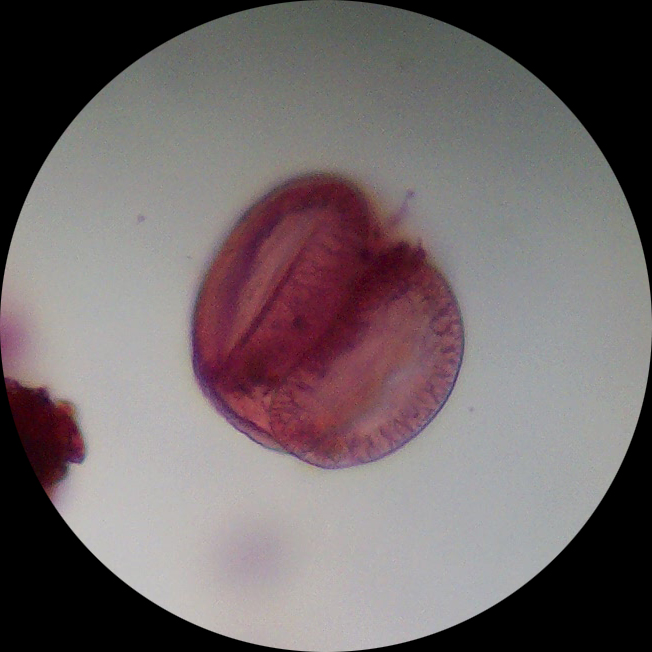
Pine pollen under the microscope
A late Silurian sporangium bearing trilete spores. Such spores provide the earliest evidence of life on land.[1] Green: A spore tetrad. Blue: A spore bearing a trilete mark – the Y-shaped scar. The spores are about 30–35 μm across.

Palynology is the study of microorganisms and microscopic fragments of mega-organisms that are composed of acid-resistant organic material and occur in sediments, sedimentary rocks, and even some metasedimentary rocks. Palynomorphs are the microscopic, acid-resistant organic remains and debris produced by a wide variety of plants, animals, and Protista that have existed since the late Proterozoic.[2][3]

It is the science that studies contemporary and fossil palynomorphs (paleopalynology), including pollen, spores, orbicules, dinocysts, acritarchs, chitinozoans and scolecodonts, together with particulate organic matter (POM) and kerogen found in sedimentary rocks and sediments. Palynology does not include diatoms, foraminiferans or other organisms with siliceous or calcareous tests. The name of the science and organisms is derived from the Greek Ancient Greek: παλύνω, romanizedpalynō, "strew, sprinkle" and -logy) or of "particles that are strewn".[3][4]

Palynology is an interdisciplinary science that stands at the intersection of earth science (geology or geological science) and biological science (biology), particularly plant science (botany). Biostratigraphy, a branch of paleontology and paleobotany, involves fossil palynomorphs from the Precambrian to the Holocene for their usefulness in the relative dating and correlation of sedimentary strata. Palynology is also used to date and understand the evolution of many kinds of plants and animals. In paleoclimatology, fossil palynomorphs are studied for their usefulness in understanding ancient Earth history in terms of reconstructing paleoenvironments and paleoclimates.[3][4]

Palynology is quite useful in disciplines such as archeology, in honey production, and criminal and civil law.[3][4] In archaeology, palynology is widely used to reconstruct ancient paleoenvironments and environmental shifts that significantly influenced past human societies and reconstruct the diet of prehistoric and historic humans. Melissopalynology, the study of pollen and other palynomorphs in honey, identifies the sources of pollen in terms of geographical location(s) and genera of plants. This not only provides important information on the ecology of honey bees, it also an important tool in discovering and policing the criminal adultriation and mislabeling of honey and its products. Forensic palynology uses palynomorphs as evidence in criminal and civil law to prove or disprove a physical link between objects, people, and places.[4][5]

Palynomorphs

[edit]

Palynomorphs are broadly defined as organic remains, including microfossils, and microscopic fragments of mega-organisms that are composed of acid-resistant organic material and range in size between 5 and 500 micrometres. They are extracted from soils, sedimentary rocks and sediment cores, and other materials by a combination of physical (ultrasonic treatment and wet sieving) and chemical (acid digestion) procedures to remove the non-organic fraction. Palynomorphs may be composed of organic material such as chitin, pseudochitin and sporopollenin.[6]

Palynomorphs form a geological record of importance in determining the type of prehistoric life that existed at the time the sedimentary strata was laid down. As a result, these microfossils give important clues to the prevailing climatic conditions of the time. Their paleontological utility derives from an abundance numbering in millions of palynomorphs per gram in organic marine deposits, even when such deposits are generally not fossiliferous. Palynomorphs, however, generally have been destroyed in metamorphic or recrystallized rocks.[6]

Typical palynomorphs include dinoflagellate cysts, acritarchs, spores, pollen, plant tissue, fungi, scolecodonts (scleroprotein teeth, jaws, and associated features of polychaete annelid worms), arthropod organs (such as insect mouthparts), and chitinozoans. Palynomorph microscopic structures that are abundant in most sediments are resistant to routine pollen extraction.[6]

Palynofacies

[edit]

A palynofacies is the complete assemblage of organic matter and palynomorphs in a fossil deposit. The term was introduced by the French geologist André Combaz [wikidata] in 1964. Palynofacies studies are often linked to investigations of the organic geochemistry of sedimentary rocks. The study of the palynofacies of a sedimentary depositional environment can be used to learn about the depositional palaeoenvironments of sedimentary rocks in exploration geology, often in conjunction with palynological analysis and vitrinite reflectance.[7][8][9]

Palynofacies can be used in two ways:

  • Organic palynofacies considers all the acid insoluble particulate organic matter (POM), including kerogen and palynomorphs in sediments and palynological preparations of sedimentary rocks. The sieved or unsieved preparations may be examined using strew mounts on microscope slides that may be examined using a transmitted light biological microscope or ultraviolet (UV) fluorescence microscope. The abundance, composition and preservation of the various components, together with the thermal alteration of the organic matter is considered.
  • Palynomorph palynofacies considers the abundance, composition and diversity of palynomorphs in a sieved palynological preparation of sediments or palynological preparation of sedimentary rocks. The ratio of marine fossil phytoplankton (acritarchs and dinoflagellate cysts), together with chitinozoans, to terrestrial palynomorphs (pollen and spores) can be used to derive a terrestrial input index in marine sediments.

History

[edit]
Pollen core sampling, Fort Bragg, North Carolina

Early history

[edit]

The earliest reported observations of pollen under a microscope are likely to have been in the 1640s by the English botanist Nehemiah Grew,[10] who described pollen and the stamen, and concluded that pollen is required for sexual reproduction in flowering plants.

By the late 1870s, as optical microscopes improved and the principles of stratigraphy were worked out, Robert Kidston and P. Reinsch were able to examine the presence of fossil spores in the Devonian and Carboniferous coal seams and make comparisons between the living spores and the ancient fossil spores.[11] Early investigators include Christian Gottfried Ehrenberg (radiolarians, diatoms and dinoflagellate cysts), Gideon Mantell (desmids) and Henry Hopley White (dinoflagellate cysts).

1890s to 1940s

[edit]

Quantitative analysis of pollen began with Lennart von Post's published work.[12] Although he published in the Swedish language, his methodology gained a wide audience through his lectures. In particular, his Kristiania lecture of 1916 was important in gaining a wider audience.[13] Because the early investigations were published in the Nordic languages (Scandinavian languages), the field of pollen analysis was confined to those countries.[14] The isolation ended with the German publication of Gunnar Erdtman's 1921 thesis. The methodology of pollen analysis became widespread throughout Europe and North America and revolutionized Quaternary vegetation and climate change research.[13][15]

Earlier pollen researchers include Früh (1885),[16] who enumerated many common tree pollen types, and a considerable number of spores and herb pollen grains. There is a study of pollen samples taken from sediments of Swedish lakes by Trybom (1888);[17] pine and spruce pollen was found in such profusion that he considered them to be serviceable as "index fossils". Georg F. L. Sarauw studied fossil pollen of middle Pleistocene age (Cromerian) from the harbour of Copenhagen.[18] Lagerheim (in Witte 1905) and C. A.Weber (in H. A. Weber 1918) appear to be among the first to undertake 'percentage frequency' calculations.

1940s to 1989

[edit]

The term palynology was introduced by Hyde and Williams in 1944, following correspondence with the Swedish geologist Ernst Antevs, in the pages of the Pollen Analysis Circular (one of the first journals devoted to pollen analysis, produced by Paul Sears in North America). Hyde and Williams chose palynology on the basis of the Greek words paluno meaning 'to sprinkle' and pale meaning 'dust' (and thus similar to the Latin word pollen).[19] The archive-based background to the adoption of the term palynology and to alternative names (e.g. paepalology, pollenology) has been exhaustively explored.[20] It has been argued there that the word gained general acceptance once used by the influential Swedish palynologist Gunnar Erdtman.

Pollen analysis in North America stemmed from Phyllis Draper, an MS student under Sears at the University of Oklahoma. During her time as a student, she developed the first pollen diagram from a sample that depicted the percentage of several species at different depths at Curtis Bog. This was the introduction of pollen analysis in North America;[21] pollen diagrams today still often remain in the same format with depth on the y-axis and abundances of species on the x-axis.

1990s to the 21st century

[edit]

Pollen analysis advanced rapidly in this period due to advances in optics and computers. Much of the science was revised by Johannes Iversen and Knut Fægri in their textbook on the subject.[22]

Methods of studying palynomorphs

[edit]

Chemical preparation

[edit]

Chemical digestion follows a number of steps.[23] Initially the only chemical treatment used by researchers was treatment with potassium hydroxide (KOH) to remove humic substances; defloculation was accomplished through surface treatment or ultra-sonic treatment, although sonification may cause the pollen exine to rupture.[14] In 1924, the use of hydrofluoric acid (HF) to digest silicate minerals was introduced by Assarson and Granlund, greatly reducing the amount of time required to scan slides for palynomorphs.[24]

Palynological studies using peats presented a particular challenge because of the presence of well-preserved organic material, including fine rootlets, moss leaflets and organic litter. This was the last major challenge in the chemical preparation of materials for palynological study. Acetolysis was developed by Gunnar Erdtman and his brother to remove these fine cellulose materials by dissolving them.[25] In acetolysis the specimen is treated with acetic anhydride and sulfuric acid, dissolving cellulistic materials and thus providing better visibility for palynomorphs.[26]

Some steps of the chemical treatments require special care for safety reasons, in particular the use of HF which diffuses very fast through the skin and, causes severe chemical burns, and can be fatal.[27]

Another treatment includes kerosene flotation for chitinous materials.

Analysis

[edit]

Once samples have been prepared chemically, they are mounted on microscope slides using silicon oil, glycerol or glycerol-jelly and examined using light microscopy or mounted on a stub for scanning electron microscopy.

Researchers will often study either modern samples from a number of unique sites within a given area, or samples from a single site with a record through time, such as samples obtained from peat or lake sediments. More recent studies have used the modern analog technique in which paleo-samples are compared to modern samples for which the parent vegetation is known.[28]

When the slides are observed under a microscope, the researcher counts the number of grains of each pollen taxon. This record is next used to produce a pollen diagram. These data can be used to detect anthropogenic effects, such as logging,[29] traditional patterns of land use[30] or long term changes in regional climate[31]

Applications

[edit]

Palynology can be applied to problems in many scientific disciplines including geology, botany, paleontology, archaeology, pedology (soil study), and physical geography:

See also

[edit]
  • Aperture (botany) – Areas on the walls of a pollen grain, where the wall is thinner and/or softer
  • Aeroplankton – Tiny lifeforms floating and drifting in the air, carried by the wind
  • Microbiology – Study of microscopic organisms (microbes)

References

[edit]

Sources

[edit]
  • Moore, P.D., et al. (1991), Pollen Analysis (Second Edition). Blackwell Scientific Publications. ISBN 0-632-02176-4
  • Traverse, A. (1988), Paleopalynology. Unwin Hyman. ISBN 0-04-561001-0
  • Roberts, N. (1998), The Holocene an environmental history, Blackwell Publishing. ISBN 0-631-18638-7
[edit]
Revisions and contributorsEdit on WikipediaRead on Wikipedia
from Grokipedia
Palynology is the scientific study of pollen grains, spores, and other organic-walled microfossils collectively known as palynomorphs, encompassing both extant and fossil forms to reconstruct past environments, evolutionary histories, and ecological dynamics. The term "palynology" derives from the Greek word palunein, meaning "to sprinkle" or "dust," reflecting the fine, powdery nature of pollen, and was coined in 1944 by British scientists Harold A. Hyde and D. A. Williams following discussions with geologist Ernst Antevs to unify the study of these microscopic particles. Although observations of pollen date back to the 17th century with early microscopy, the discipline formalized in the mid-20th century, driven by advancements in chemical extraction techniques and electron microscopy, such as scanning electron microscopy (SEM) and transmission electron microscopy (TEM), which enabled detailed morphological analysis. The field divides into two primary branches: actuo-palynology, which examines living palynomorphs to understand contemporary plant systematics, , and aerobiology, and paleo-palynology, which analyzes fossil records for , , and . Palynomorphs are highly resistant to decay due to their exine, allowing preservation in sediments, allowing scientists to correlate rock layers with precision in geological time scales, such as identifying triprojectate in Upper strata for dating purposes. This durability has made palynology indispensable in petroleum , where it aids in stratigraphic correlation to locate reservoirs. Beyond , palynology intersects with diverse disciplines, including —revealing ancient diets through in coprolites, such as those from 7,000-year-old mummies in — and forensics, where pollen signatures link suspects to crime scenes via unique assemblage profiles. In and , it tracks atmospheric pollen for monitoring and reconstructs climate shifts through pollen diagrams. Specialized subfields like melissopalynology identify floral sources in for authenticity verification, while entomopalynology examines pollen on to study networks. Recent efforts, such as those at the , enhance accessibility of vast collections, unlocking further potential in and land-use studies.

Fundamentals

Definition and Scope

Palynology is the scientific discipline dedicated to the study of palynomorphs, which are microscopic organic-walled structures including grains, spores, cysts, and other organic-walled microfossils derived from , fungi, and certain microorganisms. These palynomorphs are typically sized between 5 and 500 micrometers and are preserved in geological sediments, archaeological sites, and other depositional environments. The field encompasses both extant and extinct forms, providing insights into biological and environmental histories across diverse temporal scales. The scope of palynology extends to both (the last 2.6 million years) and pre- records, enabling the reconstruction of past environments through and assemblages that reflect dynamics and climatic conditions. It plays a crucial role in , where palynomorphs serve as index fossils for dating and correlating sedimentary layers in geological formations. Additionally, palynology elucidates human impacts on landscapes, such as and , by analyzing anthropogenic markers in sedimentary archives. A fundamental concept in palynology is the exceptional preservation potential of palynomorphs, owing to their walls composed of highly resistant like and dinosporin, which withstand decay processes including strong acids, bases, and oxidation. This durability allows palynomorphs to endure geological time and chemical extraction methods, facilitating their recovery from ancient deposits. Palynology is inherently interdisciplinary, bridging for taxonomic identification of plant-derived structures, for stratigraphic analysis, for interpreting human-environment interactions, and for modeling historical ecosystem changes.

Palynomorphs

Palynomorphs encompass a diverse group of organic-walled microfossils that serve as the primary objects of study in palynology, including grains, spores, and other resistant microstructures dispersed in sedimentary deposits. These entities originate from various biological sources, with derived from plants such as angiosperms and gymnosperms, and spores produced by non-seed plants including pteridophytes like ferns and bryophytes like mosses, as well as fungal spores. Non-pollen palynomorphs extend this range to include algal cysts, dinoflagellate cysts, and chitinozoans, which are flask-shaped, organic-walled microfossils of uncertain affinity but often considered chitinous or pseudochitinous remains from during the era; recent studies suggest a protistan affinity based on fossilized reproductive modes. The structural integrity of palynomorphs is defined by their multilayered walls, where the outer exine in pollen and spores is predominantly composed of , a complex conferring exceptional resistance to decay. Apertures, specialized thinned regions in the exine, facilitate and include types such as (circular or elliptical openings with a length-to-breadth ratio less than 2) and colpi (elongated furrows with a ratio greater than 2), varying in number from one to many depending on the . Surface ornamentation further distinguishes palynomorphs, featuring patterns like echinate (covered in spines longer than 1 μm) or reticulate (a net-like array of raised muri enclosing lumina), which influence dispersal and taxonomic identification. Most palynomorphs fall within a size range of 5 to 200 micrometers, though some extend to 500 micrometers; representative examples include Pinus , which is typically bisaccate with prominent and a monosulcate for wind in gymnosperms, and spores, which are tetrahedral with a trilete mark. Classification of palynomorphs integrates morphological traits with taxonomic affiliations to delineate evolutionary and systematic relationships. Spores are commonly grouped by proximal surface markings from their tetrad origins, such as trilete (three radiating laesurae forming a Y-shaped scar, prevalent in many ferns and lycophytes) or monolete (a single linear laesura, typical in some ferns and ferns). Pollen morphology emphasizes aperture arrangements, , and —for instance, inaperturate or sulcate in gymnosperms versus porate or colporate in angiosperms—allowing to higher taxa like the vesiculate pollen of or the psilate (smooth) spores of certain mosses. These systems, rooted in light and electron , enable precise differentiation across palynological assemblages. Preservation of palynomorphs hinges on the chemical resilience of and related polymers, which withstand biological enzymatic attack, oxidation, and acetolysis, ensuring their survival in the geological record from acritarchs to modern sediments. Taphonomic processes play a critical role, involving initial dispersal as spor ae dispersae via air, water, or animal vectors, followed by in fine-grained, often anoxic sediments that minimize post-depositional degradation. Mechanical abrasion or exposure to oxygenated environments can compromise preservation, but the inherent durability of the exine typically yields well-fossilized specimens suitable for extended stratigraphic analysis.

Palynofacies

Palynofacies represents the total assemblage of acid-resistant microscopic , known as total (TOM), preserved in sedimentary rocks after standard acid maceration. This includes a diverse array of particles such as palynomorphs, phytoclasts, and amorphous (AOM), providing a comprehensive view of the organic components derived from biological sources and modified by . The term was introduced by Combaz in to describe the complete microscopic organic content observable in palynological preparations. Key components of palynofacies include amorphous , primarily originating from algal and bacterial sources, which appears as structureless, finely dispersed material; phytoclasts, which are fragmented plant debris subdivided into translucent types (e.g., woody tissues rich in and ) and opaque types (e.g., oxidized or carbonized fragments resembling inertinite); and palynomorphs, serving as a minor but biologically significant subset. These elements reflect the input of terrestrial versus aquatic and the degree of oxidative degradation during transport and deposition. Classification schemes for palynofacies typically categorize the into three primary groups based on origin, morphology, and diagenetic state: Type I , dominated by algal-derived AOM and associated with lipid-rich, oil-prone material; Type II , featuring mixed liptinite-rich components like translucent phytoclasts and sporinite, capable of generating both oil and gas; and Type III , characterized by humic, woody phytoclasts and inertinite, primarily gas-prone. These typifications, formalized in works like Tyson (1995), often employ ternary diagrams plotting relative abundances of AOM, phytoclasts, and palynomorphs to visualize assemblages. Interpretive applications of palynofacies focus on reconstructing depositional environments through component ratios; for instance, AOM-dominated assemblages indicate marine, distal settings with low oxygenation, while phytoclast-rich ones suggest proximal, terrestrial influences. Additionally, types provide insights into thermal maturity, as Type I and II indicate higher source potential in immature to early mature stages, whereas Type III reflects more advanced oxidation and gas generation potential. Quantitative assessment of palynofacies involves point counting under transmitted light microscopy, where 300 to 500 particles per sample are categorized using a graticule to determine relative percentages and ensure statistical reliability. This method, standardized in palynological practice, allows for reproducible comparisons across samples while highlighting dominant organic inputs.

History

Early History

The study of pollen and similar microscopic plant structures, now central to palynology, originated in ancient botanical observations but awaited the advent of for detailed examination. Ancient herbal texts, such as Pedanius Dioscorides' De Materia Medica (circa 40–90 CE), provided comprehensive descriptions of and their medicinal uses, laying early groundwork for understanding without recognizing pollen grains due to their subvisible size. Similarly, Assyrian practices of hand-pollinating date palms, documented from around 2000 BCE, demonstrated practical knowledge of processes, though the role of itself was not articulated. These pre-microscopic efforts treated as holistic entities, focusing on macroscopic features rather than cellular components. The marked a pivotal shift with the development of practical , enabling the first observations of pollen-like structures. advanced the compound and, in his 1665 publication , illustrated microscopic details of biological specimens, including cellular structures that foreshadowed pollen studies, though he did not explicitly describe pollen grains. Building on this, Marcello Malpighi conducted pioneering work on in Anatomia Plantarum (1675–1679), where he first identified and illustrated grains as "dust" released from anthers, noting their globular form, double walls, and germination furrows during sprouting. Concurrently, Nehemiah Grew utilized Hooke's instrument for observations starting in 1671, publishing detailed findings in The Anatomy of Plants (1682); he emphasized the species-specific constancy of pollen morphology, likening it to animal and proposing its role in plant fertilization, thus establishing pollen as a key element in botanical . By the 19th century, attention turned toward fossilized microfossils, bridging botanical curiosity with geological applications. Christian Gottfried Ehrenberg, in his studies of during the 1830s–1840s, linked living microorganisms to ancient remains, describing and depicting forms akin to and s in his 1838 Die Infusionsthierchen and 1854 Mikrogeologie, recognizing their persistence in sedimentary rocks as indicators of past environments. Friedrich August Quenstedt advanced stratigraphic correlations in the 1850s through works like Der Jura (1856–1858), incorporating examinations of small organic s in sequences to refine rock layer sequencing, hinting at the biostratigraphic value of microfossils without yet formalizing palynological techniques. These developments gradually transformed and studies from anatomical novelties into tools for interpreting Earth's history, setting the stage for disciplined geological integration.

19th and Early 20th Century Developments

The late 19th and early 20th centuries marked the transition of palynological studies from isolated botanical observations to systematic geological applications, particularly in reconstructing past vegetation and . In 1884, Paul Reinsch produced the first photomicrographs of pollen and spores from Russian coals, employing (KOH) and (HF) for extraction, which established early chemical processing techniques for organic microfossils. By the and , researchers began focusing on deposits; notably, Fritz Thiergart examined microfossils in coal balls during this period, applying palynology to coal geology and proposing early nomenclature for spores and . In 1916, Gunnar Erdtman in created early diagrams to analyze vegetation history in bogs, building on stratigraphic sequences and introducing the acetolysis method for clearing and mounting grains to enhance microscopic visibility. The 1910s and saw Lennart von Post refine these approaches through zonation schemes for Scandinavian peat bogs, such as identifying spruce- boundaries to correlate climatic shifts and establish relative chronologies, as detailed in his 1918 publication Skogsträdpollens i sydsvenska torfmosselagerföljder. Von Post's 1916 lecture at the Sixteenth Scandinavian Meeting of in introduced diagrams to a wider audience, emphasizing their utility in paleoenvironmental reconstruction and marking the formal inception of pollen analysis as a stratigraphic tool. During the and 1930s, Knut Faegri and Johannes Iversen advanced methodological standards in and ; their collaborative work, culminating in the 1950 Textbook of Modern Pollen Analysis but rooted in 1930s research, standardized identification criteria and zonation for European sequences, facilitating broader archaeological and geological correlations. By the , palynology gained traction in industrial applications, particularly petroleum sector, where it was initially used for biostratigraphic correlation in Tertiary rocks to aid exploration, with adoption accelerating post-1946 amid wartime resource demands. Organizational efforts also emerged, including the 1943 Pollen Analysis Circular newsletter, which fostered international collaboration and led to the coining of the term "palynology" by Harold A. Hyde and D. A. Williams in to encompass the study of all microfossils resistant to acetolysis. These developments were constrained by rudimentary —despite improvements like apochromatic lenses since —and inefficient chemical extractions, resulting in predominantly qualitative analyses reliant on visual counts rather than statistical rigor. Such foundational qualitative techniques set the stage for the quantitative methodologies that would dominate mid-20th-century advancements.

Mid- to Late 20th Century Advancements

In the , Georges Deflandre advanced marine palynology through his pioneering studies on and related microfossils, establishing foundational classifications and catalogs that emphasized their stratigraphic utility in sedimentary rocks. His work on hystrichospheres—early recognized as dinoflagellate cysts—highlighted their resistance to chemical processing and potential for biostratigraphic correlation in marine sequences. During the 1950s, Alfred Traverse developed key palynology programs in the United States at , training researchers and promoting interdisciplinary applications in and . This period also saw the launch of the first dedicated palynology journal, Pollen et Spores in 1959, which facilitated global dissemination of research on and morphology. By the , the introduction of scanning electron (SEM) revolutionized morphological analysis, enabling high-resolution imaging of exine structures and surface sculpturing that light microscopy could not resolve. The 1970s marked expanded institutional growth, exemplified by the Fourth International Palynological Conference held in , , from December 1976 to January 1977, which fostered international collaboration and standardization of methodologies. Palynology's role in oil exploration surged during this decade, with biostratigraphic applications providing precise age control for sedimentary basins and aiding prospecting in regions like the and . Key contributions came from figures such as Jan Muller, whose studies on tropical assemblages and environmental distributions enhanced interpretations of depositional settings in . Similarly, William A.S. Sarjeant advanced taxonomy and stratigraphic ranges, supporting refined correlations in and sequences. In the 1980s, quantitative approaches gained prominence, including the development of software like by Eric C. Grimm, which enabled statistical analysis of pollen diagrams and multivariate reconstructions of past vegetation. Integration with refined chronologies, allowing palynologists to align pollen zones with absolute timescales for more accurate paleoenvironmental reconstructions in lake and sediments. A.A. Manten played a pivotal role as the founding editor of Review of Palaeobotany and Palynology, launched in 1967, which became a central venue for seminal papers on methodological advancements and interdisciplinary syntheses. These developments laid the groundwork for later digital innovations in the field.

21st Century Innovations

The has marked a transformative era for palynology, building on mid- to late 20th-century foundations in and by integrating , geospatial technologies, and computational methods to enhance the precision and scope of and analysis. These innovations have enabled deeper insights into ancient ecosystems, modern , and interdisciplinary applications, driven by advances in and . In the 1990s and , molecular palynology emerged as a key innovation, particularly through the extraction and analysis of (aDNA) preserved within grains, allowing genetic insights into past plant populations that morphological analysis alone could not provide. Pioneering studies demonstrated the recovery of plastid DNA from Holocene in lake sediments, revealing and migration patterns of ancient . This approach addressed limitations in traditional palynology by linking to specific genetic lineages, with early successes in Scandinavian postglacial sites confirming the viability of aDNA for timescales up to 10,000 years. Concurrently, the integration of Geographic Information Systems (GIS) revolutionized spatial pollen mapping, enabling the modeling of pollen dispersal and vegetation reconstruction across landscapes. For instance, GIS combined with on data from the Colombian Savanna allowed for quantitative predictions of past and present spatial distributions, accounting for environmental variables like and . By the early , such tools facilitated continent-scale atlases, like those interpolating European pollen data to map contemporary distributions at fine resolutions. The saw further advancements with high-throughput sequencing (HTS) enabling DNA metabarcoding of pollen assemblages, which identifies multiple taxa simultaneously from (eDNA) in sediments or samples, surpassing the resolution of light microscopy. Metabarcoding protocols targeting markers like ITS2 and rbcL have been optimized for mixed pollen loads, such as in or fecal samples, providing rapid assessments and dietary reconstructions for pollinators. This technique has proven particularly effective in archaeological contexts, where it detects rare or degraded taxa overlooked in traditional counts. Parallel developments in pollen-based reconstructions utilized long-term records from global databases to model temperature and precipitation shifts, employing transfer functions to translate assemblage compositions into quantitative variables. For example, syntheses of over 1,000 European pollen sites have reconstructed regional trends, revealing warming phases and precipitation variability with uncertainties as low as ±1°C, aiding in the of models for future projections. Entering the 2020s, digitization of palynological collections has accelerated, with initiatives creating vast image libraries for (AI)-driven analysis to automate identification and reduce manual labor. The Smithsonian Institution's PollenGEO project, ongoing as of 2025, is digitizing pollen from approximately 18,000 species using brightfield, differential interference contrast, and , aiming to capture 800,000 grains (with about 500,000 digitized by late 2025) to train models for taxonomic classification, potentially increasing throughput by orders of magnitude. In aerobiology, HTS metabarcoding has enhanced real-time monitoring of airborne for forecasting and pollution tracking, while has advanced through DNA to link evidence to specific locations with higher specificity. These tools have been applied in cases involving trace pollen transfer, improving evidentiary reliability in legal contexts. Ongoing challenges in 21st-century palynology include addressing biases in pollen records, such as taphonomic preservation differences and underrepresentation of wind-pollinated taxa, which can significantly skew diversity estimates in some assemblages. Efforts to mitigate these involve analyses and bias-corrected modeling in reconstructions. Trends toward open-access databases, like the Neotoma Database, which curates over 10,000 pollen records spanning the , facilitate global collaboration and standardized data sharing to support these corrections and broaden research accessibility.

Methods

Sample Collection and Preparation

Sample collection in palynology begins with targeted strategies to capture palynomorph-bearing materials from diverse environments, ensuring representation of past or present . For sedimentary records, core drilling is a primary method, where devices are lowered from rafts or frozen surfaces into lakes or peatlands to extract undisturbed columns in 1-meter sections, often reaching depths of 10-20 meters or more in midwestern lakes. Surface sampling for modern rain typically involves collecting polsters from 20 × 20 m plots in forested or open areas, or scooping topmost sediments from lake beds to represent contemporary deposition. In archaeological contexts, sieving of from excavation features or artifacts recovers associated , with samples drawn from stratified deposits to link palynomorphs to human activities. Field considerations are critical to maintain sample integrity and avoid biases. Contamination from modern must be prevented by using clean, dedicated tools and thoroughly washing metal sieves with hot water and detergent between uses to eliminate residual microfossils; additionally, outer weathered layers or adhering organics on rock samples should be scraped off prior to processing. Depth profiling in lakes or bogs requires at regular intervals, such as 1 cm slices using cork corers for high-resolution chronologies, with strategies ranging from wide-interval to contiguous sampling based on research objectives. Sample volumes typically range from 0.5-1 cm³ for to several grams or more for sedimentary rocks, depending on and expected yield. Initial preparation focuses on mechanical steps to disaggregate and concentrate organics without chemical alteration. Samples are first crushed to pea-sized fragments, then soaked overnight in hot with 1% (e.g., Teepol) on a stirring to soften aggregates, followed by addition of to deflocculate clays, with agitation for 15-20 minutes. Sieving follows to isolate size fractions: coarse material (>500 μm or 215 μm ) is removed, while the 10-250 μm range retaining most palynomorphs is collected using or metal sieves cleaned with hot water, Teepol, and between samples. For further density-based isolation, heavy liquid separation employs zinc bromide (specific gravity ~2.0-2.5) in centrifuged residues, where the light organic fraction floats and is decanted after 5-10 minutes at 2500-3000 rpm, then sieved and rinsed. Storage protocols prioritize preservation of organic integrity under acid-free conditions to prevent degradation. Prepared residues are transferred to labeled vials with polythene lids or stored in glycerine-filled tubes, while full cores are wrapped in and aluminum foil, sealed in plastic tubing, and kept in cold rooms to inhibit drying and fungal growth. Samples for quantitative analysis are dried at no more than 60°C and weighed precisely before archiving in organized trays. These steps yield clean, concentrated residues ready for subsequent chemical .

Chemical Processing

Chemical processing in palynology involves a series of standardized acid-based and oxidative treatments to isolate palynomorphs from sedimentary matrices by dissolving minerals and unwanted , typically following initial mechanical disaggregation and sieving of samples. These methods prioritize the preservation of acid-resistant palynomorph walls, such as in and spores, while emphasizing laboratory safety due to the use of highly corrosive substances. Acid digestion begins with hydrochloric acid (HCl) treatment to remove carbonate minerals, such as and dolomite, from the sample residue, preventing interference in subsequent steps. This is followed by hydrofluoric acid (HF) digestion to dissolve silicates, including and clays, which form the bulk of many sediments; HF is particularly effective but requires immediate neutralization with calcium solutions, such as or , to form insoluble and mitigate residual toxicity. All acid treatments are conducted in fume hoods with appropriate , including chemical-resistant gloves, face shields, and aprons, given HF's unique ability to penetrate skin and cause systemic poisoning. To eliminate excess organic debris, such as humic acids and fine detritus, oxidation is applied using Schulze's solution—a mixture of concentrated (HNO₃) and (KClO₃)—which selectively degrades non-resistant organics without severely damaging palynomorphs when controlled for time and temperature. This step is often followed by reduction via alkali treatment with (KOH) to dissolve remaining and further clarify the residue. Safety protocols mandate ventilation to avoid inhalation of fumes and immediate neutralization of wastes, with neutralization typically involving dilution and buffering to pH-neutral before disposal. For enhanced cleaning of pollen exines, acetolysis employs a mixture of acetic anhydride and concentrated sulfuric acid (H₂SO₄), heated briefly to remove cellulose and other contaminants while staining the sporopollenin for better visibility; this technique was pioneered by Gunnar Erdtman in the 1930s as a standard for modern and Quaternary pollen preparation. Post-processing, residues are dehydrated through an alcohol series and mounted on slides using media like glycerine jelly for semi-permanent preparations or silicone oil for refractive index matching that allows rotation of grains under the coverslip. Standardization across labs ensures reproducibility, with protocols often adapted based on sample lithology to minimize palynomorph degradation.

Microscopic and Analytical Techniques

Light microscopy serves as the foundational technique in palynology for identifying and quantifying palynomorphs, utilizing transmitted light to examine stained slides where specimens appear against a bright background, allowing detailed observation of internal structures and color variations at magnifications typically ranging from 400x to 1000x. Reflected light microscopy, employed for opaque or highly mature palynomorphs that do not transmit light effectively, illuminates specimens from above to reveal surface features and alteration indices, often complementing transmitted mode for comprehensive morphological assessment. These optical methods enable the routine counting of 300 to 500 grains per sample to achieve statistically reliable percentages, ensuring representation of dominant taxa while minimizing in assemblage . Scanning electron microscopy (SEM) provides high-resolution imaging of palynomorph surfaces, resolving features down to nanometers such as exine sculpturing and details that are indistinct under light microscopy, with specimens prepared via critical point drying or air drying after acetolysis to prevent collapse. This technique is particularly valuable for taxonomic refinement and comparative studies, though it requires coating with or carbon for conductivity and is less suited for routine quantitative work due to its destructive nature and limited field of view. Quantitative analysis in palynology relies on calculating pollen percentages, where the relative abundance of each is expressed as a proportion of the total terrestrial pollen sum, facilitating the construction of diagrams that visualize assemblage changes over time or . Diversity indices, such as the Shannon index, quantify assemblage richness and evenness by integrating proportions, with higher values indicating greater heterogeneity; for instance, values ranging from 2.0 to 3.0 often reflect moderate to high floral diversity in Holocene sediments. Zonation schemes divide stratigraphic sequences into biozones based on these percentages and indices, marking significant turnover events in palynofloras. Statistical tools enhance interpretation by standardizing and patterning data; , particularly the CONISS method using incremental , groups samples into zones by stratigraphically constrained dendrograms, objectively delineating pollen assemblage zones (PAZs) from percentage diagrams. analysis addresses variable sample sizes by estimating richness at a fixed count (e.g., 300 grains), providing comparable diversity metrics across unevenly preserved records and revealing underlying vegetational patterns without from pollen sum differences. These approaches, applied post-chemical processing, form the core of traditional palynological quantification before integration with digital enhancements.

Digital and Advanced Methods

Digital and advanced methods in palynology leverage computational tools, , and molecular techniques to automate identification, enhance precision, and integrate spatial data, building on traditional microscopic approaches for more efficient analysis of and spores. Image analysis software has revolutionized automated recognition through algorithms, enabling rapid classification of grains from slides or airborne samples. For instance, the Rapid-E particle counter employs multi-angle images and spectra combined with artificial neural networks to achieve first-level pollen type identification in real-time, with reported accuracies exceeding 80% for common taxa in field tests. Similarly, models like those in convolutional neural networks (CNNs) process scanned slides to detect and classify , significantly reducing manual counting time while maintaining human-level accuracy for diverse species. These tools, such as the Beenose optical , further integrate low-cost hardware for on-site monitoring, identifying via patterns with sensitivities down to individual grains. Digitization efforts are advancing through 3D imaging and virtual collections, creating accessible global databases for palynological research. The 3D Pollen Project utilizes to generate high-resolution 3D models of pollen grains from over 35 taxa, freely available as printable surface files to facilitate morphological comparisons beyond 2D limitations. In 2025, initiatives like the Smithsonian's PollenGEO project are digitizing approximately 18,000 Neotropical pollen species, incorporating AI-driven image recognition to build a comprehensive open-source repository that supports automated taxonomic assignment and reconstruction modeling. AI enhancements in these platforms, such as explainable frameworks, improve classification accuracy to over 95% for complex datasets by highlighting morphological features like patterns. Molecular approaches, including eDNA metabarcoding, extend identification beyond morphological traits by analyzing genetic material from samples. Metabarcoding targets regions like ITS2 and rbcL to detect diversity in bee-collected or environmental , revealing up to 20% more taxa than visual methods alone in assessments. This technique has been applied to airborne eDNA for real-time monitoring, identifying sources with sequence-based resolution even for degraded samples. Complementing this, stable isotope analysis of , particularly hydrogen and oxygen ratios (δ²H and δ¹⁸O), traces provenance by linking isotopic signatures to geographic origins, as demonstrated in studies where values distinguished regional sources with 85-90% reliability. Remote sensing integration via drones and GIS modeling supports modern analog development for palynological interpretations. Drone-based systems, such as multicopter UAVs equipped with impaction samplers, collect airborne at altitudes up to 100 meters with airflow rates of 0.2 m³/min, enabling spatial mapping of dispersal patterns in forested areas. GIS models then interpolate these data with fossil records to create modern analogs, as in European forest cover reconstructions where -derived maps for 194 taxa improved predictions by incorporating and land-use variables.

Applications

Biostratigraphy and Paleoenvironmental Reconstruction

Palynology plays a central role in by utilizing palynomorphs, particularly cysts (dinocysts) and grains, as index fossils to establish relative ages of layers. These microfossils are effective markers due to their rapid evolutionary rates and widespread distribution in marine and terrestrial deposits, allowing for precise zonation schemes. For instance, in the period, specific dinocyst taxa such as Mendicodinium and Dissiliodinium serve as index fossils for defining stages like the and Aalenian, enabling correlation across basins where other fossils are absent. Zonation systems, such as those based on assemblages, further refine stratigraphic frameworks; Erdtman zones, for example, delineate post-glacial vegetational changes in through distinct associations like those dominated by Betula and Pinus. Paleoenvironmental reconstruction in palynology relies on the relative abundances and assemblages of palynomorphs to infer depositional conditions, distinguishing between terrestrial, coastal, and marine settings. High ratios of spores to often indicate proximity to coastal or deltaic environments, as terrestrial input dominates nearshore sediments, while a dominance of dinocysts signals open marine conditions farther offshore. levels can be reconstructed using algal cysts and freshwater ; for example, the presence of dinocysts like Lingulodinium machaerophorum alongside low-salinity indicators such as freshwater (e.g., ) points to brackish or estuarine deposits. These indicators help delineate transitions, such as shifts from fluvial to fully marine realms in sedimentary basins. A prominent application of palynostratigraphy is in correlating major extinction events, exemplified by the -Tertiary (K-Pg) boundary. At this horizon, palynological assemblages show a abrupt decline in diverse taxa (e.g., Aquilapollenites) coinciding with an iridium enrichment layer, confirming the boundary's position and linking it to the Chicxulub impact. This correlation has been replicated across global sites, including the in , where fern spore spikes immediately above the boundary reflect post-impact recolonization. In petroleum exploration, palynology provides critical age assignments for basin , guiding and reservoir delineation. For example, in the Maracaibo Basin of , dinocyst and miospore zonations have assigned ages to source rocks, correlating them across wells and reducing exploration risks by identifying productive intervals. Similarly, in the Beaufort-Mackenzie Basin, palynostratigraphic schemes using Eocene-Oligocene pollen markers have refined age models for hydrocarbon-bearing sequences. The of palynostratigraphy typically ranges from thousands (10³ years) to millions (10⁶ years) of years, depending on the geological period and sedimentation rate; finer resolution is achievable in the due to higher turnover rates of palynomorphs, while applications often span zonal intervals of 1-5 million years. Spatial variability in distributions poses challenges, as wind and water transport can lead to heterogeneous assemblages over short distances, necessitating multiple samples for robust correlations. This variability underscores the importance of integrating palynology with other stratigraphic tools for accurate reconstructions.

Paleoecology and Climate Studies

Palynology plays a crucial role in by enabling the reconstruction of past ecosystems through the analysis of pollen and spores preserved in sedimentary archives such as lake sediments, peat bogs, and marine cores. These microfossils provide direct evidence of ancient vegetation communities, allowing researchers to infer distributions, shifts, and ecological dynamics over millennia. By examining pollen assemblages, scientists can delineate transitions between forest-dominated landscapes and open habitats, offering insights into how ecosystems responded to environmental forcings like orbital variations and volcanic activity. This approach builds briefly on biostratigraphic dating to contextualize ecological changes within precise chronologies. In vegetation reconstruction, pollen assemblages serve as proxies for biome types, with the proportion of non-arboreal pollen (NAP)—including taxa from herbs, grasses, and shrubs—indicating open grasslands and steppe environments when exceeding 50-70% of the total pollen sum. For instance, high NAP dominance, particularly from and , reflects expansive biomes in late North American records, contrasting with arboreal pollen (AP)-rich assemblages that signify closed-canopy forests. Post-glacial migration patterns are vividly captured in these records; following the , European pollen diagrams document the northward advance of thermophilous trees like Quercus and Corylus at rates of 100-500 meters per year, driven by warming climates and revealing lagged responses in species dispersal limited by and development. Such patterns highlight how vegetation lagged behind climatic warming, with full forest re-establishment often delayed by 1,000-2,000 years in northern latitudes. Climate proxies derived from pollen ratios further elucidate past environmental conditions, with the arboreal to non-arboreal pollen ratio (AP:NAP) commonly used to estimate variability; higher AP percentages correlate with warmer, more humid phases, as trees outcompete herbaceous under elevated mean annual temperatures above 10°C. In arid settings, the abundance of xerophytic pollen taxa—such as those from Chenopodiaceae and Ephedra—signals increased , with ratios exceeding 20-30% indicating deficits below 300 mm annually in mid-latitude reconstructions. Long-term records exemplify these applications: European pollen diagrams from sites like Hässeldalen in illustrate warming, showing a shift from tundra-steppe (high NAP, ~80%) around 11,000 years ago to dense mixed forests (AP >90%) by 7,000 years ago, reflecting a 4-6°C rise. Similarly, pollen from eastern reveals subtropical evergreen forests with diverse and , implying atmospheric CO2 levels of 350-450 ppm that supported warmer, wetter conditions than today. Quantitative models enhance the precision of these inferences through transfer functions, which statistically link modern pollen analogs—calibrated against contemporary climate data—to assemblages for estimating variables like annual . The modern analogue technique (), for example, identifies the closest matches among a global database of over 2,000 surface samples to records, yielding estimates with errors of 150-200 mm in temperate regions. Weighted averaging partial (WA-PLS) regression further refines these by accounting for productivity biases, as demonstrated in reconstructions from the where transfer functions inferred a mid- peak of 600-800 mm, declining to 400 mm under increasing . These methods, grounded in extensive training sets, provide robust quantitative insights into climate-vegetation feedbacks, underscoring palynology's value in validating simulations of past variability.

Archaeological and Anthropogenic Uses

Palynology plays a crucial role in analysis by examining preserved in coprolites and , which provides direct evidence of ancient diets and subsistence practices. In Mesoamerican contexts, grains from Zea mays () identified in sedimentary records indicate its cultivation as early as 7000 years ago, with evidence from coprolites and residues showing it became a dietary staple by around 4700 years ago. These analyses also reveal site formation processes, such as the accumulation of anthropogenic sediments versus natural deposits, by distinguishing assemblages associated with human activities like burning or waste disposal from those of undisturbed environments. For instance, elevated concentrations of charred in samples help reconstruct cooking practices and resource processing at habitation sites. Anthropogenic indicators in pollen records, such as Cerealia-type grains, signal the onset of farming in around 6000 BCE, marking the transition from societies to settled through increased cereal cultivation. These large, annulate pollen types from domesticated grasses like and appear in sediment cores coinciding with land clearance and crop domestication, providing temporal markers for human expansion. Similarly, is inferred from pollen of grazing-tolerant weeds, including and species, which proliferate in overgrazed meadows and indicate management practices across prehistoric European landscapes. Such indicators complement paleoecological baselines by highlighting human modifications to natural vegetation patterns. In historical ecology, palynological records document signals during the medieval period in , where a marked decline in tree (e.g., Fagus and Quercus) around 1000–1500 CE reflects intensified clearance for and fuel, reducing forest cover by up to 50% in some regions. Colonial impacts on are evident in sequences from the , such as those from Guatemala's highlands, where post-16th-century European contact led to sharp increases in grass and weed alongside declines in native hardwood taxa, signaling ranching, , and that altered species composition for centuries. Case studies illustrate palynology's utility in linking human activities to societal outcomes. In the , pollen records from lake sediments show mismatches between episodes (ca. 800–1000 CE) and agricultural intensification, with declining pollen and rising weed indicators during the , suggesting that prolonged dry periods exacerbated over-reliance on rain-fed farming and contributed to sociopolitical decline. Urban pollen signatures in lake cores, such as those near historical European settlements, capture anthropogenic land-use changes through elevated anthropogenic taxa (e.g., ruderal plants and exotics) from the medieval period onward, revealing how city growth influenced surrounding vegetation and patterns.

Forensic, Aerobiological, and Sustainability Applications

employs grains as to link suspects, victims, or objects to specific scenes through analysis of unique regional assemblages, which act as geographic fingerprints due to variations in vegetation across landscapes. In investigations, from , , or vehicles can reveal movement histories or confirm presence at a , even after exposure to environmental stressors like , where grains from species such as lilies, daffodils, and tulips remain identifiable up to 400°C for 30 minutes. Another example from 2018 in semi-arid used simulations on to connect to precise locales, demonstrating the technique's reliability in linking individuals to areas over 150 miles apart. Aerobiology utilizes palynological monitoring of airborne to forecast risks and inform strategies, integrating with patterns to predict exposure levels for conditions like and . Networks track concentrations using volumetric samplers, such as Hirst traps, to generate daily forecasts disseminated via apps and websites, enabling patients to mitigate symptoms through avoidance or . Common motivations include clinical management, population health protection, and research on climate-driven shifts in seasons, with 92% of global monitoring programs relying on diverse funding sources like grants for . By 2025, transitions to automated systems, including convolutional neural networks for taxonomic identification, enhance accuracy and support long-term records essential for tracking impacts. Melissopalynology, the analysis of pollen in honey, reveals bee foraging patterns by identifying plant taxa visited for nectar and pollen, providing insights into habitat use and resource availability. Studies of Apis cerana hives in tropical South India (2007–2009) examined 42 samples across ecosystems like gardens, coconut groves, and scrub jungles, detecting 80 taxa from 41 families and showing spatial-temporal variations, such as peaks in Lannea during summer and Dodonaea in winter. Multivariate analyses, including principal component and linear discriminant methods, classified foraging preferences, with consistent visitation to Cocos across sites, aiding assessments of bee adaptation in diverse landscapes. Recent applications, such as DNA metabarcoding of honey from intensive farming, reserved, and urban areas, further delineate foraging shifts influenced by land use. In sustainability contexts, palynology supports agrobiodiversity conservation by reconstructing records of wild relatives and , informing strategies to maintain amid land-use changes. archives serve as baselines for studying declines, with specimens indicating loss of host plants as a primary driver, where reduced diversity in sources correlates with population reductions since the 1990s. For preservation, palynological reconstructions guide restoration projects; in Southeast Asian peatlands like Indonesia's Sungai Buluh, analyses over 170 years identified resilient taxa such as and for reintroduction to enhance regeneration. Similarly, in Thai mangroves (Bang Khun Thian), data recommend planting to counter sea-level rise, while Andean montane forests use 500-year cores to select species for long-term resilience. A 2025 digitization initiative at the , imaging 40 million grains from 18,000 species via , facilitates automated monitoring for and restoration tracking through open-access libraries. Emerging trends in palynology extend to , where correlations between specific types and exacerbations guide predictive models; in Madrid's municipalities (2014–2017), Olea pollen showed the strongest association (30 occurrences), followed by Pinus (28) and (24), with urban areas exhibiting amplified risks when combined with pollutants like O₃. Environmental forensics leverages as a for tracking, with teratomorphic (abnormal) grains signaling chemical stress; ratios of normal to deformed in urban sediments effectively assess contamination levels from and air pollutants. These applications, integrated with automated , enable real-time surveillance to mitigate and ecological impacts.

References

Add your contribution
Related Hubs
Contribute something
User Avatar
No comments yet.