Hubbry Logo
OtorhinolaryngologyOtorhinolaryngologyMain
Open search
Otorhinolaryngology
Community hub
Otorhinolaryngology
logo
8 pages, 0 posts
0 subscribers
Be the first to start a discussion here.
Otorhinolaryngology
Otorhinolaryngology
from Wikipedia

Otorhinolaryngology
Significant diseasesDizziness, head and neck cancer, sinusitis, chronic ear disease, hoarseness, nasal obstruction
SpecialistOtorhinolaryngologist
GlossaryGlossary of medicine
Otolaryngologist
Occupation
Names
  • Physician
  • Surgeon
Occupation type
Specialty
Activity sectors
Medicine, surgery
Description
Education required
Fields of
employment
Hospitals, clinics
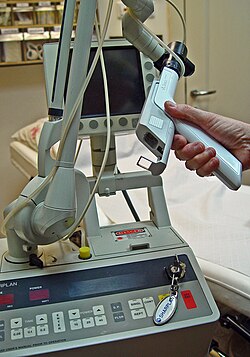
A 40-watt CO2 laser used in otorhinolaryngology
Royal National Throat, Nose and Ear Hospital founded in 1874, in London

Otorhinolaryngology (/tˌrnˌlærɪnˈɡɒləi/ oh-toh-RY-noh-LARR-in-GOL-ə-jee, abbreviated ORL and also known as otolaryngology, otolaryngology  head and neck surgery (ORL–H&N or OHNS), or ear, nose, and throat (ENT) ) is a surgical subspecialty within medicine that deals with the surgical and medical management of conditions of the head and neck. Doctors who specialize in this area are called otorhinolaryngologists, otolaryngologists, head and neck surgeons, or ENT surgeons or physicians.

Patients seek treatment from an otorhinolaryngologist for diseases of the ear, nose, throat, base of the skull, head, and neck. These commonly include functional diseases that affect the senses and activities of eating, drinking, speaking, breathing, swallowing, and hearing. In addition, ENT surgery encompasses the surgical management of cancers and benign tumors and reconstruction of the head and neck as well as plastic surgery of the face, scalp, and neck.

Etymology

[edit]

The term is a combination of Neo-Latin combining forms (oto- + rhino- + laryngo- + -logy) derived from four Ancient Greek words:[1] (cf. Greek ωτορινολαρυγγολόγος 'otorhinolaryngologist').

  1. οὖς (ous), 'ear', whose genitive is ὠτός (otos)
  2. ῥίς (rhis) 'nose'
  3. λάρυγξ (larynx) 'larynx'
  4. -λογία (logia) 'study'

Training

[edit]

Otorhinolaryngologists are physicians (MD, DO, MBBS, MBChB, etc.) who complete both medical school and an average of five–seven years of post-graduate surgical training in ORL-H&N. In the United States, trainees complete at least five years of surgical residency training.[2] This comprises three to six months of general surgical training and four and a half years in ORL-H&N specialist surgery. In Canada and the United States, practitioners complete a five-year residency training after medical school.

Following residency training, some otolaryngologist-head & neck surgeons complete an advanced sub-specialty fellowship, where training can be one to two years in duration. Fellowships include head and neck surgical oncology, facial plastic surgery, rhinology and sinus surgery, neuro-otology, pediatric otolaryngology, and laryngology. In the United States and Canada, otorhinolaryngology is one of the most competitive specialties in medicine in which to obtain a residency position following medical school.[3][4]

In the United Kingdom, entrance to higher surgical training is competitive and involves a rigorous national selection process.[5] The training programme consists of 6 years of higher surgical training after which trainees frequently undertake fellowships in a sub-speciality prior to becoming a consultant.

The typical total length of education, training and post-secondary school is 12–14 years. Otolaryngology is among the more highly compensated surgical specialties in the United States. In 2022, the average annual income was $469,000.[6]

Sub-specialties

[edit]
Head and neck oncologic surgery Facial plastic and reconstructive surgery* Otology Neurotology* Rhinology/sinus/anterior skull base surgery Laryngology and voice disorders Pediatric otorhinolaryngology* Sleep medicine*
Surgical oncology Facial cosmetic surgery Ear Middle and inner ear Sinusitis Voice disorders Velopalatine insufficiency Sleep disorders
Microvascular

reconstruction

Maxillofacial surgery Hearing Temporal bone Allergy Phono-surgery Cleft lip and palate Sleep apnea surgery
Endocrine surgery Traumatic reconstruction Balance Skull base surgery Anterior skull base Swallowing disorders Airway Sleep investigations
Endoscopic surgery Craniofacial surgery Dizziness Apnea and snoring Vascular malformations
Cochlear implant / BAHA Cochlear implant/BAHA

(*Currently recognized by American Board of Medical Subspecialties)

Topics by subspecialty

[edit]

Head and neck surgery

[edit]
  • Head and neck surgical oncology (field of surgery treating cancer/malignancy of the head and neck)
    • Head and neck mucosal malignancy (cancer of the pink lining of the upper aerodigestive tract)
      • Oral cancer (cancer of lips, gums, tongue, hard palate, cheek, floor of mouth)
      • Oropharyngeal cancer (cancer of oropharynx, soft palate, tonsil, base of tongue)
      • Larynx cancer (voice box cancer)
      • Hypopharynx cancer (lower throat cancer)
      • Sinonasal cancer
      • Nasopharyngeal cancer
    • Skin cancer of the head & neck
    • Thyroid cancer
    • Salivary gland cancer
    • Head and neck sarcoma
  • Endocrine surgery of the head and neck
    • Thyroid surgery
    • Parathyroid surgery
  • Microvascular free flap reconstructive surgery
  • Skull base surgery

Otology and neurotology

[edit]

Study of diseases of the outer ear, middle ear and mastoid, and inner ear, and surrounding structures (such as the facial nerve and lateral skull base)

Rhinology

[edit]

Rhinology includes nasal dysfunction and sinus diseases.

Pediatric otorhinolaryngology

[edit]

Laryngology

[edit]

Facial plastic and reconstructive surgery

[edit]

Facial plastic and reconstructive surgery is a one-year fellowship open to otorhinolaryngologists who wish to begin learning the aesthetic and reconstructive surgical principles of the head, face, and neck pioneered by the specialty of Plastic and Reconstructive Surgery.

Sleep surgery

[edit]

Sleep surgery encompasses any surgery that helps alleviate obstructive sleep apnea and can anatomically include any part of the upper airway.

Microvascular reconstruction repair

[edit]

Microvascular reconstruction repair is a common operation that is done on patients who see an otorhinolaryngologist. It is a surgical procedure that involves moving a composite piece of tissue from the patient's body and to the head and/or neck. Microvascular head-and-neck reconstruction is used to treat head-and-neck cancers, including those of the larynx and pharynx, oral cavity, salivary glands, jaws, calvarium, sinuses, tongue and skin. The tissue that is most commonly moved during this procedure is from the arms, legs, and back, and can come from the skin, bone, fat, and/or muscle.[8]

When performing this procedure, the decision on which is moved is determined on the reconstructive needs. Transfer of the tissue to the head and neck allows surgeons to rebuild the patient's jaw, optimize tongue function, and reconstruct the throat. When the pieces of tissue are moved, they require their own blood supply for a chance of survival in their new location. After the surgery is completed, the blood vessels that feed the tissue transplant are reconnected to new blood vessels in the neck. These blood vessels are typically no more than 1 to 3 millimeters in diameter, which means that these connections need to be made with a microscope, which is why the procedure is called "microvascular surgery".[citation needed]

See also

[edit]

References

[edit]
Revisions and contributorsEdit on WikipediaRead on Wikipedia
from Grokipedia
Otorhinolaryngology, also known as otolaryngology or ear, , and (ENT) , is a focused on the , medical treatment, and surgical management of conditions affecting the , , , and related structures of the . This field addresses the and of these anatomical regions, encompassing both nonsurgical therapies and operative procedures for issues such as infections, tumors, and congenital disorders. Otolaryngologists treat a wide array of conditions, including ear infections (otitis media), hearing loss, balance disorders, sinusitis, nasal polyps, voice and swallowing difficulties, sleep apnea, and head and neck cancers such as those of the larynx or thyroid. They also manage facial trauma, allergies, tinnitus, and reconstructive needs following injury or oncology treatments, often collaborating with multidisciplinary teams including audiologists, oncologists, and neurosurgeons. In the United States, this specialty accounts for approximately 27 million patient visits annually, highlighting its broad clinical impact. The field includes several subspecialties, such as (ear disorders), rhinology (nose and sinuses), (throat and voice), pediatric otolaryngology, and head and neck , each requiring additional fellowship training beyond the standard five-year residency following . , offered by organizations like the American Board of Otolaryngology–Head and Neck Surgery, ensures expertise through rigorous examinations. As the oldest in the United States, dating back to the , otorhinolaryngology continues to advance through innovations like robotic , 3D printing for planning, and telemedicine.

Etymology and Terminology

Origin of the Term

The term "otorhinolaryngology" is a compound word derived from roots: "oto-" from ous (οὖς), meaning ""; "rhino-" from rhis (ῥίς), meaning ""; "laryngo-" from (λάρυγξ), referring to the larynx or upper ; and "-logy" from (λόγος), denoting "the study of" or "discourse on." This etymological construction reflects the specialty's focus on the interconnected anatomical regions of the , , and . The term was first adopted in the late as medical specialization advanced, particularly in , to unify the emerging disciplines addressing disorders of the , , and under a single designation. This period saw rapid progress in diagnostic and therapeutic techniques, such as (introduced in 1854) and rhinoscopy (popularized in the ), which highlighted the anatomical and functional linkages among these structures, necessitating a cohesive field of study. Prior to this unification, the components were treated as distinct subfields: , centered on pathology and emerging in the mid-19th century with figures like Adam Politzer; rhinology, focusing on nasal and sinus conditions; and , which developed through innovations like Theodor Billroth's in 1873. The evolution toward "otorhinolaryngology" marked a shift from fragmented approaches to an integrated specialty, formalizing the recognition of shared embryological origins and clinical overlaps in the head and neck region.

Alternative Names

In English-speaking countries, particularly the , the specialty is commonly known as otolaryngology, a term that emerged in the early as otology and merged into a unified field. This adoption reflected the growing recognition of interconnected head and neck disorders, with the American Academy of and Otolaryngology formalizing the name in 1903. The abbreviation ENT, standing for ear, nose, and throat, serves as a practical and is extensively used in everyday medical contexts, , and healthcare administration worldwide. This shorthand emphasizes the core anatomical focus of the discipline and facilitates clear communication among professionals and the public. Regional naming variations exist, with otorhinolaryngology favored in much of to encompass the full scope of ear (oto-), nose (rhino-), and larynx (laryngo-) studies. In Romance language regions, equivalents include otorinolaringoiatria in , otorrinolaringología in , and oto-rhino-laryngologie (often abbreviated ORL) in , adapting the Greek-derived roots to local linguistic conventions.

Historical Development

Early History

The earliest documented contributions to the treatment of ear, nose, and throat conditions trace back to , where medical papyri preserved practical knowledge of these ailments. The , dating to approximately 1550 BCE, includes prescriptions for ear disorders such as infections and , often involving herbal remedies like cedar oil and honey applied topically or via fumigation. It also describes throat treatments for inflamed glands and suppurating lymph nodes in the neck, as well as nasal polyps, reflecting an empirical approach to otorhinolaryngologic issues without a formalized specialty. Similarly, the addresses nasal trauma and surgical interventions, indicating early recognition of anatomical vulnerabilities in the head and neck region. In , physicians advanced these observations through systematic inquiry, particularly under in the 5th century BCE. documented sinus-related conditions, attributing them to imbalances in bodily humors, and recommended treatments like purgatives, steam inhalations, and dietary adjustments to alleviate and related respiratory distress. His works also cover ear diseases, including otorrhea and , and laryngeal issues such as hoarseness, emphasizing prognosis and non-invasive therapies derived from clinical experience. These contributions laid foundational principles for in head and pathologies, though practices remained integrated within general . Roman physician , active in the CE, further refined anatomical understanding of the upper aerodigestive tract through dissections, primarily on animals due to cultural prohibitions on . He accurately described the as the primary organ for voice production, demonstrating its role via experiments with to simulate airflow and identifying key muscles for adduction and abduction of the vocal folds. Galen's tracheal anatomy studies also informed early concepts of , influencing subsequent European and Islamic medical texts. During the medieval Islamic Golden Age, scholars like (Ibn Sina, 980–1037 CE) synthesized and expanded upon Greco-Roman knowledge in comprehensive treatises. In his , Avicenna detailed the pathophysiology of ear diseases, including and deafness, and advocated surgical techniques such as for abscesses, alongside herbal treatments like for inflammation. He also documented nasal and conditions, promoting practices and instrumentation for examination, which preserved and disseminated otorhinolaryngologic insights across cultures. Prior to the , ear, nose, and care existed as disparate practices handled by general healers, barbers, or itinerant surgeons, without a unified discipline integrating these areas.

Modern Milestones

In the , otorhinolaryngology began to solidify as a distinct medical field through key technological and institutional innovations. Spanish singing teacher and vocal pedagogue invented the laryngoscope in , using a dental mirror and reflected sunlight to visualize the in a living person for the first time, which revolutionized the direct examination of the throat and enabled early diagnoses of laryngeal pathologies. This breakthrough laid the groundwork for as a . Concurrently, the establishment of dedicated ENT clinics in marked the formalization of specialized care; for instance, in , Josef Gruber and Adam Politzer founded one of the first ear clinics in 1873, focusing on otological disorders, while Leopold von Schrötter opened the world's first clinic in 1870. These institutions in during the 1870s facilitated systematic research and training, elevating ENT practice beyond . The 20th century saw surgical and therapeutic advancements that dramatically improved outcomes in otorhinolaryngology. Irish surgeon William Wilde pioneered modern mastoidectomy in the mid-1800s, introducing the retroauricular incision around 1853 to drain mastoid abscesses and treat chronic suppurative otitis media, a procedure later refined by surgeons like Hermann Schwartze in the 1870s to include more extensive bone removal for infection control. The introduction of antibiotics after the 1940s, particularly penicillin and sulfonamides, profoundly reduced the incidence and severity of ENT infections, transforming conditions like acute otitis media and tonsillitis from frequent causes of morbidity and hearing loss into largely manageable issues. Organizationally, the formation of professional societies fostered collaboration and standardization; the precursor to the American Academy of Otolaryngology–Head and Neck Surgery, the Western Ophthalmological, Otological, and Laryngological Society, was established in 1896 by Dr. Hal Foster, initially as a platform for continuing education among ear, nose, and throat specialists. Entering the , otorhinolaryngology integrated advanced technologies for minimally invasive interventions. Cochlear implants emerged as a landmark in auditory rehabilitation, with the first successful implantation performed in 1961 by otologist William House and neurosurgeon John Doyle in , using a single-channel electrode to restore hearing in profoundly deaf patients; by the 1980s, multichannel devices gained widespread adoption following FDA approvals in 1984, enabling over 1 million recipients worldwide (as of 2023) to achieve functional hearing. Robotic-assisted surgery further advanced precision in head and neck procedures, with transoral robotic surgery (TORS) introduced clinically in 2005 using the da Vinci system to resect oropharyngeal tumors via the , minimizing external incisions and improving recovery times compared to traditional open approaches. Since 2010, advancements like for head and neck cancers and AI-assisted diagnostics have further transformed the field.

Anatomy and Physiology

The Ear and Auditory System

The ear, a complex sensory organ integral to otorhinolaryngology, comprises three primary divisions: the , , and , each contributing to the processes of hearing and balance. The captures and directs sound waves, the amplifies and transmits them mechanically, and the converts these vibrations into neural signals while also detecting equilibrium. This structured anatomy ensures efficient auditory processing and vestibular function, forming the foundation for otologic evaluation and intervention. The , or external ear, consists of the pinna (auricle) and the external auditory canal. The pinna, a cartilaginous covered by , features folds such as the , antihelix, tragus, and that help funnel sound waves into the canal. The external auditory canal, approximately 2.5 cm long, is funnel-shaped with its lateral two-thirds cartilaginous and medial one-third bony; it is lined with containing sebaceous and ceruminous glands that produce cerumen () to protect against debris and infection. The canal terminates at the tympanic membrane, a thin, semitransparent barrier separating the outer and . The , an air-filled cavity within the , includes the and connects to the nasopharynx via the . It houses the three —the (hammer), (anvil), and (stirrup)—linked in a chain that bridges the tympanic membrane to the oval window of the . The attaches to the tympanic membrane, the articulates with the and , and the footplate seals the oval window, enabling mechanical amplification of sound vibrations with a lever-like efficiency. The , a 3.5–4 cm mucous membrane-lined canal, equalizes middle ear with atmospheric levels during or yawning. The , embedded in the petrous portion of the , encompasses the bony and membranous labyrinths, including the , vestibule, and . The , a spiral-shaped structure with 2.5 turns, contains the scala vestibuli, scala tympani, and scala media, where the resides on the basilar membrane. The vestibule houses the utricle and saccule, which detect linear and head position via otoliths. The three , oriented in mutually perpendicular planes, monitor angular head movements through fluid displacement. Physiologically, sound conduction begins when waves enter the external canal, vibrate the tympanic membrane, and are transmitted through the to the oval window, creating fluid waves in the . In the , these waves displace the basilar membrane, stimulating hair cells in the ; stereocilia on these cells bend, opening ion channels to generate receptor potentials that trigger release to the cochlear . This transduction converts mechanical energy into electrical impulses for auditory perception. The maintains balance: otoliths in the utricle and saccule respond to and , while cupula deflection in the senses rotational acceleration, relaying signals to coordinate posture and . The ear's blood supply varies by region. The outer ear receives arterial flow primarily from the posterior auricular and superficial temporal branches of the external carotid artery. The middle ear is supplied by the anterior tympanic artery (from the maxillary artery), stylomastoid artery (from the posterior auricular artery), and inferior tympanic artery (from the ascending pharyngeal artery), with venous drainage into the pterygoid plexus. The Eustachian tube derives blood from branches of the external carotid, including the ascending pharyngeal and middle meningeal arteries. The inner ear depends on the labyrinthine artery, usually a branch of the anterior inferior cerebellar artery, which divides into the cochlear, vestibulocochlear, and anterior vestibular arteries to perfuse the cochlea and vestibular apparatus. Innervation of the ear centers on the (cranial nerve VIII), which bifurcates into the cochlear nerve for auditory signals from hair cells and the for balance inputs from the utricle, saccule, and ; these fibers synapse in the cochlear and of the . Additional innervation includes the (CN VII) to the for sound attenuation, the (CN V, mandibular branch) to the , and the (CN IX, tympanic branch) forming the tympanic plexus for sensory supply to the mucosa and tympanic membrane. The receives motor innervation from the pharyngeal plexus (CN X) and sensory input from CN V and CN IX. Lymphatic drainage from the ear primarily follows regional patterns. The drains to preauricular, parotid, and superficial cervical nodes. The and empty into retropharyngeal and upper deep cervical nodes. lymphatics, though limited due to its endolymphatic and perilymphatic compartments, connect to parotid and superficial ventral cervical nodes via perilymphatic pathways.

The Nose, Sinuses, and Olfactory System

The nasal cavity is a paired structure within the skull, extending from the nostrils to the nasopharynx, and is divided into two symmetrical chambers by the nasal septum. The nasal septum consists primarily of the quadrangular cartilage anteriorly, the perpendicular plate of the ethmoid bone superiorly, and the vomer bone inferiorly, all covered by a mucous membrane that includes erectile vascular tissue in the anterior region known as Kiesselbach's area. The lateral walls of the nasal cavity feature three turbinates (also called conchae): the inferior, middle, and superior, which are bony projections covered by mucosa that increase the surface area for air processing and form passages called meatuses. The paranasal sinuses are air-filled extensions of the nasal cavity that develop from it and include the paired frontal sinuses located in the frontal bone above the eyes, draining into the middle meatus; the maxillary sinuses, the largest, situated in the maxillary bones lateral to the nasal cavity and draining into the middle meatus via the hiatus semilunaris; the ethmoid sinuses, a group of multiple small cells between the eyes, draining into the superior and middle meatuses; and the sphenoid sinuses, located posterior in the sphenoid bone, draining into the sphenoethmoidal recess. The olfactory epithelium is specialized pseudostratified epithelium located in the superior nasal cavity, specifically the roof and medial to the superior turbinate, containing bipolar olfactory receptor neurons whose axons pass through the cribriform plate of the ethmoid bone. Physiologically, the nasal cavity serves as the primary interface for inhaled air, conditioning it through , humidification, and warming while facilitating olfaction. Coarse hairs (vibrissae) in the nasal vestibule filter large particles, and the ciliated with goblet cells produces that traps smaller particulates, microbes, and allergens; this layer is propelled posteriorly by coordinated ciliary beating in a process known as , moving at approximately 1 cm per minute toward the nasopharynx for or expectoration, aided by antimicrobial components like and lysozymes. The turbinates and vascular , particularly on the inferior turbinate, enable humidification to near 100% and warming to body temperature via a rich , preventing of lower respiratory tissues. Olfaction occurs when odorant molecules dissolve in the of the , binding to G-protein-coupled receptors on the cilia of olfactory neurons; these neurons, part of cranial nerve I (), transmit signals through unmyelinated axons bundled into fila olfactoria that synapse in the , where glomeruli process the information before projecting to the olfactory cortex via the . The nasal cavity's vascular supply derives from both the internal and external carotid arteries, ensuring robust perfusion for its functions. The , a branch of the (from the external carotid), is the primary arterial supply to the posterior , providing blood to the turbinates, lateral wall, and posterior via its posterior lateral nasal branches. Additional supply comes from the anterior and posterior ethmoidal arteries (branches of the from the internal carotid) for the superior and roof, and the for the inferior regions. Venous drainage parallels the arteries, forming a plexus that connects to the , posing risks in certain pathologies. Innervation is dual: sensory via branches of the (cranial nerve V), with the ophthalmic division (V1) supplying the anterior superior cavity through anterior and posterior ethmoidal nerves, and the maxillary division (V2) innervating the posterior and inferior areas via nasopalatine and greater palatine nerves; autonomic innervation modulates vascular tone and secretion, while the (CN I) exclusively handles smell. This vascular and neural framework supports the 's role in conditioning air that flows to the and beyond.

The Throat, Larynx, and Pharynx

The , encompassing the and , serves as a critical conduit for both respiration and in the upper aerodigestive tract. The , a muscular tube lined with , extends from the to the and , facilitating the passage of air and food while contributing to voice production and airway safeguarding. The , positioned inferior to the , houses structures essential for and protection against aspiration. These components are interconnected via the , which provides without direct bony articulation. The pharynx is anatomically divided into three regions based on their relation to adjacent structures. The nasopharynx lies posterior to the nasal cavity, extending from the base of the skull superiorly to the soft palate inferiorly, and contains the openings of the auditory tubes. The oropharynx, situated behind the oral cavity, spans from the soft palate to the level of the hyoid bone or epiglottis, incorporating the tonsils and base of the tongue. The laryngopharynx, also known as the hypopharynx, extends from the hyoid bone or epiglottis to the inferior border of the cricoid cartilage, where it bifurcates into the esophagus and larynx. The larynx itself consists of a framework of cartilages, including the leaf-shaped epiglottis that projects superiorly to cover the laryngeal inlet during swallowing, the vocal cords (true vocal folds) that form the glottis for sound production, and the signet-ring-shaped cricoid cartilage forming its inferior boundary. The hyoid bone, a U-shaped structure superior to the larynx, suspends the larynx and pharynx via ligaments and muscles, enabling elevation during deglutition. Swallowing, or deglutition, involves coordinated phases to transport a bolus from the to the while protecting the airway. The oral phase is voluntary, involving bolus formation and propulsion by the toward the . The pharyngeal phase is involuntary and reflexive, characterized by pharyngeal constriction, laryngeal elevation, and epiglottic inversion to direct the bolus into the . The esophageal phase follows, propelled by peristaltic waves along the . Phonation occurs through the vibration of the vocal folds, where exhaled air from the lungs causes the folds to oscillate at frequencies typically ranging from 60 to 1000 Hz, modulating airflow to generate sound waves. Airway protection is achieved through mechanisms such as vocal fold adduction, epiglottic descent, and transient apnea during the pharyngeal swallow phase, preventing aspiration of material into the trachea. Innervation of these structures primarily arises from the vagus nerve (cranial nerve X), which branches into the superior and recurrent laryngeal nerves. The superior laryngeal nerve divides into an internal branch providing sensory innervation above the vocal folds and an external branch supplying motor innervation to the cricothyroid muscle for vocal fold tension. The recurrent laryngeal nerve delivers motor innervation to all other intrinsic laryngeal muscles and sensory input below the vocal folds, looping under the subclavian artery on the right and the aortic arch on the left before ascending to the larynx. The intrinsic laryngeal muscles include the posterior cricoarytenoid (the sole abductor of the vocal folds), lateral cricoarytenoid and interarytenoid (adductors), thyroarytenoid (relaxes and shortens the folds), and cricothyroid (tenses the folds), all contributing to glottal adjustment for phonation and protection. These anatomical and physiological features are pertinent in head and neck surgery, where tumors may necessitate interventions affecting laryngeal mobility or innervation.

Head and Neck Anatomy Overview

The head and neck region encompasses a complex array of bony, glandular, vascular, neural, and structures that form the anatomical foundation for otorhinolaryngologic practice, particularly in surgical planning and tumor management. This area is bounded superiorly by the , inferiorly by the clavicles and upper , laterally by the and sternocleidomastoid muscles, and posteriorly by the and muscle, creating a transitional zone between the cranium and the body. The , comprising 14 bones including the paired maxillae, zygomatic bones, , and lacrimal bones, along with the unpaired , , and palatine bones, provides structural support for the face and serves as attachment sites for muscles involved in mastication and . The skull base, divided into anterior, middle, and posterior fossae by the frontal, sphenoid, and temporal bones, forms the floor of the and houses foramina for cranial nerve passage, while also interfacing with sinonasal and otologic structures. Glandular components include the major salivary glands—parotid, submandibular, and sublingual—which produce and are embedded within the soft tissues of the face and floor of the , with the overlying the and ramus. The gland, a butterfly-shaped endocrine structure located anterior to the trachea at the C5-T1 vertebral levels, consists of two lateral lobes connected by an and is enveloped by the , influencing compartmentalization. Lymph nodes, numbering over 300 in the head and , are organized into superficial and deep chains, with key groups including the cervical, submandibular, and jugular nodes that drain lymphatic fluid from mucosal and cutaneous surfaces, playing a in immune surveillance. Soft tissues, including muscles like the platysma and strap muscles (sternohyoid, sternothyroid), layers, and adipose, provide cushioning and mobility while compartmentalizing deeper structures to prevent spread of pathology. Vascular networks are dominated by the carotid arteries and jugular veins, which course through the —a fascial tube containing the , , and (cranial nerve X)—extending from the base to the thoracic inlet. The bifurcates at the C4 level into internal and external branches, supplying oxygenated blood to the and face, while the drains deoxygenated blood from the intracranial structures and face. Neural elements include IX (glossopharyngeal), X (vagus), XI (spinal accessory), and XII (hypoglossal), which emerge from the base via the (IX, X, XI) and (XII), innervating pharyngeal, laryngeal, and tongue musculature essential for swallowing and speech. In otorhinolaryngology, understanding these head and boundaries and compartments is vital for tumor staging, as the is divided into levels I-VI based on l planes and distributions, with level I encompassing submental and submandibular nodes, levels II-IV along the jugular chain, and level VI the central compartment including prelaryngeal and pretracheal nodes. This compartmental anatomy, defined by the superficial and deep cervical , guides the assessment of tumor invasion and nodal , influencing prognostic and therapeutic decisions without delving into specific organ details.

Education and Training

Medical Education Pathway

The pathway to becoming an otorhinolaryngologist begins with , where aspiring physicians typically complete a in any major while fulfilling prerequisites. These requirements generally include one year each of with experience, general ( with lab, with lab, physics with lab, and English or writing-intensive courses, along with such as or . Some programs also recommend biochemistry, , and to prepare for the (MCAT) and holistic admissions criteria. This phase emphasizes building a strong foundation in the sciences, with a competitive grade point average (GPA) often exceeding 3.7 for successful applicants. Following undergraduate studies, candidates enter a four-year Doctor of Medicine (MD) or Doctor of Osteopathic Medicine (DO) program at an accredited medical school. The first two years focus on foundational sciences, including gross anatomy (with cadaveric dissection relevant to head and neck structures), physiology, biochemistry, and pharmacology, which provide essential knowledge of the ear, nose, throat, and related systems. In the third and fourth years, clinical rotations introduce practical experience across specialties, with otorhinolaryngology (ENT) often available as an elective clerkship rather than a required component; few U.S. medical schools mandate an ENT rotation, with a 2023 survey finding only 1.5% do so, typically lasting two to four weeks and covering common conditions like sinusitis, hearing loss, and throat disorders. These rotations allow students to observe procedures such as endoscopies and participate in patient care under supervision, fostering early interest in the field. Educational pathways vary internationally, reflecting differences in program structure and entry points. , the model requires four years of undergraduate study followed by four years of , totaling eight years before residency. In contrast, many European countries, such as , offer integrated six-year medical programs directly after , combining pre-clinical and clinical training without a separate ; these curricula include early exposure to and , with ENT integrated into broader surgical or modules. Upon completing , graduates in both regions pursue residency training to specialize in otorhinolaryngology.

Residency and Certification

In the United States, otorhinolaryngology residency training is structured as a five-year postgraduate program accredited by the Accreditation Council for Graduate Medical Education (ACGME), typically comprising one year of general surgery or transitional internship (PGY-1) followed by four years of dedicated otorhinolaryngology–head and neck surgery training (PGY-2 through PGY-5). This curriculum includes progressive rotations across subspecialties such as otology, rhinology, laryngology, head and neck oncology, and pediatric otorhinolaryngology, ensuring comprehensive exposure to diagnostic, medical, and surgical management of disorders affecting the ear, nose, throat, and related head and neck structures. Residents participate in multidisciplinary clinics, emergency consultations, and operating room experiences, with emphasis on developing proficiency in both common and complex procedures. Key components of the residency include hands-on surgical skills training in simulation laboratories, such as temporal bone dissection for otologic surgery and endoscopic sinus models for rhinologic procedures, which enhance technical proficiency outside the operating room. Additionally, residents maintain detailed case logs through the ACGME system, documenting progressive responsibility in procedures; for instance, minimum requirements encompass over 300 major cases across categories like head and neck resections (e.g., 27 neck dissections), otologic surgeries (e.g., 17 tympanoplasties), and airway interventions (e.g., 20 pediatric and adult cases), serving as benchmarks for competency rather than exhaustive tallies. Many programs incorporate dedicated time, often one to two years, to foster scholarly contributions, though this is not universally mandated. Upon completing residency, trainees pursue through the American Board of Otolaryngology–Head and Neck Surgery (ABOHNS), which requires successful completion of an ACGME-accredited program, followed by a written qualifying examination assessing foundational and an oral certifying examination evaluating clinical judgment via case-based scenarios. Certification is time-limited, necessitating ongoing maintenance through continuing education, recertification exams every 10 years, and practice improvement activities to ensure sustained expertise. Internationally, training durations vary; in the , otorhinolaryngology specialty training commences at ST3 level after foundation and core surgical training, spanning six years (ST3–ST8) under the Intercollegiate Surgical Curriculum Programme, with annual reviews of competencies in surgical, clinical, and professional skills. Completion of residency and qualifies otorhinolaryngologists for independent practice and optional fellowships.

Subspecialty Fellowships

Subspecialty fellowships in otorhinolaryngology provide advanced, post-residency for physicians seeking expertise in specific areas such as , rhinology, , head and neck surgery, pediatric otorhinolaryngology, facial plastic and , sleep surgery, and microvascular reconstruction. These programs typically last one to two years, allowing fellows to develop specialized clinical skills, participate in complex multidisciplinary care, and often engage in research or academic pursuits. For instance, the neurotology fellowship is generally two years to accommodate in-depth in skull base surgery and auditory implants, while most others, like those in or rhinology, span one year focused on procedural proficiency and patient management. Fellowship curricula emphasize hands-on experience in high-volume surgical cases, interdisciplinary collaboration, and sometimes dedicated research components. In head and neck oncology fellowships, for example, trainees gain exposure to tumor board conferences, where they contribute to multidisciplinary for cancer patients, alongside advanced techniques in oncologic resection and reconstruction. Programs often require fellows to complete clinical rotations, teach residents, and produce scholarly output, such as publications or presentations, to foster in academic or specialized private practice settings. Certification for subspecialties involves additional rigorous processes beyond general otorhinolaryngology by the American Board of Otolaryngology–Head and Neck Surgery (ABOHNS). Eligible subspecialties include complex pediatric otorhinolaryngology, neurotology, and , which require completion of an accredited fellowship followed by passing a examination; for instance, neurotology certification mandates a two-year fellowship and a dedicated exam. Other areas, like facial plastic and reconstructive surgery, are certified through separate boards such as the American Board of Facial Plastic and Reconstructive Surgery, often requiring a portfolio of cases, oral examinations, and maintenance of . Access to these fellowships is highly competitive, particularly , where many programs participate in the Matching (SF Match) service for centralized application and ranking. Applicants, who must be board-eligible in otorhinolaryngology, are evaluated on residency performance, letters of recommendation, research productivity—such as peer-reviewed publications—and interview performance, with strong emphasis placed on demonstrated research output to secure positions in top programs. Internationally, similar competitive processes exist through national matching systems or direct applications, though availability varies by region.

Subspecialties

Otology and Neurotology

Otology and neurotology are subspecialties of otorhinolaryngology focused on the , medical , and surgical treatment of disorders affecting the ear, hearing pathways, and balance systems. Otology encompasses conditions involving the outer, middle, and structures, while neurotology specifically addresses neural components, including the , vestibular apparatus, and lateral skull base. These fields address a range of pathologies that impair auditory perception and spatial orientation, often requiring multidisciplinary approaches involving audiologists, neurologists, and neurosurgeons. Common conditions treated include , an inflammation of the often resulting from bacterial or viral infections, leading to symptoms such as , fever, and temporary due to fluid accumulation. manifests in two primary forms: conductive, caused by mechanical issues in the outer or that block sound transmission to the , and sensorineural, arising from damage to the hair cells or auditory nerve pathways. Meniere's disease is a chronic disorder driven by excess endolymph fluid (endolymphatic hydrops), producing recurrent episodes of vertigo, fluctuating low-frequency , , and a sensation of fullness. Vestibular schwannomas, benign tumors arising from Schwann cells on the eighth cranial nerve, typically present with progressive unilateral , , and vestibular imbalance, potentially compressing nearby neural structures if untreated. Diagnostic tools are essential for precise localization and characterization of these disorders. quantifies hearing thresholds across frequencies, helping differentiate conductive from sensorineural losses by comparing air and results. assesses compliance and pressure via responses to air pressure changes, identifying effusion or in conditions like . Electronystagmography (ENG), often using video oculography (VNG), records involuntary eye movements () during vestibular stimulation, aiding in the diagnosis of peripheral vestibular pathologies such as Meniere's disease or by evaluating balance system integrity. Therapeutic interventions range from conservative measures to advanced surgical techniques tailored to the condition's severity and location. Tympanostomy , small ventilating devices inserted through the tympanic , are used for chronic or recurrent to equalize pressure and drain fluid, reducing infection risk and improving hearing. Cochlear implants provide auditory rehabilitation for profound by electrically stimulating the cochlear nerve directly, bypassing damaged hair cells in the . For medically refractory vertigo in Meniere's disease, vestibular nerve section selectively severs fibers via retrosigmoid or middle fossa approaches, alleviating dizziness while generally preserving auditory function. treats conductive hearing loss from —a condition involving abnormal bone fixation—by removing the immobilized footplate and reconstructing the ossicular chain with a prosthetic piston, restoring sound transmission to the . Emerging therapies include trials for genetic and AI-enhanced for improved diagnostics (as of 2025).

Rhinology

Rhinology is a of otorhinolaryngology dedicated to the , medical management, and surgical treatment of disorders involving the nose and . It addresses a spectrum of inflammatory, structural, and vascular conditions that impair nasal function, airflow, and sinus drainage. Common presentations include , facial pressure, and reduced , often requiring multidisciplinary approaches to restore sinonasal health. Chronic rhinosinusitis (CRS) represents one of the most prevalent rhinologic conditions, characterized by persistent inflammation of the and lasting at least 12 weeks, with symptoms such as nasal obstruction, , and . Affecting approximately 10.9% of the global , CRS is subclassified into CRS with nasal polyps (CRSwNP) and CRS without nasal polyps (CRSsNP), where underlying dysregulated immune pathways drive chronic mucosal changes. Nasal polyps, benign inflammatory pseudotumors arising from the sinonasal lining, commonly complicate CRSwNP and cause progressive obstruction, , and olfactory dysfunction, significantly impacting . A deviated , an anatomical misalignment of the cartilaginous and bony partition between the nasal cavities, contributes to turbulent airflow and ostiomeatal obstruction, thereby exacerbating the , progression, and severity of CRS. Epistaxis, or , is another frequent issue managed in rhinology, typically originating from fragile vessels on the anterior () due to trauma, dryness, or , and occurs in up to 60% of the at some point, though severe cases require intervention. Diagnostic evaluation in rhinology relies on a combination of clinical assessment and targeted or testing to confirm and guide . Nasal , performed with a rigid or flexible scope in an office setting, enables direct visualization of the , middle , and sinus ostia to detect mucosal , polyps, purulent discharge, or septal deviations, with diagnostic accuracy exceeding 90% in suspected CRS cases. Computed tomography (CT) scans of the sinuses provide detailed cross-sectional views of bony , mucosal thickening, and opacification, offering superior sensitivity (up to 95%) and specificity for delineating disease extent compared to plain radiography. testing, including skin prick or serum IgE assays, identifies environmental or perennial allergens as potential triggers for overlapping with CRS, helping to tailor avoidance strategies or . Treatment strategies in rhinology prioritize medical optimization before considering , with interventions tailored to the underlying condition. Intranasal corticosteroids, such as fluticasone or mometasone sprays, serve as first-line for CRS by reducing sinonasal inflammation and improving symptoms in both polypoid and non-polypoid variants, with evidence from randomized trials supporting their efficacy in 70-80% of patients. For refractory CRSwNP, biologic agents like —an interleukin-4 and -13 inhibitor—have revolutionized management by decreasing polyp burden, enhancing olfaction, and reducing corticosteroid dependence, earning FDA approval based on phase 3 trials showing significant Sino-Nasal Outcome Test score improvements. Surgical options include (FESS), which uses endoscopes and microinstruments to widen sinus ostia, resect polyps, and preserve mucosa, achieving symptom relief in 76-97.5% of cases across age groups. addresses septal deviation through submucosal resection and realignment, often combined with turbinate reduction to optimize nasal airflow and mitigate associated CRS symptoms. offers a catheter-based dilation of sinus passages without tissue removal, proving effective and safe for CRSsNP refractory to medical , with multicenter studies reporting sustained patency and reduced revision rates compared to traditional approaches. For epistaxis, conservative measures like 10-15 minutes of anterior nasal compression achieve in most anterior bleeds, while endoscopic cautery or ligation controls posterior or recurrent episodes with success rates over 90%.

Laryngology

Laryngology, a within otorhinolaryngology, specializes in the and of disorders affecting the and upper airway, with a primary emphasis on voice production, function, and airway protection. These conditions often stem from benign pathologies that disrupt normal laryngeal , such as or structural lesions, but also include neoplastic processes like . The serves as a critical for and deglutition, and disruptions can lead to significant quality-of-life impairments, including communication difficulties and nutritional risks. Vocal cord nodules and polyps represent common benign disorders encountered in , typically arising from repetitive vocal trauma or overuse, such as in professional voice users. Nodules appear as symmetrical, callus-like growths at the midpoint of the vocal folds due to high shear forces during , while polyps are often unilateral, pedunculated lesions associated with acute injury or chronic irritation like . Both result in dysphonia, characterized by hoarseness, breathiness, and vocal fatigue, which can persist and affect daily activities. , another prevalent condition, involves laryngeal that may be acute (from viral infections) or chronic (linked to irritants or ), leading to similar voice changes and temporary or prolonged dysphonia. Aspiration risks emerge particularly in cases of glottic insufficiency, where incomplete vocal fold closure during allows entry of bolus material into the airway, heightening the potential for or . Diagnosis in laryngology relies on a combination of clinical evaluation and specialized imaging to assess laryngeal structure and function accurately. Flexible , performed via a transnasal , allows real-time visualization of the vocal folds and in an outpatient setting, identifying lesions like nodules or . Rigid , used under general , provides higher-resolution views for detailed examination. Stroboscopy enhances these by using pulsed light to slow-motion capture vocal fold vibration, revealing subtle mucosal wave abnormalities or asymmetries not visible in standard , which is essential for evaluating dysphonia severity. For suspected contributing to chronic or aspiration, ambulatory pH monitoring measures esophageal and pharyngeal acid exposure over 24 hours, correlating reflux events with symptoms like . These tools enable precise localization of while minimizing invasiveness. Treatment strategies in laryngology prioritize functional restoration, integrating behavioral, medical, and surgical interventions tailored to the underlying disorder. Voice therapy, delivered by speech-language pathologists, forms the cornerstone for managing nodules, polyps, and functional dysphonia, employing techniques like resonant voice training to reduce vocal strain and promote healing without surgery; studies show improvement in voice quality for up to 80% of patients with conservative overuse-related issues. For persistent structural lesions, microlaryngeal surgery—performed endoscopically with microinstruments under magnification—excises polyps or vaporizes nodules while preserving healthy tissue, achieving significant speech enhancement in benign cases. injections, such as onabotulinumtoxinA, target hyperfunctional conditions like by temporarily weakening overactive laryngeal muscles, providing symptomatic relief lasting 3-6 months. In acute airway compromise or severe aspiration threats, establishes a secure pathway, often as a bridge to recovery. Multidisciplinary integration of these approaches, including management with inhibitors, optimizes outcomes for voice, swallowing, and airway health.

Head and Neck Surgery

Head and neck surgery, a core within otorhinolaryngology, focuses on the surgical of malignant and premalignant conditions affecting the upper aerodigestive tract, including the oral cavity, , , , , and salivary glands. This field emphasizes oncologic resection to achieve clear margins while preserving critical functions such as speech, , and whenever possible. Multidisciplinary collaboration is essential, involving surgeons, oncologists, radiologists, pathologists, and speech therapists to optimize outcomes in treating these often aggressive tumors. The most prevalent malignancy in this domain is squamous cell carcinoma (SCC), accounting for over 90% of head and neck cancers, which typically arise from the mucosal linings of the oral cavity, pharynx, and larynx due to risk factors like tobacco use, alcohol consumption, and human papillomavirus infection. Salivary gland tumors represent a rarer subset, with approximately 50% being benign (e.g., pleomorphic adenoma) and the remainder malignant, such as mucoepidermoid carcinoma or adenoid cystic carcinoma, most commonly originating in the parotid gland. Thyroid nodules, frequently encountered in head and neck practice, are palpable abnormalities in the thyroid gland that require evaluation for malignancy, with about 5-10% harboring cancer, often papillary thyroid carcinoma, necessitating surgical intervention if suspicious features are present. Diagnostic evaluation begins with tissue , including for salivary and lesions or incisional biopsy for larger mucosal tumors, to confirm and guide staging. tomography-computed tomography (PET-CT) is a key modality for assessing tumor extent, nodal involvement, and distant metastases, particularly in advanced stages, with sensitivity exceeding 90% for detecting nodal . Sentinel is employed in early-stage oral cavity SCC to identify micrometastases, allowing for targeted management and avoiding unnecessary comprehensive dissection in node-negative cases. Surgical treatments prioritize tumor excision with adequate margins, often combined with to address lymphatic spread. , the cornerstone for nodal control, includes selective (levels I-III), modified radical, or comprehensive radical variants depending on tumor site and nodal status, with selective approaches preserving non-lymphatic structures to minimize morbidity. Transoral microsurgery using CO2 lasers enables precise resection of early T1-T2 tumors in the or , offering organ preservation and reduced postoperative swelling compared to traditional open . For advanced disease, postoperative or definitive —often intensity-modulated radiation therapy (IMRT) to spare salivary function—is standard, frequently augmented by concurrent (e.g., cisplatin-based regimens) to enhance locoregional control rates to 70-90% in locoregionally advanced SCC. Multidisciplinary tumor boards facilitate individualized protocols, reviewing cases to integrate , , and for improved survival and .

Pediatric Otorhinolaryngology

Pediatric otorhinolaryngology addresses , , and disorders that are prevalent or unique in children due to ongoing anatomical and immunological development, such as immature function and higher susceptibility to infections. Conditions in this field often arise from congenital malformations or recurrent inflammatory processes, requiring tailored interventions that account for growth impacts and procedural safety. Congenital anomalies, including , represent critical challenges in neonatal care, characterized by a bony or membranous blockage of the posterior nasal passages that impedes airflow. This condition occurs in approximately 1 in 5,000 to 8,000 live births and is more frequent in females, presenting as life-threatening bilateral respiratory distress in newborns who are obligate nasal breathers, with symptoms like cyclic relieved by crying. Unilateral cases may manifest later with unilateral nasal discharge or obstruction. Recurrent acute (AOM), defined as three or more episodes in six months or four in twelve months, affects up to 80% of children by age five and stems from bacterial pathogens like and risk factors such as daycare attendance and passive smoke exposure. Adenotonsillar hypertrophy, the enlargement of lymphoid tissues in the nasopharynx and oropharynx, is a leading cause of upper airway obstruction in children aged 3-6 years, often triggered by infections, allergies, or environmental irritants, leading to symptoms like snoring, mouth breathing, and sleep-disordered breathing. Diagnosis in pediatric patients emphasizes age-specific techniques to accommodate limited cooperation. Age-adjusted audiometry, such as visual reinforcement audiometry for children under two years who can sit unassisted, assesses hearing thresholds by associating sounds with visual rewards, while becomes feasible around age five for precise frequency testing. serves as a vital tool for evaluating airway anomalies or obstructions, allowing direct visualization of the , trachea, and bronchi in awake or sedated children, with emerging evidence supporting its tolerability and diagnostic utility in cases like suspected or . Treatments prioritize minimally invasive options with careful consideration of developmental growth and risks, which include perioperative respiratory adverse events like in up to 20% of cases under general . with insertion is indicated for recurrent AOM unresponsive to antibiotics, ventilating the to reduce and infection frequency, though complications such as otorrhea occur in 10-26% of cases. and address adenotonsillar causing or recurrent infections, with indications including seven or more infections in one year; these procedures carry a postoperative hemorrhage risk of 2-5% and require monitoring for , but they significantly improve breathing and in affected children.

Facial Plastic and Reconstructive Surgery

Facial plastic and reconstructive surgery is a within otorhinolaryngology that focuses on the restoration and enhancement of facial structures, addressing both functional impairments and aesthetic concerns arising from congenital anomalies, trauma, or . Otolaryngologists specializing in this area perform procedures that improve , hearing, and facial symmetry while minimizing visible scarring and achieving natural results. This field emphasizes a multidisciplinary approach, integrating anatomical of the head and to optimize outcomes for patients of all ages. Key procedures include , which reshapes the nose to correct structural deformities or improve appearance, often combining functional repair (such as for airway obstruction) with cosmetic refinement. corrects prominent or misshapen ears, typically using cartilage-sparing techniques to reposition the auricle closer to the head, with high patient satisfaction rates exceeding 96%. Facelifts, or rhytidectomies, rejuvenate the lower face and neck by tightening underlying muscles and removing excess skin, particularly effective for addressing sagging jowls and deep folds in patients aged 40-70. Scar revision post-trauma involves techniques like or laser resurfacing to realign and soften hypertrophic or scars, reducing their visibility and improving facial contour. Common conditions treated encompass facial fractures, such as zygomaticomaxillary complex or mandibular injuries, where open reduction and internal fixation restore skeletal alignment to prevent long-term deformity or dysfunction. Cleft lip and palate repair, often performed in infancy (lip at 10-12 weeks, palate at 9-18 months), aims to close the defect, improve feeding and speech, and support facial growth through layered closure techniques. Mohs reconstruction follows micrographic surgery for facial skin cancers like , using local flaps to repair defects while preserving and function in high-risk areas like the or eyelids. Techniques frequently employed include alloplastic implants, such as porous frameworks for microtia reconstruction in congenital ear deformities, providing stable support with low extrusion rates. Tissue grafting, using autologous materials like rib or dermal , augments volume and promotes natural integration, with fat graft survival varying from 10-80% depending on harvest and placement methods. These approaches prioritize minimal invasiveness to reduce recovery time and complications. Ethical considerations in this subspecialty distinguish cosmetic procedures, driven by desire for enhancement, from functional reconstructions necessitated by need, requiring surgeons to ensure , realistic expectations, and prioritization of welfare over financial incentives. The American Academy of Facial Plastic and Reconstructive Surgery's code mandates disclosing risks, alternatives, and any trainee involvement, while avoiding operations without clear benefit. This overlap with head and neck surgery is evident in trauma cases involving defects.

Sleep Surgery

Sleep surgery within otorhinolaryngology encompasses surgical interventions aimed at alleviating sleep-disordered breathing, particularly (OSA), which is characterized by recurrent episodes of partial or complete upper airway collapse during sleep, leading to apneic events and hypopneas. , a common symptom often preceding or accompanying OSA, results from vibration of upper airway tissues due to partial obstruction. While central sleep disorders involve neurological pauses in respiratory drive without airway obstruction and are less amenable to ENT surgery, otorhinolaryngologists primarily address anatomical contributors to OSA and related in adults. Diagnosis relies on , the gold standard for confirming OSA by measuring the apnea-hypopnea index (AHI), oxygen desaturation, and sleep fragmentation, guiding surgical candidacy. Drug-induced sleep (DISE) complements this by visualizing dynamic airway collapse under sedation, identifying sites of obstruction such as the , base, or lateral pharyngeal walls to tailor interventions. These tools help select patients intolerant to or nonadherent with (CPAP), the first-line therapy, for surgical options in a multidisciplinary approach involving specialists. Key treatments include (UPPP), which excises redundant palatal and pharyngeal tissues to widen the oropharynx, achieving success (defined as ≥50% AHI reduction and AHI <20 events/hour) in approximately 40-50% of cases, with modifications like expansion sphincter pharyngoplasty improving outcomes to 83%. stimulation involves implanting a device to electrically activate protruder muscles during , reducing AHI by about 68% in CPAP-failure patients with moderate-to-severe OSA and no complete concentric on DISE, as endorsed by the American Academy of Otolaryngology-Head and Neck Surgery (AAO-HNS). (MMA) repositions the jaws forward to enlarge the pharyngeal airway, yielding cure rates exceeding 90% in severe cases refractory to other therapies. In children, adenotonsillectomy serves as the primary surgical intervention for OSA, often resolving symptoms in 75-100% of cases with tonsillar . Nasal may modestly contribute to apnea relief by improving airflow, though detailed management falls under rhinology.

Microvascular Reconstruction

Microvascular reconstruction represents a cornerstone of advanced surgical intervention in otorhinolaryngology, particularly for restoring form and function in the head and neck following extensive tissue loss. This technique involves the transfer of vascularized tissue from a distant donor site to the defect area, ensuring viability through precise reconnection of blood vessels, which has revolutionized outcomes compared to earlier methods. The evolution of microvascular reconstruction traces back to the 1970s, when the advent of operating microscopes enabled the transition from pedicled flaps—limited by their attachment to the donor site—to free flaps that allow greater flexibility in tissue selection and placement. Pioneering work in this era, including the first successful free tissue transfers, established the foundation for modern applications, with early success rates around 89% improving dramatically over subsequent decades due to refined microsurgical techniques. Key techniques in microvascular reconstruction begin with free flap harvest, where tissue is meticulously elevated while preserving its blood supply via a vascular pedicle. Common examples include the radial forearm free flap, which provides thin, pliable skin and soft tissue ideal for intraoral or facial resurfacing, sourced from the non-dominant arm with its fasciocutaneous perforators based on the radial artery; and the fibula free flap, which delivers up to 25 cm of vascularized bone along with overlying skin for reconstructing mandibular or maxillary defects, harvested from the lower leg with the peroneal artery and veins. Following harvest, the flap is transferred to the recipient site, where microvascular anastomosis— the suturing of arteries and veins under a high-powered operating microscope using 8-0 to 11-0 nylon sutures—restores perfusion, typically requiring 4-6 hours of ischemic time to minimize tissue damage. Postoperative flap monitoring is critical to detect early vascular , employing methods such as implantable Doppler probes for continuous arterial and venous flow assessment, clinical for color and , and sometimes advanced imaging like laser Doppler flowmetry, with protocols involving hourly checks in the initial 72 hours. Primary applications include reconstruction of post-oncologic defects arising from tumor resection in head and , where composite flaps restore , speech, and in up to 70% of complex cases; and management of , a radiation-induced death complication, using osseous flaps like the to achieve durable coverage in refractory midface or mandibular sites. Outcomes of microvascular reconstruction demonstrate high reliability, with overall free flap success rates ranging from 95% to 99% in contemporary series at high-volume centers, attributed to meticulous technique and multidisciplinary care. Complications, though infrequent, primarily involve microvascular —arterial in 1-2% and venous in 3-5% of cases—leading to partial or total flap loss, which may necessitate emergent salvage via re-exploration or secondary reconstruction, while donor-site morbidity remains low at under 10% for most flaps. Long-term functional restoration, such as improved oral intake and , underscores the technique's impact, with seminal studies confirming its superiority over non-vascularized options in oncologic settings.

References

Add your contribution
Related Hubs
User Avatar
No comments yet.