


Community hub
Recent from talks
Contribute something
Nothing was collected or created yet.
Date palm
View on Wikipedia
| Date palm | |
|---|---|

| |
Scientific classification 
| |
| Kingdom: | Plantae |
| Clade: | Tracheophytes |
| Clade: | Angiosperms |
| Clade: | Monocots |
| Clade: | Commelinids |
| Order: | Arecales |
| Family: | Arecaceae |
| Genus: | Phoenix |
| Species: | P. dactylifera
|
| Binomial name | |
| Phoenix dactylifera | |
| Synonyms[1] | |
| |
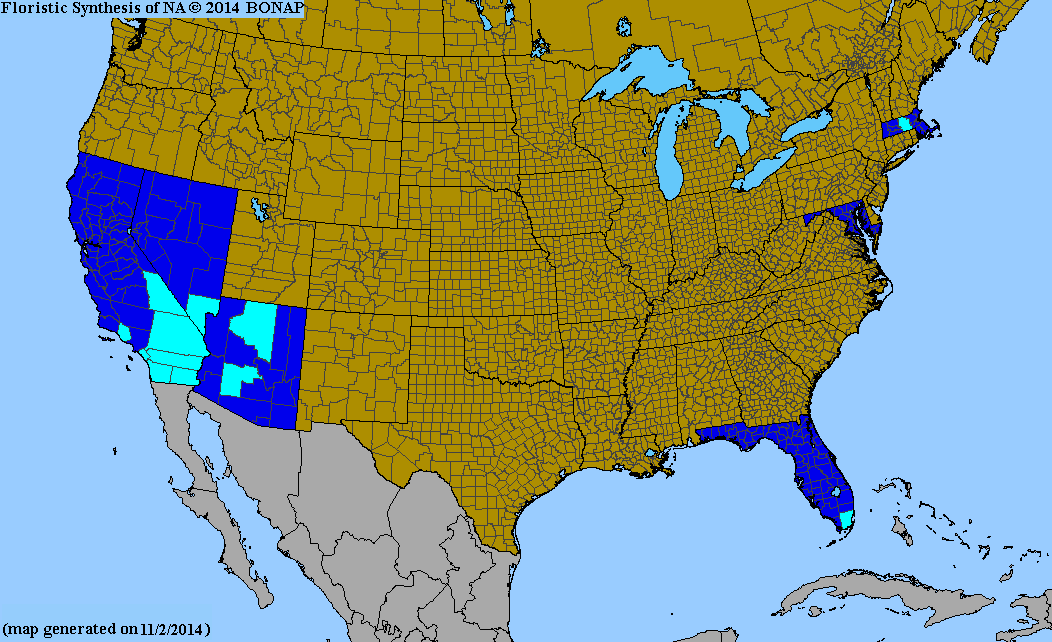
Phoenix dactylifera, commonly known as the date palm,[2] is a flowering-plant species in the palm family Arecaceae, cultivated for its edible sweet fruit called dates. The species is widely cultivated across northern Africa, the Middle East, the Horn of Africa, Australia, South Asia, and the desert regions of Southern California in the United States.[3] It is naturalized in many tropical and subtropical regions worldwide.[3][4][5] P. dactylifera is the type species of genus Phoenix, which contains 12–19 species of wild date palms.[6]
Date palms reach up to 60–110 feet in height, growing singly or forming a clump with several stems from a single root system. Slow-growing, they can reach over 100 years of age when maintained properly.[7] Date fruits (dates) are oval-cylindrical, 3 to 7 centimetres (1 to 3 inches) long, and about 2.5 cm (1 in) in diameter, with colour ranging from dark brown to bright red or yellow, depending on variety. Containing 63-64% sugar by mass when dried (nutrition table), dates are consumed as sweet snacks on their own or with confections.
There is archaeological evidence of date cultivation in Arabia from the 6th millennium BCE.[8] Dates are "emblematic of oasis agriculture and highly symbolic in Muslim, Christian, and Jewish religions".[8]
Description
[edit]Date palms reach up to 30 metres (100 feet) in height, growing singly or forming a clump with several stems from a single root system. Slow-growing, they can reach over 100 years of age when maintained properly.[7] The roots have pneumatodes.[9] The leaves are 4–6 m (13–20 ft) long, with spines on the petiole, and pinnate, with about 150 leaflets. The leaflets are 30 centimetres (12 inches) long and 2 cm (1 in) wide. The full span of the crown ranges from 6–10 m (20–33 ft).
The date palm is dioecious, having separate male and female plants. Like all members of genus Phoenix, sex determination occurs through an XY sex-determination system, where three genes that are conserved in all males and absent in all females have been identified.[10] They can be easily grown from seed, but only 50% of seedlings will be female and hence fruit-bearing, and dates from seedling plants are often smaller and of poorer quality. Most commercial plantations thus use cuttings of heavily cropping cultivars. Plants grown from cuttings will fruit 2–3 years earlier than seedling plants.
.jpg)

Dates are naturally wind-pollinated, but in traditional oasis horticulture and modern commercial orchards, they are entirely hand-pollinated. Natural pollination occurs with about an equal number of male and female plants. With assistance, one male can pollinate up to 100 females. Since the males are of value only as pollinators, they are usually pruned in favor of fruit-producing female plants. Some growers do not maintain male plants, as male flowers become available at local markets at pollination time. Manual pollination is done by skilled labourers on ladders, or by use of a wind machine. In some areas, such as Iraq, the pollinator climbs the tree using a special climbing tool that wraps around the tree trunk and the climber's back (called تبلية in Arabic) to keep him attached to the trunk while climbing.[citation needed]
Date fruits are oval-cylindrical, 3–7 cm (1–3 in) long, and 2–3 cm (3⁄4–1+1⁄4 in) diameter, and when ripe, range from bright red to bright yellow in colour, depending on variety. Dates contain a single stone (seed) about 2–2.5 cm (3⁄4–1 in) long and 6–8 mm (1⁄4–5⁄16 in) thick. Three main cultivar groups exist: soft (e.g., Medjool); semi-dry (e.g., Deglet Nour), and dry (e.g., Thoory).[citation needed]
Genome
[edit]
A draft genome of P. dactylifera (Khalas variety) was published in 2011[11] followed by more complete genome assemblies in 2013[12] and 2019.[13] The later study used long-read sequencing technology. With the release of this improved genome assembly, the researchers were able to map genes for fruit color and sugar content.[13] The NYU Abu Dhabi researchers had also re-sequenced the genomes of several date varieties to develop the first single nucleotide polymorphism map of the date palm genome in 2015.[14]
Etymology
[edit]The species name dactylifera 'date-bearing' is Latin, and is formed with the loanword dactylus in Latin from Greek daktylos (δάκτυλος), which means 'date' (also 'finger'),[15] and with the native Latin fero, which means 'to bear'.[16] The fruit is known as a date.[17] The fruit's English name (through Old French, through Latin) comes from the Greek word for 'finger', δάκτυλος,[15] because of the fruit's elongated shape.
The variety Phoenix dactylifera var. jubae, now considered a synonym for P. canairensis, was named after King Juba II.[18]
Distribution
[edit]The place of origin of the date palm is uncertain because of long cultivation. According to some sources it probably originated from the Fertile Crescent region straddling Egypt and Mesopotamia[6] while others state that they are native to the Persian Gulf area or derived from wild date palm from western India.[19] Fossil records show that the date palm has existed for at least 50 million years.[20]
Ecology
[edit]
A major palm pest, the red palm beetle (Rhynchophorus ferrugineus), currently poses a significant threat to date production in parts of the Middle East as well as to iconic landscape specimens throughout the Mediterranean world. Another significant insect pest is Ommatissus lybicus, sometimes called the "dubas bug", whose sap sucking results in sooty mould formation.
In the 1920s, eleven healthy Medjool palms were transferred from Morocco to the United States where they were tended by members of the Chemehuevi tribe[which?] in a remote region of Nevada. Nine of these survived and in 1935, cultivars were transferred to the U.S. Date Garden in Indio, California. Eventually this stock was reintroduced to Africa and led to the U.S. production of dates in Yuma, Arizona and Bard, California.[21]
Cultivation
[edit]Dates are a traditional crop throughout the Middle East and North Africa. Dates (especially Medjool and Deglet Nour) are also cultivated in the southwestern United States, and in Sonora and Baja California in Mexico.
Date palms can take 4 to 8 years after planting before they will bear fruit, and start producing viable yields for commercial harvest between 7 and 10 years. Mature date palms can produce 70–140 kilograms (150–300 pounds)[22][23] of dates per harvest season. They do not all ripen at the same time so several harvests are required. To obtain fruit of marketable quality, the bunches of dates must be thinned and bagged or covered before ripening so that the remaining fruits grow larger and are protected from weather and animals, such as birds, that also like to eat them.
Date palms require well-drained deep sandy loam soils with a pH of 8–11 (alkaline). The soil should have the ability to hold moisture and also be free of calcium carbonate.[24]
Agricultural history
[edit]Dates have been cultivated in the Middle East and the Indus Valley for thousands of years, and there is archaeological evidence of date cultivation in Mehrgarh, a Neolithic civilization in western Pakistan, around 7000 BCE[25] and in eastern Arabia between 5530 and 5320 calBC.[26] Dates have been cultivated since ancient times from Mesopotamia to prehistoric Egypt. The ancient Egyptians used the fruits to make date wine and ate dates at harvest.[citation needed] In the Levant, the earliest traces of dates appear during the Chalcolithic period, at sites such as Nahal Mishmar (Israel) and Teleilat el-Ghassul (Jordan).[27] Evidence of cultivation is continually found throughout later civilizations in the Indus Valley, including the Harappan period from 2600 to 1900 BCE.[25]

One cultivar, the Judean date palm, is renowned for its long-lived orthodox seed, which successfully sprouted after accidental storage for 2,000 years.[28] In total seven seeds about 2000 years old have sprouted and turned into trees named Methuselah, Hannah, Adam, Judith, Boaz, Jonah and Uriel.[29] The upper survival time limit of properly stored seeds remains unknown.[30] A genomic study from New York University Abu Dhabi Center for Genomics and Systems Biology showed that domesticated date palm varieties from North Africa, including well-known varieties such as Medjool and Deglet Nour, share large parts of their genome with Middle East date palms and the Cretan wild palms, P. theophrasti, as well as Indian wild palms, Phoenix sylvestris.
An article on date palm tree cultivation is contained in Ibn al-'Awwam's 12th-century agricultural work, Book on Agriculture.[31] In later times, traders spread dates around southwest Asia, northern Africa, and Spain. Dates were introduced into California by the Spaniards by 1769, existing by then around Mission San Diego de Alcalá, and were introduced to Mexico as early as the 16th century.[32]
 Egypt Egypt |
1.7 |
 Saudi Arabia Saudi Arabia |
1.6 |
 Algeria Algeria |
1.2 |
 Iran Iran |
1.0 |
 Pakistan Pakistan |
0.7 |
 Iraq Iraq |
0.7 |
| World | 9.7 |
|---|---|
| Source:UN Food and Agriculture Organization, Statistics Division[33] | |
Cultivars
[edit]A large number of date cultivars and varieties emerged through history of its cultivation, but the exact number is difficult to assess. Hussain and El-Zeid[34] (1975) have reported 400 varieties, while Nixon[35] (1954) named around 250. Most of those are limited to a particular region, and only a few dozen have attained broader commercial importance. The most renowned cultivars worldwide include Deglet Noor, originally of Algeria; Yahidi and Hallawi of Iraq; Medjool of Morocco; Mazafati of Iran.[36]
Production
[edit]In 2022, world production of dates was 9.7 million tonnes, led by Egypt, Saudi Arabia, and Algeria accounting for 46% of the total (table).
 | |||||||||||||||||||||||||||||||||||||||||||||||||||
| Nutritional value per 100 g (3.5 oz) | |||||||||||||||||||||||||||||||||||||||||||||||||||
|---|---|---|---|---|---|---|---|---|---|---|---|---|---|---|---|---|---|---|---|---|---|---|---|---|---|---|---|---|---|---|---|---|---|---|---|---|---|---|---|---|---|---|---|---|---|---|---|---|---|---|---|
| Energy | 282 kcal (1,180 kJ) | ||||||||||||||||||||||||||||||||||||||||||||||||||
75 g | |||||||||||||||||||||||||||||||||||||||||||||||||||
| Sugars | 63 g 23.8 g 19.9 g 19.6 g | ||||||||||||||||||||||||||||||||||||||||||||||||||
| Dietary fiber | 8 g | ||||||||||||||||||||||||||||||||||||||||||||||||||
0.4 g | |||||||||||||||||||||||||||||||||||||||||||||||||||
2.4 g | |||||||||||||||||||||||||||||||||||||||||||||||||||
| |||||||||||||||||||||||||||||||||||||||||||||||||||
| Other constituents | Quantity | ||||||||||||||||||||||||||||||||||||||||||||||||||
| Water | 20.5 g | ||||||||||||||||||||||||||||||||||||||||||||||||||
| †Percentages estimated using US recommendations for adults,[37] except for potassium, which is estimated based on expert recommendation from the National Academies.[38] | |||||||||||||||||||||||||||||||||||||||||||||||||||
Nutrition
[edit]Deglet noor dates are 21% water, 75% carbohydrates (63% sugars and 8% dietary fiber), 2% protein, and less than 1% fat (table). In a reference amount of 100 grams (3.5 oz), dates supply 1,180 kilojoules (280 kilocalories) of food energy, and are a rich source (20% or more of the Daily Value, DV) of potassium (22% DV) and a moderate source of pantothenic acid, vitamin B6, and the dietary minerals magnesium and manganese (10–19% DV), with other micronutrients in low amounts (table). The primary carbohydrates are monosaccharides – glucose (20%), fructose (20%), and sucrose (24%) (table).
The glycemic index (GI) for different varieties of the date palm fruit is in the range of 38–71, with 53 on average,[39] indicating dates are a relatively low GI food source.[40]
Uses
[edit]
Fruits
[edit]Dry or soft dates are eaten out-of-hand, or may be pitted and stuffed with fillings such as almonds, walnuts, pecans, candied orange and lemon peel, tahini, marzipan or cream cheese. Pitted dates are also referred to as stoned dates. Partially dried pitted dates may be glazed with glucose syrup for use as a snack food. Dates can also be chopped and used in a range of sweet and savory dishes, from tajines (tagines) in Morocco to puddings, ka'ak (types of Arab cookies) and other dessert items. Date nut bread, a type of cake, is very popular in the United States, especially around holidays. Dates are also processed into cubes, paste called 'ajwa, spread, date syrup or "honey" called "dibs" or rub in Libya, powder (date sugar), vinegar or alcohol. Vinegar made from dates was a traditional product of the Middle East.[41][42] Recent innovations include chocolate-covered dates and products such as sparkling date juice, used in some Islamic countries as a non-alcoholic version of champagne, for special occasions and religious times such as Ramadan. When Muslims break fast in the evening meal of Ramadan, it is traditional to eat a date first.
Reflecting the maritime trading heritage of Britain, imported chopped dates are added to, or form the main basis of a variety of traditional dessert recipes including sticky toffee pudding, Christmas pudding and date and walnut loaf. They are particularly available to eat whole at Christmas time. Dates are one of the ingredients of HP Sauce, a popular British condiment.
In Southeast Spain (where a large date plantation exists including UNESCO-protected Palmeral of Elche) dates (usually pitted with fried almond) are served wrapped in bacon and shallow-fried. In Palestine date syrup, termed silan, is used while cooking chicken and also for sweets and desserts, and as a honey substitute. Dates are one of the ingredients of jallab, a Middle Eastern fruit syrup. In Pakistan, a viscous, thick syrup made from the ripe fruits is used as a coating for leather bags and pipes to prevent leaking.
Forks
[edit]
In the past, sticky dates were served using specialized small forks having two metal tines, called daddelgaffel in Scandinavia.[43] Some designs were patented.[44] These have generally been replaced by an inexpensive pale-colored knobbled plastic fork that resembles a date branch, which is traditionally included with numerous brands of prepackaged trays of dates, though this practice has declined in response to increased use of resealable packaging and calls for fewer single-use plastics.
Seeds
[edit]Date seeds are soaked and ground up for animal feed. Their oil is suitable for use in cosmetics and dermatological applications. The oil contains lauric acid (36%) and oleic acid (41%). Date palm seeds contain 0.56–5.4% lauric acid. They can also be processed chemically as a source of oxalic acid. Date seeds are also ground and used in the manner of coffee beans, or as an additive to coffee. Experimental studies have shown that feeding mice with the aqueous extract of date pits exhibit anti-genotoxic effects and reduce DNA damage induced by N-nitroso-N-methylurea.[45]
Fruit clusters
[edit]Stripped fruit clusters are used as brooms. Recently, the floral stalks have been found to be of ornamental value in households.[46]
Sap
[edit]
Apart from P. dactylifera, wild date palms such as Phoenix sylvestris and Phoenix reclinata, depending on the region, can be also tapped for sap.
The consumption of raw date palm sap is one of the means by which the deadly Nipah virus spreads from bats to humans.[47] The virus can be inactivated by boiling the sap down to molasses.[47] (In Malaysia, by contrast, the vector was found to be factory farming of pigs.)[47]
Leaves
[edit]In North Africa, date palm leaves are commonly used for making huts. Mature leaves are also made into mats, screens, baskets, and fans. Processed leaves can be used for insulating board. Dried leaf petioles are a source of cellulose pulp, used for walking sticks, brooms, fishing floats, and fuel. Leaf sheaths are prized for their scent, and fibre from them is also used for rope, coarse cloth, and large hats.
Young date leaves are cooked and eaten as a vegetable, as is the terminal bud or heart, though its removal kills the palm. The finely ground seeds are mixed with flour to make bread in times of scarcity. The flowers of the date palm are also edible. Traditionally the female flowers are the most available for sale and weigh 300–400 grams (10+1⁄2–14 oz). The flower buds are used in salad or ground with dried fish to make a condiment for bread.
In culture
[edit]Dates are mentioned more than 50 times in the Bible and 20 times in the Quran. Date palms holds great significance in Abrahamic religions. The tree was heavily cultivated as a food source in ancient Israel where Judaism and subsequently Christianity developed.[48] Date palm leaves are used for Palm Sunday in the Christian religion.
Ancient Rome
[edit]In Ancient Rome, the palm fronds used in triumphal processions to symbolize victory were most likely those of P. dactylifera.[49] The date palm was a popular garden plant in Roman peristyle gardens, though it would not bear fruit in the more temperate climate of Italy.[50] It is recognizable in frescoes from Pompeii and elsewhere in Italy, including a garden scene from the House of the Wedding of Alexander.[50]
Ancient Israel and Judaism
[edit]The date palm is one of the "Seven Species" (shivat haminim) traditionally associated with the Land of Israel and revered in Jewish tradition.[27][51] The date palm has historically been considered a symbol of Judea and the Jewish people.[52]

The date palm is featured prominently in the Hebrew Bible. Scholars interpret the "honey" mentioned in Exodus 3, describing the Promised Land as "flowing with milk and honey", as a reference not to bee honey but to date syrup.[53][27] Palm trees or their parts are mentioned in the Torah in connection with locations such as Elim, Jericho ("the city of palm trees"), and at Deborah's place of judgment in Judges.[27] They are also listed among the agricultural blessings of the land (Joel 1:12),[27] and their imagery is employed in biblical poetry to symbolize moral uprightness and stature, including in Psalm 92:12: "The righteous shall flourish like the palm tree," and in Song of Songs 7:8, where physical beauty is compared to the tree's form.[27] According to the Bible, carved palm motifs decorated Solomon's Temple (1 Kings 6:29, 32, 35) and were part of the prophetic vision of the restored temple in Ezekiel (Ezek. 41:18–20).[27] Outside of biblical texts, palm designs appear in the stone capitals and pilasters at several ancient Israelite sites, including Hazor, Megiddo, Samaria, Dan, and Ramat Rahel.[27]
The palm tree became a broader emblem of Judea and its people, appearing on Jewish coinage and temple decorations. Palm branches occurred as iconography in sculpture ornamenting the Second Jewish Temple in Jerusalem, on Jewish coins, and in the sculpture of synagogues. In the Jewish festival of Sukkot (Feast of Tabernacles), date palm leaves serve two important functions. The lulav, a closed frond of the date palm, is one of the Four Species waved during prayers as part of the ritual observance.[54][48] Palm leaves are also commonly used as s'chach, the natural roofing material placed atop the temporary outdoor hut known as a sukkah.[55]
Islam
[edit]In the Quran, Allah instructs Maryām (the Virgin Mary) to eat dates during labour pains when she gives birth to Isa (Jesus).[56] In Islamic culture, dates and yogurt or milk are traditionally the first foods consumed for Iftar after the sun has set during Ramadan.
Mandaeism
[edit]In Mandaeism, the date palm (Mandaic: sindirka, which can refer to both the tree and its fruit[57]) symbolizes the cosmic tree and is often associated with the cosmic wellspring (Mandaic: aina). The date palm, associated with masculinity, and wellspring, associated with femininity, are often mentioned together as heavenly symbols in Mandaean texts.[58]
Gallery
[edit]-
 Dried date, peach, and apricot from Lahun, Fayum, Egypt. Late Middle Kingdom
 -
 Date palm in the emblem of Saudi Arabia
 -
 Date palm cutting growing on the trunk
 -
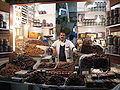 Date seller in the old souq in Kuwait City
 -
 Palm trees and other trees in the middle of the road in Abu Dhabi
 -
 Fresh and dried dates on a date palm tree.


References
[edit]- ^ "Phoenix dactylifera L. — The Plant List". www.theplantlist.org. Archived from the original on 17 April 2019. Retrieved 12 June 2015.
- ^ "Phoenix dactylifera, Phoenix dactylifera". Germplasm Resources Information Network. Agricultural Research Service, United States Department of Agriculture. Retrieved 10 December 2017.
- ^ a b "Phoenix dactylifera L." Plants of the World Online | Kew Science. 2024. Retrieved 1 May 2024.
- ^ "Biota of North America Project, Phoenix dactylifera". Archived from the original on 20 April 2014. Retrieved 19 April 2014.
- ^ "Phoenix dactylifera in Flora of China @ efloras.org". eFloras, Flora of China. Archived from the original on 20 April 2014. Retrieved 19 April 2014.
- ^ a b Krueger RR. "Date Palm Genetic Resource Conservation, Breeding, Genetics, And Genomics In California" (PDF). The Conference Exchange. Archived (PDF) from the original on 8 April 2023. Retrieved 26 March 2018.
- ^ a b Hodel D, Johnson D (2007). Imported and American Varieties of Dates (Phoenix Dactylifera) in the United States. University of California Agriculture and Natural Resources (UCANR). p. 13. ISBN 978-1-879906-78-5. Archived from the original on 8 April 2023. Retrieved 24 March 2022.
- ^ a b Sallon S, Cherif E, Chabrillange N, et al. (7 February 2020). "Origins and insights into the historic Judean date palm based on genetic analysis of germinated ancient seeds and morphometric studies". Science Advances. 6 (6) eaax0384. Bibcode:2020SciA....6..384S. doi:10.1126/sciadv.aax0384. ISSN 2375-2548. PMC 7002127. PMID 32076636.
- ^ Belarbi-Halli R, Mangenot F (1 August 1986). "Bayoud disease of date palm: ultrastructure of root infection through pneumatodes". Canadian Journal of Botany. 64 (8): 1703–1711. Bibcode:1986CaJB...64.1703B. doi:10.1139/b86-228. ISSN 0008-4026.
- ^ Evidence of Recombination Suppression Blocks on the Y Chromosome of Date Palm (Phoenix dactylifera)
- ^ Al-Dous EK, George B, Al-Mahmoud ME, et al. (June 2011). "De novo genome sequencing and comparative genomics of date palm (Phoenix dactylifera)". Nature Biotechnology. 29 (6) (published 2011): 521–527. doi:10.1038/nbt.1860. ISSN 1546-1696. PMID 21623354.
- ^ Al-Mssallem IS, Hu S, Zhang X, et al. (6 August 2013). "Genome sequence of the date palm Phoenix dactylifera L". Nature Communications. 4 (1): 2274. Bibcode:2013NatCo...4.2274A. doi:10.1038/ncomms3274. ISSN 2041-1723. PMC 3741641. PMID 23917264.
- ^ a b Hazzouri KM, Gros-Balthazard M, Flowers JM, et al. (2019). "Genome-wide association mapping of date palm fruit traits". Nature Communications. 10 (1): 4680. Bibcode:2019NatCo..10.4680H. doi:10.1038/s41467-019-12604-9. PMC 6794320. PMID 31615981.
- ^ Hazzouri KM, Flowers JM, Visser HJ, et al. (2015). "Whole genome re-sequencing of date palms yields insights into diversification of a fruit tree crop". Nature Communications. 6 8824. Bibcode:2015NatCo...6.8824H. doi:10.1038/ncomms9824. PMC 4667612. PMID 26549859.
- ^ a b δάκτυλος. Liddell, Henry George; Scott, Robert; A Greek–English Lexicon at the Perseus Project
- ^ fĕro. Charlton T. Lewis and Charles Short. A Latin Dictionary on Perseus Project.
- ^ "Date Palm". 15 October 2008. HowStuffWorks.com.
- ^ Briones JM, Pereira TA, Carrasco MD, et al. (30 April 2025). "On the Macaronesian endemic woody spurge Euphorbia regis-jubae Webb & Berthel. and eponyms honouring the Numidian King Juba II (48 BCE –23/24 CE)". Curtis's Botanical Magazine. 42: 119–133. doi:10.1111/CURT.12623.
- ^ "Date palm". iranicaonline.org. Archived from the original on 18 April 2021. Retrieved 6 March 2021.
- ^ "Medjool: A Date to Remember". NPR. 17 October 2007. Archived from the original on 31 March 2015. Retrieved 19 April 2015.
- ^ Allen L (25 April 2014). "How One Indian Couple Saved 'The Fruit of Kings'". Indian Country News. Archived from the original on 2 November 2021. Retrieved 2 November 2021.
- ^ "The Date, Phoenix dactylifera". Archived from the original on 23 March 2015. Retrieved 19 April 2015.
- ^ "Publications | Extension | University of Nevada, Reno" (PDF). Archived (PDF) from the original on 9 October 2022.
- ^ "Date Palm – Phoenix dactylifera". www.growables.org. Archived from the original on 6 April 2019. Retrieved 6 April 2019.
- ^ a b Kenoyer JM, Heuston KB (2005). The Ancient South Asian World. The World in Ancient Times. Oxford University Press. ISBN 978-0-19-522243-2. Retrieved 30 July 2013.[page needed]
- ^ Tengberg M (November 2012). "Beginnings and early history of date palm garden cultivation in the Middle East". Journal of Arid Environments. 86: 139–147. Bibcode:2012JArEn..86..139T. doi:10.1016/j.jaridenv.2011.11.022.
- ^ a b c d e f g h Shafer-Elliott C (2022), Fu J, Shafer-Elliott C, Meyers C (eds.), "Fruits, Nuts, Vegetables, and Legumes", T&T Clark Handbook of Food in the Hebrew Bible and Ancient Israel, T&T Clark Handbooks (1 ed.), London: T&T Clark, p. 145, ISBN 978-0-567-67982-6, retrieved 27 July 2025
- ^ Fountain H (17 June 2008). "Date Seed of Masada is Oldest Ever to Sprout". New York Times. Archived from the original on 9 December 2021. Retrieved 9 December 2021.
- ^ Sallon S, Cherif E, Chabrillange N, et al. (7 February 2020). "Origins and insights into the historic Judean date palm based on genetic analysis of germinated ancient seeds and morphometric studies". Science Advances. 6 (6) eaax0384. Bibcode:2020SciA....6..384S. doi:10.1126/sciadv.aax0384. PMC 7002127. PMID 32076636.
- ^ Bonner FT (April 2008). "Chapter 4 Storage of Seeds" (PDF). Woody Plant Seed Manual, USDA FS Agriculture Handbook 727. National Seed Laboratory, 5675 Riggins Mill Rd, Dry Branch, GA 31020. Archived (PDF) from the original on 9 October 2022. Retrieved 21 June 2008.
- ^ Ibn al-'Awwam Y (1864). Le livre de l'agriculture d'Ibn-al-Awam (kitab-al-felahah) (in French). Translated by J.-J. Clement-Mullet. Paris: A. Franck. pp. 321–326 (ch. 7 – Article 43). OCLC 780050566.
- ^ Rivera D, Johnson D, Delgadillo J, et al. (2012). "Historical evidence of the Spanish introduction of date palm (Phoenix dactylifera L., Arecaceae) into the Americas". Genetic Resources and Crop Evolution. 60 (4): 1437–1439, 1441–1442, 1444–1445. doi:10.1007/s10722-012-9932-5. S2CID 24146736. Archived from the original on 16 June 2022. Retrieved 8 May 2022.
- ^ "Dates production in 2022, Crops/Regions/World list/Production Quantity/Year (pick lists)". UN Food and Agriculture Organization, Corporate Statistical Database (FAOSTAT). 2024. Retrieved 1 May 2024.
- ^ Hussain F, El-Zeid A (1975). Studies on physical and chemical characteristics of date varieties of Saudi Arabia (Report). Ministry of Agriculture and Water, Saudi Arabia.
- ^ Nixon R (1954). "Date culture in Saudi Arabia". Ann. Date Growers' Instit. (31): 15–20.
- ^ Sidhu JS (28 February 2008). "22. Date Fruits Production and Processing". In Hui YH, Barta J, Cano MP (eds.). Handbook of Fruits and Fruit Processing. John Wiley & Sons. pp. 396–. ISBN 978-0-470-27648-8. Archived from the original on 8 April 2023. Retrieved 29 July 2021.
- ^ United States Food and Drug Administration (2024). "Daily Value on the Nutrition and Supplement Facts Labels". FDA. Archived from the original on 27 March 2024. Retrieved 28 March 2024.
- ^ "TABLE 4-7 Comparison of Potassium Adequate Intakes Established in This Report to Potassium Adequate Intakes Established in the 2005 DRI Report". p. 120. In: Stallings VA, Harrison M, Oria M, eds. (2019). "Potassium: Dietary Reference Intakes for Adequacy". Dietary Reference Intakes for Sodium and Potassium. pp. 101–124. doi:10.17226/25353. ISBN 978-0-309-48834-1. PMID 30844154. NCBI NBK545428.
- ^ Alkaabi JM, Al-Dabbagh B, Ahmad S, et al. (28 May 2011). "Glycemic indices of five varieties of dates in healthy and diabetic subjects". Nutrition Journal. 10 (1): 59. doi:10.1186/1475-2891-10-59. ISSN 1475-2891. PMC 3112406. PMID 21619670.
- ^ Miller CJ, Dunn EV, Hashim IB (2002). "Glycemic index of 3 varieties of dates". Saudi Medical Journal. 23 (5): 536–8. PMID 12070575.
- ^ Das B, Sarin JL (1936). "Vinegar from Dates". Industrial & Engineering Chemistry. 28 (7): 814. doi:10.1021/ie50319a016.
- ^ Forbes RJ (1971). Studies in Ancient Technology. Vol. 1. Netherlands: E.J. Brill. Archived from the original on 17 March 2023. Retrieved 20 June 2015.
- ^ dragonflywink. "Jensen fork". Silver Salon Forums. SM Publications. Archived from the original on 29 July 2020. Retrieved 19 April 2020.
- ^ Official Gazette of the United States Patent Office. US Patent Office. 1953. p. 589. Archived from the original on 8 April 2023. Retrieved 6 October 2020.
- ^ Diab K, E. I. Aboul-Ela (2012). "In Vivo Comparative Studies on Antigenotoxicity of Date Palm (Phoenix Dactylifera L.) Pits Extract Against DNA Damage Induced by N-Nitroso-N-methylurea in Mice". Toxicology International. 19 (3): 279–286. doi:10.4103/0971-6580.103669 (inactive 1 July 2025). PMC 3532774. PMID 23293467.
{{cite journal}}: CS1 maint: DOI inactive as of July 2025 (link) - ^ Kiran S (2014). "Floral Stalk on Date Palm: A New Discovery". International Journal of Agricultural Research, Innovation and Technology. 4 (2): 53–54. doi:10.3329/ijarit.v4i2.22649.
- ^ a b c "The Nipah virus has a kill rate of 70%. Bats carry it. But how does it jump to humans?". Goats and Soda. NPR. 31 January 2023. Archived from the original on 27 December 2023. Retrieved 16 September 2023.
- ^ a b James Hastings (1909). Dictionary of the Bible. The Monist. p. 675.
- ^ Ernest Small (2009). Top 100 Food Plants. NRC Research Press. p. 231. ISBN 978-0-660-19858-3.
- ^ a b Linda Farrar (1998). Ancient Roman Gardens. p. 141.
- ^ Cooper J (1993). Eat and be satisfied: a social history of Jewish food. Northvale, N.J.: Jason Aronson. ISBN 0-87668-316-2. OCLC 27266322.
- ^ Küchler M, Theissen G (2009). Jerusalem und die Länder: Ikonographie, Topographie, Theologie ; Festschrift für Max Küchler zum 65. Geburtstag. Göttingen: Vandenhoeck & Ruprecht. ISBN 978-3-525-53390-1. OCLC 457130327.
- ^ [1] Archived 4 March 2022 at the Wayback Machine, JEWISH ACTION Magazine, Winter 5765/2005 issue
- ^ Karo Jb (1999). The Metsudah Kitzur Shulchan Aruch. Metsudah Publications. OCLC 421411475.
- ^ "KKL Preparing for Distribution of "Schach"". Israel National News. 24 September 2009. Archived from the original on 8 March 2021. Retrieved 5 March 2021.
- ^ The Quran, Chapter 19 - verses 22-25 Archived 2 April 2015 at the Wayback Machine, retrieved on 28 Feb. 2015
- ^ Drower ES (1960). The secret Adam: a study of Nasoraean gnosis. Oxford: Clarendon Press.
- ^ Nasoraia B (2022). The Mandaean Rivers Scroll (Diwan Nahrawatha): an analysis. London: Routledge. ISBN 978-0-367-33544-1. OCLC 1295213206. Archived from the original on 8 October 2022. Retrieved 21 October 2022.
External links
[edit]- Date palm products (additional information from the FAO)


| ||

| International | |
|---|---|
| National | |


Date palm
View on GrokipediaBotanical Description
Physical Characteristics
The date palm (Phoenix dactylifera) is a dioecious, perennial monocotyledonous plant adapted to arid environments, characterized by a single, erect trunk that reaches heights of 15 to 25 meters, with diameters typically ranging from 30 to 80 centimeters in mature specimens, covered by persistent bases of old leaves that create a rough, diamond-patterned texture.[6][1] The trunk is cylindrical and unbranched, lacking a vascular cambium typical of dicots, which limits secondary growth but supports longevity exceeding 100 years in optimal conditions.[1] The leaves are pinnate fronds, measuring 3 to 5 meters in length on average, with a robust midrib up to 50 centimeters wide at the base and equipped with sharp spines along the petiole.[1] Each frond bears 150 to 300 narrow, glaucous green leaflets, arranged in a V-shape and reaching 15 to 30 centimeters long, forming a dense crown of 100 to 150 leaves that spread 6 to 10 meters wide.[6] Individual leaves have a lifespan of 4 to 6 years, with 10 to 25 new fronds emerging annually to maintain the canopy.[1] The root system is extensive and fibrous, lacking a prominent taproot, with primary roots extending up to 6 to 7 meters deep and lateral spread reaching 7 meters or more from the trunk, enabling efficient access to groundwater in sandy, arid soils.[6] Approximately 85% of the roots are concentrated within the upper 2 meters in depth and 2 meters laterally from the trunk for nutrient uptake, while deeper roots provide stability and drought resilience.[1] Inflorescences emerge from the axils of lower leaves as large, pendulous panicles enclosed in a woody spathe that splits to reveal branching spikelets; female inflorescences can elongate to 1 to 3 meters long, bearing thousands of small, creamy-white flowers.[6][1] Key adaptations include tolerance to extreme high temperatures up to 50°C, soil salinity levels of 4 to 8 dS/m, and prolonged drought, facilitated by deep roots for water extraction, thick leaf cuticles to reduce transpiration, and physiological mechanisms that maintain cellular integrity under osmotic stress.[7][8] Growth occurs in distinct phases: the juvenile stage (0 to 5 years) features vegetative development without fruit production; the adult phase (5 to 15 years) initiates flowering and shows increasing yields; and the mature phase (15+ years) achieves peak productivity, with individual trees yielding up to 100 kg of dates annually under favorable management.[1][6]Reproduction and Pollination
The date palm (Phoenix dactylifera) is dioecious, with separate male and female trees required for reproduction.[6] In commercial orchards, an ideal ratio of one male tree to 50–100 female trees ensures effective pollination.[9] Natural pollination relies on wind dispersal, but this is limited due to the spatial separation of sexes and the plant's dioecious nature, often resulting in low fruit set without intervention.[6] Commercial pollination is typically manual, involving the transfer of pollen-laden strands from male spathes to female inflorescences or the use of mechanical pollen dusters for broader application.[9] Optimal timing occurs in late winter to early spring, when spathes emerge and flowers open, aligning with the protandrous flowering pattern where male flowers mature slightly before females.[10] Male inflorescences produce abundant pollen, with each bearing over 10,000 small, cream-white flowers equipped with six stamens.[10] Female flowers, in contrast, feature three carpels, of which only one typically develops into a fruit following successful fertilization.[11] After pollination, fruit development spans 6–7 months, progressing through distinct stages: hababouk (initial post-fertilization swelling), kimri (green growth phase), khalal (color change to yellow or red, crunchy texture), rutab (softening and partial ripening), and tamar (full dry maturity).[9] Date fruits can develop parthenocarpically without fertilization, producing smaller seedless fruits of lower quality, but pollination is essential for optimal fruit set and size.[6] Each mature fruit contains a single hard seed, which remains viable for up to two years if stored properly and germinates in 1–3 months under moist conditions.[9] Date palms begin fruiting 4–8 years after planting, reach peak productivity between 20 and 30 years, and can live over 100 years, sustaining yields throughout their long lifespan.[6]Taxonomy and Etymology
Taxonomy
The date palm, Phoenix dactylifera L., belongs to the kingdom Plantae, phylum Tracheophyta, class Liliopsida, order Arecales, family Arecaceae, genus Phoenix L., and species P. dactylifera L..[12][13] This classification places it among the monocotyledonous palms, characterized by their fibrous root systems and pinnate leaves.[14] The genome of P. dactylifera consists of 2n=36 chromosomes with an estimated size of approximately 658 Mb, lacking evidence of polyploidy.[15] A draft genome assembly was completed in 2011 using a female Khalas variety, revealing key genes associated with drought tolerance, such as those involved in abscisic acid signaling, and fruit quality traits like sugar metabolism pathways.[15] An improved assembly in 2013 covered over 90% of the ~671 Mb genome, further highlighting adaptations to arid environments through expansions in gene families related to defense against pathogens.[16][17] Evolutionary origins trace P. dactylifera to the region of ancient Mesopotamia (modern-day Iraq), where domestication occurred around 6000–7000 years before present (BCE) from wild progenitors.[6][18] Closest relatives within the genus Phoenix include P. canariensis (Canary Island date palm) and P. sylvestris (wild date palm), with phylogenetic studies indicating divergence during the Miocene epoch.[19] Hybridization events are rare but documented, particularly involving introgression from P. theophrasti in North African populations.[18] No formal subspecies are recognized for P. dactylifera. Wild populations of the species, identified in remote areas such as the Hajar Mountains of Oman, represent its progenitors and are distinguished by traits like smaller fruit adapted for seed dispersal.[19] Cultivated varieties, numbering over 3,000 globally, represent selections for fruit traits rather than distinct taxonomic ranks.[1] Genetic diversity in P. dactylifera is highest in the Middle East, reflecting its domestication center and diverse wild relatives, while populations in North Africa exhibit lower diversity due to extensive clonal propagation via offshoots.[20][21] This reduction stems from historical human selection and limited seed-based reproduction, leading to conservation efforts through tissue culture propagation and seed banks to preserve rare alleles.[11]Etymology
The scientific name of the date palm, Phoenix dactylifera, reflects its ancient cultural and morphological significance. The genus Phoenix derives from the ancient Greek word phoinix (φοῖνιξ), which denoted the purple-red color of ripe dates or alluded to the Phoenicians, seafarers renowned for trading dates and producing Tyrian purple dye from murex snails.[1][6] The species epithet dactylifera combines the Greek daktylos (δάκτυλος), meaning "finger," with the Latin ferre, "to bear," describing the elongated, finger-like clusters of fruit that hang from the tree.[22][23] Common names for the date palm across languages trace back to its fruit's shape, sweetness, and vital role in arid environments. In English, "date" stems directly from the Greek daktylos, emphasizing the fruit's finger-like form, a term adopted through Latin into European languages.[24] Arabic designates the tree as nakhla (نخلة), evoking its tall, sifting fronds like strained fibers, while the fruit is tamr (تمر), highlighting its nutritive essence.[25][26] In Hebrew, tamar (תָּמָר) refers to both the tree and its fruit, symbolizing upright grace and resilience in biblical contexts.[27][28] Ancient Egyptian texts describe it as the "tree of the desert" (t3 n d3b.t), underscoring its life-sustaining presence in harsh landscapes, though specific hieroglyphic terms like bni or bener also appear for the palm.[29] Historical references to the date palm in early civilizations reveal its deep-rooted symbolism, often as a "tree of life." Sumerian cuneiform tablets from around 3000 BCE depict it as a sacred emblem of fertility and abundance in Mesopotamian agriculture and mythology.[30] In Roman literature, the name phoenix linked the palm to resurrection motifs, paralleling the mythical phoenix bird's renewal cycle and reflecting the tree's remarkable longevity and regenerative capacity in desert oases.[31] The linguistic evolution of date palm nomenclature illustrates cross-cultural exchanges along trade routes, tying into themes of fertility and sweetness. Indo-European roots, such as those in Greek and Latin, influenced Western terms focused on the fruit's form and hue, while Semitic languages like Hebrew and Arabic emphasized vitality.[32] Variations in Berber (taḥmart for the fruit), Persian (khormā, denoting palm-like), and Swahili (nakhili, borrowed via Arabic trade) demonstrate how the plant's dissemination from the Fertile Crescent shaped diverse vocabularies across Afro-Asiatic and Bantu language families.[32]Distribution
Native Range
The date palm (Phoenix dactylifera) originated in lower Mesopotamia (southern Iraq) and the Persian Gulf region, where wild populations were historically found along the riverbanks of the Tigris and Euphrates rivers.[27][11] These areas represent the primary center of diversity, with secondary wild occurrences in eastern Arabia.[11] In its natural habitat, the date palm thrives in oases, along riverbanks, and on saline coastal zones across Southwest Asia. Its range extends westward to North Africa, from Morocco to Egypt, primarily through ancient human-mediated dispersal along trade routes.[27][11] Pre-domestication evidence indicates that humans gathered fruits from wild date palm groves as early as around 5000 BCE in the Persian Gulf and Mesopotamian regions. Archaeological records, including date seeds recovered from Gulf sites dated to 5000 BCE, confirm early exploitation of these wild resources.[33][34] Today, truly wild date palm populations are rare due to extensive habitat loss from agricultural expansion and urbanization, surviving only in small, isolated groups in Oman, the United Arab Emirates, and Baluchistan. These remnant wild forms are considered vulnerable, warranting conservation efforts to preserve genetic diversity.[35][11] The species is adapted to hot, arid environments characterized by annual rainfall of 100–400 mm and temperatures ranging from 20°C to 50°C, conditions typical of its native desert fringes.[36]Cultivated and Introduced Areas
The domestication of the date palm originated in the Middle East, with cultivation spreading to North Africa by approximately 3000 BCE through trade and migration routes, including Phoenician establishments in regions like Carthage around 814 BCE.[37][38] Romans further disseminated the crop across the Mediterranean, introducing it to Andalusia in Spain during the 8th century CE via Moorish influences, where it became integral to irrigated oasis systems.[39] In the Americas, Spanish missionaries planted date palms in California in 1769 at Mission San Diego de Alcalá, marking the initial European introduction to the New World.[40] Commercial cultivation expanded significantly in the 20th century, particularly in arid zones enabled by advanced irrigation infrastructure, transforming marginal deserts into productive groves.[41] Today, date palms are grown on approximately 1.3 million hectares worldwide as of 2022, with major areas in semi-arid and desert regions requiring supplemental water.[42] Successful introductions have occurred in the United States, notably Arizona and California, where valleys like Coachella support large-scale orchards; Mexico's Sonora and [Baja California](/page/Baja California) regions; Australia, especially the Riverland and [Central Australia](/page/Central Australia); and South America, including Chile and Peru's coastal deserts.[40][43][44] Efforts in humid tropical zones, however, have largely failed due to susceptibility to fungal pathogens like those causing black scorch and Khamedj, which thrive in high-moisture environments.[45][46] Key factors enabling this global spread include modern irrigation technologies, such as drip systems, which optimize water use in non-native arid areas and support sustainable expansion.[47] Strict quarantine protocols have also been essential to prevent pest introductions, such as the red palm weevil, in new regions.[48] Approximately 80% of the total cultivated area remains in the Middle East and North Africa as of 2022, with emerging growth in South Asia and East Asia; for instance, Pakistan cultivates over 80,000 hectares as of 2023, India around 20,000 hectares, and China is developing small-scale plantations in arid valleys like those in Hainan and Yunnan through international germplasm exchanges.[49][50][42]Ecology
Habitat and Ecological Interactions
The date palm (Phoenix dactylifera) thrives in arid and subtropical climates characterized by hot, dry summers and mild winters, with optimal temperatures ranging from 25–40°C during the growing season and minimal frost exposure.[36] These conditions support its deep root system, which can access groundwater up to 6–10 meters below the surface. Annual water demands are substantial, typically 10,000–15,000 m³/ha/year, reflecting its role as a phreatophyte that relies on irrigation or shallow aquifers in desert environments to sustain growth and fruit production.[51] Preferred soils for date palm cultivation are deep, well-drained sandy loams that allow root penetration to at least 2 meters, with a pH range of 8–11 to optimize nutrient availability in alkaline conditions common to its native habitats.[52] The species exhibits notable tolerance to soil salinity, maintaining yields with electrical conductivity up to 4 dS/m, and shows moderate resistance to boron toxicity compared to other crops, enabling growth in marginal, saline-desert soils.[53] These adaptations position the date palm as a resilient pioneer in oasis ecosystems, where it stabilizes sandy dunes through its extensive root network and extensive frond litterfall, which enhances soil organic matter and fertility over time.[54] As a keystone species in desert oases, the date palm creates microhabitats by providing shade that moderates extreme temperatures and humidity, fostering understory vegetation, birds, and insects that depend on its structure for nesting and foraging.[55] Its ecological interactions include mutualistic relationships with pollinators such as bees (Apis mellifera) and flies, which are attracted to the abundant pollen in male inflorescences, aiding cross-pollination despite the tree's primarily anemophilous (wind-pollinated) nature.[56] Additionally, date palm exhibits allelopathic effects through root exudates and leaf leachates that suppress understory weed growth, reducing competition in resource-poor environments.[57] The tree contributes to carbon sequestration through biomass accumulation and soil carbon stabilization via litter decomposition.[11] Emerging threats to date palm habitats include climate change, which models project could reduce suitable growing areas by 2050 due to rising temperatures, altered precipitation patterns, and increased drought intensity in core regions like the Middle East and North Africa. As of 2025, research emphasizes breeding for climate-resilient cultivars to mitigate these impacts.[58] Overexploitation of groundwater for irrigation exacerbates these risks, leading to aquifer depletion, soil salinization, and oasis degradation in intensively farmed areas.[59]Pests and Diseases
The date palm (Phoenix dactylifera) is susceptible to several major insect pests that can severely damage its tissues and reduce productivity. The red palm weevil (Rhynchophorus ferrugineus), a coleopteran insect native to Southeast Asia and the Middle East, poses one of the most destructive threats. Adult females lay 200–300 eggs in palm sheaths or wounds, with larvae boring into the trunk and feeding on soft inner tissues, completing their life cycle in approximately 4 months. Symptoms include wilting of inner leaves, oozing of brown fermented fluid from trunk holes, and extensive tunneling that leads to canopy collapse and tree death within 3–6 months of infestation. This pest has spread invasively to over 60 countries across Asia, Africa, the Middle East, and Europe, facilitated by international trade in infested palms. Recent efforts as of 2025 include genetic resistance screening in cultivars.[48][45] Other notable insect pests include the date palm mite (Oligonychus afrasiaticus), a tetranychid mite distributed across date-growing regions in Africa, the Middle East, and parts of Asia, where it thrives in dry conditions. This mite feeds on leaf undersides and fruit surfaces, producing silky webs and causing bronzing or chlorosis of leaves and fruits, which leads to premature fruit drop and reduced sugar content. Heavy infestations can render fruits unmarketable, with damage losses ranging from 50% to 70% in severe cases. Scale insects of the genus Parlatoria, particularly P. blanchardii (white scale) and P. zizyhpi (date scale), are armored, sap-sucking pests widespread in date palm cultivation areas globally, excluding some eradicated regions like the United States. These insects colonize fronds and fruits, causing yellowing of leaflets, sooty mold growth from honeydew excretion, and reduced photosynthesis, which results in weakened growth and discolored, low-quality fruits.[45][60][61] Fungal diseases represent another critical biotic challenge to date palms. Bayoud disease, caused by Fusarium oxysporum f. sp. albedinis, is a lethal vascular wilt prevalent in North Africa, particularly Morocco and Algeria, where it spreads through soil and infected offshoots. The pathogen clogs the vascular system, leading to yellowing and leaden discoloration of older fronds, inward curling, and eventual death of the terminal bud within months to a year. This disease has devastated millions of trees, destroying over 12 million in Morocco alone. Fusarium wilt, distinct from bayoud and caused by F. oxysporum f. sp. palmarum or related strains, affects vascular tissues in various palm species, excluding true date palms (Phoenix dactylifera), for which Bayoud is the primary Fusarium disease; it is reported in regions like the United States and the Middle East. Graphiola leaf spot, induced by the smut fungus Graphiola phoenicis, occurs in humid date palm areas such as parts of the Middle East and Africa, manifesting as small yellow-to-black pustules (sori) on leaf blades after a 10–11 month incubation, causing premature leaf senescence and reduced frond lifespan to about 3 years. Black scorch, caused by Thielaviopsis paradoxa (anamorph of Ceratocystis paradoxa), produces dark brown-to-black lesions on leaves, trunk, and buds, leading to necrosis, bowing of the canopy, and palm death; it affects multiple date cultivars across global cultivation zones.[45][62][63] Viral and bacterial-like diseases further compound these threats. Little leaf disease, associated with phytoplasma infections (Candidatus Phytoplasma spp.), causes rosetting of small, chlorotic leaves, stunted bunch production, and gradual tree decline over years, with reports from the Arabian Peninsula, including Saudi Arabia. This phytoplasma disrupts phloem transport, leading to abnormal growth and eventual mortality. Economically, these pests and diseases inflict substantial losses on date palm production, with red palm weevil alone causing up to $2 billion in annual global crop damage, infesting over 35 million trees and resulting in 50% mortality rates in affected areas; overall yield reductions from biotic threats can reach 20–30% in heavily impacted regions, exacerbating food security issues in arid zones.[45][64][65]Cultivation
History
The date palm (Phoenix dactylifera) has been exploited by humans since prehistoric times, with evidence of wild gathering in southern Mesopotamia dating back approximately 7,000 years to around 5000 BCE, based on archaeobotanical remains from sites like Eridu.[11] Domestication likely occurred around 4000–5000 BCE in the Persian Gulf region, with early archaeological evidence of cultivation from the 3rd millennium BCE.[18] By 4000 BCE, Sumerians and Babylonians in Mesopotamia had established systematic cultivation, integrating the date palm into their agricultural systems as a staple crop for food, fiber, and construction materials.[66] In ancient Egypt, date palms held ritual significance by around 2500 BCE, symbolizing fertility and the sun god, with pharaohs like Ramses III (ca. 1186–1155 BCE) mandating the planting of date gardens near temples.[67] The Phoenicians facilitated the spread of date palm cultivation across the Mediterranean through trade networks starting in the late Bronze Age, introducing the tree to coastal regions of North Africa and southern Europe.[68] During the classical era, the date palm's range expanded further under Hellenistic and Roman influence. Alexander the Great's campaigns in the 4th century BCE promoted the tree's dissemination eastward and westward, with Greek botanist Theophrastus documenting its cultivation in oases like Siwa by the late 4th century BCE.[69] The Romans extensively cultivated date palms in North Africa and parts of southern Europe, adapting them to arid zones and recognizing their economic value; Pliny the Elder, in his Natural History (ca. 77 CE), described numerous varieties and their propagation methods, highlighting the tree's adaptability and yield.[69] In the medieval Islamic Golden Age (8th–13th centuries CE), Arab scholars and farmers advanced date palm agriculture through innovations like qanat irrigation systems, which enabled expansion into new arid territories including the Iberian Peninsula (Al-Andalus) and India.[70] Agronomist Ibn al-Awwam, in his 12th-century treatise Kitab al-Filaha, detailed over 30 cultivars, their grafting techniques, and orchard management, underscoring the tree's role in sustaining oasis economies.[71] In the modern era, European colonial powers introduced date palms to the Americas starting in the 16th century via Spanish missions, with further plantings in the 19th century reaching the southwestern United States, where arid climates like California's Coachella Valley proved suitable.[72] Post-World War II advancements in mechanization, including mechanical harvesting and irrigation, spurred a production boom in major growing regions, enhancing efficiency and global trade.[73] Key milestones include the development of tissue culture propagation in the 1970s, pioneered by researchers like C.A. Schroeder, which allowed mass production of disease-free plants and reduced reliance on offshoots.[74] Genetic conservation efforts intensified in the 2000s, with international programs establishing germplasm repositories to preserve biodiversity amid threats like urbanization and climate change.[11] In 2019, UNESCO inscribed the "Date palm, knowledge, skills, traditions and practices" on the Representative List of the Intangible Cultural Heritage of Humanity, recognizing its cultural and ecological significance in Middle Eastern and North African oases.Practices and Techniques
Date palms are predominantly cultivated in open fields in arid and semi-arid regions worldwide. Commercial greenhouse or protected cultivation is not widely practiced and is generally not economically feasible on a large scale, either globally or in India. The trees' large size, reaching heights of up to 20 meters, high light intensity requirements, and the high cost of constructing sufficiently large and tall structures make greenhouses expensive and impractical compared to low-cost open-field production in suitable arid climates. Traditional open-field cultivation dominates global production in regions such as the Middle East, North Africa, California, and parts of India, with only experimental, small-scale, or research-oriented protected methods (such as shade nets or high tunnels) used for young plants, research, or specific purposes. In India, commercial date palm farming occurs mainly in open fields in arid regions like Rajasthan and Gujarat, with no established large-scale greenhouse operations.[75] Date palms are primarily propagated through vegetative means using offshoots, which are basal shoots removed from mature mother trees to preserve desirable genetic traits and ensure true-to-type plants; a single tree typically produces 5 to 10 offshoots over its productive life.[76] Seed propagation is less common for commercial cultivation due to genetic variability but is used to produce rootstocks for grafting. Tissue culture, or micropropagation, has been employed since the 1980s to generate large numbers of disease-free plants, overcoming the limitations of offshoot availability and enabling rapid scaling of elite cultivars. Recent advancements as of 2025 include CRISPR-Cas9 applications for enhancing disease resistance and yield, alongside precision drip irrigation systems optimized via remote sensing to improve water efficiency in arid regions.[77][78][79][80] Planting occurs in well-prepared pits or trenches, with trees spaced 8 to 10 meters apart in rows to allow for canopy development and facilitate machinery access, accommodating about 125 palms per hectare. Irrigation is critical in arid environments, traditionally via flood methods but increasingly through drip systems that deliver water directly to roots, reducing evaporation and saving 30 to 50% of water compared to surface irrigation while minimizing salinity buildup. Fertilization follows soil testing to apply balanced NPK nutrients, typically incorporating organic matter to enhance soil structure and nutrient retention.[75][81][82] Pollination is essential for fruit set in this dioecious species and is predominantly manual, involving the transfer of pollen from male to female inflorescences using tools like brushes or strings; this labor-intensive process allows one worker to service approximately 200 trees per season. Mechanical aids, such as pneumatic dusters or shakers, have been adopted to increase efficiency in larger orchards, while hormone applications like auxins can induce parthenocarpic fruit development to bypass pollination needs in some cases.[83][84] Pruning maintains tree health and productivity by annually removing 20 to 30 senescent lower leaves to improve air circulation, reduce pest habitats, and prevent injury from sharp spines. Bunch thinning, conducted during early fruit development, involves selectively removing excess strands to limit each cluster to 1 to 2 kg, promoting larger, higher-quality dates by directing resources to fewer fruits and avoiding overcrowding.[75][85] Harvesting typically spans October to December in the Northern Hemisphere, when fruits reach the rutab (soft) or tamr (dry) stage, using traditional climbing with ropes or modern hydraulic platform lifts for safety and speed in tall trees up to 20 meters. Post-harvest handling includes spreading bunches in well-ventilated areas for natural drying to 20 to 25% moisture content, which extends shelf life and prevents fermentation.[80][75] Sustainable practices emphasize integrated water management through deficit irrigation and mulching to optimize usage in water-scarce regions, alongside organic farming approaches that incorporate compost to improve soil fertility and buffer against salinity. Challenges like soil salinization are addressed via gypsum application and leaching with low-salinity water, enhancing long-term orchard viability without synthetic inputs.[11][86]Cultivars
Date palm cultivars are primarily classified into three groups based on fruit texture and moisture content at maturity: soft, semi-dry, and dry. Soft dates, such as Barhi and Medjool, have high moisture (over 30%) and are ideal for fresh consumption due to their tender, chewy flesh. Semi-dry varieties, like Deglet Noor, feature moderate moisture (20-30%) and firmer texture, making them suitable for both fresh eating and processing. Dry dates, including Zahidi, have low moisture (under 20%) and a harder, more fibrous consistency, often used for baking or as a staple in arid regions.[6] Among the most prominent cultivars, Medjool, originating from Morocco, produces large fruits (20-50 g each) with soft, caramel-like flesh and high sugar content (70-80% total sugars), commanding premium prices in international markets and widely cultivated in the United States. Deglet Noor, from the Algerian Sahara, yields semi-dry, amber-colored fruits that are firm and transport-resistant, with moderate sugar levels (around 60-70%), making it a standard for exports from North Africa and California. Khadrawy, an ancient variety from Iraq, offers soft, dark brown fruits with rich sweetness, though it has moderate yields (50-70 kg per tree) and is valued for its historical significance in Middle Eastern diets. Zahidi, primarily from Iran and Iraq, features dry, golden-yellow fruits with a mild flavor and good shelf life, achieving yields of 60-90 kg per tree and serving as a key export from the region.[6][87] Date palm diversity encompasses over 3,000 named cultivars worldwide, though only about 30 are commercially significant due to market demands and adaptability. This vast array stems from ancient domestication in the Persian Gulf region over 6,000 years ago, with regional selections enhancing traits like drought tolerance. Clonal propagation via offshoots maintains genetic uniformity within varieties but contributes to low overall diversity, prompting breeding efforts to introduce disease resistance against threats like Bayoud fungus.[21][2][11] Cultivar selection emphasizes several key criteria to optimize productivity and quality. Yields typically range from 50-100 kg per mature tree, with higher performers like Medjool prioritized for commercial orchards. Fruit size varies from 20-50 g, influencing market value, while ripening time—spanning mid-season for Deglet Noor to late for Zahidi—affects harvest scheduling. Flavor profiles are assessed via total soluble solids (Brix degrees), commonly 60-80° in mature fruits, indicating sweetness from dominant sugars like glucose and fructose.[6][88][89] Conservation initiatives focus on preserving this genetic heritage through gene banks and advanced techniques. In the United Arab Emirates, the Date Palm Development Research Unit maintains a field gene bank for over 150 varieties to safeguard against loss from pests and climate change. Jordan contributes via national networks linked to regional efforts, emphasizing in situ conservation in oases. Micropropagation through tissue culture enables mass production of offshoot-scarce cultivars, reducing reliance on limited natural propagation while minimizing somaclonal variation.[90][91][92]Production
Global Statistics
Global date palm production reached approximately 9.66 million metric tons in 2023, marking a 4% increase from the previous year and reflecting steady annual growth of around 3-4% driven by rising demand for dates as a healthy food option.[93] Estimates indicate production reached around 10 million tons in 2024, with projections for continued growth to 10.5-11 million tons annually through 2028.[94][95] Average yields stand at 6-8 tons per hectare globally, though modern irrigation techniques in optimized systems can achieve up to 10 tons per hectare or more.[42] International trade in dates involves about 2 million tons exported annually, valued at roughly $2.1 billion in 2024, with primary markets in Europe and Asia favoring organic and dried varieties for their nutritional appeal.[95] This export volume represents approximately 20% of total production, underscoring the crop's role in global food security and trade. The date market is projected to expand to $13.5 billion by 2034, growing at a compound annual rate of 3.6%, fueled by health-conscious consumers and diversification into value-added products.[96] Sustainability efforts are enhancing water use efficiency, with drip and micro-irrigation systems achieving up to 85% effectiveness compared to traditional methods, reducing overall consumption in water-scarce regions.[97]| Key Global Statistic | Value (Recent Data) | Source |
|---|---|---|
| Annual Production | 9.66 million tonnes (2023) | Statista |
| Annual Production Estimate | ~10 million tonnes (2024) | IndexBox |
| Average Yield | 6-8 tonnes/ha | FAO-derived calculations |
| Export Volume | ~2 million tonnes/year | IndexBox |
| Market Value Projection | $13.5 billion by 2034 (CAGR 3.6%) | TowardsFNB |
Major Producers
Egypt is the world's leading producer of dates, with an output of approximately 1.87 million tonnes in 2023, accounting for about 19% of global production. This dominance is supported by extensive irrigation systems in the Nile Delta and Valley regions, where date palms thrive under controlled water management from the Nile River. Varieties such as Siwi, prized for their caramel-like sweetness and grown primarily in the Siwa Oasis, contribute significantly to Egypt's high-quality export-oriented yield.[4][98][99] Saudi Arabia ranks second, producing around 1.64 million tonnes in 2023, representing roughly 17% of the world's total. The Al-Ahsa Oasis serves as a key production hub, benefiting from advanced agricultural techniques and government initiatives to enhance export capabilities, including the development of specialized farms under programs like those associated with the King Abdulaziz initiatives for premium date cultivation. These efforts have boosted exports to over 110 countries, emphasizing organic and value-added products.[4][100][101] Other major producers include Algeria, with 1.32 million tonnes focused along the Sahara's edges where traditional oases support resilient palm groves, and Iran, outputting about 1.1 million tonnes primarily in the Khuzestan province through flood irrigation methods. Pakistan contributes approximately 0.73 million tonnes, concentrated in the Indus Valley, where arid conditions are mitigated by river-based farming. The Middle East and North Africa region collectively accounts for over 85% of global date production, driven by favorable climates and cultural emphasis on the crop.[4][102][103] Emerging producers are gaining ground outside traditional areas. The United States, mainly in California's Coachella Valley, yields around 50,000 tonnes annually, with Medjool dates dominating due to their large size and premium market appeal. Mexico and India are experiencing growth rates of 5-10% per year, supported by expanding plantations in Baja California and Rajasthan, respectively, as demand for local and export varieties rises.[104][105][106] Challenges persist across key regions, including water scarcity in Iran and Algeria, where declining groundwater levels and erratic rainfall threaten yields despite adaptive irrigation practices. In contrast, the United Arab Emirates benefits from strong policy support, including subsidies and incentives for farmers, which have helped sustain production at about 76,000 tonnes while promoting sustainable farming.[107][108][109]| Rank | Country | Production (2023, million tonnes) | Share of Global (%) | Key Region |
|---|---|---|---|---|
| 1 | Egypt | 1.87 | 19 | Nile Delta |
| 2 | Saudi Arabia | 1.64 | 17 | Al-Ahsa Oasis |
| 3 | Algeria | 1.32 | 14 | Sahara Edge |
| 4 | Iran | 1.1 | 11 | Khuzestan |
| 5 | Pakistan | 0.73 | 8 | Indus Valley |
Nutrition
Composition
The date palm fruit (Phoenix dactylifera) is primarily composed of carbohydrates, with moisture content varying significantly by stage of ripeness and processing. Fresh dates typically contain 75-80% moisture, while dried dates have 20-25% moisture, contributing to their concentrated nutrient profile.[110] Carbohydrates make up 70-80% of the dry weight, predominantly in the form of sugars including glucose (approximately 30%), fructose (35%), and sucrose (10%), which provide the fruit's characteristic sweetness and energy density, resulting in approximately 277 kcal per 100 g for dried dates. While dates offer a concentrated array of nutrients, their high sugar content (approximately 66 g per 100 g) and caloric value contribute to lower rankings in calorie-adjusted nutrient density scores compared to low-calorie foods like leafy greens or berries. Protein levels range from 2-3%, and fat content is minimal at less than 1%.[111][2] Dietary fiber in date fruits is notable at 7-8 g per 100 g of dried fruit, comprising both soluble and insoluble forms that support digestive health. Key minerals include potassium at around 650-700 mg per 100 g (about 15% of the daily value), magnesium at 50-54 mg per 100 g, and trace amounts of others such as calcium, iron, and zinc. Vitamins are present in modest quantities, with vitamin B6 (pyridoxine) at approximately 0.2-0.25 mg per 100 g. The following table summarizes representative nutritional values for dried Medjool dates per 100 g, based on USDA data:| Nutrient | Amount per 100 g | % Daily Value* |
|---|---|---|
| Water | 21.1 g | - |
| Protein | 1.8 g | 4% |
| Total Fat | 0.2 g | 0% |
| Carbohydrates | 75 g | 27% |
| Sugars | 66.5 g | - |
| Dietary Fiber | 6.7 g | 24% |
| Potassium | 696 mg | 15% |
| Magnesium | 54 mg | 13% |
| Vitamin B6 | 0.25 mg | 15% |