Hubbry Logo
Land snailLand snailMain
Open search
Land snail
Community hub
Land snail
logo
8 pages, 0 posts
0 subscribers
Be the first to start a discussion here.
Land snail
Land snail
from Wikipedia

Land snail
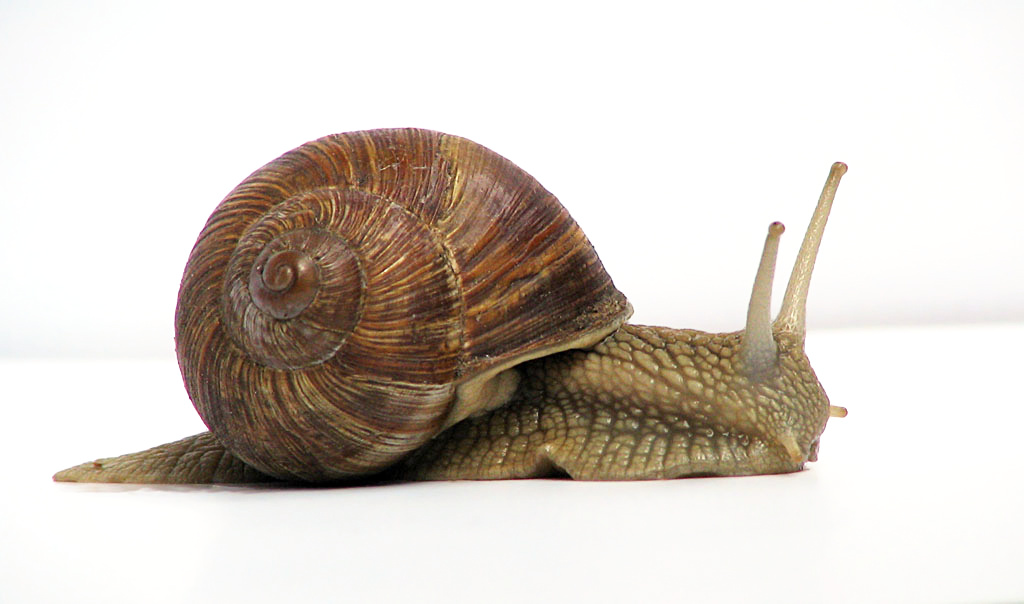
Helix pomatia, a species of air-breathing land snail used for escargot, is a little bit larger than the common garden snail.
Cornu aspersum (previously Helix aspersa) – the common garden snail – in Israel
Scientific classificationEdit this classification
Kingdom: Animalia
Phylum: Mollusca
Class: Gastropoda
Groups included
Colonies of snails in Sicily

A land snail is any of the numerous species of snail that live on land, as opposed to the sea snails and freshwater snails. Land snail is the common name for terrestrial gastropod mollusks that have shells (those without shells are known as slugs). However, it is not always easy to say which species are terrestrial, because some are more or less amphibious between land and fresh water, and others are relatively amphibious between land and salt water.

Land snails are a polyphyletic group comprising at least ten independent evolutionary transitions to terrestrial life (the last common ancestor of all gastropods was marine).[1][2][3][4][5] The majority of land snails are pulmonates that have a lung and breathe air. Most of the non-pulmonate land snails belong to lineages in the Caenogastropoda, and tend to have a gill and an operculum. The largest clade of non-pulmonate land snails is the Cyclophoroidea, with more than 7,000 species.[6] Many of these operculate land snails live in habitats or microhabitats that are sometimes (or often) damp or wet, such as in moss.

Land snails have a strong muscular foot; they use mucus to enable them to crawl over rough surfaces and to keep their soft bodies from drying out. Like other mollusks, land snails have a mantle, and they have one or two pairs of tentacles on their head. Their internal anatomy includes a radula and a primitive brain. In terms of reproduction, many caenogastropod land snails (e.g., diplommatinids) are dioecious,[7][8] but pulmonate land snails are hermaphrodites (they have a full set of organs of both sexes) and most lay clutches of eggs in the soil. Tiny snails hatch out of the egg with a small shell in place, and the shell grows spirally as the soft parts gradually increase in size. Most land snails have shells that are right-handed in their coiling.

A wide range of different vertebrate and invertebrate animals prey on land snails. They are used as food by humans in various cultures worldwide, and are raised on farms in some areas for use as food.

Biology

[edit]

Physical characteristics

[edit]
From left to right: Roman snail (Helix pomatia), Garden snail (Cornu aspersum) and White-lipped snail (Cepaea hortensis), three species of Helicinae.
"The Teeth of a Snail" from Robert Hooke's Micrographia, 1665. This actually shows the jaw, against which the teeth on the radula act.
Sphincterochila zonata zonata in Hamakhtesh Hagadol, northern Negev. Diameter is 2.1 cm.
Amphicyclotulus amethystinus, a species of non-pulmonate land snail in the superfamily Cyclophoroidea.
Underside of a snail climbing a blade of grass, showing the muscular foot and the pneumostome or respiratory pore on the animal's right side

Land snails move by gliding along on their muscular foot, which is lubricated with mucus and covered with epithelial cilia.[9] This motion is powered by succeeding waves of muscular contractions that move down the ventral of the foot. This muscular action is clearly visible when a snail is crawling on the glass of a window or aquarium.[10] Snails move at a proverbially low speed (1 mm/s is a typical speed for adult Helix lucorum[11]). Snails secrete mucus externally to keep their soft bodies from drying out. They also secrete mucus from the foot to aid in locomotion by reducing friction, and to help reduce the risk of mechanical injury from sharp objects, meaning they can crawl over a sharp edge like a straight razor and not be injured.[12] The mucus that land snails secrete with the foot leaves a slime trail behind them, which is often visible for some hours afterwards as a shiny "path" on the surface over which they have crawled.

Snails (like all molluscs) also have a mantle, a specialized layer of tissue which covers all of the internal organs as they are grouped together in the visceral mass. The mantle also extends outward in flaps which reach to the edge of the shell and in some cases can cover the shell, and which are partially retractable. The mantle is attached to the shell, and creates the shell and makes shell growth possible by secretion.

Most molluscs, including land snails, have a shell which is part of their anatomy since the larval stage. When they are active, the organs such as the lung, heart, kidney, and intestines remain inside the shell; only the head and foot emerge. The shell grows with them in size by the process of secreting calcium carbonate along the open edge and on the inner side for extra strength. Although some land snails create shells that are almost entirely formed from the protein conchiolin, most land snails need a good supply of calcium in their diet and environment to produce a strong shell. A lack of calcium, or low pH in their surroundings, can result in thin, cracked, or perforated shells. Usually, a snail can repair damage to its shell over time if its living conditions improve, but severe damage can be fatal. When retracted into their shells, many snails with gills (including some terrestrial species) are able to protect themselves with a door-like anatomical structure called an operculum.

Land snails range greatly in size. The largest living species is the giant African snail or Ghana Tiger Snail (Achatina achatina; Family Achatinidae), which can measure up to 30 cm.[13][14] The largest land snails of non-tropical Eurasia are endemic Caucasian snails Helix buchi and Helix goderdziana from the south-eastern Black Sea area in Georgia and Turkey; diameter of the shell of the latter may exceed 6 cm.[15] At the other end of the size spectrum is Angustopila psammion, a species with shell diameter of 0.60-0.68 mm.[16]

Most land snails bear one or two pairs of tentacles on their heads. In most land snails the eyes are carried on the first (upper) set of tentacles (called ommatophores or more informally 'eye stalks') which are usually roughly 75% of the width of the eyes. The second (lower) set of tentacles act as olfactory organs. Both sets of tentacles are retractable in land snails.

Digestion and nervous system

[edit]
Light micrograph of a section through a snail's eye (Helix pomatia). 1 anterior chamber, 2 lens in the posterior chamber, 3 retina, 4 optic nerve
The anatomy of a common snail
Garden snail (Cornu aspersum) defecating

A snail breaks up its food using the radula inside its mouth. The radula is a chitinous ribbon-like structure containing rows of microscopic teeth. With this the snail scrapes at food, which is then transferred to the digestive tract. In a very quiet setting, a large land snail can be heard 'crunching' its food: the radula is tearing away at the surface of the food that the snail is eating.

The cerebral ganglia of the snail form a primitive brain which is divided into four sections. This structure is very much simpler than the brains of mammals, reptiles and birds, but nonetheless, snails are capable of associative learning.[17]

Respiration

[edit]
Burgundy snail (H. pomatia)

Oxygen is carried by the blood pigment hemocyanin. Both oxygen and carbon dioxide diffuse in and out of blood through the capillaries. A muscular valve regulates the process of opening and closing the entrance of the lung. When the valve opens, the air can either enter or leave the lung. The valve plays an important role in reducing water loss and preventing drowning.

Shell

[edit]

Growth

As the snail grows, so does its calcium carbonate shell. The shell grows additively, by the addition of new calcium carbonate, which is secreted by glands located in the snail's mantle. The new material is added to the edge of the shell aperture (the opening of the shell). Therefore, the centre of the shell's spiral was made when the snail was younger, and the outer part when the snail was older. When the snail reaches full adult size, it may build a thickened lip around the shell aperture. At this point, the snail stops growing and begins reproducing.

A snail's shell forms a logarithmic spiral. Most snail shells are right-handed or dextral in coiling, meaning that if the shell is held with the apex (the tip, or the juvenile whorls) pointing towards the observer, the spiral proceeds in a clockwise direction from the apex to the opening.

Lime production

Due to high calcium carbonate content, land snail shells have potential to be used as raw material in the production of lime[18]

Hibernation and estivation

[edit]

Some snails hibernate during the winter (typically October through April in the Northern Hemisphere). They may also estivate in the summer in drought conditions. To stay moist during hibernation, a snail seals its shell opening with a dry layer of mucus called an epiphragm.

Reproduction

[edit]
The use of love darts by the land snail Monachoides vicinus is a form of sexual selection
Snails mating in Los Angeles
Two helicid snails make contact prior to mating.
Two Helix pomatia snails mating
Common Garden Snails mating

The great majority of land snails are hermaphrodites with a full set of reproductive organs of both sexes, able to produce both spermatozoa and ova. A few groups of land snails, such as the Pomatiidae, which are distantly related to periwinkles, have separate sexes: male and female. The age of sexual maturity varies depending on the species of snail, ranging from as little as 6 weeks[19] to 5 years.[20] Adverse environmental conditions may delay sexual maturity in some snail species.[21]

Most pulmonate air-breathing land snails perform courtship behaviors before mating. The courtship may last anywhere between two and twelve hours. In a number of different families of land snails and slugs, prior to mating, one or more love darts are fired into the body of the partner.

Pulmonate land snails are prolific breeders and inseminate each other in pairs to internally fertilize their ova via a reproductive opening on one side of the body, near the front, through which the outer reproductive organs are extruded so that sperm can be exchanged. Fertilization then occurs and the eggs develop. Each brood may consist of up to 100 eggs.

Garden snails bury their eggs in shallow topsoil primarily while the weather is warm and damp, usually 5 to 10 cm down, digging with their foot. Egg sizes differ between species, from a 3 mm diameter in the grove snail to a 6 mm diameter in the Giant African Land Snail. After 2 to 4 weeks of favorable weather, these eggs hatch and the young emerge. Snails may lay eggs as often as once a month.

There have been hybridizations of snail species; although these do not occur commonly in the wild, in captivity, they can be coaxed into doing so.

Parthenogenesis has been reported only in one species of slug,[22] but many species can self-fertilise.[23]

C. obtusus is a prominent endemic snail species of the Eastern Alps. There is strong evidence for selfing (self-fertilization) in the easternmost snail populations as indicated by microsatellite data.[24] Compared to western populations, in the eastern population mucous gland structures employed in sexual reproduction are highly variable and deformed suggesting that in selfing organisms these structures have reduced function.[24]

Lifespan

[edit]

Most species of land snail are annual, others are known to live 2 or 3 years,[25][26] but some of the larger species may live over 10 years in the wild.[27] For instance, 10-year old individuals of the Roman snail Helix pomatia are probably not uncommon in natural populations.[28] Populations of some threatened species may be dependent on a pool of such long-lived adults.[29] In captivity, the lifespan of snails can be much longer than in the wild, for instance up to 25 years in H. pomatia.[30]

Diet

[edit]

In the wild, snails eat a variety of different foods. Terrestrial snails are usually herbivorous; however, some species are predatory carnivores or omnivores, including the genus Powelliphanta, which includes the largest carnivorous snails in the world, native to New Zealand.[31] Prominent predatory snail families include the Spiraxidae, Haplotrematidae and Rhytididae. The diet of most land snails can include leaves, stems, soft bark, fruit, vegetables, fungi and algae. They may have a specialized crop of symbiotic bacteria that aid in digestion, especially with the breakdown of the polysaccharide cellulose into simple sugars. Some species can cause damage to agricultural crops and garden plants, and are therefore often regarded as pests.

Predators

[edit]

Many predators, both specialist and generalist, feed on snails. Some animals, such as the song thrush, break the shell of the snail by hammering it against a hard object, such as a stone, to expose its edible insides. Other predators, such as some species of frogs, circumvent the need to break snail shells by simply swallowing the snail whole, shell and all.

Some carnivorous species of snails, such as the decollate snail and the rosy wolf snail, also prey on other land snails. Such carnivorous snails are commercially grown and sold to combat pest snail species. Many of these also escape into the wild, where they prey on indigenous snails, such as the Cuban land snails of the genus Polymita, and the indigenous snails of Hawaii.

The larva of a glowworm (Lampyris noctiluca) attacking and eating a land snail

In an attempt to protect themselves against predators, land snails retract their soft parts into their shell when they are resting; some bury themselves. Land snails have many natural predators, including members of all the land vertebrate groups, three examples being thrushes, hedgehogs and Pareas snakes. Invertebrate predators include decollate snails, ground beetles, leeches, certain land flatworms such as Platydemus manokwari[32] and even the predatory caterpillar Hyposmocoma molluscivora.

In the case of the marsh snail Succinea putris, the snails can be parasitized by a microscopic flatworm of the species Leucochloridium paradoxum, which then reproduces within the snail's body. The flatworms invade the snail's eye stalks, causing them to become enlarged. Birds are attracted to and consume these eye stalks, consuming the flatworms in the process and becoming the final hosts of the flatworm.[33]

Human activity poses great dangers to snails in the wild. Pollution and habitat destruction have caused the extinction of a considerable number of snail species in recent years.[34][35]

Ecology

[edit]

Snails easily suffer moisture loss. Snails are most active at night and after rainfall. During unfavourable conditions, a snail remains inside its shell, usually under rocks or other hiding places, to avoid being discovered by predators. In dry climates, snails naturally congregate near water sources, including artificial sources such as wastewater outlets of air conditioners.

Human food

[edit]
A snail farm in Provence

Land snails have been eaten for thousands of years, going back at least as far as the Pleistocene. Archaeological evidence of snail consumption is especially abundant in Capsian sites in North Africa, but is also found throughout the Mediterranean region in archaeological sites dating between 12,000 and 6,000 years ago.[36][37] Snail eggs, sold as snail caviar, are a specialty food that is growing in popularity in European cuisine.[38] Snails contain many nutrients. They are rich in calcium and also contain vitamin B1 and E. They contain various essential amino acids, and are low in calories and fat.[citation needed] However, wild-caught land snails that are prepared for the table but are not thoroughly cooked can harbor a parasite (Angiostrongylus cantonensis) that can cause a rare kind of meningitis.[39] The process of snail farming is called heliciculture. The establishment of snail farms outside of Europe has introduced several species to North America, South America, and Africa, where some escapees have established themselves as invasive species.[40][41][42][43]

Africa

[edit]

In parts of West Africa, specifically Ghana, snails are served as a delicacy.[44] Achatina achatina, Ghana tiger snails, are also known as some of the largest snails in the world. Snail, called "igbin" in Yoruba language is a delicacy, widely eaten in Nigeria, especially among the Yorubas and Igbos. In Igbo language, snails are called "Ejuna" or "Eju". In Cameroon, snails, usually called 'nyamangoro' and 'slow boys' are a delicacy especially to natives of the South West region of Cameroon. The snails are either eaten cooked and spiced or with a favourite dish called 'eru'.

In North Morocco, small snails are eaten as snacks in spicy soup. The recipe is identical to this prepared in Andalusia (South Spain), showing the close cultural relationship between both kinds of cuisine.

Europe

[edit]

Snails are eaten in several European countries, as they were in the past in the Roman Empire. Mainly three species, all from the family Helicidae, are ordinarily eaten:

  • Helix pomatia, or edible snail, generally prepared in its shell, with parsley butter (size: 40 to 55 mm for an adult weight of 25 to 45 g; typically found in Burgundy, France; known as l'Escargot de Bourgogne).
  • Helix lucorum, found throughout the Eastern Mediterranean region are commonly eaten in Greece and in some rural communities (ethnic Greeks and Georgian Catholics) in Georgia.
  • Cornu aspersum, synonym Helix aspersa:
    • Cornu aspersum, better known as the European brown snail, is cooked in many different ways, according to different local traditions (size: 28 to 35 mm for an adult weight of 7 to 15 g; typically found in the Mediterranean countries of Europe and North Africa and the French Atlantic coast; Helix aspersa aspersa known as le Petit-gris).
    • Cornu aspersum maxima (size 40 to 45 mm for an average weight of 20 to 30 g; typically found in North Africa).

Snails are a delicacy in French cuisine, where they are called escargots. 191 farms produced escargots in France as of 2014.[45] In an English-language menu, escargot is generally reserved[citation needed] for snails prepared with traditional French recipes (served in the shell with a garlic and parsley butter). Before preparing snails to eat, the snails should be fasting for three days with only water available. After three days of fasting, the snails should be fed flour and offered water for at least a week. This process is thought to cleanse the snails.

Portuguese caracóis snack, species Theba pisana.

Snails are also popular in Portuguese cuisine where they are called in Portuguese caracóis, and served in cheap snack houses and taverns, usually stewed (with different mixtures of white wine, garlic, piri piri, oregano, coriander or parsley, and sometimes chouriço). Bigger varieties, called caracoletas (especially, Cornu aspersum), are generally grilled and served with a butter sauce, but other dishes also exist such as feijoada de caracóis. Overall, Portugal consumes about 4,000 tonnes of snails each year.[46]

Cooked French escargots, species Helix pomatia
Cooked Spanish "caracoles a la madrileña", species Cornu aspersum

Traditional Spanish cuisine also uses snails ("caracoles" in Spanish; "caragols" or "cargols" in Catalan), consuming several species such as Cornu aspersum, Otala lactea, Otala punctata and Theba pisana. Snails are very popular in Andalusia, Valencia and Catalonia. There are even snail celebrations, such as the "L'Aplec del Caragol", which takes place in Lleida each May and draws more than 200,000 visitors from abroad.

Small to medium-sized varieties are usually cooked in one of several spicy sauces or even in soups, and eaten as an appetizer. The bigger ones may be reserved for more elaborate dishes, such as the "arroz con conejo y caracoles" (a paella-style rice with snails and rabbit meat, from the inner regions of south-eastern Spain), "cabrillas" (snails in spicy tomato sauce, typical of western Andalusia) and the Catalan caragols a la llauna (grilled inside their own shells and then eaten after dipping them in garlic mayonnaise) and a la gormanda (boiled in tomato and onion sauce).

In Greece, snails are popular in the island of Crete, but are also eaten in many parts of the country and can even be found in supermarkets, sometimes placed alive near partly refrigerated vegetables. In this regard, snails are one of the few live organisms sold at supermarkets as food. They are eaten either boiled with vinegar added, or sometimes cooked alive in a casserole with tomato, potatoes and squashes. Limpets and sea snails also find their way to the Greek table around the country. Another snail cooking method is the Kohli Bourbouristi (κοχλιοί μπου(ρ)μπουριστοί),[47] a traditional Cretan dish, which consists of fried snails in olive oil with salt, vinegar and rosemary.

They often feature on Cypriot taverna menus, in the meze section,[48] under the name karaoloi (καράολοι).[49]

In Sicily, snails (or babbaluci as they are commonly called in Sicilian) are a popular dish. They are usually boiled with salt first, then served with tomato sauce or bare with oil, garlic and parsley. Snails are similarly appreciated in other Italian regions, such as Piedmont where in Cherasco there is the Italian National Institute of Heliculture.

Snails (or bebbux as they are called in Maltese) are a dish on the Mediterranean island of Malta, generally prepared and served in the Sicilian manner.

In southwestern Germany there is a regional specialty of soup with snails and herbs, called "Black Forest Snail Chowder" (Badener Schneckensuepple).

Heliciculture is the farming of snails. Some species such as the Roman snail are protected in the wild in several European countries and must not be collected, but the Roman Snail and the Garden Snail (Cornu aspersum) are cultivated on snail farms.[30]

Although there is not usually considered to be a tradition of snail eating in Great Britain, common garden snails Cornu aspersum were eaten in the Southwick area of Sunderland in North East England. They were collected from quarries and along the stone walls of railway embankments during the winter when the snails were hibernating and had voided the contents of their guts. Gibson writes that this tradition was introduced in the 19th century by French immigrant glass workers.[50] "Snail suppers" were a feature of local pubs and Southwick working men were collecting and eating snails as late as the 1970s, though the tradition may now have died out.

Oceania

[edit]
Bulime cooked in garlic butter in Ile des Pins, New Caledonia, species Placostylus fibratus

In New Caledonia, Placostylus fibratus (French: bulime) is considered a highly prized delicacy and is locally farmed to ensure supplies.[51] It is often served by restaurants prepared in the French style with garlic butter.

Prevention and control

[edit]

Metaldehyde and iron phosphate can be used to exterminate snails.[52] Since copper generates electric shocks that make it difficult for snails to move, it makes a great barrier material for them.[53]

See also

[edit]

References

[edit]
[edit]
Revisions and contributorsEdit on WikipediaRead on Wikipedia
from Grokipedia
Land snails are terrestrial gastropod mollusks belonging to the phylum , with over 24,000 described species distributed across all continents except . Distinguished from their aquatic counterparts by adaptations to life on land, they possess a coiled, shell that encases a soft body, a muscular foot for locomotion via trails, and a lung-like pulmonary cavity for atmospheric respiration. These creatures thrive in moist microhabitats within forests, grasslands, deserts, and even urban gardens, playing essential roles in nutrient cycling and decomposition. Physically, land snails exhibit remarkable diversity in shell morphology, ranging from small, globose forms under 1 cm to larger, conical shells up to several centimeters, typically featuring 5 to 9 spiral whorls formed by secreted from the mantle. The body includes a head with tentacles bearing eyes at the tips, a for rasping food, and a foot that secretes acidic to dissolve calcium for shell maintenance and facilitate movement over rough surfaces. Physiologically adapted to variable conditions, they undergo or during dry or cold periods, sealing the shell aperture with an to conserve water, and respire through a vascularized mantle cavity that functions as a . Most land snails are simultaneous hermaphrodites, possessing both reproductive organs, which enables cross-fertilization between individuals or, in some cases, self-fertilization; often involves elaborate , including the exchange of "love darts" in certain species to enhance survival. They lay clutches of 20 to 100 eggs in moist , which typically hatch into juveniles after 2 to 4 weeks and reach maturity in 1 to 3 years depending on species and environment. Lifespans vary from 2 to 15 years, influenced by predation, habitat stability, and climate. Ecologically, land snails occupy diverse niches as herbivores, detritivores, fungivores, and occasional predators, consuming leaf litter, fungi, lichens, and live vegetation, thereby aiding in breakdown and . They contribute to calcium cycling by mobilizing minerals through their acidic secretions and serve as prey for birds, mammals, reptiles, and , while also acting as intermediate hosts for parasites. In many regions, such as eastern , over 500 highlight their , though habitat loss and threaten populations globally.

Taxonomy and diversity

Classification

Land snails, defined as terrestrial gastropods with a coiled shell, form a diverse assemblage within the phylum and class , comprising an estimated 35,000 extant species globally. This group is polyphyletic, arising from multiple independent transitions to land across gastropod evolution, but the overwhelming majority—over 20,000 species—belong to the order Stylommatophora in the subclass . Stylommatophorans are pulmonate gastropods, characterized by a mantle cavity modified into a for air breathing, hermaphroditic , and typically the absence of an operculum (shell door). The full taxonomic lineage for Stylommatophora follows the hierarchy: Domain Eukaryota; Kingdom Animalia; Phylum ; Class ; Subclass ; Infraclass Euthyneura; Subterclass (informal, as it is paraphyletic); Order Stylommatophora. Within this order, land snails are distributed across more than 100 families, including prominent ones like (e.g., the garden snail ), Subulinidae, and Clausiliidae, which exhibit varied shell shapes from globular to elongated. has refined this classification, confirming Stylommatophora as a monophyletic while highlighting the paraphyly of broader pulmonate groups. A smaller subset of land snails, representing approximately 20% of total diversity, consists of non-pulmonate species primarily in the superorder . These include operculate forms in families such as Cyclophoridae (order Architaenioglossa), which possess a gill or secondary lung-like structure and a calcareous operculum for shell closure; they are predominantly tropical and include genera like Cyclophorus with intricately patterned shells. Other minor non-pulmonate land groups occur in Neotaenioglossa and Littorinimorpha, but these are far less speciose than stylommatophorans. Overall, gastropod taxonomy continues to evolve with genomic data, emphasizing convergent adaptations to terrestrial habitats across these lineages.

Evolutionary history

The transition to terrestrial life in gastropods represents one of the most significant evolutionary adaptations in mollusks, occurring independently in multiple lineages from marine ancestors. Terrestrial gastropods, commonly known as land snails and slugs, form a polyphyletic group with at least ten distinct evolutionary transitions to land, primarily involving ancestors from intertidal or freshwater environments that gradually adapted to drier habitats. These transitions likely began in the uppermost intertidal zones, where exposure to air facilitated the development of key adaptations such as improved water retention via mucus and the evolution of a lung from the mantle cavity. The earliest evidence of terrestrial gastropods dates to the Late era, specifically the period around 350 million years ago, coinciding with the colonization of land by vascular plants that provided food and shelter. Fossil records indicate that the first land snails evolved from marine or freshwater gastropods during this time, with the oldest confirmed terrestrial snail fossils, such as Protocarychium mirum and Protocarychium arcidentata, discovered in Late deposits dating to approximately 300 million years ago. In , land snail fossils from the Pennsylvanian and Permian periods reveal at least five families across three orders, suggesting an early diversification driven by humid, forested environments that supported moisture-dependent lifestyles. During the era, particularly the period (about 145–66 million years ago), terrestrial gastropods underwent further diversification, with fossils from preserving diverse tropical species and indicating the presence of two to three major clades, including the Stylommatophora, which dominate modern land snail diversity. This group, characterized by eyestalks and hermaphroditic reproduction, likely completed its transition to full terrestriality by the mid-, adapting to a range of habitats amid the rise of angiosperms. Post- evolution saw increased in the , influenced by climatic shifts and geographic isolation, leading to high diversity on islands where rapid radiations occurred, often synchronized across lineages due to shared environmental pressures. Throughout their history, land snails have faced periodic extinctions, particularly during mass events like the Permian-Triassic boundary, but their resilient adaptations—such as shell coiling for protection and resistance—have enabled repeated recoveries and global proliferation. Today, over 35,000 species reflect this complex evolutionary trajectory, with ongoing studies highlighting the role of historical contingencies in shaping their diversity.

Global distribution

Land snails, comprising the terrestrial gastropods, are distributed worldwide across all continents except , though some species occur on sub-Antarctic islands such as those in the . They have successfully colonized a broad array of terrestrial environments, from humid tropical rainforests and temperate woodlands to arid deserts, high-altitude mountains, and even urban settings. This global presence reflects their evolutionary adaptations to diverse climatic conditions, with species tolerating temperatures from below freezing in alpine zones to extreme heat in , provided sufficient moisture is available for survival. Approximately 35,000 extant species of land snails are known globally, representing a significant portion of gastropod diversity and underscoring their ecological importance in terrestrial ecosystems. Diversity patterns follow a latitudinal gradient, with the highest concentrated in tropical and subtropical regions, particularly in , the Pacific islands, and the humid forests of Central and . Islands stand out as biodiversity hotspots, often harboring high levels of due to isolation; for instance, oceanic archipelagos support up to 75% single-island endemic species. In contrast, polar and hyper-arid zones exhibit low abundance and diversity, limited by extreme conditions that restrict moisture availability and vegetation. Human activities have influenced distribution through both facilitation and threat, with many non-native species spreading via global trade to new regions, including temperate and urban areas previously underrepresented in native ranges. Conservation concerns are acute in hotspots, where habitat fragmentation and invasive species exacerbate extinction risks for endemic taxa, as seen in the rapid declines on oceanic islands. Overall, land snail distributions highlight the interplay between environmental suitability and biogeographic history, with ongoing research revealing undescribed diversity in understudied tropical locales.

Anatomy and physiology

External morphology

Land snails, as terrestrial members of the class, possess a distinctive external morphology adapted for , locomotion, and sensory perception in terrestrial environments. The most prominent feature is the external shell, a coiled primarily composed of arranged in layers, including an outer organic periostracum that protects against and an inner calcified structure consisting of prismatic and nacreous layers. The shell typically forms a spiral with multiple whorls, featuring a , body whorl, for body retraction, and sometimes an umbilicus at the base; its shape varies from globular to elongated, providing defense against predators while allowing the soft body to withdraw completely. Shell size ranges widely, with examples like the ( fulica) reaching up to 20 cm in length, though most species are smaller, around 1-5 cm. The soft body, when extended from the shell, is divided into the head, foot, and a dorsal visceral hump enveloped by . The head is equipped with two pairs of tentacles: the shorter lower pair for tactile sensing and the longer upper pair, which bear stalked eyes at their tips for detecting light and movement, enabling navigation in low-visibility conditions. The mouth, located ventrally on the head, is surrounded by a chitinous and leads to the , though these are not externally visible. The skin over the body is often reticulated or textured, varying in color from pale gray to dark brown for , and may feature stripes or patterns in some species, such as colorful longitudinal bands running from head to tail. The foot, a broad ventral muscular organ, facilitates slow locomotion through alternating waves of contraction that propel forward, aided by a trail of secreted from the foot's anterior for and lubrication on varied terrains. The foot sole is typically tripartite, divided into anterior, middle, and posterior sections, with the central portion often lighter in color. The , a thin epithelial fold, drapes over the visceral mass and secretes the shell; in pulmonate land snails, it modifies the pallial cavity into a vascularized for atmospheric , visible externally as a collar around the shell's when the body is extended. This configuration allows land snails to aestivate or hibernate by sealing the with a during dry periods.

Internal organ systems

Land snails, as terrestrial pulmonate gastropods, possess internal organ systems adapted to their herbivorous and terrestrial environment. The digestive is a complete tubular tract designed for breaking down tough material, beginning with the mouth and buccal mass housing the —a chitinous, rasping tongue-like structure with thousands of microscopic teeth arranged in rows for scraping , fungi, and decaying . Food particles are transported via the to the for temporary storage, then to the , where gastric juices initiate . The digestive gland, a large lobed organ serving as both liver and , secretes enzymes and to further break down nutrients; its hepatopancreatic cells absorb and proteins. The intestine, often coiled, facilitates nutrient absorption through microvilli-lined walls, while indigestible waste forms that are expelled through the anus located near the mantle cavity. This enables efficient processing of low-nutrient diets, with transit times varying from hours to days depending on and temperature. The in land snails is simplified compared to aquatic mollusks, featuring a single (nephridium) that regulates and removes nitrogenous wastes in the form of to minimize . The opens into the pericardial cavity, where blood from the open is filtered; podocytes in the wall form filtration slits to separate waste from (blood equivalent). , concentrated to conserve , flows through a to the mantle cavity for of ions and before expulsion via the nephridiopore. This is crucial for terrestrial life, allowing species like to maintain internal in arid conditions by producing semi-solid . In some stylommatophoran snails, accessory structures like the aid in additional regulation. The of land snails is decentralized yet integrated, consisting of a circumesophageal nerve ring with five paired ganglia: cerebral (controlling sensory input from tentacles and eyes), pedal (coordinating locomotion via the foot), pleural (linking to respiration and mantle), parietal (visceral functions), and buccal (feeding movements). These ganglia are connected by commissures and connectives, forming a ganglionated that processes chemosensory, mechanosensory, and visual information; for instance, the in the mantle detects environmental chemicals. Giant neurons, up to 1 mm in diameter, facilitate rapid signal transmission for escape responses. This system supports complex behaviors like trail-following and mate location, with neurosecretory cells in the ganglia regulating reproduction and growth via hormones. In pulmonates like Achatina fulica, the nervous system exhibits plasticity, enabling learning and in feeding and avoidance. The , being hermaphroditic, integrates with other internals as a complex set of gonads and ducts housed in the visceral mass. A single produces both eggs and , with storing spermatozoa; the albumen gland adds nutrients to eggs, while the prostate gland contributes to formation during cross-fertilization. These organs connect via the hermaphroditic duct to the , where fertilization occurs, emphasizing the snails' capacity for self- but rarely self-fertilization.

Shell structure and function

The shell of land snails, a key feature of most terrestrial gastropods in the subclass , serves as a protective primarily composed of crystals embedded in an organic matrix. This structure consists of three distinct layers: the outermost periostracum, the middle ostracum, and the innermost hypostracum. The periostracum is a thin, organic layer made of proteins such as conchiolin, which provides initial protection against environmental abrasion and acidic conditions during shell formation. In terrestrial species, this layer often darkens or thickens to aid in against forest floors or . The ostracum, the thickest calcified portion, features a prismatic microstructure of (typically in land snails) arranged in columns or tablets, offering mechanical strength and rigidity. Beneath it lies the hypostracum, an iridescent inner layer with fine, crossed-lamellar or foliated structures of crystals that enhance fracture resistance and allow the snail's soft body to adhere closely. Overall, the shell's mineral content reaches 95–99.9% , with the organic matrix comprising 0.1–5%, varying by species and environmental calcium availability. Land snail shells are generally thicker and more robust than those of aquatic relatives to withstand terrestrial stresses, with microstructures adapting to habitats—such as denser lamellae in arid-adapted species like those in the genus Theba. Shell formation occurs through secretion by , a epithelial tissue that envelops the snail's viscera and lines the shell's interior. The mantle's outer edge, or pallial margin, deposits new material at the shell's , enabling continuous growth in a spiral pattern without altering existing whorls. Calcium ions are actively transported from the to the mantle via specialized cells, where they combine with to form crystals, a process regulated by environmental calcium levels and the snail's diet. Juvenile shells begin as a thin protoconch, transitioning to adult teleoconch growth as the snail matures. Functionally, the shell provides multifaceted protection essential for terrestrial life. It shields the snail from predators, such as birds and beetles, with features like apertural barriers (e.g., denticles or lips) that deter entry by smaller . In dry environments, the shell minimizes loss by allowing the snail to retract fully and seal the aperture with an —a temporary mucus-calcium —or, in operculate species (e.g., in the family Pomatiasidae), a horny operculum. The structure also acts as a , supporting locomotion via muscular contractions against its inner surface. Additionally, the shell serves as a calcium reservoir; under deficiency, such as in acidic soils, snails like Cepaea can resorb portions of the inner hypostracum to recycle calcium for production or metabolic needs, though this weakens the structure if prolonged. This adaptability underscores the shell's role in nutrient cycling within calcium-limited ecosystems.

Respiration and circulation

Land snails, primarily belonging to the pulmonate gastropods, have evolved a specialized pulmonary system for aerial respiration, adapting the ancestral mantle cavity into a vascularized to facilitate oxygen uptake in terrestrial environments. This is formed by the and vascularization of the mantle, creating a chamber rich in blood vessels that enable efficient with atmospheric air. The of this air-breathing apparatus occurred independently in pulmonates, allowing transition from aquatic to land habitats by replacing gill-based respiration with a more suitable mechanism for low-humidity conditions. The primary access to the is through the , a muscular on the right side of that opens and closes rhythmically to regulate airflow and prevent excessive evaporation—a critical for desiccation-prone environments. Ventilation involves active pumping: the snail opens the pneumostome, contracts muscles to lower the lung floor and expand the cavity, drawing in oxygen-rich air; gases then diffuse across the thin, vascularized epithelial walls before the pneumostome closes, allowing passive exhalation. In species like , this process maintains oxygen levels while minimizing respiratory loss, with rates adjusting to activity levels or environmental stress. During or , respiration becomes discontinuous, featuring periodic CO2 bursts to conserve and reduce metabolic demands, as observed in Otala lactea where oxygen consumption drops markedly. The complements respiration through an open design typical of molluscs, where colorless serves as the oxygen-transporting fluid, lacking but relying on diffusion and physical solution for gas carriage. The heart, situated in the near the , comprises a single auricle receiving oxygenated via the and a ventricle that propels it anteriorly into the head and systemically into body sinuses. From these lacunae, percolates around organs before returning to the auricle through pores in the wall, ensuring distribution and waste removal; in pulmonates like those in the family, this setup efficiently oxygenates tissues post-lung exchange. also transports hemocytes, multifunctional cells involved in immunity and clotting.

Reproduction and life cycle

Mating and reproduction

Land snails, primarily belonging to the order Stylommatophora within the pulmonate gastropods, are simultaneous hermaphrodites, meaning each individual possesses both male and female reproductive organs and can act in either sexual role during a single encounter. This hermaphroditic condition facilitates reciprocal insemination, where both partners exchange gametes, potentially maximizing reproductive opportunities in environments where encounters may be infrequent. is typically preceded by behaviors, including tactile interactions such as circling, touching tentacles, and licking the partner's shell or body to assess compatibility via chemical cues. These rituals can last from minutes to hours, depending on and conditions like nutritional status, with stressed individuals often showing reduced or absent . During copulation, is transferred reciprocally in the form of spermatophores—gelatinous packets containing millions of spermatozoa—that are deposited into the partner's reproductive tract, specifically the sperm-receiving organ or bursa copulatrix. In species like Euhadra quaesita, copulation duration ranges from 100 to 150 minutes, allowing for mutual . Snails often exhibit strategic , allocating significantly more —up to 2.2 times as much—to presumed virgin mates compared to previously mated ones, a tactic that aligns with patterns of first-male precedence in species with high remating rates. This behavior underscores the presence of , as individuals compete to optimize their paternal success while mitigating the costs of acting in the female role, such as energy expenditure on production. A distinctive feature in many stylommatophoran land snails is the use of love darts, sharp structures produced in a specialized dart sac and shot into the partner's body wall just prior to or during . These darts, coated with hormone-like from accessory glands, penetrate the and deliver allohormones that manipulate the recipient's by contracting the entrance to the digestion organ ( copulatrix), thereby prolonging storage and more than doubling the shooter's paternity share. However, this traumatic injection imposes costs on the recipient, including reduced lifetime and shortened by approximately 16 days, highlighting an driven by antagonistic between the sexes. Not all land snails produce love darts; their presence varies phylogenetically and is absent in basal groups or certain lineages. While self-fertilization is anatomically possible in hermaphroditic land snails, it is rare and typically occurs only under extreme isolation or stress, as predominates to enhance and avoid . Parental investment in is influenced by factors like body size and age, with larger or older individuals often gaining advantages in or role decisions during encounters. Overall, these reproductive strategies reflect adaptations to terrestrial challenges, balancing the benefits of hermaphroditism with conflicts over resource allocation and paternity.

Egg laying and development

Land snails, primarily terrestrial pulmonates, are simultaneous hermaphrodites that typically lay eggs after during copulation, with often stored for extended periods to enable multiple clutches. Egg production involves the hermaphroditic , which generates both ova and , followed by maturation in the female reproductive tract where albumen glands secrete a nutrient-rich perivitelline fluid surrounding the . Eggs are generally spherical, translucent, and coated in a shell for protection against and predation, with sizes ranging from 1-5 mm in diameter depending on . In the Achatina fulica, consist of 100-500 eggs, deposited 8-20 days post-mating in shallow nests dug into moist soil, leaf litter, or under rocks to maintain humidity. Similarly, like Anguispira alternata lay 2-40 eggs per at depths of 1.5-2.5 cm in damp, shaded soil, often coated in a jelly-like albumen layer that provides nourishment and moisture retention during development. Clutch size and frequency vary with environmental conditions, maturity, and resources, allowing prolific —up to several hundred eggs per season in favorable habitats. Embryonic development occurs directly within the , without a free-living larval stage, featuring spiral holoblastic cleavage typical of mollusks, where the divides into a blastula and then gastrulates to form organ rudiments. In Achatina fulica, eggs are translucent upon laying; the embryo becomes visible by day 4, major organs develop by day 12, and the juvenile snail (snailet) is fully formed by day 28, around day 29 under optimal conditions. Incubation typically lasts 11-45 days, influenced by and ; for A. fulica, hatching requires temperatures above 15°C, with optimal development at 22-28°C, where survival rates exceed 90%, while extremes (below 6°C or above 40°C) cause high mortality. Eggs buried deeper than 81 cm may still hatch, as emerging juveniles can burrow upward. Upon , juveniles emerge with a fragile, transparent shell consisting of the nuclear whorl, immediately consuming the remnants and surrounding albumen for initial calcium and nutrients before on . Egg shell thickness and composition, as seen in , affect heat resistance and hatchling size, with thicker shells enhancing survival in variable terrestrial environments by regulating and . This direct development enables rapid of suitable habitats, though vulnerability to drying or cold during incubation limits distribution in arid or temperate regions.

Growth stages and lifespan

Land snails exhibit direct development, hatching from eggs as fully formed juveniles rather than passing through a free-living larval stage typical of many marine gastropods. Upon , they possess a small, thin shell and begin feeding immediately on or , initiating rapid somatic and shell growth influenced by environmental factors such as , , and food availability. The juvenile stage is characterized by continuous shell coiling and body expansion, often measured in whorls added to the shell. For instance, in the pulmonate species Trochulus hispidus, hatchlings emerge with approximately 1.5 whorls after 6–24 days of incubation, growing at an average rate of 0.3 whorls per month during summer, reaching about 4 whorls by winter before growth slows in colder months. Growth during this phase is allometric, with shell size increasing exponentially until sexual maturity, after which it decelerates but may continue indefinitely in iteroparous species. Maturation typically occurs in the second year for many temperate land snails, marking the transition to the adult stage where reproduction begins. In Cepaea nemoralis, juveniles reach adulthood in 1–2 years, depending on ecological conditions like population density and calcium availability for shell formation. Adults often enter a reproductive phase lasting several months, with some species like Theba pisana completing their life cycle in 1–2 years, influenced by periods of aestivation or hibernation that extend developmental time. Lifespans among land snails vary widely by , , and , ranging from less than a year in tropical micro-snails to over 10 years in larger, iteroparous forms. The average lifespan for many common pulmonates is 2–5 years; for example, averages 2.3 years, though individuals can survive up to 7 years under favorable conditions. In smaller like Cryptaustenia ovata, the maximum observed lifespan is 205 days, with a mean of 58.6 days, reflecting high mortality during early growth stages. Semelparous , such as Trochulus hispidus, often die post-reproduction after 1 year, though laboratory conditions can extend life to 377 days. Factors like predation, , and resource scarcity typically limit longevity, with growth rates and survival peaking at optimal temperatures of 25–30°C in such as Allopeas gracile.

Dormancy mechanisms

Land snails exhibit two primary forms of dormancy to survive adverse environmental conditions: during hot, dry periods and during cold seasons. These states allow terrestrial gastropods to endure , extreme temperatures, or resource scarcity by entering a hypometabolic phase where activity ceases and physiological processes are minimized. A key mechanism in both and is the retraction of the snail's body into the shell, followed by the secretion of an —a thin, that seals the shell aperture. This barrier, composed of hardened with , significantly reduces evaporative water loss by limiting and providing up to 20% of the total resistance to during . In species like aspersa, the epiphragm also aids in cold hardiness by enhancing capacity to approximately -4.8°C, preventing formation. Additionally, snails create an insulating air pocket within the shell to buffer against temperature fluctuations. Metabolic depression is central to , with basal metabolic rates dropping to 1-30% of active levels through suppression of non-mitochondrial respiration and reliance on oxidation for . In aestivating , global analysis reveals upregulation of antioxidants like and downregulation of , preparing tissues for upon arousal while conserving fuel stores. Hibernating species similarly enter hypometabolism, with reduced enzyme activity and formation enabling survival for months without feeding. is further achieved by integumental adaptations that minimize cutaneous loss and modified respiration to limit pulmonary .

Behavior and ecology

Feeding habits and diet

Land snails primarily use a , a chitinous ribbon-like structure equipped with thousands of microscopic teeth, to rasp, scrape, or tear food particles from surfaces or substrates. This organ is essential for their feeding, allowing them to process a wide range of materials by drawing it backward and forward across the source, often aided by salivary secretions that lubricate and soften tougher items. In terrestrial environments, the radula's efficiency varies with species and type, enabling both precise on microbial films and coarser browsing on tissues. The diet of most land snails is herbivorous or omnivorous, with constituting the dominant food item, including leaves, stems, flowers, fruits, and seeds from a variety of vascular . They also consume non-vascular such as mosses, lichens, and , as well as fungi, , and decomposing , which provide essential nutrients and are often more accessible in moist microhabitats. Omnivorous species supplement their plant-based diet with animal matter like carrion, earthworms, or smaller , while a minority are predominantly carnivorous, actively preying on other snails or using specialized radular adaptations to drill or crush shells. For example, the rosy wolf snail (Euglandina rosea) is a notable that hunts other gastropods, contributing to biological control efforts but also posing threats to native populations. Feeding preferences are influenced by factors such as availability, nutritional quality, chemical deterrents like cyanogenic glucosides in , and environmental conditions including moisture and temperature. Land snails often select senescent or decaying material over fresh, toxin-rich foliage to minimize energy costs and digestive challenges, though some , like the giant African snail (Lissachatina fulica), exhibit broader tolerances and consume a diverse array of living vegetation, shifting toward more detrital diets as they age. These habits not only sustain individual growth but also play a key role in and in terrestrial ecosystems.

Locomotion and sensory systems

Land snails primarily locomote using a broad, muscular foot that secretes a layer of pedal , enabling adhesive gliding across diverse surfaces. The foot's musculature generates propagating waves of contraction, typically direct monotaxic waves that travel from the posterior to the anterior end, propelling the snail forward at speeds of up to 1-2 mm/s depending on and conditions. This mechanism relies on the 's viscoelastic properties, which provide both under in contracting regions and in relaxed interwave areas via a yield stress that prevents slippage. Unlike marine gastropods, which often employ retrograde waves, terrestrial favor direct waves to efficiently traverse irregular terrains while minimizing energy expenditure. The layer, typically 10-100 μm thick, is crucial for preventing and facilitating movement over vertical or inverted surfaces, as the forces allow snails to climb without falling. Propulsion efficiency is enhanced by the foot's pedal glands, which adjust based on environmental , ensuring optimal traction in dry or wet conditions. This locomotion style, observed in pulmonate species like , supports foraging and escape behaviors but limits speed compared to legged animals. Sensory systems in land snails are dominated by cephalic tentacles, which serve as multifunctional organs for chemoreception, mechanoreception, and basic photoreception. Pulmonate land snails possess two pairs of tentacles: the longer posterior pair (ommatophores) bearing eyes at their tips, and the shorter anterior pair (labial tentacles) primarily for tactile and chemical sensing. The eyes are simple pit-like structures with a , lens, and , but provide limited vision, mainly detecting light intensity, shadows, and gross movement rather than forming detailed images; this supports phototaxis and regulation. For instance, species like Arion rufus exhibit negative phototaxis to avoid bright light, aiding habitat selection, but lack polarization sensitivity or . Chemoreception is the primary sensory modality, with olfactory receptors concentrated on the tentacles and foot, allowing detection of food odors, pheromones, and conspecific cues over distances of several centimeters. The anterior tentacles, rich in sensory , facilitate trail-following and mate location via mucus-borne chemicals, while mechanoreceptors on the tentacles detect vibrations and textures for . The integrates these inputs through ganglia, enabling associative learning, such as conditioning to specific scents for . Overall, this sensory array prioritizes chemical and tactile cues over , reflecting adaptations to low-light, humid microhabitats.

Predators and defenses

Land snails are preyed upon by a diverse array of invertebrates and vertebrates, which exert significant selective pressure on their morphology and behavior. Invertebrate predators include beetles and their larvae, millipedes, flies, mites, nematodes, and conspecific snails that engage in cannibalism. Vertebrate predators commonly encompass birds and rodents, which target snails by cracking or crushing their shells. Specialized predation strategies are evident in species like the larvae of Anthracalaus click beetles (Elateridae: Agrypninae), which ambush land snails within their burrows. Ground beetles such as Licinus depressus employ precise handling techniques, using forelegs to immobilize the snail, mandibles to breach the shell, and rotation to access soft tissues. Additionally, larvae of Drilus beetles enter the shell through the aperture to consume the occupant, leaving characteristic damage patterns. Carnivorous land snails, particularly in Europe, actively hunt other snails, earthworms, and insect larvae, often overpowering prey longer than themselves. To counter these threats, land snails have evolved both passive and active defenses, with the shell playing a central role in protection. The shell acts as a primary barrier against physical attacks and , reinforced in some by a thickened aperture lip that resists cracking by shell-breaking predators. Micro land snails, such as those in the genus Punctum, exhibit dual protection: they withdraw into the shell and seal the with an (a or mucus-based lid), enabling survival even after ingestion by predatory mites like Macrocheles muscaedomesticae through the predator's digestive tract. Shell surface microstructures, including hair-like projections, deter attachment by crawling predators such as firefly larvae, reducing successful strikes. Active behavioral defenses complement structural adaptations in certain lineages. Some snails, including species in the genus Karaftohelix, swing their shells as a to dislodge or stun approaching predators, representing an evolved offensive strategy. This active defense has evolved in parallel with passive shielding behaviors across closely related snail taxa, highlighting convergent adaptations to predation pressure. However, heightened predator avoidance behaviors can incur costs, such as reduced immune responsiveness to pathogens, illustrating trade-offs in . Predation signatures on shells, such as holes or crush marks, serve as forensic tools for identifying predator guilds and informing ecological studies of these interactions.

Habitat preferences and ecological roles

Land snails, or terrestrial gastropods, exhibit a wide range of habitat preferences, primarily favoring moist, humid environments that support their need for hydration and calcium for shell maintenance. They are found across diverse terrestrial biomes, including forests, grasslands, shrublands, and even arid regions where some species have adaptations like aestivation. In forested habitats, many species show strong associations with deciduous woodlands over coniferous ones due to higher calcium availability in the soil from leaf litter, with abundance declining in calcium-poor, acidic conifer stands. Riparian zones and areas with high habitat continuity are particularly favored, as fragmentation reduces population density by limiting dispersal and resource access. Soil moisture emerges as the primary environmental driver of snail density and species richness, with communities thriving in sites where relative humidity exceeds 70% and desiccation risks are low; for instance, snails often aggregate under leaf litter, logs, or rocks during dry periods to maintain water balance. Other key factors include soil pH (preferring neutral to alkaline conditions for shell formation), plant diversity (providing shelter and food), and elevation gradients, where higher altitudes correlate with lower diversity due to cooler, drier conditions. Microhabitat selection is clumped, with species like Kaliella barrakporensis concentrating on specific host plants that offer optimal moisture and foraging opportunities. Ecologically, land snails play multifaceted roles as decomposers, herbivores, and prey, contributing to cycling and maintenance in terrestrial ecosystems. As detritivores, they accelerate leaf litter by consuming and fungal hyphae, enhancing and carbon turnover; studies demonstrate that snail grazing on litter increases nutrient release rates, with exclusion experiments showing slower decomposition without them. Their herbivory influences structure, selectively browsing on seedlings and vegetation, which can suppress invasive plants or promote diversity in temperate forests—for example, snail exclusion can boost seedling survival and biomass in gap areas. In food webs, land snails serve as a critical basal resource for predators including birds, small mammals, amphibians, and arthropods, with their populations supporting higher trophic levels; in boreal forests, they constitute a significant portion of diets for like salamanders and ground beetles. Additionally, their sensitivity to environmental changes positions them as bioindicators of quality, with community composition reflecting , levels, and practices—recent studies (as of 2024) confirm their use in assessing riparian quality and complexity. Declines in snail richness often signal acidification or fragmentation. Overall, these roles underscore their importance in stability, though and loss threaten their contributions.

Human interactions

Culinary uses

Land snails have been consumed as food in various cultures worldwide, particularly in Mediterranean , parts of , and , where certain species are valued for their nutritional content and incorporated into traditional dishes. As of 2025, over 450,000 metric tons of edible snails are harvested and traded globally annually, with substantial imports to and from regions including and the . In , the Roman snail (Helix pomatia) is a prominent , farmed and harvested for its meat, which is prized in as escargots. These snails are typically prepared by first immersing them in boiling water to humanely dispatch and clean them, followed by removal from shells and cooking in garlic butter, herbs, and white wine, often baked and served in their shells. Snail farming, or , is established in countries like , , and , with meat yields of about 30-40% of live weight after processing. In West Africa, particularly Côte d'Ivoire, giant African snails such as Achatina achatina and Archachatina marginata are a traditional , eaten moderately at two to three times per month by local populations. Preparation commonly involves boiling to tenderize and purify the meat, followed by incorporation into , soups, or grilled kebabs seasoned with spices, , or vegetables; the flesh is minced, marinated, or added to dishes like kedjenou (a smoky ). In , species like Cyclophorus saturnus are integral to Thai regional cuisine, featured in dishes such as (a spicy minced salad) and tom yum hoi (a sour-spicy soup), where the snails are boiled or stir-fried with lemongrass, chili, and lime. These snails provide a rich source of protein (approximately 16-18% dry weight), essential minerals like calcium and iron, and low fat content (around 1-2%), making them a nutritious alternative to other proteins in local diets. Overall, land snail meat is high in protein (up to 65% on a dry basis) and polyunsaturated fatty acids, contributing to its appeal as a sustainable food source, though consumption requires proper purging to eliminate potential parasites or toxins.

As pests and control measures

Land snails, particularly species such as the brown garden snail (Cornu aspersum) and the giant African snail (Lissachatina fulica), are significant agricultural and horticultural pests worldwide, causing substantial damage by feeding on a variety of crops including fruits, vegetables, seedlings, and ornamental plants. These molluscs rascal leaves, stems, and fruits, leading to yield losses that can exceed 20-30% in affected fields, especially in humid, tropical, and subtropical regions where populations proliferate rapidly. Invasive species like Bulimulus bonariensis further exacerbate issues in row crops such as peanuts and soybeans by seeking shelter in weeds and dispersing widely, up to 20 meters in weeks, amplifying infestation risks. Control of land snails typically employs an (IPM) approach, combining cultural, physical, biological, and chemical strategies to minimize environmental impact and resistance development. Cultural methods include , which can reduce populations by over 80% through burial and disruption of habitats, particularly effective when combined with fertilizers like dolomitic lime to alter unfavorably for snails. Sanitation practices, such as removing debris, weeds, and mulch that provide shelter, along with promoting dry conditions and , further suppress snail numbers by eliminating breeding sites and food sources. Physical controls involve barriers like copper strips or bands around tree trunks and garden beds, which deter snails via a mild electric shock-like reaction upon contact, and traps such as beer-filled shallow dishes or wooden boards that attract and drown or allow hand collection of individuals. Handpicking at dawn or dusk, when snails are active, is labor-intensive but effective for small-scale infestations, with collected snails disposed by crushing or submersion in soapy water. Biological controls leverage natural enemies, including nematodes (Phasmarhabditis hermaphrodita) that parasitize and kill snails within days, achieving up to 90% mortality in field trials, and predatory carabid beetles or birds like that consume large numbers without harming crops. Fungal pathogens such as Metarhizium anisopliae and bacteria like offer bio-rational options, though their efficacy varies with environmental conditions and requires repeated applications for sustained impact. Chemical controls, used judiciously within IPM, have relied on molluscicides like baits (though banned in the EU and since 2022), which provide rapid knockdown by disrupting snail production and causing , with 70-80% efficacy in orchards and fields when applied in the evening. Less toxic alternatives, such as iron baits, induce feeding cessation and are safer for non-target organisms, though slower-acting and requiring higher doses for equivalent control. Precautions include avoiding application near sources to prevent runoff to , and rotating active ingredients to mitigate resistance, as observed in some populations after prolonged use. Emerging strategies, like push-pull tactics using repellents (e.g., extracts) to drive snails from crops and attractants (e.g., 3-octanone) to lure them into traps, show promise for reducing reliance on synthetics.

Conservation and threats

Land snails, particularly terrestrial gastropods, face significant conservation challenges, with many classified as threatened or endangered according to IUCN criteria. As of 2016, over 40% of assessed terrestrial snail were at risk of extinction, driven by their high and vulnerability to environmental changes. In regions like the Pacific islands, where is extreme, up to 72% of land snail are threatened, including 61 critically endangered taxa, largely confined to single countries such as and . Major threats include habitat loss and fragmentation from human activities such as agriculture, urbanization, forestry, and infrastructure development, which disrupt the moist, sheltered microhabitats essential for snail survival. Invasive predators, including rats, mongooses, and flatworms introduced by human settlers, have decimated populations, especially on islands; for instance, in Hawaii, these invasives contributed to the loss of over half of the more than 750 native land snail species. Climate change exacerbates these issues through increased droughts, wildfires, and altered precipitation patterns, reducing available moisture and accelerating habitat degradation, as seen in Chilean microsnails facing urban expansion and aridification. Conservation efforts focus on habitat protection, invasive species control, and species recovery programs. In Hawaii, initiatives by the Department of Land and Natural Resources include predator removal and captive breeding to safeguard remaining populations, with nearly 300 species still documented on remote islands. The IUCN Species Survival Commission supports reintroductions, such as for Bermuda land snails, and regional assessments to update Red List statuses, with some progress noted—like the reclassification of Idiomela subplicata from critically endangered to vulnerable following habitat restoration as of 2025. In Europe and other regions, protected areas and monitoring programs aim to mitigate fragmentation, though challenges persist due to the snails' low mobility and slow reproductive rates.

References

Add your contribution
Related Hubs
User Avatar
No comments yet.