


Community hub
0 subscribers8 pages, 0 posts
Recent from talks
All channels
Be the first to start a discussion here.
Be the first to start a discussion here.
Be the first to start a discussion here.
Be the first to start a discussion here.
Contribute something
Welcome to the community hub built to collect knowledge and have discussions related to Lists of astronomical objects.
Nothing was collected or created yet.
Lists of astronomical objects
View on Wikipediafrom Wikipedia


Selection of astronomical bodies and objects:
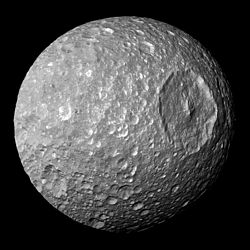
- Moon Mimas and Ida, an asteroid with its own moon, Dactyl
- Comet Lovejoy and Jupiter, a giant gas planet
- The Sun; Sirius A with Sirius B, a white dwarf; the Crab Nebula, a remnant supernova
- A black hole (artist concept); Vela Pulsar, a rotating neutron star
- M80, a globular cluster, and the Pleiades, an open star cluster
- The Whirlpool Galaxy and Abell 2744, a galaxy cluster
- Superclusters, galactic filaments and voids

This is a list of lists, grouped by type of astronomical object.
Solar System
[edit]- List of Solar System objects
- List of gravitationally rounded objects of the Solar System
- List of Solar System objects most distant from the Sun
- List of Solar System objects by size
- Lists of geological features of the Solar System
- List of natural satellites (moons)
- Lists of small Solar System bodies
- Lists of comets
- List of meteor showers
- Minor planets
Exoplanets, exomoons, and brown dwarfs
[edit]- Lists of planets
- List of nearest exoplanets
- List of largest exoplanets
- List of smallest exoplanets
- List of directly imaged exoplanets
- List of exoplanet extremes
- List of exoplanet firsts
- List of exoplanets discovered by the Kepler space telescope
- List of exoplanets observed during Kepler's K2 mission
- List of hottest exoplanets
- List of coolest exoplanets
- List of proper names of exoplanets
- List of exomoon candidates
- List of brown dwarfs
- List of rogue planets
Stars and star systems
[edit]- Lists of stars
- List of brightest stars
- List of hottest stars
- List of coolest stars
- List of nearest bright stars
- List of most luminous stars
- List of most massive stars
- List of largest stars
- List of stars with resolved images
- List of smallest stars
- List of oldest stars
- List of stars with proplyds
- List of variable stars
- List of X-ray pulsars
- List of brown dwarfs
- List of white dwarfs
- List of multiplanetary systems
Lists of stars by distance
[edit]- List of nearest stars (from 0ly to 20ly)
- List of star systems within 20–25 light-years
- List of star systems within 25–30 light-years
- List of star systems within 30–35 light-years
- List of star systems within 35–40 light-years
- List of star systems within 40–45 light-years
- List of star systems within 45–50 light-years
- List of star systems within 50–55 light-years
- List of star systems within 55–60 light-years
- List of star systems within 60–65 light-years
- List of star systems within 65–70 light-years
- List of star systems within 70–75 light-years
- List of star systems within 75–80 light-years
- List of star systems within 80–85 light-years
- List of star systems within 85–90 light-years
- List of star systems within 90–95 light-years
- List of star systems within 95–100 light-years
- List of star systems within 100–150 light-years
- List of star systems within 150–200 light-years
- List of star systems within 200–250 light-years
- List of star systems within 250–300 light-years
- List of star systems within 300–350 light-years
- List of star systems within 350–400 light-years
- List of star systems within 400–450 light-years
- List of star systems within 450–500 light-years
- List of most distant stars
Lists of stars by luminosity
[edit]Supernovae
[edit]Star constellations
[edit]Star clusters
[edit]Nebulae
[edit]Galaxies
[edit]- Satellite galaxies
Galaxy groups and clusters
[edit]Black holes
[edit]Other lists
[edit]- List of voids
- List of largest cosmic structures
- List of the most distant astronomical objects
- List of neutron stars
- List of most massive neutron stars
- List of least massive black holes
- List of resolved circumstellar disks
- List of brightest natural objects in the sky
- List of gravitational wave observations
- List of star-forming regions in the Local Group
Astronomical catalogues
[edit]Galaxies
[edit]Nebulae
[edit]Stars
[edit]Exoplanets
[edit]Map of astronomical objects
[edit].png)
See also
[edit]- American Astronomical Society
- Outline of astronomy
- Lists of astronauts
- List of government space agencies
- List of planetariums
- Lists of space scientists
- List of telescopes
- Lists of spacecraft


This article includes an astronomy-related list of lists.
Lists of astronomical objects
View on Grokipediafrom Grokipedia
Solar System
Planets and Dwarf Planets
The Solar System's eight planets are diverse in size, composition, and orbital characteristics, orbiting the Sun in a flattened disk. The inner four—Mercury, Venus, Earth, and Mars—are terrestrial planets with rocky surfaces, primarily composed of silicate rocks and metals, and relatively thin atmospheres (or none, in Mercury's case). Their diameters range from 4,879 km for Mercury to 12,756 km for Earth, with masses varying from 3.30 × 10²³ kg (Mercury) to 5.97 × 10²⁴ kg (Earth); orbital periods span 88 Earth days for Mercury to 687 Earth days for Mars.[10][11] The outer four—Jupiter, Saturn, Uranus, and Neptune—are giant planets, divided into gas giants (Jupiter and Saturn) with thick atmospheres dominated by hydrogen (about 90%) and helium (about 10%), and ice giants (Uranus and Neptune) enriched in water, ammonia, and methane ices beneath hydrogen-helium envelopes. Jupiter, the largest, has an equatorial diameter of 142,984 km and a mass of 1.90 × 10²⁷ kg, with an orbital period of 11.86 Earth years; Saturn measures 120,536 km in diameter and 5.68 × 10²⁶ kg in mass, orbiting every 29.46 Earth years; Uranus is 51,118 km in diameter and 8.68 × 10²⁵ kg, with a 84.02-year orbit; Neptune spans 49,528 km and weighs 1.02 × 10²⁶ kg, completing its orbit in 164.8 Earth years.[10][12] Dwarf planets, as defined by the International Astronomical Union (IAU) in Resolution B5 at the 2006 General Assembly, are solar-orbiting bodies massive enough for their own gravity to form a nearly spherical shape (hydrostatic equilibrium), neither satellites nor having gravitationally cleared their orbital paths of other objects. The IAU recognizes five such bodies: Ceres (discovered January 1, 1801, by Giuseppe Piazzi; diameter 946 km), Pluto (discovered February 18, 1930, by Clyde Tombaugh; diameter 2,377 km), Haumea (discovered December 28, 2004, by a team led by José Luis Ortiz Moreno; elongated shape ~1,600 km × 1,000 km), Makemake (discovered March 31, 2005, by Michael Brown's team; diameter ~1,430 km), and Eris (discovered January 5, 2005, by Brown's team; diameter 2,326 km). These are primarily icy bodies in the asteroid belt (Ceres) or Kuiper Belt/Scattered Disk (the others), with compositions rich in water ice, frozen methane, and rocky cores.[13][14] The following table summarizes key orbital parameters for the planets and dwarf planets, including semi-major axis (in astronomical units, AU), orbital eccentricity, and sidereal orbital period (in Earth years unless noted). Data reflect heliocentric orbits relative to the ecliptic.[10]| Body | Semi-major Axis (AU) | Eccentricity | Orbital Period (Earth years) |
|---|---|---|---|
| Mercury | 0.3871 | 0.2056 | 0.2408 (88 days) |
| Venus | 0.7233 | 0.0068 | 0.6152 (225 days) |
| Earth | 1.0000 | 0.0167 | 1.0008 |
| Mars | 1.5237 | 0.0934 | 1.8808 |
| Ceres | 2.7672 | 0.0758 | 4.607 |
| Jupiter | 5.2026 | 0.0489 | 11.862 |
| Saturn | 9.5549 | 0.0555 | 29.457 |
| Uranus | 19.2184 | 0.0444 | 84.011 |
| Neptune | 30.1104 | 0.0086 | 164.80 |
| Pluto | 39.482 | 0.2488 | 247.68 |
| Haumea | 43.134 | 0.1949 | 283.28 |
| Makemake | 45.430 | 0.1588 | 305.60 |
| Eris | 67.780 | 0.4407 | 557.28 |
Natural Satellites and Rings
Natural satellites, commonly known as moons, are naturally occurring celestial bodies that orbit planets, ranging from small rocky fragments to large icy worlds with subsurface oceans. In the Solar System, these objects number over 890 confirmed moons (as of November 2025), predominantly around the gas and ice giants, where their dynamical properties—such as tidal locking, where a moon's rotation period matches its orbital period to always show the same face to its host planet—reveal insights into gravitational interactions and formation processes. Discoveries began with telescopic observations in the 17th century and accelerated through spacecraft missions like Voyager and Cassini, enabling detailed studies of compositions dominated by ice, rock, and volatiles. Recent advancements, including the confirmation of 128 new moons around Saturn in March 2025 and a new moon (S/2025 U1) for Uranus in August 2025, continue to expand these catalogs.[15][16][17] Earth's single natural satellite, the Moon, has a diameter of 3,474 kilometers and is tidally locked, resulting from gravitational tides that synchronized its rotation over billions of years. Its composition features a basaltic crust rich in silicates and oxides, an olivine-pyroxene mantle, and an iron-rich core, with the surface marked by ancient impact basins and maria formed by volcanic activity around 3-4 billion years ago. Known to humanity since prehistoric times, the Moon's dynamical stability influences Earth's axial tilt and ocean tides.[18] Jupiter hosts 95 known moons, with the four Galilean satellites—discovered by Galileo Galilei on January 7, 1610, using an early telescope—standing out for their size and diversity. Io (3,643 km diameter) is the most volcanically active body in the Solar System due to intense tidal heating from orbital resonances with its siblings, featuring a sulfur-rich surface with over 400 active volcanoes. Europa (3,122 km) exhibits a cracked icy exterior, potentially concealing a global subsurface ocean of liquid water sustained by tidal flexing, and is tidally locked like the others. Ganymede (5,268 km), the Solar System's largest moon, possesses a layered structure of surface ice, subsurface ocean, rocky mantle, and metallic core, generating its own magnetic field amid tidal locking. Callisto (4,821 km), the outermost Galilean moon, shows a heavily cratered, ancient icy crust with minimal geological activity and is also tidally locked, orbiting beyond the intense tidal influences on its inner counterparts. These moons' resonant orbits maintain dynamical stability, preventing orbital decay.[19] Saturn boasts 274 confirmed moons (as of March 2025), far exceeding other planets, with many exhibiting tidal locking and resonances that sculpt their orbits. Titan, discovered by Christiaan Huygens on March 25, 1655, is the second-largest moon in the Solar System at 5,150 km in diameter and unique for its dense nitrogen-methane atmosphere thicker than Earth's, fostering lakes of liquid methane and ethane on an icy surface rich in organics, driven by tidal and radiative processes. Other prominent regular satellites include Rhea (1,528 km, predominantly water ice with a thin oxygen exosphere), Iapetus (1,470 km, featuring a stark equatorial ridge and two-toned coloration from dust transfer in its orbit), and Enceladus (504 km, an icy world with cryovolcanic plumes of water vapor from a subsurface ocean, powered by tidal heating). These moons' prograde, low-eccentricity orbits suggest formation from a circumplanetary disk, with tidal interactions maintaining alignment.[16] Uranus has 29 known moons (as of August 2025), five of which are large classical satellites discovered between 1787 and 1986, all tidally locked and orbiting in Uranus's equatorial plane due to the planet's extreme axial tilt. Titania (1,578 km diameter), identified by William Herschel in 1787, is the largest with an icy, rocky composition showing faulted terrains and possible cryovolcanic past. Oberon (1,523 km), also discovered by Herschel in 1787, displays a cratered surface with bright rays, indicative of retained impact ejecta on its ice-rock mix. Ariel (1,158 km) and Umbriel (1,169 km), found by William Lassell in 1851, feature Ariel's youthful, canyon-riddled canyons suggesting recent resurfacing and Umbriel's darker, ancient craters on similar icy compositions. Miranda (472 km), imaged by Voyager 2 in 1986, is the smallest major moon yet geologically dramatic, with Verona Rupes cliffs up to 20 km high possibly from tidal disruption or impacts, its surface a patchwork of icy terrains. Dynamical models indicate these moons accreted from a disk tilted by Uranus's obliquity.[20][17][21] Neptune's 16 moons include the massive Triton, discovered by William Lassell on October 10, 1846, just 17 days after Neptune itself. At 2,707 km in diameter, Triton is tidally locked in synchronous rotation but follows a retrograde orbit inclined 157 degrees to Neptune's equator, a signature of capture that subjects it to strong tidal dissipation, driving its orbital decay at about 3.5 cm per year. Composed of a frozen nitrogen crust over a water-ammonia ocean and rocky core, with density twice that of pure ice, Triton exhibits geysers of nitrogen plumes and a thin atmosphere, its dynamical evolution suggesting it disrupted Neptune's original satellite system upon capture from the Kuiper Belt. Smaller inner moons like Proteus (420 km) are irregular and co-orbital, shaped by tidal resonances.[22] Planetary ring systems are vast, flat disks of orbiting debris, primarily water ice particles, whose dynamical properties—such as density waves from satellite perturbations—govern their structure and evolution. Saturn's rings, glimpsed by Galileo in 1610 and fully resolved by Huygens in 1655, extend to 282,000 km from the planet but are only 10-30 meters thick, comprising seven main divisions (D, C, B, A, F, G, E) labeled by discovery order. The dense B ring, the brightest, has optical depths of 0.5-2.5, indicating high particle density, while the translucent C ring shows tau ≈ 0.05-0.2; particles range from micrometer dust to 10-meter chunks, mostly pure ice with rocky cores, shepherded by moons like Prometheus into gaps like the 4,700-km-wide Cassini Division. Uranus's 13 faint rings, discovered via stellar occultations in 1977 and imaged by Voyager 2 in 1986, are narrow and dark, composed of water ice and organics with particle sizes from micrometers to centimeters, exhibiting low optical depths (10^{-6} to 10^{-3}) and eccentric shapes maintained by embedded moonlets. Neptune's four rings, plus arcs in the Adams ring, detected by Voyager 2 in 1989, contain dark, reddish dust and ice particles up to several centimeters, with optical depths around 10^{-3} to 0.1, dynamically confined by resonances with inner moons like Galatea. Jupiter's tenuous rings, discovered by Voyager 1 in 1979, are faint dusty structures fed by volcanic ejecta from Io, with micron-sized particles and negligible optical depth. These systems' particle dynamics reflect ongoing collisional grinding and Poynting-Robertson drag, limiting their ages to hundreds of millions of years.[23][24][25] Beyond regular satellites formed in circumplanetary disks, irregular satellites—small, distant moons comprising over 100 objects across the giant planets—exhibit highly eccentric (e > 0.2) and inclined (i > 20°) orbits, hallmarks of capture from heliocentric paths rather than in situ accretion. Grouped into prograde and retrograde families (e.g., Jupiter's Pasiphae and Carme clans), these bodies, typically 1-200 km in diameter with dark, carbonaceous compositions akin to asteroids or Kuiper Belt objects, are thought captured during the early Solar System's dynamical instability, possibly via three-body encounters, temporary gas drag in a dissipating nebula, or tidal stripping of larger parent bodies. Numerical simulations support capture efficiencies during planetary migration, with post-capture circularization incomplete due to weak tides at large distances, explaining their vulnerability to ejection by perturbers like passing comets.[26]| Planet | Major Regular Moons (Examples) | Key Dynamical Property | Discovery |
|---|---|---|---|
| Earth | Moon (3,474 km) | Tidally locked | Prehistoric |
| Jupiter | Io (3,643 km), Europa (3,122 km), Ganymede (5,268 km), Callisto (4,821 km) | Orbital resonances; tidal heating | 1610 (Galileo) |
| Saturn | Titan (5,150 km), Rhea (1,528 km), Iapetus (1,470 km) | Prograde disk formation; resonances | 1655 (Huygens) for Titan |
| Uranus | Miranda (472 km), Ariel (1,158 km), Umbriel (1,169 km), Titania (1,578 km), Oberon (1,523 km) | Equatorial alignment; tidal locking | 1787-1986 |
| Neptune | Triton (2,707 km) | Retrograde capture orbit; tidal decay | 1846 (Lassell) |
Minor Planets and Comets
Minor planets, encompassing asteroids and centaurs, represent a diverse population of rocky and icy bodies in the Solar System, primarily orbiting between Mars and Neptune, with comprehensive catalogs maintained by the Minor Planet Center.[27] Asteroids are predominantly found in the main belt between Mars and Jupiter, while centaurs occupy unstable orbits crossing those of the outer planets, exhibiting hybrid characteristics of asteroids and comets due to their icy compositions and occasional activity.[28] Observational lists track over a million known minor planets, classified by orbital parameters, size, and composition to aid in understanding Solar System formation. The main asteroid belt contains the majority of known asteroids, with the four largest—1 Ceres, 4 Vesta, 2 Pallas, and 10 Hygiea—accounting for about half the belt's total mass. Ceres, the largest at approximately 946 km in diameter, is classified as a G-type asteroid in the Tholen system, indicative of carbonaceous material rich in hydrous silicates.[29] Vesta, around 525 km across, belongs to the rare V-type, featuring a basaltic crust from early differentiation and volcanism.[30] Pallas, measuring about 512 km, is a B-type asteroid with a primitive, chondritic-like composition, while Hygiea, at roughly 407 km, is a C-type, dominated by carbon-rich organics.[31][32] These spectral types, derived from reflectance spectra, reveal compositional gradients across the belt, from volatile-rich outer regions to drier inner zones. The belt's distribution shows prominent Kirkwood gaps, regions depleted of asteroids at semi-major axes corresponding to mean-motion resonances with Jupiter, such as the 3:1 resonance at 2.5 AU, where gravitational perturbations destabilize orbits over time, ejecting material or increasing eccentricities.[33][34] Beyond the main belt, Jupiter's Trojan asteroids cluster at the L4 and L5 Lagrange points, sharing Jupiter's orbit in stable tadpole or horseshoe configurations, with over 10,000 known members providing insights into early Solar System dynamics.[35] Near-Earth asteroids (NEAs), including the Apollo group, have orbits intersecting or approaching Earth's, posing potential collision risks; the Apollo asteroids specifically have semi-major axes greater than 1 AU and perihelia less than 1.017 AU, with examples like 1862 Apollo itself.[36] Among these, 99942 Apophis, a 370-meter S-type asteroid, is classified as potentially hazardous due to its close approach in 2029 at just 31,000 km from Earth, though impact probability is now negligible at less than 1 in 150,000.[37] Centaurs, numbering around 500 cataloged objects, bridge the main belt and Kuiper Belt with perihelia beyond Jupiter and aphelia inside Neptune, often displaying cometary outbursts from sublimating ices.[28] Comets, distinct yet related to minor planets through shared icy origins, are cataloged separately by the Minor Planet Center based on orbital periods and dynamical histories.[27] Periodic comets have orbits under 200 years, often influenced by Jupiter, while long-period comets exceed this threshold with highly eccentric paths.[38] Halley's Comet (1P/Halley), the archetypal periodic comet, has an orbital period of approximately 76 years, returning predictably since ancient records, with its retrograde orbit linking it to the scattered disk.[39] In contrast, long-period comets originate primarily from the Oort Cloud, a distant spherical reservoir perturbed by passing stars, whereas short-period ones, including many periodic types, hail from the Kuiper Belt's scattered population.[40] Notable long-period examples include C/1995 O1 (Hale-Bopp), the Great Comet of 1997, which reached perihelion in April 1997 with a nucleus about 60 km across and remained visible to the naked eye for 18 months, offering unprecedented study of cometary chemistry.[41] These lists enable tracking of cometary evolution, from reservoir depletion to active fragmentation near the Sun.Interplanetary Dust and Meteoroids
Interplanetary dust consists of tiny particles, typically ranging from micrometers to millimeters in size, distributed throughout the Solar System and primarily originating from cometary disintegration and asteroid collisions.[42] These particles scatter sunlight, producing observable phenomena such as the zodiacal light, a faint, diffuse band of light visible along the ecliptic plane shortly after sunset or before sunrise.[43] The zodiacal light arises from the forward scattering of sunlight by dust particles concentrated in the interplanetary medium, with its brightness peaking near the ecliptic due to the higher spatial density of dust in that plane. Models of the dust distribution indicate that the number density follows a profile that increases toward the ecliptic, influenced by the gravitational dynamics and radiation pressure acting on particles from sources like comets.[44] Closely related to the zodiacal light is the gegenschein, a brighter patch of light visible opposite the Sun in the night sky, resulting from the opposition surge effect where backscattered sunlight from dust particles aligns optimally at 180 degrees elongation.[45] Observations confirm that the gegenschein's morphology correlates with the spatial density variations in the interplanetary dust cloud, particularly its enhancement near the ecliptic plane.[44] Both phenomena provide key data for mapping the overall structure of the dust distribution, which thins out with increasing distance from the Sun but maintains a pronounced concentration within about 10 degrees of the ecliptic.[43] Meteoroids, the solid components of interplanetary dust larger than typical dust grains (often centimeters or smaller), form streams when ejected material from parent bodies follows orbital paths that intersect Earth's orbit at predictable times.[42] These streams produce annual meteor showers, with notable examples including the Perseids, associated with comet 109P/Swift-Tuttle, peaking around August 12–13 with a radiant in the constellation Perseus at approximately right ascension 48° and declination +58°. The Leonids, linked to comet 55P/Tempel-Tuttle, reach their peak on November 17–18, emanating from a radiant in Leo at right ascension 152° and declination +22°, typically yielding about 15 meteors per hour under ideal conditions. Similarly, the Geminids, originating from the asteroid 3200 Phaethon, peak on December 13–14 from a radiant in Gemini at right ascension 112° and declination +33°, often producing up to 120 meteors per hour and recognized as one of the most intense annual showers. Beyond organized streams, sporadic meteors and micrometeorites constitute the background population of interplanetary debris not tied to specific parent bodies, observed at a baseline flux of 5 to 8 meteors per hour across the sky from Earth-based vantage points.[42] NASA's meteor observation networks, such as the All-Sky Fireball and Bolide Network, have measured sporadic meteor fluxes varying seasonally by up to a factor of two, with higher rates in the latter half of the year due to orbital inclinations favoring encounters with prograde material.[49] Micrometeorites, the smallest subset (under 2 mm), contribute to a continuous influx detected by spacecraft instruments, with flux rates on the order of 10^{-6} to 10^{-4} particles per square meter per second at 1 AU, primarily influencing atmospheric entry and planetary surface accretion.[50]Nearby Stellar Neighborhood
Stars Within 20 Light-Years
The immediate stellar neighborhood within 20 light-years (approximately 6.13 parsecs) of the Sun encompasses a compact volume containing 94 known stellar systems, including 130 stars, brown dwarfs, and substellar objects, as compiled in the Fifth Catalogue of Nearby Stars (CNS5) using astrometric data primarily from the Gaia Early Data Release 3 (EDR3).[51] This catalog provides high-precision parallaxes for these objects, enabling accurate distance measurements with typical uncertainties below 1% for the nearest systems.[51] The majority of these stars are low-mass red dwarfs of spectral types M0 to M8, reflecting the initial mass function's preference for low-mass stars in the solar vicinity, with only a handful of brighter, more massive examples like Sirius and Procyon.[51] The nearest star system is the Alpha Centauri triple, located 4.37 light-years away, consisting of Alpha Centauri A (G2V, Sun-like), Alpha Centauri B (K1V, orange dwarf), and the closer Proxima Centauri (M5.5Ve, red dwarf) at 4.24 light-years, which is the closest individual star to the Sun.[52] Proxima Centauri hosts the potentially habitable exoplanet Proxima b, orbiting in the habitable zone. Barnard's Star, a red dwarf (M4.0V) at 5.96 light-years, exhibits the highest known proper motion of any star, traversing 10.3 arcseconds per year across the sky.[51] Sirius, at 8.58 light-years, is the brightest star in Earth's night sky (apparent magnitude -1.46) and a binary system with a white dwarf companion, while Luyten's Star (also known as GJ 273, M3.5V) lies 12.35 light-years away and features a candidate habitable-zone planet.[51] These systems illustrate the diversity of the local stellar population, dominated by cool, dim M dwarfs but punctuated by more luminous F- and G-type stars. Parallax measurements from the Gaia mission have revolutionized the mapping of this volume, confirming and refining distances for all known objects within 20 light-years with sub-milliarcsecond precision in many cases.[52] The CNS5 integrates Gaia EDR3 parallaxes with supplementary data from Hipparcos and ground-based surveys to achieve near-complete volume-limited coverage down to magnitude G=19.[51] Below is a table of selected prominent stars and systems within this radius, ordered by distance, highlighting key examples with their Gaia-derived distances (in light-years), spectral types, and apparent visual magnitudes (V); full details for all 130 objects are available in the CNS5.[51]| Star/System | Distance (ly) | Spectral Type | Apparent Magnitude (V) |
|---|---|---|---|
| Proxima Centauri | 4.24 | M5.5Ve | 11.13 |
| Alpha Centauri A | 4.37 | G2V | -0.01 |
| Alpha Centauri B | 4.37 | K1V | 1.33 |
| Barnard's Star | 5.96 | M4.0V | 9.54 |
| Wolf 359 | 7.86 | M6.0V | 13.54 |
| Lalande 21185 | 8.31 | M2.0V | 7.49 |
| Sirius A | 8.58 | A1Vm | -1.46 |
| Sirius B | 8.58 | DA2 | 8.44 |
| Luyten 726-8 A (BL Ceti) | 8.73 | M5.5Ve | 12.54 |
| Luyten 726-8 B (UV Ceti) | 8.73 | M6.0Ve | 12.99 |
| Ross 154 | 9.68 | M3.5V | 10.44 |
| Ross 248 | 10.32 | M5.5V | 12.29 |
| Epsilon Eridani | 10.52 | K2V | 3.73 |
| Lacaille 9352 | 10.74 | M0.5V | 7.34 |
| Ross 128 | 11.01 | M4.0V | 11.13 |
| EZ Aquarii A | 11.11 | M5.0V | 12.66 |
| EZ Aquarii B | 11.11 | M5.0V | ~13.0 |
| EZ Aquarii C | 11.11 | M5.0V | ~13.0 |
| Procyon A | 11.46 | F5IV-V | 0.34 |
| Procyon B | 11.46 | DA | 10.7 |
| Sigma Draconis | 18.82 | G9IV | 4.67 |
| Groombridge 34 A | 11.62 | M1.0V | 8.14 |
| Groombridge 34 B | 11.62 | M3.5V | 10.88 |
Stars 20–100 Light-Years Away
The region between 20 and 100 light-years from the Sun encompasses an expanding sample of the solar neighborhood, where surveys reveal a diverse array of stellar types amenable to detailed observations with ground- and space-based telescopes. The REsearch Consortium on Nearby Stars (RECONS) has cataloged the 100 nearest star systems, with many falling in this intermediate distance range up to approximately 68 light-years, providing precise parallaxes, proper motions, and photometry for over 250 objects within 32.6 light-years alone, and extending insights to fainter members beyond.[53] These efforts highlight the dominance of low-mass stars, with red dwarfs (M-type) comprising about 75% of all stars in the local volume, underscoring their prevalence in the Milky Way's stellar population.[54] Prominent examples in the 20–50 light-year subgroup include Vega (Alpha Lyrae), a rapidly rotating A0V main-sequence star at 25 light-years, renowned for its surrounding debris disk detected via infrared excess, indicative of ongoing planetesimal collisions.[55] Similarly, Fomalhaut (Alpha Piscis Austrini), an A3V star also at 25 light-years, hosts a complex debris disk with three nested belts extending to 14 billion miles, imaged by the James Webb Space Telescope and shaped by unseen planetary influences.[56] Further out, in the 50–100 light-year range, evolved giants like Arcturus (Alpha Boötis) at 37 light-years—a K0III red giant with 170 times the Sun's luminosity—and Capella (Alpha Aurigae) at 42 light-years, a binary system of a G3III giant and an F0III subgiant, exemplify brighter, more massive stars that outshine the faint red dwarf majority. Aldebaran (Alpha Tauri), a K5III orange giant at 65 light-years, adds to this with its prominent position in Taurus, though not part of the Hyades cluster. Membership in young moving groups within this zone is determined through high proper motions—typically exceeding 100 mas/year—and matching radial velocities, which trace co-moving stellar associations born from the same molecular cloud. The Beta Pictoris moving group, with an age of about 20–25 million years, includes over 20 members at distances of 40–90 light-years, such as Beta Pictoris itself at 63 light-years, a young A6V star with a prominent edge-on debris disk observed by Hubble.[57] These groups, identified via astrometric data from Gaia, offer windows into early stellar evolution and planet formation, distinct from the denser, more distant clusters.[58]Stars 100–500 Light-Years Away
The stars situated 100 to 500 light-years from the Sun form an important segment of the Galactic disk's local structure, bridging the well-mapped solar neighborhood and more distant stellar populations. This distance range includes a mix of main-sequence stars, giants, and supergiants, whose positions and motions contribute to models of the Milky Way's kinematics and chemical evolution. Observations in this interval reveal increasing influence from the interstellar medium, including dust lanes that obscure fainter objects.[59] Key historical catalogs have facilitated systematic listing of these stars. The Hipparcos Catalogue, released by the European Space Agency in 1997, measured parallaxes for 118,218 stars, enabling distance estimates accurate to within 10-20% for objects up to several hundred light-years, particularly the brighter ones visible to the naked eye. Complementing this, the Gaia mission's Data Release 3 (DR3) from 2022 provides astrometric data for over 1.8 billion sources, with geometric distances derived from parallaxes for stars as far as 500 light-years, achieving uncertainties below 5% for magnitudes brighter than G=15.[6] These surveys supersede earlier efforts like the Yale Bright Star Catalogue (1982), which listed 9114 stars brighter than magnitude 6.5 but relied on ground-based parallaxes with larger errors. Bright examples in this range highlight the diversity of stellar types and their distribution across constellations. Spica (α Virginis), a binary system of two B-type stars, lies about 254 light-years away and appears as the 15th-brightest star in the night sky at magnitude 0.98; its distance is confirmed by Gaia DR3 parallax measurements. Similarly, Bellatrix (γ Orionis), a B2 III giant in Orion, is positioned at roughly 250 light-years with an apparent magnitude of 1.64, serving as a key calibrator for interstellar dust studies due to its line-of-sight path. Elnath (β Tauri), marking the horn of Taurus, resides at 131 light-years and shines at magnitude 1.65 as a B7 III star, its proximity allowing detailed spectroscopy of its rotating envelope.[6] Further representatives include Alkaid (η Ursae Majoris), the brightest star in the Big Dipper's handle at 104 light-years and magnitude 1.86 (spectral type B3 V), whose rapid rotation was precisely measured by Gaia proper motions; and Alphard (α Hydrae), a K3 III giant in Hydra at 177 light-years with magnitude 1.99, notable for its chromospheric activity observed in ultraviolet spectra.[60] Algieba (γ¹ Leonis), a K0 III giant in Leo forming a visual binary, is located 130 light-years away at magnitude 2.23, exemplifying evolved stars in this volume. These stars are often cataloged by constellation in compilations like the Bright Star Catalogue, which groups them for navigational and astrophysical reference. Observational challenges in this range arise primarily from interstellar extinction, where dust grains absorb and scatter light, reddening spectra and dimming fainter companions by up to 0.5 magnitudes per kiloparsec along certain sightlines. Gaia's multi-band photometry (G, BP, RP) mitigates this by enabling extinction corrections, allowing cleaner lists of intrinsic luminosities for population studies. For instance, subsets of the Gaia DR3 catalog filtered by distance (30-150 parsecs) and brightness yield thousands of entries per constellation, such as over 200 in Orion alone, emphasizing the region's role in tracing spiral arm segments.| Star Name | Constellation | Distance (ly) | Apparent Magnitude | Spectral Type |
|---|---|---|---|---|
| Alkaid (η UMa) | Ursa Major | 104 | 1.86 | B3 V |
| Dubhe (α UMa) | Ursa Major | 123 | 1.81 | A0 V + K0 V |
| Elnath (β Tau) | Taurus | 131 | 1.65 | B7 III |
| Algieba (γ¹ Leo) | Leo | 130 | 2.23 | K0 III |
| Alphard (α Hya) | Hydra | 177 | 1.99 | K3 III |
| Peacock (α Pav) | Pavo | 180 | 1.94 | B3 V |
| Spica (α Vir) | Virgo | 254 | 0.98 | B1 III-IV + B2 V |
| Bellatrix (γ Ori) | Orion | 250 | 1.64 | B2 III |
Stars and Stellar Systems
Stars by Luminosity and Spectral Type
The Morgan-Keenan (MK) system, developed in 1943 by William W. Morgan and Philip C. Keenan, provides a two-dimensional framework for classifying stars based on their spectral characteristics and luminosity. Spectral types are denoted by the letters O, B, A, F, G, K, and M, arranged in order of decreasing surface temperature, from over 30,000 K for O-type stars to below 3,500 K for M-type stars. This sequence reflects the strength and appearance of absorption lines in a star's spectrum, such as the dominance of helium lines in O and B types, hydrogen lines peaking in A types, and molecular bands in cooler K and M types.[61][62] The system builds on the earlier Harvard classification by incorporating luminosity information via Roman numerals appended to the spectral type, enabling astronomers to infer evolutionary stages without direct distance measurements.[63] Luminosity classes in the MK system range from 0 (hypergiants) to VII (white dwarfs), with class V representing main-sequence stars like the Sun (G2V). Classes I through III denote evolved, more luminous stars: Ia-0 for extremely luminous hypergiants, Ia for bright supergiants, Ib for less luminous supergiants, II for bright giants, and III for normal giants. Subgiants (IV) and subdwarfs (VI) bridge the main sequence to evolved phases, while class D (or VII) applies to white dwarfs. This classification correlates with a star's radius and density, as higher luminosity classes indicate larger, more extended atmospheres. For instance, hypergiants like VY Canis Majoris (spectral type M5-Ia) exhibit extreme sizes, with a radius approximately 1,420 times that of the Sun, driven by their late-stage evolution as massive stars.[64] Giants, such as Aldebaran (K5 III), have radii around 44 times solar and luminosities exceeding 400 times that of the Sun, marking them as post-main-sequence objects with expanded envelopes.[65] White dwarfs, like Sirius B (DA2, class D), are compact remnants with radii comparable to Earth's and luminosities far below main-sequence counterparts of similar spectral type.[66] The Hertzsprung-Russell (HR) diagram illustrates these classifications by plotting stellar luminosity (or absolute magnitude) against surface temperature (or spectral type), revealing patterns in stellar evolution. Main-sequence stars form a diagonal band from hot, luminous O types to cool, dim M types; giants and supergiants cluster in an upper branch, while white dwarfs occupy a lower region. This diagram, independently developed by Ejnar Hertzsprung and Henry Norris Russell around 1910, underscores how spectral type and luminosity class together map a star's position on evolutionary tracks, from hydrogen fusion on the main sequence to post-fusion expansion in giants and contraction in white dwarfs.[67] Absolute visual magnitude (M_V), a measure of intrinsic brightness in the V band, varies systematically with spectral type for main-sequence stars, as shown in the table below (values approximate for class V stars).[68]| Spectral Type | Temperature (K) | Absolute Visual Magnitude (M_V) | Luminosity (L_⊙) |
|---|---|---|---|
| O5 | 54,000 | -5.0 | 65,000 |
| B0 | 25,000 | -3.9 | 20,000 |
| A0 | 10,000 | 0.7 | 50 |
| F0 | 7,300 | 2.6 | 6 |
| G0 | 6,000 | 4.4 | 1.3 |
| K0 | 4,900 | 5.9 | 0.46 |
| M0 | 3,800 | 8.8 | 0.08 |
Binary and Multiple Star Systems
Binary and multiple star systems are gravitationally bound configurations where two or more stars orbit a common center of mass, comprising a significant fraction of stellar populations in the Milky Way. These systems provide critical insights into stellar masses, ages, and evolutionary processes through their orbital dynamics, with catalogs such as the Sixth Catalog of Orbits of Visual Binary Stars documenting over 4,000 visual binary orbits as of 2025 derived from astrometric observations. Approximately half of all stars are found in binary or multiple configurations, enabling precise measurements of stellar parameters that are otherwise challenging for single stars.[72][73][74] Visual binaries are systems where the individual components can be spatially resolved through telescopes, allowing direct measurement of their relative positions and proper motions over time to derive orbital elements. A prominent example is the Sirius system, consisting of Sirius A (a main-sequence A-type star) and Sirius B (a white dwarf), with a semi-major axis of approximately 20 AU and an orbital period of about 50 years. Such wide separations, often exceeding tens of AU, enable long-term monitoring but require extended observation baselines for complete orbits.[75][66] Spectroscopic binaries are identified through periodic Doppler shifts in their spectral lines due to orbital motion, revealing the radial velocity amplitudes without resolving the components spatially. The Algol system (β Persei) exemplifies a spectroscopic binary that is also eclipsing, with an orbital period of 2.867 days and components including a B-type subgiant and a K-type star, where the eclipses provide additional photometric constraints on the orbit. Eclipsing binaries like Algol allow for the determination of absolute stellar radii and inclinations approaching 90 degrees, making them invaluable for calibrating stellar models.[76][77] Multiple star systems extend beyond binaries to include triples, quadruples, and higher multiplicities, often arranged in hierarchical configurations to maintain long-term stability. The Alpha Centauri system is a well-studied triple, featuring the close binary pair Alpha Centauri A and B (spectral types G2V and K1V, respectively) with an orbital period of 79.9 years and semi-major axis of 23.5 AU, orbited distantly by Proxima Centauri (M5.5V) at a separation of about 0.21 light-years and an orbital period exceeding 500,000 years. Castor (α Geminorum) represents a higher-multiplicity example with six components: two tight spectroscopic binaries (Castor A with a 9.2-day period and Castor B with a 2.9-day period) forming a wider visual pair orbiting each other every 467 years, accompanied by two additional faint red dwarfs in a loose outer hierarchy. Orbital periods in multiple systems span from days for close inner pairs to millennia for outer orbits, as cataloged in resources like the Multiple Star Catalog, which organizes over 1,000 hierarchical systems by nested binary structures.[78][79][80] Hierarchical arrangements in multiple systems ensure dynamical stability by treating subsystems as effective two-body problems, where the outer companion's orbit is much wider than the inner binary's, minimizing perturbations. Stability criteria, such as those derived from the three-body problem, require the ratio of the outer to inner semi-major axes to exceed approximately 3–5 for triples, preventing chaotic ejections or close encounters that could destabilize the configuration over gigayears. The three-body problem itself lacks a general closed-form solution, leading to numerical simulations that confirm hierarchical triples like Alpha Centauri remain stable due to their wide separations, with energy dissipation through tidal friction further aiding longevity.[81][82]Variable and Peculiar Stars
Variable and peculiar stars encompass a diverse group of celestial objects whose brightness or spectral characteristics deviate from typical main-sequence stars, often due to intrinsic pulsations, orbital interactions, or unusual chemical compositions. The primary resource for cataloging these stars is the General Catalogue of Variable Stars (GCVS), maintained by the Sternberg Astronomical Institute, which as of November 2025 includes over 89,000 entries for variable stars primarily in the Milky Way, classifying them by type and providing parameters such as periods, amplitudes, and coordinates.[83][84] This catalog serves as the foundational reference for astronomers studying variability, enabling the identification of patterns like the period-luminosity relation in certain subtypes, with recent enhancements from Gaia DR3 providing improved astrometry and photometry for millions of variables.[85] Pulsating variable stars exhibit periodic changes in radius and temperature, leading to brightness variations that are crucial for distance measurements in astronomy. Classical Cepheids, a prominent subtype, follow the period-luminosity relation discovered by Henrietta Swan Leavitt in 1912, where longer pulsation periods correspond to greater intrinsic luminosity, making them standard candles for cosmic distances. Delta Cephei, the prototype of this class with a pulsation period of approximately 5.4 days, exemplifies their behavior, varying from visual magnitude 3.5 to 4.4. Catalogs such as the Galactic Cepheid Database, derived from GCVS data, list thousands of these stars, initially compiling over 500 classical Cepheids with updated positions and photometry from surveys like Gaia.[86] RR Lyrae stars, another pulsating class, have shorter periods of 0.2 to 1.0 days and serve as distance indicators for globular clusters and the galactic halo; the Gaia DR3 catalog identifies over 200,000 RR Lyrae stars across the sky, providing precise light curves and metallicities for population studies.[87] The Optical Gravitational Lensing Experiment (OGLE) further supplements these lists with dedicated catalogs, such as over 24,000 RR Lyrae in the Large Magellanic Cloud.[88] Eclipsing and cataclysmic variables display variability driven by geometric or explosive phenomena, often in binary systems. Algol-type eclipsing binaries, named after the prototype Algol (Beta Persei), show periodic dips in brightness due to one star occulting the other, with well-defined eclipse timings; the Catalogue of Algol-Type Binary Stars lists 411 such systems, detailing orbital periods typically from 0.5 to 10 days and spectral types.[89] An updated compilation includes nearly 4,680 northern examples with Algol-like light curves, emphasizing their semi-detached configurations where mass transfer occurs.[90] Cataclysmic variables, including novae, undergo sudden brightenings from thermonuclear runaways on white dwarf surfaces; Nova Cygni 1975 (V1500 Cygni) reached a peak magnitude of 1.8, one of the brightest 20th-century novae, with post-eruption observations revealing a 3.2-hour photometric period linked to its binary nature. The GCVS classifies novae under type N, cataloging hundreds in the Milky Way, while broader cataclysmic variable lists from the American Association of Variable Star Observers (AAVSO) track recurrent events and light curves.[91] Peculiar stars feature anomalous spectra due to extreme compositions or evolutionary stages, distinguishing them from standard classifications. Wolf-Rayet stars, characterized by broad emission lines from highly ionized elements like helium, carbon, and nitrogen, indicate strong stellar winds and mass loss; the latest Galactic Wolf-Rayet Catalogue (version 1.33, as of August 2025) enumerates 705 such objects, with subtypes WN (nitrogen-rich) and WC (carbon-rich) dominating in a 1.5:1 ratio.[92] These stars, often obscured by dust, are identified through surveys revealing high ionization states, as in the case of WR 1 (HD 4004) with its WN3 spectral type. Carbon stars, enriched in carbon from dredge-up processes in asymptotic giant branch evolution, display molecular bands of C2 and CN that redden their light and alter spectra; the General Catalog of Galactic Carbon Stars compiles 6,891 entries, focusing on cool giants with infrared excesses.[93] Examples include R Leporis (the "Crimson Star"), a well-known carbon star with a distinct red hue, cataloged for its variability and s-process element enhancements. Variability in these peculiar stars often arises from pulsations or binarity, though detailed binary analyses are covered elsewhere.Stellar Evolution End Products
Supernovae and Their Remnants
Supernovae represent cataclysmic explosions marking the end stages of stellar evolution, releasing immense energy and producing expansive gaseous remnants observable across various wavelengths. These events are broadly classified into Type Ia, arising from the thermonuclear detonation of a carbon-oxygen white dwarf in a binary system that exceeds the Chandrasekhar mass limit, and Type II, resulting from the core-collapse of massive stars with initial masses greater than about 8 solar masses.[94] Type Ia supernovae exhibit remarkably uniform light curves, peaking at an absolute visual magnitude of approximately -19.5 with a scatter of only 0.3 magnitudes, enabling their use as standard candles for measuring cosmic distances after corrections for light-curve width variations.[95] Their spectra show strong silicon absorption lines near maximum light, evolving to iron-dominated features over weeks, reflecting the consistent nickel-56 decay powering the luminosity.[96] In contrast, Type II supernovae display diverse light curves, with Type II-P subtypes featuring a plateau phase lasting 80-100 days at around -16 to -17 magnitudes due to hydrogen envelope recombination, followed by a steep decline, while Type II-L variants show a linear decay without a plateau.[97] Their spectra are hydrogen-rich, with P-Cygni profiles indicating expanding atmospheres at velocities of 3,000-10,000 km/s, and evolving from broad emission lines to narrower nebular features.[97] Historical records provide direct evidence of supernovae within the Milky Way, with the most prominent being SN 1054, observed on July 4, 1054, as a "guest star" visible in daylight for 23 days and at night for nearly two years, recorded by Chinese, Japanese, Arabic, and Native American astronomers.[98] This event, originating from a progenitor star estimated at 9-11 solar masses, produced the Crab Nebula remnant, identified as its ejecta in 1921 through positional correlation with historical accounts.[99] In the modern era, SN 1987A in the Large Magellanic Cloud, discovered on February 23, 1987, stands as the closest observed supernova in centuries, reaching a peak visual magnitude of 2.9 and classified as a Type II due to its hydrogen envelope.[100] Notably, it was preceded by a burst of neutrinos detected hours earlier by underground observatories like Kamiokande-II and IMB, totaling about 20 events with energies of 7-36 MeV, confirming core-collapse models and marking the first extraterrestrial neutrino detection from a supernova.[101][100] Supernova remnants form as expanding shells of ionized gas and dust from the ejected material, interacting with the interstellar medium and radiating via synchrotron emission, thermal bremsstrahlung, and line emission. The Crab Nebula, at a distance of 6,500 light-years, spans about 11 light-years and expands at an average velocity of approximately 1,500 km/s, driven by the initial explosion energy of around 10^51 ergs.[102][103] Cassiopeia A, the youngest known Galactic remnant, is estimated to be about 325-350 years old based on proper motion measurements of its ejecta knots, with an expansion velocity averaging around 1,000 km/s for the main shell, though outer knots reach up to 5,000 km/s, indicating an asymmetric explosion from a progenitor red supergiant.[104][105] These remnants, like the Crab's filamentary structure and Cassiopeia A's bright radio and X-ray shells, offer insights into supernova dynamics and nucleosynthesis, with expansion rates decelerating over time due to swept-up mass.[104]Neutron Stars and Pulsars
Neutron stars represent one of the densest forms of matter in the universe, formed from the gravitational collapse of massive stars' cores following core-collapse supernovae. These compact objects, typically with masses around 1.4 solar masses but radii of only about 10-15 kilometers, exhibit extreme physical properties including strong gravitational fields and rapid rotation. Pulsars, a subclass of neutron stars, are characterized by their rapid rotation and strong magnetic fields, which accelerate charged particles to produce beamed electromagnetic radiation detectable as periodic pulses when aligned with Earth's line of sight. The ATNF Pulsar Catalogue serves as the comprehensive database for known pulsars, compiling data on over 4,000 objects including rotation periods, spin-down rates, magnetic field strengths, and binary companions, derived from radio, X-ray, and gamma-ray observations (as of 2025).[106] Among young pulsars, the Crab Pulsar (PSR B0531+21) stands out with its rotation period of 33 milliseconds, making it one of the fastest-spinning examples associated with a historical supernova remnant.[107] Millisecond pulsars, which rotate hundreds of times per second, likely spun up through accretion in binary systems; the prototype is PSR B1937+21, discovered in 1982 with a period of 1.5578 milliseconds, representing the first identified member of this class. Magnetars, a rare subtype of neutron stars with magnetic fields exceeding 10^14 gauss, are cataloged within the ATNF database as anomalous X-ray pulsars (AXPs) and soft gamma repeaters (SGRs); SGR 1806-20 is notable for its giant flare on December 27, 2004, releasing energy equivalent to about 2 × 10^46 ergs isotropically and temporarily disrupting Earth's ionosphere.[108] Isolated neutron stars, which lack binary companions and often do not emit detectable radio pulses, are primarily identified through X-ray surveys; the "Magnificent Seven" refers to a group of seven nearby, thermally emitting examples discovered by the ROSAT All-Sky Survey, with effective temperatures around 10^6 Kelvin and ages of 10^5 to 10^6 years.[109] Binary pulsars provide critical tests of general relativity; the Hulse-Taylor binary (PSR B1913+16), discovered in 1974, consists of two neutron stars in a 7.75-hour orbit with high eccentricity, and its observed orbital decay rate matches predictions from gravitational wave emission to within 0.2%, earning Russell Hulse and Joseph Taylor the 1993 Nobel Prize in Physics.White Dwarfs
White dwarfs represent the final evolutionary stage for low- to intermediate-mass stars, after they have exhausted their nuclear fuel and shed their outer envelopes. Comprehensive catalogs of these compact objects facilitate studies of stellar evolution, galactic structure, and cosmology. The Montreal White Dwarf Database (MWDD) compiles data on over 70,000 spectroscopically confirmed white dwarfs, including parameters such as effective temperature, surface gravity, and atmospheric composition, drawn from surveys like the Sloan Digital Sky Survey (SDSS) and Gaia (as of 2024).[110] Similarly, the Gaia Data Release 3 (DR3) white dwarf catalog identifies approximately 12,700 candidates within 100 parsecs, selected via color-magnitude criteria and low-resolution spectra, enabling precise astrometry and photometry for population analyses.[111] The SDSS Data Release 7 (DR7) white dwarf catalog lists about 20,000 spectroscopically identified examples, emphasizing hydrogen- and helium-dominated atmospheres.[112] These resources track white dwarfs across diverse environments, from isolated field stars to binaries, supporting investigations into their cooling and binary interactions. White dwarfs are classified primarily by their atmospheric spectral features, with the most common types being DA (hydrogen-dominated atmospheres showing Balmer absorption lines) and DB (helium-dominated atmospheres exhibiting neutral helium lines).[113] DA white dwarfs constitute about 80% of the known population, while DB types account for roughly 20%, often appearing in the "DB gap" temperature range of 30,000–45,000 K where hydrogen diffusion may suppress DA signatures.[111] Effective temperatures span from over 100,000 K for newly formed hot white dwarfs to below 4,000 K for cooler ones, reflecting their post-main-sequence age and cooling history.[113] These classifications, refined through high-resolution spectroscopy in catalogs like MWDD, reveal atmospheric evolution driven by gravitational settling and convective mixing. Prominent examples include Sirius B, the first white dwarf discovered, predicted in 1844 by Friedrich Bessel through astrometric perturbations in Sirius A's proper motion and directly observed in 1862.[114] With a mass of approximately 1.02 M⊙ and a radius comparable to Earth's (about 0.0084 R⊙), Sirius B exemplifies the high density of these remnants, packing solar mass into planetary dimensions.[115][66] Another well-studied case is Procyon B, a companion to the F-type star Procyon A, with a mass of about 0.6 M⊙, radius of roughly 0.012 R⊙, and effective temperature around 7,740 K, classifying it as a DQZ white dwarf with carbon and metal features.[116] These binaries, cataloged in resources like the McCook-Sion compilation, provide benchmarks for mass-radius relations and evolutionary models.[117] White dwarfs cool passively through gravothermal contraction and neutrino/photon emission, following well-defined sequences that span billions of years. Initial cooling from progenitor envelopes occurs rapidly, but as luminosity drops below 10^{-2} L⊙, the process slows, with timescales exceeding 10 billion years for masses around 0.6 M⊙ to reach temperatures below 5,000 K.[118] Theoretical models predict that complete cooling to black dwarfs—hypothetical cold, dark remnants with negligible emission—requires over 10^{12} years for typical masses, far exceeding the universe's current age of 13.8 billion years, making observable black dwarfs absent today.[119] These long timescales, validated against cluster luminosity functions, position white dwarfs as cosmic clocks for dating stellar populations.[120] In binary systems, white dwarfs serve as progenitors for classical novae when they accrete hydrogen-rich material from low-mass companions, triggering thermonuclear runaways on their surfaces.[121] Such events, observed in catalogs of cataclysmic variables like those from SDSS, eject shells at speeds up to 3,000 km/s, with recurrence possible over decades to millennia depending on accretion rates below 10^{-8} M⊙ yr^{-1}.[112] Carbon-oxygen white dwarfs are primary hosts, though oxygen-neon types contribute in about one-third of cases, enriching the interstellar medium with processed elements.[122]Extrasolar Planets and Companions
Confirmed Exoplanets
Confirmed exoplanets represent planets outside our solar system that have been verified through rigorous observational confirmation, primarily cataloged in the NASA Exoplanet Archive. As of November 2025, over 6,000 such planets are known, detected via methods that measure stellar effects or direct light from the planets themselves.[123] These detections provide insights into planetary diversity, from rocky worlds to gas giants, and are categorized by the primary detection technique, with host star distances influencing observability and follow-up studies. The transit method identifies exoplanets by observing periodic dips in a star's brightness as a planet passes in front of it, allowing measurements of planetary radii and orbital periods. A notable example is Kepler-452b, an Earth-like super-Earth with a radius about 1.6 times that of Earth, orbiting within the habitable zone of its Sun-like G-type host star every 385 days; the system lies approximately 1,400 light-years away.[124] Another prominent system detected by transits is TRAPPIST-1, located just 40 light-years from Earth, featuring seven rocky, Earth-sized planets orbiting an ultra-cool red dwarf star, with three in the habitable zone and orbital periods ranging from 1.5 to 12 days.[125] The radial velocity method detects exoplanets by measuring the gravitational tug they exert on their host star, causing periodic shifts in the star's spectral lines; this technique excels at determining planetary masses, often expressed in Jupiter masses (M_Jup). The first confirmed exoplanet, 51 Pegasi b, was discovered in 1995 using this method on a Sun-like star 50 light-years away, revealing a hot Jupiter with a mass of 0.46 M_Jup and an orbital period of just 4.2 days, challenging prior theories of planetary formation.[126][127] Direct imaging captures actual photographs of exoplanets by blocking a star's overwhelming light, typically feasible for young, self-luminous gas giants at wide orbits. The HR 8799 system, a young stellar remnant about 30 million years old and 130 light-years distant, hosts four such super-Jupiter planets—b, c, d, and e—imaged in 2008 and later confirmed with orbital motion; their projected semi-major axes are approximately 68 AU for b, 38 AU for c, 24 AU for d, and 16 AU for e, with masses ranging from 5 to 13 M_Jup.[128][129]Exomoons and Protoplanetary Disks
Exomoons, natural satellites orbiting planets outside our solar system, remain elusive despite extensive searches, with only a few candidates identified through indirect methods like transit timing variations (TTVs) and transit depth anomalies caused by tidal interactions between the planet and its moon.[130] The leading candidate is Kepler-1625b-i, announced in 2018, which orbits the gas giant exoplanet Kepler-1625b and is estimated to have a radius of about 4 Earth radii, or roughly 0.35 times that of its host planet (which has a radius of ~11 Earth radii), comparable to Neptune's size. Another candidate is Kepler-1708b-i, proposed in 2022, though neither has been confirmed as of 2025.[130][131] Observations from the Hubble Space Telescope revealed a 4-hour early transit and a 22% deeper transit light curve for Kepler-1625b, interpreted as evidence of the moon's gravitational tug inducing TTVs and the combined silhouetting of planet and moon during transit.[130] These tidal effects highlight how exomoons could perturb their host planets' orbits detectably, though confirmation requires further observations to rule out alternative explanations like additional planets.[132] Protoplanetary disks, flattened structures of gas and dust encircling young stars, serve as the birthplaces of planets and are key to understanding early solar system dynamics.[133] The iconic 2014 Atacama Large Millimeter/submillimeter Array (ALMA) image of the disk around HL Tauri, a T Tauri star about 1 million years old and 450 light-years away, revealed multiple concentric rings and gaps extending out to about 90 AU from the star, interpreted as signs of forming protoplanets carving out material through gravitational interactions.[133] These substructures, resolved at 0.04-arcsecond scales, provide direct evidence of the planet formation process in action, with dust grain growth and pebble accretion models explaining the ring patterns.[133] Similarly, the debris disk around Beta Pictoris, a 20-million-year-old A-type star 63 light-years distant, features an inclined, edge-on structure of dust and planetesimals imaged since the 1980s, with inner clearing attributed to a confirmed giant planet sculpting the disk through resonant torques.[134] Circumplanetary disks, smaller disks of material orbiting gas giant planets within protoplanetary systems, are theorized as the primary formation sites for exomoons via processes analogous to our solar system's satellites.[135] In the gas-starved disk model, a subdisk forms from the planet's Hill sphere material during migration, with limited gas supply leading to rapid moon accretion from solids before the disk dissipates viscously.[135] This model, supported by simulations of Jupiter's formation, predicts moons forming via core accretion or capture, with tidal interactions stabilizing orbits over gigayears.[136] The first potential detection of such a disk occurred in 2021 around the exoplanet PDS 70 c using ALMA, revealing a compact dust structure with mass sufficient to form multiple Earth-sized moons.[137]Brown Dwarfs and Free-Floating Planets
Brown dwarfs are substellar objects intermediate in mass between planets and hydrogen-fusing stars, typically spanning 13 to 80 Jupiter masses (M_Jup), where they can sustain deuterium fusion but not hydrogen fusion. This deuterium-burning minimum mass (DBMM) of approximately 13 M_Jup serves as the conventional lower boundary for brown dwarfs, as determined by detailed evolutionary models accounting for initial conditions and atmospheric opacities.[138] The International Astronomical Union (IAU) adopted a working definition in 2003 that emphasizes this fusion capability, distinguishing brown dwarfs from planetary-mass objects while excluding low-mass stars. These objects form via mechanisms similar to stars, such as gravitational collapse of molecular cloud fragments, but cool rapidly after formation due to insufficient mass for prolonged nuclear energy generation. Spectral classification for brown dwarfs extends the stellar sequence beyond M types to L, T, and Y, reflecting progressively cooler effective temperatures and atmospheric compositions dominated by metal hydrides, methane, and ammonia. L-type brown dwarfs, with temperatures of 1300–2400 K, show strong metal hydride absorption and red optical colors, bridging late M dwarfs and cooler objects. T types, cooler at 700–1300 K, exhibit prominent methane (CH₄) absorption in the near-infrared, marking a shift to Jupiter-like atmospheres. The coldest Y types, below 700 K, display ammonia features and even water ice clouds, representing the lowest-mass end of the substellar spectrum.[139] A landmark discovery illustrating these properties is Gliese 229B, identified in 1995 as the companion to the nearby M dwarf Gliese 229A through high-resolution imaging. Its spectrum revealed deep methane absorption bands, confirming it as the first T dwarf with an effective temperature around 950 K and a mass estimated at 20–50 M_Jup.[140] Free-floating planetary-mass objects, often termed free-floating planets or sub-brown dwarfs, have masses below the 13 M_Jup DBMM and lack stellar companionship, making them challenging to distinguish from ejected giant planets observationally. These objects are detected primarily via their faint near- and mid-infrared emissions in deep surveys of star-forming regions and the galactic field, with masses down to a few M_Jup. A prominent example is OTS 44, a young isolated object in the Chamaeleon II molecular cloud with an estimated mass of about 12 M_Jup and an age of 3–5 million years, placing it near or below the planetary-mass boundary (13 M_Jup DBMM). Observations reveal OTS 44 possesses a substantial protoplanetary disk of at least 10 Earth masses, indicating it may form its own satellite system despite its low mass. The Two Micron All Sky Survey (2MASS), conducted from 1997 to 2001, revolutionized the census of brown dwarfs and free-floaters by covering the entire sky in the near-infrared, revealing over 100 L and T dwarfs in its initial years, many isolated. This survey identified key free-floating candidates through proper motion and color selections, contributing to estimates that such objects may constitute 5–10% of substellar populations in young clusters. Later all-sky missions like WISE built on 2MASS to extend detections to Y dwarfs and lower-mass free-floaters, enhancing understanding of the substellar initial mass function.[139]Nebulae and Interstellar Matter
Emission and Reflection Nebulae
Emission and reflection nebulae are interstellar clouds illuminated by the light of nearby stars, appearing bright against the cosmic backdrop without significant internal heating from ongoing star formation in the same manner as other nebula types. Emission nebulae, specifically H II regions, consist of ionized hydrogen gas that glows due to ultraviolet radiation from hot O and B-type stars, which strips electrons from hydrogen atoms; as these electrons recombine with protons, they emit photons primarily through spectral lines such as H-alpha at 656.3 nm, the prominent red Balmer line resulting from the n=3 to n=2 transition.[141][142] Reflection nebulae, in contrast, do not involve ionization but instead scatter starlight off dust grains, often displaying a bluish hue because smaller dust particles preferentially scatter shorter blue wavelengths via Rayleigh scattering, similar to the mechanism that colors Earth's sky.[143] The Orion Nebula (M42) exemplifies an emission nebula as a vast H II region approximately 1,350 light-years from Earth, spanning about 24 light-years and containing over 700 young stars.[144] Its ionization stems from the ultraviolet output of the Trapezium cluster, a tight grouping of four massive O-type stars at its core, which heat and excite the surrounding gas to produce the nebula's characteristic red H-alpha glow alongside green oxygen and red sulfur emissions observed in Hubble imagery.[144] Another notable feature is the illuminated edge of the Horsehead Nebula (Barnard 33), a dark nebula silhouette within the larger emission complex IC 434 in Orion, where the glowing boundary arises from H II ionization by nearby massive stars, captured prominently in H-alpha filters at a distance of about 1,400 light-years.[145] Reflection nebulae highlight dust's role in redistributing stellar light without altering its spectrum significantly. The Pleiades cluster (M45), located roughly 440 light-years away, is enveloped in such a nebula where fine interstellar dust scatters the blue light from its young B-type stars, creating a hazy veil visible in long-exposure images and extending several degrees across the sky.[146] Similarly, the Witch Head Nebula (IC 2118) in Eridanus, about 900 light-years distant and spanning 50 light-years, reflects the intense blue light of the nearby supergiant Rigel (Beta Orionis), with its ethereal, head-shaped form resulting from efficient blue scattering by dust grains rather than intrinsic emission.[147]Planetary and Protoplanetary Nebulae
Planetary nebulae represent ionized gaseous shells ejected by low- to intermediate-mass stars (0.8–8 solar masses) in the final stages of their evolution, following the asymptotic giant branch phase, and are illuminated by their hot central white dwarf stars. These structures typically span 0.1 to 1 light-year in diameter and exhibit diverse morphologies shaped by the interaction between the stellar wind and the surrounding interstellar medium. Databases such as the Hong Kong/AAO/Strasbourg Hα (HASH) planetary nebula database list approximately 2,700 confirmed galactic planetary nebulae as of 2023, providing coordinates, sizes, and central star identifications for systematic study.[148] Morphologies range from spherical or ellipsoidal shells, indicative of symmetric ejections, to bipolar or multipolar forms influenced by binary companions or magnetic fields, with about 20% classified as asymmetric in surveys of the Galactic bulge. Central stars, often O- or B-type with temperatures exceeding 50,000 K, have visual magnitudes typically between 12 and 18, reflecting their faintness due to high temperatures and small radii. Notable examples include the Ring Nebula (M57, NGC 6720) in Lyra, located approximately 2,500 light-years away, which displays a classic ring-like morphology with an inner toroidal structure and outer halo, spanning about 1 light-year across. Its central white dwarf has a visual magnitude of 15.3 and effective temperature around 120,000 K. Another prominent planetary nebula is the Helix Nebula (NGC 7293) in Aquarius, situated 650 light-years distant and resembling an eye-like structure due to its asymmetric inner shell and cometary knots, with a diameter of nearly 3 light-years. The central star of the Helix is a magnitude 13.5 white dwarf, potentially accreting material that influences the nebula's dynamics. Protoplanetary nebulae mark the brief transitional phase (roughly 1,000–10,000 years) between the asymptotic giant branch and full planetary nebula stages, characterized by dusty, often bipolar outflows from post-asymptotic giant branch stars still enshrouded in circumstellar material. These objects are rarer, with catalogs identifying fewer than 100 confirmed examples based on infrared excesses and molecular line emissions. Expansion ages are derived from kinematic measurements, typically around 10,000 years, reflecting the onset of ionization. Shell morphologies in protoplanetary nebulae frequently show bipolar lobes with equatorial disks, driven by binary interactions or rapid rotation. A key example is the Red Rectangle Nebula (HD 44179) in Monoceros, about 2,300 light-years away, featuring a distinctive bipolar structure with ladder-like rungs of gas and dust, indicative of periodic ejections from a binary post-asymptotic giant branch system. Its dynamical expansion age is estimated at 14,000 years, with the central binary's primary star at visual magnitude 9.1 and temperature near 8,000 K. These nebulae provide insights into the mechanisms shaping the more evolved planetary forms, with central stars evolving toward white dwarf cores as detailed in studies of stellar remnants.Dark Nebulae and Molecular Clouds
Dark nebulae are dense clouds of interstellar dust and gas that obscure the light from background stars, appearing as dark silhouettes against brighter regions of the sky. These structures are typically cold, with temperatures around 10-20 K, and play a crucial role in shielding molecular material from ionizing radiation, allowing complex chemistry to occur within them. A prominent example is the Horsehead Nebula (Barnard 33), a pillar-shaped dark cloud approximately 5 light-years across and located about 1,400 light-years away in the constellation Orion, where it is silhouetted against the glowing emission nebula IC 434. Recent James Webb Space Telescope observations in 2024 have provided unprecedented infrared views of its structure, highlighting the interplay between ionising radiation and dust.[149][145][150] Another well-known dark nebula is the Coalsack, a large, irregular patch in the constellation Crux visible to the naked eye from the Southern Hemisphere, spanning about 7 degrees across and situated roughly 600 light-years distant; it dims the light of background stars by 1 to 1.5 magnitudes due to its high dust content.[151][152] Molecular clouds represent the densest phases of the interstellar medium, consisting primarily of molecular hydrogen (H₂) along with other molecules, dust, and trace amounts of metals, often extending over tens to hundreds of light-years and containing masses from thousands to millions of solar masses. These clouds serve as the primary sites of star formation, where gravitational collapse leads to the birth of protostars within dense cores. The Taurus Molecular Cloud, located approximately 450 light-years away, is a nearby example spanning about 50 light-years and actively forming low-mass stars, including T Tauri-type objects, through the fragmentation of its filaments.[153] In contrast, the Orion A Molecular Cloud, part of the larger Orion complex about 1,350 light-years distant, is a giant structure with an estimated mass of around 10,000 solar masses, featuring intense star-forming activity driven by its high density and turbulent motions.[154] Mapping molecular clouds often relies on observations of carbon monoxide (CO) emission lines, particularly the J=1-0 transition at 115 GHz, which traces the distribution of H₂ since CO is abundant and emits efficiently at the low temperatures of these clouds (10-20 K). CO surveys, such as those conducted with radio telescopes like the Five-hundred-meter Aperture Spherical Telescope (FAST) or the Atacama Large Millimeter/submillimeter Array (ALMA), reveal the cloud's velocity structure, density variations, and total mass via the CO-to-H₂ conversion factor (X_CO ≈ 2 × 10²⁰ cm⁻² K⁻¹ km⁻¹ s). These maps indicate that star formation rates in molecular clouds are inefficient, with only about 1% of the cloud's mass converting to stars per free-fall time (typically 1-2 million years), as regulated by magnetic fields, turbulence, and feedback from young stars.[155][156]Star Clusters
Open Clusters
Open clusters are young, loosely bound groups of stars formed within the galactic disk of the Milky Way, typically comprising 100 to 1,000 stars that originated from the same giant molecular cloud and share similar ages and compositions.[157] Unlike denser structures, these clusters have lower stellar densities and are susceptible to disruption by the galaxy's tidal forces and gravitational interactions.[158] Many remain partially embedded in reflective or emission nebulae from their formation environments, providing insights into early stellar evolution.[159] Prominent examples include the Pleiades (M45), a well-known open cluster approximately 100 million years old and situated about 444 light-years from Earth in the constellation Taurus.[160] Another notable cluster is the Hyades, the nearest to our solar system at around 150 light-years away, which forms part of a larger moving group of stars sharing common proper motion.[161] The Jewel Box (NGC 4755), centered on the star Kappa Crucis in the southern constellation Crux, exemplifies a colorful young open cluster with 100 to 1,000 member stars, including massive blue supergiants and a distinctive red supergiant.[162] Due to their loose binding, open clusters typically dissolve on timescales of about 100 million years, primarily through gravitational encounters with passing stars, molecular clouds, or the Milky Way's tidal field, which gradually strip away members and unbind the system.[163] This short lifespan means only a fraction of formed clusters survive long enough to contribute significantly to the field star population in the galactic disk.[164]Globular Clusters
Globular clusters are tightly bound, spherical assemblages of hundreds of thousands to millions of stars, primarily older Population II stars, that orbit the galactic halo of the Milky Way and other galaxies. These clusters formed early in the universe's history, typically 10 to 13 billion years ago, and serve as snapshots of the early chemical evolution of galaxies due to their preservation of ancient stellar populations. Unlike the younger, more loosely structured open clusters, globular clusters maintain their integrity over cosmic timescales through mutual gravitational binding, often residing at distances of several thousand to tens of thousands of light-years from the galactic center. Among the approximately 150 known globular clusters in the Milky Way, Omega Centauri stands out as the largest and most massive, containing roughly 10 million stars within a diameter of about 150 light-years and located approximately 17,000 light-years from Earth. This cluster, visible to the naked eye from the Southern Hemisphere, exhibits a complex structure with a dense core and is notable for its unusually high metallicity compared to typical globulars, suggesting it may be the remnant core of a disrupted dwarf galaxy. Another prominent example is 47 Tucanae, the second-brightest globular cluster after Omega Centauri, with an apparent magnitude of 4.1 that makes it observable without optical aid; it contains over a million stars, is about 16,700 light-years away, and has an estimated age of 10.5 billion years.[165][166][167] Several globular clusters are cataloged in the Messier list, including M13 (the Great Hercules Cluster) and M22 (the Sagittarius Cluster), both of which exemplify the ancient nature of these objects with ages around 11.65 billion years for M13 and 12 billion years for M22. M13, situated about 25,000 light-years away in the constellation Hercules, harbors approximately 300,000 stars and is one of the most observed clusters due to its brightness and accessibility from the Northern Hemisphere. Similarly, M22, located roughly 10,600 light-years distant in Sagittarius, is the third-brightest Messier globular and contains an estimated 500,000 stars, making it a key target for studying the dynamics of old stellar systems.[168][169][170][171] These clusters, like others in the Messier catalog, provide essential data on the Milky Way's halo structure and early star formation. Recent observations from the Hubble Space Telescope have revealed that many globular clusters, including Omega Centauri and 47 Tucanae, host multiple stellar populations characterized by variations in light element abundances, such as helium-enhanced subgroups with He-rich cores that formed in sequential star-forming episodes within the cluster. These findings, derived from high-precision UV photometry in the Hubble UV Legacy Survey of Galactic Globular Clusters, indicate that first-generation stars polluted the interstellar medium, leading to second-generation stars with altered compositions, challenging traditional single-burst formation models. Such multiple populations are now recognized as a common feature, observed in over 50 Milky Way globulars, and provide insights into the clusters' internal chemical enrichment processes.[172][173]Stellar Associations
Stellar associations are loose, gravitationally unbound groupings of stars that share similar space velocities and are believed to originate from the same star-forming region but have since dispersed due to internal dynamical evolution. Unlike gravitationally bound open clusters, these associations expand over time and lack a defined boundary, making them challenging to delineate precisely. They provide key insights into recent star formation, as their members often exhibit youth indicators such as lithium abundance and rapid rotation.[174] OB associations are dominated by massive O and B-type stars and represent sites of recent, high-mass star formation spread over large volumes. The Scorpius-Centaurus association, the nearest and largest such group, spans approximately 500 pc in extent at a mean distance of about 140 pc from the Sun, comprising over 1,000 confirmed members divided into four subgroups: Upper Scorpius, Upper Centaurus-Lupus, Lower Centaurus-Crux, and Lower Scorpius.[175] With ages ranging from 10 to 20 million years across its subgroups, it serves as a benchmark for studying triggered star formation and feedback from massive stars.[175] Another prominent example is Perseus OB1, located at a distance of roughly 2,300 pc, which includes the well-known double cluster h and χ Persei and contains hundreds of hot, luminous stars indicative of vigorous star formation about 13-14 million years ago. T associations consist primarily of lower-mass T Tauri stars, pre-main-sequence objects associated with ongoing low-mass star formation in nearby molecular clouds. The TW Hydrae association exemplifies this type, featuring around 30-40 confirmed members at a distance of approximately 60 pc, with an age estimated at 10-15 million years based on kinematic and isochronal analyses.[174] These stars often retain protoplanetary disks, making the group ideal for studying early planetary system evolution, though recent dynamical studies suggest it may be a dispersed chain linked to the larger Scorpius-Centaurus complex.[176] Young moving groups, a subset of stellar associations, are characterized by coherent motion without spatial concentration and include systems hosting debris disks. The Beta Pictoris moving group, named after its A-type star member with a prominent circumstellar disk, comprises about 30 stars at a mean distance of 40-50 pc and an age of around 20-25 million years, determined through traceback orbital simulations.[177] This group highlights the diversity of post-star-formation dispersal, with members showing enhanced X-ray activity and metallicities consistent with a shared origin.[177]Galaxies
Milky Way and Nearby Galaxies
The Milky Way is a barred spiral galaxy characterized by a prominent central bar from which two major spiral arms, the Scutum-Centaurus Arm and the Perseus Arm, extend outward. These arms contain high densities of young stars, gas, and dust, contributing to the galaxy's ongoing star formation. The central bar measures approximately 27,000 light-years in length and funnels material toward the galactic center, influencing the dynamics of the surrounding disk. [178][179] At the heart of the Milky Way lies the central bulge, a dense, ellipsoidal structure roughly 13,000 light-years across, populated primarily by older stars formed in a major burst over 10 billion years ago. This bulge surrounds the galactic center and is rich in red giant stars, with some younger populations adding blue hues visible in infrared observations. The bulge's X-shaped structure, revealed through detailed surveys, highlights the galaxy's complex stellar distribution and evolutionary history. [180] The Milky Way is the second-largest member of the Local Group, a collection of over 100 galaxies (approximately 134 known members as of 2025) bound by gravity within about 10 million light-years. The dominant nearby galaxy is the Andromeda Galaxy (M31), a spiral similar in size and mass to the Milky Way, located approximately 2.5 million light-years away. M31 is on a collision course with the Milky Way, expected to merge in about 4 billion years, potentially forming a new elliptical galaxy. Another key member is the Triangulum Galaxy (M33), a spiral approximately 3 million light-years distant and the third-largest in the Local Group, spanning over 50,000 light-years and featuring prominent star-forming regions. [181][182][183] The Large Magellanic Cloud (LMC) and Small Magellanic Cloud (SMC) are irregular satellite galaxies orbiting the Milky Way, visible from the Southern Hemisphere. The LMC, the larger of the two at about 14,000 light-years across, lies 160,000 light-years away and serves as a nearby laboratory for studying star formation and supernovae due to its low metallicity and active regions like the Tarantula Nebula. The SMC, smaller and more distant at around 200,000 light-years, complements the LMC as a dwarf irregular galaxy interacting tidally with the Milky Way. [184]Galaxies by Type and Distance
Galaxies are classified morphologically using the Hubble sequence, a system developed by Edwin Hubble in 1926 that arranges them along a tuning-fork diagram based on visual appearance.[185] This scheme primarily divides galaxies into ellipticals, lenticulars, spirals, and irregulars, with further subdivisions reflecting increasing degrees of structure and dust content. Elliptical galaxies, denoted E0 to E7, exhibit smooth, featureless profiles dominated by older stars and lacking prominent disks or arms; a prominent example is the giant elliptical M87 in the Virgo Cluster, which spans about 120,000 light-years and hosts a supermassive black hole at its core.[186] Spiral galaxies, classified as Sa to Sc (with tighter to looser arms) or barred variants (SBa to SBc), feature a central bulge, disk, and spiral arms rich in gas, dust, and young stars; the Whirlpool Galaxy (M51) exemplifies a grand-design spiral, interacting with its companion NGC 5195 about 23 million light-years away.[187] Irregular galaxies, lacking defined structure, often result from gravitational interactions and include types like Irr I (some spiral remnants) and Irr II (highly disrupted); NGC 3034 (M82), the Cigar Galaxy, is a classic irregular starburst example, located roughly 12 million light-years distant in Ursa Major.[188] Distances to galaxies are estimated using the redshift-distance relation, known as Hubble's law, which states that recession velocity is proportional to distance , expressed as , where is the Hubble constant, currently measured at approximately 73 km/s/Mpc from local distance ladder methods.[189] This relation allows astronomers to gauge distances for large samples, particularly beyond the Local Group, by measuring spectral line shifts in galaxy light. For instance, the Virgo Cluster, at about 16.5 Mpc (53.8 million light-years), serves as a key nearby catalog of diverse galaxy types, containing over 1,300 members including ellipticals like M87, spirals such as M100, and irregulars, making it a benchmark for morphological studies within the Virgo Supercluster.[190] Further out, the Fornax Cluster at approximately 19.9 Mpc (64.8 million light-years) provides another comprehensive list, with around 200 spectroscopically confirmed galaxies dominated by early-type ellipticals and lenticulars but including spirals like NGC 1365.[191] These clusters illustrate the Hubble sequence's application across distances, where closer assemblies like Virgo show a mix of ongoing star formation in spirals and irregulars, while more distant ones like Fornax exhibit a higher fraction of quiescent ellipticals, reflecting evolutionary trends in dense environments. Such catalogs, derived from surveys like the Next Generation Virgo Cluster Survey, enable statistical analysis of galaxy properties by type and cosmic scale.[192]Active Galaxies and Quasars
Active galaxies are characterized by exceptionally luminous nuclei powered by accretion onto supermassive black holes at their centers, producing intense emissions across the electromagnetic spectrum.[193] These active galactic nuclei (AGN) include subclasses such as Seyfert galaxies, quasars, and radio galaxies, which are cataloged in various surveys for their distinctive spectral and morphological features.[194] Quasars represent the most luminous and distant examples, often appearing quasistellar due to their brightness dominating the host galaxy.[195] Seyfert galaxies form a class of AGN with spiral morphology and active nuclei showing strong emission lines, divided into type 1 and type 2 based on the presence of broad emission lines indicating high-velocity gas motions. NGC 4151 exemplifies a type 1 Seyfert galaxy, featuring broad permitted emission lines from its broad-line region, with a spectrum dominated by such features observed in ultraviolet and optical wavelengths. In contrast, M77 (NGC 1068) is a prototypical type 2 Seyfert galaxy, where the broad-line region is obscured by a dusty torus, resulting in narrow emission lines and a heavily absorbed continuum.[196] Quasars are cataloged in radio and optical surveys, with early discoveries marking milestones in understanding high-redshift universe evolution.[197] The quasar 3C 273, identified in 1963 as the first quasar through its optical counterpart to a radio source, has a redshift of z = 0.158, confirming its extragalactic nature and luminosity exceeding that of typical galaxies.[197] Among high-redshift quasars, ULAS J1120+0641 holds significance as the most distant known at the time of its 2011 discovery, with a redshift of z = 7.08, corresponding to an epoch approximately 770 million years after the Big Bang. As of 2025, the most distant known quasar is J0313-1806 at redshift z=7.642, offering a window into supermassive black holes less than 700 million years after the Big Bang.[195][198] Radio galaxies, a subset of AGN, exhibit extended radio emissions from relativistic jets and lobes originating from the central accretion disk.[199] Centaurus A (NGC 5128) is a prominent example, featuring giant radio lobes spanning over 1 million light-years and powerful jets driven by material accreting onto its central supermassive black hole, with the disk's luminosity fueling the observed radio output.[199]Large-Scale Structures
Galaxy Groups and Pairs
Galaxy groups and pairs represent small-scale gravitational associations of galaxies, typically comprising a few to several dozen members bound together by their mutual gravity, often exhibiting signs of dynamical interactions such as tidal distortions and mergers. These structures serve as crucial laboratories for studying galaxy evolution, as interactions trigger star formation, gas outflows, and morphological transformations. Unlike larger clusters, groups and pairs are less dense and allow for detailed observations of individual member dynamics.[200] The Local Group is the nearest and best-studied example of a galaxy group, encompassing over 50 gravitationally bound galaxies within a diameter of approximately 3 megaparsecs. It is dominated by two large spiral galaxies: the Milky Way, with a mass of about 1.5 × 10¹² solar masses, and the Andromeda Galaxy (M31), with a mass of around 1.0 × 10¹² solar masses (estimates vary, but recent studies as of 2019 suggest the Milky Way may be comparable or slightly more massive). Andromeda hosts prominent satellite galaxies such as M32 and M110. Other notable members include the Triangulum Galaxy (M33), the largest non-satellite spiral, and numerous dwarf galaxies like the Large and Small Magellanic Clouds, which orbit the Milky Way. The group's structure reveals ongoing interactions, with Andromeda approaching the Milky Way at about 110 km/s, and simulations as of 2025 indicating a roughly 50% chance of merger within about 10 billion years.[200][201][202][203] Interacting galaxy pairs exemplify the early stages of mergers within such groups, where gravitational encounters distort galactic disks and produce prominent tidal features. The Antennae Galaxies (NGC 4038 and NGC 4039), located about 68 million light-years away in the constellation Corvus, form a classic pair of colliding spirals that began interacting several hundred million years ago. Their merger has ejected long "antennae" of stars, gas, and dust, spanning over 100,000 light-years, while triggering a burst of star formation at a rate of up to 100 solar masses per year in the overlap region. Observations reveal thousands of young star clusters in the tidal tails, highlighting the role of mergers in globular cluster formation.[204][205] Similarly, the Mice Galaxies (NGC 4676A and NGC 4676B), situated approximately 300 million light-years distant in Coma Berenices, are a pair of spiral galaxies caught in a head-on collision, producing elongated tidal tails resembling rodent tails—hence their nickname. These tails extend up to 150,000 light-years and contain streams of stars and gas stripped from the parent galaxies, with the interaction enhancing starburst activity in their cores. The system is modeled as a future merger that will form a single elliptical galaxy, providing insights into the dynamical evolution of interacting pairs.[206][207] Stephan's Quintet, also known as Hickson Compact Group 92, illustrates a compact group of five galaxies (NGC 7317, NGC 7318A, NGC 7318B, NGC 7319, and NGC 7320) located about 290 million light-years away in Pegasus, spanning just 500,000 light-years across. Four of these members are physically interacting, displaying distorted shapes, elongated spiral arms, and prominent gaseous tidal tails rich in star clusters, indicative of multiple close encounters over billions of years. The fifth galaxy, NGC 7320, is a foreground object at 40 million light-years, unrelated to the group but visually aligned. This configuration has led to intense intragroup medium heating and shock waves, as evidenced by X-ray emissions from colliding gas.[208][209][210]Galaxy Clusters
Galaxy clusters are gravitationally bound assemblies of hundreds to thousands of galaxies embedded in a vast intracluster medium (ICM), which is a hot, diffuse plasma primarily detectable through X-ray emissions.[211] These structures, often cataloged in surveys like the Abell catalog, provide key insights into large-scale cosmic evolution, with the ICM comprising up to 90% of the cluster's baryonic mass and influencing galaxy properties through interactions.[212] Prominent examples include the Virgo Cluster, the nearest rich cluster containing approximately 2000 galaxies at a distance of about 54 million light-years, where the ICM exhibits temperatures around 10^7 K and shows evidence of ram-pressure stripping on infalling galaxies.[213][214] The Coma Cluster, located roughly 320 million light-years away, hosts over 1000 galaxies and is renowned for its diffuse X-ray emission arising from the ICM, which reaches luminosities exceeding 10^44 erg/s and indicates a total gas mass of about 10^14 solar masses.[215][216] This emission highlights the ICM's role as a reservoir of heated gas, shaped by gravitational collapse and feedback from active galactic nuclei.[217] In contrast to smaller galaxy groups, clusters like Coma demonstrate more pronounced ICM dynamics due to their deeper potential wells.[218] The Abell catalog, compiling over 4000 rich clusters based on optical richness, includes notable examples like Abell 1689, a massive cluster at redshift z=0.183 where gravitational lensing produces prominent arcs from distorted background galaxies, allowing mass mapping of the ICM and dark matter distribution to precisions better than 10%.[219][220] Such lensing reveals the ICM's concentration, with Abell 1689's core exhibiting strong shear and magnification effects on distant sources.[221] Key ICM properties in clusters include cooling flows, where radiative losses cause gas to cool inward at rates of 10-1000 solar masses per year in cluster cores, potentially leading to star formation unless offset by heating mechanisms like AGN feedback.[217] Galaxy harassment, involving frequent high-speed encounters between galaxies in the dense cluster environment, further modifies morphologies, transforming spirals into lenticulars through tidal stripping without full mergers. These processes underscore the ICM's influence on galaxy evolution within clusters.[222]Superclusters and Voids
Superclusters represent vast assemblies of galaxy clusters and groups, extending over hundreds of millions of light-years and forming part of the cosmic web's filamentary structure, with catalogs derived from surveys like the Sloan Digital Sky Survey (SDSS) identifying thousands of such systems up to redshift z ≈ 0.2.[223] Recent X-ray-based catalogs from the eROSITA All-Sky Survey, including the 2024 release, have expanded this to over 1,300 superclusters in the western Galactic hemisphere, complete to z = 0.8 and confirming their hierarchical distribution in the cosmic web.[224] These structures are not gravitationally bound but trace the large-scale density fluctuations in the universe, with the Local Supercluster encompassing the Milky Way serving as a foundational example in early catalogs.[225] One prominent supercluster in modern lists is the Laniakea Supercluster, defined in 2014 using peculiar velocity flows from a galaxy catalog to delineate basin boundaries, spanning approximately 160 megaparsecs (about 520 million light-years) and containing the Milky Way within its volume dominated by the Virgo Cluster's gravitational influence.[226] Laniakea integrates several previously identified superclusters, such as Virgo and Hydra-Centaurus, and exemplifies how velocity-based mapping refines supercluster catalogs beyond density thresholds alone.[227] Filaments, as extended supercluster components, are cataloged similarly; the Sloan Great Wall, identified in 2003 from SDSS data, stretches 420 megaparsecs (1.37 billion light-years) at a median redshift of z ≈ 0.078, comprising multiple rich clusters and representing one of the largest known coherent structures.[228] Cosmic voids, the underdense regions comprising roughly 80% of the universe's volume, are cataloged through galaxy surveys that identify spherical or ellipsoidal underdensities with radii exceeding 10 megaparsecs, such as the void finder algorithms applied to SDSS data.[229] The Boötes Void, discovered in 1981 via a redshift survey of galaxies, occupies a volume of about 1 million cubic megaparsecs with a diameter of roughly 100 megaparsecs (330 million light-years), containing far fewer galaxies than expected in a uniform distribution.[230] Another notable entry in void catalogs is the Eridanus Supervoid, confirmed in 2022 using Dark Energy Survey data at redshifts z < 0.2 in the direction of the cosmic microwave background cold spot, extending over more than 100 h⁻¹ megaparsecs (approximately 470 million light-years) with a density 20% below the cosmic mean, potentially influencing CMB anisotropies through the integrated Sachs-Wolfe effect.[231] Comprehensive void catalogs from SDSS DR12 BOSS galaxies list hundreds of such features, aiding studies of dark energy and structure formation.[232]Black Holes
Stellar-Mass Black Holes
Stellar-mass black holes form through the gravitational collapse of the cores of massive stars at the end of their lives, typically those with initial masses exceeding 20 solar masses (M⊙). These objects are distinguished by their masses, which generally range from about 3 to 100 M⊙, placing them well below the scale of supermassive black holes found in galactic centers. The event horizon, or Schwarzschild radius, of such a black hole scales linearly with its mass, approximately 10 km for a 3 M⊙ object and up to around 300 km for a 100 M⊙ one, calculated as . Most known stellar-mass black holes are detected indirectly through their gravitational influence on companion stars in binary systems, where accretion of material produces detectable X-ray emissions. The first stellar-mass black hole to be widely accepted was Cygnus X-1, identified in 1971 through X-ray observations that revealed a compact object accreting material from its companion star. This system consists of a black hole with a mass of recent estimates ranging from 14 to 21 M⊙ (as of 2025, with a 2021 dynamical measurement of 21 M⊙) orbiting the blue supergiant HDE 226868, which has a mass exceeding 40 M⊙ and is over 300,000 times more luminous than the Sun; the binary orbital period is about 5.6 days.[233][234] Cygnus X-1 remains a benchmark for studying accretion dynamics and relativistic effects in black hole binaries. Many stellar-mass black holes are observed as X-ray binaries, where the black hole's gravity strips material from a companion star, heating it to emit X-rays. GRO J1655−40 is a prominent example, featuring a black hole with a mass of about 5.3–7.9 M⊙ and a high spin parameter (dimensionless angular momentum ranging from 0.2 to 0.94, often cited around 0.65 in spectral models), measured through timing analysis of its X-ray variability and quasi-periodic oscillations. Another notable case is V4641 Sagittarii, a transient X-ray binary discovered via a super-Eddington outburst in 1999, containing a black hole of roughly 6–9 M⊙ paired with a B-type giant star of about 3 M⊙, orbiting every 2.8 days; it is located approximately 20,000 light-years away. These binaries provide key lists of confirmed stellar-mass black holes, with ongoing surveys like those from the Chandra X-ray Observatory expanding the catalog to dozens of dynamically verified examples.Supermassive and Intermediate Black Holes
Supermassive black holes, with masses exceeding one million solar masses, reside at the centers of galaxies and influence their host structures through gravitational interactions and accretion processes. These objects are cataloged primarily through dynamical measurements, such as stellar orbits or gas kinematics, and indirect indicators like the size of their spheres of influence. Representative examples include Sagittarius A* (Sgr A*), the central black hole of the Milky Way, which has a mass of approximately 4 million solar masses as determined from stellar proper motions observed with the Very Large Telescope and Keck Observatory. The Event Horizon Telescope Collaboration released the first direct image of Sgr A* in 2022, based on radio observations from 2017 that captured the black hole's shadow against surrounding emission, confirming general relativity predictions on event-horizon scales.[235] Another iconic supermassive black hole is M87*, situated at the core of the Messier 87 galaxy in the Virgo Cluster, approximately 55 million light-years from Earth. Its mass is estimated at 6.5 billion solar masses, derived from modeling the motion of orbiting stars and gas disks using Hubble Space Telescope and Chandra X-ray Observatory data.[236] The Event Horizon Telescope produced the first image of M87* in 2019, revealing a bright ring of plasma around the dark central shadow, with the ring's diameter matching theoretical expectations for a Kerr black hole. Among the most massive known supermassive black holes is the one associated with the distant quasar TON 618, at a redshift of z ≈ 2.22, with an estimated mass of 66 billion solar masses calculated from the width of broad emission lines in its spectrum observed by the Sloan Digital Sky Survey.[237] This black hole exemplifies those in active quasar hosts, where rapid accretion drives luminous output observable across cosmic distances. Intermediate-mass black holes, bridging the gap between stellar-mass and supermassive varieties with masses typically between 10² and 10⁵ solar masses, remain elusive but are sought in globular clusters, dwarf galaxies, and ultraluminous X-ray sources. A prominent candidate is HLX-1, located about 290 million light-years away in the edge-on lenticular galaxy ESO 243-49. Its mass is inferred to be around 10,000 solar masses from the high X-ray luminosity of approximately 10⁴² erg/s, detected by the Chandra X-ray Observatory and interpreted as emission from an accretion disk around an intermediate-mass object.[238] Optical follow-up with the Hubble Space Telescope confirmed HLX-1's association with ESO 243-49 through variability in a candidate optical counterpart, supporting its status as a strong intermediate-mass black hole contender despite debates over alternative interpretations like super-Eddington accretion onto a stellar-mass black hole. In 2025, Hubble and Chandra observations revealed another strong IMBH candidate in the globular cluster NGC 6099, exhibiting a tidal disruption event with X-ray temperatures of 3 million degrees, suggesting a mass in the intermediate range.[239]Black Hole Candidates and Binaries
Black hole candidates refer to astronomical objects inferred to be black holes based on indirect evidence, such as orbital dynamics or gravitational effects, but lacking definitive confirmation through multiple independent methods. These candidates often arise from observations of binary systems where an unseen companion exerts a gravitational influence on a visible star, or from transient events like gravitational wave signals and microlensing. Unlike confirmed black holes, which typically exhibit accretion signatures or direct imaging, candidates remain tentative pending further data.[240] One prominent example is Gaia BH1, discovered in 2022 using data from the European Space Agency's Gaia mission, which detected the astrometric wobble of a Sun-like star indicating an unseen companion with a mass of approximately 9.6 solar masses (M☉). This system, located about 1,560 light-years away in the constellation Ophiuchus, represents the closest black hole candidate to Earth and shows no signs of accretion activity, making it a dormant system. The orbital period is around 185 days, with the star orbiting at a separation similar to Earth's distance from the Sun. More recently, Gaia BH3, identified in 2024, is an even closer dormant candidate at about 2,000 light-years with a mass of ~33 M⊙.[241] Another notable candidate is VFTS 243, identified in 2022 within the Large Magellanic Cloud, a satellite galaxy of the Milky Way. This binary system features an O-type star of about 25 M☉ paired with an invisible companion estimated at 10 M☉, orbiting every 10.4 days, yet exhibiting no X-ray emission or other accretion indicators, consistent with a dormant black hole. The lack of evidence for a prior supernova explosion suggests the progenitor star collapsed directly into the black hole with minimal natal kick.[242][242] Gravitational wave detections by the LIGO and Virgo observatories have revealed merger events involving black hole binaries, providing strong evidence for candidates through waveform analysis. The inaugural event, GW150914, detected in 2015, originated from the coalescence of two black holes with individual masses of 36 M☉ and 29 M☉, yielding a chirp mass of approximately 30 M☉ and releasing energy equivalent to three solar masses in gravitational waves. This distant event, occurring about 1.3 billion light-years away, marked the first direct observation of such a merger and highlighted the existence of stellar-mass black hole pairs in the distant universe. Microlensing events, where a foreground object's gravity bends light from a background star, offer another avenue for identifying black hole candidates by inferring lens masses from light curve distortions. Surveys like the Optical Gravitational Lensing Experiment (OGLE) have yielded events consistent with isolated black hole lenses, such as those with masses exceeding 2 M⊙ and no visible counterparts, including multi-peak parallax detections suggesting objects in the putative black hole mass gap. For instance, analyses of OGLE data have identified candidates like OB110462, where X-ray non-detections support an isolated black hole interpretation over stellar remnants; this was the first unambiguously confirmed isolated stellar-mass black hole in 2025 via Hubble observations. These events provide analogs to planetary microlensing detections, such as OGLE-2005-BLG-390Lb, but with higher inferred masses pointing toward compact dark objects.[243][244]Astronomical Catalogues
Catalogues of Stars
Catalogues of stars compile positional, photometric, and astrometric data for individual stars across the sky, serving as foundational references for astronomical research and navigation. These catalogues have evolved from early ground-based observations to space-based missions, providing increasingly precise measurements of stellar positions, proper motions, parallaxes, and brightness. Key examples include the Bright Star Catalogue for naked-eye visible stars, the Hipparcos and Tycho-2 catalogues from the ESA's Hipparcos mission, and the expansive Gaia Data Release 3 from the Gaia mission, each advancing our understanding of stellar distributions and dynamics.[245][6][246] The Bright Star Catalogue (BSC), in its fifth edition, lists 9,110 objects brighter than visual magnitude 6.5, encompassing nearly all stars visible to the naked eye under ideal conditions. Compiled by Yale University astronomers and published in 1982, it includes equatorial coordinates (B1950 epoch), proper motions, magnitudes in multiple bands, spectral types, and variability information for these prominent objects. This catalogue remains a standard reference for basic stellar data due to its focus on the brightest sources, which are crucial for calibration in larger surveys.[247] The Hipparcos mission, launched by the European Space Agency in 1989 and operational until 1993, produced the Hipparcos Catalogue with high-precision astrometry for 118,218 stars. Published in 1997, it provides positions, parallaxes accurate to about 1 milliarcsecond (mas), and annual proper motions for stars down to magnitude 12, enabling distance estimates up to approximately 100 parsecs with reliable precision. An auxiliary instrument yielded the Tycho Catalogue, refined into Tycho-2 in 2000, which expanded coverage to 2,539,913 stars brighter than magnitude 11, including positions, proper motions, and two-color photometry (B_T and V_T magnitudes). These datasets revolutionized astrometry by offering unprecedented accuracy from space, free from atmospheric distortion, and form the backbone for many subsequent studies of Galactic structure.[245][248] Gaia Data Release 3 (DR3), released by the ESA on June 13, 2022, represents the most comprehensive stellar catalogue to date, containing astrometric, photometric, and spectroscopic data for approximately 1.812 billion sources, predominantly stars. The Gaia mission, which concluded data collection in January 2025 and was decommissioned in March 2025, includes five-parameter astrometry—positions, parallaxes, and proper motions—for over 1.8 billion stars down to magnitude G=21, with proper motions reliable to about 1000 parsecs for brighter sources. Additional content encompasses variability classifications for 10.6 million stars, radial velocities for 33 million, and astrophysical parameters like effective temperatures and luminosities derived from low-resolution spectra for millions of objects. Gaia's all-sky survey has mapped the Milky Way in exquisite detail, revealing stellar streams, clusters, and the Galaxy's kinematic structure with microarcsecond precision for nearby stars, with DR4 expected in 2026.[6][249][250]Catalogues of Nebulae and Clusters
Catalogues of nebulae and star clusters have played a pivotal role in mapping the structure of the Milky Way, providing astronomers with systematic inventories of diffuse gas clouds, ionized regions, and groupings of stars. These catalogues primarily target objects within our galaxy, distinguishing them from extragalactic surveys by emphasizing local interstellar phenomena such as emission nebulae, dark clouds, and open clusters. Early efforts focused on visually prominent objects observable with telescopes of the era, while later compilations incorporated photographic surveys for more comprehensive coverage. Key examples include foundational lists that catalogued hundreds to thousands of objects, enabling studies of star formation, galactic distribution, and evolutionary processes. The Messier catalogue, compiled by French astronomer Charles Messier, was first published in 1774 and finalized in 1781 with 110 entries of nebulae, star clusters, and other deep-sky objects intended to aid comet hunters in avoiding confusion with these "nebulous" features.[4] These objects, now known as Messier 1 through M110, include iconic examples like the Orion Nebula (M42), an H II region, and the Pleiades open cluster (M45), spanning a range of types from planetary nebulae to globular clusters. Messier's work, motivated by his comet observations, provided the first standardized list for northern hemisphere observers and remains a cornerstone for amateur and professional astronomy due to its historical significance and accessibility.[251] Building on earlier surveys, the New General Catalogue (NGC) of Nebulae and Clusters of Stars, authored by Danish-Irish astronomer John Louis Emil Dreyer, was published in 1888 and contains 7,840 objects compiled from over 50 previous catalogues dating back to William Herschel's observations.[252] Dreyer supplemented the NGC with the first Index Catalogue (IC I) in 1895, adding 1,522 objects, and the second (IC II) in 1908 with 3,866 more, resulting in a combined NGC/IC total exceeding 13,000 entries of nebulae, clusters, and galaxies (though the latter were later reclassified).[253] These catalogues standardized positions in equatorial coordinates and included descriptive notes on appearance and structure, facilitating precise telescopic follow-up and serving as a reference for modern deep-sky observing. The NGC/IC's comprehensive nature has made it the basis for subsequent databases, with ongoing revisions to correct historical errors in positions and identifications. For specialized nebular types, the Sharpless catalogue, published by American astronomer Stewart Sharpless in 1959, lists 313 H II regions—ionized hydrogen clouds primarily in the Milky Way—north of declination -27°, derived from photographic plates of the Palomar Observatory Sky Survey.[254] Each entry includes coordinates, angular size, associated exciting stars, and notes on morphology, emphasizing regions like Sh 2-45 in Aquila, which highlight active star-forming areas. This catalogue advanced understanding of galactic H II regions by quantifying their distribution toward the galactic plane and anticenter, revealing patterns in interstellar medium density. Complementing emission nebulae surveys, Beverly T. Lynds's Catalogue of Dark Nebulae (LDN), published in 1962, identifies 1,802 obscuring dust clouds visible on Palomar blue and red prints, with details on positions, sizes, and opacity classes from 1 (most opaque) to 6 (least).[255] Notable entries include LDN 1774 in Cygnus, a dense molecular cloud complex, which Lynds compiled to map extinction features blocking background starlight and influencing star formation sites. Open cluster catalogues, such as the WEBDA database, extend these efforts by compiling data on hundreds of Galactic open clusters, including positions, proper motions, distances, ages, and photometric memberships derived from multiple surveys.[256] Hosted by Masaryk University, WEBDA integrates over 1,000 clusters with parameters like ages ranging from a few million years (e.g., the young Hyades at ~600 Myr) to billions, enabling analyses of cluster disruption and chemical evolution in the disk. It draws from sources like the Uppsala General Catalogue and modern astrometry from Gaia, providing tools for selecting clusters by parameters such as galactic longitude or metallicity, thus supporting research on embedded stellar populations without overlapping star-specific inventories.Catalogues of Galaxies and Extragalactic Objects
Catalogues of galaxies and extragalactic objects compile systematic observations of external galaxies, quasars, and other deep-sky phenomena beyond the Milky Way, facilitating studies in cosmology, galaxy evolution, and large-scale structure. These catalogues range from historical lists of bright, visible objects to modern databases encompassing tens of thousands of entries with precise coordinates, magnitudes, and morphological classifications. They serve as foundational resources for astronomers, enabling cross-referencing with multi-wavelength surveys and simulations of cosmic distributions. The Messier catalogue, compiled by French astronomer Charles Messier in the late 18th century, includes a subset of extragalactic objects among its 110 deep-sky entries, with approximately 40 identified as galaxies such as the Andromeda Galaxy (M31) and the Whirlpool Galaxy (M51). Originally intended to distinguish nebulae from comets, this catalogue's galactic subset has become essential for amateur and professional observations of nearby extragalactic structures.[257] In the 1980s, British astronomer Patrick Moore developed the Caldwell catalogue as a complementary list to the Messier, comprising 109 objects visible to northern hemisphere observers, including 35 galaxies like the Pinwheel Galaxy (C9) and the Whirlpool's companion (C55). This catalogue deliberately excludes Messier objects to expand the scope of accessible deep-sky targets, emphasizing brighter extragalactic features for educational and observational purposes.[258] The Principal Galaxies Catalogue (PGC), published in 1989, lists 73,197 galaxies with equatorial coordinates in both B1950 and J2000 equinoxes, along with cross-identifications to other databases, forming the backbone for subsequent extragalactic compilations. Derived from the Lyon-Meudon Extragalactic Database (LEDA), it prioritizes principal entries for each galaxy group, supporting analyses of redshift distributions and morphological types.[259] The Uppsala General Catalogue (UGC), released in 1973, documents 12,921 galaxies north of declination -2°30', selected for completeness to a limiting angular diameter of 1 arcminute or photographic magnitude B=14.0, based on the Palomar Observatory Sky Survey plates. It provides detailed descriptions of galaxy shapes, sizes, and orientations, aiding early studies of galaxy populations and isolation. The Third Reference Catalogue of Bright Galaxies (RC3), an updated version of the 1930s Shapley-Ames catalogue published in 1991, enumerates 23,015 bright galaxies with diameters exceeding 1 arcminute at the B-band isophote of 25 mag arcsec⁻², covering the entire sky with homogenized parameters like axial ratios and position angles. This catalogue integrates data from multiple observatories, establishing standardized classifications for extragalactic research and serving as a reference for distance measurements via the Tully-Fisher relation.[260]Catalogues of Exoplanets and Solar System Bodies
Catalogues of exoplanets compile data on planets orbiting stars beyond our Solar System, providing essential parameters such as orbital periods, masses, radii, and host star characteristics to facilitate research into planetary formation, atmospheres, and habitability.[261] The NASA Exoplanet Archive, maintained by the Infrared Processing and Analysis Center (IPAC) at Caltech under NASA funding, serves as a primary repository for confirmed exoplanets, integrating data from missions like Kepler, TESS, and ground-based surveys. As of November 2025, it lists 6,045 confirmed exoplanets in approximately 4,500 planetary systems, with ongoing updates incorporating new discoveries and refined parameters from peer-reviewed publications.[123] This archive emphasizes uniform data vetting and cross-correlation with stellar catalogs, enabling queries on exoplanet demographics and statistical analyses.[262] Complementing the NASA archive, the Extrasolar Planets Encyclopaedia, hosted by the French National Centre for Scientific Research (CNRS), offers a curated database of exoplanetary systems with detailed entries on detection methods, orbital elements, and physical properties.[263] Updated regularly with announcements from professional astronomers, it catalogs approximately 7,800 confirmed exoplanets across more than 4,500 systems as of November 2025, including specialized sections on planets in binary systems and multiple-planet configurations.[264] This resource prioritizes comprehensive bibliographic references and interactive tools for exploring exoplanet distributions, supporting studies on dynamical stability and migration theories. For Solar System bodies, catalogues focus on minor planets, asteroids, comets, and trans-Neptunian objects, tracking their orbits, discoveries, and physical attributes to understand Solar System evolution and potential hazards. The Minor Planet Center (MPC), operated by the Smithsonian Astrophysical Observatory under International Astronomical Union (IAU) auspices, acts as the global authority for astrometric observations and orbital computations of these objects.[265] As of November 2025, the MPC database includes 875,150 numbered minor planets, encompassing main-belt asteroids, Hildas, Jupiter Trojans, and distant objects; it also tracks 4,609 numbered comets.[266] The MPC assigns provisional designations to new discoveries and publishes circulars with orbital elements, facilitating collision risk assessments and mission planning.[267] The Jet Propulsion Laboratory (JPL) Small-Body Database (SBDB), part of NASA's Solar System Dynamics group, provides computed orbits, ephemerides, and physical data for small bodies, drawing from MPC observations and radar measurements.[268] It encompasses over 1.48 million asteroids and over 4,600 comets as of 2025, with daily additions of newly observed objects and tools for querying close approaches and spectral types.[269] This database supports spacecraft navigation, such as for the OSIRIS-REx and DART missions, by offering high-precision trajectory predictions.[270] Specialized catalogues target subsets like Kuiper Belt objects (KBOs), which are icy bodies beyond Neptune informing outer Solar System dynamics. The Canada–France Ecliptic Plane Survey (CFEPS), conducted using the Canada-France-Hawaii Telescope from 2003 to 2009, represents a key KBO catalogue, characterizing 196 objects through its L3 data release to model the Kuiper Belt's orbital structure and size distribution.[271] CFEPS discoveries, including classical and resonant KBOs, have refined estimates of the Belt's total mass and collision rates, with data integrated into broader databases like the MPC.[272]Thematic and Specialized Lists
Objects by Constellation
Astronomical objects are systematically organized by their apparent positions within the 88 constellations defined by the International Astronomical Union (IAU), enabling astronomers to reference celestial features relative to familiar stellar patterns for observation, navigation, and cataloging purposes. This positional grouping spans stars, nebulae, clusters, and galaxies, with lists often highlighting prominent examples visible to the naked eye or through modest telescopes from specific hemispheres. Such compilations draw from historical observations and modern surveys, providing a sky-based framework that complements thematic or catalog-based classifications. In the northern celestial hemisphere, the constellation Orion serves as a prominent showcase for diverse objects. Betelgeuse (Alpha Orionis), a red supergiant star marking Orion's shoulder, is a key feature in lists of bright variables and evolved stars within this region.[273] Rigel (Beta Orionis), the blue supergiant at Orion's foot, anchors the opposite end and exemplifies hot, massive stellar types observable in winter skies. The Orion Nebula (Messier 42 or M42), an emission nebula and star-forming region approximately 1,500 light-years distant with an apparent magnitude of 4.0, is a flagship deep-sky object illuminating the hunter's sword.[144] Additionally, the Lambda Orionis association, a young stellar group about 1,300 light-years away with an estimated age of 4 million years, represents loose clusters tied to recent star formation in Orion's head.[274] Cygnus, another northern constellation resembling a cross, hosts lists emphasizing high-energy and gaseous phenomena. Deneb (Alpha Cygni), a luminous blue-white supergiant and the brightest star in Cygnus, defines the swan's tail and is included in catalogs of distant, high-mass stars roughly 2,600 light-years from Earth.[275] Cygnus X-1, a variable X-ray source and the first confirmed stellar-mass black hole candidate, appears in binary system lists as a black hole of approximately 21 solar masses orbiting a blue supergiant companion about 7,200 light-years away.[276][233] The North America Nebula (NGC 7000 or Caldwell 20), an emission nebula discovered by William Herschel in 1786, spans a region resembling the continent and lies near Deneb, at a distance of around 2,000 light-years.[277] Southern constellations offer equally rich compilations, particularly for observers in the Southern Hemisphere. Centaurus A (NGC 5128 or Caldwell 77), a nearby radio galaxy discovered by James Dunlop in 1826, ranks as the fifth-brightest galaxy in the sky and features prominent dust lanes and relativistic jets from its active nucleus, located about 11 million light-years distant.[278] Omega Centauri (NGC 5139 or Caldwell 80), the largest known globular cluster in the Milky Way with approximately 10 million stars, resides 17,000 light-years away and is visible to the naked eye as a fuzzy patch in Centaurus.[279] In Crux, the smallest IAU constellation, the Jewel Box (NGC 4755 or Kappa Crucis cluster, Caldwell 94) is an open cluster of over 100 young, colorful stars about 6,400 light-years distant, noted for its varied stellar hues resembling gems.[280] These constellation-based lists facilitate cross-referencing with broader astronomical databases, aiding in the study of spatial distributions and evolutionary contexts across the sky.Hypothetical and Undiscovered Objects
Hypothetical and undiscovered astronomical objects represent theoretical predictions that have prompted the creation of conceptual lists and models to guide future observations, though none have been directly confirmed. These include proposed planets beyond the known Solar System, ancient black holes from the early universe, and interstellar wanderers ejected from their stellar systems. Such lists are compiled based on dynamical simulations, gravitational effects on observed bodies, and cosmological models, serving as targets for telescopes like the Vera C. Rubin Observatory or the James Webb Space Telescope. One prominent hypothesis is Planet Nine, a potential super-Earth or ice giant orbiting the Sun at a distance of 400 to 800 AU, proposed to explain the clustered orbits of extreme trans-Neptunian objects in the Kuiper Belt.[281] First suggested by astronomers Konstantin Batygin and Michael E. Brown in 2016, it is estimated to have a mass of 5 to 10 Earth masses and an orbital period of 10,000 to 20,000 years.[281] This idea has led to targeted search lists prioritizing sky regions where its gravitational influence might be detectable through perturbations in Kuiper Belt object trajectories, though extensive surveys have yet to identify it.[282] Primordial black holes (PBHs) are theorized to have formed in the dense conditions of the early universe shortly after the Big Bang, potentially comprising a significant fraction of dark matter. Proposed by Stephen Hawking in 1971, these objects could span a vast mass range from as low as 10^{-5} grams—small enough to have evaporated via Hawking radiation by now—to up to 10^{15} grams, comparable to asteroid masses, or larger ones surviving to the present day. Lists of potential PBH signatures include gamma-ray bursts from evaporating micro black holes or gravitational microlensing events by more massive ones, with models predicting their abundance based on inflationary cosmology constraints. Rogue planets, also known as free-floating or interstellar planets, are hypothesized to drift through the galaxy unbound to any star, possibly ejected during the chaotic formation of planetary systems. Estimates suggest there could be around 10^{11} such objects in the Milky Way, roughly matching the number of stars, based on gravitational microlensing surveys detecting Jupiter-mass candidates. These lists draw from simulations showing that dynamical instabilities eject 5-20% of planets from multi-planet systems, with masses typically ranging from Earth-sized to several Jupiter masses. Observations like those from the MOA-II survey have informed predictive catalogs, though direct imaging remains challenging due to their faintness and isolation. Free-floating planets, a related category, are sometimes included in broader rogue planet inventories but are distinguished by potential formation without a host star.Objects from Recent Surveys
Recent astronomical surveys leveraging advanced space telescopes and ground-based observatories have dramatically expanded lists of known objects since 2010, revealing unprecedented details about the early universe, exoplanetary systems, and transient phenomena. These missions, including the James Webb Space Telescope (JWST), Transiting Exoplanet Survey Satellite (TESS), Gaia, and the upcoming Legacy Survey of Space and Time (LSST) at the Vera C. Rubin Observatory, prioritize wide-field imaging and spectroscopy to catalog millions to billions of new entries, often integrating with established astronomical catalogues for comprehensive analysis. The JWST, operational since 2022, has produced lists of distant galaxies from the universe's first few hundred million years, such as JADES-GS-z13-1, a galaxy at redshift z ≈ 13 observed approximately 330 million years after the Big Bang, challenging models of early cosmic reionization through its detection as a Lyman-alpha emitter.[283][284] Additionally, JWST's mid-infrared observations have detailed exoplanet atmospheres, notably the first clear detection of carbon dioxide in the hot Saturn-mass planet WASP-39b, enabling lists of atmospheric compositions for over a dozen transiting exoplanets and informing planetary formation theories.[285][286] TESS, launched in 2018, has generated lists exceeding 7,700 exoplanet candidates through its all-sky survey of bright host stars, as of November 2025, with ongoing data releases confirming hundreds of new worlds, including multi-planet systems amenable to atmospheric studies with telescopes like JWST.[287][288][123] Complementing this, the European Space Agency's Gaia mission, in its 2022 Data Release 3, cataloged 363 microlensing events—transient brightness spikes from gravitational lensing by foreground objects—providing lists of potential dark matter probes and distant stellar populations across the Milky Way.[6][289] Looking ahead, the Vera C. Rubin Observatory's LSST, commencing in 2025, is projected to produce the largest astronomical catalogs yet, detecting approximately 20 billion galaxies and 17 billion stars over a decade-long survey, yielding dynamic lists of variable objects, supernovae, and solar system bodies at an unprecedented scale.[290][291] These recent efforts underscore a shift toward time-domain astronomy, where ongoing monitoring generates evolving lists integrated into broader catalogues for multi-wavelength follow-up.Visual and Structural Representations
Maps of the Night Sky
Maps of the night sky provide two-dimensional projections of the celestial sphere, illustrating the positions of stars, constellations, and other visible astronomical objects as seen from Earth's surface. These maps typically plot objects based on their apparent coordinates in right ascension and declination, often limited to those brighter than a certain apparent magnitude to reflect naked-eye or binocular visibility. Traditional printed charts and modern digital tools alike facilitate navigation of the sky, aiding amateur and professional astronomers in identifying and locating celestial features.[292] The International Astronomical Union (IAU) standardized the division of the sky into 88 official constellations, with boundaries precisely defined by Belgian astronomer Eugène Delporte in 1930. These boundaries, drawn along lines of right ascension and declination for the epoch B1875.0, ensure that every point on the celestial sphere belongs to exactly one constellation, as detailed in Delporte's publication Délimitation scientifique des constellations. IAU-approved maps depict these 88 figures, often including line drawings of mythological shapes and labels for principal stars, serving as foundational references for sky mapping.[293] Seasonal star charts adapt these projections to highlight prominent patterns visible during specific times of the year from particular latitudes. For observers in the Northern Hemisphere during summer evenings, charts emphasize the Summer Triangle asterism, formed by the bright stars Vega in Lyra, Altair in Aquila, and Deneb in Cygnus, which rises high in the eastern sky and dominates the overhead view. These charts typically include magnitude scales, horizon lines, and directional indicators to guide real-time observation, with examples like those from the Old Farmer's Almanac providing monthly views tailored to mid-northern latitudes.[294] Interactive digital applications have revolutionized night sky mapping by offering dynamic, user-customizable views. Stellarium, a free open-source planetarium software, renders realistic 2D sky simulations with over 600,000 stars and 80,000 deep-sky objects, adjustable to magnitude limits up to 22 in its mobile pro version for detailed telescopic planning. Similarly, SkySafari apps provide interactive sky maps with the largest database among mobile astronomy tools, enabling users to point devices at the sky for augmented reality overlays of constellations, planets, and faint objects down to magnitude 15 in pro versions, escalating to 16.5 magnitude and 100 million stars with extensions in pro editions. Both tools incorporate real-time location data to simulate local horizons and atmospheric effects, enhancing accessibility for global users.[292][295][296]3D Maps of Local Stellar Neighborhood
Three-dimensional maps of the local stellar neighborhood provide spatial distributions of stars within approximately 100 parsecs of the Sun, revealing structures such as cavities, belts, and density variations that inform our understanding of Galactic dynamics and star formation history. These maps integrate astrometric data on positions, proper motions, and distances to construct volumetric representations, often highlighting the dominance of low-mass stars and the influence of nearby interstellar features.[52] The stellar density in the solar neighborhood averages about 0.1 stars per cubic parsec, encompassing main-sequence stars, white dwarfs, and giants, with red dwarfs comprising the majority due to their prevalence in the initial mass function. This low density underscores the sparsity of the local interstellar medium, where the Sun resides within a relatively empty volume punctuated by occasional clusters and streams.[297] The Research Consortium on Nearby Stars (RECONS) has contributed detailed 3D visualizations of the stellar distribution within a 25-parsec volume, utilizing their comprehensive sample of over 500 systems to plot positions and highlight concentrations of red dwarfs, which form dense groupings in directions toward the Galactic plane and anticenter. These maps, derived from trigonometric parallaxes and photometry, demonstrate that red dwarfs—accounting for roughly 75% of nearby stars—exhibit clustered distributions influenced by dynamical processes like the Gould Belt's expansion, aiding in the characterization of the Sun's immediate environment up to 20 parsecs.[298][299] The Gaia mission's Catalogue of Nearby Stars (GCNS), released in 2020 using Early Data Release 3, offers a high-precision 3D map of 331,312 stars within 100 parsecs, estimated to be at least 92% complete down to spectral type M9, enabling the delineation of major local structures such as the Local Bubble—a low-density cavity spanning about 300 parsecs—and the Gould Belt, a tilted ring of young stars and gas. This catalog facilitated the 2020 discovery of the Radcliffe Wave, a coherent, wave-like structure approximately 3 kiloparsecs long embedded within the Gould Belt, where star-forming regions align along its undulating path, suggesting triggered formation from past supernovae. By combining Gaia's astrometry with dust extinction data, these maps reveal the Local Bubble's peanut-shaped boundary and its position within the broader Gould Belt complex, providing evidence for the Sun's passage through expanding superbubbles.[52][59]Simulations of Cosmic Structures
Simulations of cosmic structures provide computational models that predict the distribution and evolution of astronomical objects on large scales, generating virtual catalogs and maps that complement observational lists by exploring unseen regimes of the universe. These simulations solve the equations of general relativity and hydrodynamics under the Lambda cold dark matter (ΛCDM) paradigm, tracing the gravitational collapse of primordial density fluctuations into hierarchical structures. By simulating billions of particles or grid elements over cosmic time, they produce lists of dark matter halos, galaxies, and gas distributions that can be analyzed to forecast object counts and spatial arrangements beyond current telescope capabilities.[300] In the ΛCDM model, the cosmic web emerges as the dominant large-scale architecture, characterized by a network of dense filaments interconnecting sheet-like walls, with massive nodes at their intersections and vast underdense voids in between. This filamentary structure arises from the anisotropic collapse of overdense regions, where small initial perturbations amplify under gravity to form elongated threads of matter that channel gas and dark matter toward cluster-scale nodes. Simulations confirm that approximately 50-60% of the cosmic mass resides in filaments, with walls and nodes hosting the majority of bright galaxies, providing a theoretical framework for interpreting observed large-scale surveys. The Millennium Simulation, conducted in 2005, exemplifies early large-scale N-body efforts, evolving 10 billion dark matter particles from redshift z=127 to z=0 within a comoving box of 500 h⁻¹ Mpc on a side. This dark matter-only run resolved structures down to halo masses of ~10⁸ M⊙, generating a catalog of over 20 million halos at z=0 and enabling semi-analytic models to populate them with galaxies, thus producing predicted lists of luminous objects across cosmic history. Its outputs have been foundational for studying halo merger trees and the growth of cosmic structure, influencing subsequent catalogs of simulated galaxies.[300] Building on such foundations, the IllustrisTNG project, released in 2018, advances to full magnetohydrodynamical simulations that incorporate baryonic physics, including star formation, feedback, and magnetic fields, to model realistic galaxy formation within the evolving cosmic web. The flagship TNG100 run follows ~10¹⁰ resolution elements in a 100 Mpc box from z=127 to z=0, yielding detailed catalogs of ~100,000 galaxies with properties like stellar masses, morphologies, and environments that match observed distributions. TNG300 extends this to a larger approximately 300 Mpc volume for statistical studies of rare objects, providing lists that highlight how baryonic effects shape the cosmic web's filamentary backbone.[301] These simulations collectively predict vast numbers of astronomical objects, with extrapolations suggesting around 2 trillion galaxies in the observable universe, predominantly faint, low-mass dwarfs unresolved by current observations. Such estimates derive from integrating simulation-derived luminosity functions over the cosmic volume, accounting for the hierarchical buildup where most galaxies form in low-density filaments and walls. This predicted abundance underscores the incompleteness of observational lists and guides future surveys targeting the faint end of the galaxy population.References
- https://science.[nasa](/page/NASA).gov/solar-system/meteors-meteorites/meteor-showers/
- https://leonid.arc.[nasa](/page/NASA).gov/meteor.html
- https://science.[nasa](/page/NASA).gov/solar-system/meteors-meteorites/geminids/