Hubbry Logo
Human–animal hybridHuman–animal hybridMain
Open search
Human–animal hybrid
Community hub
Human–animal hybrid
logo
8 pages, 0 posts
0 subscribers
Be the first to start a discussion here.
Human–animal hybrid
Human–animal hybrid
from Wikipedia

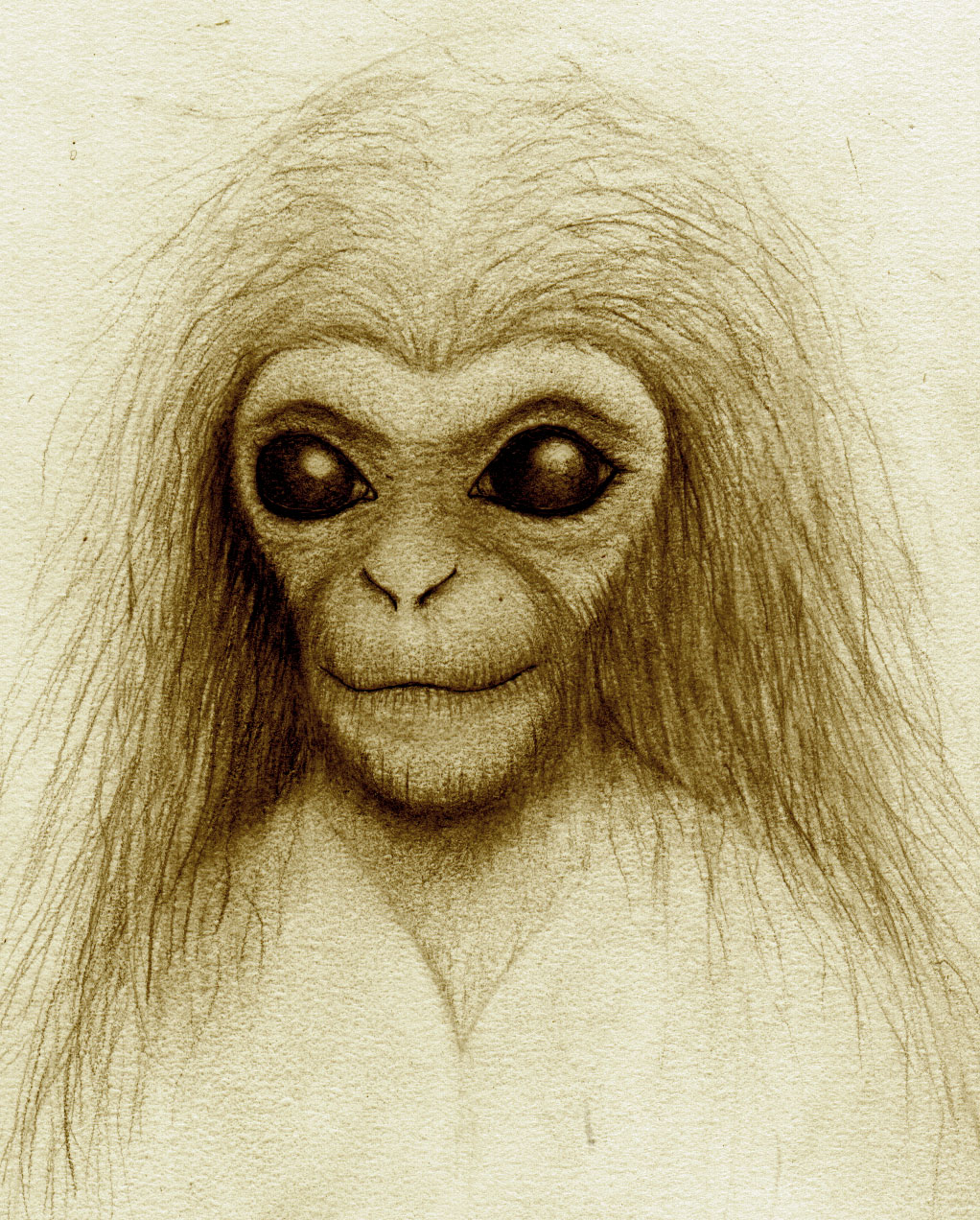
An artist's impression of a humanzee, or chimpanzee-human hybrid

A human–animal hybrid (or animal–human hybrid) is a hypothetical organism that incorporates elements from both humans and non-human animals. In a technical sense, a human–animal hybrid would be defined as an organism in which each cell contains both human and non-human genetic material. This contrasts with a non-human chimera in which some cells are human and the other are derived from a non-human organism (a human chimera, by contrast, consists entirely of human cells from different zygotes.)[1]

Examples of human–animal hybrids mainly include humanized mice that have been genetically modified by xenotransplantation of human genes.[2] Humanized mice are commonly used as small animal models in biological and medical research for developing human therapeutics.

Human–animal hybrids are the subject of legal, moral and technological debate, particularly in light of recent advances in genetic engineering.[3][4][5]

Human–animal hybrids have appeared in mythology and storytelling across multiple cultures and continents, and in recent decades in comic books, films, video games and other media.[6][3][7][4][8]

Terminology

[edit]

Defined by the magazine H+ as "genetic alterations that are blendings [sic] of animal and human forms", such hybrids may be referred by other names occasionally such as "para-humans".[6][3] They may additionally be called "humanized animals".[5] Technically speaking, they are also related to "cybrids" (cytoplasmic hybrids), with "cybrid" cells featuring foreign human nuclei inside of them being a topic of interest. Possibly, a real-world human-animal hybrid may be an entity formed from either a human egg fertilized by a nonhuman sperm or a nonhuman egg fertilized by a human sperm.[3]

Examples

[edit]

Artificially created human-animal hybrids include humanized mice that have been xenotransplanted with human gene products, so as to be utilized for gaining relevant insights in the in vivo context for understanding of human-specific physiology and pathology.[2] Humanized mice are commonly used as small animal models in biological and medical research for human therapeutics including infectious diseases and cancer. For example, genetically modified mice may be born with human leukocyte antigen genes in order to provide a more realistic environment when introducing human white blood cells into them in order to study immune system responses.[9]

Moral discussions

[edit]
President George W. Bush, pictured here in 2008 with then Interior Secretary Dirk Kempthorne to his side, has advocated for increased regulation of genetic engineering, including on research mixing animal and human elements.

Advances in genetic engineering have generally caused a large number of debates and discussions in the fields related to bioethics, including research relating to the creation of human-animal hybrids. Although the two topics are not strictly related, the debates involving the creation of human-animal hybrids have paralleled that of the debates around the stem-cell research controversy.[3]

The question of what line exists between a "human" being and a "non-human" being has been a difficult one for many researchers to answer. While animals having one percent or less of their cells originally coming from humans may clearly appear to be non-human, no consensus exists on how to categorise beings in a genetic middle ground that have an approximately even mix. "I don't think anyone knows in terms of crude percentages how to differentiate between humans and nonhumans," U.S. patent office official John Doll has stated.[5] Critics of increased government restrictions include scientists such as Douglas Kniss, head of the Laboratory of Perinatal Research at Ohio State University, who has remarked that formal laws are not the best option since the "notion of animal-human hybrids is very complex." He has also argued that their creation is inherent "not the kind of thing we support" in his kind of research since scientists should "want to respect human life".[3]

In contrast, socio-economic theorist Jeremy Rifkin has expressed opposition to research that creates beings crossing species boundaries, arguing that it interferes with the fundamental 'right to exist' possessed by each animal species. "One doesn't have to be religious or into animal rights to think this doesn't make sense," he has argued when expressing support for anti-chimera and anti-hybrid legislation. As well, William Cheshire, associate professor of neurology at the Mayo Clinic's Florida branch, has called the issue "unexplored biologic territory" and advocated for a "moral threshold of human neural development" to restrict the destroying a human embryo to obtain cell material and/or the creation of an organism that's partly human and partly animal." He has said, "We must be cautious not to violate the integrity of humanity or of animal life over which we have a stewardship responsibility".[4]

Legality

[edit]

While laws against the creation of hybrid beings have been proposed in U.S. states and in the U.S. Congress, several scientists have argued that legal barriers might go too far and prohibit medically beneficial studies into human modification.[3][4][5]

In terms of scientific ethics, restrictions on the creation of human–animal hybrids have proved a controversial matter in multiple countries. While the state of Arizona banned the practice altogether in 2010, a proposal on the subject that sparked some interest in the United States Senate from 2011 to 2012 ended up going nowhere. Although the two concepts are not strictly related, discussions of experimentation into blended human and animal creatures has paralleled the discussions around embryonic stem-cell research (the 'stem cell controversy').[3] The creation of genetically modified organisms for a multitude of purposes has taken place in the modern world for decades, examples being specifically designed foodstuffs made to have features such as higher crop yields through better disease resistance.[10]

President George W. Bush brought up the topic in his 2006 State of the Union Address, in which he called for the prohibition of "human cloning in all its forms", "creating or implanting embryos for experiments", "creating human-animal hybrids", and also "buying, selling, or patenting human embryos". He argued, "A hopeful society has institutions of science and medicine that do not cut ethical corners and that recognize the matchless value of every life." He also stated that humanity "should never be discarded, devalued or put up for sale."[11]

A 2005 appropriations bill passed by the U.S. Congress and signed into law by President Bush contained specific wording forbidding any patents on humans or human embryos.[5] In terms of outright bans on hybrid research in the first place, a measure came up in the 110th Congress entitled the Human-Animal Hybrid Prohibition Act of 2008. Congressman Chris Smith (R, NJ-4) introduced it on April 24, 2008. The text of the proposed act stated that "human dignity and the integrity of the human species are compromised" if such hybrids exist and set up the punishment of imprisonment for up to ten years as well as a fine of over one million dollars. Though attracting support from many co-sponsors such as then Representatives Mary Fallin, Duncan Hunter, Joseph R. Pitts, and Rick Renzi among others, the Act failed to get through Congress.[12]

A related proposal had come up in the U.S. Senate the prior year, the Human-Animal Hybrid Prohibition Act of 2007, and it also had failed. That effort was proposed by then-Senator Sam Brownback (R, KS) on November 15, 2007. Featuring the same language as the later measure in the House, its bipartisan group of cosponsors included then Senators Tom Coburn, Jim DeMint, and Mary Landrieu.[13]

A localized measure designed to ban the creation of hybrid entities came up in the state of Arizona in 2010. The proposal was signed into law by then Governor Jan Brewer. Its sponsor stated that it was needed to clarify important "ethical boundaries" in research.[3]

In myth

[edit]

For thousands of years, these hybrids have been one of the most common themes in storytelling about animals throughout the world. The lack of a strong divide between humanity and animal nature in multiple traditional and ancient cultures has provided the underlying historical context for the popularity of tales where humans and animals have mingling relationships, such as in which one turns into the other or in which some mixed being goes through a journey.[14] Interspecies friendships within the animal kingdom, as well as between humans and their pets, additionally provides an underlying root for the popularity of such beings.[6]

In various mythologies throughout history, many particularly famous hybrids have existed, including as a part of Egyptian and Indian spirituality.[14] The entities have also been characters in fictional media such as in H. G. Wells' work The Island of Doctor Moreau, adapted into the popular 1932 film Island of Lost Souls.[7] In legendary terms, the hybrids have played varying roles from that of trickster and/or villain to serving as divine heroes in very different contexts, depending on the given culture.[14]

Legendary historical and mythological human-animal hybrids

[edit]
The pig-like hybrid being Zhu Bajie, pictured in this piece of fan art, plays a major role in the famous Ming dynasty era religious novel Journey to the West.

Beings displaying a mixture of human and animal traits while also having a similarly blended appearance have played a vast and varied role in multiple traditions around the world.[14] Artist and scholar Pietro Gaietto has written that "representations of human-animal hybrids always have their origins in religion". In "successive traditions they may change in meaning but they still remain within spiritual culture", Gaietto has argued, when looking back in an evolution-minded point of view. The beings show up in both Greek and Roman mythology, with various elements of ancient Egyptian society ebbing and flowing into those cultures in particular. Prominent examples in ancient Egyptian religion, featuring some of the earliest such hybrid beings, include the canine-like god of death known as Anubis and the lion-like Sphinx.[15][unreliable source?] Other instances of these types of characters include figures within both Chinese and Japanese mythology.[14][16] The observation of interspecies friendships within the animal kingdom, as well as the bonds existing between humans and their pets, have been a source of the appeal in such stories.[6]

A prominent hybrid figure that's internationally known is the mythological Greek figure of Pan. A deity that rules over and symbolizes the untamed wild, he helps express the inherent beauty of the natural world as the Greeks saw things. He specifically received reverence by ancient hunters, fishermen, shepherds, and other groups with a close connection to nature. Pan is a Satyr who possesses the hindquarters, legs, and horns of a goat while otherwise being essentially human in appearance; stories of his encounters with different gods, humans, and others have been a part of popular culture in several different cultures for many years.[17] The human-animal hybrid has appeared in acclaimed works of art by figures such as Francis Bacon,[8] also being mentioned in poetic pieces such as in John Fletcher's writings.[17] Specifically, the human-animal hybrid has appeared in acclaimed works of art by figures such as Francis Bacon.[8] Additional famous mythological hybrids include the Egyptian god of death, named Anubis, and the fox-like Japanese beings that are called Kitsune.[14]

In Chinese mythology, the figure of Zhu Bajie (Chinese: 豬八戒; pinyin: Zhūbājiè) undergoes a personal journey in which he gives up wickedness for virtue. After causing a disturbance in heaven from his licentious actions, he is exiled to Earth. By mistake, he enters the womb of a sow and ends up being born as a half-man/half-pig entity. With the head and ears of a pig coupled with a human body, his already animal-like sense of selfishness from his past life remains. Killing and eating his mother as well as devouring his brothers, he makes his way to a mountain hideout, spending his days preying on unwary travelers unlucky enough to cross his path. However, the exhortations of the kind goddess Kuan Yin, journeying in China, persuade him to seek a nobler path, and his life's journey and the side of goodness proceeds on such that even he is ordained a priest by the goddess herself.[18] Remarking on the character's role in the religious novel Journey to the West, where the being first appears, professor Victor H. Mair has commented that "[p]ig-human hybrids represent descent and the grotesque, a capitulation to the basest appetites" rather than "self-improvement".[16]

This image depicts a set of Tanuki statues on the side of a Japanese road.

Several hybrid entities have long played a major role in Japanese media and in traditional beliefs within the country. For example, a warrior god known as Amida received worship as a part of Japanese mythology for many years; he possessed a generally humanoid appearance while having a canine-like head. However, the god's devotional popularity fell in about the middle of the 19th century.[15][unreliable source?] A Tanuki resembles a raccoon dog, but its shape-shifting talents allow it to turn into humans for the purposes of trickery, such as impersonating Buddhist monks. The fox-like creatures known as Kitsune also possess similar powers, and stories abound of them tricking human men into marriage by turning into seductive women.[14]

Other examples include characters in ancient Anatolia and Mesopotamia. The latter region has had the tradition of a malevolent human-animal hybrid deity in Pazuzu, the demon featuring a humanoid shape yet having grotesque features such as sharp talons.[15][unreliable source?] The character picked up revived attention when an interpretation of it appeared in William Peter Blatty's 1971 novel The Exorcist and the Academy Award winning 1973 film adaption of the same name, with the demon possessing the body of an innocent young girl. The movie, regarded as one of the greatest horror films of all time, has a prologue in which co-protagonist Father Merrin (Max von Sydow) visits an archaeological dig in Iraq and ominously discovers an old statue of the monstrous being.[19][20]

Theriocephaly studies

[edit]
Ganesha, who has an elephant's head, is one of the most revered entities in the Hindu pantheon.

"Theriocephaly" (from Greek θηρίον therion 'beast' and κεφαλή kefalí 'head') is the anthropomorphic condition or quality of having the head of an animal with a body either mostly or entirely looking human – the term being commonly used to refer the depiction of deities or otherwise specially able individuals. An entity with such qualities is said to be "theriomorphous".[21] Many of the gods and goddesses worshipped by the ancient Egyptians, for example, were commonly depicted as being theriocephalic. This phenomenon partly represented an intermediate step in a longer process of anthropomorphization of former animal deities (e.g. the goddess Hathor in her earliest form was depicted as a cow and in her latest manifestation as a woman with cows ears and sometimes a hairstyle resembling cows horns). But the form of depiction sometimes depended also on the aspects of a deity an artist wanted to accentuate (e.g. Ba, the aspect of personality of a human soul, was depicted as a bird with a humans head). This can also be seen in the different hieroglyphs that could be used to write the name of a single deity.

Other notable examples include:

  • Thoth (One of the most creative deities of the ancient Egyptian pantheon, Thoth was the god of the moon, medicine, science, magic, judgement, and writing. One of the most popular of all Egyptian god. It is indicated Thoth created the earth the moon and the stars etc. within the hieroglyphs with the walls of the Giza Pyramids.
  • Horus features the head of a falcon.
  • Anubis has a jackal's head.
  • Set, often depicted with the head of an unknown creature, gets associated with a being referred to as the "Set animal" by Egyptologists.
  • Khonsu, (god of the moon disc) depicted as a man with a falcons head and or as a human child, both with a moon disc on top of the head.

Examples from other geographic areas include:

In fiction

[edit]

Literature

[edit]

Many prominent pieces of children's literature over the past two centuries have featured humanized animal characters, often as protagonists in the stores. In the opinion of popular educator Lucy Sprague Mitchell, the appeal of such mythical and fantastic beings comes from how children desire "direct" language "told in terms of images— visual, auditory, tactile, muscle images". Another author has remarked that an "animal costume" provides "a way to emphasize or even exaggerate a particular characteristic".

The anthropomorphic characters in the seminal works by English writer Beatrix Potter in particular live an ambiguous situation, having human dress yet displaying many instinctive animal traits. Writing on the popularity of Peter Rabbit, a later author commented that in "balancing humanized domesticity against wild rabbit foraging, Potter subverted parental authority and its built in hypocrisy" in Potter's child-centered books. Writer Lisa Fraustino has cited on the subject R.M. Lockley's tongue-in-cheek observation: "Rabbits are so human. Or is it the other way around— humans are so rabbit?"[22]

Writer H. G. Wells created his famous work The Island of Doctor Moreau, featuring a mixture of horror and science fiction elements, to promote the anti-vivisection cause as a part of his long-time advocacy for animal rights. Wells' story describes a man stuck on an island ruled over by the titular Dr. Moreau, a morally depraved scientist who has created several human-animal hybrids referred to as 'Beast Folk' through vivisection and even by combining parts of other animals for some of the 'Beast Folk'. The story has been adapted into film several times, with varying success. The most acclaimed version is the 1932 black-and-white treatment called Island of Lost Souls.[7] Wells himself wrote that "this story was the response of an imaginative mind to the reminder that humanity is but animal rough-hewn to a reasonable shape and in perpetual internal conflict between instinct and injunction," with the scandals surrounding Oscar Wilde being the impetus for the English writer's treatment of themes such as ethics and psychology. Challenging the Victorian era viewpoints of its time, the 1896 work presents a complex situation in which enhancing animals into hybrids involves both terrifying violence and pain as well as appears essentially futile, given the power of raw instinct. A pessimistic view towards the ability of human civilization to live by law-abiding, moral standards for long thus follows.[23]

In Franz Kafka's The Metamorphosis, Gregor Samsa "transforms into an Ungeziefer (loosely, ‘vermin’), a symbolic human-animal hybrid––a supercharged synanthrope—co-inhabiting human flesh, mind, and room."[24]

Television

[edit]

On a more everyday life tone, featuring human-animal hybrids of mythological beings having common human experiences, A Centaur's Life, known in Japan as Centaur's Worries (Japanese: セントールの悩み, Hepburn: Sentōru no Nayami), is a Japanese slice of life comedy manga series by Kei Murayama.[25][26] The series has been serialized in Tokuma Shoten's Monthly Comic Ryū magazine since February 2011, and is published in English by Seven Seas Entertainment.[27][28] An anime television series adaptation by Haoliners Animation League aired in Japan from July to September 2017.[29][30]

Films

[edit]

The 1986 horror film The Fly features a deformed and monstrous human-fly hybrid, played by actor Jeff Goldblum.[6] His character, scientist Seth Brundle, undergoes a teleportation experiment that goes awry and fuses him at a fundamental genetic level with a common fly caught besides him. Brundle experiences drastic mutations as a result that horrify him. Movie critic Gerardo Valero has written that the famous horror work, "released at the dawn of the AIDS epidemic", "was seen by many as a metaphor for the disease" while also playing on bodily fears about dismemberment and coming apart that human beings inherently share.[31]

The H. P. Lovecraft–inspired movie Dagon, released in 2001, additionally features grotesque hybrid beings.

Heroic character examples of human-animal anthropomorphic characters include the two protagonists of the 2002 movie The Cat Returns (Japanese title: 猫の恩返し), with the animated film featuring a young girl (named "Haru") being transformed against her will into a feline-human hybrid and fighting a villainous king of the cats with the help of a dashing male cat companion (known as the "Baron") at her side.

The science fiction film Splice, released 2009, shows scientists mixing together human and animal DNA in the hopes of advancing medical research at the pharmaceutical company that they work at. Calamitous results occur when the hybrid named Dren (portrayed by Delphine Chanéac) is born.[3]

Comic books

[edit]

In terms of comic books, examples of fictional human-animal hybrids include the characters in Charles Burns' Black Hole series. In those comics, a set of teenagers in a 1970s era town become afflicted by a bizarre disease; the sexually transmitted affliction mutates them into monstrous forms.[6]

Marvel Comics has a race of human-animal hybrids called the New Men who were created by the High Evolutionary by evolving the animals into humanoid forms.

Video games

[edit]

Multiple video games have featured human-animal hybrids as enemies for the protagonist(s) to defeat, including powerful boss characters. For instance, the 2014 survival horror release The Evil Within includes grotesque hybrid beings, looking like the undead, attacking main character Detective Sebastian Castellanos. With partners Joseph Oda and Julie Kidman, the protagonist attempts investigate a multiple homicide at a mental hospital yet discovers a mysterious figure who turns the world around them into a living nightmare, Castellanos having to find the truth about the criminal psychopath.[32]

Furry fandom

[edit]

The furry fandom consists of individuals interested in a variety of artistic materials and media, often featuring art depicting human-animal hybrids in everyday life. The majority of people involved in the fandom have a unique fursona depicting a version or versions of themselves as a hybrid creature.[33] This practice functions as an outlet based on "personal ideas of self-expression" (self-realization)[34] or belonging in the community.[35]

See also

[edit]

References

[edit]
[edit]
Revisions and contributorsEdit on WikipediaRead on Wikipedia
from Grokipedia
A human–animal hybrid, often termed a chimera in scientific contexts, refers to an organism incorporating cells or genetic material from both human and non-human animal species, typically engineered via methods such as injecting human induced pluripotent stem cells into animal blastocysts to facilitate interspecies cell integration and tissue development. These entities are pursued in biomedical research primarily to generate human-compatible organs within animal hosts, aiming to mitigate the global organ transplant shortage where demand far exceeds supply from deceased donors. Key advancements include the production of chimeric pig embryos harboring human-derived renal structures that developed for up to 28 days post-implantation, demonstrating partial functionality in organ primordia formation. Similar progress has yielded embryonic pig hearts containing human cardiomyocytes, surviving 21 days with nascent vascularization. Despite these technical feats, biological inefficiencies—such as limited human cell contribution due to interspecies developmental mismatches—persist as barriers to scalable organogenesis. Ethical debates center on the potential conferral of human-like consciousness or traits upon chimeric animals, raising questions of moral status, species boundaries, and permissible exploitation for human benefit. Regulatory responses include funding moratoria in the United States and varying international prohibitions, reflecting tensions between therapeutic promise and concerns over human dignity and ecological risks.

Definitions and Classifications

Biological Definitions

In , a hybrid is defined as an resulting from the of two individuals from distinct or , wherein each cell of the offspring contains a diploid composed of genetic material from both parental . This process requires successful fertilization of an egg from one species by from another, followed by viable embryonic development and, ideally, . True interspecies hybrids occur rarely and are typically limited to closely related with compatible numbers and genetic mechanisms, such as the horse (64 chromosomes) and (62 chromosomes) producing mules. Human-animal hybrids, in the strict biological sense, would require cross-fertilization between Homo sapiens (46 ) and a non-human animal , leading to an organism with integrated human and animal genetic contributions in every cell. No such viable hybrids have ever been documented or produced, owing to profound genetic barriers: mismatched chromosome counts (e.g., pigs have 38, mice 40), divergent regulation, and immunological incompatibilities that prevent fertilization, formation, or progression beyond early cleavage stages. Attempts to create hybrid embryos by combining human gametes with animal counterparts, as explored in early regulatory discussions, have yielded non-viable results due to these mechanisms, which evolved to maintain integrity. Distinct from hybrids, a biological chimera is an organism comprising cells derived from two or more genetically distinct zygotes, where tissues or organs may contain cells of different species origins without genomic fusion in individual cells. -animal chimeras are generated experimentally by injecting pluripotent stem cells into animal blastocysts (e.g., porcine or embryos), allowing cells to integrate and contribute to specific tissues, such as the or , while the host animal's predominates in others. This technique, advanced since the , enables low-level chimerism (typically <5% cells) but faces efficiency limits from interspecies developmental mismatches, with no full-term chimeric births reported as of 2023. Cybrids, a related construct, involve transferring a nucleus into an enucleated animal , creating an with nuclear DNA and animal , but these are classified separately and remain ethically restricted in many jurisdictions. The term "human-animal hybrid" is often applied loosely in scientific and popular discourse to encompass chimeras and cybrids, despite the precise distinctions, reflecting experimental goals like rather than natural hybridization. Biologically, such constructs do not constitute evolutionary hybrids but engineered mosaics, with cellular contributions confined by species-specific signaling pathways and immune rejection risks.

Types of Hybrids and Chimeras

Biological hybrids arise from the fertilization of an ovum from one by a spermatozoon from another, resulting in an where every cell contains a mix of genetic material from both . In the case of humans and animals, such hybrids are inviable due to profound genetic incompatibilities, including differences in number—humans possess 46 chromosomes, while common research animals like chimpanzees have 48, pigs 38, and sheep 54—and disruptions in gene regulation and embryonic development. These barriers prevent proper cleavage, , and , as evidenced by failed historical attempts, such as Soviet researcher Ivanov's 1920s experiments with human-chimpanzee crosses, which yielded no pregnancies. No verified viable human-animal hybrids exist, as interspecies fusion in mammals typically succeeds only among closely related taxa with aligned karyotypes and Dobzhansky-Muller incompatibilities otherwise causing embryonic lethality. Chimeras, by contrast, consist of an harboring cells from two or more distinct zygotes or , without germline fusion; human-animal chimeras are engineered by injecting human pluripotent stem cells—such as induced pluripotent stem cells (iPSCs) or extended pluripotent stem cells (EPSCs)—into preimplantation animal embryos or . This method allows human cells to integrate into animal tissues, though contribution levels remain low, often below 0.1% in viable models, due to interspecies rejection signals and niche competition. In porcine hosts, human iPSCs have generated chimeric embryos with human cells populating renal structures, achieving up to 50-60% human cellularity in kidneys after 25-28 days of before termination, aimed at . Similarly, ovine (sheep) chimeras have incorporated human cells into the and other organs, supporting studies on neural development. Recent cynomolgus chimeras, created in 2021 by injecting human EPSCs into blastocysts, demonstrated human cell survival and differentiation into lineages like epiblast and trophectoderm during 19 days of culture, though in utero viability was limited by immune barriers and ethical restrictions. complementation strategies, where animal genes for specific organs are to create niches for human cell engraftment, represent an advanced subtype, with applications in growing human pancreata or hearts in pigs, albeit with nascent efficiency as of 2023 experiments yielding primitive cardiac structures beating for 21 days. Cybrids, or cytoplasmic hybrids, involve transferring a nucleus from a somatic cell into an enucleated animal oocyte, yielding an entity with nearly all (99.9%) nuclear DNA but animal (mtDNA). Primarily employed to model mitochondrial disorders or enhance derivation without relying on eggs, cybrids exhibit limited developmental potential beyond the stage due to nuclear-cytoplasmic mismatches affecting transcription and metabolism. In the , their creation has been licensed since under strict 14-day limits and prohibitions on uterine transfer, as in Newcastle University's production of human-bovine cybrids for Parkinson's research. Unlike chimeras, cybrids do not produce tissues but serve as tools for genetic reprogramming, with no progression to full organisms reported. Regulatory frameworks, such as those from the Fertilisation and Authority, emphasize their utility in averting ethical concerns over embryo sourcing while highlighting risks of mitochondrial-nuclear discordance.

Historical Context

Mythological and Legendary Examples

In , human-animal hybrids frequently appeared as monstrous or semi-divine beings, embodying chaos or dual natures. The , a creature with the head of a and the body of a man, was born to Queen Pasiphae of after her unnatural union with a , and was subsequently imprisoned in the constructed by . , depicted as having the upper body of a human and the lower body of a , inhabited the mountains of and were often portrayed as wild and savage, though figures like exemplified wisdom and mentorship. The , a hybrid with a human head, lion's body, and sometimes wings, guarded sacred sites and posed riddles to travelers, as in the legend of . Egyptian mythology featured therianthropic deities that blended human and animal forms to signify divine attributes and roles in the . , the god of mummification and protector of tombs, was represented with the head of a and a , guiding souls and overseeing processes from as early as the First Dynasty around 3100 BCE. Other gods, such as with an ibis head or with a head, similarly combined avian features with humanoid forms to symbolize wisdom, kingship, and celestial oversight. In Hindu traditions, stands as a prominent example of a human-animal hybrid , possessing the head of an grafted onto a human body, resulting from myths where replaced the beheaded child's head with that of an . Revered as the remover of obstacles and patron of intellect, Ganesha's form dates back to textual references in ancient scriptures like the indirectly and more explicitly in later . Mesopotamian legends included hybrids like the Aqrabuamelu, with human torsos and scorpion tails, serving as guardians of the sun god's path. These figures across cultures often functioned as intermediaries between human and divine realms, reflecting ancient attempts to conceptualize boundaries between species and the .

Pre-Modern Claims and Pseudoscience

In ancient accounts, Roman naturalist reported claims of human-animal sexual unions producing hybrid offspring, such as among certain Indian tribes where unions with wild animals allegedly yielded mixed-race progeny exhibiting partial animal traits. These assertions, drawn from earlier Greek and Eastern sources, reflected a pre-scientific that blurred distinctions between natural variation and interspecies reproduction, often attributing such phenomena to environmental or behavioral causes without empirical verification. Pliny's Naturalis Historia (circa 77 CE) compiled such reports as factual observations, influencing subsequent European understandings of biological anomalies despite lacking anatomical evidence. During the medieval period, malformed human births were frequently interpreted as evidence of hybrid origins, stemming from parental sins, bestial intercourse, or divine portents rather than genetic or developmental errors. Chronicles documented cases like a 1496 Swiss infant born with dog-like features, deemed a "" hybrid by local authorities, or the 1512 Ravenna monster—a conjoined twin with animalistic traits—portrayed in pamphlets as a human-pig or human-ass amalgamation punishing societal vices. Such interpretations aligned with theological frameworks viewing hybrids as ontological deviations, with figures like Saint Peter Damian (circa 1007–1072) positing the biological possibility of ape-human crosses to illustrate moral degeneracy. Teratological texts, such as those by in the 16th century, cataloged these as real hybrids from interspecies mating, perpetuating pseudoscientific causal links between bestiality and progeny without dissecting underlying embryological mechanisms. Renaissance alchemists advanced pseudoscientific methods for generating artificial hybrids, epitomized by (1493–1541) recipe in De natura rerum (1537) for a : human semen sealed in a vessel and incubated in a horse's womb for 40 days to putrefy, yielding a proto-human form nourished on blood to achieve . This process, rooted in vitalistic theories of and alchemical transmutation, aimed to bypass natural by leveraging animal for human-like creation, though it relied on untested analogies between equine and human physiology. Paracelsus claimed success in producing such entities, which he described as possessing preternatural knowledge, but these assertions lacked reproducible evidence and conflated chemical putrefaction with biogenesis. Early modern anatomists occasionally reinforced hybrid claims through misinterpretations of terata, such as attributing conjoined or hypertrichotic births to latent animal ancestry, delaying recognition of purely developmental pathologies until post-1700 .

Scientific Foundations

Genetic and Chromosomal Barriers

Fundamental barriers to creating viable human-animal hybrids arise from profound genetic and chromosomal incompatibilities between , which prevent successful fertilization, embryonic development, and transmission in true hybrids formed by fusion. Mammalian exhibit varying numbers and structures—humans possess 46 chromosomes, while chimpanzees have 48, mice 40, and pigs 38—leading to misalignment during and the production of aneuploid gametes that result in embryonic inviability or sterility. Even among closely related , such as humans and chimpanzees, fusion of and rarely progresses beyond early cleavage stages due to these structural divergences, compounded by Dobzhansky-Muller incompatibilities where co-adapted complexes from divergent lineages interact disruptively, triggering developmental arrest. At the genetic sequence level, evolutionary divergence introduces further obstacles, with differences causing mismatches in gene regulation, , and cellular signaling. For instance, human and genomes share approximately 98.7% similarity, yet critical variations in regulatory elements and coding sequences disrupt essential pathways, such as those governing and , rendering hybrid zygotes non-viable. Interspecific hybrids in mammals often fail due to hybrid inviability, where accumulated mutations create recessive incompatibilities that manifest post-zygotically, halting progression to formation. These barriers are exacerbated by nuclear-mitochondrial genome mismatches, as the from one inadequately supports the nuclear genome of another, impairing energy production and leading to cellular dysfunction during embryogenesis. In the context of chimeras—formed by injecting stem cells from one species into the of another—these genetic barriers persist despite circumventing gamete fusion, manifesting as interspecies chimeric incompetence. Human pluripotent stem cells injected into animal embryos, such as or , exhibit limited contribution to chimeric tissues due to evolutionary divergences that cause cell-autonomous rejection, epigenetic silencing of human genes, and competitive disadvantages against host cells during . Subcellular incompatibilities, including mismatched functions and failure in zygotic , further restrict chimerism, with human cells rarely exceeding 1-5% integration in distant hosts like pigs, even after genetic optimizations. These developmental hurdles reflect causal realities of species-specific adaptations, where greater phylogenetic distance amplifies barriers, as observed in failed of interspecies zygotes. Overcoming these barriers requires targeted interventions, such as CRISPR-mediated engineering or selection for compatible lineages, but natural incompatibilities remain insurmountable without such modifications, underscoring the rarity of viable mammalian hybrids outside closely related taxa. Experimental from interspecies attempts confirms that without addressing chromosomal pairing failures and genetic , hybrids or chimeras cannot achieve full-term development or reproductive competence.

Enabling Technologies

The creation of human-animal chimeras relies on advances in pluripotent technologies, which provide the cellular building blocks for interspecies integration. Induced pluripotent stem cells (iPSCs), reprogrammed from somatic cells to an embryonic-like state, enable the generation of human cells capable of contributing to animal embryos without ethical concerns associated with embryonic .00087-2) This technology, pioneered by in 2006, allows for patient-specific iPSCs to be derived and used in chimera formation, facilitating organ-specific contributions in host animals. Embryonic (ESCs) from humans or animals similarly support chimera research by proliferating indefinitely and differentiating into multiple lineages, though iPSCs have largely supplanted them due to accessibility. Gene-editing tools, particularly CRISPR-Cas9, have been instrumental in overcoming genetic barriers to efficient chimerism by precisely disabling host genes in animal embryos, creating developmental niches for human cell engraftment. Developed for widespread use around 2012, CRISPR-Cas9 enables targeted knockouts in zygotes of species like pigs and rats, allowing injected human iPSCs to preferentially populate organs such as the or liver. For instance, CRISPR-mediated editing of genes like Pdx1 in rat blastocysts has demonstrated enrichment of human-derived cell types in chimeric tissues.31752-4) This precision reduces off-target effects compared to earlier methods like zinc-finger nucleases, enhancing the viability of interspecies embryos. Blastocyst complementation represents a synergistic application of these technologies, where gene-edited animal —lacking specific organ progenitors—are injected with pluripotent stem cells to "complement" and generate functional tissues. First demonstrated intraspecies in mice in the and extended interspecies by the , this method has produced chimeric rats with mouse-derived pancreata and shown potential for -pig liver chimeras. In practice, knockouts of genes like Flk-2 or Pax6 in host blastocysts, followed by iPSC injection, promote high-level chimerism, with cells comprising up to 10-20% of certain tissues in early experiments. (SCNT), as used in since Dolly the sheep in 1996, complements these by generating genetically modified embryos for chimera hosts, though efficiency remains low at under 5% in large mammals. These technologies collectively address interspecies incompatibilities in and immune rejection, though challenges like low integration rates (often below 1% for cells in pigs) persist.

Early Experimental Efforts

20th-Century Attempts

In the 1920s, Soviet biologist Ilya Ivanovich Ivanov conducted the most documented attempts to create human-chimpanzee hybrids through , motivated by a desire to demonstrate evolutionary continuity between humans and apes and potentially produce stronger laborers or soldiers. Ivanov, renowned for pioneering interspecific hybridization in animals such as crossing zebras with donkeys, proposed the project to the Soviet government in , securing funding equivalent to approximately $1 million in modern terms for acquiring chimpanzees and establishing facilities. His initial plan involved inseminating female chimpanzees with human sperm to test viability, followed by the reverse procedure on human females if successful. In February 1926, traveled to (modern ) to collect chimpanzees and perform inseminations using donated human semen from local volunteers and prisoners. He inseminated at least three female chimpanzees, but none conceived or carried pregnancies to term, attributed to genetic incompatibilities including differing numbers (humans have 46, chimpanzees 48) and barriers to embryonic development. transported five chimpanzees back to the for further trials at a research station in , established with state support, but these efforts also failed to produce viable hybrids despite multiple insemination attempts. Ivanov then sought to inseminate human women with sperm, advertising in Soviet newspapers for volunteers in 1927 and reportedly approaching prostitutes and volunteers, though no confirmed procedures occurred due to ethical resistance, lack of suitable semen, and political shifts. The project collapsed amid funding cuts and Ivanov's in 1930 on charges of and activity during Stalin's purges; he died in in 1932 without achieving any hybrid offspring. No other verified 20th-century attempts at human-primate hybridization produced evidence of success, with subsequent claims—such as unconfirmed rumors of Chinese experiments in the —lacking empirical substantiation from primary scientific records. These failures underscored fundamental reproductive barriers, including sperm-egg recognition proteins and post-zygotic developmental , later confirmed by genetic studies.

Initial Ethical Constraints

The initial ethical constraints on human-animal hybrid experiments during the emerged primarily from broader bioethical frameworks governing and human embryo research, rather than targeted prohibitions on interspecies chimeras or hybrids. The 1975 Molecules, convened by scientists including , established voluntary guidelines and a temporary moratorium on high-risk experiments, emphasizing physical containment and to prevent unintended ecological or health hazards from novel organisms; while not explicitly addressing human-animal hybrids, these principles fostered caution against interspecies genetic transfers that could blur boundaries or create unpredictable entities. In the United States, the 1979 report from the Ethics Advisory Board of the Department of Health, Education, and Welfare (later HHS) imposed the "14-day rule," restricting federally funded research on to the period before the appearance of the (approximately 14 days post-fertilization), justified as a precautionary threshold marking the onset of individualization and neural development; this effectively limited hybrid embryo studies by prohibiting extended or implantation, reflecting concerns over status and potential suffering. Similar limits were recommended in the UK's 1984 Warnock Report, which influenced the 1990 Human Fertilisation and Embryology Act; the Act banned the creation of embryos via human-animal fertilization or pronuclear transfer, citing risks of abnormal development, integrity violation, and ethical unease with entities possessing ambiguous human-like traits. These constraints were reinforced by institutional review boards (IRBs) and standards under the 1966 Animal Welfare Act, which mandated oversight for use in research, though enforcement focused on humane treatment rather than hybrid-specific prohibitions; hybrids (fusions of and animal cells for ) were permitted since the 1970s as they lacked reproductive potential, but embryonic hybrids faced de facto barriers due to funding restrictions and public opposition from religious and philosophical perspectives emphasizing exceptionalism. The U.S. , enacted in 1996 as a rider to appropriations bills, further prohibited federal funding for research involving the destruction of embryos, indirectly curtailing hybrid efforts where cells predominated, as such work often required embryo derivation. Absent comprehensive international bans, these early measures relied on self-regulation and national guidelines, often critiqued for arbitrariness—such as the 14-day cutoff lacking empirical justification beyond convenience—yet they curbed speculative experiments amid fears of eugenic misuse or ontological confusion.

Modern Research Developments

Interspecies Chimera Creation

Interspecies chimeras are organisms composed of cells derived from two or more distinct , achieved through the fusion or integration of embryonic or stem cells from donor and host . The creation process typically involves introducing pluripotent stem cells (PSCs), such as embryonic stem cells (ESCs) or induced pluripotent stem cells (iPSCs), from one into the early of another, allowing for potential developmental integration.31752-4) This technique exploits evolutionary divergences in developmental timing, , and niche availability, which often limit efficient chimerism, with human-animal attempts yielding low contribution rates of human cells, typically under 1% in viable fetuses. The predominant method is blastocyst complementation, where PSCs from the donor (e.g., iPSCs) are injected into of the host (e.g., or ) engineered via CRISPR-Cas9 to lack genes essential for specific , such as Pdx1 for development. This creates a developmental vacancy that donor cells can occupy, theoretically generating donor-derived organs within the host. Initial protocols involve micromanipulating 10-15 donor PSCs into the blastocyst cavity using a fine under a , followed by culture to the morula stage before transfer to a surrogate . Interspecies applications face barriers like asynchronous cell cycles and epigenetic mismatches, necessitating pre-adaptation of donor cells, such as through extended culture to enhance "naive" pluripotency states compatible with host . Alternative techniques include aggregation, where dissociated cells from donor and host morulae are co-cultured to form a composite , and injection of stem cells into pre-implantation or fetal stages. These methods have been applied in human-animal models, such as injecting human ESCs into as early as 1984, though with negligible long-term integration due to species-specific tropisms. Advances in have refined host by multiplex knockouts, improving donor cell engraftment, but empirical data indicate persistent inefficiencies, with chimeric efficiencies rarely exceeding 5-10% in mammalian interspecies pairings without further optimizations like interspecies PSC hybridization. Overall, creation success hinges on overcoming xenogeneic incompatibilities through iterative empirical refinement rather than theoretical models alone.

Key Experiments and Milestones (Post-2000)

In 2017, scientists at the and the reported the creation of the first human-pig chimeric embryos by injecting human pluripotent stem cells into pig blastocysts.31752-4) These chimeras exhibited low levels of human cell integration, approximately 0.001 percent, reflecting evolutionary divergences that hinder efficient interspecies contribution during early development.31752-4) Over 1,400 pig embryos were modified, with chimeric blastocysts cultured and a subset transferred to surrogate sows, where they developed for up to 28 days before termination to assess viability; no pregnancies progressed to birth with substantial human cellularity due to limited engraftment.31752-4) This experiment demonstrated proof-of-principle for interspecies chimerism in large mammals, though human cells primarily localized to non-organ-specific regions without forming complex structures.31752-4) Building on this, a 2018 study by researchers including Pablo Ross at the , produced human-sheep chimeric embryos, achieving human cell contributions of up to 0.01 percent across fetal tissues after culturing for 20 to 28 days.31520-1) Human induced pluripotent stem cells (iPSCs) were introduced into sheep embryos, with integration observed in the heart, liver, and other organs, though efficiencies remained low owing to species-specific developmental timing mismatches.31520-1) The chimeras were not implanted for , focusing instead on early embryonic analysis to evaluate potential for organ-scale humanization in models closer in size to than rodents.31520-1) A significant advancement occurred in 2021 when an international team, including collaborators from the Salk Institute and , generated the first human-monkey chimeric embryos using human extended pluripotent s (hEPSCs) injected into cynomolgus monkey (Macaca fascicularis) blastocysts.00305-6) These embryos were cultured for up to 20 days, revealing human cell contributions to diverse lineages, including primitive endoderm (up to 7 percent) and trophoblast compartments, with some embryos showing human cells in the yolk sac endoderm at nearly 92 percent in isolated cases.00305-6) Despite higher compatibility than with ungulates, overall chimerism levels were modest (around 0.1 to 4 percent systemically), attributed to immunological barriers and epigenetic differences, and no implantation occurred due to ethical constraints on gestation.00305-6) This milestone highlighted improved competency for closer phylogenetic relatives but underscored persistent challenges in achieving balanced, high-efficiency integration without disrupting host development.00305-6) In 2023, Chinese researchers advanced organ-specific chimerism by injecting human iPSCs into gene-edited embryos lacking functional primordia, yielding chimeric mesonephroi (early structures) with up to 50 percent human cellularity after 28 days of development in surrogate pigs.00286-2) The human cells differentiated into renal progenitors and tubular epithelia, forming functional components absent in the host due to targeted Pax2 and Sall1 knockouts, demonstrating selective organ humanization to bypass global chimerism inefficiencies.00286-2) This approach addressed prior limitations in distant-species experiments by focusing developmental niches, though long-term viability and scaling to mature organs remain unproven, with embryos terminated before full .00286-2) These post-2000 efforts collectively illustrate incremental progress in overcoming interspecies barriers through refined protocols and genetic preconditioning, yet consistently low systemic chimerism—often below 1 percent in non-targeted experiments—reveals fundamental biological constraints rooted in divergent lengths, , and immune recognition.31752-4)00305-6)00286-2)

Potential Biomedical Applications

Organ Xenotransplantation

Organ xenotransplantation seeks to address the global shortage of donor organs by engineering functional human organs within animal hosts through interspecies chimera formation, primarily via the blastocyst complementation technique. This method involves genetically disrupting specific genes in the animal embryo's organogenic niche—such as Pdx1 for or Foxn1 for —creating a void that human pluripotent stem cells (hPSCs), often induced from the prospective recipient's somatic cells, can populate and differentiate into the target organ. The resulting chimeric animal grows the human-derived organ alongside its native ones, which could then be harvested for autologous transplantation, minimizing immunological rejection since the organ derives from the patient's own genetic material. Pioneered in intraspecies models, such as generating in apancreatic mice in 2010, the approach has advanced to interspecies applications, though human-animal chimeras remain challenged by inefficient hPSC integration and developmental barriers. Key milestones include early interspecies successes in models, where PSCs complemented pig blastocysts to form basic chimeric structures, demonstrating proof-of-principle for larger mammals as hosts. By 2017, researchers reported limited iPSC contribution to embryos, achieving only trace-level chimerism (e.g., <1% cells in fetal tissues), attributed to evolutionary divergences in developmental timing and between and ungulates. Progress accelerated post-2020 with refined protocols: in 2023, optimized culture conditions enabled higher hPSC engraftment in porcine blastocysts, targeting and liver primordia, though full organ formation eluded achievement due to competitive host cell repopulation.00536-1) A October 2024 study generated - chimeric renal organoids in vitro from iPSCs injected into porcine scaffolds, showing organized nephron-like structures with glomerular cells, marking a step toward scalable 3D models for pre-transplant testing. For specifically, 2024 xenogenic engraftment of iPSC-derived cells into immunosuppressed diabetic mini-pigs demonstrated functional insulin production and glycemic control for weeks, though vascular integration and long-term viability required further optimization. Empirical data from 19 blastocyst complementation studies as of February 2025 highlight potential for solid organs like livers and kidneys, with chimeric livers in large animals showing repopulation rates up to 20-30% in preclinical rodent- hybrids, yet human- trials report persistent low chimerism (<0.01% in some fetuses), necessitating advances in gene editing (e.g., knockouts of multiple host genes) and hPSC priming for better niche colonization. Challenges include ethical moratoriums on gestating human- chimeras to term in some jurisdictions, interspecies incompatibilities limiting beyond mid-fetal stages, and risks of tumorigenicity from undifferentiated hPSCs. Despite these, causal advantages over direct organ —such as reduced hyperacute rejection via human-specific vascularization—position chimeric approaches as complementary, with ongoing trials emphasizing autologous sourcing to bypass allogenic barriers inherent in non-human organs.

Disease Modeling and Regenerative Medicine

Human-animal chimeras enable disease modeling by incorporating induced pluripotent stem cells (iPSCs) or embryonic stem cells into animal embryos, creating hybrid organisms where cells contribute to tissues that recapitulate physiology and more accurately than purely animal models. This interspecies approach leverages complementation, where cells are injected into gene-edited animal deficient in specific progenitors, allowing cells to differentiate into targeted lineages . For neurological , such chimeras have been used to study neural integration and function; peer-reviewed studies report successful transplantation of neural progenitors into rodent brains, yielding up to 10-20% neuronal contribution in host tissues, which aids in modeling conditions like through observation of survival and circuit formation. Similarly, -monkey chimeras, sustained for up to 20 days post-implantation in 2019 experiments, offer phylogenetic advantages over for simulating neurodevelopmental disorders, as monkey brains share closer cytoarchitecture and genetic regulatory elements with , potentially improving predictive validity for drug screening. These models address empirical shortcomings in traditional systems, where species differences in protein isoforms and immune responses confound results, though chimerism efficiencies remain below 5% in non- hosts due to developmental barriers like interspecies cell competition. In regenerative medicine, human-animal chimeras support tissue and organ generation by exploiting complementary developmental niches, with blastocyst complementation enabling the in utero formation of human-compatible structures for transplantation. Rat-mouse chimeras, pioneered in 2010, demonstrated pancreas formation from injected wild-type cells in diabetic-prone hosts, achieving glucose-responsive islets that restored normoglycemia in recipient mice, laying groundwork for human applications. Extending to human cells, 2021 studies reported human iPSC-derived contributions to vascular and hepatic lineages in pig embryos via complementation, with human cells comprising up to 0.1% of the chimeric liver at gestational day 28, highlighting potential for scaling to full organoids amid challenges like inefficient germline transmission. By 2024, advancements in CRISPR-edited large-animal hosts (e.g., pigs lacking pancreas progenitors) have yielded chimeric pancreata with human endocrine cells producing insulin in response to glucose challenges, offering a causal pathway to autologous regenerative therapies that bypass immunosuppression needs in xenotransplants.00536-1) These efforts prioritize empirical validation through functional assays, such as histological confirmation of human cell engraftment and electrophysiological testing of regenerated neurons, though scalability to human-sized organs requires overcoming placental and immune rejection barriers observed in mid-gestation terminations. Overall, while regenerative yields are nascent—often limited to partial tissue reconstitution—the technique's first-principles foundation in niche vacuums provides a realistic alternative to ex vivo organoid culture, which lacks vascularization and stromal support.

Ethical and Philosophical Debates

Arguments in Favor: Empirical Benefits and Causal Necessity

Proponents of human-animal chimera research emphasize its potential to address the global crisis, where over 100,000 patients in the United States alone await organs, with approximately 17 dying daily due to shortages. from interspecies complementation demonstrates that human induced pluripotent stem cells (iPSCs) can integrate into animal embryos, forming chimeric structures with human cellular contributions up to 70% in models, laying groundwork for scalable . For instance, in 2024 experiments, human iPSCs generated chimeric renal organoids in hosts, exhibiting vascularization and nephron-like structures, which suggest feasibility for producing transplantable kidneys that evade immune rejection. Further benefits arise in , where chimeras enable precise disease modeling; stem cells in nonhuman hosts have recapitulated neural development and tissue repair, accelerating insights into conditions like Parkinson's without relying on scarce donors. These approaches have yielded functional humanized tissues, such as in rat chimeras, which restored glucose in diabetic models, providing causal evidence that hybrid systems can bypass limitations of culturing by leveraging animal gestation for complex organ maturation. In 2025, pig embryos hosting cells developed nascent hearts surviving 21 days, with cardiomyocytes comprising detectable fractions, underscoring empirical progress toward vascularized, beating organs. Causally, such hybrids are deemed necessary because conventional —direct -to- grafts—faces insurmountable hyperacute rejection due to phylogenetic barriers, as organs trigger complement activation within minutes absent genetic edits insufficient for long-term viability. Chimeras circumvent this by nurturing patient-specific cells within gene-edited scaffolds lacking endogenous organ primordia, ensuring compatibility and rapid development; pigs, maturing organs in months versus years for , impose a practical imperative for scaling supply amid static deceased-donor rates. This necessity is amplified by demographic pressures, with end-stage renal disease affecting millions annually, where chimeras offer a deterministic path to autologous tissues, reducing reliance on immunosuppressive regimens that compromise patient survival. Advocates argue that forgoing this avenue perpetuates preventable mortality, as no alternative matches the causal chain from pluripotency to fully vascularized, rejection-proof organs.

Arguments Against: Human Exceptionalism and Unintended Consequences

Opponents of human-animal chimera research invoke exceptionalism to assert that s hold a distinct status rooted in unique capacities for , , and self-reflective , which elevate life above that of other . This view holds that incorporating pluripotent stem cells into animal embryos disrupts integrity by merging genetic material with animal , thereby eroding the ontological boundary that preserves uniqueness and intrinsic worth. For example, philosophers such as Stephen L. Miles argue that such chimeras risk subordinating neural or cognitive elements to animal substrates, treating fragments of as instrumental tools rather than ends in themselves, which contravenes the Kantian imperative against using beings solely as means. Human dignity, as a of , is further compromised when chimeras incorporate cells into animal brains or germlines, potentially creating entities with hybrid moral statuses that defy clear ethical categorization. Bioethicists like Piotr Pawlowski contend that this process commodifies human biological essence, akin to reducing persons to their parts, and invites a form of species-level by normalizing the hybridization of traits that define agency. Empirical precedents, such as early experiments blending neurons with brains to study diseases like Parkinson's, illustrate how even limited integrations can amplify these concerns, as evidenced by enhanced cognitive functions in host animals that mimic human-like behaviors without corresponding protections. Unintended consequences exacerbate these exceptionalist objections, particularly the risk of conferring -like upon chimeric animals through substantial cellular contributions to neural tissues. In pig- chimeras developed for organ farming, cells exceeding 1-2% integration could theoretically generate advanced or cognitive features mismatched to the animal's physical form, resulting in profound from unfulfilled potentials—such as abstract thought confined to a porcine body—without viable societal frameworks for according them moral consideration. This uncertainty in moral status, highlighted in reviews of over 60 academic publications, underscores a precautionary imperative: absent reliable predictors of chimerism levels, such outcomes could impose unrecognized harms on created beings, violating principles of non-maleficence. Slippery slope dynamics represent another causal peril, where initial biomedical justifications for chimeras—such as —erode barriers against progressive escalations like transmission or full interspecies reproduction, potentially yielding fertile hybrids with unpredictable heritable effects. Critics, drawing from historical debates, warn that normalizing partial humanization paves the way for eugenic-like manipulations or ecological disruptions if fails, as chimeric organisms might introduce zoonotic pathogens or invasive traits into wild populations, though direct evidence remains prospective. In the 2021 creation of human-monkey chimeric embryos sustained for 20 days, these risks materialized in heightened welfare concerns, including hyperacute immune responses and ambiguous ethical obligations toward any viable offspring, demonstrating how incremental advances can cascade into broader existential threats to human-animal distinctions.

Religious and First-Principles Critiques

From a Christian perspective, the creation of human-animal hybrids is frequently critiqued as a violation of the divine order established in Genesis, where separates kinds and imbues humans with unique dignity as bearers of His (imago Dei). Organizations such as the argue that such chimeras degrade human exceptionalism by merging incompatible biological forms, potentially leading to entities with ambiguous moral status that challenge biblical . Similarly, the National Catholic Bioethics Center condemns injecting animal DNA into human embryos as unethical, emphasizing that it disrupts the sanctity of human life from conception and risks commodifying nascent beings for instrumental purposes. Jewish bioethics presents varied but cautious stances, often invoking prohibitions like kilayim against cross-species mixing in agriculture as analogous to biological intermingling, which could undermine species integrity and animal welfare. Rabbi Moshe Tendler warned against human-animal neural chimeras, viewing them as potentially violating core halakhic principles of human uniqueness and the risks of conferring undue cognitive enhancements on animals, thereby inverting natural hierarchies. In Islamic thought, while no unanimous fatwa exists, scholars express reservations about transgenic chimeras due to concerns over taharah (purity) and the moral implications of altering creation's boundaries, potentially rendering resulting organisms impermissible for consumption or use under sharia guidelines on halal integrity. First-principles critiques, grounded in and , contend that human-animal hybrids inherently disrupt teleological species boundaries, where each form's serves distinct ends—humans oriented toward rational , animals toward instinctual . This mixing generates causal uncertainties, such as unpredictable phenotypic expressions or heritable traits that could propagate or ethical dilemmas in , without empirical precedents ensuring stability. Philosophers like those invoking Aristotelian-Thomistic frameworks argue that violating these ontological distinctions erodes , fostering a where moral protections dilute for hybrid entities lacking clear lineage-based , thus prioritizing speculative utility over intrinsic order. Such reasoning prioritizes observable biological separateness and the precautionary avoidance of irreversible perturbations to reproductive lineages over unproven biomedical yields.

International Guidelines and Treaties

The Council of Europe's Convention for the Protection of Human Rights and Dignity of the Human Being with regard to the Application of Biology and Medicine, known as the Oviedo Convention, opened for signature in 1997 and entered into force in 1999, establishes foundational principles for biomedical research but does not explicitly address human-animal chimeras or hybrids. Article 18 restricts research on human embryos in vitro to cases permitted by law and ensures such research aligns with human dignity, with development beyond 14 days prohibited where allowed; this framework has been interpreted to limit hybrid embryo creation involving human cells, though only 29 countries had ratified it as of 2022, limiting its global enforceability. The Convention's Additional Protocols, such as the 2002 Protocol on Biomedical Research, further emphasize informed consent and proportionality but omit direct provisions for interspecies chimeras, reflecting a focus on human-centric protections rather than comprehensive hybrid regulation. UNESCO's Universal Declaration on and Human Rights, adopted in 2005, promotes respect for human dignity and prohibits practices diminishing it, including those in emerging biotechnologies, but provides no binding rules or specific prohibitions on human-animal hybrids. The UNESCO International Bioethics Committee (IBC) has addressed related issues in reports on (e.g., 2008 and 2015), advocating international governance to prevent heritable modifications and misuse of biological materials, yet these documents treat chimeras peripherally under broader concerns for genetic integrity without enforceable mechanisms. Such declarations serve as , influencing national policies but lacking treaty status or sanctions for non-compliance. The International Society for Stem Cell Research (ISSCR) has issued the most detailed professional guidelines on human-animal chimeric , with the 2016 update permitting laboratory-based creation of chimeric embryos using human pluripotent in non-human mammalian hosts under stringent oversight, including prohibitions on breeding chimeras capable of transmitting human gametes. The 2021 revision expanded these to allow transfer of human cells into animal embryos for in non-human uteri, provided specialized ethical review assesses risks like human neural contributions or reproductive potential, while explicitly barring transfers into human uteri or early embryos. These guidelines, adopted by over 190 countries' researchers as of 2021, recommend international harmonization but remain voluntary, with critiques noting insufficient safeguards against unintended in chimeras. No comprehensive binding treaty exists to prohibit or uniformly regulate human-animal hybrids globally, leaving regulation fragmented across national jurisdictions.

National Laws and Variations

In the United States, no comprehensive federal statute directly prohibits the creation of human-animal chimeras, though the (NIH) imposes funding restrictions via its Guidelines for Human Stem Cell Research. A 2015 moratorium barred NIH support for research involving human pluripotent stem cells in animal embryos if those cells could contribute substantially to the animal's or , but this was lifted in 2016 following public comment, with added requirements for institutional review and risk assessment for such contributions. A proposed Human Chimera Prohibition Act in 2005, aimed at banning the transfer of human cells into animal embryos, failed to pass. The permits limited research on certain human-animal embryos under the Human Fertilisation and Embryology Act 2008, regulated by the Human Fertilisation and Embryology Authority (HFEA). Cytoplasmic hybrids, or cybrids—created by inserting a human nucleus into an enucleated animal —are licensed for research up to 14 days, provided they contain predominantly human genetic material and are not implanted in a . True hybrids from fused human and animal gametes remain prohibited, reflecting a balance between therapeutic potential and ethical boundaries on reproductive use. Japan's regulations, updated in March 2019 under the Act on Regulation of Human Cloning Techniques, now authorize the generation of human-animal chimeric embryos, including those with potential human neural contributions, and their transplantation into surrogate animal uteri for gestational development, excluding human implantation. This relaxation superseded prior limits on embryo culture to 14 days or bans on reproductive tract transfer, driven by needs in organogenesis research, though oversight by the Ministry of Education, Culture, Sports, Science and Technology mandates ethical review. In , explicit national laws on human-animal chimeras are absent, enabling permissive research environments where such experiments, including human-monkey chimeric s reported in 2021, proceed without the stringent gestational or funding curbs seen elsewhere. General guidelines under the Ministry of Science and Technology apply, but enforcement prioritizes innovation over prohibition, contrasting with outright bans in over 30 countries on related embryo gene editing. European Union member states exhibit significant variation, lacking a unified directive on chimeras beyond patent exclusions in Directive 98/44/EC, which bars inventions from human totipotent cells or germ-line chimeras if contrary to human dignity. Countries like prohibit chimeras via the Embryo Protection Act 1990, banning animal cell introduction into human embryos, while Italy's Law 40/2004 forbids interspecies embryo production outright. The has denied patents for human-pig chimeras citing moral unacceptability under Article 53(a) EPC. Other nations, such as and , enact specific bans on human-animal gestation beyond 14 days or implantation, aligning with prohibitions on reproductive use while permitting limited . These divergences stem from differing emphases on precautionary versus biomedical imperatives, with stricter regimes in prioritizing human exceptionalism and looser frameworks in facilitating empirical advances in models.

Societal Controversies and Criticisms

Scientific Community Divisions

Proponents of human-animal chimera research, such as Stanford University's , advocate for its utility in modeling human diseases, citing successful integration of human neural stem cells into mouse brains to study conditions like Parkinson's since the late 1980s and human immune system chimeras for AIDS research. Similarly, Juan Carlos Izpisua Belmonte's team at the Salk Institute achieved pig embryos with human cells in 2017, reporting approximately 1 human cell per 100,000 pig cells after using to disable pig organ precursors, with the goal of generating human-compatible organs for transplantation amid a global donor shortage exceeding 100,000 waitlisted patients annually in the U.S. alone. These researchers argue that low human cell engraftment rates—often below 0.001%—mitigate risks of hybrid while enabling empirical advances in . Critics within the community, including Harvard's , contend that biological hurdles like placental incompatibility, immune barriers, and inefficient human cell proliferation render such chimeras speculative and unlikely to yield viable organs without unforeseen mutations or developmental anomalies. Hiromitsu Nakauchi of Stanford dismissed early pig-human results as "negative" due to negligible human contribution, emphasizing technical failures over progress. In the 2021 creation of human-monkey chimeric embryos that persisted for 20 days, supporters like University of Texas Southwestern's Jun Wu highlighted potential insights into interspecies for better models, yet opponents such as Pompeu Fabra University's Alfonso Martinez Arias argued the embryos' fragility provided minimal scientific value, complicating natural development without addressing core ethical ambiguities in cell distribution. A 2020 systematic review of 85 publications identified fragmented divisions, with only 15% of arguments favoring research for benefits like disease modeling, while 46% opposed chimeras' existence due to risks of altered moral status from neural contributions exceeding 10-20% in animal brains, lacking empirical precedents for safe outcomes. The U.S. in 2005 endorsed chimeras in non- animals for most applications but prohibited cells in embryos and chimera breeding to avert causal risks of -like or transmission, reflecting cautious realism amid absent international standards. These splits persist, as evidenced by the U.S. National Institutes of Health's 2016 partial lifting of funding bans under rigorous review, contrasted by ongoing calls for moratoriums from bioethicists wary of slippery biological escalations.

Public and Media Reactions

Public opinion on human-animal chimeric research has shown conditional support, particularly when tied to medical benefits like organ transplantation, though unease persists regarding potential human-like traits in animals. A 2020 survey of 430 Americans found that 59% personally accepted injecting human induced pluripotent stem cells into genetically modified swine embryos for organ growth, with higher support (around 70%) for using resulting organs in humans compared to earlier Japanese polls where about 50% expressed strong resistance. In contrast, a representative British poll indicated spontaneous opposition to hybrid embryo research but elicited conditional approval when framed as advancing science, highlighting how survey wording influences responses. These findings suggest public acceptance hinges on limiting human cellular contribution to non-brain tissues and emphasizing empirical therapeutic outcomes over speculative ethical risks. Media coverage of chimeric breakthroughs has amplified both optimism for and fears of ethical overreach, often framing developments as "Frankenstein-like" to evoke public alarm. In January 2017, reports on the first human-pig chimeric embryos—created by injecting human stem cells into blastocysts, yielding less than 0.001% human cells—sparked widespread debate, with outlets like and highlighting potential for transplantable organs while noting destruction of embryos after 28 days to comply with regulations. described the process as generating human tissues in embryos, underscoring hopes amid ethical scrutiny over boundaries. A qualitative of newspaper coverage from that period revealed themes of scientific promise tempered by moral concerns, including risks of chimeric consciousness, though such portrayals sometimes exaggerated viability for dramatic effect. Reactions intensified with advancements blurring features, as seen in June 2025 coverage of pig embryos developing tiny human-like hearts after 21 days, prompting discussions on moral confusion and unintended . Public forums and opinion pieces have criticized media for , arguing it overlooks causal necessities like immune rejection barriers in xenotransplants while privileging anthropomorphic fears over data-driven benefits. Overall, while polls indicate majority U.S. support for targeted applications—exceeding 60% for organ-specific chimeras—broader unease about endures, with surveys noting greater opposition to brain-involved hybrids due to perceived threats to species integrity.

Cultural and Fictional Representations

In Literature and Myth Extensions

In , human-animal hybrids such as centaurs—creatures with the upper body of a human and the lower body of a —are described as a savage race inhabiting the mountains of and Magnesia, often clashing with humans in tales of unruliness and excess. The , a bull-headed man born from the unnatural union of Queen Pasiphae and a bull, embodies monstrous aberration and is confined to the of , as recounted in mythological narratives emphasizing themes of divine punishment and heroic conquest. These figures, appearing in works attributed to and later elaborated by authors like , reflect early explorations of hybridity as symbols of chaos and the boundaries between human rationality and animal instinct. Hindu mythology extends hybrid representations through deities like , depicted with an elephant head atop a human body, serving as the god of wisdom and obstacle removal, with iconographic evidence from artifacts dating to the early centuries CE. Such forms integrate animal attributes with human divinity, illustrating cultural motifs of harmony between species in cosmic order. In classical Roman literature, documented cynocephali—dog-headed humans purportedly dwelling in regions like and —as part of broader accounts of exotic peoples, influencing medieval perceptions of distant, monstrous races. Literary extensions into modern fiction include ' 1896 novel , where a surgically engineers "Beast Folk" by human traits onto animals such as pumas, dogs, and pigs, resulting in unstable hybrids that revert to feral behaviors, critiquing unchecked scientific ambition and practices prevalent in the era. Wells' narrative, drawing on Darwinian evolution and contemporary debates, portrays these creations as tormented beings oscillating between and animal savagery, ethical concerns over biological manipulation. Adaptations of ' 1896 novel have prominently featured human-animal hybrids in cinema, portraying vivisected beast-men as tragic and monstrous figures. The 1932 film Island of Lost Souls, directed by Erle C. Kenton and starring , depicted Dr. Moreau's experiments resulting in hybrid creatures exhibiting human intelligence and animal ferocity, leading to rebellion; the film was banned in Britain until 1958 due to its graphic content. Later versions, including the 1977 adaptation with and the 1996 Marlon Brando-starring iteration, emphasized ethical horrors of such fusions, with the latter's practical effects creating hybrid actors like the Sayer of the Law, a panther-human amalgamation. David Cronenberg's 1986 remake of The Fly, starring Jeff Goldblum, showcased a scientist's teleportation accident merging his DNA with a housefly's, resulting in progressive hybridization marked by insectoid mutations such as compound eyes and exoskeletal growth, grossing over $40 million at the U.S. box office and earning an Academy Award for Best Makeup. Similar themes appear in Splice (2009), where geneticists engineer a human-insect hybrid named Dren, evolving from amphibian-like traits to humanoid aggression, highlighting unintended consequences of cross-species splicing. Horror films like The Relic (1997) featured a museum beast derived from South American tribal experiments blending human and animal elements into a predatory chimera. In television, Netflix's Sweet Tooth (2021–2023), based on Jeff Lemire's comic, portrayed "hybrid" children born post-apocalyptic virus with deer, pig, or bear features alongside human forms, amassing 1.4 million U.S. households viewing the premiere in its first week and exploring societal rejection of these beings. Anime series such as BNA: Brand New Animal (2020), produced by , depicted "Beastmen" as anthropomorphic animal-human hybrids in a segregated society, drawing from Japanese yokai traditions while addressing discrimination. The kemonomimi ("animal ears") aesthetic, prevalent in since the 1980s, visualizes hybrids like cat-eared girls in works such as Nekopara adaptations, reflecting subculture's fascination with partial animal traits on humanoid bodies.

References

Add your contribution
Related Hubs
User Avatar
No comments yet.