


Community hub
Recent from talks
Contribute something
Nothing was collected or created yet.
Hand washing
View on Wikipedia
| Hand washing | |
|---|---|
 | |
| Other names | Handwashing, hand hygiene |
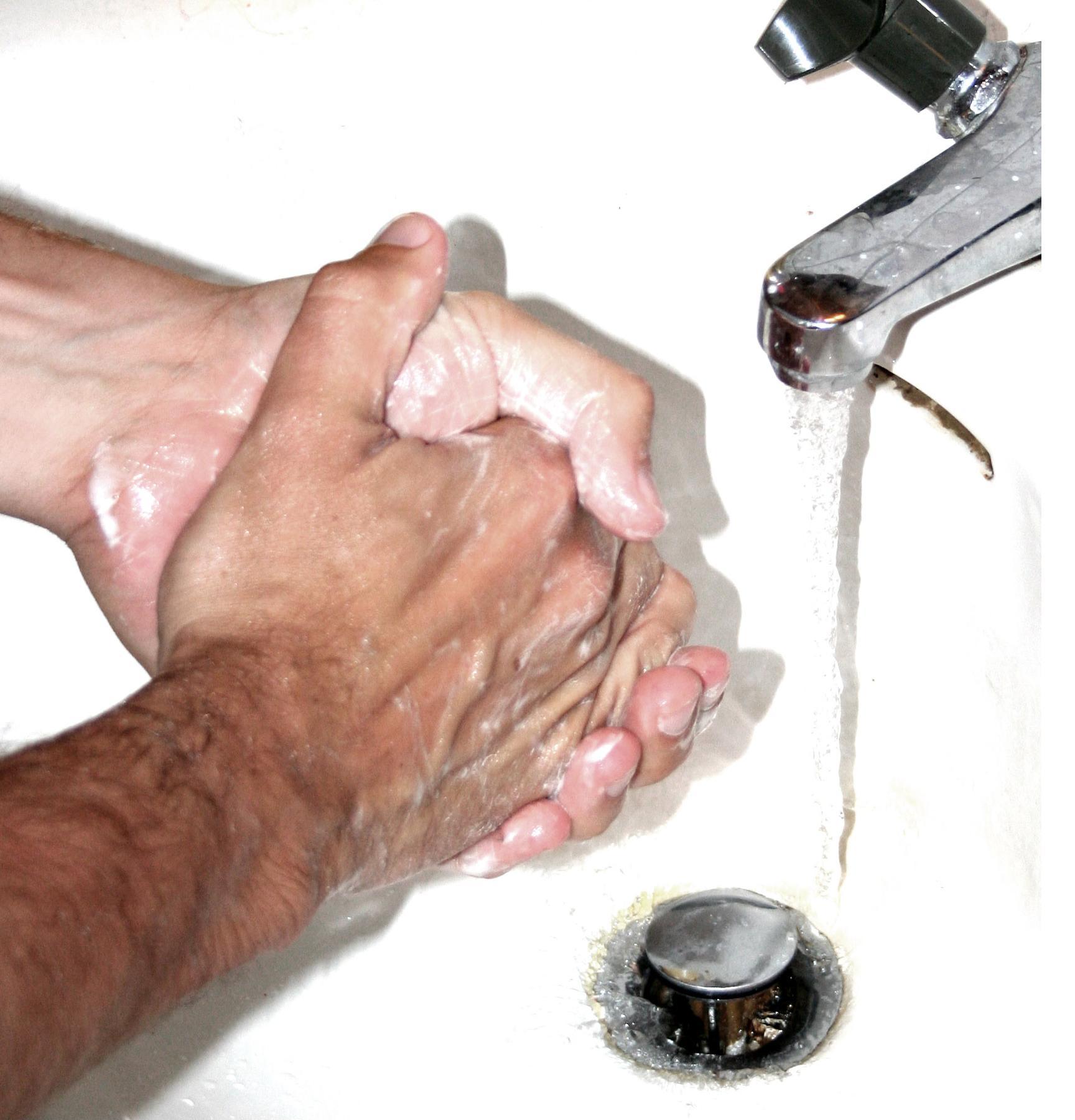
Hand washing (or handwashing), also called hand hygiene, is the process of cleaning the hands with soap or handwash and water to eliminate bacteria, viruses, dirt, microorganisms, and other potentially harmful substances. Drying of the washed hands is part of the process as wet and moist hands are more easily recontaminated.[1][2] If soap and water are unavailable, hand sanitizer that is at least 60% (v/v) alcohol in water can be used as long as hands are not visibly excessively dirty or greasy.[3][4] Hand hygiene is central to preventing the spread of infectious diseases in home and everyday life settings.[5] Meta-analyses have shown that regular hand washing in community settings significantly reduces respiratory and gastrointestinal infection[6]
The World Health Organization (WHO) recommends washing hands for at least 20 seconds before and after certain activities.[7][8] These include the five critical times during the day where washing hands with soap is important to reduce fecal-oral transmission of disease: after using the toilet (for urination, defecation, menstrual hygiene), after cleaning a child's bottom (changing diapers), before feeding a child, before eating and before/after preparing food or handling raw meat, fish, or poultry.[9]
When neither hand washing nor using hand sanitizer is possible, hands can be cleaned with uncontaminated ash and clean water, although the benefits and harms are uncertain for reducing the spread of viral or bacterial infections.[10] However, frequent hand washing can lead to skin damage due to drying of the skin.[11] Moisturizing lotion is often recommended to keep the hands from drying out; dry skin can lead to skin damage which can increase the risk for the transmission of infection.[12]
Steps and duration
[edit]
The United States Centers for Disease Control and Prevention (CDC) recommends the following steps when washing one's hands for the prevention of transmission of disease:[13]
- Wet hands with warm or cold running water.[13] Running water is recommended because standing basins may be contaminated, while the temperature of the water does not seem to make a difference, however some experts suggest warm, tepid water may be superior.[1][failed verification][disputed – discuss]
- Lather hands by rubbing them with a generous amount of soap, including the backs of hands, between fingers, and under nails.[13] Soap lifts pathogens from the skin, and studies show that people tend to wash their hands more thoroughly when soap is used rather than water alone.[1]
- Scrub for at least 20 seconds.[13] Scrubbing creates friction, which helps remove pathogens from skin, and scrubbing for longer periods removes more pathogens.[1]According to the CDC, scrubbing with soap for at least 20 seconds is necessary to remove most germs effectively, regardless of water temperature.[14]
- Rinse well under running water.[13] Rinsing in a basin can recontaminate hands.[1]
- Dry with a clean towel or allow to air dry.[13] Wet and moist hands are more easily recontaminated.[1]
The most commonly missed areas are the thumb, the wrist, the areas between the fingers, and under fingernails. Artificial nails and chipped nail polish may harbor microorganisms.[12]
When it is recommended
[edit]There are five critical times during the day where washing hands with soap is important to reduce fecal-oral transmission of disease: after using the toilet (for urination, defecation, menstrual hygiene), after cleaning a child's bottom (changing diapers), before feeding a child, before eating and before/after preparing food or handling raw meat, fish, or poultry.[9] Other occasions when proper hand washing techniques should be practiced to prevent the transmission of disease include before and after treating a cut or wound; after sneezing, coughing, or blowing your nose; after touching animal waste or handling animals; and after touching garbage.[15][16]In healthcare settings, the WHO also recommends "Five Moments for Hand Hygiene"" before patient contact, before aseptic tasks, after exposure to body fluids, after patient contact, and after contact with patient surroundings.[17]
Public health
[edit]Health benefits
[edit]
Hand washing has many significant health benefits, including minimizing the spread of influenza, COVID-19, and other infectious diseases;[18][19] preventing infectious causes of diarrhea;[20] decreasing respiratory infections;[21] and reducing infant mortality rate at home birth deliveries.[22] A 2013 study showed that improved hand washing practices may lead to small improvements in the length growth in children under five years of age.[23] In developing countries, childhood mortality rates related to respiratory and diarrheal diseases can be reduced by introducing simple behavioral changes, such as hand washing with soap. This simple action can reduce the rate of mortality from these diseases by almost 50%.[24] Interventions that promote hand washing can reduce diarrhea episodes by about a third, and this is comparable to providing clean water in low income areas.[25] 48% of reductions in diarrhea episodes can be associated with hand washing with soap.[26]
Handwashing with soap is the single most effective and inexpensive way to prevent diarrhea and acute respiratory infections (ARI), as automatic behavior performed in homes, schools, and communities worldwide. Pneumonia, a major ARI, is the number one cause of mortality among children under five years old, taking the lives of an estimated 1.8 million children per year. Diarrhea and pneumonia together account for almost 3.5 million child deaths annually.[27] According to UNICEF, turning handwashing with soap before eating and after using the toilet into an ingrained habit can save more lives than any single vaccine or medical intervention, cutting deaths from diarrhea by almost half and deaths from acute respiratory infections by one-quarter. Hand washing is usually integrated with other sanitation interventions as part of water, sanitation, and hygiene (WASH) programmes. Hand washing also protects against impetigo which is transmitted through direct physical contact.[28]
Adverse effects
[edit]A small detrimental effect of handwashing is that frequent hand washing can lead to skin damage due to the drying of the skin.[11] A 2012 Danish study found that excessive hand washing can lead to an itchy, flaky skin condition known as contact dermatitis, which is especially common among health-care workers.[29]Frequent use of alcohol based hand sanitizers can also contribute to skin irritation and dryness, although this effect may be reduce by formulation that include moisturizers.[30]
Behavior change
[edit]
In many countries, there is a low rate of hand washing with soap. A study of hand washing in 54 countries in 2015 found that on average, 38.7% of households practiced hand washing with soap.[31]
A 2014 study showed that Saudi Arabia had the highest rate of 97%; the United States near the middle with 77%; and China with the lowest rate of 23%.[32]
Several behavior change methodologies now exist to increase uptake of the behavior of hand washing with soap at the critical times.[33][34]
Group hand washing for school children at set times of the day is one option in developing countries to engrain hand washing in children's behaviors.[35] The "Essential Health Care Program" implemented by the Department of Education in the Philippines is an example of at scale action to promote children's health and education.[36] Deworming twice a year, supplemented with washing hands daily with soap, brushing teeth daily with fluoride, is at the core of this national program. It has also been successfully implemented in Indonesia.[37]
Substances used
[edit]Soap and detergents
[edit]Removal of microorganisms from skin is enhanced by the addition of soaps or detergents to water.[38] Soap and detergents are surfactants that kill microorganisms by disorganizing their membrane lipid bilayer and denaturing their proteins. It also emulsifies oils, enabling them to be carried away by running water.[39]
Solid soap
[edit]Solid soap, because of its reusable nature, may hold bacteria acquired from previous uses.[40] A small number of studies which have looked at the bacterial transfer from contaminated solid soap have concluded transfer is unlikely as the bacteria are rinsed off with the foam.[41] The CDC still states "liquid soap with hands-free controls for dispensing is preferable".[42]
Antibacterial soap
[edit]Antibacterial soaps have been heavily promoted to a health-conscious public. To date, there is no evidence that using recommended antiseptics or disinfectants selects for antibiotic-resistant organisms in nature.[43] However, antibacterial soaps contain common antibacterial agents such as triclosan, which has an extensive list of resistant strains of organisms. So, even if antibiotic resistant strains are not selected for by antibacterial soaps, they might not be as effective as they are marketed to be. Besides the surfactant and skin-protecting agent, the sophisticated formulations may contain acids (acetic acid, ascorbic acid, lactic acid) as pH regulator, antimicrobially active benzoic acid and further skin conditioners (aloe vera, vitamins, menthol, plant extracts).[44]
A 2007 meta-analysis from the University of Oregon School of Public Health indicated that plain soaps are as effective as consumer-grade anti-bacterial soaps containing triclosan in preventing illness and removing bacteria from the hands.[45] Dissenting, a 2011 meta-analysis in the Journal of Food Protection argued that when properly formulated, triclosan can grant a small but detectable improvement, as can chlorhexidine gluconate, iodophor, or povidone.[46][47]
Warm water
[edit]Hot water that is still comfortable for washing hands is not hot enough to kill bacteria. Bacteria grow much faster at body temperature (37 °C). WHO considers warm soapy water to be more effective than cold, soapy water at removing natural oils which hold soils and bacteria.[48] But CDC mentions that warm water causes skin irritations more often and its ecological footprint is more significant.[1] Water temperatures from 4 to 40 °C do not differ significantly regarding removal of microbes. The most important factor is proper scrubbing.[49]
Contrary to popular belief, scientific studies have shown that using warm water has no effect on reducing the microbial load on hands.[49][50] Using hot water for handwashing can even be regarded as a waste of energy.[51]
Antiseptics (hand sanitizer)
[edit]
In situations where hand washing with soap is not an option (e.g., when in a public place with no access to wash facilities), a waterless hand sanitizer such as an alcohol hand gel can be used. They can be used in addition to hand washing to minimize risks when caring for "at-risk" groups. To be effective, alcohol hand gels should contain not less than 60%v/v alcohol. Enough hand antiseptic or alcohol rub must be used to thoroughly wet or cover both hands. The front and back of both hands and between and the ends of all fingers must be rubbed for approximately 30 seconds until the liquid, foam or gel is dry. Finger tips must be washed well too, rubbing them in both palms.[52]
A hand sanitizer or hand antiseptic is a non-water-based hand hygiene agent. In the late 1990s and early part of the 21st century, alcohol rub non-water-based hand hygiene agents (also known as alcohol-based hand rubs, antiseptic hand rubs, or hand sanitizers) began to gain popularity. Most are based on isopropyl alcohol or ethanol formulated together with a thickening agent such as Carbomer (polymer of acrylic acid) into a gel, or a humectant such as glycerin into a liquid, or foam for ease of use and to decrease the drying effect of the alcohol.[53] Adding diluted hydrogen peroxide increases further the antimicrobial activity.[54]
Hand sanitizers are most effective against bacteria and less effective against some viruses. Alcohol-based hand sanitizers are almost entirely ineffective against norovirus (or Norwalk) type viruses, the most common cause of contagious gastroenteritis.[55]
US Centers for Disease Control and Prevention recommend hand washing with soap over hand sanitizer rubs, particularly when hands are visibly dirty.[56] The increasing use of these agents is based on their ease of use and rapid killing activity against micro-organisms; however, they should not serve as a replacement for proper hand washing unless soap and water are unavailable. Despite their effectiveness, non-water agents do not cleanse the hands of organic material, but simply disinfect them. It is for this reason that hand sanitizers are not as effective as soap and water at preventing the spread of many pathogens, since the pathogens remain on the hands.[citation needed]
Wipes
[edit]Hand washing using hand sanitizing wipes is an alternative during traveling in the absence of soap and water.[57] Alcohol-based hand sanitizer should contain at least 60% alcohol.[58]
Ash or mud
[edit]Many people in low-income communities cannot afford soap and use ash or soil instead. The World Health Organization recommended ash or sand as an alternative to soap when soap is not available.[59] Use of ash is common in rural areas of developing countries and has in experiments been shown at least as effective as soap for removing pathogens.[60] However, evidence to support the use of ash to wash hands is of poor quality. It is not clear if washing hands with ash is effective at reducing viral or bacterial spreading compared to washing with mud, not washing, or with washing with water alone.[10] One concern is that if the soil or ash is contaminated with microorganisms it may increase the spread of disease rather than decrease it,[61] however, there is also no clear evidence to determine the level of risk.[10] Like soap, ash is also a disinfecting agent because in contact with water, it forms an alkaline solution.[62]
Technologies and design aspects
[edit]Low-cost options when water is scarce
[edit]
Various low-cost options can be made to facilitate hand washing where tap-water and/or soap is not available e.g. pouring water from a hanging jerrycan or gourd with suitable holes and/or using ash if needed in developing countries.[63]
In situations with limited water supply (such as schools or rural areas in developing countries), there are water-conserving solutions, such as "tippy-taps" and other low-cost options.[64] A tippy-tap is a simple technology using a jug suspended by a rope, and a foot-operated lever to pour a small amount of water over the hands and a bar of soap.[65]
Low-cost hand washing technologies for households may differ from facilities for multiple users.[66] For households, options include tippy taps, bucket/container with tap (such as a Veronica Bucket), conventional tap with/without basin, valve/tap fitted to bottles, bucket and cup, camp sink.[66] Options for multiple users include: adapting household technologies for multiple users, water container fitted to a pipe with multiple taps, water container fitted to a pipe with holes.[66]
Advanced technologies
[edit]Several companies around the globe have developed technologies that aim to improve the hand washing process. Among the different inventions, there are eco-friendly devices that use 90% less water and 60% less soap compared to hand washing under a faucet.[67][68] Another device uses light-based rays to detect contaminants on the hands after they have been washed.[69]
Certain environments are especially sensitive to the transmission of pathogenic microorganisms, like health care and food production. Organizations attempting to prevent infection transmission in these environments have started using programmed washing cycles that provide sufficient time for scrubbing the hands with soap and rinsing them with water. Combined with AI-powered software, these technological advancements turn the hand-washing process into digital data, allowing individuals to receive insights and improve their hand hygiene practices.[70][71][72]

Drying with towels or hand driers
[edit]Effective drying of the hands is an essential part of the hand hygiene process. Therefore, the proper drying of hands after washing should be an integral part of the hand hygiene process in health care.[2]
The World Health Organization (WHO) and the Centers for Disease Control and Prevention (CDC) are clear and straightforward concerning hand hygiene, and recommend paper towels and hand dryers equally. Both have stressed the importance of frequent and thorough hand washing followed by their complete drying as a means to stop the spread of pathogens, like COVID-19. Specifically, the World Health Organization recommends that everyone "frequently clean [their] hands..." and "dry [them] thoroughly by using paper towels or a warm air dryer." The CDC report that, "Both [clean towels or air hand dryers] are effective ways to dry hands."
A study in 2020 found that hand dryers and paper towels were both found to be equally hygienic hand-drying solutions.[73]
However, there is some debate over the most effective form of drying in public toilets. A growing volume of research suggests paper towels are much more hygienic than the electric hand dryers found in many public toilets. A review in 2012 concluded that "From a hygiene standpoint, paper towels are superior to air dryers; therefore, paper towels should be recommended for use in locations in which hygiene is paramount, such as hospitals and clinics."[2]
Jet-air dryers were found to be capable of blowing micro-organisms from the hands and the unit and potentially contaminating other users and the environment up to 2 metres (6.6 feet) away.[74] In the same study in 2008 (sponsored by the paper-towel industry the European Tissue Symposium), use of a warm-air hand dryer spread micro-organisms only up to 0.25 metres (0.82 feet) from the dryer, and paper towels showed no significant spread of micro-organisms. No studies have found a correlation to hand dryers and human health, however, making these findings inconsequential.
Accessibility
[edit]
Making hand washing facilities accessible (inclusive) to everyone is crucial to maintain hand washing behavior.[66]: 27 Considerations for accessibility include age, disability, seasonality (with rains and muddiness), location and more. Important aspects for good accessibility include: Placement of the technology, paths, ramps, steps, type of tap, soap placement.[66]: 27
Medical use
[edit]Medical hand-washing became mandatory long after Hungarian physician Ignaz Semmelweis discovered its effectiveness (in 1846) in preventing disease in a hospital environment.[75] There are electronic devices that provide feedback to remind hospital staff to wash their hands when they forget.[76] One study has found decreased infection rates with their use.[77]
Method
[edit]Medical hand-washing is for a minimum of 15 seconds, using generous amounts of soap and water or gel to lather and rub each part of the hands.[78] Hands should be rubbed together with digits interlocking. If there is debris under fingernails, a bristle brush may be used to remove it. Since pathogens may remain in the water on the hands, it is important to rinse well and wipe dry with a clean towel.[79] After drying, the paper towel should be used to turn off the water (and open any exit door if necessary). This avoids re-contaminating the hands from those surfaces.
The purpose of hand-washing in the health-care setting is to remove pathogenic microorganisms ("germs") and avoid transmitting them. The New England Journal of Medicine reports that a lack of hand-washing remains at unacceptable levels in most medical environments, with large numbers of doctors and nurses routinely forgetting to wash their hands before touching patients, thus transmitting microorganisms.[80] One study showed that proper hand-washing and other simple procedures can decrease the rate of catheter-related bloodstream infections by 66%.[81]
The World Health Organization has published a sheet demonstrating standard hand-washing and hand-rubbing in health-care sectors.[82] The draft guidance of hand hygiene by the organization can also be found at its website for public comment.[48] A relevant review was conducted by Whitby et al.[83] Commercial devices can measure and validate hand hygiene, if demonstration of regulatory compliance is required.
The World Health Organization has "Five Moments" for washing hands:
- before patient care
- after environmental contact
- after exposure to blood/body fluids
- before an aseptic task, and
- after patient care.
The addition of antiseptic chemicals to soap ("medicated" or "antimicrobial" soaps) confers killing action to a hand-washing agent. Such killing action may be desired before performing surgery or in settings in which antibiotic-resistant organisms are highly prevalent.[84]
To 'scrub' one's hands for a surgical operation, it is necessary to have a tap that can be turned on and off without touching it with the hands, some chlorhexidine or iodine wash, sterile towels for drying the hands after washing, and a sterile brush for scrubbing and another sterile instrument for cleaning under the fingernails. All jewelry should be removed. This procedure requires washing the hands and forearms up to the elbow, usually 2–6 minutes. Long scrub-times (10 minutes) are not necessary. When rinsing, water on the forearms must be prevented from running back to the hands. After hand-washing is completed, the hands are dried with a sterile cloth and a surgical gown is donned.[citation needed]
Effectiveness in healthcare settings
[edit]
To reduce the spread of pathogens, it is better to wash the hands or use a hand antiseptic before and after tending to a sick person.
For control of staphylococcal infections in hospitals, it has been found that the greatest benefit from hand-cleansing came from the first 20% of washing, and that very little additional benefit was gained when hand cleansing frequency was increased beyond 35%.[85] Washing with plain soap results in more than triple the rate of bacterial infectious disease transmitted to food as compared to washing with antibacterial soap.[86]
Comparing hand-rubbing with alcohol-based solution with hand washing with antibacterial soap for a median time of 30 seconds each showed that the alcohol hand-rubbing reduced bacterial contamination 26% more than the antibacterial soap.[87] But soap and water is more effective than alcohol-based hand rubs for reducing H1N1 influenza A virus[88] and Clostridioides difficile spores from hands.[89]
Interventions to improve hand hygiene in healthcare settings can involve education for staff on hand washing, increasing the availability of alcohol-based hand rub, and written and verbal reminders to staff.[90] There is a need for more research into which of these interventions are most effective in different healthcare settings.[90]
Developing countries
[edit]
In developing countries, hand washing with soap is recognized as a cost-effective, essential tool for achieving good health, and even good nutrition.[36] However, a lack of reliable water supply, soap or hand washing facilities in people's homes, at schools and the workplace make it a challenge to achieve universal hand washing behaviors. For example, in most of rural Africa hand washing taps close to every private or public toilet are scarce, even though cheap options exist to build hand washing stations.[64] However, low hand washing rates can also be the result of engrained habits rather than due to a lack of soap or water.[92]
Hand washing at a global level has its own indicator within Sustainable Development Goal 6, Target 6.2 which states "By 2030, achieve access to adequate and equitable sanitation and hygiene for all and end open defecation, paying special attention to the needs of women and girls and those in vulnerable situations.[91] The corresponding Indicator 6.2.1 is formulated as follows: "Proportion of population using (a) safely managed sanitation services and (b) a hand-washing facility with soap and water" (see map to the right with data worldwide from 2017)."
Promotion campaigns
[edit]The promotion and advocacy of hand washing with soap can influence policy decisions, raise awareness about the benefits of hand washing and lead to long-term behavior change of the population.[93] For this to work effectively, monitoring and evaluation are necessary. A systematic review of 70 studies found that community-based approaches are effective at increasing hand washing in LMICs, while social marketing campaigns are less effective.[94]

One example for hand washing promotion in schools is the "Three Star Approach" by UNICEF that encourages schools to take simple, inexpensive steps to ensure that students wash their hands with soap, among other hygienic requirements. When minimum standards are achieved, schools can move from one to ultimately three stars.[95] Building hand washing stations can be a part of hand washing promotion campaigns that are carried out to reduce diseases and child mortality.
Global Handwashing Day is another example of an awareness-raising campaign that is trying to achieve behavior change.[96]
As a result of the ongoing COVID-19 pandemic, UNICEF promoted the adoption of a hand washing emoji.[97]
Designing hand washing facilities that encourage use can use the following aspects:[66]
- Nudges, cues and reminders
- Hand washing facilities should be placed at convenient locations to encourage people to use them regularly and at the right times; they should be attractive and well maintained.
Cost effectiveness
[edit].jpg)
Few studies have considered the overall cost effectiveness of hand washing in developing countries in relationship to DALYs averted. However, one review suggests that promoting hand washing with soap is significantly more cost-effective than other water and sanitation interventions.[98]
| Intervention | Costs (US$/DALY) |
|---|---|
| Hand-pump or standpost | 94 |
| House water connection | 223 |
| Water sector regulation | 47 |
| Basic sanitation – construction and promotion | ≤270 |
| Sanitation promotion only | 11.2 |
| Hygiene promotion | 3.4 |
History
[edit]
The importance of hand washing for human health – particularly for people in vulnerable circumstances like mothers who had just given birth or wounded soldiers in hospitals – was recognized by several pioneers of medicine during the 18th and 19th century: the English obstetrician Charles White in 1777, the Scottish physician Alexander Gordon in 1795,[99] the Scottish obstetrician James Young Simpson in 1840,[100] the American physician Oliver Wendell Holmes in 1843;[101][102] the Hungarian obstetrician Ignaz Semmelweis in 1847;[102][103] and Florence Nightingale, the English "founder of modern nursing", during the Crimean War.[104] At the time, most people still believed that infections were caused by foul odors called miasmas.
In the 1980s, foodborne outbreaks and healthcare-associated infections led the United States Centers for Disease Control and Prevention to more actively promote hand hygiene as an important way to prevent the spread of infection.[citation needed] The outbreak of swine flu in 2009 and the COVID-19 pandemic in 2020 led to increased awareness in many countries of the importance of washing hands with soap to protect oneself from such infectious diseases.[19] For example, posters with "correct hand washing techniques" were hung up next to hand washing sinks in public toilets and in the toilets of office buildings and airports in Germany.[citation needed] Research indicates that the COVID pandemic shifted social norms regarding hand washing, making it more prevalent worldwide.[105]
Society and culture
[edit]Moral aspects
[edit]The phrase "washing one's hands of" something, means declaring one's unwillingness to take responsibility for the thing or share complicity in it. It originates from the bible passage in Matthew where Pontius Pilate washed his hands of the decision to crucify Jesus Christ, but has become a phrase with a much wider usage in some English communities.[106]
In Shakespeare's Macbeth, Lady Macbeth begins to compulsively wash her hands in an attempt to cleanse an imagined stain, representing her guilty conscience regarding crimes she had committed and induced her husband to commit.[107]
See also
[edit]
References
[edit]- ^ a b c d e f g "Show Me the Science – How to Wash Your Hands". www.cdc.gov. 4 March 2020. Retrieved 6 March 2020.
- ^ a b c Huang C, Ma W, Stack S (August 2012). "The hygienic efficacy of different hand-drying methods: a review of the evidence". Mayo Clinic Proceedings. 87 (8): 791–8. doi:10.1016/j.mayocp.2012.02.019. PMC 3538484. PMID 22656243.
- ^ "Coronavirus Disease 2019 (COVID-19)". Centers for Disease Control and Prevention. 11 February 2020.
- ^ Centers for Disease Control (2 April 2020). "Handwashing Facts". cdc.gov.
- ^ Bloomfield, Sally F.; Aiello, Allison E.; Cookson, Barry; O'Boyle, Carol; Larson, Elaine L. (December 2007). "The effectiveness of hand hygiene procedures in reducing the risks of infections in home and community settings including hand washing and alcohol-based hand sanitizers". American Journal of Infection Control. 35 (10): S27 – S64. doi:10.1016/j.ajic.2007.07.001. PMC 7115270.
- ^ Aiello, Allison E.; Coulborn, Rebecca M.; Perez, Vanessa; Larson, Elaine L. (August 2008). "Effect of Hand Hygiene on Infectious Disease Risk in the Community Setting: A Meta-Analysis". American Journal of Public Health. 98 (8): 1372–1381. doi:10.2105/ajph.2007.124610. ISSN 0090-0036.
- ^ "WHO: How to handwash? With soap and water". YouTube. 20 October 2015.
- ^ "Hand Hygiene: How, Why & When" (PDF). World Health Organization.
- ^ a b "UNICEF Malawi". www.unicef.org. Retrieved 5 January 2020.
- ^ a b c Paludan-Müller AS, Boesen K, Klerings I, Jørgensen KJ, Munkholm K (April 2020). "Hand cleaning with ash for reducing the spread of viral and bacterial infections: a rapid review". The Cochrane Database of Systematic Reviews. 4 (7) CD013597. doi:10.1002/14651858.cd013597. PMC 7192094. PMID 32343408.
- ^ a b de Almeida e Borges LF, Silva BL, Gontijo Filho PP (August 2007). "Hand washing: changes in the skin flora". American Journal of Infection Control. 35 (6): 417–20. doi:10.1016/j.ajic.2006.07.012. PMID 17660014.
- ^ a b Wilkinson JM, Treas LA (2011). Fundamentals of Nursing (2nd ed.). Philadelphia: F.A. Davis Co.
- ^ a b c d e f "About Handwashing". www.cdc.gov. 4 December 2019. Retrieved 3 July 2025.
- ^ CDC (11 June 2024). "About Hand Hygiene for Patients in Healthcare Settings". Clean Hands. Retrieved 1 October 2025.
- ^ "When and How to Wash Your Hands | Handwashing". www.cdc.gov. 4 December 2019. Retrieved 7 March 2020.
- ^ "The right way to wash your hands". Mayo Clinic. Retrieved 7 March 2020.
- ^ Boyce, John M.; Pittet, Didier (December 2002). "Guideline for hand hygiene in health-care settings". American Journal of Infection Control. 30 (8): S1 – S46. doi:10.1067/mic.2002.130391. ISSN 0196-6553.
- ^ Cowling BJ, Chan KH, Fang VJ, Cheng CK, Fung RO, Wai W, et al. (October 2009). "Facemasks and hand hygiene to prevent influenza transmission in households: a cluster randomized trial". Annals of Internal Medicine. 151 (7): 437–46. doi:10.7326/0003-4819-151-7-200910060-00142. PMID 19652172.
- ^ a b "Getting your workplace ready for COVID-19" (PDF). World Health Organization. 27 February 2020. Retrieved 27 March 2020.
- ^ Luby SP, Agboatwalla M, Painter J, Altaf A, Billhimer W, Keswick B, Hoekstra RM (April 2006). "Combining drinking water treatment and hand washing for diarrhoea prevention, a cluster randomised controlled trial". Tropical Medicine & International Health. 11 (4): 479–89. doi:10.1111/j.1365-3156.2006.01592.x. PMID 16553931. S2CID 7747732.
- ^ Scott B, Curtis V, Rabie T. "Protecting Children from Diarrhoea and Acute Respiratory Infections: The Role of Hand Washing Promotion in Water and Sanitation Programmes" (PDF). Archived from the original (PDF) on 28 June 2009. Retrieved 21 May 2009.
- ^ Rhee V, Mullany LC, Khatry SK, Katz J, LeClerq SC, Darmstadt GL, Tielsch JM (July 2008). "Maternal and birth attendant hand washing and neonatal mortality in southern Nepal". Archives of Pediatrics & Adolescent Medicine. 162 (7): 603–8. doi:10.1001/archpedi.162.7.603. PMC 2587156. PMID 18606930.
- ^ Dangour AD, Watson L, Cumming O, Boisson S, Che Y, Velleman Y, et al. (August 2013). "Interventions to improve water quality and supply, sanitation and hygiene practices, and their effects on the nutritional status of children" (PDF). The Cochrane Database of Systematic Reviews (8) CD009382. doi:10.1002/14651858.CD009382.pub2. PMC 11608819. PMID 23904195. S2CID 205199671.
- ^ Curtis V, Cairncross S (May 2003). "Effect of washing hands with soap on diarrhoea risk in the community: a systematic review". The Lancet. Infectious Diseases. 3 (5): 275–81. doi:10.1016/S1473-3099(03)00606-6. PMID 12726975.
- ^ Ejemot RI, Ehiri JE, Meremikwu MM, Critchley JA (2009). "Cochrane review: Hand washing for preventing diarrhoea". Evidence-Based Child Health. 4 (2): 893–939. doi:10.1002/ebch.373. ISSN 1557-6272.
- ^ Cairncross S, Hunt C, Boisson S, Bostoen K, Curtis V, Fung IC, Schmidt WP (April 2010). "Water, sanitation and hygiene for the prevention of diarrhoea". International Journal of Epidemiology. 39 Suppl 1 (Supplement 1): i193-205. doi:10.1093/ije/dyq035. PMC 2845874. PMID 20348121.
- ^ The State of the World's Children 2008. UNICEF. November 2008. ISBN 978-92-806-4191-2.
- ^ "Impetigo". NHS. 19 October 2017. Retrieved 11 March 2020.
- ^ "Too-Clean Hands Can Lead to Eczema". EverydayHealth.com. Retrieved 24 January 2020.
- ^ CDC (11 June 2024). "Clinical Safety: Hand Hygiene for Healthcare Workers". Clean Hands. Retrieved 1 October 2025.
- ^ "JMP handwashing dataset". Archived from the original on 2 April 2016. Retrieved 20 March 2017.
WHO/UNICEF Joint Monitoring Programme (JMP) for Water Supply and Sanitation
- ^ BreakingWeb (23 November 2015). "Les Français et le savonnage des mains après être allé aux toilettes". BVA Group (in French). Retrieved 9 February 2020.
- ^ Abdi & Gautam, R. & O.P, Approaches to promoting behaviour-change around handwashing-with-soap Archived 21 March 2017 at the Wayback Machine
- ^ "How to Trigger for Handwashing with Soap". Sanitation Learning Hub. Retrieved 13 December 2021.
- ^ UNICEF, GIZ (2016). Scaling up group handwashing in schools – Compendium of group washing facilities across the globe. New York; Eschborn, Germany
- ^ a b UNICEF (2012) Raising Even More Clean Hands: Advancing Health, Learning and Equity through WASH in Schools Archived 4 March 2016 at the Wayback Machine, Joint Call to Action
- ^ School Community Manual – Indonesia (formerly Manual for teachers), Fit for School. GIZ Fit for School, Philippines. 2014. ISBN 978-3-95645-250-5.
- ^ "Double hand washing with a fingernail brush. HACCP – HITM: food science safety and HACCP training and certification provider". 2 July 2019. Archived from the original on 2 July 2019. Retrieved 8 April 2020.
- ^ Tumosa CS (1 September 2001). "A brief history of aluminum stearate as a component of paint". cool.conservation-us.org. Archived from the original on 18 March 2017. Retrieved 5 April 2017.
- ^ McBride ME (August 1984). "Microbial flora of in-use soap products". Applied and Environmental Microbiology. 48 (2): 338–41. Bibcode:1984ApEnM..48..338M. doi:10.1128/AEM.48.2.338-341.1984. PMC 241514. PMID 6486782.
- ^ Heinze JE, Yackovich F (August 1988). "Washing with contaminated bar soap is unlikely to transfer bacteria". Epidemiology and Infection. 101 (1): 135–42. doi:10.1017/s0950268800029290. PMC 2249330. PMID 3402545.
- ^ "Infection Control: Frequently Asked Questions – Hand Hygiene". Centers for Disease Control and Prevention. Retrieved 30 September 2016.
- ^ Weber DJ, Rutala WA (October 2006). "Use of germicides in the home and the healthcare setting: is there a relationship between germicide use and antibiotic resistance?". Infection Control and Hospital Epidemiology. 27 (10): 1107–19. doi:10.1086/507964. PMID 17006819. S2CID 20734025.
- ^ US5942478A, "Microbicidal and sanitizing soap compositions", issued 4 September 1997
- ^ "Plain soap as effective as antibacterial but without the risk". Retrieved 17 August 2007.
- ^ Montville R, Schaffner DW (November 2011). "A meta-analysis of the published literature on the effectiveness of antimicrobial soaps". Journal of Food Protection. 74 (11): 1875–82. doi:10.4315/0362-028X.JFP-11-122. PMID 22054188.
- ^ "Antibacterial Soap Has Poor Killing Power". Scientific American. 24 September 2015. Retrieved 14 April 2020.
- ^ a b World Health Organization. "WHO Guidelines on Hand Hygiene in Health Care (Advanced Draft)" (PDF). Archived from the original (PDF) on 8 March 2022. Retrieved 21 July 2008.
- ^ a b Michaels B, Gangar V, Schultz A, Arenas M, Curiale M, Ayers T, Paulson D (2002). "Water temperature as a factor in handwashing efficacy". Food Service Technology. 2 (3): 139–49. doi:10.1046/j.1471-5740.2002.00043.x.
- ^ Laestadius JG, Dimberg L (April 2005). "Hot water for handwashing--where is the proof?". Journal of Occupational and Environmental Medicine. 47 (4): 434–5. doi:10.1097/01.jom.0000158737.06755.15. PMID 15824636. S2CID 37287489.
- ^ Carrico AR, Spoden M, Wallston KA, Vandenbergh MP (July 2013). "The Environmental Cost of Misinformation: Why the Recommendation to Use Elevated Temperatures for Handwashing is Problematic". International Journal of Consumer Studies. 37 (4): 433–441. doi:10.1111/ijcs.12012. PMC 3692566. PMID 23814480.
- ^ Gold NA, Avva U (2021). "Alcohol Sanitizer". StatPearls [Internet]. PMID 30020626. Retrieved 12 March 2020.
- ^ Menegueti MG, Laus AM, Ciol MA, Auxiliadora-Martins M, Basile-Filho A, Gir E, et al. (24 June 2019). "Glycerol content within the WHO ethanol-based handrub formulation: balancing tolerability with antimicrobial efficacy". Antimicrobial Resistance and Infection Control. 8 (1) 109. doi:10.1186/s13756-019-0553-z. PMC 6591802. PMID 31285821.
- ^ National Center for Biotechnology Information (2009). WHO-recommended handrub formulations. World Health Organization.
- ^ "Preventing Norovirus Infection". www.cdc.gov. 9 March 2018. Retrieved 17 May 2018.
- ^ "Handwashing: Clean Hands Save Lives". Center for Disease Control and Prevention. 16 March 2020. Retrieved 26 July 2012.
- ^ Butz AM, Laughon BE, Gullette DL, Larson EL (April 1990). "Alcohol-impregnated wipes as an alternative in hand hygiene". American Journal of Infection Control. 18 (2): 70–6. doi:10.1016/0196-6553(90)90084-6. PMID 2337257.
- ^ "When and How to Wash Your Hands". CDC. 10 August 2021.
- ^ "Water Sanitation Health. How can personal hygiene be maintained in difficult circumstances?". WHO. 2014. Archived from the original on 14 February 2005. Retrieved 12 March 2020.
- ^ Baker, K.K.; Dil Farzana, F.; Ferdous, F.; Ahmed, S.; Kumar Das, S.; Faruque, A.S.G.; Nasrin, D.; Kotloff, K.L.; Nataro, J.P.; Kolappaswamy, K.; Levine, M.M. (28 April 2014). "Association between Moderate-to-Severe Diarrhea in Young Children in the Global Enteric Multi center Study (GEMS) and Types of Hand washing Materials Used by Caretakers in Mirzapur, Bangladesh". American Journal of Tropical Medicine and Hygiene. 91 (1): 181–89. doi:10.4269/ajtmh.13-0509. PMC 4080560. PMID 24778193.
- ^ Bloomfield SF, Nath KJ (October 2009). Use of ash and mud for handwashing in low income communities. International Scientific Forum on Home Hygiene (IFH). Somerset, England.
- ^ Howard G, Bogh C (2002). "Chapter 8 Personal, domestic and community hygiene". Healthy villages: a guide for communities and community health workers. World Health Organization. ISBN 978-92-4-154553-2.
- ^ "The Hygiene Improvement Project (HIP) – Tippy-Tap: A simple low-cost technology for handwashing when water is scarce". USAID. Archived from the original on 25 October 2014. Retrieved 30 September 2015.
- ^ a b Morgan P (2011). "Hand washing devices – How to make and use". Zimbabwe: Aquamor Pvt Ltd.
- ^ Rao A (11 September 2014). "When Low-Tech Solutions Win". Slate. ISSN 1091-2339.
- ^ a b c d e f Coultas, M. and Iyer, R. with Myers, J. (2020). Handwashing Compendium for Low Resource Settings: A Living Document. Edition 1, The Sanitation Learning Hub, Brighton: IDS, ISBN 978-1-78118-638-1 (alternative URL)
- ^ Carni Y (10 July 2019). "By Gamifying Hand Washing, Soapy Might Just Save Civilization". Forbes.
- ^ "How Swiss scale-up Smixin battles the spread of infectious disease worldwide". GGBa Invest Western Switzerland. 12 May 2020.
- ^ Sun DD (21 July 2020). "New safety tool at SEA Airport scans restaurant employee hands to ensure cleanliness". KIRO 7 News.
- ^ Pick A (3 September 2020). "This Startup Wants to Fight Coronavirus With Soap and Water". Calcalist.
- ^ Stahl J (4 April 2020). "Interest in Israeli Smart Hand-Washing Device Surges with Coronavirus". The Christian Broadcasting Network, Inc.
- ^ Joe (7 April 2020). "Soapy Washes Your Hands Clean Of Corona!". JLM-BioCity.
- ^ Reynolds KA, Sexton JD, Norman A, McClelland DJ (January 2021). "Comparison of electric hand dryers and paper towels for hand hygiene: a critical review of the literature". Journal of Applied Microbiology. 130 (1): 25–39. doi:10.1111/jam.14796. PMC 7818469. PMID 32794646.
- ^ Redway K, Fawdar S (November 2008). A comparative study of three different hand drying methods: paper towel, warm air dryer, jet air dryer (PDF) (Report). The School of Biosciences, University of Westminster London.
- ^ Davis R (2015). "The Doctor Who Championed Hand-Washing And Briefly Saved Lives". NPR.
- ^ Boyce JM (October 2011). "Measuring healthcare worker hand hygiene activity: current practices and emerging technologies". Infection Control and Hospital Epidemiology. 32 (10): 1016–28. doi:10.1086/662015. PMID 21931253. S2CID 19428439.
- ^ Swoboda SM, Earsing K, Strauss K, Lane S, Lipsett PA (February 2004). "Electronic monitoring and voice prompts improve hand hygiene and decrease nosocomial infections in an intermediate care unit". Critical Care Medicine. 32 (2): 358–63. doi:10.1097/01.CCM.0000108866.48795.0F. PMID 14758148. S2CID 9817602.
- ^ Larson EL (August 1995). "APIC guideline for handwashing and hand antisepsis in health care settings". American Journal of Infection Control. 23 (4): 251–69. doi:10.1016/0196-6553(95)90070-5. PMID 7503437.
- ^ "Surgical Handrubbing Technique" (PDF). World Health Organization. Archived from the original (PDF) on 29 April 2016.
- ^ Goldmann D (July 2006). "System failure versus personal accountability--the case for clean hands". The New England Journal of Medicine. 355 (2): 121–3. doi:10.1056/NEJMp068118. PMID 16837675.
- ^ Pronovost P, Needham D, Berenholtz S, Sinopoli D, Chu H, Cosgrove S, et al. (December 2006). "An intervention to decrease catheter-related bloodstream infections in the ICU". The New England Journal of Medicine. 355 (26): 2725–32. doi:10.1056/NEJMoa061115. PMID 17192537.
- ^ World Health Organization. "How to Handrub & How to Handwash" (PDF). Retrieved 21 July 2008.
- ^ Whitby M, Pessoa-Silva CL, McLaws ML, Allegranzi B, Sax H, Larson E, et al. (January 2007). "Behavioural considerations for hand hygiene practices: the basic building blocks". The Journal of Hospital Infection. 65 (1): 1–8. doi:10.1016/j.jhin.2006.09.026. PMID 17145101.
- ^ WHO Guidelines on Hand Hygiene in Health Care
- ^ Beggs CB, Shepherd SJ, Kerr KG (September 2008). "Increasing the frequency of hand washing by healthcare workers does not lead to commensurate reductions in staphylococcal infection in a hospital ward". BMC Infectious Diseases. 8 114. doi:10.1186/1471-2334-8-114. PMC 2553083. PMID 18764942.
- ^ Fischler GE, Fuls JL, Dail EW, Duran MH, Rodgers ND, Waggoner AL (December 2007). "Effect of hand wash agents on controlling the transmission of pathogenic bacteria from hands to food". Journal of Food Protection. 70 (12): 2873–7. doi:10.4315/0362-028X-70.12.2873. PMID 18095447.
- ^ Girou E, Loyeau S, Legrand P, Oppein F, Brun-Buisson C (August 2002). "Efficacy of handrubbing with alcohol based solution versus standard handwashing with antiseptic soap: randomised clinical trial". BMJ. 325 (7360): 362. doi:10.1136/bmj.325.7360.362. PMC 117885. PMID 12183307.
- ^ Grayson ML, Melvani S, Druce J, Barr IG, Ballard SA, Johnson PD, et al. (February 2009). "Efficacy of soap and water and alcohol-based hand-rub preparations against live H1N1 influenza virus on the hands of human volunteers". Clinical Infectious Diseases. 48 (3): 285–91. doi:10.1086/595845. PMID 19115974.
- ^ Jabbar U, Leischner J, Kasper D, Gerber R, Sambol SP, Parada JP, et al. (June 2010). "Effectiveness of alcohol-based hand rubs for removal of Clostridium difficile spores from hands". Infection Control and Hospital Epidemiology. 31 (6): 565–70. doi:10.1086/652772. PMID 20429659. S2CID 205994880.
- ^ a b Gould DJ, Moralejo D, Drey N, Chudleigh JH, Taljaard M (September 2017). "Interventions to improve hand hygiene compliance in patient care". The Cochrane Database of Systematic Reviews. 2017 (9) CD005186. doi:10.1002/14651858.CD005186.pub4. PMC 6483670. PMID 28862335.
- ^ a b Ritchie, Roser, Mispy, Ortiz-Ospina (2018) "Measuring progress towards the Sustainable Development Goals." (SDG 6) SDG-Tracker.org, website
- ^ Curtis V, Scott B, Cardosi J (2000). "The Handwashing Handbook – A guide for developing a hygiene promotion program to increase handwashing with soap". The International Bank for Reconstruction and Development/The World Bank.
- ^ Vujcic J, Ram PK (2013). Handwashing Promotion – Monitoring and Evaluation Module. New York: UNICEF.
- ^ De Buck E, Van Remoortel H, Hannes K, Govender T, Naidoo S, Avau B, Veegaete AJ, Musekiwa A, Lutje V, Cargo M, Mosler HJ (19 May 2017). "Approaches to promote handwashing and sanitation behaviour change in low- and middle-income countries: a mixed method systematic review". Campbell Systematic Reviews. 13 (1): 1–447. doi:10.4073/csr.2017.7.
- ^ UNICEF, GIZ (2013). "The Three Star Approach for WASH in Schools". Field Guide. Eschborn, Germany: United Nations Children's Fund and Deutsche Gesellschaft für Internationale Zusammenarbeit (GIZ).
- ^ PPPHW (2014). Global Handwashing Day Planner's Guide (3rd ed.). FHI 360 for the Global Public-Private Partnership for Handwashing with Soap.
- ^ "What about a handwashing emoji??!". www.unicef.org. Retrieved 13 March 2020.
- ^ a b Cairncross S, Valdmanis V (2006). "41: Water Supply, Sanitation, and Hygiene Promotion" (PDF). In Jamison DT, Breman JG, Measham AR, Alleyne G, Claeson M, Evans DB, et al. (eds.). Disease Control Priorities in Developing Countries (Second ed.). World Bank Group. pp. 771–92. doi:10.1596/978-0-8213-6179-5. ISBN 978-0-8213-6179-5. PMID 21250333.
- ^ Moore, Wendy (25 August 2007). "Now wash your hands". BMJ. 335 (7616): 402.2–402. doi:10.1136/bmj.39314.598854.59. ISSN 0959-8138. PMC 1952521.
- ^ Wong, Cynthia A. (1 September 2011). "Simpson". Journal of Clinical Investigation. 121 (9): 3365. doi:10.1172/JCI58960. ISSN 0021-9738.
- ^ Markel, Howard (28 August 2020). "Why you can thank Oliver Wendell Holmes Sr. for doctors washing their hands". PBS News. Retrieved 2 August 2025.
- ^ a b Lane, Hilary J.; Blum, Nava; Fee, Elizabeth (June 2010). "Oliver Wendell Holmes (1809–1894) and Ignaz Philipp Semmelweis (1818–1865): Preventing the Transmission of Puerperal Fever". American Journal of Public Health. 100 (6): 1008–1009. doi:10.2105/AJPH.2009.185363. ISSN 0090-0036. PMC 2866610. PMID 20395569.
- ^ Tyagi, Uvi; Barwal, Kailash Chander (21 May 2020). "Ignac Semmelweis—Father of Hand Hygiene". Indian Journal of Surgery. 82 (3): 276–277. doi:10.1007/s12262-020-02386-6. ISSN 0972-2068. PMC 7240806. PMID 32837058.
- ^ Martini, Mariano; Lippi, Donatella (15 October 2021). "SARS-CoV-2 (COVID-19) and the Teaching of Ignaz Semmelweis and Florence Nightingale: a Lesson of Public Health from History, after the "Introduction of Handwashing" (1847)". Journal of Preventive Medicine and Hygiene. 62 (3): E621 – E624. doi:10.15167/2421-4248/JPMH2021.62.3.2161. PMC 8639136. PMID 34909488.
- ^ Andrighetto, Giulia; Szekely, Aron; Guido, Andrea; Gelfand, Michele; Abernathy, Jered; Arikan, Gizem; Aycan, Zeynep; Bankar, Shweta; Barrera, Davide; Basnight-Brown, Dana; Belaus, Anabel; Berezina, Elizaveta; Blumen, Sheyla; Boski, Paweł; Bui, Huyen Thi Thu (2024). "Changes in social norms during the early stages of the COVID-19 pandemic across 43 countries". Nature Communications. 15 (1): 1436. Bibcode:2024NatCo..15.1436A. doi:10.1038/s41467-024-44999-5. hdl:10071/31245. ISSN 2041-1723. PMC 10873354. PMID 38365869.
- ^ "wash". to wash one's hands of. Oxford English Dictionary (Online ed.). Oxford University Press. doi:10.1093/OED/5628170136. Retrieved 2 August 2016. (Subscription or participating institution membership required.)
- ^ Zhong CB, Liljenquist K (September 2006). "Washing away your sins: threatened morality and physical cleansing". Science. 313 (5792): 1451–2. Bibcode:2006Sci...313.1451Z. CiteSeerX 10.1.1.181.571. doi:10.1126/science.1130726. PMID 16960010. S2CID 33103635.
Wheatley T, Haidt J (October 2005). "Hypnotic disgust makes moral judgments more severe". Psychological Science. 16 (10): 780–4. doi:10.1111/j.1467-9280.2005.01614.x. PMID 16181440. S2CID 14114448.
External links
[edit]


- Hand Hygiene: Why, How & When? (PDF from the World Health Organization)
- Centers for Disease Control on hand hygiene in healthcare settings
- Global Public-Private Partnership for Hand washing
- Photos of low-cost hand washing installations in developing countries (collected by Sustainable Sanitation Alliance)
- OCD and Hand Washing
- WHO: How to handwash with soap and water (video)


| Authority control databases: National |
|---|

Hand washing
View on GrokipediaProcedure and Recommendations
Standard Technique
The standard technique for hand washing with soap and water, as recommended by the Centers for Disease Control and Prevention (CDC), involves a sequence of steps designed to remove dirt, debris, and transient microorganisms from the skin.[9] This method emphasizes thorough mechanical action through friction to dislodge pathogens, supplemented by soap's emulsifying properties.[9] Begin by wetting hands with clean, running water—either warm or cold—to facilitate soap distribution without requiring hot water, which does not enhance efficacy beyond tepid temperatures.[9] Turn off the faucet to conserve water, then apply sufficient liquid, bar, or powder soap to cover all hand surfaces, as inadequate soap reduces lathering effectiveness.[9] Lather hands by rubbing them together vigorously, focusing on the backs of hands, between fingers, and under nails where pathogens accumulate.[9] Continue scrubbing for at least 20 seconds, equivalent to singing "Happy Birthday" twice, to ensure sufficient contact time for pathogen removal; studies indicate this duration achieves log reductions in bacterial counts comparable to longer washes when combined with proper technique.[9][15] Rinse hands thoroughly under running water to remove soap and loosened contaminants, directing flow downward to avoid recontamination.[9] Dry hands using a clean towel or air dryer, as wet surfaces promote microbial growth; towel drying is preferable in low-humidity environments for better removal of residual moisture.[9] The World Health Organization (WHO) endorses a similar process but specifies six rubbing motions for healthcare settings to ensure comprehensive coverage: palm-to-palm, right palm over left dorsum with interlaced fingers (and vice versa), palms with interlaced fingers, backs of fingers to opposing palms, rotational rubbing of thumbs, and rotational rubbing of clasped fingers in the opposite palm.[16] These steps, performed for 20-30 seconds, align with CDC guidelines for public use but provide granular instruction for high-risk contexts.[16][15]Duration and Frequency
The recommended duration for hand washing with soap and water in community settings is at least 20 seconds, a guideline supported by evidence indicating that this length achieves substantial reduction in transient microorganisms while balancing practicality.[17] Scientific studies corroborate that washing for 15-30 seconds removes more pathogens than shorter durations, with microbial log reductions increasing up to approximately 31 seconds in controlled evaluations of technique, though efficacy plateaus beyond this for typical soil loads.[18][19] In healthcare environments, non-surgical hand washing follows similar 20-second protocols, whereas surgical scrubs require 2-6 minutes to ensure deeper decontamination of resident flora.[20] Frequency of hand washing lacks a universal daily quota due to variability in exposure risks, but meta-analyses of intervention studies demonstrate that exceeding 10 episodes per day correlates with reduced incidence of respiratory infections (odds ratio 0.59) and gastrointestinal illness compared to 10 or fewer.[21] In control groups from randomized trials, baseline frequencies ranged from 1-8 washes daily, while promoted behaviors reached 4-17, yielding dose-response benefits up to a point of diminishing returns influenced by compliance fatigue and environmental factors.[22] Healthcare workers may perform up to 100 cleans per shift in high-acuity settings to mitigate nosocomial transmission, though real-world adherence often falls short, underscoring the need for context-specific targeting over arbitrary totals.[20] Empirical data emphasize opportunity-based prompting—such as after contact with bodily fluids—over rigid counts to optimize causal impact on infection rates without overemphasizing unattainable ideals.[21]Situations Requiring Hand Washing
Hand washing with soap and water is required in situations involving potential exposure to fecal matter, bodily fluids, or environmental contaminants that harbor pathogens capable of causing gastrointestinal, respiratory, or skin infections. Empirical evidence from public health studies indicates that such practices reduce diarrheal diseases by up to 30-40% and respiratory infections by 16-21% in community settings.[9][23] Key situations include:- After using the toilet or assisting with toileting: Fecal-oral transmission of pathogens like Escherichia coli, norovirus, and hepatitis A is a primary route for infections; CDC guidelines mandate washing regardless of home or public facilities, as residual germs can persist on hands. For instance, in a realistic everyday scene following a bowel movement, a person stands at the sink washing their hands, often with messy hair and a flushed face resulting from straining during defecation, reflecting the natural, unpolished appearance common in private bathroom moments.[17][15]
- Before, during, and after food preparation: Contact with raw meats, poultry, or unwashed produce introduces bacteria such as Salmonella and Campylobacter; interrupting this chain prevents cross-contamination, with studies showing reduced foodborne illness incidence.[24][9]
- Before eating: Hands accumulate transient microbes from surfaces; washing prior to meals minimizes ingestion of pathogens, supported by randomized trials demonstrating lower infection rates.[24]
- After handling garbage or soiled items: Waste contains diverse microbes; post-contact washing averts transfer to mucous membranes or food.[24]
- After coughing, sneezing, or blowing the nose into hands: Respiratory droplets deposit viruses like influenza or SARS-CoV-2; immediate washing limits fomite-mediated spread.[9]
- After touching animals, their feed, or waste: Zoonotic agents such as Salmonella from pet reptiles or feces necessitate decontamination to prevent transmission.[9]
- Before and after treating wounds or applying medication: This avoids introducing skin flora or environmental bacteria into breaches, reducing secondary infection risk.[9]
- After contact with visibly soiled hands or in low-water scenarios: Soap and water are essential when alcohol sanitizers fail against certain spores like Clostridium difficile.[15][10]
Scientific Basis and Effectiveness
Mechanisms of Pathogen Removal
Hand washing primarily achieves pathogen removal through mechanical friction generated by rubbing the hands together under running water, which dislodges transient microorganisms, dirt, and organic matter adhering to the skin surface.[26] This physical action, combined with the flow of water, rinses away the loosened contaminants, reducing microbial load without relying on inherent antimicrobial properties of water alone.[27] Studies demonstrate that even brief washing durations, such as 15 seconds with plain water, can achieve partial bacterial reduction, though efficacy increases substantially with added friction and soap.[27] The incorporation of soap enhances mechanical removal by acting as a surfactant that lowers surface tension, emulsifies lipids and oils that trap pathogens, and suspends microbes for easier rinsing.[28] Plain (non-antimicrobial) soaps exhibit minimal direct killing activity but facilitate the detachment of loosely adherent transient flora, with peer-reviewed evaluations showing hand washing with soap and water yielding a mean bacterial log10 reduction exceeding 2 (95% CI 1.91–2.33).[29] For enveloped viruses, such as certain coronaviruses, soap's amphipathic molecules can insert into lipid membranes, disrupting envelope integrity and inactivating the pathogen prior to mechanical removal.[28] This dual action contrasts with water-only washing, which relies solely on dilution and flow but leaves more residues.[30] Pathogen-specific outcomes vary: bacterial counts on hands drop by 77–92% with soap and friction compared to 56% with water alone, while non-enveloped viruses and resilient spores demand thorough technique for effective clearance, as mechanical shear alone may not suffice against embedded contaminants.[30] Overall log reductions of 0.6–1.1 for 15–30 seconds of washing underscore the dose-response relationship between duration, vigor of friction, and microbial elimination, with inadequate rubbing preserving higher bioburden.[27] These mechanisms underpin hand washing's role in interrupting fecal-oral transmission and contact spread, though they do not eradicate resident skin flora.[29]Evidence from Clinical and Public Health Studies
Clinical trials and meta-analyses have demonstrated that hand washing with soap and water significantly reduces microbial load on hands, typically achieving greater than 2 log reductions in bacterial counts.[31] In healthcare settings, interventions promoting hand hygiene, including soap-and-water washing, have been associated with reductions in healthcare-associated infections (HAIs) by 40-60%, with compliance rates around 60% correlating to lower HAI incidence.[32] [10] Public health studies in community settings show that promoting hand washing with soap prevents approximately 30% of diarrhea-related illnesses and 20% of respiratory infections.[21] A systematic review of randomized controlled trials found that such interventions reduce the risk of diarrheal disease by 47% (95% CI 24-63%).[33] For acute respiratory infections, meta-analyses confirm consistent reductions, with hand washing before and after food preparation, after defecation, and after cleaning dishes lowering odds of diarrhea and respiratory illness by over 70% in observational cohorts.[6] [34] In low-compliance environments, such as during outbreaks, hand washing protocols have proven effective against specific pathogens; for instance, trials during the COVID-19 pandemic reinforced reductions in respiratory disease transmission through frequent soap-based washing, though alcohol rubs often outperform soap for rapid bacterial decontamination (83% vs. 58% median reduction).[35] [36] These findings underscore causal links between mechanical removal via soap friction and surfactant action and decreased pathogen transmission, independent of confounding factors like vaccination status in controlled studies.[37]Limitations, Myths, and Criticisms
Hand washing with soap and water mechanically removes many transient pathogens from the skin but fails to eliminate certain resilient spores, such as those of Clostridioides difficile (C. difficile), which require specific friction and rinsing to dislodge effectively; alcohol-based alternatives are even less potent against these spores.[38][39] Studies demonstrate that while soap and water reduce C. difficile spore counts on hands more than alcohol rubs, incomplete removal persists without vigorous technique, contributing to ongoing transmission in healthcare settings where environmental contamination amplifies risks.[40][41] Proper execution is essential, as suboptimal duration or coverage leaves up to 50% of flora intact, underscoring that hand washing alone cannot fully interrupt chains involving fomites or airborne routes.[42] Frequent hand washing can induce dermatological issues, including dryness, irritation, and contact dermatitis, particularly with harsh soaps or in high-compliance environments like hospitals, where adherence rates hover below 50% partly due to these discomforts.[3] In resource-limited community settings, barriers such as inadequate water access or infrastructure hinder efficacy, with promotion programs showing inconsistent reductions in diarrheal or respiratory infections despite targeted interventions.[43][44] Common myths include the belief that hot water enhances germ removal or kills microorganisms compared to cold; however, hot water at 40–50 °C does not effectively kill microorganisms, requiring sustained exposure above 60 °C for significant lethality, and only temporarily slows their growth during brief exposure.[45] Controlled trials indicate no significant bacterial reduction difference between water at 15–38°C (59–100°F), with warmer temperatures risking greater skin irritation without added hygienic benefit.[46][47] For handwashing, soap's mechanical removal and emulsification via surfactants are primary, with temperature playing a negligible role beyond comfort and lather facilitation. Another misconception is that soap inherently kills microbes rather than primarily detaching them via surfactants and mechanical action, as evidenced by equivalent efficacy of plain versus antimicrobial soaps against most transient flora.[48] Assertions that gloves obviate hand washing ignore contamination risks during donning/doffing, where breaches allow pathogen transfer unless hygiene protocols are layered.[49] Criticisms of hand hygiene frameworks, such as the "Five Moments for Hand Hygiene," highlight their incompleteness in addressing non-direct patient transmissions from distant contaminated surfaces, which harbor pathogens evading moment-based protocols.[50] Public health campaigns often prioritize promotion over systemic fixes like infrastructure or workload relief, yielding suboptimal adherence—e.g., nurses citing time constraints during peaks like COVID-19—while overlooking that hand washing's impact diminishes against viruses with low hand-mediated spread.[51] Overemphasis may foster complacency, as isolated hand hygiene without concurrent environmental or ventilation controls proves insufficient for sustained infection control, per analyses of multifaceted outbreaks.[2][52]Agents and Methods
Soap and Water Variants
Plain soap, consisting of surfactants derived from fats or oils, effectively removes pathogens from hands through mechanical disruption of microbial adhesion to skin and emulsification of lipids and debris, allowing rinsing with water to carry away contaminants. This process reduces bacterial counts by 1-3 log10 units, depending on washing duration and technique, outperforming water alone by factors of 10 to 100 in microbial reduction.[53][54] Health authorities such as the CDC and WHO endorse plain soap in various forms—bar, liquid, leaf, or powder—for routine hand washing, as these variants achieve comparable pathogen removal without requiring antimicrobial additives.[17][25] Antibacterial soaps, incorporating agents like triclosan or benzalkonium chloride, were marketed for enhanced germ-killing but lack evidence of superior efficacy over plain soap in preventing community-acquired infections. The FDA's 2016 final rule, reaffirmed in subsequent reviews, concluded that over-the-counter antibacterial washes provide no added benefit against bacteria or viruses compared to plain soap and water, citing insufficient data from controlled trials.[55] Real-world studies, including those simulating household conditions, found no significant difference in bacterial contamination reduction between plain and triclosan-containing soaps (0.3% concentration).[56][57] Potential drawbacks include promotion of antimicrobial resistance and environmental persistence of active ingredients, leading to voluntary phase-outs of triclosan in many formulations by 2019.[55] In contrast, isolated laboratory tests reported 70-80% greater bacterial log reductions with antibacterial soaps, but these overlook real-life variables like dilution in rinse water and viral inefficacy.[58] Bar and liquid soaps demonstrate equivalent microbial reduction efficacy, with both forms leveraging detergent properties to suspend and rinse away transient flora.[59][60] Liquid soaps are often preferred in shared settings to minimize cross-contamination risks from bar soap residue, though hygienic storage (e.g., drained racks) mitigates this for bars.[61][25] Despite the inclusion of additives intended to improve mildness, such as glycerin (a humectant) and cocamide DEA (a foam booster and surfactant), liquid hand soaps can still cause skin dryness. Surfactants, including cocamide DEA, strip natural skin oils during cleansing, disrupting the skin barrier and potentially leading to irritation in some individuals. Glycerin attracts moisture but provides limited lasting benefit in rinse-off products, as it is largely washed away without substantial deposition. Additional factors such as insufficient emollient concentration, high surfactant strength, or residual surfactant on the skin may exacerbate dryness.[62] Foaming variants, diluted liquid soaps dispensed with air, yield similar bacterial removal to standard liquids but may underperform against certain viruses like MS2 bacteriophage due to lower surfactant concentration.[63] Overall, variant selection should prioritize availability and proper use over formulation differences, as mechanical friction and thorough rinsing remain the primary determinants of efficacy.[28]Alcohol-Based Sanitizers and Antiseptics
Alcohol-based hand sanitizers, also known as alcohol hand rubs or rubs, primarily consist of ethanol (ethyl alcohol) or isopropanol (isopropyl alcohol) at concentrations of 60% to 95% by volume, often combined with emollients like glycerol to reduce skin irritation and hydrogen peroxide to inactivate bacterial spores.[64][65] The World Health Organization (WHO) endorses specific formulations, such as one with 80% ethanol or 75% isopropanol, plus 1.45% glycerol and 0.125% hydrogen peroxide, for local production in resource-limited settings to ensure broad antimicrobial activity.[65] These agents function by denaturing microbial proteins, disrupting cell membranes, and dissolving lipid envelopes, achieving rapid bactericidal and virucidal effects within 10-30 seconds of application.[64] Systematic reviews confirm that alcohol-based sanitizers effectively reduce transient flora and inactivate enveloped viruses, including coronaviruses, influenza, and many bacteria such as Staphylococcus aureus and Pseudomonas aeruginosa, with log reductions often exceeding 4-5 logs in vitro and on skin surfaces.[66][67] For instance, sanitizers with 60-80% ethanol demonstrate superior efficacy against lipid-enveloped pathogens compared to lower concentrations, outperforming non-alcohol alternatives in most clinical scenarios where hands are not soiled.[68] However, efficacy diminishes against non-enveloped viruses like norovirus or rotavirus, fungal spores, and certain protozoa, where mechanical removal via soap and water remains preferable.[69][70] The Centers for Disease Control and Prevention (CDC) recommends alcohol-based sanitizers containing at least 60% alcohol as an alternative to handwashing when soap and water are unavailable and hands are not visibly dirty, advising application of sufficient volume to cover all surfaces and rubbing until dry (approximately 20 seconds).[71][72] In healthcare settings, WHO guidelines specify 20-30 seconds of rubbing for standard antisepsis, extending to 3 minutes for surgical preparation with higher-concentration formulations.[73] Compliance studies indicate these methods reduce healthcare-associated infections by 16-41% when integrated into protocols, though real-world effectiveness depends on proper volume (at least 2-3 mL) and technique.[74] Limitations include ineffectiveness on soiled hands, where organic matter neutralizes alcohol; potential for skin dryness, irritation, or dermatitis with frequent use (affecting up to 10-20% of users in high-exposure groups); and risks like flammability, accidental ingestion leading to ethanol poisoning (particularly in children, with cases of hypoglycemia reported), and reduced activity in low temperatures.[71][75][76] Peer-reviewed analyses emphasize that while sanitizers excel in convenience and speed, they do not replace soap-and-water washing for removing dirt or certain resilient pathogens, and overuse may select for alcohol-tolerant microbes, though evidence for widespread resistance remains limited.[77][68]Low-Resource Alternatives
In settings lacking access to soap and running water, such as many rural or low-income communities, improvised hand cleaning methods including wood ash, sand, and mud have been utilized to mechanically remove dirt and pathogens from hands. These approaches leverage physical friction and abrasion to dislodge microbes, with ash potentially offering additional antimicrobial effects due to its alkaline pH, which can inactivate certain bacteria and viruses. However, their efficacy is generally inferior to soap and water, achieving lower log reductions in microbial load, and they carry risks of incomplete decontamination or recontamination from faecally polluted materials.[78][79][80] Wood ash, derived from burnt plant materials, has shown promise in laboratory and field tests for reducing bacterial contamination. A study in rural Kenya found that rubbing hands with wood ash followed by water rinsing significantly lowered faecal coliform concentrations compared to rinsing with water alone, achieving greater than 90% reduction in viable organisms. Similarly, ash rubbing has demonstrated viral surrogate reductions of approximately 1-2 log10 in controlled experiments, though less effectively than soap, which typically exceeds 3 log10. The World Health Organization has acknowledged ash as a potential interim measure in water-scarce environments but emphasizes it as a supplement rather than a replacement for standard hygiene when resources permit.[81][78][82] Sand or fine soil rubbing provides abrasive mechanical action to scrape away transient microbes and organic matter, particularly useful in arid regions. Research indicates sand can yield log10 reductions of up to 3.7 in bacterial counts, outperforming water alone but trailing soap in consistency and breadth of pathogen removal. A synthesis of methods in low- and middle-income countries notes that dry sand friction dislodges surface contaminants effectively before any available rinsing, though efficacy diminishes without subsequent water to wash away loosened particles. Mud or clay, as tested in Bangladesh, surpassed water-only washing by enhancing particulate removal through adsorption, yet introduces variability based on local soil quality.[83][79][84] Despite these benefits over no intervention, systematic reviews highlight low-certainty evidence for infection prevention outcomes, with most data from surrogate microbe studies rather than direct disease transmission trials. Cochrane analyses conclude uncertainty regarding ash's superiority to soap for reducing viral or bacterial spread, citing small sample sizes and heterogeneous protocols. Contamination risks persist, as soil or ash from unsanitary sources may harbor pathogens, underscoring the need for clean materials and combining methods with friction and rinsing where possible. In extreme scarcity, these alternatives align with causal principles of physical disruption over chemical inaction, but scalable improvements in soap access remain prioritized for public health impact.[85][86][78]Applications in Practice
Healthcare Settings
Hand hygiene practices in healthcare settings serve as a primary intervention to prevent healthcare-associated infections (HAIs), which affect millions of patients annually and contribute to significant morbidity and mortality.[10] Empirical evidence indicates that adherence to hand hygiene protocols can reduce HAI rates by up to 50%, with meta-analyses showing that compliance rates around 60% correlate with substantial decreases in infection incidence.[87] [32] The World Health Organization (WHO) outlines five key moments for hand hygiene: before touching a patient, before clean/aseptic procedures, after body fluid exposure risk, after touching a patient, and after touching patient surroundings.[10] Similarly, the Centers for Disease Control and Prevention (CDC) recommends hand hygiene before and after patient contact, after glove removal, and in other high-risk scenarios, emphasizing alcohol-based hand rubs (ABHR) when hands are not visibly soiled due to their superior efficacy against most pathogens compared to soap and water.[88] [20] Clinical studies and systematic reviews confirm the causal link between improved hand hygiene and reduced HAIs, including bloodstream infections and ventilator-associated pneumonia.[89] For instance, interventions enhancing compliance have demonstrated HAI reductions of 20-40% in intensive care units, with ABHR outperforming traditional soap washing in microbial load reduction for enveloped viruses and bacteria, though soap remains essential for removing spores like those of Clostridium difficile.[90] [20] [72] Despite this evidence, global compliance rates hover between 40% and 60%, with lower figures in low-resource settings (around 9% in critical care) and variability by profession—nurses often exceeding physicians.[87] [91] [92] Barriers include workload, skin irritation, and accessibility issues, though multifaceted interventions like education, reminders, and performance feedback have boosted rates to over 80% in some facilities.[93] [94] In surgical and procedural contexts, preoperative hand antisepsis with antimicrobial agents is standard, reducing surgical site infections through sustained antimicrobial activity.[15] Monitoring compliance via direct observation or electronic systems reveals persistent gaps, underscoring the need for ongoing quality improvement; for example, a 2024 study reported baseline rates of 38% improving to 63% post-ABHR implementation.[20] While academic sources may underemphasize behavioral economics in non-compliance—favoring structural excuses—causal analysis points to individual accountability and environmental design as key levers for sustained efficacy.[95] Overall, hand hygiene's role in causal chains of infection transmission remains empirically robust, with non-adherence directly attributable to preventable outbreaks in peer-reviewed outbreak investigations.[13]Community and Household Use
In household settings, hand washing with soap and water is recommended before preparing food, eating, and after using the toilet, changing diapers, or handling animals to prevent transmission of gastrointestinal and respiratory pathogens.[96] [97] Systematic reviews indicate that promoting hand washing with soap reduces acute respiratory infections by 11-21% in community and household contexts, with stronger effects against diarrheal diseases, potentially averting up to 25% of episodes.00021-1/fulltext) [98] Higher hand washing frequency correlates with lower illness incidence, particularly for gastrointestinal infections, though evidence for respiratory benefits is more variable.[21] Community guidelines emphasize hand washing with plain soap and running water for at least 20 seconds in homes, schools, and public spaces, using single-use towels for drying to minimize recontamination.[99] [100] In schools and early care settings, hand hygiene interventions significantly decrease absenteeism from gastrointestinal and respiratory illnesses, with access to soap and facilities improving compliance and attendance rates.[101] [18] Public spaces often face barriers like soap shortages, which hinder effective practices despite evidence that hand washing removes germs more thoroughly than sanitizers when hands are soiled.[102] [17] Educational campaigns in households and communities reinforce proper technique—wetting hands, applying soap, scrubbing for 20 seconds including thumbs and nails, rinsing, and drying—to maximize pathogen removal.[9] Studies in non-healthcare settings confirm hand hygiene reduces respiratory infection transmission by 16-21%, though sustained adherence remains challenging without infrastructural support like accessible sinks.[103] In shared community environments, such as public restrooms or transit, visible reminders and supplies encourage compliance, aligning with causal mechanisms where mechanical action and soap surfactants disrupt microbial biofilms on skin.[18]Developing Regions and Global Disparities
In 2023, only 43% of the world's population had access to basic handwashing facilities with soap and water at home (representing about 3.5 billion people without such access) according to the WHO/UNICEF Joint Monitoring Programme (JMP) for Water Supply, Sanitation and Hygiene. Globally, there is no single unified statistic for the rate of handwashing with soap after using the toilet due to limited consistent measurement of behavior worldwide. However, access to handwashing facilities is the most reliable global indicator and serves as a prerequisite for the practice.[104][105] Coverage varies sharply by income level, with high-income countries achieving near-universal access, while low- and middle-income countries, particularly in sub-Saharan Africa and South Asia, report significantly lower rates. For instance, in sub-Saharan Africa, over 50% of the population lacked such facilities as of 2019, exacerbating vulnerability to infectious diseases amid limited water resources and sanitation systems. In low-income countries, access drops to around 25% or less. Studies in low- and middle-income countries show that actual handwashing with soap after defecation is often much lower than self-reported rates, typically ranging from 5-30% depending on the region and setting, with observed rates frequently below 20%.[106] Developing regions face compounded challenges due to poverty, rural isolation, and inadequate infrastructure, where handwashing prevalence remains low despite evidence of its efficacy in reducing disease transmission. A 2022 analysis of Demographic and Health Surveys indicated that 71.64% of households in low-income countries had limited handwashing facilities, correlating with higher incidences of diarrheal diseases and acute respiratory infections among children under five. In these areas, open defecation and water scarcity further undermine hygiene practices, with unsafe water, sanitation, and hygiene (WASH) practices attributable to an estimated 1.4 million deaths annually worldwide, disproportionately affecting low-income populations.[107][108] Global progress has been uneven, with basic hygiene coverage rising from 66% in 2015 to 80% by 2024, yet an 18-fold acceleration is needed in low-income countries to meet Sustainable Development Goal targets by 2030. Inadequate handwashing contributes to 13% of the disease burden from acute respiratory infections in children, equating to substantial disability-adjusted life years lost, particularly in regions where soap availability and behavioral norms lag due to economic constraints rather than lack of awareness. These disparities not only perpetuate cycles of illness and poverty but also amplify risks during outbreaks, as seen in heightened COVID-19 transmission in areas without basic facilities.[109][110][111]Technological and Design Innovations
Drying Methods and Their Efficacy
After hand washing, proper drying is essential because wet skin facilitates greater bacterial transfer to surfaces compared to dry skin, with studies indicating up to 1,000 times more microbial transfer from wet hands.[112] Common methods include disposable paper towels, reusable cloth towels, warm air dryers, and high-velocity jet air dryers. Paper towels achieve drying times of 10-15 seconds through mechanical friction, which aids in physical removal of residual microbes, while electric dryers rely on evaporation or high-speed air, often requiring 20-45 seconds or more.[112] [113] Peer-reviewed comparisons demonstrate that paper towels generally outperform traditional warm air dryers in reducing bacterial counts on hands post-washing. A randomized trial found that paper towel drying yielded greater log reductions in bacteria on palms and fingers (e.g., 1.4-2.0 log10) compared to stationary warm air drying (0.4-1.0 log10), attributing this to friction-enhanced removal rather than evaporation alone.[114] Jet air dryers, which use high-speed airflow (up to 600 km/h), can match or exceed paper towels in microbial reduction when drying times are under 12-15 seconds, with one study reporting superior elimination of hand bacteria versus paper towels or warm air.[115] However, prolonged rubbing during warm air drying can reintroduce bacteria accrued during washing, negating hygiene gains. Environmental contamination risks differ markedly: warm and jet air dryers aerosolize bacteria into the air and onto nearby surfaces at higher rates than paper towels, with one analysis detecting up to 27 times more airborne microbes from jet dryers.[116] Paper towels minimize this by containing contaminants in disposable material, reducing transfer to users' clothing or adjacent areas by 77% or more in controlled tests.[117] Cloth towels, while absorbent, pose recontamination risks from shared use unless laundered frequently, and are inferior to paper towels in bacterial removal per systematic reviews.[112]| Method | Avg. Drying Time | Bacterial Reduction on Hands | Environmental Contamination Risk | Key Study Evidence |
|---|---|---|---|---|
| Paper Towels | 10-15 s | High (up to 77% removal via friction) | Low (contaminants contained) | Greater log10 reductions vs. air; less surface transfer[112] [114] |
| Warm Air Dryers | 30-45 s | Moderate (evaporation-limited) | High (aerosolization) | Lower efficacy if rubbing; increases airborne microbes[113] [112] |
| Jet Air Dryers | 10-20 s | High (if rapid; comparable to PT) | Moderate to High (velocity spreads particles) | Best for hand bacteria in short cycles, but disperses to surroundings[115] [116] |
Automated and AI-Enhanced Systems
Automated and AI-enhanced hand washing systems integrate sensors, wearables, and computer vision technologies to track compliance, validate technique, and deliver real-time feedback, targeting healthcare environments to curb healthcare-associated infections.[120] These systems typically link electronic dispensers with RFID badges or wristbands to record individual usage tied to room entries and exits, generating objective data without observer bias.[121] AI components employ machine learning algorithms, such as convolutional neural networks, to detect dispenser activation from video feeds or assess washing via depth sensors capturing three-dimensional user silhouettes.[122][123] Notable implementations include Vitalacy's platform, which uses wearable sensors for proximity-based monitoring and dashboard analytics, guaranteeing a 25% reduction in HAIs through compliance improvements.[120] SureWash, an AI system introduced around 2013, projects instructional guides onto hands while cameras evaluate coverage and duration against WHO standards, demonstrating efficacy in technique training during evaluations.[124] In April 2025, The Ottawa Hospital deployed the Artificially Intelligent Monitoring System (AIMS), Canada's first such initiative, to analyze and enhance hand hygiene practices via automated insights.[125] IoT-based variants incorporate ultrasonic sensors for duration measurement and pressure sensors for agent application, enabling precise event logging in intensive care units.[126] Peer-reviewed evidence supports efficacy: a 2023 meta-analysis of intelligent technologies reported significant hand hygiene rate increases in hospitals, with standardized mean differences indicating robust intervention effects.[127] Validation studies show automated systems achieving 92% accuracy in event detection compared to human observation, mitigating underreporting from direct audits.[128] Real-time reminders in monitored rooms have sustained compliance gains over three years, with activated feedback in 20% of areas yielding facility-wide improvements.[129] However, adoption debates highlight privacy risks from continuous surveillance and potential over-reliance on technology without behavioral reinforcement.[130]Accessibility and Ergonomic Considerations
Accessibility in hand washing facilities requires designs that accommodate individuals with disabilities, older adults, and children to prevent dependency and ensure independent use. Inaccessible infrastructure, such as high-mounted sinks or twist faucets, poses barriers for those with mobility impairments or limited dexterity, leading to reduced hygiene compliance. [131] [132] Guidelines from organizations like UNICEF emphasize modifying existing sinks with lever-arm taps for hands-free operation and ensuring clear floor space for wheelchair approach, typically at least 30 inches by 48 inches. [133] [134] Occupational Safety and Health Administration standards mandate that handwashing facilities be readily accessible to employees, including provisions for reaching soap dispensers and controls without excessive effort. [135] Ergonomic considerations focus on minimizing physical strain during the 20-40 second handwashing process to promote sustained compliance, particularly in high-frequency settings like healthcare. Sinks positioned at 34-36 inches high for standing users reduce back bending, while adjustable or knee-operated models accommodate varying heights and prevent repetitive stress injuries. [136] Sensor-activated faucets and dispensers eliminate manual twisting, lowering musculoskeletal risks and cross-contamination, as evidenced by designs that require minimal force—under 5 pounds per American with Disabilities Act principles adapted for hygiene stations. [137] [138] Non-slip flooring and elbow-height soap placement further enhance usability, with studies showing ergonomic stations increase handwashing frequency by facilitating natural postures. [139] [140] Universal design principles integrate these elements for broad applicability, ensuring facilities are intuitive and low-effort for all users, including those with visual or cognitive impairments through tactile indicators and simple sequences. [141] In low-resource contexts, portable stations with foot pedals address reach barriers for disabled users, though maintenance challenges can undermine long-term accessibility. [142] Empirical data from disability-inclusive WASH programs indicate that such adaptations reduce infection risks by enabling consistent hygiene without assistance. [43]Historical Development
Ancient and Pre-Scientific Practices
In ancient Egypt, around 1500 BCE, the Ebers Papyrus, one of the oldest medical texts, emphasized washing hands before eating and after defecation as part of hygiene routines to maintain health.[143] Egyptian priests bathed up to four times daily, with hand washing integrated into rituals for purity, reflecting an early empirical recognition of cleanliness's role in preventing ailments, though without knowledge of microbial causes.[144] Aristocratic homes by this era featured plumbing for hot and cold water, facilitating frequent ablutions including hand cleansing.[144] Across the ancient Near East and Mediterranean, hand washing before meals was commonplace, serving both practical and ceremonial purposes in civilizations like those of Mesopotamia and Greece, where soap-like substances emerged around 2800 BCE for personal hygiene.[145] In Mesopotamia, cuneiform records indicate bathing and cleansing rituals, with hand washing implied in daily sanitation norms derived from clay tablet hygiene codes.[146] Greek and Roman practices extended this to public facilities, though emphasis remained on ritualistic purity rather than infection control, predating scientific validation.[147] Religious traditions institutionalized hand washing long before germ theory. In Judaism, netilat yadayim—pouring water over hands before meals and prayers—dates to biblical injunctions in Exodus (circa 13th century BCE), motivated by spiritual impurity removal rather than hygiene alone, yet aligning with observed benefits of cleanliness.[148][149] Islam's wudu ablution, prescribed in the Quran (7th century CE), requires washing hands thrice before salah prayers, embedding the practice in daily life for ritual purity across Muslim societies.[143] Hinduism, via texts like the Manusmriti (circa 200 BCE–200 CE), mandated hand washing before meals, after toilet use, and prior to worship, tying it to ahimsa (non-harm) and empirical health preservation.[149][150] These pre-scientific customs, spanning millennia, relied on cultural and observational causality—linking visible dirt to illness—without microscopic evidence, yet reduced contamination risks coincidentally.[151][152] Medieval figures like Maimonides (1138–1204 CE) advocated hand washing in medical contexts for hygiene, as detailed in his treatise on hygiene, recognizing its prophylactic value empirically amid plague eras, though still framed in humoral theory.[151] Such practices persisted into the early modern period primarily through religious and customary enforcement, with sporadic endorsements in non-Western traditions like ancient Indian Ayurvedic texts urging hand cleansing to balance doshas and avert disease.[153] Overall, these rituals demonstrated causal awareness of transmission via unclean hands, grounded in first-hand experience rather than theory, contrasting later scientific paradigms.[152]19th-Century Breakthroughs and Resistance
In the mid-1840s, Hungarian physician Ignaz Semmelweis observed stark disparities in maternal mortality from puerperal fever at Vienna General Hospital's maternity clinics: the doctor-attended First Clinic reported rates averaging 9.92% in 1846, compared to 3.88% in the midwife-attended Second Clinic.[154] Semmelweis attributed this to doctors transferring cadaveric matter from autopsies to patients via unwashed hands, a hypothesis solidified after a colleague's death in 1847 from a scalpel wound during an autopsy, mirroring puerperal fever symptoms.[155] Lacking knowledge of germ theory, he posited an invisible, preventable contagion rather than miasma or inevitable fate.[154] On May 15, 1847, Semmelweis mandated hand disinfection with a 1% chlorinated lime solution for all staff transitioning from autopsies or ward duties to patient examinations, targeting the removal of decomposing organic matter.[155] This intervention yielded immediate results: maternal mortality in the First Clinic plummeted from 18.27% in March 1847 to 1.27% in June, and averaged 1-2% thereafter during consistent enforcement, aligning closely with the Second Clinic's rates and providing empirical evidence of hand hygiene's causal role in interrupting transmission.[154][156] Semmelweis extended these protocols to general hygiene practices, further reducing infections, though compliance waned without strict oversight.[157] Semmelweis detailed his findings in the 1861 treatise Etiology, Concept and Prophylaxis of Childbed Fever, advocating chlorine-based hand washing as prophylaxis against iatrogenic infections, supported by statistical data from Vienna and later Budapest clinics where similar reductions occurred.[154] Concurrently, figures like Florence Nightingale reinforced hygiene's importance during the Crimean War (1853-1856), implementing hand washing and sanitation in British military hospitals, which halved mortality rates from 42% to 2% through cleanliness protocols amid overcrowding and poor ventilation.[158] Despite empirical successes, Semmelweis encountered vehement resistance from the medical establishment, who rejected his claims as unsubstantiated without a microscopic or theoretical basis—prefiguring germ theory's acceptance in the 1860s—and viewed the implication of physician culpability as a personal affront to professional honor.[154] Critics, including influential Viennese professors, dismissed his data as coincidental or methodologically flawed, prioritizing humoral or atmospheric theories over interventionist evidence; this led to his dismissal from Vienna in 1849 and marginalization in Hungary, where opposition from academic gatekeepers stifled broader adoption.[159][155] Such resistance exemplified systemic inertia against paradigm-shifting practices lacking alignment with prevailing doctrines, delaying hand washing's institutionalization until antisepsis advancements later in the century.[151]20th- and 21st-Century Adoption and Campaigns
Handwashing adoption accelerated in the 20th century as germ theory became entrenched in medical practice, though initial resistance persisted into the early decades. Public health campaigns emerged to promote handwashing for disease prevention, particularly in educational and community settings; for instance, schoolchildren were routinely encouraged to wash hands before meals by the 1940s.[160] [143] Systematic guidelines formalized the practice in healthcare, with the first national hand hygiene protocols published in the 1980s across several countries, focusing on reducing nosocomial infections through standardized procedures.[152] The late 20th century saw increased emphasis on hand hygiene compliance in hospitals, aided by research demonstrating its efficacy against pathogen transmission, though adherence rates remained suboptimal without enforcement.[151] In the 21st century, global institutions drove widespread campaigns to embed handwashing as a normative behavior. The World Health Organization's "SAVE LIVES: Clean Your Hands" initiative, launched in 2009, established annual World Hand Hygiene Day on May 5, targeting healthcare workers and achieving measurable improvements in compliance via multimodal strategies including education and monitoring.[161] [87] Global Handwashing Day, initiated in 2008 and observed on October 15, promoted soap-based handwashing in households and schools, especially in developing regions, contributing to reduced diarrheal disease incidence where facilities were available.[162] The COVID-19 pandemic from 2020 prompted unprecedented public campaigns, with agencies like the CDC and WHO urging frequent handwashing alongside masking and distancing, leading to temporary spikes in global self-reported hand hygiene adherence; in the United States, CDC surveys indicated significant increases in the percentage of adults who reported always or most of the time remembering to wash their hands in June 2020 compared with October 2019 for several situations, including after coughing, sneezing, or blowing the nose (71.2% vs. 53.3%), before eating at home (74.4% vs. 62.8%), and after using the bathroom at home (89.6% vs. 85.9%), while rates remained high and similar after using the bathroom in public (94.8% vs. 95.5%). Additionally, 85.2% reported frequent hand hygiene after contact with high-touch public surfaces, with 78.5% frequently using soap and water. However, self-reported rates remained below 75% in several everyday situations. For example, the CDC's later "Life is Better with Clean Hands" effort in 2024 reinforced home and community habits.[11] [163] UNICEF's "Hand Hygiene for All" initiative, launched in 2020, aimed for universal access by 2030, highlighting disparities in facilities.[164] These efforts underscored handwashing's causal role in interrupting transmission chains, supported by empirical data from intervention studies showing 20-40% reductions in infections.[165]Societal, Economic, and Cultural Aspects
Behavioral and Compliance Factors
Hand hygiene compliance remains suboptimal across settings, with meta-analyses of healthcare environments reporting average rates of 32% to 52% among nurses and 45% among physicians, based on direct observations from studies post-2010.[166][90] In community contexts, pooled prevalence estimates for hand washing before food handling or after toilet use hover around 55%, with significant variability due to self-reported data limitations.[167] However, self-reported rates often overstate actual behavior due to social desirability bias. For instance, in the United States, self-reported handwashing habits during the COVID-19 pandemic showed elevated rates. According to CDC surveys, in June 2020, 94.8% of adults reported remembering to wash hands after using the bathroom in public (similar to 95.5% in October 2019), 89.6% after using the bathroom at home (up from 85.9%), 71.2% after coughing, sneezing, or blowing nose (up from 53.3%), and 74.4% before eating at home (up from 62.8%). Additionally, 85.2% reported frequent hand hygiene (always/often) after contact with high-touch public surfaces, with 78.5% frequently using soap and water.[11][12] These rates were generally higher during the pandemic but remained below 75% in several everyday situations. No newer national CDC surveys on general population handwashing habits were conducted post-2020. In low- and middle-income countries, observed rates of handwashing with soap after defecation are significantly lower, typically ranging from 5% to 30%, and frequently below 20%. Additionally, global access to basic handwashing facilities with soap and water at home is limited, with only 43% of the world's population having such access according to the WHO/UNICEF Joint Monitoring Programme 2023 report (representing about 3.5 billion people without access), dropping to around 25% or less in low-income countries. This lack of access serves as a major prerequisite barrier to the practice in community and household settings. These figures persist despite widespread awareness of microbial transmission risks, indicating that knowledge alone insufficiently drives behavior and highlighting the role of habitual inertia and perceived low immediate consequences.[93] Behavioral determinants include individual factors such as overestimation of personal performance, where healthcare workers often self-assess compliance higher than observed rates, exacerbating non-adherence through cognitive biases like optimism bias.[168] Physicians demonstrate consistently lower compliance than nurses, potentially due to role-specific pressures, higher workload, or differing risk perceptions, with rates dropping further before patient contact (around 21%) compared to after (47%).[169][166] Environmental cues, such as visible soap dispensers or social norms under observation, temporarily boost adherence—compliance reaches up to 91% with combined overt and anonymous monitoring—but wanes without sustained prompts.[170] Psychological barriers, including forgetfulness amid multitasking and aversion to skin dryness from frequent washing, compound these issues, particularly in high-stress units like ICUs.[51] Interventions targeting behavior, such as performance feedback and multifaceted reminders aligned with WHO guidelines, yield moderate improvements, with feedback alone increasing compliance in low-certainty evidence from six studies across 21 centers.[171] Nudges like strategic signage and boosts via education on causal pathogen links prove effective in hospital trials, outperforming single-component approaches by reinforcing habit formation over mere rule enforcement.[172] In community settings, addressing enablers like accessible facilities and disgust-based messaging enhances uptake, though long-term compliance requires overcoming intertwined barriers such as resource scarcity and cultural norms prioritizing convenience.[173] Overall, causal realism underscores that compliance hinges on aligning incentives with empirical infection risks rather than relying on voluntary intent, as evidenced by sustained gains only from integrated strategies reducing pathogen transmission by up to 50%.[10]Cost-Benefit Analyses
Hand hygiene interventions in healthcare settings have demonstrated substantial cost savings by reducing healthcare-associated infections (HAIs), with implementation costs often offset by decreased treatment expenses and hospital stays. A review of economic evaluations indicates that multimodal hand hygiene programs can yield net savings, as the excess costs of HAIs—estimated at thousands of dollars per case—far exceed promotion expenses, such as staff training and alcohol-based hand rub provision.[174] For instance, one analysis in intensive care units found that improving compliance from low levels to over 70% reduced HAI incidence, resulting in benefit-cost ratios exceeding 10:1 through averted antibiotic use and prolonged patient days. The World Health Organization reports average economic returns of 16 times the investment in hand hygiene policies, driven by empirical data from global hospital audits linking compliance to infection rate drops of 40-50%.[87] In community and household contexts, handwashing with soap proves highly cost-effective for preventing diarrheal and respiratory diseases, particularly in low-resource settings. Economic models estimate the cost of averting one disability-adjusted life year (DALY) at approximately US$3.35 through hygiene promotion, outperforming many other public health measures like vaccination campaigns in similar environments.[175] Scaling universal access in least developed countries requires an investment of US$12.2–15.3 billion over 10 years for facilities and behavioral campaigns, yet this yields massive returns by reducing child mortality; for example, promotion costs average US$334 million annually across 46 such nations, representing just 4.7% of median health expenditures but preventing millions of cases.[176] Recent evaluations confirm handwashing interventions as cost-saving or dominant (cheaper and more effective) compared to no intervention, with sensitivity analyses showing robustness even under conservative infection reduction assumptions of 20-30%.[177] Costs of handwashing include direct expenses for soap, water, and infrastructure—estimated at US$0.50-1.00 per person annually in household settings—plus indirect burdens like time (20-40 seconds per session) and potential skin irritation from frequent washing.[178] However, these are minimal relative to benefits; a cost-utility analysis in hospitals found automated monitoring systems for compliance to be cost-saving over manual methods, with incremental cost-effectiveness ratios below willingness-to-pay thresholds in most scenarios.[179] In long-term care facilities, multifaceted strategies cost around €2,000-4,000 per site but generated savings from fewer infections, assuming sustained compliance.[180] Empirical challenges, such as variable compliance rates (often 40-60% baseline), underscore that benefits hinge on behavioral adherence, yet first-principles causal links from microbial reduction to infection prevention affirm net positivity across contexts.[181]| Context | Key Cost Metric | Benefit Metric | Source |
|---|---|---|---|
| Healthcare | US$10-50 per compliance improvement event | 16:1 return on investment; HAI reduction 40-50% | WHO audits[87] |
| Household (LDCs) | US$1/person/year for facilities | Averts 1 DALY for US$3.35; prevents millions of diarrheal cases | Global Handwashing Partnership[175] |
| Long-term Care | €2,000-4,000 per facility for strategy | Net savings from reduced infections | JAMDA study[182] |