Hubbry Logo
Mitragyna speciosaMitragyna speciosaMain
Open search
Mitragyna speciosa
Community hub
Mitragyna speciosa
logo
8 pages, 0 posts
0 subscribers
Be the first to start a discussion here.
Mitragyna speciosa
Mitragyna speciosa
from Wikipedia

Mitragyna speciosa
Scientific classification Edit this classification
Kingdom: Plantae
Clade: Tracheophytes
Clade: Angiosperms
Clade: Eudicots
Clade: Asterids
Order: Gentianales
Family: Rubiaceae
Genus: Mitragyna
Species:
M. speciosa
Binomial name
Mitragyna speciosa
Synonyms[2]
  • Nauclea korthalsii Steud. nom. inval.
  • Nauclea luzoniensis Blanco
  • Nauclea speciosa (Korth.) Miq.
  • Stephegyne speciosa Korth.

Mitragyna speciosa is a tropical evergreen tree of the Rubiaceae family (coffee family) native to Southeast Asia.[3] It is indigenous to Cambodia, Thailand, Indonesia, Malaysia, Myanmar, and Papua New Guinea,[4] where its dark green, glossy leaves, known as kratom, have been used in herbal medicine since at least the 19th century.[5] They have also historically been consumed via chewing, smoking, and as a tea.[6] Kratom has opioid-like properties and some stimulant-like effects.[7][8]

The efficacy and safety of kratom are unclear.[9] In 2019, the US Food and Drug Administration (FDA) stated that there is no evidence that kratom is safe or effective for treating any condition.[10] Some people take it for managing chronic pain, for treating opioid withdrawal symptoms, or for recreational purposes.[4][11] The onset of effects typically begins within five to ten minutes and lasts for two to five hours.[4] Kratom contains over fifty alkaloids—primarily mitragynine and 7-hydroxymitragynine—which act as partial agonists at μ-opioid receptors with complex, receptor-specific effects and additional interactions across various neural pathways.

Anecdotal reports describe increased alertness, physical energy, talkativeness, sociability, sedation, changes in mood, and pain relief following kratom use at various doses.[11] Common side effects include appetite loss, erectile dysfunction, nausea and constipation.[12] More severe side-effects may include respiratory depression (decreased breathing), seizure, psychosis,[4][7][13][14] elevated heart rate and blood pressure, trouble sleeping, and liver injury.[4][15][16][17] Addiction is a possible risk with regular use: when use is stopped, withdrawal symptoms may occur.[8][11] A small number of deaths have been connected to the use of kratom, most commonly when mixed with other substances.[12] Serious toxicity is relatively rare and generally appears at high doses or when kratom is used with other substances.[4][11]

As of 2018, kratom is a controlled substance in sixteen countries.[7] Some countries, like Indonesia and Thailand, have recently moved toward regulated legal production for medical use. There is growing international concern about a possible threat to public health from kratom use.[7][11][18] In some jurisdictions its sale and importation have been restricted, and several public health authorities have raised alerts.[11][18] Kratom is under preliminary research for possible antipsychotic and antidepressant properties.[19][20]

Description

[edit]
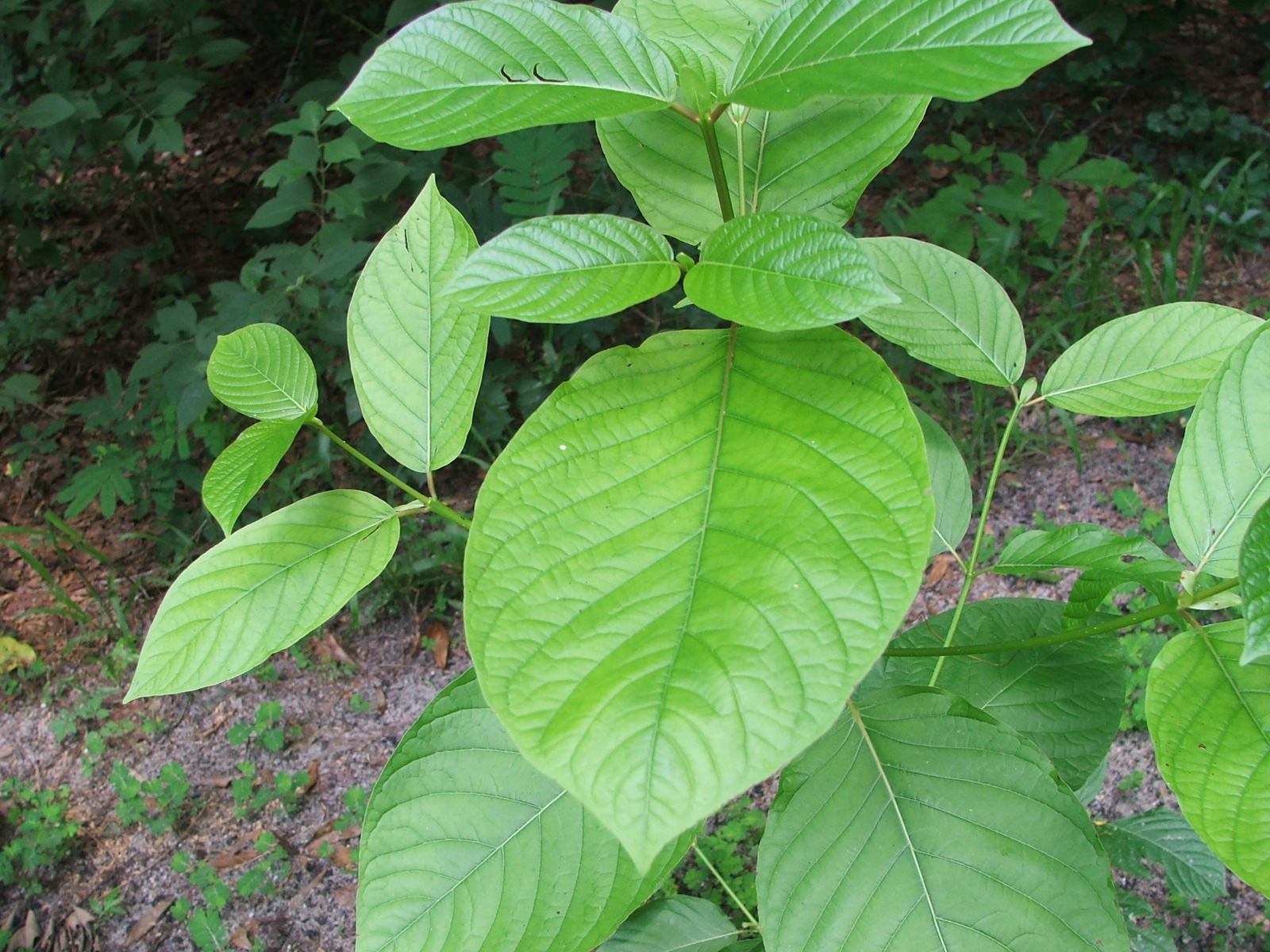
Kratom has dark green oval-acuminate leaves and yellow globular flowers.
Kratom flowers and foliage

Mitragyna speciosa is an evergreen tree in the genus Mitragyna that can grow to a height of 25 m (82 ft). Its trunk may grow to a 0.9 m (3 ft) diameter.[21] The trunk is generally straight, and the outer bark is smooth and grey.[21] The leaves, ovate-acuminate in shape and opposite in growth pattern, are dark green, glossy on their upper surfaces,[11] and can grow to over 14–20 cm (5.5–7.9 in) long and 7–12 cm (2.8–4.7 in) wide. They have 12 to 17 pairs of veins.[21] The spherical inflorescences, which are deep yellow, grow in clusters of three at the ends of the branches.[22] The calyx-tube is 2 mm (0.08 in) long and has five lobes; the corolla-tube is 2.5–3 millimetres (0.098–0.12 in) long.[21]

Mitragyna speciosa is indigenous to Thailand, Indonesia, Malaysia, Myanmar, and Papua New Guinea.[4] It was first formally described by the Dutch colonial botanist Pieter Korthals in 1839, who named it Stephegyne speciosa; it was renamed and reclassified several times before George Darby Haviland provided the final name and classification in 1859.[21]: 59 

Uses of the leaves

[edit]
Kratom
Powder produced from unspecified tissues of the plant
Part(s) of plantLeaves
Geographic originSoutheast Asia[18]
Active ingredients
Main producers
Main consumersWorldwide (No. 1: Thailand)[18][5]
Legal status
  • AU: S8[24]
  • BR: Class E (Controlled plants)[28]
  • CA: Unscheduled (Not authorized for sale or use), legal for religious use, such as incense [25]

[18]

Kratom leaves

As of 2013, kratom has been studied in cells and in animals, but no clinical trials have been conducted in the United States.[5] The U.S. Drug Enforcement Administration (DEA) stated in 2013 that there is no legitimate medical use for kratom,[13] and in 2019, the U.S. Food and Drug Administration (FDA) said that there is no evidence that kratom is safe or effective for treating any condition, and that there are no approved clinical uses for kratom.[10]

Kratom is commonly ingested by chewing, as a tea, powdered in capsules or pills, or extracted for use in liquids.[5] Kratom is rarely smoked.[18] Different varieties of kratom contain different relative proportions of alkaloids such as mitragynine.[11]

Traditional use

[edit]

In cultures where the plant grows, kratom has been used in traditional medicine.[8] The leaves are chewed to relieve musculoskeletal pain and increase energy, appetite, and sexual desire in ways similar to khat and coca.[11] The leaves, or extracts from them, are used to heal wounds and as a local anesthetic. Extracts and leaves have been used to treat coughs, diarrhea, and intestinal infections.[4][5][21] They are also used as intestinal deworming agents in Thailand.[18][29]

Kratom is often used by workers in laborious or monotonous occupations to stave off exhaustion and as a mood-enhancer and painkiller.[21] In Thailand, kratom was "used as a snack to receive guests and was part of the ritual worship of ancestors and gods".[30] The herb is bitter and is generally combined with a sweetener.[23]

Opioid withdrawal

[edit]

Because the withdrawal effects of kratom are often reported to be less severe than those associated with traditional opioids,[11] some people use kratom in the attempt to manage opioid use disorder,[31] though no clinical trials have been done supporting this use. As of 2018, there have been no formal trials to study the efficacy or safety of kratom to treat opioid addiction.[7] Stanciu et al. conducted a review of all literature and found insufficient evidence for any conclusions concerning whether kratom is harmful or whether can serve as harm reduction for those with opioid addiction.[32] While some literature reviews claim that kratom has less potential for dependence or overdose than traditional opioids,[33][34] other reviews note that kratom withdrawal itself can still be quite severe.[35]

Data on how widely it is used worldwide are lacking, as it is not detected by typical drug screening tests.[23] Rates of kratom use appear to be increasing among those who have been self-managing chronic pain with opioids purchased without a prescription and are cycling (but not quitting) their opioid use.[23]

In 1836, kratom was reported to have been used as an opium substitute in Malaysia. Kratom was also used as an opium substitute in Thailand in the 19th century.[5]

Recreational use

[edit]

At low doses, kratom produces euphoric effects comparable to those of coca.[36] At higher doses, kratom produces opioid-like effects.[36] The onset of effects typically begins within five to ten minutes and lasts for two to five hours.[4] Some anecdotal reports describe increased work capacity, alertness, talkativeness, sociability, increased sexual desire, positive mood, and euphoria following the consumption of kratom.[11]

According to the U.S. DEA and a 2020 survey, kratom is used to alleviate pain, anxiety, depression, or opioid withdrawal.[13][37]

In Thailand, a 2007 survey found that the lifetime, past year, and past 30 days kratom consumption rates were 2.32%, 0.81% and 0.57%, respectively, among respondents aged 12–65 years,[18] and that kratom was the most widely used recreational drug in Thailand.[18]

Kratom may be mixed with other psychoactive drugs, such as caffeine and codeine.[8][38] Starting in the 2010s, a tea-based cocktail known as "4×100" became popular among some young people across Southeast Asia and especially in Thailand. It is a mix of kratom leaves, cough syrup, Coca-Cola, and ice. Around 2011, people who consumed the cocktail were often viewed more negatively than users of traditional kratom, but not as negatively as users of heroin.[39] As of 2012, use of the cocktail was a severe problem among youth in three provinces along the border of Malaysia and southern Thailand.[40]

In the U.S., as of 2015, kratom was available in outlets such as head shops and over the Internet; the prevalence of its U.S. use was unknown at the time.[11] In the United States, kratom use increased rapidly between 2011 and 2017.[41] By 2020, it was estimated that 15 million people worldwide use kratom.[42]

Adverse effects

[edit]

Mitragyna speciosa may cause many adverse effects, and in November 2017 the FDA issued a public health advisory for the drug.[9] The side effects of kratom appear to be dose-dependent and are more common with doses that exceed 8 g.[34] While the incidence of adverse effects in people who use kratom is unknown, a 2019 review of 935 kratom exposures reported to U.S. poison control centers over a seven-year period listed the following signs and symptoms: agitation (18.6%), tachycardia (16.9%), drowsiness (13.6%), vomiting (11.2%), confusion (8.1%), seizures (6.1%), withdrawal symptoms (6.1%), hallucinations (4.8%), respiratory depression (2.8%), coma (2.3%), and cardiac or respiratory arrest (0.6%).[43][34] The study also reported two deaths and four cases of neonatal abstinence syndrome.[43] A different 2019 review listed as common side effects: decreased appetite, weight loss, erectile dysfunction, insomnia, sweating, hyperpigmentation, hair loss, tremor, and constipation.[12]

Kratom products in the U.S. are commonly used in doses of 2–6 g of dried leaf, and doses exceeding 8 g are relatively uncommon.[44] Given that kratom products may vary greatly in potency, there is no standard dosing system. At relatively low doses (1–5 g of raw leaves), at which there are mostly stimulant effects, side effects include contracted pupils and blushing; adverse effects related to stimulation include anxiety and agitation, and opioid-related effects such as itching, nausea, loss of appetite, and increased urination begin to appear.[4][11] At moderate to high doses (5–15 g of raw leaves), at which opioid effects generally appear, additional adverse effects include tachycardia (an increased stimulant effect) as well as the opioid side effects of constipation, dizziness, hypotension, dry mouth, and sweating.[11][14][45]

Long-term use of high doses of kratom may lead to development of tolerance, dependence, and withdrawal symptoms, including loss of appetite, weight loss, decreased libido, insomnia, muscle spasms, muscle and bone pain, increased yawning and/or sneezing, myoclonus, watery eyes, hot flashes, fever, diarrhea, restlessness, anger, and sadness.[8] This may lead to resumption of use.[8][11][35]

Frequent use of high doses of kratom may cause tremors, anorexia, weight loss, seizures, psychosis and other mental health conditions.[11][46] Kratom use has a small but statistically significant association with externalizing mental health disorders.[47] Kratom use may worsen existing mental health conditions.[46] In case reports associating kratom use with psychosis, it remains unclear whether kratom use directly caused psychosis or simply unmasked the condition.[48] Serious toxicity is relatively rare and generally appears at high doses or when kratom is used with other substances.[4][11] Herb–drug interactions may result when kratom is combined with alcohol, sedatives, benzodiazepines, opioids, caffeine, cocaine, yohimbine, or monoamine oxidase inhibitors (MAOIs).[45] Rhabdomyolysis is one of the rare and serious complications of this herb at high dosage.[49]

In July 2016, the Centers for Disease Control issued a report stating that between 2010 and 2015, US poison control centers received 660 reports of exposure to kratom. Medical outcomes associated with kratom exposure were reported as minor (minimal signs or symptoms, which resolved rapidly with no residual disability) for 162 (24.5%) exposures, moderate (non-life-threatening, with no residual disability, but requiring some form of treatment) for 275 (41.7%) exposures, and major (life-threatening signs or symptoms, with some residual disability) for 49 (7.4%) exposures. Overall, 92.6% of outcomes were resolved with no residual disability.[17] One death was reported in a person who was exposed to the medications paroxetine (an antidepressant) and lamotrigine (an anticonvulsant and mood stabilizer) in addition to kratom. For 173 (26.2%) exposure calls, no effects were reported, or poison center staff members were unable to follow up regarding effects.[17]

A 2019 report from the American Association of Poison Control Centers (AAPCC) noted that kratom use was increasing rapidly, with 1807 kratom exposures and a 52-fold increase occurring over the years 2011 to 2017.[41] Most exposures occurred intentionally by adult males in their homes, with 32% of the incidents requiring admission to a health care facility and half of the admissions as a serious medical condition.[41] Multiple-substance exposures were associated with a higher number of hospitalizations than kratom-only exposures and involved 11 deaths, including two due to kratom alone.[41] Post-mortem toxicology testing detected multiple substances for almost all those who died, with fentanyl and fentanyl analogs being the most frequently identified co-occurring substances.[50]

Overdoses of kratom are managed similarly to opioid overdoses, and naloxone can be considered to treat an overdose that results in a reduced impulse to breathe, despite mixed results for its utility, based on animal models.[4]

From October 2017 to February 2018 in the United States, 28 people in 20 different states were infected with salmonella, an outbreak linked to the consumption of contaminated pills, powder, tea, or unidentified sources of kratom.[51] An analytical method using whole genome sequencing applied to samples from the infected users indicated that the salmonella outbreak likely had a common kratom source.[51]

Addiction

[edit]

Kratom is a botanical with a known addiction liability and, in vulnerable individuals, dependence may develop rather quickly with tolerance noted at three months and four- to ten-fold dose escalations required within the first few weeks.[52] A survey by Stanciu et al. of kratom consumers found that 25.5% of respondents reported symptoms consistent with a substance use disorder diagnosis based on the Diagnostic and Statistical Manual's criteria. After controlling for variables such as age, gender, daily kratom use frequency, and a history of substance use disorders or mental health conditions, individuals with a concurrent diagnosis of another SUD had 2.83 times the odds of meeting criteria for kratom addiction compared to those without a concurrent substance use disorder diagnosis.[53] Kratom addiction carries a relapse risk as high as 78% to 89% at three months post-cessation.[54][55][56] In cases of severe addiction, an approach similar to the treatment of opioid addiction may be warranted.[57]

Respiratory depression

[edit]

Respiratory depression is the leading cause of death from opioid use.[58] Although evidence is sparse, the risk of respiratory depression caused by taking kratom appears to be low, but, as of 2016, the Food and Drug Administration listed respiratory depression as a concern.[9][26] A 2018 review found that the alkaloids in kratom do not induce respiratory depression.[59]

Liver toxicity

[edit]

Kratom use is thought to cause acute liver injury, with symptoms of abdominal discomfort, dark urine, itching and jaundice.[15][16] Liver injury has been reported with a latency (time from first use to the onset of symptoms) of median 20.6 days. Reported liver biopsies tend to show cholestasis; however, blood biomarkers can show a range of cholestatic, mixed, or hepatocellular injury patterns.[15] Although cases are likely underreported, many users do not seem to develop liver injury, and it is unclear which users are at heightened risk. The mechanism by which kratom causes liver damage in some people is unknown and poorly studied, but a model has been proposed.[15]

Death

[edit]

Kratom overdose is a subject of concern in many countries because of the associated rising number of hospitalizations and deaths in which chronic kratom use is a contributing factor.[11][16] According to clinical reviews, a kratom overdose can cause liver toxicity, seizures, coma, and death,[16] especially in combination with excessive alcohol use. Between 2011 and 2017, 44 U.S. deaths were kratom-related.[7] However, many cases could not be fully assessed, due to limited information.[7] People who die from kratom use typically have taken it in combination with other substances, or have underlying health conditions.[12]

Over 18 months in 2016 and 2017, 152 overdose deaths involving kratom were reported in the United States, with kratom as the primary overdose agent in 91 of the deaths, and 7 with kratom being the only agent detected.[50][60][61] Nine deaths occurred in Sweden during 2010–11 relating to use of Krypton, a mixture of kratom, caffeine and O-desmethyltramadol, a metabolite of the opioid analgesic tramadol.[62][63]

Pharmacology

[edit]
Mitragyna speciosa alkaloids at opioid receptors
Compound Affinities (Ki (nM)Tooltip Inhibitor constant) Ratio Ref
MORTooltip μ-Opioid receptor DORTooltip δ-Opioid receptor KORTooltip κ-Opioid receptor MOR:DOR:KOR
7-Hydroxymitragynine 13.5 155 123 1:11:9 [64]
Mitragynine 7.24 60.3 1,100 1:8:152 [64]
Mitragynine pseudoindoxyl 0.087 3.02 79.4 1:35:913 [64]

Kratom contains at least 54 alkaloids.[65][66][67] These include mitragynine, 7-hydroxymitragynine (7-HMG), speciociliatine, paynantheine, corynantheidine, speciogynine, mitraphylline, rhynchophylline, mitralactonal, raubasine, and mitragynaline.[9][11][34] The alkaloids mitragynine and 7-hydroxymitragynine are responsible for many of the complex effects of kratom,[9][11] but other alkaloids may also contribute synergistically.[34]

The effects of both mitragynine and 7-HMG remain disputed despite substantial study. Both are partial agonists of the μ-opioid receptor. While most data indicates agonism at all three opioid receptors, other data suggests the alkaloids are antagonists of the δ-opioid receptor with low affinity for the κ-opioid receptor.[34][45] 7-HMG appears to have higher affinity at the μ-opioid receptor than mitragynine.[9][59] These compounds display functional selectivity and do not activate the β-arrestin pathway partly responsible for the respiratory depression, constipation, and sedation associated with traditional opioids.[34][68] Both mitragynine and 7-HMG readily cross the blood-brain barrier.[45][69]

Mitragynine also appears to inhibit COX-2, block L-type and T-type calcium channels, and interact with other receptors in the brain including 5-HT2C and 5-HT7 serotonin receptors, D2 dopamine receptors, and A2A adenosine receptors.[34] Mitragynine stimulates α2-adrenergic receptors, inhibiting the release of norepinephrine (noradrenaline); other compounds in this class include dexmedetomidine, which is used for sedation, and clonidine, which is used to manage anxiety and some symptoms of opioid withdrawal. This activity might explain why kratom can be dangerous when used in combination with other sedatives.[9] Kratom also contains rhynchophylline, a non-competitive NMDA receptor antagonist.[11][70]

Mitragynine is metabolized in humans via phase I and phase II mechanisms with the resulting metabolites excreted in urine.[11] In in vitro experiments, kratom extracts inhibited CYP3A4, CYP2D6, and CYP1A2 enzymes, which results in significant potential for drug interactions.[11]

Table 1: Pharmaceutical profile of Kratom
Kratom (Mitragynine, 7-Hydroxy-Mitragynine, Speciogynine, Paynantheine, Speciociliatine, Corynantheidine, Corynoxeine, Corynoxine B, Speciofoline)
Bioavailability: PO estimated at 30%[71]
Onset: PO: 30 minutes
Peak plasma time: 1-4.5 hrs [71]
Duration: 3 or more hours[71]
Half-life: 12–45 hours[71]
Receptors: Kappa: competitive antagonist

Delta: competitive antagonist

Mu: partial agonist

α2 adrenergic

Adenosine A2a

Dopamine D2

Serotonin receptors 5-HT2C and 5-HT7[71]

Mechanism of action: Competitive antagonist at Kappa opioid receptors with stronger affinity compared to other receptors, competitive antagonist at Delta opioid receptors. Partial agonist at Mu opioid receptors. Causes G-protein linked second messenger activation, and calcium channel blocker.[71]
Metabolism: Cytochrome P-450, inhibitor of CYP2D6 and CYP3A[71]
Excretion: Renally

Chemistry

[edit]

Many of the key psychoactive compounds in M. speciosa are indole alkaloids related to mitragynine, which is a tetracyclic relative of the pentacyclic indole alkaloids, yohimbine and voacangine.[11] In particular, mitragynine and 7-hydroxymitragynine (7-HMG) compose significant proportions of the natural products isolable from M. speciosa; e.g., in one study, mitragynine was 12% by weight from Malaysian leaf sources, versus 66% from Thai sources, and 7-hydroxymitragynine constituted ~2% by weight.[11][72] At least 40 other compounds have been isolated from M. speciosa leaves,[23] including ~25 additional alkaloids, including raubasine/ajmalicine (originally isolated from Rauvolfia serpentina), corynantheidine (also found in Corynanthe johimbe),[64] as well as mitraphylline, mitragynine pseudoindoxyl, and rhynchophylline.[73][74]

In addition to alkaloids, M. speciosa produces many other secondary metabolites. These include various saponins, iridoids and other monoterpenoids, triterpenoids such as ursolic acid and oleanic acid, as well as various polyphenols including the flavonoids apigenin and quercetin.[75] Although some of these compounds possess antinociceptive, anti-inflammatory, gastrointestinal, antidepressant, antioxidant, and antibacterial effects in cells and non-human animals, there is no sufficient evidence to support the clinical use of kratom in humans.[45]

Detection in body fluids

[edit]

The plant's active compounds and metabolites are not detected by a typical drug screening test but can be detected by more specialized testing.[63][76] Blood mitragynine concentrations are expected to be in a range of 10–50 μg/L in persons using the drug recreationally. Detection in body fluids is typically by liquid chromatography-mass spectrometry.[63][77]

Regulation

[edit]
Kratom status by country

As of January 2018, neither the plant nor its alkaloids were listed in any of the Schedules of the United Nations Drug Conventions.[18]

In 2021, the World Health Organization's Executive Committee on Drug Dependency investigated the risks of kratom and declined to recommend a critical review of it. The committee, however, recommended kratom be kept "under surveillance."[78]

ASEAN

[edit]

As of 2013, kratom was listed by ASEAN in its annex of products that cannot be included in traditional medicines and health supplements that are traded across ASEAN nations.[79]

Australia and New Zealand

[edit]

As of January 2015, kratom was controlled as a narcotic in Australia and under Medicines Regulations 1985 (Amended August 6, 2015)[80] in New Zealand.[18]

Canada

[edit]

As of October 2020, Health Canada disallowed marketing of kratom for any use by ingestion[81] and has taken action against companies marketing it for such purposes.[82][83] Kratom can be marketed for other uses, such as incense.[84]

Europe

[edit]

As of 2011, the plant was controlled in Denmark, Latvia, Lithuania, Poland, Romania, and Sweden.[18]

In Bulgaria and Norway, kratom is a controlled substance.[85][86]

In the Czech Republic, regulated sales of kratom and kratom extracts became legal starting in July 2025.[87]

In Finland, scheduled in the "government decree on psychoactive substances banned from the consumer market".[88]

In the Republic of Ireland in 2017, kratom was designated a Schedule 1 illegal drug (the highest level), under the names 7-hydroxymitragynine and mitragynine.[89]

In the UK, the sale, import, and export of kratom is prohibited under the Psychoactive Substances Act 2016, which broadly bans any substance that "produces a psychoactive effect".[90][91]

South America

[edit]

Chile banned Kratom in 2021.[92]

Argentina banned Kratom in 2017.[93]

Brazil listed kratom as a New Psychoactive Substance (NPS) in 2020. However, it remains legal until it is included among prohibited substances.[94][95]

Indonesia

[edit]

Kratom was previously scheduled to become an illegal substance in Indonesia in 2024 once new regulations from the Indonesian National Narcotics Agency (BNN) go into effect.[96] However, in 2024, a revision to a regulation by Ministry of Trade legalized production and export of kratom leaves.[97] Later in September 2024, Indonesia's Ministry of Cooperatives and Small Medium Business stated that Indonesia will start building downstream industries for kratom exports.[98][99] These developments made kratom legal to export and manufacture in Indonesia.[97][99]

Malaysia

[edit]

The use of kratom leaves, known locally as ketum or Biak is prohibited to use, import, export, manufacture, compound, mix, dispense, sell, supply, administer or possess in Malaysia under Section 30(3) of the Poisons Act 1952, and will be punished by imprisonment or fine or both.[100] Although prohibited by statute, the use of kratom remains widely spread especially in Northern and East Coast region of Malaysia's Peninsula because the tree grows natively and tea decoctions are readily available in local communities.[101] Certain parties have urged the government to penalize the use of kratom under the Dangerous Drugs Act instead of the Poisons Act, which would carry heavier penalties.[102]

Thailand

[edit]

Possession of kratom was illegal in Thailand until 2018.[103] The Thai government had passed the Kratom Act 2486, effective 3 August 1943, which made planting the tree illegal,[13] in response to a rise in its use when opium became very expensive in Thailand and the government was attempting to gain control of the opium market.[11] In 1979, the government placed kratom, along with cannabis, in Category V of a five-category classification of narcotics.[13] Kratom accounted for less than two percent of arrests for narcotics between 1987 and 1992.[104]

The Thai government has considered legalizing kratom for recreational use in 2004, 2009, 2013, and 2020.[105][106] In 2018, Thailand became the first Southeast Asian country to legalize kratom for medical purposes.[103] In 2021, Thailand fully legalized kratom and removed it from the list of Category V narcotics, and more than 12,000 people who had been convicted for kratom-related offences when it was still considered a narcotic were granted an amnesty.[107][108]

United States

[edit]

In 2014, the United States Food and Drug Administration (FDA) banned the import of kratom into the U.S. due to a lack of evidence for its safety.[26] As of 2021, kratom is illegal in six states: Alabama, Arkansas, Indiana, Rhode Island, Vermont, and Wisconsin, and it may be outlawed by local ordinance in other states.[109] There was consideration in late 2017 to make kratom a Schedule I drug.[110] In 2019, the FDA warned consumers that kratom remains unapproved for interstate commerce for use as a drug,[111] may be unsafe in commercially available products, and is on an import alert, which can lead to confiscation of imported supplies.[10] Efforts to schedule kratom generated significant controversy, both among the general public and the scientific community, and were ultimately unsuccessful.[31][112][113]

On August 13, 2025, Florida attorney general James Uthmeier announced an emergency rule placing 7-hydroxymitragynine into Schedule I status under Florida state law, without any mention of a carve out or any exclusions for Mitragyna speciosa which contains low amounts of 7OH, effectively making kratom illegal in Florida.[114][115]

FDA assessment

[edit]

In April 2019, the FDA issued a statement declaring that kratom was not approved for any medical use, was potentially unsafe in commercial products available in the United States, and remained on an import alert where imported supplies would be confiscated.[10] On April 4, 2018, the FDA issued the first mandatory recall in its history over concerns of salmonella contamination of several kratom-containing products.[116] Samples of the products, manufactured by Triangle Pharmanaturals, and marketed under the brand name 'Raw Form Organics', tested positive for contamination and the manufacturer did not comply with federal requests for voluntary recall.[117] FDA Commissioner Gottlieb stated that the recall was "...based on the imminent health risk posed by the contamination of this product with salmonella" and not related to other regulatory concerns.[116] Consumers were advised to immediately discard any such products to prevent serious health risks.[117]

In February 2018, the commissioner of the FDA, Scott Gottlieb, released a statement describing further opioid-like properties of kratom and stating that it should not be used for any medical treatment or recreational use.[7] Also in 2018, the FDA supervised the voluntary destruction of kratom dietary supplements by a nationwide distributor in Missouri, and encouraged all companies involved in kratom commerce to remove their products from the market.[118] On February 26, the FDA warned a California manufacturer of a kratom product called "Mitrasafe" that the supplement was not confirmed as safe, was not approved as a dietary supplement or drug, and was illegal for interstate commerce.[27]

Although it was a federally legal dietary supplement, kratom was not approved as a therapeutic agent in the United States due to the poor quality of the research.[9][11] In November 2017, the FDA cited serious concerns over the marketing and effects (including death) associated with the use of kratom in the United States, stating that "There is no reliable evidence to support the use of kratom as a treatment for opioid use disorder; there are currently no FDA-approved therapeutic uses of kratom... and the FDA has evidence to show that there are significant safety issues associated with its use."[119]

DEA scheduling

[edit]

On August 30, 2016, the Drug Enforcement Administration (DEA) announced its intention to place the active materials in the kratom plant into Schedule I of the Controlled Substances Act as a warning about an imminent hazard to public safety, citing over 600 calls to poison control centers between 2010 and 2015 and 15 kratom-related deaths between 2014 and 2016.[120] This drew strong protests among those using kratom to deal with chronic pain or wean themselves off opioids or alcohol.[121] A group of 51 members of the U.S. House of Representatives and a group of nine Senators each sent letters to acting DEA administrator Chuck Rosenberg protesting the listing and around 140,000 people signed an online White House Petition protesting it.[122][123]

The DEA noted the responses but said that it intended to go forward with the listing; a spokesman said: "We can't rely upon public opinion and anecdotal evidence. We have to rely upon science."[124] In October 2016, the DEA withdrew its notice of intent while inviting public comments over a review period ending on December 1, 2016.[125][126] As of July 2016, Alabama, Arkansas, Indiana, Vermont, and Wisconsin had made kratom illegal,[127] and the US Army had forbidden soldiers from using it.[128] Between February 2014 and July 2016, U.S. law-enforcement authorities "encountered 55 tons of kratom," or roughly "50 million individual doses," according to the International Narcotics Control Board.[129]

Public response

[edit]

The FDA's arguments for the federal prohibition of kratom have drawn both criticism and support.[130][131][132] FDA commissioner Gottlieb responded to criticism in 2018 by stating that "The FDA has done an exhaustive review of adverse event reports, clinical literature and other sources of information related to kratom."[131] However, in 2021, former Acting Commissioner of Food and Drugs Brett Giroir claimed that the FDA's recommendation to schedule kratom was rejected because of "embarrassingly poor evidence [and] data."[132] The FDA's position on kratom has also been criticized by the American Kratom Association and researchers including Walter Prozialeck.[130][131][133] Former commissioner Gottlieb continued to defend the agency's position in 2021, stating that he was convinced that kratom was fueling the U.S. opioid epidemic, though Gottlieb's partiality has been called into question as he has since gone on to become a member of the board of directors of Pfizer Inc., a company that has been heavily criticized for its sale and marketing of opioid drugs.[132]

Research directions

[edit]

Kratom is under preliminary research for possible antipsychotic and antidepressant properties, as well as pain management, withdrawal management, and dependence reduction.[19][20][134]

Kratom use has not been shown to affect positive mental health and shows a very small association with negative indicators (mainly externalizing disorders).[47]

See also

[edit]

References

[edit]
[edit]
Revisions and contributorsEdit on WikipediaRead on Wikipedia
from Grokipedia

Mitragyna speciosa, commonly known as kratom, is an evergreen tree in the genus Mitragyna of the Rubiaceae family, native to tropical regions of Southeast Asia including Thailand, Malaysia, Indonesia, Borneo, the Philippines, and Papua New Guinea. The plant typically reaches heights of 4 to 16 meters and thrives in swampy or riverine forests, producing glossy, dark green, oval-acuminate leaves and small yellow globular flowers.
The leaves of M. speciosa contain over 40 alkaloids, with and as the primary active compounds responsible for its pharmacological effects; these alkaloids act as partial agonists at mu-opioid receptors while also influencing adrenergic and serotonin systems, yielding dose-dependent effects at low intakes (e.g., increased and ) and opioid-like analgesia, , and at higher doses. Traditionally, Southeast Asian laborers have chewed fresh leaves or consumed them as tea to mitigate fatigue, enhance productivity, and treat ailments such as , , and symptoms. In contemporary contexts, particularly in Western countries, kratom products—often in powdered, capsule, or extract forms—are used by millions for self-management of , anxiety, and opioid dependence, with user reports and limited observational studies indicating potential in opioid cessation; however, empirical evidence also documents risks of dependence, withdrawal, , and seizures, frequently in association with or adulterated products. remains contested, federally unregulated in the United States as a botanical but subject to state-level bans and FDA advisories citing safety concerns and lack of approved therapeutic claims, amid ongoing debates over its abuse potential versus therapeutic utility informed by preclinical rather than large-scale clinical trials.

Botanical Characteristics

Taxonomy and Morphology


Mitragyna speciosa, commonly known as kratom, is classified in the kingdom Plantae, Tracheophyta, class Magnoliopsida, order , family , genus Mitragyna, and species speciosa. The species was first described by Pieter Willem Korthals in 1839, with the binomial name later formalized as Mitragyna speciosa (Korth.) Havil. It belongs to the family, which includes about 13,000 species worldwide, characterized by features such as opposite leaves and interpetiolar stipules.
Morphologically, Mitragyna speciosa is a tropical that typically reaches heights of 4 to 9 meters, though specimens can grow up to 15 to 30 meters under optimal conditions. The trunk forms a bole 60 to 100 cm in diameter, with erect, branching stems supported by a system featuring numerous lateral roots. Leaves are elliptic to ovate-acuminate, measuring 8.5 to 14 cm in length and 4 to 10 cm in width, with a glossy dark green surface and prominent venation; they are opposite and borne on petioles with mitriform stipules at the base. Flowers are small, yellow, and arranged in globular clusters, forming dense inflorescences. The consists of paired cylindrical follicles approximately 12 cm long, containing numerous with a 2 cm coma.
These morphological traits align with the family's general characteristics, including axillary cymes and capsular fruits in related genera, facilitating adaptation to humid, lowland tropical environments. Variations in and occur across populations, influenced by environmental factors, but the core features remain consistent for taxonomic identification.

Habitat and Cultivation

Mitragyna speciosa, commonly known as kratom, is native to Southeast Asia, including central and southern Thailand, peninsular Malaysia, Sumatra, Borneo, the Philippines, and New Guinea. It thrives in tropical lowland habitats such as open savannas, secondary forests, and swampy areas at low elevations, often near water sources where soil remains consistently moist or waterlogged. The plant favors humid, coastal, and peninsular topographies with high rainfall, exhibiting adaptations to periodic flooding and nutrient-poor, acidic soils typical of these regions. In natural settings, M. speciosa grows as an or briefly reaching 10–30 meters in height, with a straight trunk up to 1 meter in and smooth gray bark. Its distribution correlates with warm temperatures averaging 25–30°C (77–86°F), high exceeding 80%, and annual of 1,500–2,500 mm, conditions that support robust leaf production and synthesis influenced by local air and variations. Cultivation mirrors these native conditions, requiring tropical climates with temperatures between 24–30°C (75–85°F), relative of 70–90%, and well-drained yet moisture-retentive soils with 5.5–6.5 and high organic content. Growth diminishes rapidly under , while excessive dryness or poor drainage can stunt development; supplemental and shading are often necessary in non-native settings to replicate swamp-edge environments. Propagation primarily occurs via seeds, which a single mature tree can produce in thousands annually, though rates are low due to and viability issues; stem cuttings succeed under aeroponic or high-humidity conditions, with rooting enhanced by photoperiods of 14–24 hours and hormones like . methods offer alternatives for clonal propagation, while trials demonstrate 93–114% height increases under controlled lighting compared to full sun, optimizing yields. Commercial cultivation, as in and , emphasizes mature trees for leaf harvest, with fertilizer applications boosting growth but varying profiles based on rates. Challenges include low propagation success (under 50% for cuttings) and sensitivity to frost or temperatures below 15°C, limiting outdoor growth to USDA zones 10–11.

Chemical Composition

Major Alkaloids

Mitragyna speciosa leaves harbor over 40 structurally related , with compositional profiles exhibiting significant variability attributable to genetic strains (chemotypes), geographical origin, harvest timing, and post-harvest processing. , the predominant and a at mu-opioid receptors, typically comprises 1-6% of dry leaf weight in commercial samples and up to 66% of the total alkaloid fraction in Thai varieties. In mitragynine-dominant strains such as Green Maeng Da (K49), it exceeds 450 mg per analyzed sample, far surpassing secondary alkaloids like speciociliatine, speciogynine, and paynantheine (each around 20 mg). 7-Hydroxymitragynine, an oxidized derivative and more potent mu-opioid agonist than , occurs at trace levels in native leaves, ranging from 0.01-0.04% of dry weight or below 0.001% detection limits, though it accumulates as a following . It constitutes up to 2% of total alkaloids in some varieties. Other notable alkaloids include paynantheine (an inhibitor, ~9-15 mg in dominant samples), speciogynine (a stereoisomer of , ~20 mg), speciociliatine (the 7-epimer of ), and speciofoline, which can predominate (>55 mg) in alternative chemotypes like White Jongkong (K52) alongside oxindoles such as corynoxine A and B (38-52 mg). These minor constituents contribute to the plant's overall pharmacological diversity but are present at 5-10% or less of total content relative to in standard profiles. Kratom extracts represent a concentrated form of alkaloids derived from the leaves through processing to enhance alkaloid content. In these extracts, mitragynine comprises 60-70% of the total alkaloids, with 7-hydroxymitragynine present at less than 2%. Available as powders, liquids, or tablets, extracts deliver stronger effects than plain leaf material while preserving a broad-spectrum alkaloid profile.

Methods of Detection

(HPLC) coupled with photodiode array detection (PDA) or diode array detection (DAD) serves as a primary method for quantifying and in Mitragyna speciosa leaves and raw materials, involving extraction followed by separation on a C18 column with a mobile phase of and aqueous buffers. Validation of such HPLC-PDA methods demonstrates linearity over 1–200 μg/mL for , with limits of detection around 0.5 μg/mL and recovery rates exceeding 95% from plant matrices. Liquid chromatography-tandem mass spectrometry (LC-MS/MS) provides superior sensitivity for detecting multiple kratom alkaloids, including , speciogynine, and speciociliatine, in leaf extracts, often using in positive mode and multiple reaction monitoring for quantification down to nanogram-per-milliliter levels. This technique achieves baseline separation of isomers like (retention time ~3.4 min) and enables simultaneous analysis of up to ten alkaloids in under 23 minutes per sample, with validated linearity from 1–200 ng/mL. Gas chromatography-mass spectrometry (GC-MS) is applied for both qualitative identification and quantification of in kratom products after derivatization to enhance volatility, though it is less common than LC-based methods due to potential degradation of s. Complementary techniques include direct analysis in real-time high-resolution (DART-HRMS) for rapid presumptive screening of in plant material without extensive preparation, achieving quantification limits of approximately 0.1% w/w. Quantitative (qNMR) offers a reference-standard approach for precise measurement in extracts, independent of chromatographic separation.

Pharmacology

Receptor Binding and Mechanisms

Mitragynine, the predominant in Mitragyna speciosa comprising up to 66% of total alkaloid content, binds to mu-opioid receptors () with moderate affinity (Ki approximately 200-500 nM in rodent models, varying by assay), functioning primarily as a that preferentially activates G-protein signaling over β-arrestin pathways, which may contribute to reduced respiratory depression compared to full agonists like . Its , 7-hydroxymitragynine (7-HMG), formed via P450-mediated , exhibits 7- to 28-fold higher binding affinity at MOR (Ki approximately 10-20 nM), κ-opioid receptors (KOR), and δ-opioid receptors (DOR), acting as a more potent partial agonist at MOR responsible for much of the plant's potency despite its lower concentration (typically <0.02% in leaves). Both alkaloids show weaker interactions at non-opioid receptors, including adrenergic α2 receptors, where mitragynine demonstrates postsynaptic activation akin to yohimbine, potentially underlying stimulant effects at low doses, though with lower affinity than at opioid sites. Serotonergic modulation occurs via binding to 5-HT1A receptors (Ki values of 0.54-5.8 μM for speciogynine, , and related congeners), contributing to anxiolytic-like activity partly mediated through dopamine D1 and D2 receptors, where acts as a moderate agonist. These polypharmacological interactions, including inhibitory effects on cytochrome P450 enzymes like CYP3A and CYP2D6, suggest potential for downstream signaling crosstalk, such as enhanced antinociception via combined MOR and α2-adrenergic activation, though in vitro efficacy varies with receptor subtype and species.
AlkaloidMOR Affinity (Ki, nM)Primary Mechanism at MOROther Key Interactions
Mitragynine~200-500 (rodent/human assays), G-protein biasedα2-adrenergic agonist; 5-HT1A partial agonist; D1/D2 dopamine agonist
7-Hydroxymitragynine~10-20 (9-fold > mitragynine)Weaker at α2-adrenergic; KOR/DOR binding
Overall mechanisms reflect dose-dependent duality: low doses favor adrenergic and serotonergic stimulation for enhanced alertness, while higher doses engage pathways for sedation and , with 7-HMG's metabolic conversion amplifying effects .

Physiological and Psychological Effects

The primary physiological effects of Mitragyna speciosa are dose-dependent and biphasic, with low doses (typically 1-5 g of leaf material, equivalent to approximately 10-50 mg ) eliciting stimulant-like responses such as increased energy, alertness, and enhanced physical performance, mediated in part by adrenergic and serotonergic receptor interactions. Higher doses (above 5 g, or roughly 50-100 mg ) shift toward sedative and outcomes, primarily through partial agonism at mu- receptors by the alkaloid 7-hydroxymitragynine, which exhibits about fivefold greater affinity for these receptors than mitragynine itself. effects have been demonstrated in animal models via hot-plate and tail-flick tests, where and its metabolites reduce comparably to low-dose but with reduced respiratory depression. Autonomic physiological responses include potential cardiovascular changes such as (reported in 22.5% of U.S. poison control cases from 2011-2017) and elevated , particularly with or higher intakes (mean 434 mg/day associated with 8.6-fold increased odds of in a 2021 study). Gastrointestinal effects commonly involve , (14.7% prevalence in user surveys), and (12.9%), attributable to modulation slowing gut motility. Neurological impacts range from mild headaches and disorientation at moderate doses to rare seizures or in overdose scenarios, often confounded by adulterants or co-ingestants. Psychologically, M. speciosa consumption is associated with mood elevation, reduced anxiety, and euphoria, particularly among users employing it for , as evidenced by observational data where daily users report improved productivity and substitution benefits. A 2024 multilevel of 36 studies found no significant correlation with positive indicators (r = -0.031, 95% CI [-0.149, 0.087]) but a small positive association with negative indicators overall (r = 0.092, 95% CI [0.020, 0.164]), driven largely by like substance use (r = 0.201, 95% CI [0.107, 0.300]). Cognitive effects in humans appear limited; a 2018 study of frequent users (intakes >3 glasses/day, equating to 72.5-74.9 mg ) showed no deficits in motor function, memory, attention, or executive performance despite high consumption. However, acute high doses (e.g., 40 mg ) may induce subjective and mild distress, while animal data suggest potential impairments in or with chronic exposure. Antidepressant-like effects have been observed in models via GABA_B receptor activation, though human evidence remains anecdotal or correlational.

Historical Context

Traditional Uses in Southeast Asia

Mitragyna speciosa, indigenous to countries including Thailand, Malaysia, Indonesia, and Myanmar, has been utilized traditionally by rural laborers for its stimulant effects to boost endurance and mitigate fatigue during demanding physical work such as farming, rubber tapping, and fishing. In Thailand, workers typically chewed 1-3 fresh leaves multiple times daily, often mixed with sugar to counteract bitterness, to enhance productivity and provide mild euphoria. Similar practices prevailed in Malaysia, where the plant, known as ketum or biak, was consumed to support prolonged manual labor without significant social stigma, particularly among men fulfilling familial obligations. Beyond stamina enhancement, the leaves served medicinal purposes in folk remedies across these regions, addressing conditions like , diarrhea, fever, cough, hypertension, diabetes, and wounds through preparation as teas from fresh or dried leaves or as topical poultices. In areas with historical opium consumption, Mitragyna speciosa acted as an accessible substitute, aiding in withdrawal management or replacing unavailable supplies, with reports of its use for , appetite suppression, and even as an in Malaysian traditions. Culturally, consumption extended to social and ritual contexts, functioning as an evening beverage in male gatherings—preferred over alcohol by some Muslim communities—and as an offering in village religious ceremonies in . Ethnopharmacological documentation traces these applications back centuries, with Western reports emerging around 1836, though oral traditions suggest millennia of integration into Southeast Asian ; regulatory responses included 's 1943 ban and Malaysia's 1952 classification under the Poisons Act amid concerns over dependency.

Introduction to Western Markets

Mitragyna speciosa, known as kratom, gained initial Western botanical recognition in 1831 when Dutch botanist Pieter Willem Korthals documented the plant during expeditions in . Commercial availability in the United States emerged in the mid-1990s through smoke shops and herbal stores, often adulterated initially to enhance appeal, with broader online sales developing by the early . Early adoption included immigrants and veterans familiar with traditional preparations, though documented self-treatment cases for and pain surfaced prominently in the early . In , kratom products, including extracts like "kratom acetate," appeared in head shops and online markets around the same early period, sourced primarily from cultivation. Consumption patterns shifted toward recreational and self-medicative uses in the , coinciding with the U.S. opioid crisis, as users reported kratom's alkaloids providing opioid-like effects without pharmaceutical prescriptions. U.S. use increased rapidly from 2011 to 2017, with the first kratom-serving kava bars opening in in 2002 and expanding thereafter, facilitating social consumption. National surveys indicate past-year kratom use among approximately 0.7% of U.S. adults by the early , equating to roughly 1.8 million individuals, predominantly White middle-class males in certain regions. Market growth persisted despite limited regulation, with kratom ranking among the top 25 functional ingredients in mainstream sales by 2024, driven by powder and leaf products imported mainly from . Regulatory responses shaped market dynamics from the outset. The U.S. issued its initial import alert for kratom-containing products in 2012, escalating to broader detentions in 2014 amid concerns over and adulteration, though focused on imports rather than domestic sales. State-level prohibitions began with in 2016, followed by others like and , creating a of that influenced distribution but failed to curb overall availability or user estimates of 2 to 15 million daily U.S. consumers. In , status varied by nation, with some countries like the classifying as controlled by 2016, yet online and gray-market sales continued amid calls for harmonized oversight. This regulatory tension, often highlighting risks from mainstream authorities, contrasted with user-driven demand, sustaining an unregulated industry valued in billions globally by the mid-2020s.

Potential Benefits and Uses

Analgesic and Anti-Inflammatory Effects

Mitragynine, the primary alkaloid in Mitragyna speciosa, and its metabolite 7-hydroxymitragynine act as partial agonists at mu-opioid receptors (MOR), contributing to analgesic effects through biased agonism that favors G-protein signaling over β-arrestin-2 recruitment, potentially reducing certain adverse outcomes associated with full opioid agonists. Preclinical rodent models have demonstrated dose-dependent antinociception from mitragynine, with efficacy comparable to or exceeding morphine in some assays, mediated partly by MOR but also involving non-opioid pathways such as serotonin release and adrenergic modulation. A randomized, placebo-controlled, double-blind conducted in 2020 involving healthy volunteers tested oral kratom (equivalent to 0.71 mg/kg ) and found a statistically significant increase in threshold during cold pressor testing, with effects peaking at 2 hours post-ingestion and lasting up to 5 hours, though subjective pain intensity reductions were not significant. User surveys and observational data indicate that is prevalent among kratom consumers, with many reporting substantial self-managed relief from conditions like or , often at doses of 3-5 grams of leaf powder multiple times daily, though these accounts are subject to self-report bias and by concurrent substance use. Regarding anti-inflammatory effects, methanolic and ethanolic extracts of M. speciosa leaves have shown inhibition of pro-inflammatory mediators in carrageenan-induced paw edema models in rats, reducing edema volume by up to 50% at doses of 100-200 mg/kg, comparable to indomethacin. Mitragynine specifically suppresses cyclooxygenase-2 (COX-2) and 5-lipoxygenase (5-LOX) pathways in vitro, decreasing prostaglandin E2 production and vascular permeability in lipopolysaccharide-stimulated macrophages, while also modulating nitric oxide and reactive oxygen species in wound healing models. These findings align with traditional use for inflammatory conditions, but human clinical data remain sparse, limited primarily to anecdotal reports and preclinical extrapolations, necessitating caution against overgeneralization due to inter-species pharmacokinetic differences.

Role in Opioid Use Disorder Management

Mitragyna speciosa, known as kratom, is utilized by some individuals to self-manage (OUD), primarily for alleviating withdrawal symptoms such as anxiety, muscle aches, and cravings, as well as reducing overall consumption. In a 2019 online survey of 2,361 kratom users who substituted it for opioids, 91% reported it helped relieve withdrawal, 86% noted decreased use, and 67% experienced reduced pain without opioids. Similarly, a 2021 analysis of national survey data found kratom use more prevalent among those with misuse histories, with self-reports indicating its role in mitigating dependence symptoms. These patterns align with broader observational evidence from 2021 reviews, where kratom emerged as a self-treatment option amid the U.S. crisis, often preferred for its partial agonist effects via alkaloids like and . Preclinical research provides mechanistic support for these applications, showing kratom extracts and attenuate in animal models. For example, in a study, lyophilized kratom administered repeatedly to morphine-dependent rats significantly decreased naloxone-precipitated withdrawal behaviors without inducing in non-dependent animals. demonstrates lower abuse liability than classic opioids in rodent self-administration assays, with precipitated withdrawal being less severe and shorter-lasting, attributed to its atypical partial agonism at mu-opioid receptors and additional non-opioid pathways. A 2022 mini-review of preclinical data further highlighted mitragynine's potential therapeutic value, noting reduced adverse effects like respiratory depression compared to . Human clinical evidence, however, is sparse and largely anecdotal or observational, lacking large-scale randomized controlled trials to establish efficacy or safety for management. A 2024 review positioned kratom as a potential agent, citing user reports of alleviated cravings and lower overdose risk—estimated at over 1,000 times less than based on toxicity data—but emphasized the need for controlled studies amid variable product potency. The U.S. has not approved kratom for any medical use, including , due to insufficient evidence and reports of adverse events, though it acknowledges self-treatment patterns. Dependence risks persist, with surveys identifying kratom use disorder in up to 11% of regular users, featuring withdrawal symptoms treatable via protocols like , though milder than full in severity. Ongoing trials, such as a 2023 protocol assessing kratom withdrawal with Clinical Withdrawal Scale monitoring, underscore the parallels to opioid dependence while exploring management strategies.

Other Reported Applications

Kratom has been reported for and mood-enhancing effects, with users citing reductions in anxiety symptoms and improvements in overall mood. A of user experiences indicated that 67% employed kratom for anxiety and 42% for depression, often as . Preclinical studies attribute these effects to mitragynine's interactions with adrenergic and serotonin receptors, suggesting and anxiolytic potential, though human clinical trials remain limited. At lower doses, kratom exhibits stimulant properties, with reports of increased , , and fatigue mitigation among laborers and users seeking cognitive enhancement. Traditional Southeast Asian use includes boosting stamina for manual work, supported by of enhanced productivity without the crash associated with . Emerging reports link kratom to metabolic benefits, including blood glucose regulation and potential antidiabetic effects. Thai research identified kratom compounds that lower blood sugar levels, synergizing with insulin or antidiabetic drugs in preliminary models. A 2025 meta-analysis found associations between regular kratom use and reduced risks, such as lower BMI and improved lipid profiles, though causality requires further validation. Traditional applications also encompass suppression and management, attributed to mitragynine's antitussive and actions in ethnomedicinal contexts. These uses stem largely from self-reports and observational data, with preclinical evidence but scant randomized controlled trials confirming efficacy or safety.

Risks and Adverse Outcomes

Dependence Formation and Withdrawal

Dependence on Mitragyna speciosa develops through repeated exposure to its primary alkaloids, and , which act as partial agonists at mu- and delta-opioid receptors, inducing neuroadaptations including tolerance and downregulation of endogenous systems. This partial agonism, characterized by G-protein biased signaling that minimizes beta-arrestin recruitment, results in dependence formation that is mechanistically similar to but less intense than that of full opioid agonists like , as evidenced by lower reinforcement in animal self-administration models. Chronic use, particularly at doses exceeding 5 grams of leaf equivalent daily (yielding approximately 200-300 mg ), elevates risk, with tolerance manifesting as escalating intake to achieve desired effects. Empirical data indicate high dependence rates among heavy users but low overall incidence. In a 2012 survey of 293 Malaysian males with regular kratom consumption averaging 3.5 glasses daily (equivalent to 276 mg ), over 50% met criteria for severe dependence after more than six months of use, with odds increasing at higher doses. Among U.S. daily or near-daily users, 66.7% fulfilled criteria for kratom use disorder in a 2024 analysis, correlating with dose frequency and withdrawal endorsement. Conversely, fewer than 10% of broader U.S. kratom users report clinically significant withdrawal, suggesting dependence primarily affects chronic, high-dose consumers rather than occasional ones. Withdrawal symptoms onset 12-48 hours post-cessation, peak within 1-3 days, and subside over 3-10 days, driven by abrupt discontinuation of stimulation alongside disruptions in adrenergic, serotonergic, and . Physical manifestations include , myalgias, , , diaphoresis, and anorexia, while psychological features comprise anxiety, , restlessness, depressed mood, tension, anger, and intense cravings. These are typically moderate in severity and self-limiting, contrasting with the more profound autonomic hyperactivity and protracted course of classic . Treatment emphasizes supportive care and tapering; most cases resolve without intervention, though adjuncts like for autonomic symptoms or for alpha-2 agonism may alleviate discomfort. Users commonly report using supplements to manage symptoms, including magnesium glycinate (200–400 mg daily for reducing muscle tension, anxiety, restlessness, and supporting sleep); vitamin C (500–2000 mg daily, divided doses, for antioxidant support and detoxification); B-complex vitamins (for addressing nutrient depletion, supporting energy levels, and promoting mood stability); agmatine sulfate (for modulating tolerance and mood support); and omega-3 fatty acids (EPA/DHA for anti-inflammatory effects and mood improvement). Other options such as passionflower for anxiety and insomnia or DL-phenylalanine for mood support are also reported, though evidence for their efficacy is limited. or is effective for severe presentations, particularly with comorbid , but carries risks of precipitating withdrawal if mismatched to kratom's partial agonism profile. has been documented in infants exposed , presenting with irritability, tremors, and feeding difficulties treatable via standard opioid protocols.

Acute and Chronic Toxicity

Acute toxicity from Mitragyna speciosa typically arises at doses exceeding 8 grams, producing symptoms such as nausea, vomiting, dizziness, constipation, agitation, tachycardia, hypertension, and confusion, with rarer instances of seizures, coma, or respiratory depression mimicking an opioid toxidrome. Combining kratom with alcohol, medications, or other substances should be avoided due to increased risks of interactions and exacerbated adverse effects. In animal studies, oral administration of kratom extracts up to 2000 mg/kg body weight in rats resulted in no mortality, though elevated liver enzymes and mild hepatic congestion were observed, suggesting a high acute safety margin relative to typical human doses of 1-5 grams. Human case series of presumed overdoses report similar acute effects, including loss of consciousness and seizures in survivors, but postmortem analyses of 35 kratom-associated deaths revealed polysubstance involvement—such as opioids, benzodiazepines, or stimulants—in 91% of cases, with mitragynine blood levels ranging from 3.5 to 7500 ng/mL often not exceeding therapeutic ranges in isolation. No verified fatalities attributable solely to kratom have been identified, as confounding factors like adulterants or co-ingestants consistently complicate causal attribution in toxicology reports. Chronic toxicity primarily involves hepatotoxicity, with at least 24 documented cases of drug-induced linked to regular use, manifesting as cholestatic or mixed patterns with , pruritus, fatigue, and peak levels exceeding 20 mg/dL in severe instances, typically emerging 1-8 weeks after initiation, alongside potential blood pressure problems from prolonged use. These cases often resolve spontaneously upon cessation, though prolonged may occur, and management with N-acetylcysteine has been attempted without established efficacy; predisposing factors include higher doses or underlying liver conditions, but incidence remains low relative to widespread use. Subchronic at 100-500 mg/kg over 28 days showed liver , sinusoid dilation, and renal tubular without , alongside human reports of rare like arrhythmias, underscoring potential organ risks from prolonged exposure but highlighting the paucity of large-scale longitudinal data. Overall, indicates chronic effects are infrequent and reversible in most instances, though variability in product content—due to unregulated sourcing—may elevate risks beyond standardized extracts.

Associated Mortality and Case Reviews

A 2019 analysis by the Centers for Disease Control and Prevention (CDC) of U.S. national vital records identified 152 unintentional overdose deaths involving kratom detection between July 2016 and December 2017, spanning 27 states; however, every case included concurrent detection of other substances, with opioids present in 89.6% (136 cases), benzodiazepines in 60.5% (92 cases), and stimulants in 18.4% (28 cases). Medical examiners or coroners attributed kratom as a contributing cause in 91 (59.9%) of these deaths, based on factors such as positive toxicology and absence of trauma, though no fatalities were linked exclusively to kratom. This pattern aligns with earlier poison center data from 2011–2015, where kratom exposures rarely resulted in death (one reported case involving co-ingestants and ). Reviews of state-level data reinforce polysubstance confounding. In , examination of death certificates from 1999 to 2017 revealed 15 kratom-associated fatalities, all involving combinations with , , , or other depressants, with no isolated kratom attributions. A 2025 systematic evaluation of 95 kratom-related acute adverse events (including and data) confirmed in 55 cases, 35 of which were fatal; yet, benzodiazepines, selective serotonin reuptake inhibitors (SSRIs), opioids, and antipsychotics co-occurred frequently, complicating direct causality. Toxicology literature notes that while high-dose can induce respiratory depression or seizures in animal models, human case reports of pure kratom lethality remain absent, with documented overdoses typically exceeding 15 grams of leaf equivalent and involving adulterants or synergists. Comparative risk assessments estimate kratom's overdose at over 1,000 times lower than prescription or illicit opioids, based on exposure-adjusted incidence from user surveys and death registries. Rare exceptions involve adulterated products, such as those laced with synthetic analogs like , which contributed to multiple fatalities in County in 2025 among otherwise healthy individuals, absent other substantive contributors. Case series from poison centers and emergency departments highlight non-fatal outcomes like agitation, , and in 80–90% of symptomatic exposures, often resolving with supportive care, underscoring kratom's narrow therapeutic window only in contexts. Federal agencies like the FDA have cited kratom in over 40 deaths as of 2017, but these reports derive from voluntary submissions without mandatory , limiting their evidentiary weight relative to coroner-verified data.

Patterns of Modern Consumption

Recreational and Self-Medicative Use

Surveys of kratom users reveal that self-medicative use predominates, with recreational consumption forming a smaller subset, often overlapping with therapeutic intentions such as mood enhancement or productivity boosts. In a 2020 online survey of 2,798 primarily American users (mean age 40 years, 90% White, 61% female), 91.3% reported using kratom for relief, 67% for anxiety or depression, and 65.6% for management, while 37.1% endorsed it for increasing or , indicative of recreational stimulant-seeking. Similarly, a 2022 analysis of self-reported motivations among kratom consumers found 73% using it to self-treat and 42.2% for emotional or conditions without medical oversight, with daily use common for sustained symptom management. These patterns align with ecological momentary assessments showing most users dose daily to alleviate , elevate mood, or substitute for opioids, though some report acute recreational effects like or sociability at low doses (1-5 grams). Recreational use typically involves lower doses for mitragynine's properties, mimicking caffeine-like effects including increased focus and mild , contrasting with higher-dose (5-15 grams) akin to due to . In , traditional patterns blend labor enhancement with occasional intoxication, but Western adoption emphasizes for chronic conditions, with 68.9% of surveyed substance users citing reduction of dependence as a key driver. Prevalence data from the 2019 National Survey on Drug Use and Health estimate past-year kratom use at 0.7% nationally, concentrated among middle-aged, educated individuals seeking alternatives to prescription drugs. User demographics skew toward those with prior substance use histories, where kratom serves as a perceived lower-risk option for managing withdrawal or cravings, though self-reports may underrepresent purely recreational initiators due to survey recruitment via pro-kratom communities. Divergent motivations highlight kratom's dual profile: therapeutic applications outnumber recreational ones in U.S. data, with over 40 endorsed reasons including mitigation and psychiatric symptom control, yet field studies note recreational escalation risks in non-medical contexts. in these studies introduces potential favoring positive outcomes, as participants are often advocates, contrasting with regulatory concerns over unmonitored escalation from to dependence. Nonetheless, cross-study consistency underscores self-medicative primacy, with recreational elements more evident in acute, low-dose scenarios or among younger users experimenting for social or performance enhancement.

Dosage and Product Forms


Mitragyna speciosa, commonly known as kratom, is available in several product forms, primarily derived from its dried leaves. The most prevalent forms include powdered leaf, which is ground from dried foliage and consumed directly or mixed into beverages; encapsulated powder for convenient oral ingestion; and brewed teas prepared by leaves or powder in hot water. Extracts, which concentrate alkaloids like through processes such as solvent evaporation, are also marketed in , , or enhanced powder variants, though these vary widely in potency due to inconsistent . Less common forms encompass whole dried leaves for or fresh leaves in traditional Southeast Asian contexts, and innovative preparations like tinctures or gummies in modern markets.
Consumption methods emphasize to facilitate absorption of active . Powder is often ingested via "toss and wash," where it is placed on the and swallowed with , or incorporated into and drinks to mask its bitter taste; capsules provide measured doses without direct tasting; and teas allow for decoction-based extraction, sometimes enhanced with for . In user surveys, powder ingestion accounts for approximately 44% of use, followed by prepared beverages at around 30%. These forms lack regulatory oversight, leading to variability in content—typically 1-2% in leaf material—which influences effective dosing. Dosage recommendations derive from self-reported user data rather than clinical standardization, with effects dose-dependent: low doses (1-5 grams of dried leaf equivalent) commonly elicit properties such as increased energy and sociability, while moderate to high doses (5-15 grams) produce -like sedation, analgesia, and . A survey of regular U.S. users indicated typical single doses ranging from under 1 gram (8.6%) to over 7 grams (8.9%), with 3-5 grams being the most frequent (about 41% of administrations). Beginners are advised to start at 1-2 grams to assess tolerance, as individual factors like body weight, strain potency, and prior opioid exposure modulate responses; exceeding 15 grams risks , , or . Daily consumption patterns among habitual users often involve multiple doses totaling 5-20 grams, though chronic high intake correlates with dependence risks. Equivalent doses approximate 12-50 milligrams, underscoring the need for strain-specific testing absent in unregulated products.

Regulatory Framework

International and Regional Policies

Mitragyna speciosa, commonly known as kratom, is not controlled under any drug conventions, including the 1961 or the 1971 . The (WHO) Expert Committee on Drug Dependence conducted a pre-review of kratom in 2021 but recommended against a critical review for potential scheduling, opting instead to maintain it under surveillance due to insufficient evidence of widespread abuse or dependence warranting international control. This stance reflects ongoing monitoring rather than , with the WHO noting kratom's traditional use in and emerging data on its pharmacological profile. In the Association of Southeast Asian Nations () region, where kratom originates, policies diverge significantly despite a 2013 ASEAN directive listing it on the Negative List of Substances for Traditional Medicines and Health Supplements, which prohibits intra-regional trade for such purposes. decriminalized kratom in 2021 via amendments to narcotic laws, followed by the Kratom Plant Act of 2022, which permits cultivation, possession, and use for traditional and medical purposes while imposing regulations such as limits on content in products (capped at 1 mg daily intake) and bans on sales within 1,000 meters of schools. In contrast, maintains a strict ban under the 1952 Poisons Act, classifying possession, use, and sale as offenses punishable by fines or imprisonment. Similar prohibitions exist in , , and , often justified by concerns over dependency and adulteration, though enforcement varies. European policies lack uniformity, with no overarching (EU) regulation; kratom is monitored via the EU on new psychoactive substances under Regulation (EC) No 1920/2006. Several member states have imposed bans, including (effective June 2024), , , , and , typically citing health risks such as liver toxicity and addiction potential. The , post-Brexit, controls kratom under the , prohibiting sale for human consumption. Legal in countries like the and , where it is sold openly as an unregulated herbal product, though Spain's status remains ambiguous without explicit controls as of 2025.

United States Federal and State Developments

At the federal level, Mitragyna speciosa (kratom) and its primary alkaloids, mitragynine and , are not classified as controlled substances under the . On August 30, 2016, the (DEA) issued a notice of intent to temporarily place these alkaloids into Schedule I, citing high abuse potential, lack of accepted safety for use under medical supervision, and no accepted medical use. Following over 23,000 public comments opposing the action, the DEA withdrew the notice on October 13, 2016, without proceeding to formal scheduling. The (FDA) maintains that kratom is not lawfully marketed as a , conventional , or product, and has issued multiple warnings about its risks, including reports of seizures, , withdrawal, and deaths often involving polydrug use. In July 2025, the FDA recommended scheduling (7-OH), a semi-synthetic concentrated derivative, as a Schedule I substance under the due to its opioid-like effects and association with serious adverse events, while distinguishing it from natural kratom leaf products. The DEA has not yet acted on this recommendation as of October 2025. State-level regulations vary widely, with kratom fully banned in seven states as of October 2025: , , , (effective August 1, 2025), , , and . In contrast, 24 states and of Columbia have enacted regulatory frameworks, often including age restrictions (e.g., prohibiting sales to minors), product testing requirements, or labeling standards to ensure consumer safety and prevent adulteration. For instance, implemented regulations in July 2025 targeting synthetic derivatives, while states like New York have proposed bills for age-21 sales restrictions. Kratom remains unregulated in the remaining states, though federal actions on derivatives could influence future state policies. The American Kratom Association (AKA), established in 2014, serves as the primary advocacy organization for Mitragyna speciosa consumers in the United States, focusing on protecting access to the plant through legislative monitoring, public education, and promotion of good manufacturing practices (GMP). The AKA has lobbied for state-based Kratom Consumer Protection Acts (KCPAs) to establish age restrictions, purity standards, and labeling requirements rather than outright bans, with such measures enacted in over a dozen states by 2025 to counter calls for . Advocacy efforts also include mobilizing consumers to contact legislators via platforms like ProtectKratom.org, which facilitates petitions and testimonies opposing restrictive bills. A pivotal legal challenge occurred in 2016 when the U.S. (DEA) announced on August 30 its intent to temporarily place mitragynine and 7-hydroxymitragynine, the active alkaloids in Mitragyna speciosa, into Schedule I of the , citing risks of abuse and lack of accepted medical use. This move faced immediate opposition from advocacy groups, including the AKA, which coordinated over 23,000 public comments highlighting potential benefits for and , leading the DEA to withdraw the notice on October 13, 2016, and reopen the scheduling review. At the state level, advocacy responses have targeted bans and regulatory proposals, such as Louisiana's effective August 1, 2025, and New York Senate Bill S7379 introduced in 2025 to classify kratom as a . Groups like the AKA and coalitions including 7-HOPE have united to defend access, emphasizing empirical data on low abuse potential and self-reported user surveys over agency warnings, while pushing for quality controls to mitigate adulteration risks amid rising litigation over contaminated . Legal challenges by consumers have primarily manifested as lawsuits against vendors for failure to warn of adverse effects, with cases alleging wrongful deaths and seeking multimillion-dollar settlements, though these underscore enforcement gaps rather than direct challenges to bans. The AKA, while industry-linked and criticized for potential conflicts, has countered such narratives by funding research and advocating evidence-based over .

Key Controversies

Government Agency Positions vs. User Data

The U.S. (FDA) has consistently warned against kratom consumption, citing risks of serious adverse events including liver toxicity, seizures, and , while emphasizing that no kratom products are approved for medical use or as dietary supplements. The agency has pursued enforcement actions such as import alerts and product seizures due to concerns over toxicity and lack of safety data, though recent efforts in 2025 have focused on scheduling the concentrated alkaloid (7-OH) separately from natural leaf products. Similarly, the (DEA) classifies kratom as a "drug and chemical of concern" for its opioid-like effects and potential for abuse, though it withdrew a 2016 proposal to temporarily schedule its primary alkaloids and 7-OH as Schedule I substances following public backlash and over 23,000 comments. DEA maintains that kratom can produce stimulant effects at low doses and sedative or hallucinogenic effects at higher doses, contributing to its non-scheduled but monitored status federally as of 2025. In contrast, self-reported data from kratom users, primarily gathered through online surveys, indicate widespread perceptions of safety and efficacy for managing , , and mood enhancement. A 2019 survey of over 2,700 U.S. kratom users found that 13% reported adverse reactions, which were predominantly mild (e.g., , ) and self-resolved without medical intervention, with most participants using it as an opioid substitute and rating it highly effective. Similarly, a 2020 Johns Hopkins-led analysis of 2,798 respondents described kratom as having relatively low abuse potential and harm based on self-reports, with therapeutic benefits outweighing risks for many, though acknowledging limitations like unregulated product quality. Recent ecological momentary assessments in 2024 confirmed user-reported pain relief and minimal impairment in daily functioning among regular consumers, with adverse effects like occurring dose-dependently but rarely leading to discontinuation. These perspectives diverge sharply on risk assessment: agency warnings draw from poison control reports and case studies often involving polysubstance use or adulterated products, potentially inflating attributed harms, whereas user surveys highlight lower incidence of severe outcomes but suffer from self-selection bias favoring positive experiences and underreporting of long-term effects. For instance, while FDA emphasizes documented fatalities linked to kratom, user data and independent reviews note that most such cases involve concurrent opioids or contaminants, suggesting causal attribution may overstate isolated risks from pure leaf consumption. This tension underscores broader debates over regulatory reliance on preclinical or extrapolated data versus real-world user pharmacovigilance, with agencies prioritizing precautionary principles amid limited randomized controlled trials.

Adulteration and Synthetic Derivatives

Kratom products have been found contaminated with Salmonella, leading to outbreaks such as the 2017–2018 incident affecting 199 individuals across 41 U.S. states, with 76 hospitalizations reported. The U.S. Food and Drug Administration (FDA) identified high rates of Salmonella contamination in imported kratom, prompting recalls and import alerts. Additionally, FDA testing in 2019 revealed unsafe levels of heavy metals, including lead and nickel, in certain kratom leaf products exceeding daily exposure limits. Independent analyses have detected variable mitragynine content alongside significant microbial loads and toxic metals like lead in commercial samples. Adulteration with non-kratom substances, including synthetic opioids or elevated levels of (7-OH), has been documented in packaged products, often through chemical conversion of isolates to artificially boost potency. Such adulterants can render products unsafe as dietary supplements, violating federal standards, and have prompted FDA warning letters to marketers. State laws, such as Arizona's, explicitly prohibit sales of kratom adulterated with substances altering or . Synthetic derivatives of kratom alkaloids, particularly 7-OH—a potent μ- receptor and of —have emerged in concentrated forms distinct from natural leaf extracts. These are often produced via oxidative synthesis from , enabling higher potency but raising toxicity concerns, as evidenced by FDA assessments classifying synthetic 7-OH as an emerging threat unrelated to traditional kratom use. Other semi-synthetic analogs, such as and derivatives like MGM-15 and MGM-16, have been developed in research for potential effects with modified receptor signaling. Pharmacological studies characterize these compounds as partial at receptors, with varying impacts on respiration and compared to natural alkaloids. Biosynthetic pathways and C–H functionalization techniques have facilitated production of novel analogs, though their safety remains under evaluation amid regulatory scrutiny.

Economic and Cultural Implications

In , particularly , , , and , Mitragyna speciosa has historically supported local economies through informal harvesting and trade by rural communities, with leaves traditionally chewed or brewed into tea by manual laborers to enhance endurance and mitigate fatigue during agricultural work. Exports from , a primary producer, reached USD 4.86 million to the alone from January to May 2023, comprising 66.3% of the country's total kratom export value during that period, underscoring its role in generating foreign exchange for agrarian regions. The global market for kratom products was valued at approximately USD 2.19 billion in 2024, with projections for a 17.2% through 2032, driven largely by demand for leaf powders, extracts, and capsules. In the United States, the kratom industry contributes over USD 1 billion annually to the economy as of recent estimates, supporting thousands of jobs in processing, distribution, and retail, with 2019 sales alone totaling USD 1.3 billion. Potential federal scheduling, as analyzed in 2016, could eliminate up to 900 jobs and reduce revenues by USD 207 million, highlighting vulnerabilities in small-scale vendors and importers reliant on unregulated supply chains. Adulteration risks and varying state bans further strain economic viability, though mainstream retail sales reached USD 441 million in recent years, fueled by an estimated 20 million consumers seeking alternatives to pharmaceuticals. Culturally, Mitragyna speciosa embodies a transition from indigenous Southeast Asian —where it served as a enhancer akin to mild stimulants for laborers, with documented use dating back centuries for relief, fever reduction, and opium substitution during shortages—to a contested in Western contexts. In traditional settings, its integration into daily routines fostered community resilience against physical toil, but colonial-era bans in (1943) and reflected moral panics over dependency, stigmatizing it as a vice despite empirical patterns of moderate, non-addictive use among workers. Modern in since has revived cultural acceptance, positioning it as a heritage plant for potential medical applications, while in the , user communities view it as a self-medicative tool for or , forming subcultures that challenge pharmaceutical dominance but face portrayal as a threat in regulatory debates. This divergence illustrates causal tensions between localized empirical benefits and globalized risk narratives, with Western adoption diversifying beyond recreational highs to include demographic groups using doses up to 5 grams for therapeutic ends.

Ongoing Research

Preclinical and Clinical Investigations

Preclinical investigations of Mitragyna speciosa have primarily focused on its principal alkaloids, and (7-HMG), which interact with receptors. exhibits low affinity for the μ- receptor () as a or , while 7-HMG demonstrates higher affinity (approximately 9-fold greater) and acts as a partial , contributing to effects without the full respiratory depression associated with traditional . In models, these compounds produce dose-dependent antinociception comparable to in tail-flick and hot-plate tests, mediated primarily through but with additional involvement of adrenergic and serotonin receptors. Animal studies indicate potential for mitigating and reducing self-administration of other drugs. In morphine-dependent rats, mitragynine administration attenuated withdrawal symptoms such as jumping and , suggesting efficacy as a harm-reduction agent. Preclinical self-administration paradigms in and show lower reinforcing effects compared to full MOR agonists like , with mitragynine failing to sustain intravenous self-administration at doses producing analgesia. However, 7-HMG sustains self-administration in some models, indicating variability based on concentration and species. Toxicity assessments in preclinical models reveal a wide therapeutic window. Acute oral LD50 values for in mice exceed 500 mg/kg, far higher than typical human equivalent doses. Subchronic studies in Sprague-Dawley rats at doses up to 100 mg/kg/day for 28 days showed no significant , , or , though elevated liver enzymes occurred at extreme doses (e.g., 1,000 mg/kg). In embryos and C. elegans nematodes, developmental manifested only at concentrations 10-100 times above those yielding pharmacological effects, underscoring relative absent adulterants. Clinical investigations remain limited, with no large-scale randomized controlled trials completed as of , relying instead on small-scale pharmacokinetic studies, case series, and observational data. A phase I trial of single ascending doses of standardized kratom extract (up to 8 g) in healthy adults reported peak plasma levels correlating with mild and analgesia, without respiratory depression or severe adverse events. Human laboratory studies confirm MOR agonism translates to subjective opioid-like effects at doses of 10-15 g of leaf material, but with attenuated abuse liability compared to in choice paradigms. Safety profiles from clinical contexts highlight low incidence of serious events at habitual doses (1-5 g multiple times daily), though dependence and withdrawal resembling abstinence syndrome occur in chronic users. Case reports of often involve or high doses (>15 g), with confounders like adulterants implicated in fatalities; isolated kratom overdoses rarely require ventilation. Ongoing trials, including FDA-funded potential assessments initiated in 2024, aim to quantify risks, but systematic reviews emphasize the need for controlled efficacy studies to validate preclinical and anti-withdrawal claims.

Epidemiological and Safety Studies

Surveys of U.S. adults estimate past-year kratom use at 0.7-0.8%, equating to roughly 1.7-2 million individuals, while lifetime stands at approximately 1.5%. These figures derive from nationally representative samples like the National Survey on Drug Use and Health, though self-reported data and varying methodologies yield inconsistencies, with some industry estimates claiming over 10 million users. Kratom users are predominantly non-Hispanic White (82-90%), middle-aged (mean 40 years), and often report co-occurring conditions such as or prior use. Use patterns among surveyed users involve daily consumption for 59% , typically 1-3 grams per dose taken orally as powder or tea, motivated by (91%), anxiety reduction (67%), depression alleviation (64%), or symptoms (41%). Self-reported benefits include high efficacy ratings for these purposes, with 83% noting pain relief and 87% reduced opioid cravings, alongside sustained abstinence in subsets of former users. Co-use with other substances occurs in about 31% of users, including elevated rates of (8.9% vs. 0.5% in non-users). Safety profiles from user surveys indicate adverse effects in 19% of past-year users, primarily mild gastrointestinal issues like or , with fewer than 1% requiring medical intervention. Poison center data from 2011-2017 logged 1,523 exposures, featuring (23%), agitation, and drowsiness, but serious outcomes like seizures or were infrequent and often confounded by polysubstance involvement or high doses. Toxicology reviews find no evidence of significant respiratory depression at human-relevant doses, contrasting with traditional opioids. Dependence risk manifests as kratom use disorder in 6.7-25% of regular users per criteria, predominantly mild cases with physical withdrawal (e.g., , muscle aches) but limited impairment. Long-term observational from Southeast Asian leaf-chewers show no elevated common health complaints beyond potential dependence, though controlled studies remain sparse. Mortality data report kratom detection in hundreds of U.S. overdose deaths since 2016, but all examined cases involved multiple substances (e.g., opioids, benzodiazepines), with no verified fatalities attributable solely to kratom. Comparative risk assessments estimate overdose death probability from kratom as over 1,000 times lower than for opioids, attributable to its profile and absence of lethal mono-use cases in records. Risks escalate with adulteration (e.g., ) or contaminants like , as noted in FDA alerts. Overall, empirical evidence suggests a favorable margin for isolated use, though agency reports emphasize polysubstance without isolating kratom's independent .

Future Therapeutic Prospects

Research into the therapeutic potential of Mitragyna speciosa alkaloids, particularly and , suggests applications in managing (), , and withdrawal symptoms due to their partial agonism at mu-opioid receptors, which may confer effects with reduced respiratory depression compared to full agonists like . Preclinical studies indicate reduces self-administration in rodents without exhibiting significant abuse liability, positioning it as a candidate for . Similarly, demonstrates 13-fold higher affinity for mu-opioid receptors than , supporting potential efficacy in relief and withdrawal mitigation. Ongoing clinical efforts include a phase II trial (NCT05883358) evaluating kratom for kratom use disorder management over 12 weeks, using tools like the Subjective Withdrawal Scale to assess symptom relief, with implications for broader applications. In 2024, the FDA funded a abuse potential study on kratom, building on preliminary to clarify risks and benefits for self-treatment of pain, anxiety, and . Systematic reviews highlight experimental evidence for multi-therapeutic roles, including and effects, though remain sparse and confounded by variable dosing and adulteration in commercial products. Prospects hinge on developing standardized extracts or isolated alkaloids to enable rigorous randomized controlled trials (RCTs), addressing current limitations in , profiles, and polysubstance interactions. While user reports and observational data suggest low risk in typical non-polyuse contexts, regulatory skepticism—evident in FDA warnings—may delay pharmaceutical advancement unless countered by high-quality safety studies demonstrating causal benefits over harms. Future integration as a harm-reduction tool in epidemics could emerge if preclinical promise translates to RCTs showing superior tolerability to existing treatments like .

References

Add your contribution
Related Hubs
User Avatar
No comments yet.