


Community hub
Recent from talks
Contribute something
Nothing was collected or created yet.
 | This article's lead section may need to be rewritten. (July 2025) |

A fur is a soft, thick growth of hair that covers the skin of almost all mammals. It consists of a combination of oily guard hair on top and thick underfur beneath. The guard hair keeps moisture from reaching the skin; the underfur acts as an insulating blanket that keeps the animal warm.[1]
The fur of mammals has many uses: protection, sensory purposes, waterproofing, and camouflaging, with the primary usage being thermoregulation.[2] The types of hair include[3]: 99
- definitive, which may be shed after reaching a certain length;
- vibrissae, which are sensory hairs and are most commonly whiskers;
- pelage, which consists of guard hairs, under-fur, and awn hair;
- spines, which are a type of stiff guard hair used for defense in, for example, porcupines;
- bristles, which are long hairs usually used in visual signals, such as the mane of a lion;
- velli, often called "down fur", which insulates newborn mammals; and
- wool, which is long, soft, and often curly.
Hair length is negligible in thermoregulation, as some tropical mammals, such as sloths, have the same fur length as some arctic mammals but with less insulation; and, conversely, other tropical mammals with short hair have the same insulating value as arctic mammals. The denseness of fur can increase an animal's insulation value, and arctic mammals especially have dense fur; for example, the muskox has guard hairs measuring 30 cm (12 in) as well as a dense underfur, which forms an airtight coat, allowing them to survive in temperatures of −40 °C (−40 °F).[3]: 162–163 Some desert mammals, such as camels, use dense fur to prevent solar heat from reaching their skin, allowing the animal to stay cool; a camel's fur may reach 70 °C (158 °F) in the summer, but the skin stays at 40 °C (104 °F).[3]: 188 Aquatic mammals, conversely, trap air in their fur to conserve heat by keeping the skin dry.[3]: 162–163

Mammalian coats are colored for a variety of reasons, the major selective pressures including camouflage, sexual selection, communication, and physiological processes such as temperature regulation. Camouflage is a powerful influence in many mammals, as it helps to conceal individuals from predators or prey.[4] Aposematism, warning off possible predators, is the most likely explanation of the black-and-white pelage of many mammals which are able to defend themselves, such as in the foul-smelling skunk and the powerful and aggressive honey badger.[5] In arctic and subarctic mammals such as the arctic fox (Vulpes lagopus), collared lemming (Dicrostonyx groenlandicus), stoat (Mustela erminea), and snowshoe hare (Lepus americanus), seasonal color change between brown in summer and white in winter is driven largely by camouflage.[6] Differences in female and male coat color may indicate nutrition and hormone levels, important in mate selection.[7] Some arboreal mammals, notably primates and marsupials, have shades of violet, green, or blue skin on parts of their bodies, indicating some distinct advantage in their largely arboreal habitat due to convergent evolution.[8] The green coloration of sloths, however, is the result of a symbiotic relationship with algae.[9] Coat color is sometimes sexually dimorphic, as in many primate species.[10] Coat color may influence the ability to retain heat, depending on how much light is reflected. Mammals with darker colored coats can absorb more heat from solar radiation and stay warmer; some smaller mammals, such as voles, have darker fur in the winter. The white, pigmentless fur of arctic mammals, such as the polar bear, may reflect more solar radiation directly onto the skin.[3]: 166–167 [2]

The term pelage – first known use in English c. 1828 (French, from Middle French, from poil for 'hair', from Old French peilss, from Latin pilus[11]) – is sometimes used to refer to an animal's complete coat. The term fur is also used to refer to animal pelts that have been processed into leather with their hair still attached. The words fur or furry are also used, more casually, to refer to hair-like growths or formations, particularly when the subject being referred to exhibits a dense coat of fine, soft "hairs". If layered, rather than grown as a single coat, it may consist of short down hairs, long guard hairs, and in some cases, medium awn hairs. Mammals with reduced amounts of fur are often called "naked", as with the naked mole-rat, or "hairless", as with hairless dogs.
An animal with commercially valuable fur is known within the fur industry as a furbearer.[12] The use of fur as clothing or decoration is controversial; animal welfare advocates object to the trapping and killing of wildlife, and the confinement and killing of animals on fur farms.
Composition
[edit]
The modern mammalian fur arrangement is known to have occurred as far back as docodonts, haramiyidans and eutriconodonts, with specimens of Castorocauda, Megaconus and Spinolestes preserving compound follicles with both guard hair and underfur.
Fur may consist of three layers, each with a different type of hair.
Down hair
[edit]Down hair (also known as underfur, undercoat, underhair or ground hair) is the bottom – or inner – layer, composed of wavy or curly hairs with no straight portions or sharp points. Down hairs, which are also flat, tend to be the shortest and most numerous in the coat. Thermoregulation is the principal function of the down hair, which insulates a layer of dry air next to the skin.
Awn hair
[edit]The awn hair can be thought of as a hybrid, bridging the gap between the distinctly different characteristics of down and guard hairs. Awn hairs begin their growth much like guard hairs, but less than halfway to their full length, awn hairs start to grow thin and wavy like down hair. The proximal part of the awn hair assists in thermoregulation (like the down hair), whereas the distal part can shed water (like the guard hair). The awn hair's thin basal portion does not allow the amount of piloerection that the stiffer guard hairs are capable of. Mammals with well-developed down and guard hairs also usually have large numbers of awn hairs, which may even sometimes be the bulk of the visible coat.
Guard hair
[edit]Guard hair (overhair[13]) is the top—or outer—layer of the coat. Guard hairs are longer, generally coarser, and have nearly straight shafts that protrude through the layer of softer down hair. The distal end of the guard hair is the visible layer of most mammal coats. This layer has the most marked pigmentation and gloss, manifesting as coat markings that are adapted for camouflage or display. Guard hair repels water and blocks sunlight, protecting the undercoat and skin in wet or aquatic habitats, and from the sun's ultraviolet radiation. Guard hairs can also reduce the severity of cuts or scratches to the skin. Many mammals, such as the domestic dog and cat, have a pilomotor reflex that raises their guard hairs as part of a threat display when agitated.
Mammals with reduced fur
[edit]
Hair is one of the defining characteristics of mammals; however, several species or breeds have considerably reduced amounts of fur. These are often called "naked"[citation needed] or "hairless".[14]
Natural selection
[edit]Some mammals naturally have reduced amounts of fur. Some semiaquatic or aquatic mammals such as cetaceans, pinnipeds and hippopotamuses have evolved hairlessness, presumably to reduce resistance through water. The naked mole-rat has evolved hairlessness, perhaps as an adaptation to their subterranean lifestyle. Two of the largest extant terrestrial mammals, the elephant and the rhinoceros, are largely hairless. The hairless bat is mostly hairless but does have short bristly hairs around its neck, on its front toes, and around the throat sac, along with fine hairs on the head and tail membrane. Most hairless animals cannot go in the sun for long periods of time, or stay in the cold for too long.[15] Marsupials are born hairless and grow out fur later in development.
Humans are the only primate species that have undergone significant hair loss. The hairlessness of humans compared to related species may be due to loss of functionality in the pseudogene KRTHAP1 (which helps produce keratin)[16] Although the researchers dated the mutation to 240,000 years ago, both the Altai Neandertal and Denisovan peoples possessed the loss-of-function mutation, indicating it is much older. Mutations in the gene HR can lead to complete hair loss, though this is not typical in humans.[17]
Artificial selection
[edit]At times, when a hairless domesticated animal is discovered, usually owing to a naturally occurring genetic mutation, humans may intentionally inbreed those hairless individuals and, after multiple generations, artificially create hairless breeds. There are several breeds of hairless cats, perhaps the most commonly known being the Sphynx cat. Similarly, there are some breeds of hairless dogs. Other examples of artificially selected hairless animals include the hairless guinea-pig, nude mouse, and the hairless rat.
Use in clothing
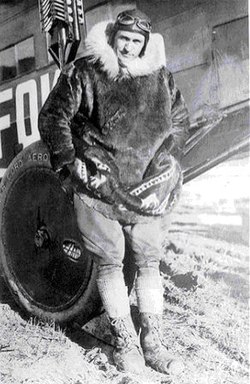
[edit]Fur has long served as a source of clothing for humans, including Neanderthals. Historically, it was worn for its insulating quality, with aesthetics becoming a factor over time. Pelts were worn in or out, depending on their characteristics and desired use. Today fur and trim used in garments may be dyed bright colors or to mimic exotic animal patterns, or shorn close like velvet. The term "a fur" may connote a coat, wrap, or shawl.
The manufacturing of fur clothing involves obtaining animal pelts where the hair is left on the animal's processed skin. In contrast, making leather involves removing the hair from the hide or pelt and using only the skin.
Fur is also used to make felt. A common felt is made from beaver fur and is used in bowler hats, top hats, and high-end cowboy hats.[18]
Common furbearers used include fox, rabbit, mink, muskrat, leopard, beaver, ermine, otter, sable, jaguar, seal, coyote, chinchilla, raccoon, lemur, and possum.
-
 The iconic bearskins of the King's Guard at Buckingham Palace are made from the fur of American black bears.
 -
-
 A fur store in Tallinn, Estonia, in 2019


See also
[edit]References
[edit]- ^ "Fur | animal skin". Encyclopedia Britannica. Retrieved 2018-10-30.
- ^ a b Dawson, T. J.; Webster, K. N.; Maloney, S. K. (2014). "The fur of mammals in exposed environments; do crypsis and thermal needs necessarily conflict? The polar bear and marsupial koala compared". Journal of Comparative Physiology B. 184 (2): 273–284. doi:10.1007/s00360-013-0794-8. PMID 24366474. S2CID 9481486.
- ^ a b c d e Feldhamer, George A.; Drickamer, Lee C.; Vessey, Stephen H.; Merritt, Joseph H.; Krajewski, Carey (2007). Mammalogy: Adaptation, Diversity, Ecology (3 ed.). Baltimore: Johns Hopkins University Press. ISBN 978-0-8018-8695-9. OCLC 124031907.
- ^ Caro, Tim (2005). "The Adaptive Significance of Coloration in Mammals". BioScience. 55 (2): 125–136. doi:10.1641/0006-3568(2005)055[0125:tasoci]2.0.co;2.
- ^ Caro, Tim (February 2009). "Contrasting coloration in terrestrial mammals". Philos Trans R Soc B. 364 (1516): 537–548. doi:10.1098/rstb.2008.0221. PMC 2674080. PMID 18990666.
- ^ Mills, L. Scott; Zimova, Marketa; Oyler, Jared; Running, Steven; Abatzoglou, John T.; Lukacs, Paul M. (April 2013). "Camouflage mismatch in seasonal coat color due to decreased snow duration". PNAS. 110 (8): 7360–7365. Bibcode:2013PNAS..110.7360M. doi:10.1073/pnas.1222724110. PMC 3645584. PMID 23589881.
- ^ Bradley, Brenda; et al. (2012). "Coat Color Variation and Pigmentation Gene Expression in Rhesus Macaques (Macaca Mulatta)" (PDF). Journal of Mammalian Evolution. 20 (3): 263–70. doi:10.1007/s10914-012-9212-3. S2CID 13916535. Archived from the original (PDF) on 2015-09-24.
- ^ Prum, Richard O.; Torres, Rodolfo H. (2004). "Structural colouration of mammalian skin: convergent evolution of coherently scattering dermal collagen arrays" (PDF). Journal of Experimental Biology. 207 (12): 2157–72. Bibcode:2004JExpB.207.2157P. doi:10.1242/jeb.00989. hdl:1808/1599. PMID 15143148. S2CID 8268610.
- ^ Suutari, Milla; Majaneva, Markus; Fewer, David P.; Voirin, Bryson; Aiello, Annette; Friedl, Thomas; Chiarello, Adriano G.; Blomster, Jaanika (2010). "Molecular evidence for a diverse green algal community growing in the hair of sloths and a specific association with Trichophilus welckeri (Chlorophyta, Ulvophyceae)". Evolutionary Biology. 10 (86): 86. Bibcode:2010BMCEE..10...86S. doi:10.1186/1471-2148-10-86. PMC 2858742. PMID 20353556.
- ^ Plavcan, J. M. (2001). "Sexual dimorphism in primate evolution". American Journal of Physical Anthropology. 116 (33): 25–53. Bibcode:2001AJPA..116S..25P. doi:10.1002/ajpa.10011. PMID 11786990. S2CID 31722173.
- ^ "Pelage". Merriam-Webster. Retrieved January 9, 2013.
- ^ Peterson, Judy Monroe (2011-01-15). Varmint Hunting. The Rosen Publishing Group. ISBN 978-1-4488-2366-6.
- ^ B. J. Teerink. Hair of West European mammals: atlas and identification key. Cambridge: Cambridge University Press, 2003.
- ^ Dean, Matthew D (30 December 2022). "Evolution: How (some) mammals lost their hair". eLife. 11 e84865. doi:10.7554/eLife.84865. PMC 9803347. PMID 36583608.
- ^ Thomson, Paul (2002). "Cheiromeles torquatus". Animal Diversity Web. Retrieved 29 October 2013.
- ^ Winter, H.; Langbein, L.; Krawczak, M.; Cooper, D. N.; Jave-Suarez, L. F.; Rogers, M. A.; Praetzel, S.; Heidt, P. J.; Schweizer, J. (2001). "Human type I hair keratin pseudogene phihHaA has functional orthologs in the chimpanzee and gorilla: Evidence for recent inactivation of the human gene after the Pan-Homo divergence". Human Genetics. 108 (1): 37–42. doi:10.1007/s004390000439. PMID 11214905. S2CID 21545865.
- ^ Abbasi, Amir Ali (2011). "Molecular evolution of HR, a gene that regulates the postnatal cycle of the hair follicle". Scientific Reports. 1 32. Bibcode:2011NatSR...1...32A. doi:10.1038/srep00032. PMC 3216519. PMID 22355551.
- ^ Chamber's journal, Published by Orr and Smith, 1952, p. 200, Original from the University of Michigan.
External links
[edit]
"Fur-Bearing Animals". New International Encyclopedia. 1905.
| Animal products | |
|---|---|
| |
| Edible plants / [oots | |
| Mushrooms | |
| |
|
|
| Resins | |
| Sap / gum / etc. | |
| Other | |
| Related | |

| International | |
|---|---|
| National | |
| Other | |

Structure and Composition
Types of Hairs
Mammalian fur consists of hairs produced by follicles in the epidermis, differentiated into primary types based on length, structure, and density. These include guard hairs, awn hairs, and down hairs, which form layered coats adapted for protection and insulation. Guard hairs, also known as primary or over hairs, are the longest and coarsest, typically straight or slightly wavy with a thick cortex and minimal medulla, forming the outer protective layer that shields underlying fur from environmental damage.[2] Awn hairs serve as an intermediate layer, longer and stiffer than down hairs but finer than guard hairs, often wavy or kinked to interlock with other hairs for structural cohesion.[9] Down hairs, the shortest and finest, are soft, curly, and densely packed near the skin, lacking a central medulla in many species and providing the bulk of thermal insulation through trapped air.[3] Specialized hairs include vibrissae, or whiskers, which are elongated, thickened guard hairs embedded deeply in follicles connected to nerve endings and blood sinuses for heightened mechanosensory function, enabling detection of air currents and nearby objects.[2] In some mammals, such as rodents or carnivores, guard hairs may be modified into spines or bristles for defense, featuring reinforced cuticles and reduced flexibility.[9] Hair types vary by species; for instance, aquatic mammals like otters possess exceptionally dense underfur with minimal awn hairs to enhance waterproofing, while semi-aquatic species may have guard hairs with hydrophobic scales.[10] Microscopically, all hair types share a keratinized shaft with cuticle scales, cortex for strength, and optional medulla for buoyancy or heat retention, but proportions differ: down hairs often comprise 90% of coat density in insulated species, with ratios like 1000 down to 300 awn and 20 guard hairs per unit area in felids.[11] These classifications arise from developmental gradients in follicle size and keratin expression, with larger follicles producing guard hairs and smaller ones yielding down.[12]Growth and Renewal Processes
Fur growth in mammals proceeds through the cyclic activity of hair follicles, encompassing four principal phases: anagen (active elongation and production of the hair shaft), catagen (regression and involution), telogen (quiescence with retention of the club hair), and exogen (shedding of the old hair to initiate renewal).[13] In the anagen phase, proliferation of matrix cells at the follicle bulb generates the hair fiber, with durations typically spanning weeks to months for body fur in wild mammals, though varying by species, body region, and environmental factors.[13] The catagen phase, lasting approximately 2-3 weeks, involves programmed cell death (apoptosis) in the epithelial compartment, shortening the follicle and separating it from the vascular supply while preserving the dermal papilla for future cycles.[14] Telogen follows, a resting period of variable length where the follicle remains dormant until signals trigger the next anagen, enabling periodic renewal without constant energy expenditure.[13] Renewal of the fur coat occurs via molting, a coordinated process where telogen hairs are shed en masse or diffusely, allowing new anagen-initiated hairs to emerge and replace worn structures, thereby maintaining thermoregulatory, protective, or camouflage functions.[15] This synchronization of follicle cycles across the body can be asynchronous (continuous shedding of individual hairs) or synchronous (discrete seasonal events), with the latter predominant in temperate and polar species to adapt to annual environmental shifts.[13] Environmental cues, particularly photoperiod, drive molting through melatonin signaling from the pineal gland, which promotes anagen onset in shortening days, while prolactin surges—often tied to reproduction—can inhibit growth and delay renewal.[13] Additional modulators include thyroid hormones (e.g., thyroxine accelerating transitions) and androgens like testosterone, which influence timing and extent in species such as the European badger.[13] Seasonal molting patterns vary: many mammals undergo a single annual molt, as in marmots (genus Marmota), where post-hibernation renewal begins 30-70 days after emergence and progresses ventro-cephalad over 4-5 months to produce a denser summer coat.[13] Biannual complete molts replace the entire pelage twice yearly in high-latitude species like arctic foxes (Vulpes lagopus) and snowshoe hares (Lepus americanus), shifting from thick, pale winter fur to sparser, darker summer variants for insulation and crypsis against changing snow cover.[15] Incomplete biannual or protracted year-round shedding occurs in others, such as sea otters (Enhydra lutris), minimizing vulnerability during energetically costly replacement—molting demands up to 30-40% higher metabolic rates and is thus timed to avoid overlap with lactation, migration, or fasting periods.[13] In equatorial or domesticated mammals, continuous diffuse molting predominates, decoupled from strict seasonality due to stable climates or nutritional consistency.[13] Stem cell niches in the follicle bulge orchestrate regeneration via a two-step activation: initial proliferation from hair germ progenitors followed by bulge stem cell recruitment, ensuring sustained renewal capacity throughout life.[16] Disruptions, such as malnutrition or disease, can prolong telogen or yield incomplete molts, compromising coat integrity.[13]Functions in Mammals
Thermoregulation and Insulation
Mammalian fur functions as a thermal insulator by trapping a layer of still air adjacent to the skin, leveraging air's low thermal conductivity of approximately 0.026 W/m·K to restrict heat transfer through conduction and convection.[17] The pelage's stratified composition—dense underfur that impedes air movement within the layer and coarser guard hairs that resist compression and wind penetration—optimizes this barrier effect.[17] In cold environments, this structure minimizes metabolic heat loss, enabling endothermic mammals to sustain core temperatures around 37–40°C despite subzero ambient conditions.[17] Piloerection, mediated by arrector pili muscles under sympathetic nervous control, enhances insulation by erecting hairs and expanding the trapped air volume, as observed across mammals including cats and dogs.[17] Conversely, in heat, pilorelaxation flattens the coat to reduce air entrapment, facilitating greater convective heat dissipation from the skin surface.[17] Empirical measurements demonstrate efficacy; for instance, dogs with longer fur exhibit lower infrared surface temperatures (28.3°C) compared to those with short fur (31.3°C), indicating reduced heat flux to the environment.[17] Reindeer, with dorsal fur densities of 1000–2000 hairs per cm² and lengths up to 30 mm, maintain rectal temperatures of 39–41°C at air temperatures of -22.5°C.[17] Fur also mitigates radiant heat gain in sunny conditions by shading the skin and reflecting portions of solar radiation, particularly in species with lighter or sparse pelage adapted to arid habitats.[17] Seasonal molting adjusts insulation dynamically; many temperate mammals grow thicker winter coats to counter prolonged cold, then shed for summer to enhance evaporative cooling.[17] In semi-aquatic and aquatic mammals, fur's insulation depends on hydrophobicity and density to retain air pockets; sea otters possess the densest fur among mammals, with up to 1,000,000 hairs per square inch, forming insulating bubbles even when submerged.[18] However, complete wetting compromises this in non-specialized species; polar bear fur, effective in air, experiences 25–50-fold increased heat conductance upon skin saturation due to displaced air and lack of subcutaneous blubber.[19] Beavers, by contrast, retain partial air layers when diving, preserving moderate insulation.[19]Protection, Camouflage, and Sensory Roles
Fur provides physical protection to mammals by forming a barrier against environmental hazards such as abrasion, thorns, and insect bites, with coarser guard hairs specifically shielding the underlying skin and softer underfur from mechanical damage.[20] In addition, fur layers contribute to waterproofing, as seen in aquatic or semi-aquatic mammals where dense underfur traps air to repel water and prevent hypothermia during immersion.[21] Guard hairs also offer defense against ultraviolet radiation by absorbing UV rays, thereby reducing skin damage in exposed species.[17] In camouflage, fur coloration and patterning enable crypsis, minimizing detection by predators or enhancing hunting success for carnivores through background matching and disruptive coloration.[22] [23] For instance, the rosette patterns on leopards break up their outline against spotted foliage and shadows, while many ungulates exhibit countershading—darker dorsal fur and lighter ventral areas—to counteract self-shadowing and appear flatter to observers.[24] Seasonal molts further adapt fur for camouflage, such as the white winter pelage of arctic foxes and ptarmigan-associated mammals that matches snow cover for concealment.[25] Fur fulfills sensory roles primarily through specialized vibrissae, or whiskers, which are elongated, highly innervated hairs that detect tactile stimuli, air currents, and vibrations to aid navigation, prey detection, and object localization, especially in dark or obstructed environments.[26] [27] These macrovibrissae, found on snouts and other body regions, connect to mechanoreceptors in follicles, allowing mammals like rodents and pinnipeds to map surroundings via whisker deflection, with seals using them to track hydrodynamic trails of fish.[28] General pelage hairs also contribute minor sensory input by registering subtle touches or wind shifts, supplementing vibrissal functions in overall tactile perception.[20]Evolutionary Origins
Ancestral Development in Synapsids
The evolutionary origins of fur trace back to synapsids, the clade encompassing mammals and their extinct relatives, which diverged from sauropsids around 312 million years ago in the late Carboniferous. Early synapsids, such as pelycosaurs like Dimetrodon from the Early Permian (approximately 295–272 million years ago), exhibited scaly skin impressions in fossils, with no evidence of hair, suggesting that fur did not characterize basal forms.[29][30] Direct fossilization of hair is exceedingly rare due to its organic composition, leading researchers to rely on indirect traces like coprolites and rare skin impressions.[31] The earliest putative evidence of hair in synapsids appears in Late Permian coprolites (fossilized feces) from Russia, dated to around 259–252 million years ago, containing hair-like filaments likely ingested from prey or shed by the producer. Similar structures have been reported in South African Permian deposits, indicating that some non-mammalian synapsids—possibly therapsids—possessed proto-fur by this time, predating the oldest direct hair fossils by over 100 million years. These findings imply an origin tied to advancing endothermy in therapsid lineages, as hair could facilitate insulation amid physiological shifts toward mammalian metabolism.[32][33] Within therapsids, fur likely diversified in advanced groups like cynodonts during the Late Permian to Early Triassic (252–245 million years ago). Fossil endocasts and neuroanatomical studies of probainognathian cynodonts reveal enlarged trigeminal nerve structures homologous to those innervating mammalian whiskers, supporting the presence of sensory vibrissae before the mammaliamorph radiation around 225 million years ago. Full pelage, including underfur for thermoregulation, is inferred to have evolved in mammaliaforms by the Middle Jurassic, as evidenced by preserved fur impressions in fossils like Castorocauda (164 million years ago), but the Permian traces suggest incremental development from sensory filaments to insulating coats in synapsid ancestors.[34][31] This progression aligns with correlated adaptations for homeothermy, though debates persist on whether initial hairs served primarily sensory or thermal roles given the patchy fossil record.[35]Homology and Adaptive Pressures
Mammalian fur, consisting of keratinized filaments produced by specialized epidermal cells known as trichocytes, exhibits deep homology across all extant mammals, sharing a common developmental pathway involving sequential differentiation of hair matrix cells into inner and outer root sheaths, medulla, cortex, and cuticle. This structural uniformity traces back to the synapsid lineage, with molecular evidence indicating that the genetic toolkit for hair formation—centered on alpha-keratin proteins and associated keratins-associated proteins (KRTAPs)—diverged and diversified within early therapsids, enabling the production of diverse hair types from a singular ancestral integumentary innovation.[12][36] Fossil evidence for hair is sparse prior to the Mesozoic, but neurovascular canals in cynodont skulls suggest the presence of vibrissae (whiskers) by the Late Triassic, approximately 230 million years ago, supporting homology with modern mammalian pelage derived from proto-hair structures in non-mammalian synapsids.[37] The primary adaptive pressure driving fur's evolution was the transition to endothermy in synapsids during the Permian and Triassic periods, where insulating pelage enabled retention of metabolic heat, facilitating sustained high activity levels in nocturnally active or cold-stressed ancestors amid fluctuating Paleozoic-Mesozoic climates. By trapping a layer of still air close to the skin, fur reduces convective and radiative heat loss, with denser underfur enhancing this effect; physiological models demonstrate that even rudimentary hair coverings could elevate core temperatures by several degrees, correlating with elevated basal metabolic rates observed in therapsid bone histology.[17][38] Secondary pressures included mechanosensory functions via specialized guard hairs for environmental detection and rudimentary camouflage through pigmentation, though these likely amplified rather than initiated selection for pelage, as endothermic demands imposed the strongest selective filter.[23] Empirical comparisons across extant mammals confirm that fur density inversely correlates with ambient heat load, underscoring thermoregulation as the foundational driver, with losses or modifications in aquatic or tropical lineages reflecting relaxed insulation pressures post-endothermy establishment.[17]Variations Across Mammals
Diversity in Fur Density and Patterns
![Great male Leopard in South Africa showing rosette patterns][float-right] Fur density in mammals exhibits substantial variation, primarily correlating negatively with body mass, such that smaller species tend to have higher hair counts per unit area while larger mammals possess sparser coats with thicker individual hairs.[39] For example, semi-aquatic species like sea otters achieve exceptionally high densities, with up to approximately 1,000,000 hairs per square inch (about 155,000 per cm²), enabling superior waterproofing and insulation through interlocking hairs that trap air.[40] In contrast, terrestrial giants such as elephants feature low densities of around 50-100 coarse hairs per cm², relying instead on skin thickness and sparse covering for minimal thermoregulation needs in their environments.[41] This density diversity reflects adaptations to ecological niches: high-density underfur in cold-climate or aquatic mammals minimizes heat loss, whereas reduced density in arid or large-bodied species facilitates cooling and reduces metabolic costs of maintenance.[42] Rodents and lagomorphs, for instance, often exceed 1,000 hairs per cm² on dorsal surfaces, supporting rapid renewal and protection against abrasion.[39] Coat patterns among mammals are equally diverse, encompassing uniform coloration, countershading, stripes, spots, rosettes, and bands, with camouflage serving as the predominant selective pressure shaping these traits.[23] Disruptive patterns like the rosettes on leopards disrupt body outlines against dappled forest light, enhancing crypsis for ambush predation, while longitudinal stripes in tigers similarly break contours in grasslands.[43] Seasonal polymorphisms, such as the white winter pelage of arctic foxes, align pelage with snow cover for background matching, demonstrating dynamic adaptation to environmental variability.[25]| Species Example | Approximate Hair Density (hairs/cm²) | Primary Adaptation |
|---|---|---|
| Sea Otter | ~155,000 | Aquatic insulation [40] |
| Chinchilla | ~10,000-25,000 | Arid burrow dwelling [40] |
| Human (scalp) | ~200-300 | Minimal insulation needs [44] |
| Elephant | ~50-100 | Sparse for large body mass [41] |
Reductions and Adaptations in Specific Lineages
In cetacean lineages, including whales and dolphins, fur is entirely absent in adults, though vestigial follicles appear briefly in embryos before regressing. This complete reduction, occurring over 50 million years of aquatic adaptation, shifted reliance to a thick blubber layer for thermal insulation, buoyancy, and hydrodynamic streamlining, as fur would increase drag and compress under water pressure.[46][47] Pinnipeds such as seals retain dense fur for trapping air when wet, highlighting lineage-specific retention versus loss based on semi-aquatic versus fully pelagic lifestyles.[18] Large terrestrial herbivores like elephants, rhinoceroses, and hippopotamuses exhibit sparse, wiry hairs rather than dense pelage, an adaptation enabling radiative heat loss in hot climates where their low surface-to-volume ratios otherwise risk overheating. Elephants, for instance, possess approximately 20,000-50,000 scattered body hairs per individual, concentrated on the trunk and tail for sensory functions, while the bulk of the skin remains nearly naked to facilitate cooling via mud-wallowing and sparse vascular networks.[48] This convergent hairlessness, independent of cetacean losses, correlates with body sizes exceeding 1,000 kg and equatorial distributions, where fur retention would impede evaporative cooling.[49] Humans evolved secondary hairlessness, retaining only about 2 million follicles compared to the denser coats of great apes, with body hairs reduced to 2-12 mm lengths versus ancestral minima of several centimeters. Genetic analyses reveal accelerated mutations in both protein-coding genes (e.g., EDAR variants) and noncoding regulatory regions of hair keratin pathways, disabling full pelage development around 1.2-3.5 million years ago amid savanna expansion. This likely aided endurance hunting and persistence running by promoting sweat evaporation across naked skin, reducing hyperthermia risks during midday exertion, though parasite reduction and darker pigmentation for UV protection emerged as secondary correlates.[50][51][48] Subterranean rodents such as the naked mole-rat display near-total hairlessness, with only sparse vibrissae for tactile navigation in burrows, evolving to minimize ectoparasite harboring and frictional wear in eusocial colonies under hypoxic, humid conditions. This reduction, distinct from thermoregulatory drivers in open habitats, underscores how ecological niches impose varied selective pressures, with genomic scans showing relaxed constraints on hair follicle maintenance genes.[52][47] Across these lineages, hairlessness arose convergently at least four times, driven by habitat-specific trade-offs between insulation, mobility, and dissipation rather than a singular evolutionary pathway.[49][53]Human Utilization of Fur
Prehistoric and Historical Exploitation
Archaeological evidence indicates that early hominins exploited animal furs for clothing as far back as 300,000 years ago, with cut marks on cave bear metacarpals from Germany's Einhornhöhle cave suggesting systematic skinning to obtain pelts for insulation in glacial environments, likely by Neanderthals or associated groups.[54] By 120,000 years ago, anatomically modern humans in North Africa used specialized bone tools, including lissoirs for smoothing hides and scrapers for removing flesh, to process animal skins into fur-lined garments, as evidenced by artifacts from Morocco's Contrebandiers Cave; these tools imply deliberate exploitation of fur-bearing species for thermoregulation during periods of climatic variability.[55][56] Later Paleolithic innovations, such as eyed bone needles dated to around 40,000 years ago in sites like Denisova Cave, enabled sewing of fur pelts into tailored clothing, facilitating migration into colder Eurasian regions by enhancing body heat retention.[57] In ancient civilizations, fur exploitation shifted toward status and ritual uses alongside practical ones. Egyptian elites, from the Old Kingdom onward (circa 2686–2181 BCE), reserved furs like ermine and mink for pharaohs and priests in ceremonial contexts, sourced through hunting desert and imported species, reflecting controlled access to pelts as symbols of divine authority. In Greco-Roman antiquity, fur pelts from foxes, hares, and martens were harvested via trapping and hunting for elite garments and military cloaks, with Roman texts documenting their use in triumphs and sacrifices; however, furs were often stigmatized as barbaric when worn by non-citizens, indicating cultural biases in exploitation patterns.[58] Medieval Europe saw intensified fur harvesting driven by demand for insulation and luxury, with archaeological remains from Iberian sites like El Bordellet (11th–13th centuries CE) revealing cut marks on cat phalanges and mandibles consistent with skinning for pelts, alongside evidence of wild mammal exploitation for trade pelts like squirrel and beaver.[59][60] From the 10th century, Russian principalities like Novgorod systematically trapped sables and foxes "beyond the portage" for export to Byzantine and Western markets, depleting local populations and spurring organized hunts; sumptuary laws, such as England's 1363 statutes, restricted ermine and sable to nobility, underscoring fur's role as a harvested commodity tied to social hierarchy and economic specialization in pelt preparation.[61] This era's practices laid groundwork for later transcontinental trades, emphasizing selective breeding proxies through culling and the causal link between climate-driven needs and intensified animal harvesting.Economic Aspects of the Fur Trade
The North American fur trade from the 17th to 19th centuries functioned as a cornerstone of colonial economies, driving exploration, settlement, and Indigenous-European exchanges. Established with the Hudson's Bay Company's charter in 1670, the trade centered on beaver pelts for European felt hat production, generating substantial revenues that funded further expansion into Rupert's Land. [62] By the mid-18th century, annual exports from Montreal alone reached over 100,000 beaver pelts, with values fluctuating based on European fashion demands and supply dynamics. [63] Indigenous trappers supplied the bulk of pelts, integrating European goods like firearms and metal tools into their economies, though overhunting led to depletion and economic shifts by the 1820s. [64] In the modern era, the global fur trade has contracted amid regulatory pressures and synthetic alternatives, yet persists with significant export values. China dominated fur clothing exports in 2023 at $1.3 billion, accounting for 59.3% of the world total, followed by Italy at $291.7 million. [65] Overall furskin apparel trade saw exports of $1.964 billion, with China as the primary hub for processing and re-export. [66] Production volumes reflect decline: global mink and fox pelts fell below 15 million in 2023 from nearly 66 million in 2019, driven by farm closures in Europe and Asia. [67] In Finland, a key producer, fur exports totaled 301 million euros in 2024, down from a peak of 810 million euros, supporting rural employment but facing market volatility. [68] Fur farming contributes directly to revenues, though data indicate marginal profitability in regulated regions. EU operations generated €183 million in sales value in 2024 from 6.3 million pelts, primarily mink, employing about 2,048 full-time equivalents. [69] These activities yield €16.6 million in annual tax revenues, mainly from labor, offsetting some production costs. [70] Wild trapping sustains incomes in northern communities; in Canada and Alaska, it provides seasonal revenue for Indigenous groups, with pelt auctions like Fur Harvesters' sales averaging $30 per beaver in recent seasons, bolstering local economies amid limited alternatives. [71] [72] Economic challenges include rising bankruptcy rates in production hubs and bans reducing demand; China's fur garment exports dropped 37% to $776.4 million in 2023. [73] Despite this, high-value segments like sable pelts saw 45% price increases in 2024 auctions, indicating niche resilience. [74] Trade dynamics favor exporters with low-cost labor and lax regulations, while consumers in Russia and the Middle East sustain luxury demand. [75]Production Methods
Wild Trapping Practices
Wild trapping practices involve the regulated capture of free-ranging furbearing mammals using mechanical devices to obtain pelts for commercial use, distinct from captive rearing on fur farms. These practices are integrated into wildlife management frameworks to harvest surplus populations while maintaining ecological balance, with trappers often contributing data on animal health, distribution, and abundance through mandatory reporting systems. In North America, where much of the documented activity occurs, harvests target species whose populations exceed habitat carrying capacities, preventing issues like crop damage or predation on livestock.[76][77] Common methods employ foothold traps, which restrain an animal by clamping a limb to allow controlled dispatch; body-gripping traps, such as offset-jaw conibear devices that induce rapid cervical compression for killing; and cable restraints or snares, which tighten around the neck or body to immobilize or suffocate. Trap selection is guided by species-specific selectivity, with pan-tension mechanisms in footholds preventing captures of smaller non-target animals, and laminated or padded jaws reducing tissue damage. Many U.S. states and Canadian provinces require adherence to Best Management Practices (BMPs) evaluated through scientific testing for efficiency, safety, and minimization of prolonged suffering, including trap spacing, baiting techniques, and prompt checking intervals typically every 24-48 hours.[78][79][80] Targeted furbearers primarily include 27 North American species from Carnivora (e.g., mink, fox, coyote, bobcat) and Rodentia (e.g., beaver, muskrat, raccoon), trapped during fall-to-spring seasons when pelts achieve optimal density and quality due to colder climates promoting underfur growth. Regulations mandate licensing, age minimums (often 12-16 years with trapper education), seasonal quotas, and prohibitions on glue or certain lethal snares in populated areas to protect non-target wildlife and pets. Harvest reporting via pelt sealing or surveys enables biologists to monitor trends, as seen in stable populations for most species despite annual takes numbering in the millions regionally.[76][81][82] Internationally, practices in Russia and Scandinavia emphasize similar devices under quotas tied to aerial surveys and trapline data, though enforcement varies. Innovations like enclosed foothold traps and powered cable devices further enhance specificity, reducing bycatch rates to under 10% in BMP-compliant sets. These methods sustain fur supply for high-value pelts like wild mink and sable, where natural variations in color and texture command premiums over farmed alternatives.[83][84]Fur Farming Operations
Fur farming entails the controlled breeding and rearing of carnivorous mammals, primarily for the commercial harvest of their pelts, conducted in intensive confinement systems on dedicated facilities. Operations typically involve annual cycles where animals are bred in captivity, raised to maturity, and euthanized at around six to eight months of age to obtain prime-quality fur prior to their first full molt.[85] The practice dominates global fur supply, accounting for over 85% of pelts entering the market, with wild trapping comprising the remainder.[86] Principal species farmed include the American mink (Neovison vison), red fox (Vulpes vulpes), and to a lesser extent chinchilla (Chinchilla lanigera), raccoon dog (Nyctereutes procyonoides), and rabbit (Oryctolagus cuniculus). Mink constitute the majority, valued for dense, water-repellent underfur suitable for coats and linings, while foxes provide longer guard hairs for trim and full garments. Chinchillas are raised for their ultra-soft, lightweight pelts, often yielding up to 80-100 pelts per animal due to selective breeding for higher density.[87][88] Farming begins with selective breeding for traits like pelt color, size, and quality, using domesticated strains derived from wild progenitors since the early 20th century. Animals are housed in stacked wire-mesh cages, typically 0.3-1 square meter per mink or fox, designed to facilitate waste removal and minimize disease via elevated flooring, though space allowances vary by jurisdiction and species. Feed consists of high-protein diets from slaughterhouse byproducts, fish offal, and cereals, administered daily to support rapid growth; in regions like Finland and Norway, specialized "mink feed" or "fox feed" mixtures ensure nutritional adequacy.[85][89] Slaughter occurs en masse at pelting age, employing methods aimed at preserving pelt integrity: carbon dioxide (CO2) gassing chambers for mink, which induce hypercapnia leading to unconsciousness and death within minutes, and electrocution followed by CO2 for foxes to ensure rapid cessation of heart and brain activity without blood spotting. Post-mortem, carcasses are processed for pelting via mechanical or chemical means to separate hide from flesh, with byproducts like meat meal repurposed for feed or fertilizer. These protocols, outlined in standards from bodies like the Fur Breeders' Associations, prioritize efficiency and pelt value over extended animal lifespan.[85] Global operations have contracted sharply, from approximately 140 million animals farmed annually in 2014 to about 20.5 million by 2024, driven by regulatory bans, zoonotic disease outbreaks like COVID-19 on mink farms, and shifting consumer demand. China remains the largest producer, though its output declined 33-64% across species from 2023 to 2024 amid farm bankruptcies exceeding 40%. Europe, once supplying 63% of mink pelts, has seen phase-outs: Denmark ended mink farming in 2021 after culling millions due to SARS-CoV-2 transmission; the Netherlands accelerated its ban to 2021 from 2024; Finland persists but faces referenda pressure. Fewer than 15 million mink and fox pelts reached the market in 2023, reflecting these dynamics.[90][67][91]Applications in Apparel and Beyond
Processing and Fashion Integration
Fur pelts obtained from trapping or farming undergo initial fleshing to remove excess flesh, fat, and membranes from the leather side, ensuring a clean base for further treatment.[92] Preservation follows via salting with non-iodized salt rubbed into the flesh side or temporary freezing, preventing bacterial decay during transport to processors.[93] The core processing phase, known as fur dressing, begins with soaking pelts in water and salt solutions to rehydrate and clean them, followed by pickling in acidic baths to prepare the hide.[92] Tanning stabilizes the leather using alum salts, chrome compounds, or vegetable tannins, rendering it pliable and resistant to rot without damaging the fur; this step typically lasts several hours to days depending on pelt size and type, such as mink or fox.[92] Post-tanning, pelts are neutralized, fatliquored with oils or lanolin for softness, and drummed mechanically to stretch and supple the hide.[92] Optional enhancements include plucking to remove underfur for a sleeker appearance (common in mink), shearing to shorten guard hairs, dyeing via immersion or brushing for color uniformity, and glazing to enhance luster.[92] These techniques, refined since the early 20th century, allow pelts to retain natural insulating properties while adapting to garment specifications.[94] In fashion integration, processed pelts are sorted by quality, color, and size, then often "let out" by cutting into diagonal strips and sewing them lengthwise to create wider, seamless panels that minimize waste and maximize drape.[95] These panels form the basis for apparel like coats, stoles, and linings, with mink and fox dominating luxury segments due to their density and sheen; for instance, a single mink coat may require 50-100 pelts, sewn by hand or machine for precision.[96] High-end designers incorporate real fur in runway collections, as seen in Autumn/Winter 2025 shows where it featured prominently despite regulatory pressures, blending with leather or textiles for hybrid pieces.[97] Vintage fur garments have gained traction among younger consumers via resale platforms, driven by aesthetic revival rather than new production, with real fur prized for its durability—lasting decades with proper care—over synthetic alternatives.[98] Beyond civilian wear, fur integrates into ceremonial uniforms, such as the American black bear pelts used for British King's Guard bearskins since the 19th century, valued for weather resistance and formality.[93] Market data indicates persistent demand in Asia and Russia, where fur constitutes a significant portion of luxury apparel sales, though Western bans in places like California since 2019 have shifted some production eastward.[99]Non-Clothing Uses and Cultural Symbolism
Animal fur finds application in non-apparel contexts such as home furnishings and medical aids. Fur trims and throws enhance furniture upholstery and interior decor, providing tactile luxury in residential settings.[100] Sheepskin fur, processed for antimicrobial properties, is incorporated into therapeutic items like lumbar belts, knee pads, and elbow supports to alleviate rheumatic conditions and promote joint health.[101] Culturally, fur has long signified wealth, power, and social hierarchy across societies. In medieval Europe, by the 11th century, fur evolved from a utilitarian material for warmth into an emblem of nobility, restricted to elites through sumptuary laws that regulated its display based on class.[102] Among Viking communities around the 8th to 11th centuries, possession of fine furs like those from marten or fox denoted high status and facilitated extensive trade networks across Europe and beyond.[103] In indigenous North American tribes inhabiting cold climates, fur-bearing animal pelts symbolized accumulated wisdom, hunting prowess, and resource stewardship, often integrated into rituals and communal exchanges rather than mere adornment.[104] Early societies, including prehistoric hunters, imbued fur with spiritual significance, viewing it as a conduit for animal strength when donned by warriors or leaders, a tradition persisting in ceremonial military headdresses like the bearskin caps worn by the British King's Guard since the 18th century to evoke historical valor.[105][106]Debates and Controversies
Animal Welfare Claims and Evidence
Critics of fur production, including animal welfare organizations, assert that both fur farming and wild trapping inflict significant suffering on animals, citing confinement, restraint-induced injuries, and killing methods as primary concerns. These claims are supported by empirical assessments from veterinary and scientific bodies, which document chronic stress, behavioral abnormalities, and physical trauma, though the extent varies by species, method, and regulatory compliance.[107][108] In fur farming, which accounts for the majority of global fur supply (primarily mink, foxes, and raccoon dogs), animals are housed in wire-mesh cages typically measuring 0.3–1 square meter per individual, restricting natural locomotion and foraging. The European Food Safety Authority (EFSA) evaluated welfare for these species in 2025, concluding that current systems compromise key needs, leading to hazards such as stereotypic pacing (observed in up to 80% of mink), fear responses, and inability to escape conspecific aggression, with welfare consequences including elevated injury rates and reduced fitness.[107] Empirical data from cortisol assays in farmed mink reveal chronically heightened stress hormones, correlating with barren environments and negative handling, which suppress exploratory behavior and increase avoidance in tests.[109][110] Enrichment attempts, such as adding toys or water baths, mitigate some stereotypic behaviors but do not fully resolve underlying deprivations like space limitations, as per longitudinal studies. Killing on farms often involves carbon dioxide (CO2) gassing for mink or anal electrocution for foxes; while the American Veterinary Medical Association (AVMA) endorses these under controlled parameters to induce rapid insensibility (e.g., CO2 at 40–70% concentration causing unconsciousness in seconds), field audits indicate inconsistent application, potentially prolonging distress if equipment malfunctions or densities delay exposure.[111][107] Wild trapping for fur, targeting species like beavers, otters, and martens, predominantly uses foothold, conibear (killing), or snares, with claims of inhumane restraint amplified by documentation of injuries. Scientific reviews confirm foothold traps cause soft-tissue damage, fractures, and lacerations in 20–50% of captures across species, with captured animals exhibiting pain behaviors (e.g., vocalization, self-mutilation) for periods exceeding 24 hours if check intervals lapse, as North American regulations often permit up to 48 hours without mandatory verification.[112] Killing traps aim for cervical dislocation or crushing but achieve 70–90% efficacy within 300 seconds only under optimal conditions; empirical field data from multi-decade trials show variability, with drowning methods (common for aquatic furbearers) extending suffering to 10–20 minutes due to submersion struggles.[113] The AVMA classifies padded or offset-jaw traps as preferable for minimizing trauma but notes public and veterinary opposition to leghold use due to persistent evidence of non-lethal captures (up to 30% in some studies) requiring manual dispatch, which risks incomplete euthanasia.[114][115] Regulatory frameworks, such as those from the International Council for the Exploration of the Sea or national trap certification programs, incorporate best practices like laminated jaws to reduce penetration, yet peer-reviewed analyses indicate these improvements lower but do not eliminate welfare deficits, with overall suffering comparable to or exceeding that in unregulated livestock practices when scaled by capture volume (e.g., millions annually in North America).[112] Claims of equivalence to meat production are contested, as fur animals' solitary, high-metabolism profiles amplify confinement effects absent in domesticated species selected for density tolerance.[108] Veterinary consensus, including from the Canadian Veterinary Medical Association, holds that trapping is justifiable only with verified humane endpoints, but empirical gaps in monitoring undermine assertions of minimal pain.[116]Environmental Sustainability Comparisons
A life cycle assessment (LCA) conducted by CE Delft in 2013 found that producing a mink fur coat generates approximately 110 kg CO2-equivalent per square meter, compared to 25 kg CO2-equivalent for a faux fur coat of equivalent size, attributing the difference primarily to the energy-intensive feed production and animal metabolism in fur farming.[117] This results in natural mink fur having a climate change impact up to four times higher than faux fur, with broader impacts on eutrophication and acidification also elevated due to manure and feed-related nutrient runoff.[117] However, such assessments often emphasize production phases while underweighting end-of-life disposal; natural fur biodegrades naturally within years in soil, whereas petroleum-derived faux fur persists in landfills, contributing to microplastic pollution during use and shedding an estimated 0.5-1% of its mass as microfibers per wash.[118][119] Fur production, particularly farmed varieties, requires substantial resource inputs: approximately 18,000 liters of water per kilogram of pelts for feeding and cleaning, exceeding that of many synthetic textiles and rivaling intensive crops like cotton, which uses about 10,000 liters per kilogram but benefits from renewable field cycles.[120] Mink farming also generates high pollution loads, with one kilogram of fur linked to water eutrophication levels 28 times higher than polyester equivalents due to concentrated waste from animal densities.[121] In contrast, synthetic fur production relies on fossil fuels, with polyester emitting 5-10 kg CO2-equivalent per kilogram during polymerization, though this is offset by lower biological resource demands; however, neither fully accounts for oil extraction externalities like habitat disruption.[122] Wild-trapped fur avoids farming's feed chains—relying on population-culled animals—and thus incurs minimal additional land or water use beyond habitat maintenance, positioning it as more sustainable than farmed alternatives in resource efficiency.[118] Comparisons to other natural materials reveal mixed outcomes. Leather, often a byproduct of meat production, has a lower GHG footprint at 20-30 kg CO2-equivalent per kilogram due to shared animal rearing costs, though chrome tanning introduces heavy metal pollution absent in untreated fur.[123] Cotton demands vast arable land and irrigation, contributing to soil depletion and pesticide runoff, with global production linked to 2.6% of water withdrawals; organic variants mitigate this but remain water-intensive relative to fur's contained farm systems.[124] Wool, renewable annually from sheep, scores better in biodegradability and lower chemical inputs than synthetics but higher in methane emissions per kilogram than faux fur.[125]| Metric (per kg product) | Farmed Fur | Faux Fur (Polyester-based) | Leather | Cotton |
|---|---|---|---|---|
| GHG Emissions (kg CO2e) | 50-110 | 5-10 | 20-30 | 5-20 [117][122][124][123] |
| Water Use (liters) | ~18,000 | ~1,000-5,000 | ~15,000 | ~10,000[120][124] |
| Biodegradable | Yes | No | Partial | Yes [118][119] |
| Key Pollution Risk | Eutrophication from manure | Microplastics, fossil depletion | Heavy metals in tanning | Pesticides, soil erosion[121][123][124] |