Hubbry Logo
logo
Sensory neuron
Community hub

Sensory neuron

logo
0 subscribers
Read side by side
from Wikipedia
Four types of sensory neuron

Sensory neurons, also known as afferent neurons, are in the nervous system which convert a specific type of stimulus, via their receptors, into action potentials or graded receptor potentials.[1] This process is called sensory transduction. The cell bodies of the sensory neurons are located in the dorsal root ganglia of the spinal cord.[2]

The sensory information travels on the afferent nerve fibers in a sensory nerve, to the brain via the spinal cord. Spinal nerves transmit external sensations via sensory nerves to the brain through the spinal cord.[3] The stimulus can come from exteroreceptors outside the body, or interoreceptors inside the body.[3]

Types and function

[edit]

Sensory neurons in vertebrates are predominantly pseudounipolar or bipolar, and different types of sensory neurons have different sensory receptors that respond to different kinds of stimuli. There are at least six external and two internal sensory receptors:

External receptors

[edit]

External receptors that respond to stimuli from outside the body are called exteroreceptors.[4] Exteroreceptors include chemoreceptors such as olfactory receptors (smell), taste receptors, photoreceptors (vision), thermoreceptors (temperature), nociceptors (pain), hair cells (hearing and balance). There are a number of other different mechanoreceptors for touch and proprioception (stretch, distortion and stress).

These olfactory sensory neurons can be found in the nose.

Smell

[edit]

The sensory neurons involved in smell are called olfactory sensory neurons. These neurons contain receptors, called olfactory receptors, that are activated by odor molecules in the air. The molecules in the air are detected by enlarged cilia and microvilli.[5] These sensory neurons produce action potentials. Their axons form the olfactory nerve, and they synapse directly onto neurons in the cerebral cortex (olfactory bulb). They do not use the same route as other sensory systems, bypassing the brain stem and the thalamus. The neurons in the olfactory bulb that receive direct sensory nerve input, have connections to other parts of the olfactory system and many parts of the limbic system.

Taste

[edit]
Sensory neurons which allows for taste to be evident within the human body.

Taste sensation is facilitated by specialized sensory neurons located in the taste buds of the tongue and other parts of the mouth and throat. These sensory neurons are responsible for detecting different taste qualities, such as sweet, sour, salty, bitter, and savory. When you eat or drink something, chemicals in the food or liquid interact with receptors on these sensory neurons, triggering signals that are sent to the brain. The brain then processes these signals and interprets them as specific taste sensations, allowing you to perceive and enjoy the flavors of the foods you consume.[6] When taste receptor cells are stimulated by the binding of these chemical compounds (tastants), it can lead to changes in the flow of ions, such as sodium (Na+), calcium (Ca2+), and potassium (K+), across the cell membrane.[7] In response to tastant binding, ion channels on the taste receptor cell membrane can open or close. This can lead to depolarization of the cell membrane, creating an electrical signal.

Similar to olfactory receptors, taste receptors (gustatory receptors) in taste buds interact with chemicals in food to produce an action potential.

Vision is available due to sensory neurons

Vision

[edit]

Photoreceptor cells are capable of phototransduction, a process which converts light (electromagnetic radiation) into electrical signals. These signals are refined and controlled by the interactions with other types of neurons in the retina. The five basic classes of neurons within the retina are photoreceptor cells, bipolar cells, ganglion cells, horizontal cells, and amacrine cells. The basic circuitry of the retina incorporates a three-neuron chain consisting of the photoreceptor (either a rod or cone), bipolar cell, and the ganglion cell. The first action potential occurs in the retinal ganglion cell. This pathway is the most direct way for transmitting visual information to the brain. There are three primary types of photoreceptors: Cones are photoreceptors that respond significantly to color. In humans the three different types of cones correspond with a primary response to short wavelength (blue), medium wavelength (green), and long wavelength (yellow/red).[8] Rods are photoreceptors that are very sensitive to the intensity of light, allowing for vision in dim lighting. The concentrations and ratio of rods to cones is strongly correlated with whether an animal is diurnal or nocturnal. In humans, rods outnumber cones by approximately 20:1, while in nocturnal animals, such as the tawny owl, the ratio is closer to 1000:1.[8] Retinal ganglion cells are involved in the sympathetic response. Of the ~1.3 million ganglion cells present in the retina, 1-2% are believed to be photosensitive.[9]

Issues and decay of sensory neurons associated with vision lead to disorders such as:

  1. Macular degeneration – degeneration of the central visual field due to either cellular debris or blood vessels accumulating between the retina and the choroid, thereby disturbing and/or destroying the complex interplay of neurons that are present there.[10]
  2. Glaucoma – loss of retinal ganglion cells which causes some loss of vision to blindness.[11]
  3. Diabetic retinopathy – poor blood sugar control due to diabetes damages the tiny blood vessels in the retina.[12]
Auditory system sends signals to the brain.

Auditory

[edit]

The auditory system is responsible for converting pressure waves generated by vibrating air molecules or sound into signals that can be interpreted by the brain.

This mechanoelectrical transduction is mediated with hair cells within the ear. Depending on the movement, the hair cell can either hyperpolarize or depolarize. When the movement is towards the tallest stereocilia, the Na+ cation channels open allowing Na+ to flow into cell and the resulting depolarization causes the Ca++ channels to open, thus releasing its neurotransmitter into the afferent auditory nerve. There are two types of hair cells: inner and outer. The inner hair cells are the sensory receptors .[13]

Problems with sensory neurons associated with the auditory system leads to disorders such as:

  1. Auditory processing disorder – Auditory information in the brain is processed in an abnormal way. Patients with auditory processing disorder can usually gain the information normally, but their brain cannot process it properly, leading to hearing disability.[14]
  2. Auditory verbal agnosia – Comprehension of speech is lost but hearing, speaking, reading, and writing ability is retained. This is caused by damage to the posterior superior temporal lobes, again not allowing the brain to process auditory input correctly.[15]

Temperature

[edit]

Thermoreceptors are sensory receptors, which respond to varying temperatures. While the mechanisms through which these receptors operate is unclear, recent discoveries have shown that mammals have at least two distinct types of thermoreceptors.[16] The bulboid corpuscle, is a cutaneous receptor a cold-sensitive receptor, that detects cold temperatures. While the other type is a warmth-sensitive receptor.

Mechanoreceptors

[edit]

Mechanoreceptors are sensory receptors which respond to mechanical forces, such as pressure or distortion.[17]

Specialized sensory receptor cells called mechanoreceptors often encapsulate afferent fibers to help tune the afferent fibers to the different types of somatic stimulation. Mechanoreceptors also help lower thresholds for action potential generation in afferent fibers and thus make them more likely to fire in the presence of sensory stimulation.[18]

Some types of mechanoreceptors fire action potentials when their membranes are physically stretched.

Proprioceptors are another type of mechanoreceptors which literally means "receptors for self". These receptors provide spatial information about limbs and other body parts.[19]

Nociceptors are responsible for processing pain and temperature changes. The burning pain and irritation experienced after eating a chili pepper (due to its main ingredient, capsaicin), the cold sensation experienced after ingesting a chemical such as menthol or icillin, as well as the common sensation of pain are all a result of neurons with these receptors.[20]

Problems with mechanoreceptors lead to disorders such as:

  1. Neuropathic pain - a severe pain condition resulting from a damaged sensory nerve [20]
  2. Hyperalgesia - an increased sensitivity to pain caused by sensory ion channel, TRPM8, which is typically responds to temperatures between 23 and 26 degrees, and provides the cooling sensation associated with menthol and icillin [20]
  3. Phantom limb syndrome - a sensory system disorder where pain or movement is experienced in a limb that does not exist [21]

Internal receptors

[edit]

Internal receptors that respond to changes inside the body are known as interoceptors.[4]

Blood

[edit]

The aortic bodies and carotid bodies contain clusters of glomus cellsperipheral chemoreceptors that detect changes in chemical properties in the blood such as oxygen concentration.[22] These receptors are polymodal responding to a number of different stimuli.

Nociceptors

[edit]

Nociceptors respond to potentially damaging stimuli by sending signals to the spinal cord and brain. This process, called nociception, usually causes the perception of pain.[23][24] They are found in internal organs as well as on the surface of the body to "detect and protect".[24] Nociceptors detect different kinds of noxious stimuli indicating potential for damage, then initiate neural responses to withdraw from the stimulus.[24]

  1. Thermal nociceptors are activated by noxious heat or cold at various temperatures.[24]
  2. Mechanical nociceptors respond to excess pressure or mechanical deformation, such as a pinch.[24]
  3. Chemical nociceptors respond to a wide variety of chemicals, some of which signal a response. They are involved in the detection of some spices in food, such as the pungent ingredients in Brassica and Allium plants, which target the sensory neural receptor to produce acute pain and subsequent pain hypersensitivity.[25]

Connection with the central nervous system

[edit]

Information coming from the sensory neurons in the head enters the central nervous system (CNS) through cranial nerves. Information from the sensory neurons below the head enters the spinal cord and passes towards the brain through the 31 spinal nerves.[26] The sensory information traveling through the spinal cord follows well-defined pathways. The nervous system codes the differences among the sensations in terms of which cells are active.

Classification

[edit]

Adequate stimulus

[edit]

A sensory receptor's adequate stimulus is the stimulus modality for which it possesses the adequate sensory transduction apparatus. Adequate stimulus can be used to classify sensory receptors:

  1. Baroreceptors respond to pressure in blood vessels
  2. Chemoreceptors respond to chemical stimuli
  3. Electromagnetic radiation receptors respond to electromagnetic radiation[27]
    1. Infrared receptors respond to infrared radiation
    2. Photoreceptors respond to visible light
    3. Ultraviolet receptors respond to ultraviolet radiation [citation needed]
  4. Electroreceptors respond to electric fields
    1. Ampullae of Lorenzini respond to electric fields, salinity, and to temperature, but function primarily as electroreceptors
  5. Hydroreceptors respond to changes in humidity
  6. Magnetoreceptors respond to magnetic fields
  7. Mechanoreceptors respond to mechanical stress or mechanical strain
  8. Nociceptors respond to damage, or threat of damage, to body tissues, leading (often but not always) to pain perception
  9. Osmoreceptors respond to the osmolarity of fluids (such as in the hypothalamus)
  10. Proprioceptors provide the sense of position
  11. Thermoreceptors respond to temperature, either heat, cold or both

Location

[edit]

Sensory receptors can be classified by location:

  1. Cutaneous receptors are sensory receptors found in the dermis or epidermis.[28]
  2. Muscle spindles contain mechanoreceptors that detect stretch in muscles.

Morphology

[edit]

Somatic sensory receptors near the surface of the skin can usually be divided into two groups based on morphology:

  1. Free nerve endings characterize the nociceptors and thermoreceptors and are called thus because the terminal branches of the neuron are unmyelinated and spread throughout the dermis and epidermis.
  2. Encapsulated receptors consist of the remaining types of cutaneous receptors. Encapsulation exists for specialized functioning.

Rate of adaptation

[edit]
  1. A tonic receptor is a sensory receptor that adapts slowly to a stimulus[29] and continues to produce action potentials over the duration of the stimulus.[30] In this way it conveys information about the duration of the stimulus. Some tonic receptors are permanently active and indicate a background level. Examples of such tonic receptors are pain receptors, joint capsule, and muscle spindle.[31]
  2. A phasic receptor is a sensory receptor that adapts rapidly to a stimulus. The response of the cell diminishes very quickly and then stops.[32] It does not provide information on the duration of the stimulus;[30] instead some of them convey information on rapid changes in stimulus intensity and rate.[31] An example of a phasic receptor is the Pacinian corpuscle.

Drugs

[edit]

There are many drugs currently on the market that are used to manipulate or treat sensory system disorders. For instance, gabapentin is a drug that is used to treat neuropathic pain by interacting with one of the voltage-dependent calcium channels present on non-receptive neurons.[20] Some drugs may be used to combat other health problems, but can have unintended side effects on the sensory system. Dysfunction in the hair cell mechanotransduction complex, along with the potential loss of specialized ribbon synapses, can lead to hair cell death, often caused by ototoxic drugs like aminoglycoside antibiotics poisoning the cochlea.[33] Through the use of these toxins, the K+ pumping hair cells cease their function. Thus, the energy generated by the endocochlear potential which drives the auditory signal transduction process is lost, leading to hearing loss.[34]

Neuroplasticity Research

[edit]

Ever since scientists observed cortical remapping in the brain of Taub's Silver Spring monkeys, there has been a large amount of research into sensory system plasticity. Huge strides have been made in treating disorders of the sensory system. Techniques such as constraint-induced movement therapy developed by Taub have helped patients with paralyzed limbs regain use of their limbs by forcing the sensory system to grow new neural pathways.[35] Phantom limb syndrome is a sensory system disorder in which amputees perceive that their amputated limb still exists and they may still be experiencing pain in it. The mirror box developed by V.S. Ramachandran, has enabled patients with phantom limb syndrome to relieve the perception of paralyzed or painful phantom limbs. It is a simple device which uses a mirror in a box to create an illusion in which the sensory system perceives that it is seeing two hands instead of one, therefore allowing the sensory system to control the "phantom limb". By doing this, the sensory system can gradually get acclimated to the amputated limb, and thus alleviate this syndrome.[36]

Other animals

[edit]

Hydrodynamic reception is a form of mechanoreception used in a range of animal species.

Additional images

[edit]

See also

[edit]

References

[edit]
[edit]
Revisions and contributorsEdit on WikipediaRead on Wikipedia
from Grokipedia
A sensory neuron, also known as an afferent neuron, is a specialized nerve cell that detects and transmits sensory information from the body's peripheral tissues and organs to the central nervous system (CNS), enabling perception of environmental and internal stimuli such as touch, pain, temperature, and proprioception.[1] These neurons form the initial segment of sensory pathways, converting physical or chemical stimuli into electrical signals through specialized receptor endings, which are then propagated as action potentials along their axons to the spinal cord or brainstem for further processing in the brain.[1][2] Structurally, sensory neurons are typically pseudounipolar, featuring a single axon that branches into peripheral and central processes, with the cell body located in dorsal root ganglia (for spinal nerves) or cranial nerve ganglia outside the CNS.[1] Their axons vary in diameter and myelination, classified by the Erlanger-Gasser system into types such as large, heavily myelinated A-alpha fibers for rapid proprioceptive signals (e.g., muscle stretch), medium A-beta fibers for touch and vibration, thinly myelinated A-delta fibers for sharp pain and cold, and small, unmyelinated C fibers for dull pain, warmth, and itch.[1] This diversity allows for graded sensory discrimination, with faster-conducting fibers handling low-threshold stimuli and slower ones mediating prolonged or diffuse sensations.[1] The neurons' receptive fields—specific areas of the body mapped to individual cells—ensure localized sensory input, while visceral sensory neurons monitor internal organs and can produce referred pain, such as cardiac issues felt in the arm.[1] Functionally, sensory neurons play a critical role in the somatosensory system by initiating reflexes, contributing to homeostasis, and providing the CNS with data for conscious perception and decision-making.[1] They originate embryologically from neural crest cells, migrating to form ganglia in a segmental pattern (e.g., 31 pairs in humans: 8 cervical, 12 thoracic, 5 lumbar, 5 sacral, 1 coccygeal), initially bipolar before maturing into pseudounipolar form.[3] Beyond basic sensation, emerging research highlights their involvement in immune modulation, where they can suppress or enhance host defenses against pathogens in tissues like the skin and gut.[4] Damage to sensory neurons, as in neuropathies, disrupts these functions, leading to sensory loss or chronic pain syndromes.[1]

Definition and Overview

Definition

Sensory neurons, also known as afferent neurons, are specialized nerve cells that transmit sensory information from peripheral receptors in the body to the central nervous system (CNS).[2][3] These neurons play a crucial role in detecting and relaying stimuli such as touch, temperature, pain, and proprioception from the external environment or internal organs.[5] In contrast to motor (efferent) neurons, which carry signals from the CNS to muscles or glands, and interneurons, which facilitate communication within the CNS, sensory neurons exhibit a unidirectional flow of information directed toward the CNS.[2][3] This afferent pathway ensures that sensory data is efficiently delivered for processing and response generation.[3] Structurally, sensory neurons are often pseudounipolar, featuring a cell body located in a dorsal root ganglion or cranial ganglion outside the CNS.[6] From the cell body, a single process bifurcates into a peripheral branch that extends to the sensory receptor and a central branch that projects to the CNS.[6] This morphology optimizes rapid signal transmission without synaptic delay at the cell body.[7] Sensory neurons convert environmental or internal stimuli into electrical signals through transduction at their peripheral endings, generating action potentials that propagate along the axon to the CNS.[8][9] This initial encoding forms the foundation of sensory perception.[10]

Role in the Nervous System

Sensory neurons function as the initial link in sensory pathways, converting environmental and bodily stimuli into electrical signals that are transmitted to the central nervous system (CNS). They underpin exteroception by detecting external stimuli such as mechanical pressure, temperature, and light from the surroundings, while supporting interoception through the monitoring of internal states like organ distension and chemical changes within the body.[1][11][12] This afferent role ensures that the nervous system receives timely information necessary for processing and response. Through synaptic connections in the spinal cord and brainstem, sensory neurons integrate with motor neurons, interneurons, and higher CNS regions to facilitate reflexes, conscious perception, and homeostasis. For example, they contribute to spinal reflexes by directly activating withdrawal responses to noxious stimuli, while ascending pathways relay signals to the thalamus and cortex for conscious awareness of sensations.[1] In homeostasis, visceral sensory neurons signal internal imbalances to autonomic centers, prompting adjustments in heart rate, digestion, and other visceral functions to maintain equilibrium.[1][13] Illustrative roles of sensory neurons include enabling touch for precise environmental interactions, such as grasping objects; signaling pain to elicit protective avoidance behaviors; and providing proprioceptive input for motor coordination and spatial orientation during movement.[1][11] From an evolutionary perspective, sensory neurons emerged as specialized extensions of ancient sensory cells in early metazoans, forming elementary circuits and nerve nets that allowed multicellular organisms to detect and respond to environmental cues, thereby founding adaptive behaviors essential for survival and ecological niche exploitation.[14][15]

Anatomy

Cellular Structure

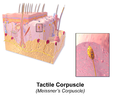
Sensory neurons, also known as primary afferent neurons, typically exhibit a pseudounipolar morphology characterized by a single axonal process that bifurcates into two branches: a peripheral process extending to sensory receptors in the periphery and a central process projecting to the central nervous system.[16] The cell body, or soma, of these neurons is located in sensory ganglia, such as the dorsal root ganglia (DRG) for spinal nerves or cranial ganglia like the trigeminal ganglion for certain head sensations.[16] This T-shaped configuration allows efficient signal transmission without the cell body interrupting the direct path between peripheral stimuli and central integration.[17] At their peripheral terminals, sensory neurons form specialized receptor endings adapted to detect specific stimuli. These include free nerve endings, which are unmyelinated or lightly myelinated axonal branches lacking additional structural encapsulation, commonly associated with sensations of pain, temperature, and crude touch.[6] In contrast, encapsulated endings feature axonal terminals surrounded by supportive connective tissue or glial cells, enhancing sensitivity to mechanical stimuli; for example, Meissner's corpuscles consist of flattened, stacked Schwann cells enclosing branching axons within a fibroblastic capsule, enabling detection of light touch and low-frequency vibration in glabrous skin.[18] In specialized sensory systems, such as the inner ear, sensory neurons connect to hair cells, where stereocilia on the hair cells transduce mechanical or auditory stimuli to the neuron.[6] Myelination patterns vary significantly among sensory neurons, influencing conduction velocity and sensory modality. Large-diameter A-beta fibers are heavily myelinated by Schwann cells, forming multiple layers of myelin that enable rapid saltatory conduction for low-threshold mechanoreception and proprioception.[16] A-delta fibers possess thinner myelin sheaths, supporting intermediate conduction speeds for acute pain and cold sensations.[16] Small-diameter C-fibers remain unmyelinated, relying on slow, continuous conduction for chronic pain, warmth, and itch.[16] The plasma membrane of sensory neurons incorporates specific ion channels integral to their structural and excitable properties. Voltage-gated sodium channels, such as NaV1.7, NaV1.8, and NaV1.9, are embedded in the axonal membrane, particularly at nodes of Ranvier in myelinated fibers, facilitating the rapid depolarization phase of action potentials.[19] Transient receptor potential (TRP) channels, including TRPV1 and TRPM8, are localized to peripheral terminals and soma, forming tetrameric structures with pore-forming domains that respond to thermal or chemical stimuli, contributing to the neuron's sensory specialization.[20]

Location and Distribution

Sensory neurons, which transmit sensory information from the periphery to the central nervous system, have their cell bodies primarily located in specialized sensory ganglia outside the central nervous system. For somatosensory inputs from the body via spinal nerves, these cell bodies reside in the dorsal root ganglia (DRG), paired swellings adjacent to each spinal cord segment.[21] In the head and face region, sensory neurons for general somatic sensation are housed in the trigeminal ganglion, associated with the trigeminal nerve (cranial nerve V).[22] Additional cranial ganglia contain cell bodies for specific sensory functions, such as the vestibular ganglion (also known as Scarpa's ganglion), which holds neurons responsible for balance and spatial orientation from the inner ear.[23] From these ganglia, sensory neurons extend peripheral projections that innervate diverse tissues and organs throughout the body. These axons branch to supply sensory endings in the skin, skeletal muscles, joints, and internal viscera, detecting stimuli such as touch, temperature, pain, and proprioception.[11] The central projections of sensory neurons carry signals into the central nervous system via specific entry points. For spinal inputs, these axons enter the spinal cord through the dorsal roots, forming the sensory component of each spinal nerve.[24] Cranial sensory projections, including those from the trigeminal and vestibular ganglia, enter the brainstem through their respective cranial nerves.[25] The distribution of sensory neurons exhibits significant density variations across body regions, reflecting functional specialization. Areas requiring fine tactile discrimination, such as the fingertips, have a much higher density of sensory innervation—approximately 100 times more receptors per square centimeter—compared to less sensitive regions like the trunk or back.[9] This uneven distribution enhances acuity in ecologically important zones while conserving neural resources elsewhere.[26]

Classification

By Fiber Type and Morphology

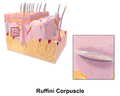
Sensory neurons are classified into fiber types primarily based on axon diameter, degree of myelination, and conduction velocity, which collectively influence their functional roles in transmitting sensory information. The A-fibers, which are myelinated, are subdivided into alpha (Aα), beta (Aβ), and delta (Aδ) subtypes, while C-fibers are unmyelinated. Aα fibers, with diameters of 12-20 μm and conduction velocities of 70-120 m/s, primarily mediate proprioception through connections to muscle spindles (Ia afferents) and Golgi tendon organs (Ib afferents).[1] Aβ fibers, featuring diameters of 6-12 μm and conduction velocities of 30-70 m/s, convey discriminative touch, pressure, and vibration.[27] Aδ fibers, smaller with diameters of 1-5 μm and conduction velocities of 5-30 m/s, transmit sharp, localized pain and cold sensations.[27] In contrast, C-fibers, with diameters of 0.2-1.5 μm and slow conduction velocities of 0.5-2 m/s, carry dull, aching pain, warmth, and itch signals.[27][1] Morphological classification further distinguishes sensory neuron terminals, correlating with their fiber types and sensory modalities. Free nerve endings, typically associated with Aδ and C-fibers, lack encapsulation and detect noxious stimuli or temperature changes through direct interaction with the skin or tissues.[27] Encapsulated endings, primarily linked to Aβ fibers, provide specialized mechanoreception; for instance, Pacinian corpuscles enclose Aβ fiber terminals to sense high-frequency vibration via rapid adaptation to mechanical deformation.[27] Ruffini endings, also connected to Aβ fibers, feature elongated capsules that respond to sustained skin stretch, facilitating the perception of skin tension and joint position.[28] These structural and conductive properties underpin functional specialization, where larger, heavily myelinated Aα and Aβ fibers enable precise, rapid transmission for discriminative somatosensation, such as fine touch and proprioception, allowing for spatial acuity and quick reflexes.[1] Conversely, smaller Aδ and unmyelinated C-fibers support slower, more diffuse affective sensations like prolonged pain or warmth, prioritizing emotional and protective responses over localization.[27]

By Anatomical Location

Sensory neurons are classified by anatomical location based on the tissues and regions they innervate, reflecting their distribution across the peripheral nervous system.[1] This categorization distinguishes between those serving the body's external structures, internal organs, specialized sensory organs, and specific neural pathways like cranial versus spinal divisions. Somatic sensory neurons innervate the skin, muscles, and joints, providing sensory input from the body's musculoskeletal system and integument.[1] For the trunk and limbs, these neurons have cell bodies in the dorsal root ganglia adjacent to the spinal cord.[29] Examples include those detecting touch, pressure, and proprioception in peripheral tissues. Visceral sensory neurons target internal organs, such as the gastrointestinal tract, cardiovascular system, and respiratory structures.[30] A prominent example is the vagal afferents, whose cell bodies reside in the nodose and jugular ganglia of the vagus nerve (cranial nerve X), innervating the gut and other thoracic and abdominal viscera.[31] Special sensory neurons are associated with cranial nerve-based organs dedicated to senses like smell, vision, and hearing.[32] Olfactory sensory neurons, for instance, are bipolar cells embedded in the nasal epithelium, projecting axons through the cribriform plate to the olfactory bulb.[33] Retinal ganglion cells, located in the innermost layer of the retina, serve as the primary visual sensory neurons, conveying signals via the optic nerve (cranial nerve II) to the brain.[34] Sensory innervation also differs between cranial and spinal pathways, with cranial sensory neurons primarily handling head and neck regions while spinal ones cover the rest of the body.[1] The trigeminal nerve (cranial nerve V) exemplifies cranial somatic sensory neurons, with cell bodies in the trigeminal ganglion supplying the face, mouth, and meninges.[35] In contrast, spinal sensory neurons via dorsal roots innervate the torso and extremities.[27]

By Adequate Stimulus

Sensory neurons are classified by their adequate stimulus, which is the specific form of energy or environmental change to which they are most sensitive and respond optimally. This classification highlights the functional specialization of sensory neurons in detecting distinct modalities of stimuli, enabling the nervous system to process diverse sensory information from the environment and internal body states. The primary categories include mechanoreceptors, thermoreceptors, chemoreceptors, photoreceptors, and nociceptors, each tuned to particular stimulus types through specialized molecular mechanisms in their peripheral endings.[10] Mechanoreceptors are sensory neurons that respond to mechanical stimuli such as touch, pressure, vibration, and stretch. These neurons innervate specialized end-organs in the skin and deeper tissues, where deformation of the receptor structure gates ion channels to generate action potentials; for example, low-threshold mechanoreceptors associated with A-beta fibers detect innocuous touch and vibration, while higher-threshold ones convey pressure.[10][36] Thermoreceptors detect changes in temperature, with distinct populations sensitive to cooling or warming. Cold-sensitive thermoreceptors activate below approximately 25–30°C, often via TRPM8 channels, whereas warm-sensitive ones respond between 30–46°C; noxious heat detection involves TRPV1 channels, which open above 43°C and integrate thermal with chemical inputs.[10] These neurons, typically thinly myelinated A-delta or unmyelinated C-fibers, provide critical feedback for thermoregulation and pain avoidance. Chemoreceptors transduce chemical stimuli into neural signals, encompassing olfactory, gustatory, and visceral types. Olfactory sensory neurons in the nasal epithelium detect odorants through G-protein-coupled receptors, allowing discrimination of thousands of volatile molecules; gustatory sensory neurons innervate taste buds and receive synaptic input from taste receptor cells, which respond to tastants like sugars or acids via ion channels or GPCRs. Visceral chemosensory neurons monitor internal chemical environments, such as pH fluctuations or nutrient levels in the gut and blood vessels, via similar receptor mechanisms.[10] Photoreceptors are sensory neurons specialized for electromagnetic stimuli, primarily light in the visible spectrum. In mammals, rod and cone photoreceptors in the retina detect photons through opsin proteins that trigger hyperpolarization, but the primary afferent sensory neurons are retinal ganglion cells that convey processed visual signals via the optic nerve; this contrasts with simpler invertebrate photoreceptors where sensory neurons directly transduce light.[10][36] Nociceptors detect potentially damaging or noxious stimuli, often exhibiting polymodality by responding to extremes of mechanical, thermal, or chemical inputs. These free nerve ending sensory neurons, predominantly A-delta and C-fibers, express TRP channels like TRPV1 to integrate multiple threat signals, alerting the central nervous system to tissue injury or inflammation.[10][37] Many nociceptors overlap with other categories, such as thermal or mechanical, but their activation thresholds are set for harmful intensities.

By Adaptation Rate

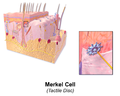
Sensory neurons can be classified based on their adaptation rate, which describes how their firing patterns respond to a constant stimulus over time. This classification divides them into phasic (rapidly adapting) and tonic (slowly adapting) types, reflecting differences in how they encode temporal aspects of sensory input.[10] Phasic sensory neurons exhibit a high initial burst of action potentials upon stimulus onset, followed by a rapid decline in firing rate that returns to baseline levels, even if the stimulus persists. This pattern enables them to signal primarily the initiation and termination of stimuli rather than their duration. A representative example is the sensory neurons associated with Pacinian corpuscles, which detect rapid mechanical changes such as vibrations or motion in deep tissues.[38][39] In contrast, tonic sensory neurons maintain a sustained firing rate that remains relatively constant or proportional to the stimulus intensity as long as the stimulus continues, providing ongoing information about its presence and magnitude. These neurons are exemplified by those innervating Merkel cells, which respond to steady indentation or pressure on the skin, conveying details of texture and sustained contact.[39][10] The adaptation rate of sensory neurons is influenced by structural and molecular factors at the receptor level. Receptor encapsulation, such as the multilayered lamellar structure surrounding Pacinian corpuscles, acts as a mechanical filter that attenuates steady-state stimuli while transmitting transient vibrations, promoting rapid adaptation.[38] Additionally, the kinetics of ion channels in the sensory neuron membrane, including mechanosensitive channels like PIEZO2, modulate the duration and amplitude of receptor potentials, thereby controlling the speed of adaptation through changes in ion influx and membrane repolarization.[10] This dichotomy in adaptation rates confers functional advantages tailored to sensory demands. Phasic neurons excel at detecting dynamic changes, such as motion or abrupt shifts in the environment, which is crucial for rapid responses to novel stimuli like approaching objects or texture variations during active exploration.[40] Tonic neurons, by contrast, support the continuous monitoring of static conditions, such as sustained pressure or body position, which is vital for maintaining posture, muscle tone, and proprioceptive awareness during rest or steady movement.[40]

Physiology

Stimulus Transduction

Sensory transduction is the initial process by which sensory neurons convert environmental stimuli into electrochemical signals, beginning with the generation of a receptor potential—a graded change in membrane potential at the neuron's peripheral sensory ending. This potential arises from the opening or closing of ion channels in response to the stimulus, leading to a net influx or efflux of ions such as Na⁺, Ca²⁺, or K⁺, which depolarizes (or in some cases hyperpolarizes) the membrane. The magnitude of this graded potential is proportional to the stimulus intensity, allowing for encoding of stimulus strength before conversion to all-or-nothing action potentials.[41] Specific transduction mechanisms vary by stimulus modality but commonly involve receptor-ligand interactions or physical deformations. In chemosensory neurons, such as those in the olfactory epithelium, odorant molecules bind to G-protein-coupled receptors (GPCRs) on the neuronal cilia, activating heterotrimeric G proteins (e.g., Golf) that stimulate adenylyl cyclase to produce cyclic AMP (cAMP). This second messenger opens cyclic nucleotide-gated (CNG) cation channels, permitting Na⁺ and Ca²⁺ influx to generate a depolarizing receptor potential.[42] Similarly, in thermosensation and nociception, transient receptor potential vanilloid 1 (TRPV1) channels on sensory neuron terminals serve as molecular integrators, opening in response to noxious heat (>43°C) or chemical agonists like capsaicin, allowing cation entry and depolarization; this mechanism was first elucidated through cloning of the capsaicin receptor as a heat-activated ion channel.[43] For mechanosensation, stretch-activated ion channels, including Piezo1 and Piezo2, directly gate in response to mechanical deformation of the membrane, facilitating rapid Na⁺ and Ca²⁺ influx to initiate the receptor potential in touch-sensitive neurons.[44] In photoreceptor neurons, such as rod cells in the retina, transduction involves a GPCR-mediated cascade but results in hyperpolarization. Light absorption by rhodopsin activates its GPCR function, exchanging GDP for GTP on the G protein transducin, which in turn activates phosphodiesterase to hydrolyze cyclic GMP (cGMP). The resulting decrease in cGMP closes CNG channels, reducing the inward dark current (primarily Na⁺ and Ca²⁺) and hyperpolarizing the cell; this graded response encodes photon intensity.[45] The receptor potential, whether depolarizing or hyperpolarizing, passively spreads electrotonically along the neuron to the axon hillock or first node of Ranvier, where summation determines if the threshold potential is reached, triggering voltage-gated Na⁺ channels to initiate an action potential for signal propagation.[41]

Impulse Generation and Conduction

Sensory neurons generate action potentials in response to receptor potentials, with initiation occurring at the first node of Ranvier in myelinated fibers following passive conduction of the depolarizing generator potential along the unmyelinated distal axon segment.[46] This all-or-none firing mechanism ensures that once the threshold is reached—due to high-density voltage-gated sodium channels at the node—the action potential is reliably triggered without graded variation in amplitude.[46] In unmyelinated fibers, such as C fibers, initiation happens more distally at the sensory terminal, but the principle of threshold-based depolarization remains consistent across sensory neuron types.[46] Once initiated, action potentials propagate along the axon via saltatory conduction in myelinated sensory fibers, where the myelin sheath insulates internodal segments, preventing ion leakage and forcing regeneration only at nodes of Ranvier.[47] This "jumping" mechanism, facilitated by a periaxonal nanocircuit of low-resistance extracellular space beneath the myelin, dramatically accelerates transmission by reducing capacitance and increasing membrane resistance in myelinated regions.[47] Consequently, conduction velocities in myelinated sensory axons can exceed 50 m/s, compared to under 2 m/s in unmyelinated counterparts, enabling rapid sensory signaling to the central nervous system.[48][49] Stimulus intensity is encoded primarily through frequency coding, where stronger stimuli elicit higher firing rates in individual sensory neurons, up to several hundred Hz depending on the receptor type.[50] For example, in mechanoreceptive afferents, firing rate increases logarithmically with stimulus amplitude, allowing discrimination of intensity gradients.[50] Complementary population coding recruits additional neurons as intensity rises, with the collective activity—weighted by afferent type—providing a linear representation of stimulus strength across the sensory field.[50] Conduction velocity in these myelinated axons approximates $ v \propto d $, where $ d $ is axon diameter, reflecting the linear scaling that supports efficient propagation in larger-diameter fibers like Aα types.[51] Fiber type velocities range from 0.5–2 m/s in unmyelinated C fibers to 120 m/s in large myelinated Aα fibers.[48][49]

Functional Types

Somatic Sensory Neurons

Somatic sensory neurons are pseudounipolar primary afferent neurons that innervate the body surface, musculoskeletal system, and deep tissues, transmitting sensory information from these regions to the central nervous system. These neurons originate from cell bodies in the dorsal root ganglia (for spinal nerves) or cranial nerve ganglia, with peripheral processes ending in specialized receptors or free nerve endings and central processes projecting to the spinal cord or brainstem. They mediate exteroceptive sensations from the skin and proprioceptive sensations from muscles and joints, enabling perception of the external environment and body position.[6] These neurons detect multiple modalities through distinct receptor types. Light touch and discriminative touch are transduced by rapidly adapting Meissner corpuscles in glabrous skin, which respond to low-frequency vibrations (30-50 Hz) and skin flutter, and slowly adapting Merkel complexes in the basal epidermis, which provide sustained information on texture and pressure. Vibration and deep pressure are sensed by rapidly adapting Pacinian corpuscles in subcutaneous tissues, sensitive to high-frequency vibrations (100-300 Hz), while skin stretch and sustained pressure are detected by slowly adapting Ruffini corpuscles in deep dermal layers and joint capsules. Proprioception involves muscle spindles, which monitor muscle length and velocity via intrafusal fibers, and Golgi tendon organs, which detect tendon tension to prevent overload. Pain and temperature sensations are primarily mediated by free nerve endings acting as nociceptors and thermoreceptors, distributed widely in skin, muscles, and joints.[6][10][52] Somatic sensory information is conveyed via classified afferent fibers based on diameter, myelination, and conduction velocity. Large-diameter, heavily myelinated Ia fibers from muscle spindles transmit dynamic proprioceptive signals for rapid muscle length changes, while Ib fibers from Golgi tendon organs carry static tension information. A-beta fibers, also myelinated, mediate touch, pressure, and vibration from mechanoreceptors like Meissner and Pacinian corpuscles. Smaller, thinly myelinated A-delta fibers convey fast, sharp pain and cold sensations from free nerve endings, and unmyelinated C fibers transmit slow, dull pain, warmth, and crude touch.[52][1][10] The distribution of somatic sensory neurons follows dermatomal patterns, where each spinal nerve provides sensory innervation to a specific skin segment via its dorsal root. There are 31 pairs of spinal nerves, with dermatomes forming a segmental map from cervical to sacral levels, allowing localization of sensory deficits; for instance, the C6 dermatome covers the thumb and lateral forearm. This organization ensures comprehensive coverage of the body surface, with overlap between adjacent dermatomes for redundancy.[53][3] Somatic sensory neurons play a critical role in spinal reflexes, particularly protective responses. Nociceptors in A-delta and C fibers detect harmful stimuli and initiate the withdrawal reflex, a polysynaptic circuit where sensory input from free nerve endings synapses directly with motor neurons in the spinal cord, causing rapid limb retraction to avoid injury; for example, optogenetic activation of these fibers in mice elicits hindlimb withdrawal with latencies of 20-30 ms for A-delta mediated responses. Proprioceptive inputs from Ia and Ib fibers contribute to stretch and inverse stretch reflexes, maintaining posture and muscle tone.[54][10]

Visceral Sensory Neurons

Visceral sensory neurons, also known as visceral afferents, are specialized primary sensory neurons that monitor the internal environment of the body, detecting changes in the viscera to maintain homeostasis. These neurons innervate organs such as the heart, lungs, gastrointestinal tract, bladder, and blood vessels, providing feedback essential for autonomic regulation. Unlike somatic sensory neurons, which respond to external stimuli, visceral sensory neurons primarily convey information about internal physiological states, often operating below the level of conscious perception.[55][56] The sensory modalities detected by visceral neurons include chemoreception, mechanoreception, and thermoreception. Chemoreceptors in structures like the carotid body sense alterations in blood pH, oxygen and carbon dioxide levels, and glucose concentrations, triggering responses to hypoxemia, acidosis, or metabolic imbalances. Mechanoreceptors respond to physical distortions, such as distension of the bladder or gut walls during filling or peristalsis, helping regulate organ function and motility. Thermoreceptors monitor core body temperature, contributing to thermoregulatory reflexes that adjust heat production and dissipation. These modalities are transduced by specialized endings on the neurons, many of which are unmyelinated C-fibers.[55][57][58] Visceral afferents travel primarily via the vagus nerve (cranial nerve X) for thoracic and abdominal organs, and pelvic nerves for lower visceral structures like the colon and bladder. The vagus nerve carries signals from the heart, lungs, and upper gastrointestinal tract to the nucleus of the solitary tract in the brainstem, while pelvic splanchnic nerves convey information from pelvic organs to the sacral spinal cord. Most visceral sensory input remains unconscious, driving autonomic reflexes such as the baroreflex, where baroreceptors in the carotid sinus and aortic arch detect blood pressure changes via vagal afferents, leading to rapid adjustments in heart rate and vascular tone to stabilize circulation.[56][59][60] A subset of visceral sensory neurons functions as nociceptors, detecting potentially harmful stimuli like inflammation, ischemia, or excessive distension in internal organs. Visceral pain is often poorly localized and referred to somatic regions, such as chest pain from cardiac ischemia radiating to the arm, due to convergence of visceral and somatic afferents onto common second-order neurons in the spinal cord or brainstem. This viscerosomatic convergence explains why visceral nociceptive signals are interpreted as originating from superficial body areas, facilitating protective responses despite the diffuse nature of the input.[61][62][63]

Special Sensory Neurons

Special sensory neurons are specialized primary afferent neurons that mediate the senses of vision, hearing, olfaction, and gustation, distinct from somatic or visceral modalities by their association with dedicated sensory organs. These neurons transduce specific environmental stimuli—such as light, sound waves, odors, and tastes—into electrical signals that are relayed to the central nervous system via cranial nerves. Unlike general sensory neurons, special sensory neurons often exhibit highly tuned receptive fields and rapid processing adaptations suited to their stimuli.[64] In olfaction, olfactory sensory neurons reside within the olfactory epithelium of the nasal mucosa, forming the primary detectors of odorants. These bipolar neurons feature a dendritic knob at the apical surface that extends multiple cilia into the overlying mucus layer, where odorant molecules bind to G-protein-coupled receptors embedded in the ciliary membrane, initiating a transduction cascade that generates action potentials. The unmyelinated axons of these neurons bundle to form the olfactory nerve (cranial nerve I), projecting directly to the olfactory bulb without synapsing peripherally. Olfactory sensory neurons demonstrate rapid adaptation to persistent odorants, enabling efficient coding of dynamic olfactory scenes through mechanisms like gain control and complementary kinetics that adjust sensitivity to stimulus mean and variance.[65][65][66] Gustatory sensory neurons convey taste information from taste buds, where specialized taste receptor cells detect chemical stimuli but do not themselves generate action potentials. These receptor cells synapse directly onto the peripheral processes of primary afferent neurons whose cell bodies lie in the geniculate (cranial nerve VII), petrosal (IX), and nodose (X) ganglia. The facial nerve (VII) innervates anterior tongue taste buds, the glossopharyngeal (IX) posterior regions, and the vagus (X) epiglottal areas, with axons converging in the nucleus of the solitary tract for central processing. This arrangement allows for somatotopic representation of taste qualities like sweet, sour, salty, bitter, and umami.[67][67][67] For vision, primary transduction occurs in retinal photoreceptor cells (rods and cones), which are specialized sensory neurons that hyperpolarize in response to light absorption by photopigments. These photoreceptors synapse with bipolar cells (interneurons) in the outer plexiform layer, which relay the signal to retinal ganglion cells in the inner plexiform layer. The axons of retinal ganglion cells form the optic nerve (cranial nerve II) to transmit processed visual signals to the brain, such as the lateral geniculate nucleus of the thalamus. This layered organization allows for initial feature extraction, such as contrast and motion detection, before central integration. Photoreceptors and bipolar cells are confined to the retina, emphasizing the specialized neural architecture of visual sensory processing.[64][64][64] In audition, spiral ganglion neurons in the cochlea serve as primary sensory neurons, with type I neurons (95% of total) innervating inner hair cells that detect sound-induced vibrations via mechanotransduction. These pseudounipolar neurons, located in the spiral ganglion of cranial nerve VIII, convey auditory information tonotopically, with basal neurons tuned to high frequencies (up to 20 kHz in humans) and apical ones to low frequencies, enabling precise frequency discrimination through phase-locking and varying spike latencies. Outer hair cells amplify signals but primarily synapse with type II neurons, which play modulatory roles. Frequency tuning arises from the cochlea's basilar membrane mechanics and ion channel gradients, such as increasing BK channel density from apex to base.[68][68][69] Vestibular sensory neurons, housed in Scarpa's ganglion of cranial nerve VIII, innervate hair cells in the semicircular canals, utricle, and saccule to detect angular and linear accelerations for balance. These bipolar neurons form calyx (bouton-like) synapses with type I hair cells and dimorphic synapses with type II hair cells, transmitting vestibular signals with high fidelity to maintain spatial orientation. Unlike auditory counterparts, vestibular neurons exhibit sustained firing rates modulated by head position, supporting continuous postural adjustments.[70][70]

Central Connections

Afferent Pathways

Sensory neurons convey information from the periphery to the central nervous system (CNS) primarily through afferent pathways that enter the spinal cord or brainstem. In the spinal cord, these pathways begin with the entry of first-order sensory afferents via the dorsal root entry zone, where axons from dorsal root ganglia penetrate the posterolateral sulcus and distribute to the dorsal horn or ascend in white matter tracts.[71] The dorsal root entry zone serves as the initial gateway for somatosensory input from the body, allowing segregation of fibers based on modality and origin.[27] Key ascending tracts in the spinal cord include the spinothalamic tract, which transmits pain and temperature sensations, and the dorsal column-medial lemniscus pathway, responsible for fine touch, vibration, and proprioception. The spinothalamic tract originates from second-order neurons in the dorsal horn, crossing the midline shortly after entry and ascending contralaterally in the anterolateral funiculus to the thalamus.[72] In contrast, the dorsal column-medial lemniscus pathway involves primary afferents ascending ipsilaterally in the posterior funiculus—via the gracile fasciculus for lower body and cuneate for upper body—before synapsing in medullary nuclei and decussating to form the medial lemniscus.[27] Cranial afferent pathways handle special senses and head somatosensation, routing signals directly to brainstem nuclei or higher structures. For vision, the optic nerve (cranial nerve II) carries retinal ganglion cell axons through the optic canal to the optic chiasm and then to the lateral geniculate nucleus of the thalamus.[32] The auditory component of the vestibulocochlear nerve (cranial nerve VIII) transmits cochlear hair cell signals via the internal auditory meatus to the cochlear nuclei in the medulla.[32] Decussation ensures bilateral CNS representation, occurring at various levels depending on the pathway. In spinal routes, spinothalamic fibers cross in the anterior white commissure at the spinal level, while dorsal column fibers decussate in the medulla via internal arcuate fibers.[27] Cranially, optic nerve fibers partially decussate at the optic chiasm, with nasal retinal fibers crossing to the contralateral lateral geniculate nucleus.[32] Auditory pathways show partial decussation later in the superior olivary complex, but initial entry to cochlear nuclei remains ipsilateral.[32] Somatotopic organization preserves the spatial mapping of the body or sensory field along these tracts, facilitating localized perception. In spinal pathways, the spinothalamic tract maintains a somatotopic arrangement with sacral fibers lateral and cervical medial in the anterolateral column, while the dorsal columns organize lower body medially (gracile) and upper laterally (cuneate).[27] Cranial pathways exhibit analogous precision: the optic tract retains retinotopic mapping from retina to thalamus, and auditory fibers follow a tonotopic organization in the cochlear nuclei based on sound frequency.[32] This orderly projection supports the topographic representation in thalamic and cortical targets.[27]

Integration in the CNS

Sensory neuron inputs from peripheral receptors first synapse in the central nervous system (CNS) primarily within the dorsal horn of the spinal cord for somatosensory information from the body or in brainstem nuclei for cranial sensory inputs, such as the spinal trigeminal nucleus for facial sensations.[73] In the dorsal horn, particularly laminae I and II, nociceptive Aδ and C-fiber afferents terminate on projection neurons and local interneurons, where excitatory glutamatergic and inhibitory GABAergic/glycinergic interneurons modulate signal transmission through presynaptic and postsynaptic mechanisms.[74] This local circuitry in the dorsal horn and brainstem allows for initial processing, such as gating of pain signals via inhibitory interneurons that can suppress or enhance afferent inputs based on contextual factors like tissue damage or descending modulation.[74] From these initial synapses, second-order neurons project via ascending afferent pathways to thalamic relay nuclei, where most somatosensory information is funneled through the ventral posterolateral (VPL) nucleus for body sensations and the ventral posteromedial (VPM) nucleus for head and face inputs.[27] These thalamic nuclei integrate and refine sensory signals before relaying them via third-order neurons through the posterior limb of the internal capsule to cortical targets, ensuring precise topographic representation and filtering of irrelevant stimuli.[27] In the cortex, integration occurs in modality-specific areas, with the primary somatosensory cortex (S1) in the postcentral gyrus processing discriminative touch, pressure, and proprioception in a somatotopic manner organized as a sensory homunculus.[21] For visceral sensory inputs, such as those from internal organs, the insular cortex serves as a key integration hub, particularly the posterior insula, which aggregates signals from the ventromedial thalamic nucleus to form representations of interoceptive states like hunger or cardiorespiratory changes.[75] Cross-modal integration further refines sensory processing, notably in the anterior cingulate cortex (ACC), where attention modulates pain perception by enhancing or suppressing nociceptive signals through interactions with congruent multisensory cues, such as visual or auditory contexts.[76] This attentional gating in the ACC, involving heightened activity during task-relevant stimuli, underscores its role in prioritizing salient sensory information across modalities.

Pharmacology

Drugs Targeting Sensory Neurons

Several classes of pharmacological agents target sensory neurons to modulate their excitability and signaling, primarily by interfering with ion channels, receptors, or neurotransmitter release mechanisms at the peripheral level. These drugs include local anesthetics, analgesics such as non-steroidal anti-inflammatory drugs (NSAIDs) and opioids, anticonvulsants like gabapentin, and transient receptor potential vanilloid 1 (TRPV1) agonists like capsaicin. By acting on specific molecular targets in sensory neuron membranes or terminals, they alter action potential generation, sensitization, or synaptic transmission without directly addressing central processing. Local anesthetics, exemplified by lidocaine, exert their effects by binding to voltage-gated sodium (Na+) channels in sensory neuron membranes, thereby blocking sodium influx and preventing the depolarization necessary for action potential initiation and propagation. This inhibition is use-dependent, preferentially affecting high-frequency firing in small-diameter sensory fibers such as nociceptors. Lidocaine's blockade reduces neuronal excitability in dorsal root ganglion (DRG) neurons, a key site for sensory transduction. The hierarchical selectivity of local anesthetics begins with blockade of small autonomic and sensory fibers before larger motor fibers, due to differences in channel isoform expression and fiber diameter. Non-steroidal anti-inflammatory drugs (NSAIDs), such as ibuprofen and aspirin, target sensory neurons indirectly by inhibiting cyclooxygenase (COX) enzymes, which reduces the synthesis of prostaglandins that sensitize nociceptors. Prostaglandins, particularly prostaglandin E2 (PGE2), enhance the responsiveness of nociceptive sensory neurons to stimuli by potentiating ion channel activity, such as TRPV1 and acid-sensing ion channels, leading to increased pain signaling. By suppressing prostaglandin production, NSAIDs diminish this peripheral sensitization in sensory neuron terminals, thereby attenuating inflammatory hyperalgesia at the site of action. Opioids, acting through mu-opioid receptors (MORs) located on the peripheral terminals of primary sensory neurons, inhibit neurotransmitter release by coupling to G-protein pathways that reduce presynaptic calcium influx and activate potassium channels. This mechanism suppresses excitatory transmission from nociceptive afferents to second-order neurons in the spinal cord. MOR activation on sensory endings, particularly in inflamed tissues, leads to hyperpolarization and decreased excitability of the neuron, providing a targeted dampening of pain signals originating from peripheral sites. Anticonvulsants like gabapentin bind to the alpha-2-delta (α2δ) subunit of voltage-gated calcium channels (VGCCs) in sensory neurons, particularly in DRG cells, thereby reducing calcium influx at presynaptic terminals and inhibiting the release of excitatory neurotransmitters such as glutamate and substance P. This interaction disrupts the trafficking and function of high-voltage-activated calcium channels, leading to decreased synaptic efficacy in nociceptive pathways. Gabapentin's binding to α2δ-1 and α2δ-2 subunits specifically attenuates activity-dependent calcium signaling in injured or sensitized sensory neurons. Capsaicin, a selective agonist of the TRPV1 ion channel expressed on small-diameter sensory neurons including pain fibers, initially activates these channels to cause calcium influx and depolarization, but prolonged exposure leads to receptor desensitization and defunctionalization of the affected neurons. This process involves internalization and degradation of TRPV1, rendering the sensory endings unresponsive to subsequent noxious stimuli. In nociceptive C-fibers, capsaicin-induced desensitization selectively depletes neuropeptide content and reduces ongoing excitability, providing a mechanism for long-term suppression of pain fiber activity.

Therapeutic Applications

Epidural anesthetics, such as lidocaine or bupivacaine, are widely used for intraoperative pain management during surgeries by injecting local anesthetics into the epidural space, where they block voltage-gated sodium channels in sensory neuron axons, thereby inhibiting the propagation of nociceptive signals to the central nervous system.[77] This approach provides targeted regional anesthesia, reducing the need for systemic opioids and minimizing postoperative pain in procedures like cesarean sections or orthopedic surgeries.[78] In chronic pain conditions, TRPV1 antagonists represent a promising class of therapeutics that desensitize or block transient receptor potential vanilloid 1 channels on peripheral sensory neurons, attenuating inflammatory and neuropathic pain without the hyperthermia side effects seen in early trials.[79] Compounds like JNJ-39439335 have demonstrated proof-of-concept in a phase II clinical trial by reducing pain hypersensitivity in patients with osteoarthritis.[80] As of 2025, ongoing developments include peripherally restricted antagonists in clinical trials to enhance efficacy for conditions like diabetic neuropathy or cancer pain.[81][82] For neuropathic conditions such as painful diabetic peripheral neuropathy, pregabalin is a first-line treatment that binds to the alpha-2-delta subunit of voltage-gated calcium channels on sensory neurons, thereby reducing calcium influx, neurotransmitter release, and ectopic firing that contributes to spontaneous pain and allodynia.[83] Clinical studies show pregabalin significantly lowers pain scores by 30-50% in about half of patients with diabetic neuropathy, improving quality of life while managing hyperexcitability in damaged primary afferents.[84] Its mechanism helps normalize aberrant sensory signaling without directly altering central pain pathways. Botulinum toxin type A (BoNT-A) is approved for treating primary hyperhidrosis, a sensory disorder involving excessive sweating triggered by autonomic overactivity, by inhibiting acetylcholine release at postganglionic sympathetic nerve endings that innervate sweat glands, thus disrupting the sensory-motor reflex arc that amplifies sudomotor responses.[85] Intradermal injections reduce sweat production by over 80% for 4-12 months, alleviating associated sensory discomfort like skin irritation and social distress, with effects mediated through modulation of peripheral autonomic-sensory interactions.[86] This targeted blockade also indirectly diminishes nociceptive input from hyperhidrosis-induced dermatological irritation.[87] Emerging gene therapies aim to silence Nav1.7 expression in sensory neurons for severe chronic pain, using adeno-associated virus (AAV) vectors to deliver short hairpin RNA (shRNA) or CRISPR-based tools that repress the SCN9A gene, thereby preventing action potential initiation in nociceptors.[88] Preclinical models of inflammatory and neuropathic pain have shown long-lasting analgesia, with Nav1.7 knockdown reversing mechanical allodynia and thermal hyperalgesia without affecting motor function or non-pain sensation.[89] As of 2025, clinical translation is advancing, with ST-503 (an AAV-delivered shRNA targeting Nav1.7) entering phase 1/2 trials for refractory pain in small fiber neuropathy.[90] These approaches draw from congenital insensitivity to pain models lacking functional Nav1.7, offering reversible, localized pain relief for conditions like small fiber neuropathy.[91]

Neuroplasticity

Mechanisms of Plasticity

Sensory neurons exhibit plasticity through adaptive changes at both central and peripheral levels, enabling them to modify their responsiveness to stimuli in response to injury, inflammation, or activity-dependent processes. These mechanisms include synaptic strengthening in the central nervous system, heightened sensitivity at peripheral endings, structural remodeling of axons, and alterations in gene expression via epigenetic regulation. Such adaptations are crucial for maintaining sensory function but can also contribute to pathological conditions like chronic pain when dysregulated. Synaptic plasticity in sensory neurons primarily manifests as long-term potentiation (LTP) at their central terminals in the spinal cord dorsal horn, where primary afferent inputs synapse with second-order neurons. LTP involves persistent enhancement of synaptic efficacy following high-frequency stimulation of afferents, mediated by N-methyl-D-aspartate (NMDA) receptor activation, which allows calcium influx and triggers intracellular signaling cascades such as calcium/calmodulin-dependent protein kinase II activation. This form of plasticity has been observed in both C-fiber and Aδ-fiber nociceptive afferents, contributing to central sensitization after intense or prolonged noxious input. Studies in rat spinal cord slices demonstrate that NMDA receptor antagonists like APV block LTP induction at these synapses, confirming the receptor's essential role.[92][93][94] Peripheral sensitization occurs when inflammatory mediators lower the activation threshold of nociceptors, enhancing their response to subsequent stimuli. This process involves upregulation of transient receptor potential (TRP) channels, particularly TRPV1 and TRPA1, in the peripheral terminals of sensory neurons. Pro-inflammatory cytokines like interleukin-1β and prostaglandins activate signaling pathways such as protein kinase A and C, which phosphorylate and increase the expression of these channels, leading to amplified cation influx and neuronal excitability. For instance, in models of tissue inflammation, TRPV1 expression in dorsal root ganglion (DRG) nociceptors rises via transcriptional mechanisms driven by nuclear factor-κB, resulting in heat and chemical hypersensitivity. Similar upregulation of TRPM3 has been documented in inflamed skin-innervating nociceptors, correlating with enhanced pain behaviors.[95][96][97][98] Axonal sprouting represents a structural form of plasticity where injured sensory neurons extend collateral branches to reinnervate denervated territories or form new connections. In the DRG, peripheral nerve injury triggers the growth of new axons from surviving neurons, often mediated by growth-associated proteins like GAP-43 and brain-derived neurotrophic factor. This collateral sprouting can occur from uninjured afferents adjacent to the injury site, extending into the dorsal horn to compensate for lost input, as observed in rat models of sciatic nerve section where A-fiber collaterals expand their laminar projections. Such remodeling enhances regenerative potential but may also lead to ectopic firing if sprouts form neuromas.[99][100] Epigenetic modifications, particularly histone acetylation and methylation, regulate gene expression in sensory neurons to support plasticity by altering chromatin accessibility for ion channel genes. In DRG neurons, injury-induced histone deacetylase inhibition increases acetylation at promoters of voltage-gated sodium and potassium channels, promoting their transcription and modulating excitability. For example, the histone methyltransferase G9a silences potassium channel genes like Kcna4 via H3K9 dimethylation in neuropathic pain models, reducing channel expression and heightening neuronal firing; pharmacological inhibition of G9a reverses this silencing and alleviates hypersensitivity. These changes persist long-term, influencing the neuron’s adaptive response to ongoing stimuli.[101][102][103]

Implications for Sensory Processing

Deafferentation of sensory neurons, such as in cases of limb amputation, can trigger maladaptive plasticity in the central nervous system, including cortical remapping, leading to phantom limb pain. Following upper limb amputation, the primary somatosensory cortex undergoes reorganization, with the deafferented area becoming responsive to inputs from adjacent body parts, such as the face or shoulder, which alters sensory processing and generates painful sensations in the absent limb.[104] This maladaptive plasticity disrupts normal perceptual boundaries, causing referred pain that persists due to the invasion of neighboring cortical representations into the former limb area.[105] Such changes, resulting from the loss of sensory neuron input, distort body schema, impacting daily behaviors like movement avoidance to prevent phantom discomfort.[106] In olfactory processing, neuroplasticity manifests through habituation and sensitization, enabling adaptive responses to environmental odors. Habituation reduces the responsiveness of olfactory sensory neurons to constant stimuli, such as background scents, by potentiating inhibitory GABAergic transmission in local interneurons within the olfactory bulb, thereby filtering out irrelevant information to enhance detection of novel odors.[107] Conversely, sensitization increases neuronal excitability to repeated or low-level odors, as observed in Drosophila where specific olfactory sensory neuron types exhibit enhanced firing rates, improving sensitivity for ecologically relevant cues like food sources.[108] These plastic adjustments in olfaction optimize behavioral responses, such as foraging efficiency, by dynamically tuning perception to changing sensory contexts.[109] Plasticity also facilitates recovery from peripheral nerve damage by promoting sensory reinnervation, restoring perceptual functions post-injury. After nerve transection, regenerating sensory axons reinnervate denervated targets through collateral sprouting and guided regrowth, compensating for lost inputs and reinstating tactile or proprioceptive sensations in affected areas.[110] This process enhances functional recovery, as demonstrated in models where activity-dependent plasticity improves motor and sensory outcomes by reversing maladaptive central changes.[111] Behaviorally, it allows individuals to regain adaptive responses, such as precise touch discrimination, underscoring plasticity's role in rehabilitation. Recent advances from 2023 to 2025 in neuroimmunology reveal how immune cells modulate sensory neuron plasticity to influence chronic pain. Microglia and peripheral immune cells, such as T cells, interact with sensory neurons via cytokines like IL-33 and CCL2, altering synaptic plasticity and excitability to perpetuate inflammatory pain states.[112] For instance, immune-mediated signaling enhances neuroplastic changes in dorsal root ganglia, contributing to hypersensitivity in chronic conditions.[113] These findings suggest therapeutic potential in targeting neuroimmune crosstalk to normalize plasticity and alleviate persistent pain behaviors.[114]

Development and Pathology

Embryonic Development

Sensory neurons of the dorsal root ganglia (DRG) originate from neural crest cells, a transient population that delaminates from the dorsal neural tube and migrates ventrally along the developing spinal cord.[115] In humans, this migration begins around the fourth week of gestation, with neural crest cells coalescing to form the initial DRG structures adjacent to the neural tube.[17] These progenitor cells give rise to both sensory neurons and associated glia, establishing the foundation for peripheral sensory pathways that connect to adult locations such as the skin, muscles, and viscera. Neurogenesis in DRG sensory neurons is initiated as migrating neural crest cells respond to environmental cues, including bone morphogenetic protein (BMP) and Wnt signaling from surrounding somites and dorsal neural tube, which specify sensory fate and subtype diversity.[115] For instance, BMP promotes the expression of proneural genes like Neurog1 and Neurog2, driving the first wave of neurogenesis to produce proprioceptive and mechanoreceptive neurons, followed by subsequent waves for nociceptive and thermoreceptive subtypes.[115] Survival of these nascent neurons depends critically on neurotrophic factors, particularly nerve growth factor (NGF), which binds TrkA receptors on developing nociceptors to prevent apoptosis during the late embryonic period.[116] Differentiation progresses with the morphological transformation from immature bipolar neurons, featuring two opposing processes, to the characteristic pseudounipolar form through selective outgrowth and retraction of neurites.[117] This involves peripheral processes extending toward target tissues and central processes projecting into the spinal cord via the dorsal root, facilitated by transcription factors such as Brn3a and interactions with Schwann cells that stabilize the T-shaped bifurcation.[115] In humans, bipolar neurons emerge by 7-8 weeks gestation, transitioning to unipolar by 11 weeks, enabling early reflex responses.[17] The developmental timeline varies by species but follows a conserved sequence. In mice, sensory ganglia begin forming around embryonic day (E) 9.5 through neural crest condensation, with peak neurogenesis from E10.5 to E14.5, rendering the neurons functional by birth at E19-21.[115] This progression ensures maturation of sensory circuits prior to postnatal environmental interactions.

Associated Disorders

Sensory neuron dysfunction underlies various peripheral neuropathies, with diabetic peripheral neuropathy being a prominent example. In this condition, hyperglycemia leads to oxidative stress and metabolic disturbances that preferentially damage small unmyelinated C-fibers responsible for pain and temperature sensation, resulting in symptoms such as distal numbness, tingling, and burning pain in the extremities.[118] These changes often begin in the feet and progress proximally, reflecting the length-dependent vulnerability of sensory axons.[119] Congenital disorders also impair sensory neuron function, notably hereditary sensory and autonomic neuropathy (HSAN) types associated with mutations in the SCN9A gene encoding the Nav1.7 voltage-gated sodium channel. Loss-of-function mutations in Nav1.7 disrupt action potential propagation in nociceptive sensory neurons, leading to congenital insensitivity to pain where affected individuals experience profound analgesia but remain susceptible to unnoticed injuries and chronic ulcers.[120] This channel is predominantly expressed in small-diameter sensory neurons, highlighting its critical role in pain signaling.[121] Inflammatory conditions like Guillain-Barré syndrome (GBS) involve immune-mediated demyelination of peripheral sensory fibers. In the acute inflammatory demyelinating polyneuropathy variant of GBS, autoantibodies and complement activation target myelin sheaths on sensory axons, slowing conduction and causing sensory ataxia, paresthesias, and loss of proprioception.[122] These effects primarily impact large myelinated A-fibers involved in touch and vibration, though small-fiber involvement can occur in variants.[123] Recent research from 2023 to 2025 has elucidated sensory neuron-tumor interactions contributing to cancer pain through neurogenic inflammation. Tumors recruit and sensitize nociceptive sensory neurons via tumor-derived factors, prompting release of neuropeptides like substance P and CGRP that amplify inflammation and hypersensitivity in the tumor microenvironment.[124] For instance, in solid tumors such as head and neck cancers, nociceptor axons infiltrate the tumor mass, secreting IL-6 and substance P to promote immune suppression and exacerbate pain via feedforward neuro-immune loops.[125] These bidirectional interactions not only drive chronic cancer-related pain but also facilitate tumor progression by enhancing angiogenesis and immune evasion.[124]

Comparative Biology

Invertebrates

Sensory neurons in invertebrates display relatively simple morphologies, typically consisting of bipolar or multipolar forms that lack the extensive dendritic arborization seen in more complex systems. In insects, for instance, sensory neurons within chordotonal organs—specialized mechanoreceptors that detect vibrations, joint movements, and sound—are often bipolar, with a single dendrite extending into the sensory structure and an axon projecting to the central nervous system.[126] These organs, found in appendages like legs and antennae, contain clusters of scolopidia, each housing one to several sensory neurons enveloped by accessory cells, enabling precise detection of mechanical stimuli essential for locomotion and orientation.[127] Invertebrate sensory neurons mediate a variety of modalities tailored to their environments, including chemosensation and photoreception. In nematodes such as Caenorhabditis elegans, chemosensory neurons are housed in amphids, paired anterior sensory organs that each contain 12 ciliated neurons (e.g., ASE, AWC, AWA types) with dendrites exposed through a pore for direct interaction with environmental chemicals, facilitating behaviors like food seeking and pathogen avoidance.[128] Similarly, in the fruit fly Drosophila melanogaster, photoreceptor neurons in the compound eye's ommatidia number eight per unit (R1–R8), with outer photoreceptors (R1–R6) forming a trapezoidal arrangement for motion detection and inner ones (R7–R8) stacked centrally for color and polarization vision; each neuron extends a rhabdomere—a microvillar membrane packed with rhodopsin—for light capture and signal transduction via a phospholipase C pathway.[129] Central projections of invertebrate sensory neurons differ markedly in their organization, typically forming direct, short connections to segmental ganglia without the long axonal tracts characteristic of vertebrate spinal cords. In arthropods, for example, sensory axons from peripheral organs enter the ventral nerve cord via nerve roots and synapse immediately within local ganglia, allowing rapid integration with interneurons and motor neurons in a decentralized manner that supports reflexive behaviors.[130] This architecture contrasts with vertebrate systems by emphasizing local processing over centralized relay. A distinctive feature of some invertebrate sensory neurons is the prevalence of electrical synapses, mediated by innexin gap junctions, which enable ultrafast, bidirectional signaling for synchronized responses in sensory networks. In systems like the Drosophila giant fiber pathway or leech sensory circuits, these synapses couple neurons to propagate action potentials with minimal delay, enhancing escape reflexes or sensory filtering.[131] Unlike vertebrates, invertebrate neurons generally lack myelin sheaths, relying instead on smaller axon diameters and glial wrappings for insulation, which limits conduction speeds but suits their compact nervous systems.[132]

Non-Mammalian Vertebrates

In non-mammalian vertebrates, sensory neurons exhibit diverse adaptations tailored to specific ecological niches, reflecting evolutionary divergences from mammalian systems. In fish, the lateral line system comprises mechanosensory neurons innervating neuromasts, which are superficial receptor organs distributed across the body surface to detect water movements and vibrations. These neurons transduce mechanical stimuli into neural signals via hair cells within the neuromasts, enabling the perception of hydrodynamic cues such as prey movements or conspecific interactions.[133] Certain fish species, including weakly electric fish like those in the Gymnotiformes and Mormyriformes orders, possess specialized electroreceptive sensory neurons connected to ampullary organs that detect weak electric fields generated by other organisms or environmental sources, facilitating prey localization and electrocommunication in murky waters.[134] Amphibians and reptiles feature prominent vomeronasal sensory neurons within the vomeronasal organ (VNO), a chemosensory structure dedicated to detecting pheromones and non-volatile odorants. In amphibians such as salamanders, these bipolar neurons express vomeronasal receptors (V1R and V2R types) that respond to water-soluble cues, supporting social and reproductive behaviors in both aquatic and terrestrial phases.[135] Reptilian VNO neurons, as seen in turtles like Sternotherus odoratus, similarly process pheromonal signals through phospholipase C-mediated pathways, with sexual dimorphism evident in neuronal distribution and responsiveness, aiding in mate recognition and territorial marking.[136] Birds demonstrate specialized retinal ganglion cells (RGCs) as visual sensory neurons, particularly those enhanced for motion detection to support aerial navigation and foraging. In species like pigeons, approximately 40% of RGCs are direction-sensitive and encode not only velocity but also acceleration of moving stimuli, projecting to subcortical nuclei like the pretectal area for rapid processing of dynamic visual scenes.[137] These adaptations arise from evolutionary pressures favoring high-acuity vision in open environments, with avian RGCs exhibiting greater temporal resolution compared to many non-avian vertebrates.[138] Evolutionary adaptations in non-mammalian vertebrate sensory neurons include lineage-specific losses or modifications of fiber types, such as the reduction or absence of certain nociceptive fibers in ectothermic (cold-blooded) species like fish and amphibians, where thermal and mechanical nociceptors are present but tuned differently to environmental extremes compared to endothermic mammals.[139] For instance, zebrafish exhibit nociceptors responsive to extreme thermal stimuli, yet these systems show simplified peripheral innervation reflecting aquatic lifestyles and lower metabolic demands.[140] Overall, these changes highlight the conservation of core sensory neuron functions across vertebrates while accommodating phylogenetic divergences, such as the loss of the VNO in birds alongside enhanced visual pathways.[141]

References

User Avatar
No comments yet.