A snail is a shelled gastropod. The name is most often applied to land snails, terrestrialpulmonategastropodmolluscs. However, the common name snail is also used for most of the members of the molluscan class Gastropoda that have a coiled shell that is large enough for the animal to retract completely into. When the word "snail" is used in this most general sense, it includes not just land snails but also numerous species of sea snails and freshwater snails. Gastropods that naturally lack a shell, or have only an internal shell, are mostly called slugs, and land snails that have only a very small shell (that they cannot retract into) are sometimes called semi-slugs.
Snails have considerable human relevance, including as food items, as pests, and as vectors of disease, and their shells are used as decorative objects and are incorporated into jewelry.[1] The snail has also had some cultural significance, tending to be associated with lethargy. The snail has also been used as a figure of speech in reference to very slow-moving things.
Snails that respire using a lung belong to the group Pulmonata. As traditionally defined, the Pulmonata were found to be polyphyletic in a molecular study per Jörger et al., dating from 2010.[2] But snails with gills also form a polyphyletic group; in other words, snails with lungs and snails with gills form a number of taxonomic groups that are not necessarily more closely related to each other than they are related to some other groups.
Both snails that have lungs and snails that have gills have diversified so widely over geological time that a few species with gills can be found on land and numerous species with lungs can be found in freshwater. Even a few marine species have lungs.
Snails can be found in a very wide range of environments, including ditches, deserts, and the abyssal depths of the sea. Although land snails may be more familiar to laymen, marine snails constitute the majority of snail species, and have much greater diversity and a greater biomass. Numerous kinds of snail can also be found in fresh water.
Most snails have thousands of microscopic tooth-like structures located on a banded ribbon-like tongue called a radula. The radula works like a file, ripping food into small pieces. Many snails are herbivorous, eating plants or rasping algae from surfaces with their radulae, though a few land species and many marine species are omnivores or predatorycarnivores. Snails cannot absorb colored pigments when eating paper or cardboard so their feces are also colored.[3]
Several species of the genus Achatina and related genera are known as giant African land snails; some grow to 38 cm (15 in) from snout to tail, and weigh 1 kg (2 lb).[4] The largest living species of sea snail is Syrinx aruanus; its shell can measure up to 90 cm (35 in) in length, and the whole animal with the shell can weigh up to 18 kg (40 lb). The smallest land snail, Angustopila psammion, was discovered in 2022 and measures 0.6 mm in diameter.[5]
The largest known land gastropod is the African giant snail Achatina achatina, the largest recorded specimen of which measured 39.3 centimetres (15.5 in) from snout to tail when fully extended, with a shell length of 27.3 cm (10.7 in) in December 1978. It weighed exactly 900 g (about 2 lb). Named Gee Geronimo, this snail was owned by Christopher Hudson (1955–79) of Hove, East Sussex, UK, and was collected in Sierra Leone in June 1976.[6]
Snails are protostomes. That means during development, in the gastrulation phase, the blastopore forms the mouth first. Cleavage in snails is spiral holoblastic patterning. In spiral holoblastic cleavage, the cleavage plane rotates each division and the cell divisions are complete. Snails do not undergo metamorphosis after hatching. Snails hatch in the form of small adults. The only additional development they will undergo is to consume calcium to strengthen their shell. Snails can be male, female, hermaphroditic, or parthenogenetic so there are many different systems of sexual determination.
Snails have complex organ systems and anatomies that differ greatly from most animals. Snails and most other Mollusca share three anatomical features; the foot, the mantle, and the radula.
Foot
The foot is a muscular organ used by Gastropods for locomotion. Gastropods' stomachs are located within their foot. Both land and sea snails travel by contracting foot muscles to deform the mucus layer beneath it into different wave-like patterns.[7]
Mantle
The mantle is the organ that produces shells for most species of mollusca. In snails, the mantle secretes the shell along the snail shell opening, continuously growing and producing the shell for the entirety of the snail's life.[8] The mantle creates a compartment known as the mantle cavity and is used by many mollusca as the surface where gas exchange occurs. Snails that use the mantle cavity as a lung are known as Pulmonate snails. Other snails may only have a gill. Snails in the Caenogastropoda families like Ampullariidae, have both a gill and a lung.[9]
Snail shellSnail shells are mainly composed of a mixture of proteins called conchin, and calcium carbonate. Conchin is the main component in the outer layer of the shell, known as the periostracum. The inner layers of the shell are composed of a network of calcium carbonate, conchin, and different mineral salts. The mantle produces the shell through addition around a central axis called the columella, causing a spiraling pattern.[10] The spiraling patterns on a snail's shell are known as coils or whorls. Whorl size generally increases as the snail ages. Size differences in shell size are believed to be mainly influenced by genetic and environmental components. Moister conditions often correlate with larger snails. In larger populations, adult snails attain smaller shell sizes due to the effects of pheromones on growth rate.[11]
Radula
The radula is an anatomical structure used by most species of Mollusca for feeding. Gastropods are morphologically highly variable and have diverse feeding strategies. Snails can be herbivores, detritivores, scavengers, parasites, ciliary feeders, or have highly specialized predation.[12] Nearly all snails utilize a feeding apparatus including the oral structures of one or more jaws and the radula. The radula comprises a chitinous ribbon with teeth arranged in transverse and longitudinal rows.[13] The radula continually renews itself during the entire lifespan of a mollusk. The teeth and membrane are continuously synthesized in the radular sac and then shifted forward towards the working zone of the radula. The teeth harden and mineralize during their travel to the working zone. The presence of the radula is common throughout most snail species, but often differs in many characteristics, like the shape, size, and number of odontoblasts that form a tooth.
The average snail's diet varies greatly depending on the species, including different feeding styles from herbivores to highly specialized feeders and parasites.[14] Some snails like Euglandina rosea, or rosy wolfsnail, are carnivorous and prey on other snails.[15] However, most land snails are herbivores or omnivores.[16] Among land snails, there is also a large variation in preference for specific food. For example, Cepaea nemoralis, or the grove snail, prefers dead plant material over fresh herbs or grasses. Age may also impact food preference, with adult grove snails showing a significantly larger preference for dead plant material than juvenile grove snails.[17] Other snails, like the generalist herbivore Arianta arbustorum, or copse snail, choose their meals based on availability, consuming a mix of arthropods, wilted flowers, fresh and decayed plant material, and soil.[18]
Generally, land snails are most active at night due to the damp weather. The humid nighttime air minimizes water evaporation and is beneficial to land snails because their movement requires mucus, which is mostly composed of water.[16] In addition to aiding movement, mucus plays a vital role in transporting food from the gill to the mouth, cleansing the mantle cavity, and trapping food before ingestion.[19]
Gastropods that lack a conspicuous shell are commonly called slugs rather than snails.[20] Some species of slug have a maroon-brown shell, some have only an internal vestige that serves mainly as a calcium lactate repository, and others have some to no shell at all. Other than that, there is little morphological difference between slugs and snails. There are however important differences in habitats and behavior.
A shell-less animal is much more maneuverable and compressible, so even quite large land slugs can take advantage of habitats or retreats with very little space, retreats that would be inaccessible to a similar-sized snail. Slugs squeeze themselves into confined spaces such as under loose bark on trees or under stone slabs, logs or wooden boards lying on the ground. In such retreats they are in less danger from either predators or desiccation. Those are often suitable places for laying their eggs.
Slugs as a group are far from monophyletic; scientifically speaking "slug" is a term of convenience with little taxonomic significance. The reduction or loss of the shell has evolved many times independently within several very different lineages of gastropods. The various taxa of land and sea gastropods with slug morphology occur within numerous higher taxonomic groups of shelled species; such independent slug taxa are not in general closely related to one another.[21]
Land snails are known as an agricultural and garden pest but some species are an edible delicacy and occasionally household pets. In addition, their mucus can also be used for skin care products.[22]
There is a variety of snail-control measures that gardeners and farmers use in an attempt to reduce damage to valuable plants. Traditional pesticides are still used, as are many less toxic control options such as concentrated garlic or wormwood solutions. Copper metal is also a snail repellent, and thus a copper band around the trunk of a tree will prevent snails from climbing up and reaching the foliage and fruit. A layer of a dry, finely ground, and scratchy substance such as diatomaceous earth can also deter snails.[23]
The decollate snail (Rumina decollata) will capture and eat garden snails, and because of this it has sometimes been introduced as a biological pest control agent. However, this is not without problems, as the decollate snail is just as likely to attack and devour other gastropods that may represent a valuable part of the native fauna of the region.
Certain varieties of snails, notably the family Muricidae, produce a secretion that is a color-fast natural dye. The ancient Tyrian purple was made in this way as were other purple and blue dyes.[24][25][26] The extreme expense of extracting this secretion is sufficient quantities limited its use to the very wealthy. It is such dyes as these that led to certain shades of purple and blue being associated with royalty and wealth.[27]
Throughout history, snails have been kept as pets. There are many famous snails such as Lefty (Born Jeremy) and within fiction, Gary and Brian the snail.[28]
In French cuisine, edible snails are served for instance in Escargot à la Bourguignonne. The practice of rearing snails for food is known as heliciculture. For purposes of cultivation, the snails are kept in a dark place in a wired cage with dry straw or dry wood. Coppiced wine-grape vines are often used for this purpose. During the rainy period, the snails come out of hibernation and release most of their mucus onto the dry wood/straw. The snails are then prepared for cooking. Their texture when cooked is slightly chewy and tender.
As well as being eaten as gourmet food, several species of land snails provide an easily harvested source of protein to many people in poor communities around the world. Many land snails are valuable because they can feed on a wide range of agricultural wastes, such as shed leaves in banana plantations. In some countries, giant African land snails are produced commercially for food.
Land snails, freshwater snails and sea snails are all eaten in many countries. In certain parts of the world snails are fried. For example, in Indonesia, they are fried as satay, a dish known as sate kakul. The eggs of certain snail species are eaten in a fashion similar to the way caviar is eaten.[29]
In Bulgaria, snails are traditionally cooked in an oven with rice or fried in a pan with vegetable oil and red paprika powder. Before they are used for those dishes, however, they are thoroughly boiled in hot water (for up to 90 minutes) and manually extracted from their shells. The two species most commonly used for food in the country are Helix lucorum and Helix pomatia.[citation needed]
Snails and slug species that are not normally eaten in certain areas have occasionally been used as famine food in historical times. A history of Scotland written in the 1800s recounts a description of various snails and their use as food items in times of plague.[30]
Because of its slowness, the snail has traditionally been seen as a symbol of laziness. In Christian culture, it has been used as a symbol of the deadly sin of sloth.[31][32] In Mayan mythology, the snail is associated with sexual desire, being personified by the god Uayeb.[33]
Snails were widely noted and used in divination.[31] The Greek poet Hesiod wrote that snails signified the time to harvest by climbing the stalks, while the Aztec moon god Tecciztecatl bore a snail shell on his back. This symbolised rebirth; the snail's penchant for appearing and disappearing was analogised with the moon.[34]
Dead Snail
Keong Emas (Javanese and Indonesian for Golden Snail) is a popular Javanesefolklore about a princess magically transformed and contained in a golden snail shell. The folklore is a part of popular Javanese Panji cycle telling the stories about the prince Panji Asmoro Bangun (also known as Raden Inu Kertapati) and his consort, princess Dewi Sekartaji (also known as Dewi Chandra Kirana).
In contemporary speech, the expression "a snail's pace" is often used to describe a slow, inefficient process. The phrase "snail mail" is used to mean regular postal service delivery of paper messages as opposed to the delivery of email, which can be virtually instantaneous.
A snail is a common name applied to most shelled gastropod mollusks in the class Gastropoda of the phylum Mollusca, distinguished by their asymmetrical body structure resulting from torsion and typically featuring a single, coiled external shell composed primarily of calcium carbonate that encloses and protects the soft visceral mass.[1][2][3] These invertebrates possess a large muscular ventral foot for locomotion, a head bearing two pairs of retractable sensory tentacles—the longer upper pair bearing eyespots at the tips for light detection, the shorter lower pair serving sensory functions such as olfaction and touch—and a mouth located on the underside of the head containing the radula, a chitinous ribbon-like structure with rows of microscopic teeth used for scraping or rasping food.[4][5][6] Snails move by gliding on this foot, secreting a mucus trail that facilitates sliding and provides chemical cues for communication or navigation.[7][5]Gastropods, which encompass snails as well as their shell-less relatives the slugs, form the largest and most diverse class within Mollusca, accounting for over 62,000 described living species and representing approximately 80% of all extant mollusks, with estimates suggesting up to 150,000 total species including undescribed ones.[4][3] This extraordinary diversity spans a wide array of body sizes—from microscopic forms under 1 mm to giants exceeding 60 cm in shell length, such as the trumpet snail (Syrinx aruanus)—and feeding strategies, including herbivorous grazing on algae, carnivorous predation (often by drilling into prey shells), and scavenging.[4] Evolutionarily ancient, gastropods first appeared in the Early Cambrian period around 540 million years ago, with a fossil record documenting multiple radiations and extinctions that underscore their adaptability.[4]Snails occupy nearly every aquatic and terrestrial habitat on Earth, from the abyssal depths of oceans and freshwater streams to arid deserts, humid rainforests, and even supralittoral zones above the high-tide line, demonstrating remarkable physiological tolerances to salinity, temperature, and desiccation.[4][3]Reproduction varies across species, with most being gonochoristic (separate sexes) and engaging in internal or external fertilization, though many are hermaphroditic and capable of self-fertilization; eggs are typically laid in gelatinous masses.[4] Ecologically significant, snails play key roles as decomposers, herbivores, and prey in food webs, while some species, like certain terrestrial pulmonates, have achieved global invasive status due to human-mediated dispersal.[8][4]
Introduction
Definition and Taxonomy
Snails are a common name for certain gastropod mollusks characterized by a coiled, calcareous shell that protects the soft body and into which the animal can withdraw.[1] They belong to the phylum Mollusca and class Gastropoda, encompassing both air-breathing terrestrial and freshwater species (often via a lung-like mantle cavity) and aquatic forms that respire through gills or skin.[7] This definition excludes shell-less gastropods such as nudibranch sea slugs and chitons, which belong to the separate molluscan class Polyplacophora.[9]Within Gastropoda, which comprises over 85,000 extant species—the most diverse class in Mollusca—snails are primarily found in the clades Caenogastropoda and Heterobranchia.[10]Caenogastropoda includes numerous marine and freshwater shelled snails, while Heterobranchia encompasses a wide array of forms, including the traditional pulmonates (air-breathing snails and slugs).[11] The category "pulmonates" was historically treated as a subclass or order but is now recognized as polyphyletic, with its members distributed across Heterobranchia rather than forming a single clade; modern classifications place them within broader groups like Panpulmonata.[12]Representative families of shelled snails illustrate this diversity: Helicidae (common land snails, such as the genus Helix in Stylommatophora, a pulmonate subgroup), Lymnaeidae (freshwater pulmonates like Lymnaea species), and Buccinidae (marine caenogastropods including whelks of the genus Buccinum).[13] Recent taxonomic revisions, driven by molecular phylogenetics, have reclassified species across these groups; for instance, a 2023 study integrated genomic data to revise the phylogeny of the Muricidae family (including Buccinidae relatives), resolving longstanding uncertainties in subfamily boundaries and species limits.[14]
Diversity and Distribution
Snails exhibit remarkable diversity within the class Gastropoda, which encompasses over 85,000 described extant species (with estimates up to 88,000 as of 2025), the vast majority of which are shelled forms distributed across marine, freshwater, and terrestrial environments.[10] This includes approximately 24,000 terrestrial species, around 4,000 freshwater species, and over 50,000 primarily marine species, highlighting the group's adaptability to varied habitats. Among shelled snails, size varies dramatically, from minute forms barely visible to the naked eye to giants rivaling the length of a humanforearm.The largest land snail is Lissachatina fulica, known as the giant African snail, which can reach shell lengths of up to 20 cm and diameters of 13 cm in adulthood.[15] In contrast, the smallest known land snail is Angustopila psammion, with a shell height of just 0.46–0.57 mm and diameter of 0.6–0.68 mm, discovered in cave sediments in northern Laos; this species represents the current record for the tiniest terrestrial gastropod.[16] For marine snails, the Australian trumpet Syrinx aruanus holds the title of the largest, with shells extending up to 91 cm in length and the living animal weighing as much as 18 kg.[17] These extremes underscore the morphological plasticity within shelled gastropods, influenced by ecological niches.Snails are globally distributed, with terrestrial species inhabiting every continent except Antarctica, marine species occupying all oceans from polar to equatorial waters, and freshwater species widespread in rivers, lakes, and streams across most landmasses.[18] Diversity peaks in tropical regions, where environmental stability supports high speciation rates; for instance, Southeast Asian rainforests harbor thousands of endemic microsnail species in karst cave systems alone.[19] Pulmonate land snails, a major taxonomic group, exemplify this pattern with elevated endemism in isolated tropical habitats.A notable example of endemism turned invasive is Lissachatina fulica, native to East African lowland forests but now established on every continent except Antarctica due to human-mediated transport, where it impacts agriculture and ecosystems as a generalist herbivore.[20] Such distributions reflect both natural dispersal via wind, birds, and water currents, as well as anthropogenic influences accelerating range expansions.[18]
Anatomy and Physiology
External Anatomy
The external anatomy of snails, members of the class Gastropoda within the phylum Mollusca, is characterized by a combination of a protective calcareous shell and a soft body adapted for terrestrial, freshwater, or marine environments. The shell is typically a coiled exoskeleton composed primarily of calcium carbonate, forming a spiral structure wound around a central axis called the columella, to which a retractor muscle attaches for withdrawing the body. This coiling consists of multiple whorls: the initial larval portion, known as the protoconch, transitions into the larger adult section, the teleoconch, which includes the body whorl housing most of the soft tissues. In most species, the shell coils dextrally (right-handed), though rare sinistral (left-handed) coiling occurs in certain taxa, such as some populations of Partula snails. Many shelled gastropods possess an operculum, a horny or calcareous plate produced by the mantle that seals the shell's aperture when the animal retracts, providing additional protection against desiccation and predators.[21][22]The soft body parts emerge from the shell's aperture and include a prominent muscular foot, a well-developed head, and the mantle. The foot is a strong muscular ventral structure that enables gliding locomotion across surfaces through the secretion of mucus, which forms a lubricating trail, often assisted by ciliary action on the foot's epithelium and undulating waves of muscular contraction; in some species, it is modified for burrowing, swimming, or even leaping. The head bears two pairs of retractable tentacles in many species, particularly terrestrial pulmonates: the longer upper pair (ommatophores) equipped with eyespots at the tips for vision, and the shorter lower pair serving sensory functions such as smell and touch. The mouth is located on the underside of the head and contains the radula, a chitinous ribbon with rows of microscopic teeth used to scrape and rasp food. The mantle, a dorsal fold of tissue, envelops the visceral mass and secretes the shell, often extending its edge to form structures like an inhalant siphon in aquatic species. The radula, though housed internally within the mouth, influences external feeding posture.[23][6]Shell coloration and patterns vary widely, providing camouflage against predators and environmental backgrounds; for instance, terrestrial snails often exhibit browns, greens, or banded motifs that blend with soil, vegetation, or bark, while marine species may display iridescent or spotted designs. These pigments, produced by the mantle, not only aid in concealment but also can signal toxicity in aposematic forms. Snails produce copious mucus from glands in the foot and mantle, forming a trail that retains moisture, facilitates movement, and deters desiccation in dry conditions; in aestivation, some species form an epiphragm—a dried mucus seal—over the aperture to conserve water.[7][24][25]Sexual dimorphism is typically absent in hermaphroditic snails, which include most terrestrial and many freshwater species possessing both male and female reproductive organs without external morphological differences between mating roles, while gonochoristic species (prevalent among marine gastropods) may exhibit subtle variations such as size differences or modified structures in males.[26][8][27][28]
Internal Anatomy and Systems
The digestive system of snails forms a complete tubular tract adapted for processing a wide range of organic matter, primarily plant material and detritus. Food enters through the mouth and pharynx, where it is manipulated by the radula, then passes via the esophagus to the crop, a thin-walled sac that temporarily stores ingested material before further processing. The crop connects to the stomach, a muscular chamber where mechanical breakdown and initial enzymatic digestion occur, aided by secretions from the salivary glands. From the stomach, partially digested contents move to the coiled intestine, the primary site of nutrient absorption through its glandular walls, before reaching the anus located near the mantle cavity for waste expulsion. A key accessory organ is the hepatopancreas, a large, lobulated digestive gland enveloping much of the visceral mass, which secretes digestive enzymes into the stomach and reabsorbs nutrients from the intestinal contents, functioning analogously to both liver and pancreas in vertebrates.[29]The circulatory system operates as an open circuit, typical of gastropods, where hemolymph serves as the transport medium for oxygen, nutrients, and wastes. The heart, situated in the pericardial cavity, consists of a single muscular ventricle and auricle that pumps hemolymph into the hemocoel—a spacious, blood-filled sinus surrounding the organs—allowing direct bathing of tissues rather than closed vascular confinement. Hemolymph returns to the heart via open-ended sinuses and pores in the auricle walls. Oxygen transport relies on hemocyanin, a copper-based protein dissolved in the hemolymph, which binds oxygen reversibly and appears blue when oxygenated, enabling efficient diffusion in low-oxygen environments.[30]Excretory functions are handled by one or two nephridia, metanephridial organs that maintain osmotic balance and eliminate nitrogenous wastes like ammonia and urea. Each nephridium features a ciliated funnel (nephrostome) opening into the pericardial cavity to collect coelomic fluid, which flows through a convoluted tubule where wastes are filtered and reabsorption of useful ions occurs, before discharge through a nephridiopore into the mantle cavity. In many species, the right nephridium also serves a dual role in gamete transport during reproduction.[31]Many snails are hermaphroditic, with a single gonad (ovotestis) producing both oocytes and spermatozoa, positioned dorsally in the visceral hump adjacent to and often interdigitating with the loops of the digestive gland and intestine for spatial efficiency. The gonad connects via a hermaphroditic duct to separate male and female branches: the oviduct for egg maturation and albumen coating, and the vas deferens for spermatophore formation, culminating in a common genital atrium opening near the excretory pore. This anatomical integration facilitates self-fertilization in some species while allowing cross-fertilization through reciprocal insemination. In gonochoristic species, separate ovaries and testes are present, each connecting to dedicated ducts for gamete transport.[32][28]The nervous system is centralized yet decentralized, comprising a circumesophageal nerve ring formed by fused ganglia that encircle the esophagus, providing coordinated control over locomotion, feeding, and visceral activities. The ring includes paired cerebral ganglia (processing sensory inputs from tentacles and eyes), pedal ganglia (innervating the foot musculature), pleural ganglia (linked to the mantle and respiration), and visceral ganglia (overseeing digestive and reproductive functions), interconnected by commissures and connectives. This orthoganglionate arrangement, derived from an ancestral molluscan plan, supports behavioral complexity despite the relatively simple overall structure.[33]
Life Cycle and Reproduction
Reproductive Strategies
Snails, as members of the gastropod class, exhibit diverse reproductive strategies. Most species are gonochoristic (separate sexes), particularly in Caenogastropoda, while hermaphroditism predominates in Heterobranchia, including pulmonates and many opisthobranchs.[4] In gonochoristic species, males and females are separate. Males typically transfer sperm internally to females using a penis, often in a spermatophore, leading to internal fertilization. Females then lay eggs in protective gelatinous masses or capsules, similar to many hermaphroditic species.[4]Many hermaphroditic species are simultaneous hermaphrodites, possessing both male and female reproductive organs and producing eggs and sperm concurrently within a single gonad, the ovotestis. This allows for flexible sex roles during mating, where individuals can function as either male or female, or both, in reciprocal exchanges. However, some gastropod groups, particularly certain caenogastropods, display sequential hermaphroditism, changing sex over their lifetime, often from male to female. In pulmonate snails, which include many terrestrial and freshwater species, simultaneous hermaphroditism predominates, enabling self-fertilization as a fallback though outcrossing is preferred to avoid inbreeding.[34]Mating in snails typically involves elaborate courtship behaviors to ensure compatibility and successful sperm transfer. Individuals often follow conspecific mucus trails containing sex pheromones to locate potential partners, as observed in terrestrial species like Theba pisana and freshwater apple snails Pomacea canaliculata.[35][36] Courtship may include mounting, probing, and shell-to-shell contact, with one partner assuming the male role by everting its penis to transfer sperm, sometimes in a spermatophore. In some pulmonates, such as the garden snail Cornu aspersum, mating features the use of calcareous "love darts" stabbed into the partner's body wall, delivering mucus that manipulates sperm storage and boosts the shooter's paternity success.[37] These rituals can last from minutes to hours and may involve reciprocal or chain matings among multiple individuals.[34]Fertilization in snails is internal, occurring after copulation when stored sperm fertilizes eggs in the female tract. The majority of species are oviparous, laying clutches of gelatinous eggs in moist environments after a period of sperm storage, which can extend for months.[34]Viviparity, where embryos develop internally until live young are born, is rarer but occurs in families like Viviparidae and some Clausiliidae, providing protection in challenging habitats.[25] Self-fertilization supplements cross-fertilization but is less common due to potential genetic costs.[34]Parental care is generally absent in snails, with eggs or young left unattended after deposition, relying on high fecundity for survival. However, exceptions exist; some caenogastropods exhibit egg guarding or external brooding to protect against predators, while in rare pulmonates like Protancylus, adults attach egg masses inside their shell for safeguarding.[34][38] In viviparous species, internal retention serves as a form of maternal care.[25]
Development and Growth
Snail development begins with the egg stage, where clutches typically range from 10 to 200 eggs per deposition, varying by species and environmental conditions.[39] Eggs are usually laid in moist soil or hidden locations and encased in a gelatinous mass for protection. The incubation period generally lasts 2 to 4 weeks, during which embryos develop within the chorion until hatching as juveniles.[40]In most land snails, juvenile development proceeds directly without a free-living larval stage, with hatchlings emerging as miniature versions of adults complete with a small shell.[41] This direct development contrasts with many aquatic gastropods, which produce trochophore larvae that metamorphose into veliger larvae before settling and forming juvenile snails.[4] Juveniles begin feeding immediately upon hatching and grow through a series of incremental stages, molting their shells periodically as they expand.Snail growth is indeterminate, allowing continuous size increase throughout life, with the shell accreting layers of calcium carbonate secreted by the epithelial cells of the mantle edge.[42]The mantle's secretory activity adds new material to the shell's aperture and lip, forming the characteristic spiral. Growth rates are influenced by physiological factors, including temperature, which accelerates metabolic processes and shell deposition at optimal ranges.[43]Typical lifespans for small land snail species range from 2 to 5 years in the wild, though many succumb earlier to predation or desiccation.[44] Larger species, such as the Roman snail Helix pomatia, can achieve lifespans up to 15 years under favorable conditions, reflecting their greater resilience and slower maturation.[45]
Ecology and Behavior
Habitats and Adaptations
Snails occupy a wide range of habitats, from terrestrial to aquatic environments, with adaptations that enable survival in diverse conditions. Terrestrial snails primarily inhabit moist forests, gardens, and leaf litter layers where humidity is high, as they require damp microhabitats under rocks or in soil to prevent desiccation. In arid regions such as deserts, species like Sphincterochila boissieri thrive by selecting shaded microhabitats and burrowing 1–5 cm into the soil to escape intense solar radiation and conserve moisture. These snails depend on environmental humidity for respiration and locomotion, often restricting activity to nocturnal or post-rain periods in drier areas.[46][47]To cope with seasonal dryness and heat, terrestrial snails employ physiological adaptations such as aestivation, a state of dormancy that reduces metabolic rate and water loss. During aestivation, they seal their shell aperture with an epiphragm—a calcareousmucus barrier that minimizes evaporation, allowing survival for up to four years without water in species like S. boissieri. Burrowing further aids this by providing cooler, moister subsurface refuges, while reduced activity and thickened shells in some taxa enhance tolerance to extreme aridity. These strategies are crucial in semiarid and Mediterranean climates, where snails balance water conservation with periodic emergence during wet seasons.[46][48][49]Aquatic snails inhabit freshwater bodies like ponds, rivers, and lakes, as well as marine intertidal zones, with adaptations for osmoregulation to maintain internal salt balance. Freshwater species, such as those in the family Lymnaeidae, use a single gill or modified lung for gas exchange and regulate ions through active transport in hypotonic environments, enabling persistence in stable, oxygen-rich waters. Marine snails, often operculate, employ gills for respiration and cellular volume regulation to tolerate fluctuating salinities in intertidal areas, where they resist osmotic stress via protein adjustments and enzyme modifications. Terrestrial habitats host greater gastropod species diversity than freshwater ones, with an estimated 24,000–35,000 terrestrial species compared to about 4,000 freshwater species, reflecting multiple evolutionary transitions from marine ancestors.[50][51][52]
Diet and Foraging
Most terrestrial snails are herbivorous, primarily consuming plant material such as leaves, stems, flowers, and fruits, along with fungi and algae.[53] Many species are also detritivorous, feeding on decaying organic matter including rotting wood, bark, leaf litter, and microorganisms associated with decomposition.[54] A smaller number exhibit omnivorous or occasionally carnivorous habits, preying on live invertebrates like worms, insects, or other snails and slugs, or scavenging on carcasses, feces, and eggs; for example, the gray-foot lancetooth (Haplotrema concavum) actively hunts smaller gastropods.[53][54]Snails feed using a specialized structure called the radula, a chitinous ribbon-like organ equipped with thousands of microscopic teeth arranged in transverse rows, functioning as a rasping tongue to scrape or tear food particles from surfaces.[55] In species like the garden snail (Cornu aspersum), the radula is supported by the odontophore, a muscular cartilage base that protrudes from the mouth; during feeding, it extends forward, rasps anteriorly against the substrate with forces up to 107 mN, and retracts to draw dislodged material into the esophagus, often aided by a hardened jaw for initial biting.[56][55]Mucus secretions from the foot and mouth facilitate this process by lubricating the radula's motion and forming trails that guide the snail back to food sources or favorable foraging paths.[53]Foraging in land snails typically occurs nocturnally or during periods of high humidity to minimize desiccation, with individuals using chemoreceptors on their tentacles to detect food odors from distances of several centimeters.[53] They often follow established grazing trails on vegetation or soil, creating visible scrape marks from repeated radula action, and exhibit flexible decision-making influenced by hunger levels and prior experience, such as preferring familiar foods over novel ones.[54][57] Through their consumption of detritus and plant matter, snails contribute to nutrient recycling in ecosystems by breaking down organic material, enhancing microbial decomposition, and facilitating the return of essential elements like nitrogen and calcium to the soil.[58]Juvenile snails, which actively build their shells, show specialized foraging for calcium-rich substrates, such as limestone outcrops, ant nests, or decayed bones, to meet the high demands of calcification; adults may also supplement their diet with these sources to maintain shell integrity in calcium-poor environments.[59] This behavior underscores their role in calcium cycling, as they concentrate and redistribute the mineral across forest floors via excretion and shell shedding.
Predators, Defenses, and Parasites
Snails are preyed upon by a diverse array of predators, including birds, mammals, and invertebrates, which often target their soft tissues by overcoming the protective shell. Song thrushes (Turdus philomelos) are prominent avian predators of terrestrial snails such as Cepaea nemoralis, employing a specialized behavior where they transport snails to fixed stones known as thrush anvils to repeatedly hammer and crack the shells open.[60] European hedgehogs (Erinaceus europaeus) consume snails alongside earthworms and insects, using their strong jaws to crush shells and extract the body.[61] Among invertebrates, ground beetles like Badister pictus actively hunt snails, employing strikingly asymmetric mandibles to initiate cracks at the outer lip of the shell and propagate breaks along the dorsal whorls toward the apex, achieving predation success on over half of attempted attacks on smaller, thinner-shelled species.[62] These shell-cracking techniques highlight the evolutionary pressures on snail shell morphology and thickness.In response to predation, snails have developed multifaceted defenses encompassing physical barriers, chemical deterrents, camouflage, and behavioral adaptations. Retraction into the shell serves as a primary physical defense, mediated by a rapid withdrawal reflex where contraction of the columellar muscle pulls the soft body inside, sealing the aperture with the mantle or operculum in some species.[63] Chemically, many snails secrete mucus laced with toxins or bitter compounds that discourage consumption; for example, certain gastropods produce mucus with antipredatory peptides that irritate or intoxicate attackers upon contact.[64]Camouflage enhances survival through environmental mimicry, as seen in Napaeus barquini, which grazes lichen from substrates and methodically applies it to its shell surface using mouthparts and mucus, creating a patterned cover that blends with rocky habitats.[65] Behaviorally, the righting reflex allows overturned snails to quickly reposition themselves by twisting the foot relative to the shell, a response accelerated in the presence of predator cues to minimize exposure.[66]Snails frequently act as intermediate hosts in the complex life cycles of parasites, particularly trematodes and nematodes, facilitating transmission to definitive hosts. Trematodes of the genus Schistosoma, responsible for schistosomiasis, rely on freshwater snails such as Biomphalaria spp. for S. mansoni; eggs excreted by infected mammals hatch into free-swimming miracidia that penetrate the snail, transforming into sporocysts that asexually produce cercariae, which are then released to infect humans or other mammals upon skin penetration.[67] Nematodes like Angiostrongylus cantonensis, the rat lungworm, similarly utilize snails or slugs as intermediates: first-stage larvae from rat feces are ingested or penetrate the mollusk, molting twice to form infective third-stage larvae that accumulate in the snail's tissues, ready to develop further in rats that consume the host.[68] These cycles underscore snails' role in parasite proliferation, often leading to castration or gigantism in infected individuals to divert energy toward parasite reproduction.Beyond parasitism, snail populations are susceptible to bacterial and fungal infections that can cause widespread mortality and regulate densities. Bacterial pathogens such as Pseudomonas and Aeromonas species induce septicemia and shell lesions in land snails, particularly under stressed conditions in culture or wild settings, resulting in epizootics that reduce population sizes by up to 50% in affected cohorts.[69] Fungal infections, often by entomopathogenic species like Beauveria bassiana or Metarhizium anisopliae, penetrate the cuticle and proliferate internally, causing lethargy, melanization, and death within days, with field outbreaks documented to decimate local snail abundances and alter community dynamics. Such diseases exacerbate vulnerabilities in dense or environmentally compromised populations.
Slugs and Related Gastropods
Distinctions from Shelled Snails
Slugs are gastropods that lack a prominent external shell or possess only a greatly reduced one, setting them apart from shelled snails, which feature a distinct, typically spirally coiled external shell that provides protection and structural support.[1] This shell-less or minimally shelled condition in slugs represents a form of convergent evolution, having arisen independently at least seven times across various gastropod lineages, often from pulmonate ancestors that originally possessed shells.[70] Both slugs and shelled snails share a common taxonomy within the class Gastropoda, but the repeated loss of the shell highlights adaptive divergences in body plan.[71]Morphologically, slugs differ from shelled snails in several key ways related to the absence of an external shell. In shelled snails, the body coils to fit within the shell, with the mantle—a fold of tissue—secreting and largely enclosed by the shell structure. Slugs, by contrast, have an exposed external mantle forming a characteristic dorsal saddle or shield over the posterior body, eliminating coiling and allowing for a more elongated, flexible form. Their foot, the muscular ventral organ used for locomotion, is proportionally larger relative to overall body size, enabling efficient gliding over surfaces without the encumbrance of shell weight. Additionally, many slug species retain vestigial shell remnants as small internal calcareous plates or cuticles embedded within the mantle, which may store calcium or provide minor support.[4]Ecologically, slugs and shelled snails occupy overlapping habitats, particularly terrestrial environments, but slugs show a stronger preference for moist, humid conditions due to their increased vulnerability to desiccation without a protective shell. Shelled snails can tolerate drier microhabitats by retreating into their shells to conserve moisture, whereas slugs rely more heavily on copious mucus production and behavioral adaptations like burrowing into soil or leaf litter to maintain hydration. This preference influences their distribution, with slugs often dominating in damp forests, gardens, and understory vegetation where evaporation rates are low.[72]
Slug Biology and Ecology
Slugs exhibit specialized physiological adaptations suited to terrestrial life without a protective shell. Their body is covered in a thick layer of mucus secreted by epithelial glands, which facilitates locomotion by reducing friction on surfaces and provides protection against desiccation, pathogens, and physical abrasion. This mucus can also deter predators through its viscous consistency and chemical properties, such as unpalatability or toxicity in some species. Slugs respire primarily through a single external opening called the pneumostome, located on the right side of the mantle, which allows controlled exchange of gases with the atmosphere while minimizing water loss; the pore opens periodically, regulated by muscular valves, to ventilate an internal lung cavity lined with vascular tissue for oxygen uptake.[73][73][74]Reproduction in slugs is characterized by hermaphroditism, with each individual possessing both male and female reproductive organs, enabling mutual insemination during copulation or, in some cases, self-fertilization. Mating typically involves elaborate courtship behaviors, such as circling and spear exchange in certain species, culminating in the transfer of spermatophores; eggs are laid in gelatinous clusters of 20 to 400 per clutch, often in moist soil, with hatching dependent on humidity and temperature. Invasive species like those in the genus Arion, such as Arion lusitanicus, demonstrate heightened reproductive output, producing up to 400 eggs per season and maturing rapidly within 5–8 months, which contributes to their population expansion. While most slugs require cross-fertilization, some invasive taxa exhibit automictic selfing or, in related species like Deroceras laeve, apomictic parthenogenesis, allowing unfertilized egg development into viable offspring.[73][75][75][76]Behavioral patterns in slugs emphasize nocturnal activity to avoid desiccation and predation during daylight, with peak foraging occurring 2–3 hours after sunset or during rainy conditions, guided by chemoreceptors on tentacles that detect food and mucus trails for navigation and homing. Some species display cannibalistic tendencies, consuming eggs, juveniles, or even adults of their own kind, particularly under high-density conditions or resource scarcity, which can regulate population sizes but also intensify in invasives. Dispersal is largely passive, facilitated by human activities such as transport on plants, soil, or vehicles, enabling rapid colonization of new areas far beyond active crawling ranges of a few meters per day. These behaviors, combined with burrowing habits, support their role in moist microhabitats like gardens and forests.[73][75][77][78]Ecologically, slugs contribute positively to soil health by aerating substrates through burrowing and mucus deposition, which enhances water infiltration and root penetration, while their feeding on decaying organic matter, fungi, and detritus accelerates decomposition and nutrient recycling in the carbon cycle. As omnivores, they process plant litter and animal remains, enriching soil with excreted nutrients and promoting microbial activity. However, invasive species like the Spanish slug (Arion vulgaris), introduced via horticultural trade, disrupt these roles by outcompeting natives, hybridizing with local populations, and causing significant agricultural damage through herbivory on crops such as strawberries and cabbage, leading to yield losses in Europe and beyond. Their high densities can overwhelm decomposition benefits, favoring pest management challenges in agroecosystems.[73][73][79]
Evolutionary History
Origins and Fossil Record
The class Gastropoda, encompassing snails and their relatives, originated during the Early Cambrian period approximately 541 million years ago, with the earliest stem-group fossils represented by simple, conical-shelled mollusks such as Helcionella and Pelagiella exigua, which exhibit primitive coiling and chaetae preservation.[80] These forms mark the transition from bilaterian ancestors to the asymmetric body plan characteristic of gastropods, supported by phylogenetic analyses placing the crown-group divergence in the Cambrian.[71] By the Ordovician period (485–443 million years ago), true snails with more complex, coiled shells emerged and diversified rapidly, including euomphaloid and mactroid forms that occupied marine benthic habitats.[80]The Paleozoic fossil record reveals further evolutionary developments, including key taxa like Platyceras from the Devonian (419–358 million years ago), a low-spired gastropod often found attached to crinoid hosts, suggesting predatory or commensal interactions that highlight early ecological specializations.[80][81] Burrowing gastropods, such as early cephalaspideans, also appeared in Paleozoic deposits, adapting infaunal lifestyles with elongated shells suited for sediment penetration.[82] Pulmonate gastropods, featuring a lung-like mantle cavity for air breathing, evolved around 300 million years ago in the Pennsylvanian subperiod, with fossils like Dawsonella meeki indicating the initial colonization of terrestrial environments.[80]Major radiations occurred in the Mesozoic era following the end-Permian mass extinction (approximately 252 million years ago), which eliminated about 45% of gastropod genera; recovery began in the Early Triassic with rebounds in diversity, leading to the proliferation of modern clades like caenogastropods and heterobranchs by the Jurassic and Cretaceous.[80][83] A pivotal innovation in gastropod evolution was torsion, a developmental process rotating the visceral mass 180 degrees relative to the head and foot, enabling the coiled shell and asymmetric anatomy that facilitated diverse lifestyles.[84]Molecular clock analyses, calibrated with fossils, estimate divergences among major gastropod lineages (e.g., Vetigastropoda and Neritimorpha) between the Ordovician and Devonian (400–300 million years ago), with caenogastropods arising post-Permian around 254 million years ago.[71] This evolutionary history underpins the modern diversity of over 80,000 gastropod species across marine, freshwater, and terrestrial realms.[71]
Evolutionary Adaptations
One of the defining evolutionary innovations in gastropods is torsion, a developmental process during the larval stage in which the visceral mass rotates up to 180 degrees relative to the head and foot, resulting in a twisted, asymmetric body plan. This torsion repositions the mantle cavity and gills (or lungs in derived forms) dorsally above the head, facilitating head-first burrowing into sediments for escape from predators and improving respiratory efficiency by allowing water or air flow over the respiratory organs without obstruction from the foot. The adaptive significance of torsion lies in enhancing protection against visual predators and optimizing locomotion in soft substrates, contributing to the group's early diversification in marine environments.[85]Closely linked to torsion is the evolution of the coiled shell, which arose as an efficient solution for continuous growth and defense in univalved mollusks. Initially simple and conical, ancestral gastropod shells transitioned to tightly coiled spirals through modifications in the secreting mantle edge, following a logarithmic expansion that maintains proportional whorl overlap and allows the aperture to remain protected while accommodating incremental body growth without requiring periodic molting. This coiling provides superior protection by enclosing the soft body in a compact, overlapping structure resistant to crushing, while the asymmetry from torsion orients the shell's opening optimally for mobility and retraction. The geometric parameters of coiling, such as expansion rate and whorl translation, enabled adaptive radiations into diverse habitats by balancing size increase with structural integrity.[86]Respiratory adaptations represent a pivotal shift that facilitated gastropod colonization of terrestrial and freshwater realms. Primitive aquatic gastropods retained gills (ctenidia) within the mantle cavity for oxygen extraction from water, but in pulmonate lineages, the vascularized mantle cavity evolved into a true lung, a sac-like structure with a single opening (pneumostome) regulated by muscular control to minimize water loss. This innovation, arising independently in pulmonates and certain prosobranchs, allowed efficient air breathing on land by increasing oxygen uptake surface area and enabling desiccation resistance, thus driving the adaptive radiation of over 20,000 terrestrial species.[87]Additional traits underscoring gastropod evolutionary success include the diversification of the radula, a chitinous feeding apparatus, and the prevalence of hermaphroditism. The radula, initially a simple rasping band for algal grazing, evolved into varied forms—such as harpoon-like teeth in carnivores or sieving structures in filter-feeders—enabling exploitation of diverse diets from detritus to prey, which fueled Mesozoic-Cenozoic radiations through novel ecological niches. Hermaphroditism, where individuals possess both male and female reproductive organs, evolved as an adaptation to low population densities, permitting self-fertilization as a fallback while favoring outcrossing to avoid inbreeding, thereby enhancing reproductive assurance in sparse or isolated habitats.[88][85]
Human Interactions
Agricultural and Economic Roles
Snails, particularly terrestrial species, pose significant challenges as agricultural pests, with the brown garden snail (Cornu aspersum, formerly Helix aspersa) being a prominent example in regions like California, where it was introduced from Europe in the 1850s.[89] This species feeds nocturnally on succulent plant tissues, causing irregular holes in leaves, flowers, stems, and fruits of crops such as strawberries, tomatoes, citrus, and seedlings, leading to substantial yield reductions in gardens and orchards.[89] Economic losses from such damage are exacerbated in humid environments, where populations thrive and spread via human transport of infested soil or plants.[89] Control strategies emphasize integrated pest management, including habitat modification to eliminate hiding spots like mulch or debris, hand-picking at night, and traps such as shallow beer pans that drown snails via carbon dioxide attraction.[89] Chemical baits like iron phosphate (e.g., products containing Sluggo) provide a low-toxicity option, killing snails within 3–7 days by inducing starvation, while metaldehyde baits offer faster results but pose risks to pets and wildlife due to their toxicity.[89] Physical barriers, such as 4–6 inch wide copper strips buried 1 inch into the soil, deter movement by reacting with snail mucus to deliver a mild electric shock.[89]Despite their pest status, snails offer ecological benefits in agroecosystems through decomposition and soil enhancement processes.[90] Their fecal matter, rich in organic material, boosts soil fertility by increasing humus content and facilitating nutrient redistribution, which supports crop growth in low-input farming systems.[90] Burrowing behavior during egg-laying and resting aerates the soil, improving water infiltration and microbial activity, though excessive populations can foul substrates with mucus residues.[90]Invasive snail species amplify economic burdens on global agriculture, with management and mitigation efforts forming a key component of international trade regulations to prevent further spread.[91] The golden apple snail (Pomacea canaliculata), introduced to Southeast Asia for aquaculture in the 1980s, inflicts annual agricultural losses estimated at US$1.61 billion across the Philippines, Thailand, and Vietnam, including US$1.59 billion in the Philippines to rice production, through direct crop devastation and secondary effects like weed control disruption.[92] These costs drive investments in surveillance, quarantine protocols, and biological controls, such as introducing predator ducks or nematodes, to curb transboundary movement via contaminated trade goods.[92]Historically, marine snails contributed to ancient economies through the production of Tyrian purple dye, extracted from species like Hexaplex trunculus in the Eastern Mediterranean.[93] Phoenician artisans in sites like Tyre and Sarepta pioneered the process from the 13th century BCE, fermenting snail hypobranchial glands in vats to yield a vibrant purple pigment, requiring up to 10,000 snails per gram due to the labor-intensive extraction and dyeing.[93] This dye fueled extensive trade networks across the Mediterranean to Greece (by 800–700 BCE) and Rome (by the 3rd century BCE), where its rarity and cost—equivalent to gold—made it a symbol of elite status, regulated by Persian and Roman sumptuary laws that restricted its use to royalty and magistrates.[93]In modern contexts, snail farming extends to non-culinary economic uses, particularly the harvesting of mucus for industrial applications.[94]Mucus from species like Helix aspersa and Achatina fulica is collected via non-lethal methods, such as stimulating secretion on inclined surfaces or dissolving in water followed by centrifugation, yielding a silk-like substance prized for its moisturizing and adhesive properties.[94] The global snail mucin market, driven by cosmetics demand in regions like South Korea and North America, reached approximately $555 million in 2022 and grew to about $749 million in 2025, with potential extensions to bioadhesives in textiles for eco-friendly bonding and scaffolds.[95][96] This sustainable harvesting supports specialized farms, reducing reliance on wild collection and integrating with broader mollusk-based industries.[96]
Culinary, Medicinal, and Other Uses
Snails have been consumed as food in various cultures, particularly in Europe and Africa, where they provide a lean source of protein. In French cuisine, Helix pomatia, known as the Burgundy snail, is the primary species used for escargot, a delicacy typically prepared by baking the snails with garlic butter, herbs such as parsley, and sometimes breadcrumbs.[97] This preparation highlights the snail's tender texture once cooked, and the dish has historical roots dating back to Roman times when snails were fried or grilled. Nutritionally, snail meat is high in protein, often comprising 15-18% of its dry matter content, while being low in fat (around 1-2%) and cholesterol, making it a healthy alternative to red meats.[98] However, proper preparation is essential; wild snails must undergo purging by feeding them cornmeal or oatmeal for several days to eliminate potential toxins and impurities absorbed from their environment, reducing risks of digestive upset.[99] Individuals with shellfish allergies should exercise caution, as snail consumption can trigger similar reactions due to shared mollusk proteins.[100]Beyond Europe, snails feature prominently in global dishes, especially in West Africa where the giant African land snail (Achatina fulica) is stewed with spices, vegetables, and palm oil, often referred to as "Congo meat" for its hearty flavor and availability.[101] These preparations leverage the snail's rich iron content (approximately 3.5 mg per 100 g) and essential amino acids, contributing to its role as a sustainable protein source in regions with limited meat access.[102] To meet demand, heliciculture—commercial snail farming—has expanded, particularly in France and Italy, where controlled environments ensure hygiene and yield for species like Helix aspersa.[103] Farms typically raise snails on vegetable-based diets, harvesting them after 6-12 months for export and local markets.[104]In medicinal applications, snail mucus, or mucin, has gained prominence for its bioactive properties, including allantoin and glycolic acid, which promote skin hydration and repair. Clinical studies demonstrate that topical snail mucin improves wound healing by accelerating epithelial regeneration and reducing inflammation, with one trial showing significant enhancements in skin luminance and fine lines after four weeks of use.[105] The 2020s marked a boom in its incorporation into cosmetics, especially in Korean skincare routines, where products like serums containing 96% snail secretion filtrate have become staples for anti-aging and acne treatment.[106] Historically, Traditional Chinese Medicine has utilized snails for their detoxifying and anti-inflammatory effects, employing powdered shells or mucus to treat convulsions, ulcers, and respiratory issues since ancient times.[107]Snails also serve other practical roles, including as pets and research models. Nerite snails (Neritina spp.), popular in freshwater aquariums, excel at algae control by grazing on green spot algae and diatoms on glass, plants, and decorations without overpopulating, as they require brackish water to reproduce.[108] In neuroscience, the sea hare Aplysia californica stands as a key model organism due to its large, identifiable neurons and simple neural circuits, enabling detailed studies of learning and memory formation, as pioneered by Eric Kandel's work on synaptic plasticity.[109] This invertebrate has facilitated breakthroughs in understanding habituation and long-term potentiation, with applications to human neurological disorders.[110]
Cultural and Symbolic Representations
Snails have long served as symbols of slowness and perseverance in various cultural narratives, often illustrating the value of steady progress over haste. In Western traditions, this association draws from fables and proverbs emphasizing deliberate movement, such as the metaphorical "snail's pace" that reached Noah's ark, representing enduring effort despite obstacles.[111] In Mesoamerican lore, particularly among the Aztecs, snails embodied patience and perseverance alongside fertility, with their spiral shells evoking cycles of growth and renewal, as seen in ancient carvings and artifacts depicting the creature as a messenger of protection and gradual transformation.[112][113]In mythology, snails frequently appear in tales of transformation and rebirth. Celtic traditions link the snail's shell to the soul's journey toward the afterlife, symbolizing intuition, renewal, and the cyclical passage through life, death, and regeneration, much like the spiral motifs in ancient Celtic art.[114] Japanese folklore features snails in enchanted narratives, such as "The Snail Son," where a snail transforms into a human husband, highlighting themes of hidden potential and familial bonds, while related tales like the Korean "Snail Bride" (Ureongi Gaksi) portray a snail-woman marrying a human, underscoring taboos around patience and revelation.Snails feature prominently in art and literature as emblems of introspection and paradox. During the Renaissance, European painters depicted snails in religious scenes to symbolize the Virgin Birth, marveling at their hermaphroditic reproduction without visible copulation, as in Francesco del Cossa's Annunciation where the creature underscores themes of purity and mystery.[115] In 19th-century literature, Lewis Carroll referenced snails in Alice's Adventures in Wonderland (1865), with the Mock Turtle's song urging a snail to "walk a little faster," playfully contrasting its sluggishness against whimsical urgency.[116]In modern media, snails often represent companionship and environmental vulnerability. The cartoon character Gary the Snail from SpongeBob SquarePants (debuting 1999) portrays a loyal, meowing pet embodying quiet endurance and humor, becoming a cultural icon of unassuming friendship. In 2020s climate art, snails symbolize fragility amid ecological threats, as in Christopher Madden's 2024 installations featuring bleached shells on plinths to evoke biodiversity loss and the slow pace of environmental recovery.[117][118]
Conservation and Threats
Environmental Pressures
Snails face significant habitat loss due to deforestation and urbanization, which diminish the moist, sheltered environments essential for their survival. Terrestrial species, in particular, rely on leaf litter, understoryvegetation, and humid microhabitats that are rapidly destroyed by land conversion for agriculture and development; for instance, in tropical regions, habitat fragmentation has led to significant population declines in many assessed snail species. Aquatic snails are similarly threatened by pollution in freshwater and marine systems, where contaminants like heavy metals and pesticides accumulate, disrupting reproduction and causing shell deformities.Climate change exacerbates these pressures through altered precipitation patterns and rising temperatures, with droughts in the 2020s severely impacting European land snails by desiccating soils and reducing available moisture. Droughts have led to notable declines in snail abundance during prolonged dry spells, linked to increased evaporation and habitat drying. In marine environments, ocean acidification—resulting from elevated CO2 levels—erodes calcium carbonate shells, leading to increased shell dissolution and impaired growth and survival rates in species like those in the genus Littorina.[119]Invasive non-native species pose a competitive threat to native snails, often outcompeting them for resources and altering ecosystems. The giant African snail, Lissachatina fulica, introduced to various regions including Asia and the Americas, rapidly proliferates and displaces local gastropods through superior foraging efficiency and higher reproductive output, leading to local extirpations in invaded areas.Overcollection for food and medicinal purposes has impacted endemic snail populations, particularly in biodiversity hotspots. In the Pacific islands, species of the genus Partula have suffered drastic declines primarily due to the introduction of the invasive predator Euglandina rosea, exacerbated by habitat loss and earlier harvesting for the shell trade and subsistence use, with some populations reduced by over 90% since the 1980s, pushing several toward extinction. Parasitic loads can further exacerbate these declines by weakening already stressed individuals.
Conservation Measures
Conservation efforts for snail species focus on protecting threatened populations through legal designations, breeding programs, habitat restoration, research initiatives, and regulatory policies. The International Union for Conservation of Nature (IUCN) Red List identifies numerous snail species as threatened, with land snails experiencing one of the highest extinction rates among invertebrates; for instance, over 200 land snail extinctions have been recorded globally, representing more than 20% of all known animal and plant extinctions.[120] Specific examples include the Partula tohiveana tree snail, downlisted from Extinct in the Wild to Critically Endangered in 2025 following successful reintroductions.[121] Under the Convention on International Trade in Endangered Species (CITES), several snail taxa are protected from overexploitation, such as the green tree snail (Papustyla pulcherrima) listed in Appendix II to regulate international trade, and Oahu tree snails (Achatinella spp.) in Appendix I, prohibiting commercial trade.[122]Captive breeding programs have been pivotal in recovering endangered species, particularly for Pacific island tree snails. Since the 1990s, international zoo consortia have bred and reintroduced Partula species, with over 6,000 individuals released in French Polynesia in 2024 and over 7,000 more in November 2025, leading to the first confirmed wild-born adults of Partula tohiveana after 40 years of extinction in the wild.[123][124]Habitat restoration initiatives target critical ecosystems like wetlands, where projects such as rerouting rivers in the United States have preserved spring habitats for micro-snails like Koster’s springsnail (Juturnia kosteri) and Roswell springsnail (Pyrgulopsis roswellensis), enhancing population viability through improved water flow and vegetation.[125] Similarly, wetland enhancements in national parks remove invasives and create edge habitats to support native snail communities.[126]Research and monitoring efforts emphasize genetic preservation and public involvement to track populations. Genetic banking through ex situ collections maintains diversity for species like Partula snails, serving as a hedge against extinction by storing tissues for potential reintroduction and studying adaptive traits.[127] Citizen science platforms, such as the Snail Wildbook, enable global volunteers to document sightings and identify individuals using AI, aiding in invasive species tracking and rediscoveries, while apps like iNaturalist contribute to monitoring medically important snails for disease vectors.[128] Databases like MolluscaBase provide a comprehensive global inventory of gastropod species, supporting conservation assessments with over 100,000 records updated through 2025.[129]Policy measures address invasive threats and promote sustainable practices in snail farming. In the United States, the USDA prohibits unregulated imports of species like the giant African snail (Lissachatina fulica), requiring permits to prevent establishment as invasives that outcompete natives.[130] Internationally, bans on interjurisdictional transit of high-risk species, such as in Argentina's 2020 resolution against giant African snails, limit spread through trade.[131] For heliciculture, sustainable standards in Europe emphasize low-input systems, such as pesticide-free rearing in Greece, which optimize land use and minimize environmental impact while ensuring ethical production.[132]


 A snail
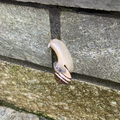 Snail climbing slabs at Servia, Greece. The shell is so heavy that its bottom side becomes visible.
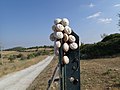 Snails in the Hyblaean Mountains.


