Hubbry Logo
Captaincy General of ChileCaptaincy General of ChileMain
Open search
Captaincy General of Chile
Community hub
Captaincy General of Chile
logo
8 pages, 0 posts
0 subscribers
Be the first to start a discussion here.
Captaincy General of Chile
from Wikipedia

33°27′00″S 70°40′00″W / 33.45°S 70.666667°W / -33.45; -70.666667

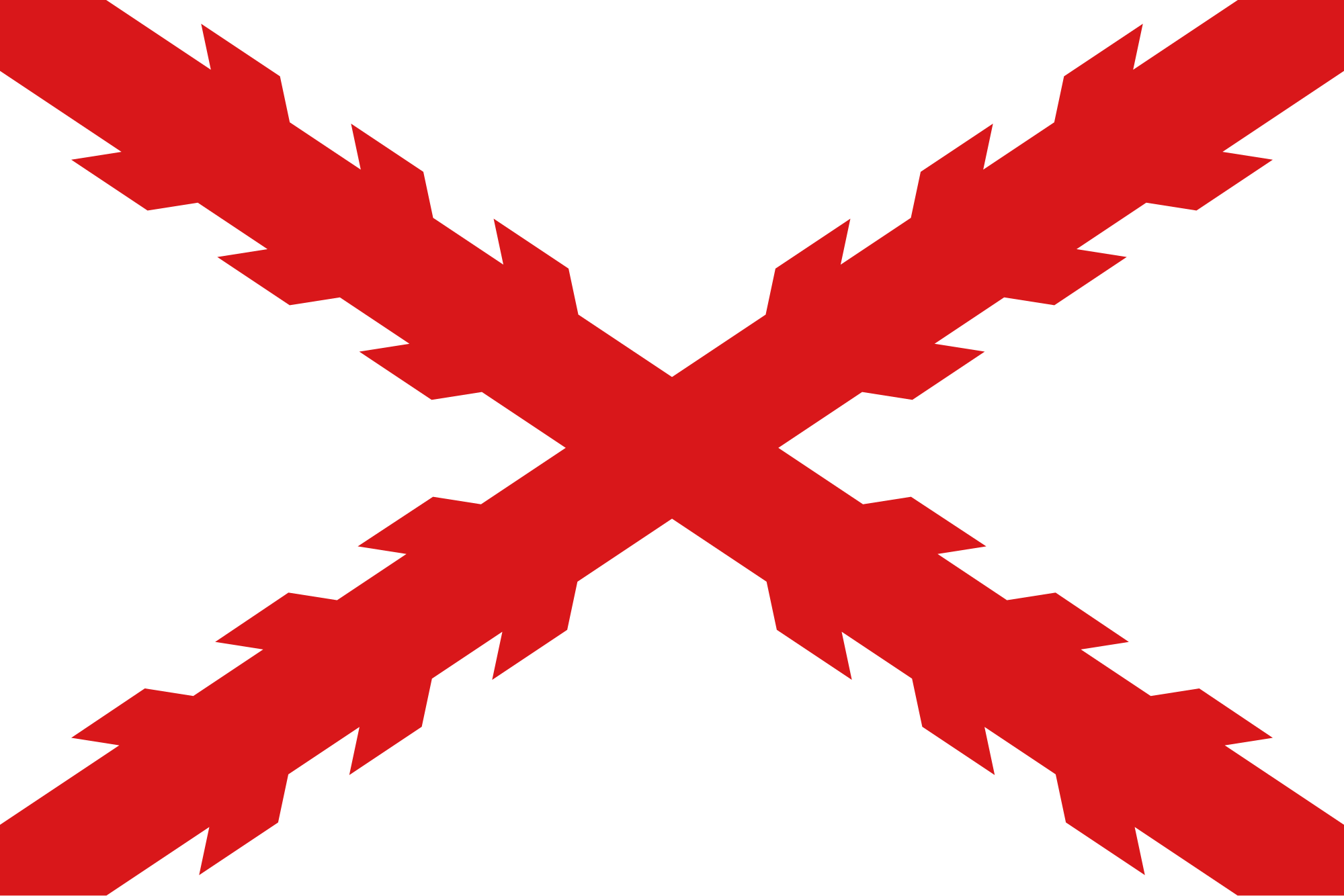
The General Captaincy of Chile (Capitanía General de Chile [kapitaˈni.a xeneˈɾal de ˈtʃile]), Governorate of Chile, or Kingdom of Chile,[6] was a territory of the Spanish Empire from 1541 to 1818 that was, initially, part of the Viceroyalty of Peru. It comprised most of modern-day Chile and southern parts of Argentina in the Patagonia region. Its capital was Santiago de Chile. In 1810 it declared itself independent, with the Spanish reconquering the territory in 1814, but in 1818 it gained independence as the Republic of Chile. It had a number of Spanish governors over its long history and several kings.

Key Information

Name

[edit]

The Captaincy General of Chile was incorporated to the Crown of Castile as were all the other Spanish possessions in the New World. The Captaincy General of Chile was first known as New Extremadura (a name subsequently given to a part of Mexico) and then as Indian Flanders.

Kingdom of Chile Alonso de Ovalle, year 1603-1651.
Kingdom of Chile

Benjamín Vicuña Mackenna noted that Chile has always been officially and unofficially the Kingdom of Chile.[7] In the 16th century Pedro Marino de Lobera, “Corregidor de Valdivia”, 1575 wrote the Chronicles of the Kingdom of Chile.[8] Other publications of the 16th, 17th and 18th centuries confirm the name and/or status of what is known as the Kingdom.[9] However, although the status of kingdom was officially used and recognised in Court the jurisdiction of the kingdom was still under Spanish control for most of its existence, later it became a republic.[10]

The administrative apparatus of the Captaincy General of Chile was subordinate to the Council of the Indies and the Laws of the Indies, like the other Spanish colonial possessions. The day-to-day work was handled mostly by viceroys and governors, who represented the king in the overseas territories. The areas of the Americas, which had been the site of complex civilizations or became rich societies were usually referred to by the Spanish as "kingdoms".

History

[edit]

Exploration and conquest

[edit]
Founding of Santiago in 1541.

In 1536 Diego de Almagro formed the first expedition to explore the territories to the south of the Inca Empire, which had been granted to him as the Governorship of New Toledo. After Almargo's death, Pedro de Valdivia solicited and was granted in 1539 the right to explore and conquer the area with Francisco Pizarro's approval. Valdivia founded the city of Santiago del Nuevo Extremo and a few months later its cabildo (municipal council) appointed him governor and Captain General of New Extremadura on June 11, 1541. Other cities founded during Valdivia's administration were Concepción in 1550, La Imperial in 1551, Santa María Magdalena de Villa Rica and Santa María la Blanca de Valdivia in 1552, and the following year Los Confines and Santiago del Estero on the eastern side of the Andes. In 1553 Valdivia also founded a series of forts for protection of the settled areas: San Felipe de Araucan, San Juan Bautista de Purén and San Diego de Tucapel. After Valdivia's death that same year, these last forts, Villarica and Concepcion were lost. they were recovered following the war with Lautaro and Caupolicán. Following the defeat of the Mapuche by García Hurtado de Mendoza, settlements continued to grow and more cities were founded: Cañete de la Frontera on the site of the former Fort San Diego de Tucapel and Villa de San Mateo de Osorno in 1558, San Andrés de Angol in 1560, Ciudad de Mendoza del Nuevo Valle de La Rioja in 1561, San Luis de Loyola Nueva Medina de Rioseco and San Juan de la Frontera in 1562, and Santiago de Castro in 1567. Martín García Óñez de Loyola founded a last city south of the Bio Bio River, Santa Cruz de Coya, in 1595.

Collapse of southern Chile

[edit]
Illustration of the Arauco War in Jerónimo de Vivar's book Crónica y relación copiosa y verdadera de los reynos de Chile (1558).

A Mapuche revolt was triggered following the news of the battle of Curalaba on the 23 of December 1598, where the vice toqui Pelantaru and his lieutenants Anganamon and Guaiquimilla with three hundred men ambushed and killed the Spanish governor Martín García Óñez de Loyola and nearly all his companions.

Over the next few years the Mapuche were able to destroy or force the abandonment of seven Spanish cities in Mapuche territory: Santa Cruz de Coya (1599), Santa María la Blanca de Valdivia (1599), San Andrés de Los Infantes (1599), La Imperial (1600), Santa María Magdalena de Villa Rica (1602), San Mateo de Osorno (1602), and San Felipe de Araucan (1604).

17th century: Consolidation of the kingdom

[edit]

In the 17th century, the Spanish overseas territory of Chile saw a rearrangement of its population center. While in the 16th century, most of the cities founded by the Spanish were located from Bio-Bio southward, with only Santiago, La Serena and some transandine cities located north of it, in the 17th century, Spanish authority and settlements were abandoned down south of Bío-Bío Region. The kingdom went from being a gold exporter with potential for expanding to the Strait of Magellan to being one of the Spanish Empire's most problematic and poor in natural resources. The Spanish Empire had to divert silver from Potosí to finance a standing army in Chile to fight in the Arauco War. Since the raids of Francis Drake in Chilean waters more seaborne assaults followed in the 17th century, mostly from Dutch corsairs. The Spanish Empire's attempts to block the entrance to the Pacific Ocean by fortifying the Straits of Magellan were abandoned after the discovery of Hoces Sea, focusing then on fortifying the coastal cities of Chile, a tactic that later was proven to be more affordable and effective in combating piracy while keeping the area under Spanish rule.

18th century: Reforms and development

[edit]
Territory legally belonging (with or without effective control) to the Captaincy General or Kingdom of Chile in 1776 according to Chilean historiography. That year the Viceroyalty of the Río de la Plata was created and the territorios of the cities of Mendoza and San Juan were transferred from Chile to the new entity.[1][11][12][13]

Political history

[edit]

As noted, the area had been designated a governorship (gobernación) during the initial exploration and settlement of the area, but because the local Amerindian peoples demonstrated fierce resistance, a more autonomous, military-based governmental authority was needed. Thus, the governor was given command of the local military and the title of captain general. This arrangement was seen in many places of the Spanish Empire.

The greatest setback the Spanish settlements suffered was the Disaster of Curalaba in 1598, which nearly wiped them out. All cities south of the Biobío River with the exception of Castro were destroyed. The river became La Frontera the de facto border between Spanish and Native areas for the next century. (See Arauco War.)

Chile lost an important part of its territory with the Bourbon reforms of Charles III, the territories of the city of Mendoza and San Juan from the province of Cuyo were transferred to the domain of the newly created Viceroyalty of the Río de la Plata in 1776.[1][11] Chile gained two intendancies, Santiago and Concepción in 1786 and became a Bourbon-style Captaincy General in 1789.

Society

[edit]

Societal groups

[edit]
"Baile del Santiago antiguo" by Pedro Subercaseaux. Chile's colonial high society were made up by landowners and government officials.

The Chilean colonial society was based on a caste system. The Criollos (American born Spaniards) enjoyed privileges like the ownership of encomiendas (Indian labor jurisdictions) and were allowed limited access to government and administrative positions such as corregidor or alférez. Mestizos made up initially a small group, but with time grew to become a majority in Chilean society becoming more numerous than native indigenous peoples.[14] Mestizos were not a homogeneous group and were judged more by appearance and education than by actual ancestry.[14] Native peoples experienced the most discrimination among societal groups in colonial Chile; many of them were used as cheap labor in encomienda, causing their numbers to decrease over time due to disease. Pehuenches, Huilliches and Mapuches living south of La Frontera were not part of the colonial society since they were outside the de facto borders of Chile. Black slaves made up a minority of the population in colonial Chile and had a special status due to their high cost of import and maintenance.[14] Black slaves were often used as housekeepers and other posts of confidence.[14] Peninsulares, Spaniards born in Spain, were a rather small group in late colonial times, some of them came as government officials and some other as merchants. Their role in high government positions in Chile led to resentment among local criollos.[14] Mixing of different groups was not uncommon although marriage between members of the different groups was rare.

During late colonial times new migration pulses took off leading to large numbers of Basque people settling in Chile mingling with landowning criollos, forming a new upper class.[14] Scholar Louis Thayer Ojeda estimates that during the 17th and 18th centuries fully 45% of all immigrants in Chile were Basques.[15]

Sex and marriage

[edit]

Native indigenous peoples in colonial society appeared, to the average Catholic Spaniard, to be somewhat liberal in their approach to sexual relationships.[16]

16th century Spaniards are known to have been pessimistic about marriage.[16] Many of the initial conquistadores left their own families behind in Spain and started new relationships in Chile.[16] Examples of this is Pedro de Valdivia who held Inés de Suárez as a common law wife while in Chile.[16] Adultery was explicitly forbidden for Catholics and the Council of Trent (1545–1563) made the climate prone for accusations of adultery.[16] Over the course of the 16th, 17th and 18th centuries marital fidelity increased in Chile.[16]

The main indigenous group in the Aconcagua Valley was the Picunche people, which was the main ethnicity to be mixed with the Spaniards are the territory controlled by the Monarchy was mainly concentrated those lands.

Chilean Antarctica in the Hispanic Monarchy times

[edit]
World Map by Abraham Ortelius (1570), where appears the Terra Australis Incognita.

For many years, cartographers and European explorers speculated about the existence of the Terra Australis Incognita, a vast territory located in the south of the Strait of Magellan and Tierra del Fuego and reached the South Pole.

The Treaty of Tordesillas, signed on June 7 of 1494, set the areas of influence of Spain and Portugal, west and east, respectively, of a line running from pole to pole that was never demarcated (at 46° 37 'W in the Spanish classical interpretation, and further west, according to the Portuguese interpretation), so the Antarctic areas claimed by Chile today, while still unknown at that time, fell within the control of Spain. The treaty, backed by the papal bull Ea quae pro bono pacis in 1506 was made mandatory for all Catholic countries, was not recognized by European non-Catholic states and even by some that were, like France. For Britain, Dutch, Russia and other countries, the Antarctic areas were considered res nullius, a no man's land not subject to the occupation of any nation.

In 1534, The Emperor Charles V divided in three governorates the South American territory :

In 1539, a new governorate was formed south of New León called Terra Australis to Pedro Sanchez de la Hoz. In 1554, the conqueror Pedro de Valdivia, who led the Governorate of Chile, he talked to the Council of the Indies to give the rights of New León and the Terra Australis to Jeronimo de Alderete, which, after the death of Valdivia the following year, became governor of Chile and annexed the Chilean colonial territory.

Proof of this are numerous historical documents, among which include a Royal Decree of 1554:

Because it was personally consulted, we will grant, to the Captain Jeronimo de Alderete the land across the Magellan Strait

Later, in 1558, the Royal Decree of Brussels it prompted the Chilean colonial government to take ownership in our name from the lands and provinces that fall in the demarcation of the Spanish crown in Referring to the land across the Strait, because at that time it was thought that Tierra del Fuego was an integral part of the Terra Australis.

One of the most important works of Spanish literature, the epic poem La Araucana by Alonso de Ercilla (1569), is also considered by Chile as favorable to their argument, as you can read in the seventh stanza of his Canto I:

Is Chile North South very long,
new sea coast of the south called;
will from East to West of wide
one hundred miles, so wider taken,
under the Antarctic Pole height
twenty-seven degrees,
prolonged until the sea Ocean and Chilean
mix their waters within narrow.

In the fourth stanza of his Canto III:

This was the one who found the sections
Indians of Antarctic regions.

There are also stories and maps, both Chilean and Europeans, indicating the membership of the Terra Australis Antarctica as part of the Captaincy General of Chile.

The Spanish navigator Gabriel de Castilla sailed from Valparaiso in March 1603 in command of three ships in an expedition entrusted by his brother cousin viceroy of Peru, Luis de Velasco y Castilla, to repress the incursions of Dutch privateers in the Southern Seas, reaching 64 degrees south latitude. There have not founded in the Spanish archives documents confirming the reached latitude and sighted land; however, the story of the Dutch sailor Laurenz Claesz (is a testimony dateless, but probably after 1607), documents the latitude and time. Claesz said:

Sailed under the Admiral don Gabriel of Castile with three ships along the coasts of Chile towards Valparaiso, and from there to the strait. In March of 1603 he reached 64 degrees and they had a lot of snow there. In the following April they returned back to the coast of Chile

Another Dutch document, published in Amsterdam in three languages in 1622, says that at 64°S there are "very high and mountainous, snow cover, like the country of Norway, all white, land It seemed to extend to the Solomon Islands" This confirms a previous sighting of the lands would be the South Shetland Islands.

Other historians attribute the first sighting of Antarctic land to the Dutch marine Dirk Gerritsz, which would have found the islands now known as South Shetland. According to his account, his ship was diverted from course by a storm after transposing the Strait of Magellan, in the journey of a Dutch expedition to the East Indies in 1599. There are doubts about the veracity of Gerritsz.

At this time was already known the existence of a white continent in south of the Drake Passage, separated from the Tierra del Fuego. In 1772, the British James Cook circumnavigated the waters of the Southern Ocean.[17] which was granted to Pedro Sancho de la Hoz[18][19][20]

Economy

[edit]

The Spanish conquest of Chile was carried out by private enterprises rather than directly by the Spanish Crown.[21] The settlers established cities, granting land and indigenous labor to Spaniards for economic activities.[22]

Gold extraction and agriculture were key economic activities, though the exploitation of indigenous labor led to conflicts with Jesuits, Spanish officials, and Mapuche resistance.[23] The Spanish city network collapsed after the battle of Curalaba (1598), leading to an economic shift towards hacienda-based agriculture and livestock farming.[24]

In the 17th century, Chilean exports to Viceroyalty of Peru included suet, charqui, and leather, making the period known as the "century of suet."[25] Additionally, wood from Chiloé Archipelago and Valdivia supplied Peruvian markets.[26]

By the 18th century, Chile had become a key wheat supplier to Peru, especially after the 1687 earthquake and stem rust epidemic in Peru devastated local production.[27] Chilean latifundia focused on international exports rather than local markets.[28] The century also saw a mining revival, with gold and silver production increasing significantly.[29]

Shipbuilding peaked in Valdivia, Concepción, and Chiloé, constructing vessels including frigates for Spanish trade.[30] Meanwhile, smuggling became widespread, weakening Spain's trade monopoly.[31]

The Chilean Independence War (1810–1818) disrupted trade and devastated the countryside. The post-war economy struggled with heavy debt, and a 1822 loan from London burdened the new Chilean state for decades.[32] Despite these challenges, new trade relations with the United States, France, and the United Kingdom emerged.[33]

See also

[edit]

References

[edit]
[edit]
Revisions and contributorsEdit on WikipediaRead on Wikipedia
from Grokipedia
The Captaincy General of Chile was a territorial division of the in , formally established in 1540 when took possession of the region on behalf of and founded Santiago as its capital the following year, initially operating as a governorate subordinate to the and governed by royal appointees bearing the military title of . This administrative entity encompassed the longitudinal strip of land corresponding to modern north of the Bio-Bío River, with its southern frontiers defined by protracted conflicts against indigenous resistance rather than fixed boundaries. Ruled through a combination of royal governors, a royal audiencia established in 1609 for judicial oversight, and adherence to the Laws of the Indies, the captaincy functioned with considerable de facto autonomy due to its geographic isolation, fostering a creole elite that prioritized local defense and resource extraction over integration with Lima's viceregal apparatus. The colony's defining characteristics included endemic warfare in the Arauco frontier, where Spanish expeditions repeatedly failed to subdue forces, culminating in major setbacks like the 1598 Curalaba ambush that destroyed seven cities south of the Bio-Bío and contracted effective control to the central valley for over two centuries. Economically, it relied on from Potosí's indirect stimulus, cultivation for export to , and cattle ranching, though chronic poverty and dependence on trade persisted until the 18th-century , which in 1778 granted freer commerce, judicial independence from the Audiencia, and infrastructural investments that spurred population growth and urban development. Notable governors like Ambrosio O'Higgins advanced fortification and road-building efforts, yet the captaincy's remoteness bred administrative corruption and between , creoles, mestizos, and indigenous subjects, with labor systems gradually yielding to estates. By the late , Enlightenment influences and economic liberalization had cultivated a sense of distinct Chilean identity among elites, setting the stage for the independence movements triggered by the 1808 Napoleonic crisis in , which led to the formation of a patriotic junta in 1810 and, after royalist reconquests, culminated in full severance from the empire with the 1818 . The captaincy's legacy endures in 's elongated geography, which shaped its defensive and export-oriented economy, though its colonial pacification policies left unresolved indigenous land claims that echoed into the republican era.

Nomenclature and Administrative Framework

Etymology and Designations

The name Chile originated from indigenous languages spoken in the region prior to Spanish arrival, with the earliest Spanish recording as Chili appearing by 1545; proposed derivations include an Aymara term chilli denoting "where the land ends" or a reference to cold conditions, though the precise etymology remains disputed among multiple indigenous linguistic hypotheses such as Mapuche associations with geographical limits or avian calls. Upon conquest, designated the territory Nueva Extremadura in 1541 to evoke the Spanish region of , but the pre-existing indigenous toponym rapidly supplanted it in official and common usage by the mid-16th century. The administrative title Capitanía General de Chile stemmed from the governance structure wherein the highest authority held the rank of capitán general, a Spanish military office granting unified civil, military, and jurisdictional powers suited to frontier provinces amid persistent warfare; this form persisted from the territory's establishment in 1541 through in 1818. The entity was interchangeably termed Gobernación de Chile in reference to its evolution from an initial governorship under the , while historical chronicles and urban studies also applied Reino de Chile to signify its status as a domain equivalent to a kingdom under the Habsburg and Bourbon monarchs.

Jurisdictional Status and Evolution

The Captaincy General of began as the Governorate of New Extremadura, founded on February 12, 1541, when established Santiago as its capital, assuming the role of first governor and . This encompassed the territories conquered from indigenous groups in , extending southward amid ongoing conflicts. From its inception, the governorate operated with significant military due to the remote and hostile conditions, yet it was administratively linked to the broader Spanish imperial structure. Upon the establishment of the in 1542, Chile's governorate was incorporated into its jurisdiction, subjecting it to the 's oversight for fiscal, judicial, and higher appellate matters while retaining local governance under the governor. The Audiencia of handled appeals from until the creation of the Real Audiencia of Santiago in 1609, though ultimate authority rested with the viceroy in Lima. This dependency persisted through the Hapsburg era, with Chilean governors holding the dual title of governor and but lacking full independence, as key decisions on trade, defense, and resources required viceregal approval. The of the late marked a pivotal evolution in 's status. In 1776, the Viceroyalty of the was created, initially absorbing eastern Andean territories previously under Chilean control, such as the provinces of Cuyo. However, a royal decree on August 7, , separated from this viceroyalty, reconstituting it as an autonomous Captaincy General directly subordinate to the in . This reform, implemented under Governor Ambrosio O'Higgins, enhanced administrative efficiency, promoted within the empire, and strengthened military defenses, reflecting 's centralizing efforts while granting de facto greater due to communication delays with . The independent status bolstered local authority until the crisis of 1808-1810, when loyalty to the Spanish crown fractured amid Napoleonic disruptions.

Historical Development

Foundation and Initial Conquest (1541–1560s)

Pedro de Valdivia, appointed lieutenant-governor of by in 1539, led an expedition of approximately 150 and Indian allies from Cuzco in 1540, crossing the to reach by July. On February 12, 1541, Valdivia founded Santiago del Nuevo Extremo in the Mapocho Valley, marking the initial establishment of Spanish presence in central Chile. The local , formed in March 1541, appointed Valdivia as governor and , creating the as an administrative dependency of the with considerable autonomy in military and judicial affairs. The initial conquest focused on subduing indigenous populations north of the Bío-Bío River for labor and securing territory, with Valdivia distributing land and Indians through repartimientos: 60 grants from to Bío-Bío in 1544, later reduced to 32 in 1546 due to population declines. Cities were established to consolidate control, including La Serena in 1544 and Concepción on March 3, 1550; further southern foundations like Imperial, , Villarrica, and Angol followed in 1552-1553 to anchor defenses against resistance. Economic emphasis shifted to and as proved scarce, with early settlers facing harsh conditions including indigenous raids that destroyed nascent settlements. Mapuche forces mounted fierce opposition south of the Bío-Bío, culminating in the on December 25, 1553, where Lautaro's ambush annihilated the fort and led to Valdivia's death along with 50 soldiers. Francisco de Villagra assumed interim governance, but Araucanian uprisings persisted until Lautaro's defeat and death at the Battle of Mataquito in 1557, followed by the capture and execution of in 1558. García Hurtado de Mendoza arrived in 1557 as , reinforcing southern positions until his recall in 1561, though Mapuche autonomy endured beyond the Bío-Bío, limiting Spanish expansion in this phase.

Arauco Wars and Southern Instability (1570s–1600s)

The Arauco Wars intensified in the late 16th century as Spanish forces under successive governors sought to subdue Mapuche resistance south of the Bío-Bío River, but encountered fierce guerrilla warfare leveraging the region's dense forests, swamps, and mobility advantages of indigenous cavalry adopted from captured Spanish horses. Spanish strategies relied on fortified presidios and punitive expeditions to scorch Mapuche rucas and crops, aiming to induce starvation and submission, yet these efforts yielded only temporary gains amid high logistical costs and desertions. By the 1570s, governors like Rodrigo de Quiroga maintained a fragile frontier through truces and alliances with some Mapuche factions, but renewed uprisings disrupted encomienda labor systems and exposed vulnerabilities in isolated settlements. A pivotal reversal occurred on December 21, 1598, at the , where toqui Pelantaru orchestrated an ambush against Governor Martín García Óñez de Loyola's party of approximately 50 soldiers near Purén, resulting in the deaths of Loyola and most of his men through coordinated archery and melee attacks. This victory ignited widespread offensives, culminating in the from late 1599 to early 1600, as warriors under leaders like Anganamón razed outposts including Santa Cruz de Coya, La Imperial (founded 1551), Villarrica (1552), and (1552), with survivors—estimated at hundreds—fleeing northward amid massacres and enslavements that eliminated Spanish presence south of the Bío-Bío. The collapse claimed thousands of indigenous auxiliaries allied with and forced the abandonment of gold mines, underscoring tactical adaptation and unity against colonial incursion. Southern instability persisted into the 1600s through malón raids—large-scale incursions involving hundreds to thousands of warriors crossing the Bío-Bío to plunder haciendas, seize captives for ransom or labor, and burn crops, as seen in attacks reaching as far as Concepción and Santiago's outskirts. These operations, often seasonal and retaliatory, inflicted recurrent economic losses on the Captaincy General, estimated in contemporary accounts to devastate agricultural output and livestock, while necessitating a standing force of 1,000-2,000 soldiers funded by the Peruvian situado averaging 100,000 pesos annually by the early . Socially, the bred a hardy class of frontier soldiers and settlers, with mestizaje increasing through unions and adoptions, yet chronic insecurity stalled demographic growth south of the river and entrenched a defensive posture that diverted resources from central consolidation. By 1603, Alonso de Ercilla's chronicles highlighted the impasse, prompting structural reforms like professionalizing colonial militias to counter the enduring threat.

Consolidation of Central Authority (17th Century)

The Disaster of Curalaba in 1598 marked a pivotal shift, as Mapuche forces under Pelantaro ambushed and killed Governor Martín García Óñez de Loyola along with much of his entourage, leading to the abandonment of Spanish settlements south of the Bío-Bío River. This event compelled the Spanish Crown to redirect resources toward fortifying the northern and central regions, effectively establishing the Bío-Bío as a de facto frontier and allowing for the consolidation of authority in the more populated and economically viable areas around Santiago and Concepción. Governors such as Alonso de Ribera (1601–1616) reorganized the colonial military into a more professional standing force, emphasizing defensive presídios along the frontier to prevent Mapuche incursions while prioritizing internal stability. In 1609, the establishment of the Real Audiencia of Santiago represented a key institutional reform, transferring judicial authority from and providing a mechanism for royal oversight that curbed the unchecked power of local encomenderos and governors. Composed of oidores (judges) appointed by , the Audiencia adjudicated civil and criminal cases, enforced royal decrees, and occasionally intervened in gubernatorial decisions, thereby embedding centralized Habsburg administration more firmly in despite the colony's peripheral status within the . This body facilitated the gradual erosion of the system's dominance, as sought to redirect tribute collection toward royal coffers, though entrenched elites resisted these encroachments. Economic developments further underpinned central authority, with the 17th century witnessing a transition from mineral-dependent wealth to agricultural exports, particularly wheat shipped to amid that viceroyalty's mining booms and droughts. This agrarian surge enriched creole landowners in the central valley but also increased fiscal revenues through alcabala sales taxes, enabling investments in infrastructure like Valparaíso's fortifications against pirate raids—such as the Dutch sacking of in 1604. The 1641 Parliament of Quilín formalized a truce with certain groups, exchanging trade goods for peace and reducing the drain of prolonged warfare, which allowed governors to allocate resources toward administrative efficiency rather than constant frontier expansion.

Bourbon Reforms and Late Colonial Growth (18th Century)

The Bourbon Reforms, enacted primarily under Charles III of Spain from 1759 onward, sought to centralize imperial administration, extract greater fiscal revenues, and fortify colonial defenses against external threats and internal unrest. In the Captaincy General of Chile, these policies accelerated during the tenure of Governor Ambrosio O'Higgins from 1782 to 1796, who prioritized infrastructural development and economic self-reliance to reduce dependence on subsidies from the Viceroyalty of Peru. Administrative restructuring granted the Audiencia of Santiago increased autonomy from Lima, while intendants were appointed to provinces like Concepción and Chiloé to streamline governance, tax enforcement, and local resource management. Military enhancements under the reforms expanded the and introduced professional regiments to bolster frontier security amid ongoing Araucanian conflicts, reflecting Spain's broader push for disciplined, Crown-controlled forces over local militias. The 1776 establishment of the Viceroyalty of the severed Chile's control over the prosperous Cuyo provinces—including Mendoza and [San Juan](/page/San Juan)—reorienting trade flows and diminishing Chilean territorial influence eastward. These shifts, combined with O'Higgins' initiatives like road construction and port improvements, laid groundwork for internal stability despite persistent southern hostilities. Economic measures liberalized inter-colonial trade via the 1778 decree, enabling Chile to export wheat and hides to Peru and the Río de la Plata, while incentives revived mining operations in copper and silver, albeit constrained by the region's modest mineral yields. O'Higgins furthered agricultural expansion by refounding Osorno in 1796 with Spanish and Irish settlers to cultivate underutilized southern lands, aiming to curb food imports. The 1791 abolition of encomiendas and mita labor systems transitioned toward wage-based employment, spurring modest productivity gains in a predominantly agrarian economy that remained a net recipient of imperial subsidies until late in the century. Late colonial demographics reflected these dynamics, with the population expanding to approximately 500,000 by circa 1810—predominantly mestizos (about 300,000) and creoles (150,000), excluding unsubjugated indigenous populations—through natural growth and limited . Urbanization quickened in central valleys, supporting trade hubs like Santiago and , though overall expansion was tempered by geographic isolation and low export values, marking a period of gradual rather than transformative prosperity.

Governance and Political Structure

Authority of the Captain General

The held supreme authority as the governor, military commander, and president of the Real Audiencia in the Captaincy General of Chile, overseeing civil administration, defense, and justice under the ultimate sovereignty of the Spanish Crown. Appointed directly by the on recommendation from the , the office combined executive, legislative, and judicial functions tailored to Chile's frontier conditions, where constant threats from resistance necessitated rapid decision-making independent of the distant of . This structure evolved from the initial governorship established in 1541 under , with the title of formally granted to many governors from the onward to emphasize military primacy, though full separation as a captaincy general occurred via royal decree on August 7, 1778, under , granting enhanced autonomy in military affairs while retaining fiscal and judicial subordination to until further reforms in 1780. Militarily, the Captain General commanded all colonial forces, including presidios, militias, and expeditionary armies, with authority to declare war, negotiate truces, and allocate resources for campaigns against indigenous groups, as seen in the prolonged Arauco Wars that consumed much of the colonial budget—estimated at over 250,000 pesos annually by the late for frontier defense alone. Civil powers encompassed appointing corregidores and other local officials, regulating trade, and enforcing royal ordinances, though practical enforcement varied due to sparse population and terrain; for instance, the Captain General could issue bandos (decrees) on matters like mining regulations or indigenous labor under the system, subject to review by the Audiencia. Judicially, as president of the Santiago Audiencia established in 1609, he supervised high court proceedings, appointed oidores (judges), and exercised fuero militar to try military personnel, but decisions could be appealed to the , providing a check on abuses despite the office's broad latitude. Limits on authority stemmed from the , which mandated consultation with the Audiencia for major policy and fiscal accountability via the royal treasury, yet Chile's isolation—over 2,000 leagues from —rendered viceregal oversight nominal, fostering independence in crises, as during Ambrosio O'Higgins's tenure (1789–1796), when he reformed infrastructure and defenses with minimal central interference. The 1778 elevation responded to emphasizing efficient frontier , reducing viceregal vetoes to enable quicker responses to uprisings, though corruption scandals, such as those under Governor García Carrasco in 1808–1810 involving of funds, highlighted vulnerabilities to personal misconduct absent robust oversight. Overall, the office's design prioritized security over centralized control, reflecting Spain's adaptive in peripheral territories.

Audiencia and Judicial System

The Real Audiencia of Santiago functioned as the principal and consultative council within the Captaincy General of Chile, exercising jurisdiction over civil and criminal matters while advising the on administrative and legislative issues. Established by royal decree on September 10, 1609, following the suppression of a prior audiencia in Concepción (active from 1565 to 1572), it comprised a president (typically the or ), four oidores (judges), and a fiscal (royal prosecutor) to safeguard the king's prerogatives against local encroachments. The audiencia held in cases involving royal officials, high , or disputes exceeding local competencies, with appeals escalating to the in ; it also promulgated ordinances on procedural matters, such as those regulating court practices until its abolition in 1817 amid independence movements. In practice, its decisions balanced executive authority with checks on gubernatorial overreach, though tensions arose when captains general, as presidents, influenced rulings, reflecting the intertwined civil-military-judicial structure of Spanish colonial governance. Subordinate to the audiencia, the judicial system included municipal cabildos led by alcaldes ordinarios, who adjudicated minor civil suits, petty crimes, and land disputes within cities like Santiago and Concepción, enforcing ordinances under the . Provincial corregidores and later Bourbon-era intendants (introduced post-1778 reforms) extended limited judicial oversight in rural districts, handling encomienda-related conflicts and indigenous litigation, though appeals consistently routed to the audiencia to maintain uniformity. courts operated in parallel for moral and religious offenses, with the audiencia intervening in jurisdictional clashes via privileges. This layered framework ensured centralized royal control amid Chile's challenges, processing cases like Araucanian frontier skirmishes through evidentiary trials emphasizing witness testimony and written records.

Fiscal Administration and Relations with Peru

The fiscal administration of the Captaincy General of Chile operated through the Real Hacienda, with royal treasuries (cajas reales) in Santiago and regional centers responsible for collecting and remitting revenues to the Crown, initially under oversight from the . Key sources included the alcabala (a typically levied at 2-10% on transactions), indigenous tributes (annual payments from adult native males, often in kind or coin, though enforcement was inconsistent due to frontier warfare), the quinto real (20% royal share on extracted precious metals, limited by Chile's modest mining output), and customs duties (almojarifazgo). By the mid-18th century, tobacco revenues from the state monopoly (estanco), established in 1753, became a major contributor, alongside agricultural exports. A royal mint opened in Santiago in 1750 to process local gold and silver, managed from 1772 by a superintendent such as Mateo del Toro Zambrano, reducing reliance on Peruvian coining. Annual public revenues reached approximately 600,000 pesos by the late 18th century, with about 250,000 pesos (roughly two-fifths) dedicated to military expenditures for southern frontier defense. Governors, as capitán general, oversaw fiscal operations but often faced accusations of abuse, such as private tax farming or monopolizing exports like tallow under figures like Francisco de Meneses in the 1660s, prompting royal interventions and dismissals. Indigenous tributes, intended as a fixed per-capita levy, frequently yielded wheat or labor equivalents for encomenderos, but Arauco War disruptions limited collections, with early attempts at monetary tributes under Martín Ruiz de Gamboa in the late 16th century proving largely ineffective. Relations with the were characterized by economic dependence and fiscal subsidiarity until enhanced autonomy. Chile exported staples like wheat (spiking after the 1687 Lima earthquake), tallow (sebo), dried beef (charqui), wine, copper, and leather to Peruvian markets via , generating trade volumes of about 1.5 million pesos annually by the early and bolstering local customs income. In exchange, provided the real situado, an annual subsidy originating in 1600 at 60,000 ducats (extended beyond initial three-year terms) to finance Chile's Army of Arauco against resistance; by the early , this reached 300,000 crowns yearly, covering fortifications, garrisons, and operations critical to imperial security. Fiscal appeals and surplus remittances flowed to 's Audiencia until 1778, when ordinances separated Chile administratively from , granting direct accountability to the , liberalizing commerce, and reorganizing taxes as public services to curb private profiteering.

Society and Demographics

Social Stratification and Castas

Social stratification in the Captaincy General of Chile adhered to the Spanish sistema de castas, a hierarchical framework emphasizing limpieza de sangre (purity of blood), birthplace, and socioeconomic status to maintain European dominance. Peninsulares—Spaniards born on the Iberian Peninsula—occupied the pinnacle, controlling key viceregal appointments, military commands, and trade monopolies, though their numbers remained limited due to Chile's peripheral status within the empire. Criollos, those of unmixed Spanish ancestry born in the Americas, comprised the bulk of the landowning elite (hacendados) and dominated local cabildos, yet faced systemic exclusion from higher offices reserved for peninsulares, fostering resentment that later fueled independence movements. The castas pardas (mixed-race groups) formed the expansive middle and lower tiers, with mestizos—offspring of Spanish men and indigenous women—predominating as artisans, small farmers, and urban laborers in central cities like Santiago and Concepción. Mulatos (Spanish-African mixes) and zambos (indigenous-African) typically engaged in domestic service, mining, or militia roles, facing legal restrictions on property ownership and intermarriage with whites, though frontier conditions in permitted some upward mobility through or land grants unavailable in wealthier viceroyalties. By the late , whites and mestizos accounted for approximately 72% of the estimated 152,000 inhabitants, reflecting extensive mestizaje driven by male Spanish settlers outnumbering European women. Indigenous populations, legally classified as tributaries under royal protection, were integrated via the system in the central-southern valleys, where encomenderos extracted labor and tribute from groups like the Picunches; by 1655, Santiago's 164 encomenderos oversaw varying numbers of encomendados, often 6–50 per grant. Southern , however, resisted full subjugation during the Arauco Wars, maintaining autonomy and limiting their incorporation into the hierarchy. African slaves and free blacks, peaking at around 25,000 during the colonial era and comprising up to 30% of non-indigenous urban dwellers by 1600, filled skilled crafts and urban militias but dwindled through and low importation, contributing minimally to long-term demographics. Urban stratification underscored these divisions: in Santiago, circa 1655, 516 household heads reflected a layered society where aristocratic encomenderos and merchants owned estancias and urban properties, while artisans and poor clustered in peripheral barrios, with wealth disparities evident in Mendoza's 1737–1739 showing 11 elite vecinos holding over 10,000 pesos versus 85 middling ones with 1,000–10,000 pesos. Economic constraints from Chile's agrarian focus and isolation eroded rigid barriers over time, enabling mestizos to access militia commissions or small trades, unlike in Mexico's more formalized paintings and tribunals. Church and crown ordinances reinforced and , yet pragmatic alliances in warfare blurred lines, contributing to a relatively fluid society by the 18th century .

Indigenous Integration and Conflicts

In the central regions of the Captaincy General of , indigenous groups such as the Picunche and Promaucaes faced conquest and partial integration into the colonial economy through the system, where Spanish encomenderos extracted labor and tribute in exchange for nominal protection and . By the mid-16th century, these populations supplied agricultural labor for production and herding, but suffered severe depopulation from European diseases, warfare, and exploitation, reducing their numbers from an estimated 500,000 to 200,000 across by 1600. Efforts to congregate survivors into reducciones or pueblos de indios aimed to facilitate missionary work and taxation, yet enforcement was inconsistent due to ongoing resistance and the frontier's instability, leading to widespread mestizaje as indigenous women intermarried with Spanish settlers. Further south, the (known to Spaniards as Araucanians) mounted fierce resistance, preventing full integration and establishing a frontier along the Biobío River. The Arauco Wars, initiated during Pedro de Valdivia's campaigns from 1540 to 1553, saw initial Spanish advances halted by Mapuche tactics emphasizing mobility, ambushes, and alliances, culminating in Valdivia's death at the on December 25, 1553. Lautaro, a former yanacona who rose as a Mapuche leader, inflicted defeats like the and Marihueñu in 1557, destroying Spanish forces and forcing a reevaluation of conquest strategies. The Disaster of Curalaba on December 23, 1598, marked a turning point, with forces under Pelantaro annihilating a Spanish column led by Governor Pedro de Quiroga, leading to the abandonment of seven southern cities and over 3,000 settler deaths, prompting Spanish retreat to the Biobío line. Subsequent parlamentos, or diplomatic assemblies, such as the Parliament of Quilín in 1641, resulted in treaties recognizing autonomy south of the river in exchange for peace and trade, though these pacts were fragile and punctuated by malones— raids that killed thousands of colonists and captured slaves between the 17th and 18th centuries. By the late colonial period, intensified military pressure, but resilience, bolstered by their decentralized confederacies and adoption of horses and iron weapons via trade and raids, sustained conflicts until Chilean independence.

European and Creole Elites

The European elites in the Captaincy General of Chile were predominantly peninsulares, individuals born in the who held administrative, judicial, military, clerical, and mercantile positions. Numbering approximately 20,000 in the eighteenth century, they exercised substantial authority, often treating local inhabitants with disdain while emulating European ostentation in their and roles. Their dominance in high offices stemmed from royal appointments, which prioritized loyalty to the Spanish crown over local ties. Creole elites, criollos of Spanish descent born in the Americas, constituted a larger segment estimated at around 150,000 during the same period, primarily as landowners managing vast estancias, merchants, miners, and occasional industrialists. These families preserved wealth through mayorazgos (entailed estates) and intermarriage among old lineages, with some acquiring noble titles such as count or marquis directly from the Spanish court to bolster prestige via heraldry and patronage. In urban settings like Santiago, aristocratic creoles traced origins to early encomenderos who shifted from tribute labor to agrarian estates, achieving status through gubernatorial favors, militia service, or strategic marriages, though downward mobility affected less prominent branches. Relations between and creoles were marked by friction, as the latter chafed at exclusion from top royal posts and sought influence via cabildos and alliances with officials. Merchants, traditionally peninsular-dominated in imports and exports like and textiles, saw growing creole participation by the late eighteenth century, particularly in southern hubs like Concepción where creoles held 43% of positions and integrated commerce with landownership. life centered in Santiago's cultured circles, featuring one-story homes with interior patios, lavish clothing and furnishings, daily routines of mass, business, siestas, and social calls, alongside public spectacles like bullfights, horse races, and processions; women largely remained secluded within households. This stratum, though numerically small amid a total population nearing 700,000 by 1800, shaped local power dynamics through economic control and kinship networks.

Role of the Church and Religious Life

The constituted a foundational in the Captaincy General of Chile, to Spanish imperial control and societal cohesion from the onward. The bishopric of Santiago was erected in 1561, placing ecclesiastical administration under royal oversight via the , which empowered to nominate bishops, collect tithes, and direct activities. Religious orders, including and in the mid-16th century followed by Mercedarians, in 1593, and , established monasteries and convents that amassed considerable landholdings and influence, often exceeding that of civil authorities. By the , Santiago earned the epithet "Rome of the Indies" for its proliferation of religious houses, underscoring the Church's dominance in urban religious architecture and daily life. Evangelization formed a core mandate, intertwining with conquest to impose Catholicism on indigenous groups, though efforts among the yielded partial and uneven results amid protracted frontier conflicts. Jesuits spearheaded missions in southern regions like Chiloé from the early , founding residences, schools, and retreat houses to foster spiritual discipline and until their expulsion in under Bourbon decree. Secular clergy and friars administered sacraments, oversaw baptisms, and mediated disputes, while the —active from the late and reporting to —suppressed heresy and enforced orthodoxy, prosecuting cases of Judaizing or Protestant influence among settlers. Clerical authority extended to civil matters, with bishops empowered to excommunicate officials, as in historical clashes between prelates and governors like Rodrigo de Quiroga. In colonial society, the priesthood conferred elevated status, exemptions from , and economic security, drawing recruits from and strata while enabling the Church to regulate morals, education, and welfare. Religious practices permeated existence through obligatory daily masses, elaborate processions for feasts of St. James (the colony's patron), the Virgin of Socorro, and Corpus Christi, reinforcing communal identity and hierarchical order. Nunneries, established by orders like the Clares and , provided seclusion for women and contributed to charitable works, though the Church's vast from tithes and donations occasionally provoked tensions with fiscal reformers in the . Overall, ecclesiastical structures sustained Spanish cultural hegemony, intertwining faith with governance to stabilize the remote captaincy amid isolation and indigenous defiance.

Economy and Resource Management

Agricultural Systems and Encomienda

The system, introduced in Chile following Pedro de Valdivia's conquest in the 1540s, granted Spanish encomenderos rights to indigenous tribute and labor in exchange for providing , , and Christian instruction, though these obligations were often neglected in practice. In northern frontier areas like the Copiapó Valley, established as an in 1549 under Francisco de Aguirre, it served dual military and economic purposes, securing desert routes to while extracting resources from an indigenous of approximately 1,400, with about 10% (146 individuals) compelled to personal service in , household tasks, and , per the 1558 Santillán regulations that exempted most from mining . Encomenderos leveraged this system to amass wealth through activities such as sugarcane milling and , integrating indigenous labor into early colonial markets, but frequent indigenous resistance and encomendero-authority conflicts highlighted its precarious role in frontier stabilization. Agricultural production under encomiendas initially focused on subsistence and tribute goods, including cereals like —Chile's primary crop—and , supplemented by , potatoes, and orchards of olives and grapes for wine, alongside rearing for and . These outputs supported local consumption and exports to , where Chilean , wine, dried fruits, , and fetched value, contributing to an annual flow of around 1.5 million pesos by the late colonial period, though constrained by imperial monopolies and geography. Labor extraction via wards enabled this, but indigenous depopulation from warfare, disease, and overwork—exacerbated in southern zones by conflicts—limited scalability, prompting encomenderos to seek grants (mercedes) within their jurisdictions to consolidate holdings. By the late 16th century, the waned due to crown reforms like the 1542 curbing hereditary rights and labor abuses, alongside natural economic shifts toward diversified markets and urban growth, evolving into the system of self-sufficient estates owned outright by Spanish elites. dominated central 's fertile valleys, employing yanaconas—indigenous laborers detached from communities and bound to estates—and later inquilinos (resident tenants owing labor rent), fostering large-scale cultivation, , and cattle ranching for export-oriented production that absorbed most of the colonial workforce. This transition reflected pragmatic adaptation to labor shortages rather than solely crown intervention, with sustaining elite wealth through coerced yet increasingly debt-based peonage, though efficiency debates persist given persistent subsistence levels and regional isolation. were formally abolished in 1791, by which time had long supplanted them as the backbone of Chilean agriculture.

Mining Operations and Exports

Mining in the Captaincy General of Chile primarily involved extraction of silver, copper, and , with operations concentrated in the northern and central valleys, though overall output remained modest relative to Peru's or Mexico's veins due to geological limitations, logistical challenges, and sparse indigenous populations suitable for coerced labor. Silver mining dominated early efforts, exemplified by the Huantajaya (San Agustín) deposit near modern , discovered in 1557 and intermittently worked through the colonial era; by the mid-18th century, under enhancing fiscal oversight, annual silver yields from Huantajaya fluctuated between 1,000 and 5,000 marks (roughly 200–1,000 kg), supported by amalgam processing using mercury from , . Copper extraction, vital for tools, cannon, and ship sheathing, occurred at sites like Tongoy and , where ores were smelted in small furnaces using charcoal from local forests; persisted in southern rivers but yielded diminishing returns after initial rushes in the . Labor systems diverged from Peru's rotation, relying instead on voluntary indigenous peons, yanaconas (detached tribute laborers), and imported African slaves for hazardous underground work, as southern resistance precluded large-scale forced drafts; operations employed basic Spanish techniques like fire-setting for and stamp mills for crushing, with low limiting efficiency and safety. The elevation to captaincy general facilitated minor administrative autonomy, allowing governors like Ambrosio O'Higgins to encourage private investment via reduced royal fifths (quinto real) on output, though and eroded revenues; by the 1790s, total production contributed less than 10% to Chile's fiscal income, overshadowed by agricultural exports. Exports were constrained by the Andean barrier and Lima's trade monopoly, routing most silver and overland via Jujuy or coastal ports to Peruvian smelters and mints; bars, valued for malleability, supplied Peru's foundries, with annual shipments reaching 100–200 tons in peak 18th-century years, while silver ingots funded local elites' remittances to . Direct trans-Pacific trade remained negligible until late reforms, and illegal to British or contrabandistas undercut official flows; this peripheral role reinforced Chile's economic dependence on Peru until , with mining's causal underdevelopment stemming from geographic isolation rather than institutional failure alone.

Trade Constraints and Smuggling

The Captaincy General of Chile operated under Spain's mercantilist trade system, which mandated that colonial be funneled exclusively through the port of in , limiting direct exchanges with or other regions to prevent competition and ensure royal revenue extraction. Goods arriving in from were then transported overland via the treacherous Uspallata Pass or coastal routes to Santiago, incurring duties averaging 20-30% of value, prolonged delays of months, and high transportation costs that inflated prices for Chilean consumers by factors of 2-3 times European levels. This structure prioritized Peru's economic dominance, restricting Chile to exporting raw materials like , , and while importing manufactured goods, thereby stifling local industry and fostering dependency. Bourbon Reforms in the late 18th century partially alleviated these constraints by designating Chile as a "free trade" province in 1778, permitting limited direct shipments from Spanish ports like and expanding exchanges with other American colonies, though retained oversight and high tariffs persisted. By 1791, reforms opened additional ports such as for intra-imperial trade, boosting legal exports—Chilean wheat shipments to , for instance, rose from 10,000 fanegas annually in the 1760s to over 50,000 by 1800—but the system's rigidity continued to favor Lima, with Chilean merchants paying up to 14% ad valorem duties on imports. These measures aimed to rationalize revenue and curb illicit activities yet inadvertently highlighted the monopoly's inefficiencies, as legal trade volumes remained dwarfed by underground flows. Smuggling, or contrabando, emerged as a pervasive response to these barriers, with British, French, and later U.S. vessels anchoring off remote southern coasts like Concepción or Chiloé to exchange textiles, ironware, and slaves for hides, timber, and silver, evading duties that could consume 40-50% of trade value. Organized networks involving local elites, indigenous intermediaries, and foreign descamisados (shirtless traders) handled an estimated 70-80% of Chile's external commerce by the 1790s, as evidenced by the 1808 capture of the British ship laden with £20,000 in near . Authorities' sporadic crackdowns, such as the 1780s guerra al contrabando expeditions, yielded temporary seizures but failed to dismantle the trade, which sustained coastal economies and eroded fiscal control, contributing to creole grievances over imperial overreach.

Military Affairs and Frontier Defense

Organization and Tactics Against Mapuche Resistance

The Spanish in the Captaincy General of Chile against resistance centered on a defensive frontier system established after the devastating Mapuche uprising of 1598–1604, which obliterated seven southern presidios and compelled withdrawal to the north bank of the Bío Bío River as the stable boundary. Command rested with the governor, who doubled as capitán general, overseeing a modest standing force of compañías fijas—fixed and companies totaling roughly 1,000–2,000 professional troops by the late , supplemented by settler militias (milicianos) from agricultural frontiers like Concepción and local allied indigenous groups such as the Pehuenche. These garrisons were distributed across key presidios, including Concepción (the primary hub with up to 500 defenders), , Angol, and Nacimiento, each housing 50–200 soldiers tasked with surveillance, rapid mobilization, and supply line protection amid the river's natural barrier of swift currents and dense forests. Tactics evolved from early 16th-century offensive conquests—characterized by infantry tercios, cavalry charges, and fortified city foundations under —to a guerra defensiva () policy formalized after , emphasizing static defense over expansion to conserve resources against guerrilla mobility. Spanish forces countered malones (swift raiding parties of 100–1,000 warriors on horseback, targeting and settlements) through fortified networks enabling quick sorties, ambushes, and scorched-earth retreats to deny raiders sustenance, while periodic malocas (punitive expeditions) of 500–2,000 men under commanders like Governor Ambrosio O'Higgins in the 1780s aimed to disrupt alliances via targeted destruction of crops and rucas (huts). Firearms, including arquebuses and early flintlocks, provided firepower advantages in set-piece clashes, but adaptation to adoption of captured horses and limited decisive victories, with Jesuits like Luis de Valdivia advocating integrated missionary outposts to undermine resistance ideologically alongside military containment. This hybrid approach yielded fragile truces via parlamentos (congresses) with lonkos (chiefs), as in the 1726 treaty under Governor Manuel de Salas, exchanging gifts and border demarcations for temporary cessation of hostilities, though chronic underfunding—exacerbated by Chile's peripheral status in the —often left garrisons undersupplied, fostering reliance on encomendero levies and informal creole militias prone to desertion. By the of the 1770s–1780s, efforts to professionalize included establishing dragoon regiments for mobile patrols, yet resilience, bolstered by internal confederations and adoption of iron weapons, sustained , with Spanish casualties in frontier skirmishes exceeding 500 annually in peak raid years like 1766.

Coastal Fortifications and Piracy Threats

The long Pacific coastline of the Captaincy General of Chile exposed Spanish settlements to repeated incursions by English and Dutch s seeking to disrupt imperial trade and seize silver shipments from . In 1578, English raided , capturing provisions and a Spanish vessel carrying 20,000 pesos in gold, which highlighted the vulnerability of undefended ports to surprise attacks. Such assaults, part of broader Elizabethan campaigns against Spanish commerce, prompted initial makeshift defenses but underscored the need for permanent fortifications, as faced at least seven major pirate attacks during the colonial era. Seventeenth-century threats escalated with Dutch expeditions targeting southern ports to establish rival bases. In 1643, Admiral Hendrik Brouwer's fleet of six ships and 1,800 men attempted to seize , landing troops and briefly occupying the area before withdrawing due to supply shortages and Spanish guerrilla resistance, though not before destroying structures and alerting to the strategic risks of the southern fiords. This incursion, combined with earlier raids like Baltazar de Cordes' 1600 alliance with local Huilliche against Castro, compelled to prioritize coastal defenses over inland expansions, diverting resources to fortify key sites amid ongoing Anglo-Dutch naval rivalry. The primary response centered on three fortified coastal zones: , , and , with Valdivia's system emerging as the most extensive. Rebuilt and expanded after the 1643 raid, the Valdivian Fort System included over 17 bastions across Corral Bay, the Valdivia River, and Cruces River, featuring castles like those at Niebla, Corral, and Mancera Island, constructed with local timber and imported stone to command narrows and deter naval approaches. These defenses, manned by regular troops and , successfully repelled subsequent probes, though maintenance strained colonial budgets; by the late eighteenth century under the Captaincy General, Bourbon-era inspections reinforced them against lingering threats, reflecting a causal link between foreign raids and imperial fortification priorities. 's batteries, similarly upgraded, guarded the northern trade route to Santiago, ensuring that , while disruptive, failed to dislodge Spanish control over Chilean ports.

Contributions to Imperial Wars

The Captaincy General of Chile, situated on the remote southern periphery of the , made modest but strategically vital contributions to imperial defense during late eighteenth-century conflicts with Britain, primarily through local fortifications, mobilizations, and elite donations rather than large-scale troop deployments to distant theaters. These efforts focused on securing the and southern frontiers against potential British incursions, thereby protecting the empire's southern flank without diverting resources from the ongoing against the . Spanish authorities prioritized Chile's role in containing foreign threats in the Pacific, as evidenced by reinforcements to key garrisons like , where 450 were dispatched in 1780 amid heightened Anglo-Spanish tensions. During the Anglo-Spanish War of 1779–1783, Chile's governor implemented defensive plans, including engineer-led fortifications along the coast, such as those overseen by José Antonio Birt and Juan Garland from 1768 onward, to deter British naval raids similar to earlier pirate attacks. training intensified, with sessions in Santiago directed by Tomás O'Higgins in 1806 reflecting ongoing preparations, though these were adaptations from earlier war-era mobilizations. The supported these initiatives by allocating 100,000 pesos in 1780 for coastal defenses at and , underscoring Chile's integration into broader imperial strategy despite its economic constraints. In response to persistent British threats, including the Nootka Sound crisis of 1789–1790, Chilean creole elites contributed voluntary financial donations between April 1796 and February 1798 to fund the war effort against Britain, demonstrating fiscal support amid Spain's European entanglements. By 1800, the creolization of the military—67% of officers and 77% of officers being Chilean-born—bolstered local readiness, compensating for Madrid's inability to dispatch peninsular reinforcements and enabling sustained imperial loyalty until independence movements emerged. These measures, while not decisive in European or Atlantic campaigns, preserved Spanish claims in the southern Pacific and relieved pressure on Peruvian and Mexican forces.

Path to Independence

Emerging Creole Autonomy and Reforms' Unintended Effects

The , enacted from the 1760s onward under King Charles III, aimed to centralize authority and boost revenues in the Captaincy General of Chile through measures such as administrative restructuring and partial trade liberalization. In 1776, Chile gained greater administrative separation from the , followed by the appointment of Ambrosio O'Higgins as the first in 1782, who implemented infrastructure projects and enforced the 1778 Reglamento de Comercio Libre to expand legal trade while curbing smuggling. These changes increased Crown fiscal extraction by approximately 30% across , with enhanced tax collection on indigenous tributes and elite contributions reducing opportunities for local capture. Creole elites, born in the of Spanish descent, increasingly asserted control over local institutions like the Santiago cabildo, dominating municipal elections and leveraging kinship networks—such as those of the Larraín family—to secure positions despite royal anti-nepotism decrees of and 1796. This entrenchment in cabildos and lower bureaucracy provided practical governance experience, fostering a sense of regional autonomy amid the reforms' emphasis on peninsular appointees for high offices like governors and intendants. Creole dominance in these bodies allowed them to mediate between royal officials and local interests, particularly in agriculture and mining sectors that benefited from stimulated exports to . The reforms' unintended effects included alienating Creoles through systematic exclusion from top administrative and military roles, which heightened resentment and anti-Spanish sentiment, as indicated by a 10.8 decline in newborns named after viceroys in reform-affected areas. Fiscal pressures, including higher taxes for frontier defense and trade duties, burdened Creole landowners without granting commensurate political influence, while economic growth from liberalized ports like enabled wealth accumulation that diminished reliance on Spanish mercantile controls. These dynamics correlated with elevated revolutionary activity in provinces experiencing greater revenue gains from the reforms, planting causal seeds for by empowering local elites with both grievances and capabilities for self-rule. By the 1808 crisis in following Napoleon's invasion, Creole networks had solidified enough to convene an open in Santiago on September 18, 1810, establishing a that marked the transition from colonial loyalty to autonomous rule. This shift reflected not mere reaction to external events but the cumulative outcome of reform-driven localism, where Creoles transformed administrative frustrations into institutional bids for sovereignty.

Revolutionary Triggers and Loyalist Resistance (1810–1818)

The onset of revolutionary activity in the Captaincy General of Chile stemmed from the dynastic crisis precipitated by Napoleon's invasion of Spain in 1808, which led to the abdication of King Ferdinand VII and the installation of Joseph Bonaparte on the Spanish throne, thereby undermining the legitimacy of peninsular authorities in the colonies. On September 18, 1810, creole elites in Santiago convened a cabildo abierto and established the Provisional Government Junta, led initially by Mateo de Toro Zambrano and later by figures such as Juan Martínez de Rozas, asserting local governance ostensibly in Ferdinand VII's name while sidelining Spanish-born officials and marking Chile's national independence day. This move reflected accumulating creole grievances over restricted trade, fiscal impositions from Bourbon reforms, and exclusion from high administrative posts, though initial declarations maintained formal loyalty to the absent monarch to mitigate outright rebellion accusations. The ensuing Patria Vieja (Old Fatherland) period from 1810 to 1814 featured tentative self-rule, including liberal reforms like , abolition of certain taxes, and the 1812 Reglamento Constitucional under José Miguel Carrera's presidency (1811–1813), who shifted toward explicit independence advocacy. However, profound internal fissures emerged between Carrera's centralist, militaristic faction—advocating radical Enlightenment-inspired changes—and Bernardo O'Higgins's more moderate group favoring gradual autonomy, escalating into civil strife that diverted resources from external threats. Royalist sentiment persisted strongly among conservative creoles, clergy, and peripheral provinces, viewing the junta as illegitimate and preferring direct restoration of absolutist rule from over creole-led experimentation. Loyalist resistance coalesced with the arrival of Spanish expeditionary forces from in 1814, commanded by Gabino Gaínza and later Mariano Osorio, exploiting patriot disunity to reconquer . The decisive clash at the on October 1–2, 1814, saw approximately 1,700 patriot troops under O'Higgins overwhelmed by a larger royalist contingent, resulting in heavy patriot losses and the collapse of the Patria Vieja government, with leaders fleeing across the to Mendoza. The subsequent (1814–1817) involved brutal reimposition of Spanish authority, including executions, property confiscations, and suppression of autonomy sympathizers, though sporadic guerrilla actions by figures like Manuel Rodríguez harassed royalist supply lines and maintained patriot morale. Renewed patriot momentum arose in early 1817 when José de San Martín, coordinating from Argentine-controlled Mendoza, orchestrated the Army of the Andes—comprising roughly 5,000 troops—across multiple Andean passes in a feat of logistical deception to evade royalist detection. This force, combining Chilean exiles with Río de la Plata veterans, routed royalists at the Battle of Chacabuco on February 12, 1817, north of Santiago, enabling O'Higgins's return and installation as Supreme Director of the nascent Patria Nueva regime. Royalists regrouped under Osorio, inflicting a setback at Cancha Rayada in March 1818, but San Martín's reinforced army inflicted a crushing defeat at the Battle of Maipú on April 5, 1818, shattering the main Spanish field force and compelling the remnant royalists to retreat to southern strongholds and Peru, thereby consolidating Chilean independence.

Legacy and Interpretations

Contributions to Chilean State Formation

The Captaincy General of Chile, established in 1541 under as governor, laid foundational administrative structures that shaped the territorial and governing framework of the independent republic. Centered in Santiago, founded the same year, the captain-general wielded executive authority over a centralized subordinate to the but increasingly autonomous due to geographic isolation and logistical challenges. This structure delineated Chile's core territory along the central valley, excluding southern lands, establishing boundaries that largely aligned with the post-independence state's initial extent. The system's emphasis on direct royal oversight via the promoted uniform legal administration, which creole elites adapted during the transition to rather than dismantling entirely. A key institutional legacy was the Real Audiencia of Santiago, created in 1609, which served as the colony's and advisory body to the , introducing elements of and administrative checks absent in purely viceregal provinces. Governors were thereafter often styled as "presidents" in recognition of the audiencia's role, cultivating a for balanced executive-judicial relations that informed early republican , including the 1811 provisional constitution's emphasis on legal continuity. Local s, municipal councils established from the 1540s onward, further embedded participatory mechanisms; dominated by creole landowners by the late colonial period, they provided the organizational base for the 1810 Santiago open meeting that initiated processes, transforming colonial localism into national autonomy without radical institutional rupture. Late Bourbon reforms amplified this capacity-building, with the 1786 division of the territory into seven partidos under subdelegates enhancing fiscal and provincial administration, while the 1796 establishment of a separate Santiago consulado granted regulatory powers over commerce, fostering a merchant elite integral to state finances post-1818. Militarily, the captaincy's frontier presidios and militia system, honed against persistent resistance since the 1550s, produced a cadre of experienced officers and a defensive ethos that transitioned seamlessly into the republican army, exemplified by figures like who leveraged colonial logistics for campaigns. These elements collectively engendered a proto-state resilience, evident in Chile's relative stability compared to fragmented viceregal successors, as the captaincy's self-reliant institutions mitigated the disruptions of imperial collapse.

Historiographical Debates on Colonial Impacts

Historians have long debated the net impacts of Spanish colonial rule on Chile's , , and long-term development, with interpretations ranging from predominantly extractive and stultifying to foundational and adaptive. Early post-independence Chilean chroniclers, such as Vicente Carvallo y Goyeneche in his 1796 accounts, emphasized the burdens of imperial trade restrictions and perpetual frontier warfare, portraying the Captaincy as a peripheral outpost drained by remittances to and , which stifled mercantile growth and perpetuated centered on wheat exports to . This view aligned with liberal narratives that contrasted colonial "" with republican progress, attributing Chile's 18th-century of approximately 500,000—largely and rural—to demographic collapses from and conflict rather than institutional vitality. Mid-20th-century dependency scholars, influenced by Marxist frameworks, intensified critiques by arguing that colonial structures embedded underdevelopment; for instance, the system's evolution into estates concentrated land in hands, fostering inequality that persisted, with Chile's GDP lagging behind by factors of 5-10 times by 1800 due to monopolistic barring direct Atlantic access. These analyses, prominent in works examining ' limited penetration in remote Chile, posit causal chains from extractive institutions to modern disparities, often prioritizing indigenous dispossession—evidenced by the near-extirpation of northern Picunches through warfare and epidemics reducing their numbers from tens of thousands pre-1550 to marginal remnants by 1600. However, such perspectives, dominant in Latin American academia, have faced scrutiny for overemphasizing metropolitan exploitation while underplaying local agency and geographic isolation's role in mitigating Potosí-like silver drains. Revisionist scholarship since the 1960s, exemplified by Mario Góngora's studies of colonial social formations, counters with evidence of resilient institutions tailored to Chile's frontier realities; Góngora documented how resistance confined effective Spanish control to central valleys, promoting a militarized creole society with fluid mestizaje—by 1800, over 70% of the population was mixed-race—and land grants (mercedes) that seeded enduring smallholder traditions south of the Biobío River, contrasting with more rigid caste systems elsewhere in . Economic historians like Jeffrey Williamson have challenged blanket "poor and unequal" characterizations, using anthropometric data to show colonial Chileans' heights and living standards comparable to or exceeding some European peers, suggesting human capital investments via missions and early universities (e.g., Santiago's 1737 seminary precursors) yielded positive legacies in literacy and legal continuity. Recent cliometric analyses further debate causality: while Acemoglu, Johnson, and Robinson classify Spanish settler mortality and density as fostering extractive regimes correlating with lower modern incomes, counterarguments highlight Chile's peripheral status enabling smuggling networks (handling up to 50% of trade by 1790) and autonomous fiscal policies, which buffered against core-periphery dynamics and facilitated post-1810 state-building. On societal impacts, debates pivot on indigenous outcomes: traditional accounts stress genocidal violence, with Arauco wars costing Spain over 100,000 lives and pesos equivalent to Chile's annual revenue by the , yet revisionists note Mapuche treaty autonomy (e.g., Parliament of Quilín) preserved sovereignty until 1881, arguably instilling republican echoes and averting total assimilation. These contrasting causal attributions—external imposition versus endogenous adaptation—underscore ongoing tensions, with empirical proxies like institutional persistence (e.g., cabildo precedents in municipal governance) supporting nuanced views over monolithic narratives.

References

Add your contribution
Related Hubs
User Avatar
No comments yet.