Hubbry Logo
John SnowJohn SnowMain
Open search
John Snow
Community hub
John Snow
logo
8 pages, 0 posts
0 subscribers
Be the first to start a discussion here.
John Snow
John Snow
from Wikipedia

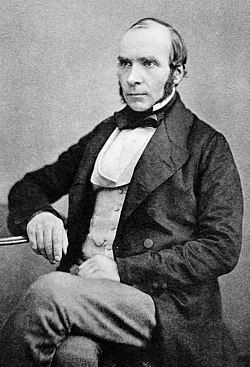
John Snow (15 March 1813 – 16 June 1858[1]) was an English physician and a leader in the development of anaesthesia and medical hygiene. He is considered one of the founders of modern epidemiology and early germ theory, in part because of his work in tracing the source of a cholera outbreak in London's Soho, which he identified as a particular public water pump. Snow's findings inspired fundamental changes in the water and waste systems of London, which led to similar changes in other cities, and a significant improvement in general public health around the world.[2]

Key Information

Early life and education

[edit]

Snow was born on 15 March 1813 in York, England, the first of nine children born to William and Frances Snow in their North Street home, and was baptised at All Saints' Church, North Street, York. His father was a labourer[3] who worked at a local coal yard, by the Ouse, constantly replenished from the Yorkshire coalfield by barges, but later was a farmer in a small village to the north of York.[4]

The neighbourhood was one of the poorest in the city, and was frequently in danger of flooding because of its proximity to the River Ouse. Growing up, Snow experienced unsanitary conditions and contamination in his hometown. Most of the streets were unsanitary and the river was contaminated by runoff water from market squares, cemeteries and sewage.[5]

All Saints' Church, North Street, York, where Snow was baptised

From a young age, Snow demonstrated an aptitude for mathematics. In 1827, when he was 14, he obtained a medical apprenticeship with William Hardcastle in the area of Newcastle-upon-Tyne. In 1832, during his time as a surgeon-apothecary apprentice, he encountered a cholera epidemic for the first time in Killingworth, a coal-mining village.[6] Snow treated many victims of the disease and thus gained experience. Eventually he adjusted to teetotalism and led a life characterized by abstinence, signing an abstinence pledge in 1835. Snow was also a vegetarian and tried to only drink distilled water that was "pure".[5] Between 1832 and 1835 Snow worked as an assistant to a colliery surgeon, first in Burnopfield, County Durham, and then in Pateley Bridge, West Riding of Yorkshire. In October 1836 he enrolled at the Hunterian school of medicine on Great Windmill Street, London.[7]

Career

[edit]

In the 1830s, Snow's colleague at the Newcastle Infirmary was surgeon Thomas Michael Greenhow. The surgeons worked together conducting research on England's cholera epidemics, both continuing to do so for many years.[8][9][10][11]

In 1837, Snow began working at the Westminster Hospital. Admitted as a member of the Royal College of Surgeons of England on 2 May 1838, he graduated from the University of London in December 1844 and was admitted to the Royal College of Physicians in 1850. Snow was a founding member of the Epidemiological Society of London which was formed in May 1850 in response to the cholera outbreak of 1849. By 1856, Snow and Greenhow's nephew, Dr. E.H. Greenhow were some of a handful of esteemed medical men of the society who held discussions on this "dreadful scourge, the cholera".[12][13][14]

After finishing his medical studies in the University of London, he earned his MD in 1844. Snow set up his practice at 54 Frith Street in Soho as a surgeon and general practitioner. John Snow contributed to a wide range of medical concerns including anaesthesiology. He was a member of the Westminster Medical Society, an organisation dedicated to clinical and scientific demonstrations. Snow gained prestige and recognition all the while being able to experiment and pursue many of his scientific ideas. He was a speaker multiple times at the society's meetings and he also wrote and published articles. He was especially interested in patients with respiratory diseases and tested his hypothesis through animal studies. In 1841, he wrote, On Asphyxiation, and on the Resuscitation of Still-Born Children, which is an article that discusses his discoveries on the physiology of neonatal respiration, oxygen consumption and the effects of body temperature change.[15]

In 1857, Snow made an early and often overlooked[16] contribution to epidemiology in a pamphlet, On the adulteration of bread as a cause of rickets.[17]

Anaesthesia

[edit]
Portrait of John Snow by Thomas Jones Barker (detail), 1847, private collection

Snow's interest in anaesthesia and breathing was evident from 1841 and beginning in 1843, he experimented with ether to see its effects on respiration.[5] Only a year after ether was introduced to Britain, in 1847, he published a short work titled, On the Inhalation of the Vapor of Ether, which served as a guide for its use. At the same time, he worked on various papers that reported his clinical experience with anaesthesia, noting reactions, procedures and experiments. Within two years of ether being introduced, Snow was the most accomplished anaesthetist in Britain. London's principal surgeons suddenly wanted his assistance.[5]

As well as ether, John Snow studied chloroform, which was introduced in 1847 by James Young Simpson, a Scottish obstetrician. He realised that chloroform was much more potent and required more attention and precision when administering it. Snow first realised this with Hannah Greener, a 15-year-old patient who died on 28 January 1848 after a surgical procedure that required the cutting of her toenail. She was administered chloroform by covering her face with a cloth dipped in the substance. However, she quickly lost pulse and died. After investigating her death and a couple of deaths that followed, he realized that chloroform had to be administered carefully and published his findings in a letter to The Lancet.[5]

John Snow was one of the first physicians to study and calculate dosages for the use of ether and chloroform as surgical anaesthetics, allowing patients to undergo surgical and obstetric procedures without the distress and pain they would otherwise experience. He designed the apparatus to safely administer ether to the patients and also designed a mask to administer chloroform.[18] Snow published an article on ether in 1847 entitled On the Inhalation of the Vapor of Ether.[19] A longer version entitled On Chloroform and Other Anaesthetics and Their Action and Administration was published posthumously in 1858.[20]

Although he thoroughly worked with ether as an anaesthetic, he never attempted to patent it; instead, he continued to work and publish written works on his observations and research.

Obstetric anaesthesia

[edit]

Snow's work and findings were related to both anaesthesia and the practice of childbirth. His experience with obstetric patients was extensive and used different substances including ether, amylene and chloroform to treat his patients. However, chloroform was the easiest drug to administer. He treated 77 obstetric patients with chloroform. He would apply the chloroform at the second stage of labour and controlled the amount without completely putting the patients to sleep. Once the patient was delivering the baby, they would only feel the first half of the contraction and be on the border of unconsciousness, but not fully there. Regarding administration of the anaesthetic, Snow believed that it would be safer if another person that was not the surgeon applied it.[15]

The use of chloroform as an anaesthetic for childbirth was seen as unethical by many physicians and even the Church of England. However, on 7 April 1853, Queen Victoria asked John Snow to administer chloroform during the delivery of her eighth child, Leopold. He then repeated the procedure for the delivery of her daughter Beatrice in 1857.[21] This led to wider acceptance of obstetrical anaesthesia.[5]

Cholera

[edit]
Map of a later cholera outbreak in London, in 1866
Legend for the map above

Snow was a skeptic of the then-dominant miasma theory that stated that diseases such as cholera and bubonic plague were caused by pollution or a noxious form of "bad air". The germ theory of disease had not yet been developed, so Snow did not understand the mechanism by which the disease was transmitted. His observation of the evidence led him to discount the theory of foul air. He first published his theory in an 1849 essay, On the Mode of Communication of Cholera,[22] followed by a more detailed treatise in 1855 incorporating the results of his investigation of the role of the water supply in the Soho epidemic of 1854.[23][24]

By talking to local residents (with the help of Henry Whitehead), he identified the source of the outbreak as the public water pump on Broad Street (now Broadwick Street). Although Snow's chemical and microscope examination of a water sample from the Broad Street pump did not conclusively prove its danger, his studies of the pattern of the disease were convincing enough to persuade the local council to disable the well pump by removing its handle (force rod). This action has been commonly credited as ending the outbreak, but Snow observed that the epidemic may have already been in rapid decline:

There is no doubt that the mortality was much diminished, as I said before, by the flight of the population, which commenced soon after the outbreak; but the attacks had so far diminished before the use of the water was stopped, that it is impossible to decide whether the well still contained the cholera poison in an active state, or whether, from some cause, the water had become free from it.[23]: 51–52 

Original map by John Snow showing the clusters of cholera cases in the London epidemic of 1854, drawn and lithographed by Charles Cheffins.

Snow later used a dot map to illustrate the cluster of cholera cases around the pump. He also used statistics to illustrate the connection between the quality of the water source and cholera cases. He showed that homes supplied by the Southwark and Vauxhall Waterworks Company, which was taking water from sewage-polluted sections of the Thames, had a cholera rate fourteen times that of those supplied by Lambeth Waterworks Company, which obtained water from the upriver, cleaner Seething Wells.[25][26] Snow's study was a major event in the history of public health and geography. It is regarded as the founding event of the science of epidemiology.[citation needed]

Snow wrote:

On proceeding to the spot, I found that nearly all the deaths had taken place within a short distance of the [Broad Street] pump. There were only ten deaths in houses situated decidedly nearer to another street-pump. In five of these cases the families of the deceased persons informed me that they always sent to the pump in Broad Street, as they preferred the water to that of the pumps which were nearer. In three other cases, the deceased were children who went to school near the pump in Broad Street...

With regard to the deaths occurring in the locality belonging to the pump, there were 61 instances in which I was informed that the deceased persons used to drink the pump water from Broad Street, either constantly or occasionally...

The result of the inquiry, then, is, that there has been no particular outbreak or prevalence of cholera in this part of London except among the persons who were in the habit of drinking the water of the above-mentioned pump well.

I had an interview with the Board of Guardians of St James's parish, on the evening of the 7th inst [7 September], and represented the above circumstances to them. In consequence of what I said, the handle of the pump was removed on the following day.

— John Snow, letter to the editor of the Medical Times and Gazette[27]

John Snow memorial and public house on Broadwick Street, Soho

Researchers later discovered that this public well had been dug only 3 feet (0.9 m) from an old cesspit, which had begun to leak faecal bacteria. The cloth nappy of a baby, who had contracted cholera from another source, had been washed into this cesspit. Its opening was originally under a nearby house, which had been rebuilt farther away after a fire. The city had widened the street and the cesspit was lost. It was common at the time to have a cesspit under most homes. Most families tried to have their raw sewage collected and dumped in the Thames to prevent their cesspit from filling faster than the sewage could decompose into the soil.[28]

Thomas Shapter had conducted similar studies and used a point-based map for the study of cholera in Exeter, seven years before John Snow, although this did not identify the water supply problem that was later held responsible.[29]

Political controversy

[edit]

After the cholera epidemic had subsided, government officials replaced the Broad Street pump handle. They had responded only to the urgent threat posed to the population, and afterward they rejected Snow's theory. To accept his proposal would have meant indirectly accepting the fecal-oral route of disease transmission, which was too unpleasant for most of the public to contemplate.[30]

It was not until 1866 that William Farr, one of Snow's chief opponents, realised the validity of his diagnosis when investigating another outbreak of cholera at Bromley by Bow and issued immediate orders that unboiled water was not to be drunk.[31]

Farr denied Snow's explanation of how exactly the contaminated water spread cholera, although he did accept that water had a role in the spread of the illness. In fact, some of the statistical data that Farr collected helped promote John Snow's views.[32]

Public health officials recognise the political struggles in which reformers have often become entangled.[33] During the annual Pumphandle Lecture in England, members of the John Snow Society remove and replace a pump handle to symbolise the continuing challenges for advances in public health.[34]

Personal life

[edit]

Snow was known to swim as a hobby for exercise.[35] He became a vegetarian at the age of 17 and was a teetotaller.[35] He embraced a lacto-ovo vegetarian diet by supplementing his vegetables with dairy products and eggs for eight years. Whilst in his thirties he became a vegan.[35] His health deteriorated and he suffered a renal disorder which he attributed to his vegan diet so he took up meat-eating and drinking wine.[35] He continued drinking pure water (via boiling) throughout his adult life. He never married.[36]

In 1830, Snow became a member of the temperance movement. In 1845, he became a member of York Temperance Society.[35] After his health declined it was only about 1845 that he consumed a little wine to aid digestion.[35]

Snow lived at 18 Sackville Street, London, from 1852 to his death in 1858.[37]

Snow suffered a stroke while working in his London office on 10 June 1858. He was 45 years old at the time.[38] He never recovered, dying six days later on 16 June 1858. He was buried in Brompton Cemetery.[39]

It has been speculated that his premature death may have been related to his frequent exposure and experimentation with anesthetic gases, which is now known to have numerous adverse health effects. Snow administered and experimented with ether, chloroform, ethyl nitrate, carbon disulfide, benzene, bromoform, ethyl bromide and dichloroethane during his lifetime.[40]

Legacy and honours

[edit]
Funerary monument, Brompton Cemetery, London
Blue plaque erected by the Royal Society of Chemistry
  • A plaque commemorates Snow and his 1854 study in the place of the water pump on Broad Street (now Broadwick Street). It shows a water pump with its handle removed. The spot where the pump stood is covered with red granite.
  • A public house nearby was named the "John Snow" in his honour.[41]
  • The John Snow Society is named in his honour, and the society regularly meets at The John Snow pub. An annual Pumphandle Lecture is delivered each September by a leading authority in contemporary public health.
  • His grave in Brompton Cemetery, London, is marked by a funerary monument.[42]
  • In York a blue plaque on the west end of the Park Inn, a hotel in North Street, commemorates John Snow.
  • Together with fellow pioneer of anaesthesia Joseph Thomas Clover, Snow is one of the heraldic supporters of the Royal College of Anaesthetists.[43]
  • The Association of Anaesthetists of Great Britain and Ireland awards The John Snow Award, a bursary for undergraduate medical students undertaking research in the field of anaesthesia.
  • Despite reports that Snow was awarded a prize by the Institut de France for his 1849 essay on cholera,[44] a 1950 letter from the Institut indicates that he received only a nomination for it.[45]
  • In 1978 a public health research and consulting firm, John Snow, Inc, was founded.[citation needed]
  • In 2001 the John Snow College was founded on the University of Durham's Queen's Campus in Stockton-on-Tees.[46]
  • In 2003 John Snow was voted by readers in the United Kingdom of 'Hospital Doctor' magazine as 'the greatest doctor of all time'.[47]
  • In 2009, the John Snow lecture theatre was opened by Anne, Princess Royal, at the London School of Hygiene & Tropical Medicine.[citation needed]
  • In 2013 The Lancet printed a correction of its brief obituary of Snow, originally published in 1858: "The journal accepts that some readers may wrongly have inferred that The Lancet failed to recognise Dr Snow's remarkable achievements in the field of epidemiology and, in particular, his visionary work in deducing the mode of transmission of epidemic cholera."[48]
  • In 2016, Katherine Tansley published a fictionalised account based on Snow's activities, in her historical novel The Doctor of Broad Street (Troubadour Books).
  • In 2017 York Civic Trust erected a memorial to John Snow in the form of a pump with its handle removed, a blue plaque and an interpretation board, in North Street Gardens, York, close to his birthplace.[49]

See also

[edit]

References

[edit]

Sources

[edit]

Further reading

[edit]
[edit]
Revisions and contributorsEdit on WikipediaRead on Wikipedia
from Grokipedia

John Snow (15 March 1813 – 16 June 1858) was an English physician who advanced the fields of epidemiology and anesthesiology through empirical investigations into disease transmission and the safe administration of anesthetic agents.
Born in York to a laborer's family, Snow apprenticed in medicine from age 14 and later qualified as a surgeon-apothecary, moving to London where he established a practice focused on respiratory physiology and public health.
His rejection of the miasma theory of disease—positing that "bad air" caused illnesses like cholera—led to rigorous analysis of water supplies during epidemics; in 1849 and 1855, he published works arguing for contagion via contaminated water based on mortality data from different London water companies.
During the 1854 Soho cholera outbreak, Snow mapped over 500 deaths, demonstrating a cluster around the Broad Street pump; statistical comparisons of attack rates among pump users versus others, along with tracing the likely contamination source to a nearby cesspool, provided causal evidence implicating the pump's water, though the epidemic was already waning when its handle was removed at his urging.
In anesthesiology, Snow pioneered dosage calculations and inhalation devices for ether and chloroform, administering the latter to Queen Victoria for her last two confinements in 1853 and 1857, which helped legitimize its clinical use despite risks of respiratory depression.
These contributions, grounded in first-hand data collection and physiological reasoning, laid foundational principles for modern public health interventions targeting environmental vectors of infection.

Early Life and Education

Family Background and Childhood

John Snow was born on 15 March 1813 in a modest home on North Street in , , to William Snow, a employed at a local yard, and his wife Frances. He was the eldest of nine children in a working-class family residing in the poor Ward near the River Ouse. Snow was baptized the same day at All Saints Church on North Street by the Reverend G. Brown, reflecting the family's adherence to Anglican customs. Details of Snow's early childhood are sparse, but his humble origins in a laborer's household shaped his self-reliant character amid economic constraints typical of early 19th-century York's working poor. His father, born in 1783, continued working as a general laborer until his death in 1846, while the family navigated the challenges of supporting multiple children in an industrializing urban environment.

Apprenticeship and Formal Training

At the age of 14, in 1827, Snow commenced a five-year as a surgeon- under William Hardcastle in Newcastle-upon-Tyne, a common pathway for medical training in early 19th-century that provided practical experience in dispensing medicines, minor surgery, and patient care. This arrangement, costing 100 guineas, immersed Snow in clinical work amid the industrial setting of the coal-mining region, where he assisted in treating colliery workers and encountered the 1831-1832 outbreak, gaining early exposure to disease management. Hardcastle's practice offered rigorous hands-on instruction, including and apothecary compounding, equipping Snow with foundational skills before pursuing formal studies. Following the apprenticeship's completion around 1832, Snow served as an assistant in rural practices, including at and as a colliery surgeon near Burneston, continuing to build practical expertise in general and until 1836. In that year, he relocated to to undertake university-level education, enrolling first at the Hunterian School of Medicine on Great Windmill Street for lectures in , , and chemistry, supplemented by hospital rotations. By October 1837, Snow began clinical practice at , where he honed surgical techniques and under senior physicians. Snow's formal qualifications advanced rapidly: in May 1838, he passed the oral examination for Licentiate of the Society of Apothecaries, ranking seventh among 240 candidates, and became a Member of the College of Surgeons shortly thereafter, fulfilling requirements for independent practice. He then pursued degrees from the , earning a Bachelor of in 1843 and a on December 20, 1844, after submitting a on , which marked the culmination of his academic training and enabled him to adopt the title of physician. This combination of provincial and metropolitan schooling distinguished Snow's preparation, blending empirical provincial experience with the era's emerging scientific rigor in London's medical institutions.

Professional Career Beginnings

Entry into Medicine

Snow began his entry into medicine through an in 1827, at the age of 14, under William Hardcastle, a surgeon-apothecary based in . This traditional form of training involved hands-on experience in compounding medicines, performing minor surgeries, and assisting with patient care, lasting approximately seven to eight years and reflecting the vocational system prevalent in early 19th-century Britain. In 1836, Snow pursued formal medical education by enrolling at the Hunterian School of Medicine and Surgery in , where he attended lectures on , , and . He commenced clinical practice at in October 1837, gaining exposure to hospital-based care amid the era's rudimentary and high mortality from infectious diseases. By 1838, Snow qualified as a licentiate of the Society of Apothecaries and became a member of the Royal College of Surgeons of England, enabling independent . Snow completed his university qualifications with a Bachelor of Medicine from the in 1843 and a degree in 1844, marking his transition to a fully credentialed physician capable of advanced research and specialization. These credentials positioned him to engage with emerging fields like ether inhalation, though his early career emphasized in coal-mining districts before relocating to .

Initial Practices and Relocations

After completing his apprenticeship in in 1831, Snow took up his first independent assistantship in with a practitioner named Watson in Burnopfield, , where he gained practical experience in amid the outbreak of 1831–1832. In 1833, at age 20, he relocated approximately 12 miles north to continue similar duties, treating patients in rural settings that exposed him to diverse ailments including respiratory conditions and infections. By early 1834, Snow moved further north to in the , serving as an assistant surgeon in a small village for about two years; this period honed his skills in and general care, though financial constraints from low patient fees prompted his departure. In October 1836, seeking advanced training, he walked roughly 200 miles south to , enrolling at the Hunterian School of Medicine on Great Windmill Street to pursue formal studies in , , and . During his London studies from 1836 to 1838, Snow supported himself through part-time clinical work, qualifying as a member of the Royal College of Surgeons in May 1838. That September, aged 25, he established his initial independent at 54 Street in , , combining patient consultations with outpatient duties at ; this relocation marked his transition to urban medicine, where he treated a growing clientele amid London's dense population and recurring epidemics. Snow maintained this base for the bulk of his career, refining techniques in and while navigating the competitive medical landscape.

Contributions to Anesthesia

Development of Inhalation Techniques

In late December 1846, following the public demonstration of anesthesia in , Snow rapidly adopted and refined methods upon ether's introduction to . By early 1847, he had administered ether in multiple surgical procedures, emphasizing controlled vapor delivery to mitigate risks associated with open-drop techniques, which often led to inconsistent dosing and patient discomfort from ether's . Snow's seminal 1847 publication, On the Inhalation of the Vapour of in Surgical Operations, documented the physiological stages of etherization—from initial excitement to full insensibility—and reported outcomes from approximately 80 operations, establishing empirical guidelines for concentration and duration based on patient respiration rates and body weight. To enable precise administration, he invented an that year, featuring a water bath for stabilization at around 65°F (18°C), a spiral metal baffle within the ether chamber to maximize surface area, and valves for regulated air-ether mixture intake, allowing dosages as low as 2 ounces of ether per session while preventing overdose. With , Snow shifted focus to this agent for its smoother induction and lower volume requirements, conducting over 50 administrations by mid-1848 and calculating optimal vapor strengths—typically 2-5% by volume—to achieve without cardiac depression, a risk highlighted in early deaths from overdose. He adapted his design for chloroform, incorporating dual canisters for liquid agent and cooling water, alongside a facepiece with adjustable valves to facilitate rebreathing of exhaled gases mixed with fresh air, thereby conserving agent and maintaining steady narcosis during prolonged surgeries. Snow's techniques prioritized quantitative measurement, using volumetric principles to correlate inhaled vapor percentage with clinical effects, as detailed in his 1858 treatise On Chloroform and Other Anaesthetics, where he advocated for mechanical delivery over manual dripping to minimize variability and enhance safety across diverse patient profiles. These innovations, grounded in physiological observation rather than empirical trial-and-error alone, laid foundational principles for modern inhalational by integrating device with dosage .

Obstetric and Surgical Applications

Following the introduction of to on December 19, 1846, by dentist James Robinson, John Snow rapidly advanced its application in surgical procedures. Snow administered for his first surgical case shortly thereafter, contributing to early operations at institutions like , where facilitated procedures such as amputations and tumor removals. By 1847, he had documented results from approximately 50 administrations, classifying into five stages—from mild alteration to complete insensibility—and emphasizing precise dosage control to minimize risks like overdose or incomplete analgesia. His publication On the Inhalation of the Vapour of in Surgical Operations detailed these observations, advocating for graduated vapor concentrations to achieve safe, effective narcosis during interventions including lithotomies, excisions, and repairs. Snow's innovations extended to apparatus design, creating an in that allowed regulated delivery via a face connected to a , reducing variability in administration compared to open-drop methods. With the advent of in , introduced by James Simpson, Snow conducted systematic experiments, calculating absorption rates and safe inhalation levels; he reported administering it for over 40 surgical cases by early 1848, including complex procedures like breast tumor excisions and cleft lip repairs. Following fatalities such as that of Hannah Greener on January 28, 1848, attributed to irregular dosing, Snow developed vaporizers to ensure consistent, lower-concentration delivery, enhancing safety in surgical settings. Over 12 years, he logged more than 5,000 administrations across surgical, dental, and other contexts, establishing himself as a leading practitioner sought by surgeons for major operations. In , Snow applied to alleviate labor pains, countering opposition from some who invoked Genesis 3:16 to argue against pain relief in childbirth. He advocated its controlled use in , publishing defenses of its efficacy and safety based on clinical outcomes. Snow's administration of to during the birth of Prince Leopold on April 7, 1853, marked a pivotal endorsement, as the procedure proceeded without complication and popularized among elites and practitioners alike. He repeated the administration for the birth of on April 14, 1857, further demonstrating 's utility in prolonged labors while monitoring to avert respiratory depression. These royal cases, documented in Snow's records, helped shift professional norms toward routine use in , with Snow calculating dosages to balance analgesia against risks like fetal effects or maternal recovery delays.

Administration to Royalty

John Snow administered chloroform to Queen Victoria during the birth of her eighth child, Prince Leopold, on 7 April 1853 at . Snow, recognized for his precise techniques in vaporization developed since 1847, used an he designed to deliver controlled doses, inhaling the vapor through a face while monitoring the queen's respiration and pulse to prevent overdose. In his clinical notes, Snow recorded that Victoria expressed "great relief and satisfaction" from the analgesia, which dulled labor pains without fully abolishing , aligning with his advocacy for moderate administration over deep narcosis. This royal endorsement countered prevailing medical and religious opposition to obstetric anesthesia, rooted in interpretations of Genesis 3:16 mandating childbirth in pain, thereby accelerating its acceptance among British elites and practitioners. Snow repeated the procedure for Victoria's ninth child, Princess Beatrice, on 14 April 1857, again employing his inhaler method under similar supervision, with the queen reportedly enduring less distress than in prior deliveries without analgesia. These instances elevated Snow's status as a leading anesthetist, demonstrating chloroform's safety and efficacy in high-stakes settings when dosed empirically rather than empirically derived from animal trials alone. The administrations highlighted Snow's empirical approach, prioritizing human physiological responses over theoretical risks, and contributed to a surge in chloroform's use for labor, though subsequent debates questioned long-term fetal effects absent controlled studies. No adverse outcomes were noted in these cases, underscoring Snow's technical proficiency honed from over 200 prior administrations.

Cholera Investigations

Formation of Waterborne Hypothesis

John Snow's waterborne for cholera transmission emerged during his investigations of the 1848–1849 , as he practiced in the district amid widespread cases. Observing that cholera fatalities did not correlate with atmospheric conditions or proximity to miasmatic sources—as posited by prevailing theory—but instead aligned with patterns of water consumption, Snow inferred that the disease agent entered the body through ingestion rather than inhalation. He documented instances where household water sources, contaminated by nearby cesspools or sewage, yielded disproportionate infections, even when aerial miasma exposure was equivalent across affected and unaffected residences. Central to his reasoning was the recognition that cholera's "poison"—later identified as —resided in the intestinal evacuations of victims and propagated when ingested via polluted water or food. Snow cited clinical evidence, such as rapid disease onset following consumption of suspect water in working-class tenements, and contrasted this with the absence of transmission to medical attendants or family members through mere contact or shared air. This challenged miasma advocates' emphasis on "bad air" from decaying matter, as evaded spread in well-ventilated hospitals yet proliferated along contaminated supply lines, including those from the Thames River drawn upstream of outflows. Snow formalized these insights in his 1849 pamphlet On the Mode of Communication of , published by John Churchill in , where he systematically outlined as the primary vector through case analyses and deductive logic from outbreak distributions. He anticipated objections by noting that 's role explained sporadic rural cases via wells polluted by upstream and urban clusters tied to shared pumps, urging sanitary reforms like to interrupt transmission. This , grounded in empirical observation rather than speculative contagion models, marked a shift toward causal mechanisms identifiable via preventable exposures, though it faced immediate skepticism from miasma proponents favoring unquantifiable atmospheric influences.

1849 Outbreak Analysis

During the 1848–1849 cholera epidemic in London, which resulted in 7,466 deaths across a population of approximately 1,948,369, John Snow conducted an independent investigation that informed his waterborne transmission hypothesis. He observed a disproportionate mortality on the south side of the Thames, with 4,001 of the total deaths occurring there, attributing this to the reliance on Thames water contaminated by sewer outflows carrying cholera evacuations. Districts supplied by companies drawing water from polluted reaches, such as those serving Lambeth and Vauxhall, exhibited higher cholera prevalence compared to areas using relatively cleaner sources like the New River or West Middlesex companies. Snow detailed specific localized outbreaks to illustrate direct water contamination. In Surrey Buildings, Horsleydown, between July 20 and August 10, 1849, 11 fatal cases occurred in just 14 houses, traced to a well polluted by patients' evacuations seeping through the . Similarly, in Albion Terrace along the Wandsworth Road, over 20 deaths struck 17 houses from July 28 to August 13, 1849, due to water tainted by a burst drain contaminated with fecal matter. Another cluster in Silver Street, , saw 80 cases and 38 deaths within a in early July 1849, amid broader elevations linked to tidal ditches and poor . In contrast, institutions with access to deep, uncontaminated well showed minimal impact: Bethlem Hospital reported zero deaths, while Queen's Prison had only one. Snow calculated London's overall mortality at 3.83 per 1,000 during the , emphasizing that these patterns refuted —positing airborne spread from filth—and instead supported ingestion of a specific "" via contaminated or , entering the alimentary . His , published in the 1849 pamphlet On the Mode of Communication of , argued that the disease's rapid propagation in crowded, water-dependent settings underscored causal links to fecal-oral transmission rather than atmospheric influences.

1854 Broad Street Pump Outbreak

The 1854 Broad Street cholera outbreak occurred in the Soho district of London, beginning on August 31 with a sharp increase in cases centered around Broad Street (now Broadwick Street). Over the following weeks, the epidemic resulted in more than 600 deaths within a small area of approximately 10 streets and 6 rows of houses, making it one of the most intense localized cholera events in 19th-century Britain. The rapid spread affected densely populated working-class neighborhoods reliant on communal water sources, including several public pumps. John Snow, already advocating a waterborne transmission theory for based on prior observations, initiated an investigation shortly after the outbreak's onset. He systematically gathered by reviewing records from parish of St. James and interviewing survivors and witnesses to ascertain water sources used by victims. Snow plotted the locations of fatal cases on a of the area, using bars to indicate the number of s per household, which revealed a pronounced clustering of fatalities around the Broad Street pump compared to other nearby pumps. This supported his hypothesis that contaminated water from the pump was the primary vector, as households drawing water from alternative sources, such as the Lion Brewery on Poland Street, experienced fewer or no cases among workers who consumed instead. Further inquiry identified a probable contamination source: a household at 40 Broad Street where an infant had died of cholera on September 2, with diarrheal waste seeping into a nearby cesspool that leaked into the pump's well due to poor infrastructure. Snow also documented instances of individuals from outside the immediate area who contracted cholera after drinking from the pump, reinforcing the causal link. On September 8, following Snow's presentation to the local Board of Guardians, the pump handle was removed to prevent further use, though case numbers had already begun declining by late the previous week. This intervention, while symbolically significant, coincided with the natural subsidence of the outbreak, as cholera's incubation and propagation dynamics limited further spread post-peak. Snow detailed these findings in his 1855 publication, On the Mode of Communication of Cholera, Second Edition, arguing against miasma theory by emphasizing empirical correlations in water usage and disease incidence.

Mapping and Statistical Methods

John Snow utilized spatial mapping to investigate the 1854 Broad Street cholera outbreak in London's Soho district, creating one of the earliest disease maps by plotting the locations of 578 cholera deaths recorded between late August and mid-September. He marked each deceased individual's residence with a short black line extending from the street, with line length proportional to the number of deaths at that address, revealing a dense clustering of fatalities centered on the Broad Street pump. This visual representation highlighted how deaths diminished with increasing distance from the pump, suggesting a localized point source rather than uniform miasmatic spread. Complementing the map, Snow applied rudimentary statistical methods to quantify associations between water sources and mortality. He estimated population sizes using local records and census approximations, then computed death rates per thousand inhabitants across sub-areas; for example, the Golden Square sub-district, which included the , exhibited markedly higher rates than neighboring zones supplied by alternative or companies. Snow cross-verified these patterns through door-to-door inquiries, documenting that most victims had regularly drawn water from the Broad Street , while facilities with independent supplies—such as the Poland Street workhouse (population approximately 535, with only 5 deaths) and the Lion Brewery (over 500 employees, 5 deaths)—experienced negligible incidence, as their occupants avoided pump water in favor of on-site wells or . These techniques represented an early integration of and , prioritizing empirical observation over prevailing . Snow's analysis extended to temporal data, noting a sharp decline in new cases after the pump handle's removal on , 1854, though he acknowledged ongoing sporadic deaths possibly linked to prior exposures or contaminated cisterns. By aggregating spatial, demographic, and exposure data, Snow established a framework that emphasized contaminated water as the vector, influencing subsequent mapping practices.

Scientific Controversies and Criticisms

Debates with Miasma Advocates

John Snow's advocacy for waterborne transmission of directly confronted the prevailing , which attributed the disease to of foul vapors emanating from putrefying . In his 1849 treatise On the Mode of Communication of Cholera, Snow argued that the "poison" was ingested through contaminated water rather than absorbed via the lungs, noting that symptoms originated in the alimentary , not the , contrary to what miasma would predict. He cited epidemiological patterns, such as 's propagation along shared water supplies in households and ships, while adjacent areas exposed to identical "miasmas" but using different water sources exhibited starkly divergent mortality rates—for instance, higher deaths in versus lower in neighboring Altona due to water differences. These observations, Snow contended, demonstrated superior explanatory power over miasma, which failed to account for such selective clustering without invoking ad hoc assumptions about variable air toxicity. Miasma proponents, emphasizing correlations between filth accumulation and disease incidence, countered that sanitary reforms removing decaying matter reduced atmospheric poisons, thereby explaining cholera's decline independently of water interventions. A prominent critic was Edmund Alexander Parkes, a military hygienist and miasma supporter, who in 1855, as editor of the British and Foreign Medico-Chirurgical Review, dissected Snow's case reports from the 1854 London outbreak. Parkes weighed evidence for waterborne versus aerial transmission, deeming Snow's inferences insufficiently conclusive without direct proof of a transmissible agent, and favored miasma's alignment with broader observations of environmental decay fostering disease. Snow, in turn, maintained that miasma inadequately explained non-diffusion via air, as cholera did not spread indiscriminately in crowded, foul-smelling districts unless water was shared, underscoring his theory's tighter causal fit to mortality data. The debates extended to policy arenas, notably Snow's March 5, 1855, testimony before a Parliamentary Select reviewing amendments to the Nuisances Removal and Diseases Prevention Act. Miasma-influenced provisions sought to curb as a vector for , but Snow opposed them, asserting that atmospheric impurities like fumes posed no cholera risk, as evidenced by low incidence among workers inhaling such air daily without shared contaminated . He argued for prioritizing water purity over air , warning that miasma-based regulations diverted resources from true causal factors. Critics dismissed this as overly narrow, insisting miasma encompassed multifaceted environmental corruptions beyond alone. Despite Snow's empirical challenges—bolstered by door-to-door mortality mapping and comparative incidence statistics—miasma retained institutional dominance, with official inquiries attributing outbreak cessations to general rather than specific water disruptions. Snow's positions elicited no immediate consensus, persisting amid incomplete etiological knowledge until germ theory's advent validated waterborne specifics, though miasma's emphasis on indirectly advanced .

Contemporary Objections to Evidence

Contemporary objections to John Snow's evidence for a waterborne cause of centered on perceived weaknesses in his statistical and observational data from the 1854 Broad Street outbreak. Critics, including adherents of the , argued that the decline in cases began prior to the removal of the pump handle on , 1854, implying the intervention did not demonstrably halt the . This temporal pattern suggested to skeptics that natural subsidence or unmeasured factors, such as improved weather or effects, accounted for the reduction rather than eliminating the water source. Edmund A. Parkes, a military physician and miasma proponent, reviewed Snow's 1855 second edition of On the Mode of Communication of and questioned the completeness of exposure data. Parkes noted instances where cholera victims resided near the pump but reportedly avoided its water, favoring alternative sources like or well water from other locations, which undermined the claim of universal causation via the pump. He further objected to the lack of direct proof linking a specific contaminant in the water to the disease, as no visible or microscopic agent was identified at the time, leaving room for miasmatic explanations tied to local filth and sewer emanations. The Reverend Henry Whitehead, initially a , mapped over 700 deaths alongside sewer lines and historical plague pits, positing that miasma from subsurface decay better explained the spatial clustering than a singular vector. Whitehead's early skepticism highlighted potential confounders like , which he argued Snow underadjusted for in his dot map, as denser housing near the pump could mimic waterborne patterns without proving causation. Although Whitehead later endorsed Snow's after tracing to a cesspool leaking into , his initial analysis reflected broader contemporary doubts about isolating as the decisive factor amid multifaceted urban issues. These objections persisted in medical journals, with reviewers in and Medical Times and Gazette decrying Snow's assertive interpretation of incomplete data, such as unverified resident testimonies on water habits and the absence of controlled comparisons between pump users and non-users.60830-2/fulltext) Critics like Parkes emphasized that while water contamination was plausible, the evidence fell short of disproving aerial transmission, especially given cholera's occurrence in areas without obvious shared water supplies. Such debates underscored the era's reliance on circumstantial inference over experimental verification, delaying widespread acceptance of Snow's conclusions until bacteriological advances decades later.

Modern Evaluations of Causation Claims

Modern epidemiologists regard John Snow's 1854 Broad Street investigation as a seminal demonstration of associational linking incidence to contaminated sources, but not as definitive proof of causation under contemporary standards requiring fulfillment of criteria such as biological plausibility, experimental verification, or pathogen isolation. Snow's analysis showed a strong statistical correlation, with 578 of 626 deaths in the district attributable to residents primarily using the Broad Street pump, compared to lower rates among those relying on distant supplies like the New River Company, supporting and dose-response elements of causation. However, lacking identification of —discovered by in 1883—Snow's claims rested on circumstantial inference rather than direct microbial , aligning more with hypothesis generation than causal establishment. Critiques highlight that the outbreak's trajectory undermines claims the pump handle's removal on September 8, 1854, halted transmission. Daily death records indicate the peaked at 70-80 fatalities around September 1-2, with a marked decline to under 20 by September 7, prior to intervention; no subsequent Broad Street cases were definitively tied to residual pump use, suggesting natural waning rather than causal interruption. Retrospective analyses, including remapped mortality data, confirm this temporal mismatch, attributing Snow's persuasive success to local advocacy by figures like Henry Whitehead rather than irrefutable evidence of effect. While the intervention symbolized action, it lacked controlled , rendering attribution to causation speculative and prone to post-hoc reasoning. Snow's iconic dot map, plotting 578 deaths within 500 yards of the pump, has faced scrutiny for spatial inaccuracies: dots were aggregated by street rather than precise addresses, inflating clustering visually; some non-pump users fell ill (e.g., via secondary ), and exclusion of brewery workers (immune due to consumption) selectively bolstered the association. Modern geospatial recreations, using General Register Office records, reveal weaker gradients than portrayed, with elevated risks extending beyond the pump's immediate vicinity, complicating exclusive waterborne attribution. These methodological limitations, while innovative for 1854, underscore that Snow's work exemplified exploratory —excelling in pattern detection but vulnerable to by unmeasured factors like household density or prior exposures. Retrospectively, Snow's waterborne hypothesis gained validation through and subsequent filtration experiments (e.g., 1892 outbreak differentiating clean vs. contaminated supplies), affirming fecal-oral transmission empirically. Yet, balanced assessments caution against overcrediting Snow with , noting miasmatists like shifted views independently via water company mortality comparisons ( and vs. others, 1853-1854: attack rates 286 vs. 37 per 10,000). Contemporary evaluations thus portray Snow as a causal realist precursor—prioritizing mechanistic reasoning over mere correlation—but emphasize his evidence's probative, not , value in establishing Vibrio as the agent.

Personal Life and Character

Temperance and Lifestyle Choices

John Snow committed to temperance principles in his early adulthood, joining the total abstinence movement and signing a pledge against alcohol consumption around 1836 while practicing medicine in . He advocated actively for these views, delivering public addresses on the benefits of abstention, such as his 1836 teetotal speech published posthumously, and remained a member of temperance societies throughout his career, viewing alcohol as unnecessary and potentially harmful in medical contexts. Although described as a lifelong teetotaler by contemporaries, some accounts note he occasionally consumed small amounts of wine in later years. Complementing his abstinence from alcohol, Snow adopted at age 17 during his medical apprenticeship, motivated by literature highlighting the adverse health impacts of and animal products. He adhered to a lacto-ovo vegetarian diet, incorporating dairy and eggs while excluding flesh foods, a regimen he maintained consistently amid an era when such practices were uncommon among physicians. This choice aligned with his broader emphasis on preventive and empirical health habits, though he did not publicly proselytize as vigorously as temperance. Snow's daily routine reflected disciplined , including for physical exercise to promote vitality, a he pursued as a counter to sedentary professional demands. He avoided use, consistent with his abstemious ethos, and prioritized empirical observation in personal conduct, such as monitoring environmental factors affecting health—evident in his investigations where he contrasted his own habits against prevailing norms of indulgence. These choices underscored a rational, evidence-based approach to , though they did not prevent his from a at age 45.

Relationships and Daily Habits

Snow was the eldest of nine children born to William Snow, a handloom weaver and laborer, and his wife Frances (née Empson) in modest circumstances in , . Details of his relationships or ties are scant in historical records, though his upbringing in a large working-class household likely influenced his later advocacy for reforms benefiting the poor. In adulthood, Snow married Mary Amelia Harston (known as Fanny), daughter of a merchant, on June 28, 1844, at in ; the couple had no children and resided primarily in , where Fanny provided care during his final in 1858. Snow maintained a regimented daily routine centered on professional demands, rising early for medical consultations, research, and administrative duties at institutions like the Middlesex Hospital, often working late into evenings on experiments in or . He embraced ascetic habits from age 17, pledging abstinence from alcohol as a teetotaler—aligned with the emerging —and adopting (lacto-ovo, permitting dairy and eggs) to safeguard health amid risks, though he permitted occasional wine socially in later years. Physical exercise included regular swimming in the Thames or for vitality, reflecting his empirical approach to personal and disease prevention. His frugal lifestyle eschewed luxuries, prioritizing intellectual pursuits over social engagements beyond professional networks.

Death and Later Recognition

Final Years and Passing

In the mid-1850s, Snow continued his medical practice with a primary emphasis on , conducting experiments on the physiological effects of agents like and , including their impacts on respiration, circulation, and . He published On Chloroform and Other Anaesthetics: Their Action and Administration in early 1858, a seminal work compiling his research on safe dosing, inhalation devices, and clinical applications, which advanced standardized anesthetic practices. Snow resided and worked from his home at 18 Sackville Street in , where he attended to private patients and refined techniques for obstetric anesthesia, having previously administered to during the births of Prince Leopold in 1853 and in 1857, thereby contributing to the acceptance of pain relief in childbirth despite initial opposition from some medical and religious quarters. On June 10, 1858, while preparing revisions for his anesthesia treatise at his Sackville Street office, Snow experienced a paralytic stroke, likely exacerbated by chronic exposure to volatile anesthetic gases known to cause neurological damage. He succumbed to the stroke's complications six days later, on June 16, 1858, at noon, aged 45.60830-2/fulltext) Snow was interred in Brompton Cemetery, London.

Posthumous Honors

Following John Snow's death in 1858, various memorials were established to commemorate his contributions to epidemiology and anaesthesia. In Soho, London, a replica of the Broad Street pump—with its handle symbolically removed—was installed on Broadwick Street in 1992 to honor his 1854 cholera investigation; it was temporarily removed in 2015 and refitted in July 2018. Nearby, the John Snow public house, located at 39 Broadwick Street, bears his name and features exhibits on his life and the cholera outbreak. A blue plaque erected by the Royal Society of Chemistry in 2008 near Broadwick Street recognizes Snow as the founding father of epidemiology for linking cholera deaths to the local water pump. Another blue plaque, placed in the early 1980s by the Association of Anaesthetists of Great Britain and Ireland at 54 Frith Street—Snow's former residence—commemorates his pioneering work in anaesthesia. In , Snow's birthplace, a unveiled on March 15, 2017, in North Street Gardens includes a restored Victorian iron with the handle removed, a , and an interpretive board detailing his life and research, erected by the York Civic Trust. Snow's grave in , , originally marked by a monument funded by friends and colleagues, was destroyed during wartime bombing in April 1940. Several professional awards have been named in Snow's honor to recognize excellence in fields he advanced. The John Snow for Patient Safety, awarded by the Association of Anaesthetists since its renaming in 2025 (previously the John Snow ), honors contributions to anaesthesia safety. The American Public Health Association's Epidemiology Section presents the John Snow Award annually to outstanding epidemiologists for excellence in practice or . The International Society for Pharmacoepidemiology grants the John Snow Award to distinguished female pharmacoepidemiologists, commemorating his epidemiological innovations. Additionally, the Association of Anaesthetists offers the John Snow Anaesthesia Intercalated Awards to support medical students in anaesthesia .

Legacy in Epidemiology and Public Health

Methodological Innovations

John Snow pioneered the use of spatial mapping in epidemiology by creating a dot map of cholera deaths during the 1854 Soho outbreak in London, plotting individual cases on a street map to visualize clustering around the Broad Street pump. This approach allowed him to identify a concentrated pattern of 578 deaths within a 250-yard radius, with the highest density near the pump, providing visual evidence for a localized source of infection rather than atmospheric miasma. Snow's map, published in his 1855 work On the Mode of Communication of Cholera, represented an early application of geographic analysis to trace disease transmission, influencing modern geographic information systems in public health. In investigating broader cholera patterns, Snow employed comparative statistical methods, analyzing mortality rates across districts supplied by different water companies during the 1849 and 1854 epidemics. He calculated death rates per 10,000 inhabitants, finding that areas served by the Water Company—after it shifted intake to the contaminated Thames stretch below sewers—experienced rates 8 to 9 times higher than those using and water from upstream sources. This quantitative comparison, detailed in his 1856 supplement to Mode of Communication, demonstrated water's role through aggregated data from official records, predating formal statistical . Snow's advocacy for removing the Broad Street pump handle on September 8, 1854, constituted an early natural experiment, testing the waterborne hypothesis by interrupting access to the suspected source amid the ongoing outbreak. Although cases had begun declining prior to the intervention—totaling 616 deaths by September 10—new incidents ceased almost immediately after, with no further deaths directly attributed to the pump, supporting causal inference from the temporal association. His door-to-door canvassing to verify cases and water usage further exemplified rigorous data collection, integrating fieldwork with hypothesis-driven analysis to challenge prevailing theories. These methods emphasized empirical observation over deduction from miasma doctrine, laying groundwork for interventional epidemiology.

Impact on Water Sanitation Policies

John Snow's 1854 investigation of the outbreak demonstrated through spatial mapping that cases clustered around the Broad Street pump, providing evidence for waterborne transmission via fecal contamination of the local well. This analysis prompted the Soho local board to remove the pump handle on September 8, 1854, an ad hoc measure that halted drawing from the suspected source, though new cases had already begun declining prior to the intervention. Snow's broader examinations of water companies, including comparisons of cholera mortality rates among users of and versus water supplies, further evidenced higher risks from Thames-derived water contaminated by upstream . Snow's advocacy in publications like On the Mode of Communication of Cholera (1855) emphasized preventing sewage infiltration into drinking water sources, critiquing unfiltered urban supplies and recommending filtration and source protection. These arguments contributed to the sanitary reform movement, informing the Metropolis Management Act 1855, which established local boards for sewerage and street improvements, and the Metropolis Water Act 1858, mandating water companies to filter supplies and relocate intakes above major sewage outflows. While miasma theory still prevailed among many officials, Snow's empirical approach provided causal evidence that gradually shifted policy towards infrastructure separating potable water from waste, reducing cholera incidence in subsequent decades. His findings underscored the need for centralized, protected water systems over reliance on private wells or polluted rivers, influencing international precedents, though full acceptance of waterborne etiology awaited Robert Koch's 1883 identification of . Modern assessments credit Snow's work with foundational impacts on sanitation engineering, such as Joseph Bazalgette's 1860s , which incorporated principles of waste diversion to prevent water contamination. Despite contemporary skepticism from figures like , who favored statistical correlations over Snow's specific causation claims, the accumulation of outbreak data aligned with his model, driving policy evolution towards verifiable controls.

Balanced Assessment of Achievements and Overstatements

John Snow's investigation of the 1854 Soho outbreak provided compelling correlative evidence linking contaminated to disease transmission, through his dot map of 578 deaths clustered around the Broad Street pump and statistical comparisons of mortality rates in districts supplied by different water companies. His earlier 1849 analysis of propagation supported a fecal-oral pathway via , challenging prevailing miasma theories with observational from multiple epidemics. These efforts advanced methodological innovations, such as using geographic mapping and comparative incidence rates to test hypotheses, influencing subsequent measures like water filtration in , where districts with filtered supplies showed markedly lower mortality in 1854. However, claims that Snow definitively proved cholera's waterborne nature or isolated its causative agent are overstated, as his evidence remained associative without experimental isolation of Vibrio cholerae, which Robert Koch achieved in 1883. The removal of the Broad Street pump handle on September 8, 1854, is often portrayed as conclusively halting the outbreak, yet daily death records indicate the local epidemic had peaked by early September and was already declining due to depleted susceptible individuals and the disease's incubation period, with no rigorous control for confounding factors. Snow's map, while illustrative, was constructed retrospectively after the peak and not used prospectively to identify the pump as the source, undermining narratives of it as a pivotal diagnostic tool. Contemporary critics like Edmund Parkes noted that Snow failed to demonstrate universal water transmission or rule out alternative vectors, reflecting limitations in pre-germ theory epidemiology.

References

Add your contribution
Related Hubs
User Avatar
No comments yet.