Hubbry Logo
EntomologyEntomologyMain
Open search
Entomology
Community hub
Entomology
logo
8 pages, 0 posts
0 subscribers
Be the first to start a discussion here.
Entomology
Entomology
from Wikipedia
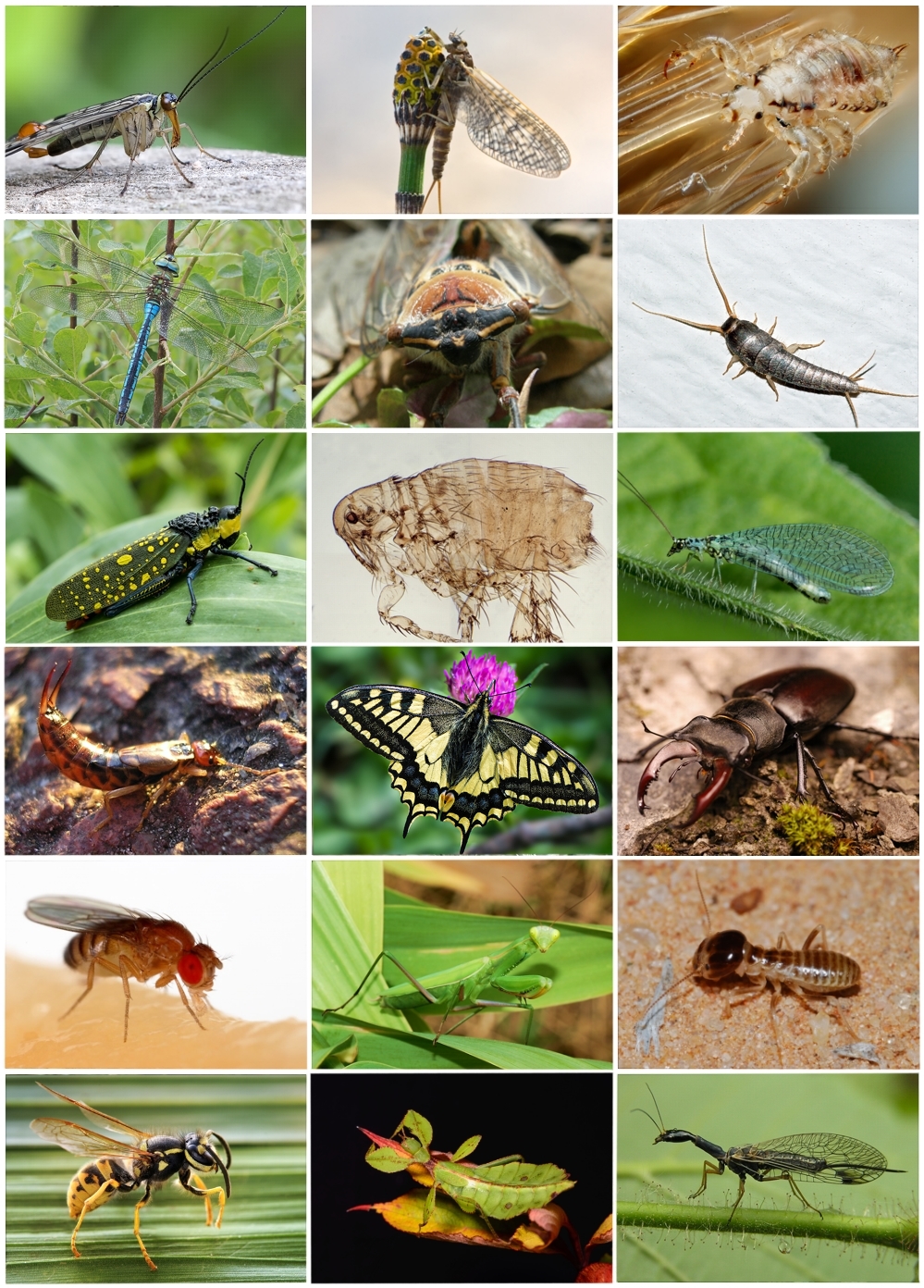
Common scorpionflyBlue emperorCoffee locustEuropean earwigVinegar flyGerman waspMarch brown mayflyDouble drummerDog fleaOld World swallowtailEuropean mantisPhyllium philippinicumHead louseSilverfishChrysopa perlaEuropean stag beetleNorthern harvester termiteDichrostigma flavipes
Diversity of insects from different orders

Entomology (from Ancient Greek ἔντομον (éntomon), meaning "insect", and -logy from λόγος (lógos), meaning "study") [1] is the branch of zoology that focuses on insects. Those who study entomology are known as entomologists. In the past, the term insect was less specific, and historically the definition of entomology would also include the study of animals in other arthropod groups, such as arachnids, myriapods, and crustaceans. The field is also referred to as insectology in American English, while in British English insectology implies the study of the relationships between insects and humans.[2]

Over 1.3 million insect species have been described by entomology.[3]

History

[edit]
Plate from Transactions of the Entomological Society, 1848
These 100 Trigonopterus species were described simultaneously using DNA barcoding.

Entomology is rooted in nearly all human cultures from prehistoric times, primarily in the context of agriculture (especially biological control and beekeeping).[4] The natural Roman philosopher Pliny the Elder (23–79 CE) wrote a book on the kinds of insects,[5] while the scientist of Kufa, Ibn al-A'rābī (760–845 CE) wrote a book on flies, Kitāb al-Dabāb (كتاب الذباب). However scientific study in the modern sense began only relatively recently, in the 16th century.[6] Ulisse Aldrovandi's De Animalibus Insectis (Concerning Insect Animals) was published in 1602. Microscopist Jan Swammerdam published History of Insects, correctly describing the reproductive organs of insects and metamorphosis.[7] In 1705, Maria Sibylla Merian published the book Metamorphosis Insectorum Surinamensium about the tropical insects of Dutch Surinam.[8]

Early entomological works associated with the naming and classification of species followed the practice of maintaining cabinets of curiosity, predominantly in Europe. This collecting fashion led to the formation of natural history societies, exhibitions of private collections, and journals for recording communications and the documentation of new species. Many of the collectors tended to be from the aristocracy, and there developed a trade involving collectors around the world and traders. This has been called the "era of heroic entomology". William Kirby is widely considered as the father of entomology in England. In collaboration with William Spence, he published a definitive entomological encyclopedia, Introduction to Entomology, regarded as the subject's foundational text. He also helped found the Royal Entomological Society in London in 1833, one of the earliest such societies in the world; earlier antecedents, such as the Aurelian society date back to the 1740s. In the late 19th century, the growth of agriculture, and colonial trade spawned the "era of economic entomology" which created the professional entomologist associated with the rise of the university and training in the field of biology.[9][10]

Entomology developed rapidly in the 19th and 20th centuries and was studied by large numbers of people, including such notable figures as Charles Darwin, Jean-Henri Fabre, Vladimir Nabokov, Karl von Frisch (winner of the 1973 Nobel Prize in Physiology or Medicine),[11] and twice Pulitzer Prize winner E. O. Wilson.

There has also been a history of people becoming entomologists through museum curation and research assistance,[12] such as Sophie Lutterlough at the Smithsonian National Museum of Natural History. Insect identification is an increasingly common hobby, with butterflies[13] and (to a lesser extent) dragonflies being the most popular.[14]

Most insects can easily be allocated to order, such as Hymenoptera (bees, wasps, and ants) or Coleoptera (beetles). However, identifying to genus or species is usually only possible through the use of identification keys and monographs. Because the class Insecta contains a very large number of species (over 330,000 species of beetles alone) and the characteristics distinguishing them are unfamiliar, and often subtle (or invisible without a microscope), this is often very difficult even for a specialist. This has led to the development of automated species identification systems targeted on insects, for example, Daisy, ABIS, SPIDA and Draw-wing.

Entomologist collecting in the field.

Applications

[edit]

Pest control

[edit]

In 1994, the Entomological Society of America launched a new professional certification program for the pest control industry called the Associate Certified Entomologist (ACE). To qualify as a "true entomologist" an individual would normally require an advanced degree, with most entomologists pursuing a PhD. While not true entomologists in the traditional sense, individuals who attain the ACE certification may be referred to as ACEs or Associate Certified Entomologists.[15]

As such, other credential programs managed by the Entomological Society of America have varying credential requirements. These different programs are known as Public Health Entomology (PHE), Certified IPM Technicians (CITs), and Board Certified Entomologists (BCEs) (ESA Certification Corporation). To be qualified in public health entomology (PHE), one must pass an exam on the types of arthropods that can spread diseases and lead to medical complications (ESA Certification Corporation). These individuals also have to "agree to ascribe to a code of ethical behavior" (ESA Certification Corporation). Individuals who are planning to become Certified IPM Technicians (CITs), need to obtain at around 1–4 years of experience in pest management and successfully pass an exam, that is based on the information, that they are acquainted with (ESA Certification Corporation). Like in Public Health Entomology (PHE), those who want to become Certified IPM Technicians (CITs) also have to "agree to ascribe to a code of ethical behavior" (ESA Certification Corporation). These individuals must also be approved to use pesticides (ESA Certification Corporation). For those who plan on becoming Board Certified Entomologists (BCEs), individuals have to pass two exams and "agree to ascribe to a code of ethical behavior" (ESA Certification Corporation). As with this, they also have to fulfill a certain amount of educational requirements every 12 months (ESA Certification Corporation).[16]

Forensics

[edit]

Forensic entomology is a branch of forensic science that studies insects found on corpses or elsewhere around crime scenes. This includes studying the types of insects commonly found on cadavers, their life cycles, their presence in different environments, and how insect assemblages change with decomposition.[17]

Medicine

[edit]

Medical entomology is focused upon insects and arthropods that impact human health. Veterinary entomology is included in this category, because many animal diseases can "jump species" and become a human health threat, for example, bovine encephalitis. Medical entomology also includes scientific research on the behavior, ecology, and epidemiology of arthropod disease vectors, and involves a tremendous outreach to the public, including local and state officials and other stake holders in the interest of public safety.

Subdisciplines

[edit]
Example of a collection barcode on a pinned beetle specimen

Many entomologists specialize in a single order or even a family of insects, and a number of these subspecialties are given their own generic names, typically (but not always) derived from the scientific name of the group:

Organizations

[edit]

Like other scientific specialties, entomologists have a number of local, national, and international organizations. There are also many organizations specializing in specific subareas.

Research collection

[edit]

Here is a list of selected very large insect collections, housed in museums, universities, or research institutes.

Asia

[edit]

Africa

[edit]

Australasia

[edit]
The Entomology Research Collection at Lincoln University, New Zealand, with curator John Marris

Europe

[edit]

United States

[edit]

Canada

[edit]

See also

[edit]

References

[edit]

Further reading

[edit]
[edit]
Revisions and contributorsEdit on WikipediaRead on Wikipedia
from Grokipedia
Entomology is the scientific study of , a branch of that examines their , , , , , and interactions with humans, other organisms, and the environment. The term originates from the Greek word entomon, meaning "" or "segmented," referring to the segmented body characteristic of . , with approximately one million described , account for more than half of all described animal on and play pivotal roles in ecosystems as pollinators, decomposers, prey, and vectors of , making entomology essential for understanding , ecological balance, and addressing contemporary challenges like insect population declines. The field traces its origins to ancient civilizations, with early observations documented by in the 4th century BCE, and practical applications like silkworm cultivation in dating back to the Neolithic period, around 3500 BCE. Modern entomology emerged in the 18th and 19th centuries with systematic classification efforts by figures like , evolving into a multidisciplinary by the 20th century through the establishment of organizations such as the Entomological Society of America in 1889. Key subfields include agricultural entomology, which focuses on pest management to protect crops and ; medical and veterinary entomology, addressing as vectors of diseases that annually affect hundreds of millions of people worldwide; , utilizing insect activity to aid criminal investigations; and urban entomology, a sector valued at approximately $12.7 billion in the United States as of 2024 for structural . These areas contribute to advancements in , sustainable agriculture, environmental conservation, and even , underscoring entomology's broad impact on human society and natural systems.

Fundamentals

Definition and Scope

Entomology is the of , which belong to the class Insecta within the phylum Arthropoda, encompassing their , , distribution, and interactions with other organisms and the environment. The term "entomology" originates from the Greek words entomon, meaning "" or "cut into segments" in reference to the 's segmented body , and , meaning "study" or "discourse." This etymological root traces back to , who coined entomon in his ancient biological writings to classify these segmented animals. The scope of entomology addresses the immense diversity of insects, with approximately 1 million formally described, representing over 50% of all known living organisms on . Estimates indicate that the total number of insect may range from 5 to 10 million, highlighting the field's vast potential for discovery. are defined by distinctive traits, including a body divided into three segments—the head, , and —six jointed legs attached to the , and often one or two pairs of wings. Entomology is distinguished from allied disciplines such as arachnology, which examines arachnids including spiders and scorpions, and , which investigates mollusks like snails and clams. As an interdisciplinary field, entomology draws on for anatomical and physiological insights, for understanding habitat dynamics and population interactions, and for exploring evolutionary relationships and .

Importance of Insects

Insects play pivotal ecological roles that underpin global ecosystems. As primary pollinators, they facilitate the reproduction of approximately 75% of the world's leading food crops, with animal pollinators—including bees, butterflies, and flies—contributing to about 35% of global crop production by volume. In addition, insects serve as essential decomposers, breaking down organic matter and recycling nutrients back into the soil, which supports soil fertility and plant growth across terrestrial environments. They also form a foundational layer in food webs, acting as prey for birds, reptiles, amphibians, and other animals, thereby sustaining biodiversity and trophic dynamics. Economically, insects exert both beneficial and detrimental influences on human agriculture and industry. Positive contributions include the production of honey by bees, which supports a global market valued in billions of dollars annually, and silk from silkworms, a key textile resource derived from insect cocoons. Conversely, insect pests cause substantial losses, with invasive insects responsible for at least $70 billion in global economic damage each year, primarily through crop destruction estimated at up to 40% of production worldwide. Insects are sensitive bioindicators of , reflecting changes in , , and habitat integrity due to their rapid life cycles and specific habitat requirements. Declines in populations, such as the 70% of species declining in abundance and a 22% overall reduction in U.S. populations from 2000 to 2020 (with some species declining over 50%), signal broader and the impacts of . Their role extends to human health, as certain species like Anopheles mosquitoes vector diseases such as , which affected an estimated 263 million people and caused 597,000 deaths globally in 2023. Over their approximately 400-million-year evolutionary history, insects have profoundly shaped ecosystems by driving co-evolution with and other organisms, while inspiring biomimicry in modern technology—such as drone designs mimicking and antibacterial surfaces modeled on wings. This long-standing influence underscores entomology's importance in understanding and addressing environmental challenges.

History

Early Observations

The earliest systematic observations of insects date back to , where in his Historia Animalium (circa 350 BCE) provided one of the first classifications of as a distinct group of animals, describing them based on characteristics such as their notched bodies, modes of locomotion, and reproductive habits, including detailed accounts of species like bees, ants, and flies. In the Roman era, expanded on these ideas in his Naturalis Historia (77 CE), documenting insect behaviors with a focus on pests, such as locusts devastating crops and their swarming patterns, while also noting medicinal uses and ecological roles like by bees. During the medieval period, Islamic scholars advanced insect studies through detailed anatomical descriptions; for instance, in his Kitab al-Hayawan (Book of Animals, ) provided observations on various animals, including , discussing their behaviors, habitats, and ecological roles, integrated with philosophical and religious contexts. This tradition influenced European Renaissance works, such as Ulisse Aldrovandi's De Animalibus Insectis (1602), the first comprehensive illustrated treatise on , featuring over 100 woodcuts of species like and spiders, emphasizing their morphology, habitats, and transformations from to adult. The advent of microscopy in the 17th century enabled closer scrutiny of insect microstructures; Antonie van Leeuwenhoek, using his handmade single-lens microscopes, observed details like the compound eyes of flies and the internal anatomy of fleas in letters to the Royal Society starting in 1674, revealing previously invisible features such as mouthparts and reproductive systems. Concurrently, colonial explorations brought new species to light, with naturalist Maria Sibylla Merian traveling to Surinam in 1699 and producing detailed watercolor drawings of tropical insects in various life stages, published in Metamorphosis Insectorum Surinamensium (1705), which highlighted host plant interactions and metamorphosis in butterflies and caterpillars. By the , enthusiasm for insect collection fostered the formation of dedicated societies; the Aurelian Society in , established in 1743, brought together amateur and professional collectors to share specimens, classify moths and butterflies, and promote systematic study, marking an early organized effort in entomology before its formal institutionalization.

Modern Developments

The 19th century marked a pivotal era in entomology with the formalization of taxonomic practices, particularly through Carl Linnaeus's , which was systematically applied to in works like (10th edition, 1758), providing a standardized two-name system for classifying species such as the honeybee (Apis mellifera). This approach revolutionized insect classification by emphasizing hierarchical organization based on morphological similarities, enabling global consistency in naming and identification. Charles further advanced understanding of insect evolution in (1859), where he detailed observations on insect adaptations, such as the co-evolution of orchids and pollinating insects, illustrating natural selection's role in shaping insect diversity. Additionally, in 1861, Russian zoologist Nikolai Petrovich Wagner discovered paedogenesis—the parthenogenetic reproduction of insect larvae without reaching adulthood—in gall gnats of the genus Miastor (cecidomyiid flies), a groundbreaking observation that significantly advanced the understanding of insect reproductive biology and developmental studies. These contributions laid the groundwork for evolutionary entomology, shifting focus from mere description to dynamic processes of adaptation and . In the , entomology saw transformative breakthroughs in chemical and strategies. The discovery of pheromones in 1959 by and his team, who isolated bombykol from moth (), revealed how use chemical signals for communication, earning recognition as a foundational advance in understanding insect behavior. This work opened avenues for non-chemical pest interventions, such as mating disruption. Following , the overuse of and other synthetic insecticides led to widespread resistance and ecological harm, prompting the development of (IPM) in the and . IPM emphasized combining biological, cultural, and minimal chemical controls to sustain pest populations below economic thresholds, reducing reliance on broad-spectrum pesticides. Institutionalization accelerated professional entomology during this period, with the founding of key journals like the Annals of the Entomological Society of America in 1908, which became a primary venue for peer-reviewed research on insect , , and applied science. significantly propelled , as military needs drove rapid advancements in ; the U.S. Army deployed entomologists to combat diseases like and , leading to innovations in application and surveillance that informed postwar efforts. Post-2000 advances in have reshaped entomological research, exemplified by the complete sequencing of the genome in 2000, which identified approximately 13,600 genes and facilitated functional studies of insect development and genetics. By the 2020s, CRISPR-Cas9 gene-editing technology has been widely applied in entomology to modify genes in disease vectors like mosquitoes (), enabling targeted disruptions of reproduction or pathogen transmission to curb outbreaks of dengue and . Contemporary entomology grapples with the "insect apocalypse," a global decline in biomass estimated at 0.92% to 2% per year since the , driven by loss, pesticides, and , as evidenced by meta-analyses of long-term monitoring data from 2019 to 2024. Addressing this crisis involves integrating for species identification, where models now achieve over 90% accuracy in classifying from images, enhancing monitoring and early pest detection in real-time field applications.

Subdisciplines

Systematic and Morphological Entomology

Systematic and morphological entomology encompasses the study of insect classification and structural characteristics, providing the foundational framework for understanding insect diversity and evolutionary relationships. This subdiscipline relies on detailed anatomical analyses to delineate taxa and trace phylogenetic lineages, emphasizing observable traits that distinguish from other arthropods and among themselves. The , or , is a key morphological feature composed primarily of , a nitrogen-containing that forms microfibrils embedded in a protein matrix, conferring rigidity and flexibility. This structure consists of multiple layers: the outermost epicuticle, which is waxy and impermeable to ; the procuticle, divided into exocuticle and endocuticle for and elasticity; and an underlying epidermal layer that secretes the cuticle. The exhibits tagmosis, with segmentation fused into three primary tagmata: the , bearing sensory and feeding structures; the , supporting locomotion via three pairs of legs and often wings; and the , housing digestive, reproductive, and respiratory organs. Appendages on these segments show remarkable variation; for instance, antennae, located on the head, exhibit types such as filiform (thread-like, as in ground beetles), setaceous (bristle-like, as in dragonflies), moniliform (beaded, as in ), serrate (saw-toothed, as in click beetles), pectinate (comb-like, as in some moths), and lamellate (plate-like, as in scarab beetles), serving functions in chemoreception and mechanoreception. Mouthparts, also on the head, adapt to diverse feeding strategies, including mandibulate types for biting and chewing (e.g., in grasshoppers) and piercing-sucking types, featuring stylets for penetrating tissues and imbibing liquids (e.g., in and mosquitoes). Insect taxonomy employs a hierarchical system under the class Insecta within phylum Arthropoda, organizing over a million described into approximately 30 orders based on shared morphological and molecular synapomorphies. The order Coleoptera (beetles), the most species-rich, encompasses about 400,000 described , characterized by hardened forewings (elytra) and complete . (butterflies and moths), the second largest order with around 180,000 described , features scaled wings and a for nectar feeding. Modern increasingly incorporates , a method that constructs phylogenetic trees by identifying clades—monophyletic groups—based on shared derived characters (synapomorphies), such as wing venation patterns or genital structures, to reflect evolutionary branching rather than superficial similarities. Insects originated during the period approximately 400 million years ago, with the earliest fossil evidence from deposits in dating to about 411 million years ago, revealing wingless hexapods resembling modern . Key evolutionary adaptations include , which enhances partitioning: complete (holometabolous) metamorphosis, seen in orders like Coleoptera and , involves four stages—egg, (e.g., ), (inactive restructuring phase), and adult—allowing distinct larval and adult habitats; incomplete (hemimetabolous) metamorphosis, in orders like , features three stages—egg, nymph (wingless juvenile resembling adult), and adult—with gradual wing development through molts. Identification in systematic entomology relies on dichotomous keys, tools that present paired morphological choices (e.g., "wings present/absent" or "antennae filiform/pectinate") to progressively narrow down taxa to level, often using traits like setal patterns or sclerite shapes. Type specimens serve as the nomenclatural anchors under the ; the , a single designated specimen, bears the name and provides the reference for future identifications and revisions. Challenges in this field include cryptic species complexes, where morphologically similar insects represent distinct evolutionary lineages, such as sibling species in the mosquito genus that differ subtly in wing scaling or genitalic structures, requiring refined morphological scrutiny or complementary traits for resolution.

Ecological and Behavioral Entomology

Ecological and behavioral entomology examines the interactions of insects with their biotic and abiotic environments, encompassing , community structures, and adaptive behaviors that enable survival and reproduction. Insects occupy diverse trophic positions, influencing processes through herbivory, predation, and . These roles contribute to cycling, , and food web stability, with behavioral adaptations like and communication optimizing resource acquisition and social coordination. In ecological roles, insects function across multiple trophic levels as herbivores, which consume material and act as primary consumers, exerting top-down control on and stimulating plant defenses. Predatory insects, such as lady beetles, target herbivores to regulate their populations, while parasitoids, like certain wasps, lay eggs inside host insects, leading to host death and inserting mortality at higher trophic levels. These interactions form tri-trophic dynamics, where influence herbivore behavior and predators/parasitoids respond accordingly, enhancing and resilience. Population dynamics in insects are often modeled using adaptations of the Lotka-Volterra predator-prey equations, which describe oscillatory cycles between prey and predator abundances. The basic model is given by: dxdt=αxβxy\frac{dx}{dt} = \alpha x - \beta x y dydt=δxyγy\frac{dy}{dt} = \delta x y - \gamma y where xx represents prey density, yy predator density, α\alpha the prey growth rate, β\beta the predation rate, δ\delta the predator growth efficiency from prey consumption, and γ\gamma the predator death rate. In entomology, these equations have been applied to insect systems, such as aphid-ladybug interactions, to predict outbreak cycles and the impacts of spatial heterogeneity on persistence, revealing how environmental stochasticity can stabilize or destabilize populations. Behavioral studies highlight adaptive strategies like , which posits that insects maximize net energy intake by selecting patches and prey based on profitability, travel costs, and handling times. For instance, bumblebees evaluate floral rewards against search efforts, departing low-yield patches sooner as overall resource density increases. Communication behaviors further enhance efficiency; the honeybee conveys food source location, direction relative to the sun, and distance through a figure-eight pattern inside the hive, with waggle duration encoding distance and angle indicating direction. Recent observations show this dance involves learned social signals, where recruits refine interpretations based on prior experience, improving colony foraging success. Insect life cycles exhibit two primary developmental patterns: holometabolous (complete ) and hemimetabolous (incomplete ). Holometabolous insects, comprising over 80% of like and beetles, undergo distinct , larval (feeding), pupal (transformation), and stages, allowing specialization—larvae focus on growth while adults prioritize reproduction and dispersal. Hemimetabolous insects, such as grasshoppers and true bugs, progress through , (resembling miniature adults), and stages, with gradual wing development and habitat overlap between juveniles and adults. These patterns adapt to environmental demands, with —a state—serving as a key seasonal adaptation by halting development in response to photoperiod or temperature cues, enabling survival through winter or dry periods in like the . Diapause is genetically variable and evolves rapidly under changing climates, maintaining synchrony with resource availability. Community ecology of insects involves succession in assemblages following disturbances, where pioneer species like flies colonize carrion or burned areas rapidly, followed by beetles and ants as resources stabilize, reflecting r-selected (fast-reproducing) to K-selected (competitive) shifts. In fire-prone chaparral ecosystems, postfire insect succession mirrors plant recovery, with herbivores tracking vegetation regrowth and predators filling niches accordingly. Tropical rainforests serve as biodiversity hotspots, hosting over 50% of global terrestrial arthropod species despite covering only 7% of land, with canopy strata alone supporting 40% of invertebrate diversity through vertical stratification and host specificity. Emerging topics include insect responses to and , where anthropogenic pressures drive evolutionary adaptations like . Urban mosquitoes, such as Culex quinquefasciatus, exhibit genetic differentiation in resistance traits, with elevated enzyme detoxification in polluted habitats enhancing survival but potentially increasing disease transmission. Similarly, warming urban heat islands interact with pollutants to select for thermal tolerance in , while overall declines signal broader eco-evolutionary feedbacks, including reduced in fragmented populations.

Methods and Techniques

Collection and Preservation

Collection of involves a range of techniques designed to capture specimens alive or dead, depending on the target and objectives. Aerial nets, constructed with coarse mesh bags, are used to pursue and capture flying such as and dragonflies by swinging through the air. Sweep nets, featuring finer mesh, are employed for sampling by repeatedly passing the net through foliage to dislodge like beetles and . Passive traps facilitate collection without direct pursuit; pitfall traps consist of buried containers filled with preservative to capture ground-dwelling arthropods, while light traps use lamps to attract nocturnal fliers into killing jars containing . traps, tent-like structures with a central collecting head, intercept flying mid-flight and direct them into ethanol-filled vials. Rearing cages, such as sleeve nets over host or enclosed jars with controlled , allow for the live capture and of immature stages to observe complete life cycles. Preservation methods ensure long-term integrity of specimens for study, with choices based on and intended analysis. Dry mounting via pinning is standard for hard-bodied like beetles; specimens are impaled on entomological pins inserted through the right side of the and positioned on boards or spreading trays to maintain natural postures. Soft-bodied , such as flies and larvae, are preserved in wet storage using 70-80% solutions, which prevent and distortion while allowing ; some workers add 5% glacial acetic acid ("acetic alcohol"), which helps fixation for delicate tissues. Freeze-drying, involving freezing at temperatures below -20°C followed by sublimation under (shelf temperatures typically -30°C to -50°C), serves as an alternative for soft-bodied forms, yielding rigid, mold-resistant specimens suitable for display after initial killing in hot water or alcohol. Field protocols emphasize accurate documentation to contextualize specimens within their environment and prevent degradation. Each specimen must be labeled with collection details including locality (with GPS coordinates where available), date in day.month.year format, collector's name, habitat descriptors such as elevation, vegetation type, and associated host plants, using acid-free paper and India ink for durability. To avoid contamination or cross-labeling errors, specimens from distinct sites or times are stored in separate containers, and tools like nets are cleaned between uses to prevent transfer of residues or parasites. Ethical considerations guide collection to minimize ecological impact and comply with regulations. Non-lethal sampling, such as photography or temporary netting for release, is prioritized when viable, particularly for common species, to reduce unnecessary mortality. For international trade or export of endangered insects listed under the Convention on International Trade in Endangered Species (CITES), permits are required to ensure adherence to quotas and restrictions protecting vulnerable populations. Local permits may also be needed for collection depending on national laws. Historically, insect collection evolved from 19th-century wooden cabinets housing pinned specimens in glass-topped drawers for taxonomic study, as seen in early institutional repositories like the U.S. National Museum, established in the mid-19th century. By the late , techniques incorporated chemical preservatives and controlled environments, transitioning in the to of entire collection drawers using high-resolution cameras to create virtual access for global researchers without physical handling. These preserved specimens form the foundation for taxonomic identification in systematic entomology.

Identification and Analysis

Identification and analysis in entomology involve a suite of laboratory-based techniques applied to preserved specimens to determine species identity and elucidate biological traits. Morphological identification remains a , relying on physical examination of external and internal structures. Entomologists use hand lenses for initial low-magnification views of gross morphology, such as venation or antennal segmentation, while stereomicroscopes provide higher resolution for detailed features like setae patterns or tarsal claws. For precise species-level differentiation, especially in cryptic taxa, of genital structures is often essential, as these exhibit high variability and are key diagnostic traits in orders like Coleoptera and Diptera. Molecular methods have revolutionized identification by enabling rapid, objective assessments beyond visible traits. DNA barcoding, which sequences a standardized 658-base-pair region of the mitochondrial subunit I (COI) , allows comparison against reference libraries for matching, proving particularly effective for immature stages or damaged specimens in entomological surveys. (PCR) amplification facilitates this process, with primers targeting the COI barcode region to generate sequences for downstream analysis, supporting quick diagnostics in pest monitoring programs. These techniques complement traditional morphology by resolving ambiguities in closely related , such as within the order. Recent developments include portable DNA sequencers for field barcoding, enabling on-site identification as of 2025. Imaging technologies enhance visualization of fine-scale features critical for identification and analysis. Scanning electron microscopy (SEM) reveals ultrastructural details, such as micropylar structures on eggs or sensillar arrays on antennae, providing resolutions down to nanometers that are unattainable with microscopy. In parallel, AI-driven applications like leverage algorithms trained on vast image datasets to suggest identifications for user-submitted photos, fostering contributions that integrate with professional databases for broader taxonomic validation. Advanced AI models for automated taxonomic classification have further improved accuracy in recent years. Physiological analysis extends identification to functional biology through targeted dissections and assays. Dissection techniques isolate gut contents to assess diet via microscopic examination of pollen or prey remnants, informing trophic interactions in ecological studies. Endocrine studies involve extracting and quantifying hormones like from corpora allata via dissection, using radioimmunoassays to link hormonal profiles to developmental stages. Bioassays detect toxins by exposing live or dissected tissues to potential contaminants, measuring physiological responses such as mortality or inhibition to evaluate environmental impacts on health. Effective data management integrates these analyses with global repositories for reliable species matching and knowledge dissemination. The Barcode of Life Data Systems (BOLD) serves as a central platform, housing millions of COI sequences from for automated identification queries, with tools for and phylogenetic clustering to verify matches against curated references. This database facilitates cross-validation of morphological and molecular data, enhancing accuracy in assessments and supporting ongoing taxonomic revisions.

Applications

Agriculture and Pest Management

Entomology plays a pivotal role in by identifying and mitigating pests that threaten yields and health. Among the most significant agricultural pests are , small sap-feeding that transmit plant viruses, leading to substantial losses in crops such as soybeans and . Another critical threat comes from locusts, particularly the (Schistocerca gregaria), whose swarms can devastate vast areas; the 2019-2020 upsurge in affected multiple countries, with swarms consuming vegetation equivalent to the daily needs of 35,000 people per square kilometer and threatening for millions. Integrated Pest Management (IPM) represents a cornerstone of modern entomological approaches to , emphasizing sustainable strategies that integrate multiple control tactics to minimize pest damage while reducing environmental risks. IPM combines biological controls, such as introducing natural predators like ladybugs () to target , with cultural practices including to disrupt pest life cycles. Chemical interventions are used judiciously as a last resort, guided by economic thresholds derived from the economic injury level (EIL), defined as the lowest pest density causing losses equal to control costs, allowing farmers to intervene only when economically justified. Insecticide development has advanced through targeted chemistries, with neonicotinoids exemplifying selective action by binding to insect nicotinic acetylcholine receptors, disrupting nerve impulses and leading to paralysis and death. To combat resistance, which has emerged in pests like aphids and whiteflies due to repeated exposure, entomologists recommend rotating insecticides with different modes of action, a practice integrated into IPM frameworks to preserve efficacy. Biotechnological innovations, such as Bt crops genetically engineered to produce (Bt) toxins, have transformed pest management since their commercialization in 1996, providing inherent protection against lepidopteran larvae like the corn earworm by disrupting their gut function upon ingestion. These crops, including Bt corn and , have reduced reliance on synthetic insecticides for targeted pests, enhancing yields while supporting broader IPM adoption. Sustainable practices in entomology prioritize pollinator-safe methods amid growing regulatory pressures, including ongoing regulatory restrictions, such as the 2018 ban on outdoor uses of certain neonicotinoids, and 2025 bans in U.S. states such as , which prohibit outdoor uses harmful to bees to mitigate colony collapse risks. These measures encourage alternatives like habitat enhancement for beneficial insects and precision application technologies, fostering resilient agricultural systems that balance with conservation.

Medicine and Public Health

Entomology plays a pivotal role in and by studying as vectors of , causes of direct harm, and sources of therapeutic agents. Medical entomologists focus on arthropods that transmit pathogens to humans, investigate infestations, and develop interventions to mitigate risks. This interdisciplinary field integrates insect biology with to prevent outbreaks and inform clinical practices. Vector-borne diseases remain a major global health challenge, with insects like mosquitoes and ticks serving as primary transmitters. Mosquitoes of the genus spread , which infects an estimated 400 million people annually, leading to severe flu-like symptoms and potentially fatal complications in vulnerable populations. Ticks, particularly , transmit , the causative agent of , with approximately 476,000 cases diagnosed and treated each year in the United States alone. Control strategies include the application of larvicides to target immature mosquito stages in breeding sites and the distribution of insecticide-treated bed nets to protect against adult bites during peak transmission periods. Medical entomology also addresses direct infestations and toxic effects from insects. Myiasis occurs when fly larvae, such as those of Dermatobia hominis or Cochliomyia hominivorax, infest human tissues, feeding on living or necrotic material and causing painful lesions that require surgical removal. Venomous insects pose risks through allergic reactions; for instance, bee stings can trigger in about 3% of adults, manifesting as rapid swelling, respiratory distress, and potentially life-threatening shock if untreated. In therapeutic applications, entomology has yielded innovative medical tools. Maggot debridement therapy, using sterile larvae of Lucilia sericata to clean chronic wounds by selectively consuming necrotic tissue, received U.S. approval as a in 2004, demonstrating efficacy in promoting healing for conditions like diabetic ulcers. () , valued for its strength and , is widely used in nonabsorbable sutures for surgical closure, with FDA-cleared products supporting tissue approximation in procedures ranging from to cardiovascular surgery. Surveillance efforts leverage entomological expertise to monitor and respond to threats. Networks of traps, such as CDC light traps and gravid traps, capture mosquitoes for testing , enabling early detection and targeted control in endemic areas like the . During the 2015-2016 outbreaks, genomic sequencing of Aedes-collected samples tracked viral evolution and spread across the Americas, informing public health responses and vaccine development. Emerging threats from exacerbate these issues, driving the range expansion of vectors like . Warmer temperatures and altered precipitation patterns have projected increased habitat suitability for this mosquito in temperate regions, including parts of and , heightening risks of dengue and other arboviral transmissions by 2025.

Professional Organizations

International Bodies

The (ICZN), established on 18 September 1895, serves as the governing body for the scientific naming of animals, including , through the . This code provides rules for establishing new names, resolving nomenclatural disputes, and ensuring stability in zoological , with the fourth edition published in 1999 incorporating amendments for modern practices such as electronic publications. The ICZN's work is essential for entomologists, as comprise the majority of described animal species, and its rulings prevent confusion in systematic entomology by prioritizing principles like priority and typification. The Entomological Society of America (ESA), founded in 1889 but with significant international membership and influence, promotes global entomological research through annual meetings, peer-reviewed journals, and advocacy efforts. Its annual meetings, such as the 2025 event in , gather thousands of scientists from over 100 countries to present research on biology, , and management, fostering international collaboration. ESA publishes eight journals, including the Annals of the Entomological Society of America and Journal of , which disseminate cutting-edge findings on topics from to conservation. Additionally, ESA advocates for insect conservation by developing policy statements on declining populations and habitat loss, influencing global strategies to protect . The (FAO) of the administers the (IPPC), a established in 1951 to prevent the spread and introduction of pests and diseases of plants that could harm agriculture and ecosystems. The IPPC focuses on transboundary pests, coordinating international surveillance, quarantine measures, and response strategies for threats like the (Schistocerca gregaria), which can devastate crops across continents during outbreaks. Through tools such as the Desert Locust Information Service and global early warning systems, the convention supports affected countries in implementing integrated management to mitigate economic losses estimated in billions of dollars annually. Key international initiatives further enhance entomological collaboration, notably the (GBIF), an open-access network facilitating the sharing of biodiversity data since 2001. GBIF aggregates occurrence records from museums, research institutions, and projects, with over 3 billion records available as of late 2024, including millions specifically on that support studies in , distribution modeling, and climate impacts. In 2024, GBIF enhanced its data mobilization with new partnerships focusing on under climate change pressures. This infrastructure enables entomologists worldwide to access digitized specimen data for research on and conservation priorities. Collaborative projects like those led by the Centre for Agriculture and Bioscience International (CABI) address invasive insect threats through its , a comprehensive database launched in that tracks over 5,000 invasive species profiles, with ongoing additions and a significant portion focused on insects posing risks to , health, and ecosystems. CABI's work includes risk assessments and management guidelines for pests such as the (Anoplophora glabripennis) and the (Trogoderma granarium), supporting global efforts by providing evidence-based datasheets used in policy and control programs. These resources promote international cooperation to prevent introductions via trade and travel, aligning with broader goals of .

National and Regional Societies

National and regional entomological societies play a crucial role in advancing localized research, education, and application of entomological knowledge, often tailoring efforts to regional pest challenges and conservation. These organizations foster collaboration among scientists, policymakers, and practitioners, contributing to sustainable management practices specific to their geographic contexts. In the United States, the Entomological Society of America (ESA), founded in , serves as a leading professional body with nearly 7,000 members, including educators, extension personnel, consultants, and researchers affiliated with educational institutions, health agencies, private industry, and government. The ESA emphasizes extension services to disseminate practical entomological knowledge to farmers and communities, supporting and public outreach programs. In , the Royal Entomological Society (RES) of the , established in , promotes entomological research and communication through its publications, including the journal Insect Conservation and Diversity, which focuses on strategies for protecting insect populations amid environmental threats. Complementing this, the International Organisation for Biological Control (IOBC), founded in 1955 and with strong European regional sections, advances biological control methods in agriculture, emphasizing environmentally safe alternatives to chemical pesticides for pest management across crops. In , the Entomological Society of India (ESI), founded in 1938, addresses key agricultural challenges, including research on rice pests that threaten one of the world's major staple crops, through conferences, awards, and publications that promote applied entomology in tropical contexts. Similarly, the Japanese Society of Applied Entomology and Zoology (JSAEZ), established in 1957, concentrates on practical applications of entomology, such as pest control in forestry and agriculture, fostering innovations in biological and chemical control strategies tailored to Japan's diverse ecosystems. In Africa, the Entomological Society of Southern Africa (ESSA), founded in 1937, highlights vector control efforts, particularly against tsetse flies (Glossina spp.), which transmit trypanosomes causing sleeping sickness (human African trypanosomiasis) and nagana in livestock, thereby supporting regional public health and economic initiatives in endemic areas. Latin American societies, such as the Sociedade Entomológica do Brasil (SEB), founded in 1972, collaborate on research into Chagas disease vectors like triatomine bugs (Triatominae), which transmit Trypanosoma cruzi and affect millions across the region, through national congresses and interdisciplinary projects aimed at surveillance and control. These efforts underscore the growing impact of national and regional societies, with collective global membership surpassing 10,000 by 2025, reflecting increased engagement in addressing climate-driven pest dynamics and biodiversity loss.

Major Collections

Europe and North America

In , the Natural History Museum in London houses one of the world's premier entomology collections, comprising over 34 million insect and arachnid specimens gathered over more than 300 years, which underscores its immense historical and scientific significance in advancing and understanding. This collection includes many of Charles Darwin's specimens from the voyage, providing invaluable insights into and global insect distribution patterns established during the . Complementing this, the University Museum of Natural History maintains an estimated five million insect specimens, including 20,000 type specimens, second only to London's in scale among British institutions and renowned for its contributions to British and European entomology through preserved regional faunas. These European collections have driven key research outputs, such as comprehensive bee inventories that reveal declines in populations across the continent, informing conservation strategies amid loss and ; for instance, analyses of historical specimens from institutions like have quantified reduced wild colony survival due to early-season food shortages. efforts, building on initiatives like the European Distributed Institute of Taxonomy (EDIT) and its successors such as SYNTHESYS+, have scanned over one million specimens by 2025, enhancing global access to data for taxonomic revisions and ecological modeling. By 2025, broader global initiatives like iDigBio have digitized millions of specimens worldwide, further improving research accessibility. Access policies at the Natural History Museum prioritize loans to qualified researchers for non-destructive study, with formal applications processed within three months, while public exhibits highlight threats like to educate on risks. In , the Smithsonian National Museum of Natural History's Department of Entomology curates over 35 million specimens, including 130,000 primary types, forming a cornerstone for research on North American and Neotropical with profound historical depth from 19th-century expeditions. This vast repository supports global by documenting and aiding in the identification of emerging threats. The Canadian National Collection of Insects, Arachnids, and Nematodes, managed by , holds about 18 million specimens as of 2025, with a particular emphasis on boreal species adapted to Canada's northern ecosystems, offering critical data on climate-impacted faunas in regions. North American collections contribute significantly to studies through digitized records that track temporal shifts in European and North American abundances, revealing a 25% drop in reported since the . Ongoing aligns with international standards, facilitating collaborative on responses to . Access at the Smithsonian is restricted to qualified and graduate students for loans and study, emphasizing objectives, while public exhibits often feature like the to illustrate ecological invasions and control measures. Similarly, the Canadian collection provides loans for boreal-focused , supporting policy on northern biodiversity conservation.

Asia, Africa, and Australasia

In , significant entomological collections support research on agricultural pests and endemic species amid diverse tropical and subtropical biodiversity hotspots. The (IARI), now part of the (ICAR), maintains extensive holdings focused on rice insect pests, aiding studies across South Asia's staple crop regions. Complementing this, the National Museum of Nature and Science in houses a general collection of beetles, including endemic Japanese species such as the donaciine beetle Plateumaris constricticollis, which underscores Japan's focus on island and native Coleoptera diversity. Unique archival efforts in the region preserve silkworm () germplasm, with collections tracing the domesticated species' ancient origins in dating back approximately 7,500 years. Africa's insect collections emphasize vector-borne diseases and unique floral ecosystems, reflecting the continent's role as a hotspot for . The in holds the oldest entomology collection in , dating to the 1850s and comprising over 50 million specimens, with substantial holdings from the Cape Floral Kingdom that have yielded new species through ongoing inventory surveys. In , the in facilitate entomological surveillance for vectors like Anopheles stephensi and An. gambiae, contributing specimens to studies on invasion dynamics and transmission risks in high-burden areas. Specialized tsetse fly (Glossina spp.) collections support research, with dissections revealing trypanosome infections in vectors across sub-Saharan habitats, informing control strategies for human (sleeping sickness). Australasia's repositories highlight adaptive radiations in isolated , particularly amid threats from . The Australian Museum in curates an entomology collection of approximately 1.8 million pinned specimens, featuring unique eucalyptus feeders such as pergid sawflies and leafhoppers specialized on Eucalyptus hosts, which illustrate co-evolutionary patterns in Australia's iconic woodlands. The Commonwealth Scientific and Industrial Research Organisation () Australian National Insect Collection in , exceeding 12 million specimens, includes comprehensive (Isoptera) holdings mapped in national atlases, aiding studies on ecosystem engineering and pest management in arid and forested biomes. Collections in the region also document island endemics, such as on Fijian islands and on , where genomic analyses reveal declines in 79% of endemic due to human-induced habitat loss since approximately 3000 years ago. Modern initiatives across these regions promote data accessibility to address knowledge gaps, with estimates suggesting that more than 80% of insect species remain undescribed globally. In , the Regional Action Plan for the Global Taxonomy Initiative (2017–2025) advances insect digitization and assessments, facilitating cross-border collaboration on tropical diversity hotspots.

References

Add your contribution
Related Hubs
User Avatar
No comments yet.