Hubbry Logo
FoxFoxMain
Open search
Fox
Community hub
Fox
logo
8 pages, 0 posts
0 subscribers
Be the first to start a discussion here.
Fox
Fox
from Wikipedia

Foxes
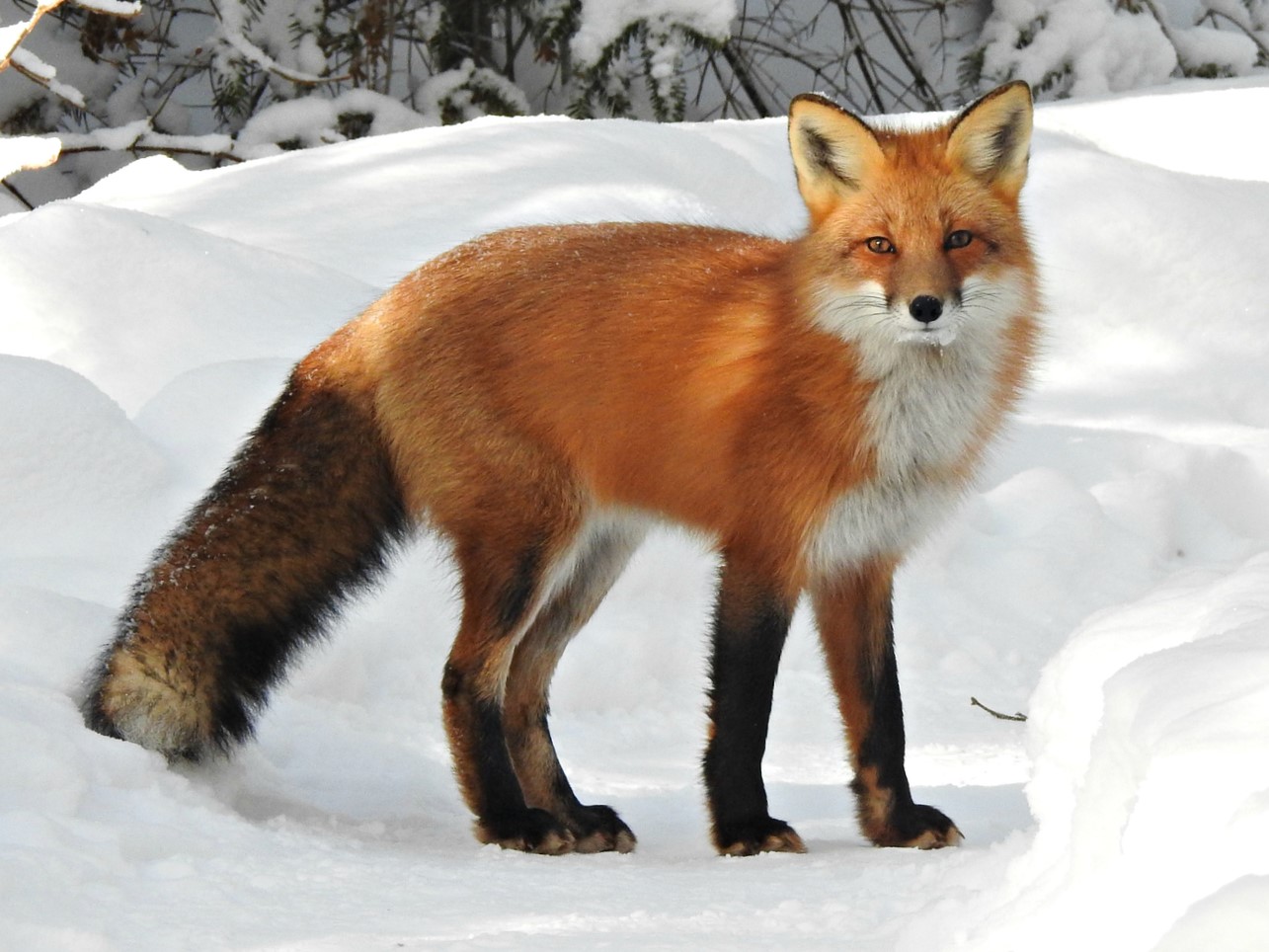
A red fox in Algonquin Provincial Park, Ontario
Scientific classificationEdit this classification
Kingdom: Animalia
Phylum: Chordata
Class: Mammalia
Order: Carnivora
Suborder: Caniformia
Family: Canidae
Subfamily: Caninae
Groups included
Cladistically included but traditionally excluded taxa

All other canine species

Foxes are small-to-medium-sized omnivorous mammals belonging to several genera of the family Canidae. They have a flattened skull; upright, triangular ears; a pointed, slightly upturned snout; and a long, bushy tail ("brush").

Twelve species belong to the monophyletic "true fox" group of genus Vulpes. Another 25 current or extinct species are sometimes called foxes – they are part of the paraphyletic group of the South American foxes or an outlying group, which consists of the bat-eared fox, gray fox, and island fox.[1]

Foxes live on every continent except Antarctica. The most common and widespread species of fox is the red fox (Vulpes vulpes) with about 47 recognized subspecies.[2] The global distribution of foxes, together with their widespread reputation for cunning, has contributed to their prominence in popular culture and folklore in many societies around the world. The hunting of foxes with packs of hounds, long an established pursuit in Europe, especially in the British Isles, was exported by European settlers to various parts of the New World.

Etymology

[edit]

The word fox comes from Old English and derives from Proto-Germanic *fuhsaz.[nb 1] This in turn derives from Proto-Indo-European *puḱ- "thick-haired, tail."[nb 2] Male foxes are known as dogs, tods, or reynards; females as vixens; and young as cubs, pups, or kits, though the last term is not to be confused with the kit fox, a distinct species. "Vixen" is one of very few modern English words that retain the Middle English southern dialectal "v" pronunciation instead of "f"; i.e., northern English "fox" versus southern English "vox".[3] A group of foxes may be referred to as a skulk, leash, or earth.[4][5]

Phylogenetic relationships

[edit]
Comparative illustration of skulls of a true fox (left) and gray fox (right), with differing temporal ridges and subangular lobes indicated

Within the Canidae, the results of DNA analysis shows several phylogenetic divisions:

Biology

[edit]
Fox skeleton

General morphology

[edit]

Foxes are generally smaller than some other members of the family Canidae such as wolves and jackals, while they may be larger than some within the family, such as raccoon dogs. In the largest species, the red fox, males weigh between 4.1 and 8.7 kg (9.0 and 19.2 lb),[8] while the smallest species, the fennec fox, weighs 0.7 to 1.6 kg (1+12 to 3+12 lb).[9]

Fox features typically include a triangular face, pointed ears, an elongated rostrum, and a bushy tail. They are digitigrade (meaning they walk on their toes). Unlike most members of the family Canidae, foxes have partially retractable claws.[10] Fox vibrissae, or whiskers, are black. The whiskers on the muzzle, known as mystacial vibrissae, average 100–110 millimetres (3+784+38 inches) long, while the whiskers everywhere else on the head average to be shorter in length. Whiskers (carpal vibrissae) are also on the forelimbs and average 40 mm (1+58 in) long, pointing downward and backward.[2] Other physical characteristics vary according to habitat and adaptive significance.

Pelage

[edit]

Fox species differ in fur color, length, and density. Coat colors range from pearly white to black-and-white to black flecked with white or grey on the underside. Fennec foxes (and other species of fox adapted to life in the desert, such as kit foxes), for example, have large ears and short fur to aid in keeping the body cool.[2][10] Arctic foxes, on the other hand, have tiny ears and short limbs as well as thick, insulating fur, which aid in keeping the body warm.[11] Red foxes, by contrast, have a typical auburn pelt, the tail normally ending with a white marking.[12]

A fox's coat color and texture may vary due to the change in seasons; fox pelts are richer and denser in the colder months and lighter in the warmer months. To get rid of the dense winter coat, foxes moult once a year around April; the process begins from the feet, up the legs, and then along the back.[10] Coat color may also change as the individual ages.[2]

Dentition

[edit]

A fox's dentition, like all other canids, is I 3/3, C 1/1, PM 4/4, M 3/2 = 42. (Bat-eared foxes have six extra molars, totalling in 48 teeth.) Foxes have pronounced carnassial pairs, which is characteristic of a carnivore. These pairs consist of the upper premolar and the lower first molar, and work together to shear tough material like flesh. Foxes' canines are pronounced, also characteristic of a carnivore, and are excellent in gripping prey.[13]

Behaviour

[edit]
Arctic fox curled up in snow
Two young foxes play in the snow in southern Sweden.

In the wild, the typical lifespan of a fox is one to three years, although individuals may live up to ten years. Unlike many canids, foxes are not always pack animals. Typically, they live in small family groups, but some (such as Arctic foxes) are known to be solitary.[2][10]

Foxes are omnivores.[14][15] Their diet is made up primarily of invertebrates such as insects and small vertebrates such as reptiles and birds. They may also eat eggs and vegetation. Many species are generalist predators, but some (such as the crab-eating fox) have more specialized diets. Most species of fox consume around 1 kg (2.2 lb) of food every day. Foxes cache excess food, burying it for later consumption, usually under leaves, snow, or soil.[10][16] While hunting, foxes tend to use a particular pouncing technique, such that they crouch down to camouflage themselves in the terrain and then use their hind legs to leap up with great force and land on top of their chosen prey.[2] Using their pronounced canine teeth, they can then grip the prey's neck and shake it until it is dead or can be readily disemboweled.[2]

The gray fox is one of only two canine species known to regularly climb trees; the other is the raccoon dog.[17]

Sexual characteristics

[edit]
Mating white-footed foxes

The male fox's scrotum is held up close to the body with the testes inside even after they descend. Like other canines, the male fox has a baculum, or penile bone.[2][18][19] The testes of red foxes are smaller than those of Arctic foxes.[20] Sperm formation in red foxes begins in August–September, with the testicles attaining their greatest weight in December–February.[21]

Vixens are in heat for one to six days, making their reproductive cycle twelve months long. As with other canines, the ova are shed during estrus without the need for the stimulation of copulating. Once the egg is fertilized, the vixen enters a period of gestation that can last from 52 to 53 days. Foxes tend to have an average litter size of four to five with an 80 percent success rate in becoming pregnant.[2][22] Litter sizes can vary greatly according to species and environment – the Arctic fox, for example, can have up to eleven kits.[23]

The vixen usually has six or eight mammae.[24] Each teat has 8 to 20 lactiferous ducts, which connect the mammary gland to the nipple, allowing for milk to be carried to the nipple.[citation needed]

Vocalization

[edit]
Fox scream
Fox sounds

The fox's vocal repertoire is vast, and includes:

Whine
Made shortly after birth. Occurs at a high rate when kits are hungry and when their body temperatures are low. Whining stimulates the mother to care for her young; it also has been known to stimulate the male fox into caring for his mate and kits.
Yelp
Made about 19 days later. The kits' whining turns into infantile barks, yelps, which occur heavily during play.
Explosive call
At the age of about one month, the kits can emit an explosive call which is intended to be threatening to intruders or other cubs; a high-pitched howl.
Combative call
In adults, the explosive call becomes an open-mouthed combative call during any conflict; a sharper bark.
Growl
An adult fox's indication to their kits to feed or head to the adult's location.
Bark
Adult foxes warn against intruders and in defense by barking.[2][25]

In the case of domesticated foxes, the whining seems to remain in adult individuals as a sign of excitement and submission in the presence of their owners.[2]

Classification

[edit]

Canids commonly known as foxes include the following genera and species:[2]

Genus Species Picture
Canis Ethiopian wolf, sometimes called the Simien fox or Simien jackal
Ethiopian wolf, native to the Ethiopian highlands
Cerdocyon Crab-eating fox
Crab-eating fox, a South American species
Dusicyon Extinct genus, including the Falkland Islands wolf, sometimes known as the Falklands Islands fox
Falkland Islands wolf Illustration by John Gerrard Keulemans (1842–1912)
Lycalopex
A pampas fox in Departamento de Flores, Uruguay
Otocyon Bat-eared fox
Bat-eared fox in Kenya
Urocyon
Gray fox (Urocyon cinereoargenteus), in Midtown, Palo Alto, California
Vulpes
The fennec fox is the smallest species of fox
Red fox

Conservation

[edit]
The island fox is a near-threatened species.

Several fox species are endangered in their native environments. Pressures placed on foxes include habitat loss and being hunted for pelts, other trade, or control.[26] Due in part to their opportunistic hunting style and industriousness, foxes are commonly resented as nuisance animals.[27] Contrastingly, foxes, while often considered pests themselves, have been successfully employed to control pests on fruit farms while leaving the fruit intact.[28]

Urocyon littoralis

[edit]

The island fox, though considered a near-threatened species throughout the world, is becoming increasingly endangered in its endemic environment of the California Channel Islands.[29] In general, a population on an island will be smaller than one on a mainland because of limited resources like space, food and shelter. Island populations are therefore highly susceptible to external threats ranging from introduced predatory species and humans to extreme weather.[30]

On the California Channel Islands, it was found that the population of the island fox was so low due to an outbreak of canine distemper virus from 1999 to 2000[31] as well as predation by non-native golden eagles.[32] Since 1993, the eagles have caused the population to decline by as much as 95%.[31] Because of the low number of foxes, the population went through an Allee effect (an effect in which, at low enough densities, an individual's fitness decreases).[29] Conservationists had to take healthy breeding pairs out of the wild population to breed them in captivity until they had enough foxes to release back into the wild.[31] Nonnative grazers were also removed so that native plants would be able to grow back to their natural height, thereby providing adequate cover and protection for the foxes against golden eagles.[32]

Pseudalopex fulvipes

[edit]

Darwin's fox was considered critically endangered because of its small known population (250 mature individuals) and its restricted distribution.[33] However, the IUCN have since downgraded the conservation status from critically endangered in their 2004 and 2008 assessments to endangered in the 2016 assessment, following findings of a wider distribution than previously reported.[34] On the Chilean mainland, the population is limited to Nahuelbuta National Park and the surrounding Valdivian rainforest.[33] On Chiloé Island, their population is limited to the forests that extend from the southernmost to the northwesternmost part of the island.[33] Though the Nahuelbuta National Park is protected, 90% of the Darwin's foxes live on Chiloé Island.[35]

A major issue for the Darwin's fox is their limited and dwindling habitat, as unprotected areas of forest are cut and burned.[33] The deforestation, while shrinking the habitat for the Darwin's fox, is allowing the preferred open-space habitat of their competitor the chilla fox to increase; the Darwin's fox is then being outcompeted.[36] Another problem they face is their inability to fight off diseases transmitted by the increasing number of pet dogs.[33] To conserve the Darwin's fox, researchers suggest protecting the forests that link the Nahuelbuta National Park to the coast of Chile, and that link in turn to Chiloé Island and its forests – a linear distance of more than 400 kilometres (250 mi). They also suggest that other forests around Chile be examined to determine whether Darwin's foxes have previously existed there or could live there in the future, should the need to (re)introduce the species to those areas arise. And they recommend establishing a captive breeding program in Chile for the Darwin's fox, because of the limited number of mature individuals in the wild.[36]

Relationships with humans

[edit]
A red fox on the porch of a house
Dead foxes in Carbunup

Foxes are often considered pests or nuisance creatures for their opportunistic attacks on poultry and other small livestock. Fox attacks on humans are not common.[37] Many foxes adapt well to human environments, with several species classified as "resident urban carnivores" for their ability to sustain populations entirely within urban boundaries. Foxes in urban areas can live longer and can have smaller litter sizes than foxes in non-urban areas.[38] Urban foxes are ubiquitous in Europe, where they show altered behaviors compared to non-urban foxes, including increased population density, smaller territory, and foraging in packs rather than alone.[39] Foxes have been introduced in numerous locations, with varying effects on indigenous flora and fauna.[40]

In some countries, foxes are major predators of rabbits and hens. Population oscillations of these two species were the first nonlinear oscillation studied and led to the derivation of the Lotka–Volterra equation.[41][42]

As food

[edit]

Fox meat is edible, but is not commonly eaten in any country.[43]

Hunting

[edit]

Fox hunting originated in the United Kingdom in the 16th century. Hunting with dogs is now banned in the United Kingdom,[44][45][46][47] though hunting without dogs is still permitted. Red foxes were introduced into Australia in the early 19th century for sport, and have since become widespread through much of the country. They have caused population decline among many native species and prey on livestock, especially new lambs.[48]

Domestication

[edit]
A tame fox in Talysarn, Wales

There are many records of domesticated red foxes and others, but rarely of sustained domestication. A recent and notable exception is domestication of the Russian silver fox,[49] which resulted in visible and behavioral changes, and is a case study of an animal population modeling according to human domestication needs. The current group of domesticated silver foxes are the result of nearly fifty years of experiments in the Soviet Union and Russia to de novo domesticate the silver morph of the red fox. This selective breeding resulted in physical and behavioral traits appearing that are frequently seen in domestic cats, dogs, and other animals, such as pigmentation changes, floppy ears, and curly tails.[50] Notably, the new foxes became more tame, allowing themselves to be petted, whimpering to get attention and sniffing and licking their caretakers.[51]

Urban settings

[edit]

Foxes are among the comparatively few mammals which have been able to adapt themselves to a certain degree to living in urban (mostly suburban) human environments. Their omnivorous diet allows them to survive on discarded food waste, and their skittish and often nocturnal nature means that they are often able to avoid detection, despite their larger size.

Urban foxes have been identified as threats to cats and small dogs, and for this reason there is often pressure to exclude them from these environments.[52]

The San Joaquin kit fox is a highly endangered species that has become adapted to urban living in the San Joaquin Valley and Salinas Valley of southern California. Its diet includes mice, ground squirrels, rabbits, hares, bird eggs, and insects, and it has claimed habitats in open areas, golf courses, drainage basins, and school grounds.[52]

[edit]
Plate in the shape of two peaches depicting two foxes, Tang dynasty

The fox appears in many cultures, usually in folklore. There are slight variations in their depictions. In European, Persian, East Asian, and Native American folklore, foxes are symbols of cunning and trickery—a reputation derived especially from their reputed ability to evade hunters. This is usually represented as a character possessing these traits. These traits are used on a wide variety of characters, either making them a nuisance to the story, a misunderstood hero, or a devious villain.

In East Asian folklore, foxes are depicted as familiar spirits possessing magic powers. Similar to in the folklore of other regions, foxes are portrayed as mischievous, usually tricking other people, with the ability to disguise as an attractive female human. Others depict them as mystical, sacred creatures who can bring wonder or ruin.[53] Nine-tailed foxes appear in Chinese folklore, literature, and mythology, in which, depending on the tale, they can be a good or a bad omen.[54] The motif was eventually introduced from Chinese to Japanese and Korean cultures.[55]

The constellation Vulpecula represents a fox.

Notes

[edit]

References

[edit]
[edit]
Revisions and contributorsEdit on WikipediaRead on Wikipedia
from Grokipedia

Foxes are small- to medium-sized omnivorous mammals belonging to the family Canidae, characterized by pointed snouts, erect ears, and bushy tails, with approximately 27 extant species distributed across nine genera. The genus Vulpes, comprising twelve "true fox" species, includes the red fox (Vulpes vulpes), the largest and most widespread wild canid, native to the Northern Hemisphere across Eurasia and North America but introduced to regions like Australia. These adaptable predators thrive in diverse habitats ranging from arctic tundra and deserts to urban environments, exhibiting opportunistic feeding on small mammals, birds, insects, and fruits. Foxes are generally solitary and nocturnal, renowned for acute senses and behavioral flexibility that enable survival amid human expansion, though some species face threats from habitat loss and persecution.

Etymology

Linguistic origins and usage

The English word fox, denoting the carnivorous primarily of the Vulpes, originates from fox, attested as early as the pre-1150 period and inherited directly from Proto-Germanic *fuhsaz. This Germanic root appears in cognates across related languages, including fuhs, modern Dutch vos, and German Fuchs. The term's phonetic stability is evident in its continuity from fox without significant alteration, reflecting a strong masculine declension in that influenced plural forms like foxas evolving to modern foxes. Proto-Indo-European reconstruction traces *fuhsaz potentially to **puḱ- or **puk-, connoting "thick-haired" or "tail," aligning with the animal's bushy tail as a distinguishing feature, akin to Sanskrit puccha meaning "tail." Alternative scholarly proposals suggest connections to *h₂lō̆p-eḱ- specifically for 'fox' in some Indo-European branches, distinguishing it from terms for wildcats or other canids, though the tail-related etymology predominates in Germanic lineages. In contrast, Latin vulpes (basis for scientific nomenclature) yielded different Romance derivatives, such as French renard via medieval literary taboo substitutions avoiding direct naming of the cunning animal, but English retained the Germanic form without such euphemistic shifts. Historically, "fox" extended metaphorically in late to signify a cunning or sly individual, drawing from the animal's reputed craftiness in , with the verb "to fox" emerging by the 1660s to mean "to delude or confuse." By the , adjectives like foxy denoted slyness, later applying to reddish colors or, from the 1890s onward, physical attractiveness in women evoking the animal's allure. In hunting contexts, specialized usage persisted, such as "brush" for the tail, but the core zoological sense remained dominant, with no major semantic drift despite cultural associations in fables like those of influencing continental terms. restricts "fox" primarily to the animal or derived idioms, avoiding with unrelated canids like wolves (wulf from distinct Proto-Germanic *wulfaz).

Taxonomy

Classification and species

Foxes comprise small to medium-sized canids in the family , subfamily , distinguished by traits such as a flattened , pointed muzzle, erect triangular ears, and bushy , adaptations suited to diverse ecological niches including forests, deserts, and tundras. The term "fox" denotes a polyphyletic assemblage rather than a strict taxonomic , encompassing species across multiple genera that convergently evolved similar morphologies for agility, keen senses, and opportunistic foraging. Phylogenetically, most foxes align with tribe , though basal lineages like diverge earlier, reflecting independent evolutionary histories within , which totals 36-37 species overall. The core group, known as true foxes, belongs to the genus Vulpes, a monophyletic of 12 extant distributed across , , , and introduced ranges. These include the widespread (V. vulpes), adaptable to varied climates from Arctic to subtropical regions; the (V. lagopus), with seasonal pelage changes for insulation; the (V. zerda), specialized for Saharan dunes with oversized ears for heat dissipation; and others like the (V. macrotis) and (V. velox) of North American grasslands. The full list of Vulpes is:
SpeciesCommon NameNative Range
Vulpes vulpes, , introduced elsewhere
Vulpes lagopus regions
Vulpes zerda, Sahara
Vulpes pallidaSahel, Sahara
Vulpes canaMiddle East,
Vulpes chama
Vulpes corsac steppes
Vulpes ferrilataTibetan sand fox
Vulpes veloxNorth American plains
Vulpes macrotisSouthwestern
Vulpes rueppelli, Arabia
Vulpes bengalensis
Beyond , fox-like canids include the genus Urocyon with two : the (U. cinereoargenteus), unique for tree-climbing ability via specialized foot pads, native to North and ; and the endangered island fox (U. littoralis), restricted to California's . The South American foxes of genus Lycalopex (6 , formerly split as Pseudalopex) occupy niches from Andean highlands to , exemplified by the (L. culpaeus), a larger nearing size, and the critically endangered Darwin's fox (L. fulvipes) of Chilean forests. The bat-eared fox (Otocyon megalotis), sole member of genus Otocyon, inhabits eastern and southern African savannas, featuring enlarged ears for detecting , its primary diet, and a adapted for consumption differing from patterns in other canids. These non-Vulpes taxa, totaling about 9 , underscore in canid diversification, with genetic studies confirming Urocyon as a basal offshoot and Lycalopex within South American canid radiation post-Great American Biotic Interchange around 2.5 million years ago.

Phylogenetic relationships

The designation "fox" applies to multiple lineages within the family that converged on similar small-bodied, omnivorous adaptations, resulting in a polyphyletic grouping. Molecular phylogenetic studies, based on nuclear and sequences, resolve into three primary clades: the wolf-like canids (tribe Canini, including species), the South American canids (subtribe , encompassing genera such as Lycalopex and Pseudalopex), and the vulpine canids (tribe ). The divergence between and the other clades occurred approximately 9-10 million years ago during the . Within the Vulpini tribe, which comprises the core fox-like canids, the gray fox genus Urocyon forms the basal lineage, characterized by primitive arboreal adaptations and diverging from other vulpines around 5-7 million years ago. This is followed by the bat-eared fox Otocyon megalotis, a specialized with unique dental morphology, sister to the clade containing the raccoon dog Nyctereutes procyonoides and the true foxes of genus . The genus, including 12 extant species such as the red fox (V. vulpes) and Arctic fox (V. lagopus), represents a monophyletic radiation that diversified primarily in and , with estimated crown-group divergences beginning 4-6 million years ago. Phylogenetic analyses of Vulpes mitogenomes indicate that the Cape fox (V. chama) is the earliest diverging extant species within the genus, splitting approximately 3-4 million years ago, followed by the fennec fox (V. zerda) and then a clade including the red fox and corsac fox (V. corsac), which diverged around 3.7 million years ago. These relationships are supported by both mitochondrial and nuclear loci, though some studies highlight ongoing debates regarding the exact placement of certain subspecies due to hybridization and incomplete lineage sorting in widespread species like the red fox. South American "foxes" in Cerdocyonina, such as the culpeo (Lycalopex culpaeus), represent a separate invasion from North America via the Great American Biotic Interchange around 3-4 million years ago, evolving in isolation without close relation to Old World foxes.

Physical characteristics

Morphology and anatomy


Foxes in the genus Vulpes, exemplified by the red fox (V. vulpes), possess an elongated body form with slender limbs suited for agile locomotion across diverse terrains, including forests, grasslands, and urban areas. The overall build is lightweight, with a relatively short-legged posture compared to larger canids, enhancing maneuverability for hunting small prey and evading predators. Head and body length typically measures 455–900 mm, tail length 300–555 mm, and adult weight ranges from 3–14 kg, with males averaging slightly larger than females and northern populations exhibiting greater body size per Bergmann's rule.
The is dolichocephalic, narrower than in domestic dogs, featuring a long, pointed muzzle with prominent , large erect triangular ears for acute hearing, and forward-facing eyes that provide . The dental formula is I 3/3, C 1/1, P 4/4, M 2/3 = 42 teeth, with premolars adapted for shearing flesh and molars emphasizing crushing capabilities; the tooth row exceeds 50% of total length. Hind limbs are disproportionately long relative to forelimbs, supporting gait, while paws feature five digits on the manus (four contacting the ground, with a clawed elevated ~15 mm) and four on the pes, all with furred, oval pads for traction and insulation. Internally, red foxes exhibit 13 pairs of ribs, with the right lung extending more caudally than the left, a left-angled heart, and bronchi of comparable length. A musk , located ~75 mm above the tail base within the , secretes odorants used in scent marking. These traits vary modestly across species; for instance, the fennec fox () has enlarged ears for heat dissipation in deserts, while arctic foxes () possess shorter limbs for cold adaptation, but the red fox morphology represents the genus .

Pelage, coloration, and adaptations

The pelage of foxes in the genus Vulpes consists of a dense underfur layer for insulation and longer, coarser guard hairs that provide protection from the elements and aid in sensory perception. This dual-layered coat varies in thickness seasonally, with winter pelage being thicker to enhance thermoregulation in colder climates. Coloration in foxes primarily functions for , matching environmental backgrounds to evade predators and ambush prey, while also influencing through pigment properties. In the red fox (Vulpes vulpes), the typical pelage features orangish-red fur on the back, sides, and head, with white fur on the underparts, neck, and chest, and a bushy tipped in white; color variants include cross foxes with reddish-brown fur accented by black stripes and silver foxes ranging from silver-tipped to nearly black coats. These patterns provide , darkening dorsally for woodland concealment. The Arctic fox ( lagopus) exhibits pronounced seasonal pelage polymorphism, molting from a white winter coat that camouflages against to a brown or grey summer coat blending with vegetation and rocks; this change is triggered by photoperiod rather than temperature, occurring biannually with the winter molt completing by late fall and the summer molt by late . Blue morphs, with darker pelage year-round, may confer fitness advantages in certain coastal habitats by reducing visibility against rocky substrates. In desert-adapted species like the (Vulpes zerda), the pelage is pale sandy or cream-colored with white undersides and edges, facilitating in dune environments and reflecting sunlight to minimize heat absorption during diurnal activity. This light coloration, combined with dense fur covering the paw pads, insulates against scorching sands while the overall coat thickness protects from nocturnal cold.

Dentition, senses, and physiology

Foxes possess a dentition adapted for an omnivorous diet, featuring 42 teeth in adults with a dental formula of 3/3 incisors, 1/1 canines, 4/4 premolars, and 2/3 molars. The upper and lower carnassial teeth (P4 and M1) form shearing blades for processing meat, while the molars, particularly the crushing surfaces of M1 and M2, facilitate grinding of plant matter and bones. Tooth size varies by species and sex, with the first molars showing least variability and the third lower molar the most, reflecting dietary pressures in populations like the red fox (Vulpes vulpes). The senses of foxes are highly developed for nocturnal and crepuscular . Hearing stands out as the primary , enabling localization of prey sounds to within one degree accuracy at frequencies of –3,000 Hz and detection of movements up to 30 meters away, such as tunneling underground. Vision provides enhanced low-light capability through a high rod-to-cone ratio in the and a reflective layer, though it relies less on color discrimination. Olfaction supports tracking via a robust and Jacobson's organ, allowing scent discrimination over distances and aiding in marking, though it ranks below hearing and vision in prey detection priority. Physiologically, foxes maintain through efficient and metabolic flexibility suited to variable environments. Basal metabolic rates remain stable above 10°C but elevate in colder conditions to sustain body , with insulation from dense minimizing conductive loss. Daily activity, including , accounts for 11–33% of field metabolic rate, averaging 21% in species like the (Vulpes macrotis), underscoring high energy demands offset by opportunistic feeding. Surface temperature control via or in extremities further regulates exchange, preventing in subzero ambient temperatures.

Reproduction and life cycle

Sexual characteristics and dimorphism

In red foxes (Vulpes vulpes), males, known as dogs, exhibit moderate sexual size dimorphism, typically weighing 4.4% to 7.7% more than females, or vixens, though this varies by population and can reach 15.6% in some European and Asian groups. Male body mass often correlates with larger territories and higher reproductive effort, while female mass shows no such link. Cranial morphology displays pronounced dimorphism: male skulls are larger overall, more elongate, with a narrower post-orbital constriction, higher sagittal crests for greater muscle attachment, and exceed females in most dimensions except postorbital breadth, which is wider in females. Pelvic dimensions also differ, with sexual dimorphism evident in pelvimetric measurements, aiding sex determination in specimens. Externally, vixens possess prominent teats, typically numbering 4 to 10 pairs, visible especially post-lactation, while dogs have a and more prominent testes. Male heads tend to appear broader and more square-shaped compared to the narrower, heart-shaped profiles of females. Both sexes are gonochoric, with sexual maturity reached around 10 months, though dimorphism in juvenile body dimensions like weight and head length may not fully manifest until adulthood. Similar patterns of male-biased size dimorphism occur across vulpine species, such as in Japanese red foxes (V. v. japonica), where relative growth rates reinforce adult differences.

Mating behaviors and parental care

Foxes, particularly the red fox (Vulpes vulpes), typically exhibit social monogamy, where dominant pairs form lasting bonds, though genetic analyses reveal polygynandry in high-density populations, with males or females mating with multiple partners. Facultative polygyny occurs when resource abundance allows males to support multiple females, as observed in studies linking food availability to shifts from monogamy to polygyny. Mating seasons align with northern hemisphere winters, from late December to February, featuring courtship rituals such as mutual chasing, vocalizations including screams and barks, and scent marking to attract mates. Copulation involves multiple brief mounts by the male, often lasting seconds each, repeated over days to ensure fertilization, with females entering estrus for 1-6 days annually. lasts approximately 49-58 days, averaging 52 days, resulting in litters of 1-10 , typically 4-5, born in underground dens from March to May. Newborn are altricial, blind, and deaf, weighing 50-150 grams, dependent on parental provisioning. Both parents contribute to care: females nurse for 3-4 weeks, while males guard and supply food, regurgitating prey to weanlings around 4-6 weeks post-birth. In monogamous pairs, paternal investment enhances kit survival, with males continuing to and protect until juveniles disperse at 6-7 months, reaching size by autumn. Polygynous males provide less direct care to secondary litters, correlating with reduced for those females compared to monogamous ones in resource-scarce conditions. Similar biparental strategies appear in other species like kit foxes (Vulpes macrotis), which are predominantly monogamous with lifelong pairing.

Behavior and ecology

Social structure and territoriality

Red foxes (Vulpes vulpes) primarily exhibit a solitary outside of the breeding and pup-rearing periods, forming temporary groups centered on a monogamous and their , with occasional inclusion of non-breeding from prior litters. These groups typically comprise 3–6 individuals, where a emerges early—often by 3 weeks of age among cubs—through agonistic interactions like play-fighting over milk or food, favoring larger, usually male, dominants who secure priority access to resources. Adult hierarchies reinforce this via postural displays, such as erect tails for dominance or crouching submissions, minimizing injury while regulating food sharing and territory access; subordinates may groom dominants to maintain bonds, but persistent challenges can lead to dispersal or expulsion. Territoriality underpins this structure, with individuals defending home ranges that vary markedly by habitat and density: 4–70 hectares in urban or rural settings (averaging 40 hectares), up to 460 hectares for males in low-density areas like , or exceeding 5,000 hectares in arid deserts like . Ranges are partly exclusive, with mate overlaps common but intrusions by outsiders eliciting scent marking ( and scats on 80% of conspicuous landmarks, more frequent in males) and aggressive defenses, including gekkering vocalizations or coalition chases. In resource-rich environments, boundaries blur with tolerated overlaps or itinerant foxes (about 15% of adults) roaming without fixed ranges, reducing conflict via neighbor recognition; stricter exclusivity prevails in sparse habitats, correlating with larger male body mass and territory size. Within territories, social ties show temporal stability—33% of associations persist across four seasons among residents—contrasting with transient inter-territory contacts (<1 day duration, 53% of cases) during dispersal or mating, which peak in spring-summer (re-association probability 0.49). This yields communities of 4–16 foxes aligned to territorial patches, where solitary foraging coexists with cooperative pup defense, differing from pack-based canids by emphasizing individual ranging over rigid group cohesion.

Foraging, diet, and predation role

Foxes are opportunistic foragers, employing a range of strategies including active stalking, pouncing on prey detected by sound or scent, scavenging carrion, and consuming plant matter when animal prey is scarce. (Vulpes vulpes), the most widespread species, exemplify this adaptability, using techniques such as "mousing" to locate rodents via auditory cues and leaping to capture them, particularly in snowy environments where prey is subsurface. Foraging activity peaks at dawn and dusk, though individuals adjust to human presence by shifting to nocturnal patterns in urban areas. The diet of foxes is highly variable by species, habitat, and season, but generally consists of small mammals (40-60% in many studies), followed by birds, invertebrates, and fruits or berries. In temperate regions, red foxes preferentially consume rodents like voles (Microtus spp.) when abundant, with their winter diet positively correlating to autumn vole densities; alternative prey such as rabbits or birds increases during low-vole periods. Omnivorous tendencies are evident in warmer climates or summer months, where invertebrates (e.g., beetles, earthworms) and vegetation can comprise up to 30-50% of intake, aiding nutritional flexibility. Specialized species deviate: fennec foxes (Vulpes zerda) in deserts rely heavily on insects and small reptiles, while Arctic foxes (Vulpes lagopus) target lemmings but scavenge seabird remains in lean seasons. As mesopredators, foxes play a dual role in ecosystems by controlling herbivore populations—such as rodents that damage crops—and facilitating seed dispersal through fruit consumption, yet they can exert pressure on ground-nesting birds and small game, prompting management in agricultural zones. In native Eurasian and North American ranges, red foxes help regulate vole outbreaks, preventing vegetation overgrazing, with studies showing dietary shifts toward dominant prey to maintain balance. Introduced populations, however, amplify negative impacts; in since the 19th century, foxes prey on endemic small mammals and reptiles, contributing to declines in species like the bilby, though they also suppress invasive rodents. Overall, their generalist predation enhances ecosystem resilience to fluctuations but invites conflict where biodiversity is fragile.

Vocalizations and communication

Red foxes (Vulpes vulpes) produce a diverse repertoire of over 20 distinct vocalizations, spanning five octaves and serving functions such as territorial defense, mating, alarm signaling, and parent-offspring interaction. These sounds include barks, screams, howls, whines, growls, squeals, and gekkering, with calls often used singly or in combination and showing gradation between types. Unlike many canids, foxes lack biphonic ability, producing only low-frequency sounds without high-pitched squeaks typical of wolves or dogs. Common vocalizations include the contact call, a rhythmic three- to five-syllable "wow wow wow" bark used by adults to maintain pair bonds or locate family members, often exchanged between approaching foxes approaching from a distance. Alarm barks are sharp and repetitive, signaling threats to cubs or territory intruders, while a low warbling variant of the wow-bark indicates "all clear" to cubs or accompanies food deposits at den entrances. The infamous scream, resembling a human woman's cry, peaks during January mating season and functions in territorial disputes or to attract mates, though it can occur year-round in aggressive encounters. Gekkering, a rapid, chattering "ratchet-like" sound, denotes intense aggression between rivals, particularly vixens defending ranges. Cubs employ eight specialized calls, including whines for submission or solicitation and clucks for play initiation. Beyond vocalizations, foxes rely on multimodal communication integrating scent, visual, and tactile signals. Scent marking via urine, feces, or anal gland secretions delineates territories and conveys individual identity, reproductive status, and dominance, with males depositing more during breeding. Visual cues include piloerection for threat displays, tail positions (e.g., raised for dominance, wagging for affiliation), and ear orientations signaling alertness or submission. Body postures such as play bows or pawing solicit interaction, particularly among cubs, while adults use facial expressions like teeth baring in aggression. This layered system enables precise social coordination in solitary or family units, with vocal and non-vocal elements often combined for context-specific messaging.

Intelligence, adaptability, and movement patterns

Red foxes (Vulpes vulpes) exhibit notable intelligence through problem-solving behaviors observed in foraging tasks, where individuals demonstrate persistence, exploration, and innovation to access food rewards despite initial neophobia. They construct detailed mental maps of their territories and leverage environmental cues, such as the Earth's magnetic field, to enhance hunting precision by estimating prey distance during pouncing strikes. Cognitive studies indicate that while urban foxes display greater boldness in novel situations compared to rural counterparts, this does not correlate with superior innovative problem-solving abilities. The species' adaptability is evident in its exploitation of diverse habitats, from arctic tundras to densely urbanized areas, facilitated by behavioral flexibility rather than enhanced intelligence. In urban settings, red foxes shift to more nocturnal activity patterns, increase aggression toward human presence, and preferentially select food sources like anthropogenic waste, with individuals varying in dietary preferences between city and countryside environments. This opportunism allows persistence in human-modified landscapes, where foxes maintain viability through adjusted foraging and reduced fear responses to novel stimuli, though exploratory tendencies do not differ markedly from rural populations. Preliminary evidence suggests potential morphological adaptations, such as smaller skull sizes in urban cohorts, possibly driven by dietary shifts or selection pressures. Movement patterns of red foxes are predominantly solitary and territorial, with individuals maintaining stable home ranges that vary widely by habitat density and estimation method, typically spanning 1–44 km² using localized convex hull analysis or up to 358 km² via minimum convex polygon. Daily activity involves short-range foraging excursions within these ranges, interspersed with exploratory loops to assess new areas and transient phases for dispersal, which peaks in the first two years of life and sees males traveling farther than females to avoid inbreeding and secure mates. High dispersal rates contribute to low genetic differentiation across populations, underscoring the species' mobility and capacity for rapid range expansion. In managed landscapes, such as developed islands, a subset of foxes remain transient, traversing without establishing fixed ranges, while residents exhibit resource selection favoring edges and cover.

Distribution and habitats

Native ranges and biogeography

True foxes of the genus Vulpes exhibit native ranges primarily within the Holarctic biogeographic realm, encompassing Eurasia and North America, with some species extending into North Africa and sub-Saharan Africa. This distribution reflects their evolutionary adaptability to extreme environments, from arctic tundras to hyper-arid deserts, facilitated by Pleistocene dispersals across land bridges like . The genus originated in Eurasia during the Miocene, with fossil records indicating diversification and subsequent colonization of North America. The red fox (Vulpes vulpes), the most widely distributed wild canid, is native to Europe, temperate Asia extending from the British Isles to Japan, North Africa, and boreal and montane regions of North America north of Mexico, excluding parts of the Great Plains, Southwest deserts, and central Rocky Mountains. The Arctic fox (Vulpes lagopus) occupies circumpolar arctic and subarctic tundras, spanning coastal and inland regions of Eurasia, North America, Greenland, and Iceland. In North Africa, the fennec fox (Vulpes zerda) is restricted to sandy deserts and arid zones of the Sahara, ranging from Mauritania and Western Sahara eastward to the Sinai Peninsula and Arabian Peninsula. Southern African species like the Cape fox (Vulpes chama) inhabit arid and semi-arid regions of southwestern Africa. In the Americas, gray foxes (Urocyon cinereoargenteus) represent a distinct lineage with a continuous native range from southern Canada through the United States, Mexico, Central America, and into northern South America, marking the only extant canid with such broad intercontinental distribution without human introduction. Bat-eared foxes (Otocyon megalotis), though not Vulpes, occur natively in two subpopulations across eastern and southern African savannas and short-grass plains, from Ethiopia and Sudan southward to Tanzania and from Angola to South Africa. These patterns underscore vicariance events and limited dispersals shaping fox biogeography, with no native species in Australia, South America beyond gray fox extensions, or Antarctica prior to human-mediated introductions.

Introduced populations and invasiveness

The red fox (Vulpes vulpes) has established introduced populations in regions beyond its native Eurasian and North American ranges, primarily through deliberate human releases for hunting and fur. In Australia, European red foxes were first imported and released in the mid-1850s near Melbourne, Victoria, to support recreational fox hunting sports modeled after British traditions. Feral populations proliferated rapidly, spreading from initial sites to occupy most of the mainland by the 1890s, with densities reaching up to 3-6 adults per square kilometer in favorable habitats. Introductions also occurred in Tasmania in the 20th century, though establishment there remains debated due to limited confirmed evidence of breeding populations. In North America, non-native European lineages were introduced to the northeastern and mid-Atlantic states beginning in the mid-1700s, with documented releases in Virginia and Maryland for hunting. These populations expanded westward during the 19th and 20th centuries, overlapping and hybridizing with native North American , which has led to genetic admixture across much of the continent. were also introduced to the Falkland Islands in the 19th century, though populations there have since declined or localized due to habitat limitations and predation pressures. Introduced red fox populations exhibit high invasiveness, particularly in Australia, where the absence of natural predators and competitors allows unchecked proliferation. Foxes prey opportunistically on small mammals (e.g., rodents, marsupials like bettongs and bandicoots), ground-nesting birds, reptiles, and invertebrates, directly contributing to the extinction of at least 20 native species and the severe decline of dozens more since the 19th century. Annual predation estimates attribute up to 300 million native vertebrate deaths to foxes and feral cats combined, with foxes responsible for a significant portion through their efficient nocturnal hunting and caching behaviors. In agricultural areas, foxes also target livestock such as lambs and poultry, causing economic losses exceeding AUD 20 million yearly. The species' adaptability to diverse habitats—from arid interiors to urban fringes—facilitates its persistence despite control efforts like baiting and shooting, underscoring its classification among the world's most damaging invasive mammals. In North American contexts, impacts are moderated by native predators like coyotes, but introduced foxes exacerbate pressures on ground-nesting birds and small mammals in fragmented habitats.

Conservation and management

Status of threatened species

Several fox species and subspecies face significant conservation challenges, primarily due to habitat fragmentation, human encroachment, and competition from introduced predators. The International Union for Conservation of Nature (IUCN) classifies most true foxes (genus Vulpes) as Least Concern globally, reflecting their adaptability and wide distributions, but localized populations and certain South American and North American taxa warrant higher threat levels. Darwin's fox (Lycalopex fulvipes), endemic to Nahuelbuta National Park and Chiloé Island in Chile, holds the distinction of being the only fox species assessed as Endangered on the IUCN Red List as of 2025, with population estimates ranging from fewer than 375 to around 1,000 individuals across fragmented forests. Threats include ongoing deforestation, hybridization with domestic dogs, and predation by introduced species, restricting viable habitat to less than 1% of its historical range. In North America, subspecies-level threats predominate under the U.S. Endangered Species Act (ESA). The San Joaquin kit fox (Vulpes macrotis mutica), a diminutive subspecies confined to California's San Joaquin Valley grasslands and scrublands, has been federally listed as Endangered since March 11, 1967, following a 90% population decline from agricultural conversion and urbanization. Current estimates suggest fewer than 5,000 individuals remain, with ongoing risks from rodenticides, vehicular strikes, and coyote competition exacerbating recovery challenges despite habitat restoration efforts. Similarly, the Sierra Nevada distinct population segment of the red fox (Vulpes vulpes necator) was listed as Endangered by the U.S. Fish and Wildlife Service on August 2, 2021, due to severe declines from wildfires, drought-induced prey scarcity, and coyote hybridization; recent surveys indicate possibly fewer than 40 adults in the high-elevation Sierra Nevada range. The island fox (Urocyon littoralis), restricted to California's Channel Islands, improved from Critically Endangered to Near Threatened on the IUCN Red List following intensive interventions, including golden eagle removal and captive breeding programs that boosted populations from near-extinction lows in the early 2000s to over 2,000 individuals by 2023. Three subspecies (San Miguel, Santa Rosa, and Santa Cruz island foxes) were delisted from the ESA in 2016 after recovery milestones, though the species remains vulnerable to avian predation and limited genetic diversity. Other taxa, such as the hoary fox (Lycalopex vetulus) in Brazil (Near Threatened due to agricultural expansion) and certain swift fox (Vulpes velox) populations, exhibit localized declines but lack global endangered designations. Conservation priorities emphasize empirical monitoring and habitat protection over unsubstantiated narratives of widespread crisis, as many fox declines stem from verifiable land-use changes rather than climate proxies alone.
TaxonIUCN Global StatusU.S. ESA StatusEstimated PopulationPrimary Threats
Darwin's fox (Lycalopex fulvipes)EndangeredN/A<375–1,000Habitat loss, dogs
San Joaquin kit fox (V. macrotis mutica)Least Concern (species); Endangered (subsp.)Endangered (1967)<5,000Agriculture, urbanization
Sierra Nevada red fox (V. vulpes necator DPS)Least Concern (species); Threatened (subsp.)Endangered (2021)<40 adultsWildfire, coyotes
Island fox (Urocyon littoralis)Near ThreatenedDelisted (some subsp., 2016)>2,000Predation, isolation

Human interventions and genetic issues

Human interventions in fox conservation often target populations afflicted by genetic bottlenecks and , particularly in isolated or declining subspecies. For instance, the foxes (Urocyon littoralis) underwent severe population crashes in the late 1990s and early 2000s due to virus, likely introduced via domestic dogs or cats, reducing numbers to fewer than 100 individuals on some islands and creating profound genetic bottlenecks with heterozygosity levels among the lowest recorded in mammals. Recovery efforts included mass campaigns against distemper and removal of non-native golden eagles that preyed on the foxes, stabilizing populations without direct genetic augmentation, though ongoing monitoring reveals persistent low diversity potentially vulnerable to future stressors like . In Scandinavian Arctic foxes (Vulpes lagopus), conservation programs have employed and supplementation to combat from historical declines linked to prey . The Norwegian Arctic Fox Project initiated in 2006 captured wild foxes for breeding, selecting for diverse genetic backgrounds while minimizing disease risk, and released over 20 individuals annually starting in 2012, often from Alaskan or Russian stock to boost variation. This genetic rescue increased and reduced inbreeding coefficients, yielding short-term fitness gains such as higher juvenile survival, though benefits waned over generations due to persistent low diversity and biases. Montane red fox subspecies (Vulpes vulpes in the Sierra Nevada and Cascades) face similar threats from and small population sizes, with the lineage showing elevated inbreeding and genetic erosion. Genomic analyses recommend translocation from genetically distinct populations, such as coastal red foxes, to introduce adaptive alleles and mitigate extinction risk, with simulations indicating potential 20-50% boosts in population viability if is avoided. For (Lycalopex fulvipes) on , emerging genomic surveys guide habitat protection and connectivity measures to preserve intraspecific variation, addressing isolation-driven drift without yet resorting to augmentation. These interventions highlight trade-offs: while genetic rescue can avert immediate collapse, risks include maladaptive hybridization or immune mismatches, necessitating prior genomic screening to prioritize source populations with shared evolutionary history. In all cases, empirical tracking of post-intervention fitness metrics underscores that human actions, though causal in many declines, can reverse genetic trajectories when grounded in population-specific data.

Control measures and ecological impacts

In regions where the red fox (Vulpes vulpes) has been introduced, such as Australia, control measures primarily involve lethal baiting using sodium fluoroacetate (1080), which is deployed in programs targeting breeding and dispersal periods to achieve population reductions exceeding 75% in managed areas. These efforts are often coordinated biannually, combining baiting with shooting, trapping, den fumigation via carbon monoxide, and exclusion fencing to minimize recolonization from adjacent untreated zones. Effectiveness is constrained by fox dispersal rates, bait degradation, caching behavior, and inconsistent spatial coverage, necessitating ongoing landscape-scale interventions rather than one-time eradication. Introduced red foxes exert significant ecological pressure as hyperpredators, contributing to the decline or regional of at least 20 small- to medium-sized native in through direct predation on juveniles and adults, alongside for resources. They also impact avian populations, threatening 14 bird , and prey on amphibians and neonates, amplifying in arid and semi-arid ecosystems where native predators like may suppress fox numbers naturally. In native Eurasian and North American ranges, foxes fulfill roles in controlling pests and dispersing seeds, but introduced populations disrupt these balances by lacking evolved prey defenses and co-predators. Successful fox control has demonstrably reversed some declines, such as increased populations of threatened wallabies and quails following sustained baiting and fencing in , though non-target effects on species like tiger quolls require buffered baiting strategies to mitigate secondary poisoning. Long-term programs, spanning over nine years in experimental landscapes, confirm that maintaining low fox densities enhances native small mammal abundance, underscoring the causal link between fox predation and prey suppression. However, integrated , including restoration and monitoring, is essential, as isolated control efforts fail against high immigration from unmanaged areas.

Interactions with humans

Historical and economic uses

Fox pelts have been valued for clothing and trimming since at least the medieval period in , where they were used to adorn garments of the wealthy alongside other furs like ermine and . In , the colonial encompassed fox among species such as and , contributing to economic exchanges that fueled European exploration and settlement from the 16th century onward. Prior to widespread European contact, Indigenous groups like the occasionally hunted arctic foxes for both meat and fur, though this was not a primary focus until later commercial influences. Commercial fox farming originated in 1895 on , , with the selective breeding of silver foxes for high-quality pelts, establishing a model for intensive fur production that spread globally. By the early , the industry expanded rapidly, peaking in the mid-1900s before declining around due to shifting fashions and synthetic alternatives, though wild trapping persisted as a supplementary source. Foxes were also trapped extensively as pests and furbearers across and for centuries, with pelts supporting rural economies through local and international markets. Economically, fox fur production relies heavily on farming, which accounts for the of global supply alongside , with leading output at approximately 3.5 million combined mink and fox pelts in 2023, followed by . , a key fox specialist, saw farm numbers drop nearly 70% by 2024 amid production costs exceeding sales prices by up to 50 euros per pelt, rendering many operations unprofitable. Overall, the fur sector—including fox—has contracted sharply, from around 140 million animals farmed annually in 2014 to roughly 20 million by 2024, driven by concerns, regulatory bans in regions like the , and consumer shifts away from natural . Despite this, certified fox pelt production persists in countries like , where it remains a niche .

Hunting, pest control, and controversies

In regions where red foxes (Vulpes vulpes) are native or established, hunting serves purposes including sport, fur harvest, and population management. Traditional mounted fox hunting with scent hounds originated in England in the 16th century and peaked in the 19th, involving packs of 20–30 hounds pursuing a fox over distances up to 10–20 miles before it is killed by the dogs. In the United States, red fox hunting and trapping occur under state-regulated seasons, with annual harvests estimated at 100,000–200,000 pelts in peak years during the 20th century, though numbers have declined with reduced fur demand. As pests, red foxes face targeted control in introduced ranges like , where they prey on small mammals, birds, and livestock, contributing to extinctions of at least 20 since 1788. Primary methods include lethal baiting with (1080) via ground or aerial deployment, which achieves 70–90% efficacy in reducing local densities when applied at 3–5 kg/km²; , often at night using spotlights; padded-jaw ; and den fumigation with . These align with Australia's National Code of Practice for humane vertebrate pest control, prioritizing non-target avoidance through burying baits and monitoring. In , control emphasizes rabies management via oral baits, which eradicated fox-mediated from by 2010 after campaigns vaccinating millions annually since the 1970s, reducing needs. Controversies surrounding fox hunting center on animal welfare, with critics citing physiological stress from prolonged pursuit—foxes reach exhaustion after 10–30 minutes at speeds up to 30 mph—and traumatic death by hounding or dispersal, deemed inhumane under frameworks like the UK's Animal Welfare Act. The UK's Hunting Act 2004 banned hunting wild mammals with dogs in England and Wales effective February 2005, following Scotland's 2002 prohibition, amid public opposition where 80% favored the ban per 2023 surveys; proponents argued it preserved tradition and aided pest control, but post-ban studies found no significant fox population decline, attributing stability to natural regulation. Trail hunting with artificial scents replaced live pursuits, yet 2024 investigations revealed ongoing illegal kills, prompting calls for stricter enforcement. In Australia, debates focus on 1080's secondary poisoning risks to native predators like quolls, though trials show low residues and no population crashes when baited judiciously. Pro-control advocates emphasize foxes' 1–10 kits per litter and rapid recolonization, rendering isolated culls ineffective without coordinated efforts reducing densities below 1 fox/km².

Domestication and urban coexistence

Foxes have not undergone widespread comparable to dogs or cats, with historical efforts primarily limited to rather than tameness or utility selection. Commercial silver fox farming, a melanistic variant of the (Vulpes vulpes), began in 1896 on , , focusing on pelt production and involving captive breeding that selected against extreme aggression but not for pet-like traits. The most notable experimental domestication occurred in the , where Belyaev initiated of farm-bred silver foxes for reduced fearfulness toward humans in 1959 at the Institute of Cytology and Genetics. Within four to six generations, approximately 18% of selected foxes exhibited tame behaviors, including tail-wagging, barking, and seeking human contact, alongside physiological changes like floppy ears and shortened snouts, demonstrating rapid under tameness pressure. By the experiment's later stages, up to 80% of progeny were tame, though full domestication remains incomplete as foxes retain strong predatory instincts and are challenging to house-train as pets. Archaeological evidence suggests possible ancient domestication of the extinct Dusicyon avus around 1,500 years ago, based on a with human remains in indicating companionship, though this represents a localized and non-persistent case without descendants. In urban environments, red foxes have demonstrated remarkable adaptability, colonizing cities across , , and since the mid-20th century, often exploiting anthropogenic food sources like garbage and . Populations thrive in metropolitan areas; for instance, hosted an estimated 10,000-40,000 urban foxes by the , denning in gardens, under buildings, and parks while foraging nocturnally to minimize human conflict. Urban foxes exhibit bolder behaviors than rural counterparts, approaching novel objects and humans more readily, potentially driven by consistent food availability and reduced predation, though they show no superior problem-solving innovation. This adaptation includes morphological shifts, such as shorter, broader snouts and relatively smaller brains, akin to processes observed in the Belyaev experiment, enabling coexistence despite occasional issues like bin raiding or rare pet predation. Benefits include rodent control, offsetting urban pest problems, while challenges like sarcoptic transmission—outbreaks in , , reduced populations by 95% in the 1970s before recovery—highlight the need for management without eradication to maintain ecological balance. In introduced ranges like , urban foxes similarly persist, scavenging in suburbs and prompting coexistence strategies such as secure waste disposal over .

Cultural representations and folklore

In European medieval folklore, the fox is prominently featured as a cunning in the Roman de Renart cycle, originating in 12th-century and spreading across the and , with tales depicting Reynard as an anthropomorphic who outwits stronger animals like the through deception and guile. These stories, popular from the 12th to 15th centuries, portray Reynard as sly and self-serving yet sympathetic, reflecting survival strategies in a hierarchical animal society that mirrored feudal human structures. Ancient Greek fables attributed to frequently cast the fox as a symbol of shrewdness and opportunism, as in "," where a fox, unable to reach fruit, dismisses it as sour—a tale originating around the 6th century BCE that illustrates rationalization of failure. Similarly, "The Fox and the Crow" shows the fox flattering a to steal its cheese, emphasizing manipulation over brute force, a motif repeated in over two dozen Aesopic narratives portraying the fox's intelligence as both advantage and moral flaw. In East Asian traditions, foxes embody supernatural duality: Japanese kitsune are shape-shifting spirits linked to the deity Inari, gaining up to nine tails with age and power, capable of illusion, possession, or guardianship, with folklore from the 8th century onward depicting them as tricksters who aid or deceive humans based on intent. Chinese huli jing, predating kitsune by centuries and documented in texts like the Shanhaijing from the 4th century BCE, are fox essences that transform into seductive humans, often women, to drain vital yang energy, though some tales show benevolent variants; nine-tailed forms signify immense magical potency, frequently tied to omens of dynasty upheaval. Native American oral traditions vary by tribe but commonly associate foxes with clever problem-solving and adaptability; for instance, among Algonquian groups, Fox aids in tales of wisdom and occasional mischief as Coyote's companion, while in some Southwestern lore, it serves as a fire-bringer or healer linked to shamanic insight, reflecting observed traits like nocturnal stealth rather than inherent malevolence. Across cultures, the fox's symbolism in and emblems underscores wit and vigilance, appearing in medieval European coats of arms to denote strategic cunning, though early Christian interpretations sometimes equated it with diabolical deceit due to biblical references like Song of Solomon 2:15. This persists in modern idioms, where "foxy" evokes sly intelligence grounded in the animal's real-world evasion tactics against predators.

References

Add your contribution
Related Hubs
User Avatar
No comments yet.