
.jpg/250px-Sparrige_Schüppling_(Pholiota_squarrosa).jpg)


.jpg/2000px-Sparrige_Schüppling_(Pholiota_squarrosa).jpg)
Community hub
Recent from talks
Contribute something
Nothing was collected or created yet.
Mushroom
View on Wikipedia
.jpg)
A mushroom is the fleshy, spore-bearing fruiting body of a fungus, typically produced above ground on soil or another food source. A toadstool generally refers to a poisonous mushroom.
The standard for the name "mushroom" is the cultivated white button mushroom, Agaricus bisporus; hence, the word "mushroom" is most often applied to those fungi (Basidiomycota, Agaricomycetes) that have a stem (stipe), a cap (pileus), and gills (lamellae, sing. lamella) on the underside of the cap. "Mushroom" also describes a variety of other gilled fungi, with or without stems; therefore the term is used to describe the fleshy fruiting bodies of some Ascomycota. The gills produce microscopic spores which help the fungus spread across the ground or its occupant surface.
Forms deviating from the standard morphology usually have more specific names, such as "bolete", "truffle", "puffball", "stinkhorn", and "morel", and gilled mushrooms themselves are often called "agarics" in reference to their similarity to Agaricus or their order Agaricales.
Etymology
[edit]
The terms "mushroom" and "toadstool" go back centuries and were never precisely defined, nor was there consensus on application. During the 15th and 16th centuries, the terms mushrom, mushrum, muscheron, mousheroms, mussheron, or musserouns were used.[2]
The term "mushroom" and its variations may have been derived from the French word mousseron in reference to moss (mousse). Delineation between edible and poisonous fungi is not clear-cut, so a "mushroom" may be edible, poisonous, or unpalatable.[3][4] The word toadstool appeared first in 14th-century England as a reference for a "stool" for toads, possibly implying an inedible poisonous fungus,[5] an association it carries in modern terminology.[6]
Identification
[edit]Identifying what is and is not a mushroom requires a basic understanding of their macroscopic structure. Most are basidiomycetes and gilled. Their spores, called basidiospores, are produced on the gills and fall in a fine rain of powder from under the caps as a result. At the microscopic level, the basidiospores are shot off basidia and then fall between the gills in the dead air space. As a result, for most mushrooms, if the cap is cut off and placed gill-side-down overnight, a powdery impression reflecting the shape of the gills (or pores, or spines, etc.) is formed (when the fruit body is sporulating). The color of the powdery print, called a spore print, is useful in both classifying and identifying mushrooms. Spore print colors include white (most common), brown, black, purple-brown, pink, yellow, and creamy, but almost never blue, green, or red.[7]

While modern identification of mushrooms is quickly becoming molecular, the standard methods for identification are still used by most and have developed into a fine art harking back to medieval times and the Victorian era, combined with microscopic examination. The presence of juices upon breaking, bruising-reactions, odors, tastes, shades of color, habitat, habit, and season are all considered by both amateur and professional mycologists. Tasting and smelling mushrooms carries its own hazards because of poisons and allergens. Chemical tests are also used for some genera.[8]
In general, identification to genus can often be accomplished in the field using a local field guide. Identification to species, however, requires more effort. A mushroom develops from a button stage into a mature structure, and only the latter can provide certain characteristics needed for the identification of the species. However, over-mature specimens lose features and cease producing spores. Many novices have mistaken humid water marks on paper for white spore prints, or discolored paper from oozing liquids on lamella edges for colored spored prints.
Classification
[edit]
Typical mushrooms are the fruit bodies of members of the order Agaricales, whose type genus is Agaricus and type species is the field mushroom, Agaricus campestris. However in modern molecularly defined classifications, not all members of the order Agaricales produce mushroom fruit bodies, and many other gilled fungi, collectively called mushrooms, occur in other orders of the class Agaricomycetes. For example, chanterelles are in the Cantharellales, false chanterelles such as Gomphus are in the Gomphales, milk-cap mushrooms (Lactarius, Lactifluus) and russulas (Russula), as well as Lentinellus, are in the Russulales, while the tough, leathery genera Lentinus and Panus are among the Polyporales, but Neolentinus is in the Gloeophyllales, and the little pin-mushroom genus, Rickenella, along with similar genera, are in the Hymenochaetales.
Within the main body of mushrooms, in the Agaricales, are common fungi like the common fairy-ring mushroom, shiitake, enoki, oyster mushrooms, fly agarics and other Amanitas, magic mushrooms like species of Psilocybe, paddy straw mushrooms, shaggy manes, etc.
An atypical mushroom is the lobster mushroom, which is a fruit body of a Russula or Lactarius mushroom that has been deformed by the parasitic fungus Hypomyces lactifluorum. This gives the affected mushroom an unusual shape and red color that resembles that of a boiled lobster.[9]
Other mushrooms are not gilled, so the term "mushroom" is loosely used, and giving a full account of their classifications is difficult. Some have pores underneath (and are usually called boletes), others have spines, such as the hedgehog mushroom and other tooth fungi, and so on. "Mushroom" has been used for polypores, puffballs, jelly fungi, coral fungi, bracket fungi, stinkhorns, and cup fungi. Thus, the term is more one of common application to macroscopic fungal fruiting bodies than one having precise taxonomic meaning. Approximately 14,000 species of mushrooms are described.[10]
Morphology
[edit]


A mushroom develops from a nodule, or pinhead, less than two millimeters in diameter, called a primordium, which is typically found on or near the surface of the substrate. It is formed within the mycelium, the mass of threadlike hyphae that make up the fungus. The primordium enlarges into a roundish structure of interwoven hyphae roughly resembling an egg, called a "button". The button has a cottony roll of mycelium, the universal veil, that surrounds the developing fruit body. As the egg expands, the universal veil ruptures and may remain as a cup, or volva, at the base of the stalk, or as warts or volval patches on the cap. Many mushrooms lack a universal veil, therefore they do not have either a volva or volval patches. Often, a second layer of tissue, the partial veil, covers the blade-like gills that bear spores. As the cap expands the veil breaks, and remnants of the partial veil may remain as a ring, or annulus, around the middle of the stalk or as fragments hanging from the margin of the cap. The ring may be skirt-like as in some species of Amanita, collar-like as in many species of Lepiota, or merely the faint remnants of a cortina (a partial veil composed of filaments resembling a spiderweb), which is typical of the genus Cortinarius. Mushrooms lacking partial veils do not form an annulus.[11]
The stalk (also called the stipe, or stem) may be central and support the cap in the middle, or it may be off-center or lateral, as in species of Pleurotus and Panus. In other mushrooms, a stalk may be absent, as in the polypores that form shelf-like brackets. Puffballs lack a stalk, but may have a supporting base. Other mushrooms including truffles, jellies, earthstars, and bird's nests usually do not have stalks, and a specialized mycological vocabulary exists to describe their parts.
The way the gills attach to the top of the stalk is an important feature of mushroom morphology. Mushrooms in the genera Agaricus, Amanita, Lepiota and Pluteus, among others, have free gills that do not extend to the top of the stalk. Others have decurrent gills that extend down the stalk, as in the genera Omphalotus and Pleurotus. There are a great number of variations between the extremes of free and decurrent, collectively called attached gills. Finer distinctions are often made to distinguish the types of attached gills: adnate gills, which adjoin squarely to the stalk; notched gills, which are notched where they join the top of the stalk; adnexed gills, which curve upward to meet the stalk, and so on. These distinctions between attached gills are sometimes difficult to interpret, since gill attachment may change as the mushroom matures, or with different environmental conditions.[12]
Microscopic features
[edit]A hymenium is a layer of microscopic spore-bearing cells that covers the surface of gills. In the nongilled mushrooms, the hymenium lines the inner surfaces of the tubes of boletes and polypores, or covers the teeth of spine fungi and the branches of corals. In the Ascomycota, spores develop within microscopic elongated, sac-like cells called asci, which typically contain eight spores in each ascus. The Discomycetes, which contain the cup, sponge, brain, and some club-like fungi, develop an exposed layer of asci, as on the inner surfaces of cup fungi or within the pits of morels. The Pyrenomycetes, tiny dark-colored fungi that live on a wide range of substrates including soil, dung, leaf litter, and decaying wood, as well as other fungi, produce minute, flask-shaped structures called perithecia, within which the asci develop.[13]
In the basidiomycetes, usually four spores develop on the tips of thin projections called sterigmata, which extend from club-shaped cells called a basidia. The fertile portion of the Gasteromycetes, called a gleba, may become powdery as in the puffballs or slimy as in the stinkhorns. Interspersed among the asci are threadlike sterile cells called paraphyses. Similar structures called cystidia often occur within the hymenium of the Basidiomycota. Many types of cystidia exist, and assessing their presence, shape, and size is often used to verify the identification of a mushroom.[13]
The most important microscopic feature for identification of mushrooms is the spores. Their color, shape, size, attachment, ornamentation, and reaction to chemical tests often can be the crux of an identification. A spore often has a protrusion at one end, called an apiculus, which is the point of attachment to the basidium, termed the apical germ pore, from which the hypha emerges when the spore germinates.[13]
Growth
[edit]Many species of mushrooms seemingly appear overnight, growing or expanding rapidly. This phenomenon is the source of several common expressions in the English language including "to mushroom" or "mushrooming" (expanding rapidly in size or scope) and "to pop up like a mushroom" (to appear unexpectedly and quickly). In reality, all species of mushrooms take several days to form primordial mushroom fruit bodies, though they do expand rapidly by the absorption of fluids.[14][15][16][17]
The cultivated mushroom, as well as the common field mushroom, initially form a minute fruiting body, referred to as the pin stage because of their small size. Slightly expanded, they are called buttons, once again because of the relative size and shape. Once such stages are formed, the mushroom can rapidly pull in water from its mycelium and expand, mainly by inflating preformed cells that took several days to form in the primordia.[18]
Similarly, there are other mushrooms, like Parasola plicatilis (formerly Coprinus plicatlis), that grow rapidly overnight and may disappear by late afternoon on a hot day after rainfall.[19] The primordia form at ground level in lawns in humid spaces under the thatch and after heavy rainfall or in dewy conditions balloon to full size in a few hours, release spores, and then collapse.[20][21]
Not all mushrooms expand overnight; some grow very slowly and add tissue to their fruiting bodies by growing from the edges of the colony or by inserting hyphae. For example, Pleurotus nebrodensis grows slowly, and because of this combined with human collection, it is now critically endangered.[22]
Though mushroom fruiting bodies are short-lived, the underlying mycelium can itself be long-lived and massive. A colony of Armillaria solidipes (formerly known as Armillaria ostoyae) in Malheur National Forest in the United States is estimated to be 2,400 years old, possibly older, and spans an estimated 2,200 acres (8.9 km2).[23] Most of the fungus is underground and in decaying wood or dying tree roots in the form of white mycelia combined with black shoelace-like rhizomorphs that bridge colonized separated woody substrates.[24]
Nutrition
[edit]| Nutritional value per 100 g (3.5 oz) | |||||||||||||||||||||||||||||||||||||||||||||
|---|---|---|---|---|---|---|---|---|---|---|---|---|---|---|---|---|---|---|---|---|---|---|---|---|---|---|---|---|---|---|---|---|---|---|---|---|---|---|---|---|---|---|---|---|---|
| Energy | 94 kJ (22 kcal) | ||||||||||||||||||||||||||||||||||||||||||||
4.3 g | |||||||||||||||||||||||||||||||||||||||||||||
| Dietary fiber | 0.6 g | ||||||||||||||||||||||||||||||||||||||||||||
0.1 g | |||||||||||||||||||||||||||||||||||||||||||||
2.5 g | |||||||||||||||||||||||||||||||||||||||||||||
| |||||||||||||||||||||||||||||||||||||||||||||
| Other constituents | Quantity | ||||||||||||||||||||||||||||||||||||||||||||
| Water | 92.1 g | ||||||||||||||||||||||||||||||||||||||||||||
| Selenium | 26 ug | ||||||||||||||||||||||||||||||||||||||||||||
| Copper | 0.5 mg | ||||||||||||||||||||||||||||||||||||||||||||
| Vitamin D (UV exposed) | 1276 IU | ||||||||||||||||||||||||||||||||||||||||||||
| †Percentages estimated using US recommendations for adults,[25] except for potassium, which is estimated based on expert recommendation from the National Academies.[26] | |||||||||||||||||||||||||||||||||||||||||||||
Raw brown mushrooms are 92% water, 4% carbohydrates, 2% protein and less than 1% fat. In a 100 grams (3.5 ounces) amount, raw mushrooms provide 22 calories and are a rich source (20% or more of the Daily Value, DV) of B vitamins, such as riboflavin, niacin and pantothenic acid, selenium (37% DV) and copper (25% DV), and a moderate source (10–19% DV) of phosphorus, zinc and potassium. They have minimal or no vitamin C and sodium content.
Vitamin D
[edit]The vitamin D content of a mushroom depends on postharvest handling, in particular the unintended exposure to sunlight. The US Department of Agriculture provided evidence that UV-exposed mushrooms contain substantial amounts of vitamin D.[27] When exposed to ultraviolet (UV) light, even after harvesting,[28] ergosterol in mushrooms is converted to vitamin D2,[29] a process now used intentionally to supply fresh vitamin D mushrooms for the functional food grocery market.[30][31] In a comprehensive safety assessment of producing vitamin D in fresh mushrooms, researchers showed that artificial UV light technologies were equally effective for vitamin D production as in mushrooms exposed to natural sunlight, and that UV light has a long record of safe use for production of vitamin D in food.[30]
Human use
[edit]Edible mushrooms
[edit]

Mushrooms are used extensively in cooking, in many cuisines (notably Chinese, Korean, European, and Japanese). Humans have valued them as food since antiquity.[32]
Most mushrooms sold in supermarkets have been commercially grown on mushroom farms. The most common of these, Agaricus bisporus, is considered safe for most people to eat because it is grown in controlled, sterilized environments. Several varieties of A. bisporus are grown commercially, including whites, crimini, and portobello. Other cultivated species available at many grocers include Hericium erinaceus, shiitake, maitake (hen-of-the-woods), Pleurotus, and enoki. In recent years, increasing affluence in developing countries has led to a considerable growth in interest in mushroom cultivation, which is now seen as a potentially important economic activity for small farmers.[33]
China is a major edible mushroom producer.[34] The country produces about half of all cultivated mushrooms, and around 2.7 kilograms (6.0 lb) of mushrooms are consumed per person per year by 1.4 billion people.[35] In 2014, Poland was the world's largest mushroom exporter, reporting an estimated 194,000 tonnes (191,000 long tons; 214,000 short tons) annually.[36]
Separating edible from poisonous species requires meticulous attention to detail; there is no single trait by which all toxic mushrooms can be identified, nor one by which all edible mushrooms can be identified. People who collect mushrooms for consumption are known as mycophagists,[37] and the act of collecting them for such is known as mushroom hunting, or simply "mushrooming". Even edible mushrooms may produce allergic reactions in susceptible individuals, from a mild asthmatic response to severe anaphylactic shock.[38][39] Even the cultivated A. bisporus contains small amounts of hydrazines, the most abundant of which is agaritine (a mycotoxin and carcinogen).[40] However, the hydrazines are destroyed by moderate heat when cooking.[41]
A number of species of mushrooms are poisonous; although some resemble certain edible species, consuming them could be fatal. Eating mushrooms gathered in the wild is risky and should only be undertaken by individuals knowledgeable in mushroom identification. Common best practice is for wild mushroom pickers to focus on collecting a small number of visually distinctive, edible mushroom species that cannot be easily confused with poisonous varieties. Common mushroom hunting advice is that if a mushroom cannot be positively identified, it should be considered poisonous and not eaten.[42]
Toxic mushrooms
[edit]
Many mushroom species produce secondary metabolites that can be toxic, mind-altering, antibiotic, antiviral, or bioluminescent. Although there are only a small number of deadly species, several others can cause particularly severe and unpleasant symptoms. Toxicity likely plays a role in protecting the function of the basidiocarp: the mycelium has expended considerable energy and protoplasmic material to develop a structure to efficiently distribute its spores. One defense against consumption and premature destruction is the evolution of chemicals that render the mushroom inedible, either causing the consumer to vomit the meal (see emetics), or to learn to avoid consumption altogether. In addition, due to the propensity of mushrooms to absorb heavy metals, including those that are radioactive, as late as 2008, European mushrooms may have included toxicity from the 1986 Chernobyl disaster and continued to be studied.[43][44]
Psychoactive mushrooms
[edit]
Mushrooms with psychoactive properties have long played a role in various native medicine traditions in cultures all around the world. They have been used as sacrament in rituals aimed at mental and physical healing, and to facilitate visionary states. One such ritual is the velada ceremony. A practitioner of traditional mushroom use is the shaman or curandera (priest-healer).[45]
Psilocybin mushrooms, also referred to as psychedelic mushrooms, possess psychedelic properties. Commonly known as "magic mushrooms" or "'shrooms", they are openly available in smart shops in many parts of the world, or on the black market in those countries which have outlawed their sale. Psilocybin mushrooms have been reported to facilitate profound and life-changing insights often described as mystical experiences. Recent scientific work has supported these claims, as well as the long-lasting effects of such induced spiritual experiences.[46]

Psilocybin, a naturally occurring chemical in certain psychedelic mushrooms such as Psilocybe cubensis, is being studied for its ability to help people suffering from psychological disorders, such as obsessive–compulsive disorder. Minute amounts have been reported to stop cluster and migraine headaches.[48] A double-blind study, done by Johns Hopkins Hospital, showed psychedelic mushrooms could provide people an experience with substantial personal meaning and spiritual significance. In the study, one third of the subjects reported ingestion of psychedelic mushrooms was the single most spiritually significant event of their lives. Over two-thirds reported it among their five most meaningful and spiritually significant events. On the other hand, one-third of the subjects reported extreme anxiety. However the anxiety went away after a short period of time.[49] Psilocybin mushrooms have also shown to be successful in treating addiction, specifically with alcohol and cigarettes.[50]
A few species in the genus Amanita, most recognizably A. muscaria, but also A. pantherina, among others, contain the psychoactive compound muscimol.[51] The muscimol-containing chemotaxonomic group of Amanitas contains no amatoxins or phallotoxins, and as such are not hepatoxic, though if not properly cured will be non-lethally neurotoxic due to the presence of ibotenic acid. The Amanita intoxication is similar to Z-drugs in that it includes CNS depressant and sedative-hypnotic effects, but also dissociation and delirium in high doses.
A third type of hallucinogenic mushroom is hallucinogenic bolete mushrooms such as Lanmaoa asiatica, which are said to cause people to experience Lilliputian hallucinations.[52][53][54][55][56] These mushrooms have unknown constituents and an unknown mechanism of action, but appear to be distinct in their properties and effects from other hallucinogenic mushrooms and are currently being researched.[55][56][57][58]
Folk medicine
[edit]
Some mushrooms are used in folk medicine.[59] In a few countries, extracts, such as polysaccharide-K, schizophyllan, polysaccharide peptide, or lentinan, are government-registered adjuvant cancer therapies,[60][61][59] but clinical evidence for efficacy and safety of these extracts in humans has not been confirmed.[59][62] Although some mushroom species or their extracts may be consumed for therapeutic effects, some regulatory agencies, such as the US Food and Drug Administration, regard such use as a dietary supplement, which does not have government approval or common clinical use as a prescription drug.[59]
Other uses
[edit]
Mushrooms can be used for dyeing wool and other natural fibers. The chromophores of mushroom dyes are organic compounds and produce strong and vivid colors, and all colors of the spectrum can be achieved with mushroom dyes. Before the invention of synthetic dyes, mushrooms were the source of many textile dyes.[63]
Some fungi, types of polypores loosely called mushrooms, have been used as fire starters (known as tinder fungi).
Mushrooms and other fungi play a role in the development of new biological remediation techniques (e.g., using mycorrhizae to spur plant growth) and filtration technologies (e.g. using fungi to lower bacterial levels in contaminated water).[64]
There is an ongoing research in the field of genetic engineering aimed towards creation of the enhanced qualities of mushrooms for such domains as nutritional value enhancement, as well as medical use.[65]
Gallery
[edit]-
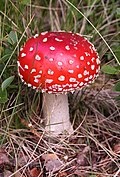 Amanita muscaria, a psychotropic mushroom commonly known as "fly agaric"
 -
 Agaricus bisporus, a cultivated edible mushroom with various names including "button mushroom", "portobello" and "champignon"
 -
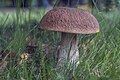 Boletus edulis, also known as "cep", an edible wild bolete found in Europe
 -
 Maitake, a polypore mushroom
 -
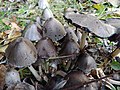 Coprinopsis atramentaria, commonly known as the "ink cap"
 -
 Leucocoprinus birnbaumii, commonly known as the "flowerpot parasol", at various stages of development
 -
 Close-up cross section of mushroom gills
 -
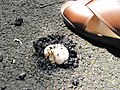 Agaricus bitorquis (the "pavement mushroom") emerging through asphalt concrete in summer
.JPG)

_Lodz_(Poland).jpg)


See also
[edit]References
[edit]- ^ Harding, Patrick (2008). Mushroom Miscellany. HarperCollins. p. 149. ISBN 978-0-00-728464-1.
- ^ Ramsbottom, J. (1954). Mushrooms & Toadstools: a study of the activities of fungi. London: Collins.
- ^ Hay, William Deslisle (1887). An Elementary Text-Book of British Fungi. London, S. Sonnenschein, Lowrey. pp. 6–7.
- ^ Arora, David (1986). Mushrooms Demystified, A Comprehensive Guide to the Fleshy Fungi. Ten Speed Press. pp. 1–3. ISBN 978-0-89815-169-5.
- ^ "Toadstool". Online Etymology Dictionary, Douglas Harper, Inc. Archived from the original on 2 June 2021. Retrieved 30 May 2021.
- ^ "Definition of TOADSTOOL". Archived from the original on 27 June 2022. Retrieved 26 June 2022.
- ^ Dickinson C, Lucas J (1982). VNR Color Dictionary of Mushrooms. Van Nostrand Reinhold. pp. 9–11. ISBN 978-0-442-21998-7.
- ^ Ammirati et al., pp. 40–41.
- ^ Volk, T. (2001). "Hypomyces lactifluorum, the lobster mushroom". Fungus of the Month. University of Wisconsin-La Crosse, Department of Biology. Archived from the original on 14 April 2012. Retrieved 13 October 2008.
- ^ Miles PG, Chang ST (2004). Mushrooms: Cultivation, Nutritional Value, Medicinal Effect, and Environmental Impact. Boca Raton, Florida: CRC Press. ISBN 978-0-8493-1043-0.
- ^ Stuntz et al., pp. 12–13.
- ^ Stuntz et al., pp. 28–29.
- ^ a b c Ammirati et al., pp. 25–34.
- ^ Falconer, William (2009). Mushrooms: How to Grow Them - A Practical Treatise on Mushroom Culture for Profit and Pleasure (2nd ed.). Read Books. ISBN 978-1-4446-7892-5.
- ^ DLong (29 August 2019). "How Mushrooms are Grown". Canadian Food Focus. Retrieved 19 June 2023.
- ^ Sayner, Adam (23 February 2022). "How Long Does It Take To Grow Mushrooms? All Questions Answered". GroCycle. Retrieved 19 June 2023.
- ^ Gordon, Tom (2021). A Complete Mushroom Cultivation Guide on How to Grow Gourmet Mushrooms and Identify Wild Common Mushrooms and Other Fungi for Beginners. Independently Published. ISBN 979-8-7029-4239-1.
- ^ Herman, K.C.; Bleichrodt, R. (September 2022). "Go with the flow: mechanisms driving water transport during vegetative growth and fruiting" (PDF). Fungal Biology Reviews. 41: 10–23. Bibcode:2022FunBR..41...10H. doi:10.1016/j.fbr.2021.10.002. ISSN 1749-4613.
- ^ Nelson, N. (13 August 2006). "Parasola plicatilis". Archived from the original on 2 January 2013. Retrieved 13 October 2008.
- ^ "Parasola plicatilis, Pleated Inkcap mushroom". first-nature.com. Retrieved 26 June 2024.
- ^ "The Dish on Deliquescence in Coprinus Species :Cornell Mushroom Blog". Retrieved 26 June 2024.
- ^ Venturella, G. (2016). "Pleurotus nebrodensis ssp. nebrodensis". IUCN Red List of Threatened Species. 2016 e.T61597A102952148. doi:10.2305/IUCN.UK.2016-3.RLTS.T61597A102952148.en. Retrieved 18 November 2021.
- ^ "A Humongous Fungus Among Us", Dinosaur in a Haystack, Harvard University Press, 1995, pp. 335–343, doi:10.4159/harvard.9780674063426.c38, ISBN 978-0-674-06342-6
- ^ Dodge, S. R. "And the Humongous Fungus Race Continues". US Forest Service: Pacific Northwest Research Station. Archived from the original on 7 April 2011. Retrieved 28 February 2011.
- ^ United States Food and Drug Administration (2024). "Daily Value on the Nutrition and Supplement Facts Labels". FDA. Archived from the original on 27 March 2024. Retrieved 28 March 2024.
- ^ "TABLE 4-7 Comparison of Potassium Adequate Intakes Established in This Report to Potassium Adequate Intakes Established in the 2005 DRI Report". p. 120. In: Stallings, Virginia A.; Harrison, Meghan; Oria, Maria, eds. (2019). "Potassium: Dietary Reference Intakes for Adequacy". Dietary Reference Intakes for Sodium and Potassium. pp. 101–124. doi:10.17226/25353. ISBN 978-0-309-48834-1. PMID 30844154. NCBI NBK545428.
- ^ Haytowitz DB (2009). "Vitamin D in mushrooms" (PDF). Nutrient Data Laboratory, US Department of Agriculture. Archived (PDF) from the original on 1 February 2021. Retrieved 16 April 2018.
- ^ Kalaras, M. D.; Beelman, R. B.; Elias, R. J. (2012). "Effects of postharvest pulsed UV light treatment of white button mushrooms (Agaricus bisporus) on vitamin D2 content and quality attributes". Journal of Agricultural and Food Chemistry. 60 (1): 220–5. Bibcode:2012JAFC...60..220K. doi:10.1021/jf203825e. PMID 22132934.
- ^ Koyyalamudi SR, Jeong SC, Song CH, Cho KY, Pang G (2009). "Vitamin D2 formation and bioavailability from Agaricus bisporus button mushrooms treated with ultraviolet irradiation" (PDF). Journal of Agricultural and Food Chemistry. 57 (8): 3351–3355. Bibcode:2009JAFC...57.3351K. doi:10.1021/jf803908q. PMID 19281276. Archived from the original (PDF) on 22 July 2011.
- ^ a b Simon, R. R.; Borzelleca, J. F.; Deluca, H. F.; Weaver, C. M. (2013). "Safety assessment of the post-harvest treatment of button mushrooms (Agaricus bisporus) using ultraviolet light". Food and Chemical Toxicology. 56: 278–89. doi:10.1016/j.fct.2013.02.009. PMID 23485617.
- ^ Cardwell, Glenn; Bornman, Janet F.; James, Anthony P.; Black, Lucinda J. (13 October 2018). "A Review of Mushrooms as a Potential Source of Dietary Vitamin D". Nutrients. 10 (10): 1498. doi:10.3390/nu10101498. ISSN 2072-6643. PMC 6213178. PMID 30322118.
- ^ Valverde, M. E.; Hernández-Pérez, T.; Paredes-López, O. (2015). "Edible Mushrooms: Improving Human Health and Promoting Quality Life". International Journal of Microbiology. 2015 376387. doi:10.1155/2015/376387. PMC 4320875. PMID 25685150.
- ^ Marshall, Elaine; Nair, N. G. (2009). "Make money by growing mushrooms" (PDF). Food and Agriculture Organization. Archived (PDF) from the original on 28 November 2022.
- ^ "Production of Cultivated Edible Mushroom in China With Emphasis on Lentinula edodes - isms.biz". isms.biz. Archived from the original on 2 February 2017. Retrieved 25 January 2017.
- ^ Hall et al., p. 25.
- ^ "Poland: The world's largest mushroom exporter". Fresh Plaza. 8 April 2015. Archived from the original on 24 September 2016. Retrieved 23 September 2016.
- ^ Metzler V, Metzler S (1992). Texas Mushrooms: a Field Guide. Austin, Texas: University of Texas Press. p. 37. ISBN 978-0-292-75125-5.
- ^ Hall et al., pp. 22–24.
- ^ Ammirati et al., pp. 81–83.
- ^ Schulzova, V; Hajslova, J; Peroutka, R; Hlavasek, J; Gry, J; Andersson, H.C. (2009). "Agaritine content of 53 Agaricus species collected from nature" (PDF). Food Additives & Contaminants: Part A. 26 (1): 82–93. doi:10.1080/02652030802039903. PMID 19680875. S2CID 427230. Archived (PDF) from the original on 27 April 2021. Retrieved 29 June 2019.
- ^ Siegered, Agnes A., ed. (January 1998). "Spore Prints #338". Bulletin of the Puget Sound Mycological Society. Archived from the original on 17 July 2010. Retrieved 4 July 2010.
- ^ "Preventing Poisonings - Bay Area Mycological Society". bayareamushrooms.org. Archived from the original on 11 May 2021. Retrieved 11 May 2021.
- ^ "Belarus exports radioactive mushrooms, April 2008". Freshplaza.com. Archived from the original on 10 May 2013. Retrieved 24 January 2014.
- ^ Turhan, Şeref; Köse, Abdullah; Varinlioğlu, Ahmet (2007). "Radioactivity levels in some wild edible mushroom species in Turkey". Isotopes in Environmental and Health Studies. 43 (3): 249–256. Bibcode:2007IEHS...43..249T. doi:10.1080/10256010701562794. PMID 17786670. S2CID 22133708.
- ^ Hudler, G. W. (2000). Magical Mushrooms, Mischievous Molds. Princeton, New Jersey: Princeton University Press. p. 175. ISBN 978-0-691-07016-2.
- ^ Griffiths R, Richards W, Johnson M, McCann U, Jesse R (2008). "Mystical-type experiences occasioned by psilocybin mediate the attribution of personal meaning and spiritual significance 14 months later". Journal of Psychopharmacology. 22 (6): 621–632. doi:10.1177/0269881108094300. PMC 3050654. PMID 18593735.
- ^ Guzmán G, Allen JW, Gartz J (1998). "A worldwide geographical distribution of the neurotropic fungi, an analysis and discussion" (PDF). Annali del Museo Civico di Rovereto. 14: 207. Archived from the original (PDF) on 26 June 2010. Retrieved 17 September 2017.
- ^ Sewell RA, Halpern JH, Pope HG (2006). "Response of cluster headache to psilocybin and LSD". Neurology. 66 (12): 1920–1922. doi:10.1212/01.wnl.0000219761.05466.43. PMID 16801660. S2CID 31220680.
- ^ Griffiths RR, Richards WA, McCann U, Jesse R (2006). "Psilocybin can occasion mystical-type experiences having substantial and sustained personal meaning and spiritual significance". Psychopharmacology. 187 (3): 268–283. doi:10.1007/s00213-006-0457-5. PMID 16826400. S2CID 7845214.
- ^ "Clinical Sunday". maps.org. Archived from the original on 5 April 2014. Retrieved 20 March 2014.
- ^ Rampolli, F. I.; Kamler, P.; Carnevale Carlino, C.; Bedussi, F. (2021). "The Deceptive Mushroom: Accidental Amanita muscaria Poisoning". European Journal of Case Reports in Internal Medicine. 8 (2): 002212. PMC 7977045. PMID 33768066.
- ^ Guzmán G (2015). "New Studies on Hallucinogenic Mushrooms: History, Diversity, and Applications in Psychiatry". Int J Med Mushrooms. 17 (11): 1019–1029. doi:10.1615/intjmedmushrooms.v17.i11.10. PMID 26853956.
- ^ Yu, Fuqiang; Guerin-Laguette, Alexis; Wang, Yun (2020). "Edible Mushrooms and Their Cultural Importance in Yunnan, China". Mushrooms, Humans and Nature in a Changing World. Cham: Springer International Publishing. p. 163–204. doi:10.1007/978-3-030-37378-8_6. ISBN 978-3-030-37377-1.
Some boletes known as "jian-shou-qing" (turning blue when bruised or cut) are considered hallucinogenic, causing visions that Yunnan's people call "xiao-ren-ren" (little men or little people, similar to the "Lilliputian hallucinations" found in the Kuma people from New Guinea) (Arora 2008). Among these boletes are Butyriboletus roseoflavus, Lanmaoa asiatica, and Sutorius magnificus, all commonly collected in Yunnan and even more popular than porcini (Fig. 6.10) (Wang et al. 2004). Though some of these species can cause gastrointestinal distress, the local people continue to consume them (Arora 2008).
- ^ Arora, David (2008). "Notes on Economic Mushrooms. Xiao Ren Ren: The "Little People" of Yunnan" (PDF). Economic Botany. 62 (3). New York Botanical Garden Press: 540–544. ISSN 0013-0001. JSTOR 40390492. Retrieved 18 February 2025.
- ^ a b Plazas E, Faraone N (February 2023). "Indole Alkaloids from Psychoactive Mushrooms: Chemical and Pharmacological Potential as Psychotherapeutic Agents". Biomedicines. 11 (2): 461. doi:10.3390/biomedicines11020461. PMC 9953455. PMID 36830997.
- ^ a b Domnauer C, Dentinger B (24 May 2022). Reports of Psychoactive Bolete Mushrooms. ESPD55 (Ethnopharmacologic Search for Psychoactive Drugs 55). McKenna Academy of Natural Philosophy.
- ^ Heil, Emily (16 August 2023). "Yes, Janet Yellen ate magic mushrooms. Here's why she didn't get high". Washington Post. Archived from the original on 24 February 2025. Retrieved 24 February 2025.
That's the way locals in the Yunnan province, where they are wild-foraged, typically see these mushrooms, says Colin Domnauer, a PhD candidate at the University of Utah, who has been studying them. [...] Domnauer recently visited Yunnan to collect samples, [...] So what could explain those Lilliputian apparitions? Maybe something entirely novel, Domnauer says, possibly a compound that could have exciting uses in medicine or other applications. [...]
- ^ Domnauer C, Dentinger B (July 2023). OS52-003 Searching for Psychoactive Bolete Mushrooms (PDF). 91st Annual Meeting of the Mycological Society of America. Mycological Society of America.
[...] Despite the numerous anecdotal reports, the identity and nature of such psychoactive boletes remain unknown. Here, we present a preliminary phylogenetic study resolving taxonomic relationships to the suspected psychoactive bolete from Yunnan in the recently erected genus Lanmaoa. [...] early genomic analysis has revealed the notable absence of biosynthetic gene clusters known to be involved in the production of the psychoactive fungal metabolites psilocybin and ibotenic acid, possibly indicating a novel category of hallucinogenic mushrooms is involved.
- ^ a b c d Pdq Integrative, Alternative (17 June 2021). "Medicinal mushrooms". PDQ Cancer Information. PMID 28267306. Archived from the original on 26 February 2022. Retrieved 2 July 2021.
- ^ "Coriolus Versicolor". American Cancer Society. 1 November 2008. Archived from the original on 25 June 2010. Retrieved 1 March 2011.
- ^ Borchers AT, Krishnamurthy A, Keen CL, Meyers FJ, Gershwin ME (2008). "The immunobiology of mushrooms". Experimental Biology and Medicine. 233 (3): 259–276. CiteSeerX 10.1.1.546.3528. doi:10.3181/0708-MR-227. PMID 18296732. S2CID 5643894.
- ^ "Mushrooms in cancer treatment". Cancer Research UK. 30 January 2015. Archived from the original on 15 November 2017. Retrieved 15 November 2017.
- ^ Riika Raisanen (2009), "Dyes from lichens and mushrooms", in Thomas Bechtold and Rita Mussak (ed.), Handbook of Natural Colorants, John Wiley & Sons, pp. 183–200, ISBN 978-0-470-74496-3
- ^ Kulshreshtha S, Mathur N, Bhatnagar P (2014). "Mushroom as a product and their role in mycoremediation". AMB Express. 4: 29. doi:10.1186/s13568-014-0029-8. PMC 4052754. PMID 24949264.
- ^ Waltz, Emily (1 April 2016). "Gene-edited CRISPR mushroom escapes US regulation". Nature. 532 (7599): 293. Bibcode:2016Natur.532..293W. doi:10.1038/nature.2016.19754. ISSN 1476-4687. PMID 27111611. S2CID 4447141.
Literature cited
[edit]- Ammirati JF, Traquair JA, Horgen PA (1985). Poisonous Mushrooms of Canada: Including other Inedible Fungi. Markham, Ontario: Fitzhenry & Whiteside in cooperation with Agriculture Canada and the Canadian Government Publishing Centre, Supply and Services Canada. ISBN 978-0-88902-977-4.
- Hall IR, Stephenson SL, Buchanan PK, Yun W, Cole AL (2003). Edible and Poisonous Mushrooms of the World. Portland, Oregon: Timber Press. ISBN 978-0-88192-586-9.
- Stuntz DE, Largent DL, Thiers HD, Johnson DJ, Watling R (1978). How to Identify Mushrooms to Genus I. Eureka, California: Mad River Press. ISBN 978-0-916422-00-4.
External links
[edit]


- . Encyclopædia Britannica. Vol. 19 (11th ed.). 1911. pp. 70–72.
- . Encyclopædia Britannica. Vol. 26 (11th ed.). 1911. p. 1035.
Identification
[edit]- Mushroom Observer, a collaborative mushroom recording and identification project
- An Aid to Mushroom Identification, Simon's Rock College
- Online Edible Wild Mushroom Field Guide
| Branch | |||||
|---|---|---|---|---|---|
| Structure |
| ||||
| Growth patterns | |||||
| List | |||||


| Animal products | |
|---|---|
| |
| Edible plants / [oots | |
| Mushrooms | |
| |
|
|
| Resins | |
| Sap / gum / etc. | |
| Other | |
| Related | |

Mushroom
View on GrokipediaEtymology and Terminology
Origins and Evolution of the Term
The English term "mushroom" first appeared in the mid-15th century, borrowed from Anglo-French musherun and Old French moisseron or mousseron, words denoting certain edible fungi with caps.[11] These Old French forms likely derive from mousse, meaning "moss," alluding to the fungi's frequent growth amid mossy substrates or their spongy, moss-like texture, a connection traceable to Proto-Germanic musô ("moss") and ultimately Proto-Indo-European mews- ("moss, mold, mildew").[12] This etymological root emphasized the organism's ephemeral, non-vascular emergence from damp, decaying matter, distinguishing it perceptually from rooted plants and aligning it more with boggy, fungal ephemera than with herbaceous or woody flora. In parallel, the Latin fungus, used by Roman authors like Pliny the Elder in the 1st century AD to describe spongy excrescences, provided a broader descriptor for similar structures, possibly borrowed from Greek sphongos ("sponge") to evoke their absorbent, porous quality.[13] Early naturalists adopted fungus as a generic term for mushrooms and toadstools, but by the Renaissance, vernacular "mushroom" gained traction in English for larger, fleshy fruiting bodies, often contrasted with slimmer or puffier folk variants. Carl Linnaeus's Species Plantarum (1753) marked a pivotal standardization, applying binomial nomenclature to fungi within his plant kingdom framework—classifying many under genera like Agaricus—which shifted terminology toward precise, morphological descriptors over vague folk labels, reinforcing fungi's distinction as cryptogams lacking seeds or flowers.[14] Over time, scientific usage evolved to specify "mushroom" as the above-ground fruiting body (basidiocarp or ascocarp) of certain Dikarya fungi, decoupling it from the subterranean mycelium and underscoring causal independence from photosynthetic plants, while folk terminology retained descriptive, habitat-based terms like "puffball" or "ink cap" without systematic hierarchy.[15] This divergence highlighted perceptual biases: scientific terms avoided anthropomorphic or mythical connotations (e.g., fairy-ring associations in folklore), prioritizing empirical traits like spore dispersal, whereas vernacular names often blended utility, danger, or whimsy, perpetuating a view of mushrooms as anomalous growths rather than integral ecological actors.[16]Common Names and Misnomers
Common names for mushrooms frequently mislead foragers by implying safety or edibility based on superficial traits or historical associations rather than biological reality, contributing to identification errors that result in poisonings. For instance, the death cap (Amanita phalloides) derives its name from its lethal amatoxins, yet it resembles benign species like the shaggy mane (Coprinus comatus), leading survivors of poisoning to report mistaking it for the latter.[17] Similarly, the death cap can be confused with cultivated Asian paddy straw mushrooms (Volvariella volvacea), which share a white cap and stem but lack the volva and universal veil remnants diagnostic of A. phalloides.[18] Misnomers exacerbate risks with groups like puffballs, where the term "puffball" evokes edibility for true species such as Lycoperdon perlatum, but false puffballs—including slime molds like Enteridium lycoperdon and toxic earthballs (Scleroderma citrinum)—mimic their spherical form while harboring interior discoloration or toxins upon maturity.[19] Assuming all puffball-like fungi are safe perpetuates myths, as immature Amanita species can appear puffball-esque before gills develop, yet contain deadly amatoxins; empirical cases underscore that only pure white, firm-fleshed specimens without embryonic structures qualify as safe.[20] Such naming conventions foster overconfidence, with misidentification cited as the primary cause of mushroom-related toxicities in clinical data.[21] Cross-cultural naming variations compound these pitfalls, as the same species may bear disparate vernacular labels across regions, hindering knowledge transfer for migrants or tourists engaged in foraging. In Europe, for example, Boletus edulis is termed "cep" or "porcini," while analogous edibles in North America might confuse foragers unfamiliar with local synonyms, amplifying risks when cultural edibility appraisals diverge.[22] Studies reveal that reliance on region-specific common names correlates with higher misidentification rates, as opposed to binomial nomenclature, which unambiguously denotes one taxon per descriptor regardless of locale.[23] This variability underscores the causal link between imprecise vernaculars and global foraging incidents, where empirical poisonings often trace to assumed universality of familial or descriptive terms.[24]Evolutionary and Biological Context
Evolutionary Origins
Fungi diverged from the lineage leading to animals and plants as part of the opisthokont clade, with molecular phylogenies consistently placing them as more closely related to animals than to plants based on analyses of conserved proteins such as elongation factor and RNA polymerase subunits.[25] This relationship, supported by phylogenomic studies incorporating hundreds of genes, indicates a last common ancestor of fungi and animals approximately 1 billion years ago, predating the divergence from green plants.[26] Such genetic evidence underscores fungi's independent evolutionary trajectory from photosynthetic organisms, emphasizing their heterotrophic adaptations like chitin-reinforced cell walls and absorptive nutrition. The fossil record reveals fungi's ancient origins, with microfossils identified as Ourasphaira giraldae from Arctic Canadian shale dating to 900–1,000 million years ago, featuring branched, chitin-walled hyphae akin to modern filamentous fungi.[27] Earlier fungus-like structures from 2.4 billion years ago exist but lack definitive fungal markers like chitin, rendering them provisional.[28] Chytrid-like fossils from the Vendian Period (late Precambrian, ~550–600 million years ago) in northern Russia represent the oldest unambiguous fungal remains, characterized by sporangia and zoospores indicative of basal aquatic forms.[29] Chytridiomycota, as early-diverging fungi, preserve ancestral traits including flagellated spores and chitinous walls, suggesting the common fungal ancestor was a simple, aquatic, zoospore-producing organism.[30] Phylogenomic reconstructions confirm chytrids' position near the fungal root, with their osmotrophic and parasitic lifestyles reflecting pre-terrestrial adaptations.[31] By the Ordovician-Silurian transition around 460 million years ago, fungi co-evolved with vascular plants through arbuscular mycorrhizae, as evidenced by fossilized associations in early land flora like Cooksonia, which enhanced phosphorus acquisition and enabled terrestrial expansion.[32] This symbiosis, persisting in over 80% of extant plants, marked a pivotal transition from aquatic dominance to terrestrial integration, with fungal hyphae extending root reach in nutrient-poor soils.[33]Classification and Taxonomic Framework
The kingdom Fungi encompasses eukaryotic organisms characterized by chitinous cell walls and heterotrophic nutrition via absorption, with taxonomic divisions primarily delineated by phylogenetic analyses of ribosomal RNA genes and other molecular markers rather than solely morphological traits.[34] Contemporary classifications recognize at least 19 phyla within Fungi, including Aphelidiomycota, Ascomycota, Basidiomycota, Blastocladiomycota, and others, reflecting revisions driven by genomic sequencing that have fragmented earlier groupings like Zygomycota into multiple lineages such as Mucoromycota and Zoopagomycota.[35] These hierarchies prioritize monophyletic clades supported by shared genetic ancestry, addressing historical biases toward visible reproductive structures that obscured evolutionary relationships.[36] Mushrooms, defined as the spore-producing fruiting bodies of certain fungi, predominantly arise within the phylum Basidiomycota, which comprises club fungi producing basidia for meiosis and spore dispersal, encompassing over 53,000 described species including agarics, boletes, and polypores.[37] In contrast, the phylum Ascomycota includes sac fungi with asci, yielding mushroom-like forms such as morels and truffles, though these represent a minority of "mushrooms" in common parlance.[36] The informal term "mushroom" does not denote a monophyletic group but a polyphyletic assemblage convergent on compact, aboveground fruiting morphology, spanning Basidiomycota subphyla like Agaricomycotina and some Ascomycota lineages, thus challenging simplistic categorizations that conflate form with phylogeny.[38] Advancements in DNA barcoding, particularly using the internal transcribed spacer (ITS) region of ribosomal DNA, have been instrumental since the early 2010s in refining fungal taxonomy by enabling rapid species delimitation and resolving ambiguities in cryptic diversity, with large-scale projects generating reference sequences for over 100,000 strains to facilitate accurate identification.[39] Post-2010 genomic studies, including multi-locus phylogenies, have prompted reclassifications by revealing paraphyletic groupings based on outdated morphology, such as elevating basal lineages like Chytridiomycota and integrating environmental sequencing data to map hidden branches, thereby enhancing causal understanding of fungal evolution over descriptive heuristics.[40] This molecular framework underscores that taxonomic stability requires ongoing integration of empirical sequence data, mitigating errors from observer-dependent traits like spore shape.[41]Global Diversity and Species Estimates
Fungal diversity encompasses an estimated 2.2 to 3.8 million species worldwide, though this range reflects conservative projections based on empirical surveys of described taxa and ecological sampling, with higher estimates reaching up to 5.1 million when accounting for undiscovered lineages in underrepresented habitats.[42][43] Approximately 155,000 fungal species have been formally described as of recent assessments, representing less than 5% of the projected total and underscoring significant gaps in taxonomic knowledge driven by limited fieldwork and molecular identification challenges.[37][44] Mushrooms, defined as the macroscopic fruiting bodies produced primarily by Basidiomycota and certain Ascomycota, constitute a visible subset of this diversity, with around 14,000 species described, though macrofungi overall may exceed 40,000 named taxa when including bracket fungi and other conspicuous forms. These represent roughly 10-20% of macroscopic fungal forms, as many Basidiomycota species (totaling over 31,000 described) lack prominent fruiting bodies or occur as microscopic pathogens like rusts and smuts.[45] Empirical data from field inventories and DNA metabarcoding reveal that mushroom-forming fungi are disproportionately underdocumented relative to their ecological prevalence, particularly in soil and wood-decay niches. Biodiversity hotspots for fungi, including mushroom producers, concentrate in tropical regions such as Southeast Asian rainforests and Brazilian savannas, where high plant diversity supports symbiotic associations, though arbuscular mycorrhizal fungi peak in tropical grasslands rather than dense Amazonian forests.[46][47] Recent discoveries, such as the 23 new fungal species described by Royal Botanic Gardens, Kew scientists and partners in 2024, highlight ongoing revelations from targeted expeditions in Europe, North America, and Colombia, emphasizing the role of genetic sequencing in uncovering cryptic diversity previously overlooked in morphological surveys.[48][49] Habitat loss from deforestation, agricultural expansion, and urbanization poses acute extinction risks, with the International Union for Conservation of Nature (IUCN) assessing 1,300 fungal species as of 2025, of which at least 411—over 30%—are threatened, primarily due to destruction of moist, undisturbed ecosystems essential for sporocarp formation.[50][51] These data, derived from IUCN Red List evaluations, indicate that fungi face disproportionate threats compared to assessed plants, as symbiotic dependencies amplify vulnerability to host plant declines, though comprehensive global assessments remain limited by the low fraction of species evaluated.[52]Anatomy and Morphology
Macroscopic Structures
The fruiting body of a mushroom, visible to the naked eye, comprises the primary macroscopic structures adapted for spore production and dispersal. Central to this is the pileus, or cap, which forms the uppermost portion and varies in shape from conical and convex to flat or centrally depressed, with surfaces that may be smooth, scaly, viscid, or fibrillose depending on species. Cap diameters typically range from 1 to 20 centimeters in common gilled mushrooms but can extend below 3 millimeters in diminutive species like Mycena subcyanocephala or exceed 50 centimeters in large puffballs such as Calvatia gigantea.[53][54] Supporting the pileus is the stipe, or stem, a cylindrical to bulbous structure that elevates the cap for efficient spore release, often measuring 2 to 15 centimeters in height and 0.5 to 3 centimeters in thickness in typical agarics. The stipe may be central, eccentric, or absent in some forms, and its texture ranges from fibrous to cartilaginous. Beneath the pileus lies the hymenophore, the spore-bearing layer, manifesting as radiating lamellae (gills) in gilled mushrooms (Agaricales), which are blade-like plates attached to the cap's underside, or as pores in boletes and polypores, where tube-like structures form a spongy undersurface.[55][56][57] Accessory structures include veils that enclose developing tissues. The partial veil initially sheathes the gills, rupturing to leave an annulus, a skirt-like ring encircling the stipe, while the universal veil may form a volva, a sac-like cup at the base. These remnants serve as key identifiers for species recognition. Polypores diverge from the classic gilled form, often presenting as bracket- or shelf-like bodies with poroid hymenophores and lacking a distinct stipe, attached laterally to substrates.[55][58][56] Fruiting body sizes span extremes, from millimeter-scale caps in minute Mycenas to massive specimens like the Phellinus ellipsoideus basidiocarp, weighing 400-500 kilograms and spanning over a meter. While individual fruiting bodies of Armillaria ostoyae remain modest (caps 5-10 cm), their underlying mycelial colonies represent the largest known organisms, covering up to 965 hectares in Oregon's Malheur National Forest.[59][60]Microscopic Features
The hyphae composing mushroom tissues are generally septate, with cross-walls featuring dolipore septa—a barrel-shaped pore structure capped by electron-dense parenthesomes that regulate cytoplasmic continuity, as revealed by transmission electron microscopy.[61] In basidiomycete mushrooms, these hyphae maintain a dikaryotic phase (n+n nuclei per compartment) through clamp connections, short hyphal branches at septa that enable synchronized nuclear division and migration, observable under light microscopy after staining or dissection.[61] [62] The absence of clamps in some species or genera signals taxonomic distinctions, such as in rusts or smuts, while their presence confirms higher basidiomycetes like agarics.[63] Reproductive microscopy centers on basidia, the club-shaped, terminal cells of the hymenium (e.g., on gill surfaces) that undergo meiosis post-karyogamy to externally produce four basidiospores on sterigmata, typically 1–5 μm long, visible at 400x magnification under light microscopy.[64] [65] Basidiospore morphology—ranging from smooth-walled ellipsoids (2–10 μm) to ornamented globose forms—provides diagnostic traits; for instance, amyloid spores exhibit a blue-black reaction in Melzer's reagent (a chloral hydrate-iodine solution), indicating starch-like polysaccharides in the wall, while dextrinoid types turn reddish-brown.[66] [67] Spore prints, derived from cap placement on paper, yield colors (white, pinkish, rusty-brown, or black) that correlate with microscopic confirmation, essential for separating genera like Amanita (white, amyloid) from Russula (white, inamyloid).[68] [69] Electron microscopy elucidates subcellular details, such as multilayered spore exospores or septal pore ultrastructure, resolving cryptic species indistinguishable by light optics alone; for example, scanning electron microscopy of clamp connections reveals surface topology variations across basidiomycete orders.[70] [71] These techniques, combined with stains like Congo red for cell walls, underpin precise taxonomy by highlighting hyphal fusion patterns or spore wall lamellae absent in macroscopic traits.[72]Life Cycle, Growth, and Ecology
Reproduction and Development Stages
Mushrooms, as fruiting bodies of basidiomycete fungi, primarily reproduce sexually through the production of basidiospores formed via meiosis in specialized club-shaped cells called basidia.[64] In this process, haploid hyphae from compatible mating types undergo plasmogamy to form a dikaryotic secondary mycelium, followed by karyogamy within the basidium, which triggers meiosis to yield four haploid nuclei that develop into basidiospores.[64] Asexual reproduction occurs less frequently in basidiomycetes, typically via budding, fragmentation of hyphae, or production of conidia, though sexual spores predominate in mushroom-forming species.[73] The developmental cycle begins with spore germination under suitable moisture and temperature conditions, producing primary monokaryotic hyphae that extend and branch to form a haploid mycelium.[74] These hyphae fuse in compatible pairs via clamp connections, establishing a dikaryotic mycelium that colonizes substrates through extensive growth, often spanning meters in soil or wood.[75] Environmental cues such as light, humidity, and nutrient availability induce primordia formation—compact knots of hyphae that differentiate into the basic structure of the fruiting body, including stipe, pileus, and fertile surfaces like gills or pores.[76] Primordia enlarge and mature into fully formed basidiocarps, where basidia develop on hymenial layers; meiosis occurs within basidia, followed by mitotic divisions to produce external basidiospores on sterigmata.[77] A single mature mushroom cap can release billions of spores over hours to days, with estimates for species like Agaricus bisporus reaching up to 1.5 × 10^9 spores per fruiting body, enabling long-distance dispersal primarily by wind despite low individual viability.[74] Germination success remains minimal, often below 1% in natural settings due to requirements for specific microhabitats and avoidance of desiccation or UV damage, underscoring the strategy's reliance on sheer quantity for propagation resilience.[78] ![Close-up cross section of mushroom gills][inline]This microscopic view illustrates basidia on gill surfaces, sites of meiotic spore production essential to sexual reproduction.[79]
Environmental Habitats and Adaptations
Mushrooms exhibit habitat preferences tied to substrate availability and environmental conditions, with many species favoring decaying wood in forests, nutrient-rich soils in grasslands or woodlands, or herbivore dung in pastures, which dictate their patchy global distribution rather than uniform ubiquity.[80] Lignicolous species, such as those in the Polyporales order, colonize dead trees or logs, thriving in moist, shaded temperate forests where wood decomposition provides carbon sources, while terricolous forms like Agaricus species integrate into soil mycorrhizal networks or saprotrophic roles in open meadows.[81] Coprophilous mushrooms, including Coprinopsis atramentaria, specialize in ephemeral dung patches, dispersing spores via animal vectors and limiting their range to grazed ecosystems, underscoring niche specificity over broad adaptability.[82] Latitudinal gradients reveal uneven fungal distributions, with macrofungal diversity often peaking in mid-latitudes rather than strictly following equatorial highs seen in plants, influenced by temperature, precipitation, and host availability.[83] In boreal zones, cold-adapted species like those in the Russulaceae dominate coniferous litter, but overall richness declines poleward due to shortened growing seasons and substrate scarcity, contrasting tropical hotspots where humidity supports year-round fruiting but competition limits individual species ranges.[84] Empirical meta-analyses confirm climate as a primary driver, with ectomycorrhizal mushrooms showing steeper diversity drops at higher latitudes compared to saprotrophs, highlighting physiological constraints like freeze tolerance rather than infinite resilience.[85] Certain fungi demonstrate extremophile adaptations, such as radiotrophic species in Chernobyl's reactor walls, where melanized strains like Cladosporium sphaerospermum exhibit directed growth toward gamma radiation, using melanin to convert ionizing energy into chemical fuel via reverse electron transport, enabling survival in doses lethal to most eukaryotes.[86] These adaptations, observed since the 1991 discovery, involve pigment-mediated radiotropism but remain confined to niche irradiated sites, not conferring pan-environmental hardiness.[87] Limits persist, as non-melanized fungi perish under prolonged exposure, and broader extremotolerance—such as acidophily in volcanic soils or halotolerance in salars—requires specialized cell wall modifications or osmoregulation, failing in mismatched extremes like arid hyper-salinity without moisture.[88] Climate variability modulates fruiting triggers, with observational data from the 2020s indicating advanced spore release seasons across the U.S., shifting earlier by weeks due to warmer springs and altered precipitation, as tracked in aerobiological networks.[89] Temperate species fruit post-rainfall in autumn, but rising temperatures extend viable windows in some regions while compressing them in others via drought stress, with 2023 global analyses linking a 1-2°C anomaly to reduced yields in vulnerable habitats.[90] These shifts expose adaptability boundaries, as mycorrhizal dependencies falter under host tree die-offs from heatwaves, countering notions of fungal omnipresence amid escalating extremes.[91]Ecological Functions and Interactions
Fungi, particularly basidiomycetes producing mushrooms, fulfill diverse trophic roles in ecosystems, primarily as saprotrophs that decompose organic matter and drive carbon and nutrient cycling. Saprotrophic species break down lignocellulosic plant litter and wood, recycling essential elements like carbon, nitrogen, and phosphorus back into the soil, thereby preventing nutrient lockup and supporting primary production in terrestrial habitats.[92] This decomposition process accounts for a substantial portion of global organic matter turnover, with saprotrophic fungi acting as primary agents in forest floors and grasslands where they mineralize complex polymers inaccessible to bacteria.[93] Through enzymatic activity, they contribute to the release of CO2 during respiration, balancing sequestration with atmospheric return in the carbon cycle.[94] In mutualistic interactions, mycorrhizal fungi form symbiotic associations with over 80% of terrestrial plant species, extending root systems via hyphae to enhance phosphorus and nitrogen uptake—up to 90% of these nutrients in some host plants—while receiving photosynthates in exchange.[95] These partnerships, including ectomycorrhizal types common in woody plants and arbuscular mycorrhizae in herbs, can increase plant biomass and productivity by facilitating water access and stress tolerance, with field studies documenting growth enhancements in nutrient-poor soils.[96] Mycorrhizal networks also connect plants, enabling resource sharing that bolsters community resilience, though the net benefit varies by fungal type, soil conditions, and host specificity.[97] Parasitic fungi, including some mushroom-forming species, exploit living hosts, causing pathogenesis in crops, trees, and animals that offsets ecological benefits. Armillaria species, for instance, decay roots of forest trees and agricultural staples like wheat, leading to yield losses exceeding 20% in affected fields during outbreaks.[98] In wildlife, fungal pathogens such as those responsible for chytridiomycosis have driven amphibian population declines, with over 500 species impacted globally since the 1980s, while zoonotic risks emerge from species like Histoplasma in bat guano.[99] These interactions highlight fungi's dual capacity for harm, as opportunistic infections proliferate in stressed hosts, contributing to biodiversity loss amid habitat fragmentation.[100] Fungi underpin soil health by improving structure through hyphal binding, which enhances water retention and aeration, and by suppressing pathogens via competition and antibiotic production, as evidenced in recent agroecological trials showing elevated microbial biomass carbon post-mushroom cultivation.[101] However, imbalances favor disease vectors; for example, Fusarium outbreaks in cereals have surged with monoculture intensification, underscoring trade-offs where beneficial decomposers coexist with crop antagonists.[102] Arbuscular mycorrhizal inoculants in studies from 2024 demonstrate potential to restore degraded soils by boosting aggregate stability and carbon stabilization, yet efficacy depends on native community compatibility.[103] In climate dynamics, mycorrhizal and saprotrophic fungi sequester approximately 13 gigatons of carbon annually—equivalent to 36% of global fossil fuel emissions—primarily via extraradical mycelium that stabilizes soil organic matter.[104] Yet warming disrupts these symbioses; a 2023 modeling study predicts temperature rises above 2°C will sever fungal-plant links in boreal forests, accelerating decomposition and CO2 efflux by impairing nutrient-for-carbon trades.[105] Elevated CO2 may initially heighten plant reliance on fungi for phosphorus, but chronic heat favors parasitic shifts, potentially amplifying outbreak risks and reducing net sequestration in vulnerable biomes.[106] This duality positions fungi as pivotal yet volatile actors in global carbon fluxes.[107]Biochemical Composition
Nutritional Profile
Edible mushrooms typically contain 85-95% water, resulting in low caloric density of around 22 kcal per 100 g fresh weight, with minimal fat at less than 0.5 g per 100 g.[108] [6] Carbohydrates constitute about 3-5 g per 100 g fresh, primarily as polysaccharides including fiber, contributing to a low glycemic index of approximately 32.[108] [109] Protein levels in fresh mushrooms average 2-3 g per 100 g, though on a dry weight basis this rises to 19-35 g per 100 g across species, with some reaching up to 38.5 g per 100 g dry.[110] [111] [112]| Nutrient (per 100 g fresh white button mushrooms) | Amount | % Daily Value (approximate) |
|---|---|---|
| Calories | 22 | 1% |
| Protein | 3.1 g | 6% |
| Total Carbohydrates | 3.3 g | 1% |
| Dietary Fiber | 1.0 g | 4% |
| Riboflavin (B2) | 0.4 mg | 31% |
| Niacin (B3) | 3.6 mg | 23% |
| Copper | 0.3 mg | 35% |
| Selenium | 9.3 µg | 17% |
Bioactive and Secondary Metabolites
Mushrooms synthesize diverse secondary metabolites, including polysaccharides, terpenoids, phenolics, and alkaloids, which primarily function in ecological defense rather than nutrition.[123] These compounds deter herbivores, inhibit microbial competitors, and mediate interactions with other organisms through mechanisms such as enzyme inhibition and membrane disruption.[124] For instance, many exhibit antimicrobial activity by targeting bacterial cell wall synthesis or fungal ergosterol pathways, reflecting an evolutionary adaptation to niche competition in soil and wood substrates.[125] Unlike primary metabolites essential for growth, secondary ones accumulate in response to stress, prioritizing survival over direct human utility.[126] Beta-glucans, branched polysaccharides abundant in species like Lentinula edodes and Ganoderma lucidum, enhance immunity via pattern recognition receptors on immune cells, such as Dectin-1, which triggers NF-κB signaling and cytokine release upon binding, independent of adaptive responses; polysaccharides and antioxidants in mushrooms contribute to this immunomodulatory effect, supporting immune function, reducing inflammation, providing antioxidant protection, and conferring additional health benefits and potential medicinal properties, as shown in empirical studies.[118] [127] [128] This receptor-mediated activation enhances phagocytosis and reactive oxygen species production in macrophages, a causal pathway rooted in fungal cell wall remnants rather than nutritional assimilation.[129] Empirical studies confirm dose-dependent effects in vitro, with solubility and branching degree influencing receptor affinity over total quantity.[130] Terpenoids, encompassing sesquiterpenes and triterpenes, dominate volatile profiles in edible genera like Agaricus and Boletus, contributing earthy or fruity aromas through low-molecular-weight structures that evaporate readily.[131] Over 70 sesquiterpenes have been characterized, often biosynthesized from isoprenoid precursors via terpene synthases, serving as semiochemicals to attract spore dispersers or repel antagonists via neurotoxic interference.[132] Phenolic derivatives and other antioxidants, such as ergothioneine uniquely abundant in mushrooms, in Pleurotus species and others, exhibit anti-inflammatory and antioxidant effects that may reduce chronic inflammation and cancer risk, supported by in vitro assays and epidemiological associations showing potential risk reductions of 34-45%.[133] [134] [135] These evolved for oxidative stress resistance, inhibiting lipid peroxidation in fungal tissues through radical scavenging.[133] Recent genomic surveys in 2024 uncovered 907 novel fungal secondary metabolites, including antimicrobial terpenoids and polyketides from basidiomycete mushrooms, isolated via coculture techniques that mimic natural antagonism.[136] [137] These findings underscore causal roles in quorum sensing disruption and biofilm inhibition, with structures verified by NMR, emphasizing biodiversity-driven discovery over synthetic analogs.[138] Such metabolites' persistence across taxa suggests conserved defensive origins, not convergent adaptation to mammalian hosts.[139]Environmental Influences on Chemistry (e.g., Vitamin D)
Mushrooms synthesize ergocalciferol (vitamin D2) through the ultraviolet (UV) irradiation of ergosterol, a sterol abundant in their cell membranes, with UV-B wavelengths (280–315 nm) being most effective for conversion.[115] Laboratory and controlled cultivation studies demonstrate that post-harvest UV exposure can elevate vitamin D2 concentrations from undetectable levels to 40.59 ± 1.16 μg/g dry weight in shiitake mushrooms and up to 677 μg/g in other species, levels comparable to or exceeding those achieved via natural sunlight due to optimized irradiation doses.[140] This abiotic modulation is highly controllable, as higher UV doses correlate with greater ergosterol depletion and D2 yield, though excessive exposure may induce photoisomers or discoloration without proportional gains.[141] Substrate composition directly modulates the accumulation of heavy metals and other toxins in mushroom fruiting bodies, with bioavailability in the growth medium determining uptake rates.[142] Species like oyster mushrooms (Pleurotus ostreatus) exhibit substrate-dependent bioaccumulation of elements such as iron, zinc, copper, cobalt, manganese, nickel, and chromium, where nutrient-rich or contaminated media increase translocation from mycelium to caps and stipes.[143] Pollutants including cadmium, lead, and mercury from soil are actively bioaccumulated via fungal hyphae, with bioconcentration factors often exceeding 1, amplifying trace contaminants in edible tissues regardless of substrate origin.[144] This process persists in spent substrates post-harvest, highlighting mushrooms' role in environmental remediation but also risks from waste-derived media.[145] Wild mushrooms display greater chemical variability than cultivated ones due to fluctuating environmental UV exposure and substrate heterogeneity, resulting in vitamin D2 levels ranging from 4.7 to 194 μg/100 g dry weight in sun-exposed species, often absent in indoor-grown counterparts without artificial UV.[146] Seasonal UV intensity influences ergosterol conversion in wild populations, with higher summer insolation yielding elevated D2, while toxin profiles vary by local soil pollution and rainfall-driven metal mobilization.[147] Cultivated systems mitigate this by standardizing substrates and light, enabling predictable chemistry but requiring vigilance against inadvertent pollutant ingress from industrial composts.[148]Human Utilization and Risks
Edible Varieties: Cultivation and Culinary Applications
Agaricus bisporus represents the most commercially cultivated edible mushroom species, comprising a significant portion of global production due to its adaptability to controlled indoor environments using composted substrates like manure and straw. Yields typically reach 20-30 kg of fresh mushrooms per square meter per crop cycle in optimized facilities, enabling scalable farming that minimizes contamination risks associated with wild collection.[149] Similarly, Lentinula edodes (shiitake) is grown extensively on hardwood sawdust blocks supplemented with nutrients, achieving biological efficiencies of up to 70-100% in indoor systems, with annual outputs favoring synthetic substrates over traditional logs for higher predictability and volume.[150] These methods promote self-reliance through repeatable harvests in climate-controlled settings, contrasting with variable wild yields.[151] In culinary applications, A. bisporus varieties—ranging from small buttons to large portobellos—are sautéed, grilled, or stuffed for their mild flavor and meaty texture, commonly featured in pizzas, omelets, and burgers as a low-calorie protein alternative.[152] Shiitake mushrooms contribute umami depth to stir-fries, soups, and broths, often dried to concentrate flavors before rehydration and slicing.[153] Oyster mushrooms (Pleurotus spp.) add a subtle seafood-like note when shredded into tacos or pasta, thriving on lignocellulosic wastes like straw in bag cultivation for versatile, quick-fruiting crops.[154] Empirical cohort studies link regular mushroom intake to reduced cancer incidence, with meta-analyses showing a 34% lower risk (pooled relative risk 0.66) for highest versus lowest consumers, attributed to polysaccharides and antioxidants modulating immune responses.[155] Daily portions of approximately 18 grams correlate with up to 45% risk reduction across cancers, supported by bioactive compounds like beta-glucans.[156] However, allergenicity affects less than 1% of the population, manifesting as anaphylaxis in rare cases from proteins in species like A. bisporus, necessitating avoidance for sensitized individuals.[157] Cultivated mushrooms can bioaccumulate heavy metals such as cadmium and lead from substrates, though levels in controlled production remain below safety thresholds when using clean agro-wastes, as verified in kinetic uptake studies on shiitake.[158] Monitoring soil and input quality is essential, as mycelial absorption exceeds plant rates, potentially elevating risks in contaminated environments despite overall nutritional gains.[159]Toxic Species: Poisoning Mechanisms and Case Studies
Toxic mushroom species produce diverse toxins leading to syndromes such as gastrointestinal irritation, hepatotoxicity, nephrotoxicity, and neurotoxicity, with amatoxins and orellanine causing the majority of fatalities through inhibition of cellular processes. Amatoxins from Amanita phalloides (death cap) bind to RNA polymerase II, preventing mRNA transcription and protein synthesis, resulting in rapid hepatocyte necrosis and multi-organ failure; ingestion of as little as half a cap can prove lethal due to the toxin's potency, with an estimated human lethal dose of 0.1 mg/kg for alpha-amanitin.[160][161] Similarly, orellanine from Cortinarius orellanus and related species induces oxidative stress and apoptosis in renal tubular cells, causing delayed nephrotoxicity manifesting 2–20 days post-ingestion as acute kidney injury progressing to end-stage renal disease; mouse LD50 values are 12.5 mg/kg intraperitoneally and higher orally, reflecting species-specific absorption differences.[162][163] In the United States, mushroom poisoning exposures reported to poison centers totaled 3,497 single-substance cases in 2020, with overall calls exceeding 7,250 from January to October 2023, reflecting an 11% year-over-year increase amid rising foraging interest during the COVID-19 period.[164][165] Globally, amatoxin-containing species account for over 90% of mushroom-related deaths, underscoring misidentification as the primary causal factor in these incidents.[166] Case studies highlight the irreversible outcomes: in Northern California during 2016, four clusters of A. phalloides poisonings affected 14 individuals, with three fatalities despite interventions including silibinin infusion, which competitively inhibits toxin uptake but lacks universal efficacy.[161] A recent report detailed three people poisoned by amatoxin mushrooms, resulting in two deaths from fulminant hepatic failure unresponsive to supportive measures like N-acetylcysteine and hemodialysis.[167] For orellanine, a Polish outbreak in the 1950s involved over 100 cases from Cortinarius consumption, with 10–20% progressing to chronic dialysis dependency, as renal biopsy-confirmed tubular necrosis proved refractory to early hemodialysis.[168] No universal antidote exists for these toxins, with treatments limited to decontamination via activated charcoal within hours, extracorporeal removal techniques, and organ-specific supports like silibinin for amatoxins or temporary dialysis for orellanine; liver transplantation remains the sole definitive option for amatoxin-induced failure, succeeding in select cases but hinging on rapid diagnosis.[169][170] Prevention through expert identification and avoidance of wild foraging without verification causally averts these hazards, as post-ingestion therapies mitigate but rarely reverse severe cellular damage.[171]Psychoactive Types: Pharmacological Effects and Debates
Psychedelic mushrooms primarily refer to species in the genus Psilocybe that contain psilocybin, a prodrug metabolized to psilocin, which acts as a potent agonist at serotonin 5-HT2A receptors, inducing altered states of consciousness including visual hallucinations, ego dissolution, and profound shifts in perception.[172] [173] These effects correlate with psilocin occupancy at 5-HT2A sites in the brain, disrupting default mode network activity and promoting neural plasticity.[172] Acute macrodoses, typically 20-30 mg psilocybin, produce intense psychedelic experiences lasting 4-6 hours, often described as mystical or insightful, while microdoses (0.1-0.3 g dried mushrooms) aim for sub-perceptual enhancements in mood and cognition but lack robust empirical support beyond self-reports.[174] [175] Small-scale randomized controlled trials (RCTs) indicate psilocybin-assisted therapy may reduce symptoms of major depressive disorder for weeks to months, with a 2023 phase 2 trial showing sustained response in 25% of treatment-resistant patients after a single 25 mg dose combined with psychotherapy.[176] [177] A 2024 meta-analysis of nine studies confirmed significant short-term antidepressant effects versus placebo, though effect sizes diminished over time and trials were limited by small samples (n<100), high placebo response rates, and absence of long-term follow-up beyond 12 weeks.[178] Critics note methodological flaws, including unblinded designs vulnerable to expectancy bias, and preliminary evidence fails to establish causality or superiority over established treatments like SSRIs, with academic enthusiasm potentially inflated by funding from pro-psychedelic advocates.[179] Risks include acute adverse effects such as anxiety, paranoia, nausea, and elevated blood pressure during sessions, occurring in up to 30% of participants under clinical conditions, alongside rare persistent perceptual changes (HPPD) or exacerbation of latent psychosis in predisposed individuals.[180] [181] Microdosing carries theoretical concerns of valvular heart disease from chronic 5-HT2B receptor stimulation, akin to fenfluramine, though human data remain sparse and preclinical.[182] Long-term RCTs are scarce, limiting claims of safety and efficacy; population studies show no elevated addiction risk but highlight unsupervised use amplifying harms like accidents or misidentification with toxic species.[183] [184] Amanita muscaria, containing ibotenic acid (a glutamate agonist converting to muscimol, a GABA-A agonist), produces deliriant effects like sedation, dissociation, and ataxia rather than true hallucinations, with high toxicity risks including vomiting, seizures, and coma from doses as low as 5-10 g dried.[185] [186] Unlike psilocybin, its pharmacology induces neuroexcitation followed by depression, lacking therapeutic validation and often resulting in emergency visits.[187] Legalization debates center on regulated access, as in Oregon's 2020 Measure 109, which established supervised psilocybin services without medical diagnosis requirements, leading to 22 licensed centers by 2024 but prompting bans in over a dozen municipalities amid safety lapses and unregulated retreats.[188] [189] A 2024 Australian retreat incident, where a 53-year-old woman died from cardiac arrest after consuming mushroom tea (investigated for possible toxic admixture), underscores perils of informal settings lacking oversight, contrasting controlled trials' safety profiles.[190] [191] Proponents cite empirical benefits for end-of-life anxiety, yet skeptics emphasize insufficient large-scale, blinded RCTs to counter hype, with mainstream sources often downplaying risks due to institutional biases favoring novel interventions over incremental evidence.[192] [179]Medicinal Claims: Empirical Evidence and Limitations
Medicinal claims for mushrooms often center on immunomodulation, anti-cancer adjunct therapy, and adaptogenic effects, primarily from species like Trametes versicolor (turkey tail), Ganoderma lucidum (reishi), and Hericium erinaceus (lion's mane). These assertions derive largely from in vitro and animal studies showing beta-glucan polysaccharides enhancing immune responses, such as natural killer cell activity.[127] However, human clinical evidence remains limited, with most trials featuring small cohorts, inconsistent dosing, and variable extract standardization.[193] For turkey tail, polysaccharide-K (PSK) has been studied as a cancer adjunct, particularly in Japan where it received approval in 1977 for gastric cancer post-resection. A 2007 meta-analysis of eight randomized controlled trials involving 8,009 patients reported improved 5-year survival rates (relative risk 0.82), but trials were conducted decades ago with methodological flaws like non-blinding and selective reporting.[193] Recent reviews note mixed immunomodulatory outcomes, with a 2012 trial showing immune recovery in breast cancer patients post-radiotherapy, yet no consistent tumor regression or survival extension in Western contexts.[194][195] Similarly, reishi extracts demonstrated no significant tumor response in a Cochrane-reviewed aggregation of trials, underscoring insufficient causal evidence for anti-cancer efficacy.[196] Adaptogenic claims for mushrooms like reishi and Cordyceps species posit stress reduction via cortisol modulation, but meta-analyses on adaptogens broadly reveal modest effects confined to self-reported fatigue, lacking robust biomarkers or long-term data specific to fungi.[197] The U.S. Food and Drug Administration has issued warnings to supplement firms for unsubstantiated disease-treatment claims, classifying such products as unapproved drugs when asserting immune or anti-cancer benefits without proven safety and efficacy.[198] Quality issues compound limitations: a 2017 analysis found only 26% of reishi supplements matched label claims for triterpenoids, with many containing mycelium on grain lacking bioactive potency.[199] Secondary metabolites in mushrooms show antibiotic potential, with 2024 reviews identifying novel compounds from basidiomycetes exhibiting in vitro activity against multidrug-resistant bacteria.[200] Yet, scalability barriers persist, including low yields from wild sources, challenges in synthetic replication, and difficulties in purifying non-toxic isolates for clinical use, hindering translation beyond preclinical stages.[201] Overall, while promising mechanisms exist, empirical gaps—driven by underpowered trials and commercial biases—necessitate skepticism toward broad therapeutic endorsements absent large-scale, randomized controlled trials establishing causality.[202]Practical Engagement and Safety
Identification Techniques
Mushroom identification requires systematic examination of multiple traits to account for morphological variability and the prevalence of cryptic species that appear similar in the field.[203] Initial assessment involves macroscopic features using field guides or keys, focusing on cap shape, color, texture, gill configuration (such as attachment to the stem and spacing), stem characteristics (annulus presence, volva, bruising reactions), and habitat associations like associated trees or substrate type.[204] These traits provide preliminary clues but demand corroboration, as environmental factors like moisture and age can alter appearances significantly.[203] Spore prints offer a critical diagnostic by revealing spore color, which varies widely among species and is often diagnostic; for instance, rust-brown spores distinguish many Agaricus species from white-spored look-alikes.[205] To obtain a print, sever the cap from the stem, place it gills-down on both white and black paper or foil, cover to minimize airflow, and allow 4-24 hours for spores to deposit, yielding colors from white (Amanita) to black (Coprinopsis).[69] Incomplete prints or contamination from air spores can mislead, necessitating clean conditions and multiple specimens.[203] Microscopic analysis complements macro traits by scrutinizing spore morphology under at least 400x magnification, assessing size (typically 5-15 micrometers), shape (ellipsoid, globose), and surface features like amyloid reactions or ornamentation (e.g., warts on Amanita spores).[206] Additional structures such as basidia, cystidia, and hyphal arrangements further refine identification, revealing distinctions invisible to the naked eye, such as amyloid vs. non-amyloid spores via Melzer's reagent.[207] Chemical reagents provide rapid, species-specific reactions; potassium hydroxide (KOH, 3-10% solution) applied to cap cuticle or flesh elicits color changes, such as olive in Boletus or yellow in certain polypores, aiding differentiation among boletes and corticioid fungi.[203] Other tests include iron salts for bluing in Boletus or ammonia for Lactarius milk reactions, but results vary by freshness and must align with other data.[204] For professional or ambiguous cases, genetic barcoding targets the nuclear ribosomal internal transcribed spacer (ITS) region via PCR amplification and sequencing, enabling precise species-level resolution even for sterile or juvenile specimens, as validated in fungal taxonomy consortia.[208] This method outperforms morphology alone for cryptic taxa but requires lab access and reference databases like UNITE.[41] Common pitfalls include overreliance on habitat mimics—edible Cantharellus resembling toxic Omphalotus in coniferous zones—or intraspecific variation mistaken for interspecific differences, underscoring the need for multi-trait convergence rather than isolated features or unverified apps, which exhibit error rates exceeding 20% for toxic species.[209] [210]Foraging Practices and Modern Hazards
Foraging for wild mushrooms requires adherence to seasonal patterns, as fruiting bodies typically emerge in autumn in temperate regions, influenced by local climate and habitat conditions such as deciduous forests or grassy meadows. Practitioners emphasize consulting region-specific field guides and experienced mentors to account for variability in species distribution, rather than relying solely on generalized resources.[211] On public lands managed by agencies like the U.S. Forest Service, personal harvesting is often permitted up to a daily limit, such as one gallon per species, but commercial collection demands permits to prevent overexploitation.[212] Private property rights prohibit unauthorized gathering, with landowners retaining full control over fungal resources, underscoring the need for explicit permission to avoid legal trespass.[213] Modern hazards in foraging stem primarily from misidentification by inexperienced gatherers, leading to ingestion of toxic species that cause gastrointestinal distress, organ failure, or death.[214] In the United States, reports to America's Poison Centers surged to over 7,250 potential mushroom exposures from January to October 2023, marking an 11% increase compared to the full year of 2022, attributed to heightened amateur participation.[165] This uptick correlates with post-pandemic trends in culinary foraging and psychedelic mushroom interest, fueled by social media promotions and partial decriminalization efforts, which have drawn novices without adequate verification skills into risky collection.[215] Such behavioral shifts prioritize novelty over caution, exacerbating errors where edible look-alikes, like certain boletes, are confused with toxic amatoxin-producers such as Amanita phalloides.[216] Cultivated mushroom farms offer a safer alternative, supplying verified edible varieties like Agaricus bisporus and Pleurotus species without the uncertainties of wild harvesting, thereby mitigating poisoning risks and ecological strain from unregulated picking.[217] These operations, which control growth conditions to ensure purity, have expanded to meet demand, reducing incentives for hazardous wild pursuits amid rising awareness of contamination threats like heavy metals in polluted habitats.[218] Sustainable farming practices further address overharvesting concerns, preserving wild populations for biodiversity while providing consistent access to foragers wary of legal or health pitfalls.[211]Commercial Production and Biotechnology
Commercial mushroom production relies heavily on indoor controlled-environment agriculture to achieve consistent yields and mitigate weather dependencies, with major species such as Agaricus bisporus dominating output due to their adaptability to substrate-based cultivation.[219] Global production has expanded rapidly, with the overall mushroom market projected to reach $73.14 billion in 2025, driven by demand for fresh and processed varieties.[220] The functional mushroom segment, encompassing bioactive-enhanced products, is expected to hit $33.72 billion in 2025, reflecting growth in nutraceutical applications.[221] Indoor systems enhance efficiency through precise regulation of temperature, humidity, and CO2 levels, enabling multiple flushes per cycle and yields up to 30-40 kg per square meter annually for button mushrooms under optimized conditions.[222] However, challenges persist, including high energy demands for climate control and sterilization, which can account for significant operational costs estimated at $26,000 annually for mid-scale container farms covering electricity and inputs.[223] Contamination by molds or bacteria remains a primary risk, potentially devastating crops if sterility protocols fail, with successful operations targeting rates below 5% through laminar flow hoods and autoclaving.[224] Substrate preparation, often using agri-waste, further demands infrastructure for composting, which is energy-intensive and contributes to operational hurdles in scaling.[225] In biotechnology, mycelium—the vegetative fungal network—has spurred commercial innovations beyond food, serving as a base for sustainable alternatives to petroleum-derived materials. Companies like Ecovative Design produce mycelium-based packaging foams grown on agricultural waste, biodegrading in weeks and replacing Styrofoam in applications from protective inserts to insulation.[226] For leather substitutes, Bolt Threads' Mylo material, derived from engineered mycelium, mimics animal hide's texture and durability, with production scaled in vertical facilities for fashion and automotive uses since the early 2020s.[227] MycoWorks similarly commercializes mycelium sheets for luxury goods, emphasizing low-water and carbon-neutral processing compared to traditional tanning.[228] These mycelium products, commercialized by 2020s startups, address plastic and leather market gaps but face scalability limits from growth cycle durations of 1-2 weeks and strain optimization needs.[229]
Contemporary Research and Implications
Recent Bioactive Discoveries (Post-2020)
Post-2020 research has accelerated the isolation of secondary metabolites from macrofungi, with reviews documenting over 270 natural products from 17 families of edible-medicinal mushrooms between 2017 and 2023, many identified after 2020 through advanced chromatographic and spectroscopic techniques.[230] These include polyketides, terpenoids, and alkaloids exhibiting antifungal and antiviral properties; for instance, in 2023, researchers isolated panapophenanthrin, a novel compound from the white-rot mushroom Panus rudis, alongside known analogs showing inhibitory effects against fungal pathogens.[231] Broader fungal metabolite surveys, encompassing macrofungi contributions, report over 900 novel compounds in 2024 alone, with subsets demonstrating potent antifungal activity against resistant strains like Candida albicans and antiviral potential against enveloped viruses via membrane disruption mechanisms.[232] Metabolomics approaches have enhanced detection of these bioactives in mushroom tissues, enabling precise profiling for food safety by distinguishing beneficial compounds from mycotoxins in species like Agaricus bisporus.[233] For example, untargeted metabolomics identified novel ergosterol derivatives in edible mushrooms with antioxidant and antimicrobial leads, supporting safer cultivation and consumption practices.[133] Antiviral leads from polysaccharides in Pleurotus species, isolated post-2021, inhibit viral replication in vitro, though efficacy varies by extraction method and strain.[234] Despite these empirical advances, translation to clinical applications remains limited; structural complexity of terpenoids and low bioavailability hinder scalable synthesis and human trials, with most discoveries confined to preclinical stages as of 2024.[235] Regulatory gaps and variability in wild versus cultivated yields further slow progress, underscoring the need for standardized bioassays.[236]Mycelium in Sustainable Technologies
Mycelium, the vegetative root-like structure of fungi, has been explored for sustainable technologies due to its rapid growth on agricultural waste substrates and inherent biodegradability, enabling applications in material substitution and environmental remediation.[237] These properties stem from the fungal hyphae's ability to bind lignocellulosic materials into composite structures, offering a causal alternative to petroleum-based synthetics through biological assembly rather than energy-intensive chemical processes.[238] Empirical tests demonstrate mycelium composites achieving compressive strengths comparable to expanded polystyrene foams, with full degradation in soil within 45 days under composting conditions.[239][240] In material science, mycelium composites serve as replacements for plastics in packaging and insulation, grown in molds using species like Ganoderma lucidum or Pleurotus ostreatus on substrates such as hemp hurds or sawdust.[237] These biocomposites exhibit fire resistance and thermal insulation values exceeding 0.04 W/m·K, outperforming styrofoam in low-density applications.[241] Startup activity in this sector surged in 2025, with mycelium packaging firms securing $11 million in equity funding by March, driven by demand for compostable alternatives amid regulatory pressures on single-use plastics.[242] The global mycelium market, valued at $2.9 billion in 2024, is projected to reach $5.2 billion by 2034 at a 6.1% CAGR, reflecting scaled production in facilities processing waste feedstocks at rates up to 10 tons per cycle.[243] However, competition persists with cheaper synthetics, as mycelium's higher upfront cultivation costs—estimated at 20-30% above polystyrene—limit adoption without subsidies.[244] For bioremediation, mycelium networks facilitate the enzymatic breakdown of pollutants via ligninases and peroxidases, with white-rot fungi like Trametes hirsuta degrading hydrocarbons at 94% efficiency over 30 days in contaminated soils.[245] Species such as Pleurotus dryinus achieve 91% removal of polychlorinated biphenyls (PCBs), while Aspergillus niger reaches 98.4% for certain pesticides, converting them to CO2 and water through oxidative pathways.[245][246] Field trials, including urban sites treating petroleum spills, report mycelium inoculants reducing total petroleum hydrocarbons by 70-85% within 12 weeks, outperforming bacterial methods in lignin-rich environments.[247][248] Despite these strengths, mycelium technologies face scalability hurdles, including growth cycles of 2-4 weeks requiring sterile, humidity-controlled environments (70-90% relative humidity), which inflate production costs for large volumes.[249] Materials exhibit high water absorption—up to 300% by weight—leading to structural weakening and mold susceptibility in humid conditions, necessitating coatings that reduce biodegradability benefits.[250][251] Low mechanical tensile strength (typically 0.5-2 MPa) confines applications to non-load-bearing uses, and inconsistent substrate quality yields variable densities (20-100 kg/m³), hindering standardization against synthetic competitors.[252] These factors have restricted commercial deployment to prototypes, with full-scale viability dependent on advances in fungal strain engineering.[238]Interactions with Climate Change
Climate change influences fungal communities through altered temperature, precipitation, and atmospheric CO2 levels, often accelerating decomposition rates in warmer, wetter conditions. Elevated temperatures enhance fungal enzyme activity and mycelial growth, increasing the breakdown of organic matter and potentially releasing stored carbon as CO2, which could amplify greenhouse gas emissions from soils. For instance, experimental warming in forest ecosystems has been shown to boost soil respiration and decomposition, with fungal saprotrophs contributing to higher carbon turnover. However, this effect varies by fungal type; ectomycorrhizal fungi may slow decomposition by limiting access to organic substrates, preserving soil carbon stocks under moderate warming.[253][254] Mycorrhizal symbioses, which connect fungi to over 80% of plant roots, face disruptions from climate stressors like drought and shifting phenology, potentially weakening plant nutrient uptake and carbon allocation to soil. Models from 2023 indicate that mycorrhizal fungi act as a substantial global carbon pool, with plants transferring the equivalent of 13 gigatons of CO2 annually to fungal mycelium, representing about 36% of annual human emissions; yet, under heat or moisture stress, this pool risks destabilization, leading to net carbon release. Arbuscular mycorrhizal fungi can enhance plant resilience to abiotic stresses such as drought, mitigating some climate impacts, but community shifts toward less symbiotic taxa in altered climates may reduce overall ecosystem carbon sequestration efficiency. Fungal necromass decomposition, a key stabilizer of soil organic matter, shows sensitivity to warming, with potential for increased turnover exacerbating feedback loops.[255][256][257] Conversely, fungi offer mitigation potential through carbon stabilization and mycoremediation of climate-vulnerable polluted sites. Mycorrhizal networks facilitate long-term soil carbon storage via glomalin, a glycoprotein that binds 30-40% carbon and aggregates soil particles against erosion intensified by extreme weather. In degraded lands, fungal bioremediation degrades hydrocarbons and heavy metals, restoring habitats that enhance carbon sinks; field trials have achieved up to 90% reduction in petroleum contaminants using mycelium. Despite these roles, fungi are no substitute for emission reductions, as stress-induced releases could offset sequestration gains, underscoring the need for integrated ecosystem management.[258][248][107]References
- https://en.wiktionary.org/wiki/mushroom