Hubbry Logo
BuckminsterfullereneBuckminsterfullereneMain
Open search
Buckminsterfullerene
Community hub
Buckminsterfullerene
logo
8 pages, 0 posts
0 subscribers
Be the first to start a discussion here.
Buckminsterfullerene
from Wikipedia
Buckminsterfullerene
Names
Pronunciation /ˌbʌkmɪnstərˈfʊlərn/
Preferred IUPAC name
(C60-Ih)[5,6]fullerene[1]
Other names
Buckyballs; Fullerene-C60; [60]fullerene
Identifiers
3D model (JSmol)
5901022
ChEBI
ChemSpider
ECHA InfoCard 100.156.884 Edit this at Wikidata
UNII
  • InChI=1S/C60/c1-2-5-6-3(1)8-12-10-4(1)9-11-7(2)17-21-13(5)23-24-14(6)22-18(8)28-20(12)30-26-16(10)15(9)25-29-19(11)27(17)37-41-31(21)33(23)43-44-34(24)32(22)42-38(28)48-40(30)46-36(26)35(25)45-39(29)47(37)55-49(41)51(43)57-52(44)50(42)56(48)59-54(46)53(45)58(55)60(57)59 checkY
    Key: XMWRBQBLMFGWIX-UHFFFAOYSA-N checkY
  • InChI=1/C60/c1-2-5-6-3(1)8-12-10-4(1)9-11-7(2)17-21-13(5)23-24-14(6)22-18(8)28-20(12)30-26-16(10)15(9)25-29-19(11)27(17)37-41-31(21)33(23)43-44-34(24)32(22)42-38(28)48-40(30)46-36(26)35(25)45-39(29)47(37)55-49(41)51(43)57-52(44)50(42)56(48)59-54(46)53(45)58(55)60(57)59
    Key: XMWRBQBLMFGWIX-UHFFFAOYAU
  • InChI=1S/C60/c1-2-5-6-3(1)8-12-10-4(1)9-11-7(2)17-21-13(5)23-24-14(6)22-18(8)28-20(12)30-26-16(10)15(9)25-29-19(11)27(17)37-41-31(21)33(23)43-44-34(24)32(22)42-38(28)48-40(30)46-36(26)35(25)45-39(29)47(37)55-49(41)51(43)57-52(44)50(42)56(48)59-54(46)53(45)58(55)60(57)59
    Key: XMWRBQBLMFGWIX-UHFFFAOYSA-N
  • c12c3c4c5c2c2c6c7c1c1c8c3c3c9c4c4c%10c5c5c2c2c6c6c%11c7c1c1c7c8c3c3c8c9c4c4c9c%10c5c5c2c2c6c6c%11c1c1c7c3c3c8c4c4c9c5c2c2c6c1c3c42
Properties
C60
Molar mass 720.660 g·mol−1
Appearance Dark needle-like crystals
Density 1.65 g/cm3
insoluble in water
Vapor pressure 0.4–0.5 Pa (T ≈ 800 K); 14 Pa (T ≈ 900 K) [2]
Structure
Face-centered cubic, cF1924
Fm3m, No. 225
a = 1.4154 nm
Hazards
GHS labelling:
GHS07: Exclamation mark
Warning
H315, H319, H335
P261, P264, P271, P280, P302+P352, P304+P340, P305+P351+P338, P312, P321, P332+P313, P337+P313, P362, P403+P233, P405, P501
Except where otherwise noted, data are given for materials in their standard state (at 25 °C [77 °F], 100 kPa).
checkY verify (what is checkY☒N ?)

Buckminsterfullerene is a type of fullerene with the formula C
60
. It has a cage-like fused-ring structure (truncated icosahedron) made of twenty hexagons and twelve pentagons, and resembles a football. Each of its 60 carbon atoms is bonded to its three neighbors.

Buckminsterfullerene is a black solid that dissolves in hydrocarbon solvents to produce a purple solution. The substance was discovered in 1985 and has received intense study, although few real world applications have been found.

Molecules of buckminsterfullerene (or of fullerenes in general) are commonly nicknamed buckyballs.[3][4]

Occurrence

[edit]

Buckminsterfullerene is the most common naturally occurring fullerene. Small quantities of it can be found in soot.[5][6]

It also exists in space. Neutral C
60
has been observed in planetary nebulae[7] and several types of star.[8] The ionised form, C+
60
, has been identified in the interstellar medium,[9] where it is the cause of several absorption features known as diffuse interstellar bands in the near-infrared.[10]

History

[edit]
Many footballs have the same arrangement of polygons as buckminsterfullerene, C
60
.

Theoretical predictions of buckminsterfullerene molecules appeared in the late 1960s and early 1970s.[11][12][13][14] It was first generated in 1984 by Eric Rohlfing, Donald Cox, and Andrew Kaldor,[14][15] using a laser to vaporize carbon in a supersonic helium beam, although the group did not realize that buckminsterfullerene had been produced. In 1985 their work was repeated by Harold Kroto, James R. Heath, Sean C. O'Brien, Robert Curl, and Richard Smalley at Rice University, who recognized the structure of C
60
as buckminsterfullerene.[16]

Concurrent but unconnected to the Kroto-Smalley work, astrophysicists were working with spectroscopists to study infrared emissions from giant red carbon stars.[17][18][19] Smalley and team were able to use a laser vaporization technique to create carbon clusters which could potentially emit infrared at the same wavelength as had been emitted by the red carbon star.[17][20] Hence, the inspiration came to Smalley and team to use the laser technique on graphite to generate fullerenes.

Using laser evaporation of graphite the Smalley team found Cn clusters (where n > 20 and even) of which the most common were C
60
and C
70
. A solid rotating graphite disk was used as the surface from which carbon was vaporized using a laser beam creating hot plasma that was then passed through a stream of high-density helium gas.[16] The carbon species were subsequently cooled and ionized resulting in the formation of clusters. Clusters ranged in molecular masses, but Kroto and Smalley found predominance in a C
60
cluster that could be enhanced further by allowing the plasma to react longer. They also discovered that C
60
is a cage-like molecule, a regular truncated icosahedron.[17][16]

The experimental evidence, a strong peak at 720 daltons, indicated that a carbon molecule with 60 carbon atoms was forming, but provided no structural information. The research group concluded after reactivity experiments, that the most likely structure was a spheroidal molecule. The idea was quickly rationalized as the basis of an icosahedral symmetry closed cage structure.[11]

Kroto, Curl, and Smalley were awarded the 1996 Nobel Prize in Chemistry for their roles in the discovery of buckminsterfullerene and the related class of molecules, the fullerenes.[11]

In 1989 physicists Wolfgang Krätschmer, Konstantinos Fostiropoulos, and Donald R. Huffman observed unusual optical absorptions in thin films of carbon dust (soot). The soot had been generated by an arc-process between two graphite electrodes in a helium atmosphere where the electrode material evaporates and condenses forming soot in the quenching atmosphere. Among other features, the IR spectra of the soot showed four discrete bands in close agreement to those proposed for C
60
.[21][22]

Another paper on the characterization and verification of the molecular structure followed on in the same year (1990) from their thin film experiments, and detailed also the extraction of an evaporable as well as benzene-soluble material from the arc-generated soot. This extract had TEM and X-ray crystal analysis consistent with arrays of spherical C
60
molecules, approximately 1.0 nm in van der Waals diameter[23] as well as the expected molecular mass of 720 Da for C
60
(and 840 Da for C
70
) in their mass spectra.[24] The method was simple and efficient to prepare the material in gram amounts per day (1990) which has boosted the fullerene research and is even today applied for the commercial production of fullerenes.

The discovery of practical routes to C
60
led to the exploration of a new field of chemistry involving the study of fullerenes.

Etymology

[edit]

The discoverers of the allotrope named the newfound molecule after American architect R. Buckminster Fuller, who designed many geodesic dome structures that look similar to C
60
and who had died in 1983, the year before discovery.[11] Another common name for buckminsterfullerene is "buckyballs".[25][4]

Synthesis

[edit]

Soot is produced by laser ablation of graphite or pyrolysis of aromatic hydrocarbons. Fullerenes are extracted from the soot with organic solvents using a Soxhlet extractor.[26] This step yields a solution containing up to 75% of C
60
, as well as other fullerenes. These fractions are separated using chromatography.[27] Generally, the fullerenes are dissolved in a hydrocarbon or halogenated hydrocarbon and separated using alumina columns.[28]

Synthesis using the techniques of "classical organic chemistry" is possible, but not economic.[29]

Structure

[edit]

Buckminsterfullerene is a truncated icosahedron with 60 vertices, 32 faces (20 hexagons and 12 pentagons where no pentagons share a vertex), and 90 edges (60 edges between 5-membered & 6-membered rings and 30 edges are shared between 6-membered & 6-membered rings), with a carbon atom at the vertices of each polygon and a bond along each polygon edge. The van der Waals diameter of a C
60
molecule is about 1.01 nanometers (nm). The nucleus to nucleus diameter of a C
60
molecule is about 0.71 nm. The C
60
molecule has two bond lengths. The 6:6 ring bonds (between two hexagons) can be considered "double bonds" and are shorter than the 6:5 bonds (between a hexagon and a pentagon). Its average bond length is 0.14 nm. Each carbon atom in the structure is bonded covalently with 3 others.[30] A carbon atom in the C
60
can be substituted by a nitrogen or boron atom yielding a C
59
N
or C
59
B
respectively.[31]

Energy level diagram for C
60
under "ideal" spherical (left) and "real" icosahedral symmetry (right).

Properties

[edit]
Orthogonal projections
Centered by Vertex Edge
5–6
Edge
6–6
Face
Hexagon
Face
Pentagon
Image
Projective
symmetry
[2] [2] [2] [6] [10]

For a time buckminsterfullerene was the largest[quantify] known molecule observed to exhibit wave–particle duality.[32] In 2020 the dye molecule phthalocyanine exhibited the duality that is more famously attributed to light, electrons and other small particles and molecules.[33]

Solution

[edit]
Dilute solution of C
60
in an aromatic solvent
Solubility of C
60
[34][35][36]
Solvent Solubility
(g/L)
1-chloronaphthalene 51
1-methylnaphthalene 33
1,2-dichlorobenzene 24
1,2,4-trimethylbenzene 18
tetrahydronaphthalene 16
carbon disulfide 8
1,2,3-tribromopropane 8
xylene 5
bromoform 5
cumene 4
toluene 3
benzene 1.5
carbon tetrachloride 0.447
chloroform 0.25
hexane 0.046
cyclohexane 0.035
tetrahydrofuran 0.006
acetonitrile 0.004
methanol 0.00004
water 1.3 × 10−11
pentane 0.004
octane 0.025
isooctane 0.026
decane 0.070
dodecane 0.091
tetradecane 0.126
dioxane 0.0041
mesitylene 0.997
dichloromethane 0.254
Optical absorption spectrum of C
60
solution, showing diminished absorption for the blue (~450 nm) and red (~700 nm) light that results in the purple color.

Fullerenes are sparingly soluble in aromatic solvents and carbon disulfide, but insoluble in water. Solutions of pure C
60
have a deep purple color which leaves a brown residue upon evaporation. The reason for this color change is the relatively narrow energy width of the band of molecular levels responsible for green light absorption by individual C
60
molecules. Thus individual molecules transmit some blue and red light resulting in a purple color. Upon drying, intermolecular interaction results in the overlap and broadening of the energy bands, thereby eliminating the blue light transmittance and causing the purple to brown color change.[17]

C
60
crystallises with some solvents in the lattice ("solvates"). For example, crystallization of C
60
from benzene solution yields triclinic crystals with the formula C60·4C6H6. Like other solvates, this one readily releases benzene to give the usual face-centred cubic C
60
. Millimeter-sized crystals of C
60
and C
70
can be grown from solution both for solvates and for pure fullerenes.[37][38]

Solid

[edit]
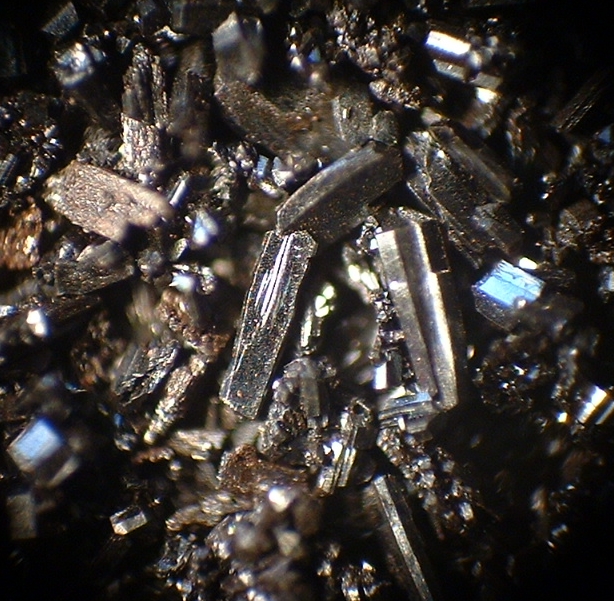
Micrograph of C
60
.
Packing of C
60
in crystal.

In solid buckminsterfullerene, the C
60
molecules adopt the fcc (face-centered cubic) motif. They start rotating at about −20 °C. This change is associated with a first-order phase transition to an fcc structure and a small, yet abrupt increase in the lattice constant from 1.411 to 1.4154 nm.[39]

C
60
solid is as soft as graphite, but when compressed to less than 70% of its volume it transforms into a superhard form of diamond (see aggregated diamond nanorod). C
60
films and solution have strong non-linear optical properties; in particular, their optical absorption increases with light intensity (saturable absorption).

C
60
forms a brownish solid with an optical absorption threshold at ≈1.6 eV.[40] It is an n-type semiconductor with a low activation energy of 0.1–0.3 eV; this conductivity is attributed to intrinsic or oxygen-related defects.[41] Fcc C
60
contains voids at its octahedral and tetrahedral sites which are sufficiently large (0.6 and 0.2 nm respectively) to accommodate impurity atoms. When alkali metals are doped into these voids, C
60
converts from a semiconductor into a conductor or even superconductor.[39][42]

Chemical reactions and properties

[edit]

C
60
undergoes six reversible, one-electron reductions, ultimately generating C6−
60
. Its oxidation is irreversible. The first reduction occurs at ≈−1.0 V (Fc/Fc+
), showing that C
60
is a reluctant electron acceptor. C
60
tends to avoid having double bonds in the pentagonal rings, which makes electron delocalization poor, and results in C
60
not being "superaromatic". C
60
behaves like an electron deficient alkene. For example, it reacts with some nucleophiles.[23][43]

Hydrogenation

[edit]

C
60
exhibits a small degree of aromatic character, but it still reflects localized double and single C–C bond characters. Therefore, C
60
can undergo addition with hydrogen to give polyhydrofullerenes. C
60
also undergoes Birch reduction. For example, C
60
reacts with lithium in liquid ammonia, followed by tert-butanol to give a mixture of polyhydrofullerenes such as C60H18, C60H32, C60H36, with C60H32 being the dominating product. This mixture of polyhydrofullerenes can be re-oxidized by 2,3-dichloro-5,6-dicyano-1,4-benzoquinone to give C
60
again.

A selective hydrogenation method exists. Reaction of C
60
with 9,9′,10,10′-dihydroanthracene under the same conditions, depending on the time of reaction, gives C60H32 and C60H18 respectively and selectively.[44]

Halogenation

[edit]

Addition of fluorine, chlorine, and bromine occurs for C
60
. Fluorine atoms are small enough for a 1,2-addition, while Cl
2
and Br
2
add to remote C atoms due to steric factors. For example, in C60Br8 and C60Br24, the Br atoms are in 1,3- or 1,4-positions with respect to each other. Under various conditions a vast number of halogenated derivatives of C
60
can be produced, some with an extraordinary selectivity on one or two isomers over the other possible ones. Addition of fluorine and chlorine usually results in a flattening of the C
60
framework into a drum-shaped molecule.[44]

Addition of oxygen atoms

[edit]

Solutions of C
60
can be oxygenated to the epoxide C60O. Ozonation of C
60
in 1,2-xylene at 257K gives an intermediate ozonide C60O3, which can be decomposed into 2 forms of C60O. Decomposition of C60O3 at 296 K gives the epoxide, but photolysis gives a product in which the O atom bridges a 5,6-edge.[44]

Cycloadditions

[edit]

The Diels–Alder reaction is commonly employed to functionalize C
60
. Reaction of C
60
with appropriate substituted diene gives the corresponding adduct.

The Diels–Alder reaction between C
60
and 3,6-diaryl-1,2,4,5-tetrazines affordsC
62
. The C
62
has the structure in which a four-membered ring is surrounded by four six-membered rings.

A C
62
derivative [C62(C6H5-4-Me)2] synthesized from C
60
and 3,6-bis(4-methylphenyl)-3,6-dihydro-1,2,4,5-tetrazine

The C
60
molecules can also be coupled through a [2+2] cycloaddition, giving the dumbbell-shaped compound C
120
. The coupling is achieved by high-speed vibrating milling of C
60
with a catalytic amount of KCN. The reaction is reversible as C
120
dissociates back to two C
60
molecules when heated at 450 K (177 °C; 350 °F). Under high pressure and temperature, repeated [2+2] cycloaddition between C
60
results in polymerized fullerene chains and networks. These polymers remain stable at ambient pressure and temperature once formed, and have remarkably interesting electronic and magnetic properties, such as being ferromagnetic above room temperature.[44]

Free radical reactions

[edit]

Reactions of C
60
with free radicals readily occur. When C
60
is mixed with a disulfide RSSR, the radical C60SR• forms spontaneously upon irradiation of the mixture.

Stability of the radical species C60Y depends largely on steric factors of Y. When tert-butyl halide is photolyzed and allowed to react with C
60
, a reversible inter-cage C–C bond is formed:[44]

Cyclopropanation (Bingel reaction)

[edit]

Cyclopropanation (the Bingel reaction) is another common method for functionalizing C
60
. Cyclopropanation of C
60
mostly occurs at the junction of 2 hexagons due to steric factors.

The first cyclopropanation was carried out by treating the β-bromomalonate with C
60
in the presence of a base. Cyclopropanation also occur readily with diazomethanes. For example, diphenyldiazomethane reacts readily with C
60
to give the compound C61Ph2.[44] Phenyl-C
61
-butyric acid methyl ester
derivative prepared through cyclopropanation has been studied for use in organic solar cells.

Redox reactions

[edit]

C
60
anions

[edit]

The LUMO in C
60
is triply degenerate, with the HOMOLUMO separation relatively small. This small gap suggests that reduction of C
60
should occur at mild potentials leading to fulleride anions, [C60]n (n = 1–6). The midpoint potentials of 1-electron reduction of buckminsterfullerene and its anions is given in the table below:

Reduction potential of C
60
at 213 K
Half-reaction E° (V)
C60 + e ⇌ C60 −0.169
C60 + e ⇌ C2−60 −0.599
C2−60 + e ⇌ C3−60 −1.129
C3−60 + e ⇌ C4−60 −1.579
C4−60 + e ⇌ C5−60 −2.069
C5−60 + e ⇌ C6−60 −2.479

C
60
forms a variety of charge-transfer complexes, for example with tetrakis(dimethylamino)ethylene:

C60 + C2(NMe2)4 → [C2(NMe2)4]+[C60]

This salt exhibits ferromagnetism at 16 K.

C
60
cations

[edit]

C
60
oxidizes with difficulty. Three reversible oxidation processes have been observed by using cyclic voltammetry with ultra-dry methylene chloride and a supporting electrolyte with extremely high oxidation resistance and low nucleophilicity, such as [nBu4N] [AsF6].[43]

Reduction potentials of C
60
oxidation at low temperatures
Half-reaction E° (V)
C60 ⇌ C+60 +1.27
C+60 ⇌ C2+60 +1.71
C2+60 ⇌ C3+60 +2.14

Metal complexes

[edit]

C
60
forms complexes akin to the more common alkenes. Complexes have been reported molybdenum, tungsten, platinum, palladium, iridium, and titanium. The pentacarbonyl species are produced by photochemical reactions.

M(CO)6 + C60 → M(η2-C60)(CO)5 + CO (M = Mo, W)

In the case of platinum complex, the labile ethylene ligand is the leaving group in a thermal reaction:

Pt(η2-C2H4)(PPh3)2 + C60 → Pt(η2-C60)(PPh3)2 + C2H4

Titanocene complexes have also been reported:

5-Cp)2Ti(η2-(CH3)3SiC≡CSi(CH3)3) + C60 → (η5-Cp)2Ti(η2-C60) + (CH3)3SiC≡CSi(CH3)3

Coordinatively unsaturated precursors, such as Vaska's complex, for adducts with C
60
:

trans-Ir(CO)Cl(PPh3)2 + C60 → Ir(CO)Cl(η2-C60)(PPh3)2

One such iridium complex, [Ir(η2-C60)(CO)Cl(Ph2CH2C6H4OCH2Ph)2] has been prepared where the metal center projects two electron-rich 'arms' that embrace the C
60
guest.[45]

Endohedral fullerenes

[edit]

Metal atoms or certain small molecules such as H
2
and noble gas can be encapsulated inside the C
60
cage. These endohedral fullerenes are usually synthesized by doping in the metal atoms in an arc reactor or by laser evaporation. These methods gives low yields of endohedral fullerenes, and a better method involves the opening of the cage, packing in the atoms or molecules, and closing the opening using certain organic reactions. This method, however, is still immature and only a few species have been synthesized this way.[46]

Endohedral fullerenes show distinct and intriguing chemical properties that can be completely different from the encapsulated atom or molecule, as well as the fullerene itself. The encapsulated atoms have been shown to perform circular motions inside the C
60
cage, and their motion has been followed using NMR spectroscopy.[45]

Potential applications in technology

[edit]

The optical absorption properties of C
60
match the solar spectrum in a way that suggests that C
60
-based films could be useful for photovoltaic applications. Because of its high electronic affinity[47] it is one of the most common electron acceptors used in donor/acceptor based solar cells. Conversion efficiencies up to 5.7% have been reported in C
60
–polymer cells.[48]

Potential applications in health

[edit]

Ingestion and risks

[edit]

C
60
is sensitive to light,[49] so leaving C
60
under light exposure causes it to degrade, becoming dangerous. The ingestion of C
60
solutions that have been exposed to light could lead to developing cancer (tumors).[50][51] So the management of C
60
products for human ingestion requires cautionary measures[51] such as: elaboration in very dark environments, encasing into bottles of great opacity, and storing in dark places, and others like consumption under low light conditions and using labels to warn about the problems with light.

Solutions of C
60
dissolved in olive oil or water, as long as they are preserved from light, have been found nontoxic to rodents.[52]

Otherwise, a study found that C
60
remains in the body for a longer time than usual, especially in the liver, where it tends to be accumulated, and therefore has the potential to induce detrimental health effects.[53]

Oils with C60 and risks

[edit]

An experiment in 2011–2012 administered a solution of C
60
in olive oil to rats, achieving a 90% prolongation of their lifespan.[52] C
60
in olive oil administered to mice resulted in no extension in lifespan.[54] C
60
in olive oil administered to beagle dogs resulted in a large reduction of C-reactive protein, which is commonly elevated in cardiovascular disease and cerebrovascular disease.[55]

Many oils with C
60
have been sold as antioxidant products, but it does not avoid the problem of their sensitivity to light, that can turn them toxic. A later research confirmed that exposure to light degrades solutions of C
60
in oil, making it toxic and leading to a "massive" increase of the risk of developing cancer (tumors) after its consumption.[50][51]

To avoid the degradation by effect of light, C
60
oils must be made in very dark environments, encased into bottles of great opacity, and kept in darkness, consumed under low light conditions and accompanied by labels to warn about the dangers of light for C
60
.[51][49]

Some producers have been able to dissolve C
60
in water to avoid possible problems with oils, but that would not protect C
60
from light, so the same cautions are needed.[49]

References

[edit]

Bibliography

[edit]

Further reading

[edit]
[edit]
Revisions and contributorsEdit on WikipediaRead on Wikipedia
from Grokipedia
Buckminsterfullerene, commonly denoted as C₆₀ and nicknamed the "buckyball," is a spherical composed of 60 carbon atoms arranged in a —a closed cage structure featuring 20 hexagons and 12 pentagons, resembling a soccer ball. This allotrope of carbon, alongside , , , and many others, was discovered in 1985 through experiments involving vaporization of , where researchers observed unusual carbon clusters in a mass spectrometer. The molecule was identified by a team led by Harold W. Kroto of the , and Robert F. Curl Jr. and Richard E. Smalley of , who proposed its stable, hollow, and highly symmetric structure as the reason for its prominence among carbon clusters. For this groundbreaking work on fullerenes, which opened a new branch of chemistry, Curl, Kroto, and Smalley were awarded the 1996 . Named after architect and inventor due to its resemblance to his designs, buckminsterfullerene exhibits exceptional stability from its delocalized π electrons and adherence to the isolated pentagon rule, with no dangling bonds or edges. Measuring about a nanometer in diameter, it is remarkably robust—capable of withstanding high-speed impacts—and has nanoscale dimensions that make it a foundational in fullerene chemistry and . Macroscopic quantities of C₆₀ were first produced in via an arc-discharge method, enabling further study of its properties, including solubility in organic solvents, electron-accepting behavior, and potential applications in , lubricants, , and .

History and Occurrence

Discovery

In 1970, Japanese chemist Eiji Osawa theoretically predicted the stability of a spherical C60 composed of 60 carbon atoms arranged in a closed cage structure, inspired by the quest for three-dimensional in hydrocarbons. This prediction, published in a Japanese journal, anticipated the family but remained largely unnoticed in the Western scientific community until decades later. Other early theoretical work, such as that by David Jones in 1966 suggesting hollow carbon cages, laid conceptual groundwork for such structures. The experimental discovery of buckminsterfullerene occurred in 1985 at , where Harold W. Kroto, Robert F. Curl, and Richard E. Smalley investigated carbon clusters formed during laser vaporization of in a supersonic cluster beam apparatus. This technique, originally developed to study metal clusters, involved vaporizing a target with a under gas, expanding the plume into a to cool and stabilize clusters, and analyzing them via . Kroto, motivated by the long carbon chains observed in interstellar spectra and planetary atmospheres, collaborated with Curl and Smalley to simulate conditions that might produce such species. During these experiments, conducted between September 1985, a strikingly intense peak at mass 720 (corresponding to C60) emerged in the mass spectra, far more prominent than other even-numbered carbon clusters like C70 or C84, suggesting exceptional stability for this molecule. The team proposed that C60 adopted a truncated icosahedral structure, akin to a soccer ball, to satisfy carbon's valency with alternating single and double bonds. Initial evidence for C60 was spectroscopic, but isolating the pure molecule proved challenging due to its tendency to aggregate in the soot-like residue. In 1990, Wolfgang Krätschmer and Donald R. Huffman, along with colleagues, achieved the first macroscopic production and isolation of solid C60 by arc-discharge evaporation of electrodes in an inert atmosphere, followed by extraction of the resulting with or . This method yielded milligram quantities of soluble C60, confirmed by matching the predicted spectrum and ultraviolet-visible absorption showing characteristic bands. Their work provided definitive proof of C60's existence as a stable, isolable substance, enabling further structural and chemical studies. For their pioneering discovery of fullerenes, including buckminsterfullerene, Kroto, Curl, and Smalley were awarded the 1996 Nobel Prize in Chemistry, recognizing the profound impact on understanding carbon allotropes and opening avenues in nanotechnology.

Etymology

The name "buckminsterfullerene" was coined in 1985 by Harold W. Kroto and his collaborators for the newly discovered C60 molecule, honoring the American architect and inventor Richard Buckminster Fuller, whose iconic geodesic dome structures bore a striking visual resemblance to the truncated icosahedral form of the carbon cage. This nomenclature was proposed during the intense period following the molecule's detection in September 1985, as the team at Rice University and the University of Sussex recognized the architectural analogy in the molecule's symmetric, hollow-sphere geometry. Kroto, in particular, advocated for the name to capture this inspirational link, drawing from Fuller's innovative designs that popularized such polyhedral frameworks in the mid-20th century. The term "fullerene" emerged shortly thereafter as a broader designation for the class of closed-cage carbon molecules exemplified by C60, with the "buckminster" prefix retained specifically for the C60 variant to distinguish it within the family. Kroto and colleagues introduced "fullerene" to encompass these stable, polyhedral , reflecting their shared inspired by Fuller's work and anticipating the discovery of variants like C70. This generalization facilitated scientific discourse on the burgeoning field, as subsequent research revealed a series of even- and odd-numbered carbon clusters fitting the fullerene paradigm. Informal nicknames for buckminsterfullerene also proliferated, including "footballene," an early suggestion alluding to the molecule's resemblance to a soccer ball (or football in some regions), which had been theoretically anticipated by Tony Haymet prior to its experimental confirmation. The popular term "buckyball" soon gained traction as a shorthand, evoking both Fuller's nickname "Bucky" and the , and it became widely adopted in both academic and public contexts to describe C60. These colloquialisms underscored the molecule's accessible, geometric appeal while the formal nomenclature emphasized its scientific and historical roots.

Natural Occurrence

Buckminsterfullerene (C60) has been detected in various extraterrestrial environments through , with the first unambiguous identification occurring in 2010 in the Tc 1, where its characteristic vibrational bands at 7.0, 17.4, and 18.9 μm were observed. Subsequent detections confirmed C60 emission in reflection nebulae such as NGC 7023, indicating its presence in photo-dissociation regions around young stars. In 2019, NASA's identified positively charged C60+ ions in the , particularly in diffuse clouds, helping explain the persistence of these molecules in harsh space conditions. These findings suggest C60 forms in the hot, carbon-rich envelopes of evolved stars and survives in planetary atmospheres and circumstellar media. Fullerenes, including C60, have been extracted from meteorites, providing evidence of their extraterrestrial origin. In the Allende and Murchison meteorites, fullerenes ranging from C60 to C400 were discovered in concentrations up to several parts per million, often associated with trapped like and , indicating they act as carrier phases for primordial solar system materials. More recently, in , C60 and higher fullerenes up to C100 were firmly detected in the Almahata Sitta ureilite meteorite, with abundances suggesting formation in circumstellar environments followed by incorporation into asteroids. On , buckminsterfullerene occurs in trace amounts linked to high-energy geological processes. Fullerenes have been identified in —glassy residues from lightning strikes on graphite-rich soils—demonstrating formation via plasma-like conditions during these events. Similar traces appear in from incomplete in natural wildfires, though not as the primary product, and in impact-related structures from collisions, highlighting localized energetic synthesis in terrestrial settings. In , fullerenes constitute a minor but significant fraction of interstellar carbon, estimated at up to 1% in some regions, contributing to the overall dust budget and facilitating molecular hydrogen formation on grain surfaces. Their stability and ability to encapsulate other molecules imply a role in prebiotic chemistry, potentially delivering complex carbon structures to early planetary surfaces and serving as carbon sources for anaerobic microbial processes on primordial .

Synthesis and Production

Laboratory Methods

The primary laboratory method for synthesizing buckminsterfullerene (C60) is the Krätschmer-Huffman arc discharge technique, developed in 1990, which involves resistive heating of two closely spaced graphite electrodes in a helium atmosphere at low pressure (typically 100-500 Torr) to generate a plasma that vaporizes carbon and produces soot containing fullerenes. In this process, an electric arc with currents of 50-100 A and voltages of 10-20 V creates temperatures exceeding 2000°C, leading to the formation of carbon clusters that condense into C60 as the dominant fullerene species, comprising about 10% of the raw soot mass alongside higher fullerenes like C70. Yields can reach up to 12% under optimized conditions, but the method's scalability is limited by electrode consumption and the need for batch processing in vacuum chambers, typically producing milligrams to grams of material per run. An earlier technique instrumental in the initial discovery of C60, , employs a (e.g., Nd:YAG) to a target in an environment, such as at around 100 , generating a carbon plasma plume that cools rapidly to form clusters. This method achieves higher purity fullerenes (up to 40% yield in specialized setups) compared to arc discharge but is constrained to small-scale production due to the high cost of systems and the discontinuous nature of pulsing. Operating at temperatures around 4000°C in the ablation zone, it favors the formation of stable C60 cages through annealing of carbon fragments in the expanding plume. Combustion synthesis offers an alternative route, utilizing controlled low-pressure flames (e.g., benzene-oxygen mixtures at 20-100 ) to produce -rich as a byproduct of incomplete oxidation, with C60 yields typically 1-5% of the carbon input. The process relies on high-temperature zones (>1500°C) where polycyclic aromatic hydrocarbons grow and cyclize into fullerene structures, though it suffers from lower selectivity and scalability issues related to flame stability and collection efficiency. Post-2010 advancements have focused on enhancing purity and through plasma-based methods, such as radio-frequency inductively coupled thermal plasma jets, which vaporize carbon powder in or at to yield fullerenes with reduced impurities via precise control of plasma temperature and flow rates. Microwave-assisted synthesis represents another improvement, employing domestic or specialized microwave ovens to decompose carbon precursors like terpenoids or under inert atmospheres, achieving C60 films or powders with yields up to 5-7% in short reaction times (minutes) and improved energy efficiency over traditional heating. These techniques address limitations in older methods by enabling continuous operation and higher-purity outputs (e.g., >90% C60 after minimal processing), though they remain primarily for research-scale production.

Purification and Isolation

The purification and isolation of buckminsterfullerene (C60) typically begin with the extraction of fullerenes from the carbon generated during synthesis. A standard initial step involves Soxhlet extraction using or as solvents, which selectively dissolves the soluble fullerenes, including C60, while leaving behind insoluble graphitic material. This process, developed following the initial production of macroscopic quantities of fullerenes, allows for the recovery of a crude fullerene mixture containing primarily C60 and C70. Subsequent separation relies on chromatographic techniques to isolate C60 from higher fullerenes such as C70. Column chromatography using neutral alumina or silica gel as stationary phases, with elution via hexane-toluene mixtures (typically starting with high hexane content and gradually increasing toluene), enables the fractionation based on differing adsorption affinities. C60 elutes earlier due to its lower interaction with the stationary phase compared to C70, yielding fractions enriched in C60. For achieving higher purity levels exceeding 99%, high-performance liquid chromatography (HPLC) is employed, often with similar hexane-toluene solvent gradients on reverse-phase or normal-phase columns, providing precise separation and scalability for laboratory quantities. Further refinement of the isolated C60 can be accomplished through vacuum sublimation, where the compound is heated under reduced pressure (around 300–400°C at 10−3–10−5 ) to volatilize and redeposit pure crystals, removing residual impurities like solvent traces or . This step enhances crystallinity and purity but requires careful control to avoid . Despite these methods, challenges persist, including co-elution of C60 with other carbon clusters during , which can contaminate fractions, and overall yield losses due to incomplete extraction and adsorption on columns. Typical recovery rates for purified C60 range from 50% to 70% of the available content in the crude .

Commercial Production

Commercial production of buckminsterfullerene (C₆₀) primarily relies on optimized arc discharge methods, where electrodes are vaporized in a atmosphere to generate fullerene-containing , followed by extraction and purification. Global production capacity has scaled to several tons per year of purified material as of 2025, with estimates ranging from 1 to 40 tons annually, and major facilities in the United States (e.g., and ), Japan, and . synthesis, involving the controlled burning of hydrocarbons like in oxygen-rich environments, offers a promising alternative for larger-scale output due to its potential for higher yields and lower equipment costs compared to traditional arc processes. Key commercial producers include SES Research in Houston, Texas, which has established itself as a leading supplier of high-purity C₆₀ since the , Materials and Electrochemical Research (MER) Corporation in , which pioneered the first industrial-scale fullerene production plant using automated arc discharge systems, and international players such as Frontier Carbon Corporation in , which pioneered multiton-scale production. Cost reductions have been significant, dropping from approximately $1,000 per gram in the early —when initial commercial batches were limited and purification was labor-intensive—to around $100 per gram in bulk quantities today, driven by process optimizations and . Annual production cost declines of about 15% since 2020 have further improved accessibility for industrial applications. Buckminsterfullerene powder is commercially available in laboratory-scale quantities, typically ranging from 250 mg to 5 g, from several reputable chemical suppliers, with purities of 99.5% or higher, primarily for research use. Notable suppliers include Sigma-Aldrich (Merck), which offers 99.5% purity crystalline powder in 1 g ($295) and 5 g packages; Thermo Scientific (Fisher Scientific), offering 99.9% purity in 250 mg and 1 g packages; MSE Supplies, providing >99.9% purity in 1 g bottles; and SES Research, a producer of high-quality C₆₀ powder suitable for research. Efforts to scale production include the development of continuous plasma reactors, such as three-phase AC plasma systems operating at atmospheric pressure, which enable steady-state fullerene formation from carbon feedstocks in helium atmospheres, potentially increasing throughput beyond batch arc methods. Laser ablation systems, while effective for high-purity yields in laboratory settings, face challenges in energy efficiency and scalability for commercial use, though hybrid approaches combining ablation with plasma enhancement are under exploration. These advancements aim to meet rising demand without proportional increases in operational complexity. Commercial grades of buckminsterfullerene typically achieve purities of 95% to 99.9%, with higher-end variants exceeding 99.95% for specialized uses, verified through (HPLC) and . Demand is primarily driven by applications in , such as organic photovoltaics and semiconductors, where C₆₀'s electron-accepting properties enhance device efficiency; in pharmaceuticals and for formulations; and in for advanced battery electrodes. These sectors account for the bulk of consumption, with alone projected to fuel much of the market growth through 2030. Large-scale synthesis presents notable environmental and energy challenges, as arc discharge and plasma methods are highly energy-intensive, with for C₆₀ production an greater than for conventional bulk chemicals like polymers, primarily due to high-temperature and usage. Combustion routes mitigate some energy demands but generate byproducts requiring careful to minimize carbon emissions. Emerging greener approaches, such as solar-driven or electrochemical synthesis, seek to reduce environmental impact by lowering electricity consumption and avoiding hazardous solvents, though they remain in early commercialization stages. Overall, considerations are increasingly influencing production strategies to align with global energy efficiency goals.

Molecular Structure

Geometry and Symmetry

Buckminsterfullerene, with the chemical formula C60_{60}, features a truncated icosahedral in which 60 carbon atoms occupy the vertices of a comprising 32 faces (12 regular pentagons and 20 regular hexagons), 90 edges, and 60 vertices. This closed-cage structure satisfies the for a , where the number of vertices VV, edges EE, and faces FF obey VE+F=2V - E + F = 2. The arrangement ensures each carbon atom is bonded to three others, mimicking the sp2sp^2 hybridization typical of while introducing curvature through the pentagonal defects. The molecule possesses icosahedral belonging to the IhI_h , which is the highest-order observed in any known molecule and includes 120 operations such as rotations and reflections. This high imparts to the structure, resulting in no permanent dipole moment, as the inversion and multiple axes cancel any potential polarity. The IhI_h aligns the centers of the pentagons at the vertices of a , contributing to the molecule's overall spherical appearance. In this geometry, two distinct carbon-carbon bond lengths are observed: shorter bonds of approximately 1.40 shared between two adjacent hexagons (6:6 bonds), which exhibit partial double-bond character, and longer bonds of approximately 1.45 connecting a hexagon to a pentagon (5:6 bonds), akin to single bonds. These alternating bond lengths arise from the delocalized π\pi- system and the geometric strain imposed by the pentagons. The structural stability of C60_{60} is largely explained by adherence to the isolated pentagon rule (IPR), first proposed by Kroto, which posits that s are most stable when no two pentagons share an edge, thereby minimizing local strain and avoiding antiaromatic character in adjacent pentagons. In C60_{60}, all 12 pentagons are fully isolated by surrounding hexagons, making it the smallest fullerene to satisfy the IPR and enhancing its resistance to fragmentation. This configuration visually resembles a soccer ball or the domes inspired by .

Bonding and Electronic Structure

Buckminsterfullerene consists of 60 carbon atoms, each exhibiting sp² hybridization, where three valence electrons form σ-bonds with adjacent carbons, and the remaining p_z orbital contributes to a delocalized π-system across the molecular surface. This hybridization deviates slightly from planar sp² due to the curvature, enabling the truncated icosahedral geometry while maintaining strong covalent bonding akin to . The delocalized π-electrons, totaling 60 across the 32 faces (20 hexagons and 12 pentagons), provide extended conjugation that stabilizes the closed-shell structure. The hexagonal rings in C_{60} display local Hückel aromaticity, each possessing 6 π-electrons that satisfy the 4n+2 rule (n=1), contributing to bond alternation and overall molecular stability despite the global non-planar curvature. However, the full molecule lacks global superaromaticity, as π-delocalization is confined primarily to individual rings rather than the entire sphere. The electronic structure features a five-fold degenerate highest occupied (HOMO) of hu and a three-fold degenerate lowest unoccupied (LUMO) of t_{1u} under I_h . The HOMO-LUMO gap is approximately 1.9 eV, accounting for the characteristic UV-Vis absorption spectrum with bands around 330 nm and below, arising from allowed transitions within this manifold. The 12 pentagonal faces introduce geometric strain from curvature, which is offset by the stabilizing effect of π-conjugation across the hexagons. This balance ensures the isolated pentagon configuration in C_{60}, minimizing adjacent pentagon interactions that would exacerbate strain. (DFT) calculations, such as those using hybrid functionals, reproduce this electronic configuration and confirm the energetic stability of C_{60} relative to other isomers, with binding energies and orbital energies aligning closely with experimental data.

Physical Properties

In Solution

Buckminsterfullerene (C60) demonstrates extremely low in , on the order of 8 × 10⁻⁹ g/L, which arises from its hydrophobic nature and lack of polar functional groups, rendering it insoluble in polar protic solvents without derivatization. In nonpolar aromatic solvents like , however, is significantly higher, reaching 2.8 mg/mL at (25°C), allowing for the preparation of stable solutions suitable for spectroscopic and physical studies. This moderate in facilitates the isolation of monomeric C60 molecules, as confirmed by (DLS) measurements that yield hydrodynamic radii of approximately 0.7–1.0 nm, consistent with unaggregated, individual spheres freely in solution. These coefficients, typically around 1.5 × 10⁻⁵ cm2/s in at 25°C, reflect low perturbations from , with C60 behaving as a non-interacting solute at concentrations below 1 mg/mL. The optical appearance of C60 solutions varies with concentration: dilute solutions in (e.g., <0.5 mg/mL) exhibit a characteristic deep purple hue, while more concentrated ones (>5 mg/mL) appear reddish-brown. This color arises from the molecule's electronic absorption spectrum, which features strong bands between 300–400 nm and weaker absorptions around 450 nm and 700 nm, transmitting light primarily in the purple-red region due to reduced absorption in and wavelengths. Spectroscopic further highlights these properties; for instance, the 13C NMR spectrum in deuterated shows a single sharp peak at 142.7 ppm (relative to TMS), indicative of the icosahedral symmetry where all 60 carbon atoms are equivalent. Additionally, C60 displays weak emission upon excitation at 400–500 nm, with a broad band peaking around 710 nm and a low of 3.2 × 10⁻⁴ in , reflecting efficient non-radiative decay via to the . Stability in solution is a key concern, as C60 undergoes photooxidation in the presence of oxygen and visible , leading to formation and degradation of the cage through sensitization. This process is accelerated in aerated solutions exposed to ambient , resulting in color fading from to colorless over hours to days. To mitigate this, solutions are routinely prepared and stored under inert atmospheres such as or , often in glassware to exclude , ensuring long-term stability for experimental use.

In Solid State

Buckminsterfullerene (C60) in the solid state adopts a face-centered cubic (fcc) at , with a of 14.17 , where the nearly spherical molecules are arranged in a close-packed lattice and exhibit rotational disorder. Upon cooling below approximately 260 K, it undergoes a to a simple cubic structure, accompanied by the onset of orientational ordering of the C60 molecules while maintaining partial disorder. This transition is characterized by a volume contraction of about 0.6% and reflects the interplay between intermolecular van der Waals interactions and molecular rotational dynamics. The solid exhibits a density of 1.65 g/cm³, consistent with the packing efficiency of the fcc lattice. Under high conditions, C60 sublimes at around 550°C, allowing for purification and thin-film deposition without decomposition. Optically, the yellow-brown powder of solid C60 has a of approximately 1.8 eV, contributing to its insulating nature and absorption characteristics in the visible to near-infrared range. Mechanically, solid C60 crystals possess hardness comparable to that of (Mohs scale ~1-2), arising from weak intermolecular forces, but they are notably brittle, fracturing under low stress due to the lack of covalent inter-molecular bonding. This in mechanical response contrasts with the robust intramolecular bonds within each C60 cage, which reference the truncated icosahedral detailed elsewhere.

Chemical Reactions

Addition Reactions

Buckminsterfullerene (C60) displays reactivity akin to an electron-deficient , primarily at the [6,6] ring junctions where π-electrons are more localized due to pyramidalization strain. This electron deficiency facilitates electrophilic and nucleophilic additions across its double bonds, including cycloadditions such as [2+2] with under photochemical conditions and [6+6] with electron-rich 6π systems like o-quinodimethanes. The resulting adducts often retain the fullerene cage integrity while altering its electronic properties for further functionalization. Hydrogenation of C60 proceeds via addition of H2 across double bonds, yielding hydrogenated fullerenes (fulleranes) C60Hn where n ranges from 18 to 60, though highly stable isomers like C60H18 and C60H36 predominate. Catalytic methods using on alumina under mild conditions selectively produce C60H18, while with in liquid and tert-butanol affords C60H36 as the major product by selectively saturating conjugated double bonds. These reactions highlight C60's capacity for stepwise saturation, with higher degrees of hydrogenation (up to C60H60) achievable under forcing conditions like high-pressure H2 exposure. Halogenation involves electrophilic addition of halogens to C60's double bonds, forming polyhalogenated derivatives C60Xn (X = Cl, Br, F; n = 1–48). Bromination with liquid Br2 yields C60Br24 as a crystalline solvate, where bromine atoms occupy [6,6] positions without adjacent sp3 carbons. Chlorination with Cl2 produces similar adducts up to C60Cl24, while fluorination with F2 gas at elevated temperatures (300–400°C) generates highly stable C60F48, the most fluorinated fullerene derivative, featuring a symmetric arrangement of fluorine atoms that minimizes steric repulsion. These halogenated fullerenes serve as precursors for further derivatization due to their tunable solubility and reactivity. Oxygen addition typically occurs via epoxidation, converting C60 double bonds to epoxides. Treatment with (mCPBA) or yields the monoepoxide C60O and bis-epoxides, where oxygen bridges form across [6,6] bonds, introducing strain that influences subsequent reactivity. These epoxides are valuable intermediates for ring-opening reactions, enhancing C60's polarity. Among cycloadditions, the Diels-Alder reaction with dienes like proceeds efficiently across a [6,6] bond, forming a [4+2] that disrupts the fullerene's conjugation. The Bingel reaction, a nucleophilic , uses α-bromoesters (e.g., diethyl bromomalonate) and a base like DBU to generate a that adds to a C60 , forming a fullerene anion; intramolecular displacement of bromide then closes the ring, yielding methanofullerenes with high at [6,6] sites. This method is widely adopted for precise monofunctionalization due to its mild conditions and control over . Free radical additions to C60 involve alkyl or hydroxyalkyl radicals generated photochemically or thermally, which add across [6,6] bonds to form monoadducts like R-C60-H (R = alkyl). These reactions are highly efficient, with rate constants on the order of 106–109 M−1 s−1, enabling selective functionalization for applications in . The resulting radical adducts are stabilized by delocalization over the fullerene cage, facilitating multiple additions under controlled conditions.

Redox Reactions

Buckminsterfullerene exhibits a series of reversible multi-electron reductions in aprotic solvents, enabling the formation of stable fulleride anions. The first one-electron reduction to the radical anion \ceC60\ce{C60^{\bullet-}} occurs at approximately -1.1 V versus the saturated calomel electrode (SCE), with subsequent reductions to the dianion, trianion, tetraanion, pentaanion, and hexaanion \ceC606\ce{C60^{6-}} following at progressively more negative potentials, typically spanning -1.1 V to -2.5 V vs. SCE depending on solvent and electrolyte. These processes are electrochemically reversible up to the hexaanion under controlled conditions, reflecting the low-lying lowest unoccupied molecular orbital (LUMO) of C_{60} that facilitates sequential electron acceptance without structural disruption. The stability of the hexaanion \ceC606\ce{C60^{6-}} is enhanced by its aromatic character, stemming from the occupation of the triply degenerate t1ut_{1u} orbital with 6 π electrons, which satisfies Hückel's rule for aromaticity in this molecular context. In contrast, oxidation of neutral C_{60} to the radical cation \ceC60+\ce{C60^{+}} is irreversible, occurring at +1.3 V vs. SCE, due to rapid follow-up reactions that destabilize the oxidized species. Spectroelectrochemical studies reveal distinct UV-Vis spectral changes during reduction, with the radical anion \ceC60\ce{C60^{\bullet-}} displaying characteristic near-infrared absorption bands around 1000–1100 nm, alongside weaker visible transitions, providing markers for each successive anion formation. These bands shift and intensify with increasing electron count, reflecting alterations in the electronic structure and charge distribution across the fullerene cage. Alkali metal doping of C_{60}, such as in fulleride \ceK3C60\ce{K3C60}, introduces three electrons per fullerene to form \ceC603\ce{C60^{3-}} anions within a face-centered cubic lattice, resulting in metallic conductivity and with a critical Tc=18T_c = 18 K. This arises from conventional electron-phonon coupling, where intramolecular vibrations of the C_{60} cage mediate the pairing of conduction electrons.

Coordination and Endohedral Chemistry

Buckminsterfullerene (C60) engages in coordination chemistry primarily through its π-electron system, allowing η2-coordination to the double bonds of its hexagonal faces, akin to alkene-metal interactions in . This mode of binding is exemplified by complexes such as (η2-C60)Ir(CO)Cl(PPh3)2, where the center selectively coordinates to a 6-6 ring junction, as confirmed by showing Ir-C distances of approximately 2.15 Å. Similar η2-coordination occurs with , as in (η2-C60)Pt(PPh3)2, where the metal binds to one of the fullerene's C=C bonds, leading to localized distortion of the cage symmetry. These complexes are typically synthesized by reacting C60 with photolytically or reductively generated low-valent metal precursors, such as [Ir(CO)Cl(PPh3)2] or Pt(0) species, under anaerobic conditions to prevent oxidation. Bis-adducts involving derivatives further illustrate C60's ability to form multiple coordination sites, as seen in complexes where two ferrocenyl units coordinate via η2-binding to distinct double bonds on the surface, often stabilized by the redox-active iron centers. These structures exhibit enhanced solubility and electrochemical reversibility compared to mono-coordinated analogs, with the moieties facilitating to the C60 cage. Such coordination contrasts with simple addition reactions by preserving the 's spherical integrity while introducing tunable electronic properties through the metal ligands. Endohedral chemistry of C60 involves the encapsulation of atoms or small clusters within the carbon cage, creating species denoted as X@C60, where the guest species interacts electrostatically or via charge transfer with the inner surface. , such as , are incorporated via high-pressure implantation, as demonstrated in the synthesis of He@C60, where C60 is exposed to 25 kbar of He at elevated temperatures, yielding up to 0.1% incorporation detectable by . atoms like form La@C60 through similar implantation or co-vaporization methods, resulting in a metallic character due to the La 6s electron contributing to the cage's at the . encapsulation in N@C60 is achieved primarily by of N+ ions into C60, producing a radical species with the nitrogen atom freely rotating inside the cage at . Synthesis of endohedral fullerenes often employs arc discharge with doped electrodes for metal-containing variants or implantation for non-metals, with yields enhanced by subsequent chromatographic separation. Stability arises from charge transfer between the endohedral species and the , such as the formal +3/-3 ionic model for lanthanides, which minimizes repulsion and strengthens the overall structure. Properties include characteristic shifts in 13C NMR spectra, where the cage carbons resonate at higher fields (e.g., ~142 ppm for He@C60 versus 143 ppm for empty C60) due to the inner from the guest. The spin-active N@C60, with its S=3/2 electron spin and I=1 nuclear spin, exhibits long coherence times exceeding 100 μs, positioning it as a candidate for qubits in applications through electron spin resonance manipulation. Metal cluster endohedrals like Sc3@C60 and Y3@C60 feature three metal atoms inside the cage, stabilized by where the metals donate electrons to the , forming a cluster-cage interaction analogous to ionic salts within a container. These species, though less abundant than larger-cage analogs, are predicted and observed in trace amounts via synthesis, with computational models showing the metals adopting a triangular configuration centered in the icosahedral void.

Applications

Technological Uses

Buckminsterfullerene (C60) serves as an efficient in organic photovoltaic devices, particularly in bulk heterojunction solar cells where it is blended with donor polymers such as poly(3-hexylthiophene) (P3HT). This configuration leverages C60's high and low-lying lowest unoccupied (LUMO) level to facilitate dissociation and charge transport, achieving power conversion efficiencies typically in the range of 5-8% under standard AM1.5G illumination. Recent advancements have integrated functionalized C60 derivatives into perovskite-fullerene hybrid solar cells, enhancing interfacial charge extraction and stability, with reported efficiencies exceeding 25% in inverted architectures as of 2023-2025. Doped fullerene compounds exhibit , with alkali metal-intercalated variants like RbCs2C60 demonstrating a critical (Tc) of 33 K at , one of the highest among fulleride superconductors. This phenomenon is explained by conventional Bardeen-Cooper-Schrieffer (, where electron-phonon coupling in the expanded C60 lattice enables formation and zero-resistance conduction below Tc. C60-supported metal catalysts have been developed for key reactions in energy conversion, including of unsaturated compounds and oxygen reduction. For instance, C60-Cu composites enable ambient-pressure of to with yields up to 98%, attributed to C60's role as an buffer that modulates metal site oxidation states. Similarly, C60- hybrids promote two-electron oxygen reduction to , offering selectivity over four-electron pathways for applications in fuel cells and . In , polymers derived from C60 exhibit into thin films and composites with enhanced mechanical properties, serving as solid lubricants due to low and high load-bearing capacity. Water-soluble C60 derivatives, when incorporated into matrices, reduce coefficients by up to 61% in tribological tests, stemming from their spherical morphology and weak interlayer interactions. Self-assembled C60 monolayers on functionalized surfaces form robust thin films for composites, improving thermal stability and electrical conductivity in applications like coatings and sensors. C60 enables single-molecule , notably in where individual molecules bridge nanoscale electrodes to exhibit single-electron tunneling and gate-tunable conductance. A landmark demonstration involved a superconducting single-C60 operating at millikelvin temperatures, revealing Josephson effects and charging energies on the order of 1-10 meV. Post-2020 progress includes fullerene-based organic light-emitting diodes (OLEDs) with improved electron injection layers, achieving external quantum efficiencies above 20% through C60 derivatives that minimize quenching. In sensors, C60-functionalized devices have advanced for gas detection and biosensing, with recent hybrids showing sub-ppm sensitivity to nitrogen oxides via charge transfer modulation.

Biomedical Potential

Buckminsterfullerene (C60) and its derivatives exhibit promising biomedical potential due to their unique nanoscale , which enables functionalization for targeted therapeutic and diagnostic applications. Functionalization, often through reactions, allows C60 to interact effectively with biological systems while mitigating its inherent hydrophobicity. Research has focused on leveraging these properties for , therapy, photodynamic treatment, and imaging enhancement. In , C60 serves as a nanocarrier for anticancer agents such as (DOX), where conjugates facilitate targeted tumor accumulation and controlled release. For instance, C60-DOX complexes demonstrate enhanced cellular uptake in cancer cells compared to free DOX, reducing systemic toxicity while improving therapeutic efficacy . These nanostructures exploit the in tumors, with studies showing synergistic antitumor effects when C60 modulates in treated cells. As an , C60 exhibits superior radical scavenging capacity to , effectively neutralizing (ROS) such as and hydroxyl radicals. This property stems from its ability to accept multiple electrons without degrading, providing prolonged protection against in cell membranes. In animal models of neurodegeneration, water-soluble C60 derivatives like fullerenols demonstrate by mimicking activity, reducing oxidative damage in neuronal tissues. C60 derivatives are effective photosensitizers in (PDT) for cancer, generating upon visible light irradiation to induce selective tumor cell death. Pristine C60 and its amphiphilic conjugates produce high quantum yields of , enabling precise ROS-mediated while minimizing damage to healthy tissues. Studies have validated this against various lines, highlighting C60's photostability as a key advantage over traditional photosensitizers. For (MRI), endohedral Gd@C60 complexes act as high-relaxivity contrast agents, offering improved signal intensity and reduced toxicity compared to free chelates. The cage encapsulates Gd3+ ions, preventing dissociation and enhancing proton relaxation rates , as demonstrated in animal models of vascular . Water-soluble derivatives like Gd@C60[C(COOH)2]10 exhibit prolonged circulation and targeted accumulation in tumors. Recent developments from 2020 to 2025 have explored C60 derivatives as antiviral agents, particularly against and , through inhibition of viral proteases and enhanced . Computational and studies show fullerene-based nanocarriers effectively binding for treatment, improving and . Additionally, C60 conjugates demonstrate antimicrobial activity against post-COVID pathogens by generating ROS under light activation, with potential in applications. Reviews highlight ongoing progress in antiviral fullerene research, emphasizing low in preclinical models. A primary challenge in advancing C60 for biomedical use is its poor solubility, addressed through to enhance dispersibility and . PEG-functionalized C60 derivatives exhibit improved aqueous stability and prolonged circulation in biological media, facilitating better integration into therapeutic formulations. This modification reduces aggregation and supports targeted delivery without compromising the core's functional properties.

Safety and Toxicity

Buckminsterfullerene (C60) exhibits low via oral ingestion, with studies in rats demonstrating no mortality or significant adverse effects at doses up to 2000 mg/kg body weight, establishing an LD50 greater than 2000 mg/kg. Following repeated oral administration, C60 can accumulate in the liver, as detected in tissue distribution analyses of exposed , potentially leading to long-term concerns despite minimal short-term hepatic damage. Its low water limits , influencing the extent of systemic exposure after ingestion. Inhalation of C60 nanoparticles may provoke pulmonary and respiratory in models, with intratracheal instillation causing transient inflammatory responses and in tissues. As a carbon-based nanomaterial, C60 falls under occupational exposure guidelines for similar structures, such as the NIOSH of 1 μg/m³ for carbon nanotubes and nanofibers to mitigate respiratory hazards. Dermal exposure to pristine C60 is generally non-irritating, with studies showing no , , or following application. C60 dissolved in oils, such as , has been investigated for potential health effects, with a 2012 rat study reporting no and even lifespan extension at repeated low doses (1.7 mg/kg). However, subsequent research highlighted challenges, including a 2020 mouse study demonstrating light-dependent toxicity from photoinduced peroxidation products that caused morbidity and mortality, contradicting earlier claims. Recent reviews emphasize these peroxidation risks, rendering such formulations potentially unsafe without controlled conditions. Environmentally, C60 demonstrates high persistence in aqueous systems, forming stable nano-aggregates that resist degradation and facilitate long-term environmental transport. It poses ecotoxicity risks to aquatic life, inducing , reduced reproduction, and mortality in organisms like at concentrations as low as 0.0015 mg/L. Regulatory scrutiny has intensified, with the 2023 Scientific Committee on opinion unable to rule out for C60 , citing potential DNA damage at high exposure levels based on and data.

References

Add your contribution
Related Hubs
User Avatar
No comments yet.