Hubbry Logo
LiverLiverMain
Open search
Liver
Community hub
Liver
logo
8 pages, 0 posts
0 subscribers
Be the first to start a discussion here.
Liver
Liver
from Wikipedia
Liver
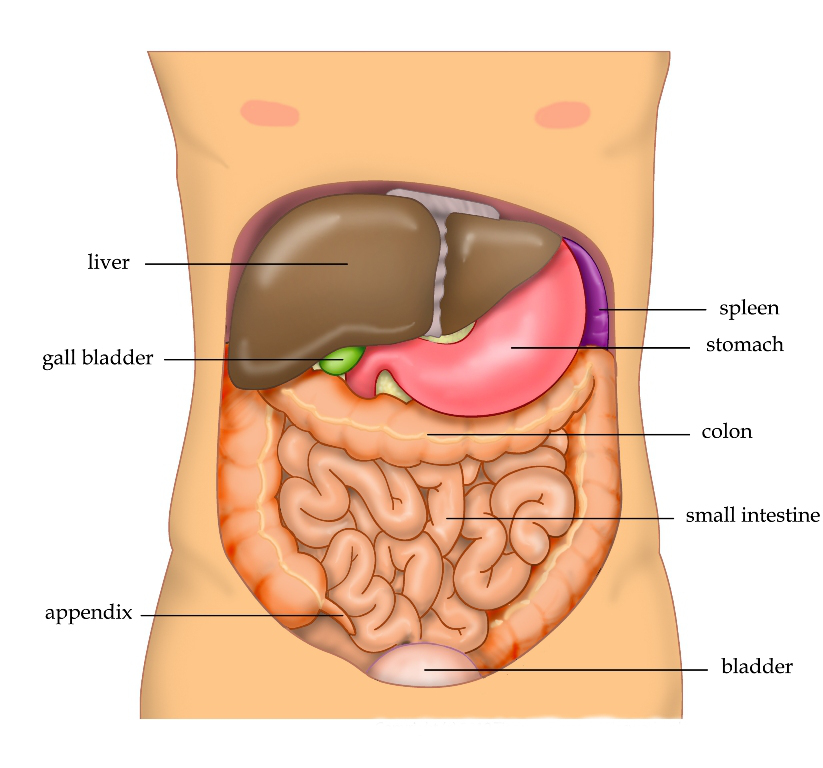
The human liver is located in the upper right abdomen
Location of human liver (in red) shown on a male body
Details
PrecursorForegut
SystemDigestive system
ArteryHepatic artery
VeinHepatic vein and hepatic portal vein
NerveCeliac ganglia and vagus nerve[1]
Identifiers
Latinjecur, iecur
Greekhepar (ἧπαρ)
root hepat- (ἡπατ-)
MeSHD008099
TA98A05.8.01.001
TA23023
FMA7197
Anatomical terminology

The liver is a major metabolic organ exclusively found in vertebrates, which performs many essential biological functions such as detoxification of the organism, and the synthesis of various proteins and various other biochemicals necessary for digestion and growth.[2][3][4] In humans, it is located in the right upper quadrant of the abdomen, below the diaphragm and mostly shielded by the lower right rib cage. Its other metabolic roles include carbohydrate metabolism, the production of a number of hormones, conversion and storage of nutrients such as glucose and glycogen, and the decomposition of red blood cells.[4] Anatomical and medical terminology often use the prefix hepat- from ἡπατο-, from the Greek word for liver, such as hepatology, and hepatitis.[5]

The liver is also an accessory digestive organ that produces bile, an alkaline fluid containing cholesterol and bile acids, which emulsifies and aids the breakdown of dietary fat. The gallbladder, a small hollow pouch that sits just under the right lobe of liver, stores and concentrates the bile produced by the liver, which is later excreted to the duodenum to help with digestion.[6] The liver's highly specialized tissue, consisting mostly of hepatocytes, regulates a wide variety of high-volume biochemical reactions, including the synthesis and breakdown of small and complex organic molecules, many of which are necessary for normal vital functions.[7] Estimates regarding the organ's total number of functions vary, but is generally cited as being around 500.[8] For this reason, the liver has sometimes been described as the body's chemical factory.[9][10]

It is not known how to compensate for the absence of liver function in the long term, although liver dialysis techniques can be used in the short term. Artificial livers have not been developed to promote long-term replacement in the absence of the liver. As of 2018, liver transplantation is the only option for complete liver failure.[11]

Structure

[edit]
The liver, viewed from above, showing the left and right lobes separated by the falciform ligament

The liver is a dark reddish brown, wedge-shaped organ with two lobes of unequal size and shape. A human liver normally weighs approximately 1.5 kilograms (3.3 pounds)[12] and has a width of about 15 centimetres (6 inches).[13] There is considerable size variation between individuals, with the standard reference range for men being 970–1,860 grams (2.14–4.10 lb)[14] and for women 600–1,770 g (1.32–3.90 lb).[15] It is both the heaviest internal organ and the largest gland in the human body. It is located in the right upper quadrant of the abdominal cavity, resting just below the diaphragm, to the right of the stomach, and overlying the gallbladder.[6]

The liver is connected to two large blood vessels: the hepatic artery and the portal vein. The hepatic artery carries oxygen-rich blood from the aorta via the celiac trunk, whereas the portal vein carries blood rich in digested nutrients from the entire gastrointestinal tract and also from the spleen and pancreas.[11] These blood vessels subdivide into small capillaries known as liver sinusoids, which then lead to hepatic lobules.

Hepatic lobules are the functional units of the liver. Each lobule is made up of millions of hepatocytes, which are the basic metabolic cells. The lobules are held together by a fine, dense, irregular, fibroelastic connective tissue layer extending from the fibrous capsule covering the entire liver known as Glisson's capsule after British doctor Francis Glisson.[4] This tissue extends into the structure of the liver by accompanying the blood vessels, ducts, and nerves at the hepatic hilum. The whole surface of the liver, except for the bare area, is covered in a serous coat derived from the peritoneum, and this firmly adheres to the inner Glisson's capsule.

Gross anatomy

[edit]

Lobes

[edit]
The liver, viewed from below, surface showing four lobes and the impressions

The liver is grossly divided into two parts when viewed from above – a right and a left lobe – and four parts when viewed from below (left, right, caudate, and quadrate lobes).[16]

The falciform ligament makes a superficial division of the liver into a left and right lobe. From below, the two additional lobes are located between the right and left lobes, one in front of the other. A line can be imagined running from the left of the vena cava and all the way forward to divide the liver and gallbladder into two halves.[17] This line is called Cantlie's line.[18]

Other anatomical landmarks include the ligamentum venosum and the round ligament of the liver, which further divide the left side of the liver in two sections. An important anatomical landmark, the porta hepatis, divides this left portion into four segments, which can be numbered starting at the caudate lobe as I in an anticlockwise manner. From this parietal view, seven segments can be seen, because the eighth segment is only visible in the visceral view.[19]

Surfaces

[edit]
Normal human liver at autopsy

On the diaphragmatic surface, apart from a triangular bare area where it connects to the diaphragm, the liver is covered by a thin, double-layered membrane, the peritoneum, that helps to reduce friction against other organs.[20] This surface covers the convex shape of the two lobes where it accommodates the shape of the diaphragm. The peritoneum folds back on itself to form the falciform ligament and the right and left triangular ligaments.[21]

These peritoneal ligaments are not related to the anatomic ligaments in joints, and the right and left triangular ligaments have no known functional importance, though they serve as surface landmarks.[21] The falciform ligament functions to attach the liver to the posterior portion of the anterior body wall.

The visceral surface or inferior surface is uneven and concave. It is covered in peritoneum apart from where it attaches the gallbladder and the porta hepatis.[20] The fossa of gallbladder lies to the right of the quadrate lobe, occupied by the gallbladder with its cystic duct close to the right end of porta hepatis.

Impressions

[edit]
Impressions of the liver

Several impressions on the surface of the liver accommodate the various adjacent structures and organs. Underneath the right lobe and to the right of the gallbladder fossa are two impressions, one behind the other and separated by a ridge. The one in front is a shallow colic impression, formed by the hepatic flexure and the one behind is a deeper renal impression accommodating part of the right kidney and part of the suprarenal gland.[22]

The suprarenal impression is a small, triangular, depressed area on the liver. It is located close to the right of the fossa, between the bare area and the caudate lobe, and immediately above the renal impression. The greater part of the suprarenal impression is devoid of peritoneum and it lodges the right suprarenal gland.[23]

Medial to the renal impression is a third and slightly marked impression, lying between it and the neck of the gall bladder. This is caused by the descending portion of the duodenum, and is known as the duodenal impression.[23]

The inferior surface of the left lobe of the liver presents behind and to the left of the gastric impression.[23] This is moulded over the upper front surface of the stomach, and to the right of this is a rounded eminence, the tuber omentale, which fits into the concavity of the lesser curvature of the stomach and lies in front of the anterior layer of the lesser omentum.

Microscopic anatomy

[edit]
Cells, ducts, and blood vessels

Microscopically, each liver lobe is seen to be made up of hepatic lobules. The lobules are roughly hexagonal, and consist of plates of hepatocytes, and sinusoids radiating from a central vein towards an imaginary perimeter of interlobular portal triads.[24] The central vein joins to the hepatic vein to carry blood out from the liver. A distinctive component of a lobule is the portal triad, which can be found running along each of the lobule's corners. The portal triad consists of the hepatic artery, the portal vein, and the common bile duct.[25] The triad may be seen on a liver ultrasound, as a Mickey Mouse sign with the portal vein as the head, and the hepatic artery, and the common bile duct as the ears.[26]

Histology, the study of microscopic anatomy, shows two major types of liver cell: parenchymal cells and nonparenchymal cells. About 70–85% of the liver volume is occupied by parenchymal hepatocytes. Nonparenchymal cells constitute 40% of the total number of liver cells but only 6.5% of its volume.[27] The liver sinusoids are lined with two types of cell, sinusoidal endothelial cells, and phagocytic Kupffer cells.[28] Hepatic stellate cells are nonparenchymal cells found in the perisinusoidal space, between a sinusoid and a hepatocyte.[27] Additionally, intrahepatic lymphocytes are often present in the sinusoidal lumen.[27]

Functional anatomy

[edit]
Hilum of the liver, circled in yellow

The central area, or hepatic hilum, includes the opening known as the porta hepatis which carries the common bile duct and common hepatic artery, and the opening for the portal vein. The duct, vein, and artery divide into left and right branches, and the areas of the liver supplied by these branches constitute the functional left and right lobes. The functional lobes are separated by the imaginary plane, Cantlie's line, joining the gallbladder fossa to the inferior vena cava. The plane separates the liver into the true right and left lobes. The middle hepatic vein also demarcates the true right and left lobes. The right lobe is further divided into an anterior and posterior segment by the right hepatic vein. The left lobe is divided into the medial and lateral segments by the left hepatic vein.

The hilum of the liver is described in terms of three plates that contain the bile ducts and blood vessels. The contents of the whole plate system are surrounded by a sheath.[29] The three plates are the hilar plate, the cystic plate and the umbilical plate and the plate system is the site of the many anatomical variations to be found in the liver.[29]

Couinaud classification system

[edit]
Shape of human liver in animation, with eight Couinaud segments labelled

In the widely used Couinaud system, the functional lobes are further divided into a total of eight subsegments based on a transverse plane through the bifurcation of the main portal vein.[30] The caudate lobe is a separate structure that receives blood flow from both the right- and left-sided vascular branches.[31][32] The Couinaud classification divides the liver into eight functionally independent liver segments. Each segment has its own vascular inflow, outflow and biliary drainage. In the centre of each segment are branches of the portal vein, hepatic artery, and bile duct. In the periphery of each segment is vascular outflow through the hepatic veins.[33] The classification system uses the vascular supply in the liver to separate the functional units (numbered I to VIII) with unit 1, the caudate lobe, receiving its supply from both the right and the left branches of the portal vein. It contains one or more hepatic veins which drain directly into the inferior vena cava.[30] The remainder of the units (II to VIII) are numbered in a clockwise fashion:[33]

Gene and protein expression

[edit]

About 20,000 protein coding genes are expressed in human cells and 60% of these genes are expressed in a normal, adult liver.[34][35] Over 400 genes are more specifically expressed in the liver, with some 150 genes highly specific for liver tissue. A large fraction of the corresponding liver-specific proteins are mainly expressed in hepatocytes and secreted into the blood and constitute plasma proteins and hepatokines. Other liver-specific proteins are certain liver enzymes such as HAO1 and RDH16, proteins involved in bile synthesis such as BAAT and SLC27A5, and transporter proteins involved in the metabolism of drugs, such as ABCB11 and SLC2A2. Examples of highly liver-specific proteins include apolipoprotein A II, coagulation factors F2 and F9, complement factor related proteins, and the fibrinogen beta chain protein.[36]

Development

[edit]
CT scan showing an adult liver in the axial plane

Organogenesis, the development of the organs, takes place from the third to the eighth week during embryonic development. The origins of the liver lie in both the ventral portion of the foregut endoderm (endoderm being one of the three embryonic germ layers) and the constituents of the adjacent septum transversum mesenchyme. In the human embryo, the hepatic diverticulum is the tube of endoderm that extends out from the foregut into the surrounding mesenchyme. The mesenchyme of septum transversum induces this endoderm to proliferate, to branch, and to form the glandular epithelium of the liver. A portion of the hepatic diverticulum (that region closest to the digestive tube) continues to function as the drainage duct of the liver, and a branch from this duct produces the gallbladder.[37] Besides signals from the septum transversum mesenchyme, fibroblast growth factor from the developing heart also contributes to hepatic competence, along with retinoic acid emanating from the lateral plate mesoderm. The hepatic endodermal cells undergo a morphological transition from columnar to pseudostratified resulting in thickening into the early liver bud. Their expansion forms a population of the bipotential hepatoblasts.[38] Hepatic stellate cells are derived from mesenchyme.[39]

After migration of hepatoblasts into the septum transversum mesenchyme, the hepatic architecture begins to be established, with liver sinusoids and bile canaliculi appearing. The liver bud separates into the lobes. The left umbilical vein becomes the ductus venosus and the right vitelline vein becomes the portal vein. The expanding liver bud is colonized by hematopoietic cells. The bipotential hepatoblasts begin differentiating into biliary epithelial cells and hepatocytes. The biliary epithelial cells differentiate from hepatoblasts around portal veins, first producing a monolayer, and then a bilayer of cuboidal cells. In ductal plate, focal dilations emerge at points in the bilayer, become surrounded by portal mesenchyme, and undergo tubulogenesis into intrahepatic bile ducts. Hepatoblasts not adjacent to portal veins instead differentiate into hepatocytes and arrange into cords lined by sinusoidal epithelial cells and bile canaliculi. Once hepatoblasts are specified into hepatocytes and undergo further expansion, they begin acquiring the functions of a mature hepatocyte, and eventually mature hepatocytes appear as highly polarized epithelial cells with abundant glycogen accumulation. In the adult liver, hepatocytes are not equivalent, with position along the portocentrovenular axis within a liver lobule dictating expression of metabolic genes involved in drug metabolism, carbohydrate metabolism, ammonia detoxification, and bile production and secretion. WNT/β-catenin has now been identified to be playing a key role in this phenomenon.[38]

Adult ultrasound showing the right lobe of the liver and right kidney

At birth, the liver comprises roughly 4% of body weight and weighs on average about 120 g (4 oz). Over the course of further development, it will increase to 1.4–1.6 kg (3.1–3.5 lb) but will only take up 2.5–3.5% of body weight.[40]

Hepatosomatic index (HSI) is the ratio of liver weight to body weight.[41]

Fetal blood supply

[edit]

In the growing fetus, a major source of blood to the liver is the umbilical vein, which supplies nutrients to the growing fetus. The umbilical vein enters the abdomen at the umbilicus and passes upward along the free margin of the falciform ligament of the liver to the inferior surface of the liver. There, it joins with the left branch of the portal vein. The ductus venosus carries blood from the left portal vein to the left hepatic vein and then to the inferior vena cava, allowing placental blood to bypass the liver. In the fetus, the liver does not perform the normal digestive processes and filtration of the infant liver because nutrients are received directly from the mother via the placenta. The fetal liver releases some blood stem cells that migrate to the fetal thymus, creating the T cells (or T lymphocytes). After birth, the formation of blood stem cells shifts to the red bone marrow. After 2–5 days, the umbilical vein and ductus venosus are obliterated; the former becomes the round ligament of liver and the latter becomes the ligamentum venosum. In the disorders of cirrhosis and portal hypertension, the umbilical vein can open up again.

Unlike eutherian mammals, in marsupials the liver remains haematopoietic well after birth.[42][43][44][45]

Functions

[edit]

The various functions of the liver are carried out by the liver cells or hepatocytes. The liver is thought to be responsible for up to 500 separate functions, usually in combination with other systems and organs. Currently, no artificial organ or device is capable of reproducing all the functions of the liver. Some functions can be carried out by liver dialysis, an experimental treatment for liver failure. The liver also accounts for about 20% of resting total body oxygen consumption.

Blood supply

[edit]

The liver gets its blood supply from the hepatic portal vein and hepatic arteries. The hepatic portal vein delivers around 75% of the liver's blood supply and carries venous blood drained from the spleen, gastrointestinal tract, and its associated organs. The hepatic arteries supply arterial blood to the liver, accounting for the remaining quarter of its blood flow. Oxygen is provided from both sources; about half of the liver's oxygen demand is met by the hepatic portal vein, and half is met by the hepatic arteries.[46] The hepatic artery also has both alpha- and beta-adrenergic receptors; therefore, flow through the artery is controlled, in part, by the splanchnic nerves of the autonomic nervous system.

Blood flows through the liver sinusoids and empties into the central vein of each lobule. The central veins coalesce into hepatic veins, which leave the liver and drain into the inferior vena cava.[47]

Biliary flow

[edit]
Biliary tract

The biliary tract is derived from the branches of the bile ducts. The biliary tract, also known as the biliary tree, is the path by which bile is secreted by the liver then transported to the first part of the small intestine, the duodenum. The bile produced in the liver is collected in bile canaliculi, small grooves between the faces of adjacent hepatocytes. The canaliculi radiate to the edge of the liver lobule, where they merge to form bile ducts. Within the liver, these ducts are termed intrahepatic bile ducts, and once they exit the liver, they are considered extrahepatic. The intrahepatic ducts eventually drain into the right and left hepatic ducts, which exit the liver at the transverse fissure, and merge to form the common hepatic duct. The cystic duct from the gallbladder joins with the common hepatic duct to form the common bile duct.[47] The biliary system and connective tissue is supplied by the hepatic artery alone.

Bile either drains directly into the duodenum via the common bile duct, or is temporarily stored in the gallbladder via the cystic duct. The common bile duct and the pancreatic duct enter the second part of the duodenum together at the hepatopancreatic ampulla, also known as the ampulla of Vater.

Metabolism

[edit]

The liver plays a major role in carbohydrate, protein, amino acid, and lipid metabolism.

Carbohydrate metabolism

[edit]

The liver performs several roles in carbohydrate metabolism.

  • The liver synthesizes and stores around 100g of glycogen via glycogenesis, the formation of glycogen from glucose.
  • When needed, the liver releases glucose into the blood by performing glycogenolysis, the breakdown of glycogen into glucose.[48]
  • The liver is also responsible for gluconeogenesis, which is the synthesis of glucose from certain amino acids, lactate, or glycerol. Adipose and liver cells produce glycerol by breakdown of fat, which the liver uses for gluconeogenesis.[48]
  • Liver also does glyconeogenesis which is synthesis of glycogen from lactic acid.[49]

Protein metabolism

[edit]

The liver is responsible for the mainstay of protein metabolism, synthesis as well as degradation. All plasma proteins except Gamma-globulins are synthesised in the liver.[50] It is also responsible for a large part of amino acid synthesis. The liver plays a role in the production of clotting factors, as well as red blood cell production. Some of the proteins synthesized by the liver include coagulation factors I (fibrinogen), II (prothrombin), V, VII, VIII, IX, X, XI, XII, XIII, as well as protein C, protein S and antithrombin. The liver is a major site of production for thrombopoietin, a glycoprotein hormone that regulates the production of platelets by the bone marrow.[51]

Lipid metabolism

[edit]

The liver plays several roles in lipid metabolism: it performs cholesterol synthesis, lipogenesis, and the production of triglycerides, and a bulk of the body's lipoproteins are synthesized in the liver. The liver plays a key role in digestion, as it produces and excretes bile (a yellowish liquid) required for emulsifying fats and help the absorption of vitamin K from the diet. Some of the bile drains directly into the duodenum, and some is stored in the gallbladder. The liver produces insulin-like growth factor 1, a polypeptide protein hormone that plays an important role in childhood growth and continues to have anabolic effects in adults.

Breakdown

[edit]

The liver is responsible for the breakdown of insulin and other hormones. The liver breaks down bilirubin via glucuronidation, facilitating its excretion into bile. The liver is responsible for the breakdown and excretion of many waste products. It plays a key role in breaking down or modifying toxic substances (e.g., methylation) and most medicinal products in a process called drug metabolism. This sometimes results in toxication, when the metabolite is more toxic than its precursor. Preferably, the toxins are conjugated to avail excretion in bile or urine. The liver converts ammonia into urea as part of the ornithine cycle or the urea cycle, and the urea is excreted in the urine.[52]

Blood reservoir

[edit]

Because the liver is an expandable organ, large quantities of blood can be stored in its blood vessels. Its normal blood volume, including both that in the hepatic veins and that in the hepatic sinuses, is about 450 milliliters, or almost 10 percent of the body's total blood volume. When high pressure in the right atrium causes backpressure in the liver, the liver expands, and 0.5 to 1 liter of extra blood is occasionally stored in the hepatic veins and sinuses. This occurs especially in cardiac failure with peripheral congestion. Thus, in effect, the liver is a large, expandable, venous organ capable of acting as a valuable blood reservoir in times of excess blood volume and capable of supplying extra blood in times of diminished blood volume.[53]

Lymph production

[edit]

Because the pores in the hepatic sinusoids are very permeable and allow ready passage of both fluid and proteins into the perisinusoidal space, the lymph draining from the liver usually has a protein concentration of about 6 g/dl, which is only slightly less than the protein concentration of plasma. Also, the high permeability of the liver sinusoid epithelium allows large quantities of lymph to form. Therefore, about half of all the lymph formed in the body under resting conditions arises in the liver.

Other

[edit]

Clinical significance

[edit]

Disease

[edit]
Left lobe liver tumor

The liver is a vital organ and supports almost every other organ in the body. Severe or end-stage liver failure has dire consequences for the body's overall health and quality of life. Visible signs of liver disease include jaundice and ascites. Hepatomegaly refers to an enlarged liver and may be caused by several underlying diseases. It can be palpated in an abdominal exam.

Scarring (fibrosis) of the liver from any cause can lead to cirrhosis. Cirrhosis increases the resistance to blood flow in the liver, and can result in portal hypertension. Congested anastomoses between the portal venous system and the systemic circulation, can be a subsequent condition.

The most common chronic liver disease is nonalcoholic fatty liver disease, which affects an estimated one-third of the world population.[58]

Hepatitis is a common condition of inflammation of the liver. The cause is usually viral, and the most common of these infections are hepatitis A, B, C, D, and E. Some of these infections are transmitted sexually or through non-sterile needles. Inflammation can also be caused by other viruses in the family Herpesviridae such as the herpes simplex virus. Chronic (rather than acute) infection with hepatitis B virus or hepatitis C virus is the main cause of liver cancer.[59] Globally, about 248 million individuals are chronically infected with hepatitis B (with 843,724 in the U.S.),[60] and 142 million are chronically infected with hepatitis C[61] (with 2.7 million in the U.S.).[62] Globally there are about 114 million and 20 million cases of hepatitis A[61] and hepatitis E[63] respectively, but these generally resolve and do not become chronic. Hepatitis D virus is a "satellite" of hepatitis B virus (it can only infect in the presence of hepatitis B), and co-infects nearly 20 million people with hepatitis B, globally.[64]

Hepatic encephalopathy is caused by an accumulation of toxins in the bloodstream that are normally removed by the liver. This condition can result in coma and or death if not treated.

Budd–Chiari syndrome is a condition caused by blockage of the hepatic veins (including thrombosis) that drain the liver. It presents with the classical triad of abdominal pain, ascites and liver enlargement.[65]

Many diseases of the liver are accompanied by jaundice caused by increased levels of bilirubin in the system. The bilirubin results from the breakup of the hemoglobin of dead red blood cells; normally, the liver removes bilirubin from the blood and excretes it through bile.

Other disorders caused by excessive alcohol consumption are grouped under alcoholic liver diseases and these include alcoholic hepatitis, fatty liver, and cirrhosis. Factors contributing to the development of alcoholic liver diseases are not only the quantity and frequency of alcohol consumption, but can also include gender, genetics, and liver insult.

Liver damage can also be caused by drugs, particularly paracetamol and drugs used to treat cancer.

A rupture of the liver can be caused by a liver shot used in combat sports.

Primary biliary cholangitis is an autoimmune disease of the liver.[66][67] It is marked by slow progressive destruction of the small bile ducts of the liver, with the intralobular ducts (Canals of Hering) affected early in the disease.[68] When these ducts are damaged, bile and other toxins build up in the liver (cholestasis) and over time damages the liver tissue in combination with ongoing immune related damage.

There are also many pediatric liver diseases, including biliary atresia, alpha-1 antitrypsin deficiency, alagille syndrome, progressive familial intrahepatic cholestasis, Langerhans cell histiocytosis and hepatic hemangioma a benign tumour the most common type of liver tumour, thought to be congenital. A genetic disorder causing multiple cysts to form in the liver tissue, usually in later life, and usually asymptomatic, is polycystic liver disease. Diseases that interfere with liver function will lead to derangement of these processes. However, the liver has a great capacity to regenerate and has a large reserve capacity. In most cases, the liver only produces symptoms after extensive damage.

The bare area of the liver is a site that is vulnerable to the passing of infection from the abdominal cavity to the thoracic cavity.

Consuming caffeine regularly may help safeguard individuals from liver cirrhosis.[69] Additionally, it has been shown to slow the advancement of liver disease in those already affected, lower the risk of liver fibrosis, and provide a protective benefit against liver cancer for moderate coffee drinkers. A 2017 study revealed that the positive effects of caffeine on the liver were evident regardless of the coffee preparation method.[70]

Symptoms

[edit]

The classic symptoms of liver damage include the following:

  • Pale stools occur when stercobilin, a brown pigment, is absent from the stool. Stercobilin is derived from bilirubin metabolites produced in the liver.
  • Dark urine occurs when bilirubin mixes with urine
Jaundice of the skin and eyes

Diagnosis

[edit]

The diagnosis of liver disease is made by liver function tests, groups of blood tests, that can readily show the extent of liver damage. If infection is suspected, then other serological tests will be carried out. A physical examination of the liver can only reveal its size and any tenderness, and some form of imaging such as an ultrasound or CT scan may also be needed.

Sometimes a liver biopsy will be necessary, and a tissue sample is taken through a needle inserted into the skin just below the rib cage. This procedure may be helped by a sonographer providing ultrasound guidance to an interventional radiologist.[72]

Liver regeneration

[edit]

The liver is the only human internal organ capable of natural regeneration of lost tissue; as little as 25% of a liver can regenerate into a whole liver.[74] This is, however, not true regeneration but rather compensatory growth in mammals.[75] The lobes that are removed do not regrow and the growth of the liver is a restoration of function, not original form. This contrasts with true regeneration where both original function and form are restored. In some other species, such as zebrafish, the liver undergoes true regeneration by restoring both shape and size of the organ.[76] In the liver, large areas of the tissues are formed but for the formation of new cells there must be sufficient amount of material so the circulation of the blood becomes more active.[77]

This is predominantly due to the hepatocytes re-entering the cell cycle. That is, the hepatocytes go from the quiescent G0 phase to the G1 phase and undergo mitosis. This process is activated by the p75 receptors.[78] There is also some evidence of bipotential stem cells, called hepatic oval cells or ovalocytes (not to be confused with oval red blood cells of ovalocytosis), which are thought to reside in the canals of Hering. These cells can differentiate into either hepatocytes or cholangiocytes. Cholangiocytes are the epithelial lining cells of the bile ducts.[79] They are cuboidal epithelium in the small interlobular bile ducts, but become columnar and mucus secreting in larger bile ducts approaching the porta hepatis and the extrahepatic ducts. Research is being carried out on the use of stem cells for the generation of an artificial liver.

Scientific and medical works about liver regeneration often refer to the Greek Titan Prometheus who was chained to a rock in the Caucasus where, each day, his liver was devoured by an eagle, only to grow back each night. The myth suggests the ancient Greeks may have known about the liver's remarkable capacity for self-repair.[80]

Liver transplantation

[edit]

Human liver transplants were first performed by Thomas Starzl in the United States and Roy Calne in Cambridge, England in 1963 and 1967, respectively.

After resection of left lobe liver tumor

Liver transplantation is the only option for those with irreversible liver failure. Most transplants are done for chronic liver diseases leading to cirrhosis, such as chronic hepatitis C, alcoholism, and autoimmune hepatitis. Less commonly, liver transplantation is done for fulminant hepatic failure, in which liver failure occurs rapidly over a period of days or weeks.

Liver allografts for transplant usually come from donors who have died from fatal brain injury. Living donor liver transplantation is a technique in which a portion of a living person's liver is removed (hepatectomy) and used to replace the entire liver of the recipient. This was first performed in 1989 for pediatric liver transplantation. Only 20 percent of an adult's liver (Couinaud segments 2 and 3) is needed to serve as a liver allograft for an infant or small child.

More recently,[when?] adult-to-adult liver transplantation has been done using the donor's right hepatic lobe, which amounts to 60 percent of the liver. Due to the ability of the liver to regenerate, both the donor and recipient end up with normal liver function if all goes well. This procedure is more controversial, as it entails performing a much larger operation on the donor, and indeed there were at least two donor deaths out of the first several hundred cases. A 2006 publication addressed the problem of donor mortality and found at least fourteen cases.[81] The risk of postoperative complications (and death) is far greater in right-sided operations than that in left-sided operations.

With the recent advances of noninvasive imaging, living liver donors usually have to undergo imaging examinations for liver anatomy to decide if the anatomy is feasible for donation. The evaluation is usually performed by multidetector row computed tomography (MDCT) and magnetic resonance imaging (MRI). MDCT is good in vascular anatomy and volumetry. MRI is used for biliary tree anatomy. Donors with very unusual vascular anatomy, which makes them unsuitable for donation, could be screened out to avoid unnecessary operations.

Society and culture

[edit]

Some cultures regard the liver as the seat of the soul.[82] In Greek mythology, the gods punished Prometheus for revealing fire to humans by chaining him to a rock where a vulture (or an eagle) would peck out his liver, which would regenerate overnight (the liver is the only human internal organ that actually can regenerate itself to a significant extent). Many ancient peoples of the Near East and Mediterranean areas practiced a type of divination called haruspicy or hepatomancy, where they tried to obtain information by examining the livers of sheep and other animals.

In Plato, and in later physiology, the liver was thought to be the seat of the darkest emotions (specifically wrath, jealousy and greed) which drive men to action.[83] The Talmud (tractate Berakhot 61b) refers to the liver as the seat of anger, with the gallbladder counteracting this. The Persian, Urdu, and Hindi languages (جگر or जिगर or jigar) refer to the liver in figurative speech to indicate courage and strong feelings, or "their best"; e.g., "This Mecca has thrown to you the pieces of its liver!".[84] The term jan e jigar, literally "the strength (power) of my liver", is a term of endearment in Urdu. In Persian slang, jigar is used as an adjective for any object which is desirable, especially women. In the Zulu language, the word for liver (isibindi) is the same as the word for courage. In English the term 'lily-livered' is used to indicate cowardice from the medieval belief that the liver was the seat of courage. Spanish hígados also means "courage".[85] However the secondary meaning of Basque gibel is "indolence".[86]

In biblical Hebrew, the word for liver, כבד (Kauved, stemmed KBD or KVD, similar to Arabic الكبد), also means heavy and is used to describe the rich ("heavy" with possessions) and honor (presumably for the same reason). In the Book of Lamentations (2:11) it is used to describe the physiological responses to sadness by "my liver spilled to earth" along with the flow of tears and the overturning in bitterness of the intestines.[87] On several occasions in the book of Psalms (most notably 16:9), the word is used to describe happiness in the liver, along with the heart (which beats rapidly) and the flesh (which appears red under the skin). Further usage as the self (similar to "your honor") is widely available throughout the old testament, sometimes compared to the breathing soul (Genesis 49:6, Psalms 7:6, etc.). An honorable hat was also referred to with this word (Job 19:9, etc.) and under that definition appears many times along with פאר Pe'er - grandeur.[88] These four meanings were used in preceding ancient Afro-Asiatic languages such as Akkadian and Ancient Egyptian preserved in classical Ethiopic Ge'ez language.[89]

Anatomical and medical terminology often use the prefix hepat- from ἡπατο-, from the Greek word for liver, such as hepatology, and hepatitis[5]

Food

[edit]
Maksalaatikko, a Finnish liver casserole

Humans commonly eat the livers of mammals, fowl, and fish as food. Domestic pig, ox, lamb, calf, chicken, and goose livers are widely available from butchers and supermarkets. In the Romance languages, the anatomical word for "liver" (French foie, Spanish hígado, etc.) derives not from the Latin anatomical term, jecur, but from the culinary term ficatum, literally "stuffed with figs", referring to the livers of geese that had been fattened on figs.[90] Animal livers are rich in iron, vitamin A and vitamin B12; and cod liver oil is commonly used as a dietary supplement.

Liver can be baked, boiled, broiled, fried, stir-fried, or eaten raw (asbeh nayeh or sawda naye in Lebanese cuisine, or liver sashimi in Japanese cuisine). In many preparations, pieces of liver are combined with pieces of meat or kidneys, as in the various forms of Middle Eastern mixed grill (e.g. meurav Yerushalmi). Well-known examples include liver pâté, foie gras, chopped liver, and leverpastej. Liver sausages, such as Braunschweiger and liverwurst, are also a valued meal. Liver sausages may also be used as spreads. A traditional South African delicacy, skilpadjies, is made of minced lamb's liver wrapped in netvet (caul fat), and grilled over an open fire. Traditionally, some fish livers were valued as food, especially the stingray liver. It was used to prepare delicacies, such as poached skate liver on toast in England, as well as the beignets de foie de raie and foie de raie en croute in French cuisine.[91]

Giraffe liver

[edit]
19th-century drinking scene in Kordofan, home to the Humr tribe, who made a drink from giraffe liver. Plate from Le Désert et le Soudan by Stanislas d'Escayrac de Lauture.

The Humr are one of the tribes in the Baggara ethnic group, native to southwestern Kordofan in Sudan who speak Shuwa (Chadian Arabic), make a non-alcoholic drink from the liver and bone marrow of the giraffe, which they call umm nyolokh. They claim it is intoxicating (Arabic سكران sakran), causing dreams and even waking hallucinations.[92] Anthropologist Ian Cunnison accompanied the Humr on one of their giraffe-hunting expeditions in the late 1950s, and noted that:

It is said that a person, once he has drunk umm nyolokh, will return to giraffe again and again. Humr, being Mahdists, are strict abstainers [from alcohol] and a Humrawi is never drunk (sakran) on liquor or beer. But he uses this word to describe the effects which umm nyolokh has upon him.[93]

Cunnison's remarkable account of an apparently psychoactive mammal found its way from a somewhat obscure scientific paper into more mainstream literature through a conversation between W. James of the Institute of Social and Cultural Anthropology at the University of Oxford and specialist on the use of hallucinogens and intoxicants in society, and R. Rudgley, who discussed it in a book on psychoactive drugs for general readers.[92] He speculated that a hallucinogenic compound N,N-Dimethyltryptamine in the giraffe liver might account for the intoxicating properties claimed for umm nyolokh.[92]

Cunnison, on the other hand, writing in 1958 found it hard to believe in the literal truth of the Humr's assertion that the drink was intoxicating:

I can only assume that there is no intoxicating substance in the drink, and that the effect it produces is simply a matter of convention, although it may be brought about subconsciously.[93]

The study of entheogens in general – including entheogens of animal origin (e.g. hallucinogenic fish and toad venom) – has, however, made considerable progress in the sixty-odd years since Cunnison's report; the idea that some intoxicating substance might reside in giraffe livers may no longer be as far-fetched as it seemed to Cunnison. However, to date, proof (or disproof) still waits on detailed analyses of the organ and the beverage made from it.[92]

Arrow/bullet poison

[edit]

Certain Tungusic peoples of northeast Asia formerly prepared a type of arrow poison from rotting animal livers, which was, in later times, also applied to bullets. Russian anthropologist S. M. Shirokogoroff wrote that:

Formerly the using of poisoned arrows was common. For instance, among the Kumarčen, [a subgroup of the Oroqen] even in recent times, a poison was used which was prepared from decaying liver.
[Note] This has been confirmed by the Kumarčen. I am not competent to judge as to the chemical conditions of production of poison which is not destroyed by the heat of explosion. However, the Tungus themselves compare this method [of poisoning ammunition] with the poisoning of arrows.[94]

Other animals

[edit]
Sheep's liver

The liver is found in all vertebrates and is typically the largest internal organ. The internal structure of the liver is broadly similar in all vertebrates, though its form varies considerably in different species, and is largely determined by the shape and arrangement of the surrounding organs. Nonetheless, in most species, it is divided into right and left lobes; exceptions to this general rule include snakes, where the shape of the body necessitates a simple cigar-like form.[95]

In neonatal marsupials, it is responsible for the production of blood cells.[42][45][96][44]

An organ sometimes referred to as a liver is found associated with the digestive tract of the primitive chordate amphioxus. Although it performs many functions of a liver, it is not considered a "true" liver but rather a homolog of the vertebrate liver.[97][98][99] The amphioxus hepatic caecum produces the liver-specific proteins vitellogenin, antithrombin, plasminogen, alanine aminotransferase, and insulin/insulin-like growth factor.[100]

See also

[edit]

References

[edit]
[edit]
Revisions and contributorsEdit on WikipediaRead on Wikipedia
from Grokipedia
The liver is a vital organ in vertebrates, serving as the largest glandular organ and a central hub for metabolic, digestive, and detoxifying processes in the . Located predominantly in the upper right quadrant of the , beneath the diaphragm and partially protected by the , it weighs approximately 1.4 kilograms in adults, comprising about 2% of total body weight. This reddish-brown, wedge-shaped structure performs over 500 essential functions, including the of nutrients such as carbohydrates, proteins, and ; the detoxification and of drugs, toxins, and hormones; the production and secretion of to aid ; the synthesis of plasma proteins, , and clotting factors; the storage of , vitamins (A, D, E, K, and B12), and minerals like iron and ; and the regulation of blood glucose, levels, and overall . Anatomically, the liver is divided into four lobes—the larger right lobe, the left lobe, the caudate lobe posteriorly, and the quadrate lobe anteriorly—separated by ligaments such as the , which anchors it to the . Functionally, it is organized into eight segments based on vascular and biliary divisions, allowing for precise surgical resections. The organ receives a unique dual blood supply: approximately 75% from the nutrient-rich draining the and 25% from the oxygen-rich hepatic artery, together delivering about 25% of the heart's output at rest despite comprising only 2% of body weight. Blood is filtered through sinusoids lined by hepatocytes (the primary functional cells) and Kupffer cells (resident macrophages that phagocytose pathogens and debris), before draining via three major into the . Microscopically, the liver's basic unit is the hepatic lobule, a hexagonal arrangement of plates radiating from a central vein, with portal triads (containing branches of the , hepatic artery, and ) at the corners facilitating nutrient exchange and bile flow. Bile produced by is collected in canaliculi and excreted through intrahepatic ducts to the gallbladder or duodenum, essential for emulsifying dietary fats. The liver's regenerative capacity is remarkable; it can restore up to 70% of its mass within weeks following partial , driven by proliferation. This organ's multifaceted roles underscore its indispensability, as can lead to life-threatening complications like , , and metabolic derangements.

Anatomy

Gross anatomy

The liver is the largest solid organ in the , situated in the right upper quadrant of the , predominantly beneath the right hemidiaphragm and protected by the . It typically weighs between 1.4 kg in females and 1.8 kg in males, accounting for approximately 2% of total body weight, and measures about 15 cm in height, 15 cm in width, and 10 cm in thickness. The organ has a wedge-shaped form with a smooth, brown external surface and is partially covered by visceral , except for the bare area on its posterior surface where it directly contacts the diaphragm. Anatomically, the liver is divided into four lobes: the right lobe (the largest, comprising about 60% of the liver's mass), the left lobe, the caudate lobe (positioned posteriorly between the and the left lobe), and the quadrate lobe (located on the inferior surface anterior to the ). The , a thin peritoneal fold, extends from the liver to the anterior and diaphragm, separating the right and left lobes while containing the ligamentum teres (a remnant of the fetal ) within the umbilical fissure. Additional ligaments include the coronary ligaments (superior and inferior reflections attaching the liver to the diaphragm), triangular ligaments (lateral extensions of the coronary ligaments), and the (comprising the hepatogastric and hepatoduodenal ligaments, which connect the liver to the and , respectively). The liver features two main surfaces: the diaphragmatic surface (convex, facing superiorly and anteriorly, molded to the diaphragm's contour) and the visceral surface (concave inferiorly, in contact with abdominal viscera and bearing impressions from adjacent organs like the right , colon, and ). The , an H-shaped fissure on the visceral surface, serves as the primary entry and exit point for vessels and ducts; it contains the posteriorly (supplying 70-75% of the liver's blood flow from the ), the medially (providing the remaining 25-30% of oxygenated blood, typically branching from the celiac trunk), and the laterally (draining ). Venous drainage occurs via three main (right, middle, and left) that empty directly into the . The is embedded in a fossa on the visceral surface of the right lobe, adjacent to the quadrate lobe.

Microscopic anatomy

The liver's microscopic anatomy is characterized by a complex arrangement of epithelial and mesenchymal elements organized into repetitive functional units known as hepatic lobules and acini. The classic hepatic lobule is a roughly , approximately 1-2 mm in diameter, centered on a terminal hepatic (central vein) with plates of hepatocytes radiating outward toward portal tracts at the periphery. In contrast, the acinar model emphasizes metabolic zonation, with diamond-shaped acini centered on the portal triad (hepatic arteriole, portal , and ) and extending to the terminal hepatic , divided into three zones based on oxygen and nutrient gradients: zone 1 (periportal, oxygen-rich), zone 2 (intermediate), and zone 3 (pericentral, oxygen-poor). These units are not strictly delineated by in humans, allowing for a three-dimensional interconnectivity that facilitates efficient blood flow and metabolic exchange. Hepatocytes, the primary parenchymal cells comprising 60-80% of the liver's cell population, are polygonal cells measuring 20-30 μm in with a large, centrally located round nucleus and abundant eosinophilic cytoplasm rich in organelles such as mitochondria, rough , and granules. They are arranged in single-cell-thick plates (cords) separated by vascular sinusoids, forming a spongy that constitutes the bulk of the liver's mass. Hepatocytes perform diverse functions, including protein synthesis, storage, and production, with their polarity evident in the basolateral (sinusoidal) and apical (canalicular) domains. The sinusoidal network consists of wide, irregular channels (10-15 μm in diameter) lined by specialized fenestrated endothelial cells lacking a continuous basement membrane, allowing direct exchange between blood and hepatocytes via the subendothelial space of Disse. Kupffer cells, resident macrophages derived from monocytes, adhere to the sinusoidal endothelium and comprise approximately 15% of the total liver cell count, functioning in phagocytosis and immune surveillance. Hepatic stellate cells (Ito cells), located in the space of Disse, store vitamin A as retinyl esters and produce extracellular matrix components, playing a key role in fibrosis when activated. The biliary drainage system begins at the microscopic level with bile canaliculi, narrow channels (0.5-1 μm wide) formed by the apices of adjacent hepatocytes, which collect and converge into the canals of Hering—ductular structures lined by cholangiocytes ( epithelial cells) that connect to larger interlobular bile ducts within portal tracts. Cholangiocytes, cuboidal to columnar in shape and expressing cytokeratins 7 and 19, modify bile composition through and absorption and constitute about 3% of liver cells. Portal tracts, composed of , house the accompanying hepatic branches and portal veins, which deliver oxygenated and nutrient-rich , respectively, to the sinusoids.

Functional anatomy

The functional anatomy of the liver is characterized by its organization into microscopic units that integrate vascular, biliary, and l components to support its diverse metabolic roles. The liver's is arranged in repeating hexagonal lobules, each centered on a terminal hepatic venule (central vein) that drains into larger . Hepatocytes within the lobule form radial plates separated by sinusoids, which are specialized capillaries lined by fenestrated endothelial cells allowing efficient exchange of nutrients, oxygen, and waste products between and hepatocytes. This facilitates the liver's high-capacity of , with approximately 1.5 liters per minute flowing through the organ under normal conditions. Complementing the lobular model is the acinar architecture, which emphasizes functional zones based on blood gradients from portal triads. The is a rhomboid unit bounded by three adjacent central veins, with portal triads (containing branches of the , , and ) at its center. Blood from the dual vascular supply—75% from the oxygen-poor carrying nutrient-rich venous blood from the and 25% from the oxygen-rich —mixes in the sinusoids and flows toward the periphery. This gradient creates three metabolic zones: Zone 1 (periportal), optimized for oxidative processes like and bile synthesis due to higher oxygen levels; Zone 2 (intermediate), supporting mixed functions; and Zone 3 (pericentral), specialized for , , and but more susceptible to hypoxia. The biliary system is integral to this functional layout, with hepatocytes forming a network of bile canaliculi that collect secreted at their apical surfaces. These canaliculi drain into progressively larger ducts within the portal triads, forming the biliary that converges into right and left hepatic ducts. This countercurrent flow to blood circulation enables efficient bile transport for while preventing mixing with sinusoidal contents. Resident cells enhance functionality: Kupffer cells in sinusoids act as macrophages for immune surveillance and pathogen clearance; hepatic stellate cells (Ito cells) in the space of Disse store and regulate ; and endothelial cells maintain permeability via fenestrae. Macroscopically, the liver's functional divisions align with vascular territories, as described by Couinaud's segmental classification into eight segments based on portal and hepatic venous branching. This allows precise delineation for procedures like resection, where each segment functions semi-autonomously with independent inflow and outflow. The caudate lobe, for instance, often has dual biliary drainage (70-80% to both right and left ducts), reflecting adaptive vascular integration. Overall, this architecture ensures the liver's regenerative capacity and metabolic efficiency, processing over 1,400 mL of per minute to maintain .

Gene and protein expression

The human liver exhibits a rich transcriptome, with approximately 13,563 genes (67% of the human proteome) detected as expressed based on RNA sequencing data from normal liver tissue. Among these, 978 genes display elevated expression specific to the liver, categorized into 263 tissue-enriched genes (showing at least four-fold higher mRNA levels compared to other tissues), 178 group-enriched genes (shared with 2-5 other tissues such as kidney or intestine), and 537 tissue-enhanced genes (at least four-fold above the average across tissues). These expression patterns underscore the liver's specialized roles in metabolism, detoxification, and protein synthesis, with normalized transcript per million (nTPM) values ranging widely; for instance, the apolipoprotein A-II gene (APOA2), involved in lipid transport, reaches an exceptionally high nTPM of 34,742.6. Key liver-enriched genes include ALDOB (aldolase B), which encodes an enzyme critical for metabolism in hepatocytes, and AHSG (alpha-2-HS-glycoprotein), a plasma protein with nTPM of 5,638.7 that modulates and bone mineralization. Another prominent example is SPP2 (secreted phosphoprotein 2), with an nTPM of 502.9 and a tissue specificity score of 4,403, functioning in organization and . Genome-wide association studies of liver (eQTLs) have identified over 6,000 significant associations between single nucleotide polymorphisms (SNPs) and levels, revealing both cis-acting (3,210 traits near the gene, affecting 3,043 genes) and (491 traits genome-wide, affecting 474 genes) regulatory effects at a below 10%. For example, variants near RPS26 explain up to 40% of its expression variance and link to susceptibility. At the protein level, the liver mirrors this transcriptomic diversity, with 13,563 proteins detected via and , aligning closely with mRNA abundance for most genes. Liver-specific proteins predominate in metabolic pathways, such as those for glucose (ALDOB) and lipoprotein assembly (APOA2), while others like CFH (complement factor H) support immune regulation and show strong cis-eQTL associations (p = 6.94 × 10⁻²²). These expression profiles not only highlight the liver's functional zonation—higher metabolic in periportal hepatocytes—but also inform disease mechanisms, as variations in eQTLs for genes like SORT1 and CELSR2 contribute to risk through altered . Overall, such data from integrated genomic and proteomic atlases facilitate targeted research into liver and .

Development

Embryonic development

The embryonic development of the liver begins during the third week of , around days 22–24, when the hepatic emerges as an outgrowth from the ventral of the distal . This structure arises from definitive cells that have acquired hepatic competence through the action of transcription factors such as Foxa2, Gata4, Gata6, and Hhex, which open to allow responsiveness to inductive signals. The hepatic endoderm is located adjacent to the developing heart and , setting the stage for essential signaling interactions. By days 24–28 (Carnegie stage 11–12), the hepatic diverticulum elongates into the septum transversum mesenchyme, forming the liver bud or hepatic primordium, as hepatoblasts—bipotent progenitor cells—delaminate from the endodermal epithelium and migrate into the surrounding mesoderm. This migration is driven by signals from the cardiac mesoderm, including fibroblast growth factor (FGF) from the heart, and bone morphogenetic protein (BMP) from the septum transversum, which specify the hepatic fate and promote proliferation. The septum transversum provides a supportive stroma, including extracellular matrix components, while endothelial cells from the developing vitelline veins begin to invade the liver bud, facilitating early vascularization and further hepatoblast expansion. Genes such as Prox1 and Onecut1/2 regulate this delamination and bud morphogenesis. During weeks 4–6 ( 13–15), the liver bud grows rapidly, dividing into cranial and caudal portions that form the future left and right lobes, respectively, and hepatic cords organize into trabeculae that establish the basic lobular architecture. Sinusoids emerge as primitive vascular channels lined by endothelial cells, derived from mesodermal angioblasts, which interact with hepatoblasts to promote their survival and differentiation. Hematopoiesis initiates around week 5, as the liver becomes a transient site for blood cell production, colonized by mesoderm-derived hematopoietic stem cells from the and later the aorta-gonad-mesonephros region. This function peaks in the fetal period but begins embryonically, underscoring the liver's early multifunctional role. Hepatoblast differentiation commences around week 6–7, influenced by pathways such as Hnf4α for maturation and Notch signaling for biliary epithelial cell specification, leading to the formation of primitive ductal plates by week 8. These processes involve reciprocal endoderm-mesoderm signaling, with Wnt and TGFβ pathways modulating cell fate decisions. By the end of the embryonic period (week 8), the liver occupies a significant portion of the upper , with its portal triad structures beginning to take shape, though intrahepatic remodeling occurs later in fetal development. Disruptions in these early stages, such as mutations in Hhex or Gata4, can lead to congenital anomalies like .

Fetal development

The fetal liver continues its development after the embryonic period (week 9 onward), building on the rapid growth from weeks 5–10, by which point it constitutes approximately 10% of the fetal body weight. During the fetal period, the liver expands through proliferation of hepatic cells, driven primarily by WNT/β-catenin signaling pathways that promote differentiation into hepatocytes. The organ achieves histological maturity by the early fetal period, around the 9th week, featuring organized lobules and the establishment of basic vascular and biliary structures. A hallmark of fetal liver development is its role as the primary site of hematopoiesis, continuing from its embryonic initiation and peaking between the 6th and 7th months, with hematopoietic cells occupying up to 70% of the liver during stage III of development, dominated by and supported by pluripotent stem cells expressing markers like +. As advances into the third trimester, hematopoiesis gradually regresses, with the proportion of hematopoietic cells dropping to less than 30% by stage IV, coinciding with the assuming dominance postnatally. Vascularization in the fetal liver progresses concurrently, with endothelial cells facilitating the formation of sinusoids that ensure nutrient and oxygen delivery to support rapid organ growth and hematopoietic activity. These sinusoidal networks mature by the mid-second trimester, enabling efficient blood flow through the and vena cava connections. Biliary development during this period involves the differentiation of hepatoblasts near portal veins into cholangiocytes, leading to the remodeling of the ductal plate into functional by the late second trimester. Towards term, the fetal liver undergoes functional maturation, shifting emphasis from hematopoiesis to metabolic roles such as storage and , influenced by a late gestational surge in that upregulates enzymes like (PEPCK) and glucose-6-phosphatase (G-6-Pase). expression, prominent in early fetal stages, declines as hepatocytes acquire adult-like metabolic zonation, with periportal regions favoring and perivenous areas supporting . This transition prepares the liver for neonatal independence, though environmental factors like can impair vascular and overall growth if hypoxia occurs.

Functions

Vascular functions

The liver receives a dual blood supply, with approximately 75–80% of its total blood flow derived from the and 20–25% from the hepatic artery, resulting in a total hepatic blood flow of about 100 mL per minute per 100 g of liver tissue under normal conditions. The transports nutrient-rich, deoxygenated blood from the , , and at low pressure (6–10 mmHg), enabling the liver to process absorbed nutrients, hormones, and microbial products before they enter the systemic circulation. In contrast, the hepatic artery delivers oxygenated blood from the via the celiac trunk, ensuring adequate oxygen supply despite the portal vein's low oxygenation (saturation around 75%). These two inflows converge in the hepatic sinusoids, low-pressure capillary-like structures lined by liver sinusoidal endothelial cells (LSECs), where mixes and facilitates exchange with hepatocytes. The hepatic arterial buffer response () is a key regulatory mechanism that maintains total hepatic flow constancy by inducing reciprocal changes: a decrease in portal venous flow triggers hepatic arterial , compensating for 25–60% of the reduction, while an increase in portal flow leads to arterial . This response, primarily mediated by washout from the space of Disse and modulated by factors like and , preserves hepatic clearance efficiency for substrates such as drugs and nutrients, and supports oxygenation during physiological stresses like or hemorrhage. LSECs play a central role in vascular by regulating vascular tone through production of vasodilators like and vasoconstrictors such as and prostanoids, thereby influencing intrahepatic resistance and portal . Their fenestrated , with pores of 100–150 nm and no , enables selective filtration of plasma components, including chylomicron remnants and small immune complexes, while preventing larger particles from accessing the . Additionally, LSECs exhibit potent scavenger functions via , clearing waste macromolecules such as hyaluronan (88% of circulating load removed by the liver within 19 minutes), denatured fragments (approximately 0.5 g/day), oxidized low-density lipoproteins, and microbial products like , using receptors including stabilins-1/2, , and FcγRIIb. This clearance, occurring at rates exceeding 100 million virus-like particles per minute in models, maintains blood purity and prevents without triggering immune activation. The liver's vascular system also serves as a dynamic reservoir, storing 25–30 mL of per 100 g of tissue, which can be mobilized during to support systemic circulation, contributing to overall cardiovascular . In scenarios like partial , increased portal flow post-resection (e.g., doubling after 60% liver removal) is buffered by HABR to promote regeneration while avoiding over. These vascular adaptations underscore the liver's integration of local control with whole-body physiological demands.

Biliary functions

The liver's biliary functions primarily involve the synthesis, , and modification of , a complex fluid essential for and waste elimination. Hepatocytes in the liver produce approximately 500 to 600 mL of bile per day, which is initially secreted into the canaliculi between liver cells. Bile production is divided into bile salt-dependent and bile salt-independent components, with the former accounting for about 50% of the flow (roughly 225 to 300 mL/day) driven by the of bile salts, while the latter is facilitated by the of organic solutes like and . Bile composition reflects its dual roles in solubilization and excretion; it is isosmotic with plasma and consists mainly of water (about 97%), electrolytes such as sodium and , conjugated bile salts (derived from via the cholesterol 7α-hydroxylase, yielding primary bile acids like cholic and chenodeoxycholic acids), phospholipids (primarily ), , conjugated (a breakdown product of ), and trace proteins. Hepatocytes conjugate bile acids with or to enhance their solubility and detergent properties, and these conjugated forms, along with secondary bile acids formed by gut (e.g., ), constitute the bile salt pool of 2 to 4 grams in adults. Secretion begins with across the canalicular membrane of hepatocytes via ATP-dependent pumps, including the bile salt export pump (BSEP) for salts and (MRP2) for and ; this creates an osmotic gradient that draws water and electrolytes into the canaliculi. The then flows through a network of ductules and lined by cholangiocytes, which modify it by secreting bicarbonate-rich fluid (up to 25% of total volume) in response to hormones like , thereby alkalinizing and diluting the to protect the ductal and enhance its flow. From the hepatic ducts, enters the , where it is either stored in the or released into the upon stimulation by cholecystokinin (CCK) during meals. In terms of physiological roles, bile salts act as emulsifiers in the , forming micelles that solubilize dietary fats and fat-soluble vitamins (A, D, E, K), thereby facilitating their by lipases and absorption by enterocytes. Additionally, bile serves an excretory function by eliminating excess (preventing its accumulation in the liver), conjugated (to avoid toxicity), and products like drugs and . Efficiency is maintained through , where 90 to 95% of bile salts are reabsorbed in the terminal via the apical sodium-dependent bile acid transporter (ASBT) and returned to the liver via the , recycling the pool 10 to 12 times daily and minimizing needs. This circulation conserves energy, as only 5% of bile salts are lost in each cycle, requiring the liver to synthesize about 0.2 to 0.6 grams daily to replenish the pool.

Metabolic functions

The liver serves as a central hub for systemic , orchestrating the of carbohydrates, , and proteins to maintain glucose levels, provide substrates, and support biosynthetic needs across the body. In the fed state, it promotes anabolic processes such as , , and , primarily driven by insulin signaling, while in fasting, catabolic pathways like , , and fatty acid β-oxidation predominate under and influence. These functions are zonated within the liver lobule, with periportal zone 1 hepatocytes favoring oxidative processes like and β-oxidation, and pericentral zone 3 cells supporting and due to differences in oxygen and nutrient gradients. In , the liver maintains euglycemia by storing excess glucose as postprandially through , catalyzed by and in zone 3 hepatocytes. During or exercise, it releases glucose via , breaking down stores to yield up to 80% of hepatic glucose output initially, and sustains production through , synthesizing glucose from non-carbohydrate precursors like lactate, , and in zone 1. This process, accounting for the majority of endogenous glucose after prolonged , is transcriptionally regulated by factors such as CREB, FoxO1, and PGC-1α, which are activated by to suppress insulin-mediated inhibition. Dysregulation, as seen in , elevates and contributes to in . Lipid metabolism in the liver involves both synthesis and breakdown to balance and utilization. In the fed state, excess calories from carbohydrates are converted to fatty acids via de novo lipogenesis in zone 3, involving (ACC), (FAS), and transcription factor SREBP-1c, with the resulting triglycerides packaged into very low-density lipoproteins (VLDL) for export to . During , zone 1 hepatocytes perform β-oxidation of fatty acids to generate for the tricarboxylic acid (TCA) cycle and ATP production, while excess is shunted to , producing like acetoacetate and β-hydroxybutyrate as alternative fuels for the and muscles. The liver also synthesizes endogenously from via and produces bile acids from to aid dietary fat absorption, with PPARα regulating -induced oxidation. Protein and metabolism are dominated by the liver's role in handling and plasma protein production. It catabolizes in zone 1, incorporating their carbon skeletons into or the TCA cycle for energy, while detoxifying through the , which converts it to for renal . Hepatocytes synthesize approximately 85-90% of circulating plasma proteins, including for and transport, clotting factors like fibrinogen, and acute-phase proteins during inflammation, with synthesis occurring in zone 3 to buffer . Transcription factors such as C/EBPα and hormonal signals like insulin maintain these synthetic rates, ensuring . Beyond macronutrients, the liver metabolizes and stores vitamins and hormones to support broader physiological needs. It stores glycogen alongside fat-soluble vitamins (A, D, E, K) in hepatocytes and stellate cells, performing 25-hydroxylation of via CYP2R1 and regulating forms through selective secretion with lipoproteins. For hormones, it deiodinates thyroxine (T4) to active (T3) and metabolizes sex steroids, while synthesizing carrier proteins like . These endocrine-like functions, including hepatokine secretion such as during fasting, further integrate the liver into metabolic regulation.

Detoxification and other roles

The liver serves as the primary organ for detoxification, processing and neutralizing a wide array of xenobiotics, including drugs, alcohol, environmental toxins, and metabolic byproducts, to prevent systemic toxicity. This process occurs predominantly in hepatocytes through a two-phase enzymatic system: phase I involves oxidation, reduction, or hydrolysis primarily via cytochrome P450 (CYP450) enzymes in the smooth endoplasmic reticulum, generating reactive intermediates that are more polar; phase II follows with conjugation reactions using agents like glucuronate, glutathione, or sulfate to produce water-soluble metabolites for excretion via urine or bile. These reactions are concentrated in zone III of the liver acinus, near the central vein, and can be influenced by factors such as age, genetics, diet, and disease states, with some metabolites potentially hepatotoxic if not efficiently processed. Additionally, phase III involves active transport of conjugates across hepatocyte membranes into bile canaliculi or bloodstream. Beyond detoxification, the liver plays crucial roles in immune surveillance and modulation, acting as a frontline barrier against pathogens entering via the portal vein from the gut. Kupffer cells, resident macrophages comprising 80-90% of the body's fixed tissue macrophages, phagocytose bacteria, debris, and apoptotic cells in the sinusoidal space, while liver sinusoidal endothelial cells scavenge small particulates and antigens through endocytosis. Natural killer (NK) cells, including liver-specific "pit cells," and natural killer T (NKT) cells bridge innate and adaptive responses, producing cytokines to regulate inflammation and tolerance; the liver's innate immunity is robust, producing 80-90% of circulating acute-phase proteins and complement components via hepatocytes. This setup promotes immune tolerance to harmless gut-derived antigens but can shift to strong responses against infections, contributing to conditions like viral hepatitis. The liver also exhibits endocrine functions, synthesizing and metabolizing hormones to maintain homeostasis. It produces hepatokines such as fibroblast growth factor 21 (FGF21), which enhances insulin sensitivity and glucose uptake in adipose tissue, and angiotensinogen, the precursor to angiotensin II for blood pressure regulation. Key metabolic roles include deiodination of thyroxine (T4) to active triiodothyronine (T3) via type 1 deiodinase, inactivation of glucagon-like peptide-1 (GLP-1) by dipeptidyl peptidase-4, and processing of steroid hormones like estrogens and cortisol through phase I/II pathways. Furthermore, the liver stores fat-soluble vitamins (A, D, E, K) in Ito cells and hepatocytes, releasing them as needed, and supports hematopoiesis during fetal development, producing blood cells from the sixth week of gestation. These diverse roles underscore the liver's integration across physiological systems, with disruptions often leading to multisystem effects.

Clinical significance

Liver diseases

Liver diseases refer to a diverse group of disorders that damage the liver's structure or impair its functions, ranging from acute infections to chronic progressive conditions. These diseases affect millions worldwide and are a leading , with liver diseases contributing to over 2 million deaths annually, representing about 4% of all global deaths; and other chronic liver diseases account for approximately 1.4 million of these (as of ). The major etiologies include viral infections, excessive alcohol use, metabolic factors, autoimmune processes, genetic abnormalities, and toxins, often leading to (), fat accumulation (), scarring (), and eventual or . Early detection and management are crucial, as many liver diseases are asymptomatic until advanced stages. Viral hepatitis, caused by hepatitis viruses A, B, C, D, and E, is a primary infectious cause of liver disease, with hepatitis B and C being the most significant contributors to chronic infections and cirrhosis globally. Hepatitis A and E are typically acute and transmitted via contaminated food or water, while B, C, and D lead to persistent infection through blood or sexual contact, affecting an estimated 304 million people with chronic hepatitis B or C (plus about 15 million with D) as of 2022. Alcoholic liver disease, resulting from prolonged heavy alcohol consumption, progresses from fatty liver to alcoholic hepatitis and cirrhosis, and remains significant in high-income countries, though MASLD has become the leading cause of chronic liver disease worldwide, including in high-income countries. Nonalcoholic fatty liver disease (NAFLD), recently reclassified as metabolic dysfunction-associated steatotic liver disease (MASLD), arises from obesity, insulin resistance, and metabolic syndrome, and has become the most common chronic liver condition worldwide, affecting up to 30% of the global population and driving the increasing burden of cirrhosis. Autoimmune liver diseases occur when the mistakenly attacks liver tissue, including (affecting hepatocytes), (targeting small bile ducts), and (involving larger bile ducts). These conditions are more prevalent in women and can lead to if untreated. Genetic disorders, such as hemochromatosis () and Wilson's disease (), cause liver damage through toxic metal buildup and account for a small but significant portion of early-onset cases. Drug-induced , from medications like acetaminophen or certain antibiotics, represents another common cause, often reversible but potentially acute and severe. Liver cancer, primarily hepatocellular carcinoma, frequently develops as a complication of underlying chronic liver diseases like or , with global incidence of approximately 866,000 cases in 2022; projections indicate that new cases will nearly double to 1.52 million by 2050 if current trends continue. Other notable conditions include vascular disorders like Budd-Chiari syndrome (hepatic blockage) and , a genetic cause of and . Common symptoms across these diseases include , , and swelling, easy bruising, and itchy skin, though many remain silent until decompensated ensues with , , or variceal bleeding. Diagnosis typically involves , imaging (, CT, MRI), and , while treatment varies by etiology—antivirals for , abstinence and nutrition for alcoholic disease, for MASLD, immunosuppressants for autoimmune types, and for end-stage failure. Prevention strategies emphasize vaccination for and B, moderation of alcohol intake, control, and safe injection practices.

Symptoms and diagnosis

Liver diseases often remain asymptomatic in their early stages, particularly conditions like nonalcoholic fatty liver disease or early , and may only be detected during routine medical examinations or tests for unrelated issues. As the disease progresses, common symptoms emerge, including , which manifests as yellowing of the skin and the whites of the eyes due to buildup; this sign may be less noticeable on darker skin tones. Other frequent symptoms include persistent fatigue and weakness, or swelling () from fluid accumulation, and causing swelling in the legs, ankles, or feet. Patients may also experience itchy , , , loss of , and unintended . Additional signs encompass easy bruising or bleeding, dark-colored urine, pale stools, muscle cramps, and in advanced cases, confusion or sleep disturbances due to . Individuals should seek immediate medical attention for severe , persistent , or swelling that limits mobility. Diagnosis typically begins with a thorough and to identify risk factors such as alcohol use, viral infections, or metabolic conditions. tests are essential, including that measure enzymes like (ALT) and aspartate aminotransferase (AST), bilirubin levels, and albumin to assess liver damage and synthetic function; additional tests can detect specific causes, such as markers or genetic disorders. Imaging studies provide structural insights: abdominal is often the initial noninvasive test to visualize liver size, texture, and abnormalities like tumors or fatty infiltration; computed tomography (CT) scans or (MRI) offer more detailed views for complex cases. Transient , a specialized , evaluates liver stiffness to gauge or without invasion. If needed, a —performed via needle under imaging guidance—provides definitive tissue analysis for confirming diagnoses like cancer or .

Regeneration and transplantation

The liver possesses a remarkable capacity for regeneration, enabling it to restore its mass and function after injury or surgical resection. This process primarily occurs through the proliferation of existing in response to acute damage, such as partial or toxin-induced injury, where the organ can regain up to 70-80% of its original mass within weeks. In cases of , regeneration may involve liver progenitor cells (LPCs) or of biliary epithelial cells into when proliferation is impaired. The initiation of regeneration is triggered by mechanical signals like increased portal blood flow and hemodynamic changes, which activate growth factors such as hepatocyte growth factor (HGF) and (EGF). Regeneration proceeds in three phases: priming, proliferation, and termination. During the priming phase, cytokines like tumor necrosis factor-alpha (TNF-α) and interleukin-6 (IL-6) prepare hepatocytes for division via pathways including and , often mediated by non-parenchymal cells such as Kupffer cells and liver sinusoidal endothelial cells. The proliferative phase involves hepatocyte replication driven by HGF/c-Met, EGF/EGFR, Wnt/β-catenin, and Hippo/YAP signaling, which promote progression and inhibit apoptosis. Termination is regulated by transforming growth factor-beta (TGF-β) and Hippo pathway components to prevent overgrowth and restore the liver-to-body weight ratio, a concept known as the "hepatostat." Key cellular interactions include hepatic stellate cells providing extracellular matrix remodeling and immune cells like macrophages secreting IL-6 to coordinate the response. In progenitor-dependent regeneration, activated in chronic settings like fibrosis, Notch and pathways guide LPC expansion and differentiation into hepatocytes or cholangiocytes. Disruptions in regeneration, often due to underlying conditions like cirrhosis or non-alcoholic steatohepatitis, can lead to liver failure, necessitating transplantation as the definitive treatment for end-stage disease. Liver transplantation involves surgically replacing the diseased liver with a healthy graft from a deceased or living donor, a procedure first successfully performed in 1967 by Thomas Starzl. The surgery, lasting 6-12 hours under general anesthesia, includes removing the recipient's liver, implanting the graft, and reconnecting vascular and biliary structures; living donor liver transplantation (LDLT) uses a portion of the donor's liver, which regenerates in both parties within weeks. In 2024, the United States performed 11,458 liver transplants, reflecting a continued increase from 10,659 in 2023, with a 71% rise over the past decade amid rising demand from conditions like hepatocellular carcinoma and metabolic dysfunction-associated steatotic liver disease. Post-transplant outcomes have improved with advancements like machine for graft preservation and refined protocols. One-year patient rates for adult deceased donor transplants reached 93.5% in 2023, with five-year at 81.0%; pediatric outcomes were even higher at 91.1% and 90.3%, respectively. LDLT offers comparable or superior short-term , with about 75% of recipients living at least five years overall, though challenges persist including organ shortage—leading to 15% waitlist mortality globally—and complications like rejection or biliary strictures. Emerging therapies, such as regulatory T-cell modulation and normothermic , aim to expand donor pools and enhance long-term graft function.

Society and culture

Culinary and nutritional aspects

The liver, as an organ meat, is renowned for its exceptional nutritional density, providing a concentrated source of essential vitamins, minerals, and proteins in a relatively low-calorie package. A 100-gram serving of raw contains approximately 135 calories, 20 grams of high-quality protein, 3.6 grams of (including beneficial polyunsaturated fatty acids), and negligible carbohydrates, making it a valuable component for balanced diets. It is particularly rich in , with over 4,900 micrograms activity equivalents (RAE) per 100 grams—exceeding the recommended daily intake for adults by several times—supporting vision, immune function, and skin health. abound, including 59 micrograms of (over 2,400% of the daily value), which aids formation and neurological function, alongside (2.75 milligrams, about 200% daily value) for energy metabolism and (290 micrograms, 73% daily value) for . Minerals like iron (4.9 milligrams, 27% daily value) combat , while and contribute to defenses and health. Similar profiles hold for other animal livers, such as or , though often leads in and content. In culinary traditions worldwide, liver is valued for its versatility and umami-rich flavor, often transformed through preparation techniques to mitigate its metallic taste and firm texture. Common methods include soaking slices in milk or buttermilk for 30–60 minutes to tenderize and reduce bitterness, followed by quick pan-frying or to an internal temperature of 160°F (71°C) to ensure tenderness and . In , duck or goose liver features prominently in , a produced by birds to enlarge the liver, then gently cooked or pâtéed for smooth texture. Jewish culinary heritage highlights , a spread made by sautéing calf or liver with onions and hard-boiled eggs, originating from Eastern European resourcefulness during times of scarcity. British and American dishes frequently pair liver with caramelized onions and , as in the classic recipe, where dredging in flour before frying adds a crispy exterior. In Asian contexts, such as Chinese or Filipino stir-fries, or liver is thinly sliced and cooked rapidly with ginger, , or to balance its richness. These preparations not only enhance palatability but also preserve nutritional integrity when avoiding overcooking, which can degrade heat-sensitive vitamins like C and . Despite its benefits, liver consumption requires moderation due to potential health risks. Its high preformed (retinol) content can lead to if intake exceeds 3,000 micrograms daily over time, causing symptoms like , liver enlargement, and , particularly in pregnant women where excess poses teratogenic risks. A single 100-gram serving provides enough to meet weekly needs, so limiting to 1–2 servings per week is advisable. Additionally, liver contains elevated cholesterol (about 275 milligrams per 100 grams) and may accumulate environmental toxins like in wild game, though levels in commercially raised animals are typically safe when sourced responsibly. Pathogen risks, including or , necessitate thorough cooking, as undercooked liver has been linked to infections. Overall, when incorporated judiciously, liver offers a sustainable, nutrient-packed option that aligns with dietary guidelines for organ meats in moderation.

Historical and cultural uses

In ancient Mesopotamian civilizations, such as those of the Babylonians and Assyrians, the liver held profound cultural significance as the primary organ for hepatoscopy, a form of where priests examined the livers of sacrificed animals, particularly sheep, to interpret omens and predict future events. This practice, documented through clay liver models inscribed with prophetic signs dating back to the second millennium BCE, viewed the liver's shape, markings, and anomalies as direct messages from the gods regarding matters like warfare, harvests, or royal decisions. The tradition of liver divination extended to other ancient societies, including the Etruscans and Romans, where it evolved into haruspicy, a ritual inspection of animal entrails led by specialized priests known as haruspices. In Etruscan culture, detailed bronze models of livers, such as the Piacenza Liver from the 3rd century BCE, served as educational tools for decoding divine will, emphasizing the liver's role as a cosmic map. Roman adoption of this practice integrated it into , with emperors consulting haruspices before major events, underscoring the liver's symbolic connection to fate and authority. Medically, the liver was revered in ancient Egyptian practices as a therapeutic agent; texts from the around 1550 BCE describe using roasted ox liver to treat blindness by applying its fluids to the eyes, reflecting early recognition of its in combating night blindness due to vitamin A content. In Greek and Roman medicine, in the 5th century BCE identified liver abscesses, while in the 2nd century CE elevated the liver as the body's principal organ, the origin of blood and vital spirits, central to his theory of sanguification and humoral balance. This hepatocentric view, where the liver was seen as the seat of life force and , influenced Western for centuries. Culturally, the liver symbolized deep emotional and spiritual qualities across civilizations. In mythology, as in the of and the lesser-known tale of Tityus, the liver represented the seat of the , life, and intelligence, eternally regenerating to signify resilience against divine punishment. Assyrian texts from the BCE portrayed the liver as the source of , radiating warmth and light in moments of , contrasting with modern cardiac associations. In Middle Eastern traditions, including , the liver embodied , perseverance, and desire, immortalized in phrases like "you are my liver," denoting profound and .

Comparative anatomy

Liver in other animals

The liver is a defining organ of , absent in , and exhibits structural and functional variations across vertebrate classes that reflect evolutionary adaptations to diverse physiological demands. While all vertebrate livers share core components such as hepatocytes, sinusoids, and bile canaliculi for metabolic, detoxifying, and synthetic roles, differences in lobation, vascular organization, and histological arrangement distinguish them. These variations influence processes like processing and clearance, with lower vertebrates often displaying simpler architectures compared to the complex lobular systems in higher forms. In , the liver typically adopts a compact form adapted to aquatic environments, often divided into two or three lobes to fit within the coelomic cavity alongside other viscera. For instance, in species like the ( niloticus), the left lobe is larger and extends across the body, while the right is smaller, with a prominent impression on the visceral surface. Histologically, livers feature hepatocytes arranged in anastomosing cords one or two cells thick, surrounded by sinusoids, and bile ducts positioned near but independent of portal veins in a non-portal triad configuration—unlike the integrated triads in tetrapods. This arrangement, classified into cord-like, tubular, or solid hepatocyte-sinusoidal patterns depending on phylogeny, supports efficient oxygen uptake from oxygenated water via the dual blood supply but limits complex compartmentalization seen in land vertebrates. Pancreatic tissue often intermingles with hepatic , aiding in the compact abdominal space. Amphibian livers, transitional between aquatic and terrestrial forms, are generally elongate or bilobate organs located ventrally in the , posterior to the heart and near the . In salamanders such as mountain newts (Neurergus spp.), the liver attaches anteriorly to the transverse septum and extends posteriorly, with two primary lobes that may subdivide further; vascular supply mirrors tetrapods via the hepatic and . Microscopically, hepatocytes form cords separated by sinusoids lined with fenestrated , accompanied by Kupffer cells and melanomacrophage centers for immune —features akin to but with emerging portal triad structures including periportal ducts. This setup facilitates semi-aquatic metabolism, including production in some species, though the liver's simpler lobulation compared to amniotes reflects less specialized compartmentalization. Reptilian livers maintain a vertebrate-typical but adapt to ectothermic lifestyles, serving as the largest visceral organ with functions in storage and production for . In snakes and elongated , the liver is notably linear and diffuse along the body axis, while in and broader , it appears more transverse and compact. Histologically, it features portal triad organization with ducts along portal veins and fenestrated sinusoids, similar to amphibians but with greater stromal support; some squamates produce , contrasting with dominance in other reptiles. These adaptations support intermittent feeding and temperature-dependent , with a large functional reserve allowing delayed clinical signs of impairment. Avian livers, proportional to high metabolic rates for flight, are relatively larger than mammalian counterparts—often comprising 2-3% of body weight—and bilobed without a true lobular structure or extensive septa. In species like domestic , the right lobe dominates, spanning the , with a single ; vascular supply includes dual hepatic inflow, but sinusoids radiate without classic mammalian acini. Hepatocytes are polygonal and arranged in irregular plates around central veins, emphasizing rapid nutrient turnover for egg production and energy demands, though lacking the fibrous Glisson's capsule of mammals. This streamlined architecture enhances efficiency in endothermic, high-output physiology. Among mammals, liver morphology diversifies but generally features multi-lobate designs (e.g., six lobes in dogs, four in humans) with well-defined portal triads at lobule peripheries, enabling zoned metabolic functions like zonation for or . Sinusoids are lined by fenestrated , and extensive supports the organ's regenerative capacity, adaptations honed for endothermy and varied diets across orders. These traits build on reptilian foundations, with increased complexity correlating to dietary and environmental pressures.

References

Add your contribution
Related Hubs
User Avatar
No comments yet.