Hubbry Logo
Vertically transmitted infectionVertically transmitted infectionMain
Open search
Vertically transmitted infection
Community hub
Vertically transmitted infection
logo
8 pages, 0 posts
0 subscribers
Be the first to start a discussion here.
Vertically transmitted infection
from Wikipedia

Vertically transmitted infection
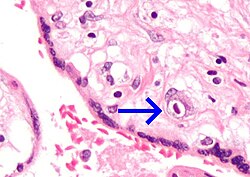
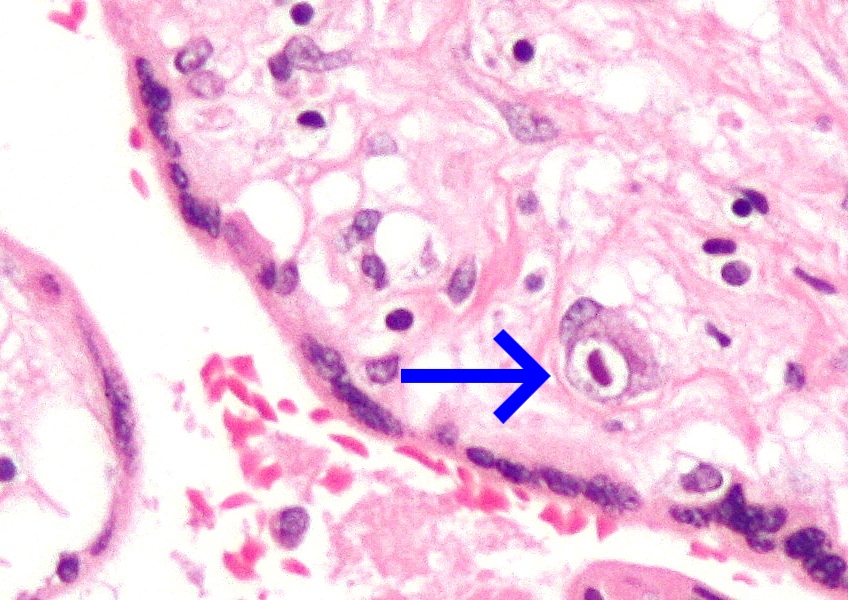
Micrograph of cytomegalovirus (CMV) infection of the placenta (CMV placentitis), a vertically transmitted infection: The characteristic large nucleus of a CMV-infected cell is seen off-centre at the bottom right of the image, H&E stain.
SpecialtyPediatrics Edit this on Wikidata

A vertically transmitted infection is an infection caused by pathogenic bacteria or viruses that use mother-to-child transmission, that is, transmission directly from the mother to an embryo, fetus, or baby during pregnancy or childbirth. It can occur when the mother has a pre-existing disease or becomes infected during pregnancy. Nutritional deficiencies may exacerbate the risks of perinatal infections. Vertical transmission is important for the mathematical modelling of infectious diseases, especially for diseases of animals with large litter sizes, as it causes a wave of new infectious individuals.[1]

Types of infections

[edit]

Bacteria, viruses, and other organisms are able to be passed from mother to child. Several vertically transmitted infections are included in the TORCH complex:[2]

  1. T – toxoplasmosis from Toxoplasma gondii
  2. O – other infections (see below)
  3. R – rubella
  4. C – cytomegalovirus
  5. H – herpes simplex virus-2 or neonatal herpes simplex

Other infections include:

Hepatitis B may also be classified as a vertically transmitted infection. The hepatitis B virus is large and does not cross the placenta. Hence, it cannot infect the fetus unless breaks in the maternal-fetal barrier have occurred, but such breaks can occur in bleeding during childbirth or amniocentesis.[19]

The TORCH complex was originally considered to consist of the four conditions mentioned above,[20] with the "TO" referring to Toxoplasma. The four-term form is still used in many modern references,[21] and the capitalization "ToRCH" is sometimes used in these contexts.[22] The acronym has also been listed as TORCHES, for TOxoplasmosis, Rubella, Cytomegalovirus, HErpes simplex, and Syphilis.[citation needed]

A further expansion of this acronym, CHEAPTORCHES, was proposed by Ford-Jones and Kellner in 1995:[23]

Signs and symptoms

[edit]

The signs and symptoms of a vertically transmitted infection depend on the individual pathogen. In the mother, it may cause subtle signs such as an influenza-like illness, or possibly no symptoms at all. In such cases, the effects may be seen first at birth.[citation needed]

Symptoms of a vertically transmitted infection may include fever and flu-like symptoms. The newborn is often small for gestational age. A petechial rash on the skin may be present, with small reddish or purplish spots due to bleeding from capillaries under the skin. An enlarged liver and spleen (hepatosplenomegaly) is common, as is jaundice. However, jaundice is less common in hepatitis B because a newborn's immune system is not developed well enough to mount a response against liver cells, as would normally be the cause of jaundice in an older child or adult. Hearing impairment, eye problems, mental retardation, autism, and death can be caused by vertically transmitted infections.[citation needed]

The genetic conditions of Aicardi-Goutieres syndrome are possibly present in a similar manner.[25][26]

Causal routes

[edit]

The main routes of transmission of vertically transmitted infections are across the placenta (transplacental) and across the female reproductive tract during childbirth. Transmission is also possible by breaks in the maternal-fetal barrier such by amniocentesis[19] or major trauma.

Transplacental

[edit]

The embryo and fetus have little or no immune function. They depend on the immune function of their mother. Several pathogens can cross the placenta and cause perinatal infection. Often, microorganisms that produce minor illness in the mother are very dangerous for the developing embryo or fetus. This can result in spontaneous abortion or major developmental disorders. For many infections, the baby is more at risk at particular stages of pregnancy. Problems related to perinatal infection are not always directly noticeable.[citation needed]

Apart from infecting the fetus, transplacental pathogens may cause placentitis (inflammation of the placenta) and/or chorioamnionitis (inflammation of the fetal membranes).[citation needed]

During childbirth

[edit]

Babies can also become infected by their mothers during birth. Some infectious agents may be transmitted to the embryo or fetus in the uterus, while passing through the birth canal, or even shortly after birth. The distinction is important because when transmission is primarily during or after birth, medical intervention can help prevent infections in the infant.[citation needed]During birth, babies are exposed to maternal blood, body fluids, and to the maternal genital tract without the placental barrier intervening. Because of this, blood-borne microorganisms (hepatitis B, HIV), organisms associated with sexually transmitted infections (e.g., Neisseria gonorrhoeae and Chlamydia trachomatis), and normal fauna of the genitourinary tract (e.g., Candida albicans) are among those commonly seen in infection of newborns.[citation needed]

Pathophysiology

[edit]

Virulence versus symbiosis

[edit]

In the spectrum of optimal virulence, vertical transmission tends to evolve benign symbiosis, so is a critical concept for evolutionary medicine. Because a pathogen's ability to pass from mother to child depends significantly on the hosts' ability to reproduce, pathogens' transmissibility tends to be inversely related to their virulence. In other words, as pathogens become more harmful to, and thus decrease the reproduction rate of, their host organism, they are less likely to be passed on to the hosts' offspring since they will have fewer offspring.[27]

Although HIV is sometimes transmitted through perinatal transmission, its virulence can be accounted for because its primary mode of transmission is not vertical. Moreover, medicine has further decreased the frequency of vertical transmission of HIV. The incidence of perinatal HIV cases in the United States has declined as a result of the implementation of recommendations on HIV counselling and voluntary testing practices and the use of zidovudine therapy by providers to reduce perinatal HIV transmission.[28]

The price paid in the evolution of symbiosis is, however, great: for many generations, almost all cases of vertical transmission continue to be pathological—in particular if any other routes of transmission exist. Many generations of random mutation and selection are needed to evolve symbiosis. During this time, the vast majority of vertical transmission cases exhibit the initial virulence.[citation needed]

In dual inheritance theory, vertical transmission refers to the passing of cultural traits from parents to children.[29]

Diagnosis

[edit]
CMV placentitis

When physical examination of the newborn shows signs of a vertically transmitted infection, the examiner may test blood, urine, and spinal fluid for evidence of the infections listed above. Diagnosis can be confirmed by culture of one of the specific pathogens or by increased levels of IgM against the pathogen.[citation needed]

Classification

[edit]

A vertically transmitted infection can be called a perinatal infection if it is transmitted in the perinatal period, which starts at gestational ages between 22[30] and 28 weeks[31] (with regional variations in the definition) and ending seven completed days after birth.[30]

The term congenital infection can be used if the vertically transmitted infection persists after childbirth.[citation needed]

Treatment

[edit]
Micrograph of a pap test showing changes (upper right of image) associated with herpes simplex virus, a vertically transmitted infection

Some vertically transmitted infections, such as toxoplasmosis and syphilis, can be effectively treated with antibiotics if the mother is diagnosed early in her pregnancy. Many viral vertically transmitted infections have no effective treatment, but some, notably rubella and varicella-zoster, can be prevented by vaccinating the mother prior to pregnancy.[citation needed]

Pregnant women living in malaria-endemic areas are candidates for malaria prophylaxis. It clinically improves the anemia and parasitemia of the pregnant women, and birthweight in their infants.[32]

If the mother has active herpes simplex (as may be suggested by a pap test), delivery by Caesarean section can prevent the newborn from contact, and consequent infection, with this virus.[citation needed]

IgG2 antibody may play a crucial role in prevention of intrauterine infections and extensive research is going on for developing IgG2-based therapies for treatment and vaccination.[33]

Prognosis

[edit]

Each type of vertically transmitted infection has a different prognosis. The stage of the pregnancy at the time of infection also can change the effect on the newborn.[citation needed]

See also

[edit]

References

[edit]
[edit]
Revisions and contributorsEdit on WikipediaRead on Wikipedia
from Grokipedia
A vertically transmitted infection, also known as mother-to-child transmission, refers to the passage of an infectious from an infected —most commonly the —to their offspring during , , or the . This process encompasses antenatal transmission across the before birth, perinatal transmission during labor and delivery via exposure to maternal blood or secretions, and postnatal transmission after birth, often through . Such infections can result in a spectrum of outcomes for the offspring, ranging from carriage to severe congenital malformations, developmental delays, or fetal demise, depending on the , gestational timing, and status. The mechanisms enabling vertical transmission vary by pathogen but often involve breaching the placental barrier, such as through transcytosis in syncytiotrophoblast cells or invasion via extravillous trophoblasts. Bacterial, viral, and parasitic agents are implicated, with viruses being the most common due to their ability to cross the efficiently. Transmission risk is influenced by factors like maternal , , and placental integrity; for instance, high maternal during early heightens the likelihood of fetal infection and associated anomalies. Among the most notable vertically transmitted infections are those classified under the acronym, which includes Toxoplasmosis caused by , virus, , and Herpes simplex virus (HSV), along with "Other" agents such as (), varicella-zoster virus, , and . Additional significant pathogens include human immunodeficiency virus (HIV), hepatitis B virus (HBV), , each posing unique risks like neurodevelopmental disorders from CMV or from Zika. Epidemiologically, these infections contribute substantially to global pediatric morbidity; for example, congenital CMV affects approximately 0.64% of newborns worldwide, while cases reached 523 per 100,000 live births globally in 2022, with rates continuing to rise. Prevention strategies, including maternal screening, antiviral therapies, and (e.g., for and HBV), have significantly reduced transmission rates in high-resource settings, though challenges persist in low-income regions due to limited access.

Overview and Epidemiology

Definition and Scope

A vertically transmitted infection refers to the passage of a from a , usually the , to their offspring through biological pathways, distinct from that occurs between peers via direct contact, droplets, or vectors. This mode of transmission encompasses prenatal infection via transplacental spread, perinatal exposure during labor and delivery, and postnatal transfer, such as through or close contact immediately after birth. The scope focuses on infections that exploit reproductive processes, potentially leading to congenital anomalies, neonatal disease, or carriage in the offspring, and excludes non-biological transfers like environmental exposure. The concept of vertically transmitted infections was first systematically described in the early in relation to , where clinicians observed the disease manifesting in newborns from infected mothers, often with severe outcomes like or developmental delays. The term "" emerged in infectious disease during the 1970s, notably in studies of , where it described mother-to-child passage during birth, and later gained widespread use in the 1980s amid the epidemic to denote similar risks. This terminology highlighted the generational continuity of infection, influencing strategies to interrupt such chains. Key distinctions within vertical transmission include congenital infections, acquired and present at birth, versus perinatally or postnatally acquired ones that manifest shortly after delivery but stem from exposure during or after birth. In , vertical transmission represents an alternative mode to horizontal spread, often favoring the selection of less virulent pathogens since their propagation depends on the host's rather than broad contagion. This dynamic underscores its role in pathogen-host , where reduced enhances long-term transmission across generations.

Global Burden and Risk Factors

Vertically transmitted infections impose a substantial burden, particularly through congenital infections affecting newborns. In 2022, the (WHO) estimated approximately 700,000 cases of worldwide, contributing to over 390,000 adverse birth outcomes including stillbirths and neonatal deaths. For (CMV), a leading cause of congenital infection, the global incidence is estimated at 0.64% of live births, translating to roughly 900,000 affected infants annually based on approximately 140 million global births. Overall, congenital infections account for 2-3% of all congenital anomalies worldwide, with an annual burden exceeding 1 million cases when aggregating major pathogens. The highest burden persists in low-resource settings, such as where vertical transmission remains prevalent, and regions like affected by past Zika outbreaks. Key incidence rates vary by setting and pathogen; for instance, congenital CMV affects 0.5-2% of newborns in developed countries, often leading to long-term neurodevelopmental issues in symptomatic cases. Post-2020 trends reflect disruptions from the , which reduced maternal healthcare access and screening, resulting in a 32% increase in cases in the United States from 2020 to 2021, with similar disruptions affecting screening and leading to rises in cases in regions including and the . This upward trend has continued, with nearly 4,000 cases of reported in the United States in 2024. These interruptions exacerbated existing vulnerabilities, with global pediatric infections, largely from , numbering around 120,000 in 2023 despite prevention efforts. Several modifiable and non-modifiable risk factors influence the likelihood of . Non-modifiable factors include over 35 years, which correlates with higher susceptibility to certain infections due to . , such as in mothers with , significantly elevates transmission risk across multiple s by impairing maternal immune responses. Modifiable risks encompass socioeconomic determinants like and limited healthcare access, which hinder prenatal screening and treatment. Environmental exposures, including residence in Zika-endemic areas, further amplify risks through vector-borne proliferation. Disparities in burden are pronounced in developing regions, where vaccination gaps for preventable infections like contribute to higher rates compared to high-income countries. Recent analyses indicate that is exacerbating vector-borne transmissions, such as Zika, by expanding habitats and potentially increasing cases by 10-20% in affected areas by 2050. These inequities underscore the need for targeted interventions in low-resource settings to mitigate ongoing global impacts.

Pathogens Involved

Viral Infections

Vertically transmitted viral infections represent a significant subset of congenital and perinatal pathogens, primarily involving enveloped viruses such as human immunodeficiency virus (HIV), , and , which can cross the placental barrier or be acquired during delivery. These viruses exploit the unique immunological environment of , where maternal facilitates fetal development but may enable pathogen persistence and transmission. Non-enveloped viruses like can also be transmitted vertically at rates of 25-50%, often leading to fetal hydrops. Enveloped viruses often establish latency or chronic infection, increasing transmission risk through mechanisms like viral reactivation or high maternal . For instance, , a herpesvirus, can reactivate from latency in immunocompromised pregnant women, leading to congenital infection in the . Among the most studied vertically transmitted viruses, poses a substantial without interventions, with mother-to-child transmission rates ranging from 15% to 45%, depending on factors such as duration and maternal . Transmission is influenced by genetic and virologic elements; maternal viral loads exceeding 1,000 copies/mL significantly elevate the , as higher correlates with increased placental viral crossing and fetal exposure during labor. CMV stands as the most common congenital viral globally, affecting approximately 0.5% to 1% of live births in high-income settings, where it can cause , developmental delays, or in symptomatic neonates. , an emerging flavivirus, demonstrates teratogenic potential, with leading to in 5% to 10% of infected pregnancies, particularly when maternal occurs in the first trimester, disrupting fetal brain development through neuroinvasion. Herpes simplex virus (HSV), particularly HSV-2, transmits primarily perinatally, with risks up to 50% if maternal genital lesions are present at delivery, potentially causing with high morbidity including and mortality. Varicella-zoster virus (VZV) can lead to congenital varicella in 2-3% of cases if maternal infection occurs between 0-20 weeks , resulting in limb hypoplasia, skin scarring, and neurological defects. Classic examples highlight the historical and ongoing impact of these infections. Prior to widespread vaccination, rubella virus infection during early pregnancy resulted in congenital rubella syndrome in up to 90% of cases, manifesting as teratogenic effects including cataracts, cardiac defects, and deafness due to the virus's affinity for rapidly dividing fetal tissues. Similarly, hepatitis B virus (HBV), a hepadnavirus, transmits vertically at rates of 70% to 90% from highly viremic mothers (HBeAg-positive), leading to chronic carrier status in approximately 90% of infected infants, who face elevated risks of cirrhosis and hepatocellular carcinoma later in life. These outcomes underscore the enveloped nature of these viruses, which allows lipid membrane fusion with host cells, facilitating intracellular persistence and transplacental passage. Recent data as of 2025 indicate that severe acute respiratory syndrome coronavirus 2 () has a low risk, estimated at less than 1%, with most studies reporting no definitive intrauterine transmission despite maternal infection during . However, placental inflammation and mild neonatal outcomes, such as transient respiratory distress, have been noted in rare cases, emphasizing the need for vigilant monitoring even as overall fetal risks remain minimal compared to other viruses.

Bacterial and Parasitic Infections

Bacterial vertically transmitted infections primarily involve pathogens that colonize the maternal genital tract or bloodstream, facilitating transplacental or intrapartum passage to the or neonate. These infections pose significant risks due to the bacteria's ability to evade host defenses and persist in reproductive tissues. Key examples include spirochetes, streptococci, and intracellular Gram-positive rods, each with distinct transmission dynamics. Treponema pallidum, the causative agent of syphilis, exhibits high vertical transmission rates of 50-80% in untreated maternal infections, particularly during primary, secondary, or early latent stages. This spirochete invades the via hematogenous spread, leading to fetal dissemination. Group B Streptococcus (), a common vaginal colonizer in 10-30% of pregnant women, achieves vertical transmission in approximately 50% of colonized cases during labor, resulting in early-onset at rates of 1-2 per 1,000 live births without prophylaxis. Listeria monocytogenes, often acquired through contaminated food, crosses the placental barrier as a facultative intracellular , with maternal infections carrying a 20-30% risk of fetal loss due to its tropism for trophoblast cells. Chlamydia trachomatis, an obligate intracellular bacterium, transmits vertically in 50-70% of untreated maternal cases, commonly causing neonatal or through exposure to infected cervical secretions during delivery. These bacteria demonstrate specialized traits enhancing vertical transmission, such as L. monocytogenes' intracellular survival within host cells via actin-based motility, allowing evasion of maternal immunity and placental traversal. T. pallidum persists extracellularly but binds placental fibronectin for adhesion. Antibiotic resistance trends, particularly for T. pallidum, show persistent susceptibility to penicillin G as the first-line treatment, though macrolide resistance exceeds 50% globally and emerging partial resistance to alternatives like ceftriaxone has been noted in strains isolated through 2025, complicating therapy in penicillin-allergic cases. Parasitic vertically transmitted infections involve protozoans that exploit maternal-fetal interfaces for dissemination, often resulting in chronic or acute fetal compromise. , transmitted via oocysts from feline feces or tissue cysts in undercooked meat, carries a 10-20% vertical transmission risk during acute maternal infection, with the parasite's bradyzoite stage forming latent tissue cysts that enable stage-specific persistence and potential reactivation across the . species, responsible for , achieve vertical transmission in 5-15% of peripheral maternal infections at delivery, primarily through placental sequestration of infected erythrocytes; this contributes to low birthweight in approximately 20% of affected pregnancies due to nutrient diversion and . These parasites highlight unique adaptations, such as T. gondii's conversion between tachyzoite proliferation and bradyzoite latency for immune evasion during .

Fungal Infections

Fungal vertically transmitted are rare but can occur, primarily through ascending from the maternal genital tract. Candida species, such as C. albicans, may cause congenital in 1-5% of cases with maternal vaginal colonization and preterm , leading to neonatal thrush, skin lesions, or systemic with high mortality in premature infants.

Transmission Routes

Prenatal Transmission

Prenatal transmission refers to the passage of pathogens from mother to across the during , distinct from delivery-related exposures. This route primarily involves hematogenous dissemination, where infectious agents in the maternal bloodstream breach the placental barrier to reach the . The 's architecture, including the layer, serves as a critical physical and immunological barrier, but certain pathogens exploit specific tropisms to overcome it, leading to congenital infections. The primary mechanism of prenatal transmission is hematogenous spread through the placental vasculature, often involving direct infection of cells. Pathogens such as (CMV) target cytotrophoblasts, the progenitor cells underlying the , facilitating and dissemination to the . Similarly, infects proliferating villous cytotrophoblasts and Hofbauer cells within the , altering tight junctions and increasing permeability to enable fetal entry. For human immunodeficiency virus (), transmission occurs via binding of the gp120 to and co-receptors like on trophoblastic cells, allowing entry independent of classical immune cell pathways in some cases. These interactions highlight pathogen-specific , where viruses hijack placental receptors to evade innate defenses. Transmission risks vary by gestational timing, with early pregnancy posing greater threats to . Infections in the first trimester, such as , carry the highest risk of severe anomalies like , with congenital Zika syndrome rates estimated at 8–15%. In contrast, third-trimester exposures, as seen with CMV or , more often result in asymptomatic or milder infections due to partial fetal organ maturity, though they can still cause late-onset issues like . The complex exemplifies these risks: crosses via parasitized maternal monocytes to infect trophoblasts; rubella disrupts endothelial cells early in gestation; CMV, the most common congenital viral infection, transmits in 30–40% of primary maternal cases; and rarely achieves transplacental spread but can via . Placental barriers mitigate transmission through the syncytiotrophoblast's multilayered structure and expression of antimicrobial peptides, but breaches occur when pathogens induce inflammation or exploit immature fetal immunity. Recent 2025 research underscores the fetus's developing immune response, with hematopoietic stem cells functional by 12 weeks and T cells maturing by 20 weeks, yet exhibiting a Th2-biased, tolerogenic profile that limits proinflammatory clearance of invaders. This immaturity, coupled with regulatory T cell enrichment, enhances vulnerability during early gestation while allowing later innate responses, such as from γδ T cells, to partially counter pathogens at the maternal-fetal interface.

Perinatal Transmission

Perinatal transmission refers to the acquisition of infections by the or newborn during labor and delivery, primarily through direct contact with maternal genital secretions, blood, or as the passes through the birth canal. This mode contrasts with prenatal transmission across the and accounts for the majority of vertical infections in many cases, such as approximately 85-90% of herpes simplex virus (HSV) transmissions. Key risk factors include maternal colonization or in the genital tract, which exposes the 's mucous membranes, skin, or to pathogens during passage. Common routes involve exposure to infected maternal fluids, such as cervical and vaginal secretions containing high viral loads, as seen in human immunodeficiency virus (HIV) transmission, where without antiretroviral therapy, the overall perinatal risk is 25-30%, largely due to intrapartum contact. For group B Streptococcus (GBS), a bacterial pathogen, transmission occurs via ascending infection from the maternal genital tract during labor, with invasive procedures like episiotomy potentially increasing exposure by creating additional portals for bacterial ascent or direct contact. Prolonged labor exacerbates these risks by extending the duration of exposure, while prolonged rupture of membranes—defined as exceeding 18 hours—significantly elevates the likelihood of chorioamnionitis, an intra-amniotic infection that can facilitate pathogen transfer to the infant. In HSV-2 cases, mucosal transmission is heightened by the presence of active genital skin lesions or ulcers at delivery, allowing direct viral inoculation onto the infant's skin or mucosa. Interventions targeting the intrapartum period can substantially mitigate transmission risks. For , elective cesarean section in the pre-antiretroviral therapy era reduced perinatal transmission by approximately 50% by avoiding exposure to genital tract secretions, though this benefit is now often combined with maternal viral suppression. For GBS, intrapartum antibiotic prophylaxis is recommended for colonized mothers to prevent , particularly in the context of or membrane rupture. Similarly, for HSV, cesarean delivery is advised if active lesions are present near term to minimize direct contact, reducing transmission rates from up to 50% in vaginal births with primary to near zero with timely intervention. These strategies underscore the importance of timing and procedural choices during the intrapartum phase to interrupt exposure.

Postnatal Transmission

Postnatal transmission refers to the acquisition of vertically transmitted infections by infants after birth, distinct from prenatal or perinatal routes, and occurs primarily through or close physical contact with infected maternal secretions or skin lesions. This mode of transmission is significant for certain viruses, where maternal serves as a for pathogens, potentially leading to infection in the neonate despite protective factors like antiretroviral therapy (ART) in some cases. The primary route of postnatal transmission is via breast milk, where viruses such as human immunodeficiency virus (HIV), cytomegalovirus (CMV), and human T-lymphotropic virus type 1 (HTLV-1) can be shed into the milk and infect the infant during feeding. For HIV, prior to widespread ART use, the risk of transmission through breastfeeding was estimated at 15-20% over the first two years of life, but with maternal viral suppression on ART, rates have decreased to approximately 0.2-3.1% in recent studies. Similarly, CMV transmission through breast milk affects 5.7-58.6% of preterm infants exposed to CMV-positive milk, with higher rates (up to 37-87%) reported in very low birth weight cases due to immature immune responses. For HTLV-1, breastfeeding confers a transmission risk of about 20% to infants, influenced by the proviral load in breast milk, where higher levels correlate with increased infection probability. Other modes of postnatal transmission include skin-to-skin contact or household exposure, particularly for (HSV), where direct contact with maternal or familial oral or genital lesions can lead to in 5-10% of cases. In non-breastfed scenarios, such as formula-fed infants in households with infected members, opportunistic transmission via or respiratory secretions may occur, though this is less common than milk-related routes for vertical pathogens. Key factors influencing postnatal transmission risk include the duration of breastfeeding and the level of in maternal milk. Longer breastfeeding periods, such as exclusive breastfeeding beyond six months, historically increased transmission risk by up to 10% in untreated mothers, though this is mitigated to near negligible levels (<1%) with sustained viral suppression below 50 copies/mL. For HTLV-1, breastfeeding over 12 months elevates the transmission rate to 32% compared to 9% for shorter durations, driven by cumulative exposure to infected cells in milk. Recent 2025 (WHO) guidelines endorse breastfeeding for -positive mothers achieving viral suppression (<50 copies/mL) on , emphasizing infant prophylaxis and close monitoring to minimize risks while preserving nutritional benefits.

Pathophysiology

Infection Mechanisms

Vertically transmitted infections occur when pathogens breach the placental barrier through specific cellular and molecular mechanisms, primarily involving endocytosis and transcytosis. In the case of Zika virus (ZIKV), the pathogen infects placental trophoblasts and Hofbauer cells via receptor-mediated endocytosis, followed by transcytosis across the syncytiotrophoblast layer, allowing viral particles to reach the fetal circulation. This process exploits entry cofactors such as AXL and TIM-1 on placental cells, facilitating replication and dissemination. Additionally, ZIKV can employ a paracellular route by disrupting tight junctions through degradation of proteins like ZO-1 and occludin, increasing barrier permeability. For cytomegalovirus (CMV), immune evasion plays a key role in placental crossing; viral glycoproteins such as US2, US3, US6, and US11 downregulate HLA class I molecules on infected cells, reducing recognition by maternal cytotoxic T cells and natural killer cells. Specifically, US10 targets HLA-G for retention in the endoplasmic reticulum, impairing its inhibitory function on NK cells at the maternal-fetal interface and promoting viral persistence. The fetal to vertically transmitted pathogens is limited by an immature biased toward Th2-type immunity , which prioritizes tolerance to avoid maternal rejection but hampers effective clearance of intracellular pathogens. This Th2 dominance, driven by regulatory T cells and cytokines like IL-10, suppresses Th1-mediated antiviral responses, increasing susceptibility to infections such as CMV or ZIKV. Upon breach, pathogens trigger cascades in the ; for instance, in congenital Zika syndrome, ZIKV infection activates fetal to release pro-inflammatory cytokines including IL-6, IL-1β, and TNF-α, leading to , neural death, and disrupted development. Genetic factors, particularly maternal-fetal HLA compatibility, influence transmission efficiency. HLA concordance between mother and child increases the risk of HIV vertical transmission by approximately 30% per shared allele, likely due to reduced allorecognition and weaker antiviral immunity, while mismatch confers a protective effect through enhanced immune surveillance. Transmission probabilities vary by pathogen; for parvovirus B19, vertical transmission occurs in about 39% of maternal infections, with higher rates (up to 57%) when infection happens before 20 weeks gestation.

Host-Pathogen Interactions

In vertically transmitted infections, pathogen often involves trade-offs that influence transmission success. Highly virulent pathogens, such as Ebola virus, exhibit rare vertical transmission rates primarily due to their high maternal case fatality rates, which range from 74% to 100% in pregnant women, often resulting in fetal demise before viable transmission can occur. In contrast, pathogens with lower , like (), promote persistence through lifelong latency in the host, facilitating repeated opportunities for without rapidly compromising maternal survival. This latency allows to evade immune clearance while maintaining infectivity across generations. Vertical transmission can also yield symbiotic outcomes, where pathogens or commensals provide evolutionary advantages to the host. The vertical transfer of beneficial during vaginal birth exposes infants to Lactobacillus-dominated communities from the maternal birth canal, which help establish a protective that inhibits pathogenic colonization and supports immune maturation. Similarly, certain herpesviruses, such as CMV, may confer partial immunity to offspring through transplacental antibody transfer, enhancing neonatal resistance to related strains and illustrating an evolutionary balance where controlled latency benefits host fitness. The immunological dynamics during further modulate these interactions, balancing maternal tolerance of the semi-allogeneic against defense from pathogens. Regulatory T cells (Tregs), expanded in number during to prevent fetal rejection, suppress excessive immune responses but can inadvertently facilitate pathogen entry by dampening antimicrobial activity at the maternal-fetal interface. For instance, Foxp3+ Tregs sustain pregnancy by inhibiting pro-inflammatory pathways, yet their suppressive function compromises defenses against prenatal bacterial invaders like , allowing intracellular entry into placental cells. Recent 2025 research on the maternal underscores how —disruptions in microbial composition—exacerbates vertically transmitted infections by altering immune priming in . Studies highlight that maternal gut , often linked to conditions like , vertically propagates imbalanced communities via the birth canal and , increasing susceptibility to opportunistic pathogens and long-term inflammatory disorders. This impairs the establishment of resilient , tipping host-pathogen interactions toward pathogenicity rather than .

Clinical Features

Manifestations in Offspring

Vertically transmitted infections can manifest in offspring through a range of symptoms and syndromes affecting multiple organ systems, with severity depending on the pathogen, gestational timing of infection, and host factors. Common neonatal signs include , , and characteristic rashes. For instance, congenital infection frequently presents with IUGR and in symptomatic cases, alongside and petechiae. Similarly, congenital and contribute to IUGR as part of the spectrum, reflecting and fetal nutritional deficits. is a prominent feature in up to 60-80% of symptomatic congenital CMV cases due to hepatic involvement, while in congenital , it accompanies and . Rash manifestations are particularly notable in congenital , where bullous or pustular lesions on the palms and soles, known as syphiliticus, appear at birth or shortly thereafter, often progressing to . Neurological manifestations are among the most debilitating long-term effects, often emerging due to direct pathogen invasion of the developing central nervous system. Congenital CMV is a leading cause of non-genetic sensorineural hearing loss (SNHL), affecting approximately 10-15% of infected infants overall, with progressive or delayed-onset bilateral hearing impairment in many cases. This hearing loss can occur in both symptomatic and initially asymptomatic newborns, underscoring the need for ongoing monitoring. In contrast, vertically transmitted HIV infection may lead to HIV encephalopathy, characterized by acquired microcephaly, motor delays, and cognitive impairment, typically manifesting in the first 1-2 years of life in untreated cases. Systemic effects span cardiac, ocular, and hematologic domains, highlighting the pathogen-specific . Congenital rubella syndrome commonly involves cardiac anomalies, with up to 75% of cases featuring congenital heart defects such as , ventricular septal defects, or pulmonary stenosis, arising from viral disruption of embryologic . Ocular involvement is exemplified by congenital , where presents as the classic necrotizing in the triad with and intracranial calcifications, potentially leading to vision loss depending on infection timing. Hematologic disturbances, such as severe fetal and , are hallmarks of vertical transmission, resulting from the virus's targeted destruction of erythroid precursors in the fetal . The timing of manifestations varies from immediate postnatal onset to delayed emergence. Early-onset group B (GBS) sepsis, acquired perinatally, presents within the first week of life with respiratory distress, , and , often mimicking other neonatal emergencies. Delayed manifestations, such as HIV-related , can appear in the first 1-2 years of life, coinciding with immune decline and viral dissemination in the . The severity spectrum ranges from asymptomatic carriage to life-threatening disease. Approximately 85-90% of congenital CMV infections are asymptomatic at birth, yet 10-15% of these may develop late sequelae like . At the severe end, untreated neonatal listeriosis often results in disseminated granulomatosis infantiseptica, with widespread microabscesses leading to , , and mortality rates exceeding 80%.

Effects on Maternal Health

Vertically transmitted infections can impose significant acute effects on maternal health during pregnancy. For instance, Group B Streptococcus (GBS) infection often leads to chorioamnionitis, characterized by maternal fever, uterine tenderness, and an increased risk of preterm labor. This intraamniotic inflammation not only heightens maternal morbidity but can also precipitate systemic symptoms requiring hospitalization. Similarly, Listeria monocytogenes infection typically manifests as a mild flu-like illness with fever in pregnant women, but it may progress to disseminated disease, including bacteremia, sepsis, or septic shock, particularly in vulnerable cases. Although maternal symptoms are often less severe than fetal outcomes, severe complications such as postpartum meningitis have been reported in rare instances following delivery. Chronic sequelae from these infections further compound risks postpartum. Postpartum endometritis, an of the uterine lining, frequently arises as a consequence of ascending bacterial s like those from GBS during chorioamnionitis, leading to prolonged fever, , and potential wound infections if delivery involved cesarean section. In HIV-infected women, is associated with a temporary decline in cell counts, which may accelerate disease progression in untreated cases, though this effect generally resolves after delivery. Untreated in pregnant women exemplifies bidirectional risks, where pre-existing maternal exacerbates systemic maternal strain—such as through chronic —while simultaneously worsening fetal outcomes like or prematurity. The psychological burden on mothers represents another critical dimension of these infections' impact. Anxiety stemming from the risk of is particularly pronounced in infections, where fear of congenital anomalies like contributes to heightened stress and emotional distress during . As of 2025, studies on mothers affected by the reveal a seven-fold increased likelihood of common mental disorders, including depression and anxiety, especially among those providing full-time care for impacted children, underscoring the long-term toll.

Diagnosis

Prenatal Screening Methods

Prenatal screening for vertically transmitted infections focuses on identifying maternal infections that may affect the , using non-invasive and invasive methods to guide clinical management. Maternal testing is the cornerstone, typically involving serological assays and molecular techniques to detect pathogens such as , , , (CMV), and others. These tests are recommended during routine , with timing and frequency varying by infection and risk factors. For instance, all pregnant individuals should undergo serological screening for at the first prenatal visit, as mandated by most U.S. states and supported by CDC guidelines, to prevent . Serological tests for measure IgM and IgG antibodies; IgM indicates recent infection, while IgG suggests past exposure or immunity, though routine universal screening is not recommended in the U.S. due to low incidence and diagnostic challenges. For , initial antibody-antigen screening is followed by confirmatory viral load testing via PCR if positive, with CDC recommending universal testing early in and repeat in the third trimester for high-risk individuals to monitor transmission risk. CMV screening is not routine but may be considered for high-risk groups, such as pregnant childcare workers, with to assess susceptibility; the National CMV Foundation advocates first-trimester testing for seronegative women in such occupations, retesting every 4 weeks until 14-16 weeks. Fetal assessment is pursued when maternal infection is confirmed or suspected, often combining imaging with invasive procedures. is a non-invasive first-line tool; for exposure, serial starting at 18-20 weeks can detect and other brain abnormalities, with CDC recommending imaging every 3-4 weeks in affected . , performed after 20-21 weeks' gestation, allows direct sampling of for CMV detection via PCR or culture, offering high sensitivity for confirming fetal infection when maternal primary CMV is identified. The procedure carries a small of loss, estimated at 0.1-0.3% when conducted by experienced providers using guidance. Guidelines from organizations like ACOG and WHO emphasize targeted screening for high-risk populations, such as those in regions with endemic infections or occupational exposures. For example, WHO's 2025 Triple Elimination Framework integrates screening for , , and in all prenatal visits to reduce globally. Limitations include false-positive results, particularly with rubella IgM assays, where antibodies may persist for months post-infection or cross-react with other viruses, necessitating confirmatory avidity testing or PCR to avoid misdiagnosis. Overall, these methods enable early detection but require careful interpretation to balance benefits and risks.

Postnatal Confirmation Techniques

Postnatal confirmation of vertically transmitted involves a range of diagnostic tests applied to the newborn to verify congenital acquisition, distinguishing it from perinatal or postnatal exposure. These techniques are crucial for early intervention, as they target direct evidence of presence or in the neonate shortly after birth. Neonatal serological testing, such as detection of pathogen-specific IgM antibodies in or neonatal serum, serves as an initial indicator of congenital , as IgM does not cross the and reflects fetal immune activation. For instance, in congenital (CMV) , IgM detection in neonatal serum exhibits a sensitivity of 84.4% and specificity of 99.3% for confirming intrauterine transmission. (PCR) assays on neonatal samples, including blood, urine, or , provide definitive molecular confirmation; for CMV, PCR performed on urine or within the first three weeks of is essential to exclude postnatal acquisition, as later testing may detect community exposure. Imaging modalities play a key role in identifying structural anomalies indicative of congenital infection. Cranial ultrasound, computed tomography (CT), or magnetic resonance imaging (MRI) can reveal brain calcifications, , or ; in congenital syndrome, subcortical calcifications and severe cortical malformations are characteristic findings on postnatal MRI, observed in up to 94% of confirmed cases with . For CMV, periventricular calcifications and white matter abnormalities are common on these scans, aiding in correlating clinical symptoms with infection sequelae. Audiological evaluation is integrated into postnatal protocols, particularly for , where affects 35-50% of symptomatic congenitally infected infants. Universal newborn hearing screening, followed by targeted testing in those who fail, has become standard; as of 2025, states like mandate universal congenital screening via saliva PCR for all newborns, enabling early audiological follow-up and intervention. Infections are classified as symptomatic (with overt clinical signs like or ) or (subclinical at birth but at risk for late sequelae), guiding the scope of testing within the panel—which encompasses , other agents (e.g., ), , CMV, and . The panel's neonatal application emphasizes IgM and PCR to confirm congenital etiology, while serial IgG testing excludes postnatal acquisition by demonstrating persistence beyond maternal antibody clearance, typically after 12 months for . Recent advances include multiplex PCR and next-generation sequencing (NGS) for simultaneous detection of multiple pathogens, enhancing diagnostic yield in ambiguous cases. Multiplex nested PCR has significantly increased congenital infection diagnoses compared to serology alone, identifying agents in 20-30% more cases across pathogens. Newborn genomic sequencing (NBGS) panels, applied prospectively, detect treatable congenital infections with high sensitivity, serving as a supplement to traditional newborn screening by identifying rare or novel vertically transmitted agents.

Prevention Strategies

Maternal Interventions

Maternal interventions for vertically transmitted infections primarily involve preventive strategies administered to the to minimize the risk of to the or newborn. These measures include vaccinations, prophylaxis, and behavioral modifications, which target specific infections known to pose significant risks during . By addressing maternal infection early or preventing acquisition altogether, such interventions can substantially lower vertical transmission rates without directly treating the offspring. Vaccination remains a cornerstone of prevention for several vertically transmissible pathogens. For , which can cause if contracted during , the measles-mumps- is recommended prior to conception, as it is a live contraindicated during due to theoretical risks to the ; non-immune women should receive it immediately postpartum to ensure protection in future pregnancies. is safe and recommended for susceptible pregnant women antenatally or pre-pregnancy, as it prevents maternal-to-child transmission of the , which occurs perinatally in up to 90% of cases from infected mothers without intervention; the series can be initiated during any trimester without adverse effects on the . For pertussis, the tetanus-diphtheria-acellular pertussis (Tdap) is routinely administered between 27 and 36 weeks of during each , providing passive transfer to the newborn and reducing pertussis cases by 78% in those under 2 months old. Antimicrobial prophylaxis targets infections where maternal treatment directly reduces fetal exposure. In HIV-positive pregnant women, antiretroviral therapy (ART) initiated as early as possible—ideally preconception or in the first trimester—dramatically lowers vertical transmission rates to less than 1%, compared to 15-45% without treatment, by suppressing maternal viral load throughout pregnancy, labor, and breastfeeding. For toxoplasmosis, spiramycin is the first-line prophylaxis upon maternal infection diagnosis, reducing the risk of vertical transmission by approximately 60% by limiting placental invasion and parasite load, though it does not treat established fetal infection. Behavioral interventions complement medical prophylaxis by avoiding pathogen exposure. For and other sexually transmitted infections capable of , practicing —such as consistent use—is essential to prevent primary maternal infection during . To mitigate risk, pregnant women should avoid changing cat litter boxes, as oocysts from feline feces are a primary transmission source; instead, delegate this task to others and ensure daily cleaning if unavoidable, while also cooking meat thoroughly and washing produce to eliminate additional routes. For , which can lead to congenital , strict mosquito control measures are critical, including using EPA-registered repellents (safe in pregnancy), wearing long sleeves and pants, removing standing water to prevent breeding sites, and employing bed nets or indoors. As of 2025, advancements in maternal include ongoing research into mRNA-based vaccines for (CMV), a leading cause of congenital s; while Moderna's mRNA-1647 candidate showed promising in earlier phases, its phase 3 trial failed to meet the primary endpoint for preventing CMV in seronegative women, leading to halted development, though prior studies indicated potential reductions in maternal of up to 50% with similar approaches.

Delivery and Postpartum Measures

Delivery choices play a critical role in minimizing risks during birth. For , elective cesarean section is recommended for women with high viral loads despite antiretroviral therapy, as it can reduce the mother-to-child transmission rate by approximately 50% compared to when performed before the onset of labor and membrane rupture. Similarly, for , some evidence from meta-analyses indicates that elective cesarean section may lower perinatal transmission rates by 50-90% in highly viremic mothers without antiviral prophylaxis, particularly in high-prevalence settings like , though routine use is not universally endorsed due to lack of consistent global data supporting it over immunoprophylaxis. In contrast, for group B Streptococcus (GBS), is preferred when possible, with protocols emphasizing the avoidance of invasive instrumentation, such as fetal scalp electrodes or , to reduce ascending infection risks and vertical transmission during labor. Neonatal prophylaxis immediately following birth targets specific pathogens to interrupt transmission. Intrapartum intravenous administration for HIV-exposed infants, initiated at the onset of labor and continued for the newborn, significantly reduces risk from about 27% to 10% when combined with maternal antenatal therapy, as established in landmark clinical trials. For and , standard neonatal care includes the application of erythromycin eye ointment to prevent ophthalmia neonatorum, a severe that can result from vertical exposure during passage through the birth canal, with this prophylaxis effectively targeting bacterial pathogens like and ( prevention relies on maternal treatment with penicillin, though neonatal systemic evaluation and treatment are required if congenital is suspected). injection, while primarily administered to prevent hemorrhagic disease of the newborn, is a routine postpartum measure that indirectly supports prevention by ensuring in potentially septic infants, as per global neonatal standards. Postpartum measures focus on optimizing immediate neonatal care while balancing infection risks. Delayed cord clamping, recommended for at least 30-60 seconds in term and preterm infants, enhances placental blood transfer to improve iron stores and reduce , with benefits outweighing minor risks like transient or in most cases, and no significant increase in rates observed in infectious disease contexts. For infant feeding in cases of untreated maternal , exclusive formula feeding is advised to eliminate the 14-29% transmission risk associated with , as per U.S. guidelines prioritizing replacement feeding in resource-secure settings to avoid postnatal exposure. In low-resource birth facilities, adherence to (WHO) standards is essential for infection control during delivery and postpartum periods. The 2024-2025 WHO triple elimination initiative emphasizes clean delivery practices, such as hand hygiene, sterile equipment, and immediate newborn drying to prevent of , , and HBV, with protocols targeting over 90% coverage of birth-dose vaccinations and antimicrobial prophylaxis in high-burden areas to reduce rates. These measures, integrated into facility-based care, have contributed to a 43-78% potential reduction in vertical HBV events through enhanced prevention at birth.

Management and Treatment

Antenatal Therapies

Antenatal therapies encompass interventions administered during to reduce the risk of of from mother to , targeting both maternal control and fetal well-being. These treatments are tailored to specific pathogens, with efficacy varying based on timing, stage, and maternal . Key approaches include agents for bacterial and antivirals for viral ones, often combined with close fetal monitoring to assess response and guide further management. For , treatment of maternal primary infection with (3 g/day orally in three divided doses) from until term reduces the risk of fetal transmission by approximately 60% when initiated early in . If fetal infection is confirmed via , the regimen switches to (50 mg/day), sulfadiazine (50 mg/kg/day in two to four divided doses), and (10–20 mg/day) until delivery. For maternal therapy, benzathine penicillin G is the standard treatment for in , administered as 2.4 million units intramuscularly once for early stages or weekly for three doses in later stages, achieving up to 98.2% success in preventing when initiated early. In cases of (CMV) primary infection acquired early in , oral valacyclovir at 8 g daily has demonstrated significant in reducing fetal transmission; in a randomized controlled trial, the transmission rate dropped from 30% in the placebo group to 11% in the valacyclovir group ( 0.29, 95% CI 0.09–0.90). Similarly, antiretroviral therapy () for HIV-infected pregnant women, initiated as early as possible, suppresses maternal and reduces risk to less than 1% when undetectable at delivery, preventing over 95% of cases compared to untreated pregnancies. Fetal-specific considerations include intrauterine interventions for severe complications, such as blood transfusions for parvovirus B19-induced . Intrauterine transfusion of red blood cells, typically performed serially under guidance starting from the early second trimester, yields an overall fetal survival rate of 84.5% in cases of severe , with comparable outcomes before and after 20 weeks' gestation. For infections like causing severe fetal anomalies, such as or congenital Zika syndrome, therapeutic termination of pregnancy is an option in jurisdictions where it is legally available, particularly when prenatal imaging confirms profound neurological damage; during the 2015–2016 outbreak, many women in sought abortions due to Zika-related fetal risks. Ongoing monitoring is integral to antenatal , with serial examinations recommended to detect and track fetal manifestations of infection. For CMV, ultrasounds every 2–4 weeks assess brain , calcifications, and ; for , monitoring begins 4 weeks post-maternal infection and continues every 1–2 weeks to evaluate and middle cerebral artery peak systolic velocity for ; and for Zika, scans every 3–4 weeks focus on head circumference and intracranial calcifications. These imaging protocols, often in specialized fetal medicine centers, inform the need for invasive diagnostics like after 20 weeks. Therapies carry potential risks, particularly teratogenicity in the first trimester. For instance, certain antimalarials like artemisinin-based combination therapies (ACTs) were historically avoided due to preclinical concerns over embryotoxicity, though recent evidence supports their use for uncomplicated Plasmodium falciparum malaria with no increased risk of miscarriage or major malformations; quinine plus clindamycin remains an alternative where ACT data are limited. Overall, the benefits of timely treatment generally outweigh risks, but individualized risk-benefit assessments are essential to minimize adverse maternal and fetal outcomes.

Neonatal Interventions

Neonatal interventions for vertically transmitted infections primarily involve prompt postnatal therapies aimed at mitigating acute severity and preventing long-term complications in infected newborns. These treatments target specific pathogens identified through postnatal confirmation, focusing on agents to control replication and supportive measures to address organ-specific damage. Unlike antenatal approaches, which emphasize maternal to reduce transmission risk, neonatal care prioritizes direct infant treatment to improve survival and neurodevelopmental outcomes. For , evaluation and treatment are recommended for all infants born to mothers with . Symptomatic or proven cases are treated with aqueous crystalline penicillin G (50,000 units/kg IV every 12 hours for infants ≤7 days, increasing to every 8 hours for older neonates) for a minimum of 10 days. infants with likely receive a similar 10-day course. For bacterial s such as group B Streptococcus (GBS) , immediate empirical antibiotic therapy with intravenous and gentamicin is standard, providing broad coverage against common early-onset pathogens while awaiting culture results. This regimen, recommended by the , effectively treats most cases when initiated within hours of symptom onset, reducing mortality from early-onset GBS disease. In cases of neonatal herpes simplex virus (HSV) infection, high-dose intravenous acyclovir (60 mg/kg/day for 21 days) is the cornerstone of treatment, dramatically improving survival rates by reducing mortality from over 80% in the pre-antiviral era to approximately 29% for disseminated disease. This therapy inhibits viral DNA synthesis, limiting dissemination and involvement, with showing a substantial decrease in overall mortality and morbidity when started early. Supportive antiviral treatments include or for symptomatic congenital (CMV) , which halves the risk of hearing loss progression in affected infants by stabilizing sensorineural hearing outcomes over time. Administered intravenously at 12 mg/kg/day for 6 weeks followed by oral , this approach also improves neurodevelopmental results, particularly in cases with involvement. For congenital , treatment consists of (1 mg/kg/day orally, maximum 25 mg/day), sulfadiazine (100 mg/kg/day orally in two to four divided doses, maximum 100 mg/dose), and (10 mg three times weekly) for 12 months, with serial monitoring for toxicity and efficacy. For vertically transmitted , immune (HBIG) is given within 12 hours of birth alongside , interrupting viral persistence and reducing chronic rates by over 90% in high-risk neonates. Long-term management requires multidisciplinary follow-up tailored to the infection, including regular audiological evaluations for CMV-exposed infants to monitor for late-onset or progressive , which affects up to 50% of symptomatic cases without intervention. For HIV-infected neonates, lifelong antiretroviral therapy (ART) initiated within the first 6-12 hours of life suppresses , enhances immune reconstitution, and improves survival to near-normal levels with adherence. This coordinated care, involving infectious disease specialists, neurologists, and audiologists, ensures early detection and mitigation of sequelae like developmental delays. As of 2025, emerging advances include trials targeting congenital immunodeficiencies that heighten vulnerability to vertically transmitted infections, such as (SCID), with CRISPR-based approaches showing promise in restoring immune function in early infancy to prevent opportunistic infections. These phase I/II trials, supported by the , aim to provide curative options beyond supportive care, potentially reducing infection-related morbidity in at-risk neonates.

Outcomes and Prognosis

Short-Term Complications

Vertically transmitted infections pose significant risks to the neonate in the immediate , often resulting in acute conditions such as , prematurity, and that necessitate prompt medical attention. is a common short-term complication, particularly from pathogens like group B (GBS) and , where bacterial invasion leads to and potential multi-organ involvement in the first week of life. In cases of placental , the infection disrupts placental function, increasing the risk of preterm delivery by more than three times compared to uninfected pregnancies. This prematurity heightens vulnerability to respiratory distress and other neonatal instabilities. Organ failure represents another critical short-term issue, exemplified by (CMV)-induced , which can cause severe respiratory compromise and hepatic dysfunction in affected shortly after birth. Mortality rates underscore the severity of these complications; untreated carries a risk of up to 40% fetal or neonatal death, including and early loss. Similarly, early-onset GBS disease has a case-fatality rate of 5-20%, with higher rates among preterm infants. Hospitalization is frequently required, with many symptomatic congenital CMV cases—approximately 10-15% of all transmissions—needing (NICU) admission for supportive therapies like and antiviral treatment. Readmission risks remain elevated due to recurrent infections or unresolved complications in the first months. Recent data from the CDC indicate declining short-term mortality from perinatal HIV transmission, with transmission rates dropping about 44% from 1.6% to 0.9% of live births to HIV-positive mothers between 2010 and 2020, attributed to enhanced prenatal screening and antiretroviral interventions; rates have remained below 1% as of 2023.

Long-Term Health Impacts

Vertically transmitted infections often result in enduring developmental consequences for infected offspring, affecting neurocognitive and sensory functions. (CRS) is associated with significant neurocognitive delays, including in approximately 37% of cases, alongside risks of autism spectrum disorders in up to 13% during major epidemics. Sensory deficits are prevalent, with occurring in 60-90% of CRS cases and visual impairments in 10-50%, contributing to lifelong challenges in learning and independence. Similarly, congenital toxoplasmosis frequently leads to sensory impairments, with causing visual impairment in 35% of affected eyes and blindness in 20%, potentially persisting or recurring into adulthood. Beyond developmental issues, these infections predispose individuals to chronic diseases that manifest later in life. Vertically acquired infection, if untreated, progresses to AIDS in most children within 10-15 years, leading to severe , opportunistic infections, and increased risks of cardiovascular and neurological comorbidities. establishes lifelong infection, with approximately 5% of carriers developing adult T-cell / after a latency period of decades, characterized by aggressive and poor . These chronic outcomes underscore the latent oncogenic and immunologic risks inherent to certain vertically transmitted pathogens. The societal implications of vertically transmitted infections extend to substantial economic burdens and intergenerational transmission patterns. Congenital cytomegalovirus (CMV) imposes a lifetime economic cost of approximately €766,000 ($850,000 USD) per affected child, encompassing healthcare, special education, and productivity losses due to disabilities like hearing loss and intellectual impairment. Intergenerationally, untreated infections enable further vertical spread, perpetuating cycles of disease in families and communities, particularly in resource-limited settings. Prognosis improves markedly with early detection and intervention; for congenital syphilis, timely maternal penicillin treatment prevents infection in up to 98% of cases, while early neonatal treatment in affected infants significantly reduces the risk of severe sequelae, enabling many to achieve normal neurodevelopmental outcomes.

References

Add your contribution
Related Hubs
User Avatar
No comments yet.