


Community hub
Recent from talks
Contribute something
Nothing was collected or created yet.
Winemaking
View on Wikipedia | This article needs additional citations for verification. (May 2020) |

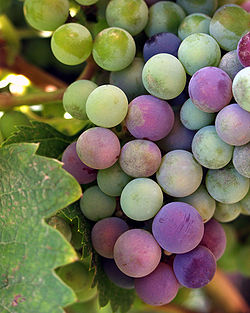
Winemaking, wine-making, or vinification is the production of wine, starting with the selection of the fruit, its fermentation into alcohol, and the bottling of the finished liquid. The history of wine-making stretches over millennia. There is evidence that suggests that the earliest wine production took place in Georgia and Iran around 6000 to 5000 B.C.[1] The science of wine and winemaking is known as oenology. A winemaker may also be called a vintner. The growing of grapes is viticulture and there are many varieties of grapes.
Winemaking can be divided into two general categories: still wine production (without carbonation) and sparkling wine production (with carbonation – natural or injected). Red wine, white wine, and rosé are the other main categories. Although most wine is made from grapes, it may also be made from other plants. (See fruit wine.) Other similar light alcoholic drinks (as opposed to beer or spirits) include mead, made by fermenting honey and water, cider ("apple cider"), made by fermenting the juice of apples, and perry ("pear cider"), made by fermenting the juice of pears, and kumis, made of fermented mare's milk.
Process
[edit]
There are five basic stages to the wine making process which begins with harvesting or picking.[2] After the harvest, the grapes are taken into a winery and prepared for primary ferment; at this stage red wine making diverges from white wine making. Red wine is made from the must (pulp, including the juice) of red or black grapes and fermentation occurs together with the grape skins, which impart color, flavor and tannins to the wine through the process of maceration. White wine is made by fermenting juice which is made by pressing crushed grapes to extract a juice; the skins are removed and play no further role. Occasionally, white wine is made from red grapes. This is done by extracting their juice with minimal contact with the grapes' skins. Rosé wines are either made from red grapes where the juice is allowed to stay in contact with the dark skins long enough to pick up a pinkish color (maceration or saignée), or (less commonly) by blending red wine with white wine. White and rosé wines extract little of the grape tannins contained in the skins. Orange wine (a.k.a. skin-contact white wine) is wine made with maceration in the manner of rosé or red wine production, but using white wine grape varieties instead of red.
To start primary fermentation, yeast may be added to the must for red wine, or may occur naturally as ambient yeast on the grapes (or in the air). For white wine, yeast may be added to the juice. During this fermentation, which often takes between one and two weeks, the yeast converts most of the sugars in the grape juice into ethanol (alcohol) and carbon dioxide (which is lost to the atmosphere).
After the primary fermentation of red grapes, the free run wine is pumped off into tanks and the skins are pressed to extract the remaining juice and wine. The press wine is blended with the free run wine at the winemaker's discretion. The wine is then kept warm and the remaining sugars are converted into alcohol and carbon dioxide.
The next process in the making of red wine is malolactic conversion, a bacterial process which converts "crisp, green apple" malic acid to "soft, creamy" lactic acid, softening the taste of the wine. Red wine is characteristically transferred to white oak barrels to mature for a period of weeks or months; this practice imparts oak aromas and some oak tannins to the wine. The wine must be settled or clarified and adjustments made prior to bottling.
The time from harvest to drinking can vary from a few months for Beaujolais nouveau wines (made by carbonic maceration) to over twenty years for wine of good structure with high levels of acid, tannin or sugar. However, only about 10% of all red and 5% of white wine will taste better after five years than it will after just one year.[3] Depending on the quality of grape and the target wine style, some of these steps may be combined or omitted to achieve the particular goals of the winemaker. Many wines of comparable quality are produced using similar but distinctly different approaches to their production.
Variations on the above procedure exist. With sparkling wines such as Champagne and Methodé Champenoise (sparkling wine that is fermented in the style of champagne but is not from the Champagne region of France),[4] an additional, "secondary" fermentation takes place inside the bottle, dissolving trapped carbon dioxide in the wine and creating the characteristic bubbles. Bottles then spend 6 months on a riddling rack before being disgorged to remove any sediment that has accrued.[4] An expedited technique using sealed tanks to contain carbon dioxide is known as the bulk Charmat method. Other sparkling wines, such as prosecco, are fermented using force-carbonation — a faster process that involves using machinery to manually add CO2 and create bubbles.[5] Sweet wines or off-dry wines are made by arresting fermentation before all sugar has been converted into ethanol and allowing some residual sugar to remain. This can be done by chilling the wine and adding sulphur and other allowable additives to inhibit yeast activity, or sterile filtering the wine to remove all yeast and bacteria. In the case of sweet wines, initial sugar concentrations are increased by harvesting late (late harvest wine), freezing the grapes to concentrate the sugar (ice wine), allowing or encouraging Botrytis cinerea fungus to dehydrate the grapes or allowing the grapes to raisin either on the vine or on racks or straw mats. Often in these high sugar wines, the fermentation stops naturally as the high concentration of sugar and rising concentration of ethanol retard the yeast activity. Similarly in fortified wines, such as port wine, high proof neutral grape spirit (brandy) is added to arrest the ferment and adjust the alcohol content when the desired sugar level has been reached. In other cases, the winemaker may choose to hold back some of the sweet grape juice and add it to the wine after the fermentation is done, a technique known in Germany as süssreserve.
The process produces wastewater, pomace, and lees that require collection, treatment, and disposal or beneficial use.
Synthetic wines (also known as engineered wines or fake wines) are a product that do not use grapes at all. Starting with water and ethanol, a number of additives are included, such as acids, amino acids, sugars, and organic compounds.[6]
Grapes
[edit]

The quality of the grapes determines the quality of the wine more than any other factor. Grape quality is affected by variety as well as weather during the growing season, soil minerals and acidity, time of harvest, and pruning method.[7][8][9][10] The combination of these effects is often referred to as the grape's terroir. Given the sensitivity of grapes to weather patterns, winemaking is affected by climate change.[11][7][12]
Grapes are usually harvested from the vineyard from early September until early November in the northern hemisphere, and mid February until early March in the southern hemisphere. In some cool areas in the southern hemisphere (such as in Tasmania), harvesting extends into May.
The most common species of wine grape is Vitis vinifera, which includes nearly all varieties of European origin.
Harvesting and destemming
[edit]
Harvest is the picking of the grapes and in many ways the first step in wine production. Grapes are either harvested mechanically or by hand. The decision to harvest grapes is typically made by the winemaker and informed by the level of sugar (called °Brix), acid (TA or Titratable Acidity as expressed by tartaric acid equivalents) and pH of the grapes. Other considerations include phenological ripeness, berry flavor, tannin development (seed color and taste). Overall disposition of the grapevine and weather forecasts are taken into account.
Mechanical harvesters are large tractors that straddle grapevine trellises and, using firm plastic or rubber rods, strike the fruiting zone of the grapevine to dislodge the grapes from the rachis. Mechanical harvesters have the advantage of being able to cover a large area of vineyard land in a relatively short period of time, and with a minimum investment of manpower per harvested ton. A disadvantage of mechanical harvesting is the indiscriminate inclusion of foreign non-grape material in the product, especially leaf stems and leaves, but also, depending on the trellis system and grapevine canopy management, may include moldy grapes, canes, metal debris, rocks and even small animals and bird nests. Some winemakers remove leaves and loose debris from the grapevine before mechanical harvesting to avoid such material being included in the harvested fruit. In the United States mechanical harvesting is seldom used for premium winemaking because of the indiscriminate picking and increased oxidation of the grape juice. In other countries (such as Australia and New Zealand), mechanical harvesting of premium winegrapes is more common because of general labor shortages.

Manual harvesting is the hand-picking of grape clusters from the grapevines. In the United States, some grapes are picked into one- or two-ton bins for transport back to the winery. Manual harvesting has the advantage of using knowledgeable labor to not only pick the ripe clusters but also to leave behind the clusters that are not ripe or contain bunch rot or other defects. This can be an effective first line of defense to prevent inferior quality fruit from contaminating a lot or tank of wine.

Destemming is the process of separating stems from the grapes. Depending on the winemaking procedure, this process may be undertaken before crushing with the purpose of lowering the development of tannins and vegetal flavors in the resulting wine. Single berry harvesting, as is done with some German Trockenbeerenauslese, avoids this step altogether with the grapes being individually selected.
Crushing and primary (alcoholic) fermentation
[edit]

Crushing is the process when gently squeezing the berries and breaking the skins to start to liberate the contents of the berries. Destemming is the process of removing the grapes from the rachis (the stem which holds the grapes). In traditional and smaller-scale wine making, the harvested grapes are sometimes crushed by trampling them barefoot or by the use of inexpensive small scale crushers. These can also destem at the same time. However, in larger wineries, a mechanical crusher/destemmer is used. The decision about destemming is different for red and white wine making. Generally when making white wine the fruit is only crushed, the stems are then placed in the press with the berries. The presence of stems in the mix facilitates pressing by allowing juice to flow past flattened skins. These accumulate at the edge of the press. For red winemaking, stems of the grapes are usually removed before fermentation since the stems have a relatively high tannin content; in addition to tannin they can also give the wine a vegetal aroma (due to extraction of 3-isobutyl-2-methoxypyrazine which has an aroma reminiscent of green bell peppers). On occasion, the winemaker may decide to leave them in if the grapes themselves contain less tannin than desired. This is more acceptable if the stems have 'ripened' and started to turn brown. If increased skin extraction is desired, a winemaker might choose to crush the grapes after destemming. Removal of stems first means no stem tannin can be extracted. In these cases the grapes pass between two rollers which squeeze the grapes enough to separate the skin and pulp, but not so much as to cause excessive shearing or tearing of the skin tissues. In some cases, notably with "delicate" red varietals such as Pinot noir or Syrah, all or part of the grapes might be left uncrushed (called "whole berry") to encourage the retention of fruity aromas through partial carbonic maceration.

Most red wines derive their color from grape skins (the exception being varieties or hybrids of non-vinifera vines which contain juice pigmented with the dark Malvidin 3,5-diglucoside anthocyanin) and therefore contact between the juice and skins is essential for color extraction. Red wines are produced by destemming and crushing the grapes into a tank and leaving the skins in contact with the juice throughout the fermentation (maceration). It is possible to produce white (colorless) wines from red grapes by the fastidious pressing of uncrushed fruit. This minimizes contact between grape juice and skins (as in the making of Blanc de noirs sparkling wine, which is derived from Pinot noir, a red vinifera grape).
An alternative method to maceration is hot press or thermovinification.[13] In this practice, winemakers heat up the grapes to extract the juice rather than pressing using a pressure method. The temperature and time ranges depending on the grape variety and preferences of the winemaker.[14] In addition to extracting the juice, this method is sometimes referred to as pre-fermentation maceration as it extracts tannins and pigment from the skins.[13] As a result this is applicable to red grape varieties that would otherwise undergo traditional maceration.
Most white wines are processed without destemming or crushing and are transferred from picking bins directly to the press. This is to avoid any extraction of tannin from either the skins or grapeseeds, as well as maintaining proper juice flow through a matrix of grape clusters rather than loose berries. In some circumstances winemakers choose to crush white grapes for a short period of skin contact, usually for three to 24 hours. This serves to extract flavor and tannin from the skins (the tannin being extracted to encourage protein precipitation without excessive Bentonite addition) as well as potassium ions, which participate in bitartrate precipitation (cream of tartar). It also results in an increase in the pH of the juice which may be desirable for overly acidic grapes. This was a practice more common in the 1970s than today, though still practiced by some Sauvignon blanc and Chardonnay producers in California.
In the case of rosé wines, the fruit is crushed and the dark skins are left in contact with the juice just long enough to extract the color that the winemaker desires. The must is then pressed, and fermentation continues as if the winemaker was making a white wine.
Yeast is normally already present on the grapes, often visible as a powdery appearance of the grapes. The primary, or alcoholic fermentation can be done with this natural yeast, but since this can give unpredictable results depending on the exact types of yeast that are present, cultured yeast is often added to the must. One of the main problems with the use of wild ferments is the failure for the fermentation to go to completion, that is some sugar remains unfermented. This can make the wine sweet when a dry wine is desired. Frequently wild ferments lead to the production of unpleasant acetic acid (vinegar) production as a by product.

During the primary fermentation, the yeast cells feed on the sugars in the must and multiply, producing carbon dioxide gas and alcohol. The temperature during the fermentation affects both the taste of the end product, as well as the speed of the fermentation. For red wines, the temperature is typically 22 to 25 °C, and for white wines 15 to 18 °C. For every gram of sugar that is converted, about half a gram of alcohol is produced, so to achieve a 12% alcohol concentration, the must should contain about 24% sugars. The sugar percentage of the must is calculated from the measured density, the must weight, with the help of a specialized type of hydrometer called a saccharometer. If the sugar content of the grapes is too low to obtain the desired alcohol percentage, sugar can be added (chaptalization). In commercial winemaking, chaptalization is subject to local regulations.
Similar to chaptalization is amelioration. While chaptalization aims to raise final alcohol percentage through the addition of sugar, amelioration aims to raise the alcohol percentage and dilute the acidity levels through the addition of water and sugar into the grape must.[15] This wine adjustment was commonly used in New York State's cooler wine regions, such as the Finger Lakes AVA. Amelioration is also subject to federal regulations.[16]
Alcohol of more than 12% can be achieved by using yeast that can withstand high alcohol. Some yeasts can produce 18% alcohol in the wine however extra sugar is added to produce a high alcohol content.
During or after the alcoholic fermentation, a secondary, or malolactic fermentation can also take place, during which specific strains of bacteria (lactobacter) convert malic acid into the milder lactic acid. This fermentation is often initiated by inoculation with desired bacteria.
Pressing
[edit]Pressing is the act of applying pressure to grapes or pomace in order to separate juice or wine from grapes and grape skins. Pressing is not always a necessary act in winemaking; if grapes are crushed there is a considerable amount of juice immediately liberated (called free-run juice) that can be used for vinification. Typically this free-run juice is of a higher quality than the press juice.[17] Pressed juice is typically lesser in quality due to the release and increase of total phenolic compounds, as well as browning index and the C6-alcohol levels. These compounds are responsible for the herb-like taste perceived in wine with pressed grapes.[18] However, most wineries do use presses in order to increase their production (gallons) per ton, as pressed juice can represent between 15%-30% of the total juice volume from the grape.
Presses act by positioning the grape skins or whole grape clusters between a rigid surface and a movable surface and slowly decrease the volume between the two surfaces. Modern presses dictate the duration and pressure at each press cycle, usually ramping from 0 Bar to 2.0 Bar. Sometimes winemakers choose pressures which separate the streams of pressed juice, called making "press cuts". As the pressure increases the amount of tannin extracted from the skins into the juice increases, often rendering the pressed juice excessively tannic or harsh. Because of the location of grape juice constituents in the berry (water and acid are found primarily in the mesocarp or pulp, whereas tannins are found primarily in the exocarp, or skin, and seeds), pressed juice or wine tends to be lower in acidity with a higher pH than the free-run juice.

Before the advent of modern winemaking, most presses were basket presses made of wood and operated manually. Basket presses are composed of a cylinder of wooden slats on top of a fixed plate, with a moveable plate that can be forced downward (usually by a central ratcheting threaded screw). The press operator would load the grapes or pomace into the wooden cylinder, put the top plate in place and lower it until juice flowed from the wooden slats. As the juice flow decreased, the plate was ratcheted down again. This process continued until the press operator determined that the quality of the pressed juice or wine was below standard, or all liquids had been pressed. Since the early 1990s, modern mechanical basket presses have been revived through higher-end producers seeking to replicate the gentle pressing of the historical basket presses. Because basket presses have a relatively compact design, the press cake offers a relatively longer pathway for the juice to travel before leaving the press. It is believed by advocates of basket presses that this relatively long pathway through the grape or pomace cake serves as a filter to solids that would otherwise affect the quality of the press juice.
With red wines, the must is pressed after primary fermentation, which separates the skins and other solid matter from the liquid. With white wine, the liquid is separated from the must before fermentation. With rose, the skins may be kept in contact for a shorter period to give color to the wine, in that case the must may be pressed as well. After a period in which the wine stands or ages, the wine is separated from the dead yeast and any solids that remained (called lees), and transferred to a new container where any additional fermentation may take place.
Pigeage
[edit]Pigeage is a French term for the management of acidity and secondary pressing of grapes in fermentation tanks. To make certain types of wine, grapes are put through a crusher and then poured into open fermentation tanks. Once fermentation begins, the grape skins are floated to the surface by carbon dioxide gases released in the fermentation process. This layer of skins and other solids is known as the cap. As the skins are the source of the tannins, the cap needs to be mixed through the liquid each day, or "punched", which traditionally is done by stomping through the vat.
Cold stabilization
[edit]Cold stabilization is a process used in winemaking to reduce tartrate crystals (generally potassium bitartrate) in wine. These tartrate crystals look like grains of clear sand, and are also known as "wine crystals" or "wine diamonds". They are formed by the union of tartaric acid and potassium, and may appear to be [sediment] in the wine, though they are not. During the cold stabilizing process after fermentation, the temperature of the wine is dropped to close to freezing for 1–2 weeks. This will cause the crystals to separate from the wine and stick to the sides of the holding vessel. When the wine is drained from the vessels, the tartrates are left behind.This process improves the wine's aesthetic clarity and commercial appeal, as consumers often mistake harmless tartrate crystals for glass shards or wine faults. They may also form in wine bottles that have been stored under very cold conditions.
Secondary (malolactic) fermentation and bulk aging
[edit]
During the secondary fermentation and aging process, which takes three to six months, the fermentation continues very slowly. The wine is kept under an airlock to protect the wine from oxidation. Proteins from the grape are broken down and the remaining yeast cells and other fine particles from the grapes are allowed to settle. Potassium bitartrate will also precipitate, a process which can be enhanced by cold stabilization to prevent the appearance of (harmless) tartrate crystals after bottling. The result of these processes is that the originally cloudy wine becomes clear. The wine can be racked during this process to remove the lees.
The secondary fermentation usually takes place in large stainless steel vessels with a volume of several cubic meters, oak barrels or glass demijohns (also referred to as carboys), depending on the goals of the winemakers. Unoaked wine is fermented in a barrel made of stainless steel or other material having no influence on the final taste of the wine. Depending on the desired taste, it could be fermented mainly in stainless steel to be briefly put in oak, or have the complete fermentation done in stainless steel. Oak could be added as chips used with a non-wooden barrel instead of a fully wooden barrel. This process is mainly used in cheaper wine.
Amateur winemakers often use glass carboys in the production of their wine; these vessels (sometimes called demijohns) have a capacity of 4.5–54 litres (0.99–11.88 imp gal; 1.2–14.3 US gal). The kind of vessel used depends on the amount of wine that is being made, the grapes being used, and the intentions of the winemaker.
Malolactic fermentation
[edit]Malolactic fermentation occurs when lactic acid bacteria, primarily from the genera of Oenococcus, Lactobacillus, Pediococcus, and Leuconostoc,[19] metabolize malic acid and produce lactic acid and carbon dioxide. This is carried out either as an intentional procedure in which specially cultivated strains of such bacteria are introduced into the maturing wine, or it can happen by chance if uncultivated lactic acid bacteria are present. In addition to affecting acidity, malolactic fermentation also contributes to microbial stability by reducing the availability of malic acid as a nutrient source for spoilage organisms.[20]
Malolactic fermentation can improve the taste of wine that has high levels of malic acid, because malic acid, in higher concentration, generally causes an unpleasant harsh and bitter taste sensation, whereas lactic acid is more gentle and less sour. Lactic acid is an acid found in dairy products. Malolactic fermentation usually results in a reduction in the amount of total acidity of the wine. This is because malic acid has two acid radicals (-COOH) while lactic acid has only one. However, the pH should be monitored and not allowed to rise above a pH of 3.55 for whites or a pH of 3.80 for reds. pH can be reduced roughly at a rate of 0.1 units per 1 gram/litre of tartaric acid addition.
The use of lactic acid bacteria is the reason why some chardonnays can taste "buttery" due to the production of diacetyl by the bacteria. Most red wines go through complete malolactic fermentation, both to lessen the acid of the wine and to remove the possibility that malolactic fermentation will occur in the bottle. White wines vary in the use of malolactic fermentation during their making. Lighter aromatic wines such as Riesling, generally do not go through malolactic fermentation. The fuller white wines, such as barrel-fermented chardonnay, are more commonly put through malolactic fermentation. Sometimes a partial fermentation, for example, somewhere less than 50% might be employed. In warmer wine regions, where higher pH is common, malolactic fermentation is not as prominent or necessary and can even be damaging to the final product. As such, malolactic fermentation is usually more accepted in colder regions of production.[21]
Laboratory tests
[edit]Whether the wine is aging in tanks or barrels, tests are run periodically in a laboratory to check the status of the wine. Common tests include Brix, pH, titratable acidity, residual sugar, free or available sulfur, total sulfur, volatile acidity (V.A.) and percent alcohol. Additional tests include those for the crystallization of cream of tartar (potassium hydrogen tartrate) and the precipitation of heat unstable protein; this last test is limited to white wines. These tests may be performed throughout the making of the wine as well as prior to bottling. In response to the results of these tests, a winemaker can decide on appropriate remedial action, for example the addition of more sulfur dioxide. Sensory tests will also be performed and again in response to these a winemaker may take remedial action such as the addition of a protein to soften the taste of the wine.

Brix (°Bx) is one measure of the soluble solids in the grape juice and represents not only the sugars but also includes many other soluble substances such as salts, acids and tannins, sometimes called total dissolved solids (TDS). Because sugar is the dominant compound in grape juice, these units are effectively a measure of sugar level. The level of sugar in the grapes determines the final alcohol content of the wine as well as indirect index of grape maturity. °Bx is measured in grams per hundred grams of solution, so 20 °Bx means that 100 grams of juice contains 20 g of dissolved compounds. There are other common measures of sugar content of grapes, specific gravity, Oechsle (Germany) and Baumé (France). °Bx is usually measured with a refractometer while the other methods use a hydrometer which measures specific gravity. Generally, hydrometers are a cheaper alternative. In the French Baumé (Be° or Bé° for short) one Be° corresponds approximately to one percent alcohol. One Be° is equal to 1.8 °Bx, that is 1.8 grams of sugar per one hundred grams. Therefore, to achieve one percent alcohol the winemaker adds sugar at a rate of 1.8 grams per 100 ml (18 grams per liter) – a practice known as chaptalization, which is illegal in some countries and in California.
Volatile acidity test verifies if there is any steam distillable acids in the wine. Mainly present is acetic acid (the dominant component of vinegar), but lactic, butyric, propionic, and formic acid can also be found. Usually the test checks for these acids in a cash still, but there are other methods available such as HPLC, gas chromatography and enzymatic methods. The amount of volatile acidity found in sound grapes is negligible, because it is a by-product of microbial metabolism. Because acetic acid bacteria require oxygen to grow, eliminating any air in wine containers as well as addition of sulfur dioxide (SO2) will limit their growth. Rejecting moldy grapes also prevents possible problems associated with acetic acid bacteria. Use of sulfur dioxide and inoculation with a low-V.A. producing strain of Saccharomyces may deter acetic acid producing yeast. A relatively new method for removal of volatile acidity from a wine is reverse osmosis. Blending may also help – a wine with high V.A. can be filtered (to remove the microbe responsible) and blended with a low V.A. wine, so that the acetic acid level is below the sensory threshold.
Sulphur dioxide can be readily measured with relatively simple laboratory equipment. There are several methods available; a typical test involves acidification of a sample with phosphoric acid, distillation of the liberated SO2, and capture by hydrogen peroxide solution. The SO2 and peroxide react to form sulphuric acid, which is then titrated with NaOH to an end point with an indicator, and the volume of NaOH required is used to calculate the SO2 level. This method has inaccuracies associated with red wine, inefficient condensers, and excessive aspiration rate, although the results are reproducible, having an accuracy with just a 2.5–5% error,[22] which is sufficient to control the level of sulphur dioxide in wine.[23]
Blending and fining
[edit]Different batches of wine can be mixed before bottling in order to achieve the desired taste. The winemaker can correct perceived inadequacies by mixing wines from different grapes and batches that were produced under different conditions. These adjustments can be as simple as adjusting acid or tannin levels, to as complex as blending different varieties or vintages to achieve a consistent taste.
Fining agents are used during winemaking to remove tannins, reduce astringency and remove microscopic particles that could cloud the wines. The winemakers decide on which fining agents are used and these may vary from product to product and even batch to batch (usually depending on the grapes of that particular year).[24]
Gelatin [gelatine] has been used in winemaking for centuries and is recognized as a traditional method for wine fining, or clarifying. It is also the most commonly used agent to reduce the tannin content. Generally no gelatin remains in the wine because it reacts with the wine components, as it clarifies, and forms a sediment which is removed by filtration prior to bottling.
Besides gelatin, other fining agents for wine are often derived from animal products, such as micronized potassium caseinate (casein is milk protein), egg whites, egg albumin, bone char, bull's blood, isinglass (Sturgeon bladder), PVPP (a synthetic compound), lysozyme, and skim milk powder. Although not common, finely ground eggshell is also sometimes used.[24]
Some aromatized wines contain honey or egg-yolk extract,[24] or other woody extractives by artificial aging with small chips.[25]
Non-animal-based filtering agents are also often used, such as bentonite (a volcanic clay-based filter), diatomaceous earth, cellulose pads, paper filters and membrane filters (thin films of plastic polymer material having uniformly sized holes).
Preservatives
[edit]The most common preservative used in winemaking is sulfur dioxide (SO2), normally added in one of the following forms: liquid sulfur dioxide, sodium or potassium metabisulphite. Another useful preservative is potassium sorbate.
Sulfur dioxide has two primary actions, firstly it is an anti microbial agent and secondly an anti oxidant. In the making of white wine it can be added prior to fermentation and immediately after alcoholic fermentation is complete. If added after alcoholic fermentation it will have the effect of preventing or stopping malolactic fermentation, bacterial spoilage and help protect against the damaging effects of oxygen. Additions of up to 100 mg per liter (of sulfur dioxide) can be added, but the available or free sulfur dioxide should be measured by the aspiration method and adjusted to 30 mg per liter. Available sulfur dioxide should be maintained at this level until bottling. For rose wines smaller additions should be made and the available level should be no more than 30 mg per liter.
In the making of red wine, sulfur dioxide may be used at high levels (100 mg per liter) prior to ferment to assist in color stabilization. Otherwise, it is used at the end of malolactic ferment and performs the same functions as in white wine. However, small additions (say, 20 milligrams per litre (7.2×10⁻⁷ lb/cu in)) should be used to avoid bleaching red pigments and the maintenance level should be about 20 mg/L. Furthermore, small additions (say 20 mg per liter) may be made to red wine after alcoholic ferment and before malolactic ferment to overcome minor oxidation and prevent the growth of acetic acid bacteria.
Without the use of sulfur dioxide, wines can readily suffer bacterial spoilage no matter how hygienic the winemaking practice.
Potassium sorbate is effective for the control of fungal growth, including yeast, especially for sweet wines in bottle. However, one potential hazard is the metabolism of sorbate to geraniol which is a potent and unpleasant by-product. The production of geraniol occurs only if sorbic acid is present during malo-lactic fermentation. To avoid this, either the wine must be sterile bottled or contain enough sulfur dioxide to inhibit the growth of bacteria. Sterile bottling includes the use of filtration.
Some winemakers practice natural wine making where no preservative is added. Once the wine is bottled and corked, the bottles are put into refrigeration with temperatures near 5 °C (41 °F).
Filtration
[edit]Filtration in winemaking is used to accomplish two objectives, clarification and microbial stabilization. In clarification, large particles that affect the visual appearance of the wine are removed. In microbial stabilization, organisms that affect the stability of the wine are removed therefore reducing the likelihood of re-fermentation or spoilage.

The process of clarification is concerned with the removal of particles; those larger than 5–10 millimetres (0.20–0.39 in) for coarse polishing, particles larger than 1–4 micrometers for clarifying or polishing. Microbial stabilization requires a filtration of at least 0.65 micrometers for yeast retention and 0.45 μm for bacteria retention. However, filtration at this level may lighten a wine's color and body. Microbial stabilization does not imply sterility, i.e. eliminating (removing) or killing (deactivating) of all forms of life and other biological agents. It simply means that a significant amount of yeast and bacteria has been removed to a harmless level for the wine stability.
Clarification of the wine can take place naturally by putting the wine into refrigeration at 35 °F (2 °C). The wine takes about a month to settle and it is clear. No chemicals are needed.
Bottling
[edit]The final stage in the winemaking process is bottling. A final dose of sulfite is added to help preserve the wine and prevent unwanted fermentation in the bottle. The wine bottles are then traditionally sealed with a cork, although alternative wine closures such as less expensive synthetic corks and screw caps, which are less subject to cork taint, are becoming increasingly popular. While natural cork is often favored for its aesthetic and traditional appeal, screw caps are praised for their consistency and ability to reduce oxidation.[26] The final step is adding a capsule[27] to the top of the bottle which is then heated[28] for a tight seal.
Wine bottle closure methods vary greatly considering taste, closure effectiveness, and aesthetic.[29] These methods allow a minimal amount of air in the bottle while allowing the contents to age.
In addition to glass bottles, some wines are packaged in boxes or even cans, which offer practical advantages such as lower cost and reduced weight.
Regulation
[edit]In the European Union, wine production is closely regulated to maintain quality, safety, and fair market practices. Each member state is required by Article 146 of Regulation 1308/2013 - Establishing a common organisation of the markets in agricultural products and repealing Council Regulations (EEC) No 922/72, (EEC) No 234/79, (EC) No 1037/2001 and (EC) No 1234/2007 - to appoint one or more "competent national authorities" responsible for ensuring compliance with EU rules in the wine sector.[30] A list of these authorities is maintained by the EU.
In the United States, wine regulation is primarily overseen by the Alcohol and Tobacco Tax and Trade Bureau (TTB), part of the U.S. Department of the Treasury. They are tasked with issuing permits, regulating labeling and advertising, and excise taxes on wine. Furthermore, American Viticultural Areas (AVAs), which are regulated by geographic borders rather than customary production practices or grape varieties designate wine regions in the U.S. Unlike the EU, U.S regulations with wine are more flexible but still strictly enforced.
Winemakers
[edit]Traditionally known as a vintner, a winemaker is a person engaged in making wine. They are generally employed by wineries or wine companies, although there are many independent winemakers who make wine at home for their own pleasure or small commercial operation. Additionally, winemaking is still carried in traditional ways by families producing wine for their own consumption.

List of top 15 wine producing countries by volume.[31] (Volume in thousands of hectoliters)
| Country | 2010 | 2011 | 2012 | 2013 | 2014 | 2015 | 2016 | 2017 | 2018 |
|---|---|---|---|---|---|---|---|---|---|
 Italy Italy |
48,525 | 42,772 | 45,616 | 52,029 | 44,739 | 50,000 | 50,900 | 42,500 | 48,500 |
 France France |
44,381 | 50,757 | 41,548 | 42,004 | 46,698 | 47,000 | 45,200 | 36,600 | 46,400 |
 Spain Spain |
35,353 | 33,397 | 31,123 | 45,650 | 41,620 | 37,700 | 39,300 | 32,500 | 40,900 |
 United States United States |
20,887 | 19,140 | 21,650 | 23,590 | 22,300 | 21,700 | 23,600 | 23,300 | 23,900 |
 Argentina Argentina |
16,250 | 15,473 | 11,778 | 14,984 | 15,197 | 13,400 | 9,400 | 11,800 | 14,500 |
 Australia Australia |
11,420 | 11,180 | 12,260 | 12,500 | 12,000 | 11,900 | 13,100 | 13,900 | 12,500 |
 South Africa South Africa |
9,327 | 9,725 | 10,569 | 10,982 | 11,316 | 11,200 | 10,500 | 10,800 | 9,500 |
 China China |
13,000 | 13,200 | 13,511 | 11,780 | 11,178 | 11,500 | 11,400 | 11,400 | 10,800 |
 Chile Chile |
8,844 | 10,464 | 12,554 | 12,820 | 10,500 | 12,900 | 10,100 | 9,500 | 12,900 |
 Germany Germany |
6,906 | 9,132 | 9,012 | 8,409 | 9,334 | 8,900 | 9,000 | 7,500 | 9,800 |
 Portugal Portugal |
7,148 | 5,622 | 6,308 | 6,237 | 6,195 | 7,000 | 6,000 | 6,700 | 5,300 |
 Romania Romania |
3,287 | 4,058 | 3,311 | 5,100 | 3,700 | 3,600 | 3,300 | 4,300 | 5,200 |
 Russian Federation Russian Federation |
6,400 | 6,353 | 6,400 | 5,300 | 4,900 | 5,600 | 5,200 | 4,700 | 4,700 |
 Hungary Hungary |
- | - | - | 2,600 | 2,400 | 2,600 | 2,500 | 2,500 | 3,400 |
| Rest of the World | 27,847 | 30,906 | 27,194 | 31,000 | 27,100 | 29,800 | 29,900 | 30,900 | 30,700 |
| World | 264,425 | 267,279 | 257,889 | 290,100 | 270,000 | 277,000 | 273,000 | 251,000 | 282,000 |
See also
[edit]
References
[edit]- ^ "Food & Beverage Service Management" (PDF).
- ^ "Wine Making Process: How to Make Wine". The International Wine of the Month Club. Retrieved 2018-07-16.
- ^ Jancis Robinson (2003). Wine Course, A guide to the world of wine. BBC worldwide Ltd. p. 39.
- ^ a b Zoecklein, Bruce. "A Review of Methode Champenoise Production" (PDF). Virginia Tech. Virginia Cooperative Extension.
- ^ Pambianchi, Daniel. "Force-Carbonating Wine to Sparkle: Counter pressure bottle method". WineMaker. Winemaker Magazine.
- ^ Sadler, Chris (17 November 2017). "I Tried a Bottle of the New Synthetic Wine". Slate. Retrieved 18 November 2017.
- ^ a b Martínez Salgueiro, Andrea (2019-12-01). "Weather index-based insurance as a meteorological risk management alternative in viticulture". Wine Economics and Policy. 8 (2): 114–126. doi:10.1016/j.wep.2019.07.002. hdl:10419/284479. ISSN 2212-9774.
- ^ Lobell, David B.; Cahill, Kimberly Nicholas; Field, Christopher B. (2007-03-01). "Historical effects of temperature and precipitation on California crop yields". Climatic Change. 81 (2): 187–203. Bibcode:2007ClCh...81..187L. doi:10.1007/s10584-006-9141-3. ISSN 1573-1480. S2CID 154659688.
- ^ Chevet, Jean-Michel; Lecocq, Sébastien; Visser, Michael (2011-05-01). "Climate, Grapevine Phenology, Wine Production, and Prices: Pauillac (1800–2009)". American Economic Review. 101 (3): 142–146. doi:10.1257/aer.101.3.142. ISSN 0002-8282.
- ^ Lorenzo, M. N.; Taboada, J. J.; Lorenzo, J. F.; Ramos, A. M. (2013-08-01). "Influence of climate on grape production and wine quality in the Rías Baixas, north-western Spain". Regional Environmental Change. 13 (4): 887–896. Bibcode:2013REnvC..13..887L. doi:10.1007/s10113-012-0387-1. ISSN 1436-378X. S2CID 153748415.
- ^ Cyr, Don; Kusy, Martin (2007). "Canadian Ice Wine Production: A Case for the Use of Weather Derivatives". Journal of Wine Economics. 2 (2): 145–167. doi:10.1017/S1931436100000407. ISSN 1931-4361. S2CID 14712369.
- ^ Zara, Claudio (2010-01-01). Couderc, Jean-Pierre; Viviani, Jean-Laurent (eds.). "Weather derivatives in the wine industry". International Journal of Wine Business Research. 22 (3): 222–237. doi:10.1108/17511061011075365. ISSN 1751-1062.
- ^ a b Spada, Piero (2014-12-07). "Thermovinification for Improved Red Hybrid Wine Quality – Midwest Wine Press". Retrieved 2024-04-30.
- ^ Admin (2021-02-22). "Heating Treatments – Part I Thermovinification". Midwest Grape and Wine Industry Institute. Retrieved 2024-04-30.
- ^ Kluba, Richard M.; Beelman, Robert B. (1975). "Influence of Amelioration on the Major Acid Components of Must and Wines from Four French-Hybrid Grape Cultivars". American Journal of Enology and Viticulture. 26 (1): 18–24. doi:10.5344/ajev.1975.26.1.18. ISSN 0002-9254.
- ^ "27 CFR § 24.178 - Amelioration". LII / Legal Information Institute. Retrieved 2023-11-29.
- ^ Nagodawithana, Tilak W.; Reed, Gerald (1993). Enzymes in food processing (3rd ed.). San Diego: Academic Press. ISBN 978-0125136303. OCLC 27034539.
- ^ Selli, Serkan; Bagatar, Berfu; Sen, Kemal; Kelebek, Haşim (2011). "Evaluation of Differences in the Aroma Composition of Free-Run and Pressed Neutral Grape Juices Obtained from Emir (Vitis vinifera L.)". Chemistry & Biodiversity. 8 (9): 1776–1782. doi:10.1002/cbdv.201100053. PMID 21922666. S2CID 25099843.
- ^ Moreno-Arribas, M. Victoria; Polo, M. Carmen (June 2005). "Winemaking Biochemistry and Microbiology: Current Knowledge and Future Trends". Critical Reviews in Food Science and Nutrition. 45 (4): 265–286. doi:10.1080/10408690490478118. ISSN 1040-8398.
- ^ Wines, Westgarth. "Malolactic fermentation: what is it good for?". Westgarth Wines. Retrieved 2025-05-06.
- ^ Goode, Jamie (2014-04-03). Wine Science: The Application of Science in Winemaking. Octopus. ISBN 978-1-84533-981-4.
- ^ Buechsenstein, J. W.; Ough, C. S. (January 1978). "SO
2 Determination by Aeration-Oxidation: A Comparison with Ripper". Am J Enol Vitic. 29 (3): 161–164. doi:10.5344/ajev.1974.29.3.161. S2CID 101205169. - ^ "Required Analytical Tests for Wineries" (PDF). Bureau of Alcohol, Tobacco, and Firearms. Archived from the original on May 9, 2013.
- ^ a b c Vineyards, Jost. "The Vegan wine guide". Tastebetter.com. Archived from the original on May 31, 2008. Retrieved 2013-03-16.
- ^ Gortzi, Olga; Metaxa, Xenia; Mantanis, George; Lalas, Stavros (2013). "Effect of artificial ageing using different wood chips on the antioxidant activity, resveratrol and catechin concentration, sensory properties and colour of two Greek red wines". Food Chemistry. 141 (3). Elsevier BV: 2887–2895. doi:10.1016/j.foodchem.2013.05.051. ISSN 0308-8146. PMID 23871038.
- ^ Mary-Colleen Tinney (June 2006). "Sales of Screw-Capped Wine Grow 51 Percent Over 2005". Wine Business Monthly. Retrieved 2013-03-16.
- ^ Cathy Fisher (September 2007). "Capsule Manufacturers Raise Quality Bar". Wine Business Monthly. Retrieved 2013-03-16.
- ^ Bill Pregler (November 2006). "Successfully Applying Capsules on the Bottling Line". Wine Business Monthly. Retrieved 2013-03-16.
- ^ Dennis Reynolds (September 2018). "What effect does wine bottle closure type have on perceptions of wine attributes?". International Journal of Hospitality Management. Retrieved 2022-11-14.
- ^ Regulation (EU) No 1308/2013 of the European Parliament and of the Council of 17 December 2013 establishing a common organisation of the markets in agricultural products and repealing Council Regulations (EEC) No 922/72, (EEC) No 234/79, (EC) No 1037/2001 and (EC) No 1234/2007, published 20 December 2013, accessed 25 September 2020.
- ^ "Top Fifteen Wine-Producing Countries". Italian Wine Central. Source: OIV, October 2017. August 2022.
{{cite web}}: CS1 maint: others (link)
Further reading
[edit]- Thomas Pinney. The Makers of American Wine: A Record of Two Hundred Years. Berkeley. University of California Press, 2012.
- James Simpson. Creating Wine: The Emergence of a World Industry, 1840–1914. Princeton University Press, 2012.
External links
[edit]
 The dictionary definition of enology at Wiktionary
 Media related to Wine production at Wikimedia Commons


Wines and winemaking | |||||||||||||||||||||||||||||||||||||||||||
|---|---|---|---|---|---|---|---|---|---|---|---|---|---|---|---|---|---|---|---|---|---|---|---|---|---|---|---|---|---|---|---|---|---|---|---|---|---|---|---|---|---|---|---|
| |||||||||||||||||||||||||||||||||||||||||||
| Biology and horticulture | |
|---|---|
| Environmental variation | |
| Vineyard planting | |
| Vineyard management | |
| Harvest | |
| Pests and diseases | |
| Approaches and issues | |
| See also | |

| International | |
|---|---|
| National | |
| Other | |

Winemaking
View on GrokipediaHistorical Development
Ancient Origins and Early Practices
The earliest archaeological evidence for winemaking dates to approximately 6000 BCE in the South Caucasus region of present-day Georgia, where chemical analysis of pottery residues from Neolithic villages such as Gadachrili Gora and Shulaveris Gora revealed tartaric acid, a biomarker specific to processed grapes.[3] [8] This discovery, confirmed through organic residue analysis, pushes back prior records from Hajji Firuz Tepe in Iran's Zagros Mountains (circa 5400–5000 BCE) by roughly a millennium and indicates domesticated viticulture alongside wild grape foraging.[9] [10] The presence of large storage jars (up to 100 liters) suggests organized production for communal or trade purposes, with grape cultivation likely facilitated by the region's fertile valleys and mild climate at the Caucasus foothills.[11] In these early Georgian practices, grapes were crushed—possibly by foot treading—and fermented in qvevri, subterranean clay amphorae sealed with beeswax and buried in the earth to leverage thermal stability for natural fermentation.[12] This included prolonged skin contact (maceration), stalks, and pips, yielding robust, tannic wines akin to modern amber varieties, distinct from clearer pressed juices.[13] Such methods relied on ambient yeasts and empirical observation of spoilage risks, with no evidence of additives or precise temperature control, reflecting first domestication of Vitis vinifera subspecies from local wild progenitors.[8] Winemaking diffused westward to Mesopotamia by around 4000–3000 BCE, evidenced by Sumerian cuneiform references to vineyard management and wine as a staple in rituals and trade.[14] In ancient Egypt, introduced circa 3000 BCE via Levantine commerce despite absent wild Vitis species, production scaled under pharaonic oversight in the Nile Delta by Dynasty 3 (ca. 2700 BCE), using irrigated vineyards and foot-trodden vats for royal wines stored in sealed jars.[15] Egyptian tomb art depicts sequential steps: harvesting clusters manually, crushing in shallow basins, and fermenting must in amphorae, often flavored with resins or honey to mask variability from rudimentary sanitation.[15] By the second millennium BCE, Mycenaean Greeks integrated these techniques, advancing clonal selection and amphora-based transport, which Phoenician traders amplified across the Mediterranean, establishing colonies with terraced vineyards.[16] Greek practices emphasized sun-ripened grapes pressed via sack or lever systems, with fermentation in pithoi (large earthenware) and dilution with water to approximate 10–15% alcohol, prioritizing empirical balance over quantification.[17] These foundational methods—rooted in selective propagation and opportunistic fermentation—laid causal groundwork for wine's role in social hierarchy, preservation of perishable fruit sugars, and caloric density in pre-industrial diets, though yields remained low (e.g., 1–2 tons per hectare) due to manual labor and pest vulnerabilities.[18]Medieval Expansion and Technological Shifts
Following the collapse of the Roman Empire in the 5th century CE, viticulture contracted but endured through Christian monasteries, which safeguarded Roman techniques amid feudal fragmentation. Benedictine monks, guided by St. Benedict's Rule of 529 CE emphasizing manual labor, revived and expanded vineyards, cultivating extensive plots in Burgundy from the early medieval period and establishing sites like Schloss Johannisberg in Germany by 1110.[19] These efforts increased wine-producing villages north of Frankfurt from 40 to 400 between the 7th and 9th centuries, driven by church demands for Eucharistic wine and economic self-sufficiency. The Cistercian order, founded in 1098, accelerated expansion by acquiring lands during the Crusades (1096–1291), developing Burgundy estates like Clos de Vougeot to 50 hectares by 1336 and pioneering terroir-specific practices that influenced modern classifications.[19] Benefiting from the Medieval Warm Period (c. 950–1250), viticulture pushed northward, with Franconia reaching 40,000 hectares of vineyards and England documenting 42 sites in the Domesday Book of 1086, including 12 monastic holdings.[20] Monastic exports, such as Bordeaux's Claret, boomed in the early 1200s, fostering trade networks across Europe and the Mediterranean.[21] Technological progress centered on storage and processing: wooden oak barrels supplanted fragile amphorae by the early Middle Ages, enabling efficient transport, aging, and flavor enhancement while supporting expanded commerce.[21] Fermentation shifted to these vessels, though incomplete filling often caused oxidation. Basket presses, refined in monastic settings, boosted juice yields beyond foot-treading, increasing production efficiency and allowing semi-mechanized operations by the 12th century.[20] Benedictines pioneered distillation around the 12th century, deriving spirits from wine for medicinal use.[19] Viticultural refinements included pruning, soil aeration, fertilization, and vine training on trellises or poles, as outlined in the 9th-century Abbey of Muri charter, optimizing yields in diverse climates. Carthusian monks, from 1084, contributed in cooler sites like Germany's Karthäuserhofberg and Spain's Priorat by the 12th century.[19] These shifts sustained wine's centrality in medieval society, from daily sustenance—safer than contaminated water—to elite status symbols, while laying groundwork for regional appellations.[20][21]Industrialization and Modernization (19th-20th Centuries)
The phylloxera epidemic, caused by the insect Daktulosphaira vitifoliae, devastated European vineyards starting in the 1860s, with the pest first identified in France around 1863 and spreading rapidly to destroy over 2.5 million hectares of vines by the 1890s.[22][23] This crisis, originating from American rootstock imports, prompted the widespread adoption of grafting European Vitis vinifera scions onto phylloxera-resistant American rootstocks such as V. riparia and V. rupestris, fundamentally reshaping viticulture by enabling systematic replanting in rows and trellises for improved mechanization and yield management.[24][25] Scientific advancements by Louis Pasteur in the 1860s clarified the microbiology of winemaking, demonstrating that alcoholic fermentation resulted from yeast activity rather than spontaneous generation and developing pasteurization—heating wine to 55–60°C—to eliminate spoilage organisms like acetic bacteria without significant quality loss.[26][27] These insights, applied amid pre-phylloxera wine diseases, enhanced preservation and stability, laying groundwork for industrial-scale production by reducing losses from spoilage.[28] Mechanical innovations accelerated in the late 19th century, including steam-powered crushers and hydraulic presses, which replaced manual foot-treading and beam presses, allowing for higher throughput and consistency in crushing and pressing operations.[29][30] Industrial glass bottle production and standardized cork stoppers, refined from 17th-century origins, facilitated reliable sealing and long-term aging, enabling export growth and the commodification of wine beyond local markets.[31][32] In the 20th century, post-phylloxera recovery involved extensive grafted vineyard reconstruction, with France replanting nearly all its vineyards by the 1920s, alongside emerging chemical interventions like sulfur dioxide standardization for sanitation and the introduction of tractors for tillage, shifting from labor-intensive to mechanized farming.[33][34] These changes supported larger cooperatives and quality regulations, such as France's Appellation d'Origine laws in 1919 and 1935, prioritizing terroir-defined production amid global trade expansion.[35]Post-2000 Innovations and Challenges
Since the early 2000s, winemaking has incorporated precision viticulture techniques, utilizing satellite imagery, GPS-guided machinery, and yield sensors to map vineyard variability and optimize inputs like water and fertilizers, thereby improving grape quality and reducing resource waste.[36] [37] These tools, commercialized for grape yield mapping as early as 1999 but widely adopted post-2000, enable site-specific management that addresses spatial differences in soil, topography, and vine vigor.[37] Concurrently, advancements in yeast strains through bioprospecting have enhanced fermentation efficiency, flavor profiles, and resistance to stressors like high alcohol levels, with selective reviews highlighting strains isolated from diverse environments for superior performance in modern wines.[38] Sustainable practices have gained prominence, with systematic reviews identifying process innovations in cultivation—such as integrated pest management and cover cropping—and product-focused developments like low-intervention winemaking to minimize environmental impacts.[39] High hydrostatic pressure processing emerged as a non-thermal method to reduce microbial loads without chemical additives, applicable at stages like post-fermentation stabilization, preserving sensory qualities while extending shelf life.[40] New rootstock varieties, developed for adaptability to warmer conditions, have been planted to sustain yield and quality amid shifting climates, with studies showing improved resilience to drought and heat.[41] Precision in fermentation has advanced through automated monitoring of parameters like temperature and sugar levels, reducing variability and enhancing consistency in large-scale production.[42] Climate change poses acute challenges, altering grape phenology with earlier budburst, flowering, and harvests—evident in record-early dates across regions in 2025—leading to imbalances in sugar, acid, and phenolic maturity that degrade wine quality.[43] [44] Projections indicate that at 2°C global warming, up to 56% of current wine-growing areas could become unsuitable, necessitating northward migrations of viticulture zones and cultivar shifts toward heat- and drought-tolerant varieties.[45] Increased frequency of extreme events, including heatwaves, wildfires, frosts, and erratic precipitation, exacerbates pest pressures and dilutes berry concentration, with econometric models linking higher temperatures to reduced production volumes.[46] [47] Economic strains from these disruptions, compounded by water scarcity and regulatory demands for sustainability, compel adaptations like agrivoltaic systems combining solar energy with shading, though scalability remains limited by upfront costs.[44]Viticulture Fundamentals
Grape Varieties and Selection
Grape varieties, predominantly cultivars of Vitis vinifera, underpin winemaking due to their superior flavor compounds and adaptability for quality wine production compared to other species like Vitis labrusca.[48] Thousands of V. vinifera varieties exist, but approximately 1,368 have been documented with sufficient viticultural and enological data to support commercial propagation, though a handful dominate global acreage and output.[49] These varieties differ genetically in berry skin thickness, sugar accumulation, acidity retention, and phenolic content, directly shaping the resulting wine's color, aroma, body, and aging potential.[50] Selection of grape varieties prioritizes alignment with local environmental conditions to optimize yield, quality, and resilience. Key criteria include thermal requirements measured in growing degree days (GDD), with early-ripening varieties like Pinot Noir suited to cooler climates (needing 2,200-2,800 GDD) and late-ripening ones like Cabernet Sauvignon requiring warmer sites (3,000+ GDD).[51] Disease resistance, such as to powdery mildew or Pierce's disease, influences choices in humid or southern regions, while cold hardiness—often below -10°C for primary buds—guides decisions in continental climates.[52] Market demand and intended wine style further refine selections; for instance, high-yielding hybrids may suit bulk production, but premium wines favor low-yield vinifera clones for concentrated flavors.[53] Within varieties, clonal selection refines outcomes by choosing propagated material with verified performance traits like cluster uniformity and flavor fidelity, often certified through field trials. Empirical data from varietal trials show that such selections can alter must pH by 0.2-0.5 units and titratable acidity by 1-3 g/L, profoundly affecting microbial stability and sensory balance in the final wine.[54] Grafting onto rootstocks, a standard since the late 19th-century phylloxera crisis, addresses soil pests and vigor; for example, Riparia-based rootstocks enhance drought tolerance in arid zones, while avoiding vigor mismatches that dilute fruit quality.[55] In response to climate shifts, growers increasingly select resilient varieties or intra-varietal diversity to maintain acidity and phenolic maturity, as warmer conditions accelerate sugar ripeness while decoupling it from desirable acids.[56] Prominent red varieties include Cabernet Sauvignon (late-ripening, tannin-rich, black fruit notes), Merlot (versatile, plum flavors, earlier harvest), Syrah (spicy, full-bodied, heat-tolerant), and Grenache (high sugar, low acid, drought-resistant). White counterparts feature Chardonnay (broad adaptation, apple to tropical fruit spectrum), Sauvignon Blanc (herbaceous, early ripening, cool-climate performer), and Riesling (high acidity, floral, cold-hardy). These archetypes, refined through centuries of empirical propagation, enable targeted winemaking but demand precise matching to terroir for optimal causal outcomes in wine attributes.[57][58]Terroir, Climate, and Vineyard Site Factors
Terroir refers to the unique combination of environmental factors in a vineyard that influence grape composition and resulting wine characteristics, including soil, topography, and climate.[59] These elements interact to shape vine physiology, berry ripening, and flavor profiles, with empirical studies confirming that variations in terroir produce measurable differences in wine sensory attributes such as acidity, tannin structure, and aroma compounds.[60] While human practices like cultivar selection and viticultural techniques contribute, the core physical components—geology, climate, and site morphology—drive causal effects on grape quality through their impact on water availability, nutrient uptake, and heat summation.[61] Climate exerts primary control over grape phenology and ripening dynamics, with growing season temperatures typically ranging from 13–21°C optimal for Vitis vinifera varieties.[62] In cooler climates (average 13–15°C), slower sugar accumulation preserves higher acidity and promotes elegant, aromatic wines with lower alcohol potential, as seen in regions like Germany's Mosel where late-ripening Riesling achieves phenolic maturity without excessive heat.[63] Warmer climates (18–21°C) accelerate budburst and veraison, yielding grapes with elevated sugar levels (up to 24–26° Brix), softer tannins, and fruit-forward profiles, but risks over-ripening and reduced acidity if exceeding 35°C during critical stages, which impairs photosynthesis and volatile compound synthesis.[64] Precipitation patterns further modulate this: annual rainfall of 500–800 mm supports balanced vine vigor without excess, while deficits necessitate irrigation to prevent water stress that halts ripening, and excesses (>1000 mm) dilute flavors via leaching or foster fungal diseases.[65] Microclimates, influenced by latitude, altitude, and proximity to water bodies, refine these effects; for instance, maritime influences in Bordeaux moderate diurnal temperature swings (10–15°C day-night), enhancing color stability and freshness in Merlot and Cabernet Sauvignon.[66] Vineyard site factors, including elevation, slope, aspect, and soil properties, determine micro-site suitability by affecting heat retention, frost avoidance, and drainage. Elevations between 200–600 meters often optimize quality in temperate zones by cooling nights to retain acidity while days accumulate sufficient heat units (2200–2800 growing degree days base 10°C), as evidenced in Oregon's Willamette Valley where higher sites mitigate heat spikes.[67] Slopes of 5–15% facilitate cold air drainage, reducing spring frost risk—critical since temperatures below -2°C damage buds—and promote even ripening by maximizing sunlight exposure; south- or southeast-facing aspects in the Northern Hemisphere capture 20–30% more solar radiation, hastening maturity in marginal climates like Piedmont's hilly Nebbiolo sites.[68] Poorly drained soils, such as heavy clays with percolation rates under 0.5 cm/hour, stunt root growth and yield unbalanced grapes prone to vigor excess, whereas well-drained gravelly loams (e.g., Bordeaux's Graves) with 1–2 cm/hour rates enhance mineral uptake and concentrate flavors by limiting water excess.[69] Site isolation from frost pockets or urban heat islands preserves terroir integrity, with data from Virginia Tech indicating that internal drainage and elevation variations within a site can alter wine quality metrics like pH (3.2–3.6 optimal) by influencing root zone aeration and nutrient dynamics.[69]Cultivation Techniques and Harvest Methods
Grapevine cultivation begins with site selection emphasizing well-drained soils such as sandy loams to support root development and prevent waterlogging, which can lead to root rot and reduced vigor.[70] Vineyard density is planned to balance economic viability and wine quality, typically ranging from 1,000 to 2,500 vines per hectare depending on climate and variety, with higher densities in cooler regions to enhance competition and flavor concentration.[71] Vines are propagated from cuttings or grafted onto rootstocks resistant to pests like phylloxera, planted in rows oriented north-south for optimal sunlight exposure.[72] Training systems shape vine architecture to maximize light interception and airflow, with cane pruning (e.g., Guyot system) favored in cooler climates for its ability to delay budburst and avoid spring frosts, involving selection of one or two annual canes pruned to 6-12 buds.[73] Spur pruning (e.g., cordon system) suits warmer areas, retaining short spurs of 2-3 buds along a permanent trunk for consistent cropping, as it promotes balanced shoot growth and facilitates mechanical harvesting.[74] Pruning occurs during dormancy, typically January to March in the Northern Hemisphere, removing 80-90% of prior growth to control yield and direct energy to fruiting wood.[75] Canopy management techniques, including shoot thinning to 4-6 per foot of cordon, leaf removal around clusters for disease prevention, and shoot positioning to expose fruit to sunlight, optimize photosynthesis while minimizing sunburn and fungal risks like powdery mildew.[76] Irrigation is often deficit-controlled, applying 20-50% of crop evapotranspiration in arid regions to restrain vegetative growth and concentrate flavors, avoiding excess water that dilutes berry quality.[77] Pest and disease control integrates cultural practices, such as cover crops for biodiversity, with targeted fungicides; for instance, downy mildew is managed by ensuring canopy airflow exceeds 2.5 m/s.[78] Harvest methods prioritize timing based on physiological ripeness, measured by soluble solids (22-25° Brix for reds), titratable acidity (5-7 g/L), and phenolic maturity, often spanning August to October in the Northern Hemisphere.[79] Hand-picking, using shears to selectively cut mature clusters while discarding unripe or damaged ones, preserves quality in premium vineyards but is labor-intensive, yielding up to 10 tons per worker per day under optimal conditions.[80] Mechanical harvesting, employing vibrating machines to detach berries onto conveyors, enables rapid night operations to maintain cool temperatures below 20°C, reducing oxidation and microbial activity, though it risks including leaves and immature fruit unless vines are precisely trained.[81] Preference for hand over mechanical methods correlates with higher wine scores in blind tastings, as selective harvest minimizes MOG (material other than grapes) to under 1%.[82] Harvest occurs on dry days to avoid dilution and rot, with bins designed to prevent crushing and juice oxidation during transport.[79]Core Vinification Process
Pre-Fermentation Preparation (Crushing, Destemming, Maceration)
Crushing and destemming constitute the initial mechanical processing steps following grape harvest in winemaking, aimed at liberating juice from berries while managing the incorporation of solids. Destemming involves separating the grape berries from the stems or rachis, which contain high levels of tannins that can impart undesirable green, herbaceous, and astringent flavors if left in contact with the must.[83] This step is particularly critical for red wines, where controlled tannin extraction is desired, but excessive stem inclusion can lead to imbalance. Crushing follows or occurs concurrently, rupturing the berry skins to release free-run juice and pulp, forming the must, while ideally avoiding fragmentation of seeds, which release bitter compounds.[84] Modern operations frequently employ combined crusher-destemmers, machines that efficiently process large volumes—up to several tons per hour—through rotating paddles and perforated drums.[85] In white winemaking, pre-fermentation preparation emphasizes minimal skin contact to produce lighter, more neutral wines; grapes are typically destemmed and gently crushed before immediate pressing to separate juice from solids, preventing extraction of phenolics that could darken color or add bitterness.[86] Red winemaking diverges significantly, incorporating maceration after crushing and destemming to facilitate the diffusion of anthocyanins for color, tannins for structure, and flavor compounds from the skins into the must. Pre-fermentation maceration, often termed cold soaking, involves holding the must at low temperatures (around 10-15°C) for 2-10 days prior to yeast inoculation, enhancing phenolic extraction without initiating alcoholic fermentation.[87] This technique, supported by empirical studies showing increased color stability and tannin polymerization, is selectively applied based on grape ripeness and desired wine profile.[88] Maceration duration and conditions profoundly influence wine quality; shorter periods (e.g., 3-5 days) yield lighter reds with softer tannins, while extended contact (up to 30 days or more) intensifies color and structure but risks over-extraction of harsh elements.[89] Temperature gradients during maceration—typically rising from cool pre-ferment soaks to 25-30°C during early fermentation—optimize extraction rates, as higher temperatures accelerate anthocyanin and tannin release but can degrade aromas if excessive.[87] Winemakers monitor cap management techniques, such as punching down or pumping over the floating skins, to ensure even contact and prevent oxidation, with decisions grounded in must analysis for sugar, acidity, and initial phenolics. Traditional methods like foot treading persist in select regions for their gentler action, preserving berry integrity over mechanical aggression.[90] Variations in preparation reflect varietal differences and regional practices; for instance, whole-cluster destemming may be retained in some Pinot Noir productions to leverage stem tannins for finesse, contrasting with full destemming in bolder varieties like Cabernet Sauvignon. Empirical data from trials indicate that destemmed musts generally exhibit higher anthocyanin concentrations post-maceration due to reduced dilution from stem water content.[83] Post-preparation, the must proceeds to fermentation vessels, with sulfur dioxide additions often applied to inhibit spoilage microbes during maceration. These steps, when executed with precision, causally determine the foundational extractable components that define subsequent wine development.[89]Alcoholic Fermentation and Pressing
Alcoholic fermentation constitutes the primary biochemical transformation in winemaking, wherein yeasts convert grape-derived sugars—predominantly glucose and fructose—into ethanol and carbon dioxide under anaerobic conditions. This exothermic reaction, catalyzed mainly by Saccharomyces cerevisiae strains, yields wine's alcohol content, typically reaching 11-15% ABV before yeast attenuation limits further conversion.[91][92] Commercial yeast selections, such as those from Lallemand or Laffort, are inoculated to ensure reliable fermentation kinetics and minimize off-flavors from wild yeasts.[93][94] Fermentation parameters differ markedly between red and white wines to optimize sensory outcomes. White wines undergo fermentation of free-run juice at cooler temperatures of 12-20°C, preserving volatile aromatics while completing primary fermentation in 10-21 days.[95] Red wines, fermented on skins for phenolic extraction, employ warmer regimes of 20-32°C, with primary phases lasting 5-10 days; elevated heat facilitates tannin and anthocyanin solubilization but risks volatile acidity if unchecked.[96] Process monitoring via hydrometry tracks sugar depletion, with vessels agitated or pumped over to manage cap formation in reds and prevent stuck fermentations.[6] Pressing follows primary alcoholic fermentation in red winemaking, separating the nascent wine from pomace (skins, seeds, stems) to halt maceration and capture residual liquids. This yields free-run wine (higher quality, lower solids) and press wine (tannic, often blended sparingly or distilled). Techniques evolved from manual basket presses to modern pneumatic bladder systems, which apply gentle, incremental pressure—up to 2-3 bars—to extract 70-80% of potential juice while minimizing bitter phenolics and oxidation.[89] In white winemaking, pressing precedes fermentation to isolate clear juice, averting color and tannin ingress. Extended post-fermentation maceration in some reds enhances complexity but demands precise timing to avoid astringency.[97]Post-Fermentation Treatments (Malolactic Fermentation, Stabilization)
Malolactic fermentation (MLF) is a secondary bacterial process that follows alcoholic fermentation, converting the sharper-tasting malic acid—naturally present in grapes at concentrations of 3–6 g/L—into milder lactic acid, thereby reducing total acidity by approximately 1–2 g/L and elevating wine pH by 0.1–0.3 units.[98] [99] This decarboxylation reaction, performed primarily by Oenococcus oeni bacteria (with occasional involvement of Lactobacillus or Pediococcus species), also releases carbon dioxide and can generate diacetyl, contributing buttery or creamy sensory notes at levels of 0.2–5 mg/L.[100] [101] MLF enhances microbial stability by depleting malic acid, a substrate for spoilage organisms, and is routinely applied to most red wines and select whites like Chardonnay to achieve softer mouthfeel and complexity, though it is often blocked in high-acidity whites (e.g., via low-temperature storage or sulfur dioxide additions exceeding 50 mg/L free SO₂) to preserve freshness.[98] [102] The process can occur spontaneously via indigenous bacteria or be induced through inoculation with commercial O. oeni strains, typically at 1–2 g/L post-alcoholic fermentation when free SO₂ is below 15–20 mg/L, alcohol under 14% ABV, and pH above 3.2—conditions optimal for bacterial growth but challenging due to ethanol's inhibitory effects and competition from yeast residues.[103] [104] Co-inoculation during early alcoholic fermentation mitigates risks of sluggish or stuck MLF by allowing bacteria to acclimate, reducing overall processing time by 2–4 weeks and spoilage potential from contaminants like Brettanomyces, though sequential inoculation may yield higher diacetyl in buttery styles.[99] [105] Monitoring via paper chromatography or enzymatic kits confirms completion when malic acid drops below 0.1 g/L, after which sulfur dioxide is added to inhibit residual bacteria.[106] Incomplete MLF risks post-bottling refermentation, leading to off-flavors or pressure buildup.[102] Stabilization treatments post-MLF (or post-alcoholic fermentation if MLF is omitted) target physicochemical and biological instabilities to ensure wine clarity, shelf-life, and sensory consistency, addressing risks like tartrate precipitation, protein haze, and microbial resurgence.[107] Tartrate stabilization primarily combats potassium bitartrate (KHT) crystallization, which forms visible "wine diamonds" below 10–15°C; cold stabilization involves seeding wine with cream of tartar and holding at -4 to 0°C for 2–6 weeks to nucleate crystals, removing up to 90% of unstable tartrates via racking or filtration, though it demands energy-intensive refrigeration and may strip minor flavors.[108] [109] Alternatives include electrodialysis (using membranes to selectively remove ions, achieving stability in 4–8 hours with minimal volume loss) or ion exchange resins, which exchange potassium for sodium or hydrogen but require careful management to avoid pH shifts or secondary fermentation issues from nutrient depletion.[110] [111] Protein stabilization prevents haze from heat-denatured grape proteins (typically 10–100 mg/L in whites), assessed via heat tests at 80°C for 1–2 hours; unstable wines are fined with bentonite clay (20–60 g/hL), which adsorbs proteins through electrostatic binding, followed by settling or centrifugation, though overuse can reduce varietal aromas by 5–10%.[112] [113] Microbial stabilization relies on achieving biological completeness—verifying no fermentable sugars (<4 g/L) and malic acid depletion—supplemented by sulfur dioxide dosing to 30–50 mg/L free SO₂, adjusted for pH to maintain molecular SO₂ above 0.8 mg/L for efficacy against yeast and bacteria.[107] [114] These treatments, often sequenced as fining → stabilization → filtration, preserve wine integrity for aging or bottling, with empirical testing (e.g., conductivity for tartrates) guiding decisions to balance efficacy and quality.[112]Aging, Blending, Fining, and Filtration
Aging in winemaking involves maturing the wine post-fermentation to enhance flavor complexity, stabilize structure, and soften harsh elements through controlled oxidation and extraction. For red wines, barrel aging, typically in oak, facilitates micro-oxygenation via diffusion through the wood staves, which promotes tannin polymerization, reduces astringency, and stabilizes color by forming more stable anthocyanin-tannin complexes. [115] Oak barrels also extract compounds such as ellagitannins and vanillin precursors from the wood's lignin and hemicellulose, imparting aromas of vanilla, toast, and spice while contributing structural tannins that integrate with grape-derived ones. [116] [117] Aging durations vary by style: many red wines age 6 to 24 months in barrels, with new oak used sparingly (e.g., 10-30% of the total) to avoid overpowering fruit notes, while repeated-use barrels provide subtler effects. [115] White wines often age briefly in oak or stainless steel tanks to preserve freshness, though lees aging (sur lie) in tanks can enhance mouthfeel via mannoprotein release from yeast autolysis. Alternatives like oak chips or micro-oxygenation mimic barrel effects but lack the full matrix of wood-derived interactions. [118] Blending follows or coincides with aging to achieve balance, consistency, and complexity by combining wines from different varieties, vineyards, or fermentation lots. The process mitigates vintage variations by incorporating stable base wines with more variable components, ensuring reproducible profiles across years, as practiced in regions like Bordeaux where Cabernet Sauvignon is blended with Merlot for structure and softness. [119] [120] Winemakers often create a "base blend" comprising the majority volume first, then incrementally add minority lots (e.g., 5-20% Syrah for color and spice in GSM blends) through iterative tastings to optimize acidity, tannin, and aroma synergy without diluting varietal character. [121] Proportions are adjusted empirically, starting with small-scale trials (e.g., 10-50 mL samples) to predict large-batch outcomes, prioritizing causal interactions like complementary polyphenols over arbitrary mixing. [122] Blending enhances stability by diluting unstable elements and can incorporate neutral spirits for fortified styles, though regulations in appellations like Champagne mandate vintage-specific rules. [123] Fining clarifies wine by selectively removing suspended particles, excess tannins, or proteins that cause haze or bitterness, using agents that aggregate via electrostatic attraction, adsorption, or precipitation. Common agents include bentonite clay for heat-unstable proteins in whites (added at 0.5-2 g/L post-fermentation to prevent haze at >40°C), gelatin for tannin softening in reds (0.1-0.5 g/L targeting high-molecular-weight proanthocyanidins), and isinglass (collagen-derived) for fining whites by binding phenolics. [124] [125] Mechanisms rely on charge differentials: positively charged agents like gelatin attract negatively charged tannins, forming flocs that settle, while bentonite adsorbs proteins irreversibly without broad flavor stripping if dosed precisely via lab tests (e.g., heat stability assays). [126] Egg whites (traditional for premium reds, 1-3 per barrel) fining reduces astringency by preferentially removing polymeric tannins, though alternatives like plant-based pea proteins address allergen concerns. [127] Over-fining risks stripping desirable aromas, so trials determine minimal effective doses, with settling times of 1-7 days at 10-15°C. [128] Filtration removes particulates and microbes for clarity, stability, and microbial security prior to bottling, employing depth and membrane methods sequentially. Depth filtration, using porous media like diatomaceous earth or cellulose pads (pore sizes 1-10 μm), captures larger particles via entrapment in a filter cake, applied in rough (post-fining) and polishing stages to achieve brightness without oxidation. [129] Sterile filtration follows with absolute membrane cartridges (0.45-0.65 μm pore size, e.g., PVDF or PES materials) to retain spoilage organisms like Brettanomyces (>99.9% efficiency at 2 bar pressure), essential for low-sulfite or high-pH wines prone to re-fermentation. [130] [131] Crossflow tangential filtration minimizes wine loss by recirculating retentate, processing 10-50 L/m²/hour, though it can strip polysaccharides affecting mouthfeel if over-applied. [132] Integrity tests (e.g., bubble point at 0.45 μm) verify filter performance, with pre-filtration clarification reducing clogging; unfiltered wines risk haze but preserve terroir-driven sediments in styles like natural reds. [133]Scientific and Technical Underpinnings
Biochemical and Microbiological Mechanisms
The biochemical mechanisms underlying winemaking begin with enzymatic hydrolysis during grape crushing and maceration, where pectolytic enzymes—such as polygalacturonases and pectin lyases derived from fungal sources like Aspergillus niger—degrade pectin polymers in grape cell walls and skins.[134] [135] These reactions solubilize protopectins into soluble pectins, facilitating juice release, enhancing phenolic extraction (including anthocyanins and tannins in red wines), and improving clarification by promoting flocculation of solids.[136] In red winemaking, additional glycosidases cleave sugar moieties from glycosylated aroma precursors and anthocyanins, increasing free volatile compounds and color stability during skin contact.[137] Commercial enzyme preparations, applied at doses of 1–5 g/hL, accelerate these processes, reducing maceration time by up to 50% while minimizing harsh tannins through selective hydrolysis of proanthocyanidins.[138] Alcoholic fermentation represents the core biochemical transformation, driven by glycolytic enzymes in yeast cells that convert grape hexoses (glucose and fructose) into pyruvate via the Embden-Meyerhof-Parnas pathway, followed by decarboxylation and reduction to ethanol and carbon dioxide.[139] The net reaction, C6H12O6 → 2 CH3CH2OH + 2 CO2, yields approximately 51% ethanol by weight from sugar, with yeast alcohol dehydrogenase (ADH1) catalyzing the final NADH-dependent reduction step under anaerobic conditions.[140] Concomitant redox reactions generate glycerol (via glycerol-3-phosphate dehydrogenase) to reoxidize NADH, particularly under osmotic stress from high sugar concentrations (up to 250 g/L), while esterases and decarboxylases produce secondary metabolites like higher alcohols and acetate esters that contribute to aroma complexity.[141] These pathways operate optimally at 15–25°C and pH 3.0–3.8, with ethanol tolerance limiting fermentation to 12–16% ABV before yeast inhibition.[142] Microbiologically, Saccharomyces cerevisiae dominates inoculated fermentations, comprising over 90% of the microbial population by mid-fermentation due to its superior ethanol tolerance (up to 15% v/v), flocculent settling, and competitive exclusion of non-Saccharomyces species via killer toxins and nutrient scavenging.[143] This yeast, adapted to grape must through genetic traits like enhanced sulfite resistance and hexose transporter efficiency (e.g., HXT genes), upregulates over 1,000 genes during fermentation, including those for stress response (e.g., HSP12 for heat shock) and nitrogen assimilation (e.g., GAP1 permease).[140] [144] Non-Saccharomyces yeasts like Hanseniaspora and Torulaspora initiate fermentation, contributing early volatiles such as isoamyl acetate, but are outcompeted as ethanol rises above 4–6%.[145] Malolactic fermentation (MLF), a secondary microbiological process, involves lactic acid bacteria—primarily Oenococcus oeni—that decarboxylate L-malic acid (HOOC-CH2-CHOH-COOH) to L-lactic acid (CH3-CHOH-COOH) and CO2 via malolactic enzyme (MLE), reducing titratable acidity by 1–3 g/L and softening mouthfeel.[104] [146] O. oeni, comprising the Leuconostocaceae family, thrives in wine's low pH (3.2–3.6) and high ethanol (up to 14%) through acid-adaptive transporters (e.g., malate permease) and exopolysaccharide production for cryoprotection, completing MLF in 2–8 weeks at 18–22°C.[147] This bioconversion enhances microbial stability by depleting a preferred carbon source for spoilers like Lactobacillus and imparts diacetyl (from citrate metabolism), yielding buttery notes at 1–5 mg/L.[148] Co-inoculation with S. cerevisiae risks inhibition by ethanol or SO2, but sequential inoculation post-alcoholic fermentation optimizes outcomes.[105]Analytical Testing and Quality Metrics
Analytical testing in winemaking involves standardized laboratory procedures to quantify physical, chemical, and microbiological attributes of must, fermenting must, and finished wine, enabling process control, fault detection, and quality assurance. These assessments guide decisions on harvest timing, fermentation management, and stabilization, while ensuring compliance with international regulations such as those from the International Organisation of Vine and Wine (OIV).[149] The OIV compendium outlines reference methods, classified by reliability for regulatory or monitoring purposes, emphasizing reproducibility through techniques like titration, chromatography, and spectroscopy.[150] Core chemical parameters include pH, measured electrometrically, which typically ranges from 3.0 to 3.6 in reds and 3.0 to 3.4 in whites to balance microbial stability against oxidation and microbial growth.[151] Titratable acidity, determined by potentiometric titration and expressed as grams per liter of tartaric acid (often 5-8 g/L), reflects buffering capacity and freshness, while volatile acidity—primarily acetic acid via steam distillation—should not exceed 0.8-1.2 g/L to avoid vinegar-like off-flavors, with legal limits set by bodies like the U.S. Alcohol and Tobacco Tax and Trade Bureau (TTB).[152] Ethanol content, calculated from density changes or distillation (typically 11-15% ABV), correlates with fermentation completeness and sensory body, and free sulfur dioxide (SO2), assayed by aeration-oxidation or Ripper methods (target 20-50 mg/L), preserves against oxidation and microbes without exceeding 150-350 mg/L total limits.[152] Residual sugars and density, monitored via refractometry or high-performance liquid chromatography (HPLC), ensure dryness or sweetness levels match style intentions.[153] Advanced analyses target quality predictors like phenolics and volatiles. Total phenolic content, influencing astringency and color stability, is quantified spectrophotometrically at 280 nm or via HPLC for specific flavonoids and tannins, with red wines often exceeding 1,500-3,000 mg/L gallic acid equivalents.[154] Tannin levels, critical for structure in reds, are assessed by protein precipitation or methylcellulose assays, correlating with aging potential.[155] Volatile compounds, numbering over 800 aroma contributors, are profiled using gas chromatography-mass spectrometry (GC-MS) after solid-phase microextraction, detecting defects like Brettanomyces-derived phenols at parts-per-billion thresholds.[156] Fourier-transform infrared (FTIR) spectroscopy enables rapid, multi-parameter screening of these alongside basics, though it requires calibration against wet chemistry for accuracy in diverse wine matrices.[157] Microbiological testing, via plate counts or PCR, monitors yeast, bacteria, and contaminants to prevent spoilage, while stability metrics include cold tests for tartrate precipitation (holding at 0°C for 3-6 days) and heat tests for protein haze (80°C for hours).[158] Quality metrics integrate these: optimal balances—e.g., pH below 3.6 with free SO2 above 30 mg/L—enhance shelf life, whereas elevated volatile acidity (>1.0 g/L) or insufficient phenolics signal faults or poor varietal expression, as evidenced in proficiency surveys showing method variability impacts inter-laboratory agreement.[159] Empirical correlations from datasets link higher quality scores to lower volatile acidity (mean 0.4-0.6 g/L in top wines) and alcohol above 12% ABV, though causal factors like grape maturity dominate.[160]| Parameter | Typical Range (Red Wine) | Primary Method | Quality Implication |
|---|---|---|---|
| pH | 3.3-3.6 | Electrometric | Microbial stability; lower values enhance freshness but risk harshness[151] |
| Volatile Acidity | <0.8 g/L | Distillation/Titration | Spoilage indicator; excess imparts off-aromas[152] |
| Free SO2 | 20-40 mg/L | Aeration-Oxidation | Antioxidant; insufficient leads to oxidation[152] |
| Total Phenolics | 1,500-3,000 mg/L GA eq. | HPLC/Spectrophotometry | Color, mouthfeel; higher aids aging[154] |
Sensory Evaluation and Fault Detection
Sensory evaluation in winemaking encompasses the systematic assessment of wine's visual, olfactory, and gustatory attributes to gauge quality, ensure stylistic consistency, and identify deviations from intended profiles. This process integrates human perception with empirical sensory thresholds, complementing instrumental analyses by detecting nuanced faults arising from biochemical or microbial processes that may evade chemical detection alone. Panels of trained assessors, selected via sensitivity tests for basic tastes (sweet, sour, salty, bitter, umami) and color vision (e.g., Ishihara test), evaluate wines under standardized conditions to minimize bias, such as blind presentation in randomized order and controlled lighting/temperature.[161][161][162] The evaluation typically proceeds sequentially: visual inspection for clarity, color intensity, and hue (e.g., detecting browning from oxidation or haze from yeast residues); olfactory analysis for primary fruit aromas, secondary fermentation-derived notes, and tertiary aging characters, using techniques like sniffing without swirling initially to isolate volatiles; and gustatory assessment involving sipping, swishing to coat the palate, and evaluating balance of acidity, sweetness, tannin astringency, bitterness, alcohol warmth, body, and persistence of finish. Quantitative descriptive analysis or discrimination tests (e.g., ISO 4120 triangle tests) quantify attributes on scales, with repeatability verified through duplicate samples and inter-panel comparisons. In practice, winemakers apply these during critical stages like post-fermentation blending trials or yeast selection to confirm absence of off-notes from microbial activity.[161][161][163] Fault detection forms a core application, focusing on sensory cues signaling causal failures in sanitation, oxygen management, or microbial control. Reductive faults, stemming from insufficient aeration during fermentation or storage, manifest as sulfurous odors (e.g., hydrogen sulfide's rotten egg or mercaptans' sewage notes) due to yeast stress under anaerobic conditions producing volatile sulfur compounds at concentrations exceeding 10-50 µg/L. Oxidative faults appear as sherry-like aldehydes or bruised apple aromas from excess oxygen exposure accelerating polyphenol polymerization and acetaldehyde formation. Microbial faults include Brettanomyces-induced phenolic off-notes (barnyard, sweaty leather) from wild yeast metabolism of hydroxycinnamic acids, detectable via isoamyl alcohol derivatives, and high volatile acidity (vinegar sharpness) from acetic acid bacteria converting ethanol, often exceeding 1.2 g/L in reds. Cork taint, caused by 2,4,6-trichloroanisole (TCA) from fungal chlorophenol metabolism in cork bark, imparts musty, wet cardboard smells at thresholds as low as 1-4 ng/L in susceptible tasters. Detection thresholds vary individually, with trained panels excluding those insensitive to TCA above 16 ng/L to ensure reliability.[161][164][164]| Fault Type | Sensory Characteristics | Primary Cause | Threshold/Prevalence Data |
|---|---|---|---|
| Reduction | Struck flint, rotten egg, garlic | Volatile sulfur compounds (e.g., H2S) from yeast under low oxygen | Detectable >10 µg/L H2S; common in un-aerated ferments[164] |
| Oxidation | Sherry, almond, apple decay | Aldehyde formation via oxygen reacting with ethanol/polyphenols | Visual browning; accelerates post-bottling if SO2 <30 mg/L[161] |
| Brettanomyces | Barnyard, medicinal, smoky | Yeast producing 4-ethylphenol from ferulic acid | Affects 10-20% of barrel-aged reds if sanitation lapses[165] |
| Volatile Acidity | Nail polish, vinegar | Acetic bacteria oxidizing ethanol to acetic acid | >1.0 g/L impairs balance; legal limits 1.2-1.8 g/L by style[161] |
| Cork Taint | Musty, damp cellar | TCA from cork contamination | Prevalence 3-5% in screw-cap era reduced; threshold 1-10 ng/L[161] |
Regulatory and Quality Frameworks
Laboratory Protocols and Preservatives
Winery laboratories conduct routine analytical tests to monitor fermentation progress, ensure microbial stability, and verify compliance with regulatory standards. Common protocols include measuring pH via potentiometric methods to assess acidity balance, which influences microbial growth and wine structure; titratable acidity (TA) through acid-base titration to evaluate buffering capacity; and Brix or soluble solids using refractometry or hydrometry for pre-fermentation sugar assessment. [166] Alcohol content is determined post-fermentation by ebulliometry or distillation followed by densitometry, targeting levels typically between 11-15% ABV depending on grape variety and style.[167] Volatile acidity (VA) is quantified via steam distillation and titration to detect spoilage indicators like acetic acid, with thresholds below 1.2 g/L for most wines to prevent off-flavors.[168] Sulfur dioxide (SO₂) analysis is a cornerstone protocol, distinguishing free SO₂ (active antimicrobial and antioxidant fraction) from total SO₂ (including bound forms). The aeration-oxidation (AO) method, standardized by the International Organisation of Vine and Wine (OIV), involves acidifying the sample, purging with air or nitrogen, and titrating liberated SO₂ with iodine, ensuring precise quantification for preservative efficacy.[166] [169] Ripper titration serves as a simpler alternative using starch-iodine indicators, though AO is preferred for accuracy in complex matrices.[170] Laboratories maintain quality assurance by running blanks, standards, and duplicates, calibrating instruments daily, and validating against certified reference materials to minimize errors in decision-making for adjustments like acidification or SO₂ additions.[171] Preservatives in winemaking primarily consist of SO₂, added as potassium metabisulfite (K₂S₂O₅) or gaseous SO₂ to inhibit oxidation, enzymatic browning by polyphenol oxidase, and proliferation of spoilage microbes such as Brettanomyces and acetic acid bacteria.[172] Free SO₂ targets 0.8 mg/L per pH unit (e.g., 30-40 mg/L at pH 3.5) to achieve molecular SO₂ levels of 0.5-0.8 mg/L, the active form crossing microbial membranes.[172] OIV regulations cap total SO₂ at 150 mg/L for dry red wines with ≤4 g/L reducing sugars, rising to 200 mg/L for whites and rosés, and up to 250 mg/L for sweet wines, with mandatory labeling if exceeding 10 mg/L.[173] Additions occur pre-fermentation (20-50 mg/L to musts), post-fermentation for stabilization, and at bottling to counter oxygen ingress, with monitoring to avoid excess that imparts reductive notes or exceeds legal limits.[174] Other agents like sorbic acid or lysozyme are used adjunctively for specific threats, such as post-fermentation yeast control in sweet wines, but SO₂ remains indispensable due to its multifaceted protection.[175]Appellation Systems and Legal Standards
Appellation systems establish delimited geographic regions for wine production, linking the product's characteristics to specific terroirs including climate, soil, and topography, while imposing regulatory controls to safeguard authenticity and combat fraud. Originating in Europe amid 19th- and 20th-century crises like phylloxera outbreaks and market adulteration, these frameworks prioritize traditional practices and yield restrictions to maintain quality distinctions. In contrast, systems in newer wine-producing nations emphasize origin verification with fewer mandates on viticultural techniques, reflecting differing philosophies on innovation versus heritage preservation.[176][177] France's Appellation d'Origine Contrôlée (AOC), formalized in 1935 and operational from 1937, regulates over 350 appellations by dictating permitted grape varieties, maximum yields (often 40-50 hectoliters per hectare), pruning methods, and minimum alcohol levels, with the Institut National de l'Origine et de la Qualité (INAO) overseeing compliance through inspections and tastings. Updated to Appellation d'Origine Protégée (AOP) in 2009 under EU harmonization, the system covers 53% of French wine volume but has faced critiques for rigidity that hampers adaptation to climate variability, alongside persistent fraud cases involving unauthorized blending. Italy's Denominazione di Origine Controllata (DOC), introduced in 1963, and its superior tier Denominazione di Origine Controllata e Garantita (DOCG) from 1980, apply similar strictures across 330 DOC and 74 DOCG zones, requiring organoleptic testing, chemical analysis, and aging minima (e.g., five years for many DOCG reds, including two in oak) to verify typicity. Enforcement relies on regional consortia, yet scandals like Puglia-to-Veneto grape trafficking highlight vulnerabilities in oversight.[178][179][180][181] The European Union's Protected Designation of Origin (PDO), equivalent to national AOP/DOCG, demands that wines derive qualities essentially from their delimited area, with production, processing, and preparation confined therein, while Protected Geographical Indication (PGI) allows broader sourcing if a regional link exists. As of 2023, over 1,500 PDO/PGI wine designations exist EU-wide, protected under Regulation (EU) No 1151/2012, which prohibits misuse and enables cross-border enforcement. In the United States, American Viticultural Areas (AVAs), codified under the Alcohol and Tobacco Tax and Trade Bureau (TTB) since 1978 via the Federal Alcohol Administration Act, number over 270 and require at least 85% of grapes from the named area, plus evidence of distinct viticultural features like elevation or microclimates, but impose no controls on yields or varieties. Australia's Geographical Indications (GIs), administered by Wine Australia since the 1990s, delineate 68 zones and regions based on historical usage and environmental data, mandating 85% regional fruit for labeling without prescriptive production rules.[182][183][184][185][186] Beyond appellations, legal standards govern labeling and composition internationally, with the International Organisation of Vine and Wine (OIV) recommending declarations for allergens like sulfites exceeding 10 mg/L and certain additives absent in natural wine states. National laws vary: U.S. TTB mandates alcohol by volume (ABV) statements for wines over 14% ABV, sulfite warnings above 10 ppm, and limits approved additives (e.g., no unlisted colorants like FD&C Yellow No. 5 without disclosure), while EU rules from 2023 require allergen listings but exempt full nutrition facts. Enforcement gaps persist, as evidenced by bulk blending frauds exploiting appellation loopholes amid climate pressures, underscoring that while systems deter casual misrepresentation, sophisticated violations demand vigilant auditing over regulatory proliferation.[187][188][189][190][177]Winemaker Roles and Expertise
Winemakers direct the transformation of grapes into finished wine, overseeing critical stages such as crushing, fermentation, pressing, aging, blending, and bottling to ensure consistency and quality. They make decisions on yeast selection, temperature control, and interventions like fining or filtration, while monitoring for faults such as oxidation or microbial spoilage.[191] Responsibilities extend to laboratory analysis for metrics like pH, alcohol content, and sulfur dioxide levels, as well as coordinating cellar operations including sanitation of tanks, barrels, and equipment to prevent contamination. In larger operations, they manage teams of cellar workers and collaborate with viticulturists on harvest timing based on grape ripeness data.[192] Expertise demands proficiency in enology—the scientific principles of winemaking—including grape chemistry, fermentation biochemistry, and microbiology to control processes like alcoholic and malolactic fermentation.[193] Winemakers must possess sensory skills for evaluating aroma, taste, and mouthfeel, alongside analytical abilities to interpret data from tools like gas chromatography for volatile compounds or spectrophotometry for color stability.[194] Practical knowledge of regional terroir effects, such as soil influences on phenolic extraction, informs style-specific techniques, like extended maceration for robust reds.[195] Troubleshooting requires causal understanding, such as linking volatile acidity spikes to acetic bacteria proliferation under poor sanitation.[191] Training typically begins with hands-on harvest internships or entry-level cellar roles involving manual tasks like pumping wine or barrel filling, building foundational experience before advancing.[196] Formal education often includes a bachelor's degree in enology, viticulture, or food science, covering topics from juice composition to stabilization methods; programs like those at UC Davis emphasize both theory and lab practice.[197] Certificates in winemaking, requiring prerequisites in basic chemistry, provide targeted skills for professionals entering the field.[198] Long-term expertise develops through apprenticeships in diverse climates, enabling adaptation to variables like vintage weather impacts on sugar-acid balance.[199]Global Variations and Styles
Old World Traditions vs. New World Approaches
Old World winemaking traditions, primarily in Europe including France, Italy, and Spain, emphasize terroir—the unique interplay of soil, climate, and topography—as the defining influence on wine character, with practices rooted in centuries of empirical adaptation to local conditions. Viticulture here often relies on dry farming without irrigation, promoting low yields (typically 30-50 hectoliters per hectare in regulated appellations like Bordeaux) to concentrate flavors, as higher water availability historically led to dilution in cooler climates. Regulations such as France's Appellation d'Origine Contrôlée (AOC), established in 1935, enforce strict boundaries on grape varieties, yields, and techniques to preserve regional typicity, resulting in wines with higher acidity, moderate alcohol (often 12-13% ABV), and profiles dominated by earth, minerality, and subtlety rather than overt fruit.[200][201] In contrast, New World approaches, pioneered in regions like California, Australia, and Argentina since the mid-19th century, prioritize innovation and optimization to overcome less predictable climates, incorporating irrigation, trellising systems, and clonal selection for consistent ripeness. Mechanical harvesting, adopted widely in Australia post-1960s, enables large-scale production (e.g., Australia's Barossa Valley yields up to 60 hectoliters per hectare), while empirical trials with rootstocks resistant to phylloxera—ironically sourced from New World vines—saved European vineyards after the 1860s crisis. Winemaking favors bold, fruit-forward styles with higher alcohol (13-15% ABV), achieved through extended hang time and new oak aging, as evidenced by sensory analyses showing increased ripeness and lower acidity in New World reds from 2014-2018 compared to earlier vintages.[202][203][204] These paradigms diverge in vinification and labeling: Old World methods stress minimal intervention, such as neutral vessel fermentation and partial whole-cluster pressing in Burgundy to retain site-specific nuances, whereas New World producers routinely employ malolactic fermentation, micro-oxygenation, and reverse osmosis for stability and polish, enabling global consistency. Labeling reflects this—Old World bottles highlight origin (e.g., Chianti Classico), subordinating grape variety, while New World mandates varietal dominance (e.g., 75% minimum Cabernet Sauvignon in the U.S.), facilitating consumer accessibility but sometimes obscuring blends. The 1976 Judgment of Paris tasting, where California Cabernet and Chardonnay outperformed French counterparts in blind trials, empirically demonstrated New World's capacity for rival quality through technology, challenging Old World hegemony despite Europe's enduring 58% share of global production (approximately 140 million hectoliters in 2023).[205][202][206] Philosophically, Old World traditions embody causal realism tied to historical contingency—e.g., Italy's ancient Etruscan practices evolving into DOCG systems by 1963—prioritizing restraint and food pairing, while New World ethos, accelerated by Australia's export boom from 2 million hectoliters in 1970 to over 7 million by 2023, embraces data-driven scalability and market responsiveness, including screwcap closures (standardized in New Zealand since the 2000s) for freshness. Yet, both face critiques: Old World's fragmentation yields variability, as low-intervention risks faults like Brettanomyces, while New World's intensity can mask terroir under riper harvesting. Empirical data from production trends show New World growth (e.g., Argentina's Malbec exports rising 300% since 2000) eroding Old World's market dominance, underscoring innovation's role in adapting to climate shifts and consumer shifts toward approachable styles.[207][204][202]Red, White, Rosé, and Sparkling Production Specifics
Red wine production commences with destemming and crushing harvested grapes to form must comprising juice, skins, and seeds, followed by addition of approximately 30 mg/L free SO₂ to inhibit microbial spoilage.[208] A cold soak maceration at 15–20°C for 1–2 days extracts pigments and phenolics from skins, enhancing color stability and mouthfeel, often aided by pumping over the must.[208] Alcoholic fermentation then proceeds at 25–30°C in open-top vessels, with the floating skin cap managed via twice-daily punching down for small batches or pumping over for larger ones to facilitate tannin and anthocyanin extraction; this phase typically lasts 3–5 days until sugars reach 0–5 °Brix for lighter styles or extends 1–3 weeks post-dryness for fuller-bodied wines.[208] Post-fermentation, the wine is pressed to separate solids, undergoes optional malolactic fermentation to soften acidity, and ages in stainless steel tanks or oak barrels for months to years, where barrel use imparts vanilla and toast notes via oak compounds while incurring 2–5% evaporative loss requiring periodic topping.[208] White wine production prioritizes minimal skin contact to preserve neutrality and avoid phenolic extraction, beginning with immediate whole-cluster or gentle pressing of grapes to yield free-run juice, which is then settled or filtered for clarification to eliminate suspended solids.[209] The clarified juice ferments at cooler temperatures, typically 12–18°C, using selected yeasts to retain fruit aromas, with duration adjusted for desired residual sugar levels in dry or off-dry styles.[210] Malolactic fermentation is often suppressed via low pH or early SO₂ addition to maintain crisp acidity, though applied in fuller styles like barrel-fermented Chardonnay for creaminess.[209] Aging occurs in inert stainless steel for fresh varietals or oak for oxidative complexity, followed by lees stirring in some cases to enhance texture without prolonged skin-derived tannins.[209] Rosé wine derives color primarily from brief maceration of red grape must with skins, emulating red techniques but limiting contact to 2–24 hours—or as short as 4 hours for pale styles—to extract sufficient anthocyanins for pink hues without excessive tannins.[211][210] The saignée method, involving bleeding off juice after partial pressing, or direct short soak followed by pressing akin to white wine, predominates; blending red and white wines occurs rarely due to regulatory prohibitions in key regions like the European Union.[210] Fermentation mirrors white wine protocols at cool temperatures to emphasize berry fruit notes, with minimal or no malolactic conversion to retain freshness, and aging kept short in steel to prevent color fading from oxidation.[212] Sparkling wine production builds on still base wines—often from Chardonnay, Pinot Noir, or Pinot Meunier—via secondary fermentation to generate dissolved CO₂ under pressure, yielding 5–6 atmospheres for effervescence.[213] The traditional method (méthode champenoise) entails bottling a tirage liqueur-added base wine for in-bottle refermentation, followed by 1–3 years' lees aging for autolytic flavors like brioche, then manual or mechanical riddling to consolidate sediment, disgorging to expel it, and dosage with expedition liqueur for sweetness adjustment.[213][214] In contrast, the tank method (Charmat) conducts secondary fermentation in large pressurized vessels, enabling faster production (weeks) suited to aromatic varietals like Prosecco, with lees contact minimized and final bottling under crown caps or cork.[213] Transfer and carbonation methods exist but are less prevalent for premium sparklers, as they yield coarser bubbles compared to the finer perlage from bottle conditioning.[215]Emerging Trends in Non-Alcoholic and Alternative Wines
The non-alcoholic wine market has expanded rapidly, driven by consumer demand for healthier alternatives amid rising awareness of alcohol's health risks and the "sober curious" movement. Global sales reached approximately USD 2.26 billion in 2023, projected to grow at a compound annual growth rate (CAGR) of 7% to USD 3.78 billion by 2030, with the U.S. segment showing particularly strong volume increases of 18% CAGR from 2024 to 2028.[216][217] This surge reflects declining alcohol consumption among younger demographics, such as Generation Z, where 53% anticipate a shift toward lower-alcohol options.[218] Production innovations focus on dealcoholization techniques that minimize flavor loss, as alcohol contributes to mouthfeel, aroma volatility, and body—challenges that early methods like basic distillation exacerbated by stripping volatile compounds. Modern approaches include spinning cone columns, which use vacuum pressure and centrifugal force to selectively evaporate alcohol at lower temperatures (around 30–40°C), preserving esters and phenols better than traditional heating; vacuum distillation, which lowers boiling points to retain sensory profiles; and reverse osmosis, applying membrane filtration under pressure to separate ethanol while allowing reblending of aroma concentrates.[219][220][221] These methods, refined since the early 2010s, have improved product quality, with recent advancements in aroma recovery enabling non-alcoholic wines to mimic varietal characteristics more closely, though empirical sensory panels still detect differences in complexity compared to full-alcohol counterparts.[222] Parallel trends in alternative wines emphasize low-alcohol (under 9% ABV) and low-intervention styles, catering to wellness-oriented consumers seeking reduced calories and carbs without full abstinence. Low-alcohol wines now prioritize attributes like lower sugar content through arrested fermentation or hybrid grape varieties, with U.S. innovations yielding products at 5–7% ABV that retain structure via techniques such as carbonic maceration.[223] Pétillant-naturel (pét-nat), an ancestral method sparkling wine fermented in the bottle with minimal filtration, has gained traction for its cloudy, funky profiles and natural ethos, with the global market valued at USD 1.37 billion in 2024.[224] Similarly, orange wines—whites skin-fermented like reds—have surged in popularity, driven by social media and artisanal appeal, offering tannic structure and oxidative notes that appeal to adventurous palates, with sales spikes noted in summer 2024 among younger buyers favoring sustainable, low-sulfite options.[225][226] These trends intersect with broader sustainability pushes, including alternative packaging like PET bottles or recycled cartons for low-alcohol and dealcoholized products to reduce carbon footprints from glass shipping.[227] However, challenges persist: dealcoholized wines often require additives for stability and mouthfeel, such as gums or sweeteners, raising questions about authenticity versus conventional winemaking, where empirical data shows non-alcoholic variants scoring lower in blind tastings for depth despite technological progress.[220] Market projections indicate continued growth, with non-alcoholic wine expected to reach USD 2.61 billion by 2031 at an 11.6% CAGR, fueled by premiumization and flavor diversification into sparkling and rosé formats.[228]Economic and Societal Dimensions
Production Economics and Market Dynamics
Global wine production in 2024 reached 225.8 million hectolitres, a 4.8% decline from 2023 and the lowest volume since 1961, driven by adverse weather in key regions including Europe.[229] Italy led production at 44.1 million hectolitres, followed by France, Spain, and the United States, with these four countries accounting for over half of global output.[229] Production costs vary by scale and region; in a Tuscan study, explicit costs averaged 2.71 euros per bottle, dominated by variable inputs like grapes and labor, while implicit costs added 0.76 euros per bottle for opportunity expenses.[230] In California vineyards, profitability emerges at yields above 11 tons per acre, yielding profits from 633 to 2,080 dollars per acre at higher outputs, underscoring the role of scale in offsetting fixed costs such as land and equipment.[231] The global wine market generated approximately 332 billion U.S. dollars in revenue in 2024, with exports valued at 35.9 billion euros, reflecting a 0.3% decline amid low volumes and elevated prices.[229] [232] Consumption fell to 214.2 million hectolitres, a 3.3% drop and the lowest since 1961, attributed to inflation, shifting preferences toward non-alcoholic beverages, and economic pressures reducing demand in mature markets.[229] Trade dynamics shifted toward bulk wine, with volumes contracting but values stabilizing due to higher average export prices; for instance, U.S. imports declined 14.6% in volume to 12.3 million hectolitres, alongside an 11.5% value drop to 6.2 billion euros.[229] [233]| Top Wine-Producing Countries (2024, million hectolitres) | Production Volume |
|---|---|
| Italy | 44.1 |
| France | ~37 (estimated) |
| Spain | ~33 (estimated) |
| United States | 21.1 |