Respect all members: no insults, harassment, or hate speech.
Be tolerant of different viewpoints, cultures, and beliefs. If you do not agree with others, just create separate note, article or collection.
Clearly distinguish between personal opinion and fact.
Verify facts before posting, especially when writing about history, science, or statistics.
Promotional content must be published on the “Related Services and Products” page—no more than one paragraph per service. You can also create subpages under the “Related Services and Products” page and publish longer promotional text there.
Do not post materials that infringe on copyright without permission.
Always credit sources when sharing information, quotes, or media.
Be respectful of the work of others when making changes.
Discuss major edits instead of removing others' contributions without reason.
If you notice rule-breaking, notify community about it in talks.
Do not share personal data of others without their consent.
Yeasts are eukaryotic, single-celled microorganisms classified as members of the funguskingdom. The first yeast originated hundreds of millions of years ago, and at least 1,500 species are currently recognized.[1][2][page needed][3] They are estimated to constitute 1% of all described fungal species.[4]
Some yeast species have the ability to develop multicellular characteristics by forming strings of connected budding cells known as pseudohyphae or false hyphae, or quickly evolve into a multicellular cluster with specialised cell organelles function.[5][6] Yeast sizes vary greatly, depending on species and environment, typically measuring 3–4 μm in diameter, although some yeasts can grow to 40 μm in size.[7] Most yeasts reproduce asexually by mitosis, and many do so by the asymmetric division process known as budding. With their single-celled growth habit, yeasts can be contrasted with molds, which grow hyphae. Fungal species that can take both forms (depending on temperature or other conditions) are called dimorphic fungi.
The yeast species Saccharomyces cerevisiae converts carbohydrates to carbon dioxide and alcohols through the process of fermentation. The products of this reaction have been used in baking and the production of alcoholic beverages for thousands of years.[8]S. cerevisiae is also an important model organism in modern cell biology research, and is one of the most thoroughly studied eukaryotic microorganisms. Researchers have cultured it in order to understand the biology of the eukaryotic cell and ultimately human biology in great detail.[9] Other species of yeasts, such as Candida albicans, are opportunistic pathogens and can cause infections in humans. Yeasts have recently been used to generate electricity in microbial fuel cells[10] and to produce ethanol for the biofuel industry.
Yeasts do not form a single taxonomic or phylogenetic grouping. The term "yeast" is often taken as a synonym for Saccharomyces cerevisiae,[11] but the phylogenetic diversity of yeasts is shown by their placement in two separate phyla: the Ascomycota and the Basidiomycota. The budding yeasts, or "true yeasts", are classified in the orderSaccharomycetales,[12] within the phylum Ascomycota.
The word yeast comes from Old Englishgist, gyst, and from the Indo-European root *yes-, meaning "boil", "foam", or "bubble".[13] Yeast microbes are probably one of the earliest domesticated organisms. Archaeologists digging in Egyptian ruins found early grinding stones and baking chambers for yeast-raised bread, as well as drawings of 4,000-year-old bakeries and breweries.[14] Vessels studied from several archaeological sites in Israel (dating to around 5,000, 3,000 and 2,500 years ago), which were believed to have contained alcoholic beverages (beer and mead), were found to contain yeast colonies that had survived over the millennia, providing the first direct biological evidence of yeast use in early cultures.[15] In 1680, Dutch naturalist Anton van Leeuwenhoek first microscopically observed yeast, but at the time did not consider them to be living organisms, but rather globular structures[16] as researchers were doubtful whether yeasts were algae or fungi.[17]Theodor Schwann recognized them as fungi in 1837.[18][19]
In 1857, French microbiologist Louis Pasteur showed that by bubbling oxygen into the yeast broth, cell growth could be increased, but fermentation was inhibited – an observation later called the "Pasteur effect". In the paper "Mémoire sur la fermentation alcoolique," Pasteur proved that alcoholic fermentation was conducted by living yeasts and not by a chemical catalyst.[14][20]
By the late 18th century two yeast strains used in brewing had been identified: Saccharomyces cerevisiae (top-fermenting yeast) and S. pastorianus (bottom-fermenting yeast). S. cerevisiae has been sold commercially by the Dutch for bread-making since 1780; while, around 1800, the Germans started producing S. cerevisiae in the form of cream. In 1825, a method was developed to remove the liquid so the yeast could be prepared as solid blocks.[21] The industrial production of yeast blocks was enhanced by the introduction of the filter press in 1867. In 1872, Baron Max de Springer developed a manufacturing process to create granulated yeast from beetrootmolasses,[22][23][24] a technique that was used until the first World War.[25] In the United States, naturally occurring airborne yeasts were used almost exclusively until commercial yeast was marketed at the Centennial Exposition in 1876 in Philadelphia, where Charles L. Fleischmann exhibited the product and a process to use it, as well as serving the resultant baked bread.[26]
The mechanical refrigerator (first patented in the 1850s in Europe) liberated brewers and winemakers from seasonal constraints for the first time and allowed them to exit cellars and other earthen environments. For John Molson, who made his livelihood in Montreal prior to the development of the refrigerator, the brewing season lasted from September through to May. The same seasonal restrictions formerly governed the distiller's art.[27]
Yeasts vary in regard to the temperature range in which they grow best. For example, Leucosporidium frigidum grows at −2 to 20 °C (28 to 68 °F), Saccharomyces telluris at 5 to 35 °C (41 to 95 °F), and Candida slooffi at 28 to 45 °C (82 to 113 °F).[29] The cells can survive freezing under certain conditions, with viability decreasing over time.
In general, yeasts are grown in the laboratory on solid growth media or in liquid broths. Common media used for the cultivation of yeasts include potato dextrose agar or potato dextrose broth, Wallerstein Laboratories nutrient agar, yeast peptonedextrose agar, and yeast mould agar or broth. Home brewers who cultivate yeast frequently use dried malt extract and agar as a solid growth medium. The fungicidecycloheximide is sometimes added to yeast growth media to inhibit the growth of Saccharomyces yeasts and select for wild/indigenous yeast species. This will change the yeast process.
The appearance of a white, thready yeast, commonly known as kahm yeast, is often a byproduct of the lactofermentation (or pickling) of certain vegetables. It is usually the result of exposure to air. Although harmless, it can give pickled vegetables a bad flavor and must be removed regularly during fermentation.[30]
Yeasts are very common in the environment, and are often isolated from sugar-rich materials. Examples include naturally occurring yeasts on the skins of fruits and berries (such as grapes, apples, or peaches), and exudates from plants (such as plant saps or cacti). Some yeasts are found in association with soil and insects.[31][32] Yeasts from the soil and from the skins of fruits and berries have been shown to dominate fungal succession during fruit decay.[33] The ecological function and biodiversity of yeasts are relatively unknown compared to those of other microorganisms.[34] Yeasts, including Candida albicans, Rhodotorula rubra, Torulopsis and Trichosporon cutaneum, have been found living in between people's toes as part of their skin flora.[35] Yeasts are also present in the gut flora of mammals and some insects[36] and even deep-sea environments host an array of yeasts.[37][38]
An Indian study of seven bee species and nine plant species found 45 species from 16 genera colonize the nectaries of flowers and honey stomachs of bees. Most were members of the genus Candida; the most common species in honey stomachs was Dekkera intermedia and in flower nectaries, Candida blankii.[39] Yeast colonising nectaries of the stinking hellebore have been found to raise the temperature of the flower, which may aid in attracting pollinators by increasing the evaporation of volatile organic compounds.[34][40] A black yeast has been recorded as a partner in a complex relationship between ants, their mutualistic fungus, a fungal parasite of the fungus and a bacterium that kills the parasite. The yeast has a negative effect on the bacteria that normally produce antibiotics to kill the parasite, so may affect the ants' health by allowing the parasite to spread.[41] A different yeast species is grown by fungus-growing ants of the genus Cyphomyrmex.[42]
Certain strains of some species of yeasts produce proteins called yeast killer toxins that allow them to eliminate competing strains. (See main article on killer yeast.) This can cause problems for winemaking but could potentially also be used to advantage by using killer toxin-producing strains to make the wine. Yeast killer toxins may also have medical applications in treating yeast infections (see "Pathogenic yeasts" section below).[43]
Marine yeasts, defined as the yeasts that are isolated from marine environments, are able to grow better on a medium prepared using seawater rather than freshwater.[44] The first marine yeasts were isolated by Bernhard Fischer in 1894 from the Atlantic Ocean, and those were identified as Torula sp. and Mycoderma sp.[45] Following this discovery, various other marine yeasts have been isolated from around the world from different sources, including seawater, seaweeds, marine fish and mammals.[46] Among these isolates, some marine yeasts originated from terrestrial habitats (grouped as facultative marine yeast), which were brought to and survived in marine environments. The other marine yeasts were grouped as obligate or indigenous marine yeasts, which are confined to marine habitats.[45] However, no sufficient evidence has been found to explain the indispensability of seawater for obligate marine yeasts.[44] It has been reported that marine yeasts are able to produce many bioactive substances, such as amino acids, glucans, glutathione, toxins, enzymes, phytase, and vitamins with potential applications in the food, pharmaceutical, cosmetic, and chemical industries as well as for marine culture and environmental protection.[44] Marine yeast was successfully used to produce bioethanol using seawater-based media which will potentially reduce the water footprint of bioethanol.[47]
Yeasts, like all fungi, may have asexual and sexual reproductive cycles. The most common mode of vegetative growth in yeast is asexual reproduction by budding,[48] where a small bud (also known as a bleb or daughter cell) is formed on the parent cell. The nucleus of the parent cell splits, producing a daughter nucleus that migrates into the daughter cell. The bud then continues to grow until it separates from the parent cell, forming a new cell.[49] The daughter cell produced during the budding process is generally smaller than the mother cell. Some yeasts, including Schizosaccharomyces pombe, reproduce by fission instead of budding,[48] and thereby creating two identically sized daughter cells.
In general, under high-stress conditions such as nutrient starvation, haploid cells will die; under the same conditions, however, diploid cells can undergo sporulation, entering sexual reproduction (meiosis) and producing a variety of haploid spores, which can go on to mate (conjugate), reforming the diploid.[50]
The haploid fission yeast Schizosaccharomyces pombe is a facultative sexual microorganism that can undergo mating when nutrients are limited.[3][51] Exposure of S. pombe to hydrogen peroxide, an agent that causes oxidative stress leading to oxidative DNA damage, strongly induces mating and the formation of meiotic spores.[52] The budding yeast Saccharomyces cerevisiae reproduces by mitosis as diploid cells when nutrients are abundant, but when starved, this yeast undergoes meiosis to form haploid spores.[53] Haploid cells may then reproduce asexually by mitosis. Katz Ezov et al.[54] presented evidence that in natural S. cerevisiae populations clonal reproduction and selfing (in the form of intratetrad mating) predominate. In nature, the mating of haploid cells to form diploid cells is most often between members of the same clonal population and out-crossing is uncommon.[55] Analysis of the ancestry of natural S. cerevisiae strains led to the conclusion that out-crossing occurs only about once every 50,000 cell divisions.[55] These observations suggest that the possible long-term benefits of outcrossing (e.g. generation of diversity) are likely to be insufficient for generally maintaining sex from one generation to the next.[citation needed] Rather, a short-term benefit, such as recombinational repair during meiosis,[56] may be the key to the maintenance of sex in S. cerevisiae.
Alcoholic beverages are defined as beverages that contain ethanol (C2H5OH). This ethanol is almost always produced by fermentation – the metabolism of carbohydrates by certain species of yeasts under anaerobic or low-oxygen conditions. Beverages such as mead, wine, beer, or distilled spirits all use yeast at some stage of their production. A distilled beverage is a beverage containing ethanol that has been purified by distillation. Carbohydrate-containing plant material is fermented by yeast, producing a dilute solution of ethanol in the process. Spirits such as whiskey and rum are prepared by distilling these dilute solutions of ethanol. Components other than ethanol are collected in the condensate, including water, esters, and other alcohols, which (in addition to that provided by the oak in which it may be aged) account for the flavour of the beverage.
Yeast ring used by Swedish farmhouse brewers in the 19th century to preserve yeast between brewing sessionsBubbles of carbon dioxide forming during beer-brewing[9]
Brewing yeasts may be classed as "top-cropping" (or "top-fermenting") and "bottom-cropping" (or "bottom-fermenting").[60] Top-cropping yeasts are so called because they form a foam at the top of the wort during fermentation. An example of a top-cropping yeast is Saccharomyces cerevisiae, sometimes called an "ale yeast".[61] Bottom-cropping yeasts are typically used to produce lager-type beers, though they can also produce ale-type beers. These yeasts ferment well at low temperatures. An example of bottom-cropping yeast is Saccharomyces pastorianus, formerly known as S. carlsbergensis.
Decades ago,[vague] taxonomists reclassified S. carlsbergensis (uvarum) as a member of S. cerevisiae, noting that the only distinct difference between the two is metabolic. [dubious – discuss] Lager strains of S. cerevisiae secrete an enzyme called melibiase, allowing them to hydrolyse melibiose, a disaccharide, into more fermentable monosaccharides. Top- and bottom-cropping and cold- and warm-fermenting distinctions are largely generalizations used by laypersons to communicate to the general public.[62]
The most common top-cropping brewer's yeast, S. cerevisiae, is the same species as the common baking yeast.[63] Brewer's yeast is also very rich in essential minerals and the B vitamins (except B12), a feature exploited in food products made from leftover (by-product) yeast from brewing.[64] However, baking and brewing yeasts typically belong to different strains, cultivated to favour different characteristics: baking yeast strains are more aggressive, to carbonate dough in the shortest amount of time possible; brewing yeast strains act more slowly but tend to produce fewer off-flavours and tolerate higher alcohol concentrations (with some strains, up to 22%).
Dekkera/Brettanomyces is a genus of yeast known for its important role in the production of 'lambic' and specialty sour ales, along with the secondary conditioning of a particular Belgian Trappist beer.[65] The taxonomy of the genus Brettanomyces has been debated since its early discovery and has seen many reclassifications over the years. Early classification was based on a few species that reproduced asexually (anamorph form) through multipolar budding.[66] Shortly after, the formation of ascospores was observed and the genus Dekkera, which reproduces sexually (teleomorph form), was introduced as part of the taxonomy.[67] The current taxonomy includes five species within the genera of Dekkera/Brettanomyces. Those are the anamorphs Brettanomyces bruxellensis, Brettanomyces anomalus, Brettanomyces custersianus, Brettanomyces naardenensis, and Brettanomyces nanus, with teleomorphs existing for the first two species, Dekkera bruxellensis and Dekkera anomala.[68] The distinction between Dekkera and Brettanomyces is arguable, with Oelofse et al. (2008) citing Loureiro and Malfeito-Ferreira from 2006 when they affirmed that current molecular DNA detection techniques have uncovered no variance between the anamorph and teleomorph states. Over the past decade, Brettanomyces spp. have seen an increasing use in the craft-brewing sector of the industry, with a handful of breweries having produced beers that were primarily fermented with pure cultures of Brettanomyces spp. This has occurred out of experimentation, as very little information exists regarding pure culture fermentative capabilities and the aromatic compounds produced by various strains. Dekkera/Brettanomyces spp. have been the subjects of numerous studies conducted over the past century, although a majority of the recent research has focused on enhancing the knowledge of the wine industry. Recent research on eight Brettanomyces strains available in the brewing industry focused on strain-specific fermentations and identified the major compounds produced during pure culture anaerobic fermentation in wort.[69]
Yeast is used in winemaking, where it converts the sugars present (glucose and fructose) in grape juice (must) into ethanol. Yeast is normally already present on grape skins. Fermentation can be done with this endogenous "wild yeast",[70] but this procedure gives unpredictable results, which depend upon the exact types of yeast species present. For this reason, a pure yeast culture is usually added to the must; this yeast quickly dominates the fermentation. The wild yeasts are repressed, which ensures a reliable and predictable fermentation.[71]
Most added wine yeasts are strains of S. cerevisiae, though not all strains of the species are suitable.[71] Different S. cerevisiae yeast strains have differing physiological and fermentative properties, therefore the actual strain of yeast selected can have a direct impact on the finished wine.[72] Significant research has been undertaken into the development of novel wine yeast strains that produce atypical flavour profiles or increased complexity in wines.[73][74]
The growth of some yeasts, such as Zygosaccharomyces and Brettanomyces, in wine can result in wine faults and subsequent spoilage.[75]Brettanomyces produces an array of metabolites when growing in wine, some of which are volatile phenolic compounds. Together, these compounds are often referred to as "Brettanomyces character", and are often described as "antiseptic" or "barnyard" type aromas. Brettanomyces is a significant contributor to wine faults within the wine industry.[76]
Researchers from the University of British Columbia, Canada, have found a new strain of yeast that has reduced amines. The amines in red wine and Chardonnay produce off-flavors and cause headaches and hypertension in some people. About 30% of people are sensitive to biogenic amines, such as histamines.[77]
Yeast, most commonly S. cerevisiae, is used in baking as a leavening agent, converting the fermentable sugars present in dough into carbon dioxide. This causes the dough to expand or rise as gas forms pockets or bubbles. When the dough is baked, the yeast dies and the air pockets "set", giving the baked product a soft and spongy texture. The use of potatoes, water from potato boiling, eggs, or sugar in a bread dough accelerates the growth of yeast. Most yeasts used in baking are of the same species common in alcoholic fermentation. In addition, Saccharomyces exiguus (also known as S. minor), a wild yeast found on plants, fruits, and grains, is occasionally used for baking. In breadmaking, the yeast initially respires aerobically, producing carbon dioxide and water. When the oxygen is depleted, fermentation begins, producing ethanol as a waste product; however, this evaporates during baking.[78]
A block of compressed fresh yeast
It is not known when yeast was first used to bake bread. The first records that show this use came from Ancient Egypt.[8] Researchers speculate a mixture of flour meal and water was left longer than usual on a warm day and the yeasts that occur in natural contaminants of the flour caused it to ferment before baking. The resulting bread would have been lighter and tastier than the normal flat, hard cake.
Active dried yeast, a granulated form in which yeast is commercially sold
Today, there are several retailers of baker's yeast; one of the earlier developments in North America is Fleischmann's Yeast, in 1868. During World War II, Fleischmann's developed a granulated active dry yeast which did not require refrigeration, had a longer shelf life than fresh yeast, and rose twice as fast. Baker's yeast is also sold as a fresh yeast compressed into a square "cake". This form perishes quickly, so must be used soon after production. A weak solution of water and sugar can be used to determine whether yeast is expired.[79] In the solution, active yeast will foam and bubble as it ferments the sugar into ethanol and carbon dioxide. Some recipes refer to this as proofing the yeast, as it "proves" (tests) the viability of the yeast before the other ingredients are added. When a sourdough starter is used, flour and water are added instead of sugar; this is referred to as proofing the sponge.[citation needed]
When yeast is used for making bread, it is mixed with flour, salt, and warm water or milk. The dough is kneaded until it is smooth, and then left to rise, sometimes until it has doubled in size. The dough is then shaped into loaves. Some bread doughs are knocked back after one rising and left to rise again (this is called dough proofing) and then baked. A longer rising time gives a better flavor, but the yeast can fail to raise the bread in the final stages if it is left for too long initially.[citation needed]
Some yeasts can find potential application in the field of bioremediation. One such yeast, Yarrowia lipolytica, is known to degrade palm oil mill effluent, TNT (an explosive material), and other hydrocarbons, such as alkanes, fatty acids, fats and oils.[80] It can also tolerate high concentrations of salt and heavy metals,[81] and is being investigated for its potential as a heavy metal biosorbent.[82]Saccharomyces cerevisiae has potential to bioremediate toxic pollutants like arsenic from industrial effluent.[83] Bronze statues are known to be degraded by certain species of yeast.[84] Different yeasts from Brazilian gold mines bioaccumulate free and complexed silver ions.[85]
The ability of yeast to convert sugar into ethanol has been harnessed by the biotechnology industry to produce ethanol fuel. The process starts by milling a feedstock, such as sugar cane, field corn, or other cereal grains, and then adding dilute sulfuric acid, or fungal alpha amylase enzymes, to break down the starches into complex sugars. A glucoamylase is then added to break the complex sugars down into simple sugars. After this, yeasts are added to convert the simple sugars to ethanol, which is then distilled off to obtain ethanol up to 96% in purity.[86]
Saccharomyces yeasts have been genetically engineered to ferment xylose, one of the major fermentable sugars present in cellulosic biomasses, such as agriculture residues, paper wastes, and wood chips.[87][88] Such a development means ethanol can be efficiently produced from more inexpensive feedstocks, making cellulosic ethanol fuel a more competitively priced alternative to gasoline fuels.[89]
A number of sweet carbonated beverages can be produced by the same methods as beer, except the fermentation is stopped sooner, producing carbon dioxide, but only trace amounts of alcohol, leaving a significant amount of residual sugar in the drink.
Yeast is used as an ingredient in foods for its umami flavor, in much of the same way that monosodium glutamate (MSG) is used and, like MSG, yeast often contains free glutamic acid. Examples include:[93]
Yeast extract, made from the intracellular contents of yeast and used as food additives or flavours. The general method for making yeast extract for food products such as Vegemite and Marmite on a commercial scale is heat autolysis, i.e. to add salt to a suspension of yeast, making the solution hypertonic, which leads to the cells' shrivelling up. This triggers autolysis, wherein the yeast's digestive enzymes break their own proteins down into simpler compounds, a process of self-destruction. The dying yeast cells are then heated to complete their breakdown, after which the husks (yeast with thick cell walls that would give poor texture) are removed. Yeast autolysates are used in Vegemite and Promite (Australia); Marmite (the United Kingdom); the unrelated Marmite (New Zealand); Vitam-R (Germany); and Cenovis (Switzerland).
Nutritional yeast flakes are yellow in colourNutritional yeast, which is whole dried, deactivated yeast cells, usually S. cerevisiae. Usually in the form of yellow flake or powder, its nutty and umami flavor makes it a vegan substitute for cheese powder.[94] Another popular use is as a topping for popcorn. It can also be used in mashed and fried potatoes, as well as in scrambled eggs. It comes in the form of flakes, or as a yellow powder similar in texture to cornmeal. In Australia, it is sometimes sold as "savoury yeast flakes".[95]
Both types of yeast foods above are rich in B-complex vitamins (besides vitamin B12 unless fortified),[64] making them an attractive nutritional supplement to vegans.[94] The same vitamins are also found in some yeast-fermented products mentioned above, such as kvass.[96] Nutritional yeast in particular is naturally low in fat and sodium and a source of protein and vitamins as well as other minerals and cofactors required for growth. Many brands of nutritional yeast and yeast extract spreads, though not all, are fortified with vitamin B12, which is produced separately by bacteria.[97]
In 1920, the Fleischmann Yeast Company began to promote yeast cakes in a "Yeast for Health" campaign. They initially emphasized yeast as a source of vitamins, good for skin and digestion. Their later advertising claimed a much broader range of health benefits, and was censured as misleading by the Federal Trade Commission. The fad for yeast cakes lasted until the late 1930s.[98]
Yeast is often used by aquarium hobbyists to generate carbon dioxide (CO2) to nourish plants in planted aquaria.[103] CO2 levels from yeast are more difficult to regulate than those from pressurized CO2 systems. However, the low cost of yeast makes it a widely used alternative.[103]
On 24 April 1996, S. cerevisiae was announced to be the first eukaryote to have its genome, consisting of 12 million base pairs, fully sequenced as part of the Genome Project.[107] At the time, it was the most complex organism to have its full genome sequenced, and the work of seven years and the involvement of more than 100 laboratories to accomplish.[108] The second yeast species to have its genome sequenced was Schizosaccharomyces pombe, which was completed in 2002.[109][110] It was the sixth eukaryotic genome sequenced and consists of 13.8 million base pairs. As of 2014, over 50 yeast species have had their genomes sequenced and published.[111]
Various yeast species have been genetically engineered to efficiently produce various drugs, a technique called metabolic engineering.[116]S. cerevisiae is easy to genetically engineer; its physiology, metabolism and genetics are well known, and it is amenable for use in harsh industrial conditions. A wide variety of chemical in different classes can be produced by engineered yeast, including phenolics, isoprenoids, alkaloids, and polyketides.[117] About 20% of biopharmaceuticals are produced in S. cerevisiae, including insulin, vaccines for hepatitis, and human serum albumin.[118]
Gram stain of Candida albicans from a vaginal swab. The small oval chlamydospores are 2–4 μm in diameter.A photomicrograph of Candida albicans showing hyphal outgrowth and other morphological characteristics
Yeasts are able to grow in foods with a low pH (5.0 or lower) and in the presence of sugars, organic acids, and other easily metabolized carbon sources.[124] During their growth, yeasts metabolize some food components and produce metabolic end products. This causes the physical, chemical, and sensible properties of a food to change, and the food is spoiled.[125] The growth of yeast within food products is often seen on their surfaces, as in cheeses or meats, or by the fermentation of sugars in beverages, such as juices, and semiliquid products, such as syrups and jams.[124] The yeast of the genus Zygosaccharomyces have had a long history as spoilage yeasts within the food industry. This is mainly because these species can grow in the presence of high sucrose, ethanol, acetic acid, sorbic acid, benzoic acid, and sulfur dioxide concentrations,[75] representing some of the commonly used food preservation methods. Methylene blue is used to test for the presence of live yeast cells.[126] In oenology, the major spoilage yeast is Brettanomyces bruxellensis.
An Indian study of seven bee species and nine plant species found 45 yeast species from 16 genera colonise the nectaries of flowers and honey stomachs of bees. Most were members of the genus Candida; the most common species in honey bee stomachs was Dekkera intermedia, while the most common species colonising flower nectaries was Candida blankii. Although the mechanism is not fully understood, it was found that A. indica flowers more if Candida blankii is present.[39]
In another example, Spathaspora passalidarum, found in the digestive tract of bess beetles, aids the digestion of plant cells by fermenting xylose.[128]
Many fruits produce different types of sugars that attract yeasts, which ferment the sugar and turns it into alcohol. Fruit eating mammals find the scent of alcohol attractive as it indicates a ripe, sugary fruit which provides more nutrition. In turn, the mammals helps disperse both the fruit's seeds and the yeast's spores.[129][130]
Yeast and small hive beetle have mutualistic relationship. While small hive beetle is attracted by the pheromone released by the host honeybee, yeast can produce a similar pheromone which have the same attractive effect to the small hive beetle. Therefore, yeast facilitates SHB's infestation if the beehive contains yeast inside.[131]
^Piškur, Jure; Compagno, Concetta (2014). Molecular Mechanisms in Yeast Carbon Metabolism. Springer. p. 98. ISBN978-3-642-55013-3. The second completely sequenced yeast genome came 6 years later from the fission yeast Schizosaccharomyces pombe, which diverged from S. cerevisiae probably more than 300 million years ago.
^Kurtzman CP, Piškur J (2006). "Taxonomy and phylogenetic diversity among the yeasts". In Sunnerhagen P, Piskur J (eds.). Comparative Genomics: Using Fungi as Models. Topics in Current Genetics. Vol. 15. Berlin: Springer. pp. 29–46. doi:10.1007/b106654. ISBN978-3-540-31480-6.
^Kurtzman CP, Fell JW (2005). Gábor P, de la Rosa CL (eds.). Biodiversity and Ecophysiology of Yeasts. The Yeast Handbook. Berlin: Springer. pp. 11–30. ISBN978-3-540-26100-1.
^Letourneau, F.; Villa, P. (1987). "Saccharomyces yeast growth on beet molasses effects of substrate concentration on alcohol toxicity". Biotechnology Letters. 9: 53–58. doi:10.1007/BF01043394.
^Miniac (de) M., 1988. Conduite des ateliers de fermentation alcoolique de produits sucriers (mélasses et égouts). Industries alimentaires et Agricoles 105, 675–688.
^ abRuderfer DM, Pratt SC, Seidel HS, Kruglyak L (2006). "Population genomic analysis of outcrossing and recombination in yeast". Nature Genetics. 38 (9): 1077–1081. doi:10.1038/ng1859. PMID16892060. S2CID783720.
^Birdsell JA, Wills C (2003). MacIntyre RJ, Clegg MT (eds.). The evolutionary origin and maintenance of sexual recombination: A review of contemporary models. Evolutionary Biology Series >> Evolutionary Biology. Vol. 33. Springer. pp. 27–137. ISBN978-0-306-47261-9.
^Bai FY, Zhao JH, Takashima M, Jia JH, Boekhout T, Nakase T (2002). "Reclassification of the Sporobolomyces roseus and Sporidiobolus pararoseus complexes, with the description of Sporobolomyces phaffii sp. nov". International Journal of Systematic and Evolutionary Microbiology. 52 (6): 2309–2314. doi:10.1099/00207713-52-6-2309. PMID12508902.
^For more on the taxonomical differences, see Dowhanick TM (1999). "Yeast – Strains and Handling Techniques". In McCabe JT (ed.). The Practical Brewer. Master Brewers Association of the Americas.
^McBryde C, Gardner JM, de Barros Lopes M, Jiranek V (2006). "Generation of novel wine yeast strains by adaptive evolution". American Journal of Enology and Viticulture. 57 (4): 423–430. doi:10.5344/ajev.2006.57.4.423. S2CID83723719.
^Dinleyici EC, Eren M, Ozen M, Yargic ZA, Vandenplas Y (2012). "Effectiveness and safety of Saccharomyces boulardii for acute infectious diarrhea". Expert Opinion on Biological Therapy. 12 (4): 395–410. doi:10.1517/14712598.2012.664129. PMID22335323. S2CID40040866.
^ abPedersen O, Andersen T, Christensen C (2007). "CO2 in planted aquaria"(PDF). The Aquatic Gardener. 20 (3): 24–33. Archived from the original(PDF) on 24 June 2016. Retrieved 29 May 2016.
^Hurley R, de Louvois J, Mulhall A (1987). "Yeast as human and animal pathogens". In Rose AH, Harrison JS (eds.). The Yeasts. Volume 1: Biology of Yeasts (2nd ed.). New York, New York: Academic Press. pp. 207–281.
^ abKurtzman CP (2006). "Detection, identification and enumeration methods for spoilage yeasts". In Blackburn CDW (ed.). Food spoilage microorganisms. Cambridge, England: Woodhead Publishing. pp. 28–54. ISBN978-1-85573-966-6.
^Fleet GH, Praphailong W (2001). "Yeasts". In Moir CJ (ed.). Spoilage of Processed Foods: Causes and Diagnosis. Food Microbiology Group of the Australian Institute of Food Science and Technology (AIFST). pp. 383–397. ISBN978-0-9578907-0-1.
Yeasts are eukaryotic, single-celled microorganisms classified as members of the fungus kingdom, typically measuring about 3–4 micrometers in diameter and exhibiting spherical, ellipsoidal, or oval shapes.[1][2] Like other fungi, they possess a cell wall composed primarily of chitin and glucans, and they lack chlorophyll, relying instead on external organic compounds for nutrition as heterotrophs.[3] Yeasts are ubiquitous in nature, inhabiting diverse environments such as soil, water, air, and the surfaces of plants and fruits, where they play essential roles in decomposition and nutrient cycling.[2]The most common form of reproduction in yeasts is asexual budding, in which a small outgrowth forms on the parent cell, eventually separating to create a genetically identical daughter cell, though some species like those in the genus Schizosaccharomyces divide by binary fission.[2] Under stressful conditions, such as nutrient limitation, many yeasts can undergo sexual reproduction, forming spores that enhance genetic diversity and survival.[2] A notable example is Saccharomyces cerevisiae, often called baker's or brewer's yeast, which serves as a model organism in biological research due to its simple genetics, rapid growth, and ease of manipulation in laboratory settings.[1]Yeasts are renowned for their fermentative metabolism, converting sugars into ethanol, carbon dioxide, and energy in anaerobic conditions, a process fundamental to industries like baking, brewing, and winemaking.[2] In baking, the carbon dioxide produced causes dough to rise, while in alcoholic beverages, ethanol is the desired product; species like Saccharomyces cerevisiae and non-Saccharomyces yeasts such as Hanseniaspora contribute to flavor profiles in wine and beer.[2] Beyond food production, yeasts are vital in biotechnology for protein expression, biofuel generation, and pharmaceutical development,[4] and they are increasingly studied for their roles in human health, including as opportunistic pathogens in immunocompromised individuals.[5]
History
Discovery and early observations
Humans have utilized yeast in fermentation processes for millennia, with archaeological evidence indicating its use in bread and beer production as early as 6000 BCE in ancient Mesopotamia and Egypt. Residues from fermented beverages and baked goods found in pottery and brewing vessels from these regions demonstrate that early civilizations harnessed yeast's natural fermentative properties, though the microorganisms themselves remained unidentified. These practices, centered in the Fertile Crescent, marked the inadvertent domestication of yeast strains through repeated selection in food preparation.[6][7]The first direct observation of yeast occurred in 1680 when Dutch microscopist Antonie van Leeuwenhoek examined samples from fermenting mixtures using his single-lens microscope. He described the tiny, moving entities as "animalcules," noting their globular shapes and vigorous motion in yeast-laden liquids like beer yeast and dough extracts, though he did not recognize them as the agents of fermentation. This pioneering work laid the groundwork for understanding microbial life, revealing a hidden world invisible to the naked eye.[8]In 1857, French chemist and microbiologist Louis Pasteur conducted pivotal experiments that confirmed yeast as living organisms responsible for alcoholic fermentation. By studying the transformation of sugar into alcohol and carbon dioxide under anaerobic conditions, Pasteur demonstrated that yeast cells were essential to the process, effectively disproving the prevailing theory of spontaneous generation. His swan-neck flask experiments further supported biogenesis, showing that microbial growth required pre-existing life forms, thus revolutionizing views on fermentation and microbiology.[9]Building on these insights, Danish microbiologist Emil Christian Hansen advanced yeast research in the 1880s through the development of pure culture techniques at the Carlsberg Laboratory. Hansen isolated specific yeast strains, such as Saccharomyces cerevisiae, by micromanipulation and serial dilution, enabling the production of consistent, uncontaminated cultures for brewing. This innovation addressed contamination issues in industrial fermentation and facilitated the selective breeding of yeast, marking a key step toward modern applied microbiology.[10]
Classification developments
In the 19th century, yeasts were initially recognized as living organisms responsible for fermentation, with early microscopists such as Theodor Schwann classifying them as fungi distinct from bacteria based on their eukaryotic structure and buddingreproduction.[11] This separation was formalized in 1838 when Franz Meyen established the genusSaccharomyces, naming species like S. cerevisiae after their roles in brewing and fruit fermentation, marking the beginning of systematic yeast taxonomy.[11] By the end of the century, approximately 200 yeast species had been described, though many were later reclassified or synonymized.[11]During the 20th century, yeast classification advanced through morphological and physiological criteria, with Emil Christian Hansen expanding the taxonomy in 1904 by proposing seven genera, including Zygosaccharomyces and Pichia, to accommodate diverse budding forms.[11] A pivotal development occurred in the 1920s–1930s when Albert Jan Kluyver and Cornelis B. van Niel identified ballistoconidia-producing yeasts like Sporobolomyces as belonging to the Basidiomycota phylum, challenging the prior assumption that all yeasts were ascomycetes and establishing the dual-phyla framework (Ascomycota and Basidiomycota) for yeast diversity.[12] The Dutch school of mycologists, including Johanna Lodder and Nelly van der Rij, further refined this in their 1952 monograph, classifying about 180 species using assimilation tests and ascospore morphology, which became a standard reference.[11]The 1980s marked a shift to molecular phylogeny, with the application of ribosomal RNA (rRNA) sequencing revealing evolutionary relationships beyond phenotypic traits and leading to the reclassification of many genera.[11] Techniques like 18S and 26S rRNA gene analysis, pioneered in studies by researchers such as Cletus P. Kurtzman, demonstrated that nucleotide divergence below 1% often indicated conspecific strains, facilitating the delineation of over 500 species by the late 1990s.[11] This molecular approach accelerated species discovery, resulting in the recognition of more than 1,500 yeast species by the 2020s.[13]In the current taxonomic framework, yeasts are primarily classified within the Ascomycota (e.g., subphylum Saccharomycotina) and Basidiomycota phyla, with Saccharomyces cerevisiae serving as the premier model organism for genetic and phylogenetic studies due to its well-characterized genome and fermentation traits.[14] In 2024, the NCBI updated yeast taxonomy, introducing six new classes and ten new orders within Saccharomycotina, enhancing resolution of evolutionary relationships among over 1,200 species.[15] Non-conventional yeasts, such as Yarrowia lipolytica (order Dipodascales), have gained prominence for industrial applications like lipid production, highlighting the expanded utility of this phylogeny beyond traditional brewing yeasts.[16]
Industrial and scientific milestones
In the late 19th century, Danish microbiologist Emil Christian Hansen achieved a breakthrough in brewing by isolating pure yeast cultures at the Carlsberg Laboratory. In 1883, Hansen successfully separated a single strain of bottom-fermenting yeast from contaminated brewery samples, naming it Saccharomyces carlsbergensis (now classified as Saccharomyces pastorianus). This pure culture technique eliminated wild yeast contamination, ensuring consistent fermentation and flavor in lager production, which revolutionized industrial brewing worldwide by enabling reliable, large-scale beer manufacturing.[17][18]The early 20th century saw significant advancements in baker's yeast production, driven by the need for stable strains of Saccharomyces cerevisiae to support consistent bread leavening. During the 1910s and 1920s, innovations such as improved aeration, centrifugation, and molasses-based media replaced earlier grain substrates, allowing for higher yields and purity. Industrial scaling accelerated during World War I, when yeast production was prioritized for food security amid wheat shortages; companies like Fleischmann's and Red Star developed specialized strains that enabled mass baking operations, reducing reliance on inconsistent brewer's yeast and bolstering civilian and militarybread supplies.[19][20]In the 1940s, yeast played a supporting role in wartime antibiotic efforts, particularly through facilities like the Netherlands Yeast and Spirits Company in Delft, which under Nazi occupation secretly developed processes for penicillin production using fungal fermentation techniques adapted from yeast handling expertise. Although primary production relied on Penicillium molds, yeast companies contributed to scaling submerged fermentation methods, aiding the Allied war effort by increasing antibiotic yields for treating infections.[21][22]A major scientific milestone occurred in 1996 when the genome of Saccharomyces cerevisiae was fully sequenced, marking the first complete eukaryotic genome and opening avenues for genetic engineering in biotechnology. This 12-megabase sequence, comprising 16 chromosomes, revealed about 6,000 genes and facilitated studies in gene function, metabolism, and synthetic biology. Building on this, the Synthetic Yeast Genome Project (Sc2.0), launched in 2011, achieved key milestones in the 2020s, including the synthesis and integration of all 16 redesigned chromosomes by 2024–2025, creating a fully synthetic yeast genome with enhanced stability and customizable features for industrial applications.[23][24][25]
Biology
Definition and characteristics
Yeasts are unicellular eukaryotic microorganisms classified within the kingdom Fungi, distinguished by their predominantly single-celled growth form.[1] Unlike multicellular fungi, true yeasts lack extensive hyphal networks and instead propagate as individual cells or form limited pseudohyphae, which are chains of elongated cells resembling hyphae but without true septation.[26] While many yeasts remain primarily unicellular throughout their lifecycle of vegetative growth, some, such as certain Candida species, exhibit dimorphic growth, switching between yeast and hyphal forms under different conditions. This unicellular morphology enables yeasts to thrive in diverse environments, with typical cell diameters ranging from 3 to 4 μm, though sizes can vary by species and conditions.[27]The cell wall of yeasts provides structural integrity and is primarily composed of β-glucans, chitin, and mannoproteins, forming a layered architecture that protects the protoplast.[28] β(1→3)-glucans and β(1→6)-glucans form the fibrous skeletal framework, while chitin reinforces key areas such as the bud scar, and mannoproteins contribute to the outer layer for cell surface interactions.[29] As eukaryotes, yeast cells possess a defined nucleus, membrane-bound organelles, and a cytoskeleton, supporting complex cellular processes.[30]Yeasts exhibit ploidy variation, stably maintaining either haploid or diploid states depending on the species and life stage, which influences cell size and metabolic capabilities.[31] Reproduction occurs through budding in many species, such as Saccharomyces cerevisiae, where a daughter cell emerges from the parent, or binary fission in others like Schizosaccharomyces pombe, resulting in two equal cells.[32] Most yeasts belong to the phylum Ascomycota, though some are found in Basidiomycota.[30]
Classification and diversity
Yeasts are unicellular fungi that exhibit remarkable taxonomic diversity, spanning multiple phyla within the kingdom Fungi. Currently, over 1,500 yeast species have been described and classified into more than 100 genera, with approximately 1,958 accepted species as of 2022 per The Yeasts Database, though recent studies continue to describe new species from extreme environments and fermented foods.[33][34] These known species represent only a fraction of the potential total, with broader fungal diversity estimated at 5.1 million species, many of which likely include undiscovered yeasts. Yeasts are not a monophyletic group but rather a polyphyletic assemblage defined by unicellular morphology and budding or fission reproduction, occurring primarily in the phyla Ascomycota and Basidiomycota.[35]The primary taxonomic divisions of yeasts include ascomycetous (Ascomycota), basidiomycetous (Basidiomycota), and deuteromycetous (imperfect or anamorphic fungi lacking known sexual stages). Ascomycetous yeasts, predominantly in the subphylum Saccharomycotina, comprise approximately 70% of known species and include prominent genera such as Saccharomyces, which are budding yeasts central to fermentation processes.[36][35] Basidiomycetous yeasts, found in subphyla like Tremellomycotina and Ustilaginomycotina, represent a smaller but ecologically significant portion, exemplified by genera like Cryptococcus, which can cause opportunistic infections in humans. Deuteromycetous yeasts, such as those in the genus Candida, are asexual forms often linked to ascomycetous or basidiomycetous teleomorphs and are notable for their role in clinical mycoses, with some species exhibiting dimorphism.[37][35]Yeast diversity is particularly concentrated in certain environmental hotspots, including tropical soils and the guts of insects, where specialized adaptations enable colonization of nutrient-rich niches. For instance, wood-feeding insects harbor high abundances of xylose-utilizing ascomycetous yeasts, contributing to digestive processes. Extremophilic yeasts further highlight this diversity, with pigmented "red yeasts" such as Rhodotorula species thriving in harsh conditions like Antarctic rocks and permafrost, demonstrating psychrotolerance and UV resistance.[38][39][40]Among yeasts, certain species serve as key model organisms for biological research due to their genetic tractability and unicellular nature. Saccharomyces cerevisiae, known as baker's yeast, is a budding ascomycete widely used to study eukaryotic cell biology, genetics, and metabolism. Complementing it, Schizosaccharomyces pombe, a fission yeast in the Taphrinomycotina subphylum, provides insights into cell cycle regulation and chromosome dynamics, with both species enabling advanced genomic and proteomic analyses.[41][42]
Nutrition and metabolism
Yeasts are heterotrophic organisms that rely on organic carbon sources for energy and growth, primarily utilizing carbohydrates such as glucose, fructose, and other hexose sugars as their main carbon and energy substrates.[43] Unlike autotrophs, they cannot fix carbon dioxide and instead assimilate pre-formed organic compounds from their environment.[44] Many laboratory strains of Saccharomyces cerevisiae, such as BY4741, are auxotrophic for certain vitamins, including biotin, pantothenate, and other B vitamins, necessitating supplementation in minimal media to support optimal growth.[45][46]Under anaerobic conditions, yeasts primarily employ fermentation to generate energy, converting glucose into ethanol and carbon dioxide through glycolysis. This process begins with the phosphorylation of glucose to glucose-6-phosphate, followed by its breakdown into two molecules of pyruvate, which are then decarboxylated to acetaldehyde and reduced to ethanol, regenerating NAD⁺ to sustain glycolysis. The net reaction is:C6H12O6→2C2H5OH+2CO2This pathway yields only 2 ATP molecules per glucose molecule, providing rapid but inefficient energy production suitable for high-glucose environments.[47]In the presence of oxygen, yeasts shift to aerobic respiration, which fully oxidizes glucose via glycolysis, the tricarboxylic acid (Krebs) cycle, and the electron transport chain, maximizing ATP production. Pyruvate from glycolysis enters the mitochondria, where it is converted to acetyl-CoA for the Krebs cycle, generating NADH and FADH₂ that drive oxidative phosphorylation. This complete oxidation produces approximately 16-18 ATP per glucose molecule in S. cerevisiae, far exceeding the yield of fermentation and enabling higher biomass accumulation.[48][47]Yeasts assimilate nitrogen primarily from inorganic sources like ammonia (as ammonium ions) or organic sources such as amino acids, incorporating it into amino acids and proteins via pathways like glutamine synthetase-glutamate synthase. Preferred nitrogen sources include ammonium and glutamine, with amino acids like glutamate serving as key intermediates for biosynthesis.[49] In oleaginous yeasts, such as Rhodotorula toruloides (formerly Rhodosporidium toruloides), nitrogen limitation triggers enhanced lipid metabolism, redirecting carbon flux toward triacylglycerol accumulation, which can reach up to 65% of dry cell weight under nutrient stress. This involves upregulation of fatty acid synthesis enzymes and storage in lipid bodies.[50]
Growth and life cycle
Yeast growth typically follows a characteristic curve consisting of four distinct phases when cultured in a batch system with limited nutrients. The lag phase represents an initial adaptation period where cells adjust to the new environment, synthesizing enzymes and repairing any damage without significant population increase. This is followed by the log or exponential phase, during which cells divide rapidly at a constant rate; for Saccharomyces cerevisiae, the doubling time in this phase is approximately 90 minutes at 30°C under optimal conditions. As nutrients become depleted and waste products accumulate, growth slows, leading to the stationary phase where the rate of cell division equals the rate of cell death, maintaining a stable population. Eventually, in the death or decline phase, viable cell numbers decrease due to ongoing nutrient exhaustion and toxin buildup.[51][52]Environmental factors play a crucial role in modulating yeast growth rates and phase durations. Most yeast species, including S. cerevisiae, exhibit optimal growth temperatures between 20°C and 30°C, with activity ceasing below 0°C or above 45°C depending on the strain. The ideal pH range for growth is typically 4 to 6, where enzymatic activities are most efficient; deviations can inhibit metabolism or cause cell lysis. Yeast also demonstrate varying tolerances to osmotic stress; while S. cerevisiae grows well in media up to 0.4 M NaCl, halotolerant species such as Debaryomyces hansenii can withstand osmolarities up to 1 M NaCl by accumulating compatible solutes like glycerol to maintain cellular turgor.[53][54]The basic lifecycle of yeast centers on vegetative growth, primarily through asymmetric cell division via budding in species like S. cerevisiae, where a smaller daughter cell (bud) emerges from the mother cell. This process supports population expansion during favorable conditions with abundant nutrients. Under nutrient limitation, particularly of carbon or nitrogen sources, cells transition from active proliferation to the stationary phase, arresting in the G0/G1 state of the cell cycle to conserve resources and enhance survival. This adaptation involves global gene expression changes, including upregulation of stress response pathways.[55][56]Yeast populations exhibit density-dependent behaviors through a form of quorum sensing mediated by small molecules such as aromatic alcohols produced via the Ehrlich pathway, which accumulate as cell numbers increase and trigger coordinated responses like filamentation or biofilm formation. In S. cerevisiae, this mechanism ensures efficient resource utilization in crowded environments without initiating reproduction.[57]
Ecology
Natural habitats
Yeasts are ubiquitous microorganisms found in a wide array of natural environments, with significant populations in terrestrial and aquatic ecosystems. In soils, particularly the top 10 cm layer, yeast densities typically range from less than 10 to up to 10^4 culturable cells per gram, though higher counts reaching 10^6 have been reported in nutrient-rich samples.[58] In temperate forest soils, average populations are around 1.12 × 10^3 colony-forming units per gram.[59] Yeasts also colonize the phyllosphere, the leaf surfaces of plants, where they thrive on organic exudates and debris.[60] In aquatic systems, they occur in freshwater environments such as rivers, lakes, and glaciers, as well as in marine sediments and seawater.[30]Certain yeast species inhabit extreme conditions, demonstrating remarkable adaptability. Psychrophilic yeasts, capable of growth at temperatures below 0°C, are prevalent in Arctic ice and glacial habitats, including species like those in the genus Mrakia isolated from polar melt pools.[61] Thermophilic yeasts grow in hot springs at temperatures up to 50–55°C, such as strains isolated from geothermal sites with optimal growth around 50°C.[62] Acidophilic yeasts tolerate low pH environments down to 2, commonly found in acidic fruit juices where they exploit the high sugar content.[63]Yeasts associated with decaying plant matter, including wood and leaf litter, represent another key habitat, where species produce enzymes to break down complex carbohydrates.[64] In marine settings, halotolerant species like Debaryomyces hansenii are frequently detected in seawater and estuarine environments, adapting to high salinity levels.[65] The unicellular morphology of yeasts facilitates their dispersal across these diverse niches via wind, water, or animal vectors.[66]
Interactions with other organisms
Yeasts engage in intense competition for nutrients within microbial communities, particularly in sugar-rich environments like decaying fruits. Saccharomyces cerevisiae, for instance, employs alcoholic fermentation to produce ethanol, which acts as a toxin that inhibits the growth of competing bacteria and other microbes, thereby securing access to resources. This strategy, known as the "make-accumulate-consume" cycle, allows the yeast to rapidly deplete sugars and create an anaerobic niche unfavorable to many competitors.[67]Predation poses a significant threat to yeasts from protozoan and amoebal grazers in natural ecosystems. Free-living amoebae, such as Acanthamoeba castellanii, actively engulf yeast cells like Cryptococcus neoformans through phagocytosis, exerting selective pressure that can drive the evolution of survival traits. In response, some yeast species form biofilms as a defensive mechanism; for example, in Cryptococcus biofilms, the extracellular polymeric substances deter ciliate predators from directly consuming embedded cells, while planktonic yeast cells remain highly vulnerable to ingestion.[68][69][70]As decomposers, yeasts play a key role in breaking down organic matter in soils, facilitating nutrient recycling and carbon cycling. In forest soils, basidiomycetous yeasts exhibit broader carbon utilization profiles, efficiently metabolizing mono- and oligosaccharides as well as low-molecular-weight aromatic compounds derived from lignocellulosic decomposition. These yeasts primarily act as opportunists, relying on hydrolysis products from other microbes but contributing to overall carbon mineralization through surface-associated enzymes that process simple substrates.[71]Mycoviruses further enhance yeast competitiveness by enabling the production of killer toxins. In Saccharomyces cerevisiae, the L-A totivirus serves as a helper virus for satellite M dsRNAs, which encode toxins like K1 or K28 that specifically target and lyse sensitive competing yeast strains, granting immunity and a survival advantage in mixed populations. Similarly, in Saccharomyces paradoxus, the K66 killer system, supported by analogous mycoviruses, inhibits rival yeasts by binding to cell wall receptors, underscoring the role of viral infections in ecological dominance.[72]
Reproduction
Asexual reproduction
Yeasts primarily propagate asexually through mitotic division, enabling rapid clonal expansion without genetic recombination. This process is essential for their growth in nutrient-rich environments and under favorable conditions, allowing populations to double in as little as 90 minutes in species like Saccharomyces cerevisiae.[73] Asexual reproduction occurs via two main mechanisms: budding and fission, with budding being the predominant mode across yeast species.[74]Budding, observed in approximately 87% of yeast species through multilateral budding, involves asymmetric division where a smaller daughter cell (bud) emerges from the mother cell. In S. cerevisiae, a chitin ring forms at the bud site in the cell wall prior to bud emergence, serving as a scaffold that constricts the neck between mother and daughter cells during cytokinesis. This ring, synthesized by chitin synthase Chs3p, remains as a bud scar on the mother cell after separation, marking sites of previous divisions. The process is polarized, with buds typically forming at specific sites (axial, bipolar, or multilateral patterns depending on the strain), and the mother cell retains aging factors like extrachromosomal rDNA circles, leading to replicative senescence after producing 20–30 buds over its lifespan.[75][76][77]In contrast, fission yeasts like Schizosaccharomyces pombe reproduce asexually through binary fission, resembling bacterial division with symmetric partitioning of the cytoplasm. A medial septum forms across the elongated cell, driven by actomyosin ring contraction and cell wall deposition, resulting in two equal-sized daughter cells without persistent scars. This mechanism supports linear growth and division, with cells doubling in length before septation.[76][42]Under stress conditions such as nutrient limitation, some yeasts produce asexual spores known as mitospores via mitosis, bypassing meiosis for dispersal and survival. For instance, Ashbya gossypii forms mitospores in hyphal sporangia through repeated mitotic divisions, enabling rapid clonal propagation in filamentous forms. Additionally, parthenogenesis occurs in certain species, such as Endomycopsis fiduliger, where gametes develop into asci without fusion, producing diploid spores that maintain genetic uniformity for efficient expansion.[76][78]
Sexual reproduction
Sexual reproduction is not universal among yeasts; while some species like Saccharomyces cerevisiae generate genetic diversity through a haploid-diploid life cycle, many others are known only from their asexual states, with sexual cycles absent or cryptic.[79] In S. cerevisiae, haploid cells of opposite mating types fuse to form diploids, which can later undergo meiosis to produce haploid spores. Haploid cells exist in two mating types, a and α, controlled by alleles at the MAT locus that encode transcription factors regulating cell-type-specific gene expression.[80]The mating process begins with pheromone signaling: a-type cells secrete the lipopeptide a-factor, while α-type cells secrete the unmodified peptide α-factor. These pheromones bind to G-protein-coupled receptors on cells of the opposite type (Ste2 for a-factor on α cells; Ste3 for α-factor on a cells), activating a MAPK cascade that arrests the cell cycle in G1 phase, induces mating-specific genes, and promotes cell polarization. Responding cells form a pointed projection called a shmoo toward the pheromone source, facilitating chemotropic growth and alignment; cell wall degradation at the contact site then enables plasma membrane fusion, typically within 20-30 minutes, yielding a diploid zygote.[81][82]Diploids propagate vegetatively under nutrient-rich conditions but initiate meiosis and sporulation in response to stress, particularly nitrogen limitation combined with a nonfermentable carbon source like acetate. This triggers expression of the master regulator IME1, which activates meiotic genes including NDT80; the process involves premeiotic DNA replication, recombination, and two nuclear divisions to generate four haploid nuclei. Prospore membranes, initiated from spindle pole bodies, engulf each nucleus, followed by deposition of protective spore walls (including β-glucan, chitosan, and dityrosine layers) to form a tetrad of ascospores within an ascus; these spores exhibit enhanced stress resistance and germinate into haploid cells upon favorable conditions.[83][84]In natural populations, sexual reproduction is infrequent, occurring roughly once every 1,000 asexual generations, often via self-fertilization or intratetrad mating rather than outcrossing, which helps maintain clonal lineages while occasionally introducing variation for adaptation. The HO locus plays a key role in reproductive mode: functional HO encodes a site-specific endonuclease that directs mating-type switching via gene conversion from silent cassettes (HML and HMR), enabling homothallism where spores from a single tetrad can mate immediately to restore diploidy. In contrast, heterothallism—prevalent in many wild isolates due to HO mutations (e.g., nonsense or missense variants)—stabilizes mating types, requiring compatible partners for mating and potentially favoring heterozygosity preservation under stress, though it reduces outcrossing opportunities.[85]
Human applications
Fermentation in food and beverages
Yeasts play a central role in the fermentation of food and beverages by converting sugars into ethanol, carbon dioxide, and flavor compounds through anaerobic metabolism.[86] This process has been harnessed for millennia in traditional brewing, winemaking, baking, and other applications, where specific yeast species and strains are selected for their efficiency and sensory contributions.In beer production, Saccharomyces cerevisiae serves as the primary top-fermenting yeast for ales, operating at temperatures between 15°C and 24°C, which allows yeast cells to rise to the surface during fermentation.[87] In contrast, Saccharomyces pastorianus is used for bottom-fermenting lagers at cooler temperatures of 7°C to 13°C, where yeast settles at the bottom, resulting in a cleaner, crisper profile. Flavor complexity in beer arises partly from esters produced by yeast during fermentation; these volatile compounds, such as isoamyl acetate (banana-like) and ethyl acetate (fruity), form through the esterification of alcohols and acids, influenced by temperature, yeast strain, and wort composition.[88]For wine, strains of Saccharomyces cerevisiae drive primary fermentation, metabolizing grape sugars into ethanol levels typically reaching 12-15% by volume, beyond which most strains become inhibited.[86] This alcoholic fermentation imparts the base structure and aroma precursors to the wine. A secondary malolactic fermentation often follows, conducted by lactic acid bacteria such as Oenococcus oeni, which convert sharper malic acid into softer lactic acid, enhancing mouthfeel without further ethanol production.[89]In bread making, yeast generates carbon dioxide through fermentation of dough sugars, causing the gluten network to trap the gas and allow the dough to rise, typically doubling in volume during proofing. Osmotolerant strains of Saccharomyces cerevisiae, adapted to high-sugar environments, maintain viability and gas production in enriched doughs like those for sweet breads, preventing osmotic stress from inhibiting fermentation.[90] Sourdough breads rely on wild yeasts, including species of Kazachstania such as K. humilis and K. exigua, which coexist with lactic acid bacteria to produce CO₂ for leavening while contributing tangy flavors through organic acids.[91]Nonalcoholic fermented beverages like kombucha involve yeasts such as Brettanomyces species, which tolerate acidic conditions and contribute to acidification by producing acetic and other organic acids alongside bacteria in the symbiotic culture.[92] This process lowers pH to around 3-4, enhancing preservation and probiotic potential without significant ethanol accumulation.[93]
Industrial and environmental uses
Yeasts play a pivotal role in industrial biotechnology, particularly through metabolic engineering of species like Saccharomyces cerevisiae to produce biofuels such as ethanol from cellulosic biomass. Engineered strains of S. cerevisiae have been developed to ferment lignocellulosic hydrolysates, achieving ethanol titers exceeding 100 g/L from pretreated corn stover, enabling efficient conversion of non-food feedstocks into renewable fuel.[94] This leverages the yeast's natural alcoholic fermentation pathway, adapted via genetic modifications to xylose utilization and inhibitor tolerance, supporting global bioethanol production projected to reach approximately 136 billion liters annually by 2026, with significant contributions from cellulosic sources.[95]In pharmaceutical production, recombinant yeasts have revolutionized the synthesis of therapeutic intermediates. Since 1982, S. cerevisiae has been used to produce human insulin through secretion of proinsulin precursors processed into mature insulin, marking the first commercial recombinant protein therapeutic approved by regulatory agencies.[96] Similarly, engineered S. cerevisiae produces artemisinic acid, a key precursor to artemisinin, the primary antimalarial drug derived from Artemisia annua, with titers up to 25 g/L via an optimized mevalonate pathway and cytochrome P450 enzymes, facilitating scalable semi-synthesis to combat malaria resistance.[97]For advanced biofuels, oleaginous yeasts like Yarrowia lipolytica are engineered to accumulate lipids up to 50-60% of dry cell weight, serving as a feedstock for biodiesel production from waste substrates such as glycerol.[98] These lipids, rich in fatty acids suitable for transesterification, enable sustainable biodiesel yields, with strains achieving over 50% lipid content under nitrogen-limited conditions to redirect carbon flux toward triacylglycerol synthesis.[99]Environmentally, yeasts contribute to bioremediation by degrading pollutants and sequestering toxins. Candida species, such as C. bombicola, facilitate heavy metal removal through biosorption and biosurfactant production, achieving up to 88% lead extraction from contaminated media via cell wall binding and metabolic exudates.[100]Pichia strains, including P. pastoris, degrade hydrocarbons in oil spills, with recombinant expression of lipases enabling 87% removal of palm oil equivalents in wastewater within 72 hours, supporting microbial cleanup of petroleum contaminants.[101] These applications highlight yeasts' versatility in mitigating industrial pollution without generating secondary wastes.
Medical and research applications
Yeast, particularly Saccharomyces boulardii, serves as a probiotic agent in medical applications, primarily for preventing and treating gastrointestinal disorders. As a live yeast supplement, S. boulardii is effective in reducing the risk of antibiotic-associated diarrhea (AAD), with meta-analyses showing a relative risk reduction of approximately 53% in adults across randomized controlled trials.[102] This efficacy stems from its ability to inhibit pathogen adhesion, neutralize toxins, and modulate gut microbiota, making it suitable for co-administration with antibiotics without interference.[103]In scientific research, Saccharomyces cerevisiae acts as a premier eukaryotic model organism for studying aging and genetic mechanisms due to its conserved pathways with higher organisms. Calorie restriction in S. cerevisiae extends replicative lifespan up to twofold by shifting metabolism toward respiration and activating sirtuin-dependent pathways, providing insights into longevity interventions applicable to mammals.[104] Additionally, CRISPR-Cas9 genome editing in S. cerevisiae enables precise gene disruptions and insertions, facilitating high-throughput studies of gene function and metabolic pathways with efficiencies exceeding 90% in targeted loci.[105]Yeast plays a key role in vaccine production through recombinant protein expression. The quadrivalent human papillomavirus (HPV) vaccine Gardasil, approved in 2006, utilizes Saccharomyces cerevisiae to produce virus-like particles (VLPs) from HPV types 6, 11, 16, and 18 L1 proteins, offering protection against cervical cancer and genital warts.[106] This platform's scalability and safety profile have made yeast a preferred host for expressing viral antigens in other vaccines, such as hepatitis B surface antigen.[107]Genetically engineered yeast strains function as biofactories for synthesizing complex pharmaceuticals, leveraging S. cerevisiae's robust fermentation capabilities. The Sc2.0 project, completed in 2025, has constructed a fully synthetic yeast genome with redesigned features for enhanced stability and modularity, supporting advanced applications in drug production, including optimization for heterologous pathways.[108][109] For instance, engineered S. cerevisiae produces opioid precursors like thebaine and hydrocodone from simple sugars via multi-enzyme pathways, achieving titers up to 6.4 μg/L for thebaine, paving the way for sustainable narcotic synthesis.[110]
Pathogenic and spoiling yeasts
Pathogenic species
Certain yeast species pose significant health risks to humans and animals, acting as opportunistic pathogens that exploit weakened immune systems or environmental exposures to cause invasive infections. Among these, Candida albicans is the most prevalent, responsible for a range of conditions from superficial mucosal infections to life-threatening systemic candidiasis. This dimorphic fungus, capable of switching between yeast and hyphal forms, invades host tissues primarily through the formation of hyphae, which facilitate adhesion, biofilm production, and penetration of epithelial barriers.[111][112]C. albicans is part of the normal humanmicrobiota in the gastrointestinal tract, oral cavity, and skin, but overgrowth occurs in vulnerable individuals, leading to diseases such as oral thrush, vaginal candidiasis, and invasive candidemia with mortality rates up to 40% in hospitalized patients.[113][111]Transmission of C. albicans is typically endogenous, arising from the patient's own flora following disruptions like broad-spectrum antibiotic use, which alters microbial balance and allows yeast proliferation. Environmental acquisition is less common but can occur via contaminated medical devices such as catheters. Key risk factors include immunosuppression from HIV/AIDS, chemotherapy, or organ transplantation; diabetes mellitus, which impairs neutrophil function; and indwelling medical devices that provide entry points for invasion. In neonatal intensive care units, low birth weight and prolonged hospitalization further elevate susceptibility. Treatment primarily involves azole antifungals like fluconazole for mild cases, with echinocandins such as caspofungin preferred for invasive infections due to better efficacy against biofilms; however, emerging resistance complicates management.[114][111][115]Another major pathogenic yeast is Cryptococcus neoformans, an encapsulated basidiomycete primarily acquired through inhalation of environmental spores from bird droppings, particularly in pigeon-infested urban areas. It causes cryptococcosis, most severely as meningitis or meningoencephalitis, which disproportionately affects immunocompromised individuals, especially those with advanced HIV/AIDS. Cryptococcal meningitis is estimated to cause around 152,000 cases and 112,000 deaths annually worldwide as of 2020, accounting for approximately 19% of all AIDS-related mortality.[116][117][118] The fungus evades host defenses via its polysaccharide capsule, which inhibits phagocytosis, and can disseminate hematogenously to the central nervous system, leading to symptoms like headache, fever, and altered mental status.[119][117][118]Risk factors for C. neoformans infection mirror those of other opportunistic pathogens, including CD4 counts below 100 cells/μL in HIV patients, corticosteroid use, and solid organ transplants, though it can also infect immunocompetent hosts in rare cases. Transmission is exogenous and environmental rather than person-to-person, with no evidence of direct spread. Standard treatment combines amphotericin B with flucytosine for induction therapy in severe cases, followed by fluconazole maintenance to prevent relapse, achieving cure rates of 70-90% with early intervention; immune reconstitution via antiretrovirals is crucial for long-term control.[120][119][117]A concerning emerging pathogen is Candida auris, first identified in 2009, which has rapidly spread globally, causing invasive bloodstream infections with mortality rates exceeding 30%. Unlike C. albicans, C. auris is often multidrug-resistant, with over 90% of isolates resistant to fluconazole and significant proportions showing resistance to amphotericin B and echinocandins, attributed to mutations in genes like ERG11 and FKS1. It persists on surfaces in healthcare settings, facilitating nosocomial transmission via contaminated hands or equipment, and thrives in high-temperature environments, complicating disinfection. Risk factors include prolonged ICU stays, central venous catheters, and prior antifungal exposure, particularly in patients with comorbidities like diabetes or cancer. Control relies on strict infection prevention, such as contact precautions and environmental cleaning with bleach or alcohol, alongside combination antifungal therapies like voriconazole plus an echinocandin for resistant strains.[121][122][114]
Role in food spoilage
Yeasts play a pivotal role in the spoilage of stored foods and beverages by exploiting fermentable substrates under conditions of low oxygen, acidity, or high solute concentrations, leading to the production of off-flavors, gases, and textural changes. Through anaerobic or microaerobic fermentation, these microorganisms convert sugars into ethanol, carbon dioxide, acetic acid, and volatile compounds, which cause sensory defects such as turbidity, swelling, or effervescence in products like juices and soft drinks. For example, in high-sugar preserves such as jams and syrups, Zygosaccharomyces species dominate due to their exceptional osmotic tolerance, enabling growth at water activities (a_w) as low as 0.62–0.76, corresponding to sucrose concentrations exceeding 50%. This fermentation results in alcohol accumulation, CO₂-induced container distortion, and fruity or yeasty off-odors, rendering the products unpalatable.[123][124]Specific yeast genera exemplify targeted spoilage in diverse food matrices. In wine production and storage, Brettanomyces (also known as Dekkera) species produce phenolic off-odors, including 4-ethylphenol and 4-ethylguaiacol, imparting barnyard, leather, or medicinal notes that compromise aroma and quality; these yeasts tolerate ethanol levels up to 12% and persist in sulfite-treated environments. Similarly, in chilled meats and processed poultry, Rhodotorula species, such as R. glutinis and R. mucilaginosa, cause pink or red discoloration and viscous slime formation through psychrotrophic growth at 0–5°C and pigment production, often indicating hygiene lapses in packaging. These examples highlight how yeast metabolism alters both aesthetic and organoleptic properties, accelerating deterioration in low-oxygen, refrigerated conditions.[123][125]The economic ramifications of yeast-induced spoilage are profound, contributing to microbial degradation that accounts for about 25% of global postharvestfood losses, with annual financial burdens in the billions for industries like beverages and confectionery. Control strategies rely on hurdle technologies, including chemical preservatives such as potassium sorbate (typically at 0.1–0.2% concentrations), which disrupt yeast membrane function and inhibit respiration, particularly in pH ranges of 3–6; this is effective against tolerant species like Zygosaccharomyces bailii when combined with low pH and reduced a_w. Detection has advanced through molecular techniques, such as real-time quantitative PCR targeting ribosomal DNA regions (e.g., 26S D1/D2), allowing sensitive identification of spoilage yeasts in dairy products like yogurt at levels as low as 10² CFU/mL, facilitating early intervention and reducing waste.[126][127][128]
Symbiotic relationships
Mutualistic symbioses
Yeasts engage in mutualistic symbioses across various ecosystems, providing essential services such as nutrient processing and protection in exchange for habitat and nutrients from their hosts. In the gut microbiota of ruminants, species like Saccharomyces cerevisiae aid in fiber digestion by enhancing rumenfermentation and stabilizing pH, thereby improving nutrient absorption and overall host performance.[129] Supplementation with live S. cerevisiae has been shown to increase fibrolytic activity and microbial diversity in the rumen, benefiting animal growth and health.[130] In the human gut microbiome, yeasts including S. cerevisiae contribute to immunity by modulating immune responses and protecting against systemic infections, fostering a balanced mycobiota that supports host homeostasis.[131]Insect-yeast mutualisms often involve volatile compounds that facilitate ecological interactions. For instance, Wickerhamiella species, such as W. nectarea, inhabit floral nectar and produce scents that attract pollinators, including wasps, enhancing plant reproduction while gaining dispersal opportunities through insect vectors.[132] Similarly, ethanol production by yeasts like Saccharomyces and Hanseniaspora attracts Drosophila flies, which in turn disperse the yeasts to new fermentation sites, establishing a reciprocal benefit in fruit and nectar environments.[133] These associations underscore how yeast volatiles mediate pollinator behavior and microbial spread.[134]Plant endophytes represent another key mutualistic niche for yeasts. Aureobasidium pullulans, a common endophyte in grapevines (Vitis vinifera), enhances host resistance to pathogens by producing antifungal compounds and competing for space on berry surfaces, thereby reducing postharvest rots and supporting planthealth.[135] Certain basidiomycetous yeasts, such as Cryptococcus and Dioszegia species, inhabit arbuscular mycorrhizal roots or spores.[136]In lower-attine ant systems, yeasts contribute to garden maintenance by degrading waste and inhibiting pathogens, which in turn supports ant colony fitness.[137] Such integrated communities highlight the long-term reciprocal adaptations that stabilize these tripartite mutualisms.[137]
Commensal and parasitic interactions
Yeasts engage in commensal relationships with humans, particularly on the skin and mucosal surfaces, where they coexist without causing harm under normal conditions. Malassezia species, for instance, dominate the human skin mycobiome, comprising over 90% of fungal colonizers in lipid-rich areas and persisting as harmless commensals from infancy onward.[138] These yeasts are tolerated by the host immune system, contributing to microbial equilibrium by modulating inflammatory responses and preventing overgrowth of other microbes.[139] In the oral cavity, yeasts such as Candida albicans and Candida parapsilosis appear transiently as part of the commensal flora, detected in approximately 57% of healthy individuals, often in low abundance without pathogenic effects.[140] These oral yeasts help maintain microbiome diversity, interacting with bacterial communities to support barrier function and immune homeostasis.[141]In contrast, certain yeasts exhibit parasitic behavior, exploiting host resources at the expense of the host's health, particularly in vulnerable populations. Pneumocystis jirovecii, a strict obligate parasite, resides asymptomatically in the lungs of immunocompetent individuals but proliferates in immunocompromised hosts, such as those with HIV or undergoing transplantation, leading to life-threatening pneumonia.[142] Its lifecycle involves trophic and cyst stages within alveolar cells, evading immune detection through antigenic variation and capsule formation, which facilitates transmission via aerosols.[143] This yeast's dependence on the host for nutrients underscores its parasitic nature, with infections often emerging within months of immunosuppression onset.[144]Parasitic yeasts also affect plants and animals, demonstrating broad host exploitation. In plants, Eremothecium coryli acts as a pathogen, causing yeast-spot diseases characterized by necrotic spots, discoloration, and shriveling on seeds and kernels of crops like soybeans and hazelnuts, transmitted by insect vectors such as stink bugs.[145] Among animals, Metschnikowia bicuspidata parasitizes crustaceans, including Daphnia and commercially important species like the Chinese mitten crab, inducing a fatal "milky disease" through hemolymph invasion and spore production that disrupts host physiology.[146] This yeast spreads via waterborne spores or predation, leading to high mortality in infected populations.[147]The impacts of these interactions highlight yeasts' dual roles in symbiosis. Commensal yeasts like Malassezia bolster microbiome balance by fostering immune tolerance and competing with potential pathogens, thereby reducing infection risks in healthy hosts.[148] Parasitic yeasts, however, drive evolutionary pressures, with virulence often intensifying through host jumps, as seen in Metschnikowia strains adapting to new crustacean species via genetic shifts that enhance transmission and exploitation.[149] Such adaptations can result in coincidental virulence gains, where parasites become more harmful in novel hosts without direct selection for lethality.[150]


.svg)


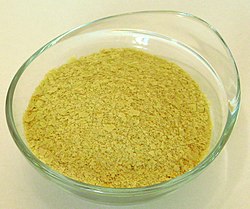


 This article contains quotations from this source, which is available under a Creative Commons Attribution license.


