



Community hub
Olive
View on Wikipedia
| Olive Temporal range: Late Pleistocene to recent,
| |
|---|---|

| |
Scientific classification 
| |
| Kingdom: | Plantae |
| Clade: | Tracheophytes |
| Clade: | Angiosperms |
| Clade: | Eudicots |
| Clade: | Asterids |
| Order: | Lamiales |
| Family: | Oleaceae |
| Genus: | Olea |
| Species: | O. europaea
|
| Binomial name | |
| Olea europaea | |

| |
| Distribution map of Olea europaea s.l. | |

The olive (botanical name Olea europaea, "European olive") is a species of subtropical evergreen tree in the family Oleaceae. Originating in Asia Minor,[2] it is abundant throughout the Mediterranean Basin, with wild subspecies in Africa and western Asia; modern cultivars are traced primarily to the Near East, Aegean Sea, and Strait of Gibraltar.[3] The olive is the type species for its genus, Olea, and lends its name to the Oleaceae plant family, which includes lilac, jasmine, forsythia, and ash. The olive fruit is classed botanically as a drupe, similar in structure and function to the cherry or peach. The term oil—now used to describe any viscous water-insoluble liquid—was originally synonymous with olive oil, the liquid fat derived from olives.
The olive has deep historical, economic, and cultural significance in the Mediterranean.[4][5] It is among the oldest fruit trees domesticated by humans,[6] being first cultivated in the Eastern Mediterranean between 8,000 and 6,000 years ago, most likely in the Levant.[3] The olive gradually disseminated throughout the Mediterranean via trade and human migration starting in the 16th century BC;[7] it took root in Crete around 3500 BC and reached Iberia by about 1050 BC. Olive cultivation was vital to the growth and prosperity of various Mediterranean civilizations, from the Minoans and Myceneans of the Bronze Age to the Greeks and Romans of classical antiquity.[8]
The olive has long been prized throughout the Mediterranean for its myriad uses and properties. Aside from its edible fruit, the oil extracted from the fruit has been used in food and for lamp fuel, personal grooming, cosmetics, soap making, lubrication, and medicine, while the wood of olive trees was sometimes used for construction.[9] Owing to its utility, resilience, and longevity—an olive tree can allegedly live for thousands of years—the olive also held symbolic and spiritual importance in various cultures; its branches and leaves were used in religious rituals, funerary processions, and public ceremonies, from the ancient Olympic games to the coronation of Israelite kings. Ancient Greeks regarded the olive tree as sacred and a symbol of peace, prosperity, and wisdom—associations that have persisted.[10] The olive is a core ingredient in traditional Middle Eastern and Mediterranean cuisines, particularly in the form of olive oil, and a defining feature of local landscapes, commerce, and folk traditions.
The olive is cultivated in all countries of the Mediterranean, as well as in Australia, New Zealand, the Americas, and South Africa.[11][12] Spain, Italy, and Greece lead the world in commercial olive production; other major producers are Turkey, Tunisia, Syria, Morocco, Algeria, and Portugal.[9] There are thousands of cultivars of olive tree, and the fruit of each cultivar may be used primarily for oil, for eating, or both, although some varieties are grown as sterile ornamental shrubs, and are known as Olea europaea Montra, dwarf olive, or little olive. Approximately 80% of all harvested olives are processed into oil, while about 20% are for consumption as fruit, generally referred to as "table olives".[13]
Etymology
[edit]The word olive derives from Latin ŏlīva 'olive fruit; olive tree',[14] possibly through Etruscan 𐌀𐌅𐌉𐌄𐌋𐌄 (eleiva) from the archaic Proto-Greek form *ἐλαίϝα (*elaíwa) (Classic Greek ἐλαία elaía 'olive fruit; olive tree').[15][16] The word oil originally meant 'olive oil', from ŏlĕum,[17] ἔλαιον (élaion 'olive oil').[18][19] The word for 'oil' in multiple other languages also ultimately derives from the name of this tree and its fruit. The oldest attested forms of the Greek words are Mycenaean 𐀁𐀨𐀷, e-ra-wa, and 𐀁𐀨𐀺, e-ra-wo or 𐀁𐁉𐀺, e-rai-wo, written in the Linear B syllabic script.[20]
Description
[edit]
The olive tree, Olea europaea, is an evergreen tree or shrub native to Mediterranean Europe, Asia, and Africa. It is short and squat and rarely exceeds 8–15 m (25–50 ft) in height. Pisciottana—a unique variety comprising 40,000 trees found only in the area around Pisciotta in the Campania region of southern Italy—often exceeds this, with correspondingly large trunk diameters. The silvery green leaves are oblong, measuring 4–10 cm (1+1⁄2–4 in) long and 1–3 cm (3⁄8–1+3⁄16 in) wide. The trunk is typically gnarled and twisted.[21]
Small, white flowers are borne generally on the previous year's wood, in racemes springing from leaf axils. Each flower is made of four yellowish white petals fused at the bottom joined to a base of four fused green sepals. The flower buds grow slowly from 4 to 6 weeks before they reach a length of about 2 cm and bloom, they bloom quicker between 5-6 days in hot weather and 2 weeks in colder areas. The flowers also pollinate and fertilize faster in hotter climates.[22]
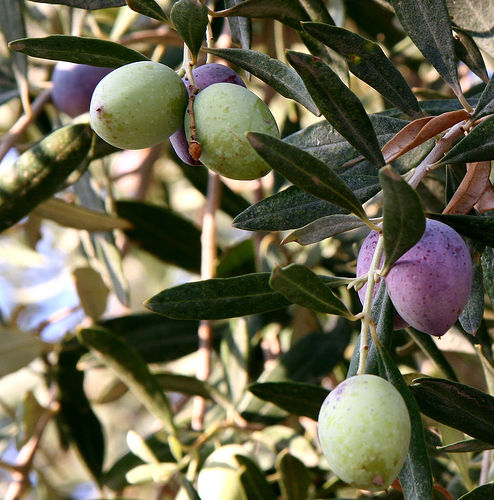
The fruit is a small drupe, 1–2.5 cm (3⁄8–1 in) long when ripe, thinner-fleshed and smaller in wild plants than in orchard cultivars. Olives are harvested in the green to purple stage.[23] O. europaea contains a pyrena commonly referred to in American English as a "pit", and in British English as a "stone".[24]


Taxonomy
[edit]The six natural subspecies of Olea europaea are distributed over a wide range:[25][26][27]
- O. e. subsp. europaea (Mediterranean Basin)
The subspecies europaea is divided into two varieties, the europaea, which was formerly named Olea sativa, with the seedlings called "olivasters", and silvestris, which corresponds to the old wildly growing Mediterranean species O. oleaster, with the seedlings called "oleasters".[28] The sylvestris is characterized by a smaller, shrubby tree that produces smaller fruits and leaves.[29]
- O. e. subsp. cuspidata (from South Africa throughout East Africa ,Arabia, Northwest India to Southwest China)
- O. e. subsp. cerasiformis (Madeira); also known as Olea maderensis
- O. e. subsp. guanchica (Canary Islands)
- O. e. subsp. laperrinei (Algeria, Sudan, Niger)
- O. e. subsp. maroccana (Morocco)
The subspecies O. e. cerasiformis is tetraploid, and O. e. maroccana is hexaploid.[30] Wild-growing forms of the olive are sometimes treated as the species Olea oleaster, or "oleaster". The trees referred to as "white" and "black" olives in Southeast Asia are not actually olives but species of Canarium.[31]
Cultivars
[edit]Hundreds of cultivars of the olive tree are known.[32][33] An olive's cultivar has a significant impact on its colour, size, shape, and growth characteristics, as well as the qualities of olive oil.[32] Olive cultivars may be used primarily for oil, eating, or both. Olives cultivated for consumption are generally referred to as "table olives".[13]
Since many olive cultivars are self-sterile or nearly so, they are generally planted in pairs with a single primary cultivar and a secondary cultivar selected for its ability to fertilize the primary one. In recent times, efforts have been directed at producing hybrid cultivars with qualities useful to farmers, such as resistance to disease,[34] quick growth, and larger or more consistent crops.[citation needed]
History
[edit]As one of the oldest cultivated trees on Earth,[35] the history of the olive is deeply intertwined with humans; its ecological success and expansion is largely the result of human activity rather than environmental conditions, with the tree's genetic and geographic trajectory directly reflecting the rise and fall of several civilizations.[36] Owing to this deep relationship with humans, the olive has been disseminated well beyond its native range, spanning 28.6 million acres across 66 countries.[37] There were an estimated 865 million olive trees in the world in 2005, of which the vast majority were found in Mediterranean countries; traditionally marginal areas accounted for no more than 25% of olive-planted area and 10% of oil production.[38]
Mediterranean Basin
[edit]Fossil evidence indicates that the olive tree had its origins 20–40 million years ago in the Oligocene, in what now corresponds to Italy and the eastern Mediterranean Basin.[39][40] Around 100,000 years ago, olives were used by humans in Africa, on the Atlantic coast of Morocco, for fuel and most probably for consumption.[41] Wild olive trees, or oleasters, have been collected in the Eastern Mediterranean since approximately 19,000 BP;[42] the genome of cultivated olives reflects their origin from oleaster populations in the region.[43][44][45][46][47][48]
The olive plant was first cultivated in the Mediterranean between 8,000 and 6,000 years ago.[3][39][49] Domestication likely began in the Levant, based on archeological findings in ancient tombs—including written tablets, olive pits, and olive wood fragments—as well as genetic analyses.[50][51][3]
For thousands of years, olives were grown primarily for lamp oil rather than for culinary purposes,[50] as the natural fruit has an extremely bitter taste.[52] It is very likely that the first mechanized agricultural methods and tools were those designed to produce olive oil;[53] the earliest olive oil production dates back some 6,500 years ago in coastal Canaan (present-day Israel).[54] As far back as 3000 BC, olives were grown commercially in Crete and may have been the main source of wealth for the Minoan civilization.[55]
The exact ancestry of the cultivated olive is unknown. Fossil olea pollen has been found in Macedonia and other places around the Mediterranean, indicating that this genus is an original element of the Mediterranean flora. Fossilized leaves of olea were found in the palaeosols of the volcanic Greek island of Santorini and dated to about 37,000 BP. Imprints of larvae of olive whitefly Aleurobus olivinus were found on the leaves. The same insect is commonly found today on olive leaves, showing that the plant-animal co-evolutionary relations have not changed since that time.[56] Other leaves found on the same island date back to 60,000 BP, making them the oldest known olives from the Mediterranean.[57]
Expansion and propagation
[edit]In the 16th century BC, the Phoenicians—a seafaring people native to the Levantine heartland where olives likely were first cultivated—started disseminating the olive throughout the Mediterranean. Owing to their dominance as traders, merchants, and mariners, they succeeded in spreading the olive to the Greek isles, particularly Crete, later introducing it to the Greek mainland between the 14th and 12th centuries BC. Olive cultivation increased and gained great importance among the Greeks; Athenian statesman Solon (c. 630 – c. 560 BC) issued decrees regulating olive planting and encouraging its cultivation, particularly for export.[58] Greek literature and mythology reflected the privileged and even sacred position of the olive, while leading thinkers and figures like Hippocrates, Homer, and Theophrastus observed its various positive properties and benefits.
The earliest evidence of the olive tree in Egypt traces back to the Eighteenth Dynasty (1570–1345 BC),[59] during the same period the Phoenicians began distributing it across the Mediterranean. However, scenes on the walls of the tomb of King Teti (ruled c. 2345 BC to c. 2333 BC) show olive fruits and trees, though it is unclear if these represent domestic cultivation. Pharoah Ramses III (reigned 1186–1155 BC) promoted cultivating olive trees and offered the olive oil extracted from Heliopolis to the Sun God Ra; papyrus manuscripts dated to his reign (c. 1550 BC), as well as temple engravings, depict the growing of olive trees and the use of olive oil in cooking, lamps, cosmetics, medicine and embalming. Pharoah Tutankhamun, who ruled from ca. 1333 to 1323 BC, wore a garland of olive branches originated from Dakhla Oasis, 360 km to the east. Egyptian mummies dating back to the 20-25th dynasties (c. 1185 BC to c. 656 BC) have also been found wearing olive wreaths.
While there is no evidence of olive cultivation in Mesopotamia, olive wood appears as early as the mid third millennium BC; the site of Emar in present-day Syria has olive wood and olive pits dating to the Middle Bronze Age (2000–1600 BC).[60] The Code of Hammurabi, a compilation of laws and edicts made by King Hammurabi of the Old Babylonian Empire (reigning from c. 1792 to c. 1750 BC), makes repeated references to olive oil as a key commodity.[61] The Assyrian Empire (858–627 BC) may have expanded into the southern Levant partly to secure control over its lucrative olive oil production.[62]
From the sixth century BC onwards, the olive continued spreading toward the central and western Mediterranean through colonization and commerce, reaching Sicily, Libya, and Tunisia. From there, it expanded into southern Italy among the various Etruscan, Sabine, and Italic peoples. The introduction of the olive tree to mainland Italy allegedly occurred during the reign of Lucius Tarquinius Priscus (616–578 BC), possibly from Tripoli (Libya) or Gabes (Tunisia). Cultivation moved as far upwards as Liguria near the border with France. When the Romans arrived in North Africa beginning in the second half of the first century BC, the native Berbers knew how to graft wild olives and had highly developed its cultivation throughout the region.
.jpg)
The olive's expansion and cultivation reached its greatest extent through Rome's gradual conquest and settlement across virtually the entire Mediterranean; the Romans continued propagating the olive for commercial and agricultural purposes, as well as to assimilate local populations. It was introduced in present-day Marseille around 600 BC and spread from there to the whole of Gaul (modern France). The olive tree made its appearance in Sardinia following Roman conquest in the third century BC, though it may not have reached nearby Corsica until after the fall of the western Roman Empire in the fifth century AD.
Although olive growing was introduced to Spain by the Phoenicians some time in 1050 BC, it did not reach a larger scale until the arrival of Scipio (212 BC) during the Second Punic War against Carthage. After the Third Punic War (149–146 BC), olives occupied a large stretch of the Baetica valley in southwest Spain and spread towards the central and Mediterranean coastal areas of the Iberian Peninsula, including Portugal. Through the second century AD, this region would become the largest source of olives and olive oil within the empire.[63] Olive became a core part of the Roman diet, and by extension a major economic pillar; the cultivation, harvesting, and trade in olives and their derived goods sustained many livelihoods and regions. The emperor Hadrian (117–138 AD) passed laws prompting olive cultivation by exempting individuals who grew olive trees from rent payments on their land for ten years.[63]
The degree to which the olive benefited from the Romans is demonstrated by the significant decline in olive planting and olive oil production that followed the collapse of the Roman Empire.[64] Beginning in the early eighth century AD, Muslim Arabs and North Africans brought their own varieties of olives during their conquest of Iberia, reinvigorating and expanding olive growing throughout the peninsula. The spread and importance of olives during subsequent Islamic rule is reflected in the Arabic roots of the Spanish words for olive (aceituna), oil (aceite), and wild olive tree (acebuche) and the Portuguese words for olive (azeitona) and olive oil (azeite).
Outside the Mediterranean
[edit]The olive is not native outside the Mediterranean Basin, although various wild subspecies are endemic throughout Sub-Saharan Africa, southern Arabia, and central and south Asia.[65] Beyond its immediate native range, the cultivated olive historically spread across West Asia through southwest China, and into parts of southern Egypt, northeast Sudan, the Canary Islands, and possibly the mountains of the Sahara.[65] Olive domestication is present on every inhabited continent due to human introduction.

Americas
[edit]Spanish colonists brought the olive to the New World in the 18th century, where its cultivation prospered in present-day Peru, Chile, Uruguay and Argentina. The first seedlings from Spain were planted in Lima by Antonio de Rivera in 1560. Olive tree cultivation quickly spread along the valleys of South America's dry Pacific coast where the climate is similar to the Mediterranean.[66]
Spanish missionaries established the olive tree in California between 1769 and 1795 at Mission San Diego de Alcalá. Orchards were started at other missions, but by 1838, only two olive orchards were confirmed in California. Cultivation for oil gradually became a highly successful commercial venture from the 1860s onward.[67][68]
Olive growing in the United States is primarily concentrated in warmer regions like California, Texas,[69] New Mexico, Arizona, Georgia, and Florida. California is by far the largest olive producer in the U.S., accounting for 95 percent of domestic olives;[70] as of 2021, there are roughly 36,000 acres under olive cultivation in the U.S.,[70] of which about 35,000 acres are in California.[71] However, the industry is also expanding into the southeastern U.S., with Florida and Georgia experiencing growth in olive farming.[72][70]
Asia
[edit]Olive trees were successfully introduced in Japan in 1908 on Shodo Island; located in the Seto Inland Sea, the island has a moderate climate characterized by stable year-round temperature and relatively low rainfall. It became the cradle of olive cultivation in Japan,[73] accounting for over 95% of the country's total production,[74] and earning the nickname "Olive Island".[75] Olives play a central role in the local culture and economy, with the island's mascot and tourism merchandise reflecting olive themes.[75] Olive cultivation has spread to other regions in Japan, namely neighboring Kagawa and Okayama and nearby Kyushu.[74] The vast majority of Japanese growers are small-scale farmers.[74]
Since 2010,[76] Pakistan has been pursuing large scale commercial olive production, which it identified as a strategic national priority to reduce dependence on foreign oils and expand economic opportunity.[77] As part of the national Ten Billion Tree Tsunami Project launched in 2019, which aimed to plant 10 billion trees to mitigate climate change and environmental degradation,[78] the Khyber Pakhtunkhwa provincial government planted thousands of olives to symbolize peace and provide commercial opportunities in the war-torn region.[79] By 2020, with the help of experts from Spain and Italy, Pakistan imported thousands of trees and identified 10 million acres for growing olives.[80] The following year, the federal Ministry of Climate Change launched the Olive Trees Tsunami Project to plant nearly 10 million hectares of olive trees. In 2022, Pakistan announced its intention to join the International Olive Council as part of ongoing efforts to develop its domestic olive industry.[81] As of January 2025, the country had 5.6 million cultivated olive trees, with 500,000 to 800,000 new trees planted annually, as well as 80 million wild olive trees.[82] Punjab province plans to plant 50 million olive trees on about 9.8 million acres by 2026.[82]
Commercial olive oil production started in India in 2016, following the planting of olive saplings imported from Israel in Rajasthan's Thar Desert in 2008.[83] Production was spearheaded by Rajasthan Olive Cultivation Limited, a state government-funded agency that offered subsidies and incentives for growing olives, with support from Israeli experts.[84] Olive farms continued expanding into 2020 but saw a precipitous decline in size and production volume by 2023, due to the difficult climate and declining government interest and support.[85]
Global expansion
[edit]Amid ongoing climate warming, several small-scale olive production farms have also been established at fairly high latitudes in Europe and North America since the early 21st century, including in the United Kingdom, Germany, and Canada.[86][87][88][89]
Symbolic and cultural significance
[edit]Modern researchers and historians have identified the olive as one of the defining characteristics of both ancient and contemporary Mediterranean culture, geography, and cuisine.[90][91] Georges Duhamel remarked that the "Mediterranean ends where the olive tree no longer grows".[92]
Ancient Greece
[edit]
Olives are thought to have been domesticated in the third millennium BC at the latest, at which point they, along with grain and grapes, became part of Colin Renfrew's Mediterranean triad of staple crops that fueled the emergence of more complex societies.[8] Olives, and especially (perfumed) olive oil, became a major export product during the Minoan and Mycenaean periods. Dutch archaeologist Jorrit Kelder proposed that the Mycenaeans sent shipments of olive oil, probably alongside live olive branches, to the court of Egyptian pharaoh Akhenaten as a diplomatic gift.[93] In Egypt, these imported olive branches may have acquired ritual meanings, as they are depicted as offerings on the wall of the Aten temple and were used in wreaths for the burial of Tutankhamun. It is likely that, as well as being used for culinary purposes, olive oil had various other purposes, including as a perfume.[94]
The ancient Greeks smeared olive oil on their bodies and hair as a matter of grooming and good health. Olive oil was used to anoint kings and athletes in ancient Greece. It was burnt in the sacred lamps of temples and was the "eternal flame" of the original Olympic games, whose victors were crowned with its leaves. The olive appears frequently, and often prominently, in ancient Greek literature. Homer's Odyssey (c. eighth century BC), Odysseus crawls beneath two shoots of olive that grow from a single stock,[95] and in the Iliad, (XVII.53ff) there is a metaphoric description of a lone olive tree in the mountains by a spring; the Greeks observed that the olive rarely thrives at a distance from the sea, which in Greece invariably means up mountain slopes. Greek myth attributed to the primordial culture-hero Aristaeus the understanding of olive husbandry, along with cheese-making and beekeeping.[96] Olive was one of the woods used to fashion the most primitive Greek cult figures, called xoana, referring to their wooden material; they were reverently preserved for centuries.[97]
In an archaic Athenian foundation myth, Athena won the patronage of Attica from Poseidon with the gift of the olive. According to the fourth-century BC father of botany, Theophrastus, olive trees ordinarily attained an age around 200 years,[98] and he mentions that the very olive tree of Athena still grew on the Acropolis; it was still to be seen there in the second century AD,[99] and when Pausanias was shown it c. 170 AD, he reported "Legend also says that when the Persians fired Athens the olive was burnt down, but on the very day it was burnt it grew again to the height of two cubits."[100] Because olive suckers sprout readily from the stump, and some existing olive trees are purportedly many centuries old, it is possible that the olive tree of the Acropolis dated to the Bronze Age. The olive remained sacred to Athens and its patron deity Athena, appearing on its coinage. According to another myth, Elaea—whose name translates to "olive"—was an accomplished athlete killed by fellow athletes out of envy; owing to her impressive achievement, Athena and Gaia turn her into an olive tree as a reward.[101]
The olive and its properties were subject to early scientific and empirical observation. Theophrastus, in On the Causes of Plants, states that the cultivated olive must be vegetatively propagated; indeed, the pits give rise to thorny, wild-type olives, spread far and wide by birds. He also reports how the bearing olive can be grafted on the wild olive, for which the Greeks had a separate name, kotinos.[102] In his Enquiry into Plants, Theophrastus states that the olive can be propagated from a piece of the trunk, the root, a twig, or a stake.[103] Homer described olive oil as "liquid gold", while Hippocrates (c. 460 BC – c. 375 BC), widely regarded as the father of medicine, considered it "the great healer".[104]
Ancient Egypt
[edit]Ancient Egyptians believed that Isis, the consort of Osiris and the mother of university, taught mankind to extract oil from olives; olive oil has been found among valuable treasures buried in the tombs of important prehistoric Egyptians, and was used as an offering to the gods.
Ancient Rome
[edit]
Like the Greeks, the Romans held olives in high regard for various purposes, both practical and symbolic. Roman mythology held that Hercules introduced the olive tree to Italy from North Africa, while the goddess of wisdom, Minerva, taught the art of cultivation and oil extraction.[105] Numerous archaeological finds indicate the presence of the olive tree in Lazio, the region around Rome, as early as the 7th century BC; however, rudimentary olive production has also been traced back to earlier Etruscan and Sabine settlements in the area.[105]
The olive tree was subject to many treatises and agronomic works by the Romans. Pliny the Elder, in his first century AD encyclopedia, Naturalis Historia, describes at least 22 different varieties and qualities of olive trees, detailing their respective techniques for cultivation and production. Pliny also observes that an olive tree is one of only three plants—along with a vine and fig tree—growing in the middle of the Roman Forum, which served as the center of daily life in the city; the olive was purportedly planted to provide shade. (The garden was recreated in the 20th century).[106]
Roman poet Horace mentions the olive in reference to his own diet, which he describes as very simple: "As for me, olives, endives, and smooth mallows provide sustenance."[107] Roman architect and engineer Vitruvius describes of the use of charred olive wood in tying together walls and foundations in his De Architectura.[108] Olive cultivation and production was also recognized for its commercial and economic importance; according to Cato the Younger, among the various tasks of the pater familias (the family patriarch and head of household) was that of keeping an account of the olive oil. The city of Rome designated a special area for negotiating and selling olive oil that was managed by negotiatores oleari, who were analogous to stockbrokers.[109]
Judaism and Israel
[edit]
Olives were one of the main elements in ancient Israelite cuisine. Olive oil was used not only culinarily, but also for lighting, sacrificial offerings, ointment, and anointing religious and political officials.[110] The word moshiach—Hebrew for Messiah—means "anointed one"; in Jewish eschatology, the Messiah is a future Jewish king from the Davidic line, who is expected to be anointed with holy oil partially derived from olive oil. The olive tree is one of the first plants mentioned in the Hebrew Bible, and one of the most significant; an olive branch (or leaf, depending on translation) was brought back to Noah by a dove to demonstrate that the flood was over (Genesis 8:11).[111]
The olive's importance in Israel is expressed in the parable of Jotham in Judges 9:8–9:[112] "One day the trees went out to anoint a king for themselves. They said to the olive tree, 'Be our king.' But the olive tree answered, 'Should I give up my oil, by which both gods and humans are honored, to hold sway over the trees?'"[112] The olive tree is also analogized to a righteous man (Psalm 52:8; Hosea 14:6) whose "children will be like vigorous young olive trees" (Psalm 128:3).
Deuteronomy characterizes the "Promised Land" of the Hebrews as containing olive groves (6:11) and subsequently lists olives as one of the seven species that are special products of the Land of Israel (8:8).[113][112] According to the Halakha, the Jewish law mandatory for all Jews, the olive is one of the seven species that require the recitation of me'eyn shalosh, a blessing of gratitude, after they are consumed. Olive oil is also the most recommended and best possible oil for lighting Shabbat candles.[114]
Olive oil features prominently in the Jewish festival of Hanukkah, which commemorates the recovery of Jerusalem and subsequent rededication of the Second Temple during the Maccabean Revolt against the Seleucid Empire in the 2nd century BC. According to the Talmud, the central text of Rabbinical Judaism, after Seleucid forces had been driven from the Temple, the Maccabees discovered that almost all the ritual olive oil for the Temple menorah had been profaned. They found only single container with just enough pure oil to keep the menorah lit for a single day; however, it burned for eight days—the time needed for new oil to have been prepared—a miracle that forms a major part of Hanukkah celebrations. Subsequently, the olive tree and its oil have come to represent the strength and persistence of the Jewish people.[115] In common with other Mediterranean cultures, the Jewish people used it for many practical and ritualistic purposes, from fuel and medicine to cosmetics and even currency; as in Greek and Roman societies, athletes were cleansed by covering their skin with oil then scraping it to remove the dirt. Jews who settled in foreign lands often became olive merchants.[115]
Due to its importance in the Hebrew Bible, the olive has significant national meaning in modern Israeli culture. Two olive branches appear as part of Israel's emblem, which may have been inspired by the vision of biblical Hebrew prophet Zechariah, who describes seeing a menorah flanked by an olive tree on each side;[116] the trees represent Zerubbabel and Joshua, the governor and high priest, respectively. The olive tree was declared the unofficial national tree of Israel in 2021 by a survey of Israelis;[117] it is often planted during Tu BiShvat and its fruit is a customary part of the accompanying seder.
Christianity
[edit]
The olive tree, as well as its fruit and oil, play an important role in Christianity.[118] Apart from being mentioned in the Hebrew Bible (the Christian Old Testament), they appear several times in the New Testament. The Mount of Olives east of Jerusalem figures prominently in the Bible: It is part of the route to Bethany, which is the site of several key biblical events; where Jesus stood when he wept over Jerusalem; and where he ascended to heaven (Acts 1:9–12). Jesus is said to have spent time on the mount, teaching and prophesying to his disciples (Matthew 24–25)—most notably the Olivet Discourse—and returning after each day to rest (Luke 21:37, and John 8:1).
Gethsemane, an olive garden at the foot of the Mount of Olives, whose name derives from the Hebrew word for "oil press",[119] is where Jesus underwent his agonized prayer to God and was ultimately betrayed and arrested before his crucifixion. According to Eastern Orthodox Church tradition, it is where the Virgin Mary was buried and was assumed into heaven after her dormition on Mount Zion.[120] Gethsemane became a focal point for Christian pilgrims during the Middle Ages and remains revered in Christianity; many of its olive trees, which are purportedly among the oldest living trees in the world,[121] are divided among various churches.
The apostle Paul uses the olive tree as an allegory in his Epistle to the Romans, comparing Israelites to a tame olive tree and Gentiles to a wild olive branch (Romans 11:17–24).The cultivated olive tree is pruned and nurtured so as to bear fruit, whereas its barren branches are trimmed and discarded; God has preserved the holy root of Israel so that the wild branches (the Gentiles) can be grafted onto it and thus share in the blessings of the cultivated tree (Israel)
Islam
[edit]The olive tree and olive oil are mentioned seven times in the Quran;[122] it is one of a handful of plants to appear by name, along with the fig, date palm, ginger, and grapevine. The olive is praised as a precious fruit and a gift from God (Surah Al-An'am: 99). Muhammad is reported to have said: "Take oil of olive and massage with it—it is a blessed tree" (Sunan al-Darimi, 69:103). Olives are substitutes for dates (if not available) during Ramadan fasting, and olive tree leaves are used as incense in some Muslim Mediterranean countries.[123]
Palestine
[edit]
In Palestine, the olive tree carries symbolic connotations of resilience, health, ancestral ties, and community.[124][125] Researchers have found that it represents many Palestinian cultural values such as Sutra, A'wana and Sumud.[126][124] Olive trees are also a symbol of Palestinian identity: [124][126] they are viewed as the first witnesses that Palestine is the homeland of the Palestinian people, and signify the bond between Palestinians and their land.[124] The olive tree is a means of survival and security,[127] serving as the primary source of income for over 800,000 families and accounting for 14 percent of the Palestinian economy.[128] Almost half the cultivated land in the West Bank is planted with about 10 million olive trees.[129]

The harvest season is referred to as "Palestine's wedding" and is considered a national holiday when schools close for two days so that pupils and teachers can join in the harvest.[126] This holiday allows community and family members to gather and serves as a ritual that encompasses their values surrounding family, labour, community and aid for other members of the community that do not possess land.[126] This is practised through the tradition of leaving fruit on a tree during the harvest so that those who do not have land and are unable to take part in the harvest can still reap the benefits.[126]
The olive tree's enduring cultural and economic significance to the Palestinians has put it at the center of the ongoing Israeli–Palestinian conflict; an estimated 800,000 olive trees have been uprooted by Israeli authorities and settlers since 1967,[130] and groves are frequently targeted in attacks or acts of vandalism.[131][132] These destructions are considered a way to forcibly displace Palestinians and seize their land.[133]
United States
[edit]During the early stage of the American Revolutionary War, the Second Continental Congress of the Thirteen American Colonies issued the "Olive Branch Petition" to Great Britain to prevent further escalation. The Great Seal of the United States, first used in 1782, depicts an eagle clutching an olive branch and arrows in its talons, indicating the power of peace and war, respectively.[134] The eagle is portrayed as casting its gaze towards the olive branch, symbolizing the United States' preference to pursue peace before war.[135]
Thomas Jefferson, a founding father and third president of the United States, was a great admirer of olives and olive oil, regarding the olive tree as "the richest gift of heaven", "one of the most precious productions of nature", and "the most interesting plant in existence".[136] Jefferson's fascination stemmed from his experiences in Europe, particularly France and Italy, while serving as the U.S. Minister to France in the late 1780s. He was impressed by the olive tree's resilience and suitability for various climates, taking detailed notes of its various "virtues" and qualities; he also observed the widespread use of olive oil and encouraged its consumption for its health benefits and ability to provide "a proper and comfortable nourishment" compared to existing staples in the U.S. such as rice.[137]
Jefferson believed the olive tree would be a valuable crop in America and could help alleviate poverty and improve the lives of enslaved people; he wrote letters to various agricultural societies urging them to consider introducing olive cultivation in the U.S., advocating for "an olive tree planted for every American slave", particularly in the American South.[137] Jefferson experimented with growing olive trees at his home in Monticello, Virginia and attempted to establish a domestic olive oil industry,[136] expressing bitter disappointment when this effort failed in the early 1810s.
Jefferson remained a lifelong connoisseur of olive oil, which "had joined the exclusive company of wine and books as a ... 'necessary of life'"; every year until his death, he imported four to five gallons of "virgin oil of Aix" from France, and at least one fragment of an olive oil bottle has been unearthed at Monticello.[138]
United Nations
[edit]The flag of the United Nations adopted in 1946 is a world map surrounded by two olive branches.[139] Likewise, a similar design is adopted for the flags of many U.N. agencies and programs, including the International Atomic Energy Agency, International Labour Organization, and World Health Organization.
Uses and properties
[edit]The olive tree, Olea europaea, has been cultivated for the olive fruit, olive oil, fine wood, olive leaf, and ornamental reasons. About 80% of all harvested olives are turned into oil, while about 20% are used as table olives.[32] The olive is one of the "trinity" or "triad" of basic ingredients in Mediterranean cuisine, along with wheat (for bread, pasta, and couscous) and the grape (for wine).[140][141]
Olive oil
[edit]Olive oil is a liquid fat obtained from olives, produced by pressing whole olives and extracting the resulting oil. It is most commonly used for culinary purposes, namely frying, marinating, or flavoring food or as a salad dressing. Olive oil is also used in cosmetics, pharmaceuticals, soaps, and as a fuel for traditional oil lamps. Olive oil serves a ritual purpose in some religions. Pursuant to historical tradition, various Christian churches use olive oil as part of consecration ceremonies, such as administering certain sacraments and ecclesiastical functions.[142]
Spain accounts for almost half of global olive oil production; other major producers are Portugal, Italy, Tunisia, Greece and Turkey.[143] Per capita consumption is highest in Greece, followed by Italy and Spain.[144]
The composition of olive oil varies with the cultivar, elevation, time of harvest and extraction process. It consists mainly of oleic acid (up to 83%), with smaller amounts of other fatty acids including linoleic acid (up to 21%) and palmitic acid (up to 20%). Extra virgin olive oil (EVOO) is required to have no more than 0.8% free acidity and fruity flavor characteristics.[145]
Table olives
[edit]


Table olives are classified by the International Olive Council (IOC) into three groups according to the degree of ripeness achieved before harvesting:[146]
- Green olives are picked when they have obtained full size, while unripe; they are usually shades of green to yellow and contain the bitter phytochemical oleuropein.[146]
- Semi-ripe or turning-colour olives are picked at the beginning of the ripening cycle, when the colour has begun to change from green to multicolour shades of red to brown. Only the skin is coloured, as the flesh of the fruit lacks pigmentation at this stage, unlike that of ripe olives.
- Black olives or ripe olives are picked at full maturity when fully ripe, displaying colours of purple, brown or black.[146][page needed] To leach the oleuropein from olives, commercial producers use lye, which neutralizes the bitterness of oleuropein, producing a mild flavour and soft texture characteristic of California black olives sold in cans.[146] Such olives are typically preserved in brine and sterilized under high heat during the canning process.[147]
Fermentation and curing
[edit]
Raw or fresh olives are naturally very bitter and astringent; to make them palatable, olives must be cured and fermented, thereby removing oleuropein, a bitter phenolic compound that can reach levels of 14% of dry matter in young olives.[148] In addition to oleuropein, other phenolic compounds render freshly picked olives unpalatable and must also be removed or lowered in quantity through curing and fermentation. Generally speaking, phenolics reach their peak in young fruit and are converted as the fruit matures.[149] Once ripening occurs, the levels of phenolics sharply decline through their conversion to other organic products, which render some cultivars edible immediately.[148] One example of an edible olive native to the island of Thasos is the throubes black olive, which becomes edible when allowed to ripen in the sun, shrivel, and fall from the tree.[150][151]
The curing process may take from a few days with lye, to a few months with brine or salt packing.[152] With the exception of California style and salt-cured olives, all methods of curing involve a major fermentation involving bacteria and yeast that is of equal importance to the final table olive product.[153] Traditional cures, using the natural microflora on the fruit to induce fermentation, lead to two important outcomes: the leaching out and breakdown of oleuropein and other unpalatable phenolic compounds, and the generation of favourable metabolites from bacteria and yeast, such as organic acids, probiotics, glycerol, and esters, which affect the sensory properties of the final table olives.[148] Mixed bacterial/yeast olive fermentations may have probiotic qualities.[154][155] Lactic acid is the most important metabolite, as it lowers the pH, acting as a natural preservative against the growth of unwanted pathogenic species. The result is table olives which can be stored without refrigeration. Fermentations dominated by lactic acid bacteria are, therefore, the most suitable method of curing olives. Yeast-dominated fermentations produce a different suite of metabolites which provide poorer preservation, so they are corrected with an acid such as citric acid in the final processing stage to provide microbial stability.[13]
The many types of preparations for table olives depend on local tastes and traditions. The most important commercial examples are listed below.
- Lebanese or Phoenician fermentation: Applied to green, semiripe, or ripe olives. Olives are soaked in salt water for 24–48 hours. Then they are slightly crushed with a rock to hasten the fermentation process. The olives are stored for a period of up to a year in a container with salt water, lemon juice, lemon peels, laurel and olive leaves, and rosemary. Some recipes may contain white vinegar or olive oil.[citation needed]
- Spanish or Sevillian fermentation: Most commonly applied to green olive preparation, around 60% of all the world's table olives are produced with this method.[156] Olives are soaked in lye (dilute NaOH, 2–4%) for 8–10 hours to hydrolyse the oleuropein. They are usually considered "treated" when the lye has penetrated two-thirds of the way into the fruit. They are then washed once or several times in water to remove the caustic solution and transferred to fermenting vessels full of brine at typical concentrations of 8–12% NaCl.[157] The brine is changed on a regular basis to help remove the phenolic compounds. [citation needed]
- Fermentation is carried out by the natural microbiota present on the olives that survive the lye treatment process. Many organisms are involved, usually reflecting the local conditions or terroir of the olives. During a typical fermentation gram-negative enterobacteria flourish in small numbers at first but are rapidly outgrown by lactic acid bacteria species such as Leuconostoc mesenteroides, Lactobacillus plantarum, Lactobacillus brevis and Pediococcus damnosus. These bacteria produce lactic acid to help lower the pH of the brine and therefore stabilize the product against unwanted pathogenic species. A diversity of yeasts then accumulate in sufficient numbers to help complete the fermentation alongside the lactic acid bacteria. Yeasts commonly mentioned include the teleomorphs Pichia anomala, Pichia membranifaciens, Debaryomyces hansenii and Kluyveromyces marxianus.[13]
- Once fermented, the olives are placed in fresh brine and acid corrected, to be ready for market.[citation needed]
- Sicilian or Greek fermentation: Applied to green, semiripe and ripe olives, they are almost identical to the Spanish type fermentation process, but the lye treatment process is skipped and the olives are placed directly in fermentation vessels full of brine (8–12% NaCl). The brine is changed on a regular basis to help remove the phenolic compounds. As the caustic treatment is avoided, lactic acid bacteria are only present in similar numbers to yeast and appear to be outdone by the abundant yeasts found on untreated olives. As very little acid is produced by the yeast fermentation, lactic, acetic, or citric acid is often added to the fermentation stage to stabilize the process.[153]
- Picholine or directly brined fermentation: Applied to green, semi-ripe, or ripe olives, they are soaked in lye typically for longer periods than Spanish style (e.g. 10–72 hours) until the solution has penetrated three-quarters of the way into the fruit. They are then washed and immediately brined and acid corrected with citric acid to achieve microbial stability. Fermentation still occurs carried out by acidogenic yeast and bacteria but is more subdued than other methods. The brine is changed on a regular basis to help remove the phenolic compounds, and a series of progressively stronger concentrations of salt are added until the product is fully stabilized and ready to be eaten.[13]
- Water-cured fermentation: Applied to green, semi-ripe, or ripe olives, these are soaked in water or weak brine and this solution is changed on a daily basis for 10–14 days. The oleuropein is naturally dissolved and leached into the water and removed during a continual soak-wash cycle. Fermentation takes place during the water treatment stage and involves a mixed yeast/bacteria ecosystem. Sometimes, the olives are lightly cracked with a blunt instrument to trigger fermentation and speed up the fermentation process. Once debittered, the olives are brined to concentrations of 8–12% NaCl and acid corrected and are then ready to eat.[153]
- Salt-cured fermentation: Applied only to ripe olives, since it is only a light fermentation. They are usually produced in Morocco, Turkey, and other eastern Mediterranean countries. Once picked, the olives are vigorously washed and packed in alternating layers with salt. The high concentration of salt draws the moisture out of olives, dehydrating and shriveling them until they look somewhat analogous to a raisin. Once packed in salt, fermentation is minimal and only initiated by the most halophilic yeast species such as Debaryomyces hansenii. Once cured, they are sold in their natural state without any additives.[13] So-called oil-cured olives are cured in salt and then soaked in oil.[158]
- California or artificial ripening: Applied to green and semi-ripe olives, they are placed in lye and soaked. Upon their removal, they are washed in water injected with compressed air, without fermentation. This process is repeated several times until both oxygen and lye have soaked through to the pit. The repeated, saturated exposure to air oxidises the skin and flesh of the fruit, turning it black in an artificial process that mimics natural ripening. Once fully oxidised or "blackened", they are brined and acid corrected and are then ready for eating.[146][147]
Olive wood
[edit]
Olive wood is very hard and tough and is prized for its durability, colour, high combustion temperature, and interesting grain patterns. Because of the commercial importance of the fruit, slow growth, and relatively small size of the tree, olive wood and its products are relatively expensive. Common uses of olive wood include kitchen utensils, carved wooden bowls, cutting boards, fine furniture, and decorative items. The yellow or light greenish-brown wood is often finely veined with a darker tint; being very hard and close-grained, it is valued by woodworkers.[159]
Ornamental
[edit]In modern landscape design, olive trees are frequently used as ornamental features for their distinctively gnarled trunks and evergreen silvery-gray foliage.[160] Smaller cultivars have become increasingly popular as indoor plants due to their resilience and aesthetic appeal.[161]
Olive mill wastewater
[edit]The pressing of olives to create olive oil results in a liquid byproduct known in Latin as amurca or olive mill wastewater. Owing to its bitterness and unpleasant aroma, it was historically discarded as a waste product.[162]
Olive stone
[edit]The hard, inedible core of the olive fruit, also known as the pit or kernel, has various potential applications, including for biofuel, activated carbon (used for water filtration and absorption),[163] furfural production, filler, animal feed, or resin formation.[164] Spain, the world's leading olive grower, produces about 400,000 tons of olive pits annually, which are mostly used as biomass for residential boilers, olive mills, and some industries.[165]
Environmental health and sustainability
[edit]Olive tree cultivation has been linked to promoting biodiversity, improving soil quality,[166] and mitigating climate change through carbon sequestration.[167][168] As long-lived perennial plants, they absorb carbon dioxide over long time frames, with groves sequestering approximately 2.2 to 4.5 metric tons of carbon dioxide (CO2) per hectare annually.[169][170]
Cultivation
[edit]
The earliest evidence for the domestication of olives comes from the Chalcolithic period archaeological site of Teleilat el Ghassul in modern Jordan. Farmers in ancient times believed that olive trees would not grow well if planted more than a certain distance from the sea; Theophrastus gives 300 stadia (55.6 km or 34.5 mi) as the limit. Modern experience does not always confirm this, and, though showing a preference for the coast, they have long been grown further inland in some areas with suitable climates, particularly in the southwestern Mediterranean (Iberia and northwest Africa) where winters are mild. An article on olive tree cultivation in Spain is brought down in Ibn al-'Awwam's 12th-century agricultural work, Book on Agriculture.[172]

Olives are cultivated in many regions of the world with Mediterranean climates, such as South Africa, Chile, Peru, Pakistan, Australia, and the western United States (particularly California), as well as in areas with temperate climates such as New Zealand and the Córdoba Province, Argentina.[173][174]

Growth and propagation
[edit]
Olive trees show a marked preference for calcareous soils, flourishing best on limestone slopes and crags, and coastal climate conditions. They grow in any light soil, even on clay if well drained, but in rich soils, they are predisposed to disease and produce poor quality oil. (This was noted by Pliny the Elder.) Olives like hot weather and sunny positions without any shade, while temperatures below −10 °C (14 °F) may injure even a mature tree. They tolerate drought well because of their sturdy and extensive root systems. Olive trees can remain productive for centuries as long as they are pruned correctly and regularly.[175]
Only a handful of olive varieties can be used to cross-pollinate. 'Pendolino' olive trees are partially self-fertile, but pollenizers are needed for a large fruit crop. Other compatible olive tree pollinators include 'Leccino' and 'Maurino'. 'Pendolino' olive trees are used extensively as pollinizers in large olive tree groves.[176]
Olives are propagated by various methods. The preferred ways are cuttings and layers; the tree roots easily in favourable soil and throws up suckers from the stump when cut down. However, yields from trees grown from suckers or seeds are poor; they must be budded or grafted onto other specimens to do well.[177] Branches of various thickness cut into lengths around 1 m (3+1⁄2 ft) planted deeply in manured ground soon vegetate. Shorter pieces are sometimes laid horizontally in shallow trenches and, when covered with a few centimetres of soil, rapidly throw up sucker-like shoots. In Greece, grafting the cultivated tree on the wild tree is a common practice. In Italy, embryonic buds, which form small swellings on the stems, are carefully excised and planted under the soil surface, where they soon form a vigorous shoot.[citation needed]
The olive is also sometimes grown from seed. To facilitate germination, the oily pericarp is first softened by slight rotting, or soaked in hot water or in an alkaline solution.[citation needed]
In situations where extreme cold has damaged or killed the olive tree, the rootstock can survive and produce new shoots which in turn become new trees. In this way, olive trees can regenerate themselves. In Tuscany in 1985, a very severe frost destroyed many productive and aged olive trees and ruined many farmers' livelihoods.[178] However, new shoots appeared in the spring and, once the dead wood was removed, became the basis for new fruit-producing trees.[citation needed]
Olives grow very slowly, and over many years, the trunk can attain a considerable diameter. A. P. de Candolle recorded one exceeding 10 m (33 ft) in girth. The trees rarely exceed 15 m (50 ft) in height and are generally confined to much more limited dimensions by frequent pruning. Olives are very hardy and are resistant to disease and fire. Its root system is robust and capable of regenerating the tree even if the above-ground structure is destroyed. [citation needed]
The crop from old trees is sometimes enormous, but they seldom bear well two years in succession, and in many cases, a large harvest occurs every sixth or seventh season. Where the olive is carefully cultivated, as in Liguria, Languedoc, and Provence, the trees are regularly pruned. The pruning preserves the flower-bearing shoots of the preceding year, while keeping the tree low enough to allow the easy gathering of the fruit.
Pests, diseases, and weather
[edit]Various pathologies can affect olives. The most serious pest is the olive fruit fly (Dacus oleae or Bactrocera oleae) which lays its eggs in the olive most commonly just before it becomes ripe in the autumn. The region surrounding the puncture rots, becomes brown, and takes a bitter taste, making the olive unfit for eating or for oil. For controlling the pest, the practice has been to spray with insecticides (organophosphates, e.g. dimethoate). Classic organic methods have been applied such as trapping, applying the bacterium Bacillus thuringiensis, and spraying with kaolin. Such methods are obligatory for organic olives.[citation needed]
A fungus, Cycloconium oleaginum, can infect the trees for several successive seasons, causing great damage to plantations. A species of bacterium, Pseudomonas savastanoi pv. oleae,[179] induces tumour growth in the shoots. Certain lepidopterous caterpillars feed on the leaves and flowers. Xylella fastidiosa bacteria, which can also infect citrus fruit and vines, has attacked olive trees in Apulia, southern Italy, causing olive quick decline syndrome (OQDS).[180][181][182] The main vector is Philaenus spumarius (meadow spittlebug).[183]
A pest that spreads through olive trees is the black scale bug, a small black scale insect that resembles a small black spot. They attach themselves firmly to olive trees and reduce the quality of the fruit; their main predators are wasps. The curculio beetle eats the edges of leaves, leaving sawtooth damage.[184]
Rabbits eat the bark of olive trees and can do considerable damage, especially to young trees. If the bark is removed around the entire circumference of a tree, it is likely to die. Voles and mice also do damage by eating the roots. At the northern edge of their cultivation zone, for instance in northern Italy, southern France and Switzerland, olive trees suffer occasionally from frost.[185] Gales and long-continued rains during the gathering season also cause damage. In the colder Mediterranean hinterland, olive cultivation is replaced by other fruits, typically the chestnut.[186]
As an invasive species
[edit]
Since its first domestication, O. europaea has been spreading back to the wild from planted groves. Its original wild populations in southern Europe have been largely swamped by feral plants.[187]
In some other parts of the world where it has been introduced, most notably South Australia, the olive has become a major weed that displaces native vegetation. In South Australia, its seeds are spread by the introduced red fox and by many bird species, including the European starling and the native emu, into woodlands, where they germinate and eventually form a dense canopy that prevents regeneration of native trees.[188] As the climate of South Australia is very dry and bushfire prone, the oil-rich feral olive tree substantially increases the fire hazard of native sclerophyll woodlands.[189]
Harvesting
[edit]Olives are harvested in the autumn and winter. More specifically in the Northern Hemisphere, green olives are picked from the end of September to about the middle of November. In the Southern Hemisphere, green olives are picked from the middle of October to the end of November, and black olives are collected worldwide from the middle of November to the end of January or early February. In southern Europe, harvesting is done for several weeks in winter, but the time varies in each country, and with the season and the cultivar.[citation needed] Large olive trees produce on average about 400 pounds of olives annually.

Most olives today are harvested by shaking the boughs or the whole tree. Using olives found lying on the ground can result in poor quality oil, due to damage. Another method involves standing on a ladder and "milking" the olives into a sack tied around the harvester's waist. This method produces high quality oil.[190] A third method uses a device called an oli-net that wraps around the tree trunk and opens to form an umbrella-like catcher from which workers collect the fruit. Another method uses an electric tool with large tongs that spin around quickly, removing fruit from the tree.
Table olive varieties are more difficult to harvest, as workers must take care not to damage the fruit; baskets that hang around the worker's neck are used. In some places in Italy, Croatia, and Greece, olives are harvested by hand because the terrain is too mountainous for machines. As a result, the fruit is not bruised, which leads to a superior finished product. The method also involves sawing off branches, which is healthy for future production.[149]
The amount of oil contained in the fruit differs greatly by cultivar; the pericarp is usually 60–70% oil. Typical yields are 1.5–2.2 kg (3 lb 5 oz – 4 lb 14 oz) of oil per tree per year.[191]
Longevity
[edit]Olive trees have been venerated for their resilience and longevity since antiquity; several specimens are reputed to be several thousand years old. However, compared to other woody plants, the exact lifespan is difficult to determine through common methods like dendrochronology (analyzing tree rings) due to the olive tree's irregular growth patterns, which can include missing annual tree rings, hollowed-out interiors, and multiple trunks.[192] For example, a 2013 study revealed wide disparities among different laboratories conducting tree-ring dating of the same specimens.[193] Alternatively, although age can be inferred from a tree's diameter, this method is imperfect due to a range of other factors that affect size and length, such as soil fertility and climatic conditions.[194] Based on a combination of tree-ring and radiocarbon dating, olive trees have maximum ages between 300 and 500 years,[195] with some research finding that most of the oldest trees live up to 700 years.[196]
Oldest living trees
[edit]- An olive tree in Mouriscas, Abrantes, Portugal, Oliveira do Mouchão, is one of the oldest known olive trees still alive to this day, with an estimated age of 3,350 years,[197][198] planted approximately at the beginning of the Atlantic Bronze Age.
- An olive tree in the city of Bar in Montenegro has an estimated age of between 2,014 and 2,480 years.[199]
- An olive tree on the island of Brijuni in Croatia has a radiocarbon dating age of about 1,600 years. It still gives fruit (about 30 kg or 66 lb per year), which is made into olive oil.[200]
- An olive tree in west Athens, named Plato's Olive Tree, is thought to be a remnant of the grove where Plato's Academy was situated, making it an estimated 2,400 years old.[201] The tree consisted of a cavernous trunk from which a few branches were still sprouting in 1975 when a traffic accident caused a bus to uproot it.[201] Following that the trunk was preserved and displayed in the nearby Agricultural University of Athens.
- The age of an olive tree in Crete, the Finix Olive, is claimed to be more than 2,000 years, based on archaeological evidence around the tree.[191]
- The olive tree of Vouves in Crete has an age estimated at between 2,000 and 4,000 years.[202]
- An olive tree called Farga d'Arió in Ulldecona, Catalonia, Spain, has been estimated (with laser-perimetry methods) to date back to 314 AD, which would mean that it was planted when Constantine the Great was Roman emperor.[203]
- Some Italian olive trees are believed to date back to Ancient Rome (8th century BC to 5th century AD), although identifying progenitor trees in ancient sources is difficult. There are other trees about 1,000 years old in the same garden. The 15th-century trees of Olivo della Linza, at Alliste in the Province of Lecce in Apulia on the Italian mainland, were noted by Bishop Ludovico de Pennis during his pastoral visit to the Diocese of Nardò-Gallipoli in 1452.[204]
- The village of Bcheale, Lebanon, claims to have the oldest olive trees in the world (4000 BC for the oldest), but no scientific study conclusively supports these claims. Research published in 2024 determined that at least one tree was over 1,100 years, while most others were around 500 years old.[205] Trees in the towns of Amioun appear to be at least 1,500 years old.[206][207]
- Several trees in the Garden of Gethsemane (from the Hebrew words gat shemanim or olive press) in Jerusalem are claimed to date back to the time of Jesus.[208] A study conducted by the National Research Council of Italy in 2012 used carbon dating on older parts of the trunks of three trees from Gethsemane and came up with the dates of 1092, 1166 and 1198 AD, while DNA tests show that the trees were originally planted from the same parent plant.[209] According to molecular analysis, the tested trees showed the same allelic profile at all microsatellite loci analyzed, which furthermore may indicate attempt to keep the lineage of an older species intact.[210] However, Bernabei writes, "All the tree trunks are hollow inside so that the central, older wood is missing... In the end, only three from a total of eight olive trees could be successfully dated. The dated ancient olive trees do not, however, allow any hypothesis to be made with regard to the age of the remaining five giant olive trees."[211] Babcox concludes, "The roots of the eight oldest trees are possibly much older. Visiting guides to the garden often state that they are two thousand years old."[212]
- The 2,000-year-old[213] Bidni olive trees on Malta, which have been confirmed through carbon dating,[214] have been protected since 1933[215] and are listed in UNESCO's Database of National Cultural Heritage Laws.[216] In 2011, after recognising their historical and landscape value, and in recognition of the fact that "only 20 trees remain from 40 at the beginning of the 20th century",[217] Maltese authorities declared the ancient Bidni olive grove at Bidnija as a Tree Protected Area.[218]
- Examples of olive trees
-
 Kaštela, Croatia
 -
 Canneto Sabino, Italy
 -

-
 Partenit, Ukraine


Global production
[edit]Olives are one of the most extensively cultivated fruit crops in the world.[219] As of 2024, olive groves occupied roughly 11.6 million hectares (28.6 million acres), comprising one-quarter of the world's permanent cultivated area.[220] By comparison, in 2011, about 9.6 million hectares (24 million acres) were planted with olive trees, which was more than twice the amount of land devoted to apples, bananas, or mangoes; only coconut trees and oil palms commanded more space.[221] Cultivation area tripled from 2.6 to 7.95 million hectares (6.4 to 19.6 million acres) between 1960 and 1998 and reached a peak of 10 million hectares (25 million acres) in 2008. Nevertheless, live production in the Mediterranean region has declined since 2019 due to climate, economic and political factors.
According to the Food and Agriculture Organization, the 10 leading producers are all in the Mediterranean region and responsible for 95% of the world's olives.[222] Spain is the world's leading producer and concentrates the largest land area to olive cultivation, with more than 180 million trees spanning over 2,507,684 hectares, followed by Tunisia (1,746,360 ha) and Italy (1,143,363 ha).[220] In Italy, olive tree cultivation is widespread in the south, accounting for three quarters of its production; it is less abundant in the colder north of Italy, although growth has increased, particularly in the more temperate microclimates of Liguria and the hills around Lake Garda. Approximately 170 million plants are distributed over one million farms.[223]
In terms of olive oil output, Spain is by far the largest producer, making up 25% of the global supply, followed by Italy, Morocco, and Tunisia.[224] The European Union is responsible for nearly 60% of the world's olive oil.[220]

| Country/Region | Production (tonnes) |
Cultivated area (hectares) |
Yield (tonnes/ha) |
|---|---|---|---|
| World | 19,267,000 | 10,650,000 | 1.8091 |
 European Union European Union
|
11,686,528 | 5,028,637 | 2.3240 |
 Spain Spain
|
6,560,000 | 2,573,000 | 2.5490 |
 Greece Greece
|
2,343,000 | 887,000 | 2.6414 |
 Italy Italy
|
2,092,000 | 1,165,000 | 1.7950 |
 Turkey Turkey
|
1,730,000 | 846,000 | 2.0460 |
 Morocco Morocco
|
1,416,000 | 1,008,000 | 1.4044 |
 Syria Syria
|
899,000 | 765,000 | 1.1748 |
 Tunisia Tunisia
|
700,000 | 1,646,000 | 0.4253 |
 Algeria Algeria
|
697,000 | 424,000 | 1.6437 |
 Egypt Egypt
|
694,000 | 67,000 | 6.7293 |
 Portugal Portugal
|
617,000 | 355,000 | 1.7394 |
Nutrition
[edit] Marinated green olives | |||||||||||||||||||||||||||||||||||||||||||
| Nutritional value per 100 g (3.5 oz) | |||||||||||||||||||||||||||||||||||||||||||
|---|---|---|---|---|---|---|---|---|---|---|---|---|---|---|---|---|---|---|---|---|---|---|---|---|---|---|---|---|---|---|---|---|---|---|---|---|---|---|---|---|---|---|---|
| Energy | 609 kJ (146 kcal) | ||||||||||||||||||||||||||||||||||||||||||
3.84 g | |||||||||||||||||||||||||||||||||||||||||||
| Sugars | 0.54 g | ||||||||||||||||||||||||||||||||||||||||||
| Dietary fiber | 3.3 g | ||||||||||||||||||||||||||||||||||||||||||
15.32 g | |||||||||||||||||||||||||||||||||||||||||||
| Saturated | 2.029 g | ||||||||||||||||||||||||||||||||||||||||||
| Monounsaturated | 11.314 g | ||||||||||||||||||||||||||||||||||||||||||
| Polyunsaturated | 1.307 g | ||||||||||||||||||||||||||||||||||||||||||
1.03 g | |||||||||||||||||||||||||||||||||||||||||||
| |||||||||||||||||||||||||||||||||||||||||||
| Other constituents | Quantity | ||||||||||||||||||||||||||||||||||||||||||
| Water | 75.3 g | ||||||||||||||||||||||||||||||||||||||||||
| †Percentages estimated using US recommendations for adults,[226] except for potassium, which is estimated based on expert recommendation from the National Academies.[227] | |||||||||||||||||||||||||||||||||||||||||||
One hundred grams of cured green olives provide 146 calories, are a rich source of vitamin E (25% of the Daily Value, DV), and contain a large amount of sodium (104% DV); other nutrients are insignificant. Green olives are 75% water, 15% fat, 4% carbohydrates and 1% protein (table).
Phytochemicals
[edit]The polyphenol composition of olive fruits varies during fruit ripening and during processing by fermentation when olives are immersed whole in brine or crushed to produce oil.[228] In raw fruit, total polyphenol contents, as measured by the Folin method, are 117 mg/100 g in black olives and 161 mg/100 g in green olives, compared to 55 and 21 mg/100 g for extra virgin and virgin olive oil, respectively.[228] Olive fruit contains several types of polyphenols, mainly tyrosols, phenolic acids, flavonols and flavones, and for black olives, anthocyanins. The main bitter flavor of olives before curing results from oleuropein and its aglycone which total in content, respectively, 72 and 82 mg/100 g in black olives, and 56 and 59 mg/100 g in green olives.[228]
During the crushing, kneading and extraction of olive fruit to obtain olive oil, oleuropein, demethyloleuropein and ligstroside are hydrolyzed by endogenous beta-glucosidases[229] to form aldehydes, dialdehydes, and aldehydic aglycones.[230] Polyphenol content also varies with olive cultivar and the manner of presentation, with plain olives having higher contents than those that are pitted or stuffed.[230][231]
Allergenic potential
[edit]Olive tree pollen is extremely allergenic, with an OPALS allergy scale rating of 10 out of 10.[232] Olea europaea is primarily wind-pollinated[233] and its buoyant pollen is a strong trigger for asthma.[232] One popular variety, 'Swan Hill', is widely sold as an "allergy-free" olive tree; however, this variety does bloom and produce allergenic pollen.[232]
See also
[edit]References
[edit]- ^ Magos Brehm, J.; Draper Munt, D.; Kell, S.P. (2011). "Olea europaea (errata version published in 2016)". The IUCN Red List of Threatened Species 2011. e.T63005A102150835. Archived from the original on 30 June 2021. Retrieved 26 June 2021.
- ^ "The Olive Tree". International Olive Council. Retrieved 7 April 2025.
- ^ a b c d LiveScience, Tia Ghose. "The Origins of the Olive Tree Revealed". Scientific American. Retrieved 7 April 2025.
- ^ Polymerou-Kamilakis, Aikaterini (1 January 2006), Boskou, Dimitrios (ed.), "1 - The Culture of the Olive Tree (Mediterranean World)", Olive Oil (Second Edition), AOCS Press, pp. 1–12, ISBN 978-1-893997-88-2, retrieved 28 March 2025
- ^ Palli, Jordan; Tuscia, University of. "The olive landscape: A nearly 4,000-year-old legacy of human-nature interaction in the Central Mediterranean". phys.org. Retrieved 16 April 2025.
- ^ Nili Liphschitz, Ram Gophna, Moshe Hartman, Gideon Biger, The beginning of olive (olea europaea) cultivation in the old world: A reassessment, Journal of Archaeological Science, Volume 18, Issue 4, 1991, Pages 441–453, ISSN 0305-4403. "Abstract: The olive was one of the first fruit trees cultivated by man. It has been claimed that cultivation of the olive began in Israel during the Chalcolithic Period. Careful botanical examination of pollen grains, stones and wood remains gathered from living trees and from archaeological contexts show that it is impossible to distinguish between wild and cultivated olives. The ample remnants of olive found in archaeological contexts, together with other finds, such as pottery vessels, oil lamps, and olive oil installations, indicate that the earliest widespread use of olives in Israel was in the Early Bronze Age."
- ^ "The Olive Tree". International Olive Council. Retrieved 7 April 2025.
- ^ a b C. Renfrew, The Emergence of Civilisation: The Cyclades and the Aegean in The Third Millennium BC, 1972, p.280.
- ^ a b "Olive | Description, Production, & Oil". Encyclopædia Britannica. 21 March 2025. Retrieved 2 April 2025.
- ^ Albini, Adriana; Albini, Francesca; Corradino, Paola; Dugo, Laura; Calabrone, Luana; Noonan, Douglas M. (2023). "From antiquity to contemporary times: how olive oil by-products and waste water can contribute to health". Frontiers in Nutrition. 10 1254947. doi:10.3389/fnut.2023.1254947. ISSN 2296-861X. PMC 10615083. PMID 37908306.
- ^ "Kew World Checklist of Selected Plant Families, Olea europaea". Royal Botanic Gardens, Kew. Archived from the original on 20 January 2012. Retrieved 5 December 2014.
- ^ "Olea europaea (map)". Biota of North America Program. Archived from the original on 9 May 2015. Retrieved 5 December 2014.
- ^ a b c d e f Garrido Fernandez, A.; Fernandez-Diez, M.J.; Adams, M.R. (1997). Table Olives: Production and Processing. Springer. pp. 23–45. ISBN 978-0-412-71810-6.
- ^ oliva. Charlton T. Lewis and Charles Short. A Latin Dictionary on Perseus Project.
- ^ OLD s.v. oliva
- ^ ἐλαία. Liddell, Henry George; Scott, Robert; A Greek–English Lexicon at the Perseus Project
- ^ oleum. Charlton T. Lewis and Charles Short. A Latin Dictionary on Perseus Project.
- ^ Ernout & Meillet s.v. oleum.
- ^ ἐλαία, ἔλαιον. Liddell, Henry George; Scott, Robert; A Greek–English Lexicon at the Perseus Project
- ^ "The Linear B word e-ra-wa". Archived from the original on 1 April 2012. Retrieved 12 June 2010. "The Linear B word e-ra-wo". Palaeolexicon. Word study tool of ancient languages. Archived from the original on 15 March 2014. Retrieved 15 March 2014."e-ra3-wo". Archived from the original on 21 March 2016. Retrieved 16 March 2014. Raymoure, K.A. "e-ra-wo". Minoan Linear A & Mycenaean Linear B. Deaditerranean. Archived from the original on 20 March 2016. Retrieved 15 March 2014.
- ^ Eddo Rugini; Luciana Baldoni; Rosario Muleo; Luca Sebastiani (2016). The Olive Tree Genome. Springer. p. 14. ISBN 978-3-319-48887-5.
- ^ Seifi, Esmaeil; Guerin, Jenny; Kaiser, Brent; Sedgley, Margaret (January 2015). "Flowering and fruit set in olive: a review" (PDF). Iranian Journal of Plant Physiology. 5 (2): 1263–1272.
- ^ Apostolos Kiritsakis; Fereidoon Shahidi, eds. (2017). Olives and Olive Oil as Functional Foods: Bioactivity, Chemistry and Processing. John Wiley & Sons. p. 129. ISBN 978-1-119-13531-9.
- ^ Susan Featherstone (2015). A Complete Course in Canning and Related Processes: Volume 3 Processing Procedures for Canned Food Products. Woodhead Publishing. p. 113. ISBN 978-0-85709-687-6.
- ^ Green PS (2002). "A revision of Olea L. (Oleaceae)". Kew Bulletin. 57 (1): 91–140. Bibcode:2002KewBu..57...91G. doi:10.2307/4110824. JSTOR 4110824.
- ^ Besnard G, Rubio de Casas R, Christin PA, Vargas P (2009). "Phylogenetics of Olea (Oleaceae) based on plastid and nuclear ribosomal DNA sequences: Tertiary climatic shifts and lineage differentiation times". Annals of Botany. 104 (1): 143–160. doi:10.1093/aob/mcp105. PMC 2706730. PMID 19465750.
- ^ Brito, Gina; Loureiro, João; Lopes, Tina; Rodriguez, Eleazar; Santos, Conceição (2008). "Genetic characterisation of olive trees from Madeira Archipelago using flow cytometry and microsatellite markers". Genetic Resources and Crop Evolution. 55 (5): 657. Bibcode:2008GRCEv..55..657B. doi:10.1007/s10722-007-9268-8.
- ^ Marone, Elettra; Fiorino, Piero (January 2012). "Oleiculture in progress". Advances in Horticultural Science. 26 (3–4). doi:10.13128/ahs-22672.
- ^ Barazani, Oz; Keren-Keiserman, Alexandra; Westberg, Erik; Hanin, Arnon; Dag, Nir; Ben-Ari, Giora; Fragman-Sapir, Ori; Tugendhaft, Yizhar; Kerem, Zohar; Kadereit, Joachim W. (13 January 2016). "Genetic variation of naturally growing olive trees in Israel: from abandoned groves to feral and wild?". BMC Plant Biol. 16 (261): 261. Bibcode:2016BMCPB..16..261B. doi:10.1186/s12870-016-0947-5. PMC 5154132. PMID 27964727. Retrieved 10 January 2024.
- ^ Besnard G, Garcia-Verdugo C, Rubio de Casas R, Treier UA, Galland N, Vargas P (2008). "Polyploidy in the Olive Complex (Olea europaea): Evidence from Flow Cytometry and Nuclear Microsatellite Analyses". Annals of Botany. 101 (1): 25–30. doi:10.1093/aob/mcm275. PMC 2701839. PMID 18024415.
- ^ "Buah Ca-na, Chinese White Olive". National Parks Board. Archived from the original on 15 February 2019. Retrieved 14 February 2019.
- ^ a b c World Olive Encyclopedia, International Olive Council, 1996, ISBN 978-84-01-61881-9
- ^ Lanza, Fabrizia (2012). Olive: A Global History. Reaktion Books. pp. 106–110. ISBN 978-1-86189-972-9.
- ^ Valverde P, Barranco D, López-Escudero FJ, Díez CM, Trapero C (22 February 2023). "Efficiency of breeding olives for resistance to Verticillium wilt". Frontiers in Plant Science. 14 1149570. Bibcode:2023FrPS...1449570V. doi:10.3389/fpls.2023.1149570. PMC 9994353. PMID 36909426.
- ^ Liphschitz N., Gophna R., Hartman M., Biger G. The beginning of olive (Olea europaea) cultivation in the old world: a reassessment. Journal of Archaeological Science. 1991;18(4):441–453. doi: 10.1016/0305-4403(91)90037-p.
- ^ Palli, Jordan; Tuscia, University of. "The olive landscape: A nearly 4,000-year-old legacy of human-nature interaction in the Central Mediterranean". phys.org. Retrieved 16 April 2025.
- ^ "One-Third of Global Olive Oil Production Comes from Intensive Farming". Olive Oil Times. 10 October 2022. Retrieved 15 May 2025.
- ^ "Olive Growing and Nursery Production". International Olive Council. Archived from the original on 18 August 2017. Retrieved 5 December 2014.
- ^ a b Boskou, D., ed. (1996). Olive Oil. Chemistry and Technology. AOCS Press.
- ^ Therios, Ioannis Nikolaos (2009). Olives: Volume 18 of Crop Production Science in Horticulture (History of Olive Growing, page 1). CABI. ISBN 978-1-84593-620-4.
- ^ Marquer, L.; Otto, T.; Arous, E. Ben; Stoetzel, E.; Campmas, E.; Zazzo, A.; Tombret, O.; Seim, A.; Kofler, W.; Falguères, C.; El Hajraoui, M. Abdeljalil (22 March 2022). "The first use of olives in Africa around 100,000 years ago". Nature Plants. 8 (3): 204–208. Bibcode:2022NatPl...8..204M. doi:10.1038/s41477-022-01109-x. ISSN 2055-0278. PMID 35318448. S2CID 247615211. Archived from the original on 31 March 2022. Retrieved 30 March 2022.
- ^ Kislev et al. 1992, p. [page needed].
- ^ Besnard et al. 2002, p. [page needed].
- ^ Besnard et al. 2013b, p. [page needed].
- ^ Lumaret et al. 2004, p. [page needed].
- ^ Baldoni et al. 2006, p. [page needed].
- ^ Diez et al. 2015, p. [page needed].
- ^ Thompson, John D. (2020). Plant Evolution in the Mediterranean: Insights for Conservation. Oxford University Press. ISBN 978-0-19-883514-1.
- ^ Di Giovacchino, Luciano (2013). "3". Handbook of Olive Oil: Analysis & Properties (2nd ed.). New York: Springer Science & Business Media. p. 57.
- ^ a b Vossen, Paul (2007). "Olive Oil: History, Production, and Characteristics of the World's Classic Oils". HortScience. 42 (5): 1093–1100. doi:10.21273/HORTSCI.42.5.1093.
- ^ Lanza, Fabrizia (2011). Olive: a global history. London: Reaktion Books. p. 15. ISBN 978-1-86189-972-9.
- ^ Kanakis P., Termentzi A., Michel T., Gikas E., Halabalaki M., Skaltsounis A.-L. From olive drupes to olive Oil. An HPLC-orbitrap-based qualitative and quantitative exploration of olive key metabolites. Planta Medica. 2013;79(16):1576–1587. doi: 10.1055/s-0033-1350823
- ^ WORLD OLIVE ENCYCLOPAEDIA, International Olive Oil Council Principe de Vergara 154 28(X)2 Madrid (Spain), p. 24.
- ^ Galili E., Stanley D. J., Sharvit J., Weinstein-Evron M. Evidence for earliest olive-oil production in submerged settlements off the Carmel Coast, Israel. Journal of Archaeological Science. 1997;24(12):1141–1150. doi: 10.1006/jasc.1997.0193
- ^ Gooch, Ellen (2005). "10+1 Things you may not know about olive oil". Epikouria Magazine (Fall/Spring). Archived from the original on 8 December 2014. Retrieved 5 December 2014.
- ^ Friedrich W.L. (1978). Fossil plants from Weichselian interstadials, Santorini (Greece) II Archived 2011-07-19 at the Wayback Machine, published in the "Thera and the Aegean World II", London, pp. 109–128. Retrieved on 2011-12-07.
- ^ "Mediterranean Museums of Olive". www.oliveoilmuseums.gr. Archived from the original on 8 February 2016. Retrieved 22 May 2016.
- ^ Plutarch Solon 1 s:Lives (Dryden translation)/Solon#1, 24.1
- ^ abcommunication (8 June 2019). "The evolution of olive growing in Egypt". OlioOfficina Magazine. Retrieved 3 June 2025.
- ^ Deckers, Katleen; Riehl, Simone; Meadows, Joseph; Tumolo, Valentina; Hinojosa-Baliño, Israel; Lawrence, Dan (2024). "A history of olive and grape cultivation in Southwest Asia using charcoal and seed remains". PLOS ONE. 19 (6) e0303578. Bibcode:2024PLoSO..1903578D. doi:10.1371/journal.pone.0303578. ISSN 1932-6203. PMC 11189204. PMID 38900727.
- ^ "The Avalon Project: Code of Hammurabi". avalon.law.yale.edu. Retrieved 16 May 2025.
- ^ Van de Mieroop M. A history of the ancient Near East ca. ca. 3000 323 BC. Chichester: Blackwell Publishing; 2016.
- ^ a b "Olives and Olive Oil in Ancient Rome | UNRV Roman History". www.unrv.com. Retrieved 26 April 2025.
- ^ Julie Angus, Olive Odyssey: searching for the secrets of the fruit that seduced the world. ISBN 9781553655145. P. 80.
- ^ a b Besnard, G.; Terral, J. F.; Cornille, A. (2017). "On the origins and domestication of the olive: A review and perspectives". Annals of Botany. 121 (3): 385–403. doi:10.1093/aob/mcx145. PMC 5838823. PMID 29293871. (Erratum: doi:10.1093/aob/mcy002, PMC 5838823, PMID 29293871)
- ^ Crosby, Alfred W. (2003). The Columbian Exchange: Biological and Cultural Consequencies of 1492. Santa Barbara, CA: Praeger. p. 73. ISBN 978-0-27598-092-4.
- ^ Carter, Nancy Carol (2008). "San Diego Olives: Origins of a California Industry" (PDF). The Journal of San Diego History. 54 (3): 138–140. Archived (PDF) from the original on 31 August 2016. Retrieved 3 May 2017.
- ^ Pierce, Newton B. (1897). "Olive culture in the United States". Yearbook of the United States Department of Agriculture 1896. United States Department of Agriculture (U.S. Government Printing Office). pp. 371–390. OCLC 1027034631.
- ^ McWilliams, James (23 July 2015). "The Other Oil Boom". Texas Monthly. Retrieved 10 April 2025.
- ^ a b c "Olives". Agricultural Marketing Research Center.
- ^ "Olive trees offer gnarly, timeless beauty". LSU AgCenter. 20 September 2019. Retrieved 10 April 2025.
- ^ "America's Tuscany: 9 Amazing Olive Oil Orchards to Visit in the U.S." AFAR Media. 18 August 2020. Retrieved 15 May 2025.
- ^ "Shodoshima Town". shodoshima.lg.jp. Archived from the original on 7 September 2017. Retrieved 24 July 2012.
- ^ a b c Argentino, Christopher (12 June 2023). "Tracking the Rise of Olive Oil in Japan". Olive Oil Times. Retrieved 28 March 2025.
- ^ a b Hachisu, Nancy Singleton (30 October 2015). "The island making Japan's best olive oil". The Japan Times. Retrieved 28 March 2025.
- ^ "Pakistan Makes Plans for Olive Oil Production". Olive Oil Times. 27 September 2011. Retrieved 15 May 2025.
- ^ "Pakistan Bets Big on Local Olive Oil Production". Olive Oil Times. 20 April 2020. Retrieved 15 May 2025.
- ^ "Pakistan's Ten Billion Tree Tsunami". www.unep.org. 2 June 2021. Retrieved 15 May 2025.
- ^ "In Pakistan, Efforts to Grow Olives in Underdeveloped Areas Begin to Bear Fruit". Olive Oil Times. 28 February 2022. Retrieved 15 May 2025.
- ^ "Pakistan Bets Big on Local Olive Oil Production". Olive Oil Times. 20 April 2020. Retrieved 15 May 2025.
- ^ "Pakistan Set to Become Olive Council Member". Olive Oil Times. 11 February 2022. Retrieved 15 May 2025.
- ^ a b "Pakistani Province of Punjab Announces Plan to Plant 50M Olive Trees". Olive Oil Times. 13 January 2025. Retrieved 15 May 2025.
- ^ Chowdhury, Jayanta Roy (31 October 2016). "An agri marvel takes root in Thar sands". The Telegraph. Archived from the original on 10 April 2023. Retrieved 3 March 2023.
- ^ "India's plan to become a leading olive oil producer". BBC News. 16 July 2013. Retrieved 28 March 2025.
- ^ "Olive rush dries up in Rajasthan, but dreams are alive". The Times of India. 6 January 2025. ISSN 0971-8257. Retrieved 28 March 2025.
- ^ "Das nördlichste Olivenöl der Welt" [The northernmost olive oil in the world]. Obst & Garten (in German). 26 November 2020. Archived from the original on 28 February 2023. Retrieved 28 February 2023.
- ^ McCarthy, Michael. "Britain's first olive grove is a sign of our hotter times". The Independent. Archived from the original on 10 April 2023. Retrieved 3 March 2023.
- ^ "First Welsh olive grove planted on Anglesey". WalesOnline. 30 April 2007. Archived from the original on 6 April 2023. Retrieved 3 March 2023.
- ^ Adams, Barbara (26 March 2015). "Canadian Farmer Succeeds with Olives and Gives Kelp Seaweed Some of the Credit". Olive Oil Times. Archived from the original on 24 February 2017. Retrieved 5 March 2023.
- ^ Essid, Mohamed Yassine (2012). "Chapter 2. History of Mediterranean Food". MediTerra: The Mediterranean Diet for Sustainable Regional Development. Presses de Sciences Po. pp. 51–69. ISBN 978-2-7246-1248-6.
- ^ Renfrew, Colin (1972). The Emergence of Civilization; The Cyclades and the Aegean in the Third Millennium B.C. Taylor & Francis. p. 280.
- ^ "The Olive Tree". International Olive Council. Retrieved 15 April 2025.
- ^ Hammond, Norman (28 August 2009). "The olive oiled Greece's trade with Egypt". The Times. Archived from the original on 2 April 2025. Retrieved 2 April 2025.
- ^ World Olive Encyclopedia, International Olive Oil Council, Coordinator: José Maria Rlazquez Martinez, pp. 24.
- ^ Homer, Odyssey, book 5".
- ^ "He learned from the Nymphai how to curdle milk, to make bee-hives, and to cultivate olive-trees, and was the first to instruct men in these matters." (Diodorus Siculus, 4.81.1).
- ^ Toward the end of the second century AD, the traveler Pausanias saw many such archaic cult figures.
- ^ Theophrastus, On the Causes of Plants, 4.13.5. noted by Isager, Signe & Skydsgaard, Jens Erik (1992). Ancient Greek Agriculture, An introduction. Routledge. p. 38. ISBN 0415001641.
- ^ "...which is still shown in the Pandroseion" (pseudo-Apollodorus, Bibliotheke, 3.14.1).
- ^ Pausanias, Description of Greece 1.27.1.
- ^ Forbes Irving, Paul M. C. (1990). Metamorphosis in Greek Myths. Clarendon Press. p. 278. ISBN 0-19-814730-9. Archived from the original on 27 January 2023. Retrieved 30 January 2023.
- ^ Isager, Signe & Skydsgaard, Jens Erik (1992). Ancient Greek Agriculture, An introduction. Routledge. p. 35. ISBN 0415001641
- ^ Hort, Sir Arthur (1916). Theophrastus Enquiry into Plants. William Heinemann. p. 107.
- ^ Clodoveo, Maria Lisa; Camposeo, Salvatore; De Gennaro, Bernardo; Pascuzzi, Simone; Roselli, Luigi (1 August 2014). "In the ancient world, virgin olive oil was called "liquid gold" by Homer and "the great healer" by Hippocrates. Why has this mythic image been forgotten?". Food Research International. 62: 1062–1068. doi:10.1016/j.foodres.2014.05.034. ISSN 0963-9969.
- ^ a b Consortium, Olio di Roma PGI Protection. "Romans spread the olive tree in all the conquered territories". Olio di Roma PGI. Retrieved 21 April 2025.
- ^ "Ficus Ruminalis". uchicago.edu.
- ^ "Me pascunt olivae, me cichorea levesque malvae." Horace, Odes 1.31.15, c. 30 BC
- ^ Pollio, Vitruvius (1914). The Ten Books on Architecture. Harvard University Press, Book 1, Ch. V, Sec. 3, p. 22
- ^ Consortium, Olio di Roma PGI Protection. "Romans spread the olive tree in all the conquered territories". Olio di Roma PGI. Retrieved 21 April 2025.
- ^ Macdonald, Nathan (2008). What Did the Ancient Israelites Eat?. William B. Eerdmans. pp. 23–24. ISBN 978-0-8028-6298-3.
- ^ "Genesis Chapter 8 KJV".
And the dove came in to him in the evening; and, lo, in her mouth was an olive leaf pluckt off: so Noah knew that the waters were abated from off the earth.
- ^ a b c Shafer-Elliott, Cynthia (2022), Fu, Janling; Shafer-Elliott, Cynthia; Meyers, Carol (eds.), "Fruits, Nuts, Vegetables, and Legumes", T&T Clark Handbook of Food in the Hebrew Bible and Ancient Israel, T&T Clark Handbooks (1 ed.), London: T&T Clark, pp. 144–145, ISBN 978-0-567-67982-6, retrieved 27 July 2025
- ^ Cooper, John (1993). Eat and Be Satisfied: A Social History of Jewish Food. New Jersey: Jason Aronson Inc. pp. 4–9. ISBN 978-0-87668-316-3..
- ^ Mishnah, Tractate Shabbat, Chapter 2.
- ^ a b "Olive oil: the miracle ingredient". The Jewish Chronicle. 11 December 2008. Retrieved 22 April 2025.
- ^ Mishory, Alec. The Israeli Emblem. Jewish Virtual Library. [1]. American-Israeli Cooperative Enterprise. Accessed 9 Jul. 2012.
- ^ Surkes, Sue (28 January 2021). "Olive voted as national tree to mark Tu Bishvat". The Times of Israel.
- ^ Balfour, John Hutton (1885). "Plants of the Bible". T. Nelson and sons
- ^ Metzger, Bruce M.; Coogan, Michael D., eds. (1993). The Oxford Companion to the Bible. Oxford, UK: Oxford University Press. p. 253. ISBN 0-19-504645-5.
- ^ "Τῇ ΙΕʹ τοῦ αὐτοῦ μηνὸς Αὐγούστου". Ἑλληνικὰ Λειτουργικὰ Κείμενα τῆς Ὀρθοδόξης Ἐκκλησίας.
- ^ "Jerusalem olive trees among oldest in world". ABC.net.au (Australian Broadcasting Corporation). Reuters. 20 October 2012. Archived from the original on 31 October 2016.
- ^ Hassouna, Viktoria (2010). Virgin Olive Oil. Books on Demand. p. 23. ISBN 978-3-8391-7505-7.
- ^ "Olive Leaf Burning". cyprus44.com. Archived from the original on 23 October 2016. Retrieved 8 February 2017.
- ^ a b c d Ababneh, Mohammad Daher (8 April 2023). "Olive Symbolism in Palestinian and Spanish Poetry: A Comparative Study". International Journal of Linguistics, Literature and Translation. 6 (4): 55–65. doi:10.32996/ijllt.2023.6.4.8. ISSN 2617-0299.
- ^ Sarafa, Rami (2004). "Roots of Conflict: Felling Palestine's Olive Tress". Harvard International Review. 26 (1): 13. ISSN 0739-1854. JSTOR 43649049.
- ^ a b c d e Simaan, Juman (2 October 2017). "Olive growing in Palestine: A decolonial ethnographic study of collective daily-forms-of-resistance". Journal of Occupational Science. 24 (4): 510–523. doi:10.1080/14427591.2017.1378119. ISSN 1442-7591. S2CID 148876900.
- ^ Amer, Ruwaida. "The olive tree, symbol of Palestine and mute victim of Israel's war on Gaza". Al Jazeera. Retrieved 15 May 2025.
- ^ "Israel's Campaign Against Palestinian Olive Trees - The Yale Review Of International Studies". yris.yira.org. 11 March 2023. Retrieved 15 May 2025.
- ^ Tahhan, Mohammed Haddad,Zena Al. "Infographic: Palestine's olive industry". Al Jazeera. Retrieved 15 May 2025.
{{cite web}}: CS1 maint: multiple names: authors list (link) - ^ "Environmental Terrorism Cripples Palestinian Farmers - occupied Palestinian territory | ReliefWeb". reliefweb.int. 6 April 2015. Retrieved 15 May 2025.
- ^ Ibrahim, Noor (1 November 2019). "How the West Bank's Olive Groves Sparked a Global Movement". TIME. Retrieved 15 May 2025.
- ^ Tahhan, Mohammed Haddad, Zena Al. "Infographic: Palestine's olive industry". Al Jazeera. Retrieved 15 May 2025.
{{cite web}}: CS1 maint: multiple names: authors list (link) - ^ Israeli military uproots thousands of Palestinian olive trees in West Bank
- ^ "Great Seal of the United States". statesymbolsusa.org. 8 September 2014. Archived from the original on 3 March 2021. Retrieved 22 February 2021.
- ^ NMAD (19 March 2018). "The Great Seal". The National Museum of American Diplomacy. Retrieved 10 April 2025.
- ^ a b "Mediterranean Journey (1787)". Monticello. Retrieved 17 April 2025.
- ^ a b Jefferson to Drayton, July 30, 1787, in PTJ, 11:649. Transcription available at Founders Online.
- ^ "Mediterranean Journey (1787)". Monticello. Retrieved 17 April 2025.
- ^ Nations, United. "United Nations Emblem and Flag". United Nations. Archived from the original on 10 March 2022. Retrieved 31 May 2022.
- ^ Renfrew, Colin (1972). The Emergence of Civilization; The Cyclades and the Aegean in the Third Millennium B.C. Taylor & Francis. p. 280. ISBN 978-0-9774094-6-4.
- ^ Essid, Mohamed Yassine (2012). Chapter 2. History of Mediterranean Food. Presses de Sciences Po. p. 29. ISBN 978-2-7246-1248-6. Archived from the original on 11 May 2021. Retrieved 22 May 2016.
{{cite book}}:|work=ignored (help) - ^ "The Sacred Role of Olive Oil in Christian Rites". www.aboutoliveoil.org. Retrieved 17 April 2025.
- ^ "IOC". www.internationaloliveoil.org. Retrieved 2 November 2023.
- ^ "IOC". www.internationaloliveoil.org. Retrieved 2 November 2023.
- ^ Jimenez-Lopez, Cecilia; Carpena, Maria; Lourenço-Lopes, Catarina; Gallardo-Gomez, Maria; Lorenzo, Jose M.; Barba, Francisco J.; Prieto, Miguel A.; Simal-Gandara, Jesus (28 July 2020). "Bioactive Compounds and Quality of Extra Virgin Olive Oil". Foods. 9 (8): 1014. doi:10.3390/foods9081014. ISSN 2304-8158. PMC 7466243. PMID 32731481.
- ^ a b c d e Julia Moskin (17 October 2007). "Olives, Flavored by Time, Seasoned With Memories". The New York Times. Archived from the original on 28 January 2020. Retrieved 28 January 2020.
- ^ a b "Olives darkened by oxidation". International Olive Council. 4 December 2019. Archived from the original on 28 January 2020. Retrieved 28 January 2020.
- ^ a b c Omar, S.H. (2010). "Oleuropein in olive and its pharmacological effects". Scientia Pharmaceutica. 78 (2): 133–154. doi:10.3797/scipharm.0912-18. PMC 3002804. PMID 21179340.
- ^ a b "Unusual Olives", Epikouria Magazine, Spring/Summer 2006
- ^ "Throubes". Olives South Africa. Archived from the original on 27 November 2013. Retrieved 22 March 2017.
- ^ "Eat Like a Man". Esquire. 8 September 2010. Retrieved 22 September 2011.
- ^ Yada, Sylvia; Harris, Linda. "Olives: Safe Methods for Home Pickling" (PDF). University of California, Division of Agricultural and Natural Resources. Archived (PDF) from the original on 9 October 2015. Retrieved 6 December 2014.
- ^ a b c Kailis, Stanley G. & Harris, David John (2007). Producing table olives. Landlinks Press.
- ^ Bautista-Gallego, J.; Arroyo-López, F.N.; Rantsiou, K.; Jiménez-Díaz, R.; Garrido-Fernández, A.; Cocolin, L. (2013). "Screening of lactic acid bacteria isolated from fermented table olives with probiotic potential". Food Research International. 50: 135–142. doi:10.1016/j.foodres.2012.10.004. hdl:2318/121637. S2CID 59404600.
- ^ Silva, T.; Reto, M.; Sol, M.; Peito, A.; Peres, C.M.; Peres, C.; Malcata, F. Xavier (2011). "Characterization of yeasts from Portuguese brined olives, with a focus on their potentially probiotic behavior". LWT – Food Science and Technology. 44 (6): 1349. doi:10.1016/j.lwt.2011.01.029.
- ^ Botta, C; Cocolin, L (2012). "Microbial dynamics and biodiversity in table olive fermentation: Culture-dependent and -independent approaches". Frontiers in Microbiology. 3: 245. doi:10.3389/fmicb.2012.00245. PMC 3390769. PMID 22783248.
- ^ University of Catania PhD in Food Science and Technology, Food Microbiology: "Isolation and characterization of yeasts isolated from naturally fermented olives with brine bioprotective function" Laboratory of Food Microbiology, DISPA, Agrarian Faculty.
- ^ "Oil-Cured Olives: A Kalamata Substitute?". Cooks Illustrated. May 2016. Archived from the original on 7 April 2016. Retrieved 27 November 2016.
- ^ Edible Trees. AnVi OpenSource Knowledge Trust. 1969.[permanent dead link]
- ^ "Genius Garden Ideas: 10 Landscapes with Olive Trees". www.gardenista.com. 29 July 2018. Archived from the original on 15 August 2015. Retrieved 29 July 2018.
- ^ "Trader Joe's Brought Back The $11 Mini Olive Tree Plant". Yahoo Life. 11 April 2025. Retrieved 17 April 2025.
- ^ Cuffaro, Doretta; Bertolini, Andrea; Bertini, Simone; Ricci, Claudio; Cascone, Maria Grazia; Danti, Serena; Saba, Alessandro; Macchia, Marco; Digiacomo, Maria (26 August 2023). "Olive Mill Wastewater as Source of Polyphenols with Nutraceutical Properties". Nutrients. 15 (17): 3746. doi:10.3390/nu15173746. ISSN 2072-6643. PMC 10489820. PMID 37686778.
OMWW is characterized by marked acidity and a high content of phenolic components, and due to these peculiarities, it can potentially be toxic to the air, microorganisms, and plants
- ^ Alardhi, Saja M.; Salih, Hussein G.; Ali, Nisreen S.; Khalbas, Ali H.; Salih, Issam K.; Saady, Noori M. Cata; Zendehboudi, Sohrab; Albayati, Talib M.; Harharah, Hamed N. (29 November 2023). "Olive stone as an eco-friendly bio-adsorbent for elimination of methylene blue dye from industrial wastewater". Scientific Reports. 13 (1): 21063. Bibcode:2023NatSR..1321063A. doi:10.1038/s41598-023-47319-x. ISSN 2045-2322. PMC 10687264. PMID 38030694.
- ^ Rodríguez, Guillermo; Lama, Antonio; Rodríguez, Rocío; Jiménez, Ana; Guillén, Rafael; Fernández-Bolaños, Juan (1 September 2008). "Olive stone an attractive source of bioactive and valuable compounds". Bioresource Technology. 99 (13): 5261–5269. Bibcode:2008BiTec..99.5261R. doi:10.1016/j.biortech.2007.11.027. hdl:10261/347771. ISSN 0960-8524. PMID 18160280.
- ^ Leading olive oil producer Spain turns to olive stones for fuel | Reuters
- ^ Perevolotsky, A, and Seligman, NG. Role of grazing in Mediterranean rangeland ecosystems. Bio Sci. (1998) 48:1007–17. doi: 10.2307/1313457
- ^ Brilli, L, Lugato, E, Moriondo, M, Gioli, B, Toscano, P, Zaldei, A, et al. Carbon sequestration capacity and productivity responses of Mediterranean olive groves under future climates and management options. Mitig Adapt Strateg Glob Change. (2019) 24:467–91. doi: 10.1007/s11027-018-9824-x
- ^ Mairech, H, López-Bernal, A, Moriondo, M, Dibari, C, Regni, L, Proietti, P, et al. Sustainability of olive growing in the Mediterranean area under future climate scenarios: exploring the effects of intensification and deficit irrigation. Eur J Agron. (2021) 129:126319. doi: 10.1016/j.eja.2021.126319
- ^ Lopez-Bellido, PJ, Lopez-Bellido, L, Fernandez-Garcia, P, Muñoz-Romero, V, and Lopez-Bellido, FJ. Assessment of carbon sequestration and the carbon footprint in olive groves in southern Spain. Carbon Manag. (2016) 7:161–70. doi: 10.1080/17583004.2016.1213126
- ^ Moreno, Francisco Javier Larraona (4 October 2023). "EXPERTS WILL GATHER AT THE IOC TO ANALYSE THE OLIVE GROVE'S FUNDAMENTAL ROLE IN ADDRESSING CLIMATE CHANGE ACTING AS A PERMANENT CO2 SINK". International Olive Council. Retrieved 15 October 2025.
- ^ Oteros, Jose (2014). Modelización del ciclo fenológico reproductor del olivo Archived 2016-08-27 at the Wayback Machine. PhD Thesis. University of Córdoba (Spain)
- ^ Ibn al-'Awwam, Yaḥyá (1864). Le livre de l'agriculture d'Ibn-al-Awam (kitab-al-felahah) (in French). Translated by J.-J. Clement-Mullet. Paris: A. Franck. pp. 207–225 (ch. 7 - Article 1). OCLC 780050566. (pp. 207–225 (Article I)
- ^ Enciclopedia Universal Europeo Americana. Volume 15. Madrid (1981). Espasa-Calpe S.A. ISBN 84-239-4500-6 (Complete Encyclopedia) and ISBN 84-239-4515-4
- ^ Torres, Mariela; Pierantozzi, Pierluigi; Searles, Peter; Rousseaux, M. Cecilia; García-Inza, Georgina; Miserere, Andrea; Bodoira, Romina; Contreras, Cibeles; Maestri, Damián (27 October 2017). "Olive Cultivation in the Southern Hemisphere: Flowering, Water Requirements and Oil Quality Responses to New Crop Environments". Frontiers in Plant Science. 8 1830. Bibcode:2017FrPS....8.1830T. doi:10.3389/fpls.2017.01830. ISSN 1664-462X. PMC 5663689. PMID 29163569.
- ^ "On the Preservation and Maintenance of Monumental Olive Trees". Olive Oil Times. 22 March 2016. Retrieved 17 April 2025.
- ^ Marcia. "Pendolino Olive Trees for Sale". Olives Unlimited. Retrieved 6 October 2023.
- ^ Lewington and Parker, 114.
- ^ Lydecker, Toni (18 August 1985). "The Italian Extra-Virgin Olive Oil Disaster". Washington Post. Retrieved 14 January 2024.
- ^ Janse, J.D. (1982). "Pseudomonas syringae subsp. savastanoi (ex Smith) subsp. nov., nom. rev., the bacterium causing excrescences on Oleaceae and Nerium oleander L". Int. J. Syst. Bacteriol. 32 (2): 166–169. doi:10.1099/00207713-32-2-166.
- ^ "Minimizing the Spread of Disease in Italy's Famous Olive Trees". Our Environment at Berkeley. University of California, Berkeley. 9 February 2015. Archived from the original on 25 March 2015. Retrieved 5 May 2015.
- ^ "Olive tree disease spreads in Italy". BBC News. 24 March 2015.
- ^ Petroni, Agostino (29 April 2021). "The Farmer Trying to Save Italy's Ancient Olive Trees". Atlas Obscura. Retrieved 12 May 2021.
- ^ Martelli, G. P; Boscia, D; Porcelli, F; Saponari, M (2015). "The olive quick decline syndrome in south-east Italy: A threatening phytosanitary emergency". European Journal of Plant Pathology. 144 (2): 235–243. doi:10.1007/s10658-015-0784-7. S2CID 16126474.
- ^ Burr, M. (1999). Australian Olives. A guide for growers and producers of virgin oils, 4th edition. ISBN 0-9577583-0-8.
- ^ "Olio d'oliva ticinese". Culinary Heritage of Switzerland. Archived from the original on 26 June 2016. Retrieved 9 March 2022.
Nel 1494, 1600 e 1709, gli oliveti vennero quasi completamente distrutti dal gelo. Anni dopo, furono accantonati in favore dei gelsi, così da promuovere l'allevamento dei bachi da seta. Verso la fine degli anni '80 del secolo scorso, la coltivazione dell'olivo è stata ripresa
[In 1494, 1600 and 1709, frost destroyed almost all the olive trees. Later, they were replaced by mulberry trees to promote the breeding of silkworms. Olive cultivation in Ticino was revived at the end of the 1980s] - ^ Stefano Mazzoleni (2004). Recent Dynamics of the Mediterranean Vegetation and Landscape. John Wiley & Sons. p. 145. ISBN 978-0-470-09370-2. Archived from the original on 22 January 2023. Retrieved 30 January 2023.
In the coastal areas, the olive groves are tightly interwoven with low maquis, garrigue and steppe, which have been widely grazed and, consequently, burned. On the other hand, low mountains and inland hills have chestnut and mixed deciduous coppiced woods. The actual boundaries between these two different vegetation landscapes can be found at different altitudes according to local climatic conditions; higher (about 1000m asl) in the eastern and southern areas, and lower and close to the sea in the central and northern basin.
- ^ Lumaret, Roselyne; Ouazzani, Noureddine (2001). "Ancient wild olives in Mediterranean forests". Nature. 413 (6857): 700. Bibcode:2001Natur.413..700L. doi:10.1038/35099680. PMID 11607022. S2CID 4387691.
- ^ Spennemann, D.H.R.; Allen, L.R. (2000). "Feral olives (Olea europaea) as future woody weeds in Australia: a review". Australian Journal of Experimental Agriculture. 40 (6): 889–901. doi:10.1071/EA98141.
- ^ Olives as Weeds Archived February 5, 2013, at the Wayback Machine Animal and Plant Control Commission of South Australia
- ^ "Methods for harvesting olive fruit". olivemuseum.com. Archived from the original on 28 December 2013. Retrieved 2 April 2014.
- ^ a b Oliver Rackham; Jennifer Alice Moody (1996). The making of the Cretan landscape. Manchester University Press. ISBN 978-0-7190-3647-7. cited in F.R. Riley (2002). "Olive Oil Production on Bronze Age Crete: Nutritional properties, Processing methods, and Storage life of Minoan olive oil". Oxford Journal of Archaeology. 21: 63. doi:10.1111/1468-0092.00149.
- ^ Kornei, Katherine (9 March 2024). "These May Be the Oldest Olive Trees in the World". The New York Times. ISSN 0362-4331. Retrieved 10 April 2025.
- ^ Cherubini, Paolo; Humbel, Turi; Beeckman, Hans; Gärtner, Holger; Mannes, David; Pearson, Charlotte; Schoch, Werner; Tognetti, Roberto; Lev-Yadun, Simcha (28 January 2013). "Olive Tree-Ring Problematic Dating: A Comparative Analysis on Santorini (Greece)". PLOS ONE. 8 (1) e54730. Bibcode:2013PLoSO...854730C. doi:10.1371/journal.pone.0054730. ISSN 1932-6203. PMC 3557290. PMID 23382949.
- ^ Cherubini, Paolo; Humbel, Turi; Beeckman, Hans; Gärtner, Holger; Mannes, David; Pearson, Charlotte; Schoch, Werner; Tognetti, Roberto; Lev-Yadun, Simcha (28 January 2013). "Olive Tree-Ring Problematic Dating: A Comparative Analysis on Santorini (Greece)". PLOS ONE. 8 (1) e54730. Bibcode:2013PLoSO...854730C. doi:10.1371/journal.pone.0054730. ISSN 1932-6203. PMC 3557290. PMID 23382949.
- ^ Camarero, J. Julio; Colangelo, Michele; Gracia-Balaga, Adrián; Ortega-Martínez, Miguel A.; Büntgen, Ulf (1 February 2021). "Demystifying the age of old olive trees". Dendrochronologia. 65 125802. Bibcode:2021Dendr..6525802C. doi:10.1016/j.dendro.2020.125802. hdl:11563/188276. ISSN 1125-7865.
- ^ Camarero, J. Julio; Touchan, Ramzi; Valeriano, Cristina; Bashour, Isam; Stephan, Jean (1 April 2024). "Dating the Noah trees to improve age estimates in centennial and millennial olive trees". Dendrochronologia. 84 126181. Bibcode:2024Dendr..8426181C. doi:10.1016/j.dendro.2024.126181. hdl:10261/354303. ISSN 1125-7865.
- ^ "Declaração" (PDF). Archived from the original (PDF) on 4 November 2016. Retrieved 3 November 2016.
- ^ "FLORESTAS — ICNF" (in Portuguese). Archived from the original on 9 August 2018. Retrieved 3 November 2016.
- ^ Anđelković, Nataša (9 July 2022). "Crna Gora i priroda: Stara maslina u Baru - majka, hraniteljica i sveto drvo". BBC News Serbian (in Serbian). Archived from the original on 24 November 2022. Retrieved 6 December 2022.
- ^ "The olive tree on Brijuni". Brijuni National Park. Archived from the original on 23 April 2019. Retrieved 3 April 2025.
- ^ a b Vasilopoulos, Costas (17 January 2013). "Plato's Sacred Olive Tree Vanished". Olive Oil Times. Archived from the original on 10 December 2019. Retrieved 3 April 2025.
- ^ "Crete Lore". CreteWest.com. Archived from the original on 3 March 2016. Retrieved 14 October 2017.
- ^ ARA, June 18, 2015 Archived June 20, 2015, at the Wayback Machine. ARA-diari (2015-06-18). Retrieved on 2015-06-20.
- ^ Diocese of Nardò–Gallipoli Archived 2014-02-04 at the Wayback Machine. GCatholic.org
- ^ Kornei, Katherine (9 March 2024). "These May Be the Oldest Olive Trees in the World". The New York Times. ISSN 0362-4331. Retrieved 16 May 2025.
- ^ Al-BAB (August 2011). "Ancient Olive Tree". Archived from the original on 29 August 2011. Retrieved 1 September 2011.
- ^ Drinkwater, Carol (2006). The Olive Route. Weidenfeld & Nicolson. ISBN 978-0-297-84789-2.
- ^ Lewington, A. & Parker, E. (1999). Ancient Trees., pp. 110–113, London: Collins & Brown Ltd. ISBN 1-85585-704-9
- ^ "Jerusalem olive trees among oldest in world". Haaretz. Reuters. 20 October 2012. Archived from the original on 31 October 2016. Retrieved 28 January 2016.
- ^ Petruccelli, R; Giordano, C; Salvatici, M. C.; Capozzoli, L; Ciaccheri, L; Pazzini, M; Lain, O; Testolin, R; Cimato, A (2014). "Observation of eight ancient olive trees (Olea europaea L.) growing in the Garden of Gethsemane". Comptes Rendus Biologies. 337 (5): 311–317. doi:10.1016/j.crvi.2014.03.002. PMID 24841957.
- ^ Bernabei, Mauro (2015). "The age of the olive trees in the Garden of Gethsemane". Journal of Archaeological Science. 53: 43–48. Bibcode:2015JArSc..53...43B. doi:10.1016/j.jas.2014.10.011.
- ^ Babcox, Wendy (2014). "Every Olive Tree in the Garden of Gethsemane" (PDF). Departures in Critical Qualitative Research. 3 (2): 111–115. doi:10.1525/dcqr.2014.3.2.111.[permanent dead link]
- ^ "2,000-year-old Trees still producing olives". The Malta Independent. Archived from the original on 19 March 2022. Retrieved 14 May 2016.
- ^ "Race to save endemic olive tree intensifies". The Times of Malta. Archived from the original on 27 March 2019. Retrieved 10 August 2016.
- ^ "List of Historical Trees Having an Antiquarian Importance". Government of Malta. Retrieved 14 May 2016.[dead link]
- ^ "List of Historical Trees Having an Antiquarian Importance". UNESCO. Retrieved 14 May 2016.
- ^ Rural Development Programme for Malta 2007–2013 (PDF) (Report). Ministry for Resources and Rural Affairs. 2009. Archived from the original (PDF) on 26 November 2021. Retrieved 10 May 2016.
- ^ "Trees and Woodlands Protection Regulations, 2011" (PDF). The Government of Malta Gazette. 2011. Archived from the original (PDF) on 30 May 2016. Retrieved 10 May 2016.
- ^ "FAO, 2004". Apps3.fao.org. Archived from the original on 13 March 2007. Retrieved 18 May 2009.
- ^ a b c Fernández-Lobato, L.; Ruiz-Carrasco, B.; Tostado-Véliz, M.; Jurado, F.; Vera, D. (25 February 2024). "Environmental impact of the most representative Spanish olive oil farming systems: A life cycle assessment study". Journal of Cleaner Production. 442 141169. Bibcode:2024JCPro.44241169F. doi:10.1016/j.jclepro.2024.141169. ISSN 0959-6526.
- ^ "Faostat.fao.org (2012-02-23). Retrieved on 2012-07-08". Archived from the original on 19 June 2012. Retrieved 11 August 2010.
- ^ "FAOSTAT". www.fao.org. Retrieved 2 June 2024.
- ^ "Italy olive oil production". www.madeinsouthitalytoday.com.
- ^ "´Olive oil global production could decrease a 20% due to global warming´". www.oliveoilworldcongress.com. Retrieved 10 April 2025.
- ^ "FAOSTAT". Archived from the original on 18 January 2013. Retrieved 11 August 2010.
- ^ United States Food and Drug Administration (2024). "Daily Value on the Nutrition and Supplement Facts Labels". FDA. Archived from the original on 27 March 2024. Retrieved 28 March 2024.
- ^ "TABLE 4-7 Comparison of Potassium Adequate Intakes Established in This Report to Potassium Adequate Intakes Established in the 2005 DRI Report". p. 120. In: Stallings, Virginia A.; Harrison, Meghan; Oria, Maria, eds. (2019). "Potassium: Dietary Reference Intakes for Adequacy". Dietary Reference Intakes for Sodium and Potassium. pp. 101–124. doi:10.17226/25353. ISBN 978-0-309-48834-1. PMID 30844154. NCBI NBK545428.
- ^ a b c "Olives and olive oil". Phenol-Explorer. Archived from the original on 25 September 2011. Retrieved 5 December 2014.
- ^ Romero-Segura, C.; García-Rodríguez, R.; Sanz, C.; Pérez, A. G. "Virgin Olive Phenolic Profile as a Result of the Anabolic and Catabolic Enzymes Status in the Olive Fruit" (PDF). DIGITAL.CSIC. Archived (PDF) from the original on 18 May 2023. Retrieved 18 May 2023.
- ^ a b Cicerale, Sara; Conlan, Xavier A.; Sinclair, Andrew J.; Keast, Russell S. J. (17 December 2008). "Chemistry and Health of Olive Oil Phenolics". Critical Reviews in Food Science and Nutrition. 49 (3). Taylor & Francis: 218–236. doi:10.1080/10408390701856223. ISSN 1040-8398. PMID 19093267. S2CID 38244644.
- ^ Romero C, Brenes M, Yousfi K, García P, García A, Garrido A (2004). "Effect of cultivar and processing method on the contents of polyphenols in table olives". J Agric Food Chem. 52 (3): 479–484. Bibcode:2004JAFC...52..479R. doi:10.1021/jf030525l. PMID 14759136. S2CID 36821085.
- ^ a b c Ogren, Thomas (2015). The Allergy-Fighting Garden. Berkeley, CA: Ten Speed Press. p. 159. ISBN 978-1-60774-491-7.
- ^ Polito, V. "Pollination and Fruit Set" (PDF). Archived from the original (PDF) on 4 February 2016. Retrieved 12 May 2015.
External links
[edit]


- Agricultural Research Service, US Department of Agriculture; Germplasm Resources Information Network (GRIN): Olea europaea
- Most Common Spanish Olea Trees, Ginart Oleas
| Cultivars | |
|---|---|
| Topics | |
| By country | |

| International | |
|---|---|
| National | |
| Other | |

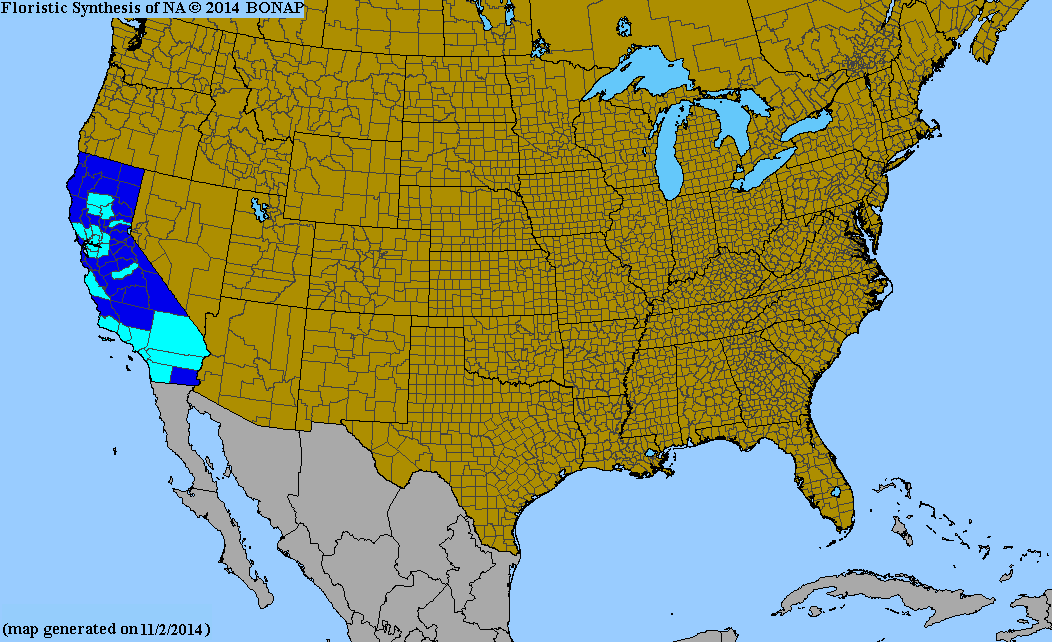

Olive
View on GrokipediaOrigins and Biology
Etymology
The English word olive entered the language around 1200 CE via Old French olive, denoting both the fruit and the tree, directly borrowed from Latin olīva ("olive berry or olive tree").[7] The Latin term traces to Ancient Greek elaía (ἐλαία), which specifically referred to the olive tree and its fruit, a word likely originating from a pre-Indo-European substrate language spoken in the ancient Mediterranean basin, rather than from Proto-Indo-European roots.[7] This etymological path underscores the olive's deep historical ties to the region, where the tree was cultivated for millennia primarily for its oil; related Latin oleum ("oil," especially olive oil) derives from the same stem, highlighting the fruit's economic primacy as an oil source over direct consumption.[7] The botanical genus name Olea similarly stems from Latin olea, a variant of olīva.[8]Botanical Description
Olea europaea, commonly known as the olive, is a slow-growing evergreen tree or shrub in the family Oleaceae.[9] It typically attains a height of 20 to 30 feet (6 to 9 meters) with a comparable spread, forming a rounded crown that becomes irregular and gnarled with age.[1][4] Mature specimens develop a twisted trunk with rough, grayish bark, while younger trees exhibit smoother bark.[9][10] The tree's longevity allows some individuals to persist for 300 to 600 years.[11] The leaves are opposite, simple, and lanceolate to elliptic in shape, measuring 3 to 4 inches (7.6 to 10 cm) in length, with a leathery texture.[9] They appear gray-green on the upper surface and silvery-white beneath due to a dense covering of fine hairs (indumentum), which reduces transpiration in arid environments.[12] Leaves are renewed every 2 to 3 years in spring following new growth.[13] Flowers are small, white, and borne in axillary racemes or panicles on the previous year's wood, typically blooming in late spring in Mediterranean climates.[14] Individual flowers are hermaphroditic or functionally male, featuring a four-lobed corolla and two stamens.[15] The fruit is a fleshy drupe, ovoid to globose, ranging from 12 to 22 mm in length and 9 to 12 mm in diameter.[16] It develops from green to purplish-black upon ripening, enclosing a single hard-shelled stone (pit) that contains the seed.[16][15] The pulp constitutes about 80-85% of the fruit's fresh weight, varying by cultivar and maturity.[16]Taxonomy and Genetic Diversity
The olive (Olea europaea L.) is classified in the family Oleaceae, order Lamiales, class Magnoliopsida, phylum Magnoliophyta, kingdom Plantae.[17][18] The genus Olea includes approximately 20–40 species, primarily distributed in warm temperate and tropical regions of the Old World, with O. europaea distinguished by its evergreen habit, opposite lanceolate leaves, and drupaceous fruits.[19] Intraspecific taxonomy recognizes six subspecies, reflecting geographic and morphological variation: O. europaea subsp. europaea (Mediterranean basin, including cultivated forms), subsp. cuspidata (sub-Saharan Africa and southern Asia), subsp. laperrinei (Saharan Africa), subsp. maroccana (Morocco), subsp. cerasiformis (Madeira), and subsp. guanchica (Canary Islands).[20] Subsp. europaea encompasses var. europaea (domesticated olive) and var. sylvestris (wild oleaster), the latter serving as the progenitor of cultivated stocks through ancient hybridization and selection.[21] Genetic diversity within O. europaea is substantial in wild populations, driven by outcrossing and adaptation to diverse Mediterranean and subtropical environments, with heterozygosity levels (He) ranging from 0.62–0.64 in analyzed subsp. cuspidata samples.[22] Molecular markers such as AFLPs, SSRs, and SNPs reveal structured variation, with subsp. guanchica exhibiting elevated diversity due to isolation and minimal human interference, while cultivated subsp. europaea var. europaea shows reduced allelic richness from vegetative propagation and founder effects during domestication.[21][23] Phylogenetic analyses confirm subsp. europaea and guanchica as closely related clades, with gene flow evident between wild and feral forms, underscoring the value of wild subspecies for introgression in breeding programs to enhance traits like drought tolerance.[21][24] Studies using 15 whole chloroplast genomes highlight reticulate evolution, with Moroccan var. sylvestris displaying up to nine chlorotypes, indicating historical refugia during Pleistocene glaciations.[24]Historical Development
Origins and Domestication
The wild olive (Olea europaea subsp. europaea var. sylvestris), commonly known as oleaster, represents the progenitor of the domesticated olive tree and is indigenous to the Mediterranean Basin, with natural distributions extending into subtropical regions of Asia Minor and the Levant.[25] Genetic analyses confirm high diversity in wild populations across this range, with the northeastern Levant identified as the primary cradle of domestication due to elevated genetic variation and admixture patterns between wild and cultivated forms.[26][27] Archaeological evidence points to initial human exploitation of wild olives for food and oil extraction dating back to the early Neolithic period, with the earliest verified processing sites yielding crushed olive stones from approximately 7600–7000 calibrated years before present (cal BP) at the submerged coastal settlement of Kfar Samir in northern Israel.[28] This predates widespread cultivation, suggesting opportunistic gathering transitioned into intentional management as populations selected for traits like larger fruit size and reduced bitterness through vegetative propagation via cuttings and grafting.[29] Domestication emerged as a protracted, multi-event process around 7000–6000 cal BP in the eastern Mediterranean, particularly the Levant, rather than a singular bottleneck event, as evidenced by recurrent genetic admixture with wild oleasters that obscured discrete origins.[30][31] Studies infer up to nine independent domestication episodes, facilitated by human-mediated dispersal and hybridization, which maintained genetic diversity while adapting the tree to agroecosystems.[31] By 6000 cal BP, systematic olive horticulture is documented in Levantine sites like those on Mount Carmel, marking the shift to dedicated groves for oil production central to emerging agricultural economies.[32] This gradual intensification aligned with the Neolithic Revolution's spread, enabling olives' role in trade, diet, and ritual across proto-urban societies.[33]Spread in the Mediterranean Basin
Olive domestication originated in the southern Levant, with archaeobotanical evidence indicating cultivation experiments as early as the Epipaleolithic period around 23,000 years before present at the Ohalo site near the Sea of Galilee, though systematic horticulture emerged later.[34] By the mid-7th millennium BP, large-scale production of table olives is attested at the submerged Neolithic site of Hishuley Carmel on Israel's northern Carmel Coast, marking one of the earliest instances of organized olive processing in the eastern Mediterranean.[35] Pollen records and carbonized remains from sites like Mount Carmel confirm domestication between 6500 and 7000 years ago, altering local landscapes through widespread planting by the fifth millennium BCE.[32] [34] From the Levant, olive cultivation disseminated westward via maritime trade networks, reaching Crete by approximately 3500–2500 BCE, as evidenced by olive remains in Minoan settlements and pollen data indicating anthropogenic expansion.[36] Phoenician traders, active from the 16th century BCE, facilitated further spread to the Aegean islands and Greek mainland between the 14th and 13th centuries BCE, introducing cultivated varieties that integrated into emerging agricultural systems.[3] Greek colonists extended this to southern Italy and Sicily around 1700 BCE, with archaeobotanical finds from Sicilian sites confirming olive groves by 3700 years ago, reshaping Mediterranean agroecosystems through selective propagation of oil-rich cultivars.[37] In the western Mediterranean, Phoenician establishments in Iberia and North Africa by the 8th century BCE incorporated olives, supported by pit morphology analyses showing a shift from wild to domesticated traits in regional strata.[38] Roman expansion from the 1st to 3rd centuries CE intensified olive propagation across the basin, pushing cultivation into semi-arid margins like central Tunisia and Tripolitania (western Libya), where amphorae production and press installations attest to commercial-scale operations.[39] [40] This era saw peak olive pollen percentages in lacustrine cores from the Sea of Galilee persisting until around 1000 years BP, reflecting sustained human-driven intensification amid empire-building infrastructure like roads and villas that supported grove management.[36] By late antiquity, olive monocultures dominated coastal and terraced inland areas, with genetic studies of ancient pits revealing multiple domestication events and hybridizations that enhanced adaptability across diverse microclimates from Syria to Spain.[25]Expansion Beyond the Mediterranean
The expansion of Olea europaea cultivation beyond the Mediterranean Basin began with European colonial expeditions, facilitated by the tree's adaptability to similar subtropical climates in newly explored regions. Following Christopher Columbus's voyages in 1492, Spanish explorers transported olive trees from Seville to the West Indies and subsequently to mainland Americas, marking the initial transatlantic introduction. By 1560, the first documented plantings occurred in Lima, Peru, under Antonio de Rivera, with rapid dissemination along South America's Pacific coastal valleys, including Mexico, Chile, and Argentina, driven by Spanish missionaries seeking self-sufficient food sources for missions.[3][41][42] In North America, olive trees reached California between 1769 and 1795 via Franciscan missionaries at Mission San Diego de Alcala, with further plantings by Spanish settlers around 1800 in areas like San Diego, establishing groves for oil and fruit production amid the region's Mediterranean-like climate. These introductions laid the foundation for commercial cultivation, though initial efforts were limited by challenges such as soil adaptation and pest pressures. Meanwhile, in southern Africa, Dutch colonist Jan van Riebeeck planted the earliest recorded olive trees at the Cape of Good Hope in 1661, predating widespread American adoption; commercial expansion accelerated in the late 19th century with Italian immigrant Raffaele Costa establishing a nursery in Newlands, Cape Town, in 1896, leading to integrated farming in the Western Cape.[41][43][44] Olive cultivation extended to Oceania in the early 19th century, with initial groves planted around 1805 in Parramatta near Sydney, Australia, by British settlers, and further introductions to South Australia in the 1830s aboard HMS Buffalo under Governor John Hindmarsh. These plantings, often using varieties like Frantoio and Leccino, expanded rapidly by the late 1800s with European immigration, peaking at over 3,000 hectares nationwide by 1958–59, though the species also naturalized as an invasive weed in regions like the Adelaide Hills, displacing native flora due to its drought tolerance and bird-dispersed seeds. Similar patterns emerged in New Zealand, where olives were introduced alongside Australian efforts, contributing to a combined southern hemisphere production base.[45][46][47] By the 20th century, these colonial introductions had evolved into significant non-Mediterranean industries, with olives now cultivated across latitudes 30–45° in both hemispheres, including experimental plantings in subtropical Asia and tropical highlands influenced by altitude, such as parts of China and Brazil. However, success varied; in non-native ranges, issues like frost sensitivity and the need for cross-pollination limited yields compared to Mediterranean heartlands, underscoring the tree's evolutionary ties to its origin despite human-mediated dispersal.[48][33]Cultivation Practices
Growth Requirements and Propagation
Olive trees (Olea europaea) require a Mediterranean climate with mild, wet winters and hot, dry summers for optimal growth.[49] They accumulate 200-300 chill hours—periods with temperatures between 0°C and 13°C—to induce flowering and fruit set.[11] Mature trees tolerate frost down to -8°C for over a week, though prolonged exposure below -10°C can damage wood and reduce productivity, with variability among cultivars.[50] High summer temperatures exceeding 35°C are endured, provided soil moisture is adequate during critical growth stages.[51] Well-drained soils are essential, with preferences for calcareous or limestone-based substrates on slopes to prevent waterlogging.[52] Optimal pH ranges from 5 to 8.5, accommodating moderately acidic to alkaline conditions, while heavy clay soils increase susceptibility to root diseases.[53] Full sun exposure, at least 6-8 hours daily, supports photosynthesis and fruit quality.[10] Established trees demonstrate drought tolerance, relying on deep root systems, but irrigation during dry periods—supplying 400-600 mm annually in arid regions—boosts yields by 20-50%.[49] Young trees demand consistent moisture to establish without excess, as overwatering promotes fungal pathogens like Phytophthora.[54] Propagation maintains genetic fidelity of cultivars through vegetative means. Semi-hardwood cuttings, 30-40 cm long from one- to two-year-old wood, root at rates up to 95% under mist and hormone treatment, though success varies by variety (e.g., low for 'Kalamata').[55][56] Grafting scions onto seedling rootstocks predominates commercially, enhancing vigor, disease resistance, and adaptation, with survival rates superior to own-rooted cuttings in challenging soils.[57] Seed sowing produces heterozygous seedlings for rootstocks but not true-to-type trees, requiring stratification at 4-10°C for germination.[58] Micropropagation via tissue culture yields uniform, pathogen-free plants but remains limited to elite selections due to cost.[59] Young olive trees purchased small from nurseries or retailers, such as those in 1-5 gallon pots and typically varieties like Arbequina or Picual, begin producing fruit 2 to 5 years after planting, with many sources specifying around 3 years for productive varieties, though timing varies by variety, care, climate, and pollination.[60][61] In the southwestern United States, particularly Arizona, olive trees thrive in arid, hot climates akin to their Mediterranean origins. The state's desert conditions provide ample sunshine, well-drained soils, and low humidity ideal for olives, which are drought-tolerant once established and tolerate alkaline pH. Varieties like Arbequina, Arbosana, and Koroneiki adapt well, supporting both landscaping (often fruitless cultivars to avoid pollen issues) and limited commercial oil/fruit production in suitable areas.Pests, Diseases, and Abiotic Stressors
Olive trees (Olea europaea) face significant threats from insect pests, particularly the olive fruit fly (Bactrocera oleae), which infests developing fruit by laying eggs whose larvae tunnel internally, causing tissue degradation, premature fruit drop, and mycotoxin contamination that renders olives unsuitable for oil extraction; this pest can destroy up to 80% of crops in untreated Mediterranean groves during peak infestation periods from late summer to autumn.[62][63][64] The olive moth (Prays oleae) targets multiple life stages, with larvae mining buds, flowers, and shoots in spring or feeding on fruit in summer, leading to defoliation, reduced flowering, and fruit scarring that diminishes yield by 20-50% in severe outbreaks.[62][65] Scale insects, such as the black olive scale (Saissetia oleae), suck sap from branches and leaves, weakening trees and promoting sooty mold growth; while rarely lethal in vigorous trees, heavy infestations exacerbate vulnerability to secondary stressors like drought.[62][66] Other notable pests include olive weevils, which bore into shoots and fruit, and aphids, whose sap-feeding induces leaf curling and honeydew production that invites fungal issues.[62][67] Fungal and bacterial pathogens constitute primary diseases, with Verticillium wilt, caused by the soilborne fungus Verticillium dahliae, inducing vascular blockage that results in unilateral wilting, leaf scorch, and tree decline or death over 1-3 years; no effective cure exists, and the microsclerotia persist in soil for 15+ years, making it a persistent threat in infested fields worldwide.[68] Olive knot, a bacterial disease from Pseudomonas savastanoi pv. savastanoi, manifests as tumor-like galls on twigs and branches following wounds, especially from pruning during wet conditions, weakening structural integrity and facilitating entry for other pathogens; galls ooze infectious exudate in rain, spreading via tools or splashing water.[69][63] Peacock spot (Spilocaea oleagina, syn. Cycloconium oleaginum) is a foliar fungus causing circular, ash-gray lesions with darker borders on leaves, leading to premature defoliation and yield losses of up to 40% in humid climates; it overwinters on fallen debris and thrives under prolonged leaf wetness exceeding 6 hours.[70] Root rots from Phytophthora spp. or Armillaria spp. attack waterlogged roots, producing decay and basal cankers that stunt growth and kill trees in poorly drained soils.[71] Xylella fastidiosa, a xylem-limited bacterium, drives olive quick decline syndrome, scorching leaves and causing canopy dieback with mortality rates exceeding 90% in susceptible Italian cultivars since its 2013 emergence in Puglia.[72] Abiotic stressors compound biotic risks, with drought being paramount; olive trees exhibit drought tolerance via stomatal closure and deep rooting, but prolonged deficits—such as those exceeding 200-300 mm annual rainfall shortfall—induce stomatal conductance reductions of 70-90%, oxidative damage, and yield drops of 50% or more, as seen in Mediterranean regions under climate-amplified dry spells.[73][74] Salinity stress, common in irrigated arid zones, elevates NaCl uptake, disrupting photosynthesis and causing leaf burn at thresholds of 4-8 dS/m soil electrical conductivity, with sensitive cultivars showing 30-50% growth inhibition.[75][76] Extreme temperatures pose risks: frost below -7°C damages buds and fruit in young trees, while heatwaves above 40°C for extended periods impair pollination and fruit set, reducing yields by 20-40% in non-adapted varieties.[76] Nutrient imbalances, particularly boron or iron deficiencies in alkaline soils, manifest as chlorosis or fruit deformation, further stressing trees amid water scarcity.[77] These factors interact synergistically, as nutrient-poor or drought-stressed trees exhibit heightened susceptibility to pests and pathogens.[77]Harvesting Methods
Olive harvesting typically occurs from September to November in the Northern Hemisphere and from March to May in the Southern Hemisphere, depending on cultivar maturity and intended use, with early harvest yielding higher-quality oil from green fruit and later harvest increasing oil yield from riper olives.[78][79] The timing balances fruit ripeness, which influences oil extraction efficiency and sensory qualities, against risks of over-maturity leading to reduced yields or quality degradation.[80] Manual harvesting methods, historically dominant and still used for premium or small-scale production, include hand-picking by stripping fruit with half-open hands ("milking"), raking branches, or beating trees with poles to dislodge olives onto nets or tarps.[81][82] These techniques minimize fruit damage, preserving integrity for table olives or high-grade extra virgin olive oil, but require significant labor and time, often involving ladders for taller trees.[83][84] Semi-manual tools, such as electric or pneumatic vibrating combs and rakes, enhance efficiency over pure hand methods while reducing bruising compared to full mechanical approaches; electric models are favored for their portability and lack of need for compressors, achieving 50-200% higher daily yields in some cases.[85][86] Mechanical harvesting, increasingly adopted in large commercial groves, employs trunk shakers that vibrate the tree base or canopy shakers that target branches to detach fruit rapidly onto collection systems, enabling up to 75% faster operations and substantial labor savings.[87][88] However, these methods can cause fruit abrasion or trunk stress, potentially elevating free fatty acid levels and compromising oil stability, particularly if not paired with prompt processing.[79][89] Method selection hinges on orchard scale, tree training for machinery access, and product goals—manual for quality-focused table olives or boutique oils, mechanical for high-volume oil production— with studies showing mechanical aids like bough shakers boosting yields without proportional quality loss in optimized setups.[90][91]Invasive Species Concerns
The olive tree (Olea europaea), native to the Mediterranean Basin, has escaped cultivation and established invasive populations in regions such as Australia, South Africa, and parts of the United States, where it forms dense stands that displace native vegetation. In Australia, both the Mediterranean (O. e. subsp. europaea) and African (O. e. subsp. cuspidata) subspecies have invaded distinct climatic zones, with the former prevalent in southern areas and the latter in eastern regions, leading to reduced native plant diversity and altered woodland structures. These invasions often originate from seeds dispersed by birds from nearby orchards, enabling rapid establishment in disturbed habitats like grasslands, riparian zones, and coastal dunes.[92][6][93] Ecological impacts include suppression of understory regeneration through shading by the evergreen canopy and competition for water and nutrients, particularly in semi-arid environments where olives' drought tolerance provides a competitive advantage over native species. Dense olive thickets prevent native seedling establishment, contributing to biodiversity loss that exceeds that of many other woody invasives, and increase wildfire risk due to the trees' high oil content and accumulation of flammable litter. In South Australia, feral olives are classified as a proclaimed weed, dominating sites and forming stable climax communities that require active intervention to restore native ecosystems.[92][94][95] In California, escaped olives have naturalized in southern woodlands and the Central Valley, posing risks of further spread from cultivated groves, though populations remain limited compared to Australia. Management strategies emphasize prevention, including removal of fruit from orchard trees to curb seed dispersal and monitoring of high-risk areas. Control methods involve mechanical cutting followed by herbicide application to stumps (e.g., glyphosate or triclopyr) to prevent resprouting, as olives exhibit strong vegetative regeneration; basal bark treatments are effective for smaller trees, while larger infestations may require repeated efforts and post-control revegetation with native species to restore site stability.[12][96][94]Uses and Processing
Olive Oil Production
Olive oil production begins with harvesting mature olives, typically between October and January in the Northern Hemisphere, using methods such as hand-picking, shaking trees with poles, or mechanical harvesters to minimize damage and contamination.[97] Olives must be processed promptly after harvest to prevent fermentation and quality degradation, ideally within 24-48 hours.[98] Upon arrival at the mill, olives undergo cleaning to remove leaves, twigs, dirt, and other debris through defoliation, washing, and sometimes air blowers or vibrating screens.[99] The cleaned olives are then crushed into a paste using hammer mills, stone mills, or disc crushers, which break cell walls to release oil while incorporating pits, skin, and pulp; this step typically occurs at temperatures below 27°C (80°F) for "cold extraction" to preserve quality.[100][101] The olive paste is subjected to malaxation, a slow stirring process lasting 20-40 minutes at controlled low temperatures (below 25-27°C), which allows small oil droplets to coalesce and enzymes to act, facilitating separation without promoting oxidation.[98] Extraction follows via two primary methods: traditional pressing, where the paste is spread on fiber mats and pressed hydraulically to yield oil, water, and pomace; or modern centrifugation, using a decanter to separate phases by spinning at high speeds, often in continuous systems that add minimal water and achieve higher efficiency.[102][98] Traditional methods emphasize artisanal control but are labor-intensive, while modern decanters process larger volumes faster with yields up to 20% improved, though both can produce high-quality oil if temperature and hygiene are managed.[103][104] Post-extraction, the mixture separates into oil, vegetation water, and solid pomace via further centrifugation or settling; the crude oil is then filtered or allowed to settle to remove impurities.[97] Yields typically range from 10-20% by weight, meaning 5-10 kilograms of olives produce one liter of oil, varying by cultivar, ripeness, and extraction efficiency—for instance, varieties like Picual may yield 18-22%, while others like Arbequina yield 12-18%.[105][106] Extra virgin olive oil, the highest grade, results from this mechanical process without chemicals or refining, requiring free fatty acid content below 0.8% and no sensory defects.[107] Lower grades like virgin or refined involve additional steps such as neutralization or deodorization for oils exceeding quality thresholds.[108] Storage occurs in stainless steel tanks under inert gas to prevent oxidation until bottling.[98]Table Olives and Curing
Table olives refer to olives processed for direct human consumption rather than oil extraction, typically harvested at full maturity for larger size and fleshier texture. Varieties commonly used include Manzanillo, Sevillano, Ascolano in California; Kalamata in Greece; and Picholine in France.[109][110][111] These differ from oil olives, which are smaller and higher in oil content, by prioritizing meatiness over lipid yield.[112] Raw olives contain high levels of oleuropein, a bitter phenolic compound, necessitating curing to render them palatable. Archaeological evidence from a mid-7th millennium BP site in the southern Levant indicates early curing practices, possibly using seawater or basic brining.[113] Modern methods evolved from ancient techniques, with lye treatment documented in Roman texts and widespread by the 19th century in commercial production.[114] Primary curing processes include:- Lye (alkaline) curing: Olives are immersed in a dilute sodium hydroxide solution for 6-12 hours to hydrolyze oleuropein, followed by repeated rinsing and brining; this quick method (days to weeks) dominates Spanish-style green olives and oxidized black olives.[115][116]
- Brine fermentation: Olives ferment in saltwater (5-10% NaCl) for 3-12 months, relying on lactic acid bacteria to degrade bitterness naturally; used for Greek-style black olives like Kalamata.[117][118]
- Dry salt curing: Olives are layered with salt to draw out moisture and bitterness over 1-2 months, then oiled; results in wrinkled, intense-flavored product common in Italian varieties.[114]
- Water curing: Daily water changes over 1-2 weeks remove soluble bitters without salt or chemicals; simpler but slower, suited for home processing.[119]
Byproducts and Alternative Applications
Olive pomace, the solid residue remaining after olive oil extraction, constitutes a significant byproduct of the industry, comprising approximately 20-30% of the olive fruit weight processed. It is rich in phenolic compounds such as hydroxytyrosol and oleuropein, which exhibit antioxidant properties suitable for applications in food preservation, including as natural additives to extend shelf life in vegetable oils, fish products, and fermented dairy.[120] Additionally, pomace undergoes solvent extraction to produce olive pomace oil, a lower-grade oil used primarily for frying, baking, and industrial purposes due to its high smoke point and stability.[121] In non-food sectors, pomace serves as animal feed, fertilizer, and a source for bioactive extracts in cosmetics, particularly for anti-aging formulations targeting skin barrier support through polyphenol content.[122] [123] Olive leaves, often discarded during harvesting and pruning, yield extracts valued for their high oleuropein and polyphenol concentrations, which demonstrate anti-inflammatory, antihypertensive, and antidiabetic effects in preclinical studies. These extracts are incorporated into nutraceuticals for blood pressure management and immune support, as well as herbal teas promoted for cholesterol reduction and atherosclerosis prevention based on experimental evidence.[124] [125] In food applications, leaf phenolics act as alternatives to synthetic antioxidants like BHT, enhancing stability in processed products.[126] Olive tree prunings and wood provide biomass for energy production, with branches converted into biofuel pellets that yield comparable heating values to traditional wood fuels, supporting sustainable electricity generation in Mediterranean regions. The dense, durable nature of olive wood also lends itself to crafting kitchen utensils, cutting boards, and furniture, prized for resistance to stains, odors, and bacteria without absorbing flavors.[127] [128] Olive stones, separated during processing, are utilized in pellet form for heating due to their high calorific value and low ash content, serving as an efficient biofuel alternative. They also find niche applications in health supplements for obesity and hypertension management, attributed to their bioactive seed chemistry.[129]Global Production and Economics
Major Producing Regions
Spain dominates global olive production, accounting for over 40% of the world's total output, primarily from the Andalusia region, which contributes about 80% of the country's harvest. In recent years, Spain's annual production has exceeded 5 million metric tons of olive fruit, driven by extensive mechanized plantations in provinces like Jaén, Córdoba, and Seville.[130][131] Italy ranks second, with production concentrated in southern regions such as Puglia (Apulia), which alone yields around 50% of Italy's olives, followed by Calabria, Sicily, and Campania. Italian output typically ranges from 2 to 3 million metric tons annually, though it varies with weather; Puglia's olive groves, often ancient and terraced, support cultivars like Ogliarola and Peranzana suited to the Adriatic climate.[131][132]| Country | Approximate Annual Production (metric tons, recent averages) | Key Regions |
|---|---|---|
| Spain | 5,000,000–8,000,000 | Andalusia (Jaén, Córdoba) |
| Italy | 2,000,000–3,000,000 | Puglia, Calabria, Sicily |
| Greece | 1,000,000–3,000,000 | Peloponnese, Crete, Kalamata |
| Turkey | 1,500,000–2,000,000 | Aegean (Izmir, Aydın) |
| Morocco | 1,000,000–2,000,000 | Meknès, Marrakesh |
| Tunisia | 1,000,000–1,500,000 | Sfax, Kairouan |
| Portugal | 500,000–800,000 | Alentejo, Trás-os-Montes |
| Egypt | 500,000–700,000 | Nile Delta |
| Algeria | 400,000–600,000 | Kabylia, Algiers |
| Syria | 300,000–500,000 | Latakia, Tartus |
Production Trends and Statistics
Global olive oil production, the primary economic output from olive cultivation, reached a provisional 2.56 million metric tons in the 2023/24 crop year, marking a 7% decline from the prior season due to droughts and heatwaves in key Mediterranean regions.[136] This followed a 2022/23 output of 2.76 million metric tons, with long-term trends showing a tripling of global production over the past 60 years, from approximately 1 million metric tons in the 1960s, attributable to expanded acreage, irrigation adoption, and varietal improvements.[136] Forecasts for the 2024/25 crop year project a rebound to 3.38 million metric tons, a 23% increase driven by favorable weather recovery in Spain and Italy.[137] [138] Olive fruit production for both oil and table use totals around 16-20 million metric tons annually, with over 95% concentrated in the Mediterranean basin where biennial bearing cycles and weather variability cause output fluctuations of 20-50% between high- and low-yield years.[49] Table olive production has exhibited steadier growth, with major importing countries recording a 9.7% rise in volumes from September 2023 to August 2024, reflecting expanded processing in Spain, Egypt, and Turkey.[139] Global consumption of olive oil dipped to 2.78 million metric tons in 2023/24, down 2.6% amid high prices from supply shortages.[140] Spain dominates production, accounting for 40-50% of world olive oil output; its 2024/25 forecast of 1.35 million metric tons represents a 58% surge from the drought-impacted 2023/24 harvest of 0.85 million metric tons.[141] Italy and Greece follow as secondary leaders, contributing roughly 20% and 10% respectively in typical years, while non-Mediterranean expansion in Australia, California, and Argentina adds marginal volumes amid challenges from water scarcity and pests.[49]| Country | Olive Oil Production (2023/24, provisional, metric tons) | Share of Global Total (%) |
|---|---|---|
| Spain | 850,000 | ~33 |
| Italy | ~450,000 | ~18 |
| Greece | ~200,000 | ~8 |
| Turkey | ~180,000 | ~7 |
| Tunisia | ~150,000 | ~6 |
Market Dynamics and Trade
The global olive oil market, encompassing the primary economic product derived from olives, was valued at approximately USD 19.4 billion in 2024 and is projected to reach USD 20.3 billion in 2025, driven by rising consumer demand for healthier cooking oils and premium extra virgin varieties.[143] This growth occurs amid volatile supply influenced by climatic factors, with world trade volumes exceeding 1.2 million tons in 2024-2025.[144] Table olive trade, while smaller, contributes to overall dynamics through exports from producers like Spain and Egypt to markets in Europe and North America. Olive oil prices experienced significant fluctuations, peaking in 2023-2024 due to production shortfalls from droughts in major producers like Spain, which reduced yields and drove extra-EU export values up by 44.9% year-on-year in 2023/24.[145] By 2025, improved harvests—Spain's output rose 66% to 1.42 million tons in 2024/25—led to a price decline, with EU extra-EU export unit values dropping 42.4% year-on-year to €554 per 100 kg by May 2025.[146][145] Key factors include erratic weather patterns, increasing global consumption (e.g., 7% rise in EU for 2024/25), and competition from seed oils, though demand for olive oil persists due to perceived health benefits.[147][148] Spain dominates exports, supplying 36.2% of U.S. imports, while Italy leads in bottled exports despite importing bulk oil for reprocessing.[149][150] Major importers include the United States ($82.9 million in 2024), Brazil, and emerging markets like China, where EU exports grew alongside a 25% increase to the U.S., Canada, and Australia in 2024/25.[151][152] Global imports totaled $11.5 billion in 2023, with EU olive oil exports rising 18% in volume but offset by 27% price reductions in early 2025.[153][154] Trade is facilitated by agreements reducing tariffs, such as Brazil's moves to eliminate duties on EU oil, though challenges like adulteration and labeling standards persist in non-producing markets.[155]Nutritional Profile and Health Implications
Macronutrients and Micronutrients
Olives provide modest amounts of macronutrients, with a typical 100-gram serving of ripe, canned olives containing approximately 115 calories, of which about 84% derive from fat, 11% from carbohydrates, and 3% from protein. Total fat averages 10.7 grams, dominated by monounsaturated fatty acids such as oleic acid (around 71% of total fat), alongside smaller portions of saturated (14%) and polyunsaturated fats (9-11%). Protein content is low at 0.84 grams, while carbohydrates total 6.3 grams, primarily as dietary fiber (3.2 grams of insoluble fiber contributing to digestive health) with trace sugars (0 grams). Green olives exhibit similar profiles but often higher fat (up to 15 grams per 100 grams) and slightly lower fiber due to earlier harvest. They contain approximately 145 calories per 100 grams, with 10 olives (about 40 grams) providing 50-60 calories (average 58 kcal), varying by size, brand, and processing.[156][157][158]| Nutrient | Amount per 100 g (ripe, canned olives) | % Daily Value* |
|---|---|---|
| Calories | 115 | — |
| Total Fat | 10.7 g | 14% |
| - Monounsaturated | 7.9 g | — |
| - Saturated | 1.5 g | 7% |
| Protein | 0.84 g | 2% |
| Total Carbohydrates | 6.3 g | 2% |
| - Dietary Fiber | 3.2 g | 11% |
| Sodium | 735 mg | 32% |