


Community hub
Recent from talks
Contribute something
Nothing was collected or created yet.
Han Chinese
View on Wikipedia
Key Information


| Han Chinese | |||||||||||||||||||||||||||||||||||||||||||
|---|---|---|---|---|---|---|---|---|---|---|---|---|---|---|---|---|---|---|---|---|---|---|---|---|---|---|---|---|---|---|---|---|---|---|---|---|---|---|---|---|---|---|---|
| Traditional Chinese | 漢族 | ||||||||||||||||||||||||||||||||||||||||||
| Simplified Chinese | 汉族 | ||||||||||||||||||||||||||||||||||||||||||
| Literal meaning | Han ethnic group | ||||||||||||||||||||||||||||||||||||||||||
| |||||||||||||||||||||||||||||||||||||||||||
The Han Chinese, alternatively the Han people[a] or the Chinese people,[18] are an East Asian ethnic group native to Greater China.[19] With a global population of over 1.4 billion, the Han Chinese are the world's largest ethnic group, making up about 17% of the world population. The Han Chinese represent 91.11% of the population in China and 97% of the population in Taiwan.[20][21] Han Chinese are a significant diasporic group in Southeast Asian countries such as Thailand, Malaysia, and Indonesia. In Singapore, people of some form of Chinese descent make up around 75% of the country's population.[22]
The Han Chinese have exerted a primary formative influence in Chinese culture and history.[23][24][25] Originating from Zhongyuan, the Han Chinese trace their ancestry and culture to the Huaxia people, a confederation of agricultural tribes that lived along the middle and lower reaches of the Yellow River[26][27][28][29] in the north central plains of China.[30][31]
Han Chinese people and culture later spread southwards in the Chinese mainland, driven by large and sustained waves of migration during successive periods of Chinese history, for example the Qin (221–206 BC) and Han (202 BC – 220 AD) dynasties, leading to a demographic and economic tilt towards the south, and the absorption of various non-Han ethnic groups over the centuries at various points in Chinese history.[28][32][33] The Han Chinese became the main inhabitants of the fertile lowland areas and cities of Southern China by the time of the Tang and Song dynasties,[34] with minority tribes occupying the highlands.
Identity
[edit]

The term "Han" not only refers to a specific ethnic collective, but also points to a shared ancestry, history, and cultural identity. The term "Huaxia" was used by the ancient Chinese philosopher Confucius's contemporaries during the Warring States period to elucidate the shared ethnicity of all Chinese;[35] Chinese people called themselves Hua ren.[36]
The Warring States period led to the emergence of the Zhou-era Chinese referring to themselves as being Huaxia (literally 'the beautiful grandeur'): under the Hua–Yi distinction, a "Hua" culture (often translated as 'civilized') was contrasted to that of peoples perceived as "Yi" (often translated as 'barbarian') living on the peripheries of the Zhou kingdoms.[37][28][38][39]
Overseas Chinese who possess non-Chinese citizenship are commonly referred as "Hua people" (华人; 華人; Huárén) or Huazu (华族; 華族; Huázú). The two respective aforementioned terms are applied solely to those with a Han background that is semantically distinct from Zhongguo ren (中国人; 中國人) which has connotations and implications limited to being citizens and nationals of China, especially with regard to ethnic minorities in China.[40][41][24]
Designation
[edit]"Han people"
[edit]The name "Han people" (漢人; 汉人; Hànrén) first appeared during the Northern and Southern period and was inspired by the Han dynasty, which is considered to be one of the first golden ages in Chinese history. As a unified and cohesive empire that succeeded the short-lived Qin dynasty, Han China established itself as the center of the East Asian geopolitical order at the time, projecting its power and influence unto Asian neighbors. It was comparable with the contemporary Roman Empire in population size, geographical extent, and cultural reach.[42][43][44] The Han dynasty's prestige and prominence led many of the ancient Huaxia to identify themselves as 'Han people'.[37][45][46][47][48][49] Similarly, the Chinese language also came to be named and alluded to as the "Han language" (漢語; 汉语; Hànyǔ) ever since and the Chinese script is referred to as "Han characters".[43][50][47]
The word "Han" (漢/汉) in its original poetic meaning found in ancient Chinese works such as the Classic of Poetry, refers to the "Milky Way."[b]
Huaren and Huayi
[edit]Prior to the Han dynasty, Chinese scholars used the term Huaxia (華夏; 华夏) in texts to describe China proper, while the Chinese populace were referred to as either the 'various Hua' (諸華; 诸华; Zhūhuá) or 'various Xia' (诸夏; 諸夏; Zhūxià). This gave rise to two term commonly used nowadays by Overseas Chinese as an ethnic identity for the Chinese diaspora – Huaren (華人; 华人; Huárén; 'ethnic Chinese people') and Huaqiao (华侨; 華僑; Huáqiáo; 'the Chinese immigrant'), meaning Overseas Chinese.[24] It has also given rise to the literary name for China – Zhonghua (中華; 中华; Zhōnghuá).[25] While the general term Zhongguo ren (中國人; 中国人) refers to any Chinese citizen or Chinese national regardless of their ethnic origins and does not necessary imply Han ancestry, the term huaren in its narrow, classical usages implies Central Plains or Han ancestry.[41]
Tangren
[edit]Among some Southern Han Chinese varieties such as Cantonese, Hakka and Minnan, the term Tangren (唐人; Tángrén; 'people of Tang'), derived from the name of the later Tang dynasty (618–907) that oversaw what is regarded as another golden age of China. The self-identification as Tangren is popular in south China, because it was at this time that massive waves of migration and settlement led to a shift in the center of gravity of the Chinese nation, away from the tumult of the Central Plains to the peaceful lands south of the Yangtze and on the southeastern coast.[52]
This lead to the earnest settlement by Chinese of lands previously regarded as part of the empire's sparsely populated frontier or periphery. Guangdong and Fujian, hitherto regarded as backwater regions, were populated by the descendants of garrison soldiers, exiles and refugees, became new centers and representatives of Han Chinese culture under the influence of the new Han migrants. The term is used in everyday colloquial discourse and is also an element in one of the words for Chinatown: 'streets of Tang people' (唐人街; Tángrénjiē; Tong4 jan4 gaai1).[53] The phrase Huábù (華埠; 华埠) is also used to refer to Chinatowns.
Zhonghua minzu
[edit]The term Zhonghua minzu, literally the 'Chinese nation', currently used as a supra-ethnic concept publicised first by the Republic of China, then by the People's Republic of China, was historically used specifically to refer to the Han Chinese. In his article "Observations on the Chinese ethnic groups in History", Liang Qichao, who coined the term Zhonghua minzu, wrote "the present-day Zhonghua minzu refers to what is commonly known as the Han Chinese".[c][54] It was only after the founding of the Society for the National Great Unity of the Republic of China[d] in 1912 that the term began to officially include ethnic minorities from all regions in China.[55][56]
Han Chinese subgroups
[edit] |
 | This section needs additional citations for verification. (October 2024) |
Han Chinese can be divided into subgroups, based on the variety of Chinese that they speak.[57][58] Waves of migration have occurred throughout China's long history and vast geographical expanse, engendering the emergence of Han Chinese subgroups found throughout the regions of modern China today, with distinct regional features.[57][58][59][60][61]

The expansion of the Han people outside their linguistic homeland in the Yellow River is an important part of their historical consciousness and ethnogenesis, and accounts for their present-day diversity.
There were several periods of mass migration of Han people to Southeastern and Southern China throughout history.[59] Initially, the sparsely populated regions of south China were inhabited by tribes known only as the Bai Yue or Hundred Yue. Many of these tribes developed into kingdoms under rulers and nobility of Han Chinese ethnicity, but retained a Bai Yue majority for several centuries.[62][63]
Others were forcibly brought into the Sinosphere by the imperial ambitions of emperors such as Qin Shi Huangdi and Han Wu Di, both of whom settled hundreds of thousands of Chinese in these lands to form agricultural colonies and military garrisons. Even then, control over these lands was tenuous, and Bai Yue cultural identity remained strong until sustained waves of Han Chinese emigration in the Jin, Tang and Song dynasties altered the demographic balance completely.[64][65]


Chinese language (or Chinese languages) can be divided to 10 primary dialects (or languages).[66]
Each Han Chinese subgroup (民系) can be identified through their dialects:[57][58]
- Wu (吴语): Jiangzhe people (江浙民系)
- Hui (徽语): Wannan people (皖南民系)
- Gan (赣语): Jiangxi people (江西民系)
- Xiang (湘语): Hunan people (湖南民系)
- Min (闽语): Minhai people (闽海民系)
- Hakka (客语): Hakka people (客家民系)
- Yue (粤语): Cantonese people (岭南民系)
- Pinghua (平话) and Tuhua (土话): Pingnan people (平南民系)[67][68][69][70][71]
- Jin (晋语): Jinsui people (晋绥民系)
- Mandarin (官话): Northern people (北方民系)[72]
- Northeastern (东北): Northeastern people (东北民系)
- Beijing (北平): Youyan people (幽燕民系)
- Jilu (冀鲁): Jilu people (冀鲁民系)
- Jiaoliao (胶辽): Jiaoliao people (胶辽民系)
- Central Plains (中原): Central Plains people (中原民系)
- Lanyin (兰银): Longyou people (陇右民系)
- Southwestern (西南): Southwestern people (西南民系)
- Jianghuai (江淮): Jianghuai people (江淮民系)
Military garrisons and agricultural colonies
[edit]The first emperor Qin Shi Huang is said to have sent several hundred thousand men and fifteen thousand women to form agricultural and military settlements in Lingnan (present day Guangxi and Guangdong), under the leadership of a general named Zhao Tuo. The famous Han emperor, Han Wu Di, ordered another two hundred thousand men to build ships to attack and colonialize the Lingnan region, adding to the population in Guangdong and Guangxi.[59]
The first urban conurbations in the region, for example, Panyu, were created by Han settlers rather than the Bai Yue, who preferred to maintain small settlements subsisting on swidden agriculture and rice farming. Later on, Guangdong, northern Vietnam, and Yunnan all experienced a surge in Han Chinese migrants during Wang Mang's reign.[59] The demographic composition and culture of these regions during this period, could however scarcely be said to have been Sinitic outside the confines of these agricultural settlements and military outposts.[citation needed]
Historical southward migrations
[edit]
The genesis of the modern Han people and their subgroups cannot be understood apart from their historical migrations to the south, resulting in a depopulation of the Central Plains, a fission between those that remained and those that headed south, and their subsequent fusion with aboriginal tribes south of the Yangtze, even as the centres of Han Chinese culture and wealth moved from the Yellow River Basin to Jiangnan, and to a lesser extent also, to Fujian and Guangdong.[citation needed]
At various points in Chinese history, collapses of central authority in the face of barbarian uprisings or invasions and the loss of control of the Chinese heartland triggered mass migratory waves which transformed the demographic composition and cultural identity of the south. This process of sustained mass migration has been known as "garments and headdresses moving south" 衣冠南渡 (yì guān nán dù), on account of it first being led by the aristocratic classes.[73][34][74]
Such migratory waves were numerous and triggered by such events such as the Uprising of the Five Barbarians during the Jin dynasty (304–316 AD) in which China was completely overrun by minority groups previously serving as vassals and servants to Sima (the royal house of Jin), the An Lu Shan rebellion during the Tang dynasty (755–763 AD), and the Jingkang incident (1127 AD) and Jin-Song wars. These events caused widespread devastation, and even depopulated the north, resulting in the complete social and political breakdown and collapse of central authority in the Central Plains, triggering massive, sustained waves of Han Chinese migration into South China,[75][76] leading to the formation of distinct Han lineages,[77] who also likely assimilated the by-now partially sinicized Bai Yue in their midst.
Modern Han Chinese subgroups, such as the Cantonese, the Hakka, the Henghua, the Hainanese, the Hoklo peoples, the Gan, the Xiang, the Wu-speaking peoples, all claim Han Chinese ancestry pointing to official histories and their own genealogical records to support such claims.[34][74][78][79] Linguists hypothesize that proto- Wu and Min varieties of Chinese may have originated from the time of Jin,[80] while the proto- Yue and Hakka varieties perhaps from the Tang and Song, about half-a-millennium later.[81] The presence of Tai-Kradai substrates in these dialects may have been due to the assimilation of the remaining groups of Bai Yue, integrating these lands into the Sinosphere proper.
First wave: Jin dynasty
[edit]
The chaos of the Uprising of the Five Barbarians triggered the first massive movement of Han Chinese dominated by civilians rather than soldiers to the south, being led principally by the aristocracy and the Jin elite. Thus, Jiangnan, comprising Hangzhou's coastal regions and the Yangtze valley were settled in the 4th century AD by families descended from Chinese nobility.[59][82]
Special "commanderies of immigrants" and "white registers" were created for the massive number of Han Chinese immigrating during this period [59] which included notable families such as the Wang and the Xie.[83] A religious group known as the Celestial Masters contributed to the movement. Jiangnan became the most populous and prosperous region of China.[84][85]
The Uprising of the Five Barbarians, also led to the resettlement of Fujian. The province of Fujian - whose aboriginal inhabitants had been deported to the Central Plains by Han Wu Di, was now repopulated by Han Chinese settlers and colonists from the Chinese heartland. The "Eight Great Surnames" were eight noble families who migrated from the Central Plains to Fujian - these were the Hu, He, Qiu, Dan, Zheng, Huang, Chen and Lin clans, who remain there until this very day.[86][87][88][89]
Tang dynasty and An Lushan rebellion
[edit]
In the wake of the An Lushan rebellion, a further wave of Han migrants from northern China headed the south.[61][75][34][74][90] At the start of the rebellion in 755 there were 52.9 million registered inhabitants of the Tang Empire, and after its end in 764, only 16.9 million were recorded.[citation needed] It is likely that the difference in census figures was due to the complete breakdown in administrative capabilities, as well as the widespread escape from the north by the Han Chinese and their mass migration to the south.[citation needed]
By now, the Han Chinese population in the south far outstripped that of the Bai Yue. Guangdong and Fujian both experienced a significant influx of Northern Han Chinese settlers, leading many Cantonese, Hokkien and Teochew individuals to identify themselves as Tangren, which has served as a means to assert and acknowledge their ethnic and cultural origin and identity.[91]
Jin–Song wars and Mongol invasion
[edit]

The Jin–Song Wars caused yet another wave of mass migration of the Han Chinese from Northern China to Southern China,[34][74] leading to a further increase in the Han Chinese population across southern Chinese provinces. The formation of the Hainanese and Hakka people can be attributed to the chaos of this period.
The Mongol conquest of China during the thirteenth century once again caused a surging influx of Northern Han Chinese refugees to move south to settle and develop the Pearl River Delta.[92][93][94][95][96][97] These mass migrations over the centuries inevitably led to the demographic expansion, economic prosperity, agricultural advancements, and cultural flourishing of Southern China, which remained relatively peaceful unlike its northern counterpart.[98][99][100][101][102][103][104][excessive citations]
Distribution
[edit]China
[edit]
The vast majority of Han Chinese – over 1.2 billion – live in the People's Republic of China (PRC), where they constitute about 90% of its overall population.[105] Han Chinese in China have been a culturally, economically and politically dominant majority vis-à-vis the non-Han minorities throughout most of China's recorded history.[106][107] Han Chinese are almost the majority in every Chinese province, municipality and autonomous region except for the autonomous regions of Xinjiang (38% or 40% in 2010) and Tibet Autonomous Region (8% in 2014), where Uighurs and Tibetans are the majority, respectively.
Hong Kong and Macau
[edit]Han Chinese also constitute the majority in both of the special administrative regions of the PRC.[108][109][failed verification] The Han Chinese in Hong Kong and Macau have been culturally, economically and politically dominant majority vis-à-vis the non-Han minorities.[107][110]
Taiwan
[edit]
There are over 22 million people of Han Chinese ancestry in living in Taiwan.[111] At first, these migrants chose to settle in locations that bore a resemblance to the areas they had left behind in China, regardless of whether they arrived in the north or south of Taiwan.[citation needed] Hoklo immigrants from Quanzhou settled in coastal regions and those from Zhangzhou tended to gather on inland plains, while the Hakka inhabited hilly areas.
Clashes and tensions between the two groups over land, water, ethno-racial,[dubious – discuss] and cultural differences led to the relocation of some communities and over time, varying degrees of intermarriage and assimilation took place. In Taiwan, Han Chinese (including both the earlier Han Taiwanese settlers and the recent Chinese that arrived in Taiwan with Chiang Kai-shek in 1949) constitute over 95% of the population. They have also been a politically, culturally and economically dominant majority vis-à-vis the non-Han indigenous Taiwanese peoples.[110][107]
Southeast Asia
[edit]Nearly 30 to 40 million people of Han Chinese descent live in Southeast Asia.[112] According to a population genetic study, Singapore is "the country with the biggest proportion of Han Chinese" in Southeast Asia.[113] Singapore is the only nation in the world where Overseas Chinese constitute a majority of the population and remain the country's cultural, economic and politically dominant arbiters vis-à-vis their non-Han minority counterparts.[110][114][107] Up until the past few decades, overseas Han communities originated predominantly from areas in Eastern and Southeastern China (mainly from the provinces of Fujian, Guangdong and Hainan, and to a lesser extent, Guangxi, Yunnan and Zhejiang).[113]
Others
[edit]There are 60 million Overseas Chinese people worldwide.[115][116][117] Overseas Han Chinese have settled in numerous countries across the globe, particularly within the Western World where nearly 4 million people of Han Chinese descent live in the United States (about 1.5% of the population),[118] over 1 million in Australia (5.6%)[15][failed verification] and about 1.5 million in Canada (5.1%),[119][120][failed verification] nearly 231,000 in New Zealand (4.9%),[121][failed verification] and as many as 750,000 in Sub-Saharan Africa.[122]
History
[edit]The Han Chinese people have had a substantial impact on the history of China, being considered the ethnic majority of the region for most of its history. The prevailing historical narrative of China is often told as the transference of power through dynasties, periods during which it has seen cycles of expansion, contraction, unity, and fragmentation. During this lengthy imperial period of dynastic rule, the Han people, much like the region itself, have seen periods of both global power[123][124] and suppression,[125][126] of strife and peace, of influence and isolation, and of unity and division. The Han Chinese have often been historically attributed to holding dominant positions of governance throughout this dynastic period of Chinese history[citation needed], though in notable periods the dynastic rule has been held by non-Han ethnic minorities as well. Examples include the Khitan-lead Liao dynasty[127] (916–1125) Mongol-lead Yuan dynasty[127] (1271–1368), and the Jurchen-lead Jin dynasty[127] (1115–1234) and Qing dynasty[128] (1644–1912; initially the "later Jin", 1616–1636[129]).
Prehistory
[edit].jpg)

The prehistory of the Han Chinese is closely intertwined with both archaeology, biology, historical textual records, and mythology. The ethnic stock to which the Han Chinese originally trace their ancestry from were confederations of late Neolithic and early Bronze Age agricultural tribes known as the Huaxia that lived along the Guanzhong and Yellow River basins in northern China.[130][131][132][133][134][135][136][excessive citations] In addition, numerous ethnic groups were assimilated and absorbed by the Han Chinese at various points in China's history.[134][137][130] Like many modern ethnic groups, the ethnogenesis of Han Chinese was a lengthy process that involved the expansion of the successive Chinese dynasties and their assimilation of various non-Han ethnic groups.[138][139][140][141]

During the Western Zhou and Han dynasties, Han Chinese writers established genealogical lineages by drawing from legendary materials originating from the Shang dynasty,[142] while the Han dynasty historian Sima Qian's Records of the Grand Historian places the reign of the Yellow Emperor, the legendary leader of Youxiong tribes (有熊氏), at the beginning of Chinese history. The Yellow Emperor is traditionally credited to have united with the neighbouring Shennong tribes after defeating their leader, the Yan Emperor, at the Battle of Banquan. The newly merged Yanhuang tribes then combined forces to defeat their common enemy from the east, Chiyou of the Jiuli (九黎) tribes, at the Battle of Zhuolu and established their cultural dominance in the Central Plain region. To this day, modern Han Chinese refer themselves as "Descendants of Yan and Huang".
Although study of this period of history is complicated by the absence of contemporary records, the discovery of archaeological sites has enabled a succession of Neolithic cultures to be identified along the Yellow River. Along the middle and lower reaches of the Yellow River were the Cishan culture (c. 6500–5000 BCE), the Yangshao culture (c. 5000–3000 BCE), the Longshan culture (c. 3000–2000 BCE) and the Erlitou culture (c. 1900–1500 BCE). These cultures are believed to be related to the origins of the Sino-Tibetan languages and later the Sinitic languages.[143][144][145][146][147] They were the foundation for the formation of Old Chinese and the founding of the Shang dynasty, China's first confirmed dynasty.
- Neolithic forebears of Sino-Tibetan and Chinese-speaking peoples
-
 Cishan culture pottery (6000–5500 BC)
 -
 Yangshao culture pottery (5000–3000 BC)
 -
 Longshan culture pottery (3200–2000 BC)


Early history
[edit]Early ancient Chinese history is largely legendary, consisting of mythical tales intertwined with sporadic annals written centuries to millennia later. Sima Qian's Records of the Grand Historian recorded a period following the Battle of Zhuolu, during the reign of successive generations of confederate overlords (Chinese: 共主) known as the Three Sovereigns and Five Emperors (c. 2852–2070 BCE), who, allegedly, were elected to power among the tribes.[citation needed] This is a period for which scant reliable archaeological evidence exists – these sovereigns are largely regarded as cultural heroes.
Xia dynasty
[edit]Though modernly agreed to be mostly a product of legends and folklore, the first dynasty to be described in Chinese historical records is the Xia dynasty (c. 2070–1600 BCE).[e][148] established by Yu the Great after Emperor Shun abdicated leadership to reward Yu's work in taming the Great Flood. In traditional narrative, this is primarily where the ethnic Han originate from. In myth, Yu's son, Qi, managed to not only install himself as the next ruler, but also dictated his sons as heirs by default. This would have made the Xia dynasty to be the first civilization to be ruled by genealogical succession. The civilizational prosperity of the Xia dynasty at this time is thought to have given rise to the name "Huaxia", a term that was used ubiquitously throughout history to define the Chinese nation.[149]
Conclusive archaeological evidence predating the 16th century BCE is, however, rarely available. Recent efforts of the Xia–Shang–Zhou Chronology Project drew the connection between the Erlitou culture and the Xia dynasty, but scholars found this connection tenuous.[150] By exention, earliest writing by the Han Chinese are found in the period of the Shang dynasty.
Shang dynasty
[edit]The Xia dynasty was overthrown after the Battle of Mingtiao, around 1600 BCE, by Cheng Tang, who established the Shang dynasty (c. 1600–1046 BCE). The earliest archaeological examples of Chinese writing date back to this period – from characters inscribed on oracle bones used for divination – but the well-developed characters hint at a much earlier origin of writing in China.
During the Shang dynasty, people of the Wu area in the Yangtze River Delta were considered a different tribe, and described as being scantily dressed, tattooed and speaking a distinct language. Later, Taibo, elder uncle of Ji Chang – on realising that his younger brother, Jili, was wiser and deserved to inherit the throne – fled to Wu[151] and settled there. Three generations later, King Wu of the Zhou dynasty defeated King Zhou (the last Shang king), and enfeoffed the descendants of Taibo in Wu[151] – mirroring the later history of Nanyue, where a Chinese king and his soldiers ruled a non-Han population and mixed with locals, who were sinicized over time.
Zhou dynasty
[edit]After the Battle of Muye, the Shang dynasty was overthrown by Zhou (led by Ji Fa), which had emerged as a western state along the Wei River in the 2nd millennium BCE. The Zhou dynasty shared the language and culture of the Shang people, and extended their reach to encompass much of the area north of the Yangtze River.[152] Through conquest and colonization, much of this area came under the influence of sinicization and this culture extended south. However, the power of the Zhou kings fragmented not long afterwards, and many autonomous vassal states emerged. This dynasty is traditionally divided into two eras – the Western Zhou (1046–771 BCE) and the Eastern Zhou (770–256 BCE) – with the latter further divided into the Spring and Autumn (770–476 BCE) and the Warring States (476–221 BCE) periods. It was a period of significant cultural and philosophical diversification (known as the Hundred Schools of Thought) and Confucianism, Taoism and Legalism are among the most important surviving philosophies from this era.[citation needed]
Imperial history
[edit]Qin dynasty
[edit]The chaotic Warring States period of the Eastern Zhou dynasty came to an end with the unification of China by the western state of Qin after its conquest of all other rival states[when?] under King Ying Zheng. King Zheng then gave himself a new title "First Emperor of Qin" (Chinese: 秦始皇帝; pinyin: Qín Shǐ Huángdì), setting the precedent for the next two millennia. To consolidate administrative control over the newly conquered parts of the country, the First Emperor decreed a nationwide standardization of currency, writing scripts and measurement units, to unify the country economically and culturally. He also ordered large-scale infrastructure projects such as the Great Wall, the Lingqu Canal and the Qin road system to militarily fortify the frontiers. In effect, he established a centralized bureaucratic state to replace the old feudal confederation system of preceding dynasties, making Qin the first imperial dynasty in Chinese history.[citation needed]
This dynasty, sometimes phonetically spelt as the "Ch'in dynasty", has been proposed in the 17th century by Martino Martini and supported by later scholars such as Paul Pelliot and Berthold Laufer to be the etymological origin of the modern English word "China".[citation needed]
Han dynasty
[edit]
The reign of the first imperial dynasty was short-lived. Due to the First Emperor's autocratic rule and his massive labor projects, which fomented rebellion among his population, the Qin dynasty fell into chaos soon after his death. Under the corrupt rule of his son and successor Huhai, the Qin dynasty collapsed a mere three years later. The Han dynasty (206 BC–220 CE) then emerged from the ensuing civil wars and succeeded in establishing a much longer-lasting dynasty. It continued many of the institutions created by the Qin dynasty, but adopted a more moderate rule. Under the Han dynasty, art and culture flourished, while the Han Empire expanded militarily in all directions. Many Chinese scholars such as Ho Ping-ti believe that the concept (ethnogenesis) of Han ethnicity, although being ancient, was formally entrenched in the Han dynasty.[153] The Han dynasty is considered one of the golden ages of Chinese history, with the modern Han Chinese people taking their ethnic name from this dynasty and the Chinese script being referred to as "Han characters".[154]
Three Kingdoms to Jin
[edit]The fall of the Han dynasty was followed by an age of fragmentation and several centuries of disunity amid warfare among rival kingdoms. There was a brief period of prosperity under the native Han Chinese dynasty known as the Jin (266–420 BC), although protracted struggles within the ruling house of Sima (司馬) sparked off a protracted period of fragmentation, rebellion by immigrant tribes that served as slaves and indentured servants, and extended non-native rule.[citation needed]
Non-Han rule
[edit] |

During this time, areas of northern China were overrun by various non-Han nomadic peoples, which came to establish kingdoms of their own, the most successful of which was the Northern Wei established by the Xianbei.[citation needed] From this period, the native population of China proper was referred to as Hanren, or the "People of Han" to distinguish them from the nomads from the steppe. Warfare and invasion led to one of the first great migrations of Han populations in history, as they fled south to the Yangzi and beyond, shifting the Chinese demographic center and speeding up sinicization of the far south. At the same time, most of the nomads in northern China came to be sinicized as they ruled over large Chinese populations and adopted elements of their culture and administration. Of note, the Xianbei rulers of Northern Wei ordered a policy of systematic sinicization, adopting Han surnames, institutions, and culture, so the Xianbei became Han Chinese.
Sui and Tang
[edit]

敵可摧,旄頭滅,履胡之腸涉胡血。
懸胡青天上,埋胡紫塞傍。
胡無人,漢道昌。
The enemy can be crushed, their banners destroyed;
We tread upon the entrails of the Hu, wade through their blood.
Hang the bodies of the Hu beneath the heavens, bury them beside the frontier.
No Hu will remain, and the Han will always prosper
Han Chinese rule resumed during the Sui and Tang dynasties, led by the Han Chinese families of the Yang (杨) and Li (李) surnames respectively. Both the Sui and Tang dynasties are seen as high points of Han Chinese civilization. These dynasties both emphasized their aristocratic Han Chinese pedigree and enforced the restoration of Central Plains culture, even the founders of both dynasties had already intermarried with non-Han or partly-Han women from the Dugu and Yuwen families.[citation needed]
The Sui (581–618) and Tang (618–907) dynasties saw continuing emigration from the Central Plains to the south-eastern coast of what is now China proper, including the provinces of Fujian, Guangdong, and Hainan. This was especially true in the latter part of the Tang era and the Five Dynasties period that followed; the relative stability of the south coast made it an attractive destination for refugees fleeing continual warfare and turmoil in the north.[citation needed]
Song to Qing
[edit]

The next few centuries saw successive invasions of Han and non-Han peoples from the north. In 1279, the Mongols conquered all of China, becoming the first non-Han ethnic group to do so, and established the Yuan dynasty. Emigration, seen as disloyal to ancestors and ancestral land, was banned by the Song and Yuan dynasties.[155]
Zhu Yuanzhang, who had a Han-centered concept of China, and regarded expelling "barbarians" and restoring Han people's China as a mission, established the Ming dynasty in 1368 after the Red Turban Rebellions. During this period, China referred to the Ming Empire and to the Han people living in them, and non-Han communities were separated from China.[156]
Early Manchu rulers treated China as equivalent to both the Ming Empire and to the Han group.[156] In 1644, the Ming capital, Beijing, was captured by Li Zicheng's peasant rebels and the Chongzhen Emperor committed suicide. The Manchus of the Qing dynasty then allied with former Ming general Wu Sangui and seized control of Beijing. Remnant Ming forces led by Koxinga fled to Taiwan and established the Kingdom of Tungning, which eventually capitulated to Qing forces in 1683. Taiwan, previously inhabited mostly by non-Han aborigines, was sinicized during this period via large-scale migration accompanied by assimilation, despite efforts by the Manchus to prevent this, as they found it difficult to maintain control over the island. In 1681, the Kangxi Emperor ordered construction of the Willow Palisade to prevent Han Chinese migration to the three northeastern provinces, which nevertheless had harbored a significant Chinese population for centuries, especially in the southern Liaodong area. The Manchus designated Jilin and Heilongjiang as the Manchu homeland, to which the Manchus could hypothetically escape and regroup if the Qing dynasty fell.[157] Because of increasing Russian territorial encroachment and annexation of neighboring territory, the Qing later reversed its policy and allowed the consolidation of a demographic Han majority in Northeast China. The Taiping Rebellion erupted in 1850 from the anti-Manchu sentiment of the Han Chinese, which killed at least twenty million people and made it one of the bloodiest conflicts in history.[158] Late Qing revolutionary intellectual Zou Rong famously proclaimed that "China is the China of the Chinese. We compatriots should identify ourselves with the China of the Han Chinese".[159]
Republican history
[edit]
The Han nationalist revolutionary Sun Yat-sen made Han Chinese superiority a basic tenet of the 1911 Revolution.[160] In Sun's revolutionary philosophical view, Han identity is exclusively possessed by the so-called civilized Hua Xia people who originated from the Central Plains, and were also the former subjects of the Celestial empire and evangelists of Confucianism.[159] Restoring Chinese rule to the Han majority was one of the motivations for supporters of the 1911 Revolution to overthrow the Manchu-led Qing dynasty in 1912, which led to the establishment of the Han-dominated Republic of China.[161] After the establishment of the republic, Sun went to offer sacrifices in Hongwu Emperor's Xiao Mausoleum:
我高皇帝,應時崛起,廓清中土,日月重明,河山再造,光復大義,昭示來茲。
不幸季世俶擾,國力罷疲,滿清乘間,入據中夏。嗟我邦人,諸父兄弟,迭起迭踣,至於二百六十有八年。
...
武漢軍興,建立民國。義聲所播,天下響應,越八十有七日,旣光復十有七省,國民公議,立臨時政府於南京。
Our Emperor Gaozu, rose in due time to pacify the Central Earth, restoring clarity to sun and moon, rebuilding rivers and mountains, reviving the great righteousness and proclaiming it to posterity.
Alas, in the troubled age at the end of the dynasty, the nation's strength was exhausted, and the Manchus took the opportunity to invade and occupy China.
Alas, our compatriots—forefathers, elder and younger brothers—rose and fell one after another, for as long as 268 years.
...
When the Revolt began in Wuhan, the Republic was established. Wherever the call of righteousness spread, the whole nation responded.
After just eighty-seven days, seventeen provinces had been restored. By the will of the people, a provisional government was established in Nanjing through public consensus.
Chairman Mao Zedong and his People's Republic of China founded in 1949 was critical of Han chauvinism.[158] In the latter half of the 20th century, official policy of communist China marked Han chauvinism as anti-Marxist.[160] Today, the tension between the dominant Han Chinese majority and ethnic minorities remains contentious, as the deterioration in ethnic relations has compounded by China's contemporary ethnic policies in favor of ethnic minorities since its founding.[159] Han chauvinism has been gaining mainstream popularity throughout China since the 2000s, attributed to discontent toward these ethnic policies instituted by the Chinese government.[162][163] The contemporary dissatisfaction and discord between the dominant Han Chinese mainstream and its non-Han minorities has led to the Chinese government scaling back on preferential treatment for ethnic minorities under the general secretaryship of Xi Jinping.[164]
Culture and society
[edit]
Chinese civilization is one of the world's oldest and most complex[according to whom?] civilizations, whose culture dates back thousands of years. Overseas Han Chinese maintain cultural affinities to Chinese territories outside of their host locale through ancestor worship and clan associations, which often identify famous figures from Chinese history or myth as ancestors of current members.[165] Such patriarchs include the Yellow Emperor and the Yan Emperor, who according to legend lived thousands of years ago and gave Han people the sobriquet "Descendants of Yan and Huang Emperor" (炎黃子孫, 炎黄子孙), a phrase which has reverberative connotations in a divisive political climate, as in that of major contentions between China and Taiwan.
.jpg)
The Han Chinese also share a distinct set of cultural practices, traditions, and beliefs that have evolved over centuries. Traditional Han customs, art, dietary habits, literature, religious beliefs, and value systems have not only deeply influenced Han culture itself, but also the cultures of its East Asian neighbors as well.[166][167][168][169][170][171][172][173][174][175][176][excessive citations] Chinese art, Chinese architecture, Chinese cuisine, Chinese dance, Chinese fashion, Chinese festivals, Chinese holidays, Chinese language, Chinese literature, Chinese music, Chinese mythology, Chinese numerology, Chinese philosophy, and Chinese theatre all have undergone thousands of years of development and growth, while numerous Chinese sites, such as the Great Wall and the Terracotta Army, are World Heritage Sites. Since this program was launched in 2001, aspects of Chinese culture have been listed by UNESCO as Masterpieces of the Oral and Intangible Heritage of Humanity. Throughout the history of China, Chinese culture has been heavily influenced by Confucianism. Credited with shaping much of Chinese philosophical thought, Confucianism was the official state philosophical doctrine throughout most of Imperial China's history, institutionalizing values such as filial piety, which implied the performance of certain shared rituals. Thus, villagers lavished on funeral and wedding ceremonies that imitated the Confucian standards of the Emperors.[165] Educational achievement and academic success gained through years of arduous study and mastery of classical Confucian texts was an imperative duty for defending and protecting one's family honor while also providing the primary qualifying basis criterion for entry among ambitious individuals who sought to hold high ranking and influential government positions of distinguished authority, importance, responsibility, and power within the upper echelons of the imperial bureaucracy.[177][178][179] But even among successful test takers and degree-holders who did not enter the imperial bureaucracy or who left it opting out to pursue other careers experienced significant improvements with respect to their credibility, pedigree, respectability, social status, and societal influence, resulting in a considerable amelioration with regards to the esteem, glory, honor, prestige, and recognition that they brought and garnered to their families, social circles, and the localities that they hailed from. This elevation in their social standing, respectability, and pedigree was greatly augmented both within their own family circles, as well as among their neighbors and peers compared with the regular levels of recognition that they would have typically enjoyed had they only chosen to remain as mere commoners back in their ancestral regions. Yet even such a dynamic social phenomenon has greatly influenced Han society, leading to the homogenization of the Han populace. Additionally, it has played a crucial role in the formation of a socially cohesive and distinct shared Han culture as well as the overall growth and integration of Han society. This development has been facilitated by various extraneous factors, including periods of rapid urbanization and sprouts of geographically extensive yet interconnected commodity markets.[165]
Language
[edit]Han Chinese speak various forms of the Chinese language that are descended from a common early language;[165] one of the names of the language groups is Hanyu (simplified Chinese: 汉语; traditional Chinese: 漢語), literally the "Han language". Similarly, Chinese characters, used to write the language, are called Hanzi (simplified Chinese: 汉字; traditional Chinese: 漢字) or "Han characters".
In the Qing era, more than two-thirds of the Han Chinese population used a variant of Mandarin Chinese as their native tongue.[165] However, there was a larger variety of languages in certain areas of Southeast China, "in an arc extending roughly from Shanghai through Guangdong and into Guangxi."[165] Since the Qin dynasty, which standardized the various forms of writing that existed in China, a standard literary Chinese had emerged with vocabulary and grammar that was significantly different from the various forms of spoken Chinese. A simplified and elaborated version of this written standard was used in business contracts, notes for Chinese opera, ritual texts for Chinese folk religion and other daily documents for educated people.[165]
During the early 20th century, written vernacular Chinese based on Mandarin dialects, which had been developing for several centuries, was standardized and adopted to replace literary Chinese. While written vernacular forms of other varieties of Chinese exist, such as written Cantonese, written Chinese based on Mandarin is widely understood by speakers of all varieties and has taken up the dominant position among written forms, formerly occupied by literary Chinese. Thus, although residents of different regions would not necessarily understand each other's speech, they generally share a common written language, Standard Written Chinese and Literary Chinese.[citation needed]
From the 1950s, Simplified Chinese characters were adopted in China and later in Singapore and Malaysia, while Chinese communities in Hong Kong, Macau, Taiwan and overseas countries continue to use Traditional Chinese characters.[180] Although significant differences exist between the two character sets, they are largely mutually intelligible.
Names
[edit]Through China, the notion of hundred surnames (百家姓) is a crucial identity point of the Han people.[181]
Fashion
[edit]
Han Chinese clothing has been shaped through its dynastic traditions as well as foreign influences.[182] Han Chinese clothing showcases the traditional fashion sensibilities of Chinese clothing traditions and forms one of the major cultural facets of Chinese civilization.[183] Hanfu comprises all traditional clothing classifications of the Han Chinese with a recorded history of more than three millennia until the end of the Ming dynasty. During the Qing dynasty, Hanfu was mostly replaced by the Manchu style until the dynasty's fall in 1911, yet Han women continued to wear clothing from Ming dynasty. Manchu and Han fashions of women's clothing coexisted during the Qing dynasty.[184][185] Moreover, neither Taoist priests nor Buddhist monks were required to wear the queue by the Qing; they continued to wear their traditional hairstyles, completely shaved heads for Buddhist monks, and long hair in the traditional Chinese topknot for Taoist priests.[186][187] During the Republic of China period, fashion styles and forms of traditional Qing costumes gradually changed, influenced by fashion sensibilities from the Western World resulting modern Han Chinese wearing Western style clothing as a part of everyday dress.[188][183]
Han Chinese clothing has continued to play an influential role within the realm of traditional East Asian fashion as both the Japanese Kimono and the Korean Hanbok were influenced by Han Chinese clothing designs.[189][190][191][192][193]
Family
[edit]Han Chinese families throughout China have had certain traditionally prescribed roles, such as the family head (家長, jiāzhǎng), who represents the family to the outside world and the family manager (當家, dāngjiā), who is in charge of the revenues. Because farmland was commonly bought, sold or mortgaged, families were run like enterprises, with set rules for the allocation (分家, fēnjiā) of pooled earnings and assets.[165]
Han Chinese houses differ from place to place. In Beijing, the whole family traditionally lived together in a large rectangle-shaped house called a siheyuan. Such houses had four rooms at the front – guest room, kitchen, lavatory and servants' quarters. Across large double doors was a wing for the elderly in the family. This wing consisted of three rooms: a central room where the four tablets – heaven, earth, ancestor and teacher – were worshipped and two rooms attached to the left and right, which were bedrooms for the grandparents. The east wing of the house was inhabited by the eldest son and his family, while the west wing sheltered the second son and his family. Each wing had a veranda; some had a "sunroom" made with surrounding fabric and supported by a wooden or bamboo frame. Every wing was also built around a central courtyard that was used for study, exercise or nature viewing.[194]
Ancestry and lineage are an important part of Han Chinese cultural practice and self-identity, and there have been strict naming conventions since the time of the Song dynasty that have been preserved until this day. Elaborate and detailed genealogies and family registers are maintained, and most lineage branches of all surname groups will maintain a hall containing the memorial tablets (also known as spirit tablets) of deceased family members in clan halls. Extended family groupings have been very important to the Han Chinese, and there are strict conventions as how one may refer to aunts, uncles, and cousins and the spouses of the same, depending on their birth order as well as whether these blood relatives share the same surname.[citation needed]
-
 Ma (马) family genealogy
 -
 Name tablets or spirit tablets in Tainan, Taiwan
 -
 Memorial tablets of the Khoo (許) family in Penang
 -
 Painting of the ancestors of the Li (李) family
 -
 Painting of ancestors


Ancestral halls and academies, as well as tombs were of great import to the Chinese. Ancestral halls were used for the veneration or commemoration of ancestors and other large family events. Family members preferred to be buried near one another. Academies were also set up to benefit those of the same surname.[citation needed]
-
 Imperial Ancestral Hall
 -
 Ming tombs in Nanjing
 -
 Chen (陳) clan academy
 -
 Zhou (周) clan ancestral hall, Xinzhuang village

_(10150982304).jpg)


Food
[edit]There is no one specific uniform cuisine of the Han Chinese since the culinary traditions and food consumed varies from Sichuan's famously spicy food to Guangdong's dim sum and fresh seafood.[195] Analyses throughout the reaches of Northern and Southern China have revealed their main staple to be rice (more likely to consumed by southerners) as well as noodles and other wheat-based food items (which are more likely to be eaten by northerners).[196] During China's Neolithic period, southwestern rice growers transitioned to millet from the northwest, when they could not find a suitable northwestern ecology – which was typically dry and cold – to sustain the generous yields of their staple as well as it did in other areas, such as along the eastern Chinese coast.[197]
Literature
[edit]


With a rich historical literary heritage spanning over three thousand years, the Han Chinese have continued to push the boundaries that have circumscribed the standards of literary excellence by showcasing an unwaveringly exceptional caliber and extensive wealth of literary accomplishments throughout the ages. The Han Chinese possess a vast catalogue of classical literature that can be traced back as far as three millennia, with a body of literature encompassing significant early works such as the Classic of Poetry, Analects of Confucius, I Ching, Tao Te Ching and the Art of War. Canonical works of Buddhism, Confucianism, and Taoism alongside historical writings, philosophical works, treatises, poetry, drama, and fiction have been revered and immortalized as timeless cultural masterpieces within the vast expanse of Chinese literature. Historically, ambitious individuals who aspired to seek top government positions of distinguished authority, importance, and power were mandated to demonstrate their proficiency in the Confucian classics assessed through rigorous examinations in Imperial China.[177][178] Such comprehensive examinations were not only employed as the prevailing universal standards to evaluate a candidate's ethical behavior and virtuous conduct, but were also deployed as a measure of academic aptitude that determined a candidate's caliber, credibility, and eligibility for such esteemed roles of great influence and responsibility, extending beyond their prevailing entrance as a gateway into the imperial bureaucracy. Han literature itself has a rich tradition dating back thousands of years, from the earliest recorded dynastic court archives to the mature vernacular fiction novels that arose during the Ming dynasty which were employed as a source of cultural pleasure to entertain the masses of literate Chinese. Some of the most important Han Chinese poets in the pre-modern era were Li Bai, Du Fu and Su Dongpo. The most esteemed and noteworthy novels of great literary significance in Chinese literature, otherwise known as the Four Great Classical Novels are: Dream of the Red Chamber, Water Margin, Romance of the Three Kingdoms and Journey to the West.
Drawing upon their extensive literary heritage rooted in a historical legacy spanning over three thousand years, the Han Chinese have continued to demonstrate a uniformly high level of literary achievement throughout the modern era as the reputation of contemporary Chinese literature continues to be internationally recognized. Erudite literary scholars who are well-versed in Chinese literature continue to remain highly esteemed in contemporary Chinese society. Liu Cixin's San Ti series won the Hugo Award.[201] Gao Xingjian became the first Chinese novelist to receive the Nobel Prize for Literature in 2000. In 2012, the novelist and short story writer Mo Yan also received the Nobel Prize in Literature. In 2015, children's writer Cao Wenxuan was bestowed with the Hans Christian Andersen Award, the first Chinese recipient of the esteemed international children's book prize.[202]
Science and technology
[edit]
The Han Chinese have made significant contributions to various fields in the advancement and progress of human civilization, including business and economy, culture and society, governance, and science and technology, both historically and in the modern era. They have also played a pivotal role in being at the forefront of shaping the evolutionary trajectory of Chinese civilization and significantly influenced the advancement of East Asian civilization in concurrence with the broader region of East Asia as a whole. The invention of paper, printing, the compass and gunpowder are celebrated in Chinese society as the Four Great Inventions.[203] The innovations of Yi Xing (683–727), a polymathic Buddhist monk, mathematician, and mechanical engineer of the Tang dynasty is acknowledged for applying the earliest-known escapement mechanism to a water-powered celestial globe.[204][205][206][207] The accomplishments and advancements of the Song dynasty polymath Su Song (1020–1101) is recognized for inventing a hydro-mechanical astronomical clock tower in medieval Kaifeng, which employed an early escapement mechanism.[208][209][210][204] The work of medieval Chinese polymath Shen Kuo (1031–1095) of the Song dynasty theorized that the sun and moon were spherical and wrote of planetary motions such as retrogradation as well as postulating theories for the processes of geological land formation.[211] Medieval Han Chinese astronomers were also among the first peoples to record observations of a cosmic supernova in 1054 AD, the remnants of which would form the Crab Nebula.[211]
In the contemporary era, Han Chinese have continued to contribute to the development and growth of modern science and technology. Among such prominently illustrious names that have been honored, recognized, remembered, and respected for their historical groundbreaking achievements include Nobel Prize laureates Tu Youyou, Steven Chu, Samuel C.C. Ting, Chen Ning Yang, Tsung-Dao Lee, Yuan T. Lee, Daniel C. Tsui, Roger Y. Tsien and Charles K. Kao (known as the "Godfather of Broadband" and "Father of Fiber Optics");[212] Fields Medalists Terence Tao and Shing-Tung Yau as well as Turing Award winner Andrew Yao. Tsien Hsue-shen was a prominent aerospace engineer who helped to establish NASA's Jet Propulsion Laboratory.[213] Chen Jingrun was a noted mathematician recognized for his contributions to number theory, where he demonstrated that any sufficiently large even number can be expressed as the sum of two prime numbers or a prime number and a semiprime, a concept now known as Chen's theorem.[214]
The 1978 Wolf Prize in Physics inaugural recipient and physicist Chien-Shiung Wu, nicknamed the "First Lady of Physics" contributed to the development of the Manhattan Project and radically altered modern physical theory and changed the conventionally accepted view of the structure of the universe.[215] The geometer Shiing-Shen Chern has been regarded as the "father of modern differential geometry" and has also been recognized as one of the greatest mathematicians of the 20th century. Chern was awarded the 1984 Wolf Prize in mathematics in recognition for his fundamental contributions to the development and growth of differential geometry and topology.[216][217][218][219][220][221][excessive citations] The botanist Shang Fa Yang was well-noted for his research that unlocked the key to prolonging freshness in fruits and flowers and "for his remarkable contributions to the understanding of the mechanism of biosynthesis, mode of action and applications of the plant hormone, Ethylene."[222] The agronomist Yuan Longping, regarded as the "Father of Hybrid Rice" was famous for developing the world's first set of hybrid rice varieties in the 1970s, which was then part of the Green Revolution that marked a major scientific breakthrough within the field of modern agricultural research.[223][224][225][226] The physical chemist Ching W. Tang, was the inventor of the organic light-emitting diode (OLED) and hetero-junction organic photovoltaic cell (OPV) and is widely considered the "Father of Organic Electronics".[227] Biochemist Chi-Huey Wong is well known for his pioneering research in glycoscience research and developing the first enzymatic method for the large-scale synthesis of oligosaccharides and the first programmable automated synthesis of oligosaccharides. The chemical biologist Chuan He is notable for his work in discovering and deciphering reversible RNA methylation in post-transcriptional gene expression regulation.[228] Chuan is also noteworthy for having invented TAB-seq, a biochemical method that can map 5-hydroxymethylcytosine (5hmC) at base-resolution genome-wide, as well as hmC-Seal, a method that covalently labels 5hmC for its detection and profiling.[229][230]
Other prominent Han Chinese who have made notable contributions the development and growth of modern science and technology include the medical researcher, physician, and virologist David Ho, who was one of the first scientists to propose that AIDS was caused by a virus, thus subsequently developing combination antiretroviral therapy to combat it. In recognition of his medical contributions, Ho was named Time magazine Person of the Year in 1996.[231] The medical researcher and transplant surgeon Patrick Soon-Shiong is the inventor of the drug Abraxane, which became known for its efficacy against lung, breast, and pancreatic cancer.[232] Soon-Shiong is also well known for performing the first whole-pancreas transplant[233][234] and he developed and first performed the experimental Type 1 diabetes-treatment known as encapsulated-human-islet transplant, and the "first pig-to-man islet-cell transplant in diabetic patients."[233] The physician and physiologist Thomas Ming Swi Chang is the inventor of the world's first artificial cell made from a permeable plastic sack that would effectively carry hemoglobin around the human circulatory system.[235] Chang is also noteworthy for his development of charcoal-filled cells to treat drug poisoning in addition to the discovery of enzymes carried by artificial cells as a medical tool to correct the faults within some metabolic disorders.[236] Min Chueh Chang was the co-inventor of the combined oral contraceptive pill and is known for his pioneering work and significant contributions to the development of in vitro fertilization at the Worcester Foundation for Experimental Biology.[237][238] Biochemist Choh Hao Li discovered human growth hormone (and subsequently used it to treat a form of dwarfism caused by growth hormone deficiency), beta-endorphin (the most powerful of the body's natural painkillers), follicle-stimulating hormone and luteinizing hormone (the key hormone used in fertility testing, an example is the ovulation home test).[239][240] Joe Hin Tjio was a cytogeneticist renowned as the first person to recognize the normal number of human chromosomes, a breakthrough in karyotype genetics.[241][242] The bio-engineer Yuan-Cheng Fung, was regarded as the "Father of modern biomechanics" for pioneering the application of quantitative and analytical engineering principles to the study of the human body and disease.[243][244] China's system of "barefoot doctors" was among the most important inspirations for the World Health Organization conference in Alma Ata, Kazakhstan in 1978, and was hailed as a revolutionary breakthrough in international health ideology emphasizing primary health care and preventive medicine.[245][246]
Religion
[edit].jpg)

Confucianism, Taoism, and Chinese Buddhism, as well as other various traditional homegrown Chinese philosophies, have influenced not only Han Chinese culture, but also the neighboring cultures in East Asia. Chinese spiritual culture has been long characterized by religious pluralism and Chinese folk religion has always maintained a profound influence within the confines of Chinese civilization both historically and in the modern era. Indigenous Confucianism and Taoism share aspects of being a philosophy or a religion and neither demand exclusive adherence, resulting in a culture of tolerance and syncretism, where multiple religions or belief systems are often practiced in conjunction with local customs and traditions. Han culture has for long been influenced by Mahayana Buddhism, while in recent centuries Christianity has also gained a foothold among the population.[247]
Chinese folk religion is a set of worship traditions of the ethnic deities of the Han people. It involves the worship of various extraordinary figures in Chinese mythology and history, heroic personnel such as Guan Yu and Qu Yuan, mythological creatures such as the Chinese dragon or family, clan and national ancestors. These practices vary from region to region and do not characterize an organized religion, though many traditional Chinese holidays such as the Duanwu (or Dragon Boat) Festival, Qingming Festival, Zhongyuan Festival and the Mid-Autumn Festival come from the most popular of these traditions.[citation needed]
Taoism, another indigenous Han philosophy and religion, is also widely practiced by the Han in both its folk forms and as an organized religion with its traditions having been a source of vestigial perennial influence on Chinese art, poetry, philosophy, music, medicine, astronomy, Neidan and alchemy, dietary habits, Neijia and other martial arts and architecture. Taoism was the state religion during the Han and Tang eras where it also often enjoyed state patronage under subsequent emperors and successive ruling dynasties.[citation needed]
Confucianism, although sometimes described as a religion, is another indigenous governing philosophy and moral code with some religious elements like ancestor worship. It continues to be deeply ingrained in modern Chinese culture and was the official state philosophy in ancient China during the Han dynasty and until the fall of imperial China in the 20th century (though it is worth noting that there is a movement in China today advocating that the culture be "re-Confucianized").[248]
During the Han dynasty, Confucian ideals were the dominant ideology. Near the end of the dynasty, Buddhism entered China, later gaining popularity. Historically, Buddhism alternated between periods of state tolerance (and even patronage) and persecution. In its original form, certain ideas in Buddhism was not quite compatible with traditional Chinese cultural values, especially with the Confucian sociopolitical elite, as certain Buddhist values conflicted with Chinese sensibilities. However, through centuries of mutual tolerance, assimilation, adaptation, and syncretism, Chinese Buddhism gained a respectable place in the culture. Chinese Buddhism was also influenced by Confucianism and Taoism and exerted influence in turn – such as in the form of Neo-Confucianism and Buddhist influences in Chinese folk religion, such as the cult of Guanyin, who is treated as a Bodhisattva, immortal, goddess or exemplar of Confucian virtue, depending on the tradition. The four largest schools of Han Buddhism (Chan, Jingtu, Tiantai and Huayan) were all developed in China and later spread throughout the Chinese sphere of influence.[citation needed]
Though Christian influence in China existed as early as the 7th century, Christianity did not gain a significant foothold in China until the establishment of contact with Europeans during the Ming and Qing dynasties. Christian beliefs often had conflicts with traditional Chinese values and customs which eventually resulted in the Chinese Rites controversy and a subsequent reduction in Christian influence in the country. Christianity grew considerably following the First Opium War, after which foreign missionaries in China enjoyed the protection of the Western powers and engaged in widespread proselytizing.[249]
The People's Republic of China government defined Chinese-speaking Muslims as a separate ethnic group, the "Hui People". This was opposed by the Republic of China government and Muslim celebrities such as Bai Chongxi, the founder of the Chinese Muslim Association. Han Chinese Muslims were categorised as "inland nationals with special living customs" under the Republic of China government.[250] Bai Chongxi believed that "Hui" is an alternative name for Islam as a religion in the Chinese language instead of the name for any ethnic group, and that Chinese-speaking Muslims should not be considered as a separate ethnic group apart from other Han Chinese.[251]
Genetics
[edit]Internal genetic structure
[edit]The reference population for the Han Chinese used in Geno 2.0 Next Generation is 81% Eastern Asia, 2% Finland and Northern Siberia, 8% Central Asia, and 7% Southeast Asia & Oceania.[252] The internal genetic structure of the Han Chinese is consistent with the vast geographical expanse of China. The recorded history of large migratory waves over the past several millennia have also engendered the emergence of diverse Han subgroups, who display slight but discernible physical and physiological differences. Although genetically similar, Han Chinese subgroups exhibit a north–south stratification in their genetics,[253][254][255][256] with centrally placed populations acting as conduits for outlying ones.[253] Despite no clear genetic divide between the north and south due to the Han Chinese being a clinal population, many studies simply categorize the Han Chinese into two subgroups out of convenience: Northern and Southern Han Chinese.[257]
Several genetic studies show that both Northern and Southern Han Chinese share ancestry with Neolithic Chinese populations from the Central Plains.[258][259][260][261] Northern Han Chinese and Southern Han Chinese can be modeled as having Neolithic Yellow River (Sino-Tibetan) and Kra-Dai ancestries, although Kra-Dai ancestry is more common in Southern Han.[262][263] According to a 2025 study, modern Han Chinese are the most related to lower Yellow River populations from the Middle Neolithic period.[264] Despite shared Neolithic Yellow River ancestry, Han sub-groups slightly differ in their ancestral components, reflective of their vast demographic history. Specifically, they tend to share some maternal ancestry with geographically close minority groups. For example, Southern Han show evidence of being admixed with populations of Tai-Kadai and Austronesian ancestry. Southwestern Han show admixture with Hmong-Mien speakers, whilst Northwestern Han have very minor West Eurasian ancestral components, dating 4,500–1,200/1,300 years ago. Northeastern Han have more Yellow River Basin and Ancient Northeast Asian ancestry than Southern Han Chinese.[265]
Variation notwithstanding, Han Chinese subgroups are genetically closer to each other than they each are to their Korean and Yamato neighbors,[266] to whom they are also genetically close in general. The close genetic relationship between the Han across the entirety of China has led to their characterization as having a "coherent genetic structure".[254][256]
The two notable exceptions to this structure are Pinghua and Tanka people,[267] who on their patrilines, bear a closer genetic resemblance to aboriginal peoples, but have Han matrilines. The Tanka are a group of boat-dwellers who speak a Sinitic language and who claim Han ancestry, but who have traditionally faced severe discrimination from the other Southern Han subgroups. Unlike the Guangdong, Fujian and Hainan Han (whose dominant Y-chromosome haplotype is the Han patriline O2-M122), the Tanka have been shown instead to have a predominantly non-Han patriline similar to Daic peoples from Guizhou.[268][269] However, matrilineally, the Tanka are closely clustered with the Hakka Han and Teochew Han, rather than with Austronesian or Austroasiatic populations, thus supporting an admixture hypothesis and validating, even if only partially, their own claims to Han ancestry.[268][269]

Demic diffusion and north–south differences
[edit]The estimated genetic contribution of Northern Han to Southern Han is substantial in the ancestral patrilineage in addition to a geographic cline that exists for the corresponding matrilineage. These genetic findings align with the historic trend of Northern Han migrants settling in Southern China due to dynastic changes, geopolitical upheavals, instability, warfare and famine.[271][255][272][98][99][100][101][102][103][104][92][93][94][95][96][97][excessive citations] The subsequent intermarriages between Northern Han migrants and southern aborigines over the past few thousand years gave rise to modern Chinese demographics—a Han Chinese super-majority and minority non-Han Chinese indigenous peoples.[255]
Han Chinese from Fujian and Guangdong show excessive ancestries from Late Neolithic Fujianese-related sources (35.0–40.3%), which are more significant in modern Ami, Atayal and Kankanaey (66.9–74.3%), and less significant in Han Chinese from Zhejiang (22%), Jiangsu (17%) and Shandong (8%). This suggests significant genetic contribution from Kra-Dai-related peoples. They also have ancestry from Neolithic Mekong-related sources but this is less significant (21.8–23.6%). Among the Han subgroups, Han Chinese from Guangxi exhibit the lowest northern East Asian ancestry (33.8 ± 4.8%)[273] although other studies suggest Cantonese, Fujianese and Taiwanese Han.[274][275][276][277] Han Chinese from Guangxi and Hainan cluster with Han Chinese from Guangdong but exhibit admixture with minority groups from their respective provinces.[278][279][280] One study shows higher affinities between Han Chinese from Northern Guangxi and local Austronesian, Kra-Dai and Austroasiatic groups compared to Han Chinese from Southern Guangxi.[280] Another study shows stronger affinities between Han Chinese from Hainan and Tujia, Bai, She, Yunnan Yi and Sinitic-speaking populations compared to indigenous Hlai peoples, who show more Kra-Dai affinities.[281] Lingnan Han Chinese also share affinities with the Kinh Vietnamese,[282] although other studies show stronger affinities between Dai people and Kinh Vietnamese.[283][284][285] Ancient population admixture with Ami and Atayal exists for Han Chinese from Guangdong and Sichuan[286][287] and the ancestors of Taiwanese Han.[287]
In contrast, Southwestern Han Chinese exhibit admixture with neighboring Hmong-Mien-speaking and lowland Tibeto-Burman-speaking populations[288] and have higher northern East Asian affinities.[289] Highland Tibetan-related ancestry is also detected in Northern and Central Han Chinese.[290][291] Eastern Han Chinese from provinces like Jiangsu, Shanghai, Zhejiang and Shandong have Yellow River ancestry and to a lesser extent, southern East Asian-related ancestry. However, Han Chinese from Shandong derive their ancestries from populations with higher northern East Asian affinities.[292]
Patrilineal DNA
[edit]Typical Y-DNA haplogroups of present-day Han Chinese include Haplogroup O-M95, Haplogroup O-M122, Haplogroup O-M175, C, Haplogroup N-M231 and Haplogroup Q-M120.[293]
The Y-chromosome haplogroup distribution between Southern Han Chinese and Northern Han Chinese populations and principal core component analysis indicates that almost all modern Han Chinese populations form a tight cluster in their Y chromosome:
- Haplogroups prevalent in non-Han southern natives such as O1b-M110, O2a1-M88 and O3d-M7, which are prevalent in non-Han southern natives, were observed in 4% of Southern Han Chinese and not at all in the Northern Han.[294][295]
- Biological research findings have also demonstrated that the paternal lineages Y-DNA O-M119,[296] O-P201,[297] O-P203[297] and O-M95[298] are found in commonly Southern non-Han minorities, less commonly in Southern Han, and even less frequently in Northern Han Chinese.[299]
- Haplogroups O1 and O2 significantly peak in the southeastern coastlines and eastern regions of China respectively, according to one study.[300]
Patrilineal DNA indicates the Northern Han Chinese were the primary contributors to the paternal gene pool of modern southern Han Chinese.[293][294][295][299] The data also indicates that the contribution of southern non-Han aboriginals to the southern Han Chinese genetics is limited. In short, male Han Chinese were the primary drivers of Han Chinese expansion in successive migratory waves from the north into what is now modern Southern China as is shown by a greater contribution to the Y-chromosome than the mtDNA from northern to Southern Han.[255]
During the Zhou dynasty, or earlier, peoples with haplogroup Q-M120 also contributed to the ethnogenesis of Han Chinese people. This haplogroup is implied to be spread across in the Eurasian steppe and north Asia since it is found among Cimmerians in Moldova and Bronze Age natives of Khövsgöl. But it is currently near-absent in these regions except for East Asia. In modern China, haplogroup Q-M120 can be found in the northern and eastern regions.[301]
Sub-lineages of haplogroups C2b, O2a2a and O1b-M268 are common for populations from Eastern China. In particular, many individuals from Eastern China have haplogroups related to O1b1a2. This haplogroup is quite rare in East Asia but is mostly found in the southeastern part of Northeastern China and Vietnam, especially among Han Chinese individuals.[302]
Matrilineal DNA
MtDNA of Han Chinese increases in diversity as one looks from northern to Southern China, which suggests that the influx of male Han Chinese migrants intermarried with the local female non-Han aborigines after arriving in what is now modern-day Fujian, Guangdong, Guangxi, Hainan and other regions of Southern China.[294][295] In these populations, the contribution to mtDNA from Han Chinese and indigenous tribes is evenly matched, representing a substantial mtDNA contribution from non-Han groups, collectively known as the Bai Yue or Hundred Yue.[294][295]
A study by the Chinese Academy of Sciences into the gene frequency data of Han sub-populations and ethnic minorities in China, showed that Han sub-populations in different regions are also genetically quite close to the local ethnic non-Han minorities, meaning that in many cases, the blood of ethnic minorities had mixed into Han genetic substrate through varying degrees of intermarriage, while at the same time, the blood of the Han had also mixed into the genetic substrates of the local ethnic non-Han minorities.[303]
Genetic continuity between ancient and modern Han Chinese
[edit]The Hengbei archaeological site in Jiang County, southern Shanxi was part of the suburbs of the capital during the Zhou dynasty. Genetic material from human remains in Hengbei have been used to examine the genetic continuity between ancient and modern Han Chinese.[254]
Comparisons of Y chromosome single-nucleotide polymorphisms (SNPs) and mitochondrial DNA (mtDNA) between modern Northern Han Chinese and 3,000-year-old Hengbei samples reveal extreme similarity, confirming genetic continuity between ancient Hengbei inhabitants to present-day Northern Han Chinese. This shows that the core genetic structure of Northern Han Chinese was established more than three thousand years ago in the Central Plains Area.[254][304] Additionally, these studies indicate that contemporary northern and southern Han Chinese populations exhibit an almost identical Y-DNA genetic structure, indicating a common paternal descent, corroborating the historical record of Han Chinese migration to the south.[254] However, a study of mitochondrial DNA from Yinxu commoner graves in the Shang dynasty showed similarity with modern Northern Han Chinese, but significant differences from southern Han Chinese, indicating admixture on the matriline.[305]
About 2,000 years ago, between the Warring States period and Eastern Han dynasty, the northeast coastlines of China faced an eastward migration from the Central Plains, shaping the genetic structure of local populations to the present. These populations also have more southern East Asian ancestry compared to their predecessors.[306]
Closely related East Asian groups
[edit]The Han Chinese show a close yet distinguishable genetic relationship with other East Asian populations such as the Koreans and Yamato.[307][308][309][310][311][312][266][excessive citations] Although the genetic relationship is close, the various Han Chinese subgroups are genetically closer to each other than to their Korean and Japanese counterparts.[266]
Other research suggests a significant overlap between Yamato Japanese and the Northern Han Chinese in particular.[313]
Criticisms of the term
[edit]Taxonomic qualification
[edit]The classification of Han Chinese has gone through numerous historical permutations. This, coupled with the loose terms of Han qualification, has lead some modern academics to question its use both historically and modernly. It has been critiqued by some as being used similarly to the concept of "whiteness" in the Western tradition,[314] expanding and contrasting to include whoever is politically useful.[315] This has lead to a relatively recent resurgence in viewing the concept of Han Chinese through a critical lense.[316][317]
"Han Chinese, as a category, holds considerable commonality with the category of whiteness. Both are comparatively recent social constructions that fused together large subgroups of people, who themselves possessed their own distinct cultures and languages. Although Han Chinese as a defined ethno-racial category did not exist prior to the 20th century, 'the modern ethnonym builds on a much older historical formulation, one that informs the "cultural stuff" which defines the boundaries, symbols and sentiment of Han today'." - The operations of contemporary Han Chinese privilege, Reza Hasmath[318]
Nationalism
[edit]Some critics argue that term has been particularly used as a tool of Chinese populist nationalism at the end of the Qing dynasty.[317] This phenomenon is called Han Nationalism. The Xinhai revolution of 1911 saw the rise of Chinese nationalism as a primary competing ideology of the 20th century after its use in establishing the Republic as a populist, anti-Qing[f] rallying cry. Though after the Republic was established there were policies to progressively ease racial tensions, such as the doctrine of Five Races Under One Union (五族共和; wǔ zú gònghé; literally "five-race republic"), Han Nationalism as a movement has remained to the modern day.[317]
Notes
[edit]- ^ simplified Chinese: 汉族; traditional Chinese: 漢族; pinyin: Hànzú; lit. 'Han ethnic group' or
simplified Chinese: 汉人; traditional Chinese: 漢人; pinyin: Hànrén; lit. 'Han people' - ^ 《詩經·小雅·大東》: 維天有漢,監亦有光。[51]
- ^ 「今日之中華民族,即普遍俗稱所謂漢族者。」
- ^ 中华民国民族大同会
- ^ There has been a lot of modern discourse relating to the Xia dynasty, and its possible role in the greater movements of Chinese history. It is generally accepted to have been at least largely legendary by modern scholarship. The modern consensus, formed primarily from a lack of archaeological evidence and any lack of mention during the Shang dynasty, would likely indicate it was a construction during the Zhou dynasty after the Zhou conquest of the Shang dynasty. This was most likely in order to establish a precedent that would retroactively justify Zhou rule. Any historical form that the possible historical Xia peoples would have existed would have little resemblance to a unified civilization and more of that of a loose band of tribes around the Yellow River valley. The legendary status of the Xia would then give similar justification when the Zhou dynastic rule is ended to pave way for the Han, and then by course all other major dynasties until 1911. The legend of the Xia is largely necessary to traditional narratives of the Mandate of Heaven, and without it the narrative would become unstable due to a regress.
- ^ By virtue of being an ethnic supremacist ideology, it naturally positions itself against the Manchu's, the ethnic rulers of the Qing dynasty.
References
[edit]- ^ Minahan, James B. (2014). Ethnic Groups of North, East, and Central Asia: An Encyclopedia. ABC-CLIO. pp. 89–95. ISBN 978-1-610-69018-8. Archived from the original on 7 June 2020. Retrieved 21 May 2020.
- ^ CIA Factbook Archived 17 February 2023 at the Wayback Machine: "Han Chinese 91.1%" out of a reported population of 1,416,043,270 (2024 est.)
- ^ "Taiwan snapshot". Archived from the original on 15 March 2020. Retrieved 15 March 2020.
- ^ Chen, Chien-Hsiun; Yang, Jenn-Hwai; Chiang, Charleston W.K.; Hsiung, Chia-Ni; Wu, Pei-Ei; Chang, Li-Ching; Chu, Hou-Wei; Chang, Josh; Song, I-Wen; Yang, Show-Ling; Chen, Yuan-Tsong; Liu, Fu-Tong; Shen, Chen-Yang (18 October 2016). "Population structure of Han Chinese in the modern Taiwanese population based on 10,000 participants in the Taiwan Biobank project". Human Molecular Genetics. 25 (24): 5321–5331. doi:10.1093/hmg/ddw346. PMC 6078601. PMID 27798100.
- ^ Draper, John; Selway, Joel Sawat (January 2019). "A New Dataset on Horizontal Structural Ethnic Inequalities in Thailand in Order to Address Sustainable Development Goal 10". Social Indicators Research. 141 (1): 275–297. doi:10.1007/s11205-019-02065-4.
- ^ "Overseas Compatriot Affairs Commission, R.O.C." Archived from the original on 4 January 2011. Retrieved 23 September 2016.
- ^ "confirmed latest statistics". 2022. Archived from the original on 14 February 2022. Retrieved 14 February 2022.
- ^ "Race Reporting for the Asian Population by Selected Categories: 2010 more information". United States Census Bureau. Archived from the original on 12 October 2016. Retrieved 19 January 2014.
- ^ "Selected Population Profile in the United States". census.gov. United States Census Bureau. Archived from the original on 5 February 2024. Retrieved 5 February 2024.
- ^ "Topic: Resident Populationpf Singapore by ethnic group, 2023". Archived from the original on 27 August 2021. Retrieved 27 August 2021.
- ^ "Jumlah dan Persentase Penduduk menurut Kelompok Suku Bangsa". media.neliti.com (in Indonesian). Kewarganegaraan, suku bangsa, agama dan bahasa sehari-hari penduduk Indonesia. 2011. Archived (PDF) from the original on 4 July 2018. Retrieved 30 May 2022.
- ^ "The World Factbook". Archived from the original on 10 February 2021. Retrieved 17 February 2016.
- ^ Asia Pacific Foundation of Canada. "Population by Ethnic Origin by Province". Asia Pacific Foundation of Canada. Archived from the original on 22 March 2016. Retrieved 17 February 2016.
- ^ Macrohon, Pilar (21 January 2013). "Senate declares Chinese New Year as special working holiday" (Press release). PRIB, Office of the Senate Secretary, Senate of the Philippines. Archived from the original on 16 May 2021.
- ^ a b "Australia". 2016 Census QuickStats. Australian Bureau of Statistics. Archived from the original on 30 October 2018. Retrieved 31 October 2018.
- ^ Poston, Dudley L; Wong, Juyin Helen (July 2016). "The Chinese diaspora: The current distribution of the overseas Chinese population". Chinese Journal of Sociology. 2 (3): 348–373. doi:10.1177/2057150X16655077.
- ^ 在日华人统计人口达92万创历史新高. www.rbzwdb.com (in Chinese). Archived from the original on 22 December 2020. Retrieved 15 April 2020.
- ^ Lin, Yutang (1972). Chinese-English Dictionary of Modern Usage. Hong Kong: Chinese University of Hong Kong. pp. 458, 1016. ISBN 0-07-099695-4. OCLC 773383696.
五族, n., the Five Races: 漢,滿,蒙,回,藏 Chinese, Manchus, Mongolians, Mohammedans and Tibetans. (p. 458); 漢人, n., the Chinese people. (p. 1016)
- ^ Joniak-Lüthi, Agnieszka (2018). "Ethnicity and the Han". Oxford Bibliographies. doi:10.1093/obo/9780199920082-0150.
- ^ 中華民國國情簡介 [ROC Vital Information] (in Chinese). Executive Yuan. 2016. Archived from the original on 18 February 2017. Retrieved 23 August 2016. 臺灣住民以漢人為最大族群,約占總人口97%
- ^ The Republic of China Yearbook (PDF). Government Information Office. 2014. p. 36. ISBN 978-986-04-2302-0. Archived (PDF) from the original on 20 August 2017. Retrieved 11 June 2016.
- ^ "Home" (PDF). Archived from the original (PDF) on 16 February 2016. Retrieved 14 February 2016.
- ^ Ebrey, Patricia Buckley (2023). "Rethinking Han Chinese Identity". China Review. 23 (2): 58–59. doi:10.1093/jdh/epw042.
- ^ a b c Blackburn, Kevin; Hack, Karl (2012). War Memory and the Making of Modern Malaysia and Singapore. NUS Press. p. 96. ISBN 978-9971-69-599-6. Archived from the original on 8 March 2021. Retrieved 12 October 2018.
- ^ a b Liu, Xingwu (2004). "Han". In Ember, Carol R.; Ember, Melvin (eds.). Encyclopedia of Medical Anthropology. Springer. pp. 703–17. doi:10.1007/0-387-29905-X_73. ISBN 978-0-306-47754-6.
The name "Han" was derived from the Han River, an upper tributary of the Yangtze River. It was further strengthened by the famous Han Empire (206 BC–220 AD) which lasted for several hundred years when the people began active interactions with the outside world.
- ^ Cioffi-Revilla, Claudio; Lai, David (September 1995). "War And Politics in Ancient China, 2700 B.C. to 722 B.C.: Measurement and Comparative Analysis". Journal of Conflict Resolution. 39 (3): 467–494. doi:10.1177/0022002795039003004. JSTOR 174577.
- ^ Liu, Hong (2017). Chinese Business: Landscapes and Strategies. Routledge. p. 34. ISBN 978-1-138-91825-2.
- ^ a b c Wilkinson, Endymion Porter (2015). Chinese History: A New Manual. Harvard University Asia Center. p. 709. ISBN 978-0-674-08846-7.
- ^ Yuan, Haiwang (2006). The Magic Lotus Lantern and Other Tales from the Han Chinese. Libraries Unlimited. p. 6. ISBN 978-1-59158-294-6.
- ^ Minahan, James B. (2015). Ethnic Groups of North, East, and Central Asia: An Encyclopedia. ABC-CLIO. pp. 89–90. ISBN 978-1-61069-017-1.
- ^ Duara, Prasenjit (2003). Sovereignty and authenticity: Manchukuo and the East Asian modern. Lanham, MD: Rowman & Littlefield. p. 7. ISBN 0-7425-2577-5.
- ^ Dingming, Wu (2014). A Panoramic View of Chinese Culture. Simon & Schuster.
- ^ Minahan, James B. (2015). Ethnic Groups of North, East, and Central Asia: An Encyclopedia. ABC-CLIO. p. 91. ISBN 978-1-61069-017-1.
- ^ a b c d e Szonyi, Michael (2002). Practicing Kinship: Lineage and Descent in Late Imperial China. p. 27.
- ^ Erica Fox Brindley (2015). Ancient China and the Yue: Perceptions and Identities on the Southern Frontier, c. 400 BCE–50 CE. Cambridge University Press. pp. 9–10. ISBN 978-1-316-35228-1.
- ^ Pandey, Gyanendra; Peter Geschiere (2003). The Forging of Nationhood. Manohar. p. 102. ISBN 978-81-7304-425-0.
- ^ a b Perkins, Dorothy (1998). Encyclopedia of China: History and Culture. Checkmark. p. 202. ISBN 978-0-8160-2693-7.
- ^ Schliesinger, Joachim (2016). Origin of Man in Southeast Asia 2: Early Dominant Peoples of the Mainland Region. Booksmango. p. 14.
- ^ Holcombe, Charles (2017). A History of East Asia: From the Origins of Civilization to the Twenty-First Century (2nd ed.). Cambridge University Press. p. 49. ISBN 978-1-10754489-5.
- ^ Chang, Hui-Ching; Holt, Richard (20 November 2014). Language, Politics and Identity in Taiwan: Naming China. Routledge. pp. 162–164. ISBN 978-1-135-04635-4.
- ^ a b Sheng Lijun (2002). China and Taiwan: Cross-strait Relations Under Chen Shui-bian. Institute of Southeast Asian Studies. p. 53. ISBN 978-981-230-110-9.
- ^ Cohen, Warren I. (2000). East Asia At The Center: Four Thousand Years of Engagement With The World. Columbia University Press. p. 59.
- ^ a b Minahan, James B. (2015). Ethnic Groups of North, East, and Central Asia: An Encyclopedia. ABC-CLIO. p. 92. ISBN 978-1-61069-017-1.
- ^ Kang, David C. (2012). East Asia Before the West: Five Centuries of Trade and Tribute. Columbia University Press. pp. 33–34. ISBN 978-0-231-15319-5.
- ^ Tanner, Harold Miles (2010). China: A History: From the Great Qing Empire through the People's Republic of China, 1644–2009. Hackett. p. 83. ISBN 978-1-60384-204-4.
- ^ Ueda, Reed (2017). America's Changing Neighborhoods: An Exploration of Diversity through Places. Greenwood. p. 403. ISBN 978-1-4408-2864-5.
- ^ a b Eno, R. The Han Dynasty (206 B.C. – A.D. 220) (PDF). Indiana University Press. p. 1. Archived from the original (PDF) on 11 July 2019. Retrieved 22 January 2018.
- ^ Li, Xiaobing (2012). China at War: An Encyclopedia: An Encyclopedia. Pentagon (published 30 June 2012). p. 155. ISBN 978-81-8274-611-4.
- ^ Hsu, Cho-yun; Lagerwey, John (2012). Y. S. Cheng, Joseph (ed.). China: A Religious State. Columbia University Press. p. 126.
- ^ Schaefer, Richard T. (2008). Encyclopedia of Race, Ethnicity, and Society. Vol. 3. Thousand Oaks, CA: Sage. p. 279. ISBN 978-1-4129-2694-2.
- ^ "维天有汉,监亦有光。". Gushiwen.cn.
译文:仰望那高天上灿烂的银河,如同明镜似的熠熠闪毫光。注释: 汉:银河。
- ^ Leung, Genevieve Y.; Wu, Min-Hsuan (2012). "Linguistic landscape and heritage language literacy education". Written Language & Literacy. 15 (1): 114–140. doi:10.1075/wll.15.1.06leu.
- ^ Leung, Genevieve Y.; Wu, Min-Hsuan (2012). "Linguistic landscape and heritage language literacy education". Written Language & Literacy. 15 (1): 114–140. doi:10.1075/wll.15.1.06leu.
- ^ Liang, Qichao (2015). 歷史上中國民族之觀察 [Observations on the Chinese ethnic groups in History]. 飲冰室合集 [Collected works of Yinbinshi] (in Chinese). Zhonghua Book Company. ISBN 978-7-101-09490-9.
- ^ 杨义 (2012). 中华民族文化发展与西南少数民族. 民族文学研究 (1): 5–21. Archived from the original on 4 January 2025. Retrieved 7 November 2024.
- ^ 张晨怡. 近代"中华民族"观念形成的文化考察. 中华文史网 (in Chinese).
- ^ a b c Zhang, Feng; Su, Bing; Zhang, Ya-ping; Jin, Li (22 February 2007). "Genetic Studies of Human Diversity in East Asia". Philosophical Transactions of the Royal Society B: Biological Sciences. 362 (1482): 987–996. doi:10.1098/rstb.2007.2028. PMC 2435565. PMID 17317646.
- ^ a b c Zhao, Yong-Bin; Zhang, Ye; Zhang, Quan-Chao; Li, Hong-Jie; Cui, Ying-Qiu; Xu, Zhi; Jin, Li; Zhou, Hui; Zhu, Hong (2015). "Ancient DNA Reveals That the Genetic Structure of the Northern Han Chinese Was Shaped Prior to three-thousand Years Ago". PLoS ONE. 10 (5) e0125676. Bibcode:2015PLoSO..1025676Z. doi:10.1371/journal.pone.0125676. PMC 4418768. PMID 25938511.
- ^ a b c d e f Jacques Gernet (1996). A History of Chinese Civilization. Cambridge University Press. p. 8. ISBN 978-0-521-49781-7.
- ^ Wen, Bo; Li, Hui; Lu, Daru; Song, Xiufeng; Zhang, Feng; He, Yungang; Li, Feng; Gao, Yang; Mao, Xianyun; et al. (2004). "Genetic evidence supports demic diffusion of Han culture". Nature. 431 (7006): 302–05. Bibcode:2004Natur.431..302W. doi:10.1038/nature02878. PMID 15372031.
- ^ a b Edward Vickers (2013). History Education and National Identity in East Asia. Routledge. pp. 191–. ISBN 978-1-135-40500-7. Archived from the original on 14 April 2016. Retrieved 8 January 2016.
- ^ Xiong, Huan; Wu, Gengxuan; Li, Sijia; Xue, Shujie; Li, Hua; Zhu, Tingshao (15 November 2022). "Exploring the impact of mass migration in Jin Dynasty by psycholinguistic analysis on Classical Chinese legacy text". Frontiers in Psychology. 13 993141. doi:10.3389/fpsyg.2022.993141. ISSN 1664-1078. PMC 9706089. PMID 36457928.
- ^ "Eastern Jin | PDF | Imperial China | China". Scribd. Retrieved 9 June 2025.
- ^ Xiong, Huan; Wu, Gengxuan; Li, Sijia; Xue, Shujie; Li, Hua; Zhu, Tingshao (15 November 2022). "Exploring the impact of mass migration in Jin Dynasty by psycholinguistic analysis on Classical Chinese legacy text". Frontiers in Psychology. 13 993141. doi:10.3389/fpsyg.2022.993141. ISSN 1664-1078. PMC 9706089. PMID 36457928.
- ^ "Eastern Jin | PDF | Imperial China | China". Scribd. Retrieved 9 June 2025.
- ^ Li; Wurm, Rong; Stephen Adolphe (2012). Language Atlas of China (2nd ed.). China. ISBN 978-962-359-085-3.
{{cite book}}: CS1 maint: location missing publisher (link) CS1 maint: multiple names: authors list (link) - ^ Gan, Rui-Jing; Pan, Shang-Ling; Mustavich, Laura F.; Qin, Zhen-Dong; Cai, Xiao-Yun; Qian, Ji; Liu, Cheng-Wu; Peng, Jun-Hua; Li, Shi-Lin; Xu, Jie-Shun; Jin, Li; Li, Hui (April 2008). "Pinghua population as an exception of Han Chinese's coherent genetic structure". Journal of Human Genetics. 53 (4): 303–313. doi:10.1007/s10038-008-0250-x. PMID 18270655.
- ^ Lu, Yan; Pan, Shang-Ling; Qin, Shu-Ming; Qin, Zheng-Dong; Wang, Chuan-Chao; Gan, Rui-Jing; Li, Hui (May 2013). "Genetic evidence for the multiple origins of Pinghua Chinese". Journal of Systematics and Evolution. 51 (3): 271–279. Bibcode:2013JSyEv..51..271L. doi:10.1111/jse.12003.
- ^ Project, Joshua. "Pinghua, Southern in China". joshuaproject.net. Retrieved 27 October 2024.
- ^ Project, Joshua. "Pinghua, Northern in China". joshuaproject.net. Retrieved 27 October 2024.
- ^ "江南区第五届平话文化旅游节盛大开幕_中国南宁". www.nanning.china.com.cn. Retrieved 27 October 2024.
- ^ "Han Chinese, Mandarin people group in all countries | Joshua Project". joshuaproject.net. Retrieved 27 October 2024.
- ^ "衣冠南渡"字的解释. www.zdic.net (in Chinese (China)). Retrieved 17 July 2024.
- ^ a b c d Clark, Hugh R. (2007). Portrait of a Community: Society, Culture, and the Structures of Kinship in the Mulan River Valley (Fujian) from the Late Tang Through the Song. Chinese University Press. p. 223.
- ^ a b 全唐诗 [Complete History of the Tang] (in Chinese). Zhonghua Book Company. p. 761.
- ^ Guo, Rongxing (2011). An Introduction to the Chinese Economy: The Driving Forces Behind Modern Day China. John Wiley & Sons.
- ^ Hugh R. Clark (2007). Portrait of a Community: Society, Culture, and the Structures of Kinship in the Mulan River Valley (Fujian) from the Late Tang Through the Song. Chinese University Press. pp. 37–38. ISBN 978-962-996-227-2. Archived from the original on 2 August 2020. Retrieved 10 May 2016.
- ^ Shmuel Noah Eisenstadt; Wolfgang Schluchter; Björn Wittrock. Public Spheres and Collective Identities. Transaction Publishers. pp. 213–14. ISBN 978-1-4128-3248-9. Archived from the original on 14 April 2016. Retrieved 5 January 2016.
- ^ Sow-Theng Leong; Tim Wright; George William Skinner (1997). Migration and Ethnicity in Chinese History: Hakkas, Pengmin, and Their Neighbors. Stanford University Press. pp. 78–. ISBN 978-0-8047-2857-7. Archived from the original on 14 April 2016. Retrieved 5 January 2016.
- ^ Kurpaska, Maria (2010). Chinese Language(s): A Look Through the Prism of "The Great Dictionary of Modern Chinese Dialects. p. 161.
- ^ Hashimoto, Anne (1972). Studies in Yue Dialects 1: Phonology of Cantonese. Cambridge University Press.
- ^ Lagerwey, John; Lü, Pengzhi (2009). Early Chinese Religion: The Period of Division (220–589 AD). Brill. p. 831. ISBN 978-90-04-17585-3.
- ^ Nicolas Olivier Tackett. "The Transformation of Medieval Chinese Elites (850–1000 C.E.)" (PDF). History.berkeley.edu. Archived from the original (PDF) on 4 March 2016. Retrieved 12 December 2017.
- ^ Historical Atlas of the Classical World, 500 BC–AD 600. Barnes & Noble. 2000. p. 2.25. ISBN 978-0-7607-1973-2.
- ^ Haywood, John; Jotischky, Andrew; McGlynn, Sean (1998). Historical Atlas of the Medieval World, AD 600–1492. Barnes & Noble. p. 3.21. ISBN 978-0-7607-1976-3.
- ^ Dean, Kenneth; Zheng, Zhenman (2009). Ritual Alliances of the Putian Plain. Volume One: Historical Introduction to the Return of the Gods. BRILL. p. 341. ISBN 978-90-474-2946-3. Archived from the original on 3 August 2020. Retrieved 29 March 2019.
- ^ Xu, Bin; Xie, Bizhen (2013). "The Rise and Fall of Nestorianism in Quanzhou during the Yuan dynasty". In Li, Tang; Winkler, Dietmar W. (eds.). From the Oxus River to the Chinese Shores: Studies on East Syriac Christianity in China and Central Asia (illustrated ed.). LIT Verlag Münster. p. 270. ISBN 978-3-643-90329-7. Retrieved 29 March 2019.
- ^ Szonyi, Michael (2002). Practicing Kinship: Lineage and Descent in Late Imperial China (illustrated ed.). Stanford University Press. p. 27. ISBN 0-8047-4261-8. Archived from the original on 2 August 2020. Retrieved 29 March 2019.
- ^ Zheng, Zhenman (2001). Family Lineage Organization and Social Change in Ming and Qing Fujian. University of Hawaiʻi Press. p. 190. ISBN 0-8248-2333-8.
- ^ Hugh R. Clark (2007). Portrait of a Community: Society, Culture, and the Structures of Kinship in the Mulan River Valley (Fujian) from the Late Tang Through the Song. Chinese University Press. pp. 78–79. ISBN 978-962-996-227-2.
- ^ Wilkinson, Endymion Porter (2000). Chinese History: A Manual. Harvard University Asia Center. p. 752. ISBN 978-0-674-00249-4.
- ^ a b Foster, Simon (2010). China's Pearl River Delta, Guangzhou & Shenzhen. Hunter travel guides. Hunter. ISBN 978-1-58843-811-9.
- ^ a b Marks, Robert B. (2017). China: An Environmental History (2nd ed.). Rowman & Littlefield. p. 177. ISBN 978-1-4422-7789-2.
- ^ a b Zhao, Zhenzhou; Lee, Wing On (2010). China's Mongols at University: Contesting Cultural Recognition. Emerging Perspectives on Education in China. Lexington. p. 243. ISBN 978-1-4616-3311-2.
- ^ a b Marks, Robert (1998). Tigers, Rice, Silk, and Silt: Environment and Economy in Late Imperial South China. Studies in Environment and History. Cambridge University Press. p. 53. ISBN 1-139-42551-X.
- ^ a b Herklots, Geoffrey Alton Craig (1932). The Hong Kong Naturalist, Volumes 3-4. Newspaper Enterprise. p. 120.
- ^ a b Lai, H. Mark; Hsu, Madeline (2004). Becoming Chinese American: A History of Communities and Institutions. Critical perspectives on Asian Pacific Americans. Vol. 13. Rowman Altamira. p. 11. ISBN 0-7591-0458-1.
- ^ a b Yao, Yifeng (2016). Nanjing: Historical Landscape and Its Planning from Geographical Perspective (illustrated ed.). Springer. p. 95. ISBN 978-981-10-1637-0.
- ^ a b "Six Dynasties". Encyclopædia Britannica. Encyclopædia Britannica, inc. 4 December 2008. Archived from the original on 30 March 2019. Retrieved 30 March 2019.
- ^ a b Entenmann, Robert Eric (1982). Migration and settlement in Sichuan, 1644-1796. Harvard University. p. 14.
- ^ a b Shi, Zhihong (2017). Agricultural Development in Qing China: A Quantitative Study, 1661-1911. The Quantitative Economic History of China. Brill. p. 154. ISBN 978-90-04-35524-8.
- ^ a b Hsu, Cho-yun (2012). China: A New Cultural History. Masters of Chinese Studies (illustrated ed.). Columbia University Press. p. 194. ISBN 978-0-231-52818-4.
- ^ a b Pletcher, Kenneth, ed. (2010). The History of China. Understanding China. Rosen. p. 127. ISBN 978-1-61530-109-6.
- ^ a b Chinese journal of international law, Volume 3. 2004. p. 631.
- ^ CIA Factbook Archived 13 February 2021 at the Wayback Machine: "Han Chinese 91.6%" out of a reported population of 1,384,688,986 billion (July 2018 est.)
- ^ Chua, Amy (2003). World On Fire. Knopf Doubleday Publishing. p. 177. ISBN 978-0-385-72186-8.
- ^ a b c d Chua, Amy (15 April 2000). "The Paradox of Free Market Democracy: Rethinking Development Policy". Harvard International Law Journal. 41 (2): 287–380. hdl:20.500.13051/2534.
- ^ 2016 Population By-census – Summary Results (Report). Census and Statistics Department. February 2016. p. 37. Archived from the original on 20 November 2017. Retrieved 14 March 2017.
- ^ 2016 Population By-Census Detailed Results (Report). Statistics and Census Service. May 2017. Archived from the original on 16 August 2021. Retrieved 25 July 2019.
- ^ a b c Chua, Amy (2003). World On Fire. Knopf Doubleday Publishing. p. 178. ISBN 978-0-385-72186-8.
- ^ "Taiwan Population (2017) – World Population Review". worldpopulationreview.com. Archived from the original on 27 October 2021. Retrieved 23 January 2017.[better source needed]
- ^ Han, Enze (28 December 2017). "Bifurcated Homeland and Diaspora Politics in China and Taiwan towards the Overseas Chinese in Southeast Asia". Politics and Public Administration. Journal of Ethnic and Migration Studies. 45 (1). Hong Kong: Routledge: 582. doi:10.1080/1369183X.2017.1409172. hdl:10722/250896.
- ^ a b Yim, Onn Siong (2005). Y chromosome diversity in Singaporean Han Chinese population subgroups (Master). National University of Singapore. Archived from the original on 8 March 2021. Retrieved 26 May 2016.
- ^ Vatikiotis, Michael (12 February 1998). Entrerepeeneurs (PDF). Bangkok: Far Eastern Economic Review. Archived (PDF) from the original on 16 August 2017. Retrieved 26 July 2019.
- ^ "Chinese education companies scramble to teach Overseas Children to learn Chinese language". GETChina Insights. 2021 [2 December 2021]. Archived from the original on 15 February 2024. Retrieved 15 February 2024.
- ^ Zhuang, Guotu (2021). "The Overseas Chinese: A Long History". UNESDOC. p. 24. Archived from the original on 15 February 2024. Retrieved 15 February 2024.
- ^ Suryadinata, Leo (2017). "Blurring the Distinction between huaqiao and huaren: China's Changing Policy towards the Chinese Overseas". Southeast Asian Affairs. 2017 (1): 101–113. doi:10.1355/aa17-1f. JSTOR 26492596. Project MUSE 658015.
- ^ "American FactFinder - Results". U.S. Census Bureau. Archived from the original on 11 April 2019. Retrieved 16 September 2018.
- ^ "Immigration and Ethnocultural Diversity Highlight Tables". statcan.gc.ca. 25 October 2017. Archived from the original on 27 October 2017. Retrieved 20 February 2020.
- ^ "Immigration and Ethnocultural Diversity in Canada". statcan.gc.ca. 8 May 2013. Archived from the original on 3 November 2021. Retrieved 20 February 2020.
- ^ "2018 Census totals by topic – national highlights | Stats NZ". Stats.govt.nz. Archived from the original on 23 September 2019. Retrieved 20 February 2020.
- ^ China and Africa: Stronger Economic Ties Mean More Migration Archived 29 January 2014 at the Wayback Machine, By Malia Politzer, Migration Information Source, August 2008.
- ^ Twitchett, Denis Crispin; Fairbank, John King (1978). The Cambridge History of China: Volume 1, The Ch'in and Han Empires, 221 BC-AD 220. Cambridge: Cambridge University Press. ISBN 978-0-521-24327-8.
- ^ Fairbank, John King; Goldman, Merle (30 April 2006). China: A New History, Second Enlarged Edition. Harvard University Press. ISBN 978-0-674-01828-0. Retrieved 29 August 2025.
- ^ Akira, Fujiwara. "The Nanking Atrocity: An Interpretive Overview." The Nanking Atrocity, 1937-38: Complicating the Picture, edited by Bob Tadashi Wakabayashi, 1st ed., Berghahn Books, 2009, pp. 29–54. JSTOR, https://doi.org/10.2307/j.ctt1x76dqr.7. Accessed 29 August 2025....
- ^ "In Search of equality : the Chinese struggle against discrimination in nineteenth-century America : McClain, Charles J : Free Download, Borrow, and Streaming: Internet Archive". Internet Archive. 23 October 2016. pp. 128–143. Retrieved 29 August 2025.
- ^ a b c Franke, Herbert; Twitchett, Denis Crispin; Fairbank, John King (1994). Alien regimes and border states, 907-1368. The Cambridge history of China. Cambridge (GB): Cambridge university press. ISBN 978-0-521-24331-5.
- ^ Hsü, Immanuel Chung-yueh (1990). The rise of modern China (4. ed.). New York: Oxford Univ. Pr. ISBN 978-0-19-505867-3.
- ^ Perdue, Peter C. (2022). China Marches West: The Qing Conquest of Central Eurasia. Cambridge, MA: Harvard University Press. ISBN 978-0-674-04202-5.
- ^ a b Jacques, Martin (26 October 2012). "A Point Of View: How China sees a multicultural world". BBC News. Archived from the original on 23 July 2018. Retrieved 21 July 2018.
- ^ Minahan, James (2014). Ethnic Groups of North, East, and Central Asia: An Encyclopedia. ABC-CLIO (published 10 February 2014). p. 90. ISBN 978-1-61069-017-1.
- ^ Lung, Rachel (2011). Interpreters in Early Imperial China. John Benjamins Publishing. p. 5. ISBN 978-90-272-2444-6.
- ^ Zhang, Qizhi (2016). An Introduction to Chinese History and Culture. Springer. p. 26. ISBN 978-3-662-51507-5.
- ^ a b Guo, Rongxing (2016). An Introduction to the Chinese Economy: The Driving Forces Behind Modern Day China. Wiley. pp. 66–67. ISBN 978-3-319-32305-3.
- ^ Cioffi-Revilla, C.; Lai, D. (1995). "War and Politics in Ancient China, 2700 B.C. To 722 B.C.: Measurement and Comparative Analysis". Journal of Conflict Resolution. 39 (3): 467–94. doi:10.1177/0022002795039003004.
- ^ West, Barbara A. (2009). Encyclopedia of the Peoples of Asia and Oceania. Infobase. ISBN 978-1-438-11913-7. Archived from the original on 14 April 2016. Retrieved 29 October 2015.
- ^ "Common traits bind Jews and Chinese". Asia Times. 10 January 2014. Archived from the original on 10 January 2014. Retrieved 23 September 2015.
- ^ Him, Mark Lai; Hsu, Madeline (2004). Becoming Chinese American: A History of Communities and Institutions. AltaMira. p. 8. ISBN 978-0-759-10458-7.
- ^ Stuart-Fox, Martin (2003). A Short History of China and Southeast Asia: Tribute, Trade and Influence. Allen & Unwin (published 1 November 2003). p. 21.
- ^ Miller, David (2007). Modern East Asia: An Introductory History. Routledge. p. 7. ISBN 978-0-765-61823-8.
- ^ Gan, Rui-Jing; Pan, Shang-Ling; Mustavich, Laura F.; Qin, Zhen-Dong; Cai, Xiao-Yun; Qian, Ji; Liu, Cheng-Wu; Peng, Jun-Hua; Li, Shi-Lin; Xu, Jie-Shun; Jin, Li; Li, Hui (2008). "Pinghua population as an exception of Han Chinese's coherent genetic structure". Journal of Human Genetics. 53 (4): 303–313. doi:10.1007/s10038-008-0250-x. PMID 18270655.
- ^ Allan, Sarah (1991), The Shape of the Turtle, Albany: State University of New York Press, ISBN 978-0-791-40460-7, archived from the original on 14 December 2021, retrieved 5 October 2020
- ^ Sagart, Laurent; Jacques, Guillaume; Lai, Yunfan; Ryder, Robin; Thouzeau, Valentin; Greenhill, Simon J.; List, Johann-Mattis (2019). "Dated language phylogenies shed light on the ancestry of Sino-Tibetan". Proceedings of the National Academy of Sciences of the United States of America. 116 (21): 10319–10320. Bibcode:2019PNAS..11610317S. doi:10.1073/pnas.1817972116. PMC 6534992. PMID 31061123.
- ^ Zhang, Menghan; Yan, Shi; Pan, Wuyun; Jin, Li (24 April 2019). "Phylogenetic evidence for Sino-Tibetan origin in northern China in the Late Neolithic". Nature. 569 (7754): 112–115. Bibcode:2019Natur.569..112Z. doi:10.1038/s41586-019-1153-z. PMID 31019300.
- ^ Bradley, David (27–28 October 2018). "Subgrouping of the Sino-Tibetan languages". 10th International Conference on Evolutionary Linguistics, Nanjing University.
- ^ LaPolla, Randy (2019). "The origin and spread of the Sino-Tibetan language family". Nature. 569 (7754): 45–47. Bibcode:2019Natur.569...45L. doi:10.1038/d41586-019-01214-6. PMID 31036967.
- ^ Sagart et al. (2019), pp. 10319–10320.
- ^ A reference for the footnote.
- ^ Guo, Rongxing (2010). An Introduction to the Chinese Economy: The Driving Forces Behind Modern Day China. Wiley. p. 10. ISBN 978-0-470-82604-1.
- ^ Ho, Clara Wing-chung, ed. (2009). Windows on the Chinese world: reflections by five historians (PDF). AsiaWorld. Lanham, MD: Lexington Books. ISBN 978-0-7391-2769-8. Archived from the original (PDF) on 15 August 2011.
- ^ a b Theobald, Ulrich. "The Feudal State of Wu 吳 (www.chinaknowledge.de)". Chinaknowledge.de. Archived from the original on 8 January 2018. Retrieved 12 December 2017.
- ^ "China The Zhou Period". Lcweb2.loc.gov. Archived from the original on 21 December 2016. Retrieved 12 December 2017.
- ^ "Clayton D. Brown Research on Chinese History: Ethnology, Archaeology, and Han Identity". Claytonbrown.org. Archived from the original on 18 January 2019. Retrieved 12 December 2017.
- ^ Schaefer (2008), p. 279.
- ^ Nyíri, Pál; Rostislavovich Savelʹev, Igorʹ (2002). Globalizing Chinese migration: trends in Europe and Asia. Ashgate Publishing, Ltd. p. 208. ISBN 978-0-7546-1793-8. Archived from the original on 14 December 2021. Retrieved 29 October 2015.
- ^ a b Jiang, Yonglin (January 2018). "Thinking About the 'Ming China' Anew: The Ethnocultural Space In A Diverse Empire-With Special Reference to the 'Miao Territory'". Journal of Chinese History. 2 (1): 27–78. doi:10.1017/jch.2017.27.
- ^ Elliott, Mark C. (August 2000). "The Limits of Tartary: Manchuria in Imperial and National Geographies". The Journal of Asian Studies. 59 (3): 603–46. doi:10.2307/2658945. JSTOR 2658945.
- ^ a b Ian Buruma (February 2022). "The Great Wall of Steel". Harper's Magazine. Archived from the original on 30 March 2024. Retrieved 30 March 2024.
- ^ a b c Wu, Weiying (2023). "Han-Nationalism Throughout the Ages". Swarthmore Undergraduate History Journal (2): 148–170. doi:10.24968/2693-244X.4.2.10.
- ^ a b "Han Chauvinism/Exceptionalism: The Problem with it". The SAIS Observer. 7 April 2014. Archived from the original on 30 March 2024. Retrieved 30 March 2024.
- ^ "Revolution of 1911". China Daily. 27 July 2011.
- ^ 《凭栏观史》第34期:中国到底有没有大汉族主义
- ^ "皇汉史观今天我们如何定义中国|多维新闻网|中国". 多维新闻网. 26 April 2017. Archived from the original on 13 January 2020.
- ^ Mimi Lau (5 December 2019). "China's ethnic groups face end to affirmative action in education, taxes". South China Morning Post. Retrieved 10 December 2019.
- ^ a b c d e f g h Cohen, Myron L. (2005). "Late Imperial China and Its Legacies". Kinship, Contract, Community, And State: Anthropological Perspectives on China. Stanford University Press, 2005. pp. 41–45, 50. ISBN 978-1-5036-2498-6.
- ^ Goscha, Christopher (2016). The Penguin History of Modern Vietnam: A History. Allen Lane. ISBN 978-1-84614-310-6.
- ^ Amy Chua; Jed Rubenfeld (2014). The Triple Package: How Three Unlikely Traits Explain the Rise and Fall of Cultural Groups in America. Penguin Press HC. p. 122. ISBN 978-1-59420-546-0.
- ^ Walker, Hugh Dyson (2012). East Asia: A New History. AuthorHouse. p. 2.
- ^ Lewis, Mark Edward (2012). China's Cosmopolitan Empire: The Tang Dynasty. Belknap Press (published 9 April 2012). p. 156. ISBN 978-0-674-06401-0.
- ^ Reischauer, Edwin O. (1974). "The Sinic World in Perspective". Foreign Affairs. 52 (2): 341–348. doi:10.2307/20038053. JSTOR 20038053.
- ^ Lim, SK (1 November 2011). Asia Civilizations: Ancient to 1800 AD. ASIAPAC. p. 89. ISBN 978-981-229-594-1.
- ^ Richter, Frank-Jurgen (2002). Redesigning Asian Business: In the Aftermath of Crisis. Quorum Books. p. 15. ISBN 978-1-56720-525-1.
- ^ Amy Chua; Jed Rubenfeld (2014). The Triple Package: How Three Unlikely Traits Explain the Rise and Fall of Cultural Groups in America. Penguin Press HC. p. 121. ISBN 978-1-59420-546-0.
- ^ Kang, David C. (2012). East Asia Before the West: Five Centuries of Trade and Tribute. Columbia University Press. pp. 33–34. ISBN 978-0-231-15319-5.
- ^ Goucher, Candice; Walton, Linda (2012). World History: Journeys from Past to Present. Routledge (published 11 September 2012). p. 232. ISBN 978-0-415-67002-9.
- ^ Smolnikov, Sergey (2018). Great Power Conduct and Credibility in World Politics. Springer. ISBN 978-3-319-71885-9. Archived from the original on 2 October 2023. Retrieved 21 September 2023.
- ^ a b
McKnight, Brian E. (1983). Village and Bureaucracy in Southern Sung China. University of Chicago Press. p. 1. ISBN 978-0-226-56060-1. Retrieved 7 February 2013.
The government of imperial China still seems in many ways curiously modern and familiar. Bureaucratically organized, and dominated by a graded civil service led by men selected through competitive examinations, it was both a model for a precursor of the complex administrations of our modern world.
- ^ a b Wolfgang Franke (1960). The Reform and Abolition of the Traditional Chinese Examination System. Harvard Univ Asia Center. pp. 69–71. ISBN 978-0-674-75250-4.
{{cite book}}: ISBN / Date incompatibility (help) - ^ Guo, Xiaolin (17 March 2022). "The Relationship Between Filial Piety and the Academic Achievement and Subjective Wellbeing of Chinese Early Adolescents: The Moderated Mediation Effect of Educational Expectations". Frontiers in Psychology. 13 747296: 2–3. doi:10.3389/fpsyg.2022.747296. PMC 8970312. PMID 35369161.
- ^ Minahan, James B. (2014). Ethnic Groups of North, East, and Central Asia: An Encyclopedia. Santa Barbara: ABC-CLIO. p. 93. ISBN 978-1-61069-018-8. Archived from the original on 6 May 2023. Retrieved 10 November 2021.
- ^ Ebrey, Patricia Surnames and Han Chinese Identity Archived 22 November 2009 at the Wayback Machine, University of Washington
- ^ Yang, Shaorong (2004). Chinese Clothing: Costumes, Adornments and Culture (Arts of China). Long River Press. p. 3. ISBN 978-1-59265-019-4.
- ^ a b Brown, John (2006). China, Japan, Korea: Culture and Customs. Createspace Independent Publishing. p. 79. ISBN 978-1-4196-4893-9.
- ^ Zhou Xibao (周锡保) (2002). 中国古代服饰史. 中国戏剧出版社. p. 449. ISBN 978-7-104-00359-5.
- ^ Shaorong Yang (2004). Traditional Chinese Clothing Costumes, Adornments & Culture. Long River Press. p. 7. ISBN 978-1-59265-019-4. Archived from the original on 26 July 2020. Retrieved 13 October 2018.
Men's clothing in the Qing Dynasty consisted for the most part of long silk gowns and the so-called "Mandarin" jacket, which perhaps achieved their greatest popularity during the latter Kangxi Period to the Yongzheng Period. For women's clothing, Manchu and Han systems of clothing coexisted.
- ^ Edward J.M. Rhoads (2000). Manchus and Han: Ethnic Relations and Political Power in Late Qing and Early Republican China, 1861–1928. University of Washington Press. p. 60. ISBN 978-0-295-98040-9.
- ^ Gerolamo Emilio Gerini (1895). "Chŭlăkantamangala: Or, The Tonsure Ceremony as Performed in Siam". The Bangkok Times. pp. 11–. Archived from the original on 10 January 2017. Retrieved 13 October 2018.
- ^ Mei Hua, Chinese Clothing, Cambridge University Press, 2010, pp. 133–34
- ^ Lacouture, Elizabeth (2017), "Elizabeth LaCouture", Journal of Design History, 30 (3): 300–314, doi:10.1093/jdh/epw042
- ^ Liddell, Jill (1989), J. Liddell, The story of the kimono, EP Dutton New York, 1989, E.P. Dutton, ISBN 978-0-525-24574-2, archived from the original on 3 August 2020, retrieved 21 May 2020
- ^ Stevens, Rebecca (1996). The kimono inspiration: art and art-to-wear in America. Pomegranate. pp. 131–42. ISBN 978-0-87654-598-0.
- ^ Dalby, Liza (2001). Kimono: Fashioning Culture. Washington: University of Washington Press. pp. 25–32. ISBN 978-0-295-98155-0.
- ^ Sandra Lee Evenson (2014). "Hanfu Chinese robes". In Annette Lynch; Mitchell D. Strauss (eds.). Ethnic Dress in the United States A Cultural Encyclopedia. Rowman & Littlefield Publishers. pp. 135–36. ISBN 978-0-7591-2150-8. Archived from the original on 3 August 2020. Retrieved 14 September 2018.
- ^ Montgomery County Public Schools Foreign Language Department (August 2006). Si-he-yuan. Montgomery County Public Schools. pp. 1–8. Archived from the original on 22 March 2007. Retrieved 15 April 2007.
- ^ "十大经典川菜 你吃过哪些?". 阿波罗新闻网 (in Chinese (China)). 18 November 2014. Archived from the original on 4 December 2014. Retrieved 5 November 2020.
- ^ Eberhard, Wolfram (December 1965). "Chinese Regional Stereotypes". Asian Survey. 5 (12). University of California Press: 596–608. doi:10.2307/2642652. JSTOR 2642652.
- ^ Sagart, Laurent (2008). "The expansion of Setaria farmers in East Asia: a linguistic and archaeological model". In Sanchez-Mazas, Alicia; Blench, Roger; Ross, Malcolm D.; Peiros, Ilia; Lin, Marie (eds.). Past Human Migrations in East Asia. pp. 133–157. doi:10.4324/9780203926789. ISBN 978-1-134-14963-6.
- ^ Julia Lovell (5 February 2016). "'The Big Red Book of Modern Chinese Literature,' Edited by Yunte Huang". The New York Times. Archived from the original on 28 March 2024. Retrieved 28 March 2024.
- ^ Foong, Woei Wan (30 October 2018). "Obituary: Jin Yong fused martial arts fantasy, history and romance into must-read novels". The Straits Times. Retrieved 23 December 2018.
- ^ Ebrey, Patricia Buckley; Walthall, Anne; Palais, James (2006). East Asia: A Cultural, Social, and Political History. Boston: Houghton Mifflin. p. 103. ISBN 978-0-618-13384-0.
- ^ Kevin (23 August 2015). "2015 Hugo Award Winners Announced". The Hugo Awards. Archived from the original on 24 August 2015. Retrieved 6 August 2017.
- ^ "HCAA 2016 Winners". Archived from the original on 22 October 2016. Retrieved 22 November 2016.
- ^ Yigitcanlar, Tan (2016). Technology and the City: Systems, Applications and Implications. Routledge (published 10 May 2016). p. 19. ISBN 978-1-138-82670-0.
- ^ a b Fry, 10.
- ^ Needham, Volume 3, 351.
- ^ Needham, Volume 4, 470.
- ^ Joseph Needham, Science and Civilization in China: Volume 4, Physics and Physical Technology, Part 2: Mechanical Engineering (Taipei: Caves Books, Ltd. 1986) pp. 470–475.
- ^ Needham, Volume 4, Part 2, 445.
- ^ Needham, Volume 4, Part 2, 448.
- ^ Bodde, 140.
- ^ a b O'Doherty, Mark (24 November 2012). Let There be Peace - Ascension to Ivisimara. Lulu.com. p. 57. ISBN 978-1-291-20891-7.
- ^ Ferguson, Ben (7 October 2009). "'Master of Light' awarded Nobel Prize". The Independent. Archived from the original on 7 March 2021. Retrieved 22 August 2017.
- ^ "Qian Xuesen". The Daily Telegraph. 22 November 2009. Archived from the original on 11 January 2022.
- ^ Chen, J. R. (1973). "On the representation of a larger even integer as the sum of a prime and the product of at most two primes". Scientia Sinica. 16: 157–176.
- ^ "Chien-Shiung Wu". National Women's Hall of Fame. Archived from the original on 22 May 2014. Retrieved 4 November 2012.
- ^ O'Connor, J J; Robertson, E F. "Chern biography: Shiing-shen Chern". MacTutor History of Mathematics archive. Archived from the original on 5 May 2017. Retrieved 16 January 2017.
- ^ Sanders, Robert (6 December 2004). "Renowned mathematician Shiing-Shen Chern, who revitalized the study of geometry, has died at 93 in Tianjin, China". Berkeley News. Archived from the original on 8 June 2021. Retrieved 16 January 2017.
- ^ Chang, Kenneth (7 December 2004). "Shiing-Shen Chern, 93, Innovator in New Geometry, Dies". The New York Times. Archived from the original on 25 July 2018. Retrieved 16 January 2017.
- ^ "Interview with Shiing Shen Chern" (PDF). Notices of the AMS. 45 (7). Archived (PDF) from the original on 20 January 2024.
- ^ Simon, Udo; Tjaden, Ekkehard-H.; Wefelscheid, Heinrich (October 2011). "Shiing-Shen Chern's Centenary". Results in Mathematics. 60 (1–4): 13–51. doi:10.1007/s00025-011-0196-8.
- ^ "Taking the Long View: The Life of Shiing-shen Chern". zalafilms.com. Archived from the original on 16 December 2022. Retrieved 8 May 2019.
- ^ "The Wolf Prize in Agriculture". Archived from the original on 5 March 2012. Retrieved 23 August 2023.
- ^ "Obituary Yuan Longping". The Economist. Vol. 439 Number 9247. 29 May 2021. p. 86. Archived from the original on 24 June 2021. Retrieved 23 August 2023.
- ^ Bradsher, Keith; Buckley, Chris (23 May 2021). "Yuan Longping, Plant Scientist Who Helped Curb Famine, Dies at 90". The New York Times. Archived from the original on 26 May 2021. Retrieved 26 May 2021.
- ^ "Dr. Monty Jones and Yuan Longping". World Food Prize. 2004. Archived from the original on 25 June 2020. Retrieved 24 October 2017.
- ^ "CCTV-"杂交水稻之父"袁隆平" ["Father of hybrid rice" Yuan Longping]. China Central Television. Archived from the original on 9 September 2020. Retrieved 24 October 2017.
- ^ Forrest, Stephen (2012). "Energy efficiency with organic electronics: Ching W. Tang revisits his days at Kodak". MRS Bulletin. 37 (6): 552–53. Bibcode:2012MRSBu..37..552F. doi:10.1557/mrs.2012.125.
- ^ He C (November 2010). "Grand Challenge Commentary: RNA epigenetics?". Nat. Chem. Biol. 6 (12): 863–865. doi:10.1038/nchembio.482. PMID 21079590.
- ^ Yu M, Hon GC, Szulwach KE, Song CX, Zhang L, Kim A, Li XK, Dai Q, Shen Y, Park B, Min JH, Jin P, Ren B, He C (June 2012). "Base-resolution analysis of 5-hydroxymethylcytosine in the mammalian genome". Cell. 149 (6): 1368–1380. doi:10.1016/j.cell.2012.04.027. PMC 3589129. PMID 22608086.
- ^ Song CX, Szulwach KE, Fu Y, Dai Q, Yi C, Li X, Li Y, Chen CH, Zhang W, Jian X, Wang J, Zhang L, Looney TJ, Zhang B, Godley LA, Hicks LM, Lahn BT, Jin P, He C (2011). "Selective chemical labeling reveals the genome-wide distribution of 5-hydroxymethylcytosine". Nat. Biotechnol. 29 (1): 68–72. doi:10.1038/nbt.1732. PMC 3107705. PMID 21151123.
- ^ "Dr David Ho, Man of the Year". Time. 30 December 1996. Archived from the original on 30 December 2011. Retrieved 17 October 2012.
- ^ Knapp, Alex (27 August 2020). "The Inside Story Of Biotech's Barnum And His Covid Cures". Forbes. Archived from the original on 25 November 2023. Retrieved 27 August 2020.
- ^ a b Light, Leti McNeill (2015). "Visions of Progress and Courage [Dr. Patrick Soon-Shiong — Medical Visionary Award]" (print and online). U Magazine (Spring): 42f. Archived (PDF) from the original on 11 September 2015. Retrieved 20 November 2016.
- ^ Whole pancreas transplantation began as a part of multi-organ transplants, in the mid-to-late 1960s, at the University of Minnesota. See Squifflet, J.P.; Gruessner, R.W.; Sutherland, D.E. (2008). "The History of Pancreas Transplantation: Past, Present and Future". Acta Chir. Belg. 108 (3, May–June): 367–378. doi:10.1080/00015458.2008.11680243. PMID 18710120.
The first attempt to cure type 1 diabetes by pancreas transplantation was done at the University of Minnesota, in Minneapolis, on December 17, 1966... [This] opened the door to a period, between the mid-[1970s] to mid-[1980s] where only segmental pancreatic grafts were used... In the late [1970s] – early [1980s], three major events... boosted the development of pancreas transplantation... [At] the Spitzingsee meetings, participants had the idea to renew the urinary drainage technique of the exocrine secretion of the pancreatic graft with segmental graft and eventually with whole pancreaticoduodenal transplant. That was clinically achieved during the mid-[1980s] and remained the mainstay technique during the next decade. In parallel, the Swedish group developed the whole pancreas transplantation technique with enteric diversion. It was the onset of the whole pancreas reign. The enthusiasm for the technique was rather moderated in its early phase due to the rapid development of liver transplantation and the need for sharing vascular structures between both organs, liver and pancreas. During the modern era of immunosuppression, the whole pancreas transplantation technique with enteric diversion became the gold standard... [for SPK, PAK, PTA].
- ^ Thomas Chang, Professor of Physiology | About McGill – McGill University Archived 27 July 2017 at the Wayback Machine. Mcgill.ca. Retrieved on 25 May 2012.
- ^ The Governor General of Canada > Honours > Recipients > Thomas Ming Swi Chang Archived 6 September 2023 at the Wayback Machine. Gg.ca. Retrieved on 3 March 2020.
- ^ "Min Chueh Chang". National Academy of Sciences. Archived from the original on 12 May 2013. Retrieved 15 September 2012.
- ^ "Chang Min-Chueh". Britannica Online for Kids. Archived from the original on 14 May 2013. Retrieved 6 January 2013.
- ^ Maugh II, Thomas (2 December 1987). "Discovered Human Growth Hormone: Choh Hao Li, 74; Endocrinologist at UC". Los Angeles Times. Archived from the original on 5 October 2013. Retrieved 26 November 2012.
- ^ "Choh Hao Li". National Academy of Sciences. Archived from the original on 2 October 2012. Retrieved 15 September 2012.
- ^ Wright, Pearce (11 December 2001). "Joe Hin Tjio The man who cracked the chromosome count". The Guardian. Archived from the original on 25 August 2017. Retrieved 14 December 2016.
- ^ Saxon, Wolfgang (7 December 2001). "Joe Hin Tjio, 82; Research Biologist Counted Chromosomes". The New York Times. Archived from the original on 12 May 2013. Retrieved 19 February 2017.
- ^ "News from the National Academies". National Academy of Sciences. 4 January 2007. Archived from the original on 12 May 2013. Retrieved 8 November 2012.
- ^ "Dr. Yuan-Cheng 'Bert' Fung". National Academy of Engineering. 2007. Archived from the original on 15 June 2013. Retrieved 8 November 2012.
- ^ Fleck, Fiona (October 2008). "Consensus during the Cold War: back to Alma-Ata". Bulletin of the World Health Organization. 86 (10): 745–746. doi:10.2471/blt.08.031008. PMC 2649520. PMID 18949208. Gale A188738637 ProQuest 229653110.
- ^ Weiyuan, Cui (December 2008). "China's village doctors take great strides". Bulletin of the World Health Organization. 86 (12): 914–915. doi:10.2471/blt.08.021208. PMC 2649581. PMID 19142288. Gale A19230921 ProQuest 229652120.
- ^ Anderlini, Jamil (7 November 2014). "The rise of Christianity in China". www.ft.com. Archived from the original on 15 December 2020. Retrieved 4 January 2021.
- ^ Jiang, Yi-Huah (2018). "Confucian Political Theory in Contemporary China". Annual Review of Political Science. 21: 155–173. doi:10.1146/annurev-polisci-041916-020230.
- ^ Austin, Alvyn (2007). China's Millions: The China Inland Mission and Late Qing Society. Grand Rapids, Michigan: Eerdmans. ISBN 978-0-8028-2975-7.
- ^ Muslim Chinese : ethnic nationalism in the People's Republic. Gladney, Dru C. Cambridge, Mass,1996
- ^ 白崇禧先生访问纪录(下册)第五七四章
- ^ Reference Populations - Geno 2.0 Next Generation . (2017). The Genographic Project. Retrieved 15 May 2017, from link. Archived 7 February 2017 at the Wayback Machine
- ^ a b Chen, Jieming; Zheng, Houfeng; Bei, Jin-Xin; Sun, Liangdan; Jia, Wei-hua; Li, Tao; Zhang, Furen; Seielstad, Mark; Zeng, Yi-Xin; et al. (2009). "Genetic Structure of the Han Chinese Population Revealed by Genome-wide SNP Variation". The American Journal of Human Genetics. 85 (6): 775–85. doi:10.1016/j.ajhg.2009.10.016. PMC 2790583. PMID 19944401.
- ^ a b c d e Zhao, Yong-Bin; Zhang, Ye; Zhang, Quan-Chao; Li, Hong-Jie; Cui, Ying-Qiu; Xu, Zhi; Jin, Li; Zhou, Hui; Zhu, Hong (4 May 2015). Hofreiter, Michael (ed.). "Ancient DNA Reveals That the Genetic Structure of the Northern Han Chinese Was Shaped Prior to 3,000 Years Ago". PLOS ONE. 10 (5) e0125676. Bibcode:2015PLoSO..1025676Z. doi:10.1371/journal.pone.0125676. PMC 4418768. PMID 25938511.
- ^ a b c d Wen, Bo; Li, Hui; Lu, Daru; Song, Xiufeng; Zhang, Feng; He, Yungang; Li, Feng; Gao, Yang; Mao, Xianyun; Zhang, Liang; Qian, Ji; Tan, Jingze; Jin, Jianzhong; Huang, Wei; Deka, Ranjan; Su, Bing; Chakraborty, Ranajit; Jin, Li (2004). "Genetic evidence supports demic diffusion of Han culture". Nature. 431 (7006): 302–305. Bibcode:2004Natur.431..302W. doi:10.1038/nature02878. PMID 15372031.
- ^ a b Gan, Rui-Jing; Pan, Shang-Ling; Mustavich, Laura F.; Qin, Zhen-Dong; Cai, Xiao-Yun; Qian, Ji; Liu, Cheng-Wu; Peng, Jun-Hua; Li, Shi-Lin; Xu, Jie-Shun; Jin, Li; Li, Hui (2008). "Pinghua population as an exception of Han Chinese's coherent genetic structure". Journal of Human Genetics. 53 (4): 303–13. doi:10.1007/s10038-008-0250-x. PMID 18270655.
- ^ Zhao, Yong-Bin; Zhang, Ye; Zhang, Quan-Chao; Li, Hong-Jie; Cui, Ying-Qiu; Xu, Zhi; Jin, Li; Zhou, Hui; Zhu, Hong (2015). "Ancient DNA Reveals That the Genetic Structure of the Northern Han Chinese Was Shaped Prior to three-thousand Years Ago". PLoS ONE. 10 (5) e0125676. Bibcode:2015PLoSO..1025676Z. doi:10.1371/journal.pone.0125676. PMC 4418768. PMID 25938511.
- ^ Ning, Chao; Li, Tianjiao; Wang, Ke; Zhang, Fan; Li, Tao; Wu, Xiyan; Gao, Shizhu; Zhang, Quanchao; Zhang, Hai; Hudson, Mark J.; Dong, Guanghui; Wu, Sihao; Fang, Yanming; Liu, Chen; Feng, Chunyan; Li, Wei; Han, Tao; Li, Ruo; Wei, Jian; Zhu, Yonggang; Zhou, Yawei; Wang, Chuan-Chao; Fan, Shengying; Xiong, Zenglong; Sun, Zhouyong; Ye, Maolin; Sun, Lei; Wu, Xiaohong; Liang, Fawei; Cao, Yanpeng; Wei, Xingtao; Zhu, Hong; Zhou, Hui; Krause, Johannes; Robbeets, Martine; Jeong, Choongwon; Cui, Yinqiu (June 2020). "Ancient genomes from northern China suggest links between subsistence changes and human migration". Nature Communications. 11 (1): 2700. Bibcode:2020NatCo..11.2700N. doi:10.1038/s41467-020-16557-2. PMC 7264253. PMID 32483115.
- ^ Gao, Shizhu; Cui, Yinqiu (10 January 2023). "Ancient genomes reveal the origin and evolutionary history of Chinese populations". Frontiers in Earth Science. 10 1059196. Bibcode:2023FrEaS..1059196G. doi:10.3389/feart.2022.1059196.
- ^ Wu, Xiyan; Ding, Baoxu; Nie, Linyi; Zhong, Canshuo; Liu, Pengxiang; Liang, Jingteng; Wang, Lin; Gao, Xiangping; Wei, Jiyin; Zhou, Yawei (13 September 2024). "Genomic insights into the complex demographic history and inbreeding phenomena during Zhou Dynasty on the Central Plains of China". Frontiers in Microbiology. 15 1471740. doi:10.3389/fmicb.2024.1471740. PMC 11427373. PMID 39345259.
- ^ Gao, Xing (17 June 2024). "Explore the ancient roots of the Huaxia people and Chinese civilization". International Journal of Anthropology and Ethnology. 8 (1) 10. doi:10.1186/s41257-024-00111-9.
- ^ Huang, Xiufeng; Xia, Zi-Yang; Bin, Xiaoyun; He, Guanglin; Guo, Jianxin; Lin, Chaowen; Yin, Lianfei; Zhao, Jing; Ma, Zhuofei; Ma, Fuwei; Li, Yingxiang; Hu, Rong; Wei, Lan-Hai; Wang, Chuan-Chao (2020). Genomic Insights into the Demographic History of Southern Chinese (Preprint). doi:10.1101/2020.11.08.373225.
- ^ Huang, Xiufeng; Xia, Zi-Yang; Bin, Xiaoyun; et al. (2022). "Genomic Insights Into the Demographic History of the Southern Chinese". Frontiers in Ecology and Evolution. 10 853391. doi:10.3389/fevo.2022.853391.
- ^ Xong, Jianxue; Xu, Yu; Chen, Guoke; et al. (2025). "The genomic history of East Asian Middle Neolithic millet- and rice-agricultural populations". Cell Genomics. 5 (10) – via Cell.
- ^ Zhou, Jingbin; Zhang, Xianpeng; Li, Xin; Sui, Jie (2022). "Genetic structure and demographic history of Northern Han people in Liaoning Province inferred from genome-wide array data". Frontiers in Ecology and Evolution. 10 1014024. Bibcode:2022FrEEv..1014024Z. doi:10.3389/fevo.2022.1014024.
- ^ a b c Wang, Yuchen; Lu, Dongsheng; Chung, Yeun-Jun; Xu, Shuhua (2018). "Genetic structure, divergence and admixture of Han Chinese, Japanese and Korean populations". Hereditas. 155 19 (published 6 April 2018). doi:10.1186/s41065-018-0057-5. PMC 5889524. PMID 29636655.
- ^ McFadzean A.J.S., Todd D. (1971). "Cooley's anaemia among the tanka of South China". Transactions of the Royal Society of Tropical Medicine and Hygiene. 65 (1): 59–62. doi:10.1016/0035-9203(71)90185-4. PMID 5092429.
- ^ a b Luo, Xiao-Qin; Du, Pan-Xin; Wang, Ling-Xiang; Zhou, Bo-Yan; Li, Yu-Chun; Zheng, Hong-Xiang; Wei, Lan-Hai; Liu, Jun-Jian; Sun, Chang; Meng, Hai-Liang; Tan, Jing-Ze; Su, Wen-Jing; Wen, Shao-Qing; Li, Hui (2019). "Uniparental Genetic Analyses Reveal the Major Origin of Fujian Tanka from Ancient Indigenous Daic Populations". Human Biology. 91 (4): 257–277. doi:10.13110/humanbiology.91.4.05. PMID 32767896.
- ^ a b He, Guanglin (16 November 2021). "The genomic formation of the Tanka people, an isolated "gypsies in the water" in the coastal region of southeast China". Wiley, American Journal of Biological Anthropology.
- ^ Cao Y, Li L, Xu M, Feng Z, Sun X, Lu J, et al. (September 2020). "The ChinaMAP analytics of deep whole genome sequences in 10,588 individuals". Cell Research. 30 (9): 717–731. doi:10.1038/s41422-020-0322-9. PMC 7609296. PMID 32355288.
- ^ Gernet, Jacques (1996). A History of Chinese Civilization (2nd ed.). Cambridge University Press. ISBN 978-0-521-49781-7.
- ^ Crawford, Dorothy H.; Rickinson, Alan; Johannessen, Ingolfur (2014). Cancer Virus: The story of Epstein-Barr Virus. Oxford University Press (published 14 March 2014). p. 98.
- ^ Huang, Xiufeng; Xia, Zi-Yang; Bin, Xiaoyun; et al. (2022). "Genomic Insights Into the Demographic History of the Southern Chinese". Frontiers in Ecology and Evolution. 10 853391. doi:10.3389/fevo.2022.853391.
- ^ Chen, Jieming; Zheng, Houfeng; Bei, Jin-Xin; Sun, Liangdan; Jia, Wei-hua; Li, Tao; Zhang, Furen; Seielstad, Mark; Zeng, Yi-Xin; Zhang, Xuejun; Liu, Jianjun (December 2009). "Genetic Structure of the Han Chinese Population Revealed by Genome-wide SNP Variation". The American Journal of Human Genetics. 85 (6): 775–785. doi:10.1016/j.ajhg.2009.10.016. PMC 2790583. PMID 19944401.
- ^ Lan, Ao; Kang, Kang; Tang, Senwei; Wu, Xiaoli; Wang, Lizhong; Li, Teng; Weng, Haoyi; Deng, Junjie; Zheng, Qiang; Yao, Xiaotian; Chen, Gang (2020). Fine-scale Population Structure and Demographic History of Han Chinese Inferred from Haplotype Network of 111,000 Genomes (Preprint). doi:10.1101/2020.07.03.166413.
- ^ He, Guanglin; Li, Yinxiang; Zou, Xing; et al. (2021). "The northern gene flow into southeastern East Asians inferred from genome wide array genotyping". bioRxiv. doi:10.1101/2021.07.25.453681.
Fujian and Taiwan populations were localized at the southmost end of the Han Chinese cline and showed a close relationship with modern Tai-Kadai-speaking populations and ancient southern East Asians (Liangdao, Hanben, Tanshishan, Xitoucun and so on).
- ^ Lo, Yun-Hua; Cheng, Hsueh-Chien; Hsiung, Chia-Ni; Yang, Show-Ling; Wang, Han-Yu; Peng, Chia-Wei; Chen, Chun-Yu; Lin, Kung-Ping; Kang, Mei-Ling; Chen, Chien-Hsiun; Chu, Hou-Wei; Lin, Chiao-Feng; Lee, Mei-Hsuan; Liu, Quintin; Satta, Yoko; Lin, Cheng-Jui; Lin, Marie; Chaw, Shu-Miaw; Loo, Jun-Hun; Shen, Chen-Yang; Ko, Wen-Ya (27 September 2021). "Detecting Genetic Ancestry and Adaptation in the Taiwanese Han People". Molecular Biology and Evolution. 38 (10): 4149–4165. doi:10.1093/molbev/msaa276. PMC 8476137. PMID 33170928.
- ^ Cong, Pei-Kuan; Bai, Wei-Yang; Li, Jin-Chen; Yang, Meng-Yuan; Khederzadeh, Saber; Gai, Si-Rui; Li, Nan; Liu, Yu-Heng; Yu, Shi-Hui; Zhao, Wei-Wei; Liu, Jun-Quan; Sun, Yi; Zhu, Xiao-Wei; Zhao, Pian-Pian; Xia, Jiang-Wei; Guan, Peng-Lin; Qian, Yu; Tao, Jian-Guo; Xu, Lin; Tian, Geng; Wang, Ping-Yu; Xie, Shu-Yang; Qiu, Mo-Chang; Liu, Ke-Qi; Tang, Bei-Sha; Zheng, Hou-Feng (26 May 2022). "Genomic analyses of 10,376 individuals in the Westlake BioBank for Chinese (WBBC) pilot project". Nature Communications. 13 (1): 2939. Bibcode:2022NatCo..13.2939C. doi:10.1038/s41467-022-30526-x. PMC 9135724. PMID 35618720.
- ^ Zou, Xing; Nie, Qianyun; Li, Wenhui; Chen, Yinyu; Song, Tao; Zhang, Peng (31 May 2024). "Genetic variation and phylogenetic analysis of 23 STR in Chinese Han population from Hainan, Southern China". Medicine. 103 (22) e38428. doi:10.1097/MD.0000000000038428. PMC 11142786. PMID 39259071.
- ^ a b Sun, Qiuxia; Wang, Mengge; Lu, Tao; Duan, Shuhan; Liu, Yan; Chen, Jing; Wang, Zhiyong; Sun, Yuntao; Li, Xiangping; Wang, Shaomei; Lu, Liuyi; Hu, Liping; Yun, Libing; Yang, Junbao; Yan, Jiangwei; Nie, Shengjie; Zhu, Yanfeng; Chen, Gang; Wang, Chuan-Chao; Liu, Chao; He, Guanglin; Tang, Renkuan (6 March 2024). "Differentiated adaptative genetic architecture and language-related demographical history in South China inferred from 619 genomes from 56 populations". BMC Biology. 22 (1): 55. doi:10.1186/s12915-024-01854-9. PMC 10918984. PMID 38448908.
- ^ Liu, Jing; Ye, Ziwei; Wang, Zheng; et al. (2019). "Genetic diversity and phylogenetic analysis of Chinese Han and Li ethnic populations from Hainan Island by 30 autosomal insertion/deletion polymorphisms". Forensic Sciences Research. 7 (2): 189–195. doi:10.1080/20961790.2019.1672933. PMC 9245983. PMID 35784419.
- ^ Cong, Pei-Kuan; Bai, Wei-Yang; Li, Jin-Chen; Yang, Meng-Yuan; Khederzadeh, Saber; Gai, Si-Rui; Li, Nan; Liu, Yu-Heng; Yu, Shi-Hui; Zhao, Wei-Wei; Liu, Jun-Quan; Sun, Yi; Zhu, Xiao-Wei; Zhao, Pian-Pian; Xia, Jiang-Wei; Guan, Peng-Lin; Qian, Yu; Tao, Jian-Guo; Xu, Lin; Tian, Geng; Wang, Ping-Yu; Xie, Shu-Yang; Qiu, Mo-Chang; Liu, Ke-Qi; Tang, Bei-Sha; Zheng, Hou-Feng (26 May 2022). "Genomic analyses of 10,376 individuals in the Westlake BioBank for Chinese (WBBC) pilot project". Nature Communications. 13 (1): 2939. Bibcode:2022NatCo..13.2939C. doi:10.1038/s41467-022-30526-x. PMC 9135724. PMID 35618720.
- ^ Wang, Yuchen; Lu, Dongsheng; Chung, Yeun-Jun; Xu, Shuhua (2018). "Genetic structure, divergence and admixture of Han Chinese, Japanese and Korean populations". Hereditas. 155 (19) 19. doi:10.1186/s41065-018-0057-5. PMC 5889524. PMID 29636655.
- ^ Cheng, Yujing; Dai, Run; Chen, Wanlu; Li, Qi (2020). "Genetic polymorphisms of pharmacogenomic VIP variants in the Dai population from Yunnan province". Molecular Genetics & Genomic Medicine. 8 (7) e1231. doi:10.1002/mgg3.1231. PMC 7336744. PMID 32347657.
- ^ Yang, Hsin-Chou; Chen, Chia-Wen; Lin, Yu-Ting; Chu, Shih-Kai (2021). "Genetic ancestry plays a central role in population pharmacogenomics". Communications Biology. 4 (171): 171. doi:10.1038/s42003-021-01681-6. PMC 7864978. PMID 33547344.
- ^ Chiang, Charleston W K; Mangul, Serghei; Robles, Christopher; Sankararaman, Sriram (November 2018). "A Comprehensive Map of Genetic Variation in the World's Largest Ethnic Group—Han Chinese". Molecular Biology and Evolution. 35 (11): 2736–2750. doi:10.1093/molbev/msy170. PMC 6693441. PMID 30169787.
- ^ a b Lo, Yun-Hua; Cheng, Hsueh-Chien; Hsiung, Chia-Ni; Yang, Show-Ling; Wang, Han-Yu; Peng, Chia-Wei; Chen, Chun-Yu; Lin, Kung-Ping; Kang, Mei-Ling; Chen, Chien-Hsiun; Chu, Hou-Wei; Lin, Chiao-Feng; Lee, Mei-Hsuan; Liu, Quintin; Satta, Yoko; Lin, Cheng-Jui; Lin, Marie; Chaw, Shu-Miaw; Loo, Jun-Hun; Shen, Chen-Yang; Ko, Wen-Ya (27 September 2021). "Detecting Genetic Ancestry and Adaptation in the Taiwanese Han People". Molecular Biology and Evolution. 38 (10): 4149–4165. doi:10.1093/molbev/msaa276. PMC 8476137. PMID 33170928.
- ^ Wang, Yicheng; Zou, Xing; Wang, Mengge; et al. (2022). "The genomic history of southwestern Chinese populations demonstrated massive population migration and admixture among proto-Hmong–Mien speakers and incoming migrants". Molecular Genetics and Genomics. 297 (1): 241–262. doi:10.1007/s00438-021-01837-3. PMID 35031862 – via Springer Nature Link.
- ^ Liu, Yan; Xie, Jie; Wang, Mengge; et al. (2022). "Genomic Insights Into the Population History and Biological Adaptation of Southwestern Chinese Hmong–Mien People". Frontiers in Genetics. 12 (815160) 815160. doi:10.3389/fgene.2021.815160. PMC 8762323. PMID 35047024.
- ^ He, Guanglin; Yao, Hongbing; Duan, Shuhan; et al. (2024). "Pilot work of the 10K Chinese People Genomic Diversity Project along the Silk Road suggests a complex east‒west admixture landscape and biological adaptations". Science China Life Sciences – via ResearchGate.
- ^ Song, Wenqian; Zhou, Shihang; Yu, Weijian; et al. (2023). "Genetic analysis of 42 Y-STR loci in Han and Manchu populations from the three northeastern provinces in China". BMC Genomics. 24 (578) – via BMC.
- ^ He, Haifeng; Kong, Xinyuan; Tao, Le; et al. (2025). "Genetic stability in the lower Yangtze River basin from Song to Qing Dynasty". BMC Biology. 23 (270) 270. doi:10.1186/s12915-025-02343-3. PMC 12395641. PMID 40877851.
- ^ a b Zhao, Yong-Bin; Zhang, Ye; Zhang, Quan-Chao; Li, Hong-Jie; Cui, Ying-Qiu; Xu, Zhi; Jin, Li; Zhou, Hui; Zhu, Hong (4 May 2015). "Ancient DNA Reveals That the Genetic Structure of the Northern Han Chinese Was Shaped Prior to 3,000 Years Ago". PLOS ONE. 10 (5) e0125676. Bibcode:2015PLoSO..1025676Z. doi:10.1371/journal.pone.0125676. PMC 4418768. PMID 25938511.
- ^ a b c d Wen, Bo; Li, Hui; Lu, Daru; Song, Xiufeng; Zhang, Feng; He, Yungang; Li, Feng; Gao, Yang; Mao, Xianyun; Zhang, Liang; Qian, Ji; Tan, Jingze; Jin, Jianzhong; Huang, Wei; Deka, Ranjan; Su, Bing; Chakraborty, Ranajit; Jin, Li (September 2004). "Genetic evidence supports demic diffusion of Han culture". Nature. 431 (7006): 302–305. Bibcode:2004Natur.431..302W. doi:10.1038/nature02878. PMID 15372031.
- ^ a b c d Xue, Fuzhong; Wang, Yi; Xu, Shuhua; Zhang, Feng; Wen, Bo; Wu, Xuesen; Lu, Ming; Deka, Ranjan; Qian, Ji; et al. (2008). "A spatial analysis of genetic structure of human populations in China reveals distinct difference between maternal and paternal lineages". European Journal of Human Genetics. 16 (6): 705–17. doi:10.1038/sj.ejhg.5201998. PMID 18212820.
- ^ Li, Hui (2008). "Paternal genetic affinity between western Austronesians and Daic populations". BMC Evolutionary Biology. 8 (1): 146. Bibcode:2008BMCEE...8..146L. doi:10.1186/1471-2148-8-146. PMC 2408594. PMID 18482451.
- ^ a b Karafet, Tatiana; Hallmark, B; Cox, M.P.; Sudoyo, H; Downey, S; Lansing, J.S.; Hammer, M.F. (August 2010). "Major East–West Division Underlies Y Chromosome Stratification across Indonesia". Molecular Biology and Evolution. 27 (8): 1833–44. doi:10.1093/molbev/msq063. PMID 20207712.
- ^ Karafet, Tatiana; Hagberg, L; Hanson, L. A.; Korhonen, T; Leffler, H; Olling, S (1981). "Balinese Y-chromosome perspective on the peopling of Indonesia: genetic contributions from pre-Neolithic hunter-gatherers, Austronesian farmers, and Indian traders". Ciba Foundation Symposium 80 - Adhesion and Microorganism Pathogenicity. Novartis Foundation Symposia. Vol. 80. pp. 161–87. doi:10.1002/9780470720639.ch11. ISBN 978-0-470-72063-9. PMID 6114819.
- ^ a b Yan, Shi; Wang, C.C.; Li, H; Li, S.L.; Jin, L (2011). "An updated tree of Y-chromosome Haplogroup O and revised phylogenetic positions of mutations P164 and PK4". European Journal of Human Genetics. 19 (9): 1013–15. doi:10.1038/ejhg.2011.64. PMC 3179364. PMID 21505448.
- ^ Li, Jienan; Song, Feng; Lang, Min; Xie, Mingkun (September 2023). "Comprehensive insights into the genetic background of Chinese populations using Y chromosome markers". Royal Society Open Science. 10 (9) 230814. Bibcode:2023RSOS...1030814L. doi:10.1098/rsos.230814. PMC 10509572. PMID 37736526.
- ^ Sun, Na; Ma, Peng-Cheng; Yan, Shi; Wen, Shao-Qing; Sun, Chang; Du, Pan-Xin; Cheng, Hui-Zhen; Deng, Xiao-Hua; Wang, Chuan-Chao; Wei, Lan-Hai (3 April 2019). "Phylogeography of Y-chromosome haplogroup Q1a1a-M120, a paternal lineage connecting populations in Siberia and East Asia". Annals of Human Biology. 46 (3): 261–266. doi:10.1080/03014460.2019.1632930. PMID 31208219.
- ^ Wang, Mengge; Huang, Yuguo; Liu, Kaijun; et al. (2024). "Multiple Human Population Movements and Cultural Dispersal Events Shaped the Landscape of Chinese Paternal Heritage". Molecular Biology and Evolution. 41 (7) msae122. doi:10.1093/molbev/msae122. PMC 11232699. PMID 38885310 – via Oxford Academic.
- ^ Du, R; Xiao, C; Cavalli-Sforza, LL (1997). "Genetic distances between Chinese populations calculated on gene frequencies of 38 loci". Science China Life Sciences. 40 (6): 613–21. doi:10.1007/BF02882691. PMID 18726285.
- ^ Reference Populations - Geno 2.0 Next Generation. (2017). The Genographic Project. Retrieved 15 May 2017, from link. Archived 7 February 2017 at the Wayback Machine
- ^ Zeng, Wen; Li, Jiawei; Yue, Hongbin; Zhou, Hui; Zhu, Hong (2013). Poster: Preliminary Research on Hereditary Features of Yinxu Population. 82nd Annual Meeting of the American Association of Physical Anthropologists.
- ^ Wang, Baitong; Hao, Daohua; Xu, Yu; Jin, Li (2024). "Population expansion from central plain to northern coastal China inferred from ancient human genomes". iScience. 27 (12) 111405. Bibcode:2024iSci...27k1405W. doi:10.1016/j.isci.2024.111405. PMC 11652891. PMID 39697594.
- ^ Horai, Satoshi; Murayama, Kumiko (1996). "mtDNA Polymorphism in East Asian Populations, with Special Reference to the Peopling of Japan". American Journal of Human Genetics. 59 (3). Cambridge, Massachusetts: Cell Press: 579–590. PMC 1914908. PMID 8751859.
- ^ Shi, Cheng-Min; Liu, Qi; Zhao, Shilei; Chen, Hua (September 2019). "Ancestry informative SNP panels for discriminating the major East Asian populations: Han Chinese, Japanese and Korean". Annals of Human Genetics. 83 (5): 348–354. doi:10.1111/ahg.12320. PMID 31025319.
- ^ Pan, Ziqing; Xu, Shuhua (2019). "Population genomics of East Asian ethnic groups". Hereditas. 157 (49). Berlin: BioMed Central (published 2020): 49. doi:10.1186/s41065-020-00162-w. PMC 7724877. PMID 33292737.
- ^ Shi, Cheng-Min; Liu, Qi; Zhao, Shilei; Chen, Hua (September 2019). "Ancestry informative SNP panels for discriminating the major East Asian populations: Han Chinese, Japanese and Korean". Annals of Human Genetics. 83 (5): 348–354. doi:10.1111/ahg.12320. PMID 31025319.
- ^ Siska, Veronika; Jones, Eppie Ruth; Jeon, Sungwon; Bhak, Youngjune; Kim, Hak-Min; Cho, Yun Sung; Kim, Hyunho; Lee, Kyusang; Veselovskaya, Elizaveta; Balueva, Tatiana; Gallego-Llorente, Marcos; Hofreiter, Michael; Bradley, Daniel G.; Eriksson, Anders; Pinhasi, Ron; Bhak, Jong; Manica, Andrea (1 February 2017). "Genome-wide data from two early Neolithic East Asian individuals dating to 7700 years ago". Science Advances. 3 (2) e1601877. Bibcode:2017SciA....3E1877S. doi:10.1126/sciadv.1601877. PMC 5287702. PMID 28164156.
- ^ Wang, Yuchen; Lu Dongsheng; Chung Yeun-Jun; Xu Shuhua (2018). "Genetic structure, divergence and admixture of Han Chinese, Japanese and Korean populations". Hereditas. 155 19. doi:10.1186/s41065-018-0057-5. PMC 5889524. PMID 29636655.
- ^ Cao, Yanan; Li, Lin; Xu, Min; et al. (2020). "The ChinaMAP analytics of deep whole genome sequences in 10,588 individuals". Cell Research. 30 (9): 717–731. doi:10.1038/s41422-020-0322-9. PMC 7609296. PMID 32355288.
- ^ Lams, Lutgard (September 2013). "Critical Han studies: the history, representation, and identity of China's majority, edited by T.S. Mullaney, J. Leibold, S. Gros, and E. VandenBussche". Asian Ethnicity. 14 (4): 551–557. doi:10.1080/14631369.2013.803804. ISSN 1463-1369.
- ^ Davenport, Lauren (11 May 2020). "The Fluidity of Racial Classifications". Annual Review of Political Science. 23: 221–240. doi:10.1146/annurev-polisci-060418-042801. ISSN 1094-2939.
- ^ "Critical Han Studies: The History, Representation, and Identity of China's Majority".
{{cite journal}}: Cite journal requires|journal=(help) - ^ a b c Leibold, James (September 2010). "More Than a Category: Han Supremacism on the Chinese Internet". The China Quarterly. 203: 539–559. doi:10.1017/S0305741010000585. ISSN 0305-7410.
- ^ Hasmath, Reza (March 2024). "The operations of contemporary Han Chinese privilege". China Information = Zhongguo Qing Bao. 38 (1): 3–23. doi:10.1177/0920203X231193086. ISSN 1741-590X. PMC 10906100. PMID 38434490.
Further reading
[edit]- Yuan, Haiwang (2006). The Magic Lotus Lantern and Other Tales from the Han Chinese. Westport, Conn.: Libraries Unlimited. ISBN 978-1-59158-294-6. OCLC 65820295.
- Mullaney, Thomas Shawn (2012). Critical Han Studies: The History, Representation, and Identity of China's Majority. Berkeley, California: University of California Press. ISBN 978-0-9845909-8-8.
- Joniak-Lüthi, Agnieszka (2015). The Han: China's Diverse Majority. Washington, DC: University of Washington Press. ISBN 978-0-295-99467-3 (hardcover). ISBN 978-0295741789 (paperback: 2017).
External links
[edit] Media related to Han Chinese people at Wikimedia Commons


| Sino-Tibetan |
| ||||||||||
|---|---|---|---|---|---|---|---|---|---|---|---|
| Austroasiatic | |||||||||||
| Austronesian | |||||||||||
| Hmong-Mien | |||||||||||
| Mongolic | |||||||||||
| Kra–Dai | |||||||||||
| Tungusic | |||||||||||
| Turkic | |||||||||||
| Indo-European | |||||||||||
| Others | |||||||||||
| Related | |||||||||||
Underlined: the 56 officially recognised ethnic groups ranked by population in their language families according to 2020 census
| |||||||||||


| Han Taiwanese | |||||||||||
|---|---|---|---|---|---|---|---|---|---|---|---|
| Ethnic minorities |
| ||||||||||
| Immigrants and expatriates |
| ||||||||||
| National | |
|---|---|
| Artists | |
| Other | |

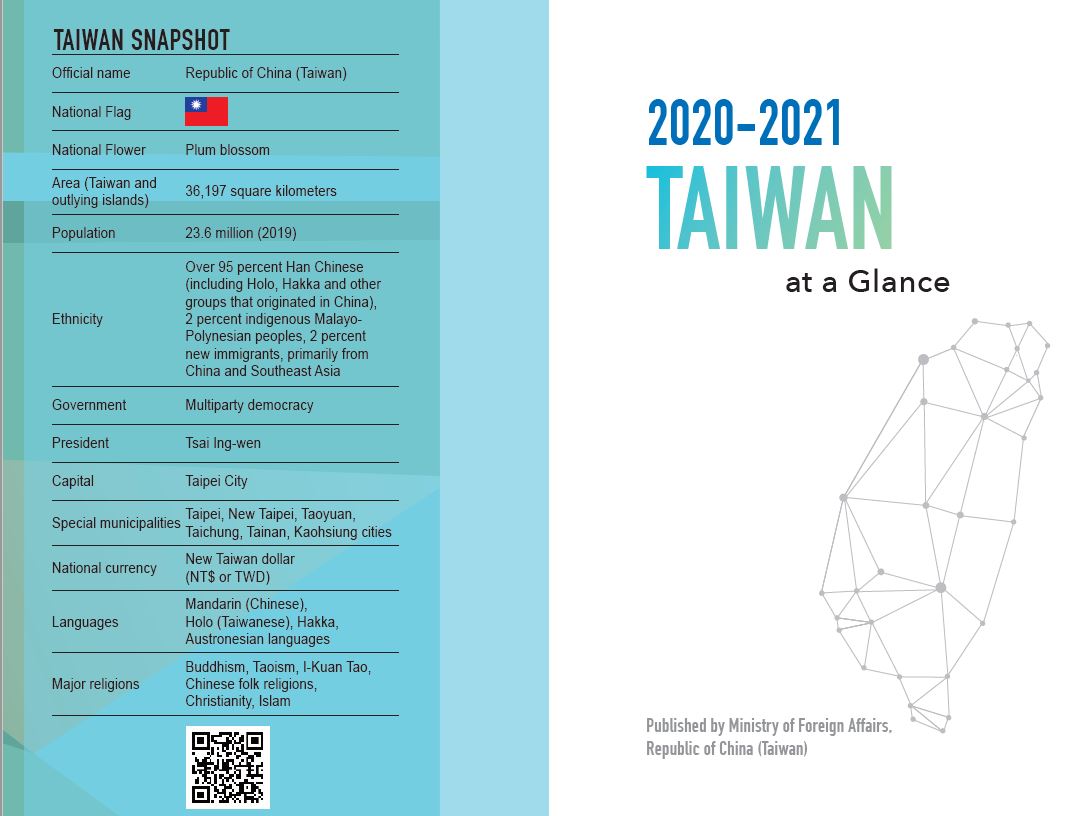

Han Chinese
View on GrokipediaIdentity and Terminology
Historical and Etymological Origins
The designation "Han" derives from the Han dynasty (206 BCE–220 CE), named after the Han River (Hán Shuǐ) in central China, where the dynasty's founder, Liu Bang, initially established his base in the Hanzhong region following the fall of the Qin dynasty in 206 BCE.[5][6] The river's name, represented by the character 漢 (hàn), incorporates radicals denoting water and a riverbank, reflecting its ancient hydrological significance in the Yangtze basin.[7] The term "Hànrén" (漢人, "Han people") first appears in historical records around 299 CE during the Western Jin dynasty, initially referring broadly to subjects or inhabitants under the legacy of Han rule rather than a strictly ethnic group.[8] Its usage as an ethnic self-identifier gained prominence from the 6th century CE onward, particularly during the Northern and Southern dynasties (420–589 CE), when it distinguished cultural Chinese populations from northern nomadic groups amid political fragmentation.[9] This evolution accelerated under non-Han regimes, such as the Khitan Liao (907–1125) and Jurchen Jin (1115–1234) dynasties, where "Han" denoted the sedentary, Sinicized majority in contrast to conquerors, fostering a sense of shared civilizational continuity rooted in Han-era institutions like Confucianism and bureaucratic governance.[10] Prior to the Han dynasty, the ancestral population self-identified as Huaxia (華夏), a term emerging during the Zhou dynasty (c. 1046–256 BCE) to describe the ritualistically sophisticated tribes of the Yellow River valley who viewed themselves as bearers of civilized order against peripheral "barbarians."[11] The shift to "Han" reflected not a sudden ethnic invention but a retrospective consolidation of identity tied to the dynasty's longevity—over four centuries of relative stability, territorial expansion to 6 million square kilometers by 100 CE, and cultural standardization via the imperial examination system—which embedded "Han" as a proxy for orthodox Chinese heritage.[12] By the Song dynasty (960–1279 CE), "Han" had become the dominant ethnonym, persisting through Mongol Yuan (1271–1368) and Manchu Qing (1644–1912) rule as a marker of resistance and assimilation.[13]Self-Designation and External Labels
The Han Chinese have employed several self-designations over history, evolving from cultural-geographic terms to dynastic and ethnic identifiers. In antiquity, during the Zhou dynasty (c. 1046–256 BC) and Warring States period (475–221 BC), they referred to themselves as Huaxia (华夏), a term denoting the ritually civilized agricultural peoples of the Central Plains (Zhongyuan) who distinguished themselves from peripheral "barbarian" groups such as the Rong (戎), Di (狄), Yi (夷), and Man (蛮) through adherence to Zhou-influenced rites, writing, and social norms.[14] This designation emphasized a shared cultural identity rather than strict genealogy, encompassing tribes that unified under early dynasties like the Shang (c. 1600–1046 BC) and Zhou.[15] The ethnonym Hànrén (汉人, Han people), derived from the Han River and the Han dynasty (202 BC–220 AD)—a period of territorial expansion, bureaucratic consolidation, and cultural flourishing—first gained traction as a self-identifier during the Northern and Southern Dynasties (420–589 AD), amid fragmentation and non-Han (e.g., Xianbei) rule in the north.[10] It served to evoke continuity with the Han empire's legacy of Confucian governance and Han-centric historiography, particularly as a marker of distinction under foreign conquests like those of the Liao, Jin, Yuan (Mongol), and Qing (Manchu) dynasties, where Hànrén denoted subjects loyal to native traditions against ruling elites.[13] By the Ming dynasty (1368–1644), revival of Han identity against Mongol predecessors reinforced this usage, though it coexisted with broader terms like Huaren (华人, ethnic Chinese).[16] In the 20th century, amid anti-Manchu nationalism during the late Qing and Republican eras, Hànzú (汉族, Han ethnicity) emerged as the formalized self-designation, promoted by revolutionaries like Sun Yat-sen to unify diverse subgroups against imperial rule and later codified in the People's Republic of China's 1954 ethnic classification system, where it encompasses approximately 1.31 billion people or 91.11% of the population per the 2020 national census.[16] This term reflects a constructed ethnic category blending historical, linguistic, and genetic criteria, though internal subgroup identities (e.g., by dialect or regional custom) persist informally. Externally, the group has been labeled "Han Chinese" in modern Western scholarship since the 19th century to specify the Sino-Tibetan-speaking majority amid China's multiethnic composition, distinguishing it from minorities like Uyghurs or Tibetans.[13] Pre-modern foreign designations often overlapped with the polity, such as "Seres" or "Qin" (from the Qin dynasty, 221–206 BC) in Greco-Roman texts for silk producers, or "Cathay" (from Khitan) in medieval Europe for northern China.[12] In Southeast Asia, overseas communities historically adopted Tángrén (唐人, Tang people), invoking the Tang dynasty's (618–907 AD) maritime influence and cosmopolitanism, a usage traceable to 7th-century trade records and enduring in Chinatowns (Tángrénjiē).[17] Japanese sources employed Tōjin (唐人) similarly, while Korean texts used Hwa (華) echoing Huaxia. These labels, often politically neutral in origin, have been shaped by trade, migration, and conquest rather than endogenous ethnic claims.Relation to Zhonghua Minzu Concept
The Zhonghua minzu (中華民族), translated as the "Chinese nation," represents a constructed national identity intended to unify diverse ethnic groups under a shared civic and historical framework, with the Han Chinese serving as its demographic and cultural nucleus. The term emerged during the late Qing dynasty amid anti-imperialist reforms, first articulated by Liang Qichao in 1902 as a means to consolidate the Han majority—then comprising the bulk of the population in core Chinese territories—into a cohesive force against external threats, drawing on historical notions of a civilized center expanding outward.[18] Originally more narrowly tied to Han ethnicity by figures like Zhang Binglin, it evolved to encompass non-Han groups within former imperial borders, such as Mongols, Tibetans, and Manchus, reflecting pragmatic state-building needs rather than organic ethnic fusion.[19] In the People's Republic of China (PRC), established in 1949, the Chinese Communist Party (CCP) formalized Zhonghua minzu as a multi-ethnic construct comprising 56 recognized minzu (nationalities), where Han individuals numbered 1.284 billion out of 1.411 billion total residents per the 2020 national census, equating to 91.11% of the populace. This framework positions the Han not merely as a plurality but as the archetypal bearer of shared traits like Confucian heritage, Sinitic languages, and centralized governance traditions, which are projected as the civilizational substrate for all groups. Post-Mao reforms from 1978 onward revived the concept to legitimize territorial integrity over ethnic separatism, yet PRC state media and policy documents—often critiqued for ideological conformity—emphasize harmonious integration while empirical patterns, including state-sponsored Han resettlement in Xinjiang and Tibet since the 1950s, indicate a directional pull toward Han normative standards.[20] Critics, including overseas analysts, argue that Zhonghua minzu functions as a veneer for Han cultural hegemony, subordinating minority languages and customs—such as Uyghur or Tibetan—to Mandarin proficiency mandates and Han-dominated historical narratives, as evidenced by assimilation metrics like rising intermarriage rates and declining minority language use in urbanizing regions. Under Xi Jinping's administration from 2012, rhetoric intensified around a "Zhonghua minzu community" via 2014-2021 directives, framing national rejuvenation as rooted in Han-led historical continuity from ancient dynasties, though this overlooks pre-Han indigenous contributions and risks alienating non-Han groups amid coercive unity campaigns. Thus, while theoretically transcending Han exclusivity, the concept's causal dynamics reveal Han centrality as both a unifying asset and a source of tension, with state incentives favoring assimilation over pluralistic equivalence.[21][20]Prehistoric and Ancient Origins
Archaeological and Linguistic Evidence
Archaeological evidence links the prehistoric origins of the Han Chinese to Neolithic agricultural societies in the Yellow River basin, particularly the Peiligang culture (ca. 8000–7000 BP), which featured early millet farming and village settlements in the central plains.[22] This transitioned into the Yangshao culture (ca. 5000–3000 BCE), known for painted pottery, dry-land farming of foxtail and broomcorn millet, and semi-permanent villages across the middle Yellow River region, representing a foundational substrate for subsequent Sinitic-speaking populations.[23] The succeeding Longshan culture (ca. 3000–2000 BCE) exhibited technological advancements, including black pottery production, rammed-earth fortifications, and early social stratification, with material culture continuity evident in ceramic styles and subsistence patterns from Yangshao sites.[24] These cultures demonstrate gradual intensification of agriculture and sedentism in the Zhongyuan heartland, correlating with the dispersal of proto-Sinitic speakers as millet farmers around 8000 years ago.[23] Genomic analyses of ancient remains from these sites affirm substantial ancestral continuity, with 57–92% of modern Han Chinese genetic components deriving from Neolithic Yellow River populations, underscoring minimal large-scale replacement and instead incremental admixture with local groups during expansions.[25] Archaeological transitions from Longshan to early Bronze Age Erlitou culture (ca. 1900–1500 BCE) further bridge to dynastic foundations, featuring bronze metallurgy and urban centers that presage Huaxia cultural complexes ancestral to Han identity.[26] Linguistic evidence positions Sinitic languages, the primary linguistic marker of Han Chinese, within the Sino-Tibetan family, with phylogenetic reconstructions dating the family's origin to approximately 7200 years ago in the Yellow River to eastern Himalayan region, aligning temporally and geographically with Neolithic farming dispersals.[27] Proto-Sinitic is associated with these early agriculturalists, as cognate sets between Old Chinese and Tibeto-Burman languages—numbering 140–300—support a shared ancestral lexicon tied to millet cultivation and riverine environments.[28] The earliest direct attestations appear in Shang dynasty oracle bone inscriptions (ca. 1250–1046 BCE), recording Old Chinese vocabulary and syntax that exhibit reconstructible features like causative prefixes, consistent with deeper Sino-Tibetan roots rather than isolation.[29] This linguistic phylogeny reinforces archaeological patterns of expansion from the Yellow River core, with Sinitic diversification occurring amid Bronze Age state formations.[23]
Early Dynastic Foundations (Xia, Shang, Zhou)
The Xia dynasty, traditionally dated to approximately 2070–1600 BCE and attributed to the legendary flood-queller Yu, represents a semi-mythical phase in early Sinitic state formation centered in the middle Yellow River valley. Archaeological evidence from the Erlitou site in Henan province (c. 1900–1500 BCE) reveals urban planning with rammed-earth palaces, elite burials, and proto-bronze metallurgy, suggesting a hierarchical society predating confirmed dynasties, though no contemporary inscriptions confirm the "Xia" name or unified rule, leading some overseas scholars to view it as a cultural complex rather than a historical dynasty.[30][31] Chinese excavations emphasize continuity from Neolithic Longshan culture, with Erlitou's scale—encompassing over 300 hectares and evidence of centralized labor for infrastructure—indicating foundational advancements in governance and craft specialization that influenced subsequent polities.[32] The Shang dynasty (c. 1600–1046 BCE), with its late capital at Yinxu near modern Anyang, provides the first incontrovertible evidence of a mature Bronze Age state through oracle bone inscriptions on over 150,000 fragments of turtle plastrons and ox scapulae, used for royal divinations recording sacrifices, warfare, and astronomy.[33] These texts, deciphered since the early 20th century, document a decimal-based calendar, kin-based nobility, and ritual bronzework of unparalleled sophistication, including ding cauldrons symbolizing ancestral authority, unearthed from royal tombs with human and animal sacrifices numbering in the hundreds.[34] Yinxu's 30-square-kilometer expanse included workshops for bronze casting via piece-mold technique and chariot burials, reflecting a population of tens of thousands sustained by millet agriculture and corvée labor, establishing precedents in writing, divination, and sumptuary hierarchies that persisted in later Chinese traditions.[35] The Zhou conquest of Shang around 1046 BCE, led by King Wu with allied forces totaling perhaps 45,000 against Shang's 70,000 at the Battle of Muye, inaugurated the Zhou dynasty (1046–256 BCE) and introduced the Mandate of Heaven doctrine, positing that rulership derived from tian (heaven's) favor, revocable for moral failures—a ideological innovation justifying dynastic overthrow while promoting ritual propriety over Shang's ancestor-focused shamanism.[36] Western Zhou (1046–771 BCE) implemented a feudal enfeoffment system, parceling lands to kin and merit lords across the Wei River valley and beyond, fostering iron tools by the 9th century BCE and textual records like bronze inscriptions chronicling alliances and expansions.[37] In Eastern Zhou (770–256 BCE), amid fragmentation into warring states, the Huaxia designation crystallized among Zhou core populations in the Central Plains, denoting those adhering to ritual norms, zhou li etiquette, and Old Sinitic speech, in contrast to rong-di nomads—a proto-ethnic identity linking Zhou elites to the forebears of Han Chinese through shared patrilineal clans, oracle-derived calendars, and ancestor veneration.[38] This era's philosophical output, including proto-Confucian texts emphasizing hierarchy and harmony, reinforced cultural cohesion amid territorial growth to over 1 million square kilometers by the 5th century BCE.[39] Continuities across these dynasties—evident in shared bronze iconography, kin-lineage governance, and Yellow River-centric cosmology—formed the bedrock of Sinitic civilization, with Zhou's feudal diffusion and ritual codification enabling assimilation of peripheral groups and linguistic standardization that Han descendants inherited, despite later interruptions.[40] Archaeological stratigraphy shows no sharp breaks, with Shang ritual bronzes repurposed in Zhou contexts and oracle practices evolving into Zhou bronze eulogies, underscoring causal persistence in elite material culture and authority structures.[41]Historical Expansion and Dynastic History
Unification and Golden Age (Qin, Han, Three Kingdoms)
The state of Qin, originating from the northwest, achieved the unification of the Chinese warring states in 221 BCE under King Zheng (later Qin Shi Huang), who proclaimed himself the First Emperor after conquering the remaining states of Qi, Chu, Yan, Zhao, and Wei through military campaigns emphasizing mass conscription, iron weapons, and cavalry tactics.[42] [43] This unification ended the Eastern Zhou period's fragmentation, establishing a centralized imperial bureaucracy that abolished feudal enfeoffment in favor of appointed officials, standardized legal codes, weights, measures, currency, and axle widths for carts, and initiated a unified script based on small seal characters to facilitate administration across diverse regions.[42] Qin Shi Huang's policies, including the construction of extensive road networks, canals, and an early Great Wall segment against northern nomads, promoted economic integration but relied on harsh Legalist governance, forced labor for projects like his mausoleum guarded by the Terracotta Army (circa 210 BCE), and book burnings in 213 BCE to suppress dissenting philosophies, leading to widespread resentment.[43] The Qin dynasty's collapse followed Qin Shi Huang's death in 210 BCE, exacerbated by rebellions against burdensome corvée labor and eunuch influence, culminating in the uprising led by Liu Bang and Xiang Yu; by 206 BCE, the Qin capital Xianyang fell, paving the way for Liu Bang's victory at the Battle of Gaixia in 202 BCE and the founding of the Han dynasty with its capital at Chang'an.[43] [44] The Han era (202 BCE–220 CE), divided into Western Han (until 9 CE) and Eastern Han (25–220 CE after Wang Mang's interregnum), marked a golden age of stability, cultural synthesis, and territorial expansion, with Emperor Wu (r. 141–87 BCE) extending borders southward into Vietnam, westward via the Silk Road to Central Asia, and northward against the Xiongnu through campaigns that incorporated nomadic tactics like mounted archery.[45] Administrative innovations included the establishment of a Confucian-oriented civil service examination system by 124 BCE at the Imperial Academy, fostering merit-based bureaucracy over hereditary aristocracy, while agricultural reforms such as iron plows and crop rotation boosted productivity, enabling population growth from approximately 59 million in 2 CE (per Han census) to support urbanization and trade hubs like Luoyang.[46] [44] Technological and intellectual advancements defined Han prosperity, including Cai Lun's refinement of papermaking around 105 CE, Zhang Heng's seismograph in 132 CE, and advances in astronomy, medicine (e.g., texts like the Huangdi Neijing), and metallurgy for cast iron; these, combined with state monopolies on salt, iron, and coinage, sustained economic expansion and cultural diffusion, where the Huaxia cultural core assimilated peripheral groups through intermarriage, migration, and Han bureaucratic integration, laying foundations for an enduring ethnic identity tied to the dynasty's name—initially denoting imperial subjects but evolving to signify the Sinitic-speaking populace.[45] [47] Eunuch and aristocratic corruption, alongside famine and peasant revolts like the Yellow Turban Rebellion in 184 CE, eroded central authority by the late 2nd century CE, fragmenting power among warlords such as Cao Cao, Liu Bei, and Sun Quan.[46] The Three Kingdoms period (220–280 CE) ensued after Cao Pi forced the last Han emperor's abdication in 220 CE, proclaiming Wei in the north, while Liu Bei claimed Shu-Han legitimacy in the southwest and Sun Quan ruled Wu in the southeast, resulting in a tripartite division marked by protracted conflicts like the Battle of Red Cliffs (208 CE prelude) and Chibi strategies emphasizing alliances and riverine warfare.[42] Despite warfare reducing population estimates to around 16 million by mid-century due to conscription, disease, and displacement, the era preserved Han cultural continuity through literary works, Buddhist introductions via Wu, and administrative precedents; Wei's eventual unification under the Sima clan as Jin in 265–280 CE subdued Shu (263 CE) and Wu (280 CE), though Jin's internal strife soon led to further division.[48] This phase reinforced Han ethnic cohesion amid chaos, as elites and commoners invoked Han restoration rhetoric, solidifying "Hanren" as a self-identifier for the cultural majority against emerging non-Sinitic influences.[16]Periods of Division and Foreign Influence (Jin to Tang)
The Western Jin dynasty (265–316 CE), established by Sima Yan after usurping Wei, briefly reunified China following the Three Kingdoms period but succumbed to internal strife during the War of the Eight Princes (291–306 CE), which devastated the economy and military.[49] This weakness enabled the Wu Hu uprisings (304–316 CE), where non-Han groups including Xiongnu, Xianbei, Di, and Qiang tribes rebelled, capturing Luoyang in 311 CE and slaughtering much of the Han population there, with estimates of over 100,000 deaths in the Yongjia Disturbance alone.[50] Han elites and commoners fled southward en masse, with migrations peaking between 311–317 CE, establishing the Eastern Jin (317–420 CE) in Jiankang (modern Nanjing) under Sima Rui, preserving Han administrative and cultural traditions amid reduced territory north of the Yangtze.[51] In the north, the collapse of Western Jin led to the Sixteen Kingdoms period (304–439 CE), characterized by short-lived states founded predominantly by non-Han ethnic groups such as the Xiongnu-led Han Zhao and Later Zhao, Xianbei-led Dai and Former Yan, and others, resulting in fragmented rule and further Han displacement or assimilation.[52] These regimes initially maintained tribal customs but gradually adopted Han bureaucratic systems and Confucianism for governance legitimacy, though warfare and migrations reduced the northern Han population density. The Southern Dynasties succeeding Eastern Jin—Liu Song (420–479 CE), Southern Qi (479–502 CE), Liang (502–557 CE), and Chen (557–589 CE)—were ruled by Han Chinese elites, fostering advancements in literature, Buddhism, and poetry while defending against northern incursions, with the south becoming a refuge for classical Han scholarship.[53] Northern Dynasties, culminating in Northern Wei (386–535 CE) under Xianbei Tuoba rulers, pursued sinicization policies, notably Emperor Xiaowen's reforms (493 CE) mandating adoption of Han surnames, language, clothing, and relocation to Luoyang, integrating nomadic elites into Han cultural norms and stabilizing rule over a mixed population.[53] This process accelerated Han cultural dominance despite ethnic intermixing, as non-Han rulers relied on Han officials and Confucian ideology to administer territories. Successor states like Eastern Wei, Western Wei, Northern Qi, and Northern Zhou continued this trend, with Northern Zhou's Yang Jian usurping power in 581 CE to found the Sui dynasty (581–618 CE), which reunified China by conquering Chen in 589 CE, restoring centralized Han-style governance and infrastructure projects like the Grand Canal.[54] The Tang dynasty (618–907 CE), initiated by Li Yuan after Sui's collapse, emerged from northwestern military elites with partial non-Han ancestry but emphasized Han imperial legitimacy through Confucian rituals and examinations, governing a cosmopolitan empire where Han Chinese formed the demographic core amid Turkic, Sogdian, and other influences.[55] These centuries of division prompted southward Han migrations, enhancing southern population density and cultural refinement, while northern sinicization ensured continuity of Han identity, allowing Sui and Tang to frame their rule as revival of Han unity rather than foreign imposition.[56] Overall, Han resilience manifested in cultural preservation and adaptation, with non-Han rulers' assimilation reinforcing ethnic and civilizational boundaries despite demographic shifts.[57]Southern Migrations and Consolidation (Song to Qing)
The Jingkang Incident of 1127, in which Jurchen forces of the Jin dynasty captured the Northern Song capital Kaifeng and abducted Emperor Huizong, Emperor Qinzong, and over 100 members of the imperial clan along with thousands of officials and artisans, triggered a large-scale southward exodus of Han Chinese elites, scholars, and commoners.[58] This event ended Northern Song rule north of the Huai River and facilitated the relocation of the Song court to Hangzhou, establishing the Southern Song dynasty and accelerating Han demographic consolidation in the Yangtze River basin and beyond.[59] Historical records indicate that this migration involved not only the imperial family but also substantial civilian populations fleeing Jin occupation, contributing to a shift in China's economic and cultural gravity southward.[60] Under the Southern Song (1127–1279), Han Chinese populations adapted to the more fertile southern landscapes, fostering agricultural innovations like Champa rice that supported population growth from approximately 60 million at the dynasty's outset to around 90–120 million by the late 13th century, with the majority concentrated south of the Yangtze.[61] This era saw intensified sinicization of indigenous groups in regions such as Fujian, Guangdong, and parts of modern Vietnam, as Han settlers introduced advanced wet-rice farming, Confucian administration, and urban centers, solidifying Han cultural dominance despite ongoing threats from northern nomads.[62] The Southern Song's reliance on naval power and commerce further entrenched Han consolidation, with cities like Hangzhou becoming hubs of Han scholarship and industry, preserving classical texts and bureaucratic traditions amid territorial contraction.[63] The Mongol conquest culminating in the Yuan dynasty (1271–1368) imposed foreign rule over Han-majority southern territories, yet Han demographic resilience persisted through localized resistance and cultural continuity, setting the stage for the Ming dynasty's (1368–1644) Han restoration. Ming emperors, originating from southern Han lineages, promoted internal migration and reclamation projects that expanded Han settlement into underpopulated frontiers like Sichuan and Yunnan, where Han influxes outnumbered and assimilated non-Han populations through intermarriage and administrative integration.[64] By the mid-Ming, Han constituted over 90% of the empire's registered households in core southern provinces, reflecting consolidated demographic majorities bolstered by policies favoring Han settlers in tusi native chieftaincies.[65] During the Qing dynasty (1644–1912), Manchu rulers initially restricted Han migration to their northeastern homeland but later lifted bans to facilitate land reclamation and frontier stabilization, enabling waves of Han peasants to settle Xinjiang, Manchuria, and southwest highlands, where they comprised up to 80% of new populations by the 19th century.[65] This expansion, driven by Qing resettlement strategies, accelerated the assimilation of diverse ethnic groups into Han norms via the examination system and Han-dominated gentry, ensuring Han cultural and numeric hegemony across expanded territories despite Manchu overlordship.[66] By Qing's end, Han Chinese accounted for roughly 92% of China's population, a testament to centuries of southern-focused migrations and adaptive consolidation that transformed peripheral regions into Han heartlands.[67]Subgroups and Internal Variation
North-South Genetic and Cultural Divergence
Genetic studies utilizing over 350,000 autosomal SNPs across more than 6,000 Han samples from ten provinces have identified a pronounced one-dimensional north-south cline in Han Chinese population structure, with northern populations clustering closer to other northern East Asians and southern ones showing greater divergence.[68] This cline arises from differential admixture: northern Han derive primarily from Neolithic farmers of the Yellow River Basin with minor steppe pastoralist input, whereas southern Han incorporate substantial ancestry (up to 20-30% in some models) from indigenous southern groups, including Austroasiatic, Tai-Kadai, and Hmong-Mien populations displaced or assimilated during historical southward migrations.[69] Pairwise FST values between northern and southern Han samples range from 0.001 to 0.005, comparable to intra-European differences, confirming structured variation despite overall homogeneity.[70] Ancient DNA analyses further illuminate this divergence, revealing that the genetic makeup of northern Han traces to Bronze Age populations in the Central Plains with limited southern input until later dynasties, while southern Han genomes reflect a fusion of northern migrant waves—intensified during the 4th-6th century AD upheavals—with local Yangtze River and coastal hunter-gatherer-farmer lineages dating to 8,000-5,000 BCE.[71] Admixture modeling estimates that southern Han received 10-20% ancestry from these pre-Han southern components, contributing to clinal shifts in allele frequencies for traits like lactase persistence (higher in north) and adaptations to tropical pathogens (elevated in south).[72] Y-chromosome and mtDNA data provide additional insights: paternal lineages show relative homogeneity across Han populations, with geneticist Li Jin's research, including a 2008 study, finding no significant Y-chromosome differentiation between northern and southern Han, unlike maternal lineages exhibiting a clear north-south boundary; a 2014 study further revealed that ~40% of Han Chinese males descend from three Neolithic "super-grandfathers" ~5-7 kya, underscoring shared paternal ancestry from Neolithic expansions.[73][74] Dominant Y-haplogroups include O-M175 subclades linked to Sino-Tibetan expansions, prevalent in both north and south, whereas mtDNA in southern populations incorporates diverse lineages like N9a and B from Austronesian-related sources.[75] Culturally, this genetic gradient manifests in agricultural traditions, dietary staples, and social norms shaped by ecology and history. Northern Han regions, centered on the wheat-growing North China Plain, historically favored individualistic farming amenable to solo labor, correlating with traits like greater competitiveness and direct interpersonal styles in psychological surveys.[76] In contrast, southern Han paddy rice cultivation in the Yangtze Delta required intensive irrigation cooperation among kin networks, fostering interdependent orientations, holistic cognition, and reserved communication, as evidenced by cross-regional behavioral experiments.[77] Linguistic divergence parallels this: northern dialects align closely with standard Mandarin's phonology and vocabulary, reflecting centralized imperial standardization, while southern varieties preserve Middle Chinese tones and initials, diverging up to 40% in mutual intelligibility due to substrate influences from non-Sinitic languages.[78] These patterns, while not absolute, stem from millennia of uneven Han expansion, with northern areas enduring nomadic incursions that reinforced martial hierarchies and southern basins integrating sedentary indigenous customs.[79]Regional Subgroups and Migration Waves
The Han Chinese encompass several regional subgroups distinguished by Sinitic dialect branches, historical migrations, and localized cultural traits, including the Mandarin, Wu, Gan, Xiang, Hakka, Min, and Yue groups.[80] These subgroups generally align with geographic regions: Mandarin speakers predominate in northern and central China, Wu in the lower Yangtze River area, Yue (Cantonese) in Guangdong and Guangxi, Min in Fujian and coastal areas, Hakka across southern provinces due to repeated relocations, Gan in Jiangxi, and Xiang in Hunan.[80] Dialectal differences, such as mutual unintelligibility between Yue and Mandarin, underpin subgroup identities, alongside variations in cuisine, festivals, and architecture adapted to local environments.[81] Major migration waves, often triggered by northern invasions and dynastic upheavals, propelled Han expansion southward and redistributed subgroups. Three principal historical waves of mass internal migration occurred, each displacing populations from Han core territories in response to nomadic incursions, fundamentally altering demographic distributions.[60] The initial significant southward shift followed the Han dynasty's fall around 220 CE, with refugees fleeing warfare and establishing bases in the Yangtze valley during the Three Kingdoms and subsequent Jin periods, laying foundations for southern Han subgroups.[80] Subsequent waves intensified during the 4th–6th centuries amid the Northern and Southern Dynasties, as northern Han elites and commoners migrated south to evade the Sixteen Kingdoms' turmoil, blending with indigenous populations and fostering groups like the Wu and early Min speakers.[80] The Tang dynasty's An Lushan Rebellion (755–763 CE) prompted another exodus, accelerating Han settlement in the south and contributing to the genetic and cultural admixture seen in modern southern subgroups.[82] Later migrations, such as those of the Hakka people from northern China through central provinces to the southeast between the 13th and 19th centuries, exemplify subgroup-specific movements driven by conflict, including Mongol conquests and Ming-Qing transitions, resulting in Hakka enclaves amid other groups.[83] In the modern era, state-directed migrations like Zou Xikou (to Inner Mongolia) and Chuang Guandong (to Manchuria) from the late 19th to mid-20th centuries relocated millions of Han, primarily from northern provinces, homogenizing dialects and diluting some regional distinctions in frontier areas.[84] These movements underscore how migration waves not only expanded Han territory but also reinforced subgroup resilience through preserved linguistic and kinship networks, despite pressures toward standardization.[68]Contemporary Distribution and Demographics
Population in Mainland China
According to the Seventh National Population Census of 2020, the Han Chinese population in Mainland China totaled 1,286,311,334 individuals, representing 91.11% of the overall population of 1,411,778,724.[1][85] This marked a slight decline in the Han proportion from 91.51% in the 2010 census, attributable to the faster growth rate of ethnic minorities at 10.26% compared to 4.93% for Han over the decade.[1] Han Chinese predominate across most provincial-level administrative divisions, forming over 90% of the population in densely populated eastern provinces such as Shandong, Henan, and Guangdong, which host the largest absolute numbers of Han due to their high total populations exceeding 90 million each.[86] In contrast, the Han share is lower in western autonomous regions designated for ethnic minorities; for instance, Han constituted approximately 12% in the Tibet Autonomous Region in 2020, reflecting ongoing internal migration patterns that have increased Han presence there since earlier censuses.[4] Urbanization and inter-provincial migration have further concentrated Han populations in coastal megacities and economic hubs, with provinces like Jiangsu and Zhejiang showing Han percentages nearing 99%.[86] While official figures indicate stability in the Han majority, some demographers, such as Yi Fuxian, contend that the overall population may be overstated by around 130 million, potentially affecting absolute Han numbers, though the ethnic composition ratio remains broadly consistent with reported trends.[87] Post-2020, China's total population has begun to decline amid low birth rates, but no updated ethnic breakdown is available as of 2025, with Han likely maintaining their demographic dominance.[88]Presence in Taiwan, Hong Kong, and Macau
In Taiwan, Han Chinese constitute the overwhelming majority of the population, comprising approximately 95-97% of the total, with the remainder consisting primarily of indigenous Austronesian groups (about 2.5%) and recent immigrants.[89][90] This demographic dominance stems from waves of migration beginning in the 17th century, initially under Dutch and Spanish colonial presence, but accelerating during Qing Dynasty rule (1683-1895), when settlers from Fujian Province (forming the Hoklo or Minnan subgroup) and Guangdong Province (Hakka subgroup) arrived to cultivate land and establish communities, displacing indigenous populations through agricultural expansion and intermarriage.[91] A further influx of 900,000 to 1.1 million Han Chinese from various mainland regions occurred after 1949, following the Chinese Civil War, introducing Mandarin-speaking waishengren who integrated while preserving distinct cultural practices.[91] Taiwan's total population stood at around 23.4 million as of 2023, yielding an estimated 22-23 million Han Chinese residents.[89] In Hong Kong, Han Chinese form 91.6% of the population according to the 2021 census, totaling about 6.79 million individuals out of 7.41 million residents, with the majority originating from Guangdong Province and speaking Cantonese as their primary dialect.[92][93] Migration patterns trace back to the 19th century during British colonial rule, when laborers and merchants from southern China settled amid economic opportunities in trade and fishing, later augmented by refugees fleeing mainland turmoil in the 20th century, solidifying Han cultural and economic dominance.[92] Non-Han minorities, including Filipinos, Indonesians, and South Asians, comprise the rest, often in expatriate or domestic worker roles, but exert limited influence on the core societal structure.[92] Macau's population is similarly Han Chinese-dominated, with ethnic Chinese accounting for 88.7-95% of residents, primarily Cantonese and Hakka speakers from neighboring Guangdong Province, in a total population of approximately 682,000 as per the 2021 census.[94][95] Historical settlement began in the 16th century alongside Portuguese colonization, but Han migrants quickly outnumbered Europeans through commerce and labor in fisheries and gaming, establishing a hybrid yet Han-centric society where Chinese customs prevail despite colonial legacies.[94] The remainder includes Portuguese descendants, Filipinos, and Vietnamese, concentrated in service sectors, underscoring Han Chinese as the foundational ethnic group.[94]Global Diaspora Concentrations
The Han Chinese diaspora, comprising descendants of migrants primarily from southern provinces such as Guangdong, Fujian, and Hainan, is concentrated predominantly in Southeast Asia due to labor migrations during the 19th and early 20th centuries driven by economic opportunities in mining, trade, and agriculture.[96] This region hosts over 80% of the global overseas Chinese population, estimated at around 50 million individuals as of 2023, with the vast majority being of Han ethnicity given their dominance in originating populations.[97] Assimilation policies, intermarriage, and varying census methodologies have led to discrepancies in reported figures, often undercounting due to adoption of local identities or reluctance to declare Chinese heritage amid historical anti-Chinese sentiments and pogroms.[98] Indonesia maintains the largest Han Chinese community outside China, with estimates exceeding 11 million as of 2025, representing about 3-5% of the national population despite official figures sometimes lower due to assimilation and past restrictions on ethnic identification following events like the 1965-1966 anti-communist purges.[98] Thailand follows with 7-10 million ethnic Chinese, integrated deeply into society through intermarriage and comprising up to 14% of the population, many tracing ancestry to Teochew and Hokkien speakers who arrived as laborers and merchants in the late 19th century.[96] Malaysia's approximately 6.9-7.4 million Han Chinese form 22-23% of the populace, concentrated in urban centers like Penang and Kuala Lumpur, where they maintain distinct cultural enclaves while holding significant economic influence in commerce and industry.[98] Singapore stands out with 3.02 million ethnic Chinese, constituting over 75% of its 5.9 million residents as of 2023, a legacy of British colonial-era migration that positioned the city-state as a trading hub.[99]| Country | Estimated Han Chinese Population (2023) | Percentage of National Population |
|---|---|---|
| Indonesia | 10.7 million | ~4% |
| Thailand | 7.0 million | ~10% |
| Malaysia | 6.9 million | ~22% |
| Singapore | 3.0 million | ~75% |
| Philippines | 1.4 million | ~1.3% |
| Myanmar | 1.6 million | ~3% |
| Vietnam | 0.8 million | ~0.8% |
Language and Onomastics
Sinitic Language Family Diversity
The Sinitic languages, comprising the primary linguistic heritage of Han Chinese, form a diverse branch of the Sino-Tibetan family characterized by hundreds of varieties that exhibit significant mutual unintelligibility.[103] Dialectologist Jerry Norman estimated these varieties create a dialect continuum with phonological, lexical, and syntactic divergences often exceeding those between Romance languages like French and Italian.[104] While unified by Classical Chinese literary tradition and modern Standard Mandarin (based on the Beijing dialect), spoken forms diverged over two millennia due to geographic isolation, population migrations, and substrate influences from pre-Han languages in southern regions.[105] This diversity reflects causal factors like mountainous terrain in southern China preserving archaic features and limiting convergence, contrasting with northern plains facilitating Mandarin's expansion.[105] Classification typically divides Sinitic into seven to eleven major groups, with Mandarin (Northern) dominating at approximately 65.7% of native speakers in China, followed by smaller but robust branches.[106] [107] Key branches include Wu (e.g., Shanghainese, spoken in eastern coastal areas), Yue (Cantonese, prevalent in Guangdong and Hong Kong), Min (divided into Northern, Southern, and Hokkien varieties in Fujian and Taiwan), Hakka (scattered across southern provinces from migrations), Gan (central Jiangxi), Xiang (Hunan), and Jin (Shanxi and northern dialects sometimes classified separately).[106] Additional minor groups like Huizhou and Pinghua exhibit transitional features. These branches share analytic syntax and tonal systems but differ profoundly in initials, finals, tones (from 4-9 per variety), and vocabulary; for instance, monolingual Cantonese and Mandarin speakers share zero mutual intelligibility.[108] Phylogenetic studies date the Sinitic ancestor to around 2,000 years ago, emerging homogeneously in the eastern Sino-Tibetan area before radiating southward.[109]| Major Sinitic Branch | Approximate Native Speakers (millions) | Primary Regions |
|---|---|---|
| Mandarin | ~900+ | Northern and central China |
| Wu | ~80 | Jiangsu, Zhejiang |
| Yue (Cantonese) | ~60-80 | Guangdong, Guangxi, Hong Kong |
| Min | ~50-75 | Fujian, Taiwan, Hainan |
| Hakka | ~30-40 | Scattered southern provinces |
| Xiang | ~30-40 | Hunan |
| Gan | ~20-30 | Jiangxi |
Naming Practices and Clan Systems
Han Chinese naming conventions follow a patrilineal structure, with the surname (xìng, 姓) preceding the given name (míng, 名). Surnames are typically monosyllabic and one character, derived from ancient origins such as geographic locations, official titles, occupations, or totems, with many traceable to the Zhou Dynasty (c. 1046–256 BCE) or earlier. The given name consists of one or two characters, selected by parents to convey auspicious meanings, virtues, or generational indicators drawn from clan-specific naming poems (pài hù, 派譜) that assign characters to successive generations for lineage continuity.[112][113] In modern usage among Han Chinese, full names average three characters, with 85.61% featuring a single-character surname followed by a two-character given name, reflecting standardization since the early 20th century under Republican and Communist policies promoting simplicity and literacy. Approximately 6,000 surnames remain in circulation, but the top 100 account for over 85% of the population, including Wang (王, over 92 million bearers), Li (李, 57 million), and Zhang (張, 57 million) as of 2019 data. Regional variations persist: northern Han favor Wang, Li, Zhang, and Liu, while southern groups emphasize Chen (陳), Lin (林), and Huang (黃), influenced by migration patterns and historical settlement.[114][115][116] Clan systems, known as zǒngzú (宗族), form the backbone of Han kinship organization, uniting individuals sharing a surname and claimed descent from a common male ancestor into extended patrilineal networks. These clans emphasize collective identity through maintenance of jiāpǔ (家譜) genealogies—detailed records compiling birth, marriage, death, and migration data across dozens or hundreds of generations, often preserved in ancestral halls (zōngcí, 宗祠) for rituals and dispute resolution. Originating in pre-Qin agrarian societies and formalized during the Han Dynasty (202 BCE–220 CE) with patriarchal emphases, clans provided economic mutual aid, land management, and defense, peaking in influence under Song (960–1279 CE) Neo-Confucianism, which reinforced filial piety and lineage hierarchy.[117][118][119] Exogamy rules prohibit marriage within the same clan to preserve purity of descent lines, a norm enforced via surname taboos and documented in jiāpǔ, though enforcement has weakened in urban settings post-1949 due to state campaigns against feudal remnants. Overseas Han diaspora perpetuate clans through surname associations (tóng xiāng huì, 同鄉會), which facilitate remittances, cultural preservation, and business networks, as seen in Southeast Asian and North American communities tracing roots to Fujian or Guangdong migrations since the 19th century. Clan cohesion historically buffered against dynastic upheavals, enabling resilience through shared rituals like Qingming tomb-sweeping, but contemporary surveys indicate declining participation among younger urban Han, with rural southern provinces retaining stronger structures.[120][121][122]Societal Structure and Cultural Practices
Family, Kinship, and Social Norms
The traditional Han Chinese family structure is patrilineal and extended, with multiple generations often residing together under the authority of the senior male, who holds decision-making power over family members, including resource allocation and marriage arrangements.[123][124] This system prioritizes lineage continuity through male heirs, as sons inherit property and perform ancestral rites, while daughters typically marry into other families, reinforcing patrilocal residence patterns.[125] Confucian principles underpin this organization, promoting social harmony through hierarchical roles that extend from the family to broader society.[126] Kinship terminology among Han Chinese reflects this agnatic bias, distinguishing relatives by generation, gender, age seniority, and lineage branch, with no undifferentiated terms for siblings—instead using gege (elder brother), didi (younger brother), jiejie (elder sister), and meimei (younger sister).[127] Agnatic kin, such as paternal uncles (bofu) or cousins from the male line, receive more emphasis than uterine kin, equating patrilineal cousins partially with siblings while differentiating cross-cousins.[128] Clan systems, organized around shared surnames and ancestral halls, further structure kinship, tracing descent back up to 18 generations in some lineages, with elders commanding respect across extended networks.[129] Central social norms revolve around xiao (filial piety), which mandates children's obedience, care for aging parents, and deference to elders as the foundation of moral character and societal stability, often extending to loyalty toward superiors outside the family.[130][131] Gender roles prescribe male authority tempered by benevolence, with wives expected to submit while managing household duties, and harmony maintained through conflict avoidance and ritual propriety.[132][123] In contemporary Han society, urbanization and the one-child policy (implemented from 1979 to 2015, restricting most urban Han families to one offspring) have shifted structures toward nuclear families, reducing average household size from 3.44 members in 2000 to smaller units by 2020, with increased elderly dependency on single children in the "4-2-1" pattern.[133][134] This policy, aimed at curbing population growth, exacerbated sex-selective practices favoring sons, leading to a male surplus of about 30-40 million by 2015, while promoting individualism over extended kin obligations amid rural-to-urban migration.[135] Despite these changes, filial piety persists culturally, though strained by economic pressures and state secularization, with many adult children providing financial support to parents despite geographic separation.[131]Cuisine, Festivals, and Daily Customs
Han Chinese cuisine emphasizes balance in flavors, textures, and nutrition, drawing from agricultural staples shaped by geography: rice predominates in southern regions due to wetter climates suitable for paddies, while wheat-based foods like noodles and steamed buns are staples in the north where drier conditions favor grains.[136] Soy products such as tofu and fermented sauces provide protein and umami, with vegetables, pork, poultry, and fish forming core ingredients; regional variations include spicy Sichuan dishes using chili and Sichuan peppercorn for numbing heat, mild Cantonese seafood preparations, and hearty Shandong soups.[136] Iconic dishes encompass Peking duck—roasted with crispy skin served in thin pancakes with hoisin sauce—and dim sum, bite-sized steamed items like dumplings and buns originating from Guangdong teahouses.[136] Tea, brewed from Camellia sinensis leaves, integrates into meals for digestion and social ritual, with green, oolong, and black varieties reflecting processing methods from Fujian and Anhui provinces.[137] Key festivals among Han Chinese revolve around lunar calendar cycles, lunar-solar alignments, and ancestral veneration, fostering family unity and seasonal transitions. The Spring Festival, or Chinese New Year, marks the lunisolar year's start around late January to mid-February, involving family reunions, red envelope gifts symbolizing prosperity, fireworks to ward off evil, and lion dances; it spans 15 days culminating in the Lantern Festival with riddles and glutinous rice balls.[138] Qingming Festival on April 4-5 honors the dead through tomb sweeping, offering food and burning paper replicas; Dragon Boat Festival on the fifth lunar month features zongzi rice dumplings and races commemorating poet Qu Yuan's suicide in 278 BCE.[138] Mid-Autumn Festival on the 15th lunar month celebrates harvest with mooncakes filled with lotus seed paste or salted egg yolk, symbolizing completeness and family under the full moon.[138] Daily customs reflect Confucian hierarchies and communal harmony, with family meals served family-style on round tables to promote equality in sharing, where elders receive first servings and chopsticks avoid pointing or sticking upright in rice to evade death associations.[139] Tea-pouring etiquette dictates hosts refill guests' cups first, with recipients tapping fingers on the table in gratitude mimicking a kowtow; refusals of food initially signal politeness before acceptance.[137] Greetings involve slight bows or handshakes rather than hugs, emphasizing respect via titles like "lao" for elders; evening routines may include mahjong or communal storytelling, while morning tai chi practices in parks promote health through slow movements rooted in Daoist principles.[139] Footwear removal indoors and indirect refusals preserve face, avoiding direct confrontation in social interactions.[139]Literature, Philosophy, and Arts
Chinese philosophy emerged prominently during the Hundred Schools of Thought in the Spring and Autumn (770–476 BCE) and Warring States (475–221 BCE) periods, with Confucianism founded by Kong Fuzi, known as Confucius, who lived circa 551–479 BCE and focused on moral cultivation, ritual propriety, and hierarchical social order.[140] Taoism, attributed to Laozi, features the Tao Te Ching, whose oldest excavated portions date to the late 4th century BCE, advocating harmony with the Dao through non-action and naturalness.[141] Legalism, developed by thinkers like Shang Yang (died 338 BCE) and Han Feizi (circa 280–233 BCE), emphasized strict laws, administrative efficiency, and state power to achieve order, influencing the Qin dynasty's unification in 221 BCE.[142] Mohism, initiated by Mozi (circa 470–391 BCE), promoted universal love, merit-based governance, and utilitarian ethics as alternatives to Confucian ritualism.[143] Classical Chinese literature spans over three millennia, beginning with oracle bone scripts from the Shang dynasty (circa 1600–1046 BCE) and evolving through the Zhou dynasty's Shijing (Book of Odes), a collection of 305 poems compiled around the 6th century BCE reflecting ritual, folk, and court life.[144] The pre-Qin era produced foundational texts like the Analects of Confucius, recording his sayings on ethics and governance, and the Mencius, articulating innate human goodness, both central to Confucian thought.[145] During the Han dynasty (206 BCE–220 CE), the fu poetic form flourished, exemplified by Sima Xiangru's (179–117 BCE) elaborate rhapsodies on landscapes and hunts, blending prose and rhyme for imperial patronage.[146] Tang dynasty (618–907 CE) poetry peaked with regulated verse by Li Bai (701–762 CE) and Du Fu (712–770 CE), whose works explored personal emotion, social critique, and nature, influencing subsequent literary traditions.[147] Later periods saw Song dynasty (960–1279 CE) ci lyrics by Su Shi (1037–1101 CE) and Ming-Qing novels like Romance of the Three Kingdoms (circa 14th century CE) by Luo Guanzhong, narrating historical events with fictional elements.[146] Traditional Han Chinese arts integrate poetry, calligraphy, and painting as the "three perfections," with calligraphy elevated as a scholarly pursuit originating from brush writing innovations and refined by Wang Xizhi (303–361 CE), whose running script style set standards for expressive fluidity.[148] Ink painting, emphasizing monochromatic landscapes and scholar's rocks, developed from Han tomb murals and matured in the Song dynasty, prioritizing artistic conception over realism through techniques like gongbi meticulous brushwork and xieyi freehand expression.[149] Poetry served as a foundational art, often inscribed on paintings or scrolls to enhance thematic depth, as in literati traditions where emotional resonance (qi yun) unified the forms.[150] Chinese opera, blending music, dance, and drama, traces to Tang theatricals but formalized in the Yuan dynasty (1271–1368 CE) with zaju plays, evolving into regional styles like Peking opera by the Qing era, featuring stylized gestures, costumes, and acrobatics derived from folk performances.[149]
Intellectual and Technological Achievements
Historical Innovations (Pre-Modern)
The Han Chinese developed numerous technological innovations during the pre-modern era, spanning from the Warring States period through the Ming dynasty, which facilitated agricultural productivity, military capabilities, administrative efficiency, and scientific inquiry. These advancements, often emerging from state-sponsored workshops, scholarly academies, and practical necessities in a large agrarian society, included refinements in metallurgy, such as the widespread use of cast iron plows and tools by the 3rd century BCE, enabling more efficient farming on heavy soils. Blast furnaces for producing pig iron appeared during the Western Han dynasty around 200 BCE, allowing for stronger tools and weapons compared to contemporaneous European bloomery processes. In scientific instrumentation, Zhang Heng, a Han polymath, invented the first seismoscope in 132 CE, a bronze vessel with dragon heads that detected earthquakes up to 500 kilometers away by dropping balls into toad mouths, aiding imperial disaster response. Papermaking, attributed to Cai Lun in 105 CE during the Eastern Han, involved pulping mulberry bark, rags, and fishing nets into sheets, revolutionizing record-keeping and reducing reliance on expensive bamboo or silk. This innovation spread via the Silk Road, though its full impact on literacy awaited printing developments. The magnetic compass, initially a lodestone spoon for geomancy around 400 BCE, evolved into a navigational tool with a magnetized needle in a water bowl by the Song dynasty's 11th century, supporting maritime expansion. Military technologies advanced with gunpowder's discovery by Daoist alchemists in the 9th century Tang dynasty, initially for elixirs but soon applied in fire arrows and bombs, altering warfare from melee to projectile dominance.[151] Woodblock printing emerged in the Tang era around 700 CE for Buddhist texts, enabling mass reproduction of knowledge, while Bi Sheng's movable clay type in the Northern Song (1040 CE) allowed flexible typesetting, predating Gutenberg by four centuries but limited by character volume.[152] Agricultural tools like the moldboard plow, refined in the Han period, turned soil effectively, boosting yields in rice paddies and supporting population growth to over 50 million by 2 CE. These innovations stemmed from empirical experimentation rather than abstract theory, reflecting a pragmatic engineering tradition amid centralized bureaucracies.[153]Modern Contributions and Global Impact
Han Chinese scientists have made notable advancements in agriculture and medicine during the late 20th and early 21st centuries. Yuan Longping, a Han Chinese agronomist, developed the first high-yield hybrid rice strains in 1973, which increased rice production by approximately 20% compared to conventional varieties and contributed to averting famines in Asia while enabling exports to Africa and other regions, ultimately helping to feed an estimated hundreds of millions.[154] Similarly, Tu Youyou, a Han Chinese pharmaceutical chemist born in Ningbo in 1930, discovered artemisinin in 1972 through analysis of ancient Chinese medical texts, leading to a treatment that has saved millions of lives from malaria globally since its widespread adoption in the 1980s.[155] She received the Nobel Prize in Physiology or Medicine in 2015 for this work.[155] In technology and innovation, Han Chinese-led enterprises have driven significant global outputs. China, where over 90% of the population is Han Chinese, filed 1,642,582 patent applications in 2023, accounting for nearly half of the world's total and surpassing the United States' 518,791 filings.[156] Companies founded by Han Chinese individuals, such as Huawei by Ren Zhengfei in 1987 and Alibaba by Jack Ma in 1999, have become leaders in telecommunications and e-commerce, with Huawei holding a substantial share of global 5G patents and Alibaba facilitating over $1 trillion in annual gross merchandise volume by 2023.[157] These innovations, often building on iterative improvements to imported technologies, have positioned China as a manufacturing powerhouse, exporting goods worth $3.38 trillion in 2023 and influencing supply chains worldwide.[158] The Han Chinese diaspora, estimated at around 50 million globally, has exerted outsized economic influence, particularly in Southeast Asia and North America. In Southeast Asia, ethnic Chinese communities—predominantly Han descendants—comprise small population percentages but control significant portions of private sector wealth and commerce, as seen in Indonesia where they form about 3% of the population yet dominate retail, mining, and banking sectors.[159] In the United States, Chinese Americans, mostly of Han ancestry, have founded or led over 40% of Silicon Valley high-tech startups since the 1980s, contributing to advancements in semiconductors and software through figures like Eric Yuan, founder of Zoom in 2011.[160] This diaspora has also facilitated foreign direct investment, channeling billions from overseas networks back to China and enhancing global trade linkages.[161]Religion and Worldview
Ancestor Worship and Folk Traditions
Ancestor veneration constitutes a foundational element of Han Chinese religious practice, tracing its origins to the Neolithic period around 10,000–2,000 BCE, where archaeological evidence from burial sites reveals early rituals involving grave goods and sacrificial offerings intended to sustain the deceased in the afterlife.[162] This tradition posits that ancestral spirits persist and exert influence over living descendants' fortunes, necessitating ongoing rituals of respect and nourishment to secure blessings and avert misfortune.[163] Such practices emphasize patrilineal continuity, with male heirs primarily responsible for maintaining lineage altars and performing sacrifices, reflecting a causal link between familial harmony and cosmic order.[164] Core rituals include the establishment of household shrines featuring tablets inscribed with ancestors' names, where daily or periodic offerings of incense, food, and paper replicas of goods—such as money or clothing—are burned to provide for the spirits' needs in the afterlife.[165] Mortuary rites, known as sangli, encompass elaborate funerals with coffins, grave furnishings, and processions, while sacrificial rites, or jili, involve communal feasts shared between the living and the invoked spirits to reinforce kinship bonds.[165] These acts underscore empirical patterns observed in historical records, where neglect of ancestors correlated with reported familial decline, reinforcing the practice's persistence across dynasties.[163] The Qingming Festival, observed annually on April 4 or 5 according to the solar calendar, serves as a principal occasion for tomb sweeping, during which families travel to ancestral graves to clean sites, weed overgrowth, and present offerings of wine, fruits, and incense before burning paper money to alleviate spirits' material wants.[166] This custom, evolving from Zhou dynasty (1046–256 BCE) spring rituals, combines veneration with seasonal renewal, often including kite-flying or outings to symbolize warding off evil influences.[167] In rural areas, practices extend to repainting tombs or repairing enclosures, with participation rates remaining high; surveys indicate over 70% of Han Chinese engage in these activities, linking them to perceptions of prosperity.[166] Complementing Qingming, the Zhongyuan Festival—held on the 15th day of the seventh lunar month (typically August)—addresses wandering spirits, including neglected ancestors, through communal rituals such as floating lanterns on water to guide souls and distributing food offerings at temples or streetside altars.[168] Folk beliefs during this period proscribe certain actions, like nighttime travel or whistling, to avoid attracting malevolent ghosts, rooted in observations of heightened misfortune reports in historical annals.[168] Joss paper effigies of houses, vehicles, and servants are incinerated en masse, embodying the tradition's materialist causality: provisioning the dead mirrors sustaining the living to maintain equilibrium.[168] Han folk traditions interweave ancestor worship with animistic elements, such as geomantic site selection (feng shui) for graves to align with earth's energies, believed to amplify ancestral efficacy based on millennia of trial-and-error burial outcomes.[162] Local deities and nature spirits are invoked alongside ancestors in village rituals, forming a syncretic framework where empirical success in agriculture or health is attributed to harmonious spirit relations, though state campaigns since 1949 have curtailed overt practices in favor of secular memorials.[164] Despite modernization, these customs endure, with urban adaptations like virtual offerings via apps reflecting adaptive continuity rather than dilution.[163]Influence of Confucianism, Taoism, and Buddhism
Confucianism, originating from the teachings of Confucius (551–479 BCE), profoundly shaped Han Chinese social structure by emphasizing hierarchical relationships, filial piety (xiao), and moral governance through the Five Relationships (ruler-subject, father-son, husband-wife, elder-younger brother, friend-friend).[126] During the Han Dynasty (206 BCE–220 CE), it became the state ideology under Emperor Wu, integrating with cosmology via Dong Zhongshu's synthesis of Confucian ethics and yin-yang theory, which justified imperial rule and social order as aligning heaven's mandate with human conduct.[169] This framework reinforced patrilineal family systems, arranged marriages, and the civil service examination system based on Confucian classics, perpetuating meritocratic yet stratified elites among Han populations.[170][171] Taoism, rooted in Laozi's Tao Te Ching (circa 6th century BCE), influenced Han Chinese worldview by promoting wu wei (non-action or effortless action) and harmony with the Tao (the Way), fostering a naturalistic approach to life that complemented Confucianism's social focus with personal cultivation and resilience against chaos.[172] It permeated practices like traditional Chinese medicine, alchemy, and feng shui, where balance of qi (vital energy) and yin-yang duality guided health, architecture, and agriculture among Han communities.[173] Taoist ideas also inspired literature, martial arts, and folk rituals, encouraging adaptability and simplicity amid dynastic upheavals, as seen in the Yellow Turban Rebellion (184 CE), where Taoist millenarianism mobilized peasant discontent.[174] Buddhism, transmitted to China via the Silk Road around the 1st century CE, introduced concepts of karma, reincarnation, and enlightenment, which Han Chinese adapted through syncretism, blending them with indigenous ancestor worship and Confucian ethics to form Chan (Zen) schools emphasizing meditation over ritual.[175] This integration influenced art, with Buddhist motifs in Han-influenced sculpture and painting from the Tang Dynasty (618–907 CE) onward, and philosophy, where it enriched debates on suffering and detachment without supplanting familial duties.[176] Temples and monasteries became centers of learning, preserving texts and fostering cross-cultural exchange, though periodic persecutions, like under Emperor Wuzong (842–846 CE), reflected tensions with state Confucian orthodoxy.[177] The sanjiao (three teachings) framework emerged by the Song Dynasty (960–1279 CE), conceptualizing Confucianism for social order, Taoism for inner harmony, and Buddhism for transcendent wisdom as mutually complementary rather than exclusive, embedding this triad into Han Chinese cultural identity through folk practices, festivals, and ethical reasoning.[178][179] This syncretism enabled pragmatic absorption, where Han elites drew on all three for governance, self-cultivation, and cosmology, yielding a resilient worldview prioritizing empirical harmony over dogmatic purity, as evidenced in Neo-Confucian syntheses like Zhu Xi's (1130–1200 CE) incorporations of Buddhist logic and Taoist spontaneity.[176]Secularization and State Atheism Trends
The Chinese Communist Party (CCP), which has governed the People's Republic of China since 1949, enforces state atheism as a core ideological principle, mandating that its approximately 100 million members renounce religious belief and prohibiting them from affiliating with any faith.[180] This policy stems from Marxist-Leninist doctrine, viewing religion as a historical opiate that hinders scientific materialism and class struggle, leading to systematic campaigns against religious institutions, particularly during the Cultural Revolution (1966–1976), when temples, churches, and ancestral halls were destroyed en masse.[181] For Han Chinese, who constitute over 91% of the population and historically integrated folk religions, Confucianism, Taoism, and Buddhism into syncretic practices rather than exclusive theism, state atheism has accelerated a shift toward nominal irreligion, with government propaganda emphasizing atheism in education and media since the 1950s.[182] Surveys indicate high levels of self-reported irreligion among Han Chinese, reflecting the efficacy of state-driven secularization amid rapid urbanization and education expansion. According to the Chinese General Social Survey analyzed by Pew Research Center, over 90% of Han adults are religiously unaffiliated, compared to lower rates among ethnic minorities with stronger ties to organized faiths like Islam or Tibetan Buddhism.[183] A 2015 Gallup poll reported 61% of Chinese respondents as convinced atheists and 29% as non-religious, while a 2020 Pew estimate placed formal religious identification at just 10% nationally, with Han-dominated regions showing even lower affiliation.[184] These figures align with modernization metrics: by 2023, urban Han literacy rates exceeded 99%, and higher education enrollment correlated with reduced supernatural beliefs, as empirical data from longitudinal studies link socioeconomic development to diminished ritual observance beyond family rites.[185] However, such surveys, often conducted under state oversight, may undercount private practices, as independent analyses note discrepancies where respondents distinguish "superstition" (discouraged folk rites) from sanctioned cultural heritage.[186] Despite official atheism, secularization trends among Han Chinese are incomplete, with persistent folk traditions adapting to state controls rather than vanishing outright. Post-1978 reforms under Deng Xiaoping relaxed overt suppression, allowing a revival of temple reconstructions and ancestor veneration—practices 40% of CCP members reportedly engage in, including belief in feng shui—yet under Xi Jinping's "sinicization" since 2012, religions must align with socialist values, subordinating spiritual autonomy to party ideology.[182] This has fostered a pragmatic irreligion: a 2021 analysis of national surveys found Han participation in festivals like Qingming tomb-sweeping at 70–80%, framed as cultural rather than devotional, while organized Buddhism or Taoism claims under 5% adherence.[187] Urban Han youth, exposed to global materialism via internet access (over 1 billion users by 2023), exhibit further detachment, with belief in deities dropping below 20% in cohorts under 30, per comparative religiosity data, though causal factors include not just policy but economic incentives prioritizing productivity over metaphysics.[188] Overall, state atheism has entrenched a worldview prioritizing empirical progress, yet latent syncretism endures, challenging pure secularization narratives.[189]Genetic Composition and Continuity
Autosomal DNA and Population Structure
Genome-wide autosomal SNP analyses demonstrate that Han Chinese form a genetically cohesive East Asian cluster, distinct from neighboring populations such as Japanese, Koreans, and various Siberian or Southeast Asian groups. Principal component analysis (PCA) consistently reveals Han samples clustering tightly relative to these outgroups, with principal component 1 (PC1) separating Han from Koreans and Japanese, while PC2 further differentiates within East Asians. This structure underscores a shared ancestral foundation tracing to Neolithic farming populations in the Yellow River and Yangtze River basins, with subsequent expansions reducing differentiation through gene flow.[190][68][191] Within Han Chinese, population structure exhibits a continuous north-south genetic cline, reflecting historical migrations from northern heartlands southward over millennia. In a study genotyping over 350,000 SNPs across more than 6,000 Han individuals from ten provinces, PC1 strongly correlated with latitude (r = 0.93), explaining the primary axis of variation without evidence of east-west stratification or discrete subpopulations. Fixation index (FST) values between northern Han (e.g., Beijing/CHB) and southern Han (e.g., southern/CHS) are low at approximately 0.0014, indicating minimal differentiation comparable to intra-continental subgroups elsewhere. Urban centers like Beijing and Shanghai display admixed profiles blending northern and southern ancestries, consistent with migration patterns.[68][190][68] Admixture modeling links this cline to differential contributions from ancient northern (Yellow River-related) and southern (Yangtze-related) East Asian ancestries. Northern Han derive predominantly from Yellow River Neolithic sources, with 36-41% southern East Asian ancestry incorporated post-Neolithic via northward gene flow; southern Han show higher proportions of Yangtze-derived ancestry, often exceeding 50%, alongside northern influxes from expansions. ADMIXTURE analyses at K=3 identify three components—northern East Asian (NEAC, 27-39% in Han), southern East Asian (SEAC, 33-44%), and a Ryukyuan-like (12-14%)—with proportions varying clinally but maintaining overall Han distinctiveness. This pattern aligns with archaeological evidence of population replacements and assimilations, rather than recent external admixtures diluting core continuity.[191][190][191] Relative to Europeans, Han Chinese display greater genetic homogeneity despite spanning a comparable latitudinal range, with total north-south variation along PC1 spanning less genomic distance than observed across European populations. This reduced substructure likely stems from serial founder effects during southward migrations and cultural expansions that prioritized assimilation over isolation, yielding FST values within Han orders of magnitude lower than between major continental groups (e.g., Han-Europeans ~0.10). Dialect subgroups like Cantonese or Hakka preserve subtle stratification along the cline but remain nested within the broader Han continuum, supporting interpretations of Han as a genetically continuous ethnos shaped by endogenous dynamics.[68][192][68]Y-Chromosome and Mitochondrial Lineages
The Y-chromosome haplogroups of Han Chinese populations are dominated by the O-M175 clade, which comprises approximately 60-90% of paternal lineages across samples, reflecting origins tied to ancient East Asian expansions.[193] Subclades such as O2a (O-M95/O-M122) constitute the largest share, reaching up to 52.85% in large cohort analyses, and are particularly prevalent in northern Han groups due to historical migrations from the Yellow River region.[194] O1a and O1b subclades, associated with Austroasiatic influences, are more frequent in southern Han populations, often exceeding 20% in coastal and Yangtze River samples, indicating a north-south cline shaped by differential admixture and drift.[195] Nonetheless, overall Y-chromosome lineages exhibit relative homogeneity, with geneticist Li Jin's 2008 study revealing no significant differentiation between northern and southern Han populations, in contrast to the clear north-south boundary in maternal lineages.[196] This homogeneity is underscored by a 2014 study from the same group, which found that ~40% of modern Han Chinese paternal lineages descend from three Neolithic "super-grandfathers" within O3a-M324 ~5-7 kya, reflecting reduced diversity from Neolithic expansions.[74] Minor contributions from haplogroups C2 (around 8-10%), N, and Q underscore limited northern steppe inputs, but these remain under 10% overall, supporting genetic continuity from Neolithic paternal founders rather than large-scale replacements.[194][197] Mitochondrial DNA haplogroups in Han Chinese exhibit greater diversity than paternal lines, with northern-prevalent macro-haplogroups A, C, D, G, and Z collectively accounting for 30-40% of maternal lineages, linked to ancient Siberian and northern East Asian ancestries.[75] Haplogroup D, the most common at around 26%, peaks in northern samples and traces to Paleolithic carriers in the region, while southern Han show elevated frequencies of B (up to 15-20%), F1/F2 (10-15%), and M7, reflecting Austronesian and mainland Southeast Asian maternal inputs from post-Neolithic dispersals.[198][199] Recent 2024 studies provide specific frequencies for regional Han populations, illustrating these north-south variations. For northern Han in Shandong province (n=141), major haplogroups include D (24.82%, mostly D4), F (17.02%), A (9.93%), B (9.22%), G (7.8%), Z (7.8%), and M7 (5.67%), comprising 99.29% East Asian lineages.[199] For Taiwanese Han, who largely have southern ancestry (from a large biobank sample), the most prevalent haplogroups are M, D, F, and B.[200] These data align with the broader patterns of higher D, A, G, Z in northern groups and elevated B, F, M in southern groups. A large-scale analysis of over 21,000 samples confirms river valley migrations—Yellow River for northern clades and Yangtze for southern—structured this matrilineal landscape, with minimal recent disruptions preserving ~70-80% continuity from Bronze Age populations.[75] This asymmetry between uniparental markers highlights patrilocal traditions amplifying Y-lineage homogeneity while allowing maternal gene flow.[201]| Major Y-Haplogroup | Approximate Frequency in Han | Regional Notes |
|---|---|---|
| O2 (e.g., O2a) | 40-55% | Dominant in north; Neolithic expansion origin[194] |
| O1 (e.g., O1a, O1b) | 15-25% | Higher in south; Austroasiatic ties[195] |
| C2 | 5-10% | Northern minor input[193] |
| Major mtDNA Haplogroup | Approximate Frequency in Han | Regional Notes |
|---|---|---|
| D | 20-30% | Peaks in north; Paleolithic continuity[198] |
| B | 10-20% | Elevated in south; Southeast Asian affinity[75] |
| F (F1/F2) | 10-15% | F1 north, F2 south cline[199] |