Hubbry Logo
search
logo
1043297

Ginger tea

logo
Community Hub0 Subscribers
Read side by side
from Wikipedia

Ginger tea
TypeHerbal tea

Other names
  • Saenggang-cha
  • salabat
  • shōga-yu
  • teh halia
  • teh jahe
OriginAsia

Quick descriptionTea made from ginger

Temperature100 Ā°C (212 Ā°F)
TimeVaries
Regional names
Chinese name
Traditional Chineseč–‘ęÆčŒ¶
Simplified Chineseå§œęÆčŒ¶
Literal meaningginger mother (mature ginger) tea
Transcriptions
Standard Mandarin
Hanyu PinyinjiāngmĒ” chĆ”
Yue: Cantonese
Yale Romanizationgēungmóuh chĆ h
Jyutpinggoeng1mou5 caa4
Korean name
Hangulģƒź°•ģ°Ø
Hanjaē”Ÿč–‘čŒ¶
Literal meaningginger tea
Transcriptions
Revised Romanizationsaenggang-cha
McCune–Reischauersaenggang-ch'a
Japanese name
Kanjiē”Ÿå§œę¹Æ
Kana恗悇恆恌悆
Transcriptions
Revised Hepburnshōga-yu
Malay name
Malayteh halia
Indonesian name
Indonesianteh jahe
Filipino name
Tagalogsalabat

Ginger tea is a herbal beverage that is made from ginger root. It has a long history as a traditional herbal medicine in East Asia, South Asia, Southeast Asia, and West Asia.[1]

Regional variations and customs

[edit]

Ginger tea can be drunk by itself, or served alongside traditional accompaniments, such as milk, orange slices, or lemon.[2][3]

North America

[edit]

United States of America

[edit]

The concept of tea was introduced to the U.S. by the Dutch in the mid-1640s. It was known as the First Amsterdam drink and has evolved into various flavors. Since China had invented the idea of tea, the U.S. only began learning of their methods when the Dutch brought it over during trade.

East Asia

[edit]

China

[edit]

In the Tang dynasty, tea was flavoured to counteract the bitter taste. Ginger was favoured among tea drinkers, in addition to onion, orange peel, cloves, and peppermint.[4]

Japan

[edit]

In Japan, it is called Shōgayu (ē”Ÿå§œę¹Æ).[5]

Korea

[edit]

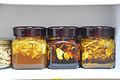
In Korea, ginger tea is called saenggang-cha (ģƒź°•ģ°Ø; ē”Ÿč–‘čŒ¶, [sÉ›ĢÅ‹.É”aŋ.tɕʰa]). It can be made either by boiling fresh ginger slices in water or mixing ginger juice with hot water.[6] Sliced ginger preserved in honey, called saenggang-cheong, can also be mixed with hot water to make ginger tea.[7] Nowadays, powdered instant versions are also widely available.[8] When served, the tea is often served garnished with jujubes and pine nuts.[9] When using fresh ginger, the tea can be sweetened with honey, sugar, or other sweeteners according to taste.[6] Garlic, jujubes, and pear are sometimes boiled along with ginger.[6]

Southeast Asia

[edit]

Brunei, Malaysia, Singapore

[edit]

In Bruneian, Malaysian and Singaporean cuisines, ginger tea is usually called teh halia.[10] It is not a pure ginger tea, as it is brewed of strong sweetened black tea, ginger rhizome, sugar with milk or condensed milk.

Indonesia

[edit]

In Indonesia, it is called teh jahe. In Java, a local version of ginger tea enriched with palm sugar and spices called wedang jahe is more popular.[11]

Wedang Jahe is a type of Indonesian ginger tea.[11] Wedang in Javanese means "hot beverage" while jahe means "ginger". Although devoid of any caffeine content, it is often served and enjoyed as an invigorating tea. It is made from the ginger rhizome, usually fresh and cut in thin slices, and palm sugar or granulated cane sugar, frequently with the addition of fragrant pandan leaves. Palm sugar can be substituted with brown sugar or honey. Traditionally people might add spices such as lemongrass, cloves, and cinnamon stick.[11]

Milk, either fresh or condensed, might be added.[12]

Philippines

[edit]

In the Philippines, it is called salabat and is traditionally made simply with peeled and thinly sliced or crushed raw ginger boiled for a few minutes in water. Sugar, honey, and calamansi are added to taste, along with other flavoring ingredients as desired.[13][14][15] Modern versions can also use ground ginger powder (often called "instant salabat") added to hot boiling water.[16] Native ginger varieties (which are small and fibrous) are preferred, as they are regarded as being more pungent than imported varieties.[17]

Salabat is usually served in the relatively cold month of December.[18] Along with tsokolate (traditional hot chocolate), it is usually paired with various native rice cakes (kakanin) like bibingka or puto bumbong. Salabat is traditionally sold by early morning street vendors during the Simbang Gabi (dawn mass) of the Christmas season.[19][20][21]

Salabat is also widely consumed as a throat-soothing remedy for cough, sore throat, and common colds.[22] Drinking salabat is widely believed to improve a person's singing voice.[23][14][15][24]

A variant of salabat that exclusively or partially use turmeric is known as dulaw, duwaw, or duyaw in the Visayas and Mindanao islands; and tsaang dilaw (literally "yellow tea") in Filipino.[25]

South Asia

[edit]

India

[edit]

In India, ginger tea is known as Adrak ki chai and is a widely consumed beverage. It is made by grating ginger into brewed black tea along with milk and sugar.

Another commonly used version is ginger lemon tea which is prepared by adding ginger root to lukewarm lemon juice.[26] Masala chai is often brewed by adding spices and ginger root to tea leaves, milk, and sugar.[27]

The beverage has also been acknowledged as having several key health benefits including boosting immunity, relieving nausea and reducing inflammation.[28] During the Tang Dynasty, tea was flavored to counteract the bitter taste. Ginger was a favorite among tea drinkers, along with onions, orange peel, cloves, and mint.[29]

See also

[edit]

References

[edit]
Revisions and contributorsEdit on WikipediaRead on Wikipedia
from Grokipedia
Ginger tea is an herbal infusion prepared by steeping the fresh or dried rhizome of the ginger plant (Zingiber officinale), a flowering plant native to Southeast Asia, in hot water to create a spicy, aromatic beverage often consumed for its flavor and purported medicinal properties.[1] With a history spanning over 5,000 years, ginger has been documented in ancient Indian and Chinese texts as a versatile tonic root used to treat ailments such as colds, nausea, arthritis, migraines, and hypertension, frequently prepared as an infusion or decoction in traditional systems like Ayurveda and Traditional Chinese Medicine.[2] Traded extensively from India to the Roman Empire more than 2,000 years ago and later becoming a valuable commodity in medieval Europe, ginger's role in beverages evolved from medicinal elixirs to everyday remedies, including its use in Iranian Traditional Medicine as a hot water infusion to strengthen temperament, aid digestion, and expel intestinal gas.[2][3] Preparation of ginger tea typically involves slicing 4–6 thin pieces of fresh ginger root and boiling them in 2 cups (473 mL) of water for 10–20 minutes before straining, though commercial tea bags offer a simpler steeping method in boiling water; variations may include adding lemon juice for vitamin C enhancement, honey for sweetness, or milk for a creamy texture, as seen in traditional recipes from Indian subcontinent.[4] This accessibility has made ginger tea widely used in East Asian and Indian subcontinental traditions for its warming properties, particularly during cold weather.[4][5] Key health aspects of ginger tea stem from bioactive compounds like gingerol in the ginger rhizome, which exhibit anti-inflammatory and antioxidant effects; clinical evidence supports its efficacy in reducing nausea and vomiting associated with pregnancy, motion sickness, and chemotherapy—often outperforming placebos in randomized trials—while also promoting digestion by accelerating gastric emptying and alleviating bloating. Ginger tea combined with honey is a popular traditional remedy for reducing stomach pain associated with indigestion, bloating, or mild gastritis, leveraging ginger's digestive and anti-inflammatory properties and honey's soothing and antibacterial effects, including activity against H. pylori.[6][7][8][9][10][11] Further research indicates potential benefits for lowering blood pressure with daily intakes of 2–6 grams,[12] lowering cholesterol,[13] aiding weight management,[14] and easing menstrual or osteoarthritis pain through reduced inflammation,[15] though larger studies are needed for conclusive effects on conditions like type 2 diabetes or cancer prevention. Generally recognized as safe by the FDA up to 4 grams daily, ginger tea may cause mild side effects like heartburn in sensitive individuals and should be used cautiously with blood-thinning medications.[1]

Background

Definition and Ingredients

Ginger tea is an herbal infusion, known as a tisane, prepared by steeping the rhizome of the ginger plant (Zingiber officinale) in hot water.[16] This distinguishes it from true teas, which are derived from the leaves of the Camellia sinensis plant and typically contain caffeine; ginger tea is naturally caffeine-free.[17] The beverage derives its characteristic spicy, pungent flavor from the ginger rhizome, the underground stem of the plant native to tropical regions in Southeast Asia.[18] The primary ingredient in ginger tea is the ginger rhizome, with water serving as the base for infusion.[16] Ginger is predominantly sourced from tropical climates, with India and China as the leading producers, accounting for over half of global output.[19] Common optional additions, such as lemon or honey, may enhance flavor but are not core to the basic composition.[4] Various forms of ginger rhizome are used in ginger tea preparation, including fresh (typically grated or sliced for optimal extraction), dried (in whole slices or powdered form for convenience and longer shelf life), and processed variants like extracts or candied pieces.[20] [21] Fresh ginger retains higher levels of certain volatile compounds, while drying converts some to more stable forms.[22] The chemical profile of the ginger rhizome features phenolic compounds as key active constituents, notably gingerols (predominant in fresh ginger), shogaols (more abundant in dried ginger), and zingerone.[23] Gingerol serves as the main pungent agent, contributing the spicy sensation through activation of heat receptors, while shogaol acts as a dehydrated analog of gingerol, and zingerone imparts a warm, antioxidant character.[24] These compounds have been utilized in traditional medicine infusions for centuries.[16]

History and Origins

Ginger's name derives from the Sanskrit word śṛṅgavera, meaning "horn-body" or "horn root," referring to the shape of its rhizome, which evolved through Prakrit singabera, Greek zingiberis, Latin zingiber, Old English gingifer, and Middle English gingivere to the modern English "ginger."[2] The earliest documented uses of ginger trace back over 5,000 years to ancient India and China, where it was valued as a medicinal tonic in decoctions forming the basis of early herbal teas. In India, ginger appears in Vedic texts from the Vedic period (circa 1500–500 BCE) and was integral to Ayurvedic medicine for digestive and warming remedies. In China, the first written record occurs in the Analects of Confucius during the Warring States period (around 500 BCE), where it was consumed daily to promote health in Traditional Chinese Medicine preparations.[2][25][26] Ginger's dissemination occurred primarily through ancient trade networks, including the Silk Road, which carried it from Asia to the Middle East and Europe by the 1st century CE, with Arab traders playing a key role in its distribution to East Africa and beyond. By the 1st century CE, it had reached the Roman Empire, where Pliny the Elder described it in his Natural History (circa 77 CE) as a bitter, rapidly decaying root imported from India and Arabia, priced at six denarii per pound and used as a spice and medicine.[27][28] European colonizers introduced ginger to the Americas in the 16th century, establishing plantations in Brazil under Portuguese influence and adapting it in the Caribbean through synergies with African culinary traditions brought by enslaved people. In the 19th and 20th centuries, ginger's integration into Western tea culture accelerated its commercialization; in Britain and the United States, it aligned with the rising popularity of hot beverages, leading to packaged ginger teas by the early 20th century, while large-scale plantations emerged in Fiji starting in the 1950s to support global exports.[26][29][30]

Preparation

Basic Methods

Ginger tea is typically prepared by boiling or steeping fresh ginger root in water to extract its flavors and compounds. The core process involves using a 1- to 2-inch piece of fresh ginger, which is peeled, sliced thinly, or grated, and added to 2 to 4 cups of water. Bring the water to a boil in a saucepan, then add the ginger and simmer for 5 to 10 minutes to allow extraction; longer steeping times may intensify the flavor but risk bitterness. After preparation, strain the ginger pieces from the liquid and serve the tea hot. A common variation for medicinal purposes, such as remedying stomach ache, involves steeping fresh ginger slices or grated ginger in hot water for 5–10 minutes, optionally with honey or lemon; this is a popular traditional remedy for reducing nausea, inflammation, aiding digestion, and enhancing soothing effects on the stomach to help reduce pain from indigestion or bloating.[31][32][33][34][11][35][36][37][1][38][39] For addressing acid in the stomach and throat, such as mild acid reflux, a specific method involves steeping 1-2 thin slices of fresh ginger in hot water for 10 minutes and drinking it; this may reduce inflammation and promote digestion, but should be used in moderation as it may irritate some individuals. For relieving symptoms of the common cold, such as throat pain, nasal congestion, and nausea, boil thin slices of fresh ginger in hot water for 5-10 minutes, then strain and add honey and/or lemon for enhanced soothing effects; this leverages ginger's anti-inflammatory properties, supported by traditional uses and limited scientific research for symptom relief.[31][32][33][34][11][35][36][37][1][38][39] For dried ginger, use 1/2 to 1 teaspoon of powder or an equivalent amount of sliced dried ginger per cup of water. Add to boiling water and steep or simmer for 5 to 10 minutes before straining.[40] For equipment and tips, a basic pot or saucepan suffices for boiling, while a grater helps create finer pieces for quicker extraction, and a tea infuser can contain the ginger during steeping to simplify straining. Use boiling water, ideally at 212°F (100°C), to efficiently release ginger's natural compounds like gingerols. A common ratio is 1 tablespoon of grated fresh ginger per cup of water, adjustable based on desired strength.[32][41][42] Fresh ginger root should be stored unpeeled in the refrigerator's crisper drawer, where it lasts 1 to 2 weeks to maintain firmness and flavor. Dried ginger, in powdered or sliced form, maintains best quality for 2 to 4 years when stored in airtight containers in a cool, dark pantry to prevent moisture absorption and degradation.[43][44][45][46] Safety considerations include peeling the ginger skin to remove potential contaminants such as pesticides or soil residues, especially for conventionally grown roots, followed by thorough washing. Avoid over-boiling beyond 10 minutes, as prolonged heat can lead to over-extraction and excessive bitterness.[47]

Flavor Additions and Variations

Ginger tea can be enhanced with various flavor additions to balance its spicy profile and improve palatability. Lemon juice, typically from 1/4 to 1/2 a lemon per cup, introduces acidity that complements the heat of ginger and aids in extraction during steeping.[4][48] Sweeteners like honey or sugar, typically 1-2 teaspoons per serving, mellow the sharpness and add a soothing quality. Adding honey is a common traditional variation specifically used to enhance soothing effects on the stomach and aid in reducing pain from indigestion or bloating when combined with ginger. In traditional medicinal practices, such as in Chinese medicine, ginger tea is prepared by boiling fresh ginger slices with optional brown sugar, with a recommendation of 1-2 cups daily to promote circulation.[49][50][51] Fresh mint leaves provide a cooling, refreshing note when muddled or steeped alongside the ginger.[52] Further customization involves integrating other spices to create blended infusions. Cinnamon adds warmth and subtle sweetness, while turmeric contributes an earthy depth, often paired with black pepper to enhance bioavailability in non-dairy versions using plant-based milks like almond or oat, resembling a "golden milk" style beverage.[53] These combinations build on the base ginger infusion without altering the core preparation method. A common method for preparing iced ginger tea uses fresh ginger root. The ginger is peeled, then thinly sliced or grated (grating releases more intense flavor); optionally, the slices can be lightly mashed for stronger infusion. The prepared ginger is added to boiling water (optionally along with tea leaves or bags for a blended iced tea), steeped for 10–45 minutes depending on desired strength, strained, cooled completely, and served over ice. Sweeteners such as honey can be added after slight cooling to preserve their properties.[54][55] A milder alternative is cold infusion, where fresh ginger is soaked in cold water for several hours or overnight, though this method extracts less flavor and is less commonly used.[56][57] Fermented ginger beverages can utilize a ginger bug—a natural starter culture of ginger, sugar, and water fermented over several days—to create probiotic-rich, fizzy alternatives like ginger soda.[58][59] Commercial ginger tea products emerged prominently in the 20th century, offering convenient formats. Tea bags from brands like Traditional Medicinals, founded in 1974, provide organic loose-leaf blends in sachets for easy brewing.[60] Instant powders, such as those from Yogi Tea established in 1984, allow quick dissolution in hot water.[61] Ready-to-drink bottled versions, including flavored options, became available through various producers by the late 20th century, expanding accessibility.[62]

Regional and Cultural Significance

In East and Southeast Asia

In China, ginger tea, known as sheng jiang tang, holds a prominent place in traditional Chinese medicine (TCM) as a remedy for nausea and digestive discomfort, derived from the pungent properties of fresh ginger rhizome (Zingiber officinale).[63] It is commonly prepared by simmering sliced fresh ginger with brown sugar and red dates (jujube), creating a warming infusion that aids in dispelling cold and promoting circulation, particularly during winter months when it serves as a daily tonic to combat seasonal chills.[64] This preparation is also featured in cultural rituals, such as during Chinese New Year celebrations, where it is shared as a sweet, fortifying drink symbolizing health and prosperity for the coming year.[65] In Japan, shōga-yu (ginger hot water) is a simple yet cherished herbal infusion made by steeping grated fresh ginger in boiling water and sweetening with honey, offering a spicy-sweet warmth that promotes relaxation and bodily comfort.[66] Often enjoyed in homes or hot spring (onsen) settings to soothe the body after bathing, it aligns with Japan's long-standing appreciation for ginger in daily wellness practices, tracing back to its integration into Edo-period diets for supporting digestion among the general populace.[67] Korean saenggang-cha (fresh ginger tea) is a robust, spicy brew prepared by boiling thinly sliced ginger and mixing with honey, resulting in a potent drink that invigorates the senses and is widely available as a street food vendor staple for quick consumption.[68] Its bold flavor profile makes it a favorite for everyday refreshment, especially in urban markets where vendors serve it hot to passersby seeking a natural pick-me-up. Across Southeast Asia, ginger tea adaptations reflect diverse local flavors and traditions. In Indonesia, wedang jahe is a spiced herbal drink simmered from fresh ginger, palm sugar, and cloves, providing a fragrant, earthy warmth that is a staple in Javanese households for daily sipping and social gatherings.[69] The Philippines' salabat involves boiling fresh ginger root into a clear, aromatic tea, traditionally consumed to ease cold symptoms and throat irritation, with its simplicity allowing for occasional enhancements like citrus for added zest.[70] In Malaysia, Brunei, and Singapore, hawker stall versions often incorporate coconut milk for a creamy twist, blending ginger's heat with tropical richness to create an indulgent street beverage enjoyed during meals or as a postprandial soother.[71] These regional practices stem from the ancient ginger trade routes originating in Southeast Asia and extending to East Asia over millennia, facilitating the spice's cultural embedding in local beverage traditions.[72] Unique customs further highlight its significance, such as in Malaysia where ginger-infused teas form part of postpartum recovery rituals (pantang) to warm the body and support new mothers during the 44-day confinement period observed in Malay communities.[73]

In South Asia and the Middle East

In India, ginger tea, known as adrak chai, is a staple beverage prepared by boiling fresh ginger with black tea leaves, milk, cardamom, and cloves, creating a spicy, aromatic drink that permeates daily life.[74] This infusion is ubiquitous at street stalls and tea vendors across the country, where it serves as a social ritual fostering conversations and community bonds from morning commutes to evening gatherings.[75] A notable regional variation is Kashmiri kahwa, which uses a green tea base infused with ginger, saffron, cardamom, cinnamon, and cloves, often sweetened with honey and garnished with almonds for a lighter, floral profile enjoyed during winter festivals.[76] Across other parts of South Asia, ginger tea adaptations reflect climatic and geographic influences. In Pakistan and Bangladesh, stronger, more robust brews of adrak chai—with amplified ginger and spice concentrations—are favored during the monsoon season to combat humidity-induced chills and digestive discomforts, often shared in homes or roadside eateries as a comforting antidote to rainy days.[77] In Nepal's Himalayan regions, ginger tea provides sustained warmth and energy for high-altitude living amid cold, thin air.[78] In the Middle East, ginger tea, referred to as shay zanjabil in Arab countries, is typically brewed with fresh or powdered ginger in hot water or milk, then sweetened with honey or sugar to enhance its soothing qualities.[79] Ottoman culinary legacies have influenced Turkish zencefil Ƨayı, a ginger herbal tea served hot and plain or with lemon, symbolizing hospitality during guest welcomes and family meals in homes and tea houses.[80] Ginger tea holds deep cultural and traditional roles in these regions. In Indian Ayurveda, it is valued for balancing the three doshas—vata, pitta, and kapha—by igniting digestive fire (agni) and alleviating imbalances like bloating or coldness.[81] In Middle Eastern Islamic traditions, zanjabil aligns with Quranic mentions as a halal digestive aid, promoting stomach warmth and easing post-meal discomfort, particularly during Ramadan iftars or suhoor to break the fast gently.[82] It also features in celebratory customs, such as wedding receptions in Indian subcontinent where adrak chai accompanies sweets, or Middle Eastern gatherings during Ramadan evenings to foster communal reflection and refreshment.[83] Ginger's use traces briefly to ancient Vedic texts in India and Arab medicinal writings, underscoring its enduring ritualistic warmth.[84]

In the Americas and Europe

Ginger reached the Americas and Europe through colonial trade routes originating in Asia, with Spanish colonizers introducing it to the Caribbean in the early 16th century and Dutch traders bringing it to North America by the mid-17th century.[85][86] In North America, ginger tea emerged as "ginger tisane" within the natural foods movement, gaining popularity in U.S. health stores during the 1970s counterculture era alongside macrobiotic diets. In Canada, ginger tea is often prepared with maple syrup as a sweetener, drawing on maple's long-standing use by Indigenous communities for flavoring beverages.[87] Across Latin America, ginger tea adaptations reflect local flavors and traditions; in Mexico, "agua de jengibre" is commonly served iced with lime for a refreshing twist, as seen in traditional recipes blending fresh ginger juice, lime, and water.[88] In Brazil, "chĆ” de gengibre" holds a place in Afro-Brazilian herbal practices, where it is brewed to address fevers, as documented in ethnobotanical surveys of medicinal plants in regions like the Pantanal.[89] In Europe, ginger's arrival via 19th-century imports spurred concentrated forms like British ginger cordial, a syrup diluted in hot water that originated from commercial ginger beer production in the Victorian era.[90] German "Ingwertee," or ginger tea, is often spiced and served hot at Christmas markets where it is sold alongside seasonal drinks.[91] Contemporary trends have further embedded ginger tea in Western culture, with its commercialization accelerating through brands like Yogi Tea, founded in 1984 by followers of yogi Bhajan to share spiced herbal blends inspired by Kundalini yoga practices.[92] From the 2010s onward, it has risen in popularity at vegan cafes, where it features in plant-based menus as a warming, non-caffeinated option.[93] Wellness influencers have amplified its appeal in social media-driven trends, positioning it within routines for daily immunity support.[94]

Health Effects

Traditional Medicinal Uses

Ginger tea has long served as a digestive aid in Ayurvedic medicine, where it is traditionally employed to alleviate motion sickness, bloating, and indigestion, often incorporated into daily post-meal routines in Indian culture to enhance digestion and prevent gastrointestinal discomfort. It is also traditionally used to alleviate heartburn and acid reflux by reducing inflammation in the stomach and throat.[11][35] In Traditional Chinese Medicine (TCM), ginger infusions are similarly valued for warming the stomach, promoting the flow of qi, and relieving nausea and bloating associated with poor digestion.[39] It is also used as a remedy for stomach ache, particularly from indigestion, bloating, or mild gastritis, prepared by steeping fresh ginger slices or grated ginger in hot water for 5–10 minutes, often with the addition of honey (as in the popular ginger honey water or nước gừng mįŗ­t ong in Vietnamese traditions), to reduce nausea, inflammation, aid digestion, and alleviate gastric pain and fullness through the combined anti-inflammatory, digestive, and pain-relieving properties of ginger and the soothing, antibacterial, and potential anti-ulcer effects of honey. This combination is a popular traditional remedy but is not a substitute for medical treatment; consultation with a doctor is advised for persistent pain.[34][95] These uses stem from ancient practices dating back thousands of years, with ginger's pungent properties believed to harmonize the body's energies.[2] For anti-inflammatory purposes, ginger tea features prominently in Middle Eastern traditional medicine, particularly in Iranian and Arabic systems, where it is consumed to reduce joint pain and arthritis symptoms by purportedly expelling excess moisture from the joints.[3] Ginger's compound gingerol is referenced in historical texts across these cultures as contributing to such soothing applications.[2] In European folk medicine, ginger tea has been a common household remedy for cold and flu relief, used to gargle or sip for soothing sore throats, easing respiratory congestion, and alleviating symptoms such as throat pain, nasal congestion, and nausea since medieval times.[11][1] Additional traditional applications include postpartum recovery in various Asian cultures, where ginger infusions are used in TCM practices to warm the body, promote circulation, and aid uterine recovery after childbirth.[96] In Korean folk medicine, it is used for hangover relief, often as a hot infusion to settle the stomach and dispel toxins following alcohol consumption.[97] For nausea during pregnancy, Indian cultural traditions recommend one cup of ginger tea daily as a gentle remedy, with caveats emphasizing moderation to align with individual constitutions and avoid excess heat.[98]

Scientific Research and Benefits

Scientific research on ginger tea, derived from the rhizome of Zingiber officinale, has primarily focused on its bioactive compounds, such as gingerols and shogaols, for potential therapeutic effects. A 2014 systematic review and meta-analysis of randomized controlled trials indicated that ginger supplementation, equivalent to about 1 gram daily, reduces nausea symptoms in pregnancy, with moderate evidence from limited studies showing improved outcomes compared to placebo.[99] A 2024 meta-analysis confirmed significant positive effects of ginger on nausea in pregnancy compared to placebo.[100] These benefits can be achieved through various forms of ginger, including tea and alternatives such as candies or chews.[7] For chemotherapy-induced nausea and vomiting, a 2022 meta-analysis of six randomized controlled trials found that ginger intake marginally lowered the incidence of delayed nausea, though results were not statistically significant across all measures, suggesting adjunctive rather than primary efficacy.[101] These antiemetic effects are attributed to gingerols, particularly 6-gingerol, which non-competitively inhibit serotonin 5-HT3 receptors in the gastrointestinal tract and central nervous system, thereby blocking emetic signaling pathways.[102] Ginger's anti-inflammatory properties have been examined in the context of osteoarthritis, where it may alleviate joint pain through inhibition of prostaglandin synthesis via cyclooxygenase pathways. A 2015 meta-analysis of randomized placebo-controlled trials demonstrated that oral ginger extracts, at doses of 500 mg to 2 grams daily, significantly reduced pain and improved function in osteoarthritis patients, with effects comparable to nonsteroidal anti-inflammatory drugs in some cases, and no serious adverse events reported.[103] However, a 2020 umbrella systematic review and meta-analysis of randomized controlled trials found insufficient evidence to support oral ginger for pain relief and function improvement in knee osteoarthritis compared to placebo.[104] These benefits are linked to reduced markers of inflammation, such as C-reactive protein, in clinical settings. A 2024 meta-analysis suggested that ginger can effectively reduce pain associated with primary dysmenorrhea.[105] Research has also investigated ginger's potential benefits for polycystic ovary syndrome (PCOS). Ginger exhibits strong anti-inflammatory properties that may decrease PCOS-related inflammation, aids digestion, and reduces menstrual pain. Clinical studies, including randomized trials, have shown that ginger supplementation improves hormonal parameters, such as decreasing testosterone and insulin levels while enhancing antioxidant effects in women with PCOS.[106][107][108] These benefits can be obtained through ginger tea, with a recommended consumption of 1-2 cups per day, prepared by grating fresh ginger and steeping it in boiling water. As an antioxidant, ginger tea's component zingerone exhibits free radical scavenging activity, neutralizing reactive oxygen species like superoxide anions. Studies from the 2020s, including in vitro assays, confirm zingerone's potent inhibition of enzymes that generate reactive oxygen and nitrogen species, contributing to cellular protection against oxidative stress.[109] Additionally, ginger enhances digestive benefits by promoting gastrointestinal motility; a 2008 clinical study in healthy volunteers showed that 1 gram of ginger accelerated gastric emptying and stimulated antral contractions, potentially aiding conditions like dyspepsia without altering overall transit time adversely.[110] A clinical study demonstrated that ginger supplementation (two 540 mg doses daily for four weeks) significantly reduced epigastric pain by 44% and postprandial fullness by 20% in patients with functional dyspepsia.[39] Systematic reviews have also supported ginger's usefulness in alleviating various gastrointestinal symptoms, including dyspepsia, indigestion, bloating, and related abdominal discomfort.[111] The combination of ginger with honey is a popular traditional remedy for reducing stomach pain from indigestion, bloating, or mild gastritis, with evidence supporting ginger's anti-inflammatory, digestive, and pain-relieving properties (such as reducing gastric pain and fullness) and honey's soothing, antibacterial (including activity against H. pylori), and anti-ulcer effects (promoting ulcer healing through antioxidant and cytoprotective mechanisms). However, direct clinical studies on the ginger-honey combination are limited, and it is not a substitute for medical treatment; consultation with a doctor is advised for persistent pain.[112][113] Regarding acid reflux and heartburn, limited evidence suggests ginger may help alleviate symptoms by reducing inflammation and promoting digestion. A 2020 single-arm trial found that 1650 mg of ginger powder daily significantly improved upper gastrointestinal symptoms, including reflux-like dyspepsia, in patients with advanced cancer.[114] However, evidence is mixed; a 2010 randomized controlled trial indicated that ginger (1 gram) causes increased relaxation of the lower esophageal sphincter, which may potentially worsen acid reflux by allowing more stomach acid to enter the esophagus.[115] Thus, ginger tea should be used in moderation, particularly by those prone to heartburn, as it may irritate the stomach or exacerbate symptoms in sensitive individuals.[116] Limited scientific research supports the traditional use of ginger tea for alleviating cold symptoms. Ginger's anti-inflammatory properties, primarily from compounds like gingerol, may help ease throat pain, nasal congestion, and nausea associated with colds, with some small-scale studies indicating benefits for upper respiratory symptoms. However, evidence for direct antiviral activity against common cold viruses is preliminary and indirect, based largely on in vitro studies of ginger extracts rather than clinical trials of ginger tea specifically, and it does not conclusively treat the underlying infection.[1][117] A common variation, lemon ginger tea, is popularly claimed to support energy levels indirectly through ginger's promotion of blood circulation, vitamin C from lemon aiding energy metabolism, and better digestion and hydration from the tea helping to prevent fatigue. However, energy enhancement is not identified as a proven benefit in reviews by authoritative sources such as WebMD, Healthline, and Johns Hopkins Medicine. The supporting evidence remains limited and mostly anecdotal, in contrast to the stronger clinical support for nausea relief, digestion, and anti-inflammatory effects.[52][18][4][118] Despite these findings, potential risks include gastrointestinal irritation, such as heartburn or mouth irritation, when consumed in excess beyond 4 grams of ginger daily. Ginger may interact with blood thinners like warfarin, potentiating anticoagulant effects and increasing bleeding risk, as evidenced by case reports of elevated international normalized ratio levels.[18] Recommended intake for adults is 1 to 4 grams of ginger per day to balance benefits and minimize side effects. Research gaps persist, with most studies limited to short-term durations (typically 4-12 weeks) and small sample sizes, lacking robust long-term data on chronic use or disease prevention. The U.S. Food and Drug Administration recognizes ginger as generally recognized as safe (GRAS) for use as a food ingredient, but it is not approved as a treatment for any medical condition, underscoring the need for larger, high-quality trials to confirm efficacy and safety profiles.

References

User Avatar
No comments yet.